





The family expected muddy paw prints, scattered toys, and the occasional chewed slipper. What surprised them most was the endless layer of dog hair that seemed to appear overnight.
It clung to blankets, floated across hardwood floors, and covered clothes minutes before leaving the house. After months of extra cleaning, they realized they had overlooked one important detail while choosing their first dog. The next time, they focused on breeds known for shedding less, and everyday life became noticeably easier.
They still enjoyed morning walks, playful afternoons, and quiet evenings with a loyal companion, but without constantly chasing loose fur around the house. That experience showed how one simple decision could make family life more comfortable without sacrificing everything people love about owning a dog.
In this article, you’ll discover hypoallergenic breeds for families, along with the qualities that help them fit comfortably into everyday family routines.
Key Takeaways
Less time cleaning and more time enjoying your dog sounds like a small change until you experience it every day.
One breed has been nicknamed the “Poor Man’s Racehorse,” while another is famous for grooming itself almost like a cat.
Shih Tzus, Bichon Frises, and Miniature Schnauzers prove that a low-shedding coat doesn’t mean giving up personality, playfulness, or family time.
Keep reading because a few of these breeds have qualities that most people never expect until they meet them.
Fantastic Low-Shedding Dog Breeds for Families
1. Whippet
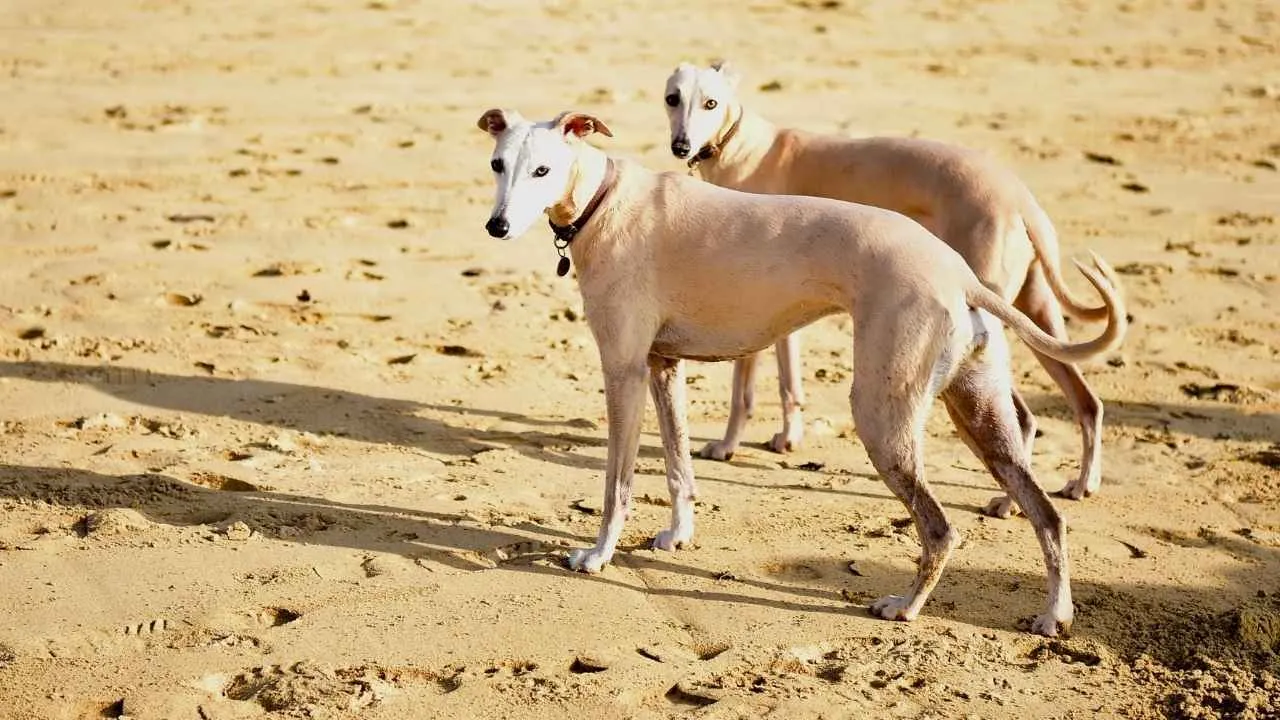
Whippets combine remarkable sprinting ability with a calm nature at home, a balance that has long inspired the nickname “Poor Man’s Racehorse”, as mentioned by the AKC. Its slim frame, deep chest, and arched neck create the smooth outline that sighthound enthusiasts instantly recognize.
Surprisingly Simple
This racing dog is among the lowest-shedding breeds, so loose hair is minimal, giving families more time together than on coat upkeep. Their short, smooth coat asks for little beyond weekly brushing and the occasional bath, making grooming refreshingly uncomplicated for busy households.
The following make this breed even more interesting:
Typically relaxed and quiet in the house
Classic sighthound “inverted S” outline
Lean build with a deep chest and trim waist

Calm Between Sprints
Whippet enjoys stretching out for long periods after an energetic outing, happily trading fast-paced activity for a quiet place to rest beside the family. Cozy apartments can suit this breed well when daily opportunities to run and play are part of the routine.
2. Shih Tzu
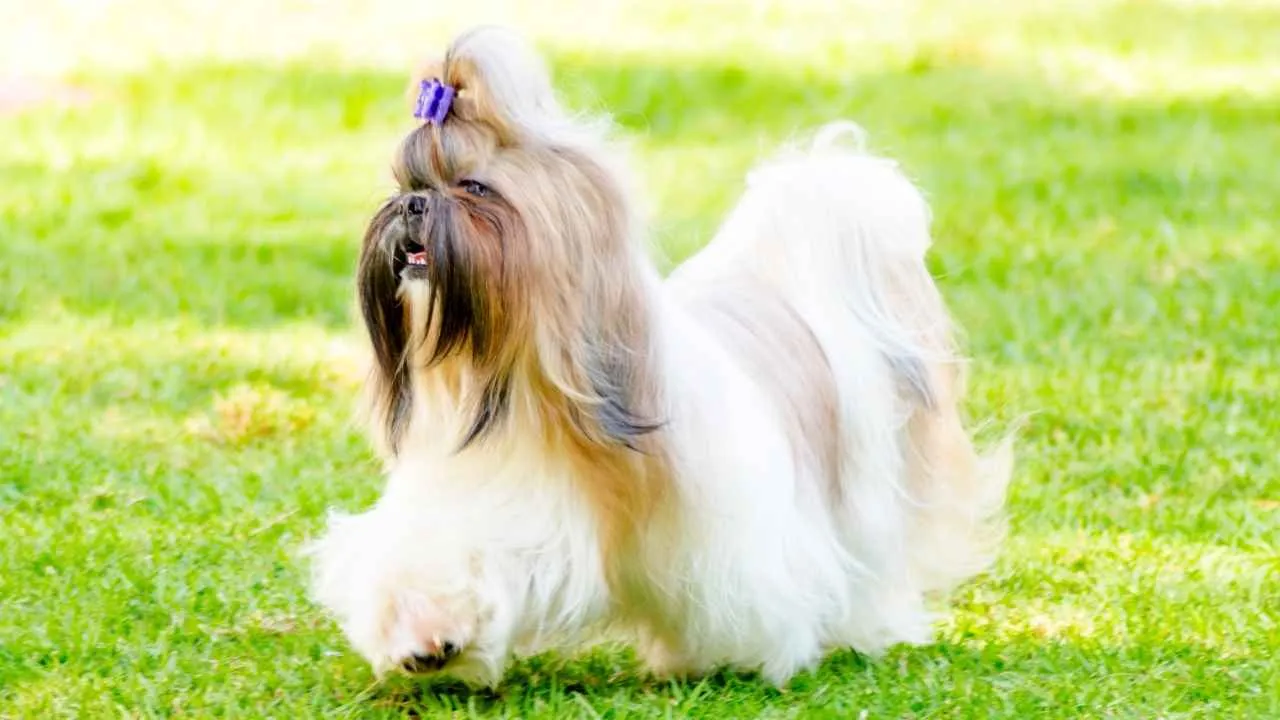
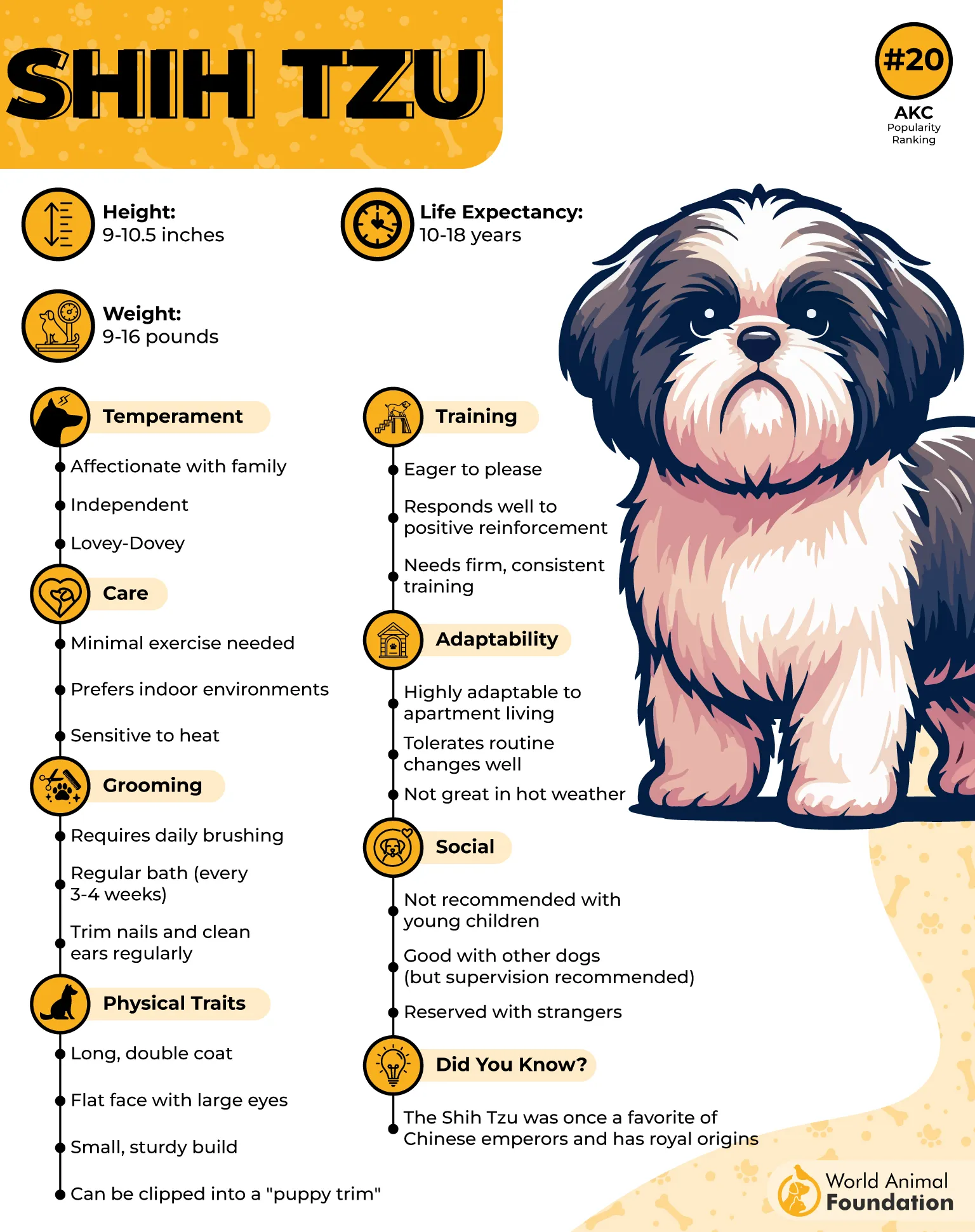
Shih Tzu has a long, continuously growing double coat that sheds very little, making it a popular choice for families looking to reduce loose hair around the house. The breed joined the American Kennel Club in 1969, although its roots reach back many centuries.
Grooming Matters
This beautiful hypoallergenic dog breed asks for regular attention, whether their coat is trimmed into a practical puppy cut or allowed to grow long enough to brush the floor. Either option changes the grooming routine, so planning ahead makes everyday care much easier.
The details speak for themselves here:
Enjoys time with people, children, and other animals
Harnesses suit its body structure better than collars
Professional grooming is needed every few weeks for long coats
Happy With Simple Routines
This small dog doesn’t ask for demanding workouts, as a 30-minute walk combined with a little indoor play usually meets its daily activity needs, as PetMD notes. This cheerful companion is happiest with people around and prefers company throughout the day instead of spending long periods alone.
3. Basenji
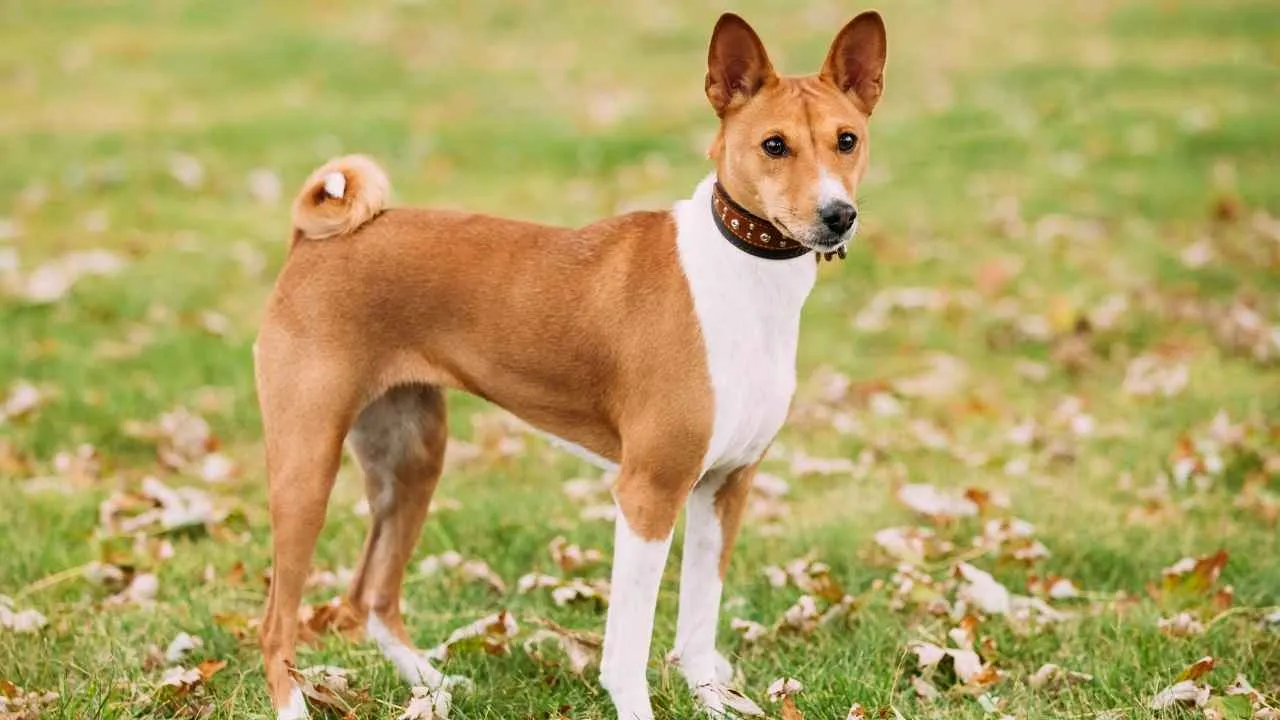
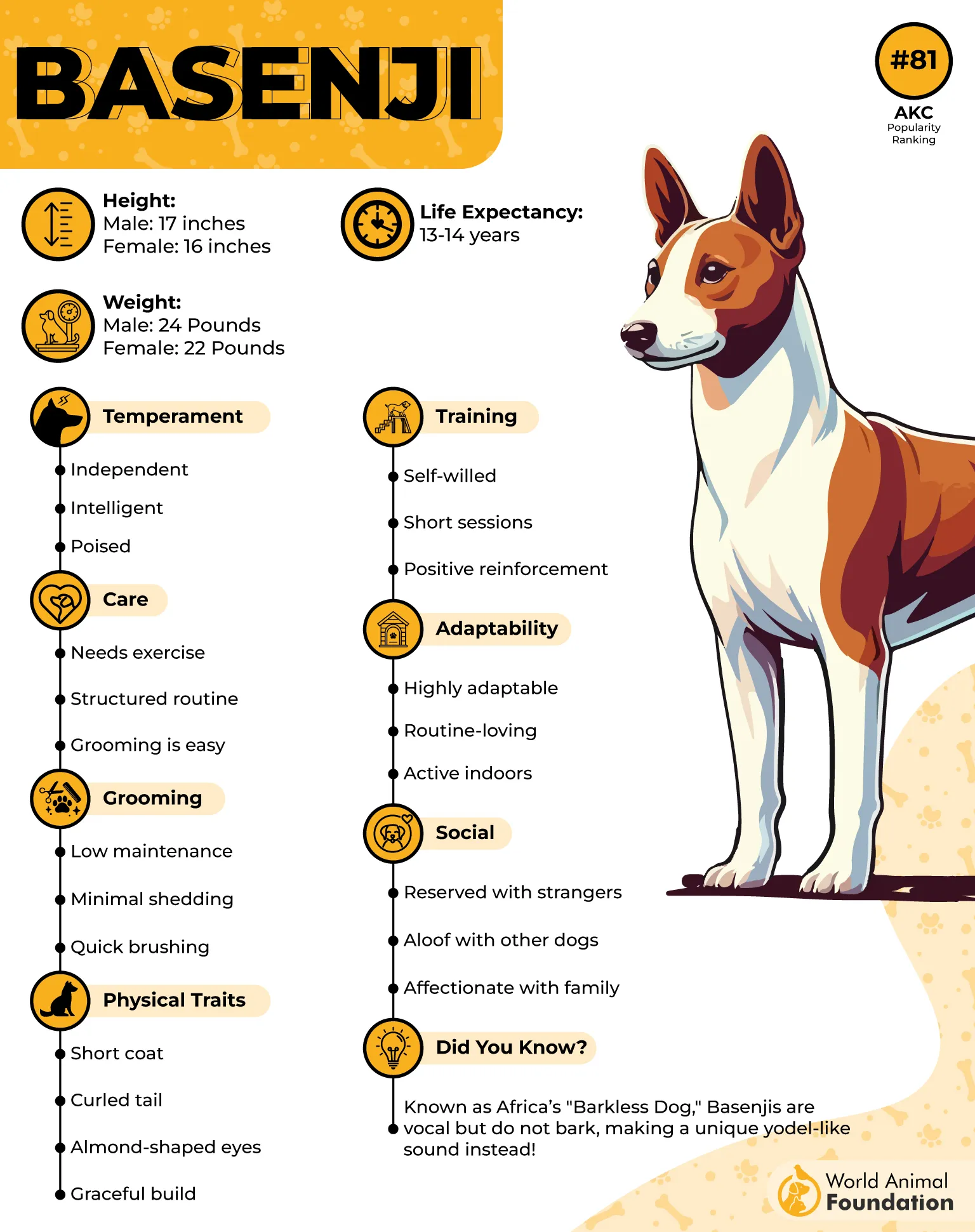
Basenji catches attention with something most dogs never do: it communicates without a traditional bark, replacing it with a sound often described as a mix between a yodel and a chortle. Wrinkled brows, expressive almond-shaped eyes, and a tightly curled tail give every reaction an unmistakable personality.
Easy Coat Care
Basenji has a short, smooth coat that sheds very little throughout most of the year, making routine grooming refreshingly simple for busy families. A seasonal shed usually arrives once each spring as the lighter winter undercoat comes out, so brushing becomes more frequent for a few weeks.
That grooming routine is supported by a few practical details:
Cleans its coat much like a cat
Weekly brushing is usually enough
Soft-bristle brushes or grooming mitts work well
Always Exploring
They combine intelligence with endless curiosity, so quiet moments often turn into opportunities to investigate something new around the house or yard, as per Purina. Long play sessions in a securely fenced area or walks on a lead help channel that active nature into something productive.
4. Boston Terrier
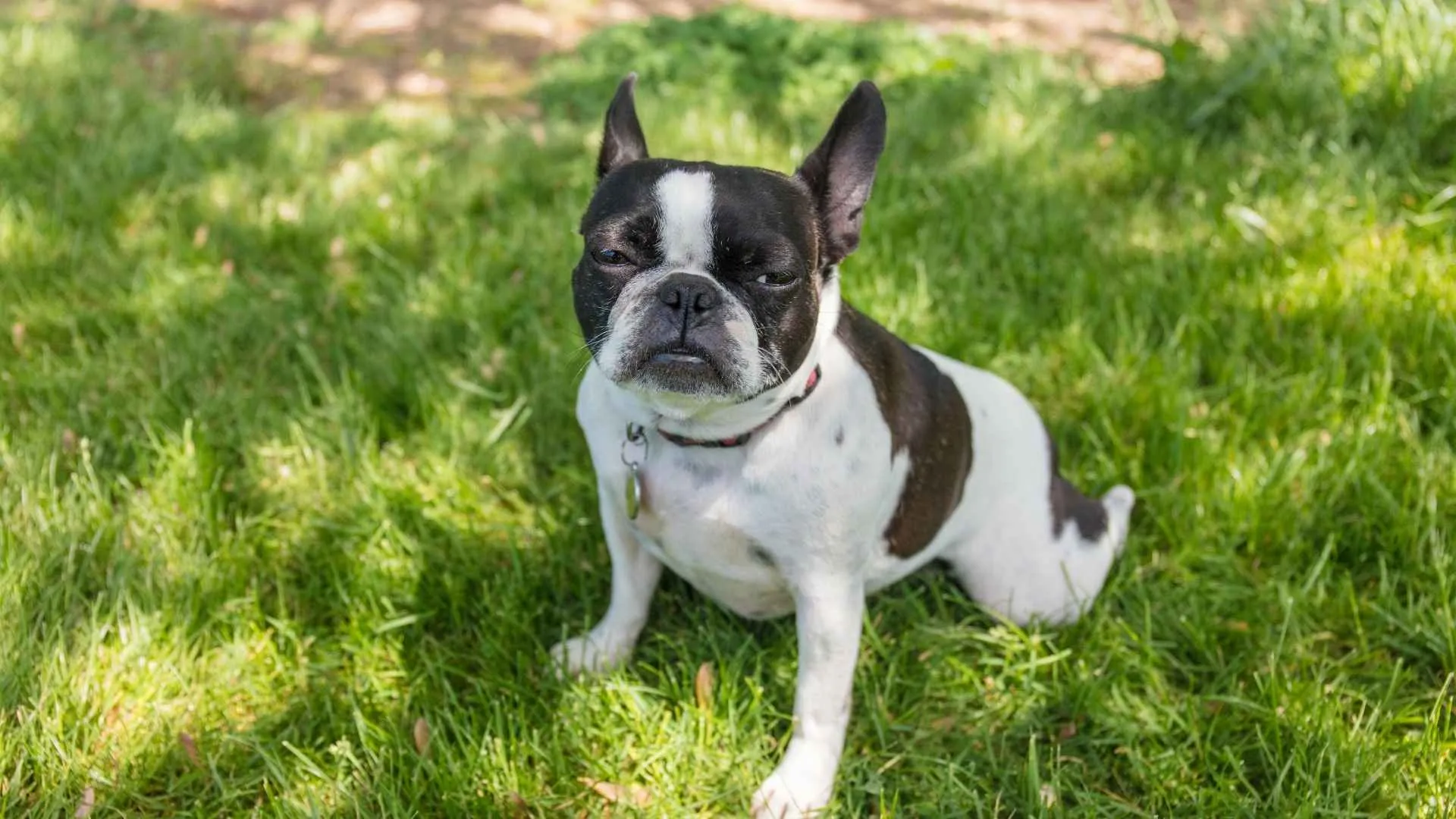
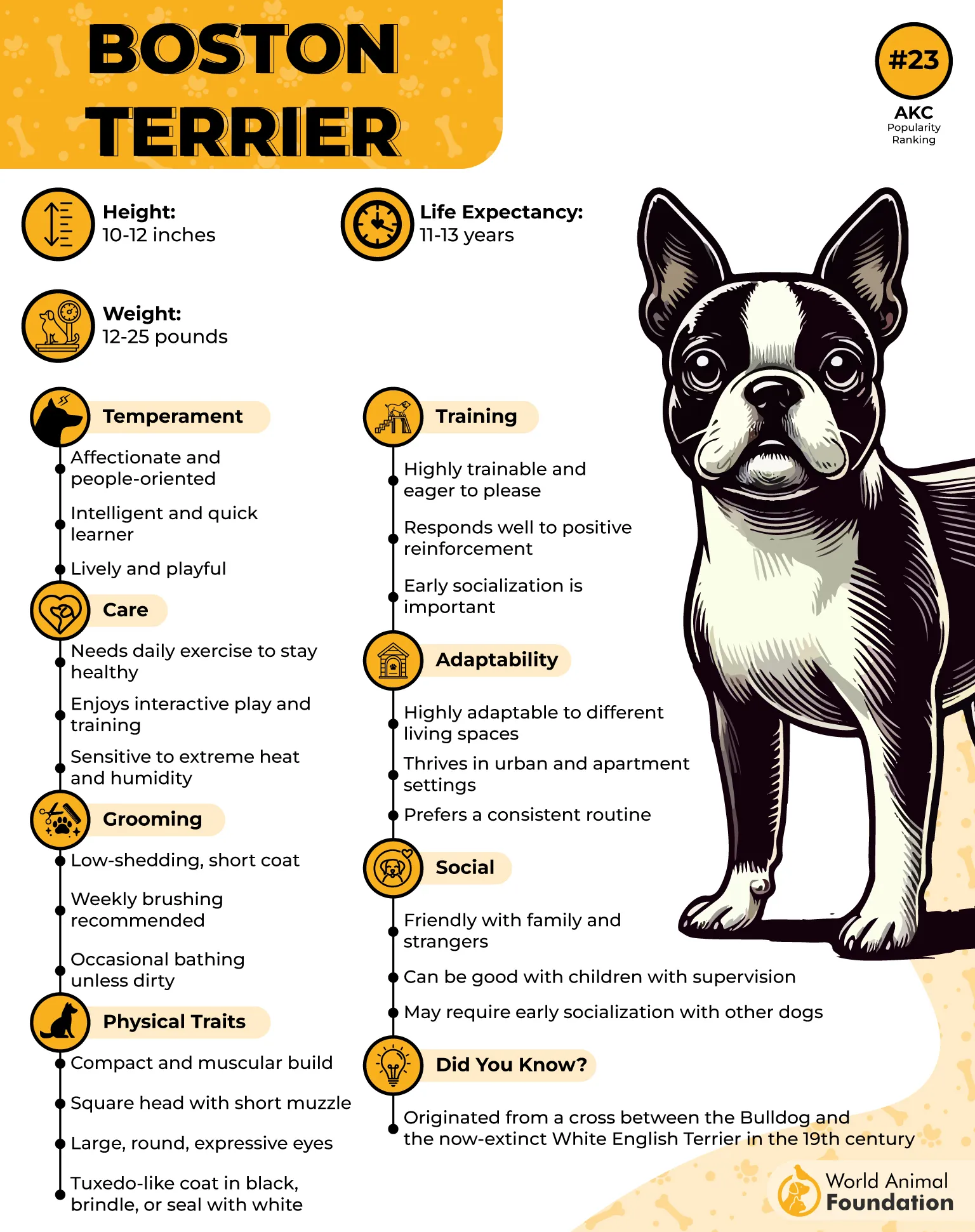
Boston Terrier first appeared in Boston and quickly became recognized as the “American Gentleman” because of its polite nature and tuxedo-like coat. While black and white is the best-known combination, brindle coats also add another distinctive look to this cheerful companion.
Easy Coat Care
They have a single, short coat without the dense undercoat found in heavier-shedding breeds, making coat care fairly straightforward for busy families. Fine hairs are still shed throughout the year, but large seasonal coat blowouts are not part of this breed’s routine.

Some worth knowing details of the breed include:
Officially considered a low-to-moderate shedder
Loves to play fetch and frisbee
with children and household pets
Keep an Eye on the Weather
Boston Terriers enjoy active play, although very hot and humid conditions can make breathing more difficult because of the breed’s facial structure. Planning outdoor activities during cooler parts of the day helps keep playtime safer and more comfortable.
5. Poodle
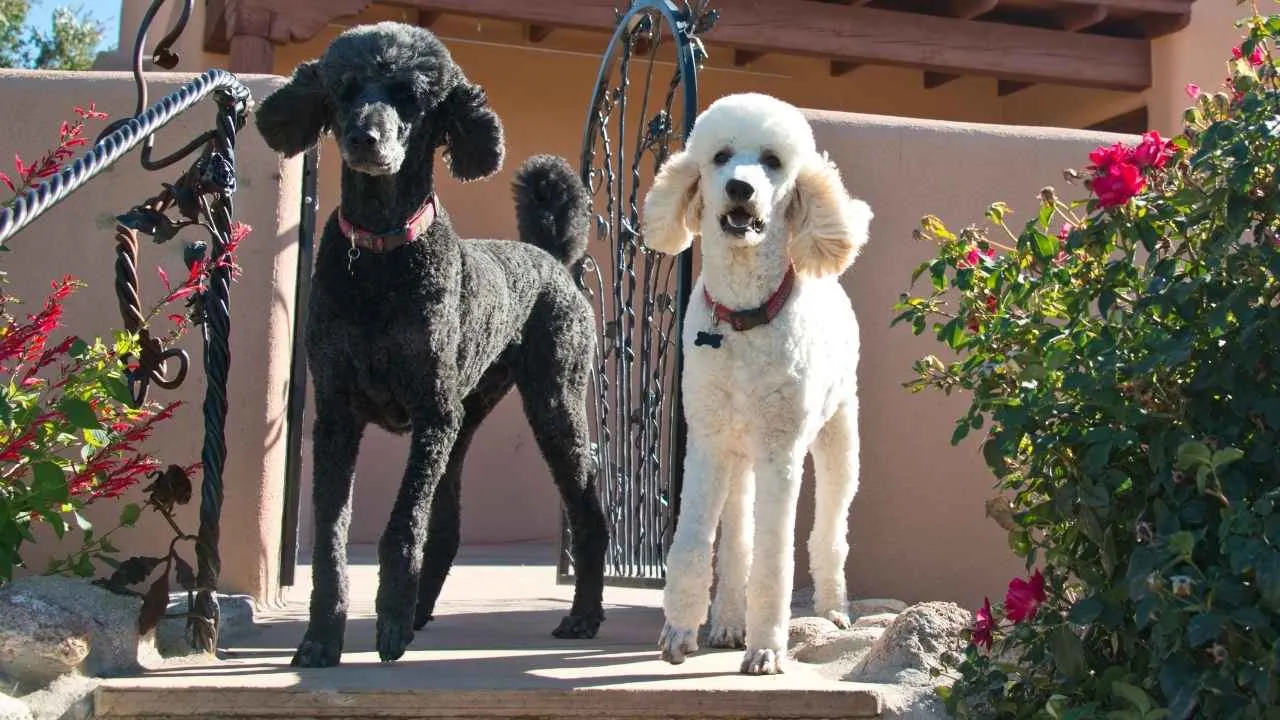
Poodle likely originally bred as a curly-coated dog from Asia before reaching Europe alongside herders, where its talents extended well beyond companionship.
This breed worked as a hunter, an accomplished swimmer, a military dog, a guide dog, and even performed in circuses because of its remarkable ability to learn.
Curly Coat
Poodle has a single-layer, tightly curled coat that sheds very little compared with most breeds. Loose hair and dander are more likely to remain within the curls instead of spreading around the home, which is one reason this breed is often considered hypoallergenic.
This is how versatile this breed can be:
Worked as a military dog
Excelled as a guide dog
Performed in traveling circuses
Always Thinking
Poodle learns quickly and often understands new lessons after only a few repetitions, then looks for the next challenge instead of stopping there. Its independent way of thinking makes consistent training important, especially because this breed enjoys figuring things out on its own.
6. Bichon Frise
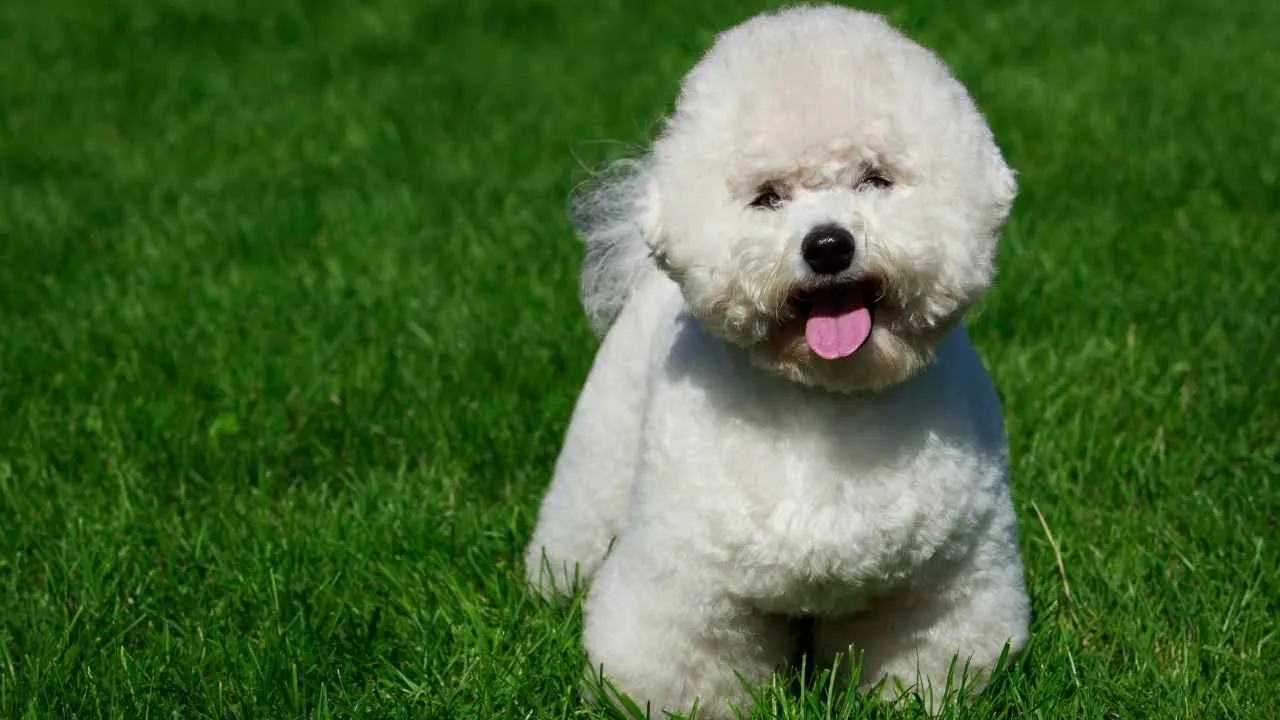
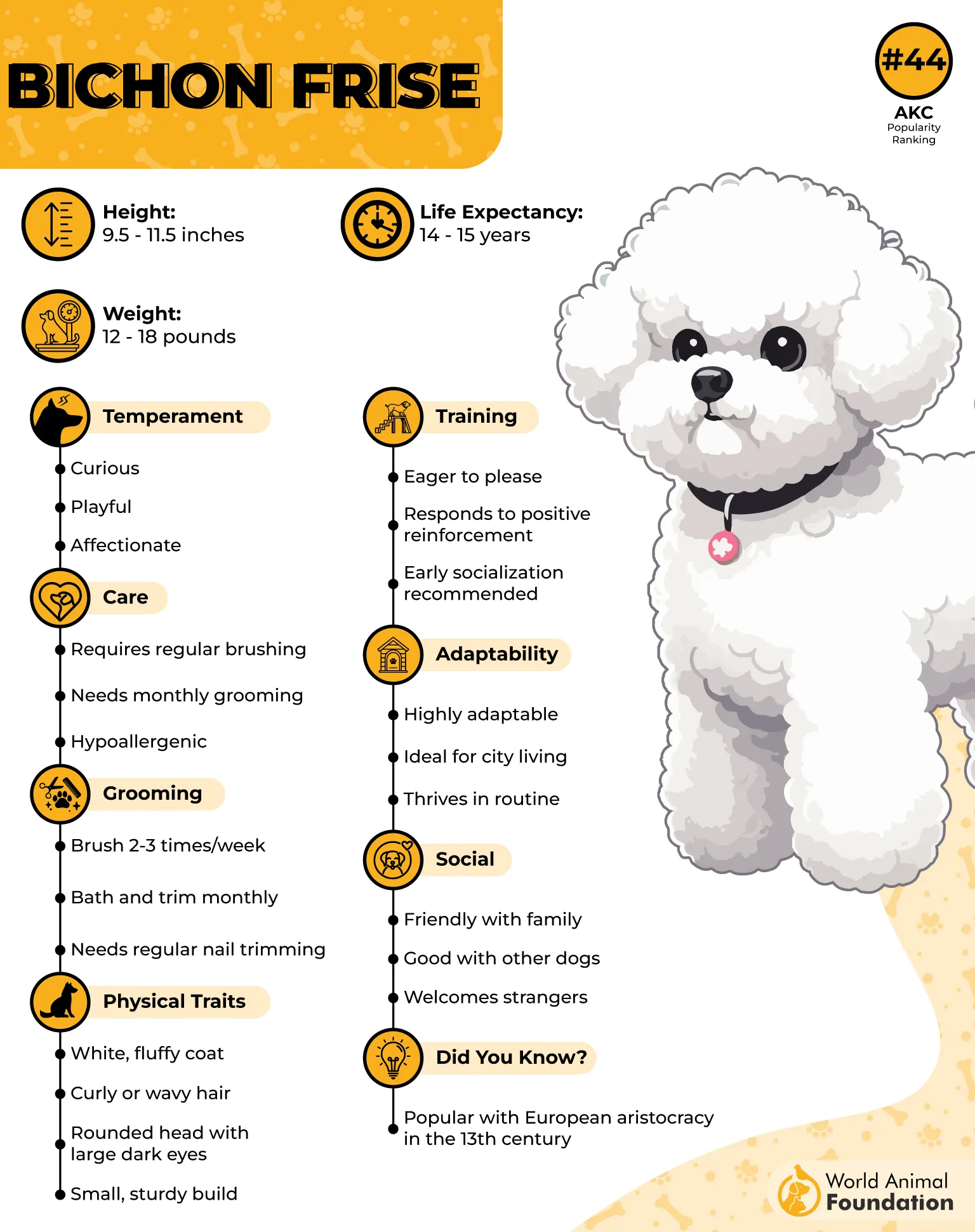
Bichon Frise packs an outgoing personality into a compact body, usually measuring under one foot tall and weighing between 12 and 18 pounds. Its playful attitude, curiosity, and welcoming nature help this little companion fit easily into homes with children and other pets.
Soft Coat, Less Loose Hair
They shed less than many other breeds, which is one reason it is often described as hypoallergenic. Although allergens are still found in the skin, saliva, and urine, the lower amount of loose hair can suit some people with dog allergies.
The following helpful facts complete the picture:
Part of the AKC non-sporting group
Responds well to learning new tricks
Enjoys interactive toys and games
Friendly Every Day
Bichon Frise welcomes new people and other animals with proper training and socialization from puppyhood, making introductions much easier. Without enough attention or engaging activities, boredom can lead to behaviors such as excessive barking or chewing.
7. Miniature Schnauzer
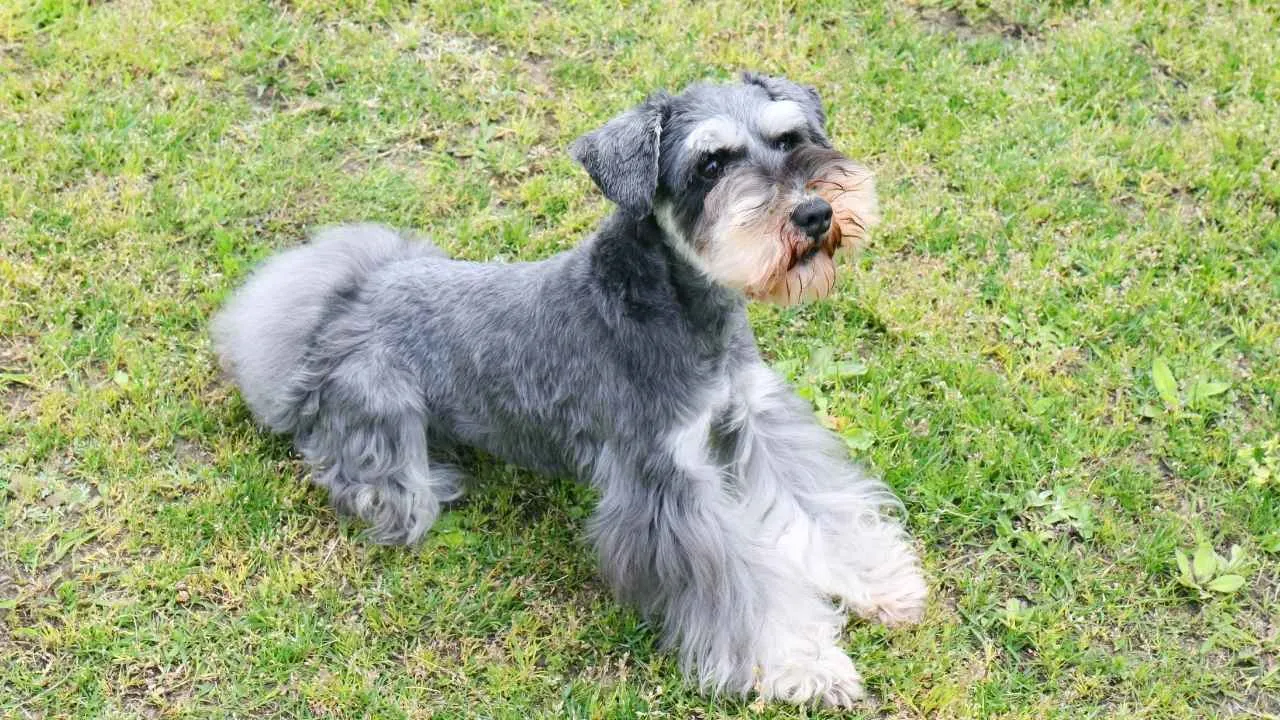
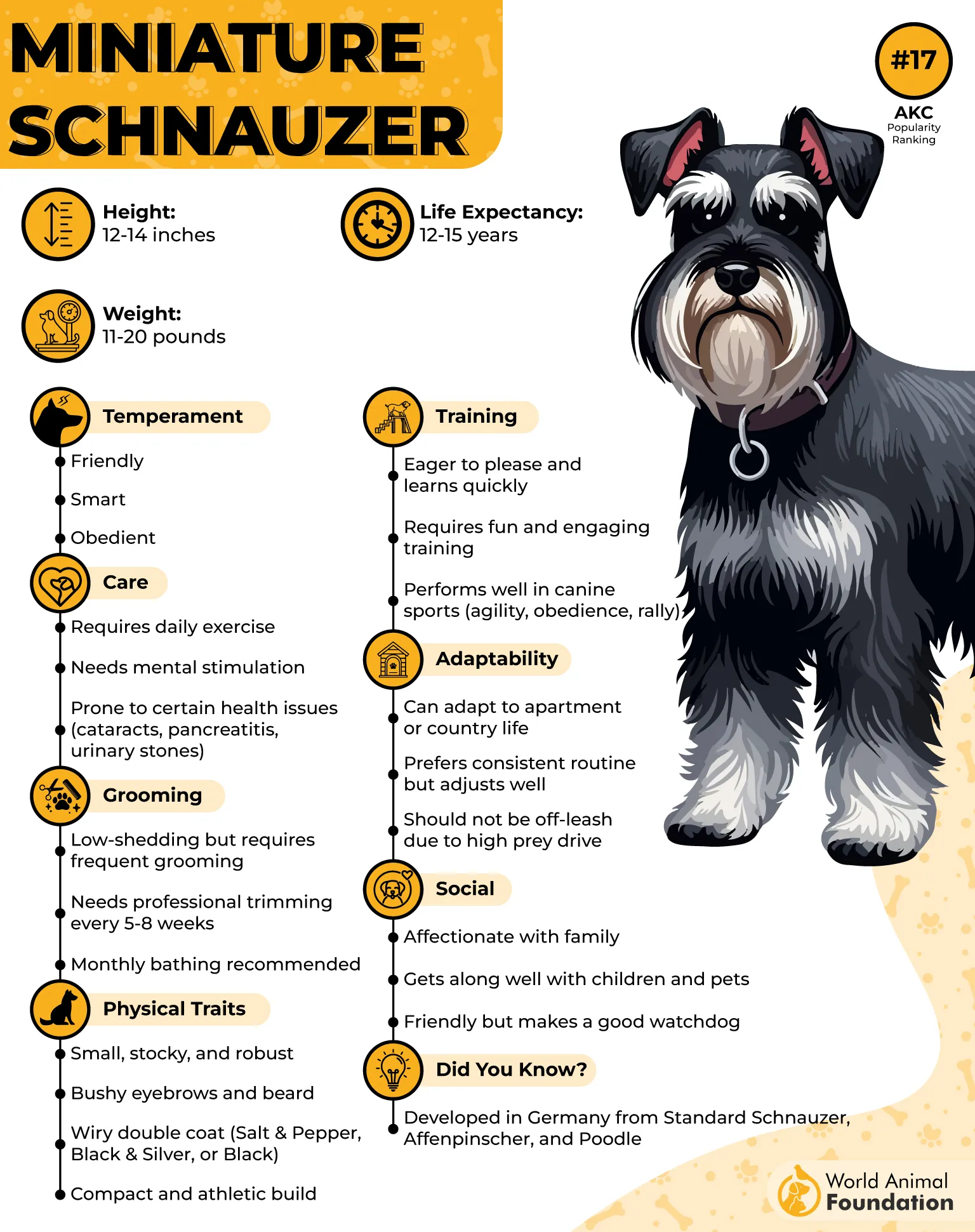
Miniature Schnauzer comes from a long line of hardworking German dogs that once helped with herding livestock, pulling carts, and controlling rat populations. Even the breed’s familiar beard has an interesting link to its name, taken from the German word “Schnauze,” meaning muzzle.
Less Hair Around the House
This breed has a sturdy build and a distinctive facial beard, yet its coat sheds very little compared with numerous other breeds. That lighter shedding can also make this breed a suitable choice for some people with dog allergies.
Here’s the really interesting part:
Schnauzer images date back to the late 1400s
Adapts well to apartments and open farms alike
Recognized for its expressive bearded muzzle
Always Looking for Something to Do
Miniature Schnauzer combines quick thinking with an eager attitude, making training sessions enjoyable when new challenges are introduced. Walks, puzzle toys, agility activities, and learning fresh tricks all provide productive ways to keep this intelligent breed engaged.
8. Italian Greyhound
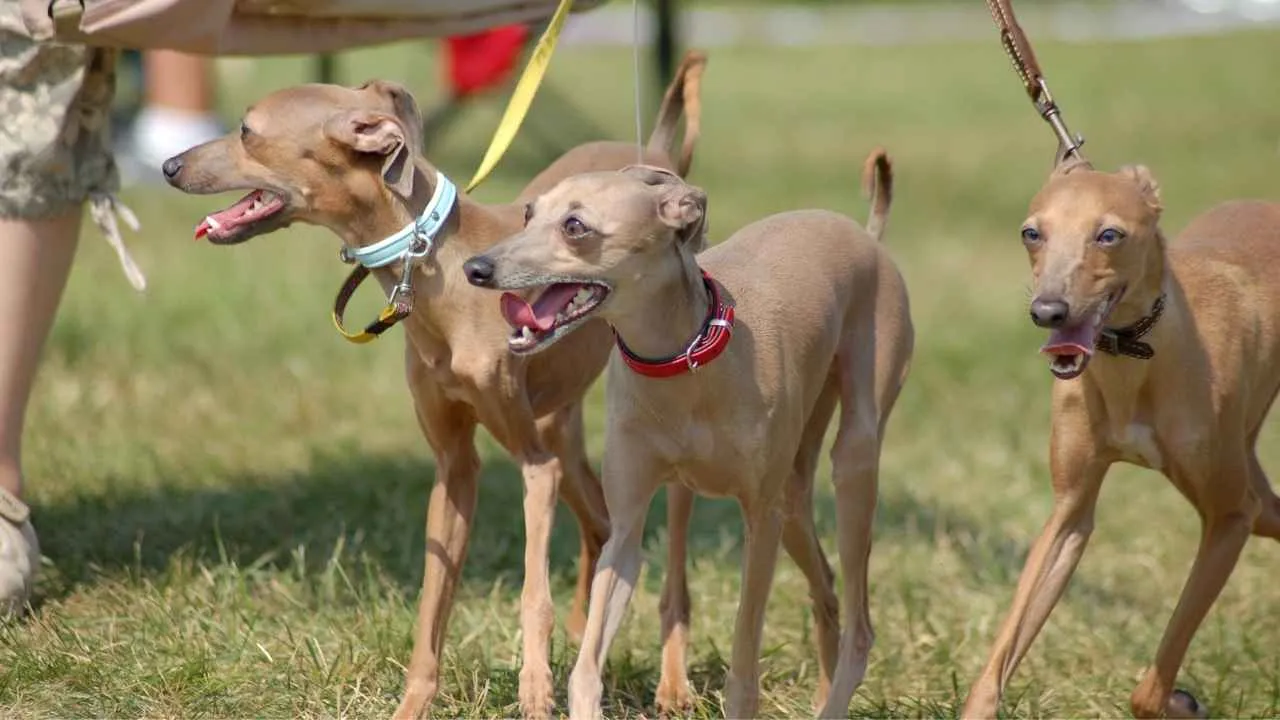
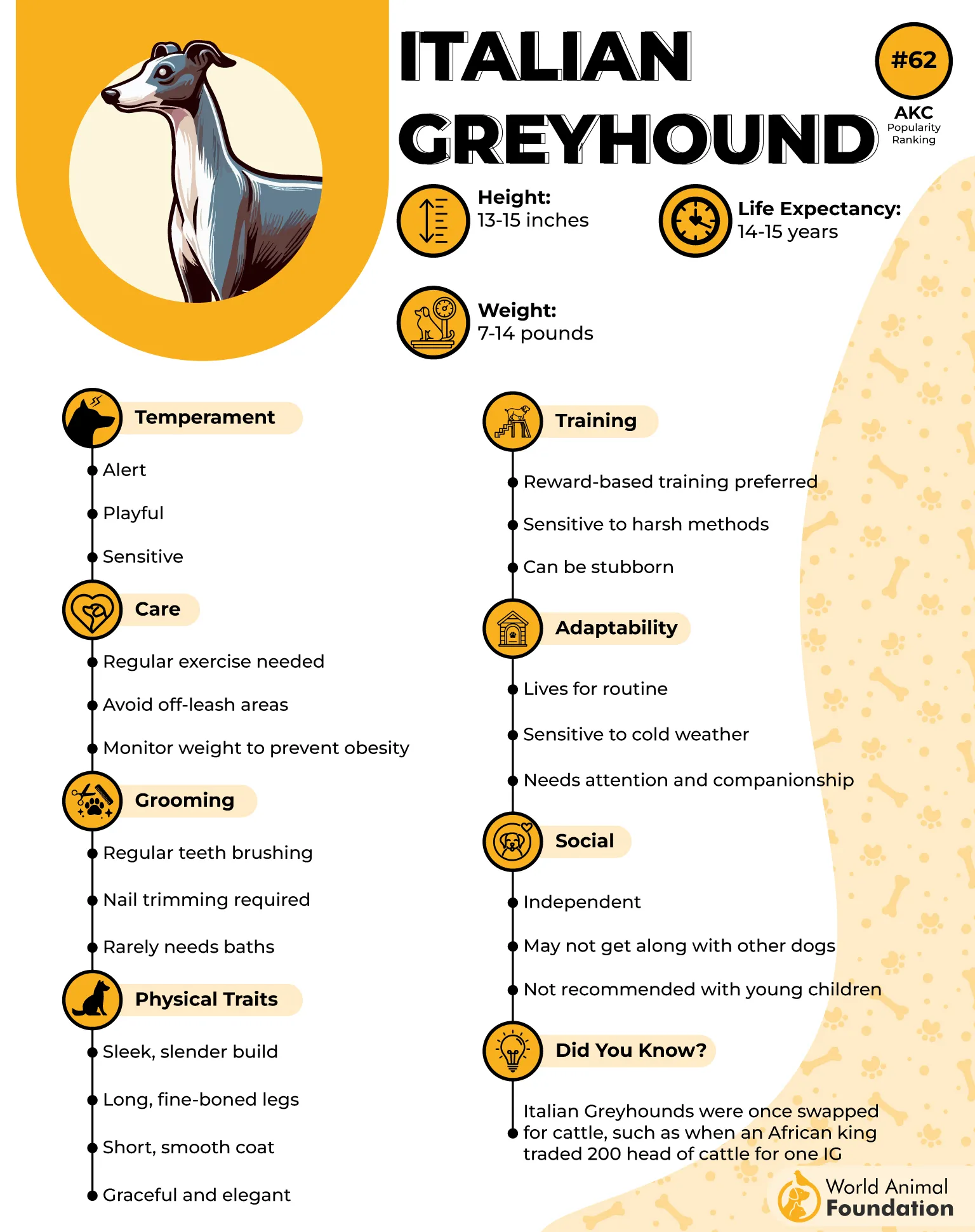
Italian Greyhound shares the same sighthound instincts as the larger Greyhound, relying on sharp eyesight, quick acceleration, and agile footwork instead of scent while following movement. Its light frame also gives this breed an elegant appearance without sacrificing athletic ability.
Easy Coat Care
IGs fit naturally into this list because their fine, single-layer coat releases very little fur throughout the year. With no undercoat to manage, grooming remains simple, making coat care far less demanding than it is for many other breeds.
Some of these details make coat care even easier:
Fine, short single coat
No undercoat to brush through
Simple grooming routine
Sensitive to Cold
Italian Greyhound’s short coat provides very little insulation, while its slender body allows cold weather to affect it more quickly than heavier-coated breeds. Dog sweaters and warm coats become especially useful when temperatures begin to drop or outdoor walks become chilly.
9. Portuguese Water Dog
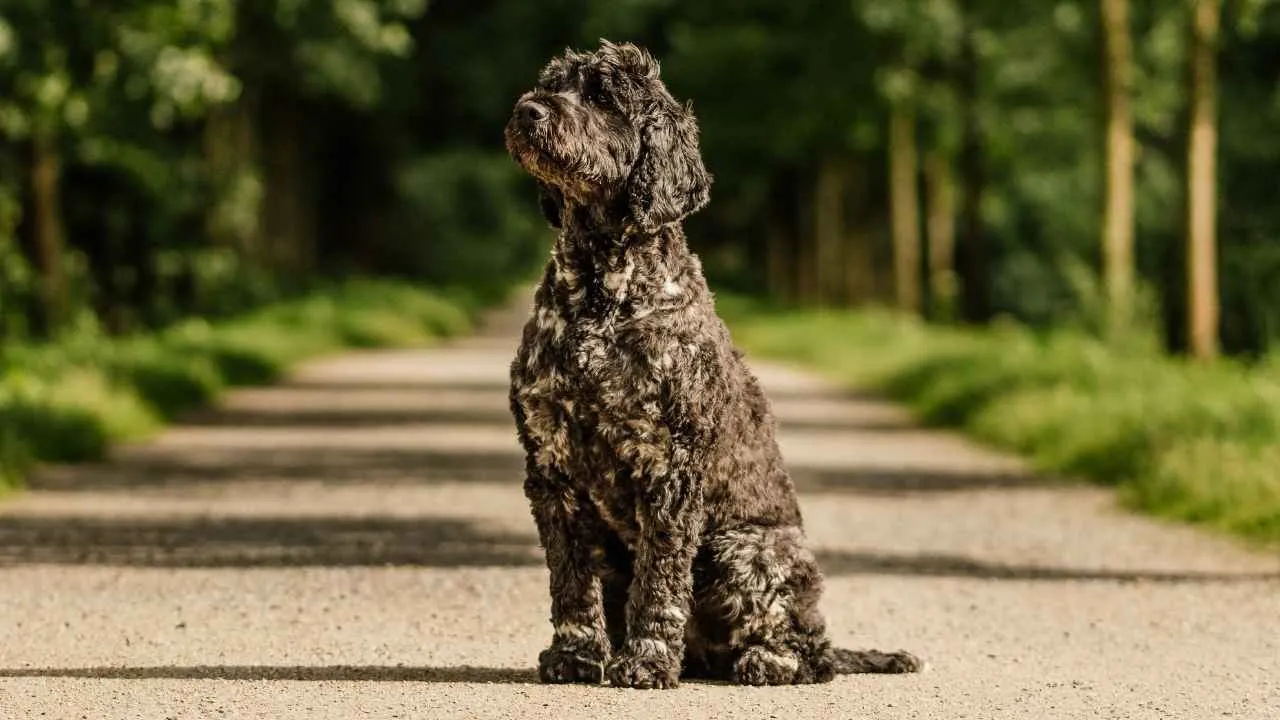
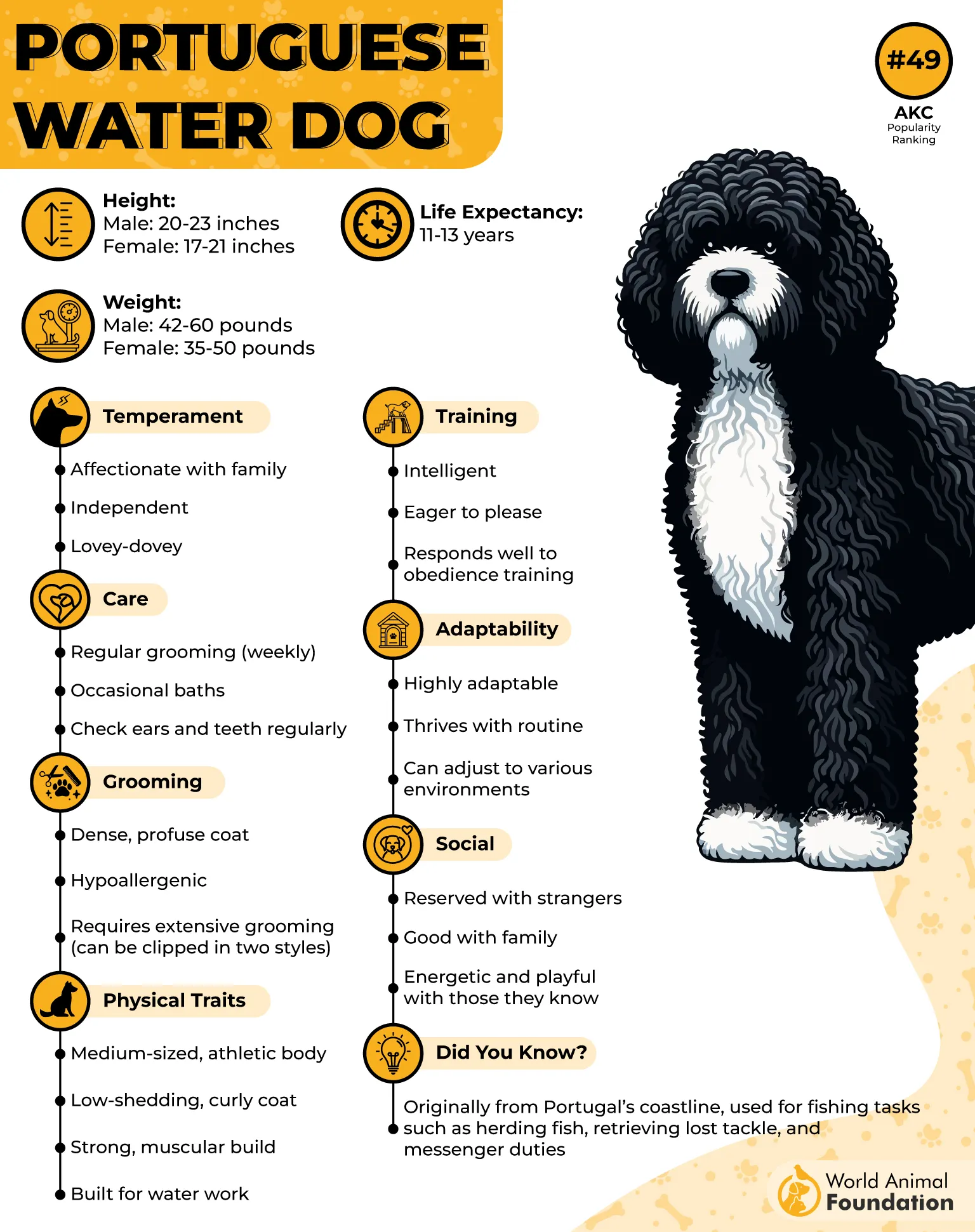
Portuguese Water Dog spent generations assisting fishermen along Portugal’s coastline, where swimming ability, intelligence, and teamwork were part of daily life. That working role still shines through in a breed that enjoys learning, staying active, and tackling new challenges.
Coat Care
One reason this breed appeals to families is its low-shedding coat, which releases far less hair than many other dogs. The curly or wavy coat still needs regular brushing and grooming to keep it clean, healthy, and free from tangles.
A few interesting details make this breed even more memorable:
Bo and Sunny Obama were Portuguese Water Dogs
Curly or naturally wavy coat options
Best suited for an active household
Always Looking for a Job
Portuguese Water Dog enjoys having a purpose, whether that involves learning new tricks, agility exercises, retrieving Frisbees, or chasing after balls. Without enough mental challenges and physical activity, chewing and frequent barking can become unwanted habits.
10. Maltese
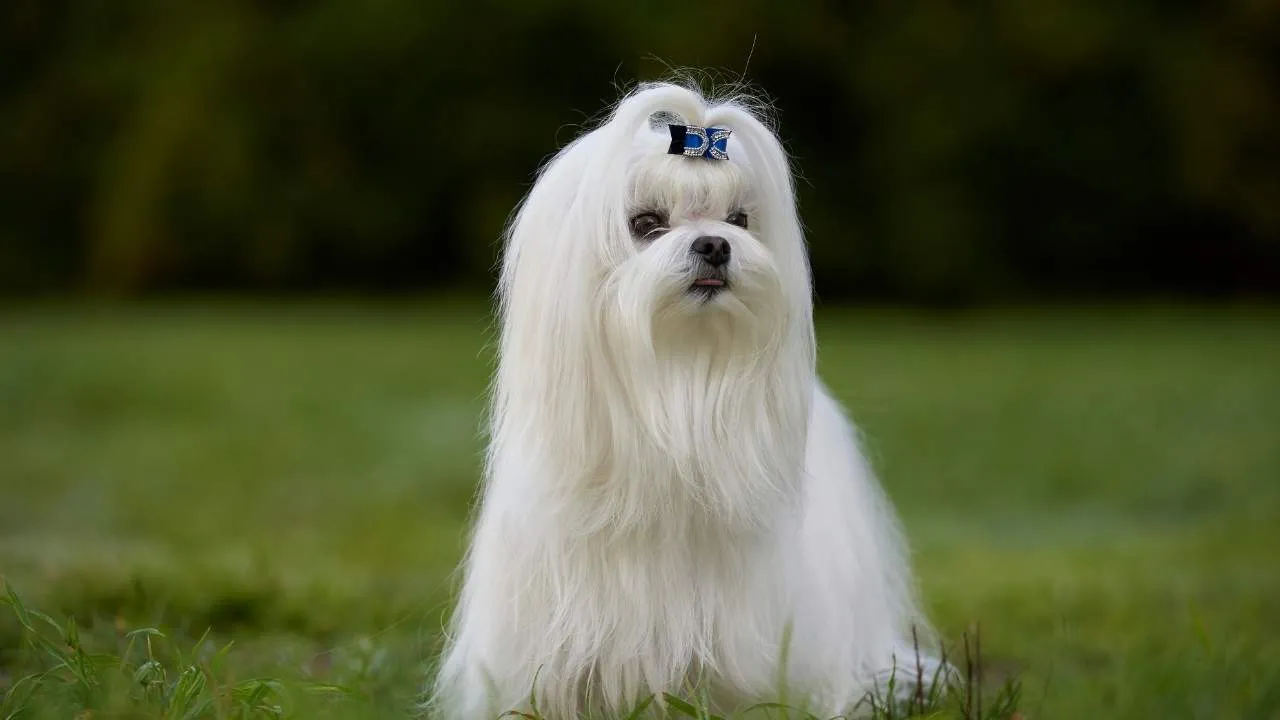
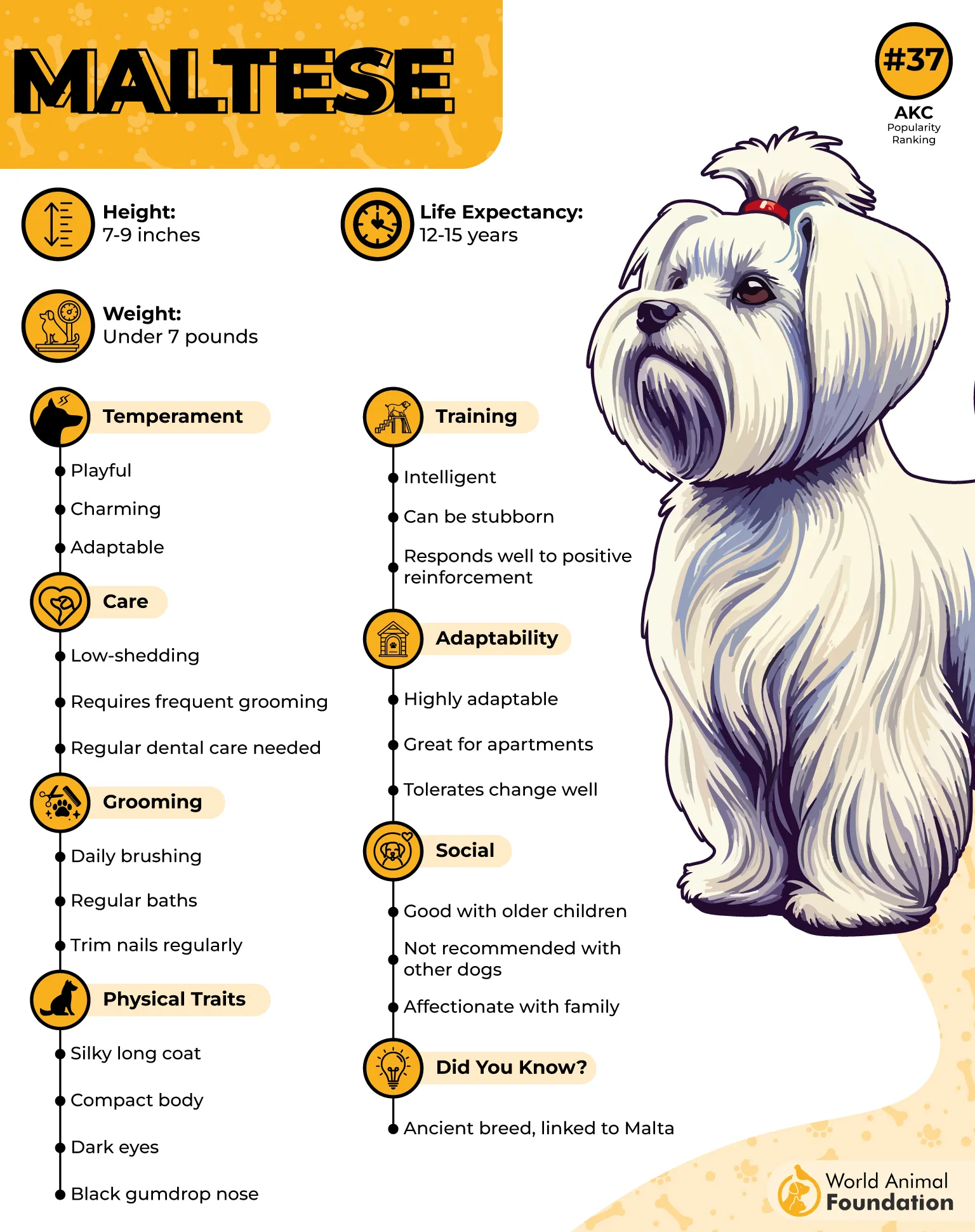
Maltese catches attention with its flowing white coat that can reach the floor, giving this tiny breed an elegant appearance that few dogs can match. Its roots lead to the Mediterranean island of Malta, with mentions appearing in both Ancient Greek and Roman writings.
Coat Care
The silky white coat sheds very little, which is one reason the Maltese is often included among dogs considered more allergy-friendly. That beautiful coat also calls for near-daily grooming to prevent tangles and keep it looking its best.
Beyond those first impressions:
Near-daily brushing keeps the coat manageable
Long hair tangles easily without regular care
Need daily play and short exercise sessions
Family Fit
Maltese are affectionate and enjoy spending time close to the people it trusts, making long periods alone more difficult for this breed. Homes with older children who understand gentle handling are generally a better match because of the dog’s delicate size.
Conclusion
Every family hopes for a companion that brings joy without adding unnecessary challenges to everyday life. While non-shedding dog breeds can reduce cleaning, understanding a dog’s personality, exercise needs, grooming routine, and whether smaller breeds suit your home is equally important before making a decision. Those practical details often shape the relationship far more than appearance alone.
Selecting carefully helps pet parents adjust more comfortably while giving a loyal companion the environment it needs to thrive. With the right balance between family lifestyle and breed characteristics, the years ahead become filled with shared adventures, quiet evenings, happy memories, and the comfort of dependable companionship every day.
