




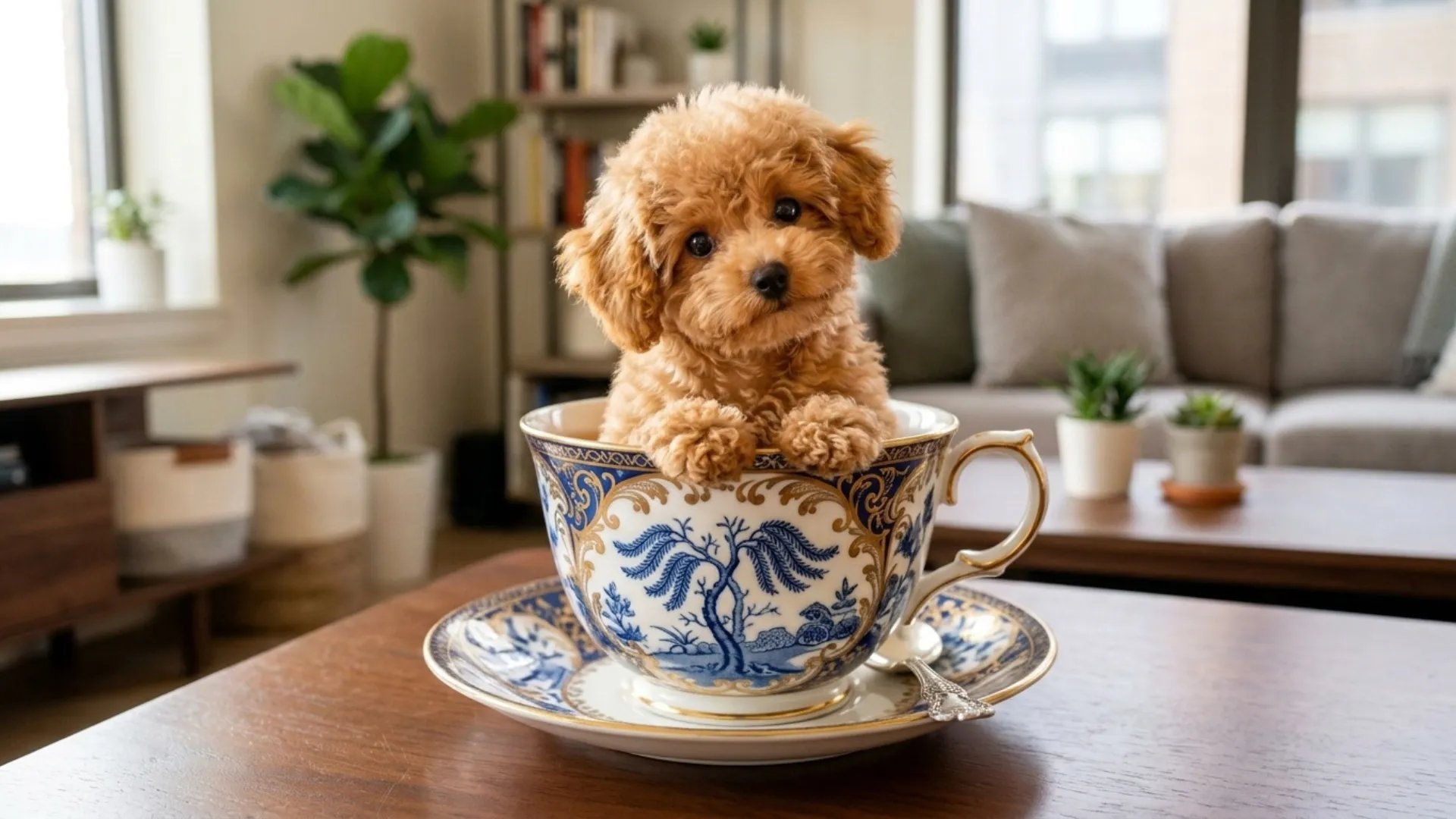
Have you ever seen a dog so small that it fits in a coffee cup and thought, is that even real? Welcome to the world of teacup dogs, where less is literally more. These pint-sized pups have stolen hearts on Instagram, in celebrity tote bags, and on living room couches across America.
According to the American Pet Products Association, small and toy dogs represent a growing share of U.S. pet ownership, with millions of families choosing compact companions over large breeds every single year.
Paris Hilton famously carried her Chihuahua, Tinkerbell, everywhere like a living accessory, and honestly, we get it.
There is something magnetic about a dog that weighs less than your lapdog. But this is not just cute content. Owning one is a real, full-time commitment. So, let’s talk breeds, personalities, and what life with these tiny tails actually looks like.
Smallest Teacup Dog Breeds: A Guide to Tiny Tails
1. Chihuahua
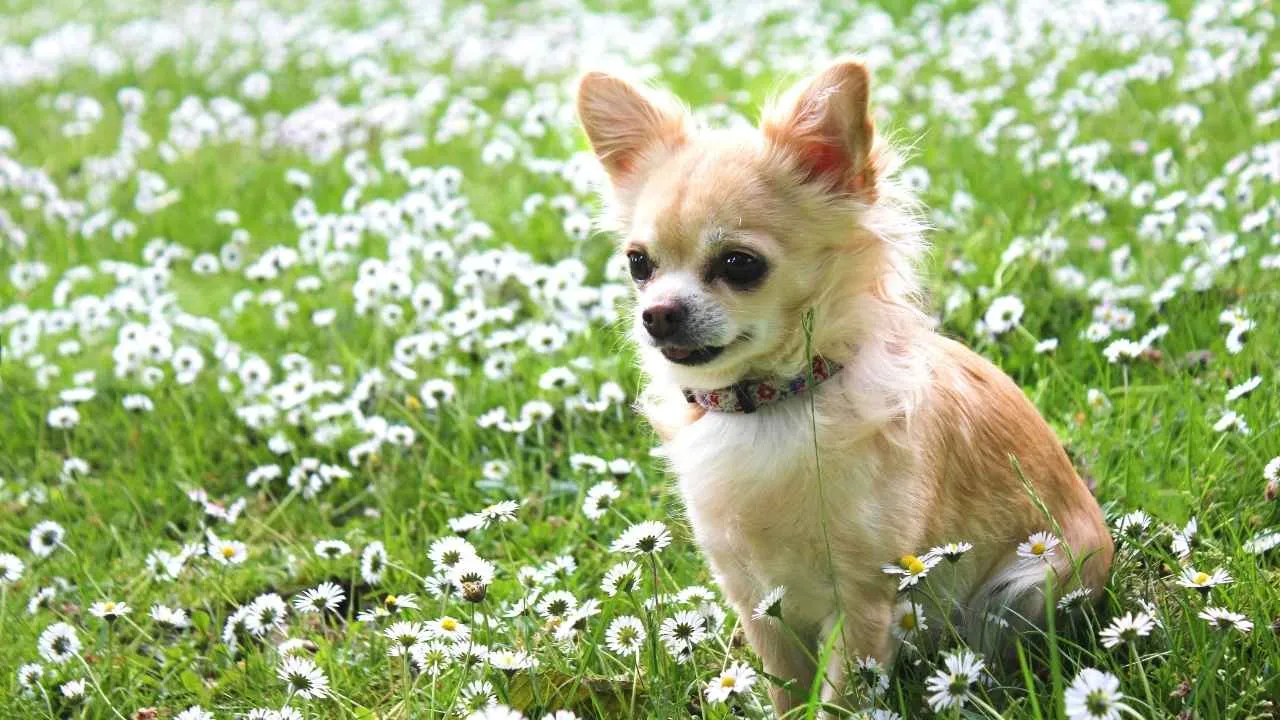
Originally bred from the Techichi dog, which was bred by the Toltec civilization in Mexico, the Chihuahua is the smallest dog breed in the world (3-6 pounds, 6-9 inches tall). After the Aztecs conquered the Toltecs in the 12th century, they refined the Techichi further and made the modern-day Chihuahua, according to Purina.
Interacting with this toy breed has shown lower levels of cortisol, the stress hormone. It has moderate-to-high energy levels indoors and requires 20-30 minutes of daily exercise. Since many medications, including tick preventives, are sold on the basis of the dog’s weight, cutting the costs in this case.
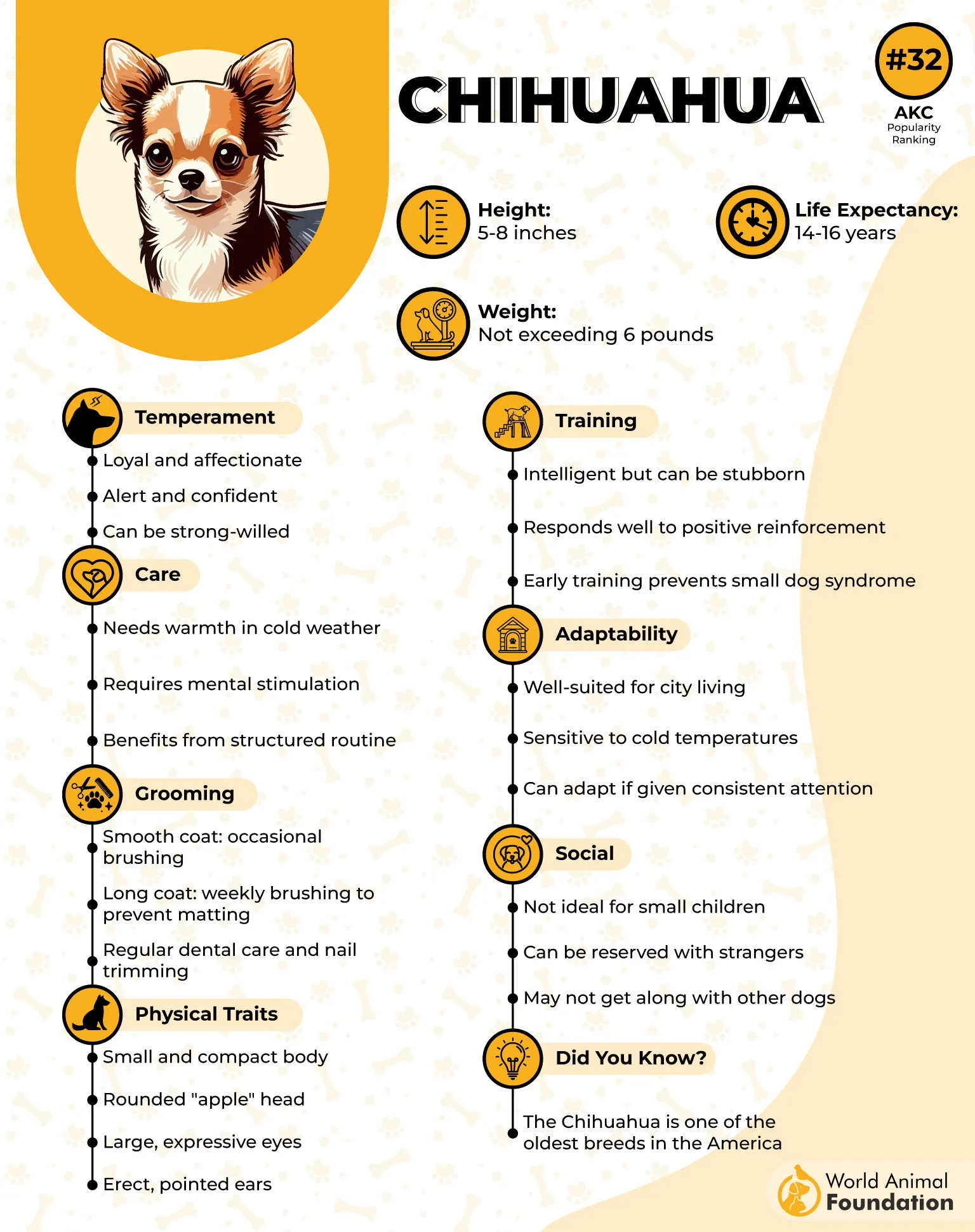
The teacup Chihuahua lives up to 12-20 years, giving you enough time to fill up your camera rolls. Unlike other dog breeds, the Chihuahua has a tail that naturally arches upwards. Not only beautiful, but its tail is a mode of communication as well: wags when excited and tucked against the belly when stressed
2. Pomeranian
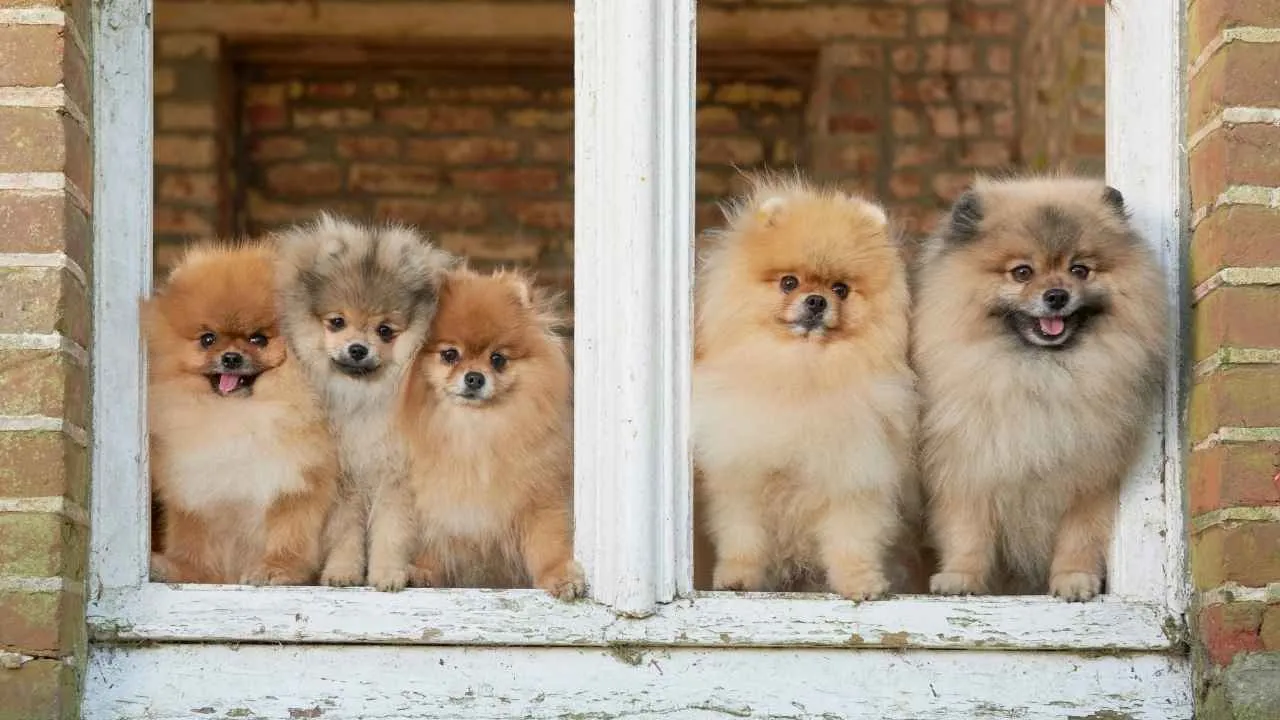
Direct descendants of the Arctic’s sledge-pulling dogs, the Pomeranian used to look much larger (20-30 pounds) at the time of Queen Charlotte. Queen Victoria was impressed by small breeds when she visited Florence and showed it at the Crufts in 1891, when she won a prize. The small breed underwent size reduction after her death to what we know as a Pomeranian today.
This affectionate dog usually spends a healthy life (12-16 years) because of its diverse genetic pool. It has high energy levels and needs (30-60 minutes) of daily exercise: short walks, playful games, and agility training. Because of its small bladder, it has low water and food requirements. This reduces the monthly expenses.
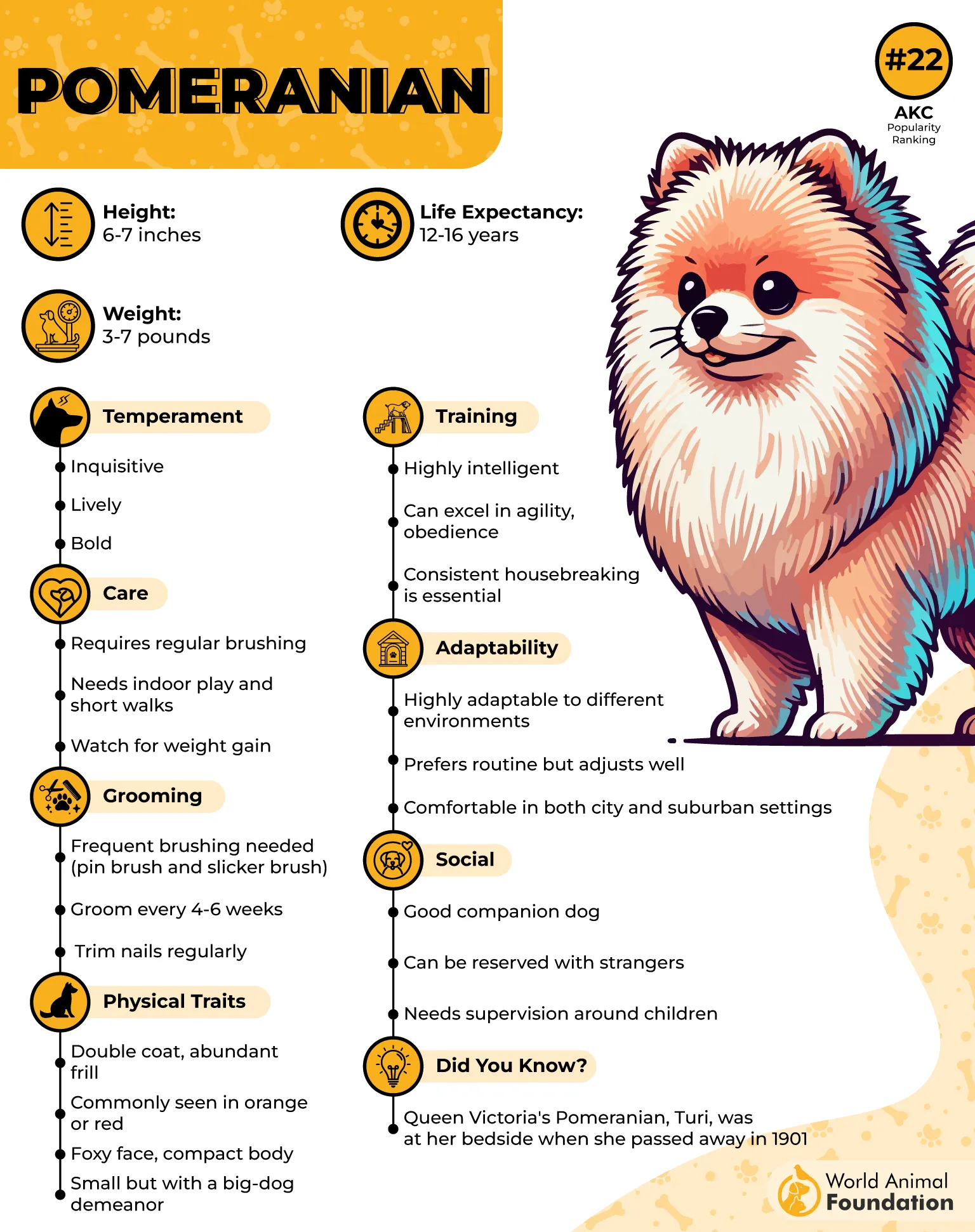
This beloved lap dog has a sharp sense of hearing and barks to alert the owner. The tail has long fur. Its ancestors used to curl up their tails to insulate the body against freezing winds. When a Pomeranian is born, it has a straight tail until 3-5 months, and it curls afterwards. This small dog needs regular grooming: 2-3 times brushing a week and baths after every 4-6 weeks.
3. Teacup Poodle
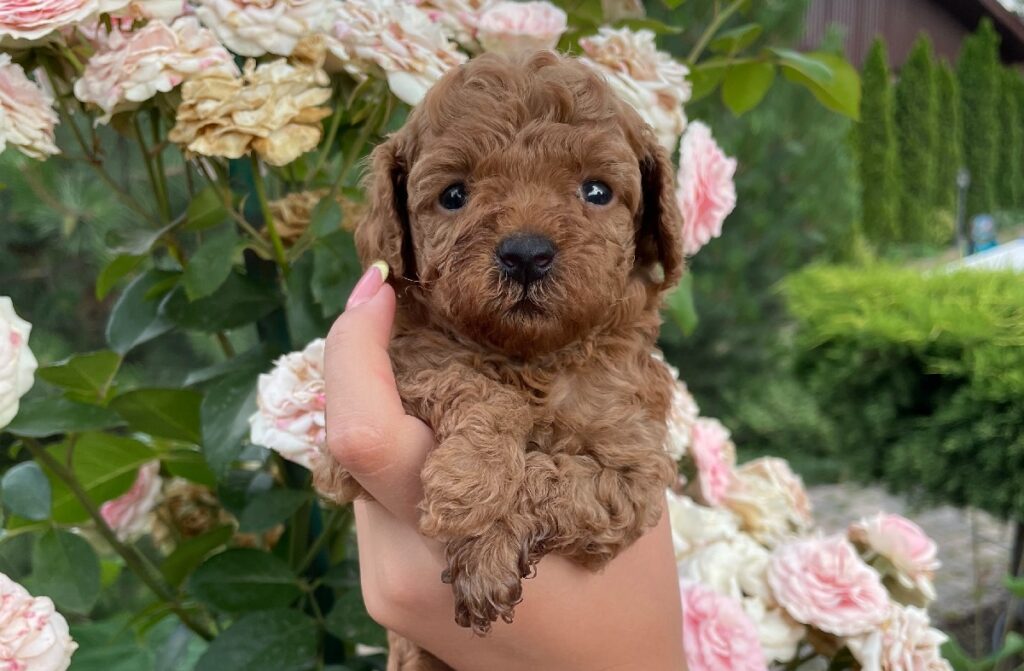
Originating in Germany, the Toy Poodle was initially used as a circus breed and was the most registered breed from 1960 to 1982. Even the word Poodle comes from a German word which means “to splash,” since the larger dog was used to retrieve water game. It lives around 10-18 years, since it has minimal genetic health issues.
This teacup Poodle has a tight and curly coat that traps loose hair, making it a low-shedding (hypoallergenic) breed. Because of its miniature size (less than 6 pounds), it is portable and can be carried anywhere: coffee shops, buses, and long vacations. Regular interaction with this dog has lowered blood pressure and released oxytocin in owners.

Tail docking used to be a common practice for this little dog by breeders when it was a few days old. This tradition is now banned in many European countries. The remaining tail is groomed into a fluffy and round tuft. Different grooming styles are available if you want an Instagrammable, wonderful companion: lamb cut, puppy cut, teddy bear cut, and the Poodle cut.
4. Maltese
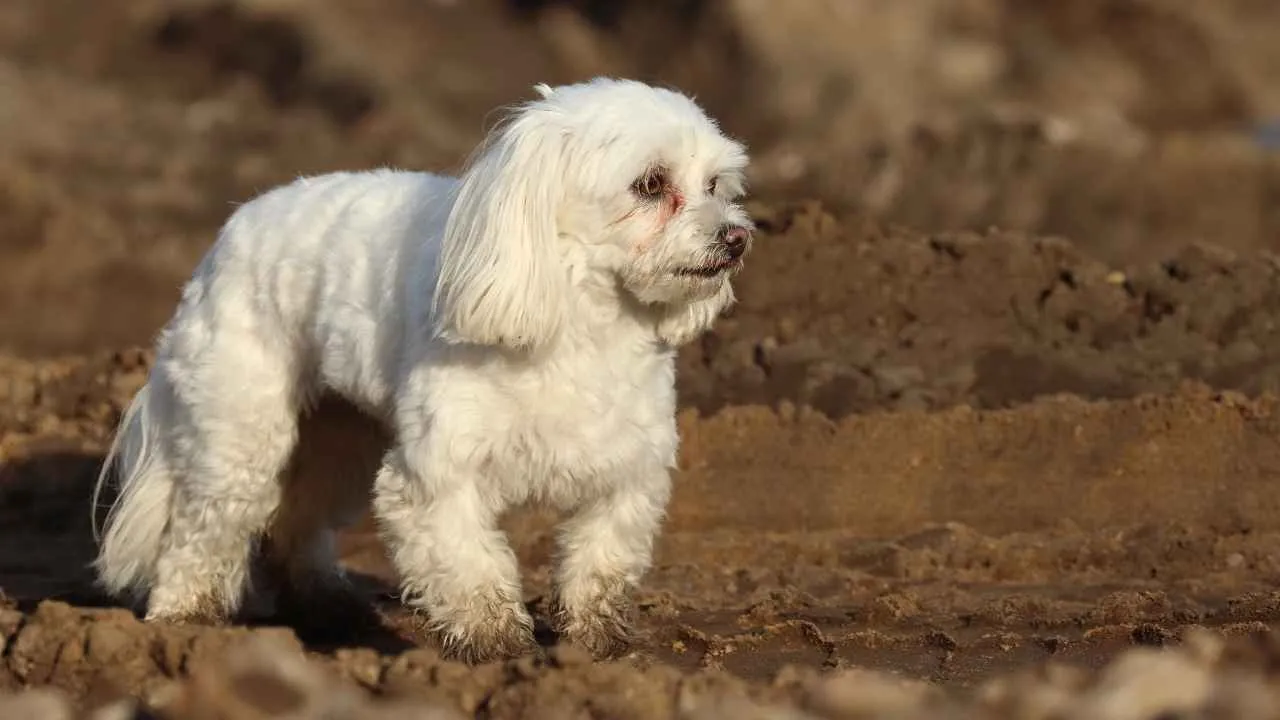
One of the oldest breeds in the dog world, the Maltese, is a pure white dog whose history dates back to 1500 B.C. It comes from the Spitz or Spinal-like breeds in Malta, the Mediterranean. It has a long, straight, and silky coat; black, expressive eyes, and an effortless gait, as per the American Kennel Club (AKC).
Its high emotional intelligence makes it a great therapy dog. It often senses the owner’s mood through facial expressions and body language and acts accordingly. Since it notices a threat before it happens, it also serves as an excellent watchdog. The velcro, eager to please, and affectionate nature make the training easy.
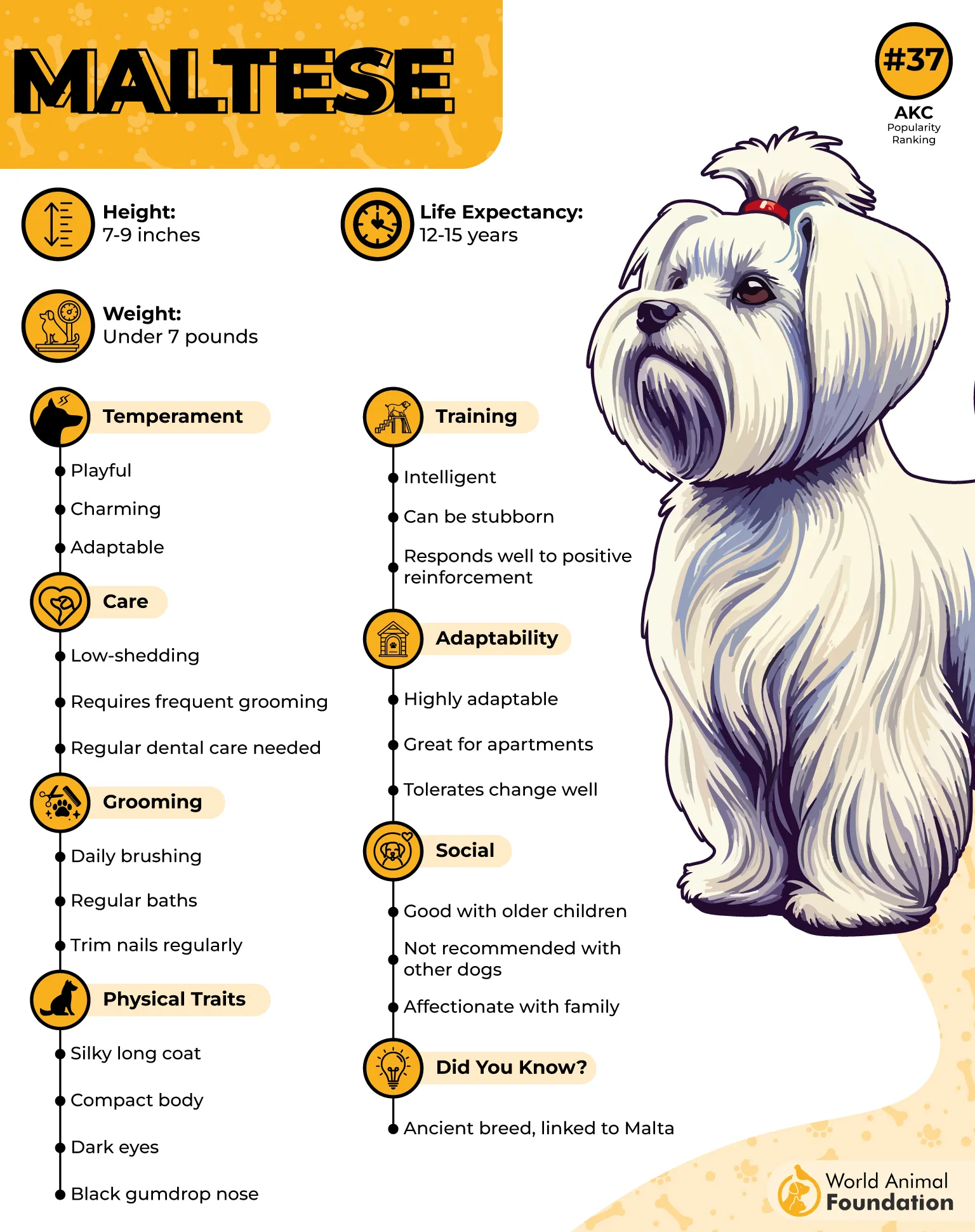
The tail of this human companion curls upward in a sweeping arch. The very tip of the tail falls to just one side at the back end. Since the breed has a thick double coat, it requires frequent grooming: daily brushing, monthly bathing, and regular nail trims. The breed is prone to having reddish tear stains around the eyes. So, use a vet-recommended tear stainer.
5. Yorkshire Terrier
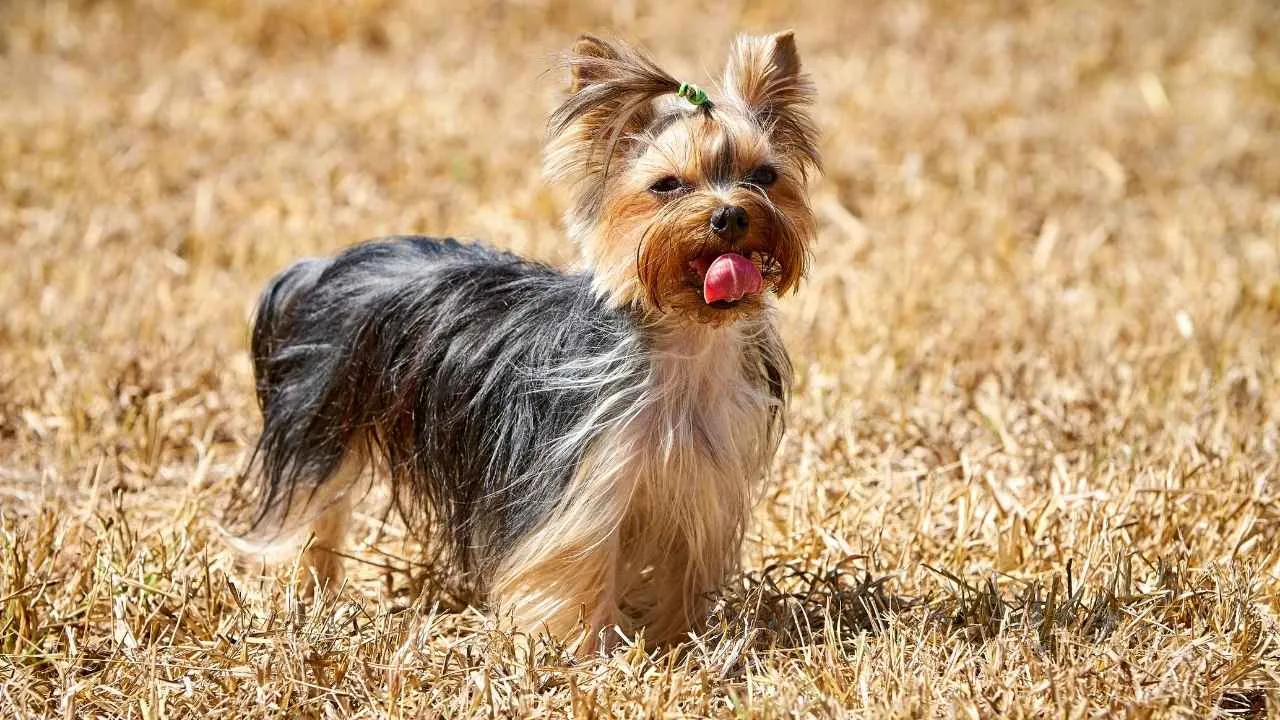
Originally bred in Yorkshire, England, in the 1800s to chase rodents and rats in the woollen and cotton mills, the teacup Yorkies stand 7-8 inches tall and weigh around 7 pounds. The most astonishing feature of the breed is its straight blue and tan coat, trimmed in a fashionable haircut.
This working breed has moderate exercise needs (30-40 minutes): active indoor play and long walks. When it hears a strange noise or sees a suspect, it barks loudly to alert the owner of a potential threat.
Despite being one of the longest living breeds (12-15+ years), it is prone to certain health concerns: hypoglycemia and injuries from minor falls. Thus, responsible breeders need to be consulted while looking for a healthy Yorkie.
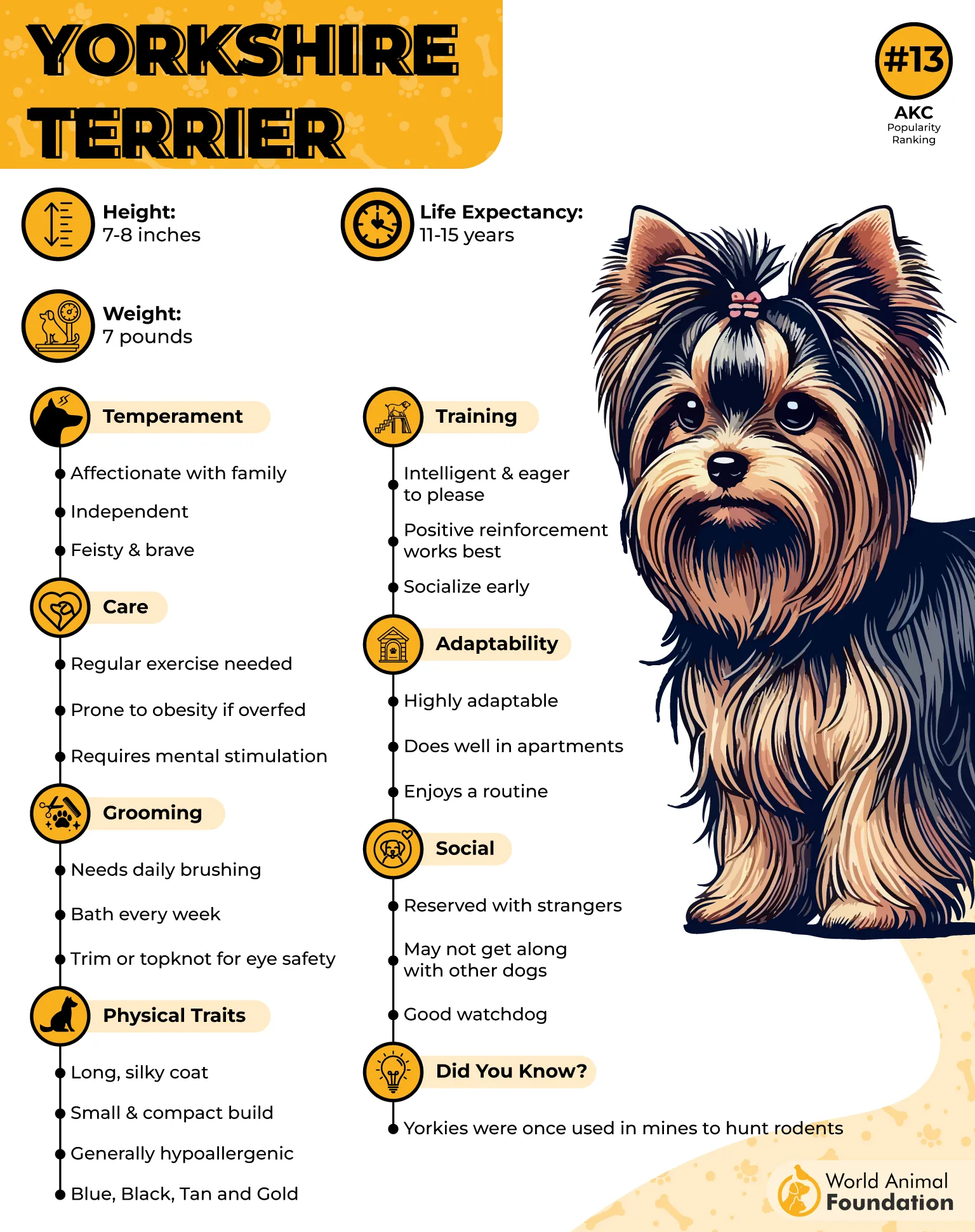
The dog has a flowing coat with dark blue-to-black hair. Tail docking was done to this breed as well to prevent tail injury while burrowing. The AKC still allows docking for show rings. The single-layer coat requires daily brushing with a slicker brush, bathing after every 4-6 weeks. Air drying can cause tangles and matting, so use a blow-dryer.
6. Papillon
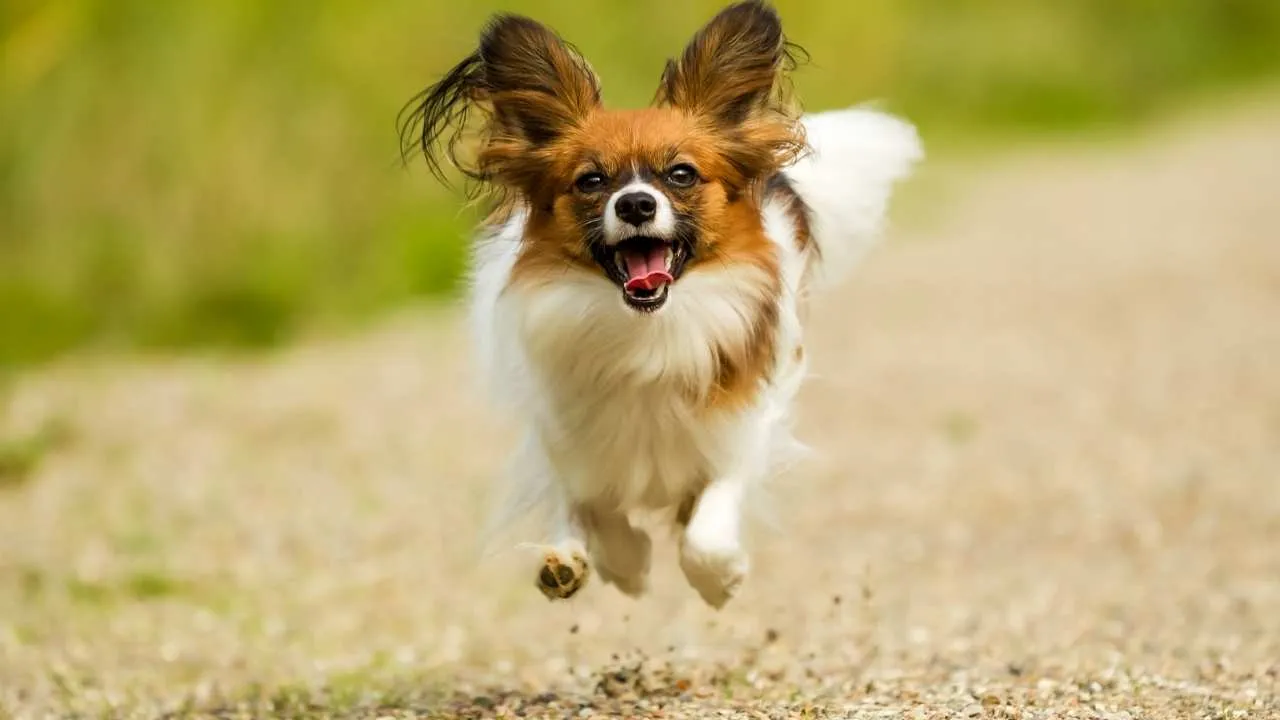
This dog originated in France and was given the name “Papillon,” which means ‘butterfly’ in French because of the erect, butterfly, and floppy ears. It was considered a dwarf spaniel in the 13th century, and gained popularity in Spain and Italy after being depicted in the paintings. This royal breed was adopted by King Louis XIV of France and Marie Antoinette.
This teacup dog thrives in an active lifestyle as it jumps, plays fetch, and runs to burn calories. It is widely used as a therapy dog and provides quiet solace and play to reduce stress and pain. It is ranked 8th in canine intelligence; thus, it picks up complex commands easily. Small stature means lower consumption of food.
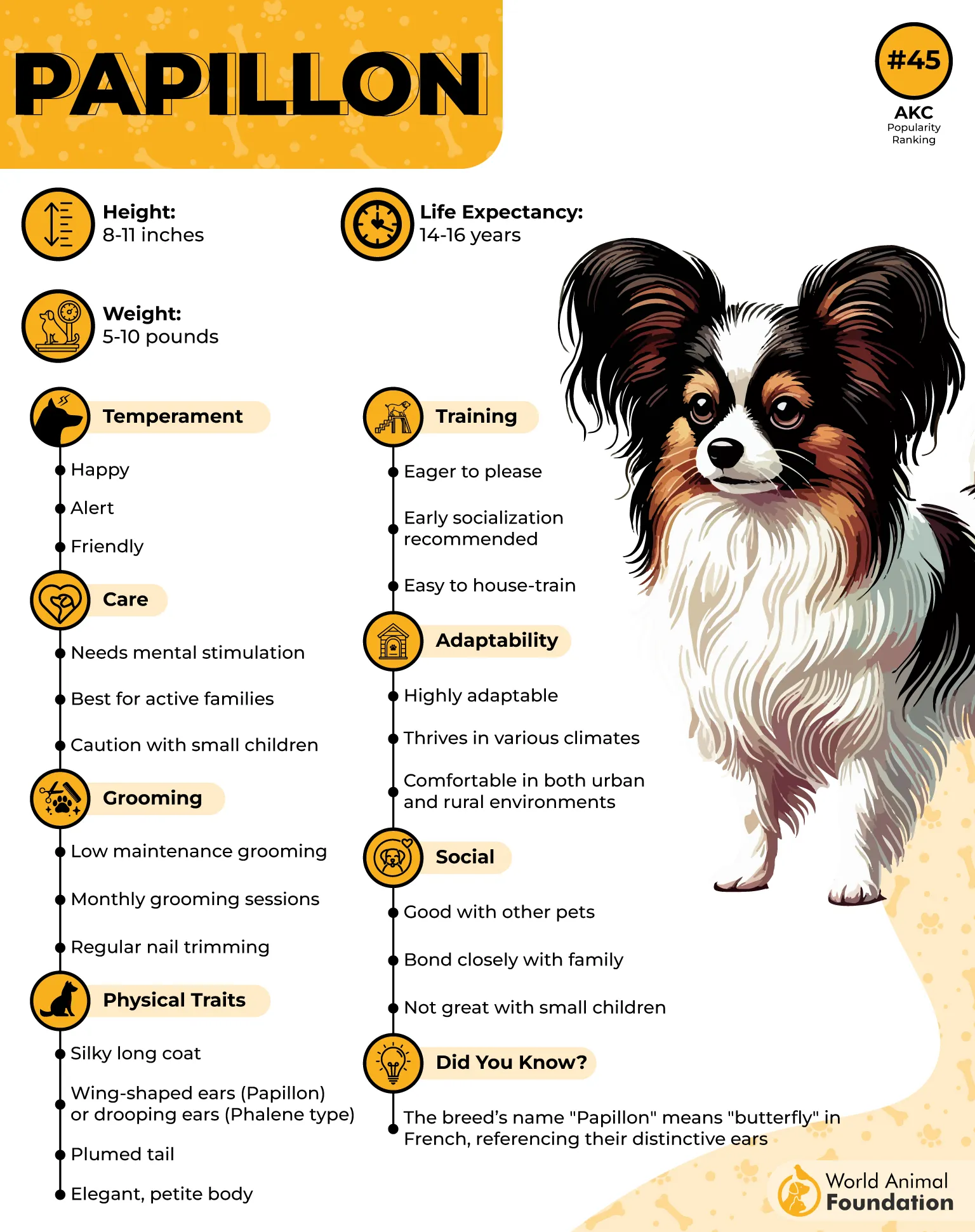
It cleans itself and produces less dog odor. The tail arches forward directly over the back. The hair on the tail is extremely long and gives a waving banner look. Surprisingly, its tail has never been docked. It has a single coat that lacks an undercoat and requires 2-3 brushings in a week. Indoor play and brisk walks are important for physical and mental stimulation.
7. Shih Tzu
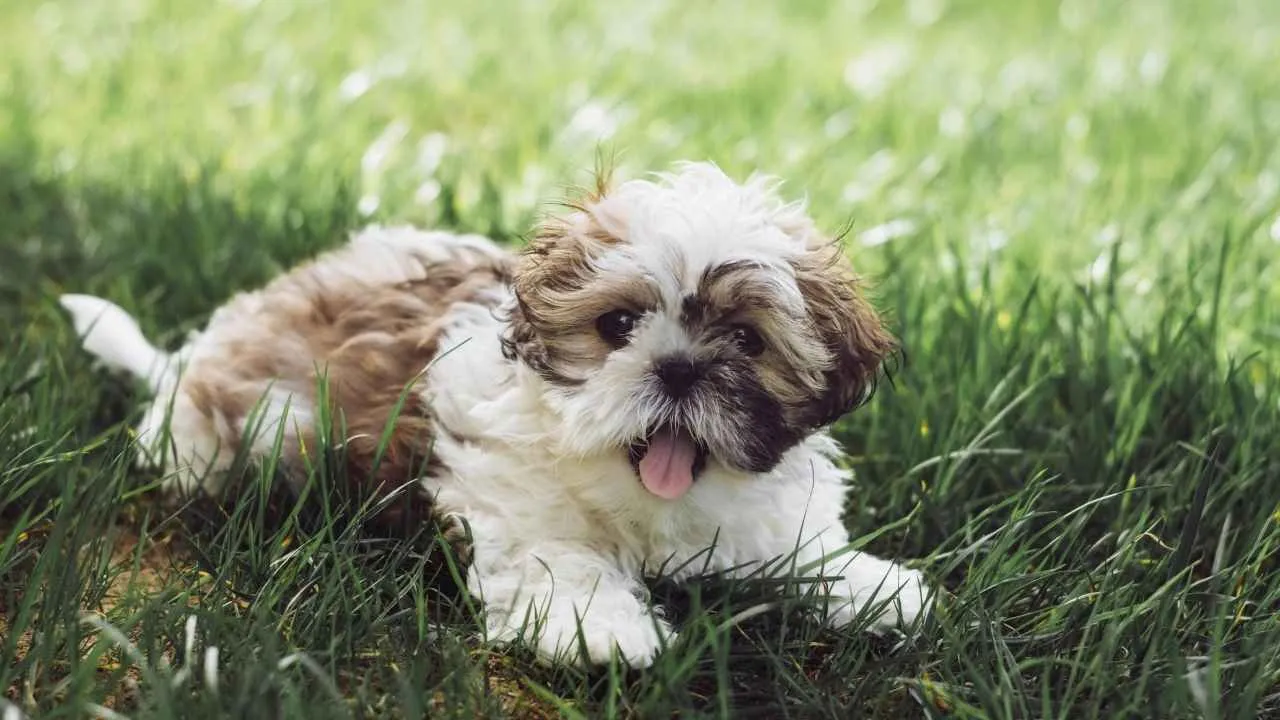
The small-sized Shih Tzu was developed in Tibet, China and was given the name because of its mane-like appearance. Since the lion is considered sacred across Chinese culture, the Shih Tzu is considered a good luck symbol in the country. It was bred by crossing the Lhasa Apso and the Pekingese some 2,000 years ago, says Pooch & Mutt.
This is a Velcro dog and forms a strong bond with its owners. Left alone for too long, it will develop separation anxiety. The small breed (8-11 inches) has a friendly temperament and gets along well with strangers, family members, and other pets. Since it has hair rather than fur, it sheds less and is considered a hypoallergenic breed.
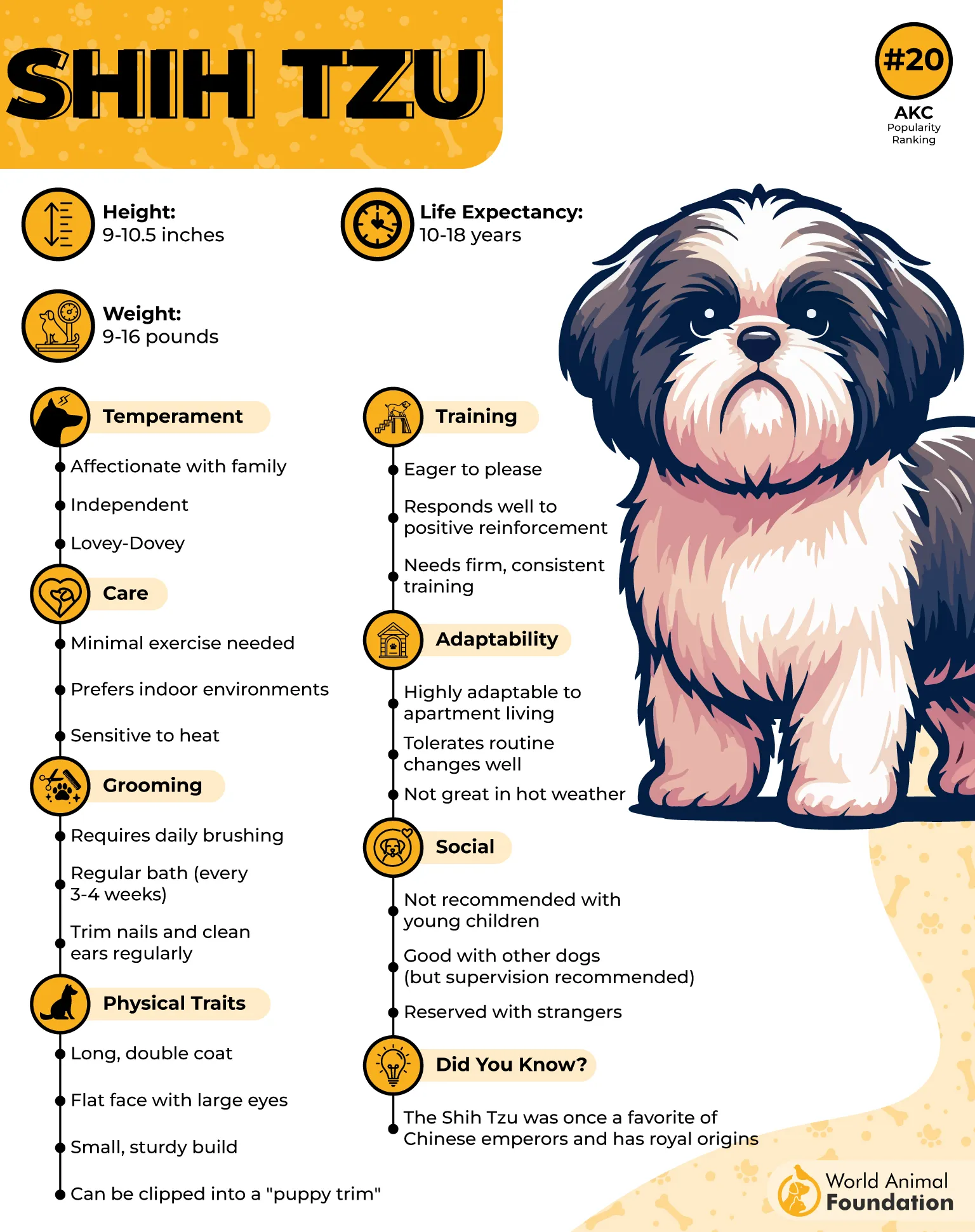
The tail has long hair and an upright curve. Regular grooming is needed to prevent skin-related health problems and matting. It sheds twice a year heavily (during summer and spring), and requires daily brushing during this season. Use a #10 or #30 blade to trim the hair around paw pads and sanitary areas.
8. Japanese Chin
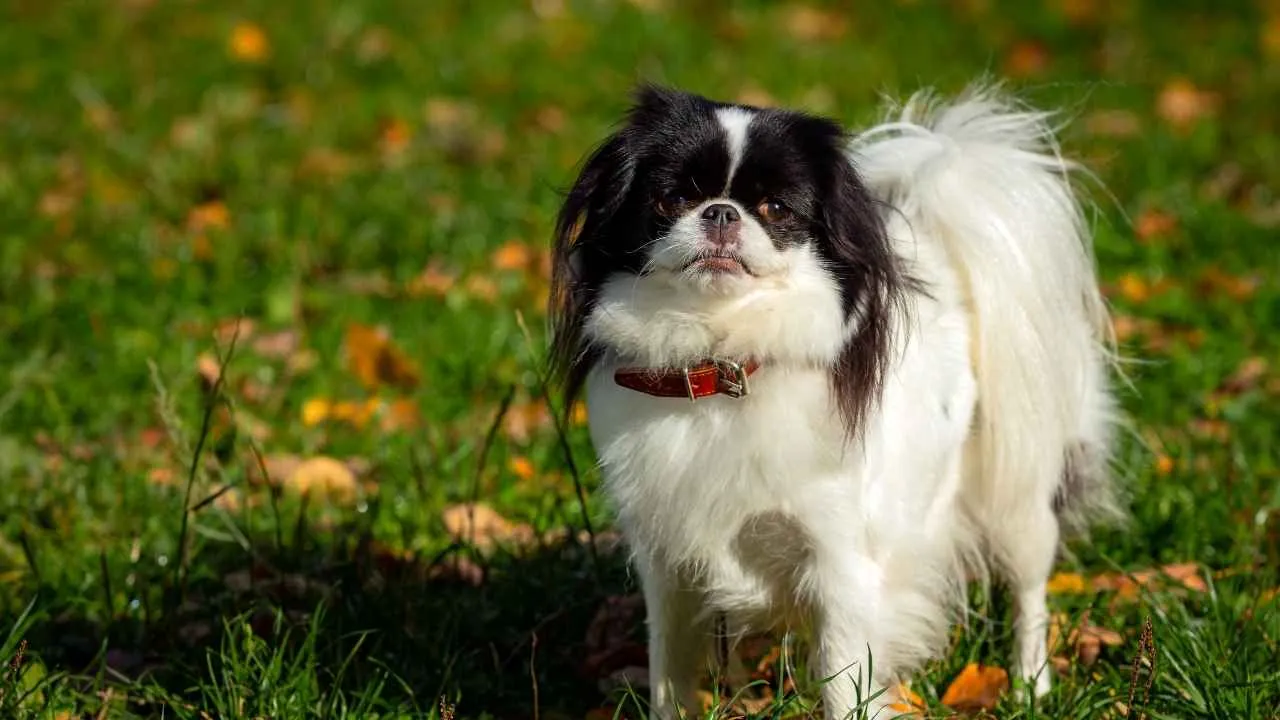
All theories mutually believe that the Japanese Chin was related to royalty and Eastern monastic life. This dog was intentionally bred small to be fitted into the kimono sleeves of Japanese nobility and was only allowed for the noble families. This loving companion has a laid-back nature and remains quiet indoors.
Weighing around 4-11 pounds, the Japanese Chin is ideal for apartment dwellers. It has a cat-like personality: independent thinker, cleans itself by licking its paws and coat, jumps, and silently observes its surroundings. Smaller variations have brachycephalic risks, which can lead to breathing issues. Thus, intense physical activities should be avoided on hot summer days.
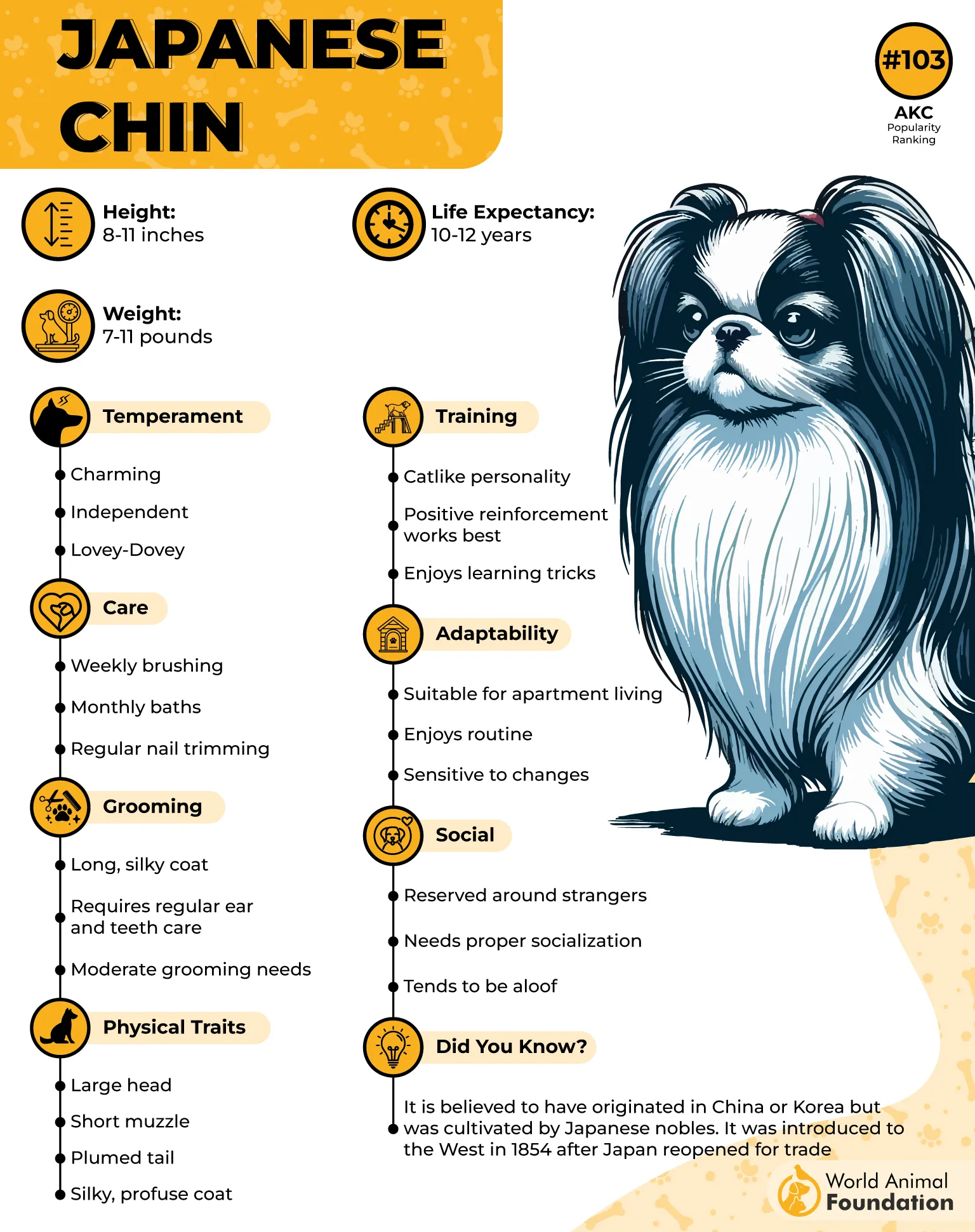
The distinct coat sweeps slightly on one side. The tail resembles a blooming flower when fanned out. It rests flat on the back when excited. It has a silky coat that needs regular brushing with a pin brush or a slicker brush to remove loose hair and distribute natural oils. Use a mild shampoo while bathing.
9. Havanese
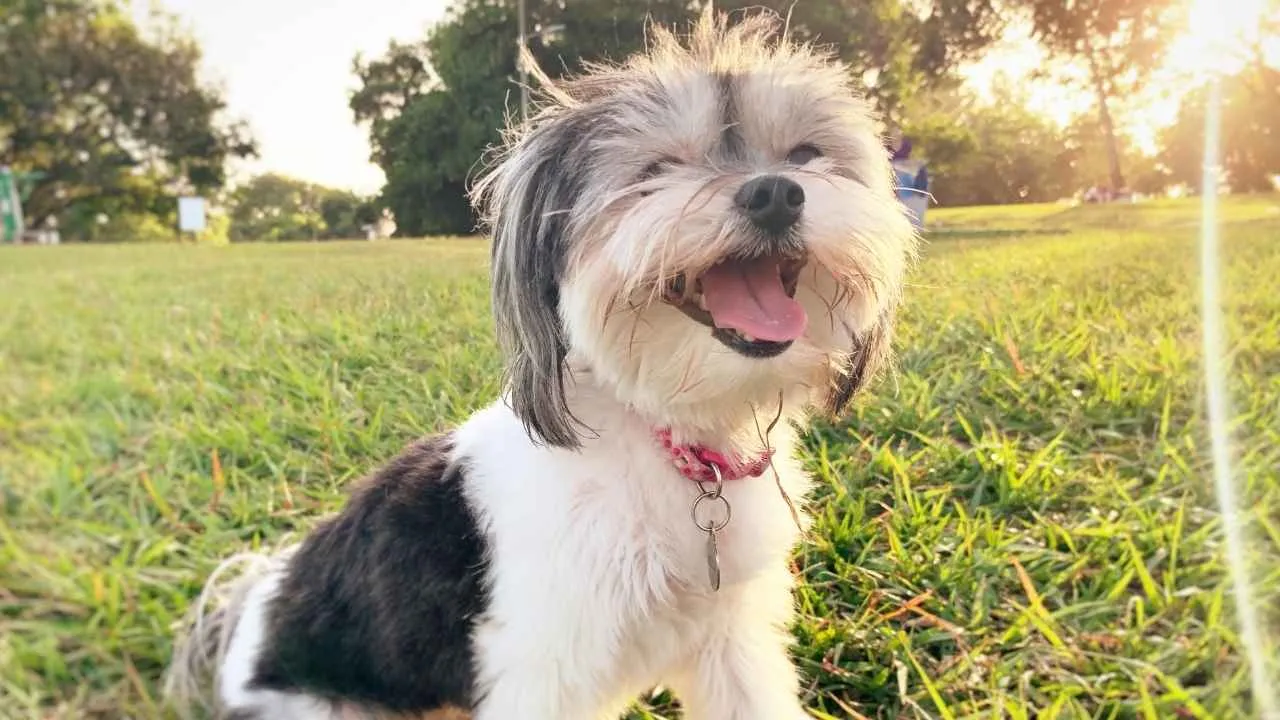
Cousin of the Maltese and Bichon Frise, the Havanese is a descendant of the Bichon breed. It is the official dog breed of Cuba, and was bred to be a lap dog companion. It was once known as ‘Blanquito de la Habana,’ which means “Havana Silk Dog” because of the silky hair.
Regular petting regulates blood pressure, lowers cortisol, and increases oxytocin. The breed is well-suited for high-density urban living and does not require a large yard. It has moderate exercise needs: scent work, obedience training, and trick training. The unique coat acts as an insulator against the sun and icy winds.
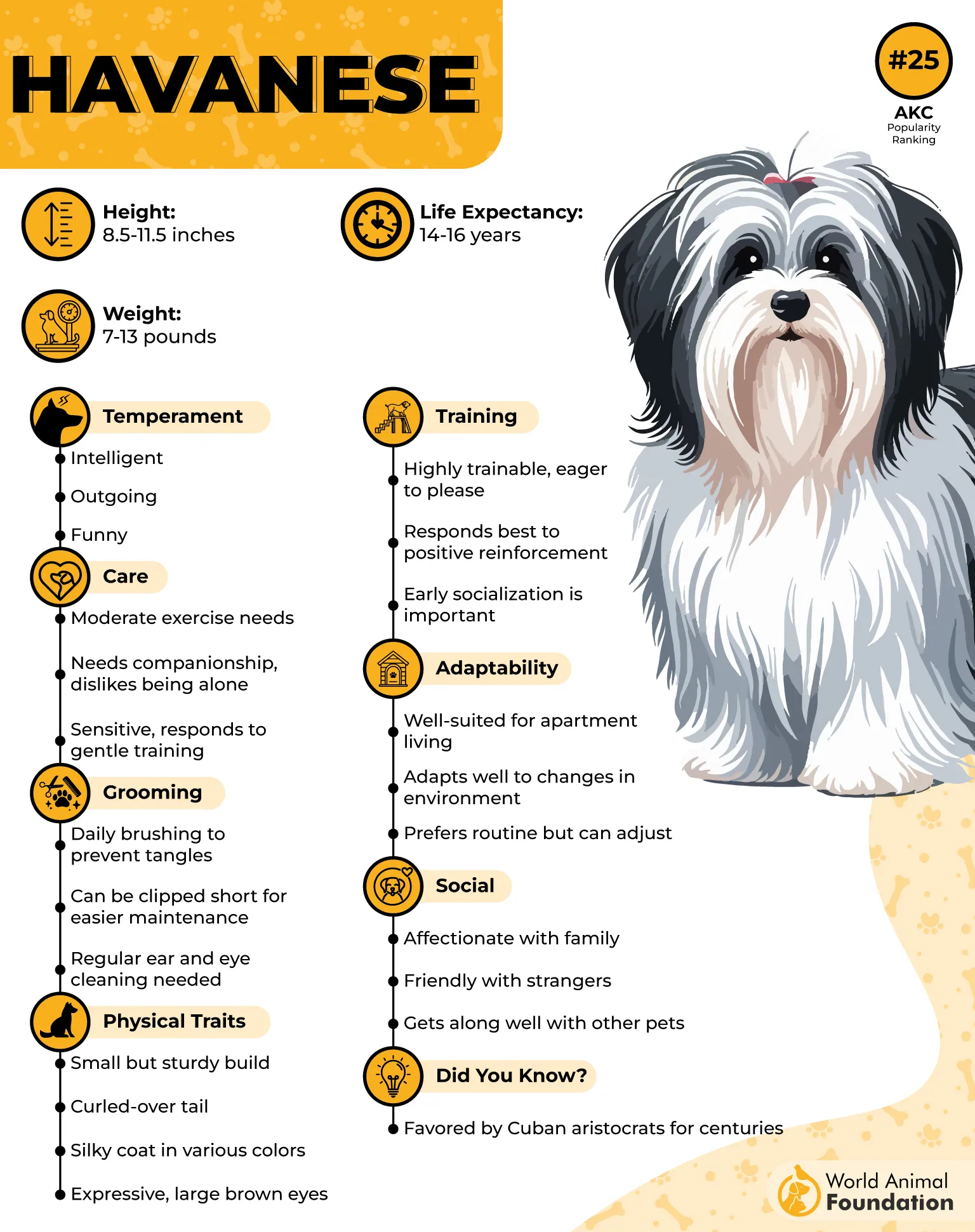
The tail has a “teapot” curve and is arched up and forward. The long hair plume is mobile and widely used to express emotions. Always brush the dog before bathing to prevent tangles and mats. Mist the coat with a conditioning spray before brushing to avoid hair breakage.
Conclusion
Teacup dogs are not a passing trend; they are a lifestyle choice that comes with responsibility. Each breed standard on this list brings something completely distinct to the table. The Chihuahua comes loaded with firecracker confidence. The Japanese Chin brings quiet, cat-like grace. The Papillon brings athletic hustle. And the Havanese brings showmanship that most humans can’t match.
Before you fall hard for one of these tiny faces, and you will, do your homework. Teacup dogs require careful handling, consistent vet visits, and specific nutritional needs that standard breeds do not have. Get that foundation right, give them patience and love, and you will have a pint-sized best friend who punches way above their weight.
