




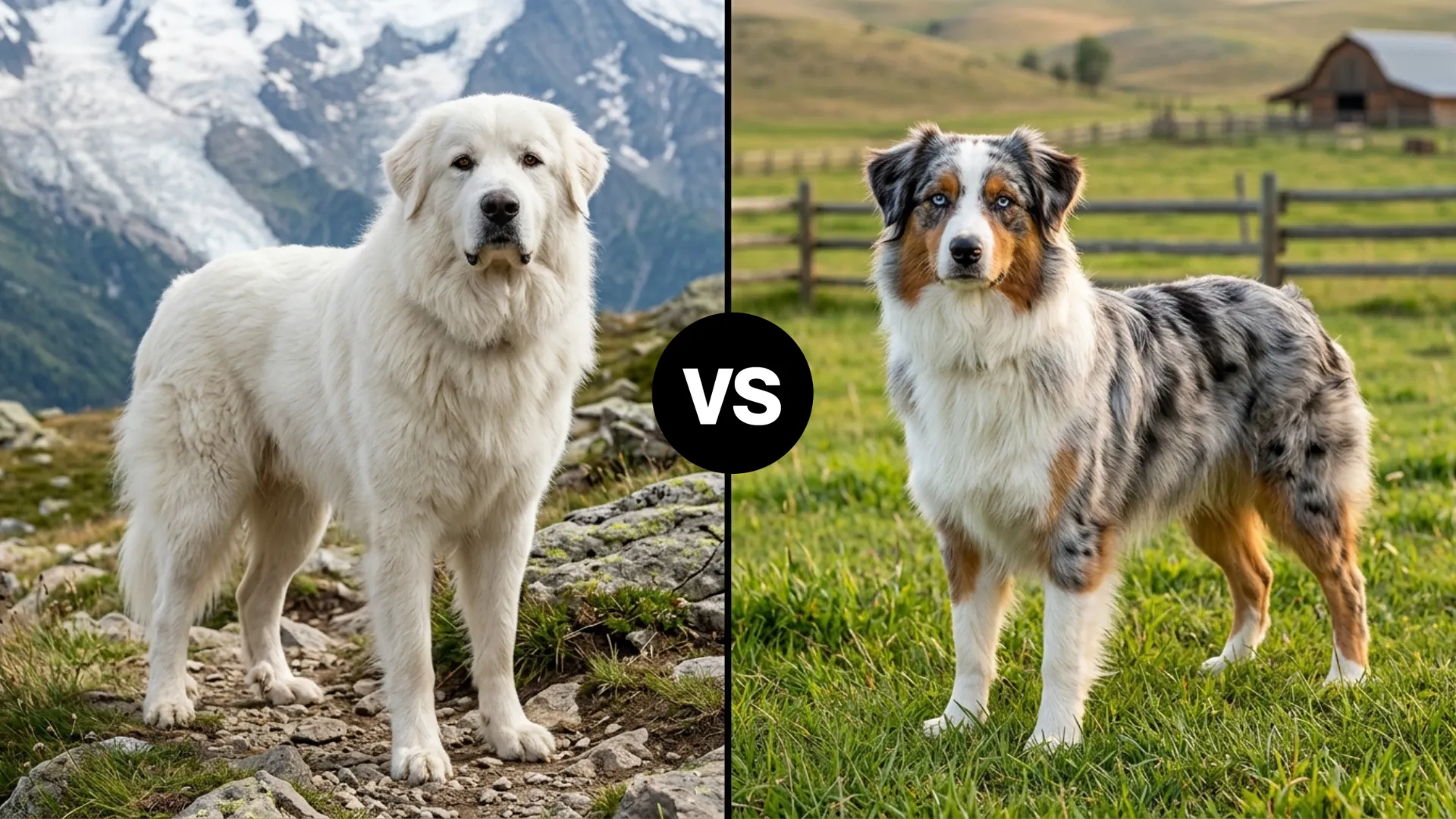
Putting the Great Pyrenees and Australian Shepherd side by side is like comparing a calm mountain security guard with a hyper-intelligent ranch manager who already made a spreadsheet for the sheep. Both breeds are loyal, beautiful, and hardworking, but they were built for completely different jobs.
One was made to guard livestock with quiet confidence, while the other was made to move livestock with speed, focus, and problem-solving skills.
The Great Pyrenees is usually slower, steadier, larger, more independent, and more instinctively protective. The Australian Shepherd is usually faster, busier, smaller, more trainable, and more mentally demanding.
So, if you are stuck between these two breeds, do not just ask, “Which one is cuter?” because the answer is unfairly both. Ask which dog matches your space, schedule, patience, activity level, grooming tolerance, and training style.
Let’s break down the real differences that matter before you bring home either a majestic livestock guardian or a four-legged productivity coach.
Great Pyrenees vs. Australian Shepherd: Essential Breed Differences
Origins & Purpose
The Great Pyrenees was bred to protect livestock, not to move them around like a border-collie-style manager. Its job was to live with sheep, watch the land, detect threats, and make independent decisions when predators came near.
The Australian Shepherd, a large breed dog, was built for a totally different mission. Instead of standing guard over a flock, Aussies were developed to herd livestock, respond to handler cues, and keep animals moving in the right direction. The Australian Shepherd Club of America represents the breed as a working stock dog tradition, and the AKC notes that Aussies are tireless, brainy, and highly trainable partners for work or sport.
The Great Pyrenees is more independent because livestock guardians had to make decisions without constant human direction. The Australian Shepherd is more responsive because herding dogs had to work closely with people and react quickly to commands. That is why a Pyr may ignore you like a wise old mountain monk, while an Aussie may stare at you like it is waiting for the next project brief.
Physical Size & Build
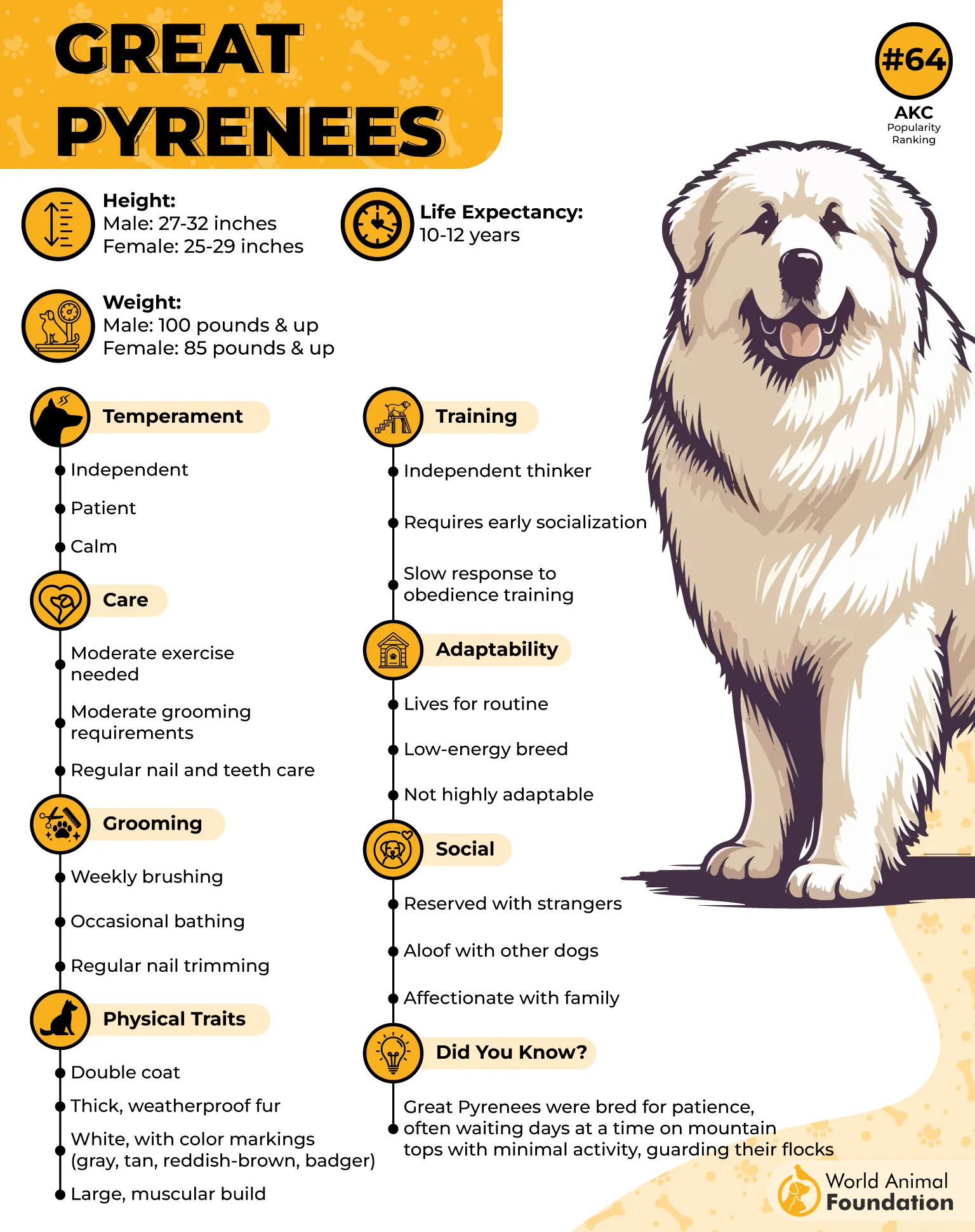
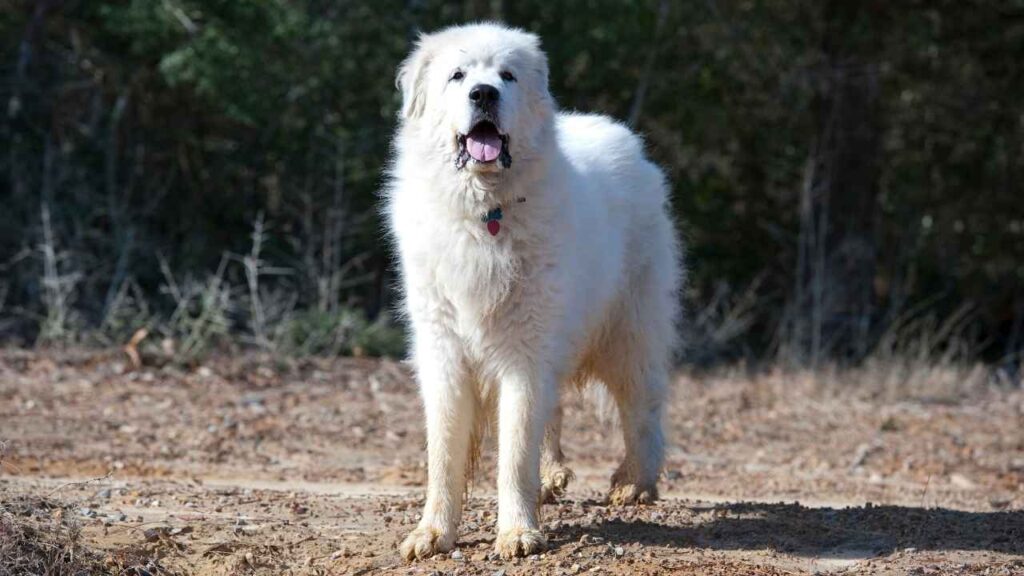
The Great Pyrenees is much larger than the Australian Shepherd, and this is one of the most obvious differences. According to PetMD, male Great Pyrenees stand about 27–32 inches tall, while females stand about 25–29 inches. They are giant, powerful dogs with a thick white coat and a serious “I own this hillside” presence.
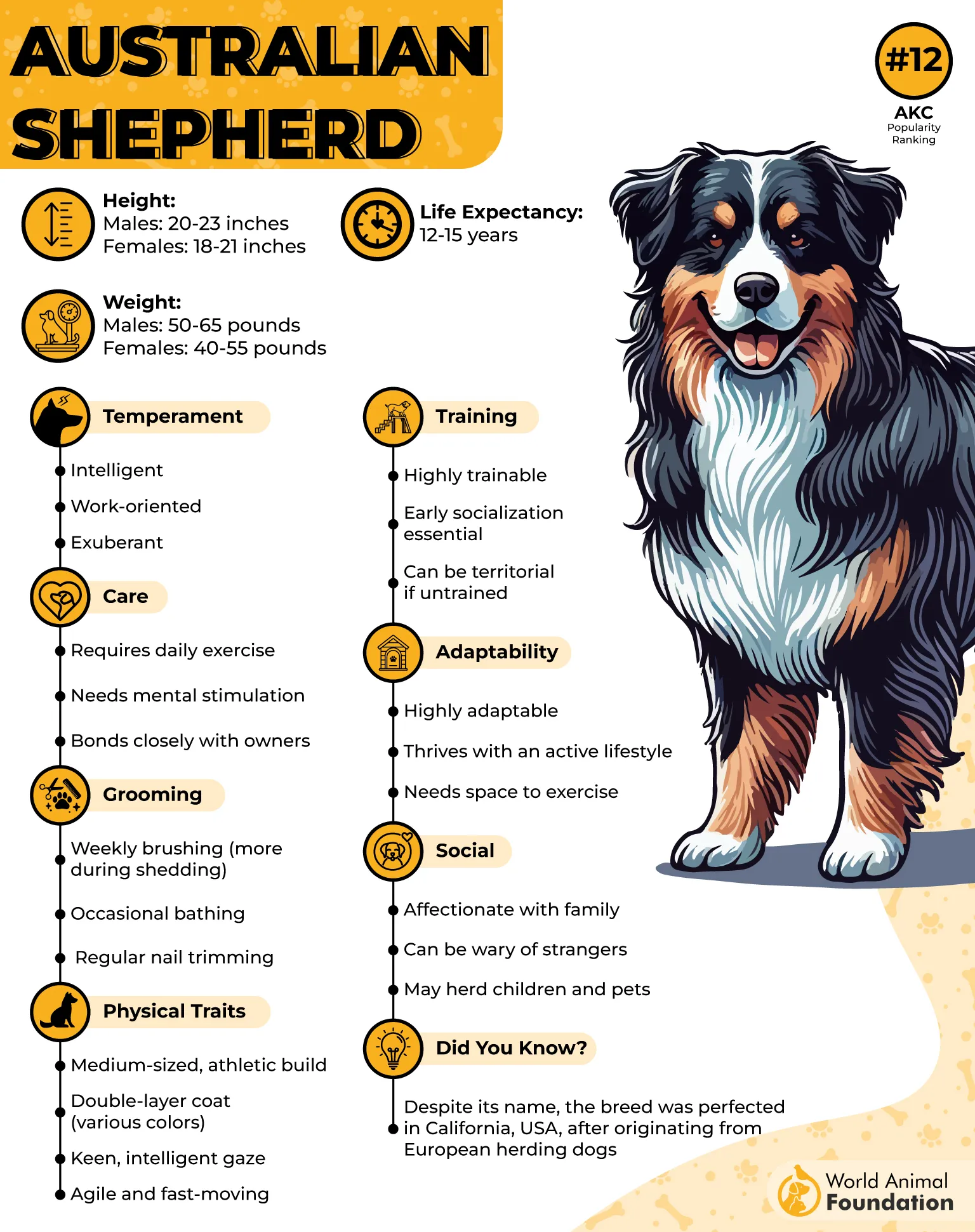
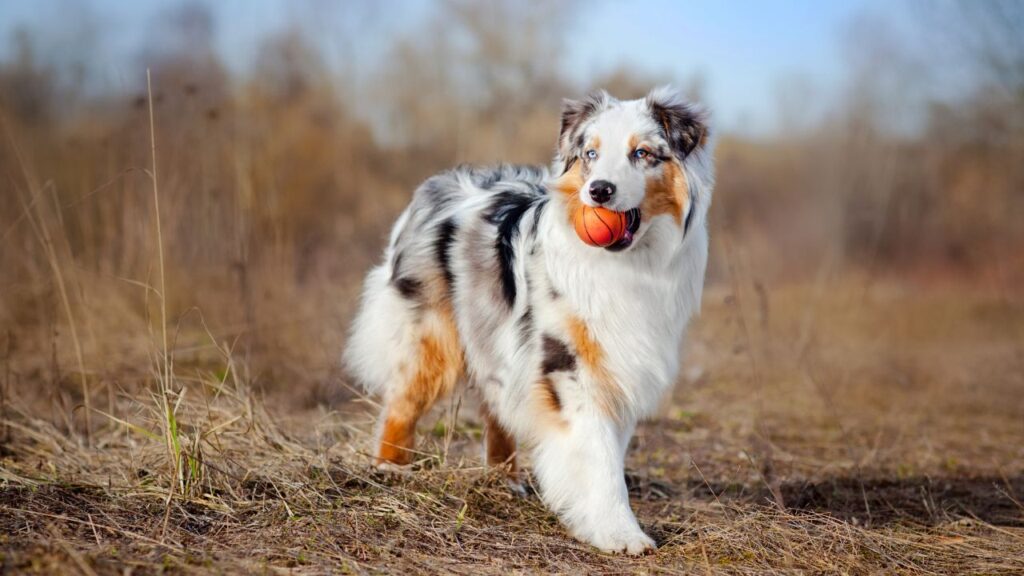
Australian Shepherds are medium-sized herding dogs, not giants. The males are about 20–23 inches, and the females are about 18–21 inches. They are athletic, agile, and built for speed, quick turns, and long days of active work rather than slow guardian patrol.
A Great Pyrenees has a heavy, imposing frame that serves as a natural deterrent. This dog can look calm while still making strangers reconsider their entire decision-making process. Its body is made for endurance, cold weather, and strength rather than quick, flashy movement.
An Australian Shepherd has a lighter, more flexible body designed for herding action. It can accelerate, pivot, crouch, jump, and change direction like it is running on gamer reflexes. Its build suits agility, farm work, dog sports, hiking, and active families who enjoy a dog that can keep going.
So if space is limited, the Aussie is much easier to manage physically. If you want a giant guardian presence and have room for a large breed, the Great Pyrenees brings that majestic scale.
Pricing & Availability
Great Pyrenees puppies can vary widely in price depending on breeder quality, working lines, health testing, location, and whether the dog is bred for livestock guarding or companionship. In many areas, they are also found through rescue because some owners underestimate their size, barking, shedding, and independent nature.
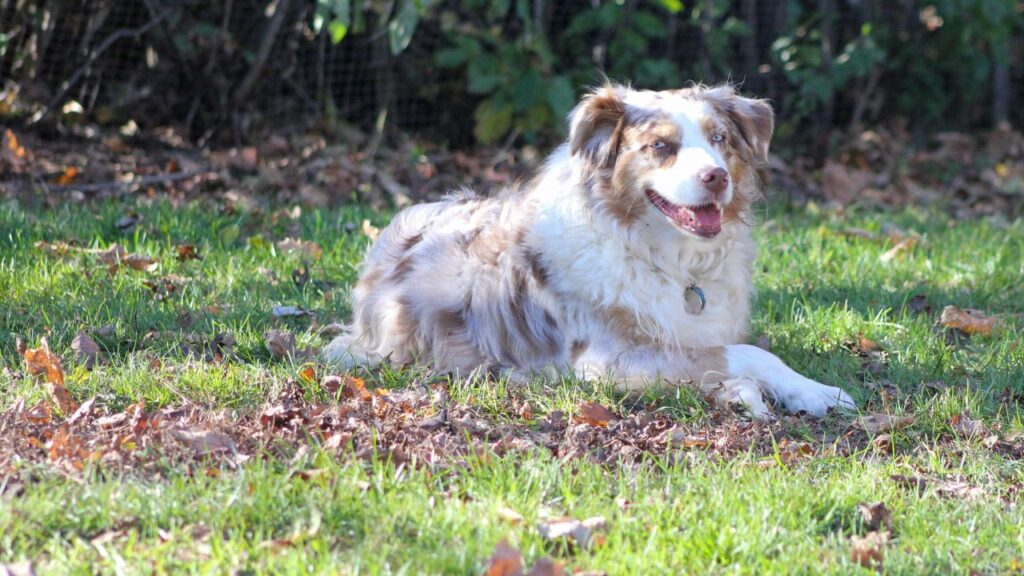
Australian Shepherds are generally easier to find because they are widely popular as companions, sport dogs, and working dogs. More availability can also mean more irresponsible breeding, especially when people chase merle coats, blue eyes, or “mini” versions without caring enough about health and temperament.
A Great Pyrenees from a responsible breeder should come from parents who have been screened for major health and structural concerns. A livestock guardian breeder may also prioritize working instincts, calmness around animals, and stable guardian behavior.
In both breeds, the cheapest puppy can become the most expensive dog if health and behavior are ignored. Rescue can be a wonderful option, especially for owners who understand breed needs and want to give a dog a second chance.
Personality & Temperament
The Great Pyrenees is usually calm, patient, protective, and deeply loyal. It often acts like a peaceful family guardian, gentle with its people but alert to anything suspicious. This dog is calm, patient, and smart, which fits its history as a quiet decision-maker around livestock.
The Australian Shepherd is usually lively, intelligent, affectionate, and intensely engaged with its humans. This breed wants to participate, learn, move, and understand what is happening at all times. If the Great Pyrenees is the calm night watchman, the Aussie is the coworker who asks what the plan is before you even open your laptop.
A Pyr may be affectionate, but it is not usually as needy as an Aussie can be. It may choose a spot where it can watch the house and quietly monitor everyone. It loves family, but it does not always need nonstop instructions, games, or emotional check-ins.
An Aussie often bonds closely and may follow its person from room to room, not because it is weak, but because it is wired to work with people. This can be adorable until the dog starts herding children, cats, guests, or your ankles. That herding instinct needs proper outlets, or your household becomes the flock.
Energy Levels & Exercise Needs
The Great Pyrenees has moderate exercise needs compared with many working breeds. It needs daily walks, space to move, and mental stimulation, but it is not usually begging for agility drills at sunrise. This breed often prefers purposeful roaming, patrolling, and relaxed outdoor time over constant high-speed games.
The Australian Shepherd has much higher energy and mental exercise requirements. The Kennel Club warns that the Aussie’s strong work drive can be too much for sedentary owners.
A Great Pyrenees may enjoy a calm walk, then settle near the family or choose a lookout spot. It is not lazy, but it conserves energy like a guardian that knows the night shift may get real.
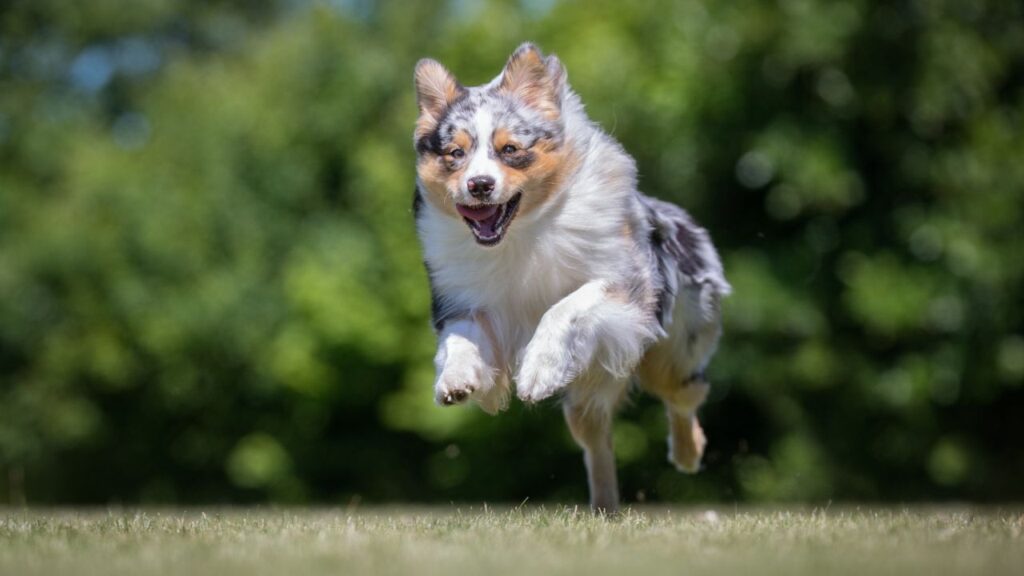
An Australian Shepherd needs structured activity, not just random backyard time. Fetch, hiking, herding, agility, obedience, scent games, trick training, and puzzle work can all help keep its brain from turning into a problem factory. A bored Aussie does not simply nap; it creates a lifestyle crisis.
Trainability & Intelligence
The Australian Shepherd is generally easier to train in the traditional obedience sense. It is highly intelligent, handler-focused, and quick to learn patterns. Aussies often excel in dog sports because they enjoy solving problems with their humans.
The Great Pyrenees is also intelligent, but its intelligence works differently. This breed was developed to think independently rather than wait for constant commands. That means a Pyr may understand what you want and still decide your idea is not the best use of mountain-guardian resources.
Training an Aussie can feel fast, exciting, and impressive. They can learn commands quickly, chain behaviors, and pick up routines almost too well. The downside is that they also learn bad habits quickly if owners are inconsistent.
Training a Great Pyrenees requires patience, humor, and respect for independent thinking. Harsh correction can damage trust, and repetitive drills may bore the dog. Positive reinforcement, calm boundaries, early leash manners, and socialization are the winning formula.
Coat Grooming & Maintenance
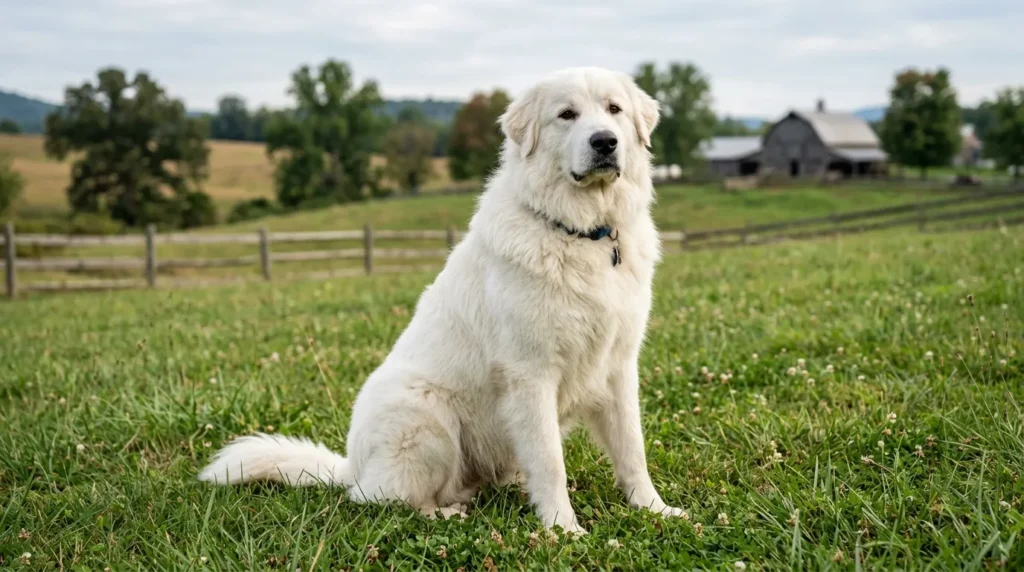
The Great Pyrenees has a thick double coat designed to protect it from mountain weather, says Chewy. That coat is beautiful, but it sheds heavily and can turn your home into a white-fur weather event. Regular brushing is essential, especially during seasonal shedding.
The Australian Shepherd also has a double coat, but it is usually more moderate in size and coat volume. Aussies shed too, especially during coat-blowing seasons, but their grooming load is generally easier to manage than that of a giant Pyr. Still, the feathering behind the legs, tail, and ears can collect burrs, mud, and outdoor souvenirs.
A Great Pyrenees coat needs brushing to prevent mats and remove loose undercoat. Because the breed is so large, grooming can take a real amount of time and physical effort. Bathing one is not a quick “five-minute sink situation”; it is a full-body project with towels, patience, and probably regret.
An Australian Shepherd needs regular brushing, especially if it is active outdoors. Its coat can handle work and weather, but mud, seeds, and tangles should not be ignored. The good news is that the smaller body makes grooming less of a workout.
Health & Lifespan
The Great Pyrenees generally has a shorter lifespan than the Australian Shepherd because it is a giant breed. The AKC lists the Great Pyrenees’ lifespan at around 10–12 years. Like many large breeds, it can be prone to issues such as hip dysplasia, bloat, joint problems, and certain inherited conditions.
The Australian Shepherd usually lives longer, around 12–15 years. Aussies can face health concerns such as hip dysplasia, eye conditions, epilepsy, and drug sensitivity related to the MDR1 gene in some herding breeds. Responsible breeders should test and screen breeding dogs carefully.
A Great Pyrenees owner must be especially careful with weight, joint health, and bloat awareness. Giant breeds need controlled growth as puppies, appropriate food, and exercise that protects developing bones. Keeping a Pyr lean is one of the kindest things an owner can do.
An Australian Shepherd owner must pay close attention to genetic health, eye checks, and safe exercise. Because Aussies are so active, injuries can happen if they are overworked, under-conditioned, or pushed too hard, too young. Their brain may say “go,” but their body still needs smart management.
Great Pyrenees vs. Australian Shepherd: Which Breed Suits You Better?
Choose the Great Pyrenees if you want a calm, protective, independent dog with a strong guardian instinct. It is better for homes with space, secure fencing, and owners who appreciate a dog that thinks for itself. It can be wonderful for rural properties, farms, and families who want a steady presence rather than a high-speed activity partner.
Choose the Australian Shepherd if you want a smart, active, trainable dog that thrives on work, sport, and daily engagement. It is better for people who enjoy hiking, training, agility work, ranch work, or mental-enrichment games. This dog wants a job, and “just exist quietly in the corner” is not usually enough.
The Great Pyrenees is often better for people who prefer a slower-paced dog. It may still bark, shed, and guard strongly, but it does not usually require as much constant activity as an Aussie. Its biggest challenges are not energy; they are size, independence, and protective instincts.
The Australian Shepherd is often better for people who want a dog they can actively train and do things with every day. It may be easier to teach commands, but harder to tire out. Its biggest challenge is not stubbornness; it is intensity, intelligence, and the need for outlets.
In simple terms, the Great Pyrenees is a great dog for calm protection, while the Australian Shepherd is better for active partnership.
Conclusion
The Great Pyrenees and Australian Shepherd are both loyal, hardworking breeds, but they are not built for the same kind of life. The Great Pyrenees is huge, calm, protective, independent, and best suited to owners who respect guardian instincts. The Australian Shepherd is medium-sized, energetic, highly trainable, mentally sharp, and best suited to active people who want a dog with daily purpose.
If you want a relaxed but watchful family guardian, the Great Pyrenees is more your speed. If you want an athletic dog that can train, compete, hike, herd, and learn faster than you expected, the Australian Shepherd is the better match. Both breeds are amazing, but only when their needs match the home.
Do not choose the Great Pyrenees just because it looks like a giant fluffy angel, and do not choose the Australian Shepherd just because those merle coats and bright eyes are unfairly gorgeous. Choose based on real-life care, exercise, training, grooming, space, and temperament. The right dog will fit your lifestyle; the wrong one will make you redesign your entire personality.
