




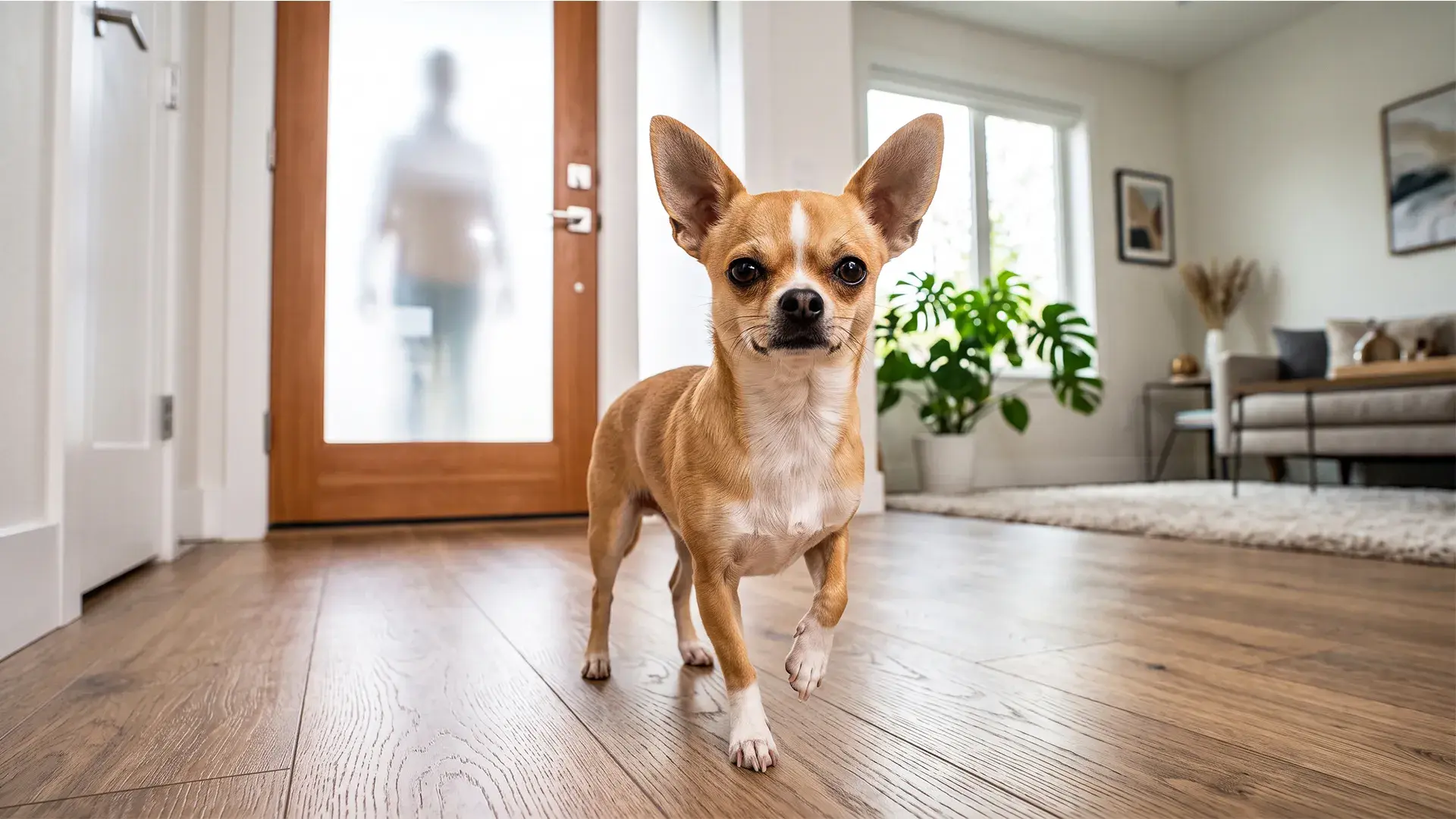
A watchdog does not need massive paws, intimidating muscles, or the ability to chase an intruder down the street. Sometimes, the most effective home alarm comes in a tiny package with sharp hearing, strong territorial instincts, and absolutely no indoor voice.
Small watchdog breeds may not physically overpower a threat, but they can quickly alert their families when a visitor, an unfamiliar sound, or a suspicious movement appears nearby.
It is important to understand the difference between a watchdog and a guard dog before choosing a breed. Watchdogs mainly detect unusual activity and raise the alarm, while guard dogs may be physically capable of confronting a threat.
Let’s meet seven compact dogs with big personalities, impressive awareness, and enough vocal confidence to run their own neighbourhood security department.
Best Small Dog Breeds for Watchdog Protection
1. Miniature Pinscher

The Miniature Pinscher has an old European history. The American Kennel Club describes this proud, fearless Toy breed as the “King of Toys,” which feels extremely accurate once one begins patrolling your living room.
These dogs are naturally curious, quick to investigate unfamiliar noises, and ready to announce visitors’ arrival before the doorbell rings. Their confidence is much larger than their body, so they rarely act as though their small size should limit their authority.
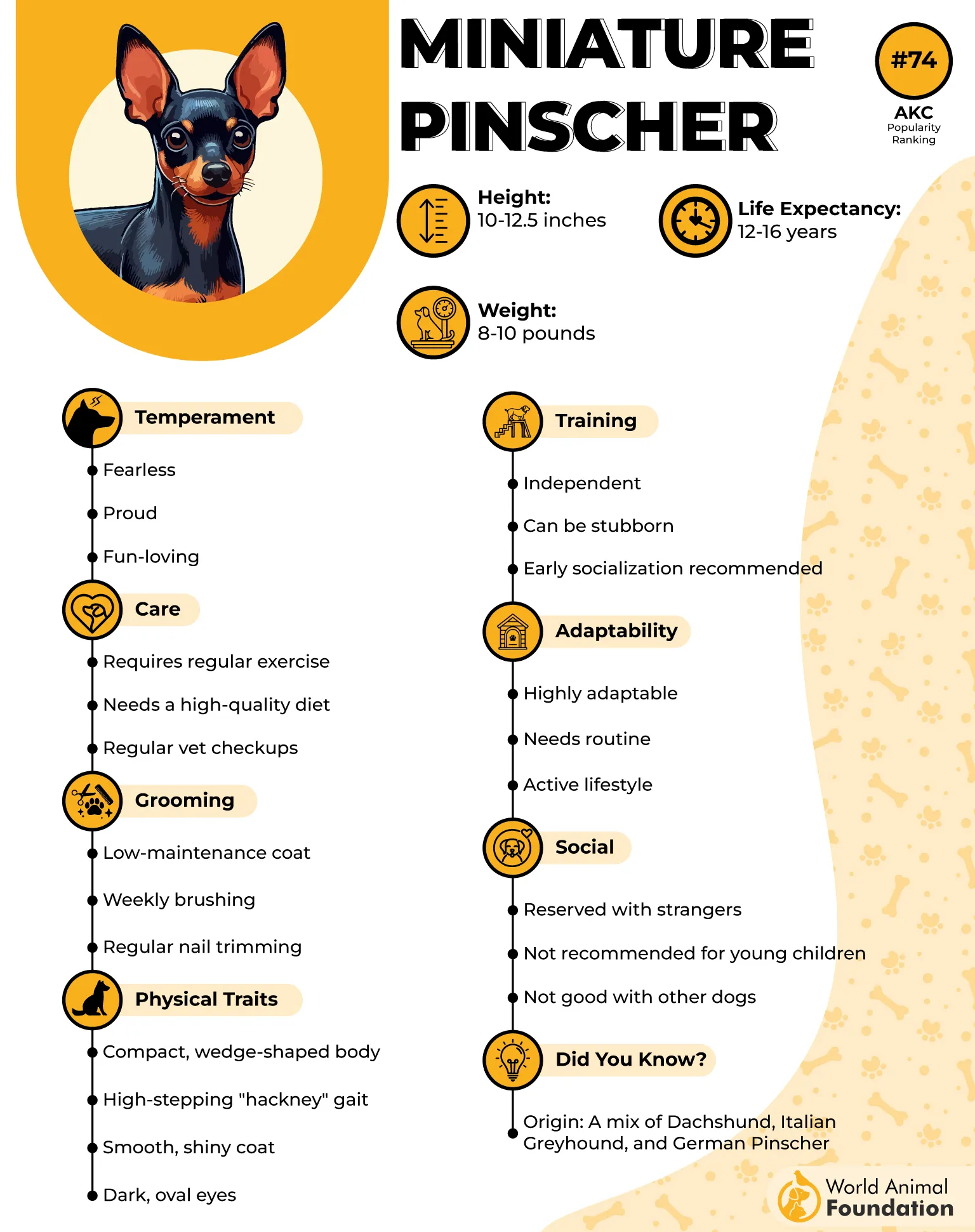
Because they are energetic and intelligent, they need more than a comfortable lap and a collection of tiny sweaters. Daily walks, interactive games, scent-based activities, and short obedience sessions help channel their busy minds into productive behaviour.
Early socialisation is essential because territorial confidence can become an overreaction when a puppy is not introduced positively to different people, sounds, dogs, and environments. Reward-based training can teach the dog to alert briefly and then settle when the owner confirms that everything is safe.
This breed is deeply people-oriented and generally wants to remain involved in whatever its family is doing. They can adapt to apartment life with sufficient exercise, but their vocal habits must be addressed before every hallway sound becomes breaking news.
2. Chihuahua
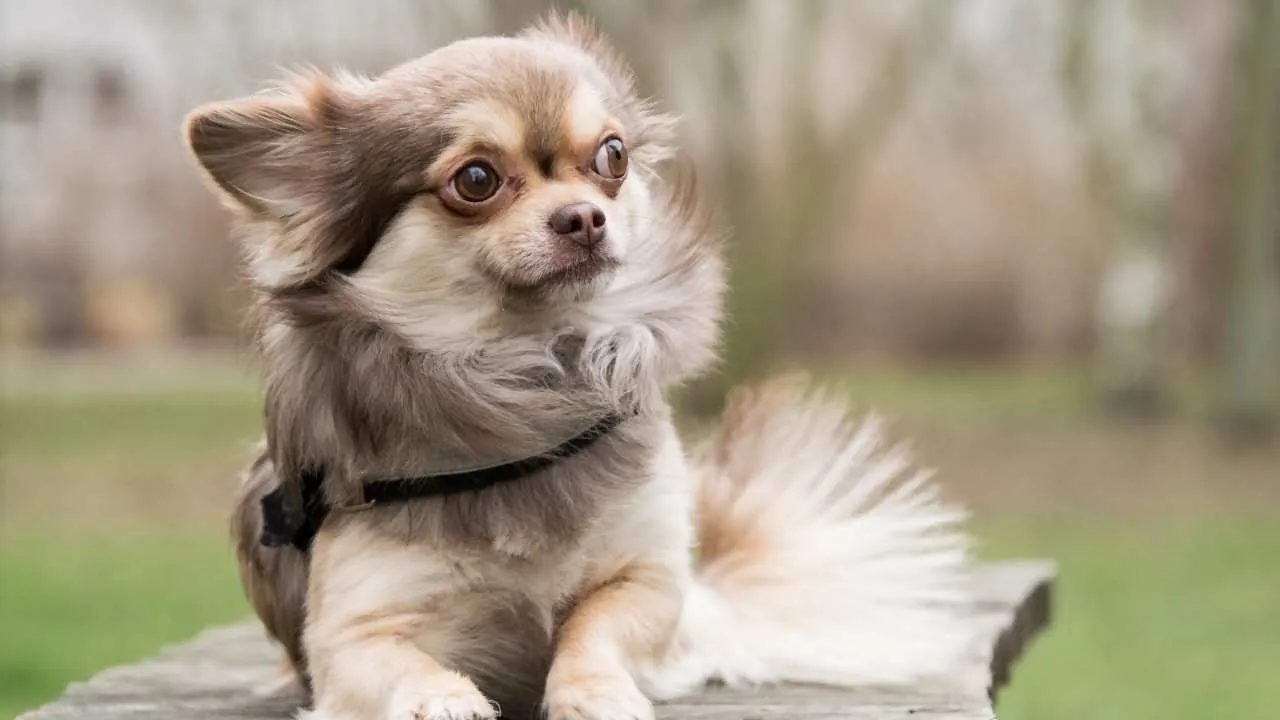
The Chihuahua is tiny enough to travel comfortably but confident enough to behave like the manager of the entire property. These intensely alert dogs often notice people approaching the home before their owners do, and they are rarely shy about sharing that discovery.
Although they cannot physically defend a household from a serious threat, their sharp awareness makes them surprisingly effective early-warning companions.
They frequently form strong attachments to one person or a small family circle. That loyalty can make them attentive to unfamiliar visitors, unusual movements, and anyone they believe is approaching their favourite human too quickly.
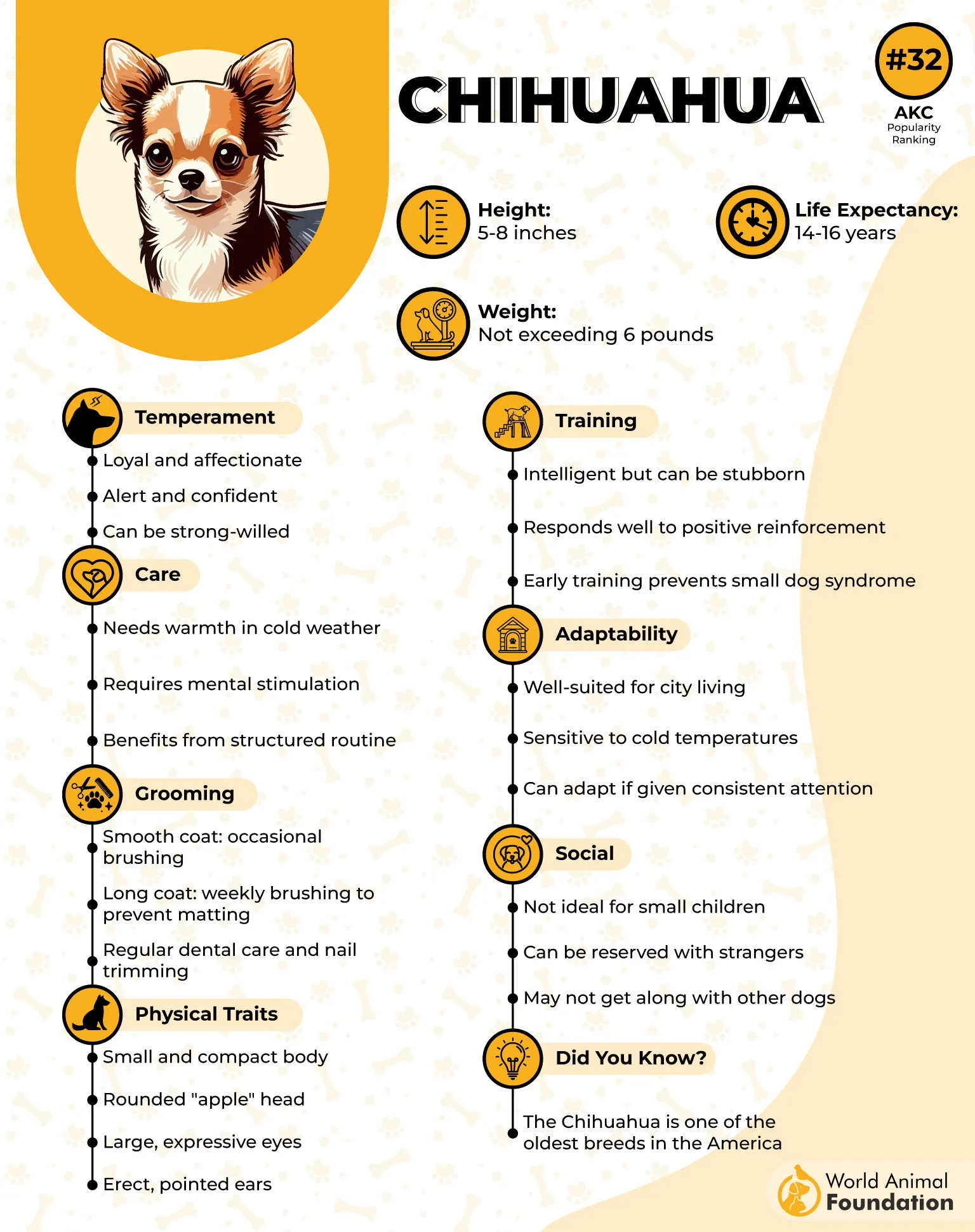
Their readiness to bark may be useful for security, but it can also become excessive when every normal sound is treated like the beginning of an action movie.
Despite their reputation for attitude, they are intelligent dogs capable of learning household boundaries. Positive reinforcement can teach them that one or two warning barks are helpful, while continuous barking is unnecessary after the owner has assessed the situation.
The breed is highly adaptable and can live happily in apartments, smaller homes, or larger properties. Their exercise requirements are manageable, but they still benefit from daily walks, opportunities to sniff, play sessions, and mental challenges.
Socialisation should begin early and continue throughout the dog’s life. Positive exposure to respectful adults, gentle children, friendly dogs, grooming, travel, and everyday noises helps prevent alertness from turning into chronic anxiety.
3. Miniature Schnauzer
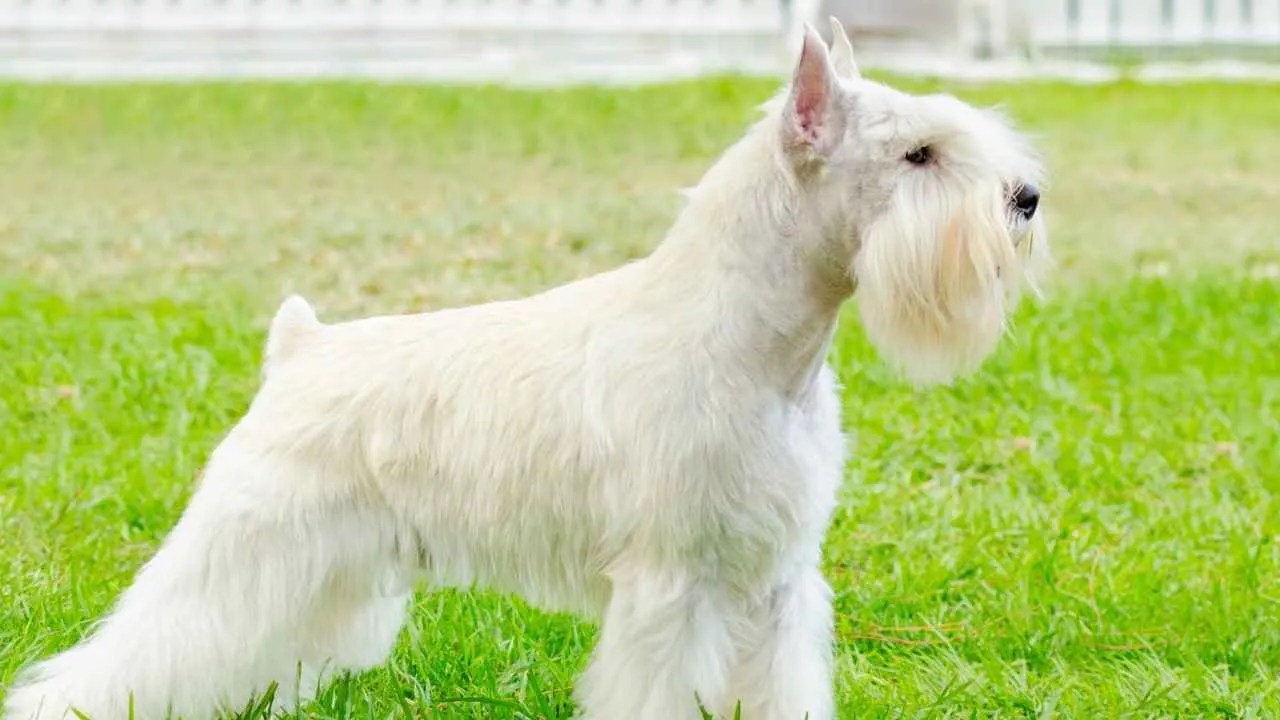
The Miniature Schnauzer combines an expressive beard, sharp intelligence, and the energy of someone who just discovered unfinished tasks. Developed in Germany, the breed retained the alertness, determination, and working instincts associated with its background.
Modern Miniature Schnauzers are lively family companions that often remain naturally watchful around the home. These dogs tend to notice everything from a visitor entering the driveway to a plastic bag moving suspiciously across the garden.
Their strong voice makes them effective alarm barkers, and they are generally confident enough to investigate unusual activity. However, their barking can become a neighbourhood nuisance if owners fail to establish clear rules.
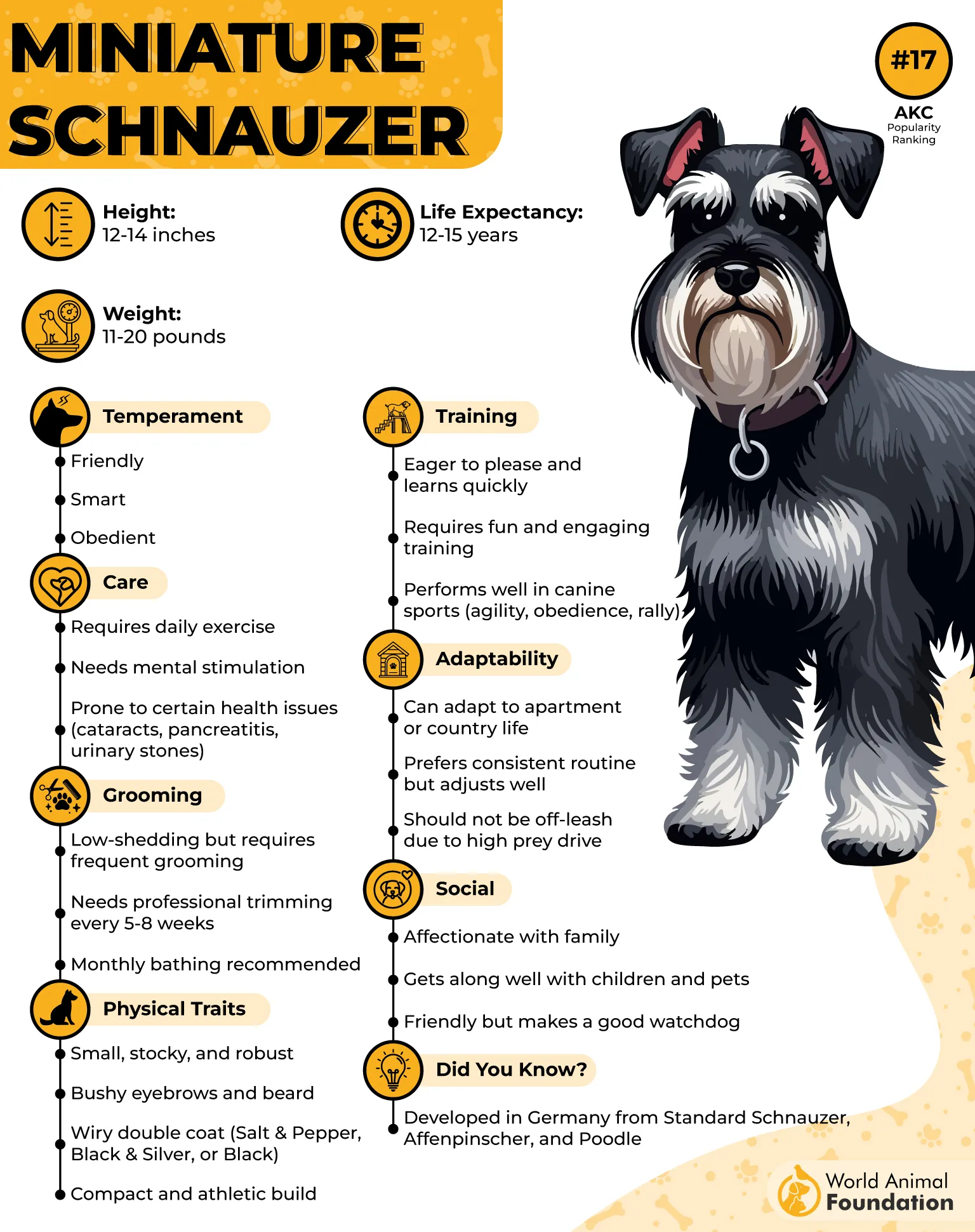
Purina mentions that Miniature Schnauzers are highly trainable because they are intelligent, engaged, and often eager to participate with their people. Short sessions involving obedience, tricks, scent games, or agility-style exercises can keep their minds satisfied.
They are affectionate and playful with family members, including children who understand how to interact respectfully with dogs. Their protective tendencies may encourage them to stand near a child, observe visitors, or position themselves where household activity is easy to monitor.
This breed can adapt well to apartment living when exercise, training, and barking control are taken seriously. Regular grooming is necessary to maintain the wiry coat, furnishings, and famously distinguished beard.
4. Lhasa Apso
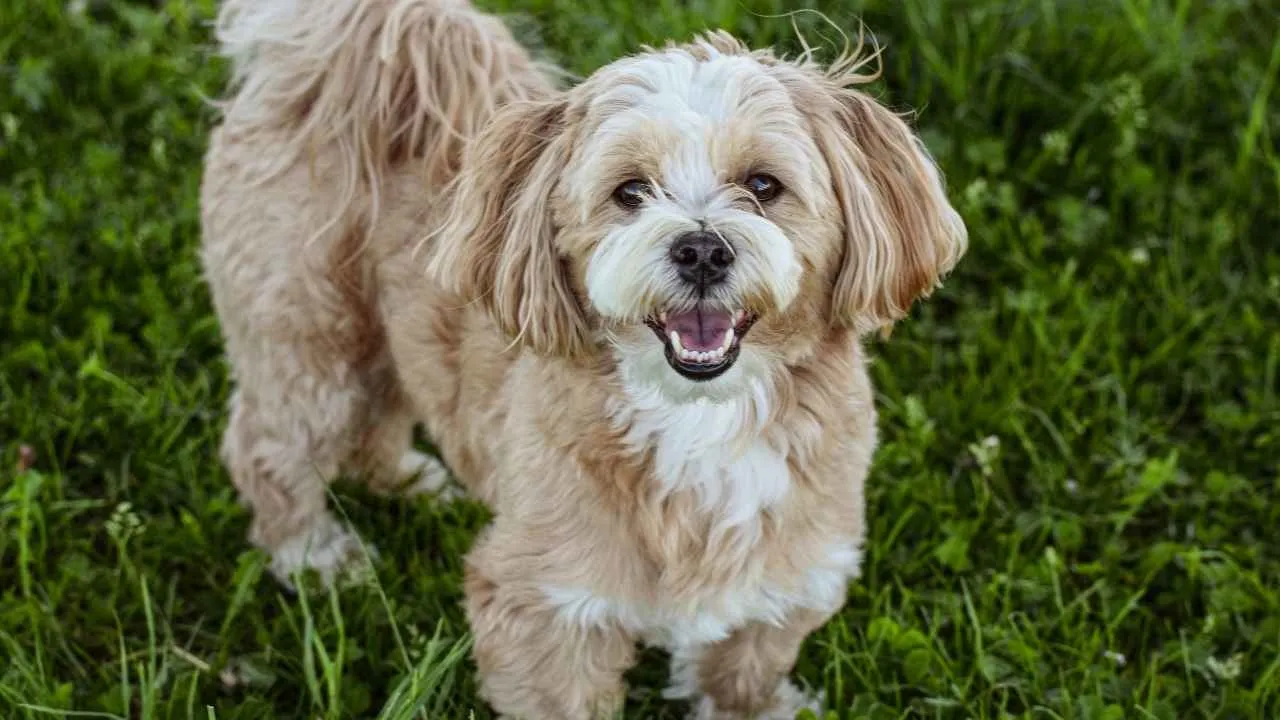
The Lhasa Apso did not accidentally become suspicious of strangers after spending too much time watching the front window. The breed developed in Tibet, where these small dogs served as indoor sentinels in monasteries and important residences.
Their historical responsibility was to notice approaching people and raise the alarm, so modern watchdog behaviour comes with centuries of professional experience.

PetMD claims that a Lhasa Apso is often affectionate and amusing with trusted family members while remaining more reserved around unfamiliar people. These dogs do not usually assume that every newcomer deserves instant friendship, which can be valuable in a watchdog.
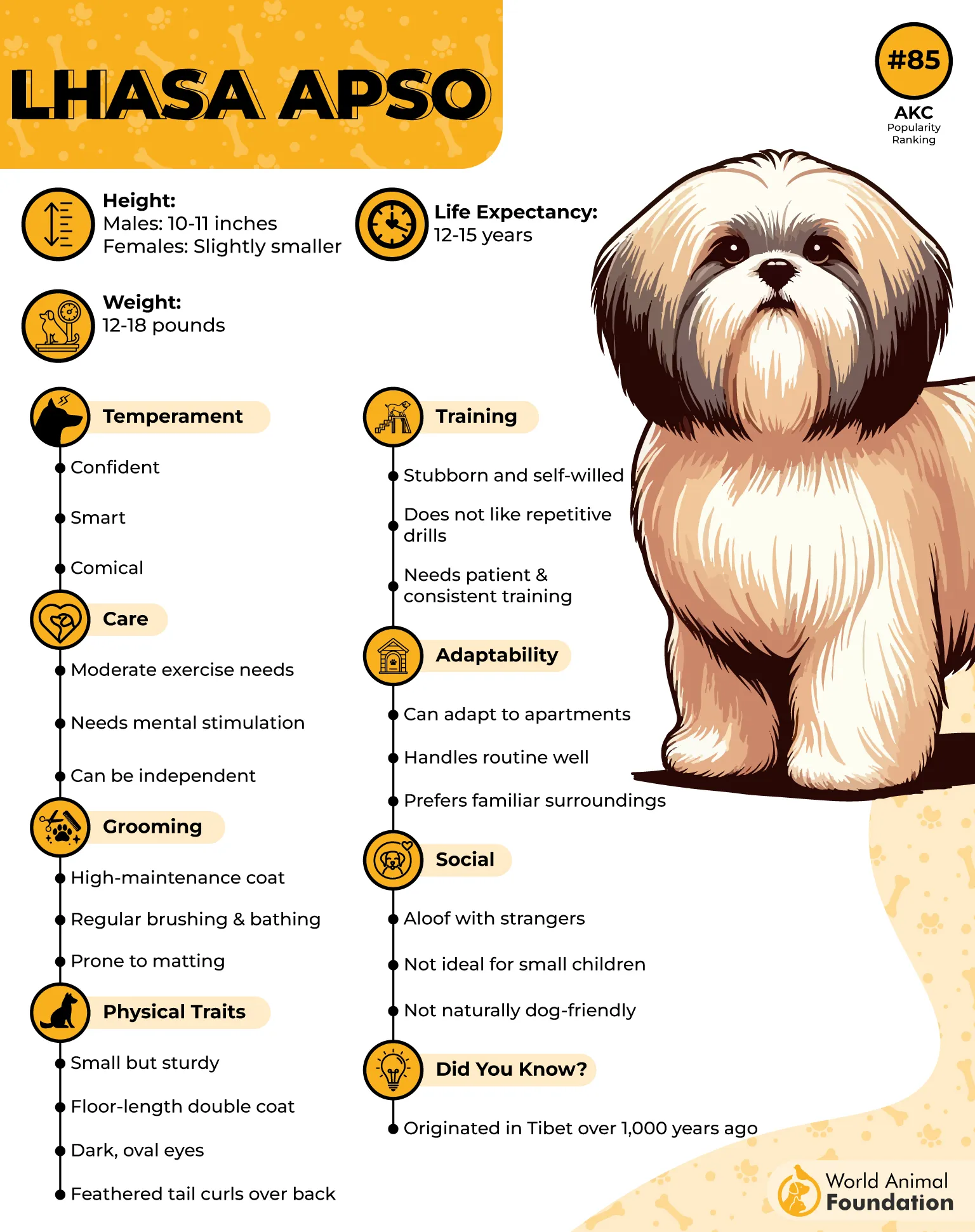
Their cautious nature allows them to observe first, although proper socialisation is necessary to prevent normal reserve from becoming fearfulness.
The breed’s independent thinking can make training both entertaining and humbling. Lhasas understand lessons quickly, but they may question whether following every instruction offers sufficient personal benefit.
They can live comfortably in apartments because they are compact and do not require marathon-level exercise. Nevertheless, daily walks, play, and mental enrichment remain important for emotional balance and physical health.
Barking control should begin early because an under-stimulated Lhasa may appoint itself chief analyst of every sound occurring within a two-building radius.
5. Yorkshire Terrier

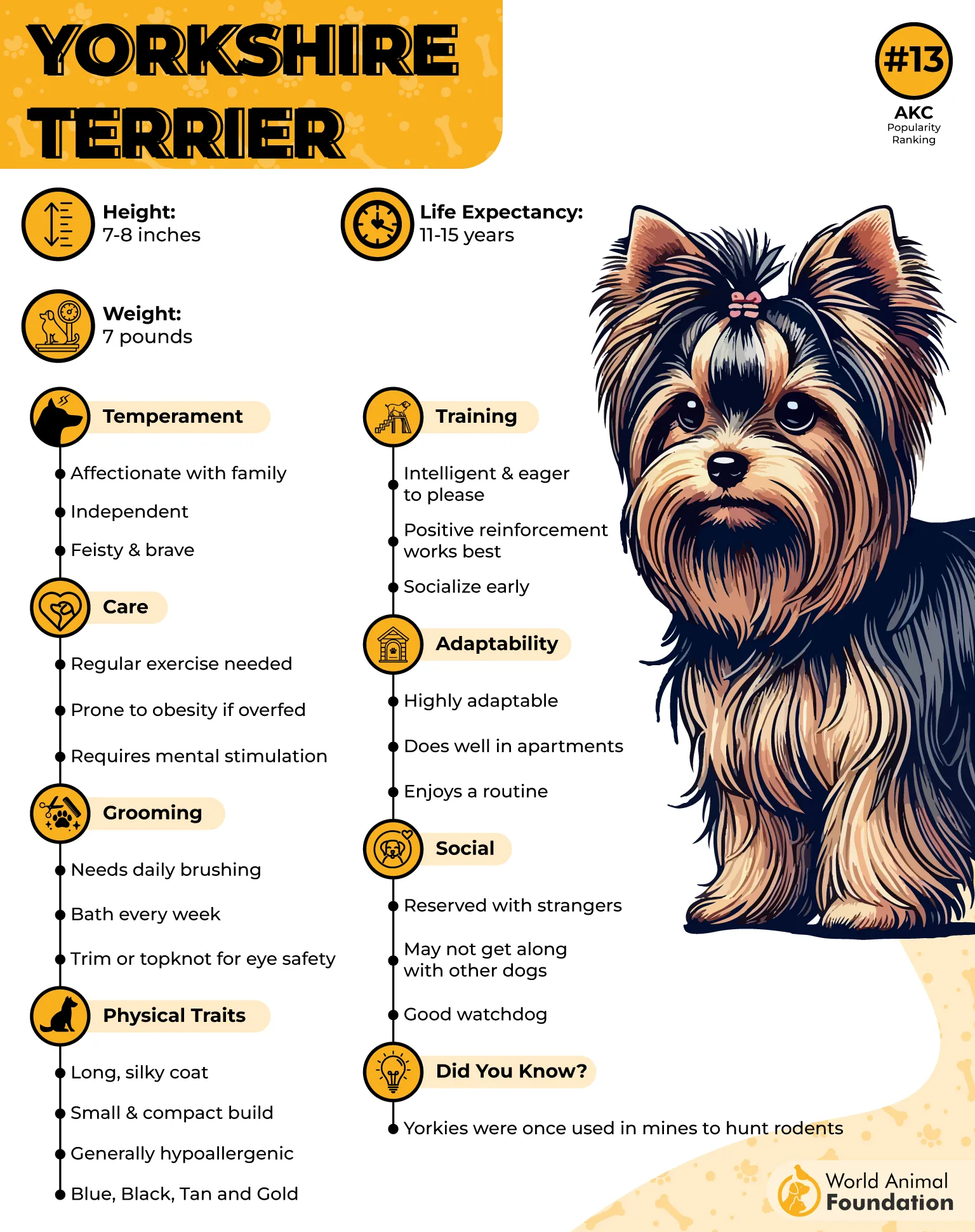
The Yorkshire Terrier may look like a glamorous lapdog prepared for a luxury photoshoot, but its personality still carries unmistakable terrier energy. Yorkies were historically associated with catching rats in mills and working environments in nineteenth-century England.
A Yorkie often reacts quickly to unfamiliar sounds, to visitors approaching, or to changes in its surroundings. Its bark is sharp enough to draw immediate attention, making the breed a capable household alarm.
The downside is that Yorkies may report harmless events with the same enthusiasm they would use for something genuinely suspicious.
Training and socialisation should begin while the dog is young. Meeting different people, walking through varied environments, and learning to behave calmly around visitors can prevent protective instincts from escalating into unnecessary aggression.
They are affectionate companions that enjoy remaining close to their favourite people. Their devotion may encourage protective behaviour, particularly when someone approaches the owner unexpectedly or enters the dog’s personal space.
Clear boundaries are necessary because constantly picking up or comforting a barking Yorkie can accidentally reinforce the idea that strangers are dangerous.
The long, silky coat requires regular maintenance, although many companion Yorkies wear a shorter trim for convenience. Their bodies are small, but they still need walks, play, training, and opportunities to explore safely.
6. Tibetan Spaniel
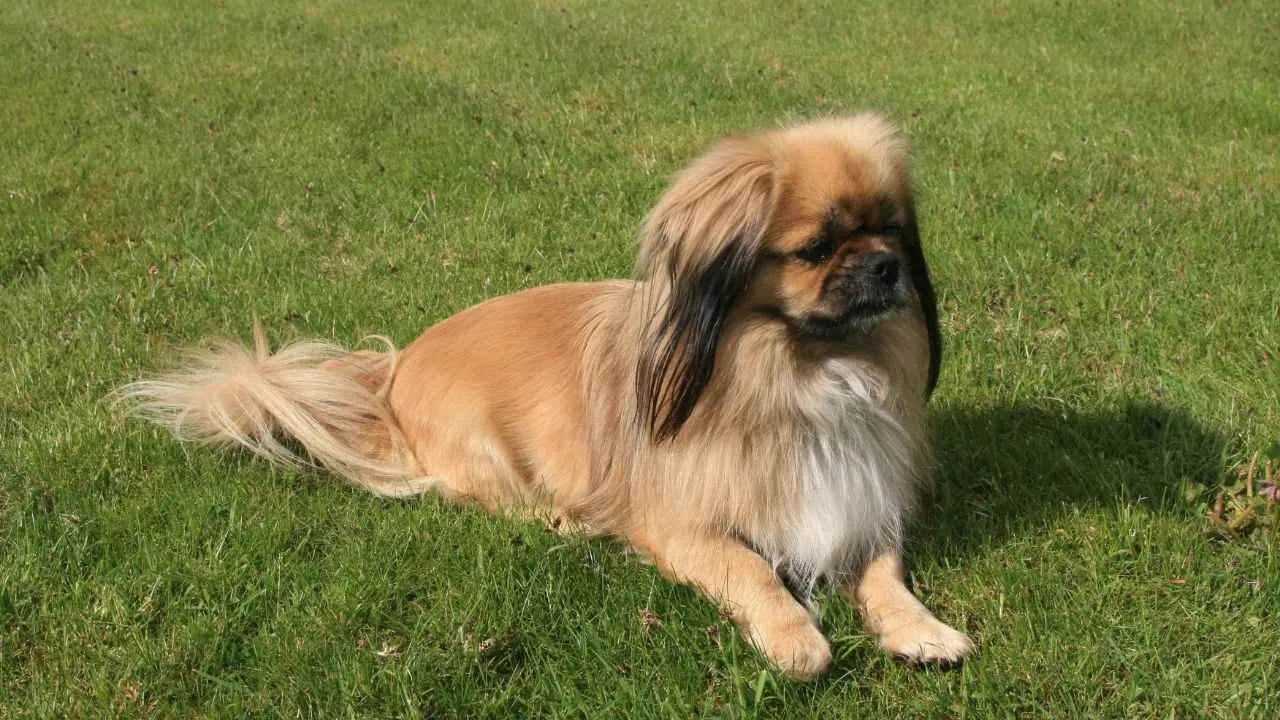
The Tibetan Spaniel is not a traditional sporting spaniel and was not developed to flush or retrieve game. These small companion dogs have deep historical ties to Tibetan monasteries, where they were valued for their companionship and alert behaviour.
Modern Tibetan Spaniels still enjoy climbing onto sofas, window ledges, or other safe vantage points. From these observation stations, they can monitor pedestrians, vehicles, animals, and other moving objects as they move through their territory.
They usually bark when something appears unusual, but they should not display uncontrolled aggression or be encouraged to confront strangers.
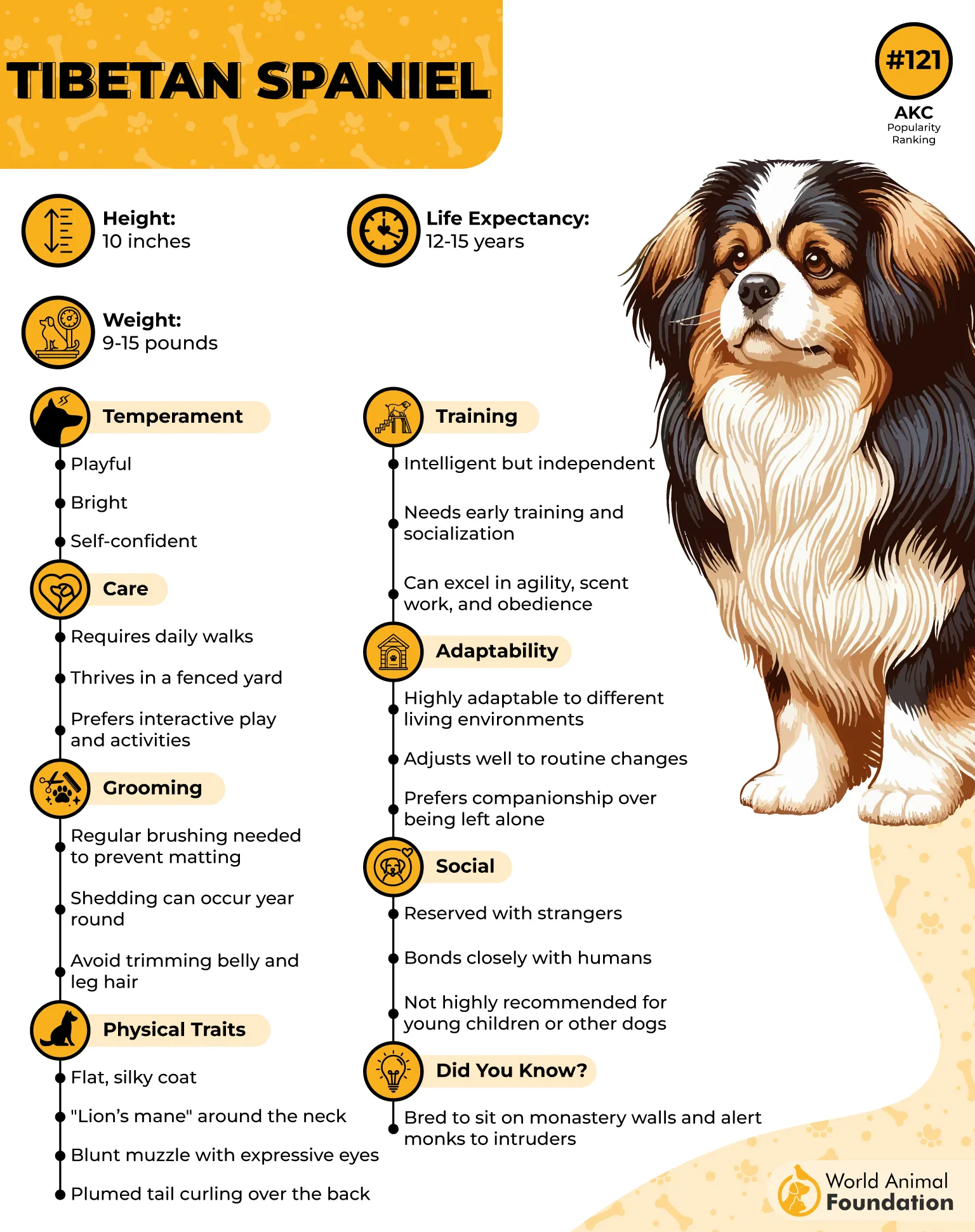
They are affectionate with family members but may remain naturally aloof around unfamiliar people. Their reserve allows them to watch a situation before deciding whether a newcomer belongs in the social circle. Once properly introduced, many become warm and accepting without losing their environmental awareness.
These intelligent dogs respond best to patient, reward-based training. They possess an independent streak, so lessons should be enjoyable rather than built around endless repetition. Teaching a reliable quiet cue, recall, and a designated resting place can help owners manage alert barking without suppressing the breed’s useful instincts.
7. Schipperke
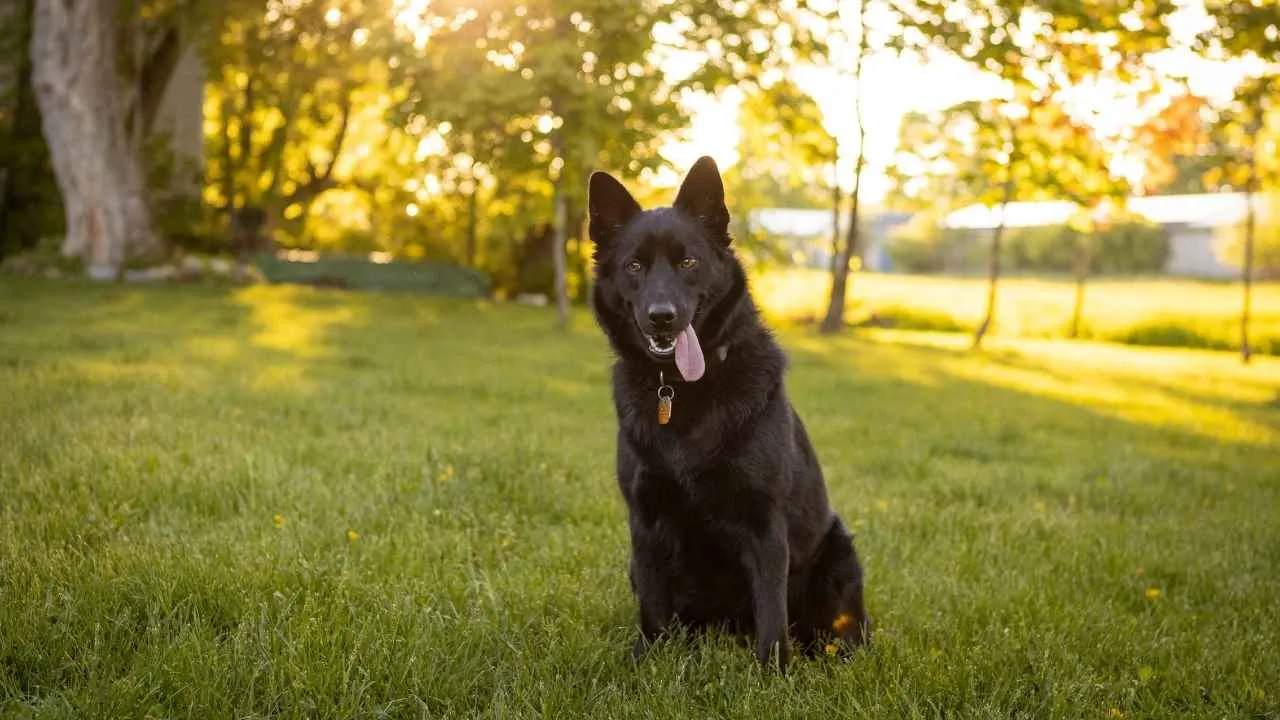
The Schipperke is a compact Belgian breed traditionally associated with barges, workshops, vermin control, and watchdog duties. Its nickname, Belgium’s “little captain,” perfectly matches its confident posture and intense interest in everything happening nearby.
They are curious, agile, and almost professionally nosy.
They like to investigate sounds, movement, open doors, unfamiliar objects, and household activity that appears even slightly unusual. Their alertness makes them impressive watchdogs, but it also means boredom can quickly transform into barking or creative mischief.
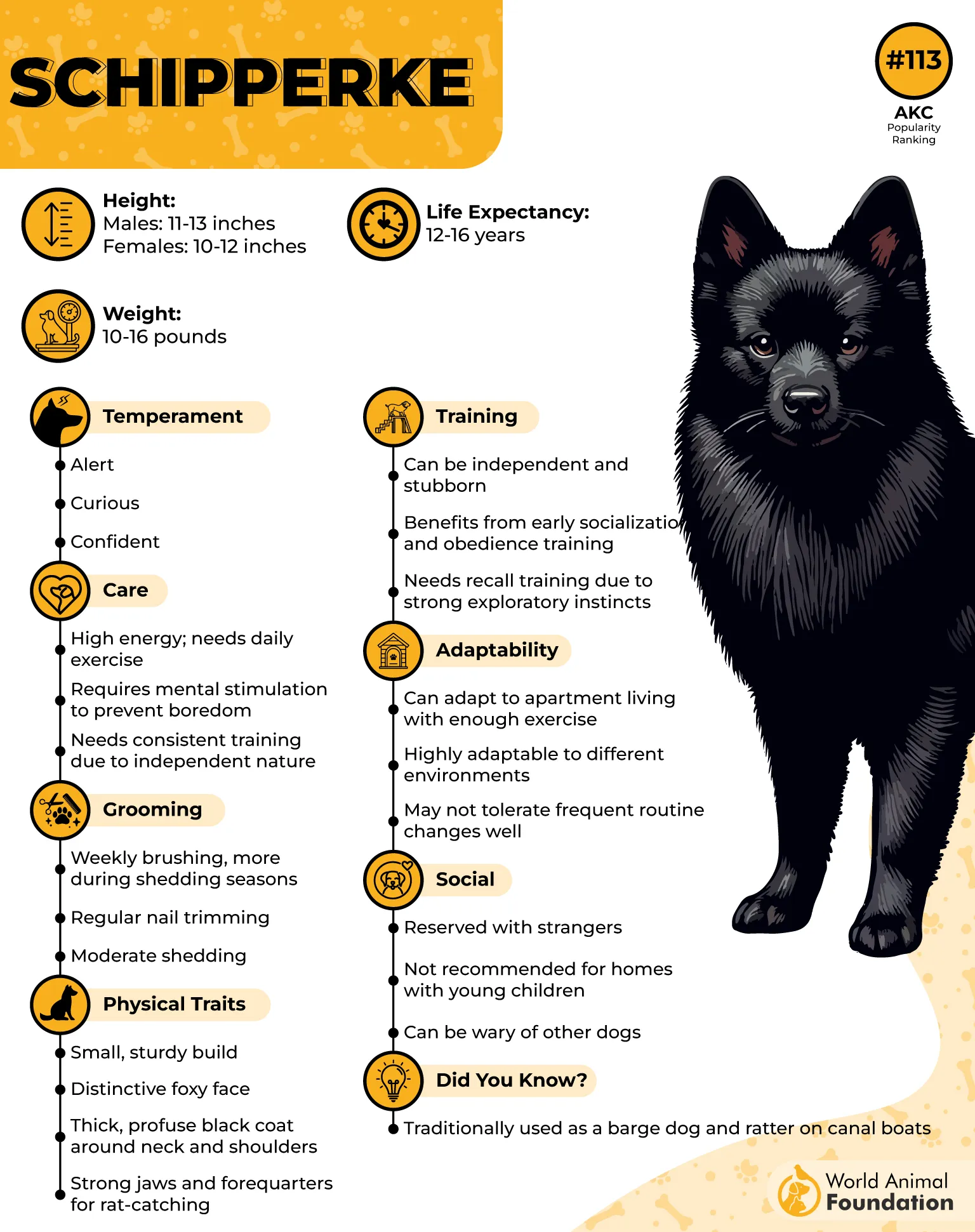
This is an active breed that needs daily physical exercise and frequent mental challenges. Brisk walks, scent games, puzzle feeders, obedience work, and secure play can help satisfy the Schipperke’s working brain. Without structure, the dog may invent its own security procedures, and those procedures will probably involve noise.
Early socialisation helps these small dogs become more confident and controlled around visitors, children, dogs, and unfamiliar environments. They can be independent thinkers, so owners need patience, consistency, and rewards that are genuinely worth the dog’s attention.
They can adapt to apartment living when their exercise and training requirements are met. Their dense coat generally needs routine brushing, with additional maintenance during heavier seasonal shedding.
This breed suits active owners who want a clever companion and do not mind sharing their home with a tiny captain who believes every important decision requires supervision.
Conclusion
Small watchdog breeds prove that effective home awareness has very little to do with body size. They can warn families about approaching visitors or unusual activity, but they should never be treated as substitutes for secure doors, proper lighting, alarm systems, or responsible safety planning.
The best breed is not simply the one with the loudest bark. It is the dog whose exercise needs, grooming requirements, temperament, trainability, and social habits genuinely suit your household.
With positive training, thoughtful socialisation, and enough daily enrichment, these tiny watchdogs can become balanced companions who know when to raise the alarm—and, just as importantly, when to clock out.
