




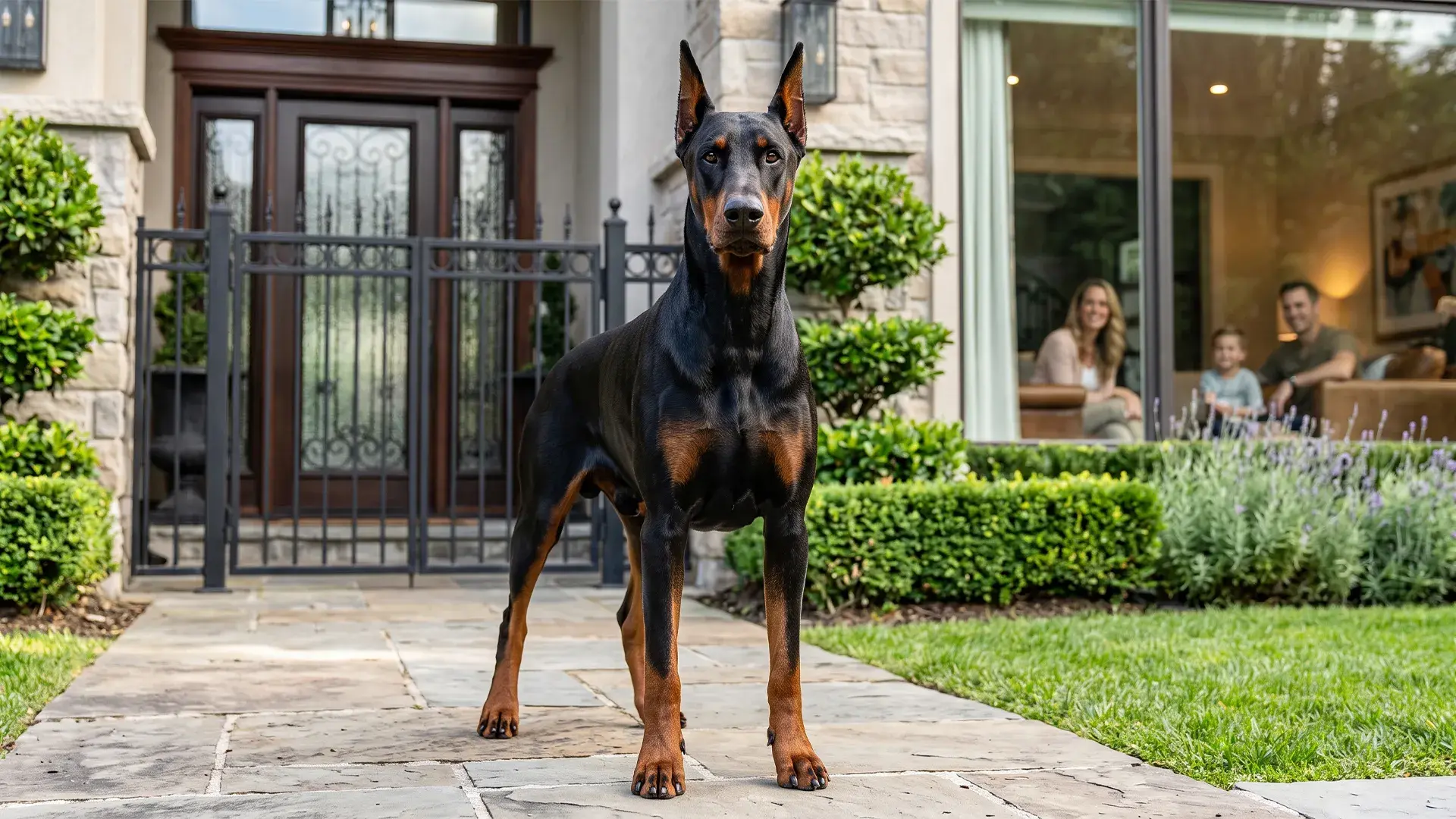
A great guard dog is not just a scary-looking dog with a deep bark and main-character energy. The best guard dog breeds combine loyalty, intelligence, confidence, trainability, and emotional control, which means they know the difference between a real threat and your neighbor carrying groceries like an NPC on a side quest.
Here is the important part: protection does not mean aggression. A responsible guard dog that is also a phenomenal family dog is socialized early, trained with consistency, and taught to alert, observe, and follow commands rather than react randomly; socialization is a key part of preventing aggression in dogs.
The breeds below are famous for their guardian instincts, but they are not “set it and forget it” dogs. They need structure, exercise, mental stimulation, calm leadership, and owners who understand that a powerful dog is both a privilege and a serious responsibility.
Best Guard Dog Breeds
1. German Shepherd
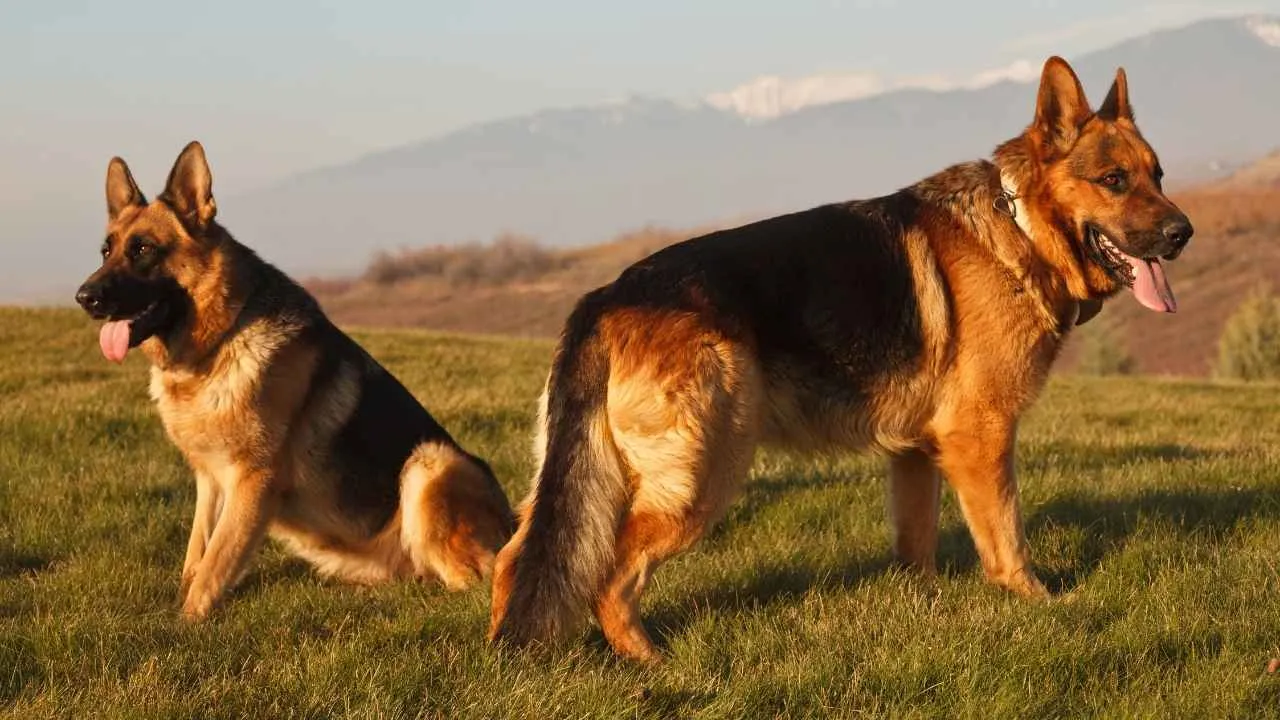
German Shepherds are the classic guard dog pick for a reason: they are intelligent, athletic, loyal, and naturally tuned into their surroundings.
Originally developed as herding and farm dogs in Germany, they later became famous in police, military, search-and-rescue, and service roles because they can learn complex tasks and stay focused under pressure.
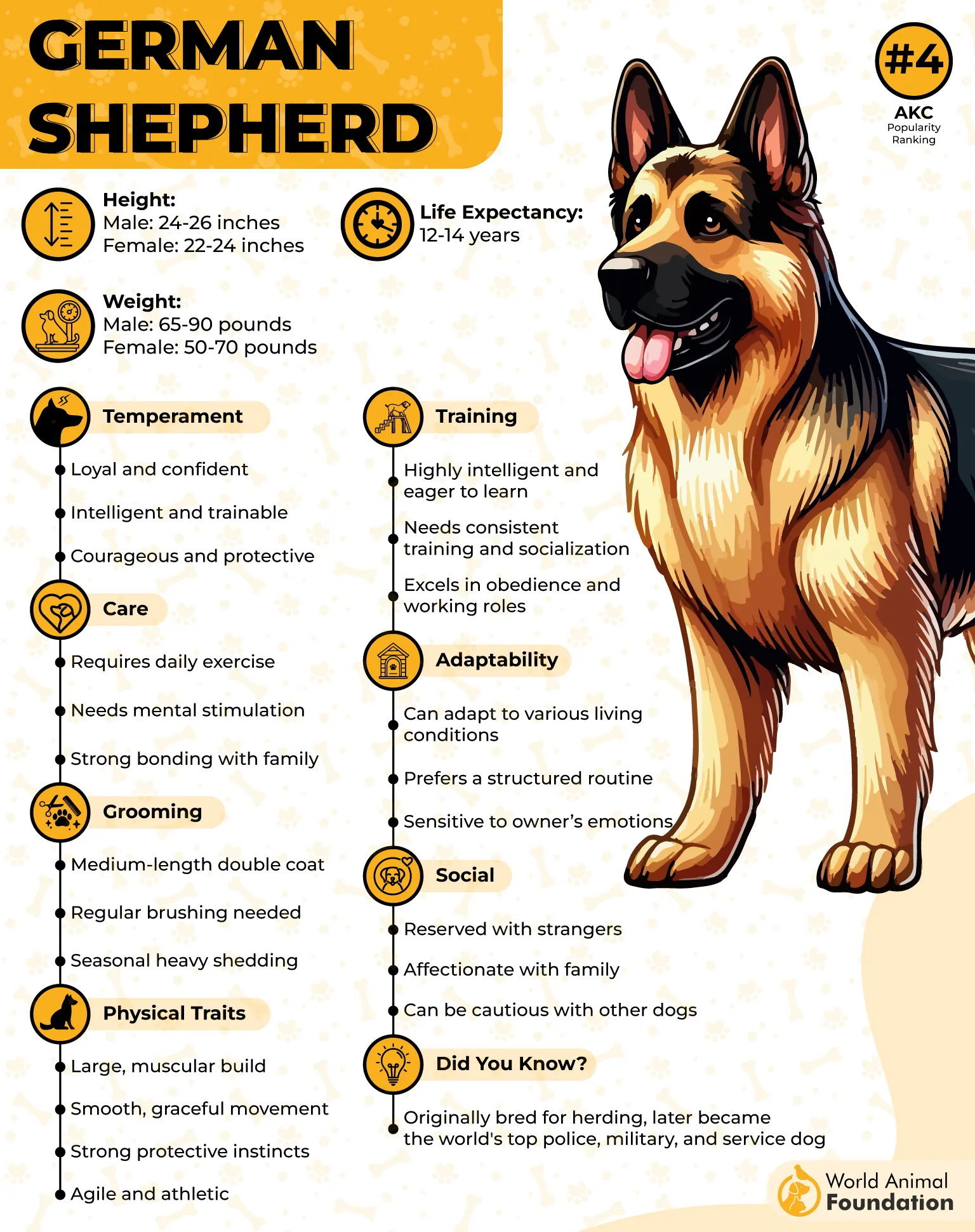
Their biggest strength is judgment when they are properly trained. A well-raised German Shepherd can be friendly with family, calm in the house, and alert enough to notice when something feels off.
Physically, they are powerful without being clumsy. Their speed, stamina, bite strength, and agility allow them to work in demanding environments, which is why they have remained so popular in professional working-dog fields. Their confident posture alone can make a stranger think twice before trying anything sketchy.
Inside the home, German Shepherds are deeply affectionate and surprisingly goofy. Many owners describe them as shadow dogs because they like staying close to their people, following them from room to room like unpaid personal assistants.
However, if they do not get enough exercise, training, and mental work, that clever brain may start inventing chaos with shoes, furniture, and anything else within reach.
This protective dog is the best choice for people who want an active, trainable, emotionally bonded dog. They need daily movement, obedience practice, and a job, even if that job is structured play, scent games, or guarding the backyard like it is a royal palace.
2. Rottweiler
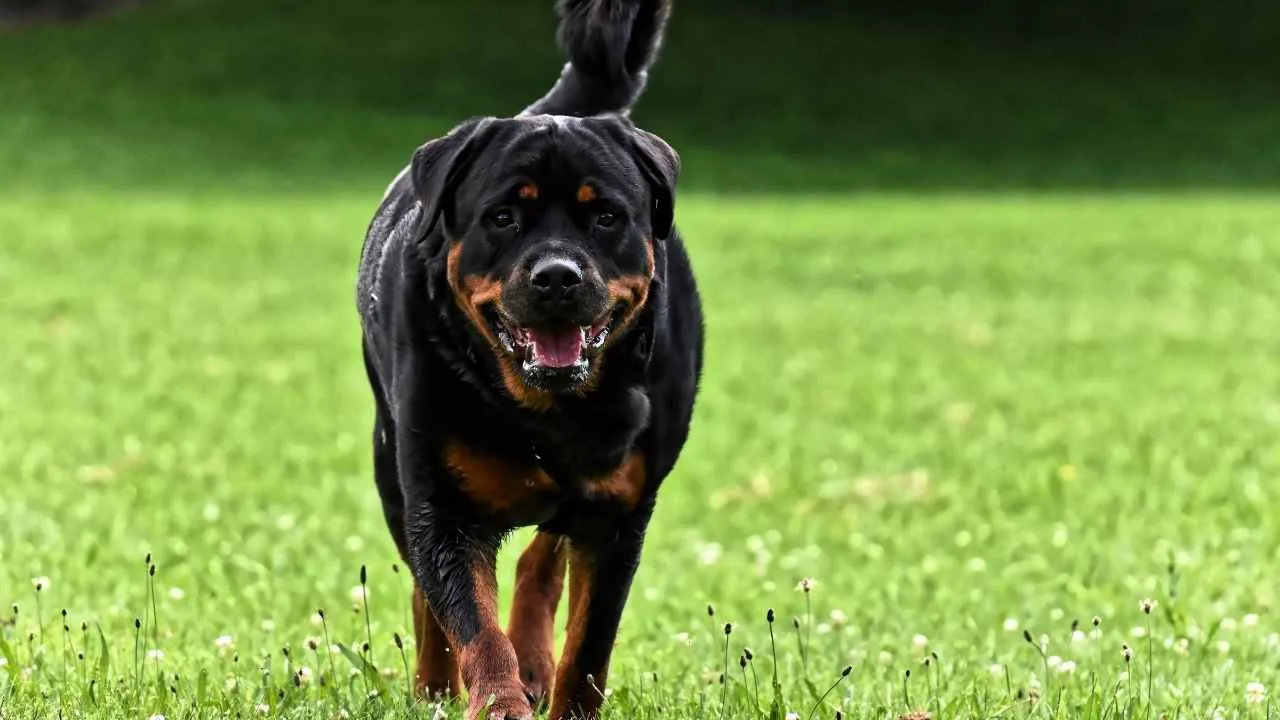
Rottweilers bring serious guardian energy, but not in a loud, chaotic way. They are stocky, powerful, confident dogs with a long history of herding, driving cattle, and protecting property. A Rottie does not need to do too much to look intimidating; sometimes one slow walk across the yard says the whole speech.
What makes Rottweilers special is their calm confidence and protectiveness. They tend to observe first, assess the situation, and respond when they believe their family or territory is at risk. That makes them excellent guardians, but it also means early socialization is non-negotiable, so they do not see every stranger as a villain in the season finale.
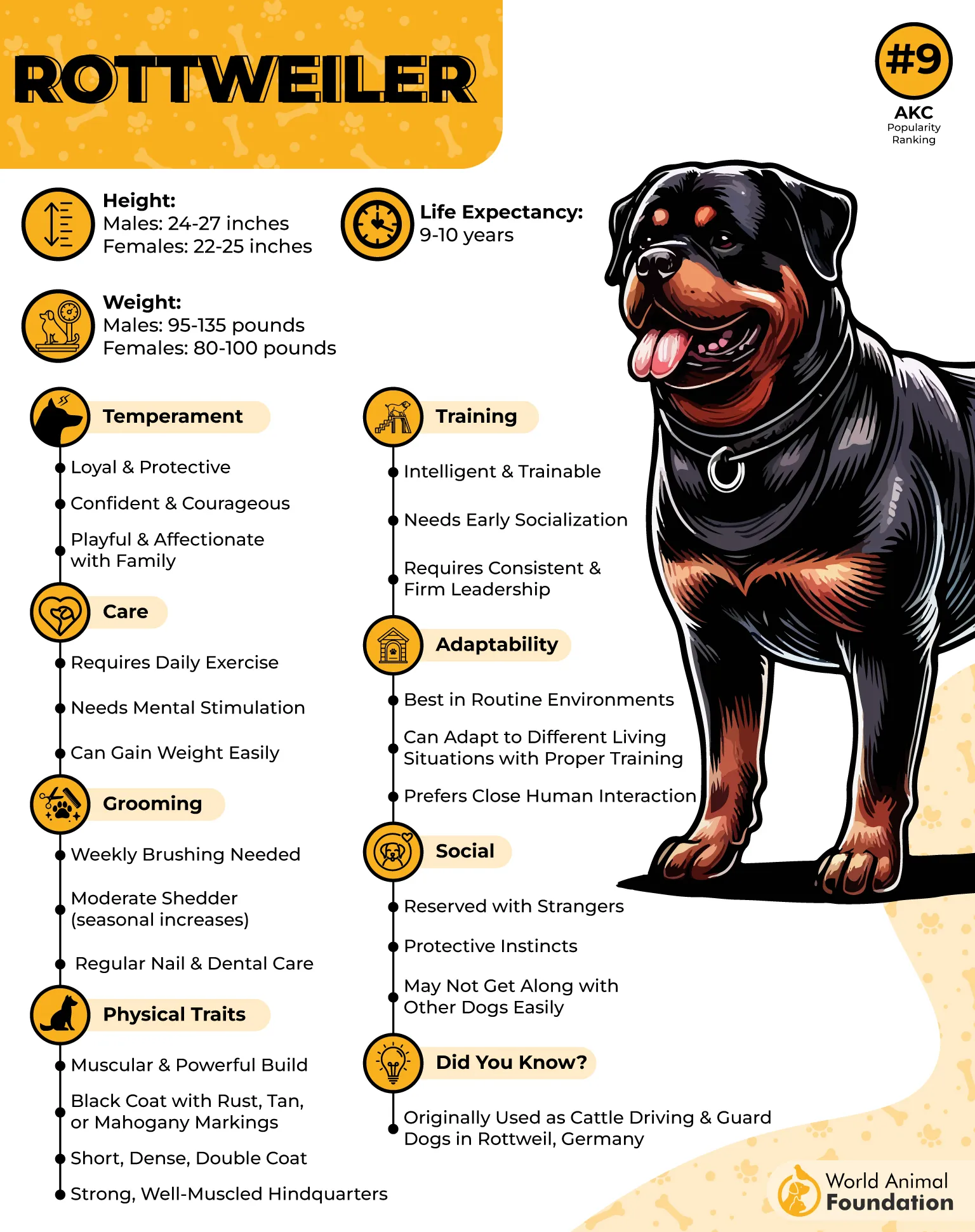
They are deeply loyal and often form powerful bonds with their families. Many are affectionate, silly, and relaxed at home, especially when they trust their people and understand house rules. Still, because they are large and strong, their manners must be polished from puppyhood like a luxury car before it hits the road.
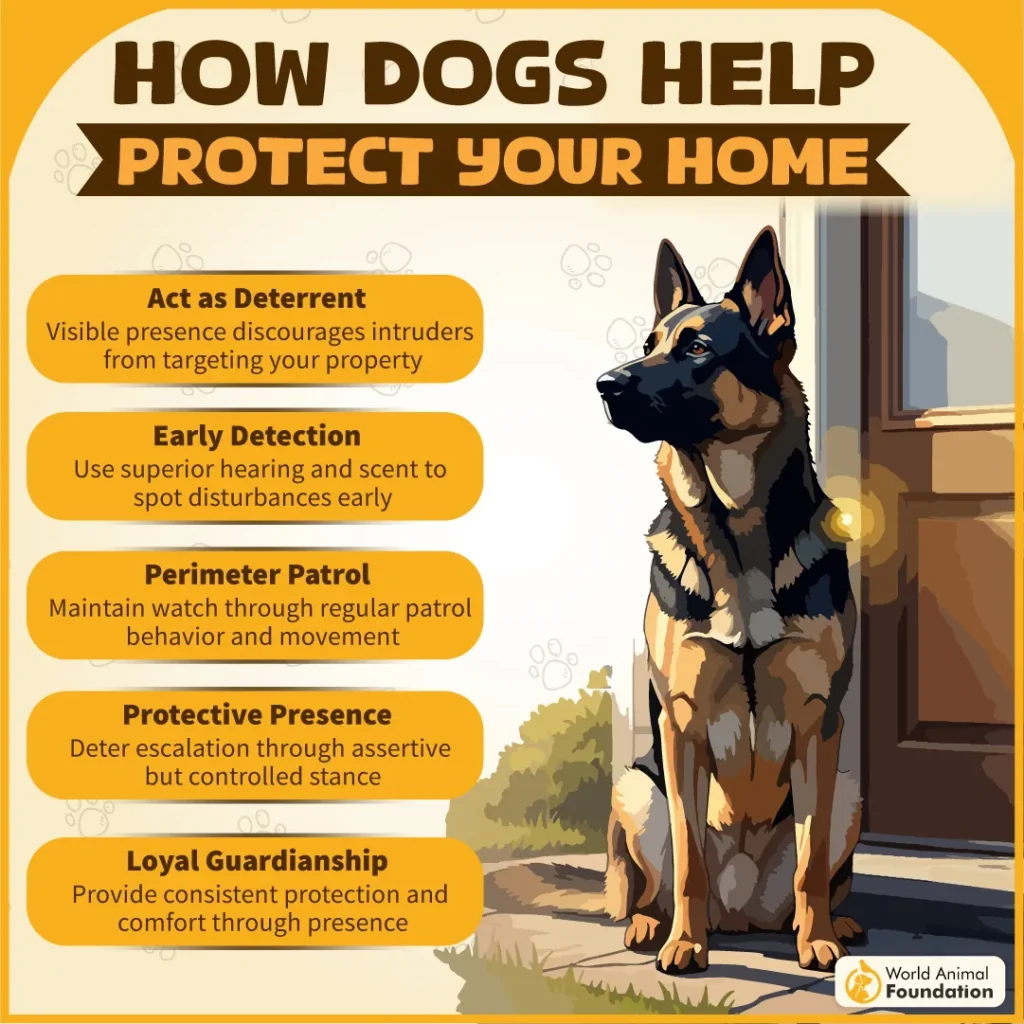
Training them should focus on obedience, impulse control, leash manners, greeting behavior, and calm confidence. Harsh handling or fear-based training can create anxiety and defensive behavior, which is the opposite of safeguarding.
The goal is not an overreacting dog; it’s a dog that listens even when the situation is exciting.
This ideal protection dog is great for experienced owners who can provide structure without turning the home into a boot camp. They need regular exercise, consistent expectations, and responsible management around guests, children, and other animals.
3. Doberman Pinscher
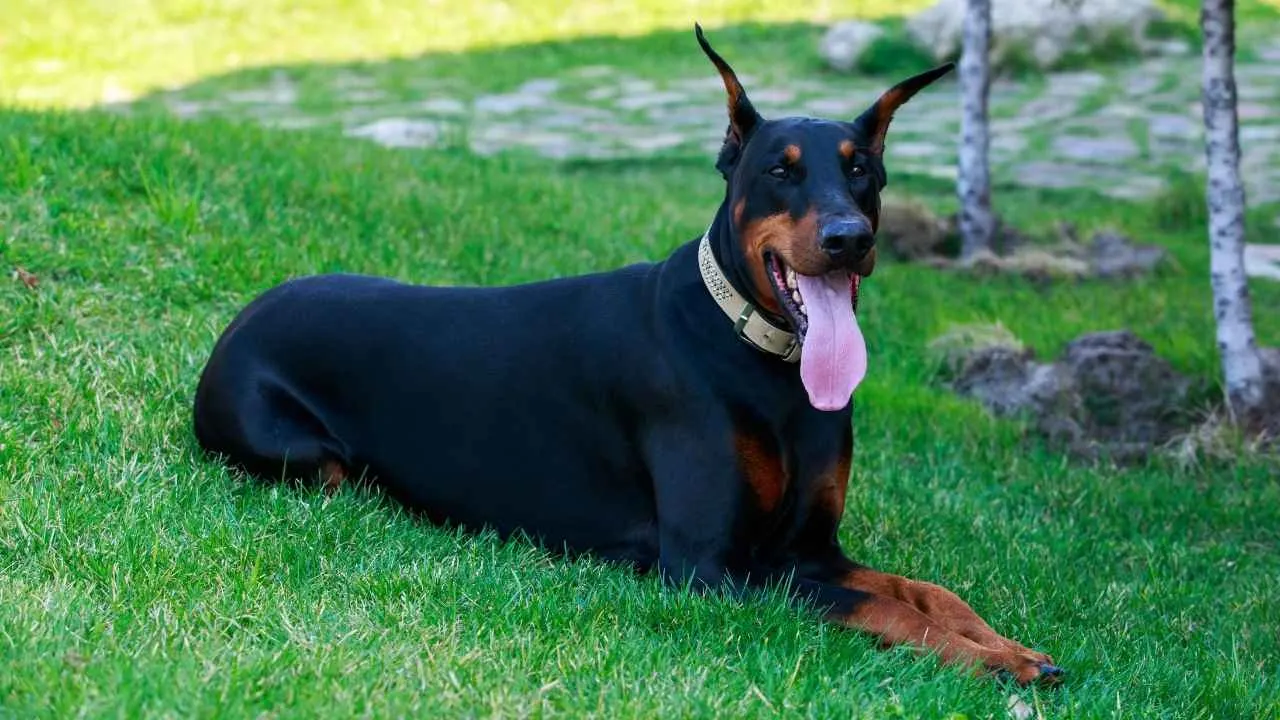
Doberman Pinschers are sleek, fast, intelligent, and alert- basically the sports car of guard dog breeds. Orvis describes these family pets as loyal, trainable dogs that can be excellent companions when matched with active owners and given early socialization. They look elegant, but underneath that polished exterior is a serious working-dog brain.
These lovable pets were developed with personal protection in mind, which explains their natural attentiveness to people and movement around them. They often bond intensely with their families and may become cautious around strangers if not socialized properly.
This makes early exposure to different people, places, sounds, and situations incredibly important.
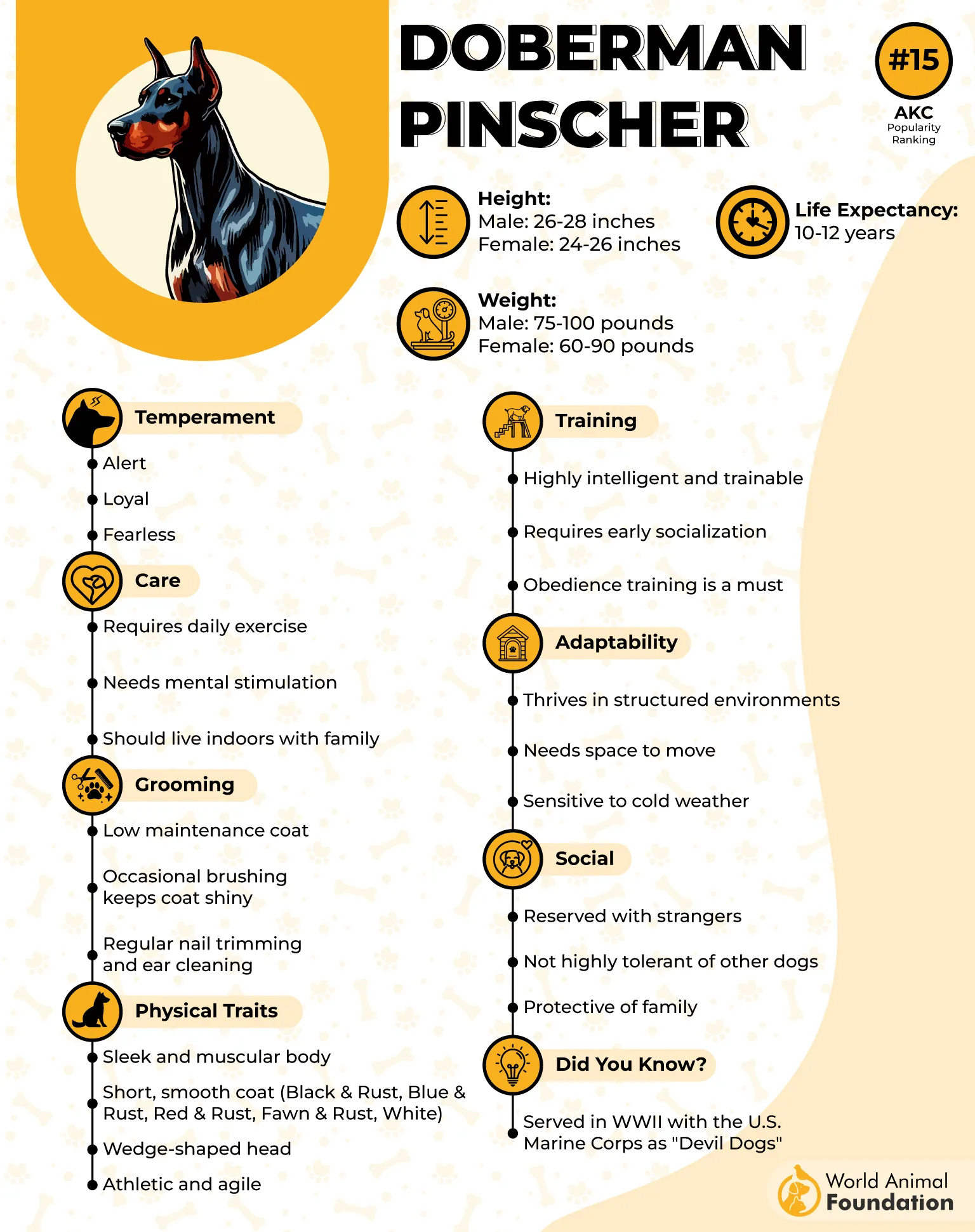
Their athleticism is one of their biggest advantages. Dobermans are fast, agile, and energetic, which means they can move quickly across a property or react sharply to unusual activity. They need long walks, opportunities to run, obedience work, and mental challenges to stay balanced.
At home, these strong protectors can be affectionate, playful, and surprisingly sensitive. They often want to be involved in family life rather than left outside as a “security feature,” because they thrive on human connection.
Training should teach a Doberman to alert, pause, and take direction. Barking on command, reliable recall, boundary awareness, and “leave it” are more useful than encouraging suspicion. A confident Doberman with good manners is not just impressive; it is a genuinely beautiful example of power under control.
4. Belgian Malinois
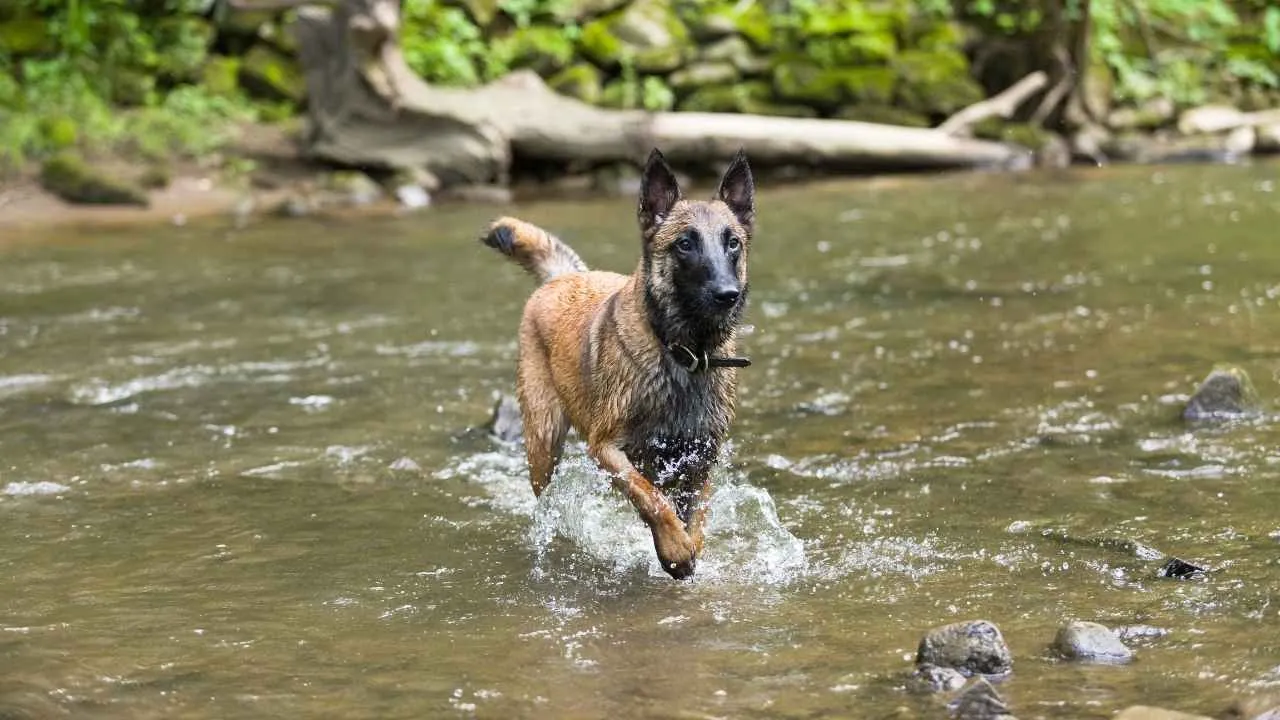
The Belgian Malinois is not just a guard dog; it is a full-time athlete with a security clearance vibe. This breed is highly intelligent, work-driven, people-oriented, and extremely energetic, which is why it appears so often in police, military, detection, and advanced working-dog roles.
Malinois are famous for focus, speed, and intensity. They learn quickly, respond well to skilled training, and enjoy tasks that challenge both body and brain. However, that same intensity can become a problem in an inexperienced home, because bored Mals do not relax; they invent missions.
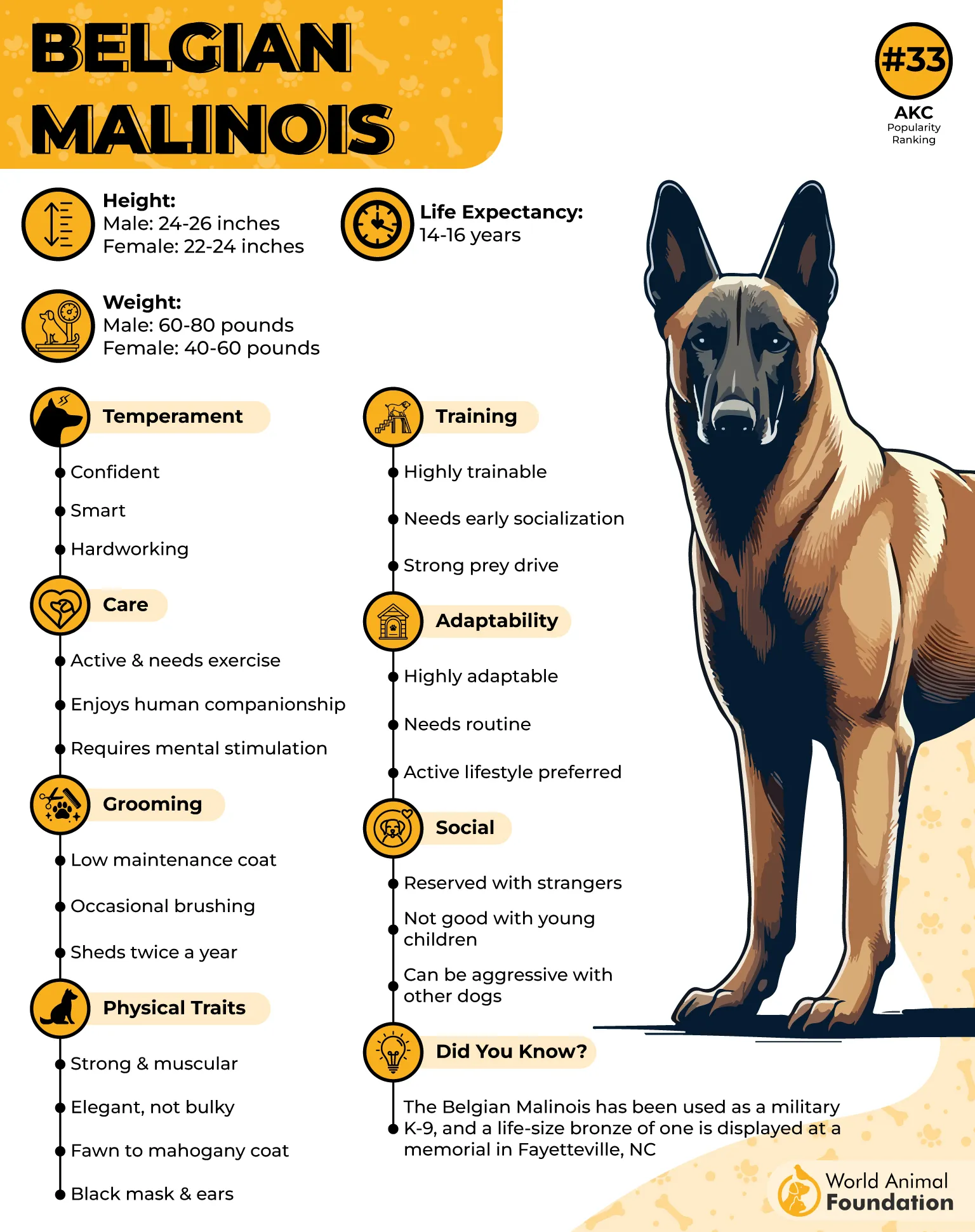
This breed is naturally alert and often reserved around strangers. That can make them powerful guardians, but only when socialization teaches them to remain neutral in everyday situations. Without guidance, their suspicion, prey drive, and energy can turn into reactivity, chasing, or over-the-top behavior.
These excellent watchdogs need more than a casual walk around the block and a “good boy” sticker. They benefit from obedience drills, scent work, agility, rule-based tug games, tracking, structured play, and consistent handler engagement. They are happiest when they know exactly what the job is and who is leading the mission.
For the right person, a Malinois is breathtakingly capable. For the wrong person, it can feel like owning a furry tornado with Wi-Fi-speed decision-making. This breed is best for experienced, active owners who genuinely enjoy training and can provide daily outlets for serious working-dog energy.
5. Cane Corso
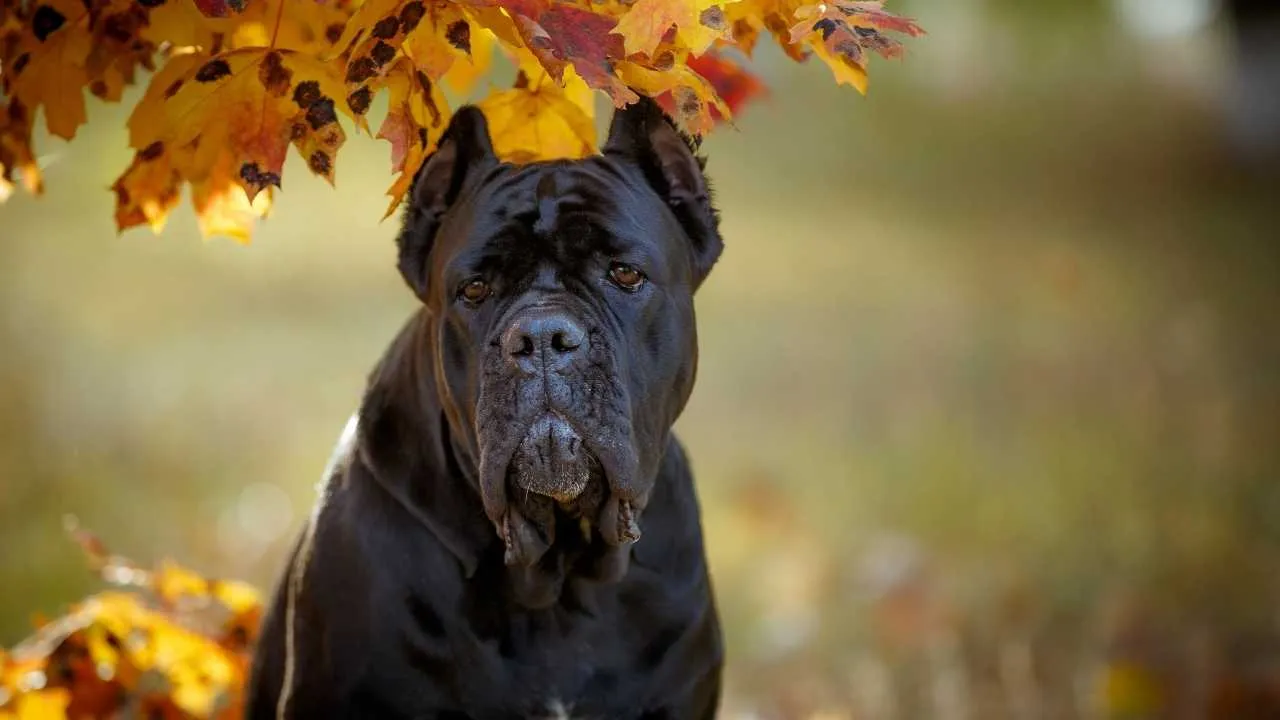
The Cane Corso has ancient guardian energy written all over it. This Italian mastiff-type breed is known for loyalty, alertness, strength, and a serious presence that makes strangers reconsider their life choices at the gate. Britannica describes them as a loyal guardian breed and emphasizes that training and socialization are essential given their protective instincts.
They are not usually frantic or hyper; they are watchful, powerful, and emotionally connected to their families. Their protective nature often shows up as quiet awareness rather than constant barking. That calm seriousness can be impressive, but it must be shaped with training.
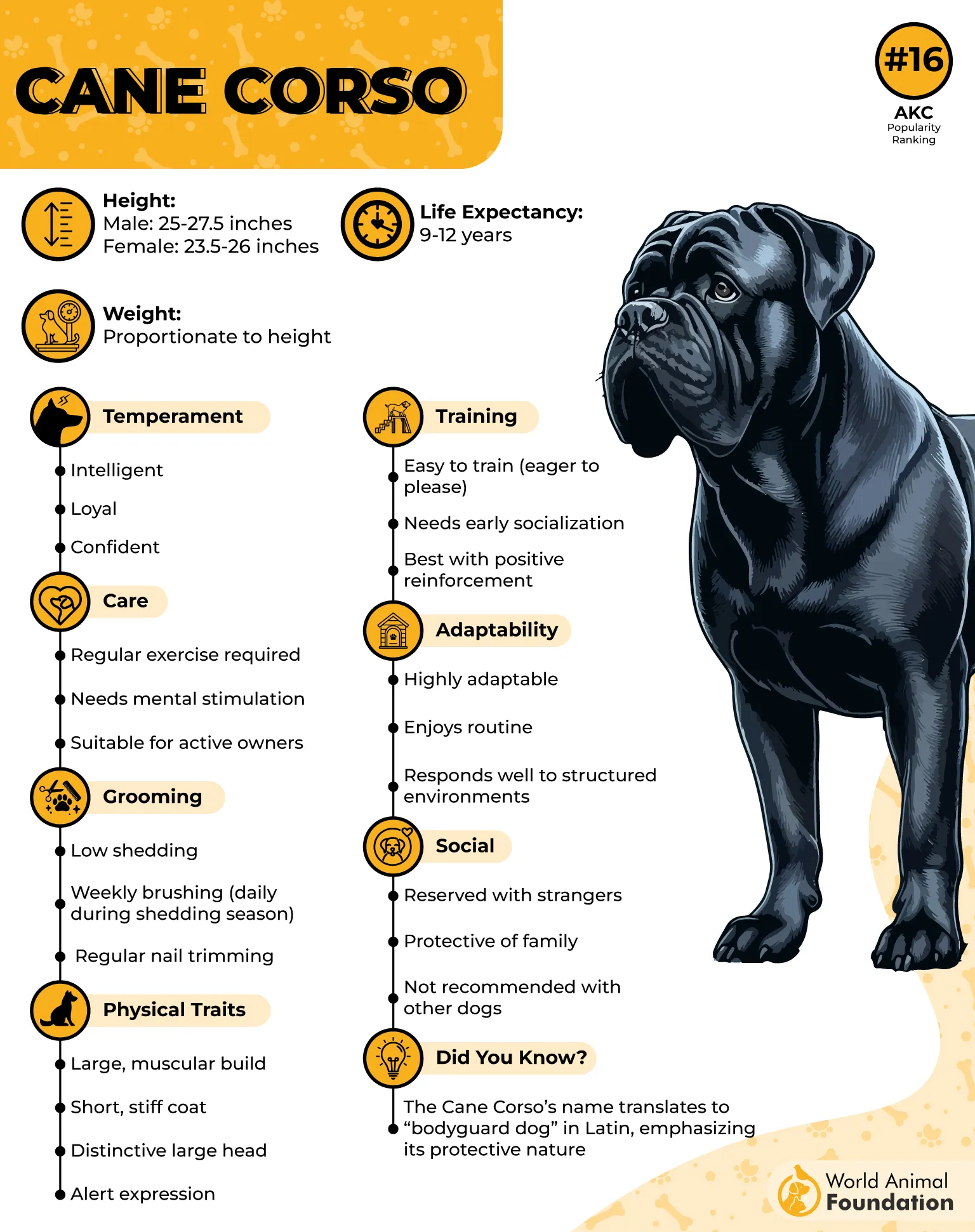
Because they are large, muscular, and confident, they require owners who can set boundaries early. They should learn polite leash walking, guest manners, calm door behavior, and reliable obedience while they are still manageable puppies.
Waiting until a Cane Corso is fully grown to start training is like waiting until the house is on fire to shop for smoke alarms.
With family, many Cane Corsos are affectionate, gentle, and deeply bonded. They often enjoy being close to their people and may develop a special attachment to the person who feeds them, trains them, and spends the most time with them.
This excellent protector is best for confident, responsible owners who respect the breed’s power. It needs exercise, mental engagement, socialization, and calm leadership without harsh dominance-based methods.
When raised properly, these excellent protectors can be steady, loyal guardians with hearts as big as their heads.
6. Bullmastiff
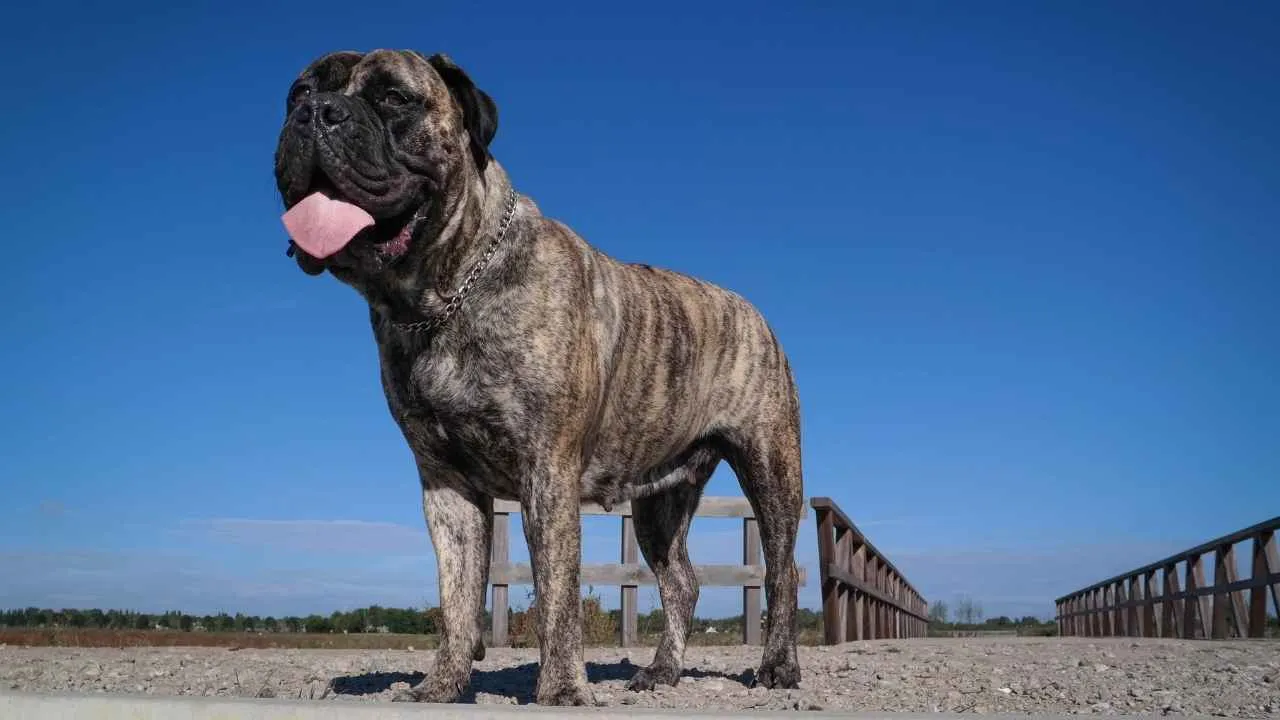
The Bullmastiff is the quiet bouncer of the dog world. Unlike some guard dogs that announce every leaf falling outside, Bullmastiffs are generally not excessive barkers.
Their strength lies in their presence, patience, and the ability to confront when they truly believe something is wrong. This makes them excellent for owners who want a guardian that does not treat every delivery driver like the final boss.
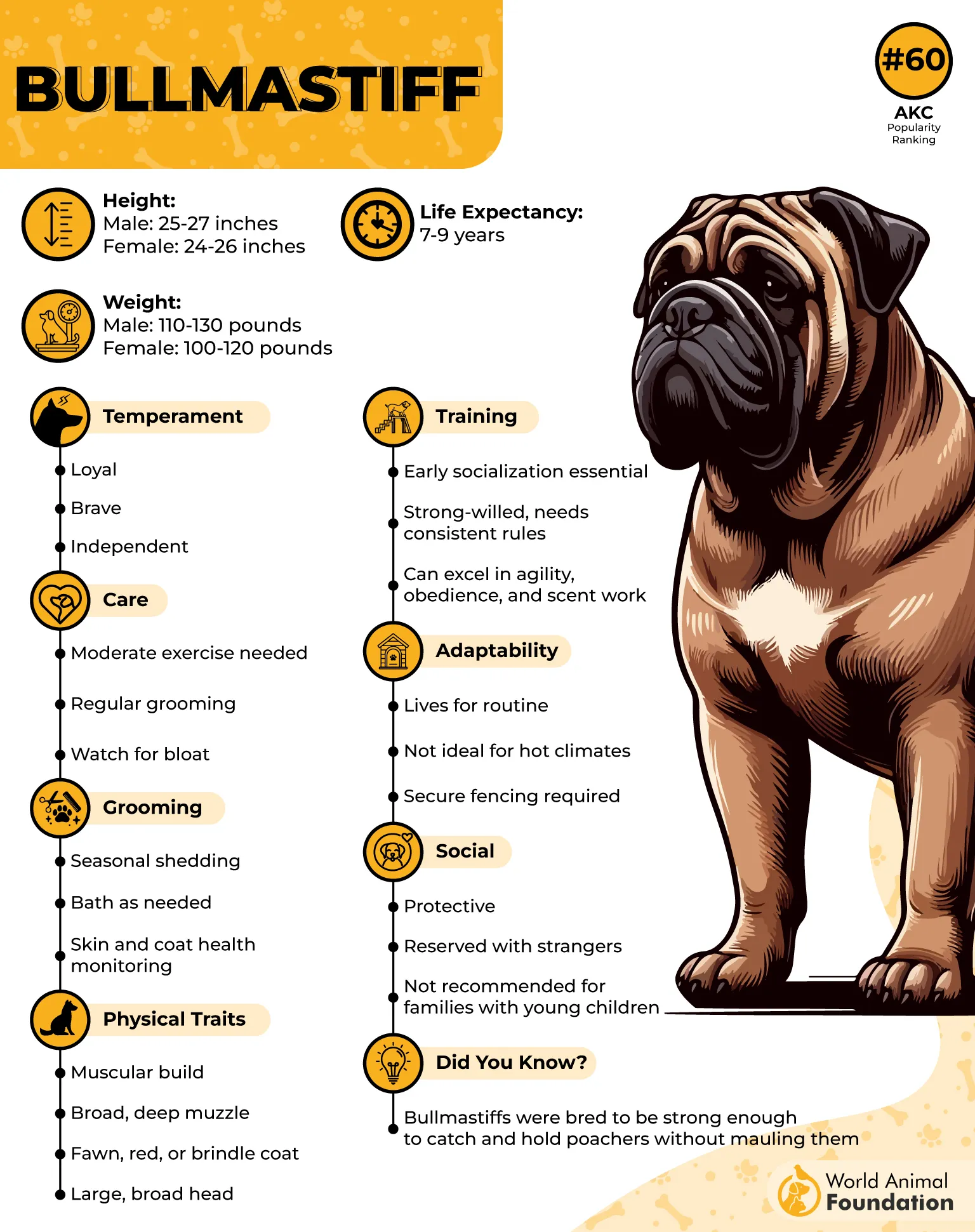
They are affectionate with their families and often have a calm, gentle side at home. They can be wonderful companions, but their size means they still need manners, boundaries, and early socialization.
They require moderate exercise rather than endless running. Because of their build and shorter muzzle, they can be sensitive to heat and should not be overworked in hot weather. A secure yard is also important because a determined Bullmastiff can be surprisingly strong when something catches its attention.
These executive protection dogs are best for families who want loyal, steady guardians with a lower-energy style than a Malinois or German Shepherd. Training should focus on calm obedience, controlled greetings, leash manners, and polite behavior around visitors.
With the right care, they are protective without being unnecessarily dramatic, which is honestly a flex.
7. Giant Schnauzer
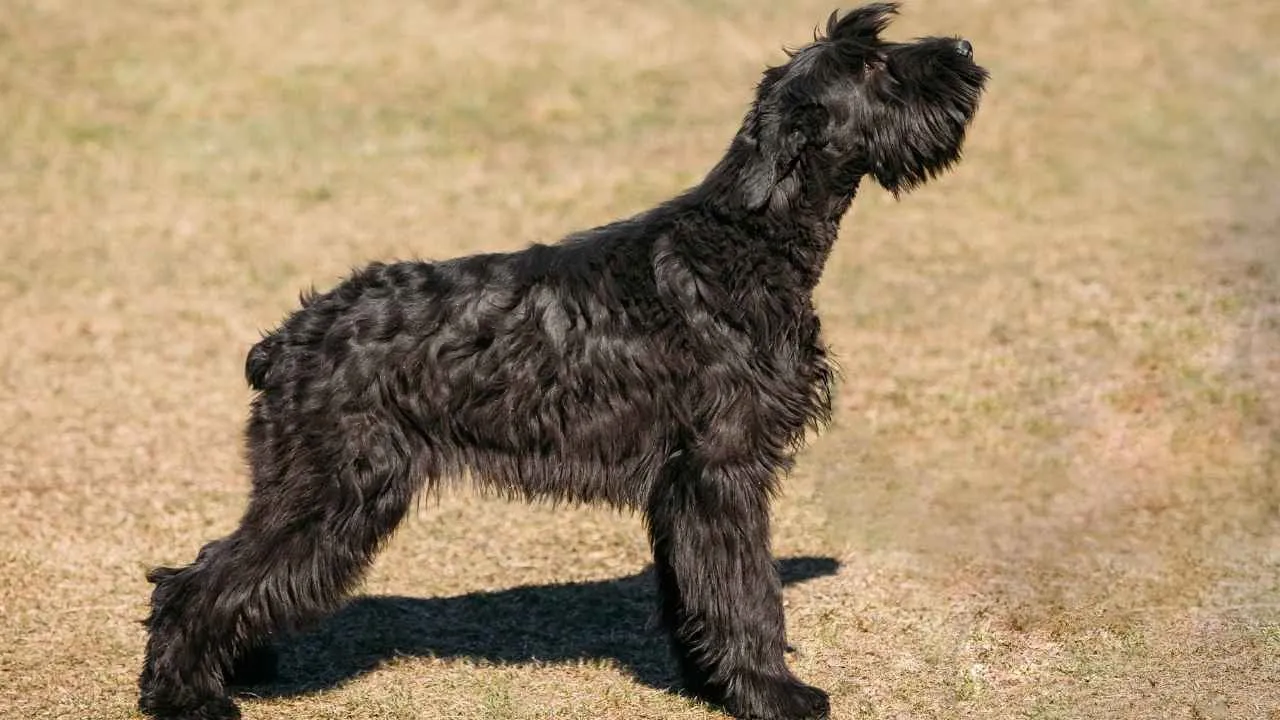
The Giant Schnauzer is bold, intelligent, loyal, and packed with a working-dog attitude. Originally developed as a powerful working breed, it has been used for guarding, driving livestock, and police-style duties. Think of it as a serious guard dog wearing a dramatic beard.
Royal Kennel Club says it is reserved with strangers. It may not immediately throw a welcome party for unfamiliar people, but that is part of what makes it such an effective watchdog. With proper socialization, it can learn to remain composed rather than suspicious of everything that moves.
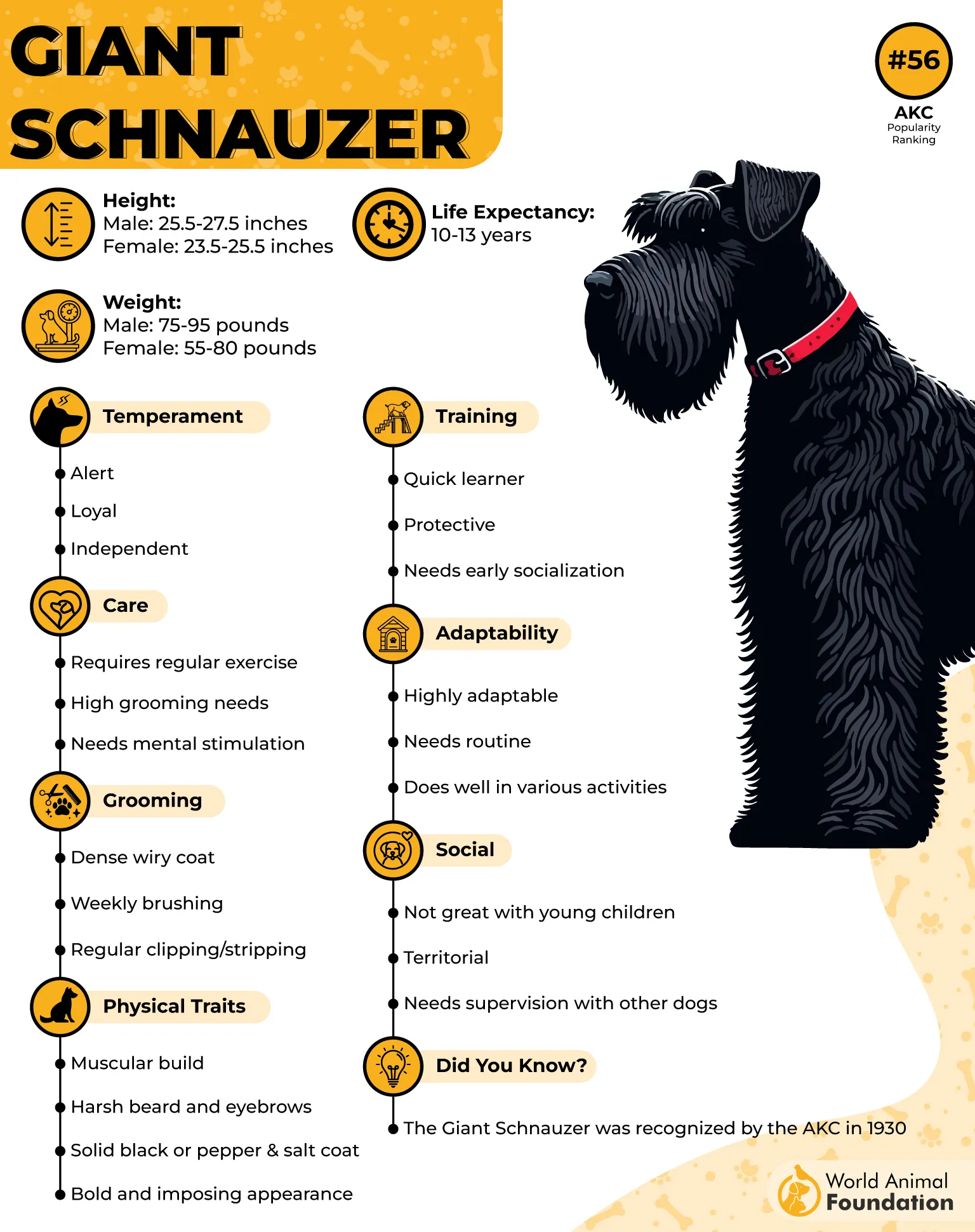
Energy is a major part of the Giant Schnauzer package. These dogs need exercise, training, and mental work, not just a backyard and good intentions. Without enough stimulation, they may become destructive, pushy, or way too creative with household rules.
With family, they can be affectionate, loyal, and playful. They are often better suited to homes with older children because their size and enthusiasm can be a lot for very small kids. They also need careful introductions and socialization around other pets, especially if they have strong chase or territorial instincts.
A Giant Schnauzer is best for someone who wants a smart, active, protective dog and is ready to put in real training time. They can excel in obedience, dog sports, protection training, and structured family life.
Give these incredibly strong dogs discipline, exercise, and purpose, and they will bring serious guardian energy with premium beard aesthetics.
Conclusion
The best guard dog breeds are not just about size, bite force, or who looks most intimidating in a slow-motion backyard walk.
But here is the real talk: a guard dog is only as good as the training, socialization, and responsibility behind it. Choose the breed that matches your lifestyle, energy level, home setup, and experience, because the goal is not to own a danit’sus dog; it’s to raise a loyal, stable, confident protector who knows when to guard and when to be your goofy best friend.
