




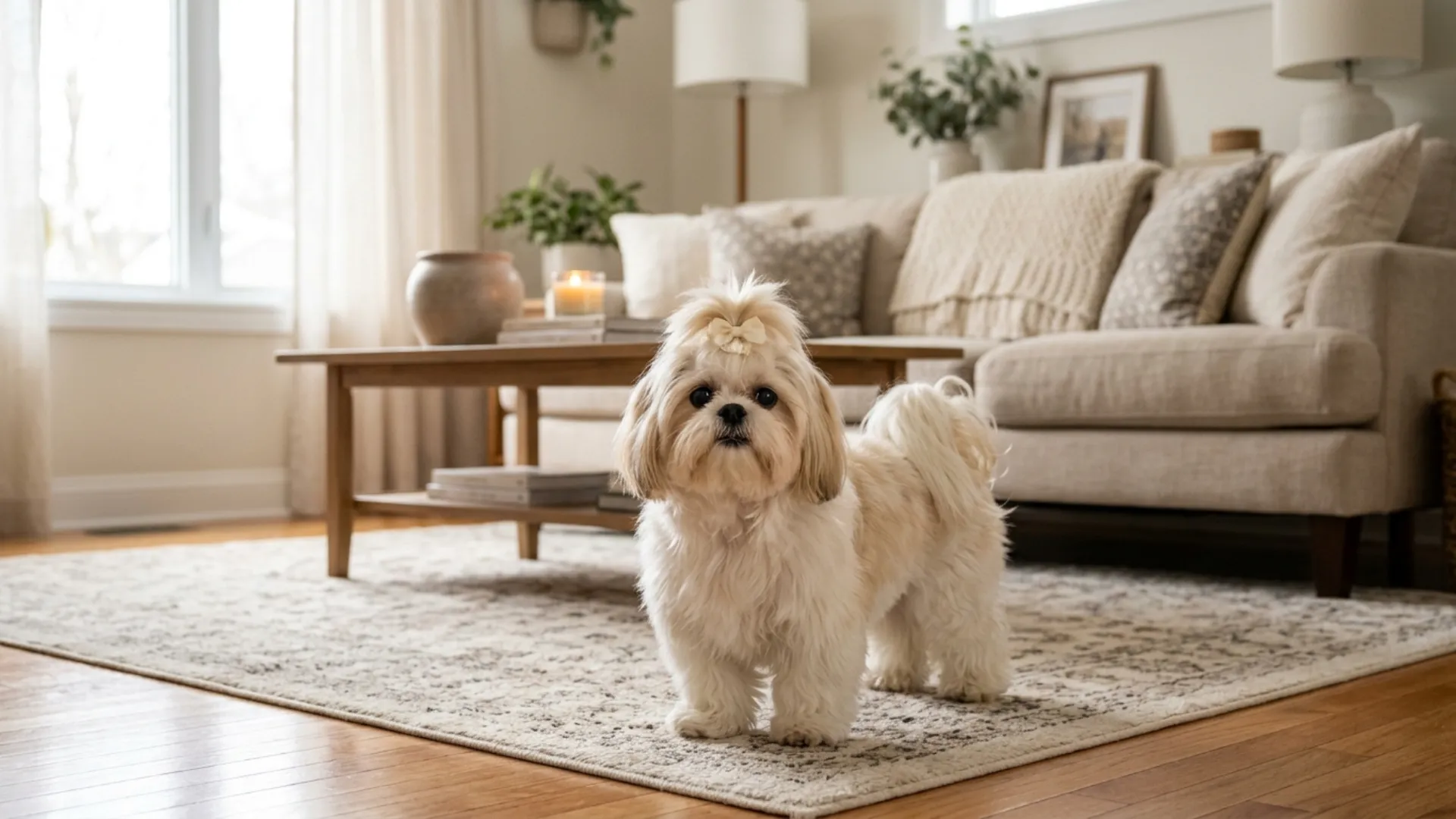
Some homes are filled with loud music and endless activity. Others feel like a warm cup of coffee on a rainy morning: peaceful, cozy, and comforting.
If your idea of happiness is curling up with a good book while a tiny furry friend naps beside you, the right dog can make that picture even sweeter. As Audrey Hepburn once said, “The best thing to hold onto in life is each other.”
Some dog breeds are just built for a cozy lifestyle and have no interest in turning your quiet home upside down. All they really want is a comfy couch, a simple routine, and a warm lap to curl up on. Give them that, and they’ll happily settle right into your world.
This article lists 7 toy breeds that are perfect for cozy apartment living.
Wonderful Toy Dog Breeds Perfect for Calm Homes
1. Cavalier King Charles Spaniel
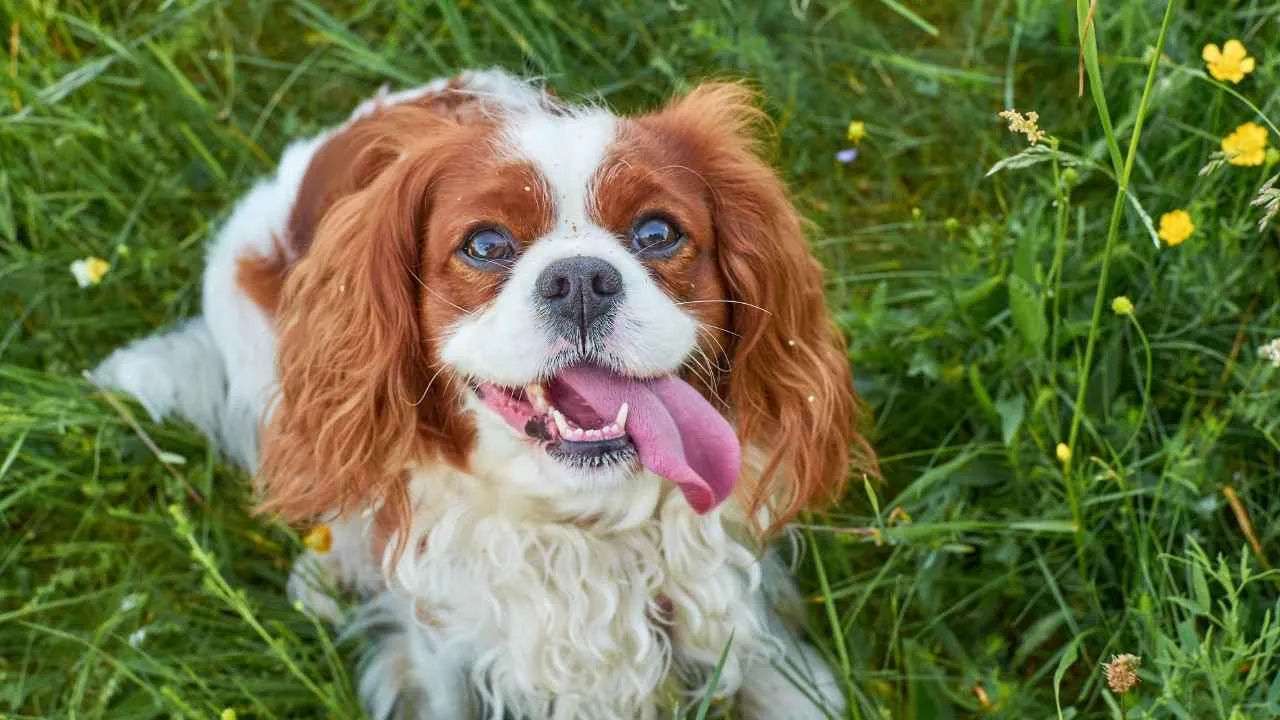
Originally bred from Toy Spaniels, the Cavalier King Charles Spaniel carries a royal legacy that dates back to the 16th century, even though the breed as we know it today was only established in the 1920s. These dogs were often painted alongside their aristocratic owners and were once nicknamed the “comfort spaniel,” according to Britannica.
This calm, gentle breed isn’t built for high-energy environments. Its slightly shortened muzzle can make breathing a bit harder during intense outdoor activity, so it’s best to keep playtime relaxed. Cavaliers are also known for being total Velcro dogs; they bond closely with their people and love sticking by their side.
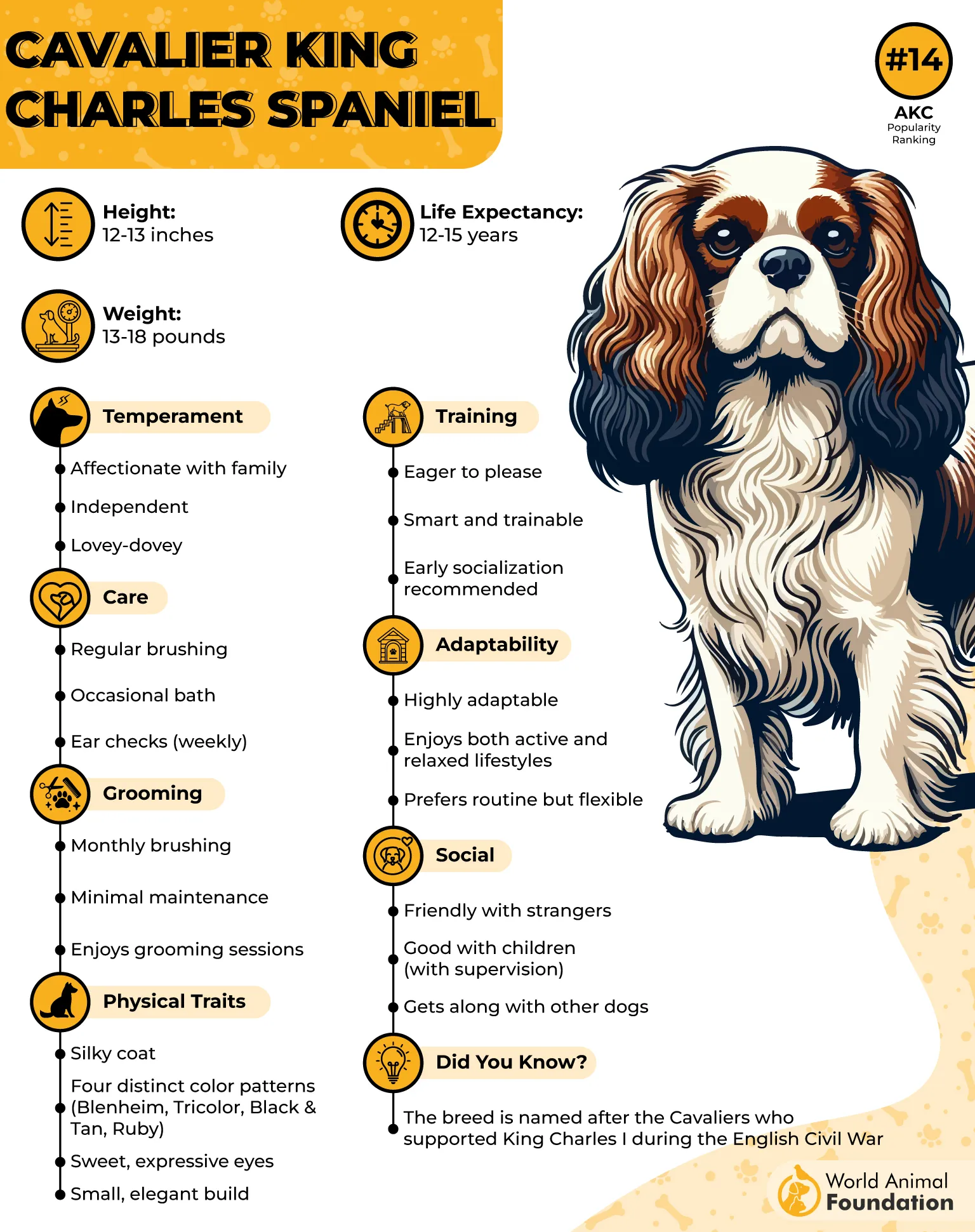
Thanks to this affectionate nature, Cavaliers often work as emotional support animals, helping people manage PTSD, anxiety, and depression.
Their spaniel and sporting background also means they enjoy light agility, flyball, and the occasional scent or retrieval game. And when it comes to exercise, they’re easygoing; just 20 to 30 minutes a day is plenty to keep them happy.
2. Shih Tzu
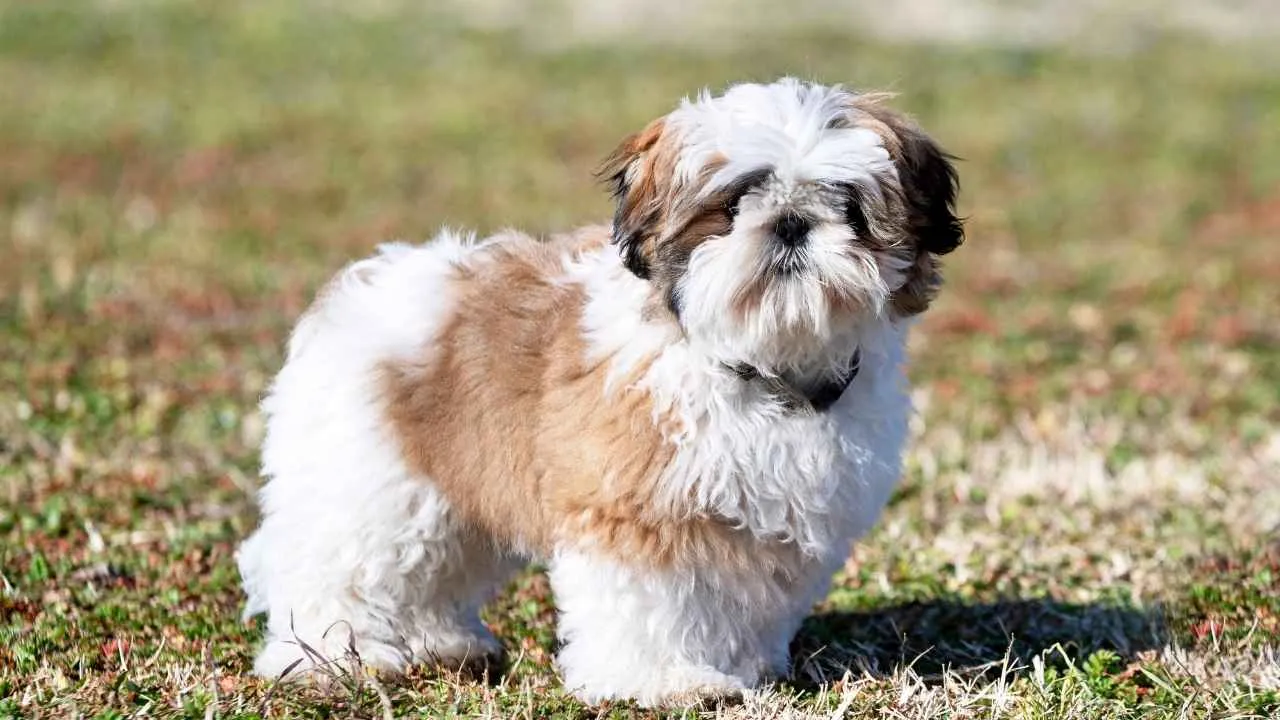
The Shih Tzu’s story goes back to Tibet, where the breed is believed to have originated before making its way into the Chinese imperial court, where it became a beloved companion of emperors and nobility. Because it was seen as such a treasured breed, it was rarely allowed to leave the country for centuries.
With a small heart and lungs, the Shih Tzu doesn’t have the cardiovascular stamina for intense activity. It does best in cool, calm, climate-controlled indoor spaces where it can regulate its body temperature comfortably. Bred partly as a palace watchdog, it also carries a naturally alert and slightly territorial streak.
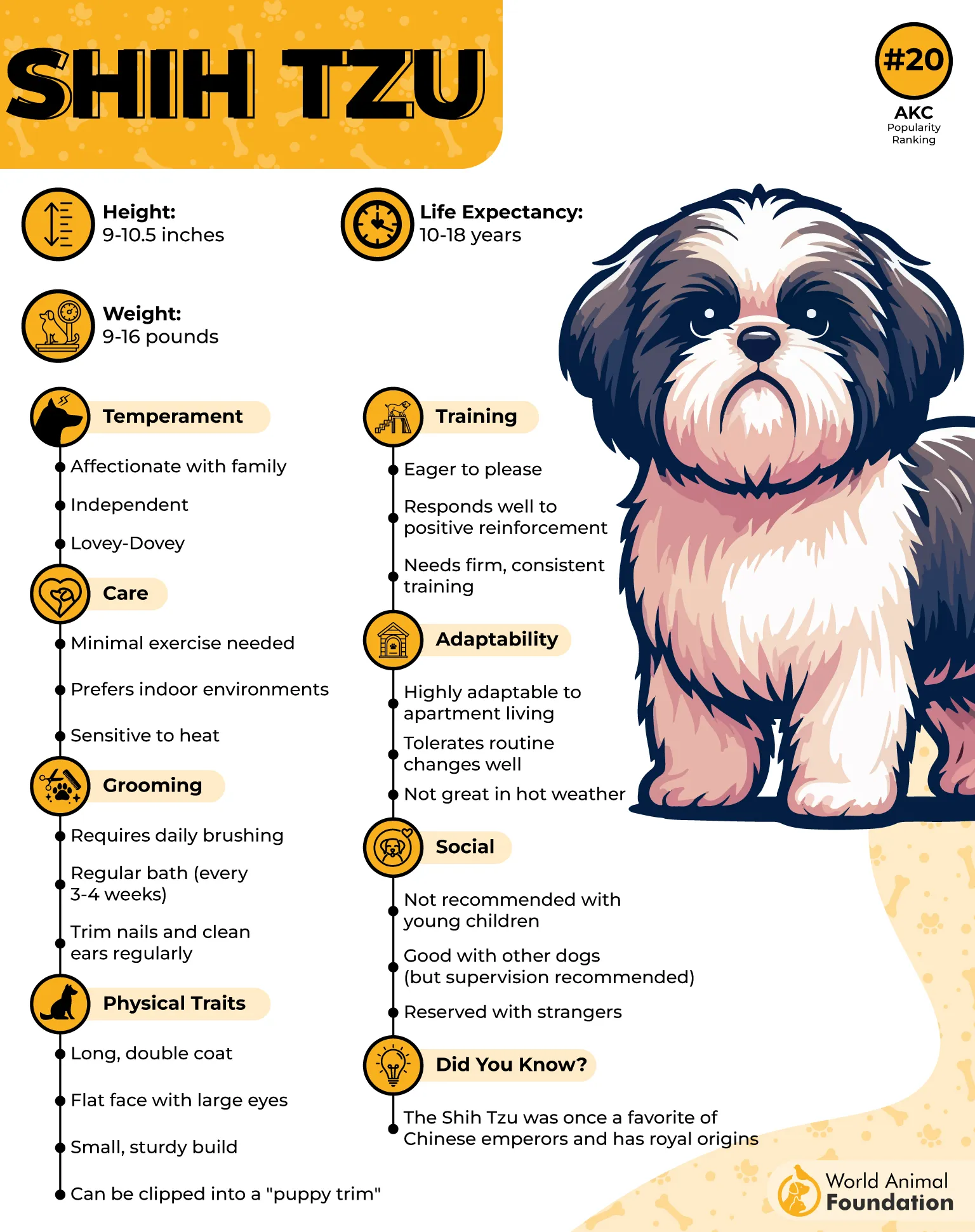
Beyond its cute looks, the Shih Tzu has a gentle personality that can genuinely help ease loneliness, lower stress, and even help keep blood pressure in check, which is exactly why it’s such a popular therapy dog.
Keep things low-impact: 20 to 30 minutes a day of fetch, tug-of-war, puzzle toys, or a relaxed walk is all it needs to stay happy and healthy.
3. Maltese
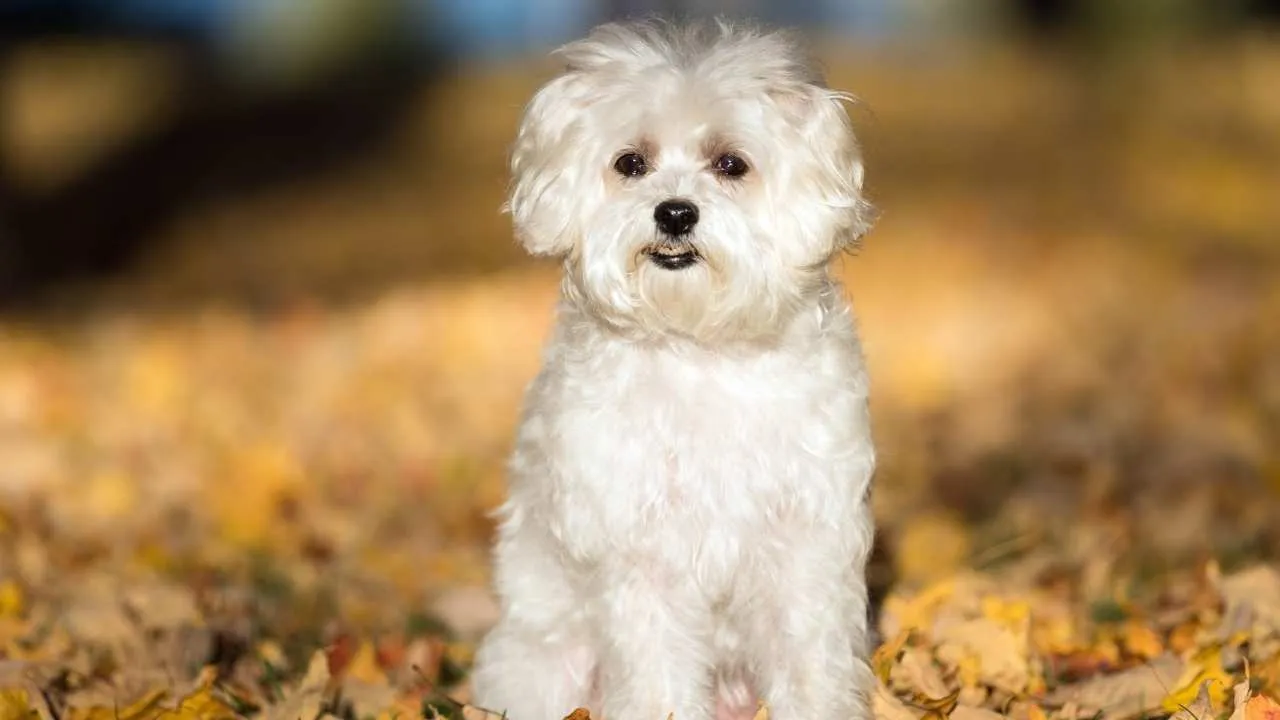
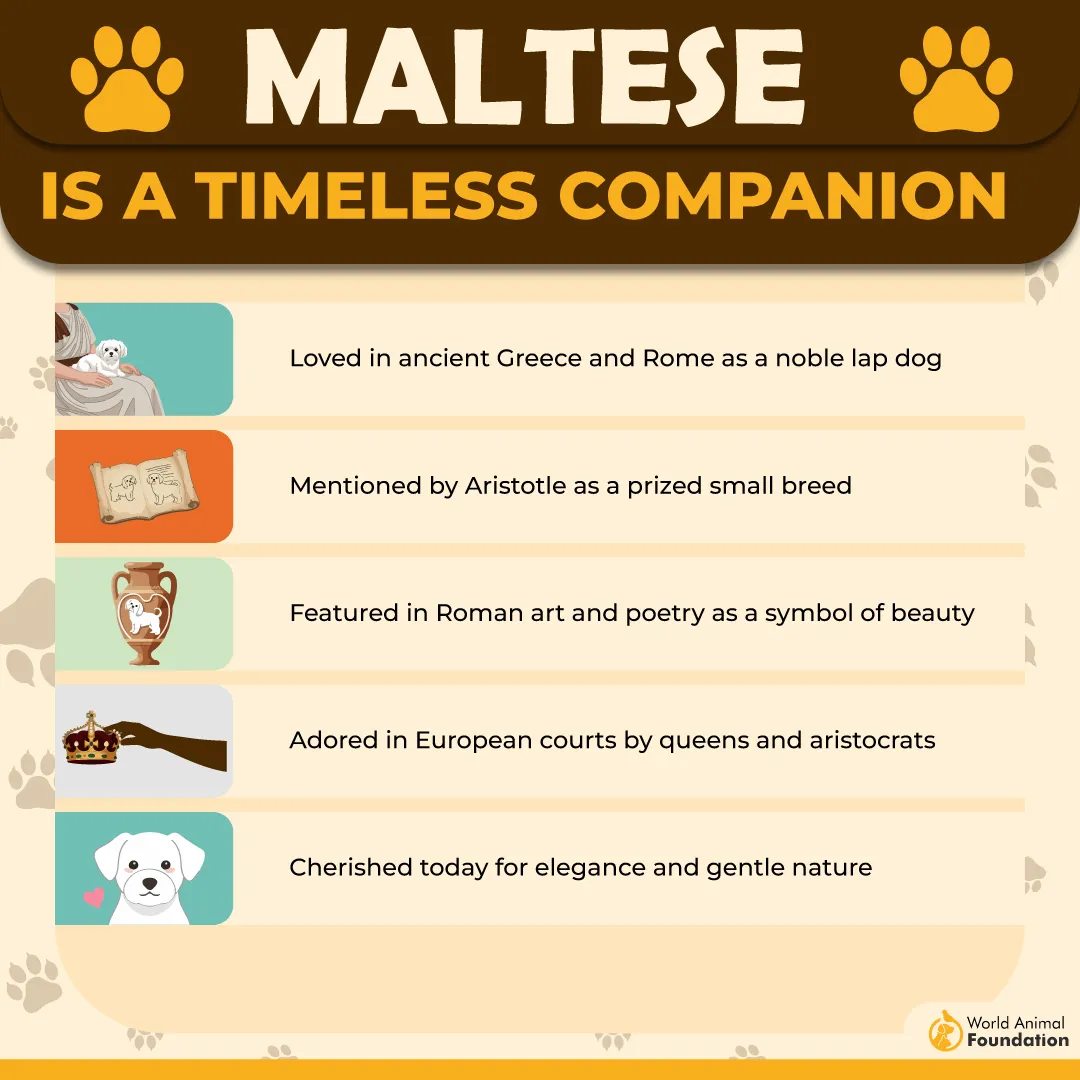
The Maltese is one of the oldest dog breeds around, tracing its roots to the Mediterranean, particularly the island of Malta. You’ll spot it on ancient Greek pottery, and even Aristotle wrote about it. After the fall of the Roman Empire, Chinese breeders played a key role in keeping the breed alive, crossing it with their own toy breeds, as per The Kennel Club.
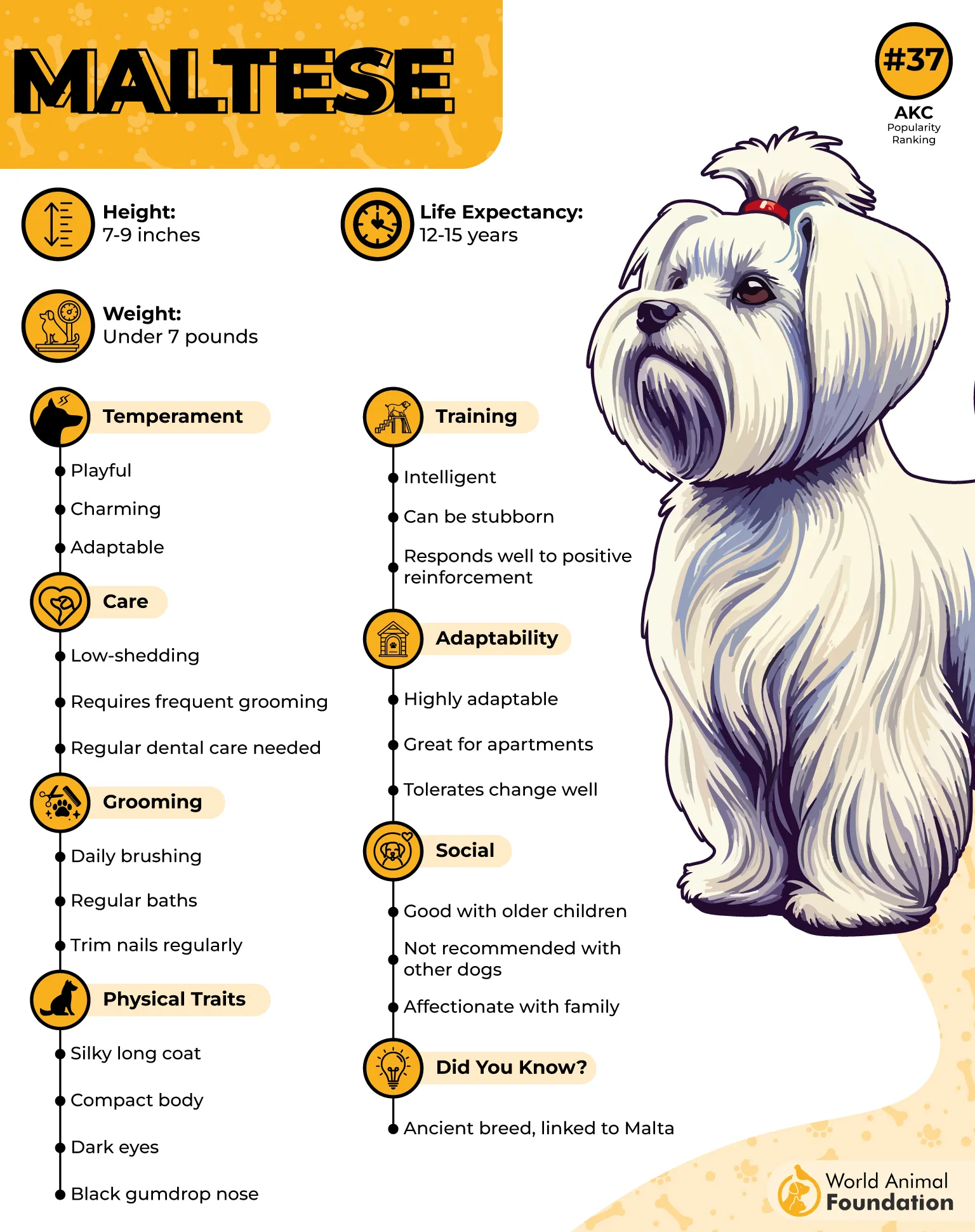
Its coat is single-layered and made of hair rather than fur, which means it barely sheds. The Maltese bonds closely with its owner and tends to trail them from room to room, happily doubling as both a cozy lap dog and an alert little watchdog. It’s not a big barker either; it mostly speaks up only when something seems off.
Around 30 minutes of daily exercise and mental stimulation are all it needs: short walks, indoor play, fetch, puzzle toys, or a bit of flyball and agility if it’s feeling adventurous.
Since the breed has a delicate windpipe, it’s best to walk it on a harness rather than a collar. And that beautiful non-shedding coat? It looks effortless, but it does need regular grooming to stay tangle-free.
4. Pug
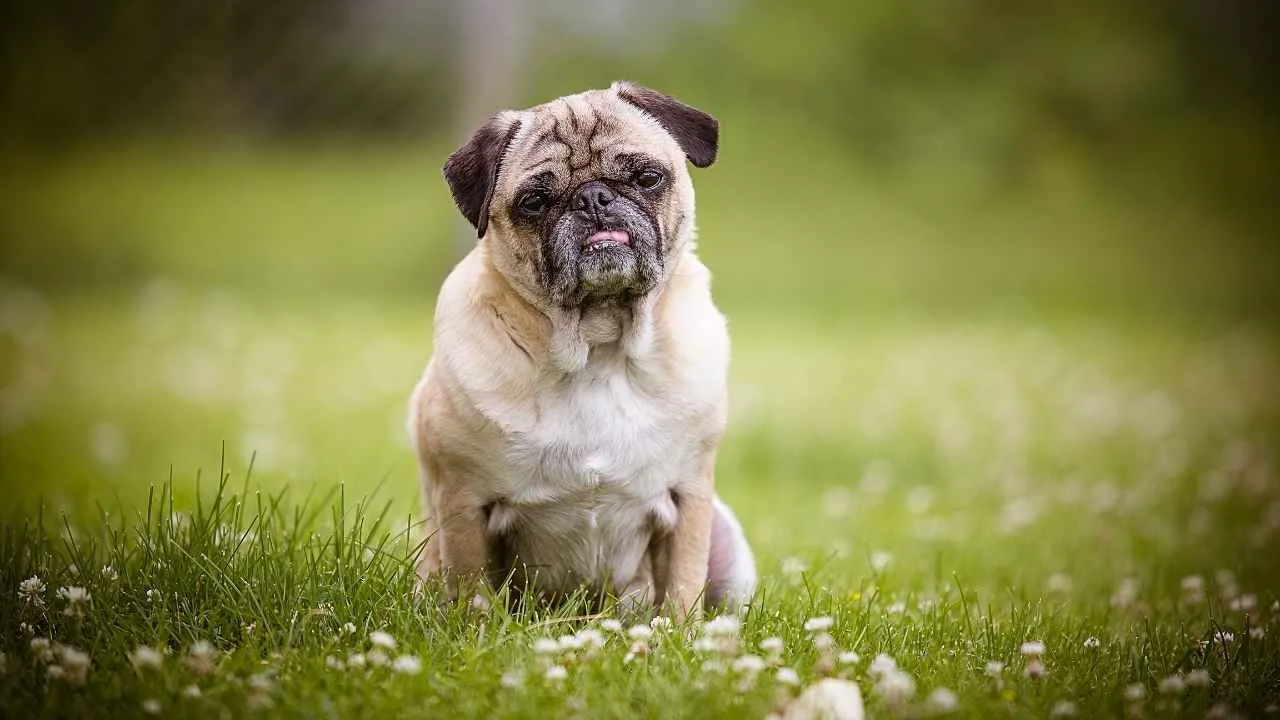
Described as “multum in parvo,” Latin for “much in a little,” the Pug has ancient roots in China, where it was treasured by Buddhist monks and the Chinese Imperial court. From there, the breed made its way to Japan and eventually Europe, where it won over royalty, including Marie Antoinette and Josephine, Napoleon Bonaparte’s wife, who was famously devoted to her own pet Pug.
Because of its short muzzle, the Pug struggles to dissipate heat through panting, which makes it especially prone to overheating in summer. Its round, wrinkly face, big dark eyes, and expressive personality make it easy to fall for.
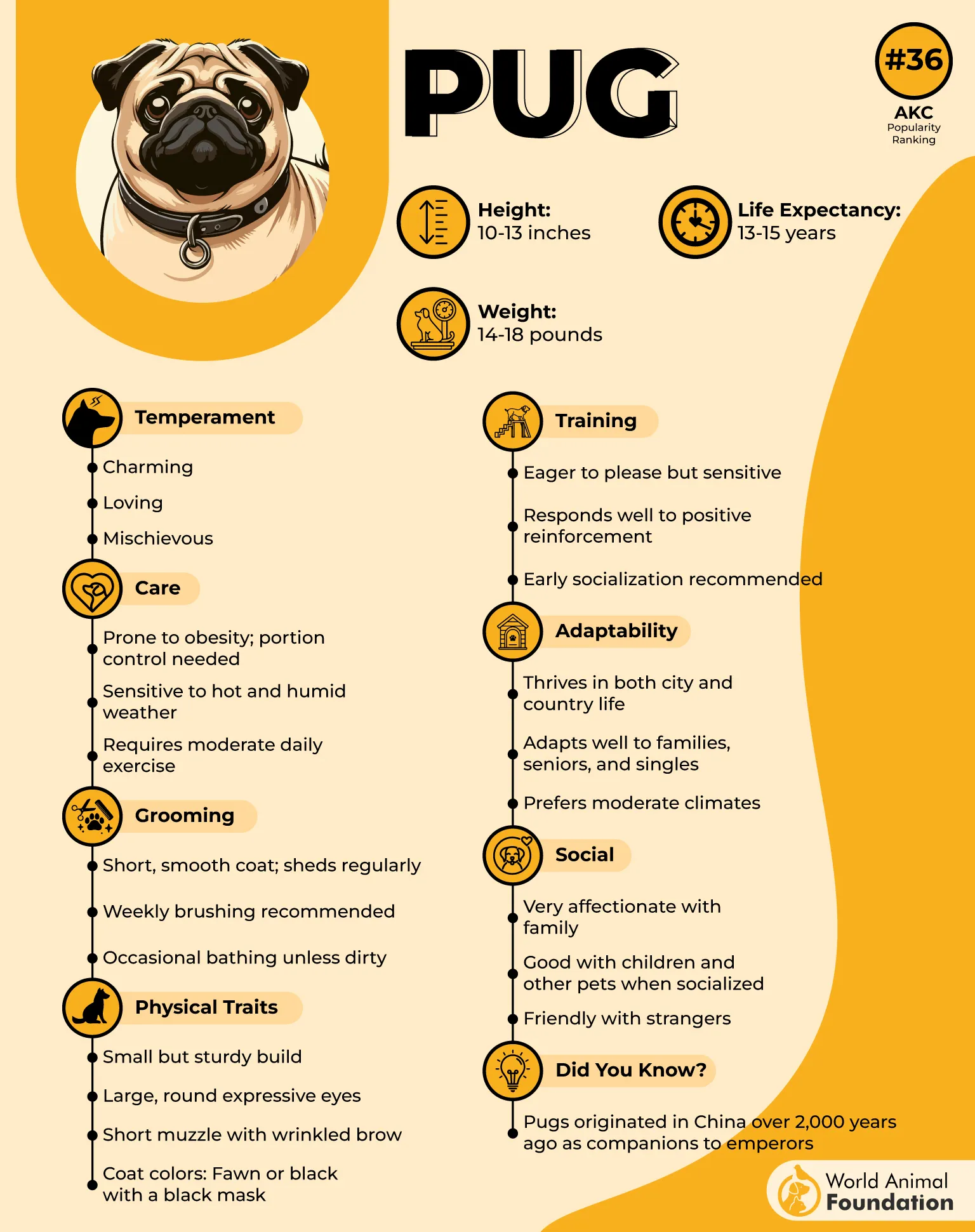
Interestingly, Pugs are also used in psychiatric care, often as part of Deep Pressure Therapy, where their calm presence helps ease anxiety.
Keep workouts light and skip walks when it’s too hot outside. Just 15 to 20 minutes of exercise a day is plenty; think morning or evening strolls, a game of fetch, hide-and-seek, or puzzle toys. And even though the Pug’s coat looks short and simple, it has a surprisingly dense undercoat that needs regular brushing to stay healthy.
5. Russian Tsvetnaya Bolonka
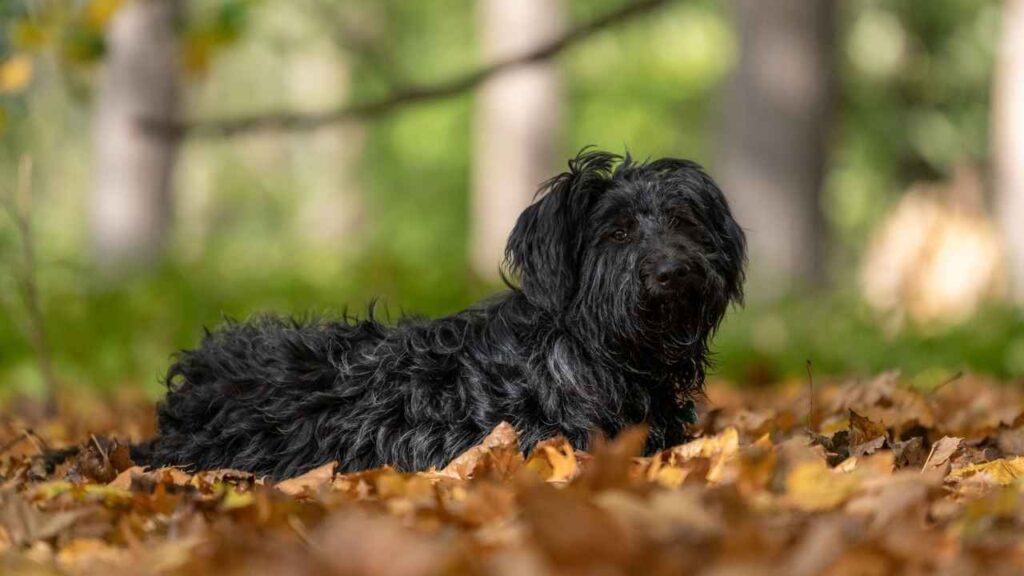
Also known as the Bolonka Zwetna, this rare little breed belongs to the Bichon family and was originally developed in Moscow and Saint Petersburg, Russia, using small companion breeds like the Bichon Frise, Toy Poodle, Shih Tzu, Pekingese, and French Bolognese as its ancestors. Fittingly, the name “Bolonka” simply means “lap dog,” according to Wikipedia.
This calm, easygoing breed was bred more for short bursts of playful fun and relaxed walks than for serious endurance. It’s not much of a yapper either, and it tends to naturally match its energy to whatever mood you’re in.
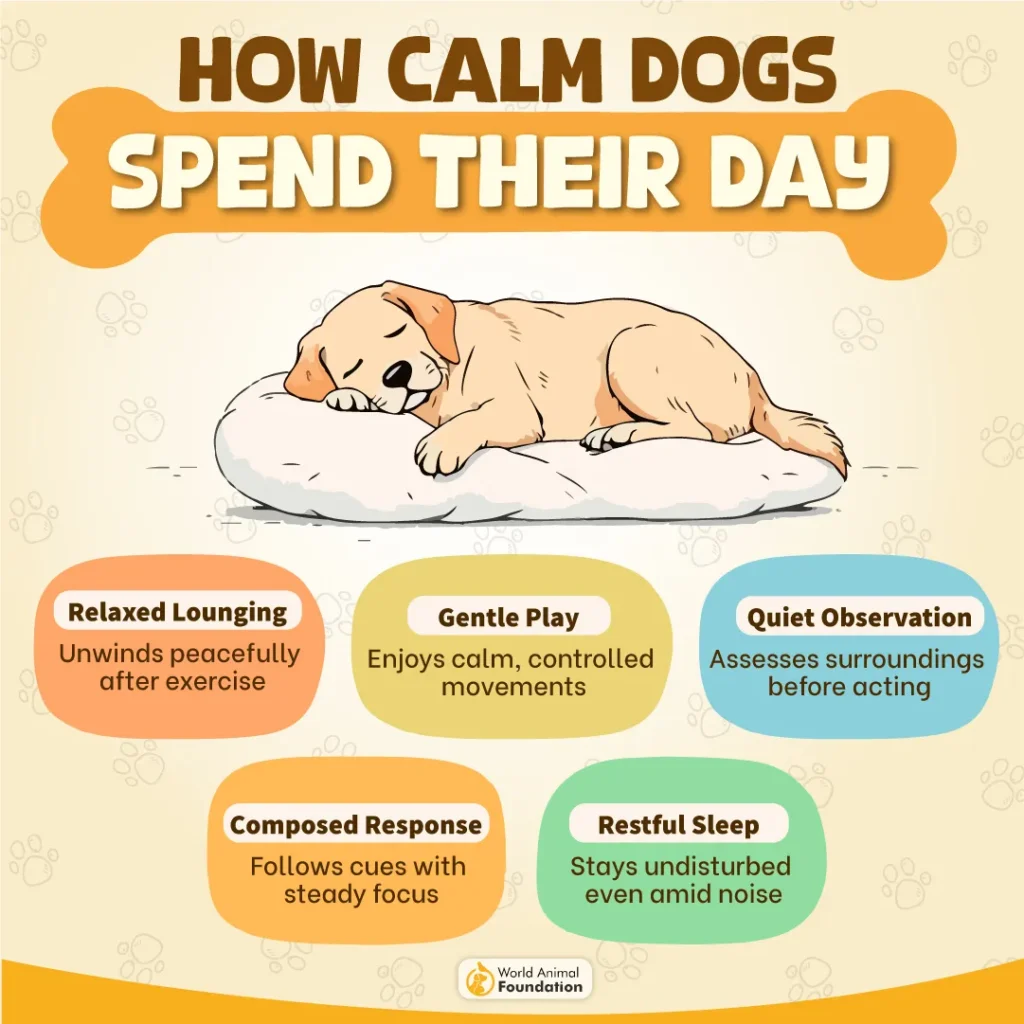
That said, don’t let its laid-back nature fool you: the Bolonka can genuinely shine in dog sports like agility, rally obedience, scent work, and tracking.
It needs a moderate amount of exercise, around 30 to 60 minutes a day, through daily walks, indoor fetch, hide-and-seek, clicker training, or interactive toys.
As for grooming, plan on combing its coat daily and bathing it about once a month. A wide-tooth comb works best, with extra attention around the legs, ears, and beard, where tangles tend to sneak up on you.
6. Pekingese
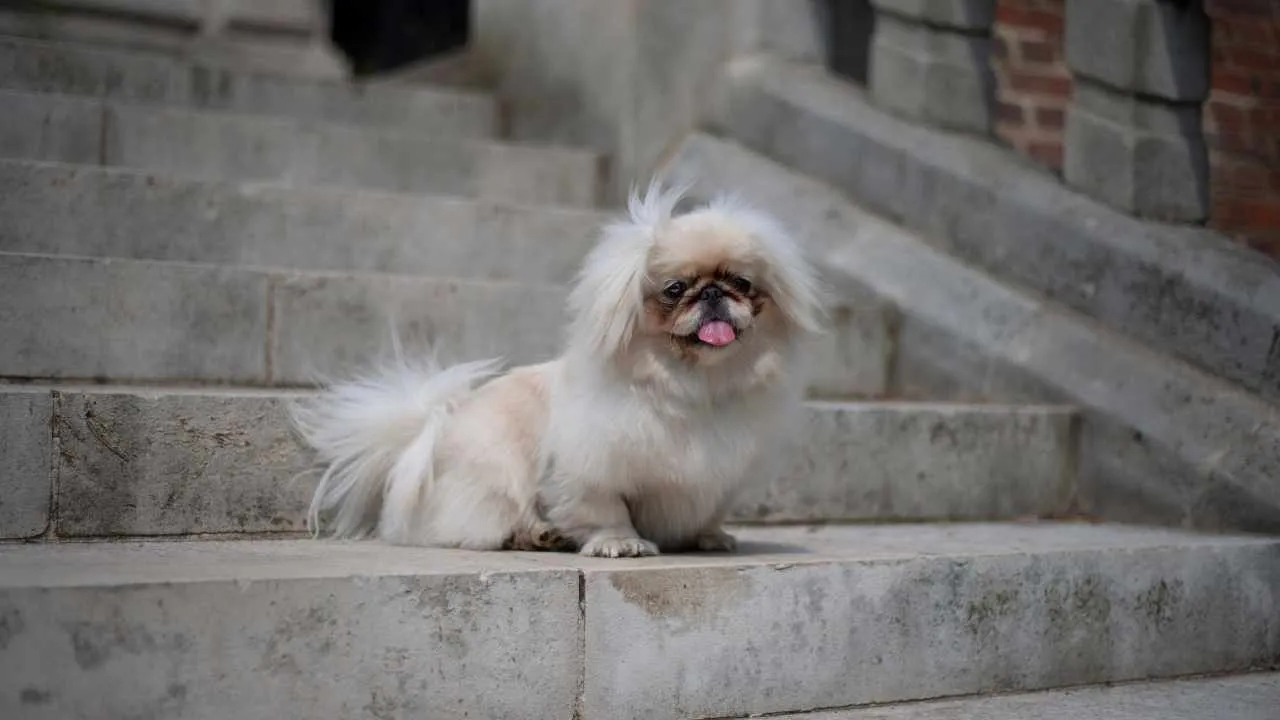
Developed in China by Buddhist monks, the Pekingese is often called the “lion dog” and was originally bred as a companion for imperial households. Five Pekingese made their way to the United Kingdom in 1860, sparking the breed’s popularity there. It’s also one of the oldest dog breeds around, with a history stretching back roughly 2,000 years.
The tiniest ones were nicknamed “sleeve dogs” since they were small enough to tuck into the sleeves of royal robes. Thanks to its short legs and sturdy front end, the Pekingese isn’t built for long bouts of exercise. Its thick double coat, while great for insulation, also means it can overheat fairly easily.
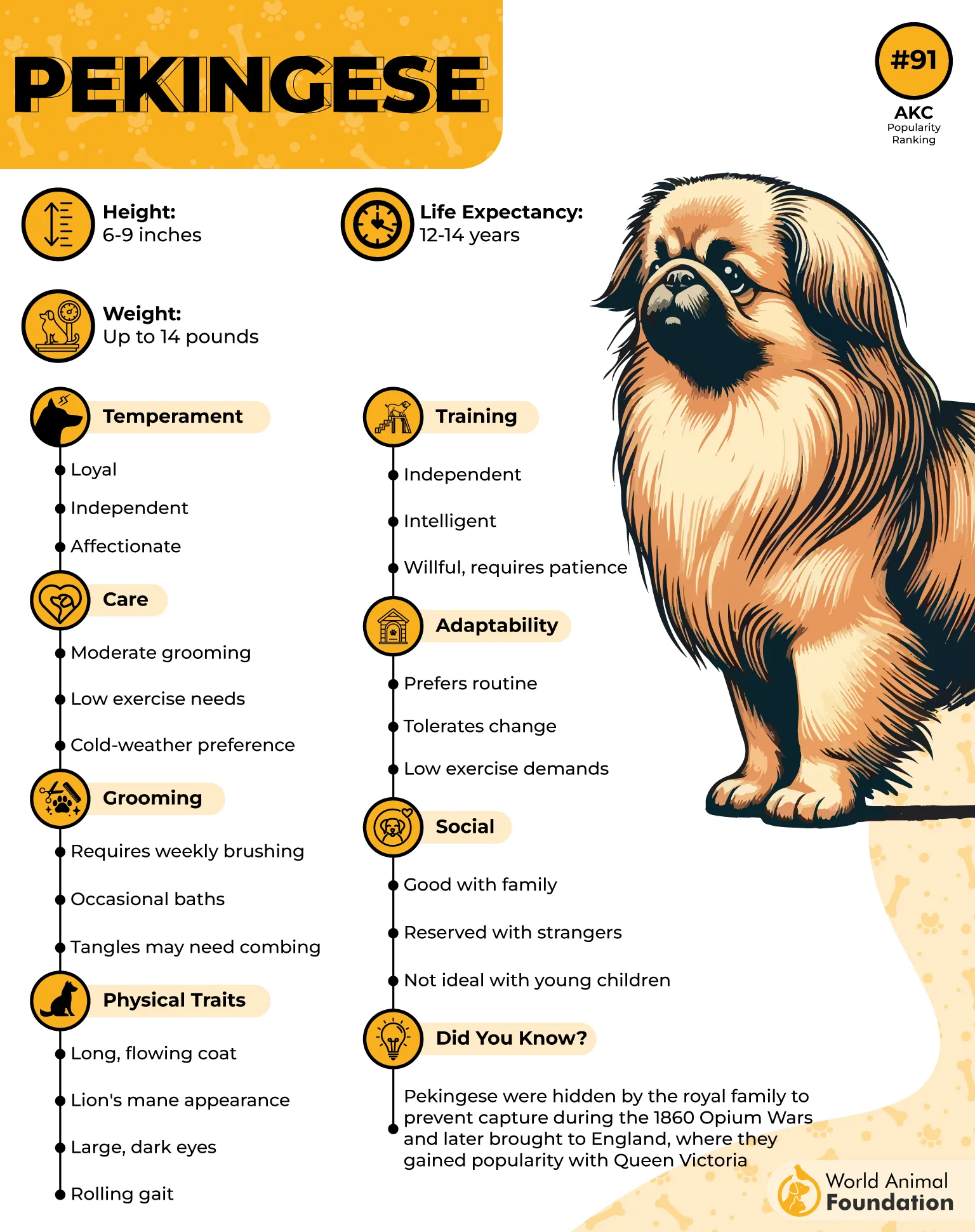
Despite its small size, the Pekingese has a surprisingly loud, sharp bark and tends to be wary of strangers, which makes it a surprisingly good watchdog.
It’s happiest with a relaxed lifestyle and needs only 20 to 30 minutes of exercise a day, think short walks, indoor play, and the occasional puzzle toy to keep its mind busy. Its silky coat does need daily brushing, though, to keep it smooth and tangle-free.
7. Japanese Chin
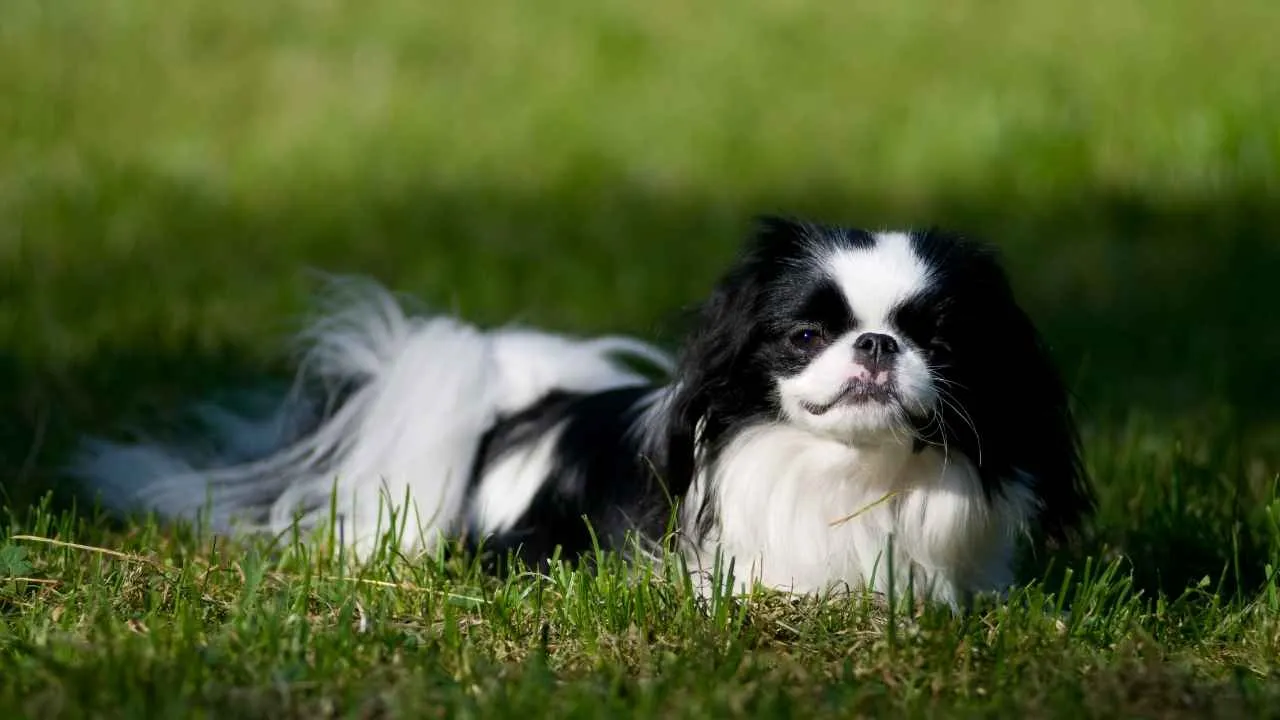
Also known as the Japanese Spaniel, this couch potato actually traces its roots back to China, despite the name. It’s both a lap dog and a companion dog at heart.
According to one popular account, the breed reached Japanese royalty in AD 732 as a gift brought by Kim Jangson, though the exact origin story is debated. What’s better documented is that by 1613, it had become a favorite lap dog among upper-class Japanese ladies.
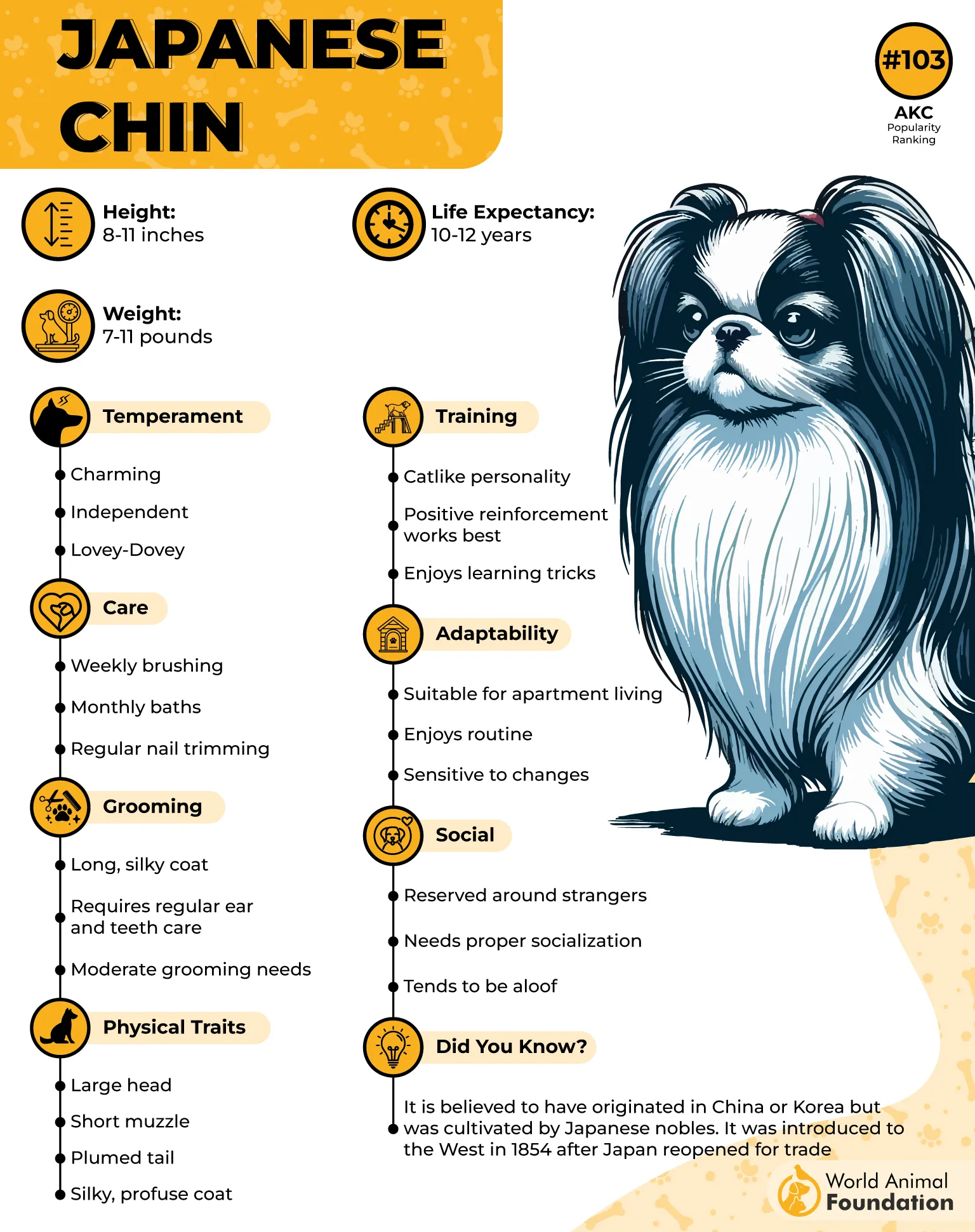
This little dog takes up almost no space and, thanks to its gentle nature, fits right into apartment life. It even has a bit of a cat-like streak, often seeking out high, cozy spots to perch and watch the world go by. With positive reinforcement, it can pick up surprisingly complex tricks too.
Smart and eager to please, the Japanese Chin makes a wonderful little entertainer and can even hold its own in casual agility. Because of its flat face and narrow airways, though, low-impact activity works best; short walks and relaxed indoor play are ideal. Its silky coat is fairly easy to maintain, needing just a weekly brush to stay smooth and healthy.
Conclusion
A calm home deserves a companion that naturally fits its peaceful rhythm, and these toy dog breeds do exactly that. While each has its own personality, they all share one important quality. They love being close to the people they trust. The best choice depends on your daily routine, grooming commitment, and lifestyle rather than appearance alone.
Spend time learning about a breed before bringing one home, and whenever possible, meet adult dogs to understand their temperament. A tiny dog may not take up much space on your couch, but it can fill your life with loyalty, laughter, and quiet comfort for many wonderful years. Sometimes, the smallest paws leave the biggest footprints on our hearts.
