




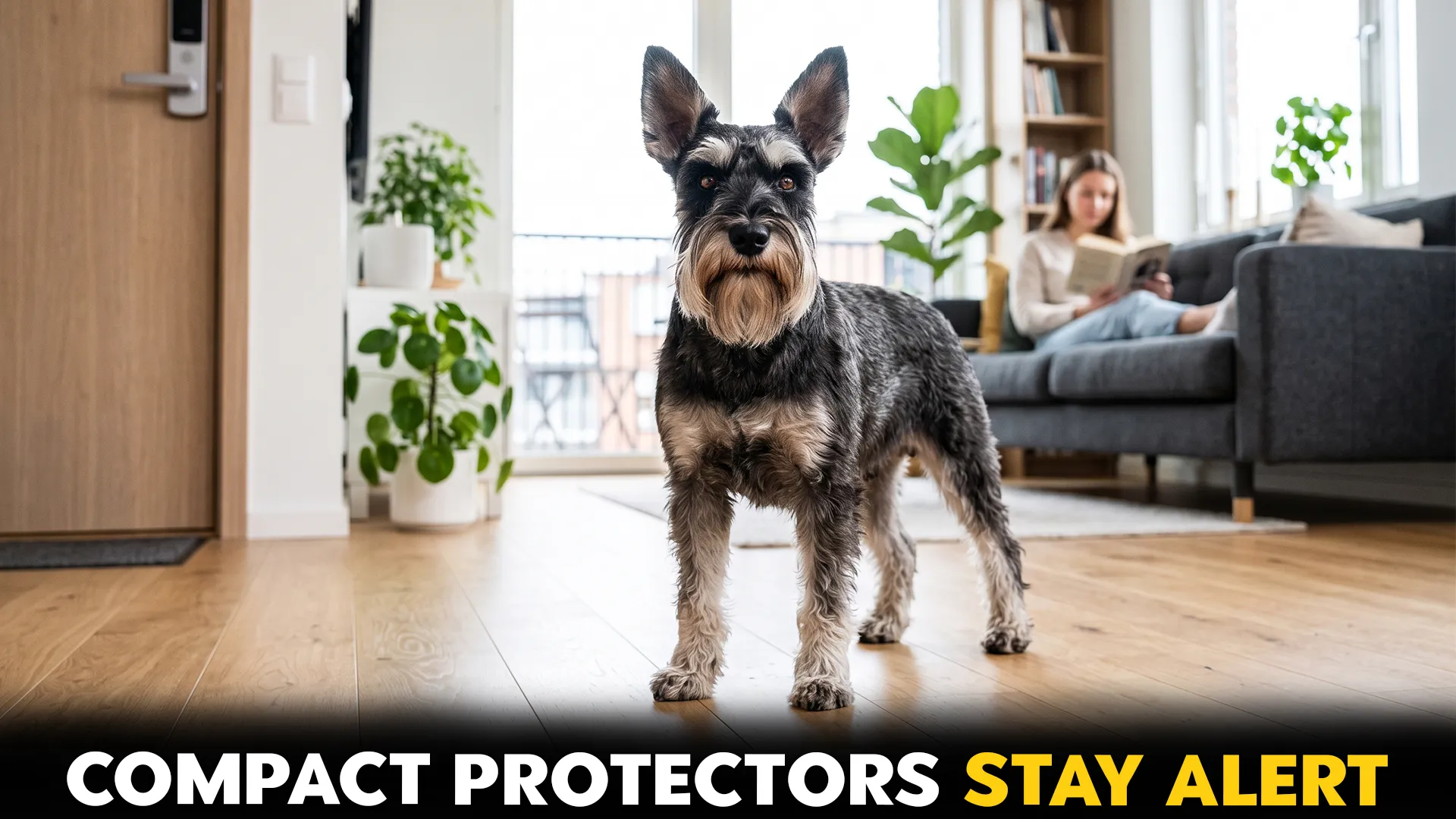
The apartment was small enough that every piece of furniture had been carefully chosen to save space. Adding a dog sounded unrealistic, especially after hearing countless opinions that guard dogs belonged in large houses with fenced yards.
Even so, the search continued with one simple goal. Find a companion who could offer reassurance without making everyday living feel crowded. The answer came from an unexpected direction. Instead of focusing on size alone, attention shifted toward temperament, adaptability, and natural awareness.
That small change completely transformed the options. It became clear that some compact breeds were perfectly capable of keeping an eye on their surroundings while settling comfortably into apartment routines. They offered confidence without demanding an oversized home.
For people living in smaller spaces, that discovery changes the way guard dogs are viewed. The breeds ahead explain which ones fit this role best and what makes each stand out.
Key Takeaways:
Living in an apartment does not mean giving up the comfort of having a watchful dog by your side.
The Cavalier King Charles Spaniel has royal roots; the Pomeranian came from much larger working dogs, and both still notice the smallest changes around the home.
Add a Silky Terrier or Miniature Schnauzer to the mix, and you’ll find plenty of confidence packed into a surprisingly small frame.
Keep going because a couple of these apartment-friendly watchdogs are probably nothing like what you expected.
Compact Guard Dog Breeds Perfect for Apartment Living
1. Cavalier King Charles Spaniel
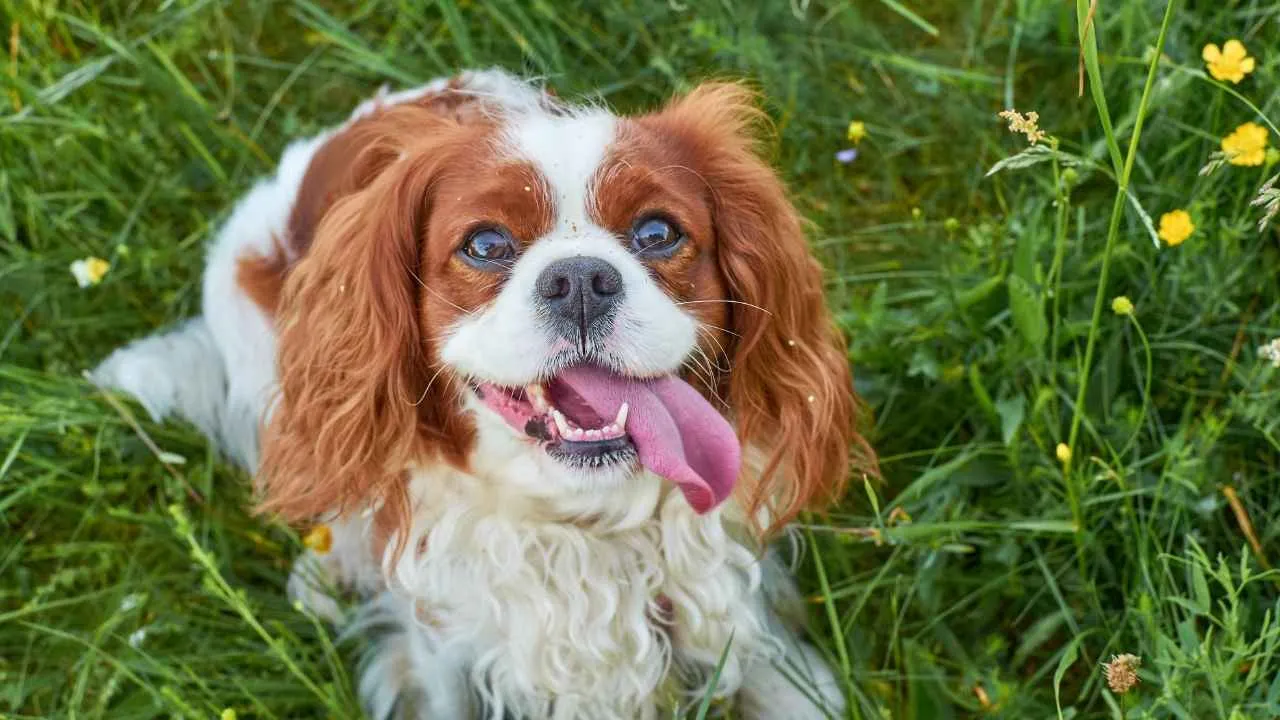
The Cavalier King Charles Spaniel shares a long connection with British royalty, especially King Charles I and King Charles II, who famously kept these little dogs close even during visits to Parliament. That royal association helped shape its reputation as a devoted companion.
Gentle but Watchful
Life as a lap companion began in drafty castles and chilly carriage rides, where this breed offered warmth and companionship. Even today, it pays close attention to the ringing doorbell and passing animals. or arriving guest, and may respond with a soft bark.
More about this breed includes:
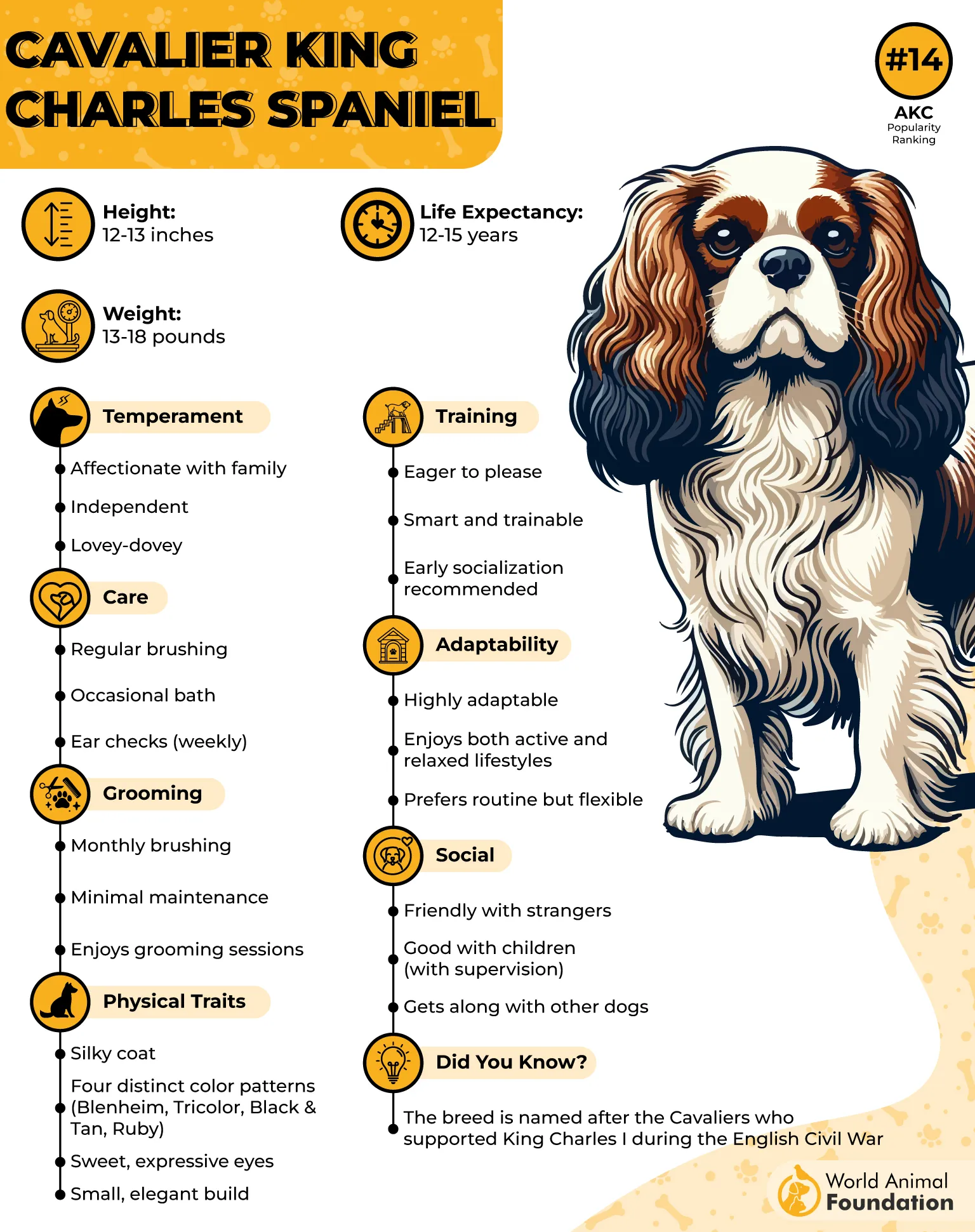
Ranked 14th most popular by the AKC
Descends from the sporting group
Excel as psychiatric and medical-alert service dogs
Family Comes First
This small dog enjoys spending time with people and adapts well to homes with children, cats, and other dogs, thanks to its patient nature, as mentioned by PetMD. Long periods without companionship can be difficult, making this breed happiest in homes where someone is around often.
2. Maltese
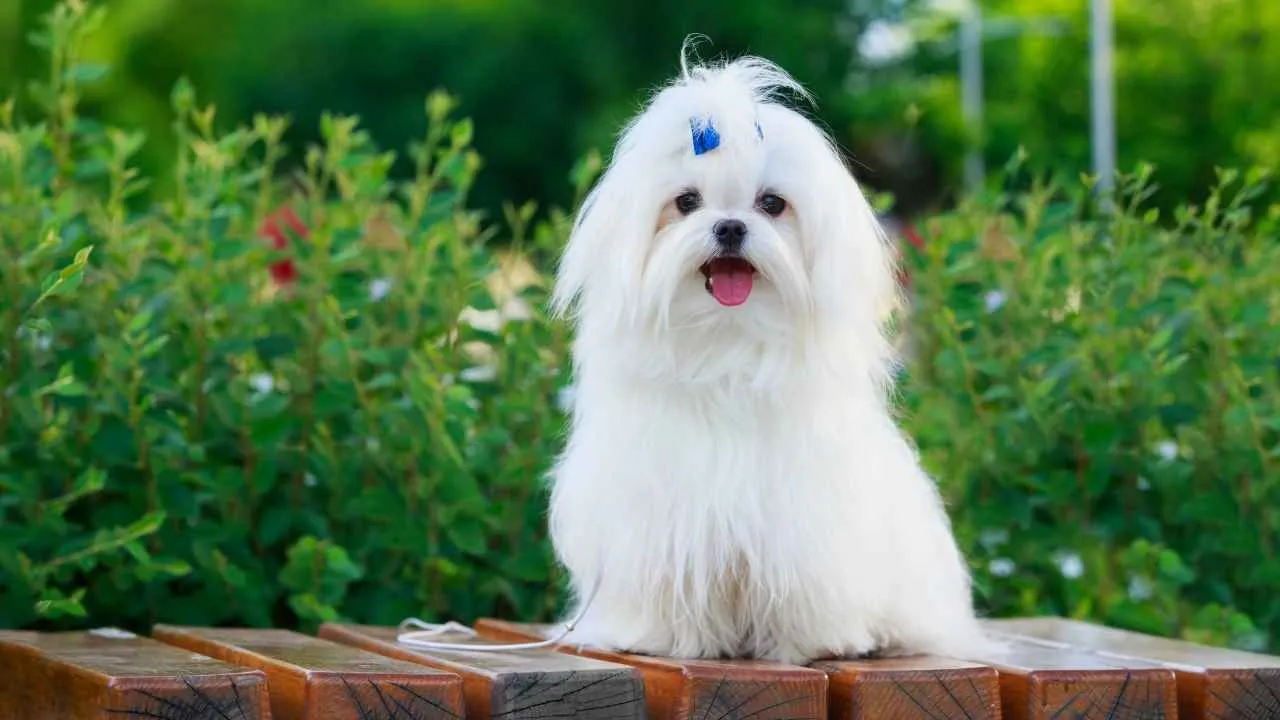
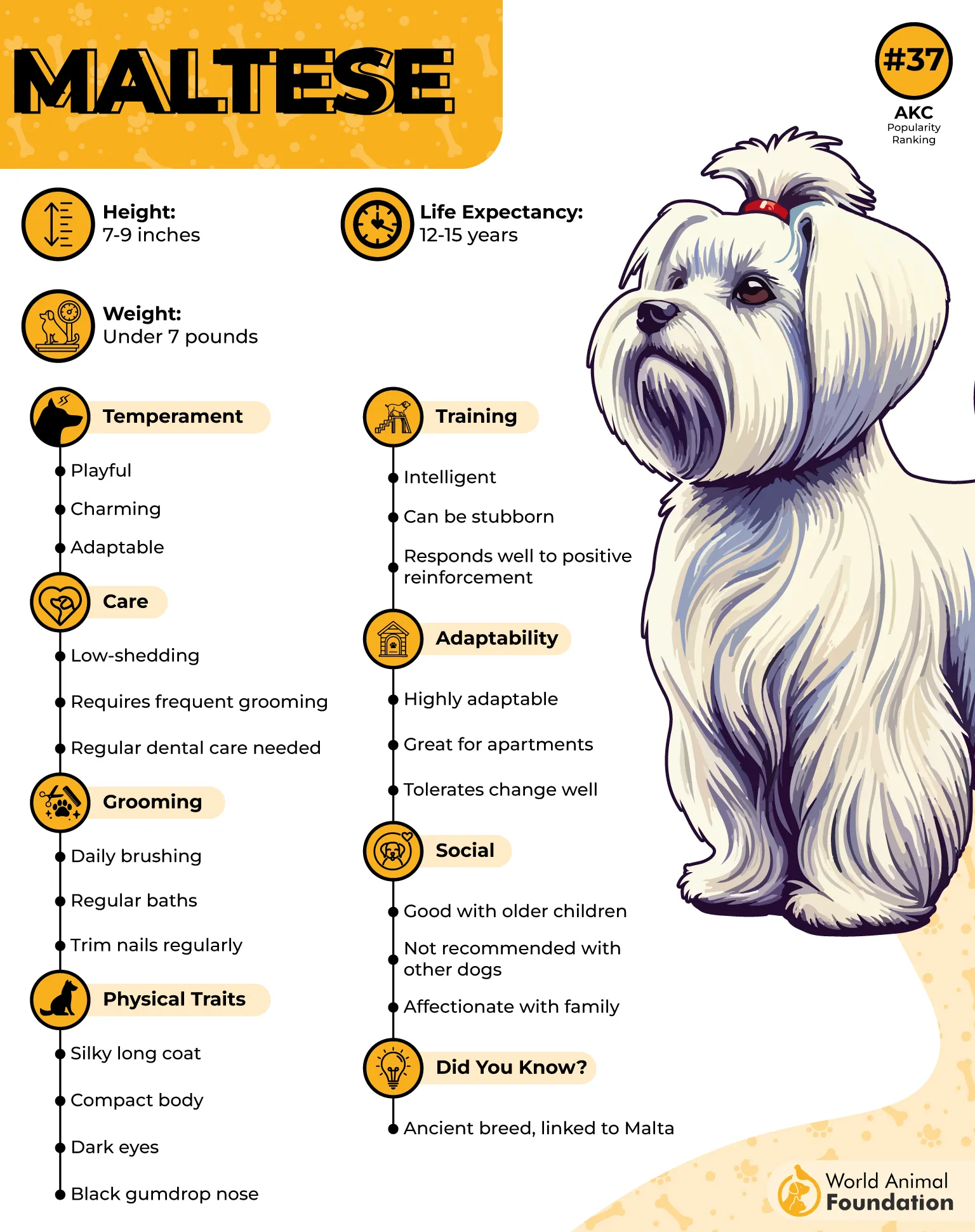
The Maltese appears in records dating back to around 300 BC, with one theory linking its arrival in Central Europe to traders traveling through Asia. Around the home, this little dog is often the first to react when footsteps approach outside or a vehicle pulls into the driveway.
Small Dog, Sharp Senses
A knock at the door or an unfamiliar sound is enough to trigger an alert response long before visitors step inside, as noted by Pawlicy Advisor. That awareness comes from keen hearing, while consistent training helps prevent excitement from turning into excessive barking.
The details reveal more:
Possible ancestry shared with the Tibetan Terrier
Separation anxiety can lead to undesired behavior
Understand routines fairly quickly
Loves Being Nearby
The Maltese prefers spending the day beside its favorite people, whether curled up on a lap or following them from room to room. Its playful nature lasts well beyond the puppy stage, and respectful children often find a willing playmate in this cheerful breed.
3. Silky Terrier
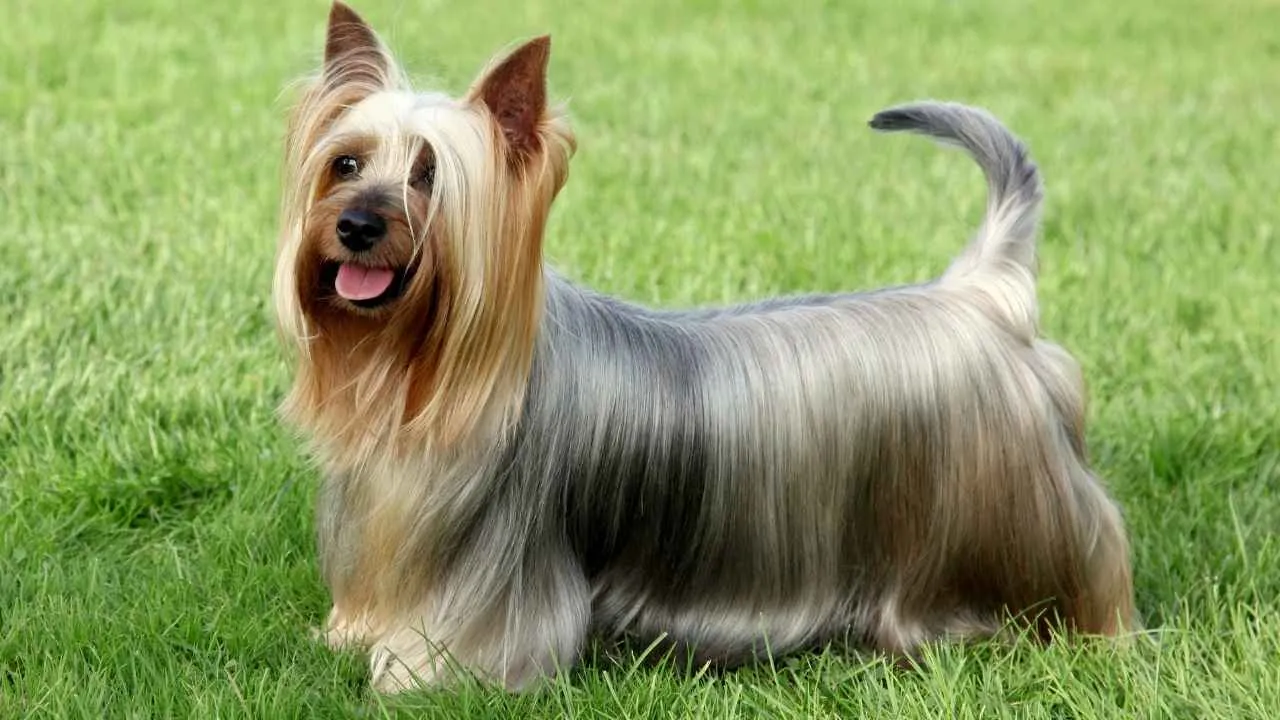
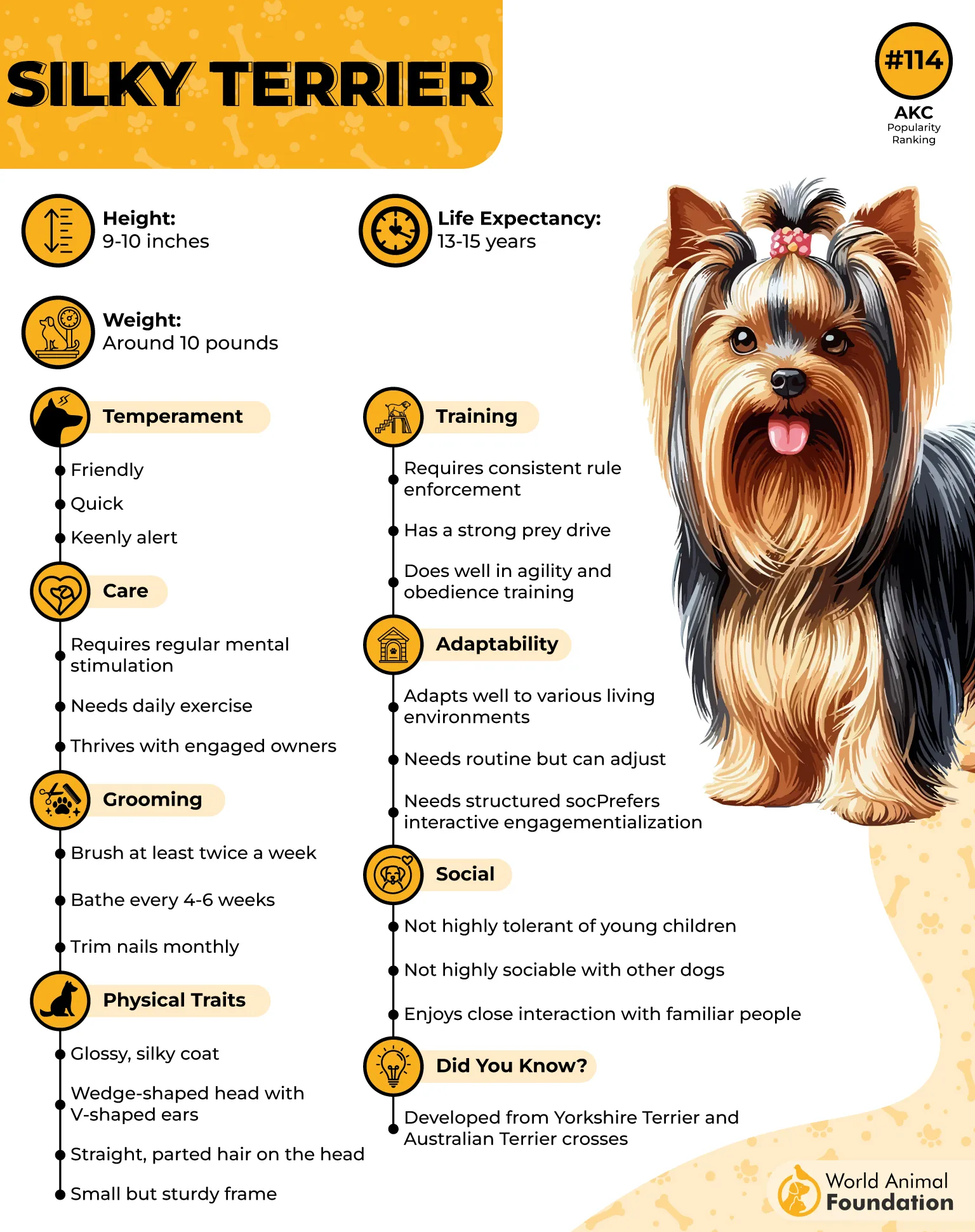
The Silky Terrier first appeared in Australia in the 1890s, after Yorkshire Terriers were crossed with Blue and Tan Australian Terriers. That combination produced a compact dog with the long, silky coat people recognize today, while preserving the determined nature of a true terrier.
Alert Around the Home
This apartment guard dog pays close attention to activity outside the front door and wastes little time announcing arriving visitors with its voice. New faces often receive a cautious welcome before this breed relaxes once they have been accepted indoors.

Their personality further reveals these everyday traits:
Strong instinct to chase small animals
Can disappear into rabbit holes while following prey
Need proper guidance from a young age
Bright Mind
The Silky Terrier learns quickly when training remains consistent, especially when lessons are turned into games and short play sessions, as noted by the AKC. That same intelligence also means long periods without engagement can encourage barking or other unwanted habits inside the home.
4. Pomeranian
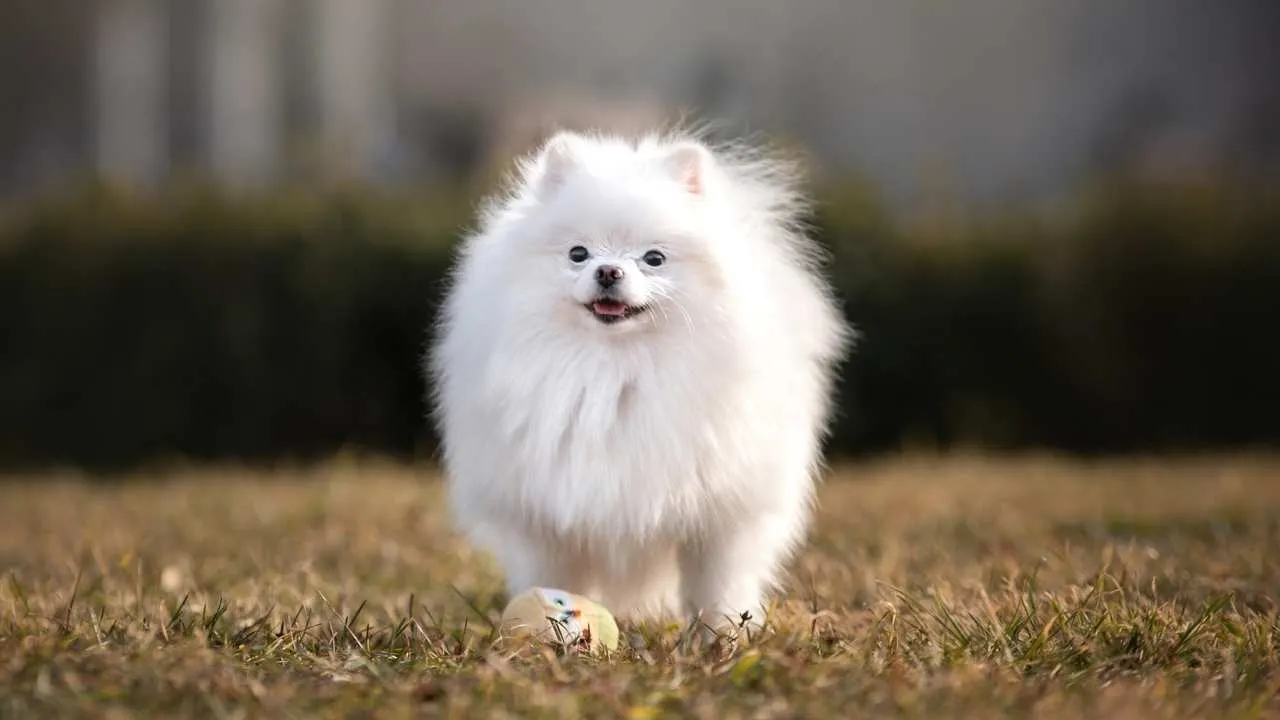
The Pomeranian began as a much larger herding dog of about 30 pounds before selective breeding gradually reduced its size to the tiny companion recognized today. Its Spitz ancestry also links this breed to dogs such as the Akita, Alaskan Malamute, Chow Chow, and Samoyed.
Alert From Every Corner
This small dog breed is quick to notice any nearby activity, rarely letting much slip by unnoticed. Combined with its loyal personality, that steady awareness makes it a trustworthy little watchdog for homes with limited space.
Some lesser-known facts complete the picture:
Originally worked as a herding dog
Fits families, singles, and older adults
Fragile around very young children
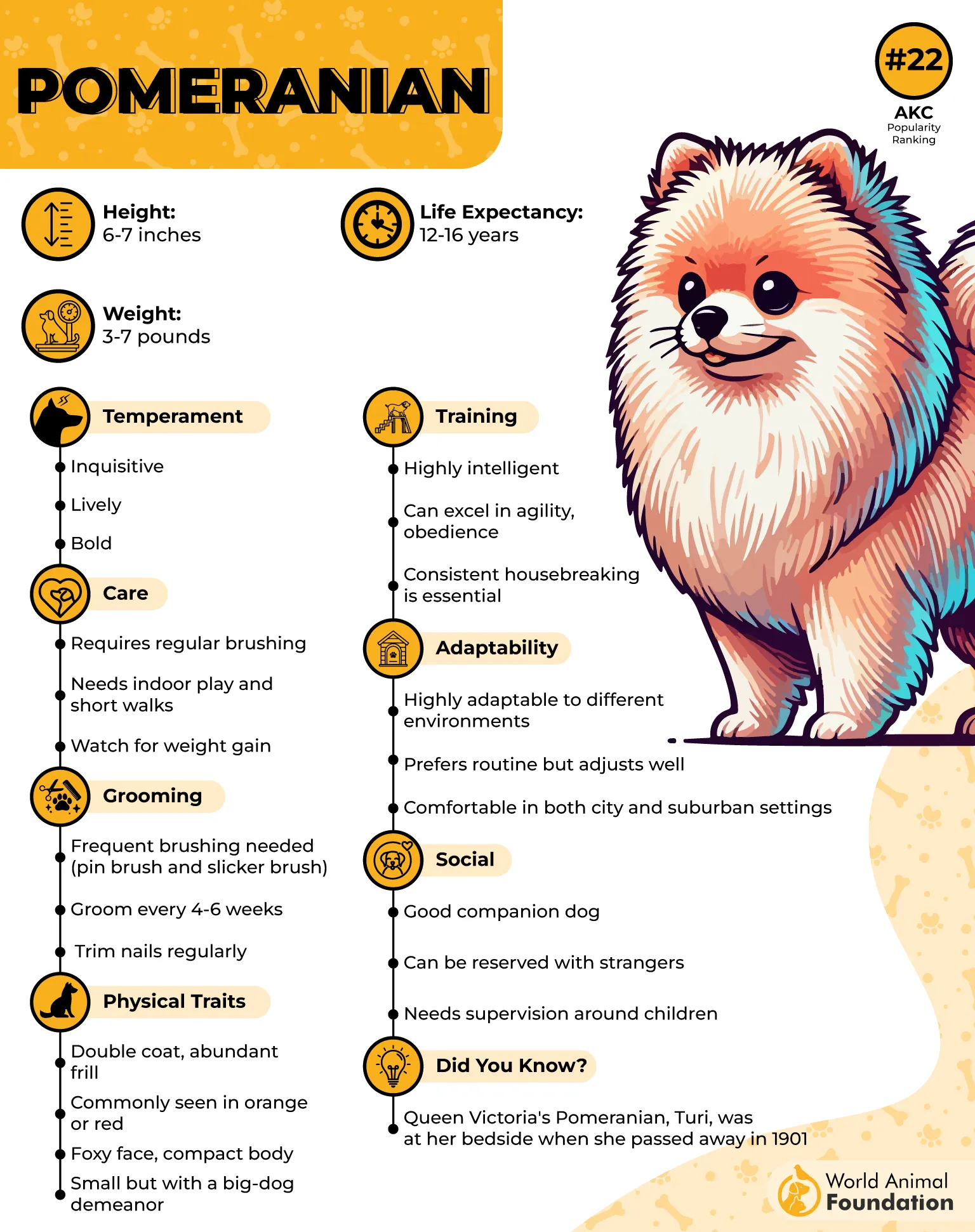
Energy in Small Spaces
Pom burns much of its energy through indoor play and short neighborhood walks rather than lengthy outdoor outings. That practical routine suits apartment living well while still giving this lively breed opportunities to learn, explore, and interact throughout the day.
5. Bichon Frise
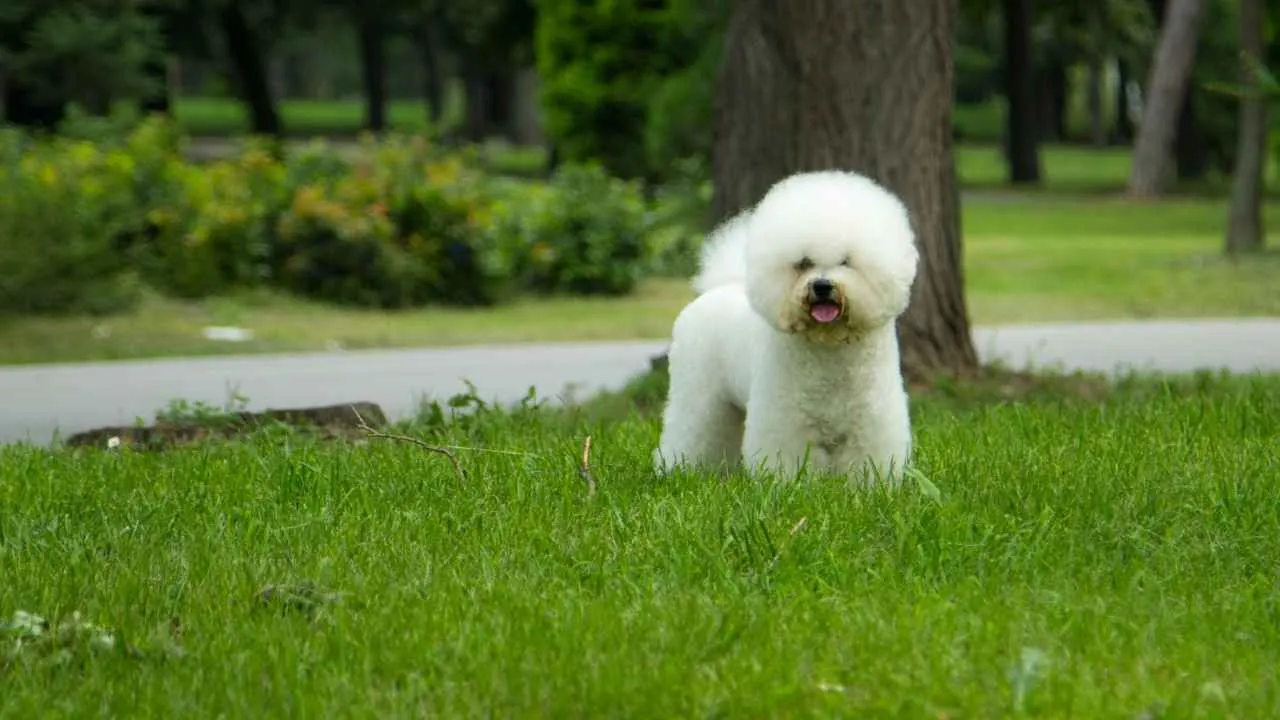
The Bichon Frise first appeared in the Mediterranean, where it was originally bred by crossing large water dogs with small white dogs that formed the Barbichon family. Years later, its cheerful personality made it a favorite companion for street performers and everyday households alike.
Always Paying Attention
Apartment life works well for the Bichon Frise, though it is the kind of dog that likes to know what is happening beyond the front door, giving it surprising watchdog value for its size. Setting good habits early makes shared buildings much easier for both the dog and the neighbors.
Here’s another side to it:
Barbichon family descendant
Related to the Maltese and Havanese
Once performed tricks for street entertainers
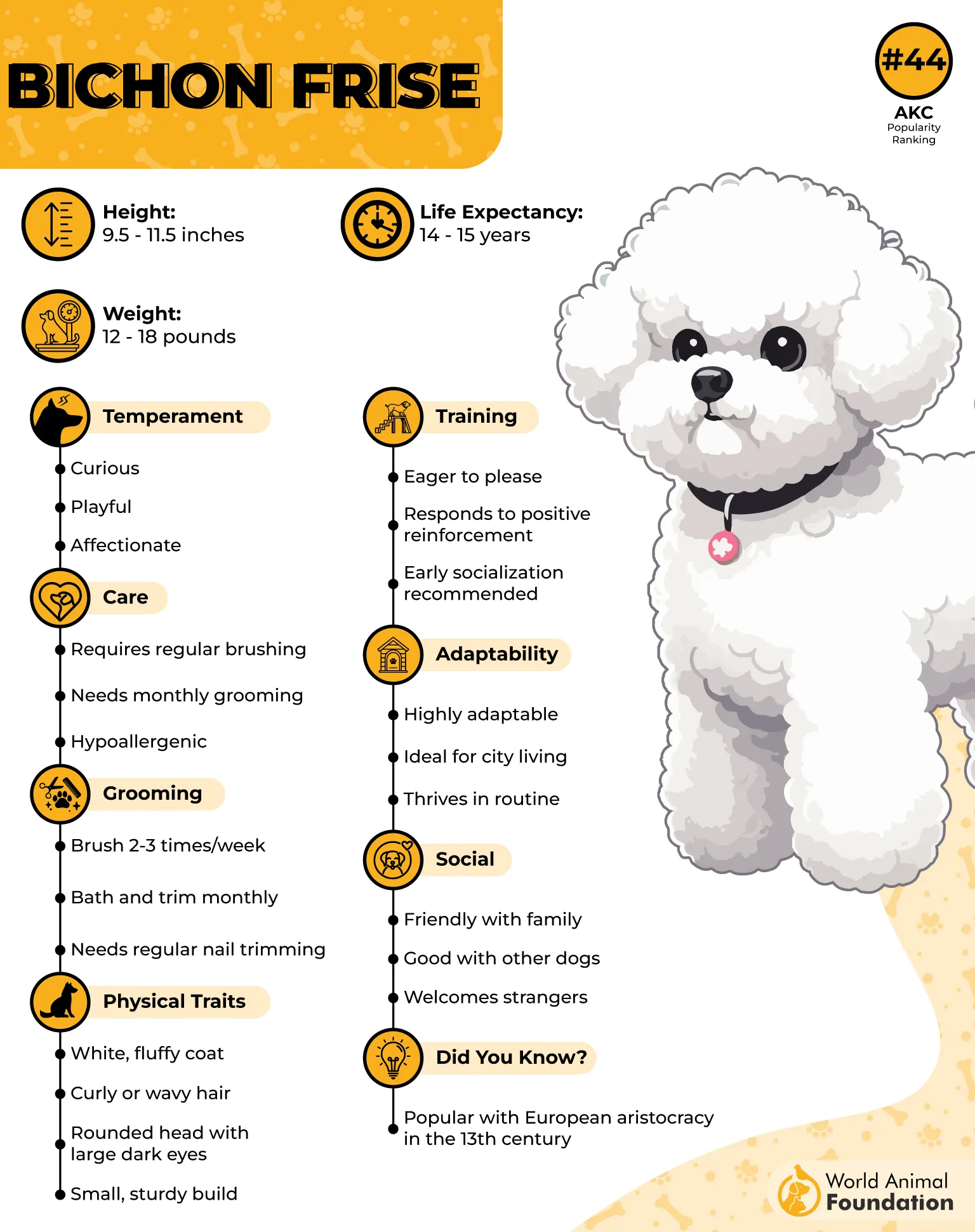
Social at Heart
Bichon Frise enjoys being involved in whatever is happening around the home and responds closely to the emotions of the people nearby. Long periods without company can lead to boredom, making proper training and regular interaction especially valuable for this breed.
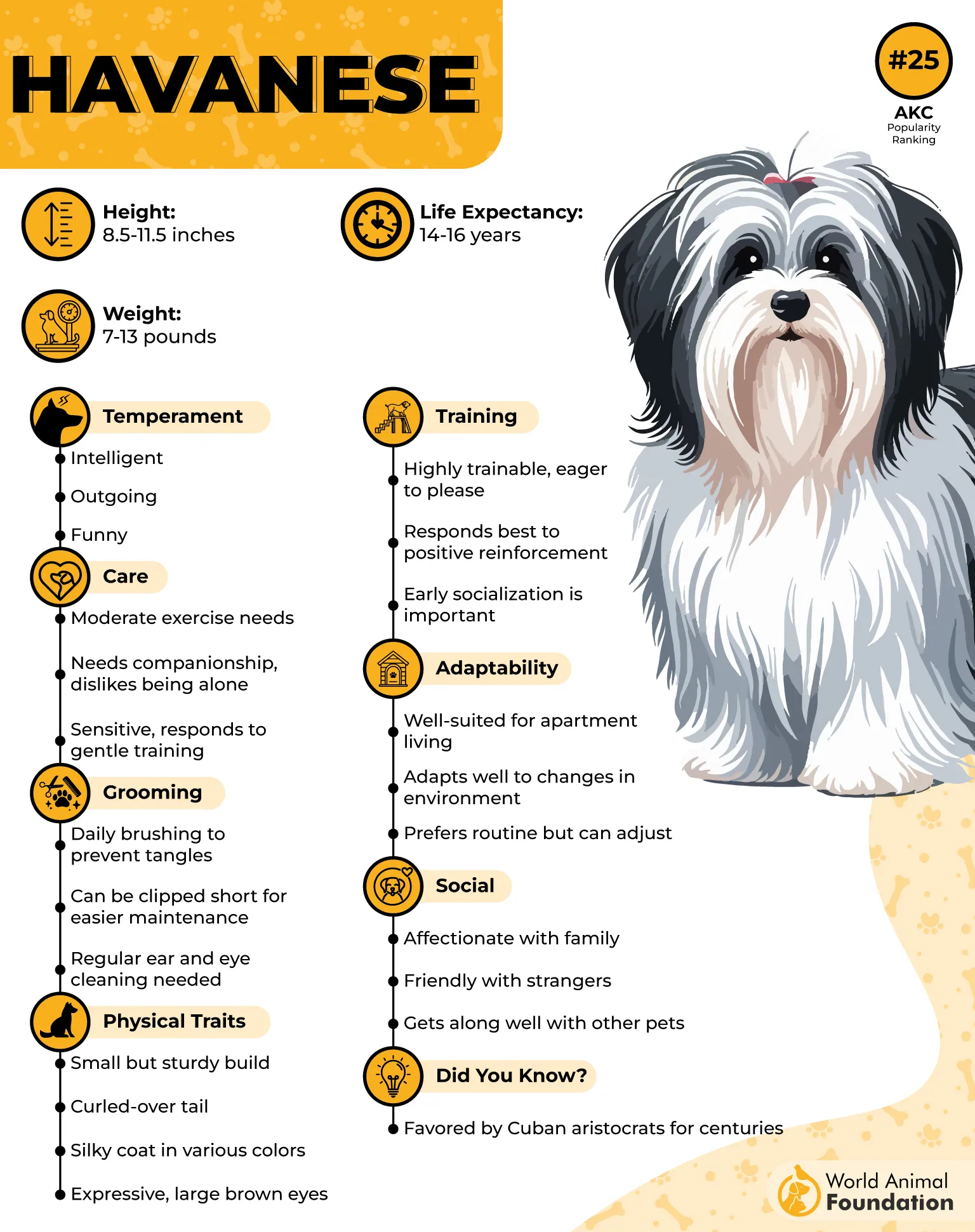
6. Havanese
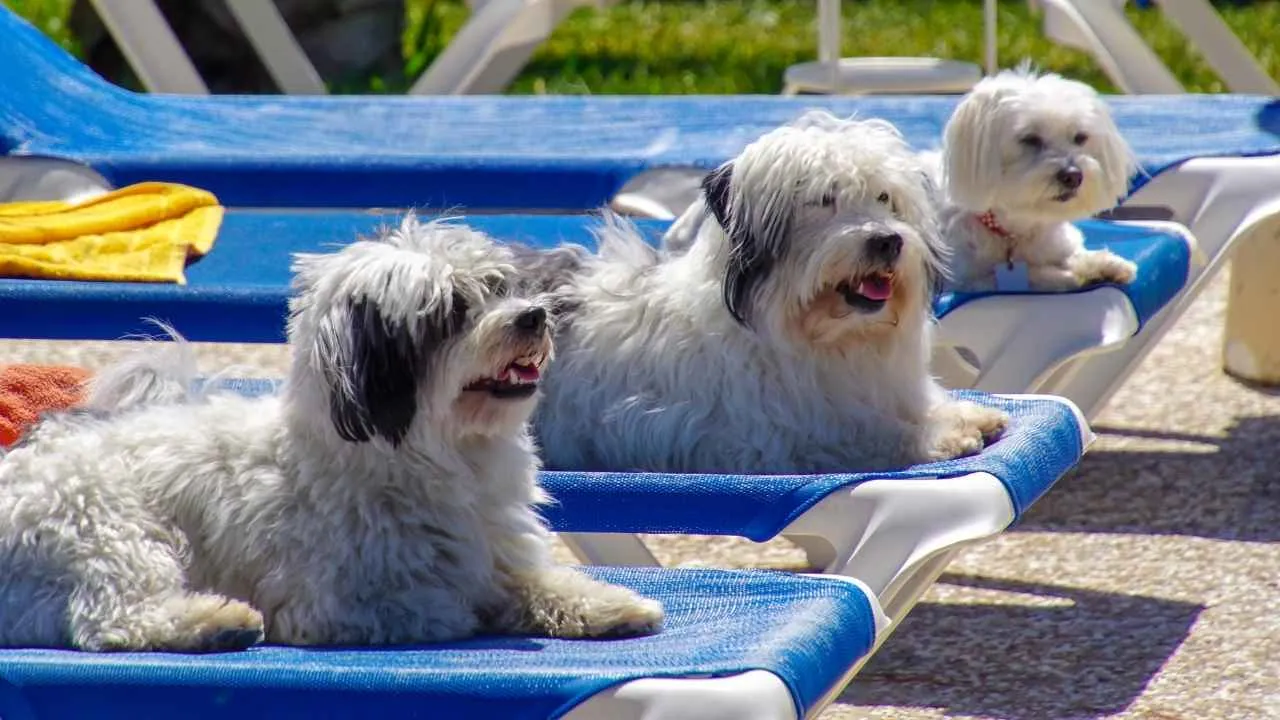
The Havanese belongs to the Bichon family and reached Cuba centuries ago with Spanish traders, where it quickly found favor among wealthy households. Years later, small numbers reached the United States during the Cuban Revolution, shaping the foundation of today’s breed.
Bright and Watchful
They combine an outgoing personality with sharp awareness, making them attentive to activity around the home without losing their friendly nature. When properly trained, this little companion fits comfortably as an apartment dog without excessive barking.
Beyond everyday companionship alone:
Once called the Havana Silk Dog and Spanish Silk Poodle
Intelligent and highly trainable dog breed
The only dog breed native to Cuba
Close Company
Many Havanese dogs are happiest when they can stay close to the people they love, whether that means curling up beside you or quietly following you around the house. Regularly leaving them alone for long periods can take a toll and may lead to separation anxiety.
7. Poodle
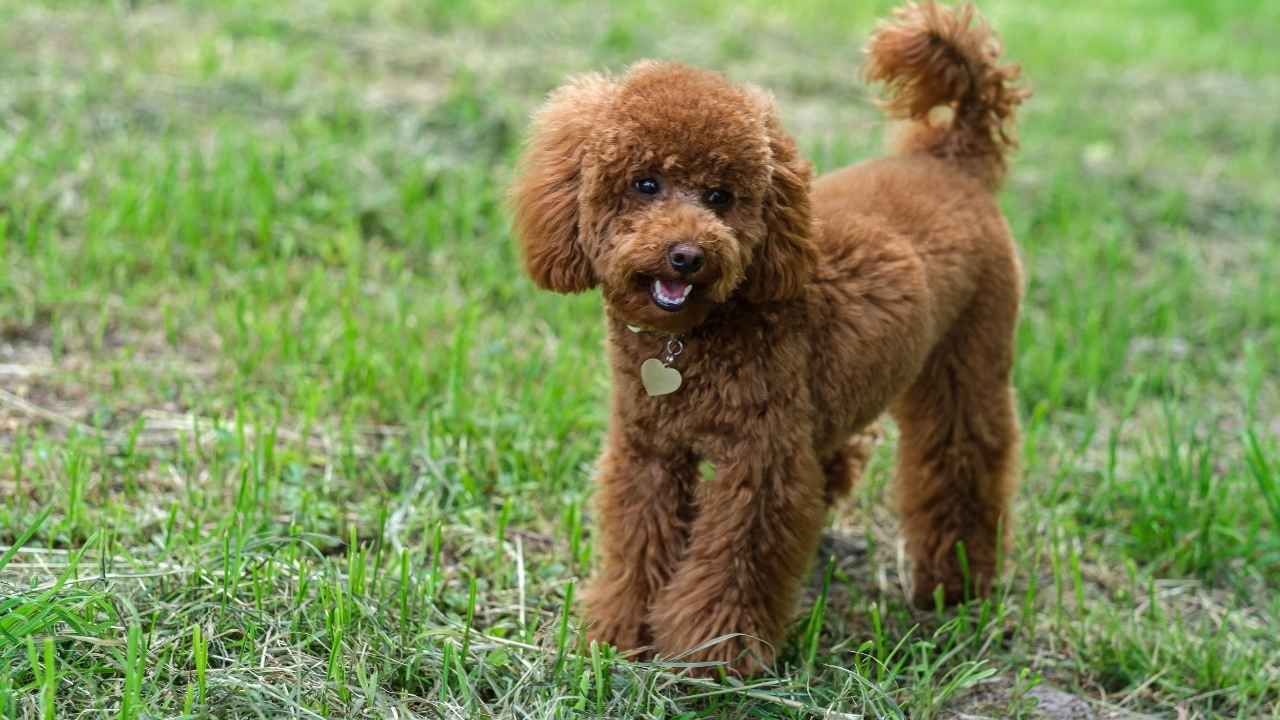
The Poodle first appeared as a curly-coated working dog that likely traveled from Asia into Europe alongside herders before becoming widely recognized in Germany. Its insulated coat also made swimming and duck hunting much easier in cold water, adding another dimension to this versatile breed.
Quick to React
This apartment dweller breed pays close attention to unfamiliar sounds and visitors, often responding with a prompt alert that makes it a dependable watchdog in an apartment setting. Its quick thinking also allows new commands to be picked up after only a few repetitions.
A few interesting details complete the picture:
Skilled duck hunter
Confident swimmer in cold water
A curly coat provides insulation
A Mind That Stays Busy
The Poodle enjoys learning and responds well to consistent training because it naturally looks for the next challenge after mastering a task. This independent way of thinking also means clear boundaries should begin early, so the dog does not start making its own decisions around the home.
8. Shih Tzu
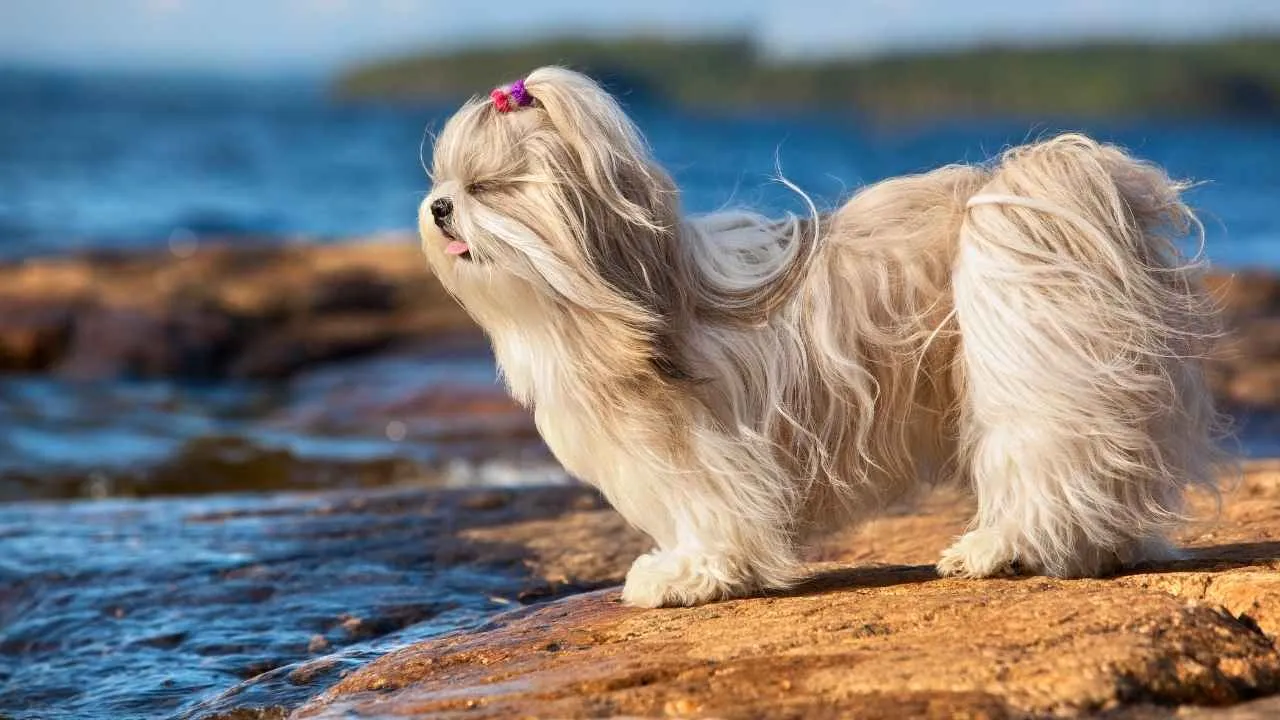
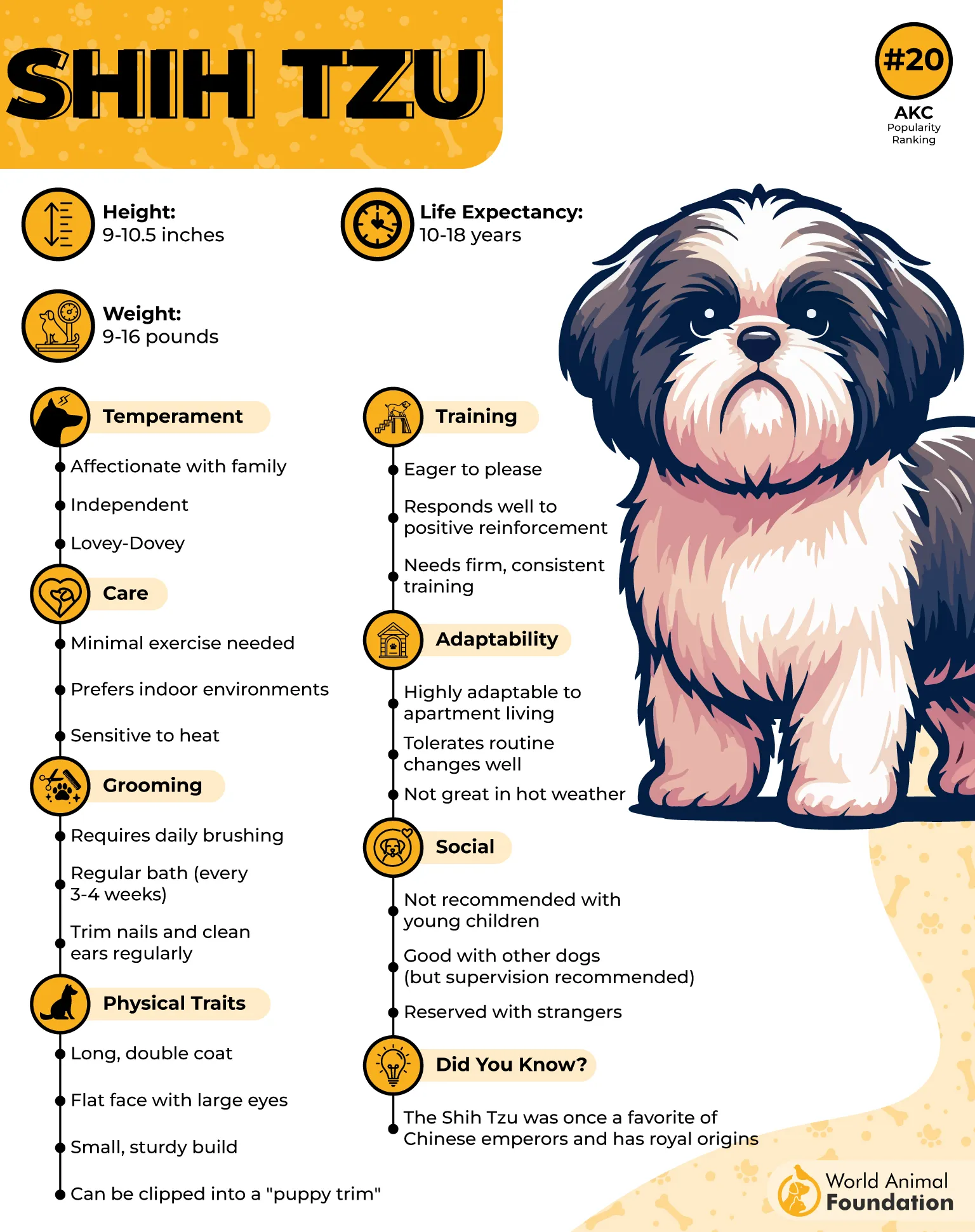
The Shih Tzu developed as a Tibetan companion breed and later became closely connected with imperial households, where its sharp bark alerted people to approaching visitors. That natural tendency to announce unfamiliar arrivals fits surprisingly well in a compact city life.
More Than a Lap Companion
Although small in size, the Shih Tzu enjoys being involved in everyday household life and prefers company instead of long periods alone. A daily walk of about 30 minutes, along with indoor play, usually provides enough activity for this breed.
Worth knowing details of their roots are:
Official AKC recognition came in 1969
“Lion dog” comes from the Buddhist tradition
Harnesses are recommended over collar attachments
Social Habits Matter
Shih Tzus benefit from early socialization because young puppies can become overly vocal or begin digging if they grow uneasy in unfamiliar situations. Comfortable introductions to people and new experiences help encourage calmer behavior as the dog matures.
9. Miniature Schnauzer
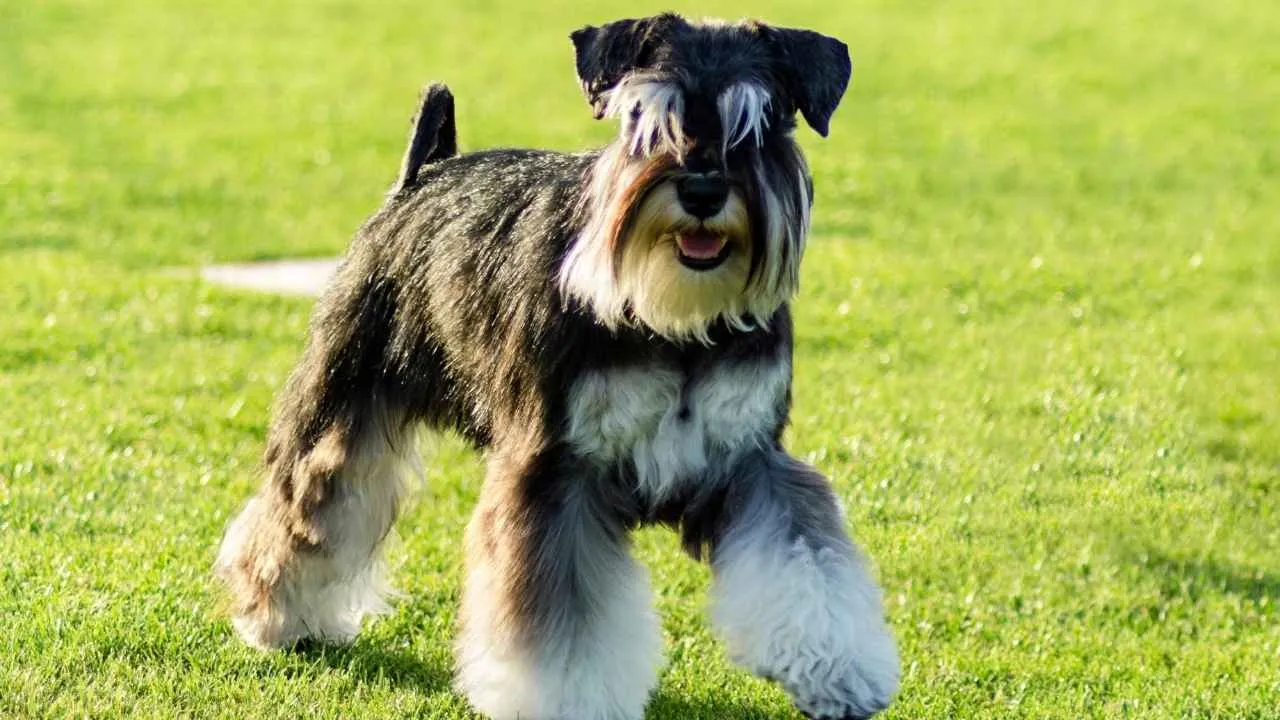
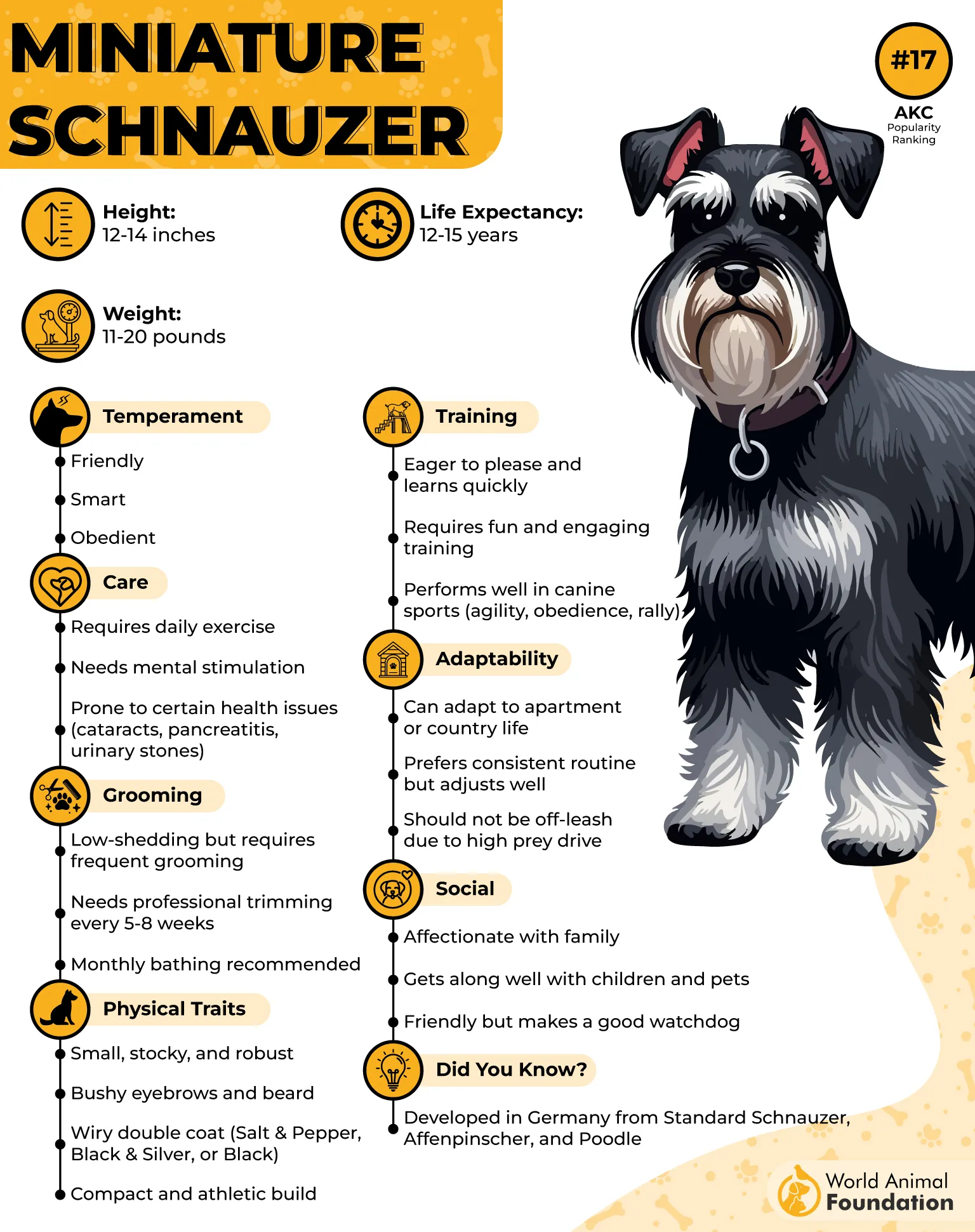
The Miniature Schnauzer takes its name from the German word “Schnauze,” meaning muzzle, a reference to the breed’s unmistakable beard. Paintings from the late 1400s already featured Schnauzer-type dogs, reflecting a lineage connected with hardworking German farm life.
Quick to Adapt
Whether home is a city apartment or a place in the countryside, this protection dog can settle into either with the right routine and daily activity. Daily walks, puzzle toys, agility sessions, and learning fresh commands help satisfy this intelligent dog’s active nature.
These details complete the picture:
Love to please their owners
Often take part in challenging situations
Long beard inspired the breed’s name
Always Paying Attention
The Miniature Schnauzer responds quickly to sounds around the home, which explains why delivery arrivals, passing neighbors, or squirrels often trigger vocal reactions. Its eagerness to follow cues also makes obedience and dog sport activities a rewarding outlet for this energetic breed.
10. Pug
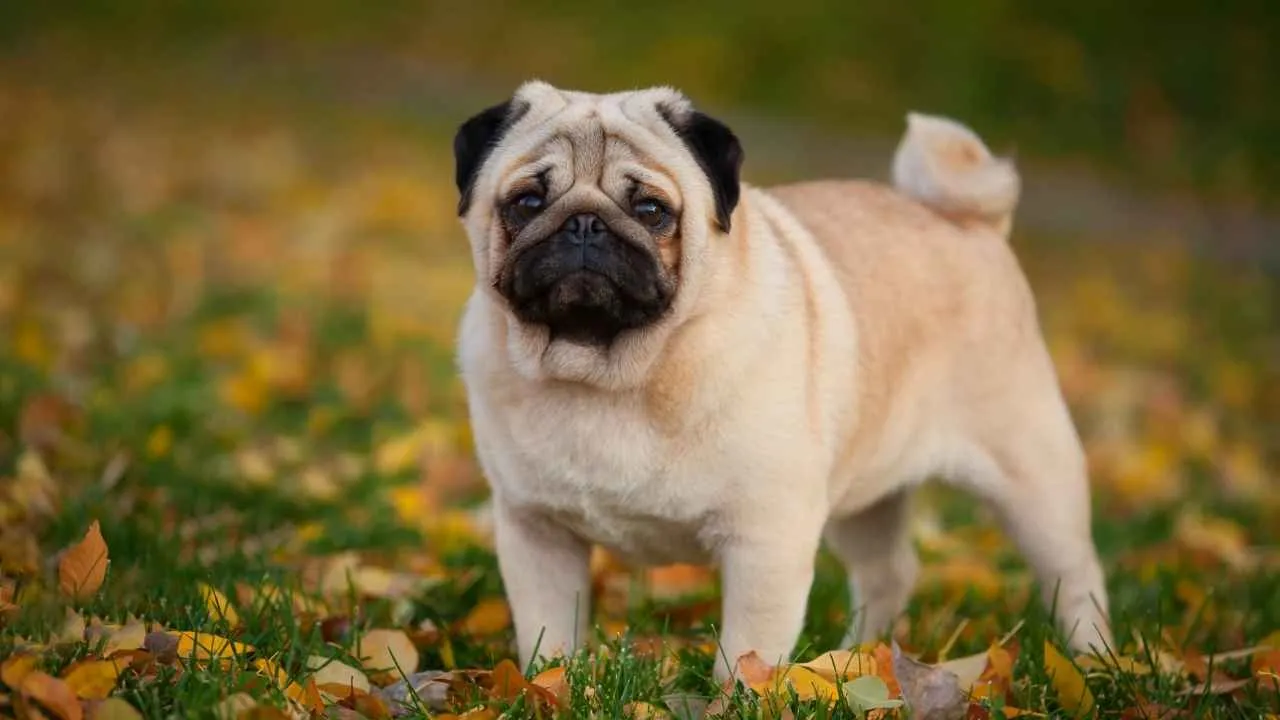
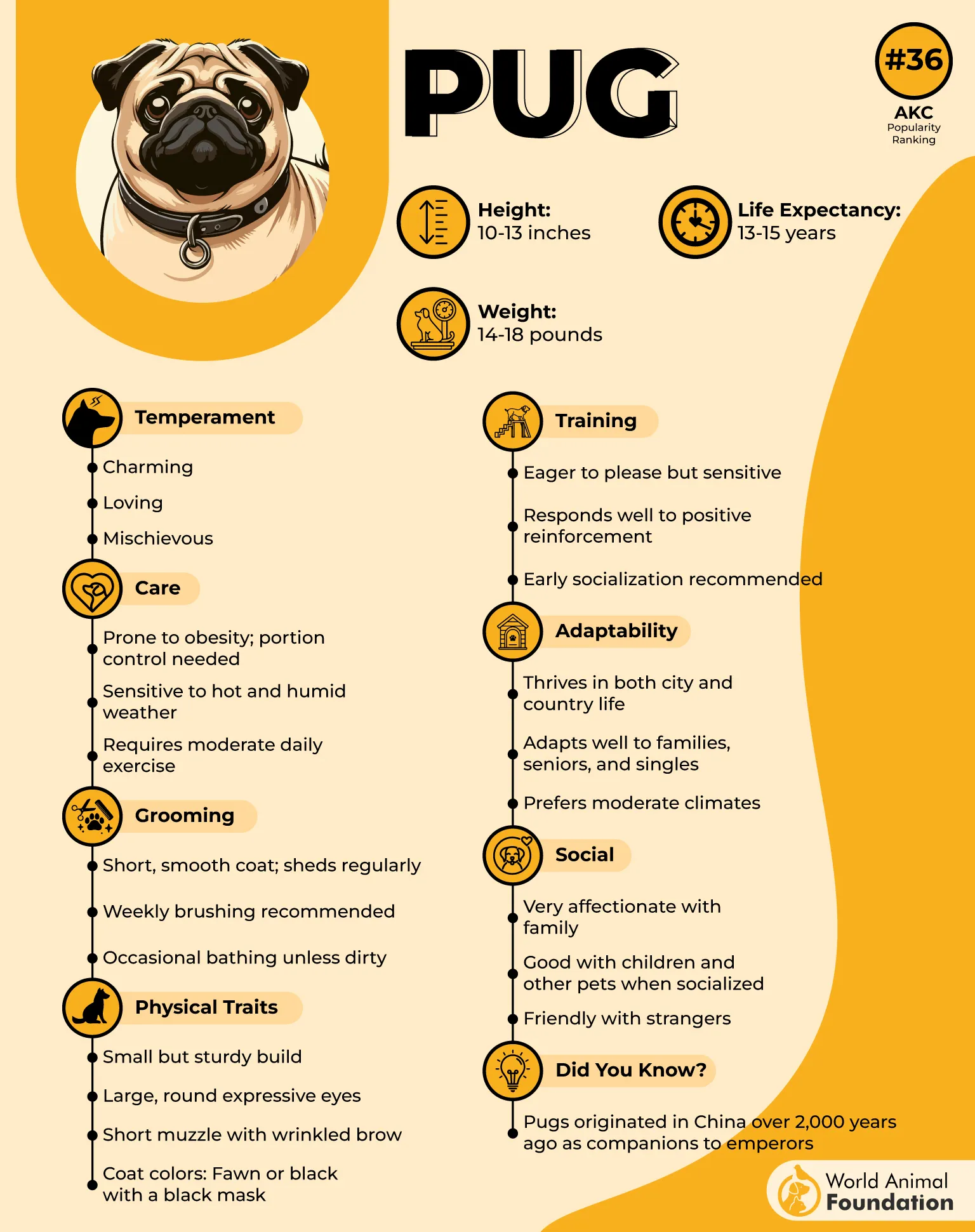
Pugs first gained popularity in the East before reaching Europe through the East India Trading Company during the 1700s. Once favored as a companion to Chinese royalty, this breed also formed a habit of barking whenever unfamiliar people, unusual sounds, or visitors appeared nearby.
Close at Every Step
They prefer keeping their favorite person within sight, which explains why the nickname “shadow” has followed this breed for generations. That constant companionship fits naturally into apartment life, where the dog enjoys being involved in everyday routines.
The following points reveal their personality even further:
Popular in Tibetan monasteries
Cheerful clown for attention
Strong appetite for food
Always Nearby
Pugs waste little time finding the nearest lap, sofa, bed, or even a chair beside the dinner table whenever people gather. Friendly interactions with children, other pets, and visitors add to its easygoing personality, while confidence keeps it comfortable in busy households.
Conclusion
Apartment living calls for practical decisions, and choosing the right dog is one of the most important. A companion that stays attentive without creating unnecessary disruption offers a balance that suits modern homes remarkably well. Loyalty, confidence, and good judgment become even more valuable when combined with manageable size and adaptable temperament.
Consistent routines, positive training, and meaningful time together allow those qualities to develop naturally throughout life. In the end, the best guard dog is not simply the most protective companion but the one with naturally protective instincts and that fits comfortably into your everyday routine while helping your home feel safer, calmer, and more complete each day.
