




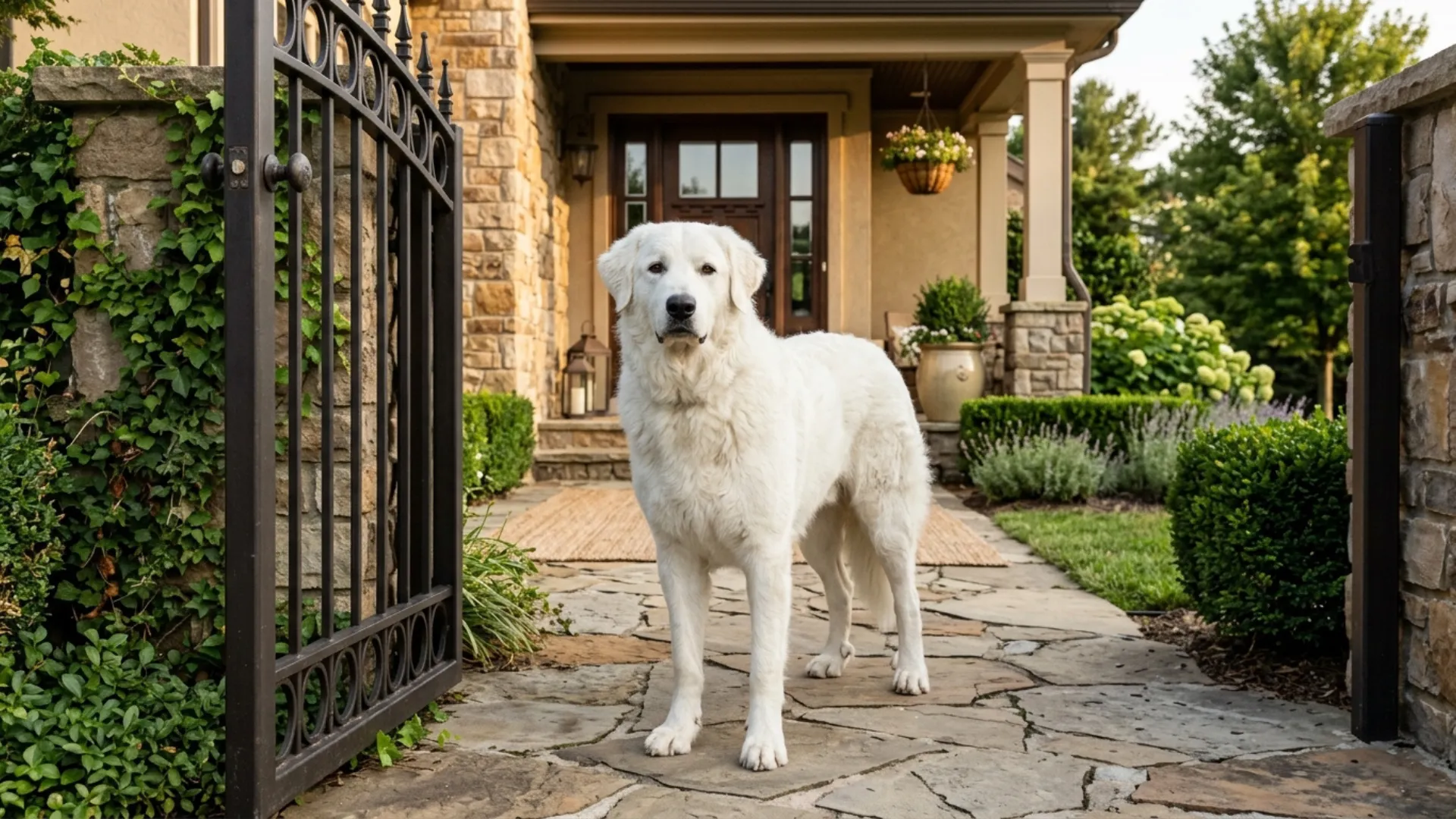
A friend once mentioned that she wanted a dog that could make her feel safer without turning every evening into another task on her to-do list.
She loved the idea of having a dependable guardian, but she also valued quiet weekends, simple routines, and a home that felt relaxed instead of constantly busy. After spending time researching different breeds, she realized that protection and low maintenance were not always opposites.
Some dogs naturally offered both, making them a much better fit for her lifestyle than she had expected. Months later, she had exactly what she hoped for. Her home felt more secure, her daily routine stayed comfortably familiar, and caring for her dog never became overwhelming.
This experience reflects what many families are searching for today, and the following article explores low-maintenance guard dog breeds with dependable protection and easy care.
Key Takeaways:
Feeling safer at home does not always mean signing up for hours of grooming and endless upkeep every week.
The Kuvasz, Mastiff, and Broholmer prove that a dependable guardian can also fit into a calm and easygoing routine.
One of these breeds even kept watch over livestock centuries ago and still carries that quiet confidence today without demanding complicated care.
Keep reading because the breed that feels right on paper might not be the one you expect once you meet the rest of the list.
Low-Maintenance Guard Dog Breeds for the Easygoing Home
1. Kuvasz
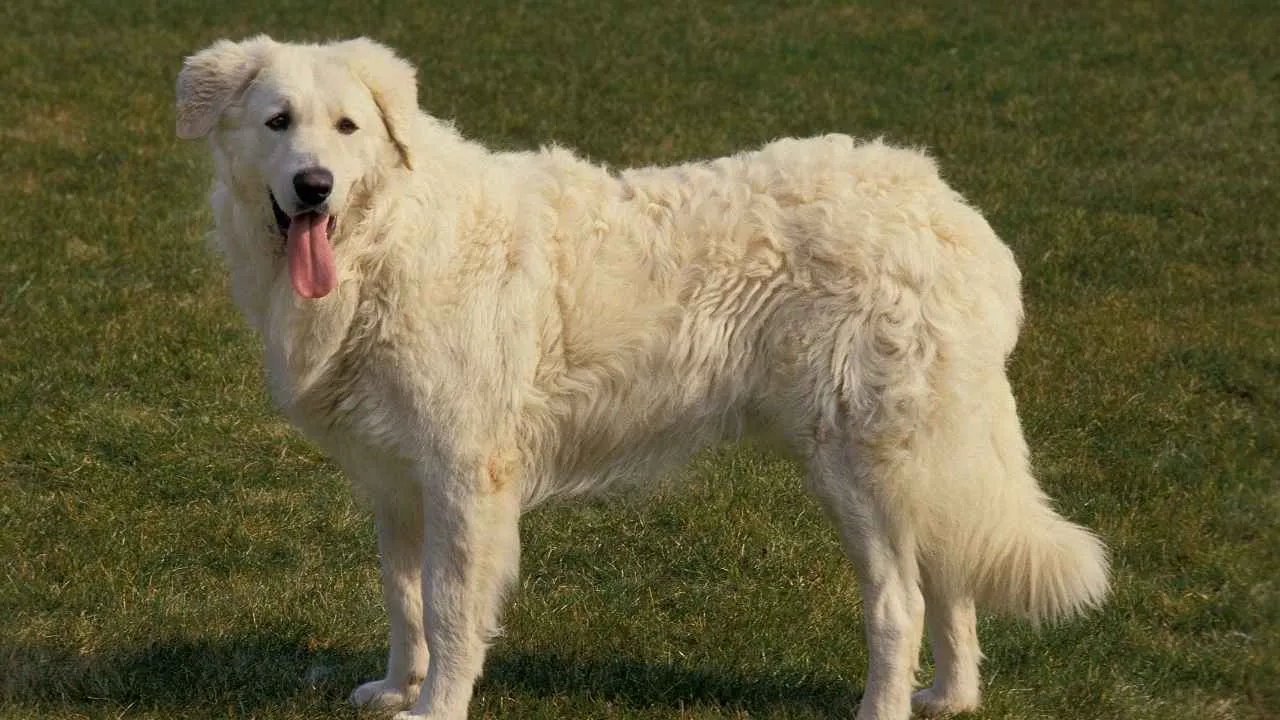
The Kuvasz accompanied the Magyar people after their journey from the Ural Mountains region into Hungary, where this large white dog guarded livestock, assisted on hunts, and watched over families. That long working role shaped a confident temperament with a natural sense of responsibility.
Simple Coat Care
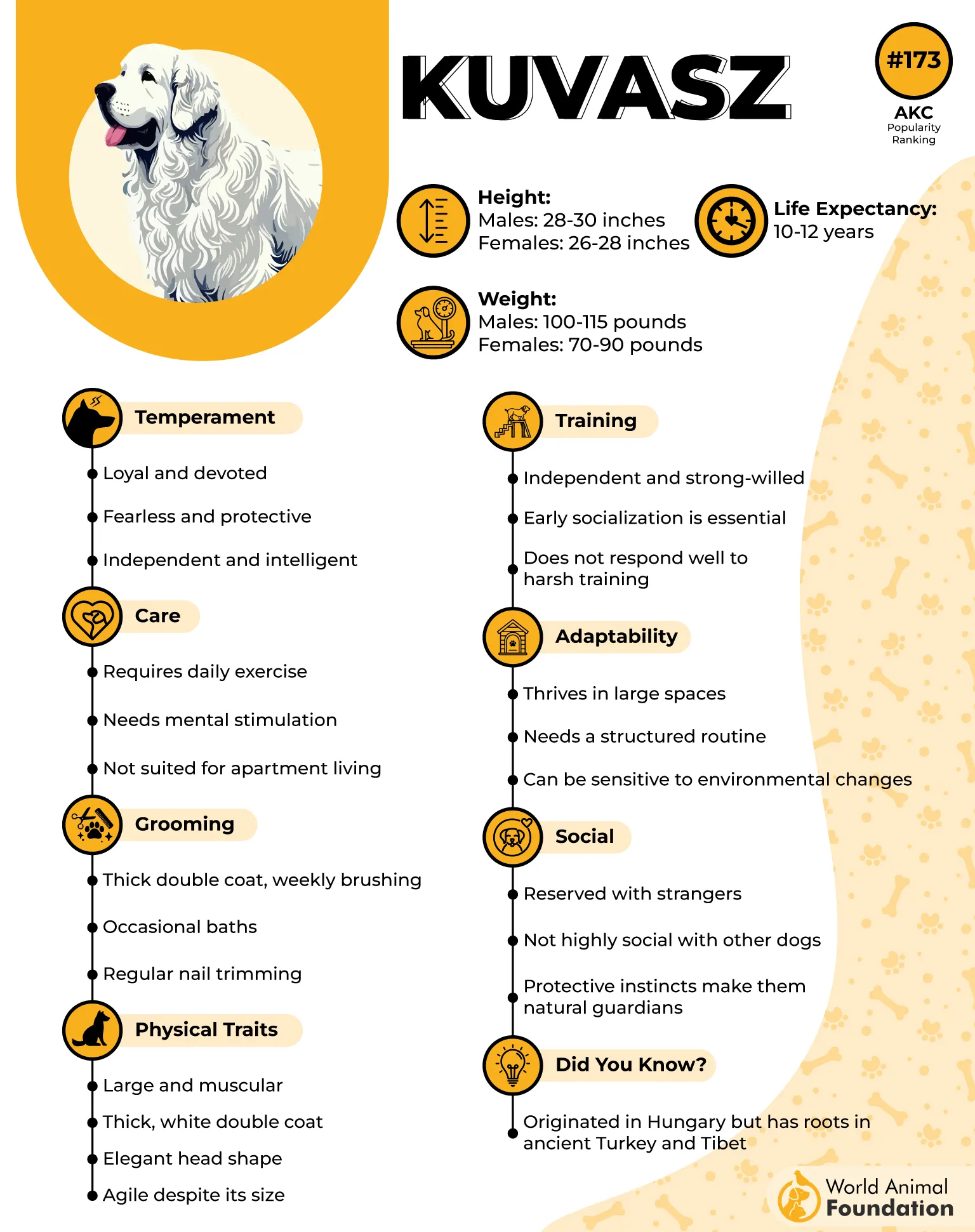
A thick double coat gives the Kuvasz dependable protection while asking for surprisingly little routine upkeep, as WebMD claims. Weekly brushing is generally enough to remove loose debris and limit shedding, with only an occasional bath needed to keep the coat in good condition.
The following traits further define this breed:
Large-boned working build
Guard hair with a fine undercoat
The plural breed name is Kuvaszok
Calm With a Purpose
This protection dog approaches daily life with a composed attitude and an observant nature, making it well-suited to a quieter household that still offers meaningful activity.
Independent thinking helped this breed make decisions while guarding livestock, so patient guidance is especially valuable for first-time training.
2. Rafeiro do Alentejo
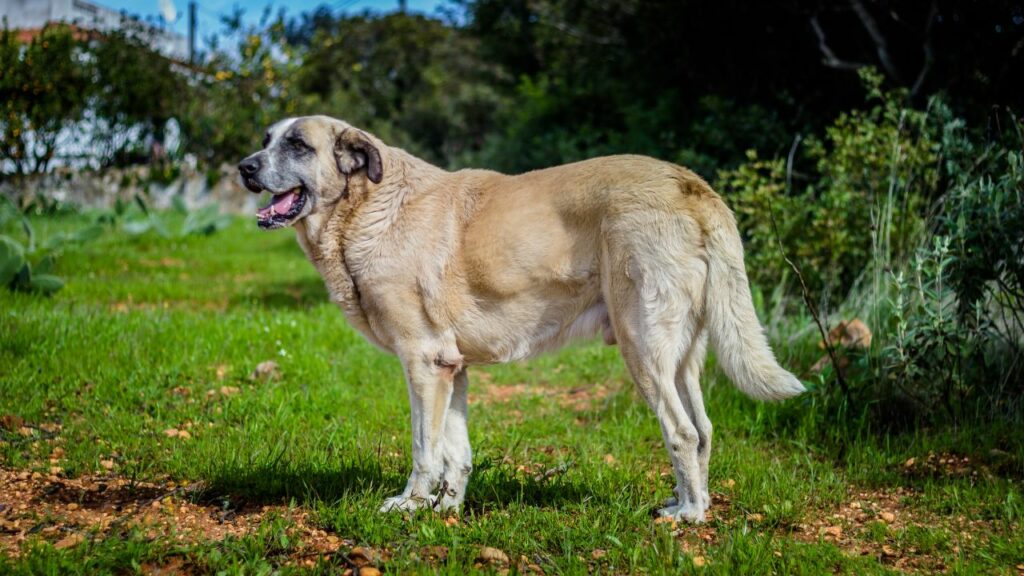
Rafeiro do Alentejo has long been trusted to watch over farms, estates, sheep, and cattle with a calm, confident attitude instead of constant commotion, as the AKC defines.
Its strongest protective instincts often come alive after sunset, when this breed becomes especially attentive to the property under its care.
A Practical Routine
Its thick, straight coat is available in short or medium length and usually needs little more than weekly brushing with an occasional bath. That simple grooming routine makes everyday care much easier without demanding frequent upkeep.
Beyond the obvious traits:
Originated in Portugal
Once hunted large game in packs
Heavy, rolling gait while walking
Everyday Activity
This great guard dog enjoys a variety of activities, from fenced backyard play and neighborhood walks to hiking, retrieving games, and indoor exercises such as hide-and-seek. Dog sports like obedience, rally, and agility also provide another productive outlet while keeping daily routines interesting.
3. Chinook
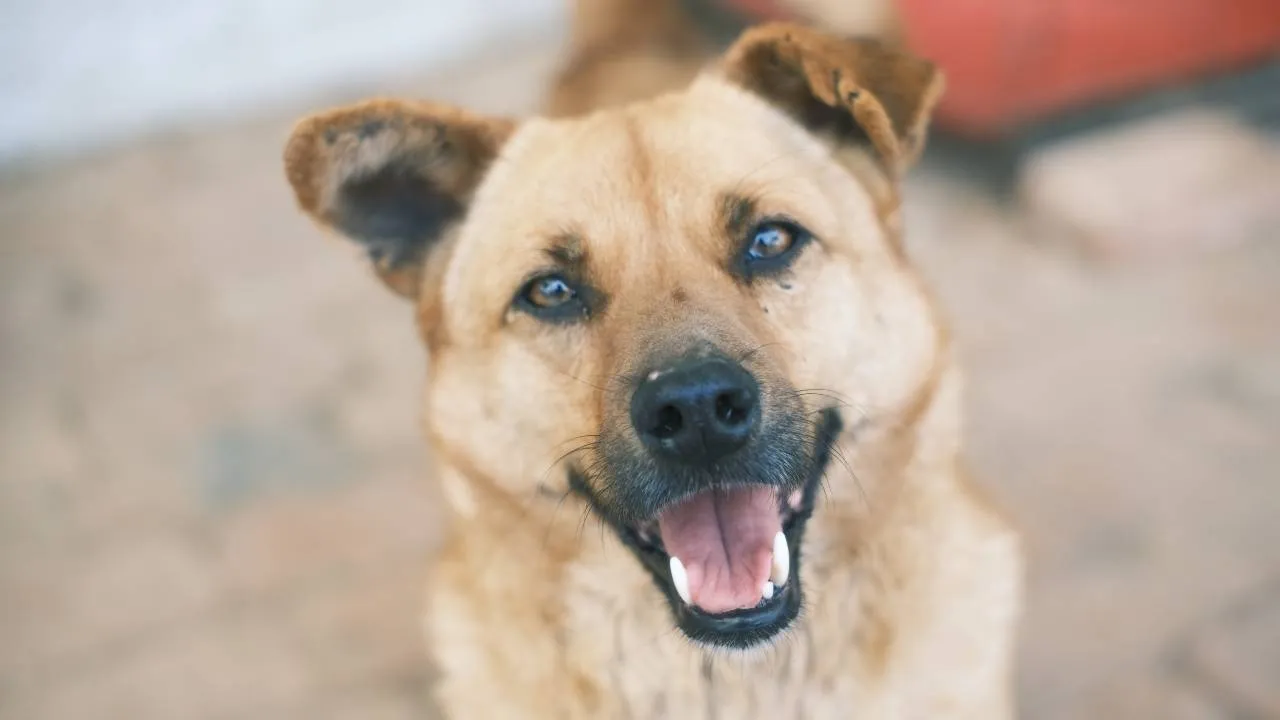
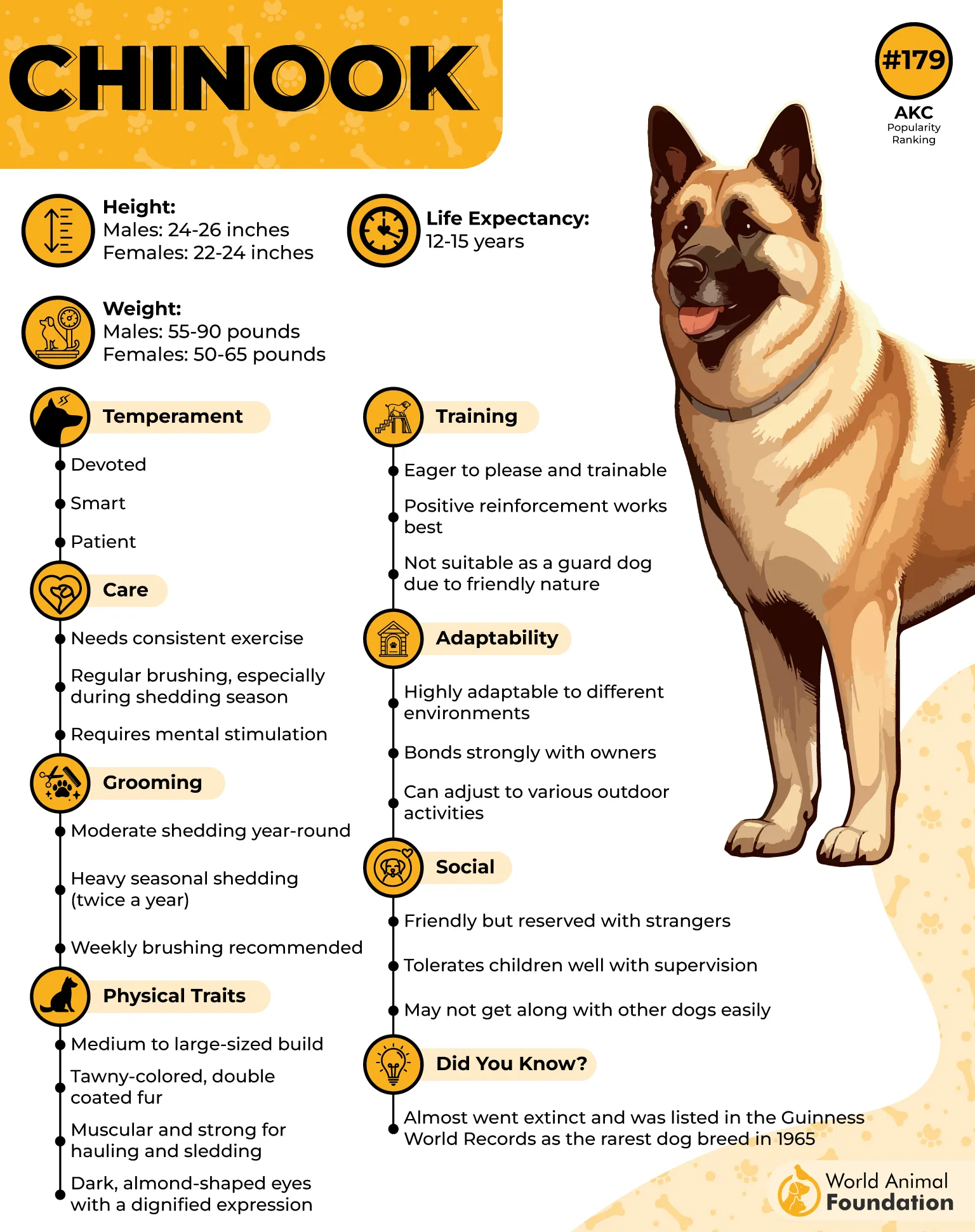
The Chinook first gained recognition in Wonalancet, New Hampshire, where this sturdy working dog combined impressive strength with a gentle, cooperative temperament. Although its numbers once dropped dramatically, it remains one of the American Kennel Club’s rarest breeds today.
Calm Without Being Idle
They bring a quiet presence into the home while still having the ability to tackle demanding outdoor work when given the opportunity. That balanced nature suits households looking for a dependable guardian that does not require constant supervision indoors.
A few details make this breed especially interesting:
Created for hauling and sled racing
Plush double coat with simple weekly grooming
Light year-round shedding
Ready When Needed
The Chinook responds enthusiastically to structured activities, including sledding, carting, agility, obedience, herding, and search-and-rescue work. Patience, intelligence, and an eagerness to please also make training sessions more rewarding for handlers who enjoy teaching new skills, as PetMD writes.
4. Mastiff
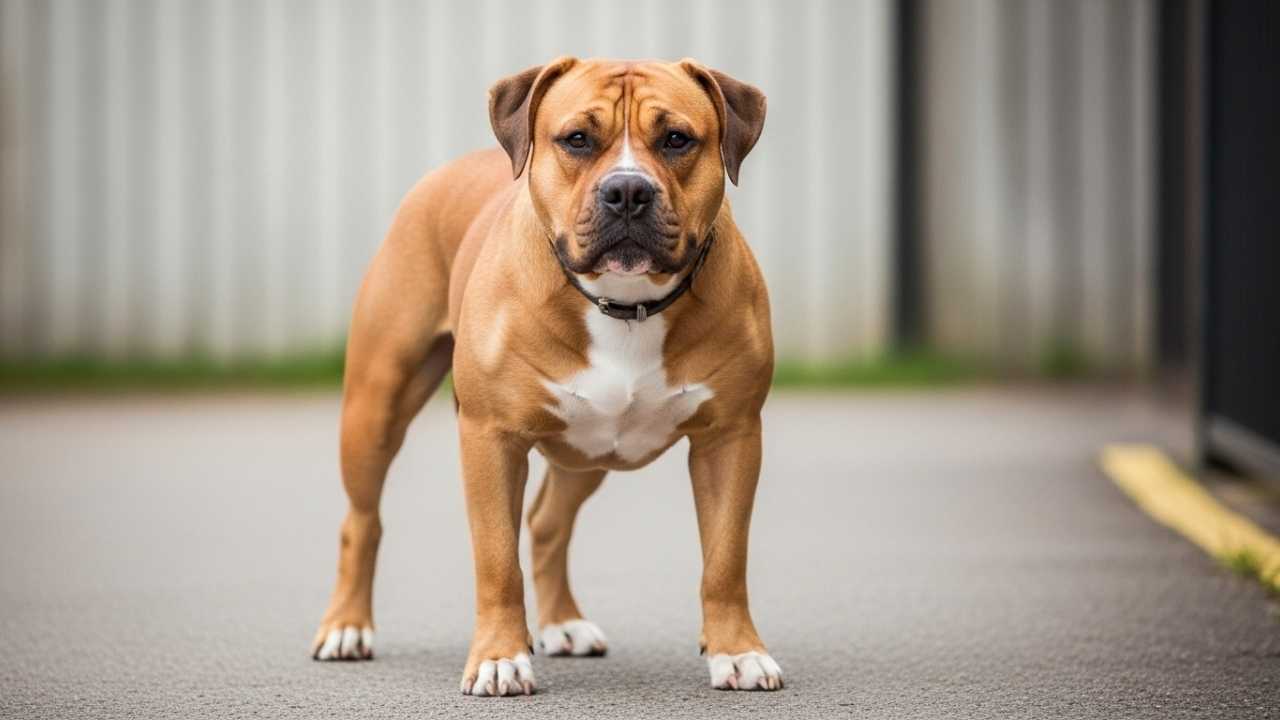
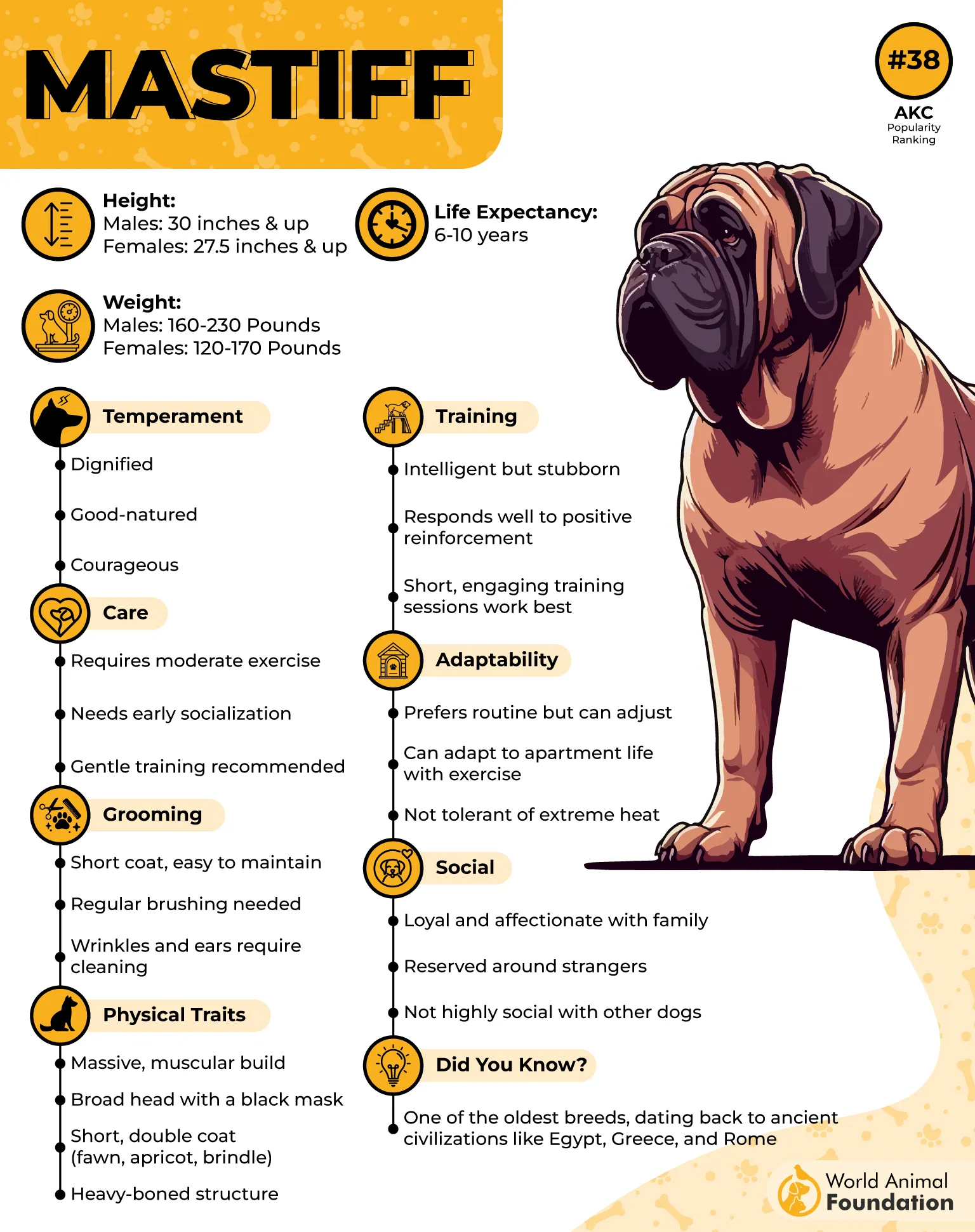
Mastiffs belong to one of the oldest canine lineages, combining immense size with a calm, composed nature that has long suited the role of home guardian. Behind the broad head, black mask, and heavily muscled frame is a loyal companion that responds best to patient, gentle guidance.
Easy Routine
They are among low-energy guard dogs because long hours of demanding activity are unnecessary for their daily routine. Adult dogs benefit from free play and walks of about one to two miles, making them a practical choice for dog owners seeking a quieter household rhythm.
A closer look reveals a few distinctive details:
Black mask with a wrinkled forehead
Short double coat in fawn, apricot, or brindle
Deep rectangular body with heavy bone structure
Practical Care
Mastiff’s short, dense coat needs only a quick brushing every few days, making grooming surprisingly simple for such a giant breed. Young puppies deserve extra care by avoiding stairs, high jumps, and long walks while their bodies continue to mature into a powerful guardian breed.
5. Broholmer
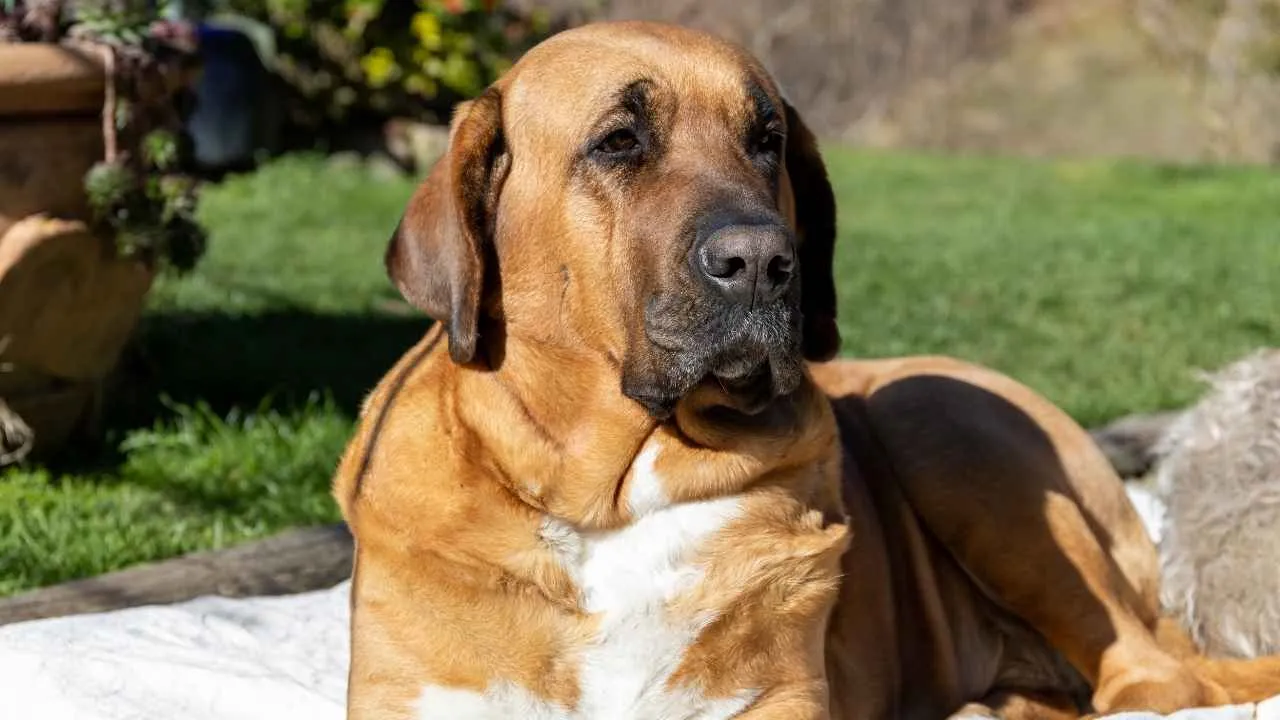
The Broholmer comes from Denmark, where its calm attitude, confident nature, and dependable temperament make it a trusted breed around homes and working environments. Even with its impressive size, this breed is just as happy joining everyday family life as keeping a quiet eye on its surroundings.
More Than an Imposing Figure
A broad frame and massive head naturally draw attention, yet this breed offers more than physical presence around the home. It also enjoys joining relaxed outdoor plans, from park walks and picnics to hiking trails and family camping trips, without demanding a complicated routine.
These points give some extra insight into this breed:
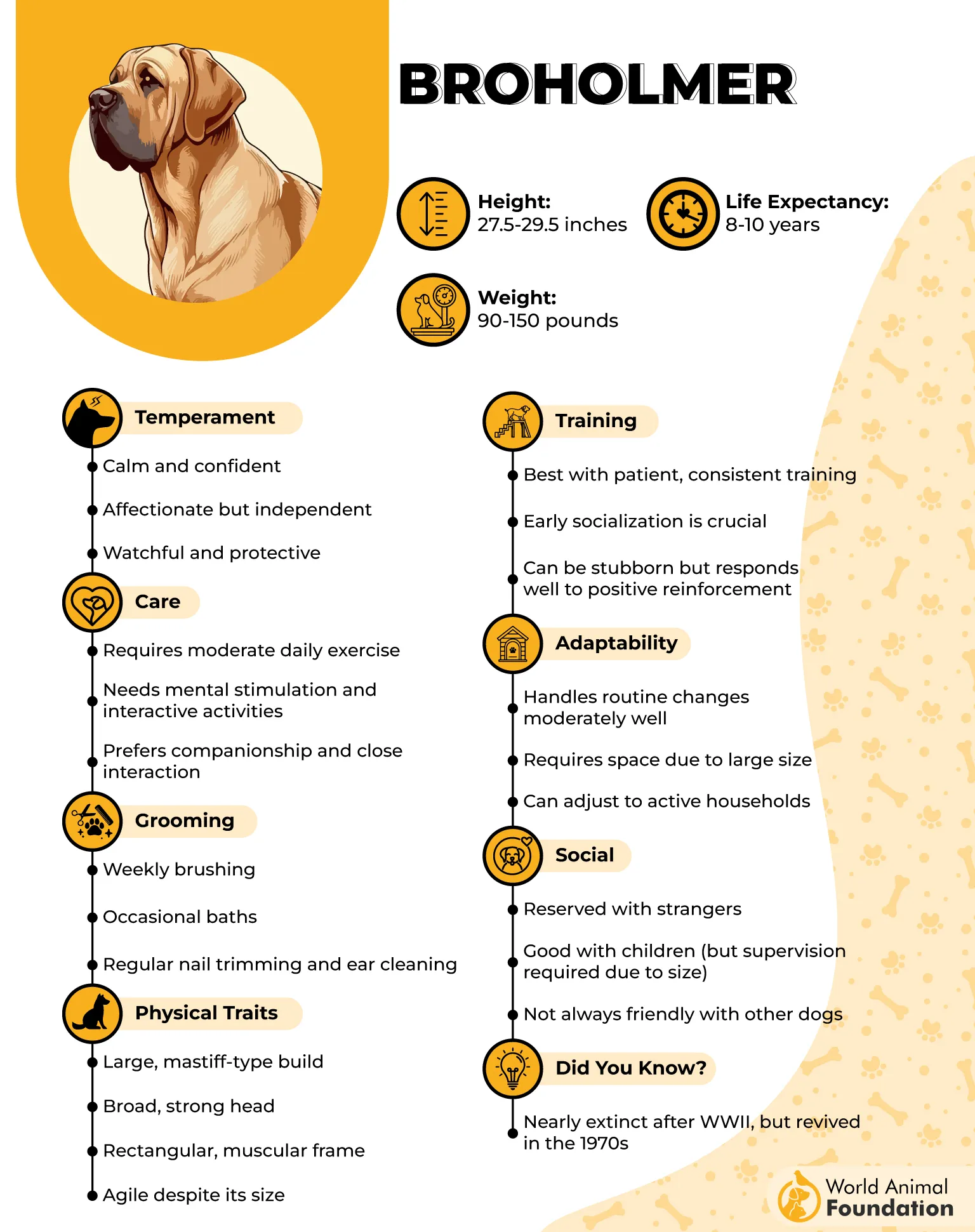
Once nicknamed the “butcher’s dog”
Worked around the city cattle markets
Excels in agility and rally sports
Easy to Live With
The Broholmer enjoys spending time close to its family and often chooses company over solitude, sometimes attempting to squeeze into a favorite person’s lap. Weekly grooming and the occasional bath are usually enough to keep its coat clean, while simple games and daily walks help fill the day.
6. Boerboel
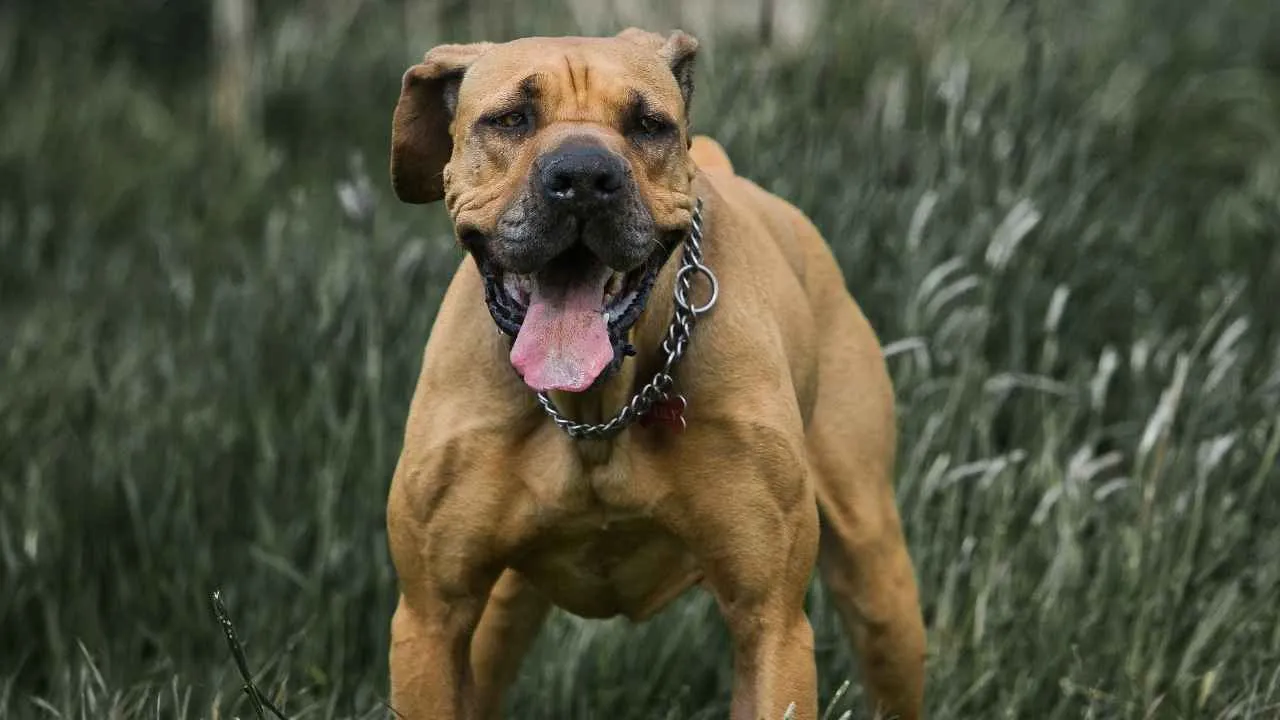
The Boerboel first proved its value on isolated South African homesteads, where protecting families from dangerous predators demanded confidence and sound judgment. That practical role shaped a powerful dog with a calm, watchful nature instead of constant reactivity.
Built for the Job
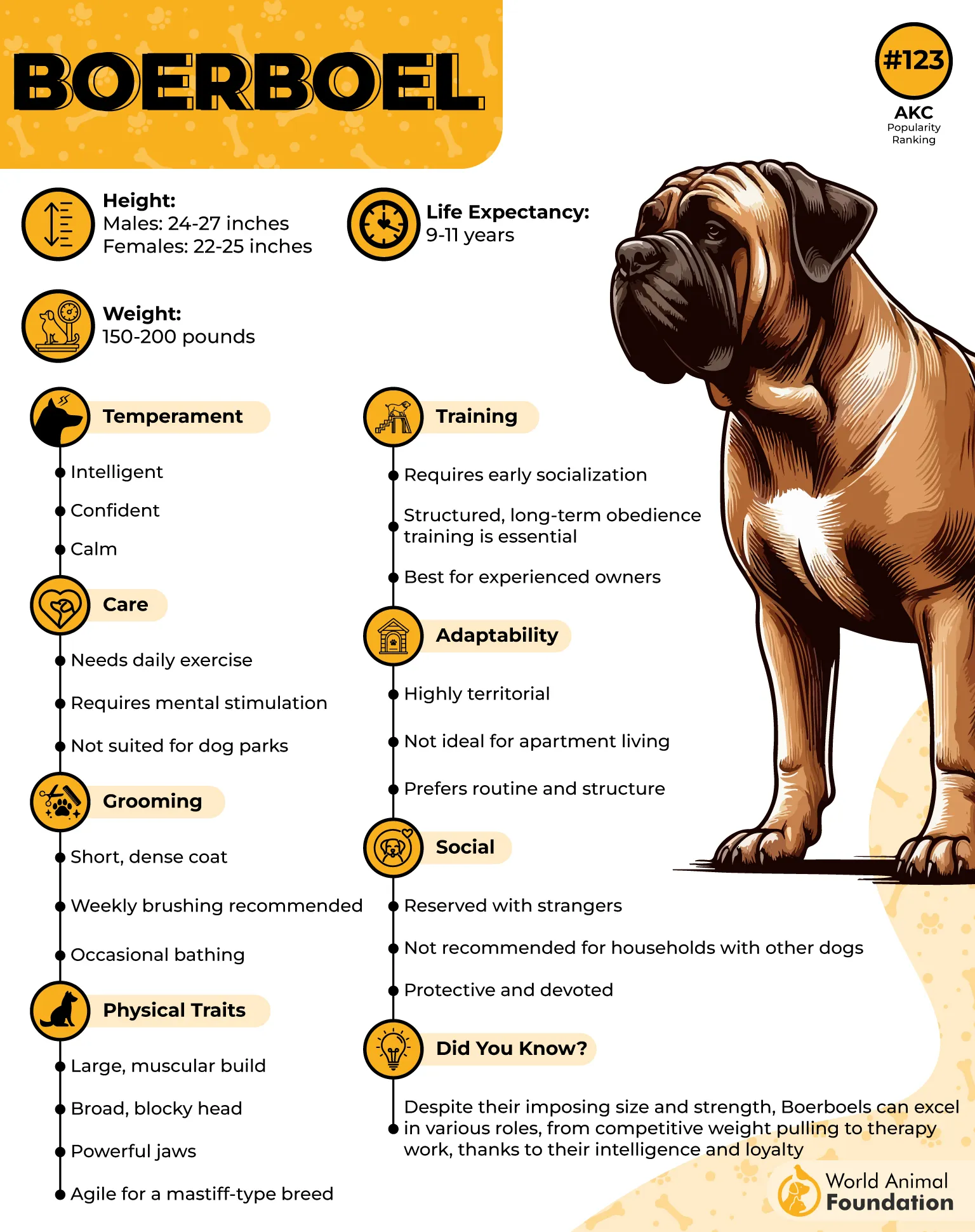
A sleek, short coat keeps grooming straightforward, making this good guard dog easier to manage than heavier-coated working dogs. Its muscular frame, broad head, powerful jaws, and surprising agility also reflect generations of demanding outdoor work.
Here’s the really interesting part:
Descended from ancient Molosser dogs
Among the most agile mastiff-type breeds
Moderate shedding with weekly brushing
Confident Mind
The Boerboel responds well to proper training and learns best when socialization begins early, before confidence turns into stubborn decision-making. Its intelligence and willingness to learn make consistent guidance far more valuable than repetitive correction.
7. Tornjak
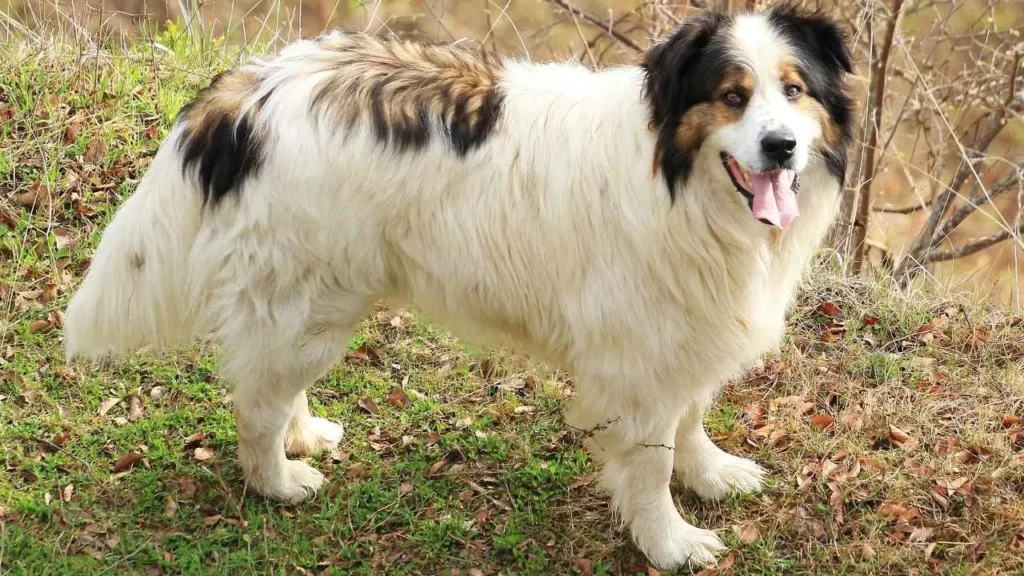
The Tornjak approaches guarding with quiet confidence, combining a composed temperament with unwavering commitment to the people and property placed in its care.
This large, square-built dog responds willingly to guidance while remaining naturally suspicious of unfamiliar visitors who approach its territory.
Practical by Nature
Life in demanding mountain regions shaped a dog with modest food and shelter requirements, making everyday care surprisingly straightforward for such a powerful breed. Its balanced build and agility let it adapt comfortably to different environments.
Another side of the breed is worth noting:
AKA Bosnian and Herzegovinian–Croatian Shepherd Dog
Believed to descend from the Tibetan Mastiff or dogs from modern-day Iran
Long, thick, weather-resistant, double coat naturally repels mud and dirt
Everyday Routine
The Tornjak enjoys having purposeful activities woven into the day, whether through fenced-yard play, neighborhood walks, hiking, swimming, retrieving games, or learning new tricks indoors. Apartment living can also include hallway walks when the weather keeps outdoor time limited.
8. Newfoundland
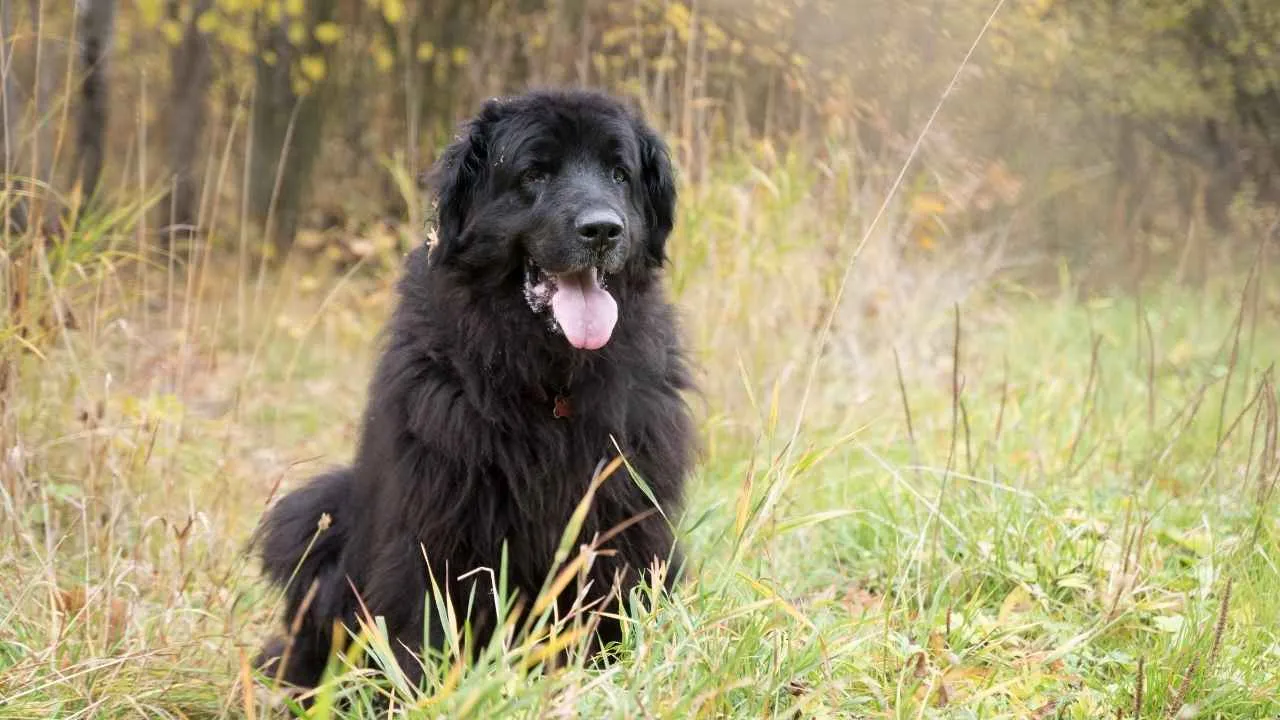
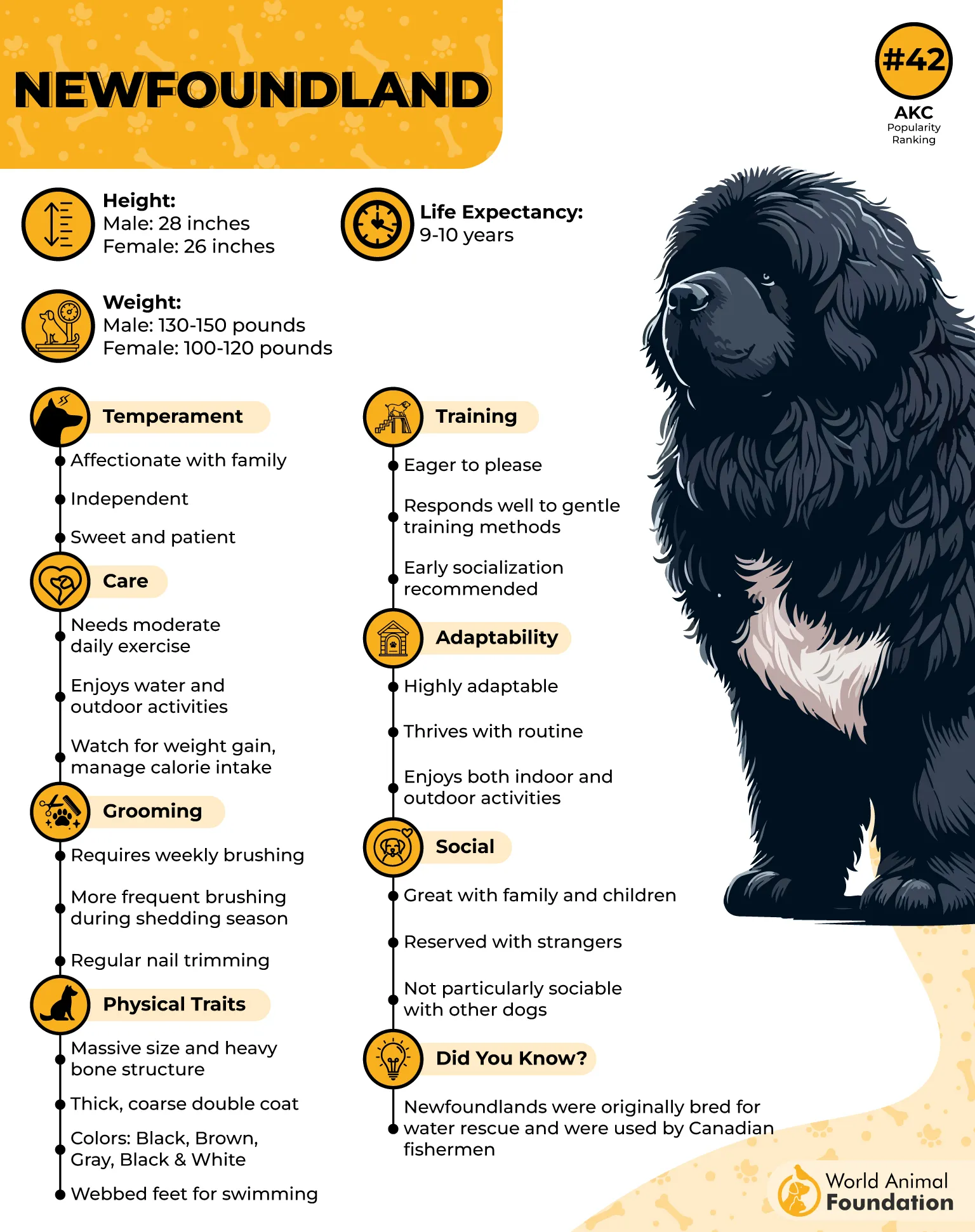
The Newfoundland combines impressive size with a calm, dependable nature, creating a dog that feels reassuring without constant intensity. Its patient temperament and watchful attitude around children explain why this breed has long been recognized as a dependable guardian.
Calm Strength
A confident presence matters just as much as alert behavior in a home, and this large guarding breed naturally brings that quiet confidence. Gentle guidance works well during training, making this intelligent breed easier to handle than its massive frame might suggest.
A closer look reveals a few practical qualities:
Natural lifesaving instincts in water
Excels in drafting and carting work
Participates in tracking and rally events
More Than a Big Coat
Newfoundland’s thick coat benefits from a thorough brushing at least once each week using a slicker brush and a long-toothed comb to remove dead hair and reduce mats. That simple routine also helps keep grooming manageable throughout the year for the pet parents.
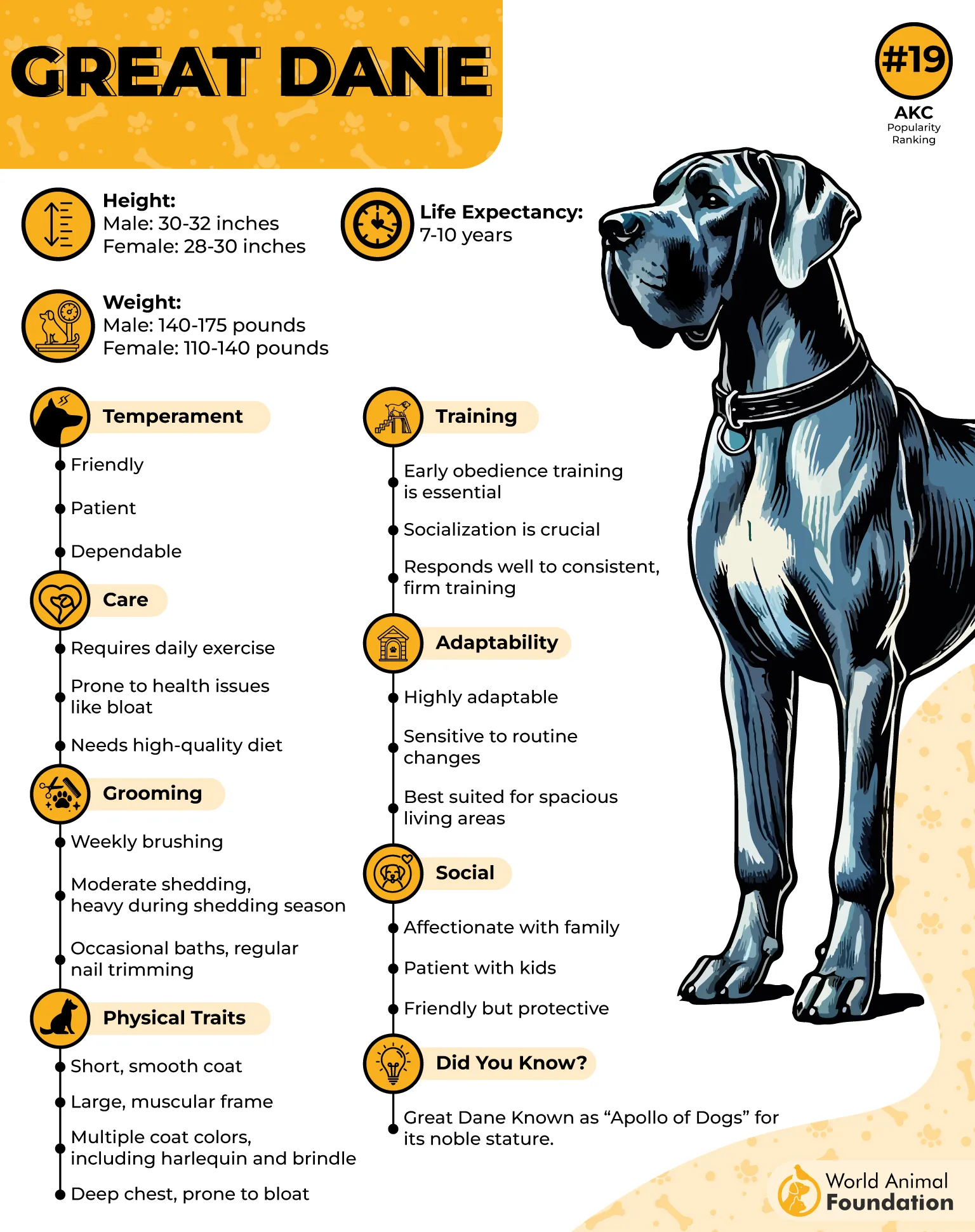
9. Great Dane
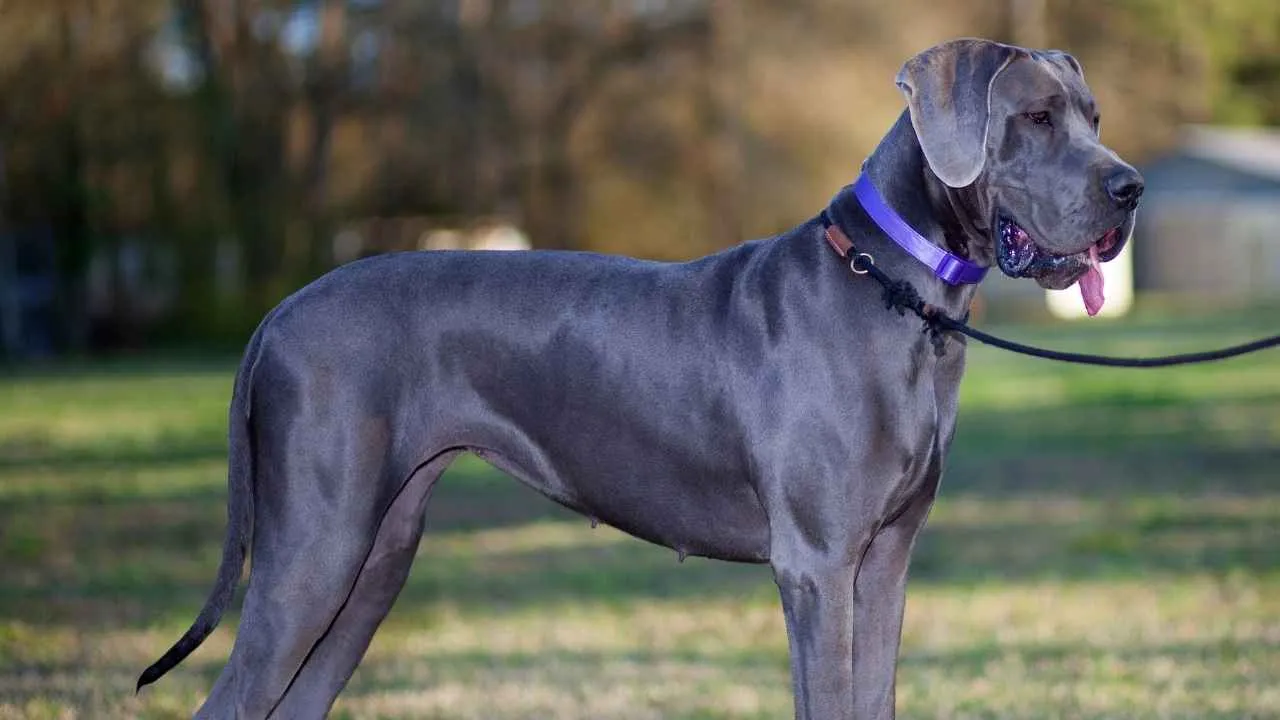
Great Danes have long been nicknamed the “Apollo of Dogs,” a title that reflects their commanding size and unmistakable appearance.
Although linked with Germany rather than Denmark, this giant breed combines an imposing presence with a calm temperament that fits comfortably into a relaxed household.
Quiet Deterrent
This big dog often discourages unwanted visitors before any confrontation begins, simply through its towering frame and deep, booming bark. Modern breeding has also favored an affectionate nature, making this breed more inclined to watch over the home than actively seek conflict.
The following details make their role even clearer:
Once served as an estate guardian for German nobility
Relies on visual and auditory deterrence
Courageous when a genuine threat appears
Simple Coat Care
Great Danes also wear a short, smooth coat that needs surprisingly little upkeep throughout most of the year. A weekly session with a medium-bristle brush, rubber grooming mitt, or hound glove helps reduce loose hair while keeping the coat in good condition.
10. Rhodesian Ridgeback
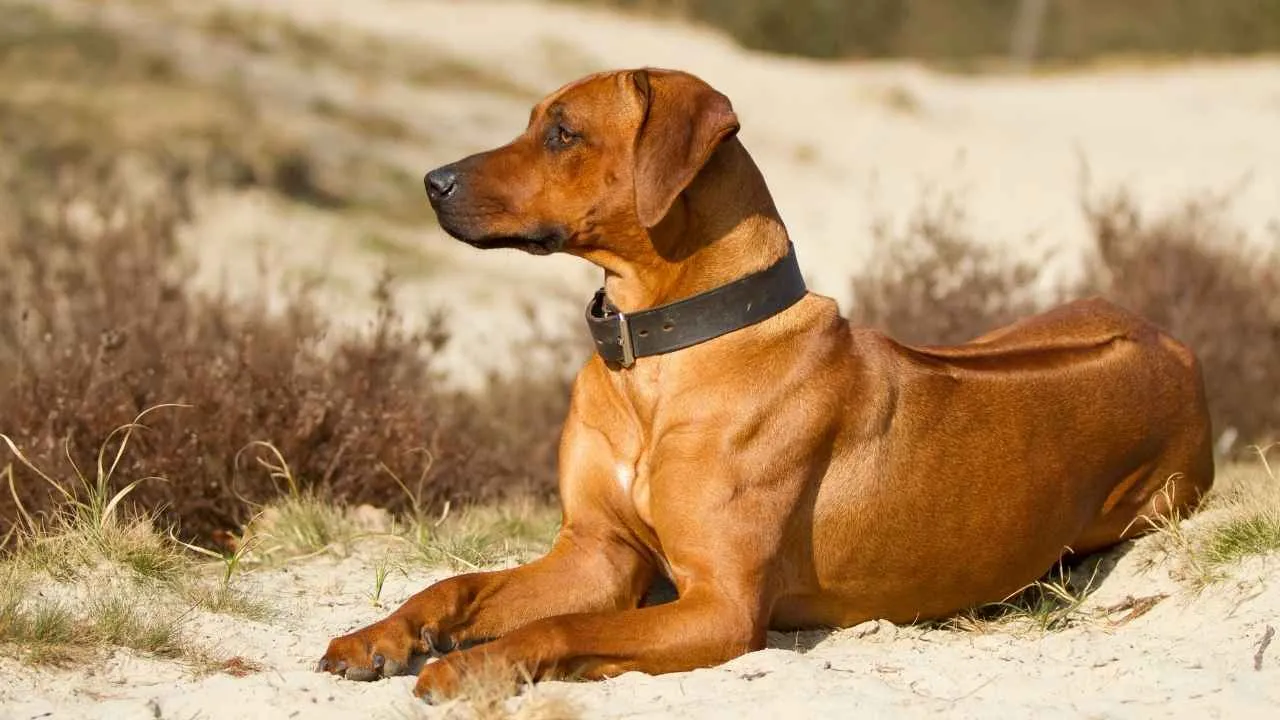
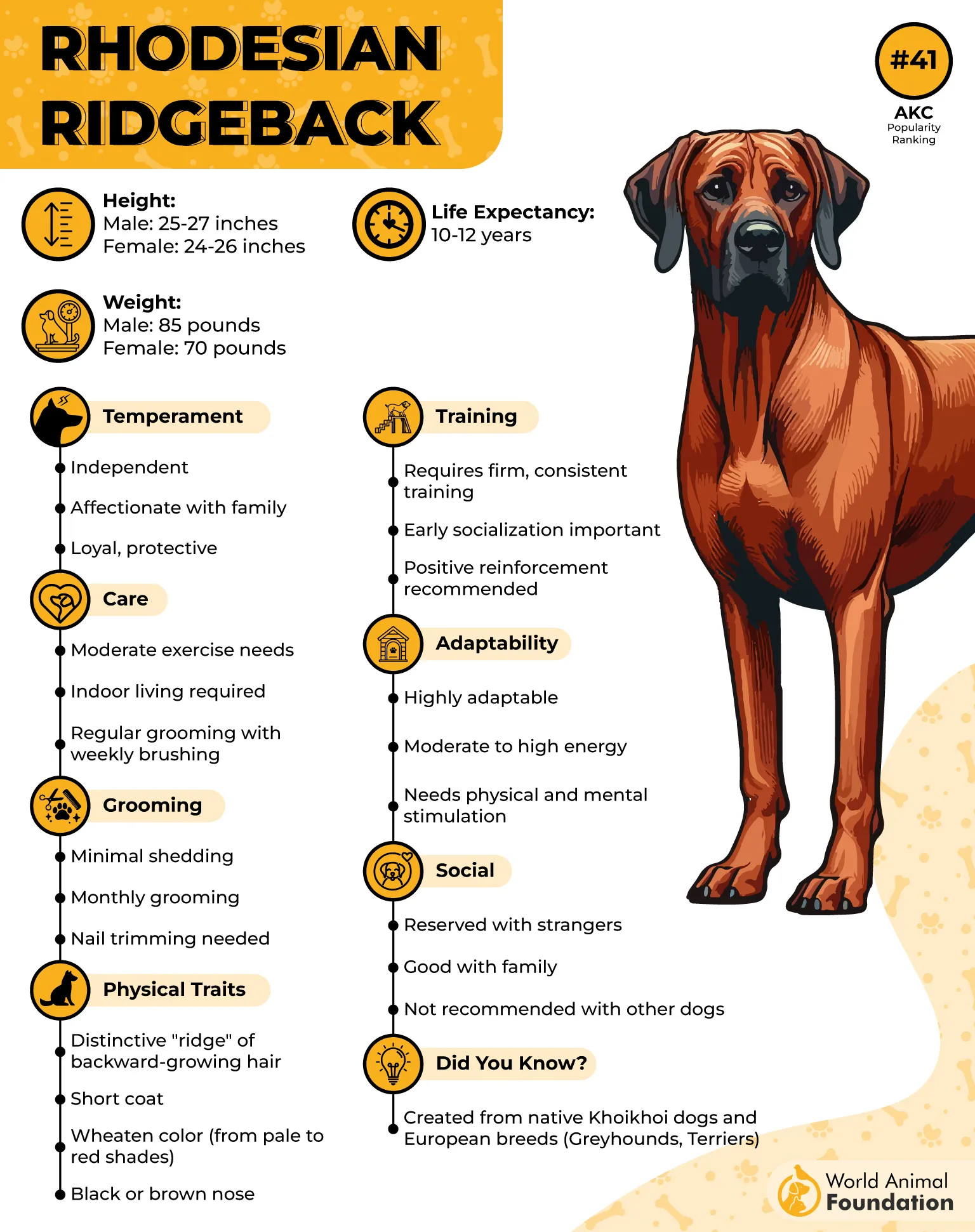
The Rhodesian Ridgeback is immediately recognized by the narrow strip of hair along its back that grows in the opposite direction from the rest of the coat. That distinctive ridge has become the breed’s defining physical feature, making it easy to identify at a glance.
Practical Upkeep
Short grooming sessions fit easily into the routine because the coat requires very little attention to stay in good condition. A weekly brushing removes loose hair, while the occasional bath helps keep the coat clean and naturally glossy.
Here’s what else defines this breed:
Originally tracked and bayed lions without attacking them
Strong prey drive influences daily behavior
Firm, consistent guidance benefits puppies early
Calm Confidence
The Rhodesian Ridgeback combines an independent mindset with a protective nature, making clear guidance important from an early age. This breed also forms deep trust with familiar people and displays remarkable affection once that relationship has been established.
Conclusion
A dependable guardian is not measured only by size or reputation. The most excellent guard dogs combine a steady temperament, manageable care, and the ability to become great family pets. Taking time to understand exercise needs, grooming routines, natural protective instincts, and whether a breed suits a first-time dog owner makes finding the right companion much easier.
A thoughtful decision creates a partnership that feels rewarding instead of demanding as the years pass. With consistent training, the right match allows everyday routines to remain familiar while an added sense of confidence quietly becomes part of home life. That balance helps build a relationship based on trust, comfort, and lasting reliability.
