




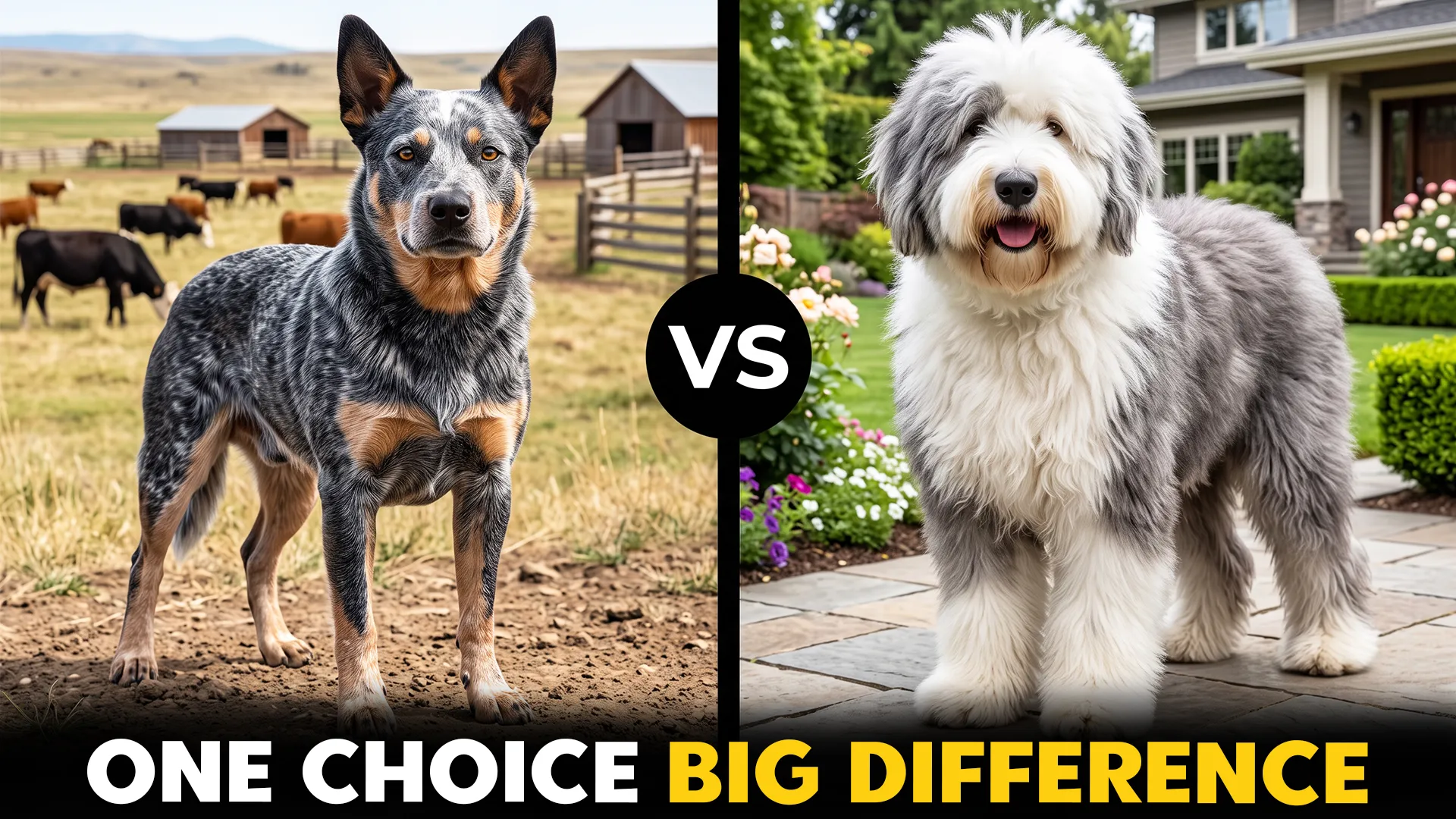
Choosing between two hardworking herding breeds can feel overwhelming. Both dogs are smart, loyal, and full of personality, but they fit very different homes and lifestyles.
This guide will help you understand what makes each breed unique. We’ll compare their history, size, temperament, exercise needs, trainability, grooming, health, and family life simply.
Whether you are an active owner, a growing family, or someone researching your first dog, these differences matter. Picking the right breed can lead to a happier life for both you and your future companion.
By the end, you’ll have a clear picture of which dog better matches your daily routine, living space, and long-term expectations. Let’s explore both breeds and discover what each one brings to the table.
Australian Cattle Dog vs. Old English Sheepdog: Top Reasons to Choose Each
Overview
Both the Australian Cattle Dog and the Old English Sheepdog belong to the herding group, but they fit very different lifestyles. The Australian Cattle Dog is a hardworking, energetic partner that thrives on activity and mental challenges.
In contrast, the Old English Sheepdog is a gentle, playful companion that enjoys family time and a more relaxed routine. Their daily care also differs.
The Australian Cattle Dog has a low-maintenance coat but needs plenty of exercise, while the Old English Sheepdog requires frequent grooming but less intense physical activity. At a glance, the biggest difference is energy versus grooming commitment.
Active owners who love outdoor adventures often prefer the Australian Cattle Dog. Families wanting a friendly, affectionate, and entertaining companion may find the Old English Sheepdog a better match.
|
Feature |
Australian Cattle Dog |
Old English Sheepdog |
|
Breed Group |
Herding |
Herding |
|
Best Known For |
Athletic working ability |
Gentle family companionship |
|
Personality |
Loyal, alert, independent |
Friendly, playful, affectionate |
|
Daily Care Focus |
Exercise and mental stimulation |
Frequent brushing and coat care |
|
Activity Level |
Very high |
Moderate |
|
Best For |
Active owners and outdoor lifestyles |
Families wanting a sociable companion |
Origins & Purpose
Both breeds have deep roots in farm life, but they were developed for different jobs. Their history explains why they behave so differently today. Learning what each working dog was bred to do makes it easier to understand its instincts, personality, and daily needs.
Australian Cattle Dog
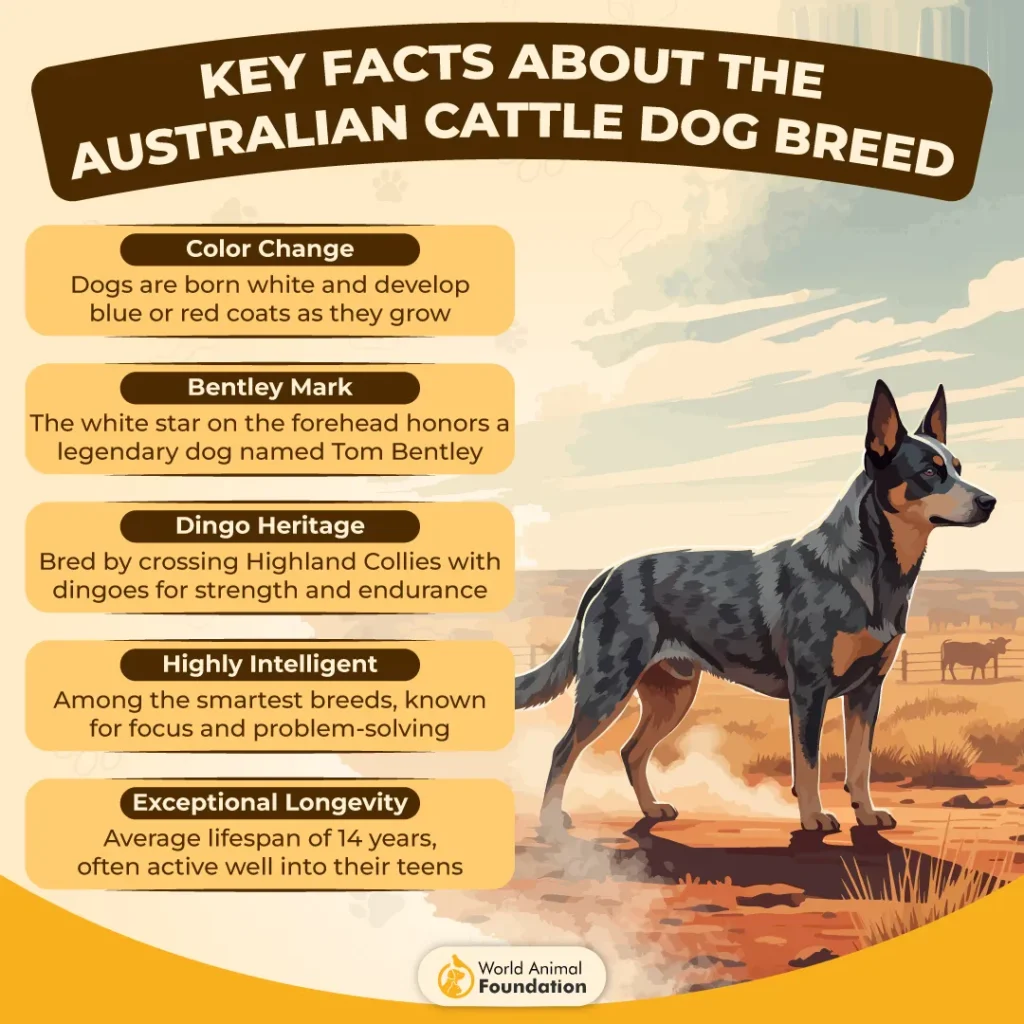
The Australian Cattle Dog was developed in Australia to drive livestock across long distances and rough country. According to the American Kennel Club, this tough breed, also called the Blue Heeler, Red Heeler, or Queensland Heeler, is related to Australia’s famous wild Dingo.
It was bred for endurance, independence, and quick decisions while moving cattle. Those traits remain strong today. This energetic working dog enjoys having a job and thrives when given physical and mental challenges.
Did You Know?
One of the oldest dogs ever recorded was an Australian Cattle Dog named Bluey. It lived to the amazing age of 29 years and spent almost 20 years helping move sheep, far beyond the average canine lifespan.
Old English Sheepdog
The Old English Sheepdog originated in England as a dependable farm helper. Farmers relied on this breed to move sheep and other livestock while working closely with people. Its steady nature and cooperative attitude made daily farm work much easier.
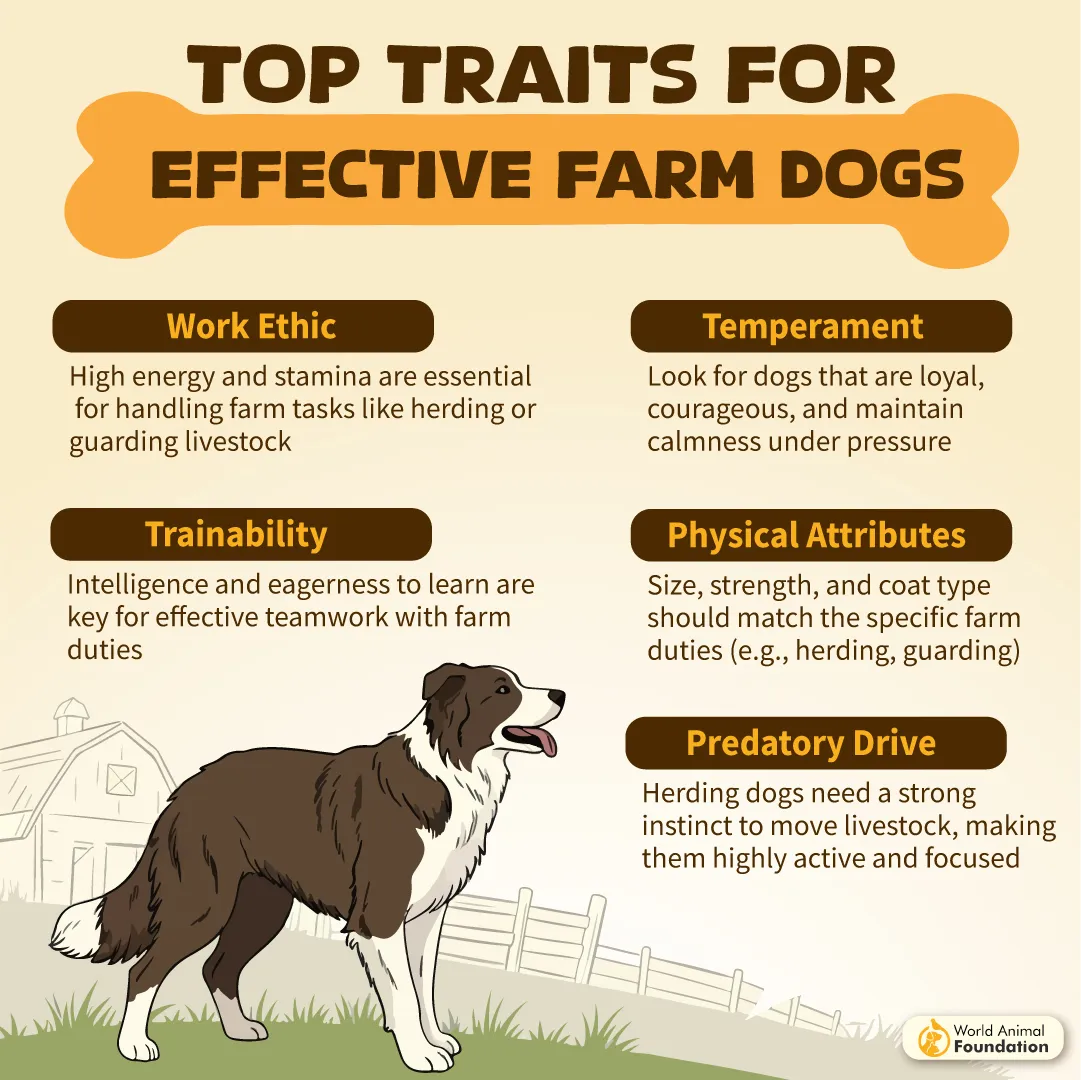
Over time, those qualities shaped the friendly and affectionate personality the breed is known for today. Although it no longer spends every day on farms, the Old English Sheepdog still enjoys being part of family activities and prefers staying close to its people.
Size & Physical Build
Although both breeds come from the herding group, their body structure serves different purposes. One is built for speed and endurance, while the other relies on strength and steady movement.
These differences affect the type of work they generally perform and the homes they suit best.
Australian Cattle Dog
The Australian Cattle Dog is a medium-sized working dog with a compact, muscular frame. Its athletic body is designed for speed, agility, and stamina, allowing it to cover long distances with ease.
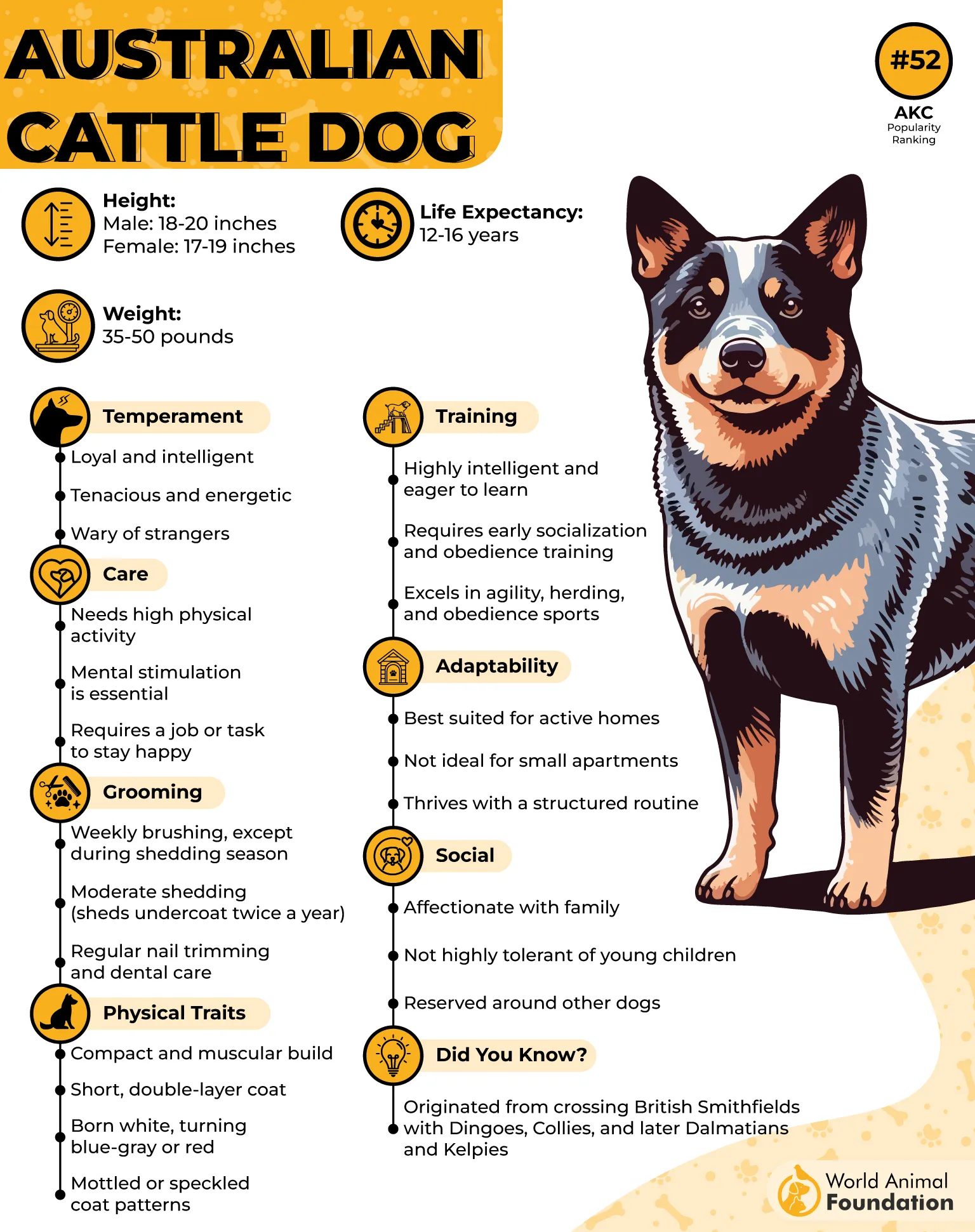
Strong legs and sturdy paws help it handle rough ground, making outdoor work much easier. Every part of its build supports an active lifestyle, proving that even small bits of strength can make a big difference.
Size
Female: Height: 17–19 inches | Weight: 30–35 pounds
Male: Height: 18–20 inches | Weight: 35–50 pounds
Old English Sheepdog
The Old English Sheepdog has a large, sturdy body with a powerful frame built for steady farm work. According to Purina, the breed is recognized worldwide for its distinctive appearance and has appeared in many advertising campaigns over the years.
Despite its impressive size, it has a gentle giant look that appeals to many families. It is generally heavier than the Australian Cattle Dog, with an average weight that reflects its solid build.
Size
Female: Height: 20–21 inches | Weight: 60–80 pounds
Male: Height: 22 inches or more | Weight: 80–100 pounds
Do You Know?
The Old English Sheepdog has won Best in Show at the Westminster Kennel Club Dog Show twice—first in 1914 and again in 1975, highlighting the breed’s lasting popularity and excellent structure.
Temperament & Personality
Both breeds have wonderful personalities, but they express them in very different ways.
Australian Cattle Dog
The Australian Cattle Dog forms an exceptionally strong bond with one favorite person and stays loyal for life. It is naturally alert, protective, and always aware of its surroundings. According to Britannica, the breed is highly intelligent, learns quickly, but can also be independent and stubborn.
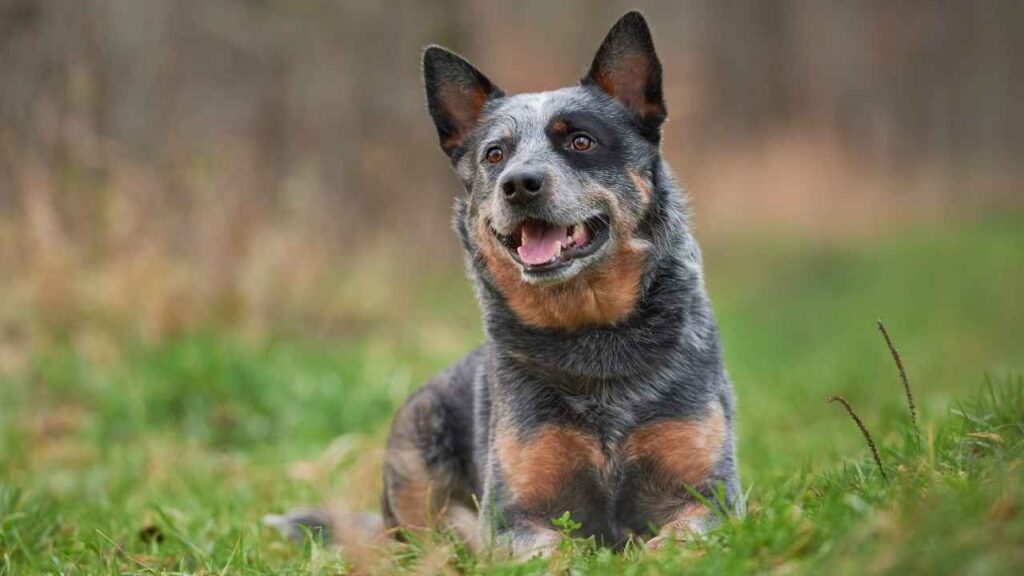
It may seem reserved around unfamiliar humans, and its strong herding instinct can sometimes lead to heel-nipping, especially around children. Early socialization helps shape confident behavior and reduces unwanted behavioral issues.
This breed likes structure, enjoys having control of situations, and keeps everything within its sight, making it well suited for experienced owners.
Old English Sheepdog
The Old English Sheepdog has a cheerful temperament that wins people over with ease. It is gentle, playful, and affectionate with family members and usually welcomes visitors like an old friend. This breed also gets along well with other pets when raised in a positive environment.
It’s funny; clown-like behavior brings laughter to many homes. With an average energy level indoors, it enjoys spending time with the whole family and is well suited for households looking for a sociable, easygoing companion.
Exercise & Energy Levels
Exercise is crucial for both breeds, but they need different amounts and types of activity to stay healthy and happy.
Australian Cattle Dog
The Australian Cattle Dog has boundless energy and a high drive to work. It needs plenty of physical exercise every day, along with activities that challenge its mind. Long runs, hiking, advanced games, and every dog sport help keep this active breed satisfied.
Its quick learning ability means it enjoys tasks that test its skills. Without enough activity, boredom can lead to destructive behavior. This compact yet tough breed is built for outdoor adventures and is a great choice for owners who love an active lifestyle rather than an average daily routine.
Old English Sheepdog
The Old English Sheepdog has a moderate to high energy level but is usually calmer indoors after a good workout. Daily walks, family play, and interactive games keep this breed fit and engaged.
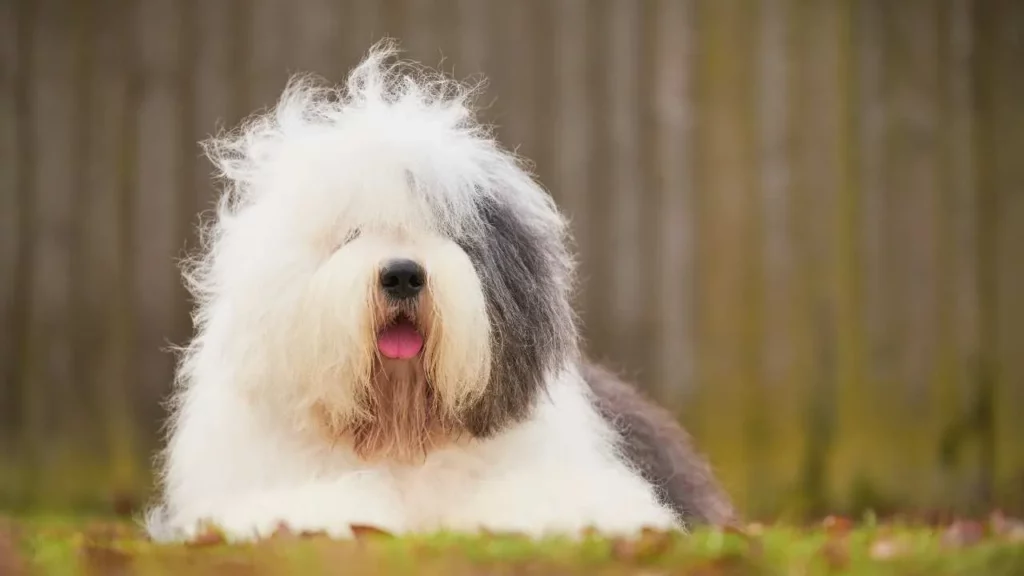
According to Wikipedia, it can compete in agility, obedience, rally obedience, tracking, herding, and other dog sport events. The Old English Sheepdog enjoys steady activity and then settles with the family.
Puzzle toys and fun challenges help prevent wild boredom, making life with this breed a breeze for many pets and their owners.
Training & Intelligence
Both ACDs and OES are intelligent herding breeds, but they are suited for different lifestyles, with ACDs being more independent and OES being more sociable and family-friendly.
Australian Cattle Dog
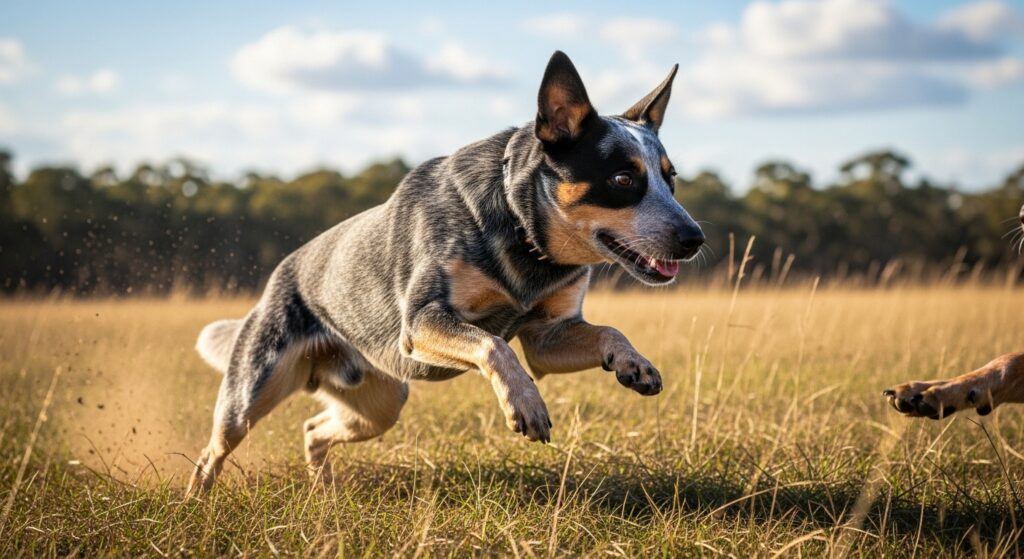
The Australian Cattle Dog ranks among the smartest working dogs. According to Stanley Coren’s intelligence rankings, it holds the 10th position. This breed learns quickly, remembers commands for a long time, and enjoys solving problems.
It thrives with positive reinforcement and regular mental challenges. Because of its strong instincts and fast learning speed, it does best with owners who enjoy teaching advanced skills.
Highlights
Learns new commands with very few repetitions
Enjoys advanced activities and mental challenges
Best suited for experienced, active owners
Old English Sheepdog
The Old English Sheepdog is also intelligent, but it has a calmer and more relaxed learning style, indicating a slower, more methodical approach to challenges compared to the ACD.
It responds well to patient, consistent guidance and reward-based sessions. While it may need more practice than the Australian Cattle Dog, it remembers routines well and develops excellent manners with early and consistent training. Its friendly attitude makes learning enjoyable for both the dog and its owner.
Highlights
Learns best through patience and repetition
Responds well to praise and rewards
Great choice for families seeking a cooperative companion
Coat Maintenance
Grooming needs are one of the biggest differences between these two breeds, so knowing the time involved can help you choose the right companion.
Australian Cattle Dog
The Australian Cattle Dog has a short, weather-resistant, dense double coat that is easy to manage. According to Hill’s Pet, Australian Cattle Dogs usually shed once or twice each year, and weekly brushing helps keep the coat healthy while removing loose hair.
Grooming costs stay low because the coat rarely needs professional attention. Regular checks around the ears, nails, and teeth also support good hygiene. Whether your dog is blue or red, this breed’s simple grooming routine makes it an excellent choice for busy owners who want a hardworking dog without demanding coat care.
Old English Sheepdog
The Old English Sheepdog has a long, shaggy coat that requires much more attention. Daily or every-other-day brushing helps prevent painful mats and tangles from forming. Many owners rely on professional handlers or groomers every few months to keep the coat clean, healthy, and comfortable.
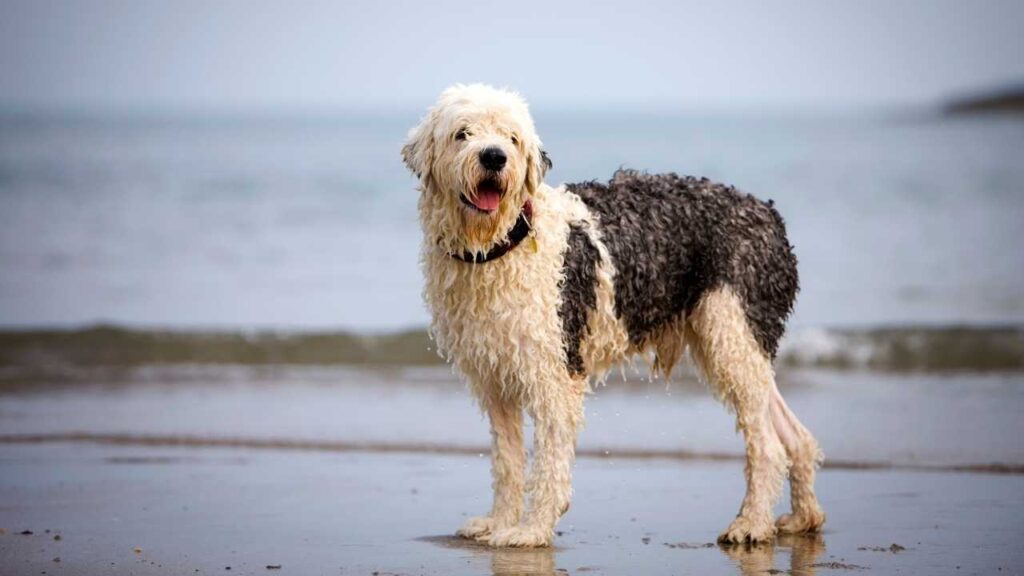
While these pets reward families with their charming appearance, their beautiful coat comes with a long-term grooming commitment. Owners should be prepared to invest both time and effort to maintain this breed’s signature look.
Health & Lifespan
Both breeds can enjoy long, healthy lives with proper care, regular veterinary visits, and a balanced lifestyle, but their life expectancy and health concerns are different.
Australian Cattle Dog
ACDs are known for their extreme longevity, sometimes living to 15+ years, while OES typically have a lifespan of 10-12 years. Its high-energy lifestyle and active pace help support overall fitness when paired with a nutritious diet and routine checkups.
Regular screenings, along with monitoring the ears, eyes, and joints, can detect problems early. These positives make this breed a capable long-term companion for active owners.
Common Diseases
Deafness
Eczema
Hip dysplasia
Elbow dysplasia
Portosystemic shunt
Luxating patellas
Urolithiasis
Old English Sheepdog
The Old English Sheepdog has an average lifespan of 10–12 years. Responsible breeding, preventive care, and maintaining a healthy weight suggest the best chance for a long and comfortable life. Routine health checks are especially important because this breed is more likely to develop certain inherited conditions.
Common Health Diseases
Hip dysplasia
Gastric Dilatation Volvulus (GDV or bloat)
Deafness
Hereditary cataracts and other eye problems
Primary Ciliary Dyskinesia
Suitability as Family Pets
Both breeds can become wonderful family companions, but the right choice depends on your lifestyle, experience, and the time you can devote to daily care.
Australian Cattle Dog
The Australian Cattle Dog is highly intelligent and thrives in active households. It forms strong bonds with its family and loves having a purpose each day. This breed needs consistent training, early socialization, and plenty of physical exercise to stay happy and prevent unwanted behaviors.
Because of its protective temperament and strong herding instincts, it is often better suited to families with older children who understand how to interact with dogs. With the right guidance, this loyal breed can become an exceptional companion.
Old English Sheepdog
According to PetMD, the Old English Sheepdog is an intelligent, affectionate, fun-loving family dog that can be a gentle companion for people of all ages, although its large size calls for extra care around small children. It usually gets along well with pets and enjoys spending time with the whole family.
While it can sometimes possess a stubborn streak, early and consistent training helps shape good manners. Its friendly temperament and relaxed nature have made it a favorite in the dog world for families seeking an affectionate, easygoing companion.
Conclusion
Choosing between these two remarkable breeds comes down to finding the right combination of personality, activity level, grooming commitment, and family lifestyle.
The Australian Cattle Dog shines with its energy, intelligence, and strong work ethic, while the Old English Sheepdog stands out for its gentle nature and family-friendly attitude. Neither breed is better than the other because each offers something unique to the people who welcome them home.
Before making your final decision, present your daily routine honestly and consider which dog can master that lifestyle with ease. A thoughtful attempt to match a breed with your needs will create a happier home for everyone.
Responsible care, patience, and love are the keys to building a lifelong bond with either wonderful companion.
