




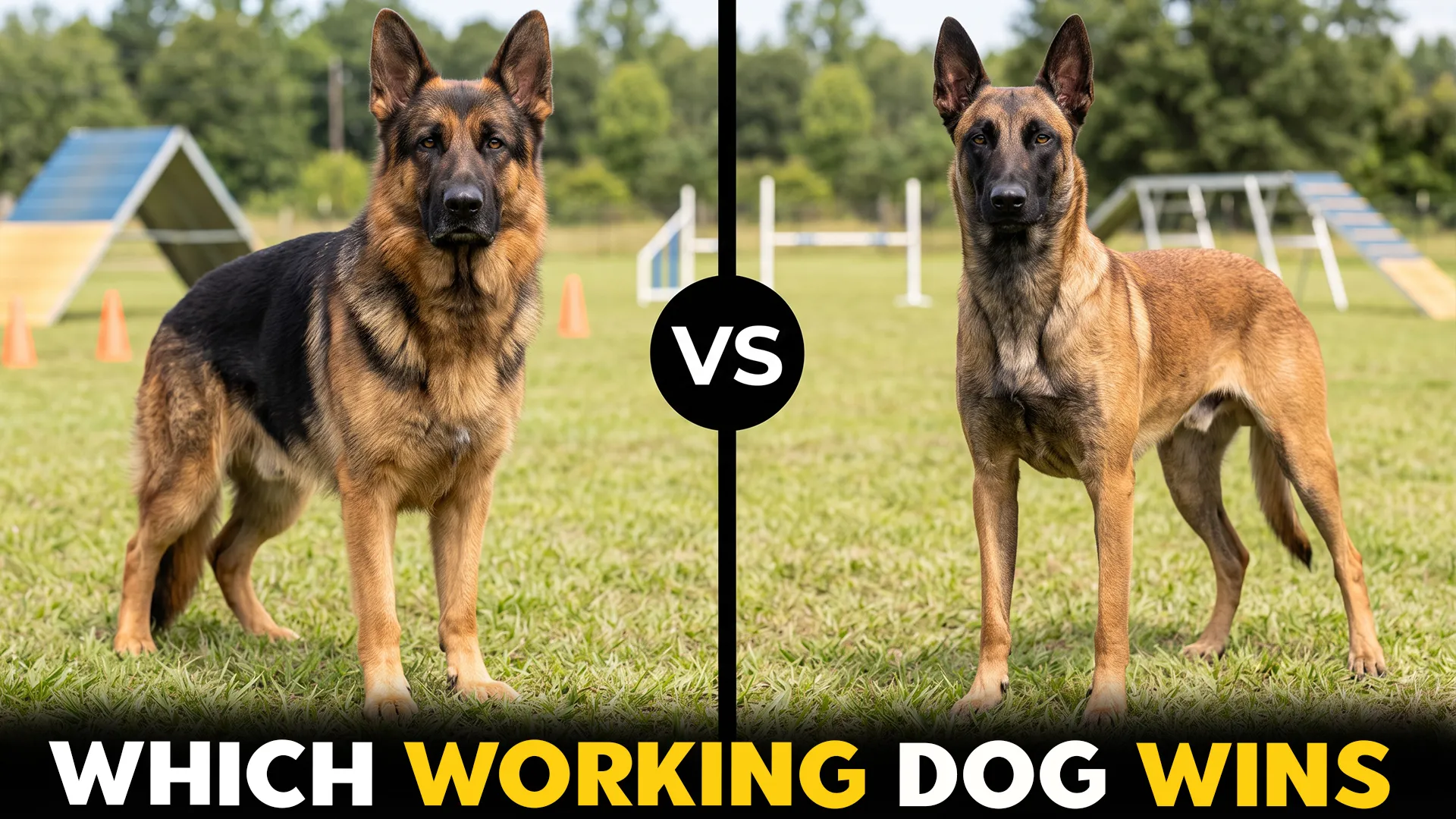
A friend was certain he had already made his decision after weeks of watching videos and reading breed profiles.
Both working dogs looked equally capable, equally intelligent, and equally impressive, so choosing between them felt like a matter of personal preference. Then he spent time with each breed during a local training event, and his opinion changed within a single afternoon. One approached every task with relentless intensity, while the other balanced confidence with a slightly different working style.
Neither was better than the other, but they clearly weren’t as similar as they first appeared. That experience revealed something countless future owners discover only after bringing one home. The biggest differences aren’t always visible until you understand how each breed thinks, learns, and responds in everyday situations.
In this article, you’ll explore those distinctions, compare their strengths, and find out which working dog suits different lifestyles and expectations best.
Key Takeaways
Two famous working dogs, almost the same size, almost the same reputation, yet living with them can feel like two completely different experiences.
German Shepherds are known for balancing confidence with adaptability, while Belgian Malinois bring an intensity that never seems to switch off.
That difference shapes everything from training sessions to family life, and it often surprises people after they bring one home.
Before you decide which one belongs by your side, there are a few things about these remarkable working dogs that deserve a closer look.
German Shepherd vs. Belgian Malinois: Working Dog Differences Explained
Origins & Purpose
German Shepherd Working Foundations
German Shepherds grew out of old shepherd and farm dogs that spent centuries helping people with daily livestock work before the modern breed was established in Germany in 1899 by Captain Max von Stephanitz. From the beginning, the goal was a dependable working dog that combined intelligence, discipline, and versatility.
Those qualities quickly attracted worldwide attention, leading to AKC recognition in 1908 and widespread use across many countries. During both World Wars, the breed was often called the Alsatian in Europe, and its lasting popularity later inspired related breeds such as the King Shepherd through selective crossbreeding.
Belgian Malinois Built for Purpose
Belgian Malinois emerged during the 1800s as one of the four Belgian shepherd varieties, taking its name from the city of Mechelen. Breeders focused on creating a determined herding dog with the confidence, stamina, and work ethic needed for demanding protection and livestock duties.
Although the breed reached the United States in the early 1900s, its reputation truly accelerated after AKC recognition in 1959. Today, the Belgian Malinois is closely associated with police work, military operations, search-and-rescue teams, and even high-profile assignments such as White House security and Navy SEAL missions.
Size and Build
German Shepherd Build and Presence
German Shepherds stand between 22 and 26 inches tall, with males weighing around 65 to 90 pounds and females 50 to 70 pounds. Their body is slightly longer than it is tall, supported by a muscular neck and a gently sloping back that creates the breed’s well-known outline.
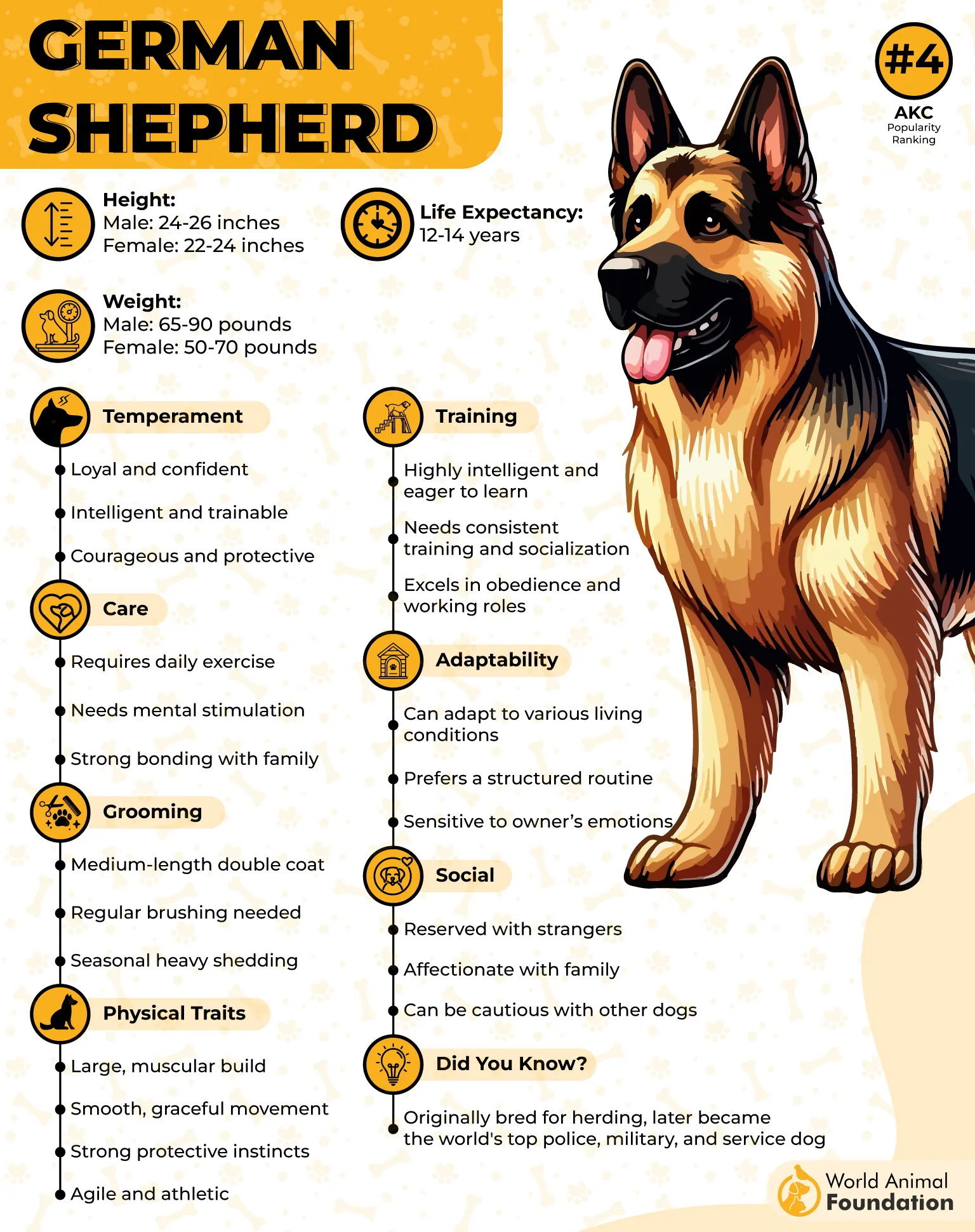
The wedge-shaped head, erect ears, and focused almond-shaped eyes add to a confident appearance, while the free, ground-covering trot reflects the balance between strength and graceful movement. Even at higher speeds, the body stays controlled rather than rushed.
Belgian Malinois Athletic Structure
Belgian Malinois share nearly the same height, ranging from 22 to 26 inches, but they are generally lighter, with males weighing 60 to 80 pounds and females 40 to 60 pounds. Their frame emphasizes lean muscle over bulk, giving them a clean, athletic appearance built for demanding work, as per the AKC.
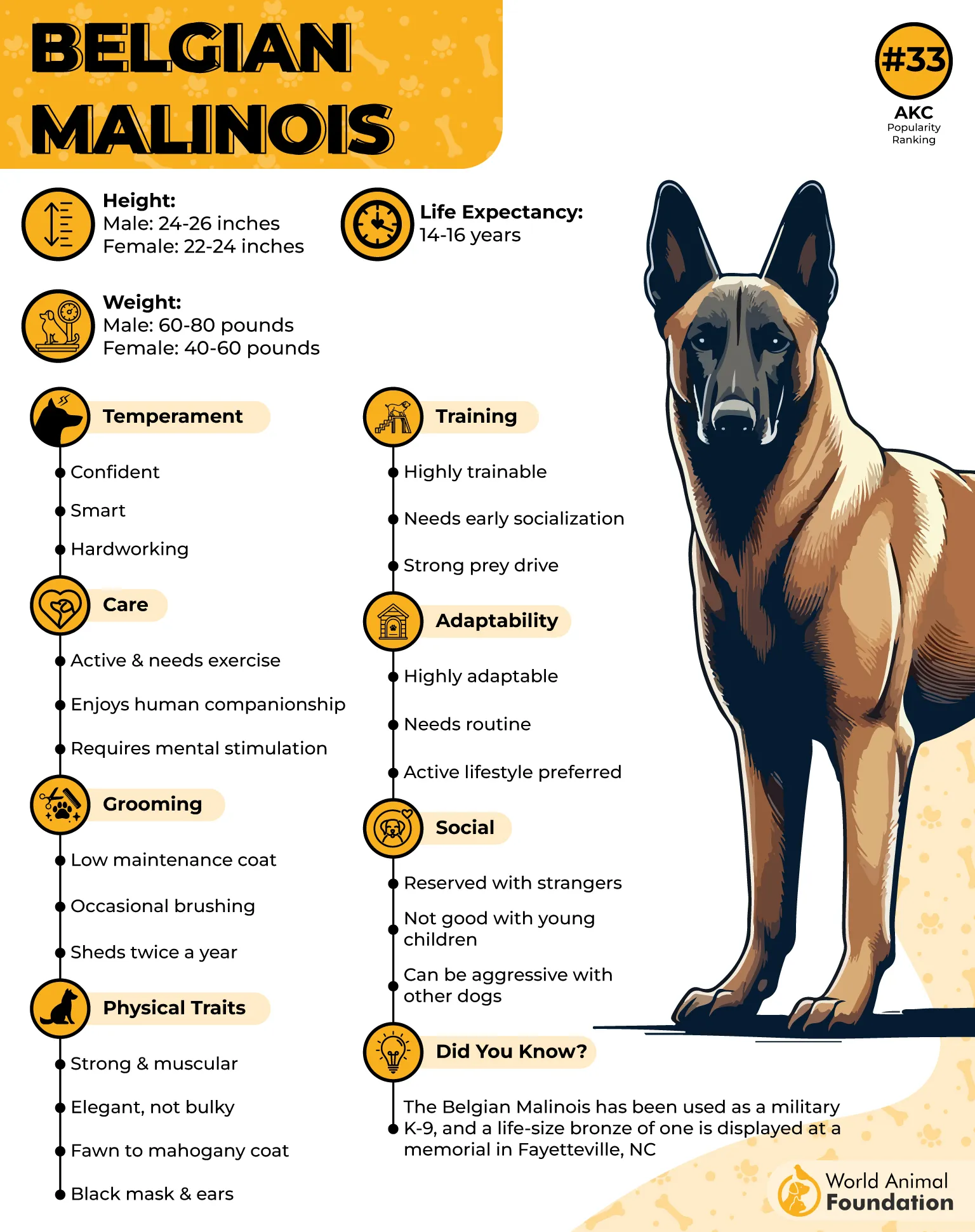
That lighter construction is matched by a proud head carriage and an effortless gait that stays smooth over long distances. Instead of relying on size, the Malinois depends on efficiency, making every movement feel quick, balanced, and purposeful.
Pricing & Availability
German Shepherd Cost and Availability
German Shepherds from reputable breeders generally cost between $2,000 and $4,000, depending on factors such as bloodline and breeding quality. Because the breed is widely popular, it’s also one of the easier working dogs to find through reputable rescues and local shelters if adoption is an option you’re considering.
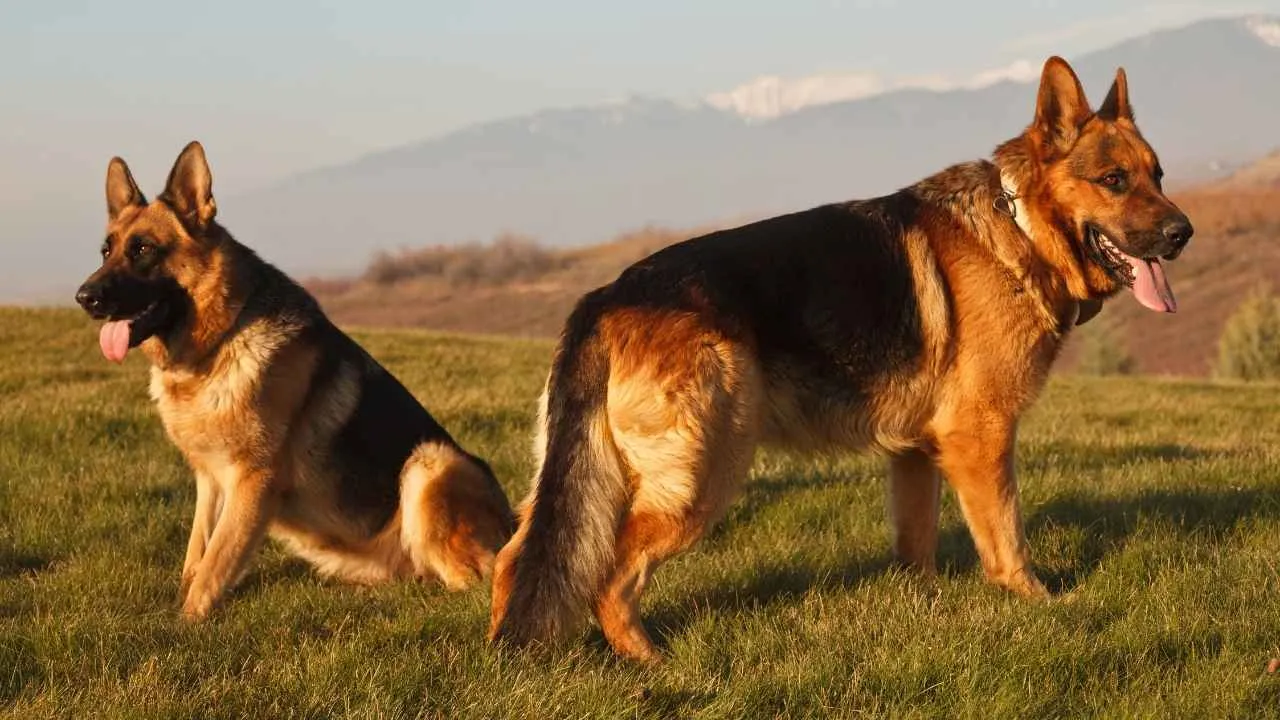
Buying from a responsible breeder often means paying more upfront, but it also increases the chances of receiving health-tested puppies with documented pedigrees. The breed’s widespread availability gives prospective owners more flexibility when deciding between purchasing and adopting.
Belgian Malinois Price Factors
Belgian Malinois puppies with AKC-registered parents commonly fall within the $2,000 to $3,500 range, though prices can climb well beyond that. Bloodlines, breeder reputation, location, and especially professional training all have a significant impact on the final cost.
A fully trained Belgian Malinois is often much more expensive than a young puppy because of the time and specialized work already invested. If you’re specifically looking for working or protection lines, expect fewer available dogs and a more selective buying process than with the German Shepherd.
Temperament & Personality
German Shepherd Character
German Shepherd temperament can vary from one dog to another, but their herding and guarding history still shapes many common traits. They are usually loyal, attentive, and gentle with their family, while often taking a little more time to warm up to unfamiliar people.
They can do very well with children when training and socialization begin early, but that works best when kids also learn how to interact respectfully with dogs, as noted by PetMD. Supervised introductions and everyday interactions help build trust on both sides instead of expecting it to happen automatically.
Belgian Malinois Mindset
Belgian Malinois build exceptionally strong bonds with their people and genuinely prefer being involved in everyday life rather than spending long hours alone. Britannica mentions that they stay happiest when they have both physical activity and mental challenges, because boredom often turns into destructive habits like chewing, digging, or damaging household items.
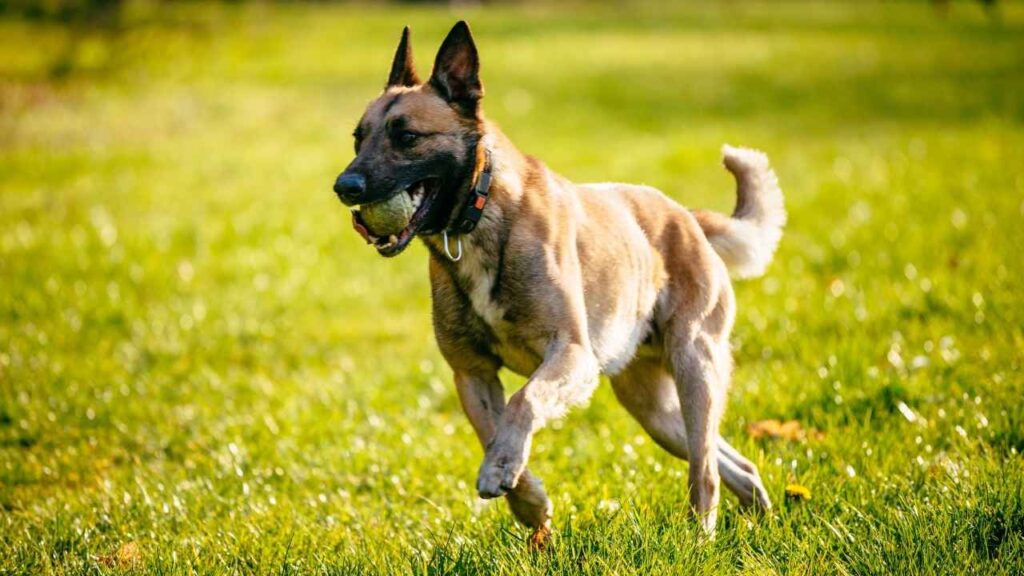
That same devotion also makes them naturally watchful of their family, which is one reason they excel as working dogs. With consistent training and early socialization, they can become wonderful family companions, though their protective instincts may make them more cautious when unfamiliar visitors enter the home.
Exercise Needs & Energy Levels
German Shepherd Daily Activity Needs
German Shepherds need plenty of daily activity to stay physically healthy and mentally satisfied. Regular walks alone rarely meet their needs, as they also enjoy activities like herding, tracking, agility, and dock diving that give them a chance to use both their body and their instincts.
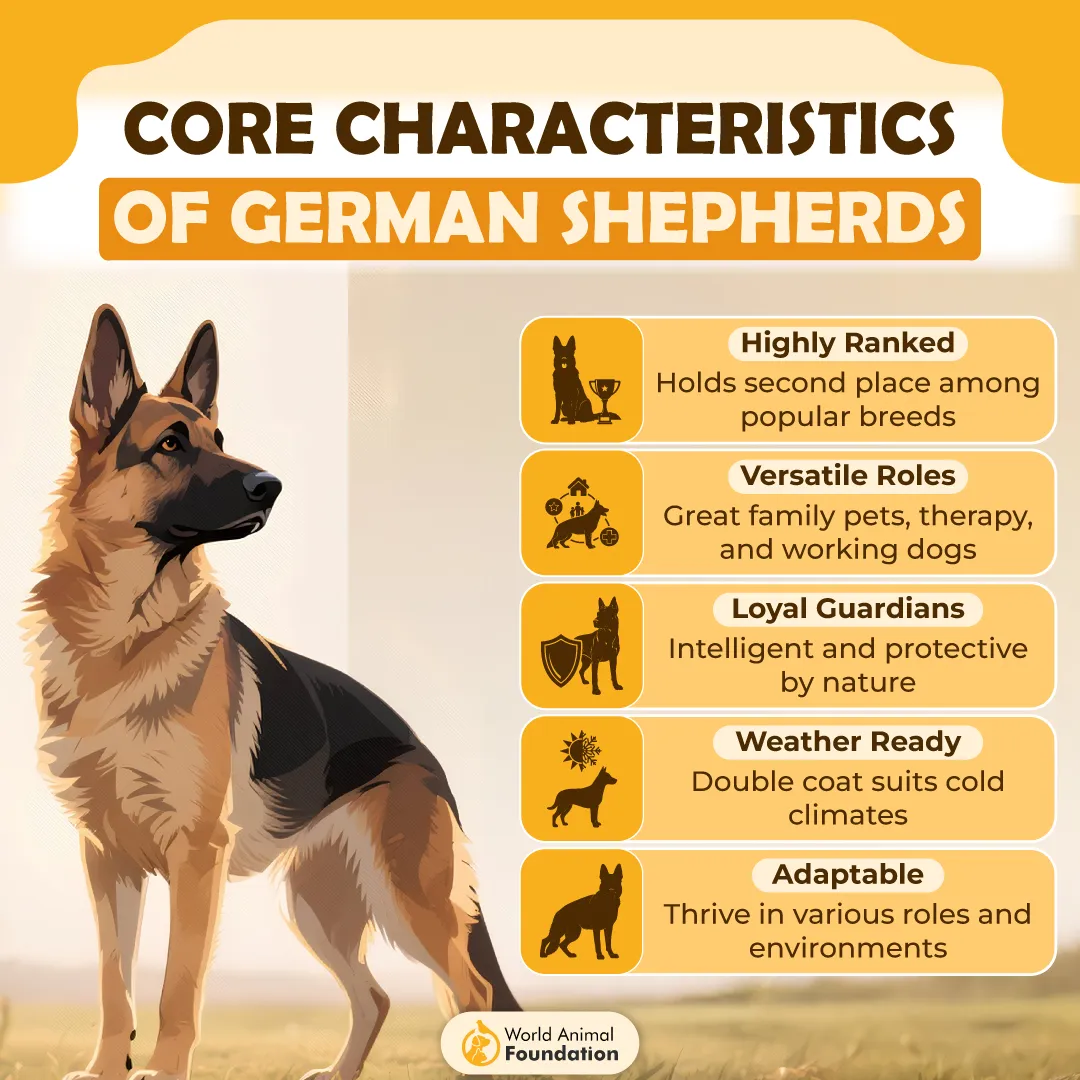
Without enough movement and meaningful engagement, frustration can build, and unwanted habits may start to appear. Even young puppies benefit from short walks and safe play sessions, helping them gradually build confidence and healthily burn energy.
Belgian Malinois High-Drive Lifestyle
Belgian Malinois operate at an even higher energy level and are happiest when spending active time alongside their person rather than entertaining themselves. A quick walk around the neighborhood is rarely enough for this breed, as it was built for long periods of purposeful activity and close human involvement.
Running, hiking, cycling, and demanding dog sports fit naturally into the Malinois lifestyle because they match the breed’s athletic build and nonstop drive. For someone with a quieter routine, that level of daily commitment can feel overwhelming, but for an active owner, it often becomes one of the breed’s biggest strengths.
Trainability & Obedience
German Shepherd Learning Style
German Shepherds respond exceptionally well to structured training because they naturally enjoy working alongside their people. Early socialization, puppy classes, and steady reward-based guidance help shape a confident adult, while regular involvement in family life strengthens both obedience and trust.
Their intelligence makes learning new commands relatively quick, but consistency matters just as much as ability. A German Shepherd that grows up participating in everyday household routines is more likely to become adaptable, reliable, and responsive in different situations.
Belgian Malinois Training Drive
Belgian Malinois learn at an incredible pace, but their intelligence comes with an equally strong need for purposeful training. Early socialization is essential, especially because their natural prey drive can lead them to chase moving people, animals, or vehicles if those instincts are left unmanaged.
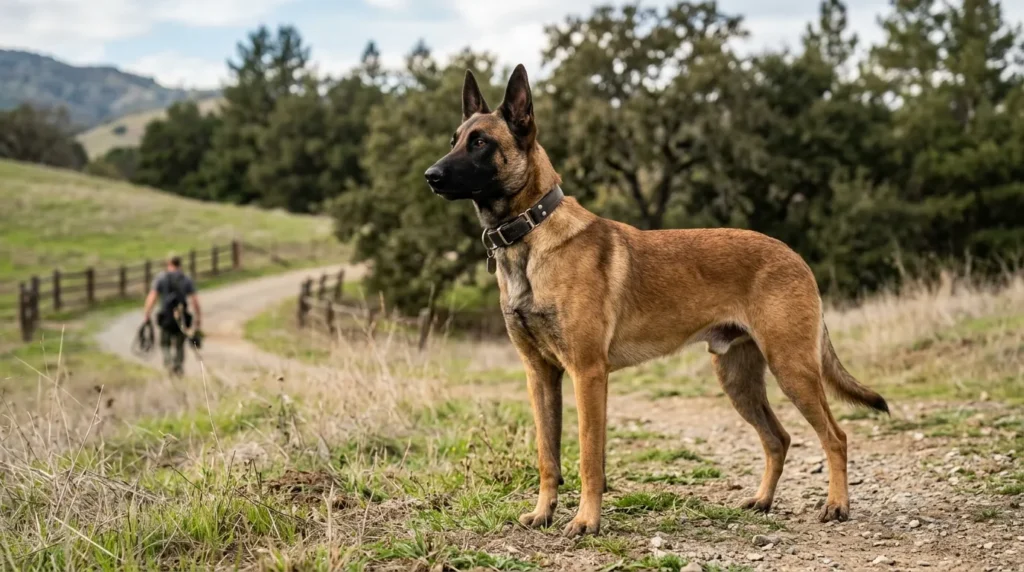
Professional guidance is often recommended during puppyhood, particularly from trainers familiar with the breed’s working mindset. Just as important, owners should stay actively involved throughout the process, since regular training sessions become one of the strongest ways to build focus, cooperation, and a lasting bond.
Grooming Needs & Shedding
German Shepherd Coat Care
German Shepherds have a medium-length double coat with a dense outer layer and a softer undercoat, so loose hair is part of everyday life rather than an occasional surprise. A quick brush every few days usually keeps the coat in good shape, although shedding increases noticeably during the heavy seasonal coat changes.
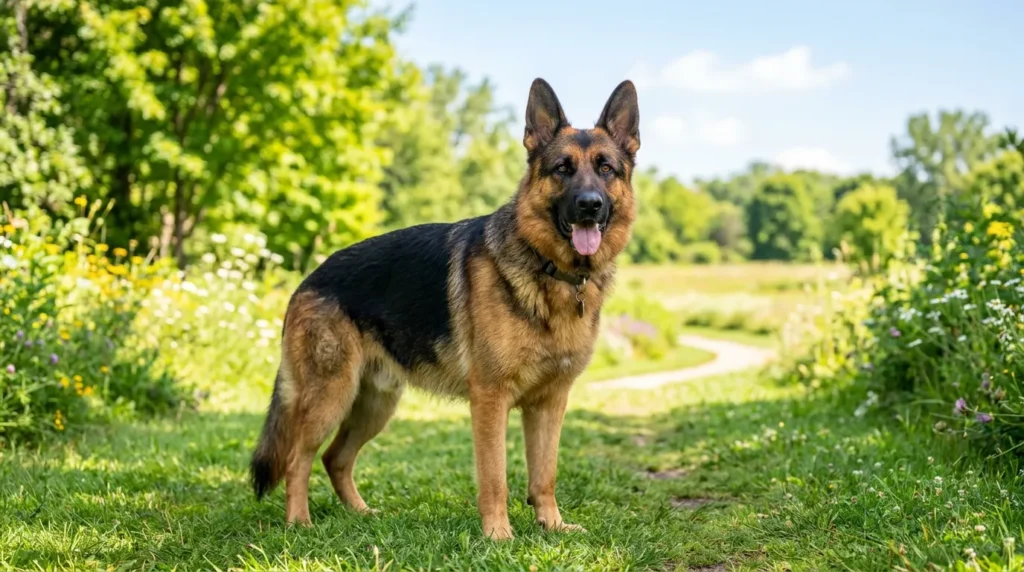
Bathing only needs to happen occasionally unless the dog gets especially dirty, making routine maintenance fairly straightforward. Nail trimming is just as important as coat care, since overgrown nails can eventually affect both comfort and normal movement.
Belgian Malinois Grooming Routine
Belgian Malinois have a short, waterproof coat that requires less day-to-day grooming while still benefiting from occasional brushing. A medium-bristle brush, grooming mitt, or hound glove helps remove loose hair, spread natural skin oils, and keep the coat looking clean without much effort.
Like the German Shepherd, the Malinois also sheds heavily twice a year, though a quick daily session with a slicker brush during those periods usually keeps loose hair under control. Regular nail trimming remains part of basic care to prevent discomfort and keep movement comfortable.
Herding & Work Drive
German Shepherd Working Style
German Shepherds were originally bred as tending dogs, guiding and protecting livestock instead of simply chasing them across fields. That purpose shaped a breed known for balanced judgment, adaptability, and the ability to stay closely connected with its handler while working.
That versatility still defines the breed today. German Shepherds usually approach tasks with steady focus rather than constant speed, which is one reason they continue to excel in police, military, tracking, search-and-rescue, and service work.
Belgian Malinois Work Intensity
Belgian Malinois also began as herding dogs, but their working style centers on relentless drive, quick reactions, and nonstop readiness for action. They naturally stay engaged with every task, making them one of the most trusted breeds for demanding operational work.
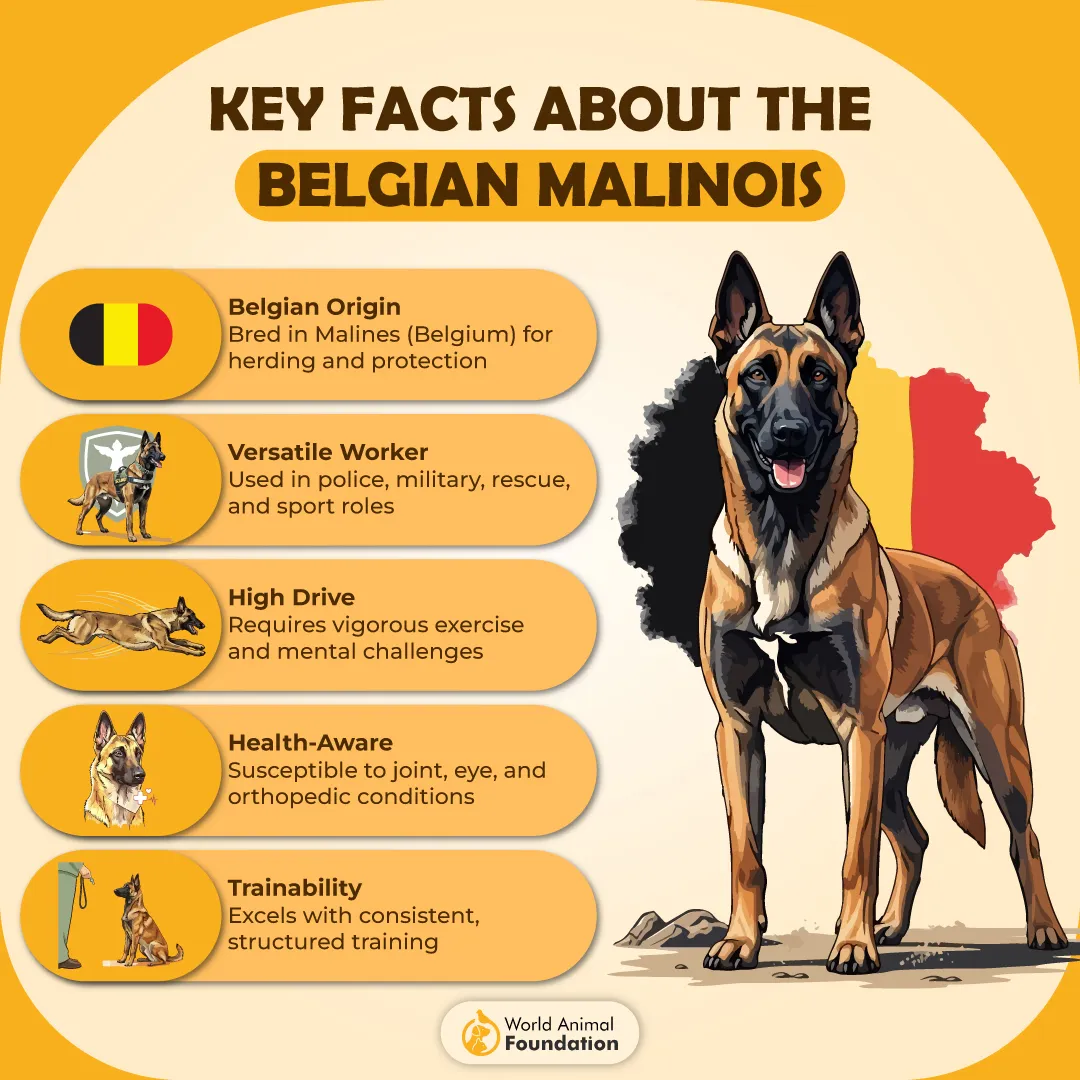
That intense work ethic means a Malinois rarely stays satisfied without meaningful physical and mental challenges. It actively looks for a job instead of waiting for one, which makes the breed exceptionally capable but also far more demanding in everyday life than most working dogs.
Health & Lifespan
German Shepherd Health Considerations
German Shepherds are generally healthy, but responsible breeding plays a major role in reducing inherited conditions. Health screenings commonly focus on hip and elbow dysplasia, while degenerative myelopathy is another condition that reputable breeders monitor before planning a litter.
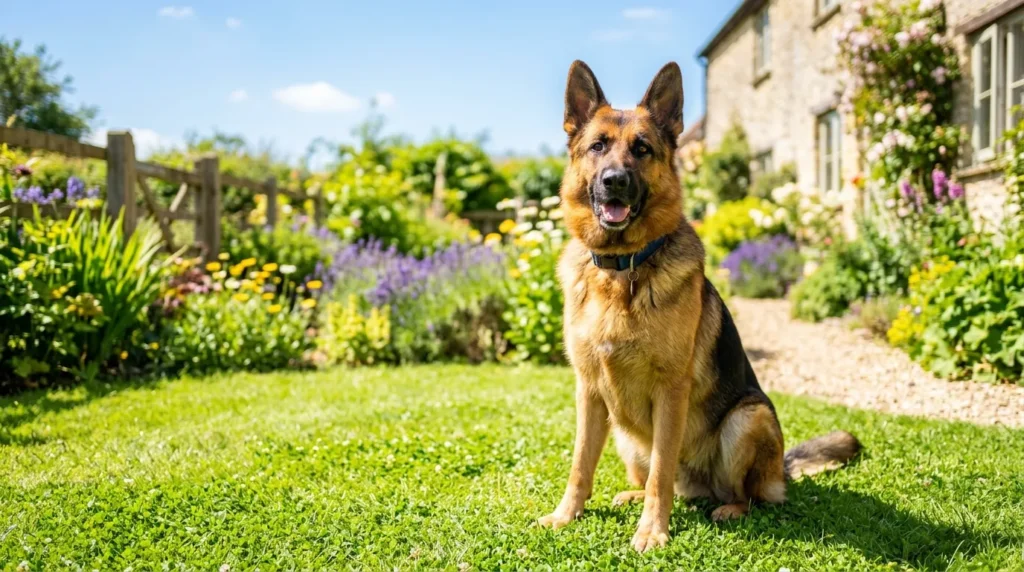
Another point worth knowing is the breed’s risk of bloat, a sudden and life-threatening swelling of the stomach that requires immediate veterinary care. For that reason, understanding the warning signs can be just as important as keeping up with routine health checks throughout the dog’s life.
Belgian Malinois Health Profile
Belgian Malinois are also considered a healthy working breed, with responsible breeders screening for hip and elbow dysplasia before breeding. Eye health receives additional attention as well, with ophthalmologist evaluations helping identify inherited vision problems that may not be obvious early on.
Beyond those routine screenings, regular ear checks and consistent dental care are important parts of keeping a Malinois healthy. Their active lifestyle often keeps them physically fit, but preventive care remains essential to support long-term health and overall well-being.
Which Breed Should You Bring Home?
If you’re stuck between these two, think less about reputation and more about your everyday routine. Both are incredibly capable dogs, but they ask for very different things once the excitement of bringing a puppy home wears off.
A German Shepherd usually suits people who want a loyal companion that can balance family life with its natural working instincts. It still needs commitment, but it often feels more forgiving if every day doesn’t look the same.
A Belgian Malinois expects much more from its owner. It enjoys having a job, learns incredibly fast, and rarely runs out of energy, so it fits best with someone who genuinely enjoys training and staying active rather than simply owning an energetic dog.
For homes, owners should lean toward the German Shepherd because it adapts more easily to everyday family life. If your idea of fun is spending hours training, working, or exploring outdoors with your dog, then the Belgian Malinois is the one that’s more likely to keep up with you.
Conclusion
Two impressive working dogs can appear remarkably similar until daily life begins to reveal what truly separates them. Energy, learning style, exercise needs, and overall intensity all influence which companion feels like the better fit for a particular home.
Looking beyond appearance and reputation allows future owners to make a choice based on practical expectations instead of assumptions. That careful approach benefits both sides and creates a partnership built on understanding rather than surprises.
When a dog’s natural working style matches the owner’s routine and commitment, it becomes a dependable working partner and a great dog, making everyday life more enjoyable, productive, and rewarding for years to come.
