




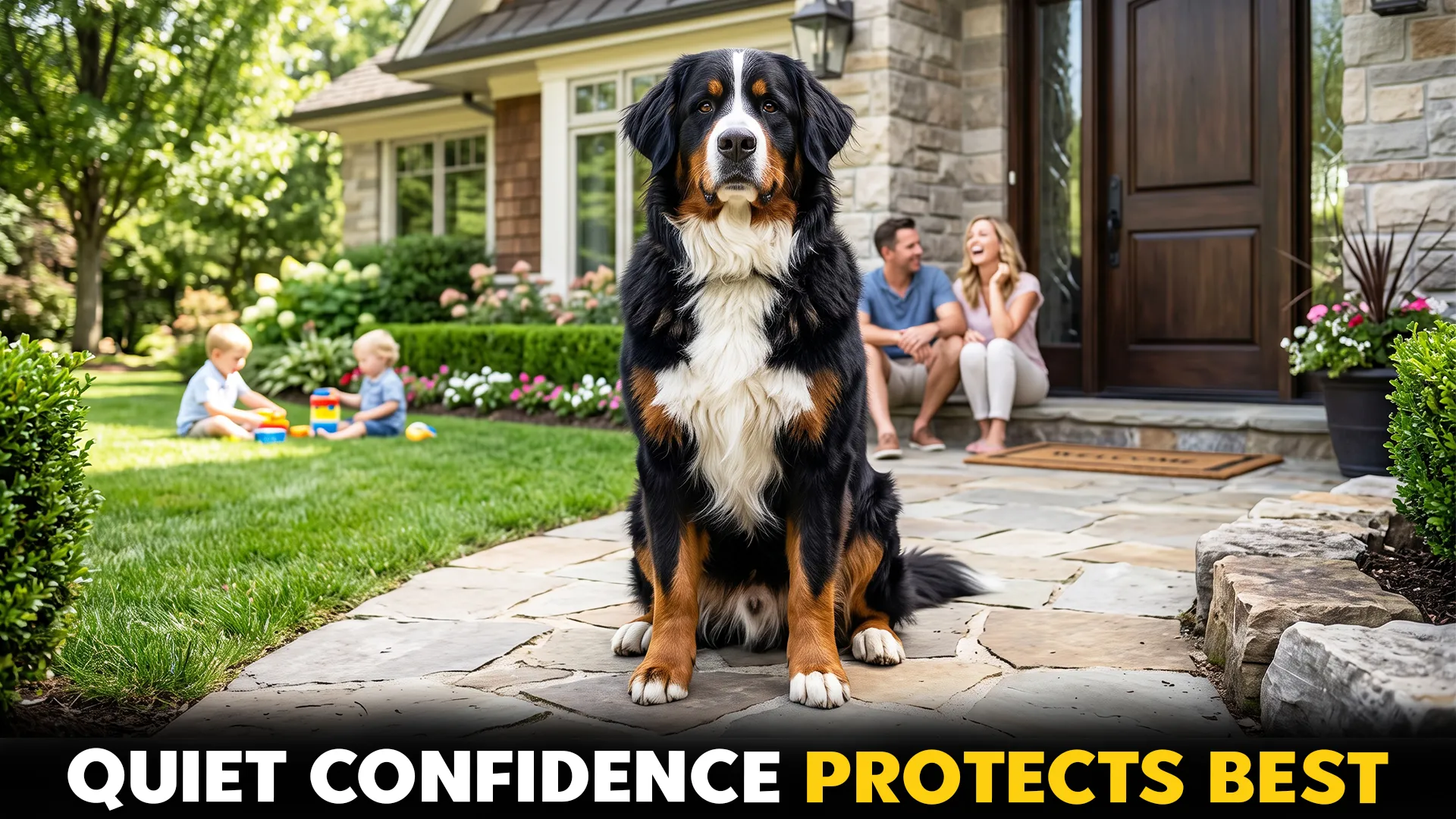
Bringing a guard dog into your home doesn’t mean choosing a pet that’s always on high alert or overly aggressive. In fact, some of the best guard dogs are calm, level-headed, and confident enough to stay relaxed during everyday life while still stepping in if they sense a genuine threat.
They offer the perfect balance of companionship and protection, helping your family feel safe without creating unnecessary stress. A great guard dog is much more than its size or strength. The best protectors are naturally loyal, highly observant, intelligent, and easy to train.
They know the difference between a normal visitor and a situation that deserves attention, making them reliable family companions as well as dependable watchdogs.
Their balanced temperament also allows them to fit comfortably into family life, whether you live in a quiet suburb, the countryside, or a busy neighborhood.
In this article, we’ll introduce some excellent guard dog breeds that combine peaceful personalities with strong protective instincts.
Key Takeaways
Meet 7 calm guard dogs that protect without the drama.
See why Dobermans, German Shepherds, and Cane Corsos are trusted family guardians.
Discover how Boxers, Bernese Mountain Dogs, Bullmastiffs, and Great Danes balance loyalty with gentle personalities.
Find the perfect calm protector for your home and lifestyle.
Top Calm Guard Dog Breeds for Peaceful Home Protection
1. Doberman Pinscher
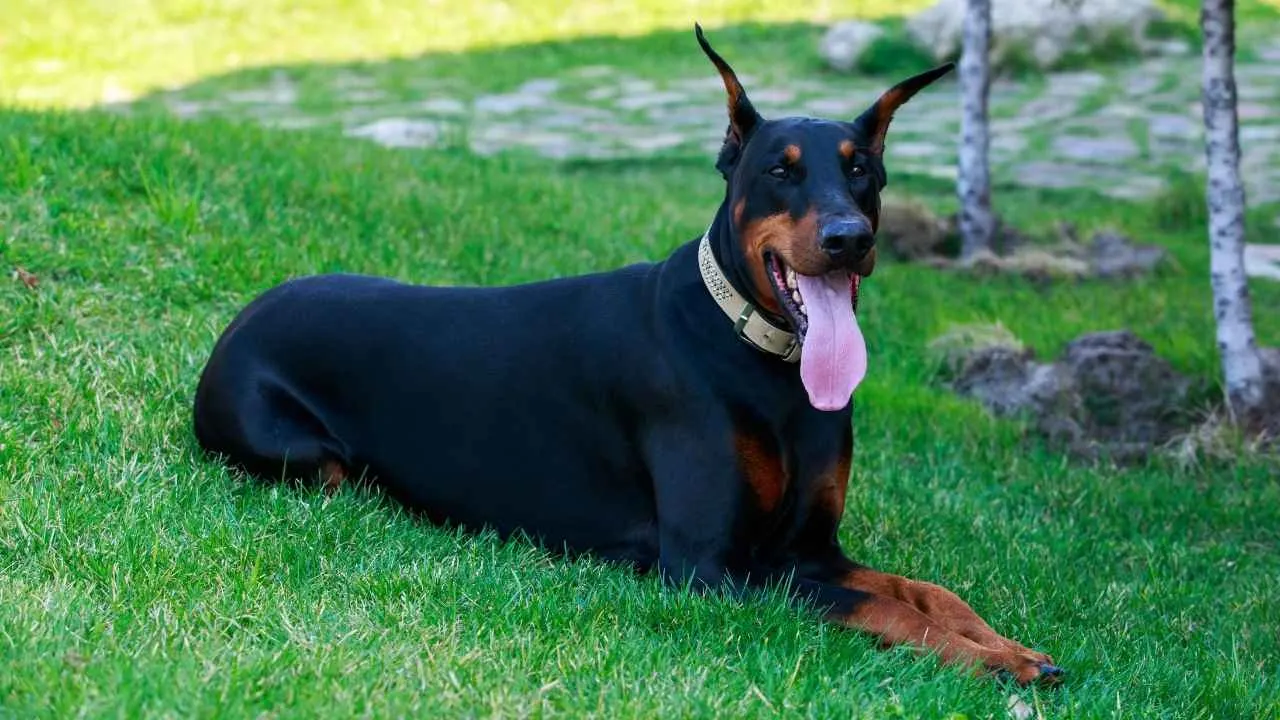
Doberman Pinschers are one of the best examples of a calm yet highly capable guard dog. Originally developed in Germany by Karl Friedrich Louis Dobermann in the1890s, they were bred to provide protection while remaining loyal companions, as mentioned by Britannica.
Today, they are trusted in police, search-and-rescue, and military work, but they are equally devoted to their families. Confident, intelligent, and naturally watchful, they stay calm in everyday situations while remaining ready to respond if a real threat appears.
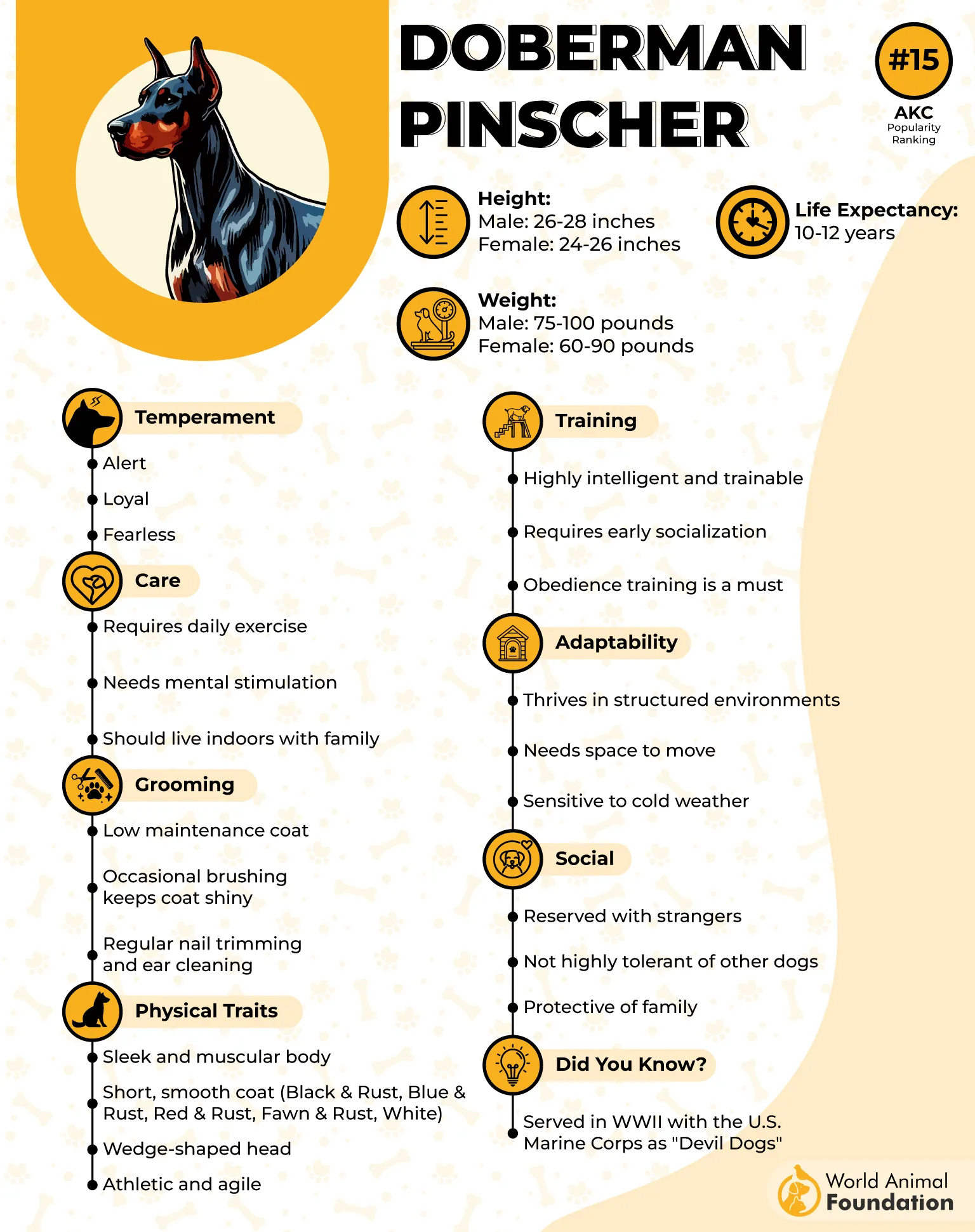
Why They Stand Out
Naturally loyal, fearless, and highly alert
Calm and affectionate with their families
Exceptionally intelligent and eager to learn
Excellent watchdogs with strong protective instincts
Thrive with positive training and early socialization
Doberman Pinschers need an active home that provides plenty of daily exercise, mental stimulation, and consistent training. Without enough activity, they can become bored and develop unwanted behaviors. Their short, smooth coat is easy to maintain with regular brushing and occasional baths.

While they are generally patient with children and can live with other pets when properly socialized, they may have a strong prey drive toward smaller animals.
Like many large breeds, they are also prone to certain health conditions, including heart disease, hip dysplasia, bloat, and von Willebrand disease, making regular veterinary care important.
2. German Shepherd
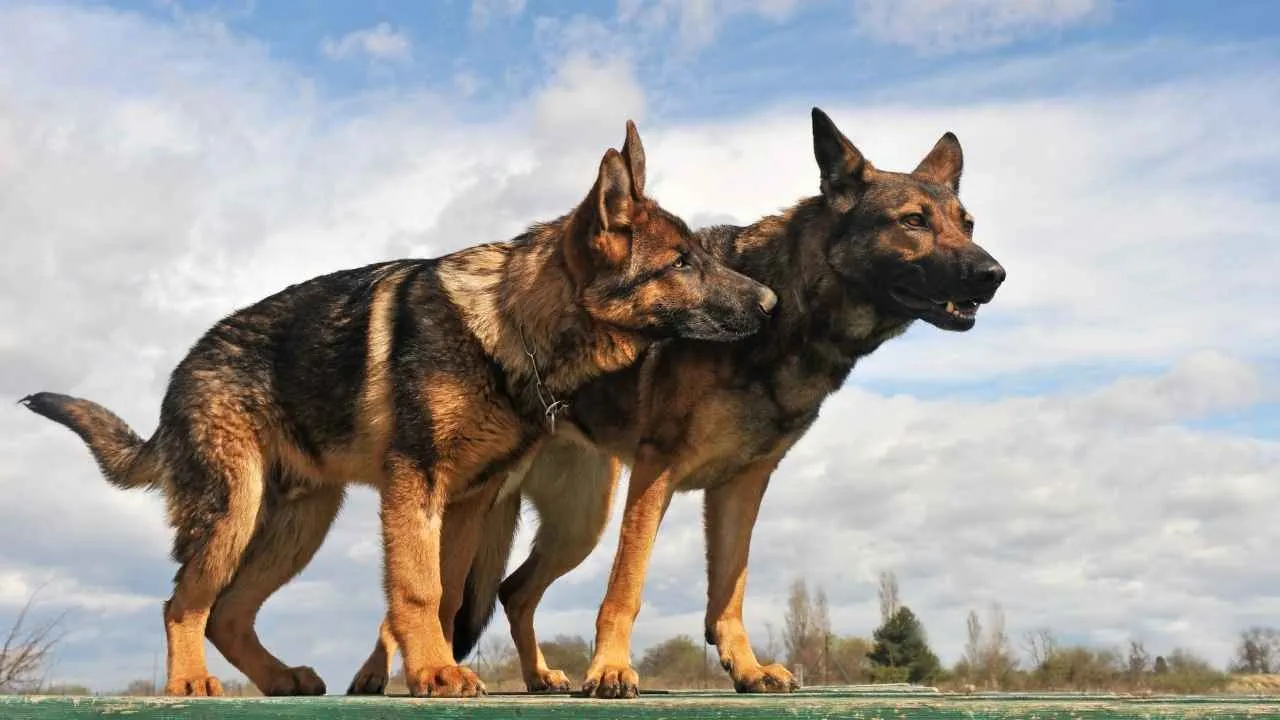
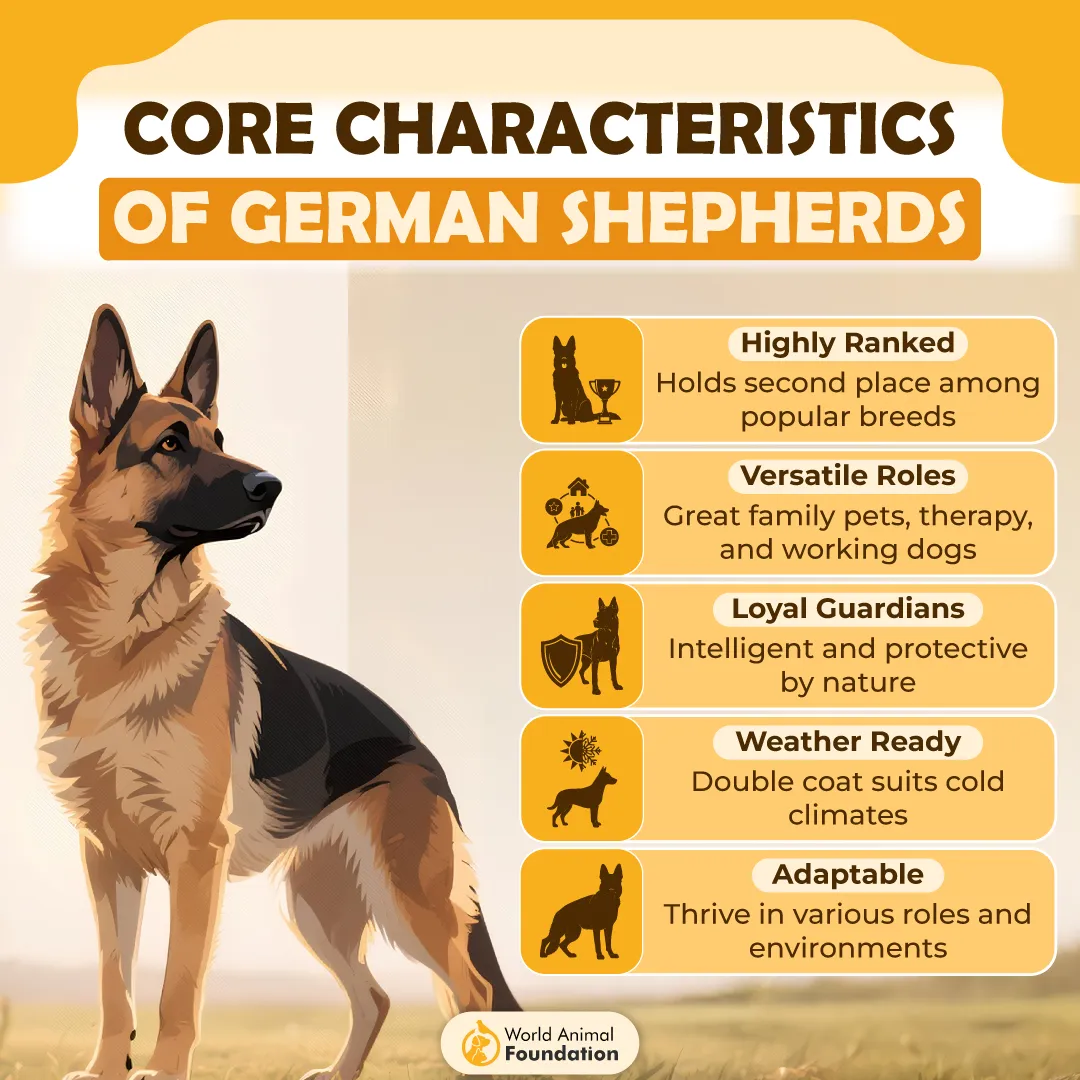
German Shepherds are one of the world’s most trusted guard dog breeds, known for their calm confidence, intelligence, and unwavering loyalty.
Developed in Germany from traditional herding dogs, they were originally bred to work alongside people before becoming famous as police, military, search-and-rescue, and service dogs.
While they are naturally protective, well-trained German Shepherds are steady, affectionate, and gentle with their families, making them both gentle companions and excellent protection dogs.
Why They Stand Out
Highly intelligent and easy to train
Calm, loyal, and devoted to their families
Naturally alert without being overly reactive
Excellent watchdogs with strong protective instincts
Thrive in obedience, tracking, and other working activities
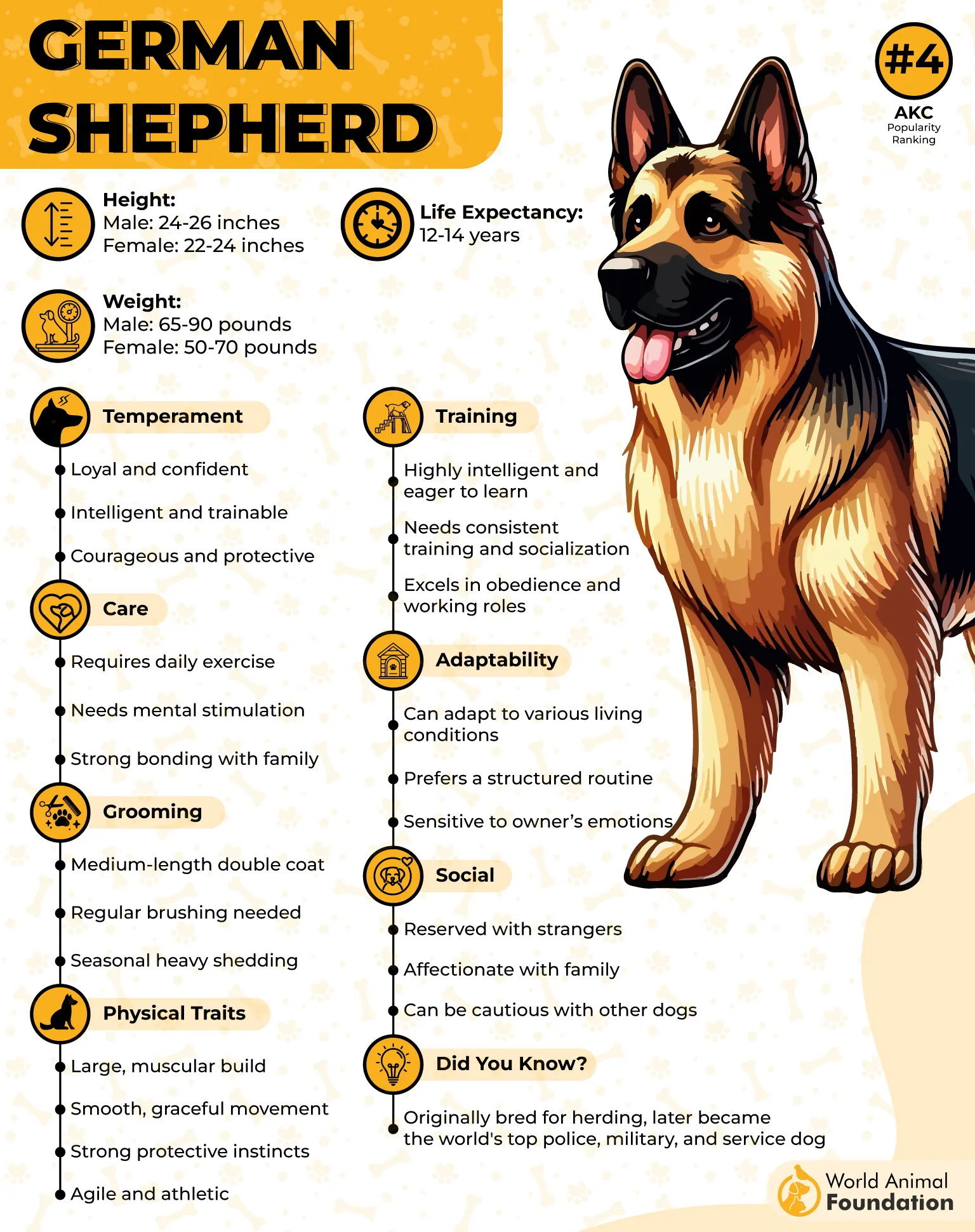
German Shepherds are energetic dogs that need daily physical exercise and mental stimulation to stay happy and well-behaved. Proper socialization and consistent, positive training help them grow into confident and reliable companions.
Their thick double coat sheds heavily, especially during seasonal changes, so regular brushing is essential. They can live well with children and other pets when properly introduced, although they may chase smaller animals because of their herding instincts.
Like many large breeds, they can be prone to hip dysplasia, bloat, and certain skin and joint conditions, making routine veterinary care an important part of their overall health.
3. Boxer
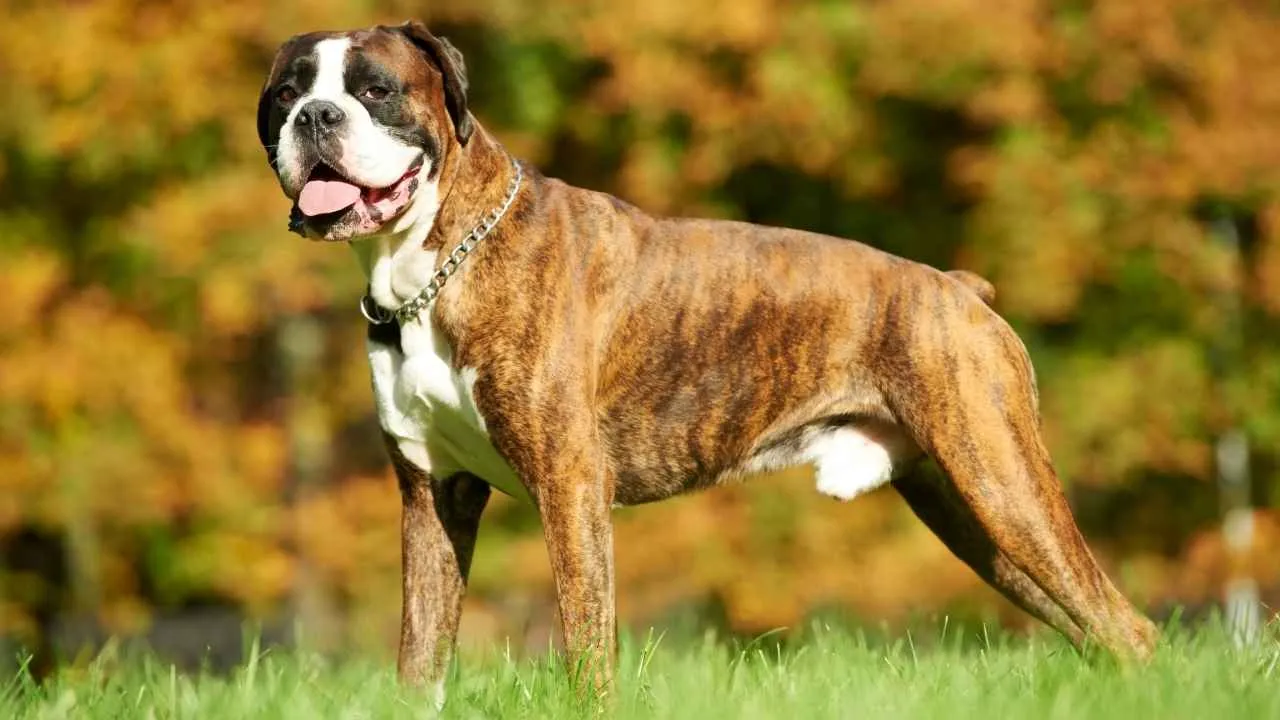
Boxers are calm, confident guardians that combine a protective nature with a playful and affectionate personality. Developed in Germany, they were originally used for hunting large game before becoming trusted watchdogs, police dogs, and loyal family companions.
While they are fearless when needed, Boxers are usually gentle, patient, and loving at home, making them a great choice for families looking for reliable protection.
Why They Stand Out
Naturally protective and alert
Loyal and affectionate with their families
Intelligent and eager to learn
Brave without being unnecessarily aggressive
Reliable watchdogs that usually bark only when something is wrong
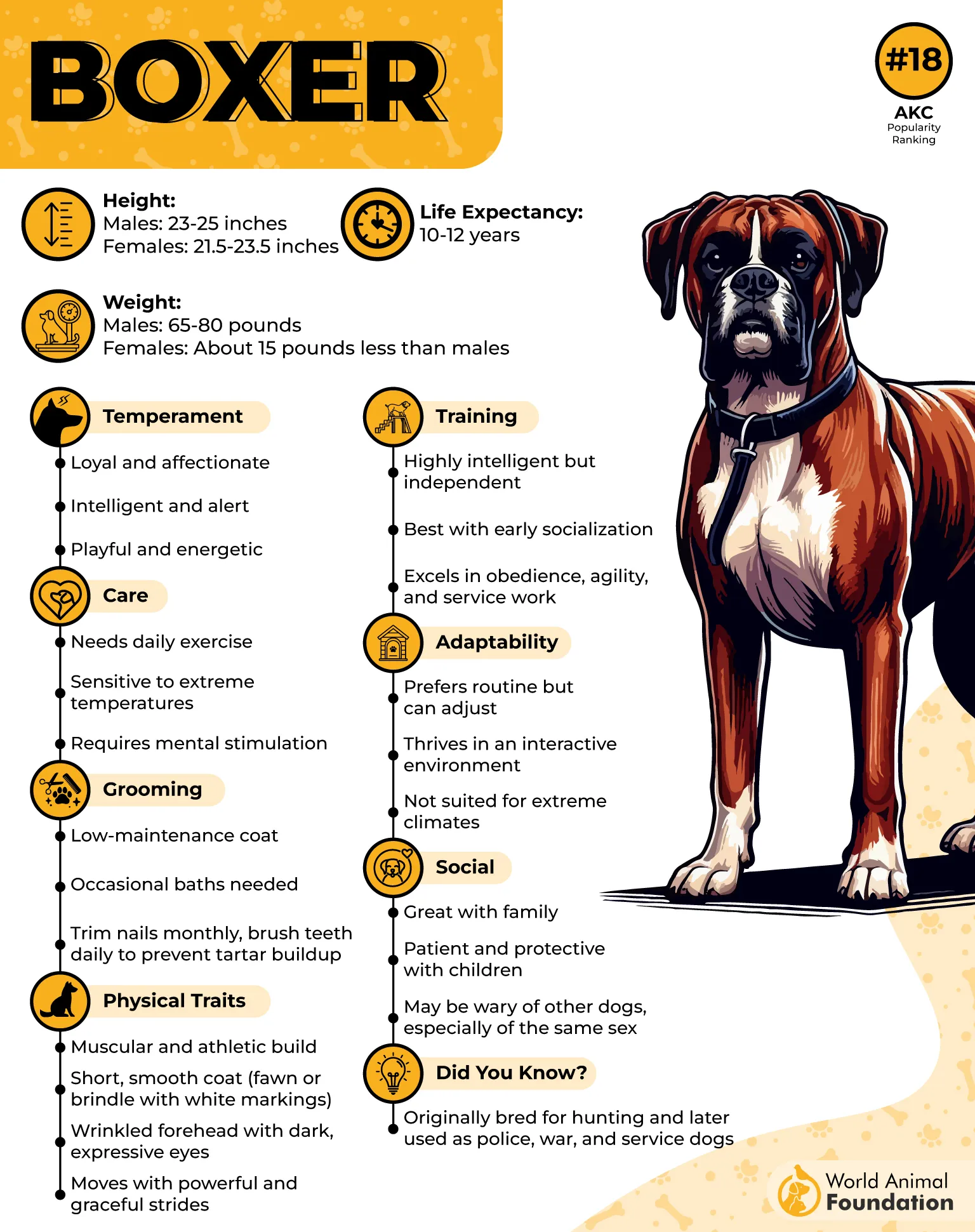
Boxers are energetic dogs that need daily exercise, playtime, and mental stimulation to stay happy and well-behaved. They respond best to consistent, positive training and early socialization, which helps them grow into confident and polite companions.
Their short coat is easy to care for with weekly brushing and occasional baths. Because of their playful nature, they may accidentally knock over very young children and can have a strong prey drive toward smaller animals.
They are also prone to certain health conditions, including heart disease, hip dysplasia, breathing issues related to their short muzzle, and overheating in hot weather, so regular veterinary care is important.
4. Bernese Mountain Dog
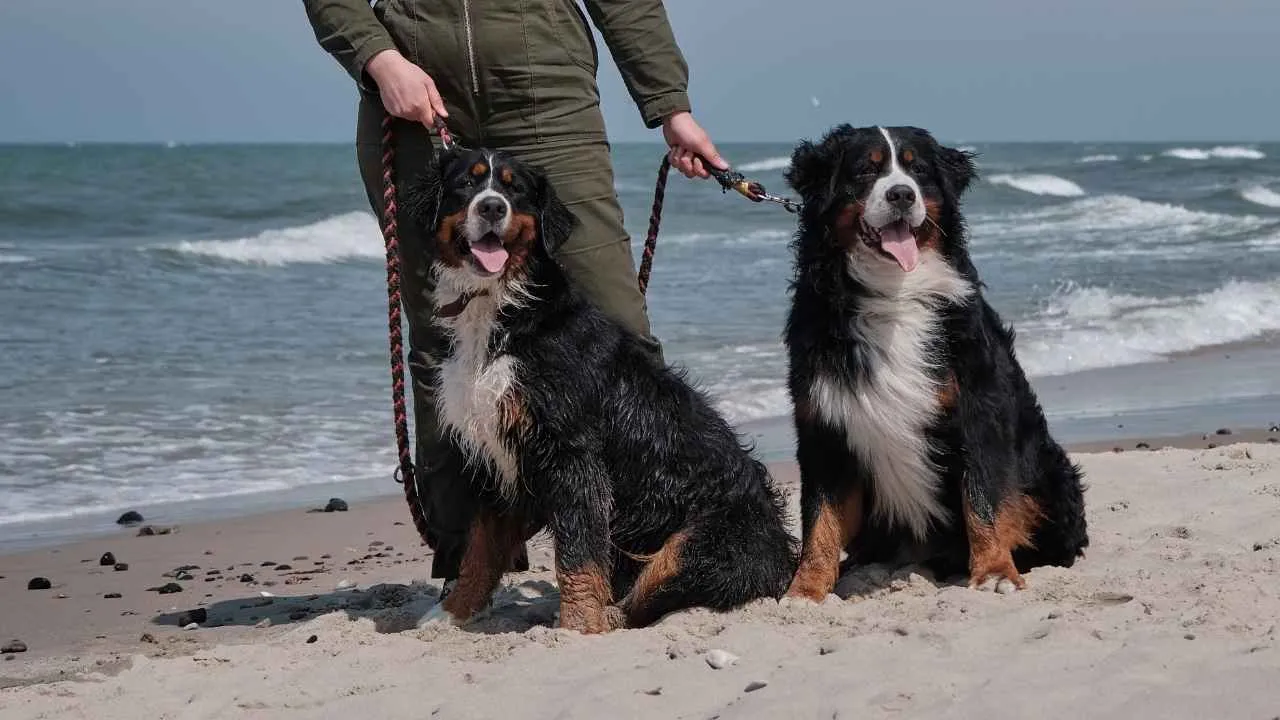
Bernese Mountain Dogs are gentle giants that combine a calm temperament with a natural instinct to protect their families. Originally bred in the Swiss Alps as hardworking farm dogs, they helped guard homes, drive cattle, and pull carts.
Today, they are best known as affectionate family companions who are patient, loyal, and watchful. While they will alert you when someone arrives, they are usually quiet and settle down once they know everything is safe.
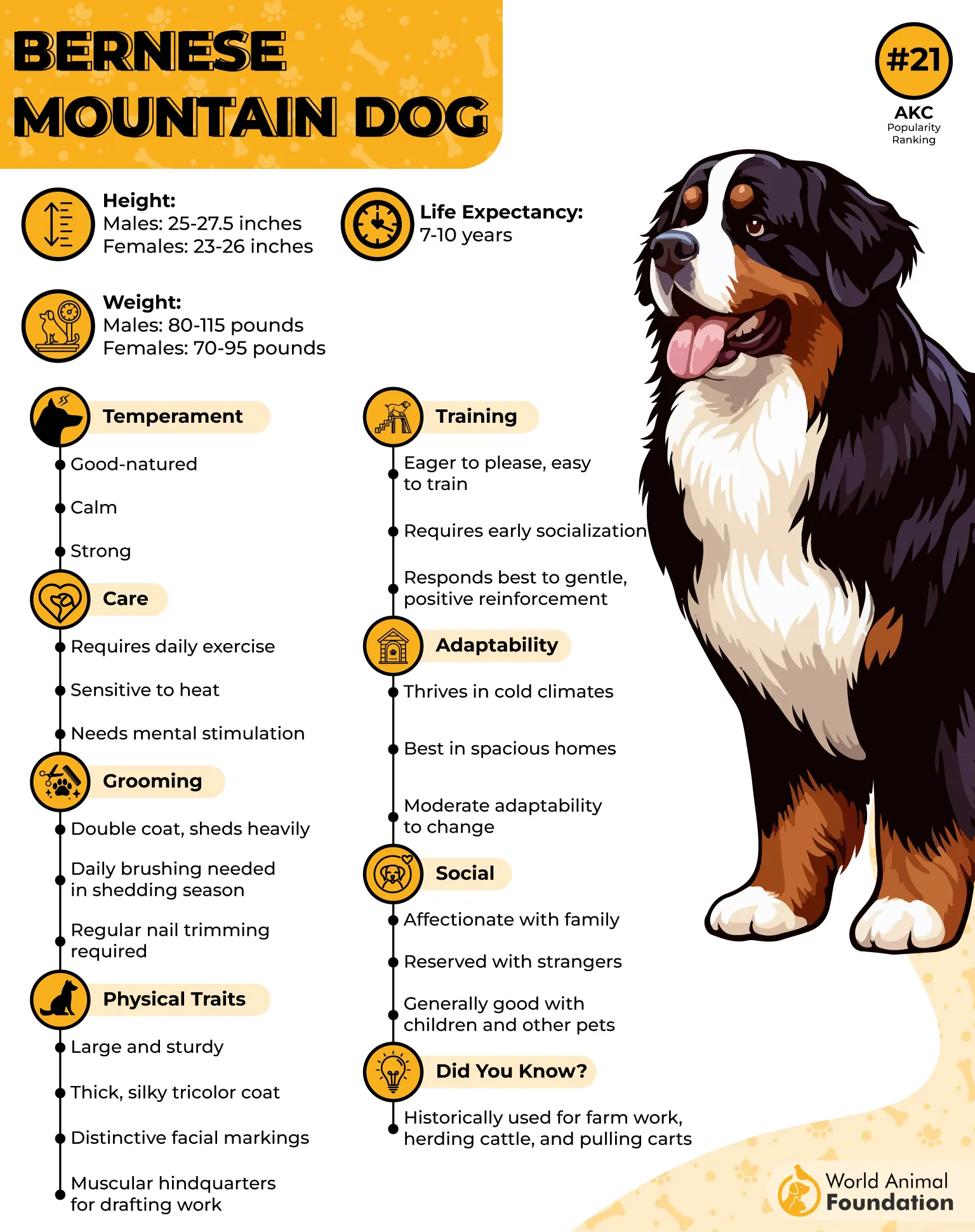
Why They Stand Out
Calm, gentle, and deeply loyal
Naturally protective without being aggressive
Patient and affectionate with children
Intelligent and eager to please
Friendly with other pets when properly socialized
Bernese Mountain Dogs thrive in homes where they can spend plenty of time with their families. They enjoy daily walks, light outdoor activities, and positive training that keeps their minds engaged. Their thick double coat sheds heavily and needs frequent brushing to prevent mats and manage loose hair.
Orvis says they also prefer cooler climates, as they can overheat in hot weather. Like many large dog breeds, they can be prone to joint and heart issues, so regular veterinary checkups, a healthy weight, and proper exercise are important for their well-being.
5. Cane corso
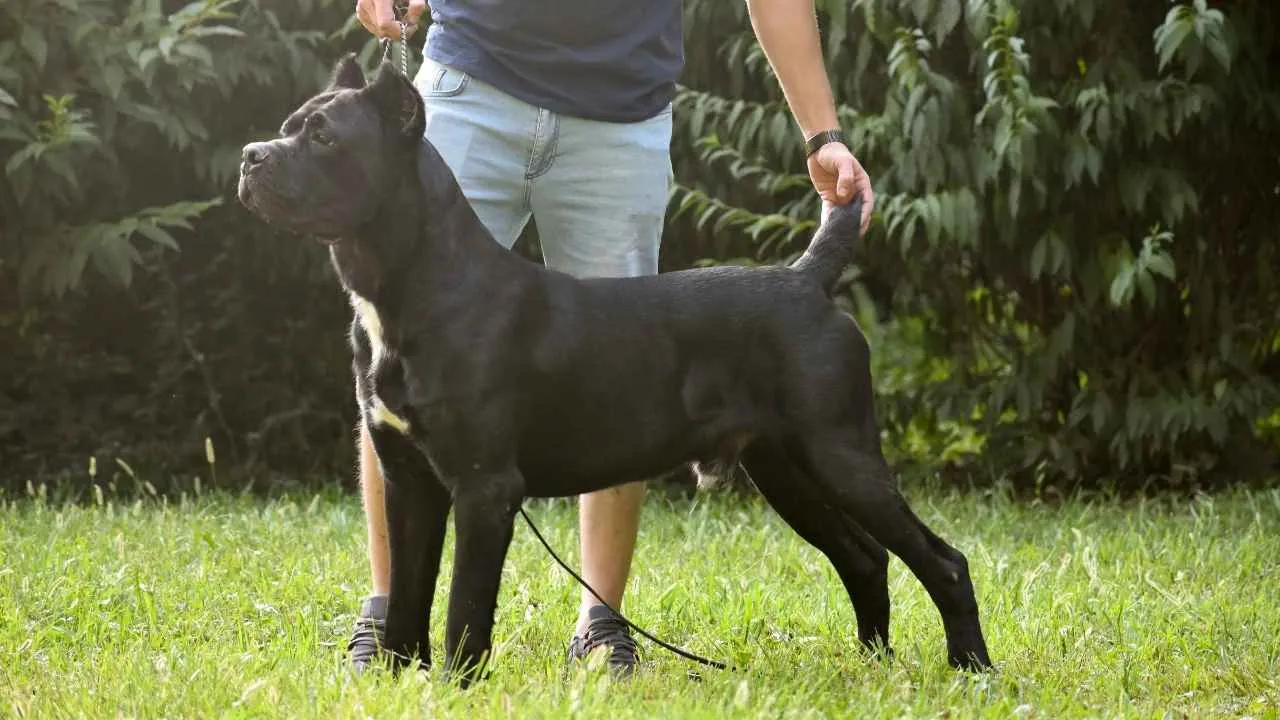
Cane Corsos are powerful guardian dogs that are known for their calm confidence, unwavering loyalty, and natural protective instincts. Originating in Italy, they were bred to guard homes, protect livestock, work on farms, and even serve alongside soldiers.
Despite their imposing appearance, well-trained Cane Corsos are affectionate with their families and are often quiet, choosing to observe their surroundings rather than react to every sound.
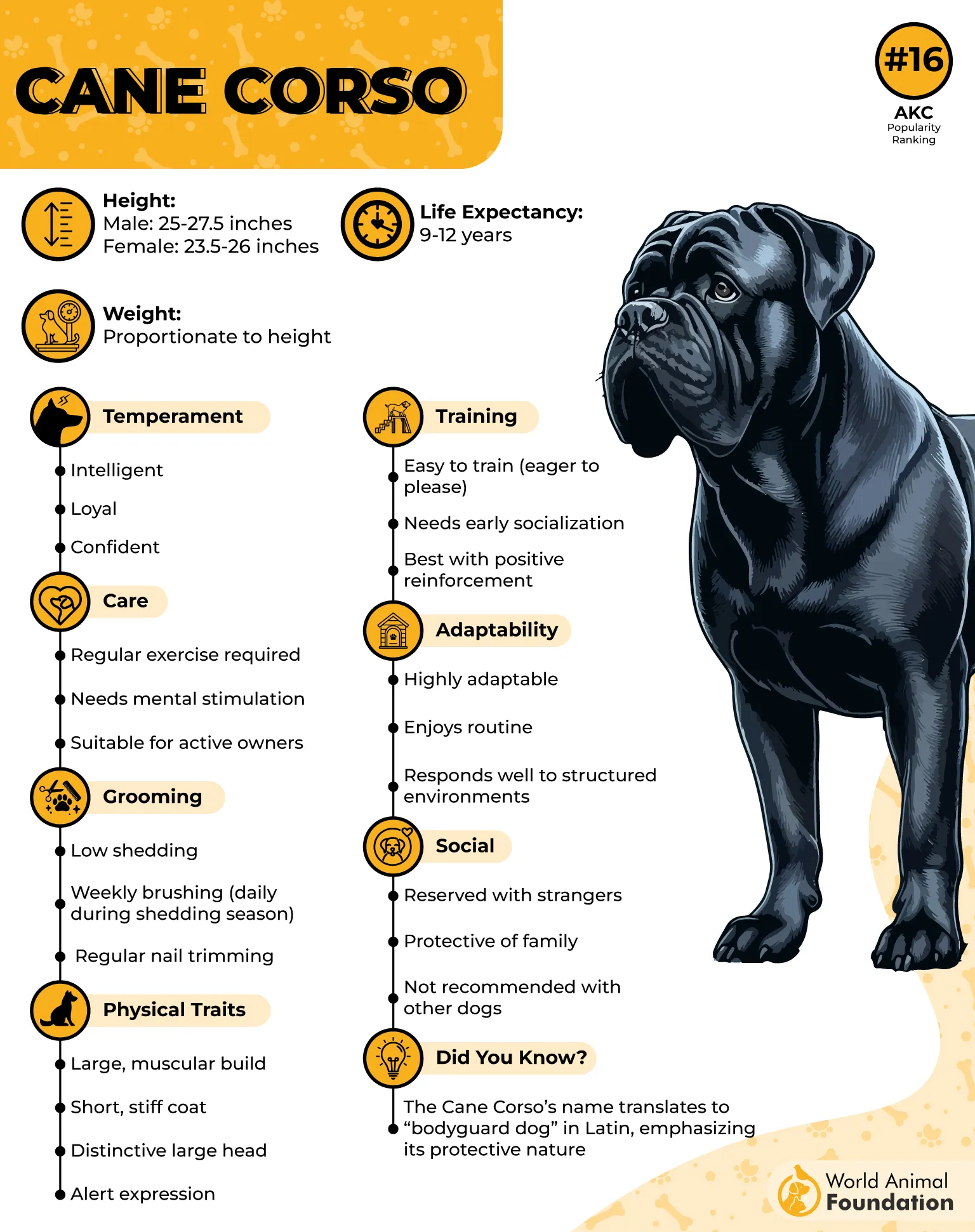
Why They Stand Out
Loyal and deeply devoted to their families
Calm, confident, and naturally protective
Highly intelligent and eager to work
Excellent watchdogs with a quiet nature
Strong work ethic and impressive trainability
Cane Corsos need experienced owners who can provide early socialization, consistent positive training, and plenty of daily exercise. They thrive when given a job to do and can become bored or destructive without enough physical and mental stimulation.
Their short coat is easy to maintain with regular brushing and occasional baths, although they shed moderately throughout the year. Because of their size and protective instincts, they are generally better suited to homes with older children and secure outdoor space.
Like many giant breeds, they can be prone to hip and elbow dysplasia, bloat, epilepsy, obesity, and certain eye conditions, so routine veterinary care is essential.
6. Bullmastiff
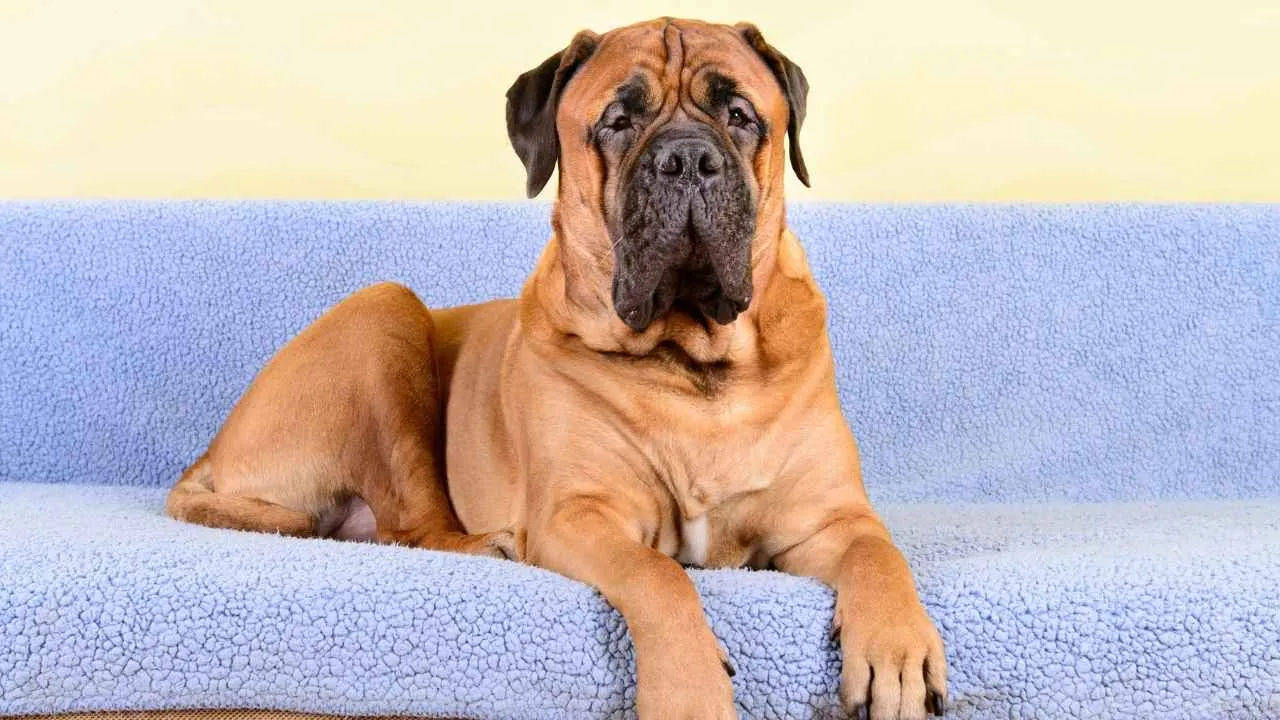
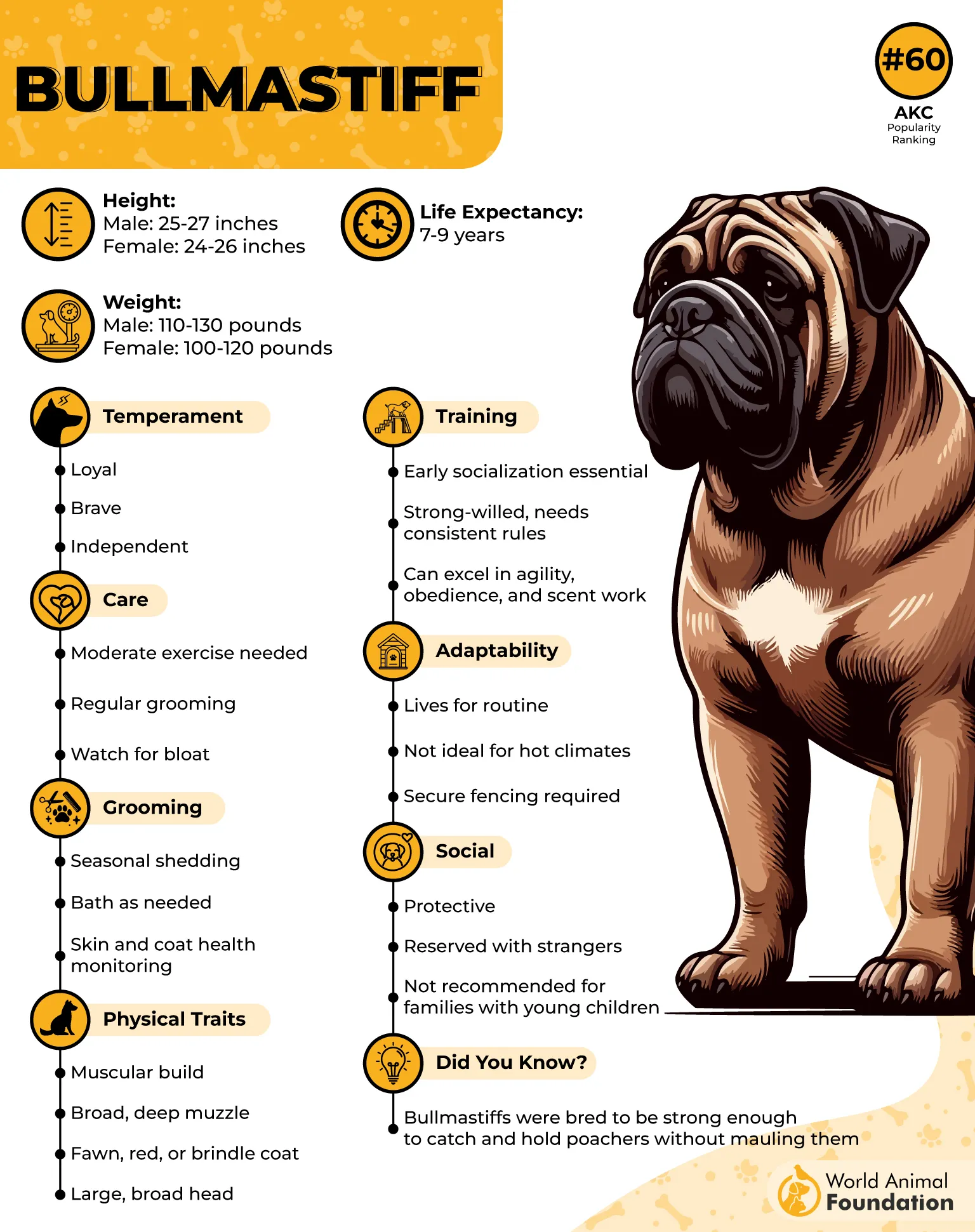
Bullmastiffs are calm, dependable guardians that were originally developed in England by crossing Bulldogs and Mastiffs to protect large estates from poachers. Despite their powerful build, they are affectionate, gentle, and deeply loyal to their families.
They are naturally protective without being overly noisy, making them an excellent choice for peaceful home protection.
Why They Stand Out
Calm and confident around their families
Loyal, affectionate, and naturally protective
Intelligent and quick to learn
Quiet watchdogs that bark only when necessary
Gentle with children when well-trained and socialized
According to PetMD, Bullmastiffs do best with experienced owners who begin training and socialization early. They need daily walks, playtime, and a secure yard, but are not built for long-distance running. Their short coat is easy to maintain with occasional brushing and baths, although they do drool moderately.
While they can get along well with children and other pets, their large size means supervision is always important. Like many giant breeds, Bullmastiffs are prone to hip dysplasia, certain heart and joint conditions, allergies, and bloat, so regular veterinary care and a healthy lifestyle are essential.
7. Great Dane
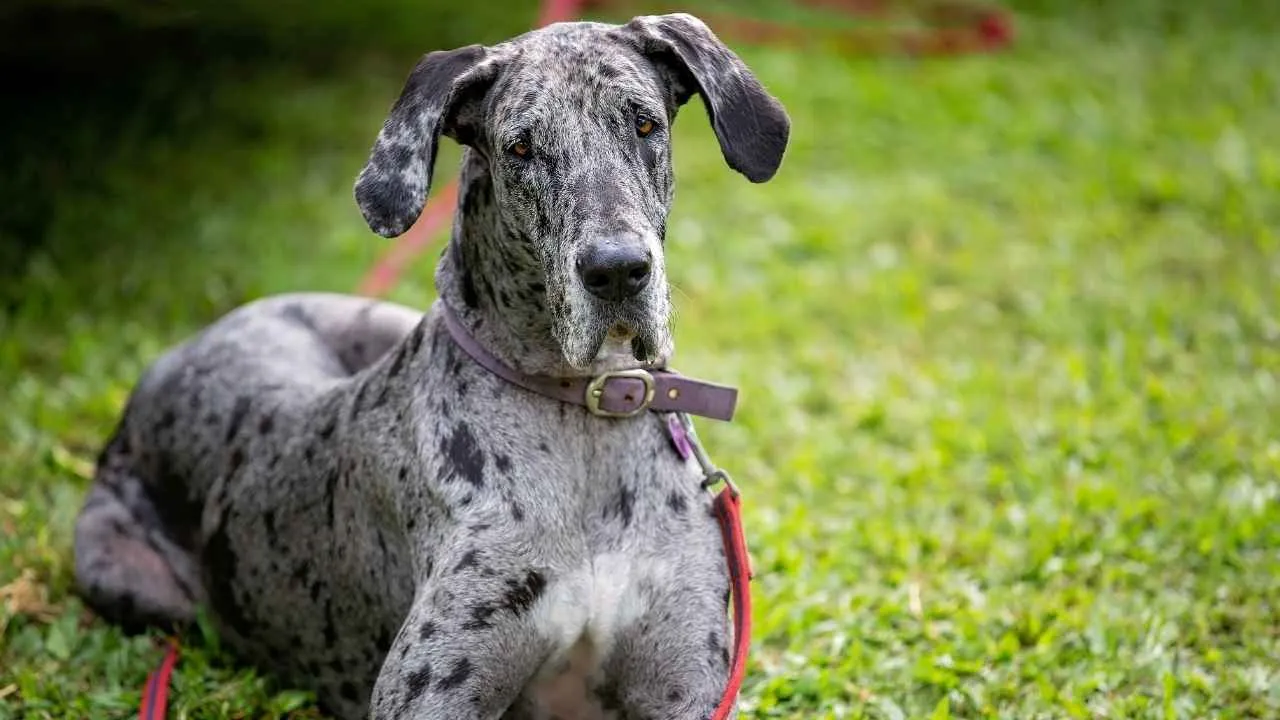
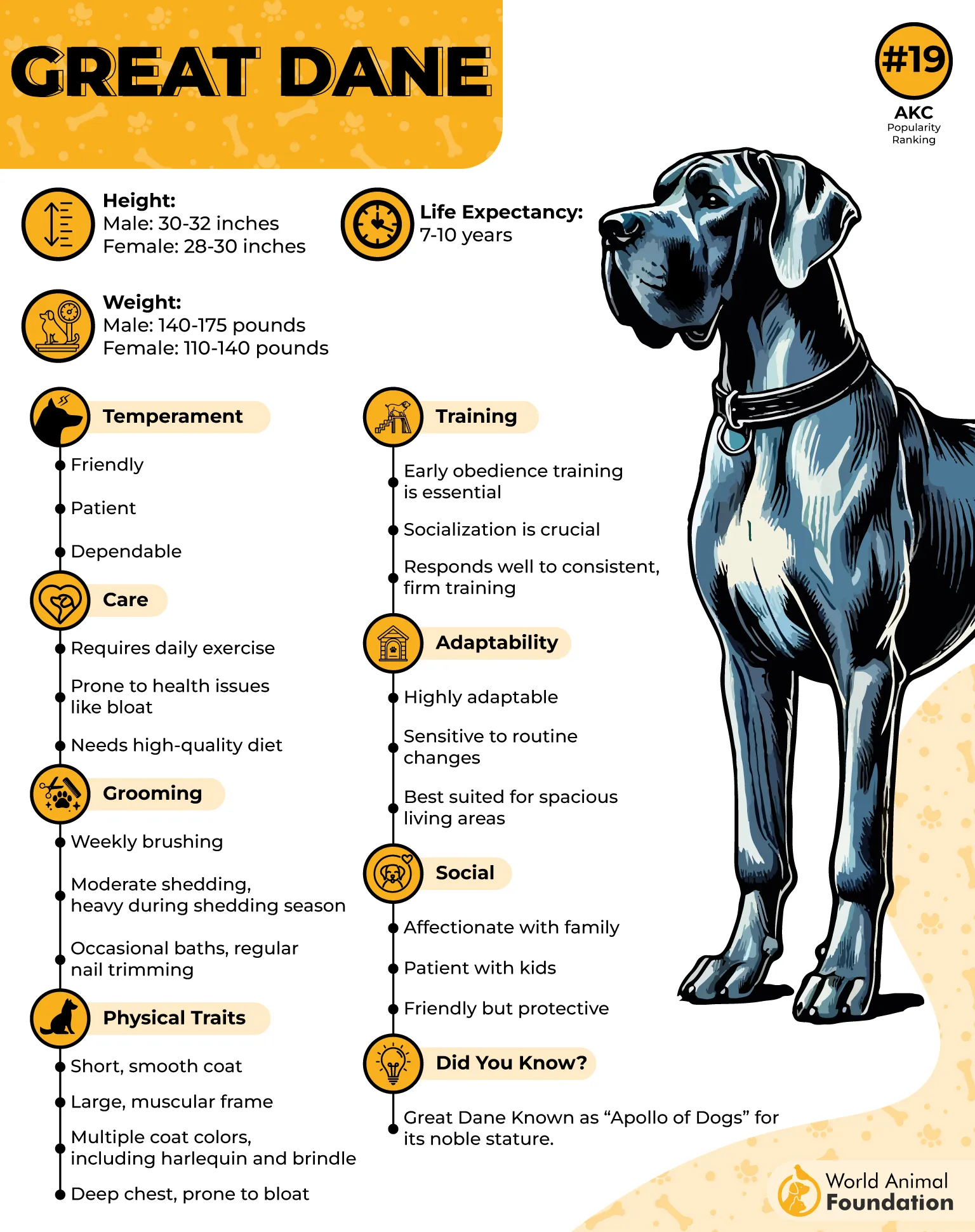
Great Danes are gentle giants originally bred in Germany to hunt wild boar and guard large estates. Despite their towering size and powerful appearance, they are affectionate, patient, and friendly companions that thrive on close family bonds.
Their calm temperament, intelligence, and loyal nature make them wonderful family dogs for owners who have the space and time to care for such a giant breed.
Why They Stand Out
Gentle, affectionate, and patient with their families
Loyal companions with a calm, easygoing temperament
Intelligent and generally easy to train with positive reinforcement
Good with children and other pets when properly socialized
Excellent watchdogs that are alert without excessive barking
Great Danes do best with owners who can provide early training, socialization, and enough space for them to move comfortably. They enjoy daily walks and moderate exercise but are not suited for intense physical activity, especially while growing.
Their short coat is low-maintenance, requiring weekly brushing and occasional baths, though they do drool and shed moderately. Because of their giant size, Great Danes are prone to health issues such as bloat, hip dysplasia, heart disease, and joint problems.
Regular veterinary care, a balanced diet, and maintaining a healthy weight are essential to help them live a long, comfortable life.
Conclusion
Choosing a calm, protective dog breed means looking beyond size and focusing on temperament, training needs, and how well the breed fits your lifestyle.
Whether you’re drawn to the affectionate Bernese Mountain Dog, the confident Cane Corso, the dependable Bullmastiff, or the gentle Great Dane, each breed offers a unique combination of loyalty, protection, and companionship when raised with proper care and socialization.
Before bringing one of these gentle giants home, take time to consider the space, time, and commitment they require.
With proper training, regular exercise, and plenty of love, the right protection dog can become a devoted family members who offer not only a sense of security but also years of unwavering friendship.
