




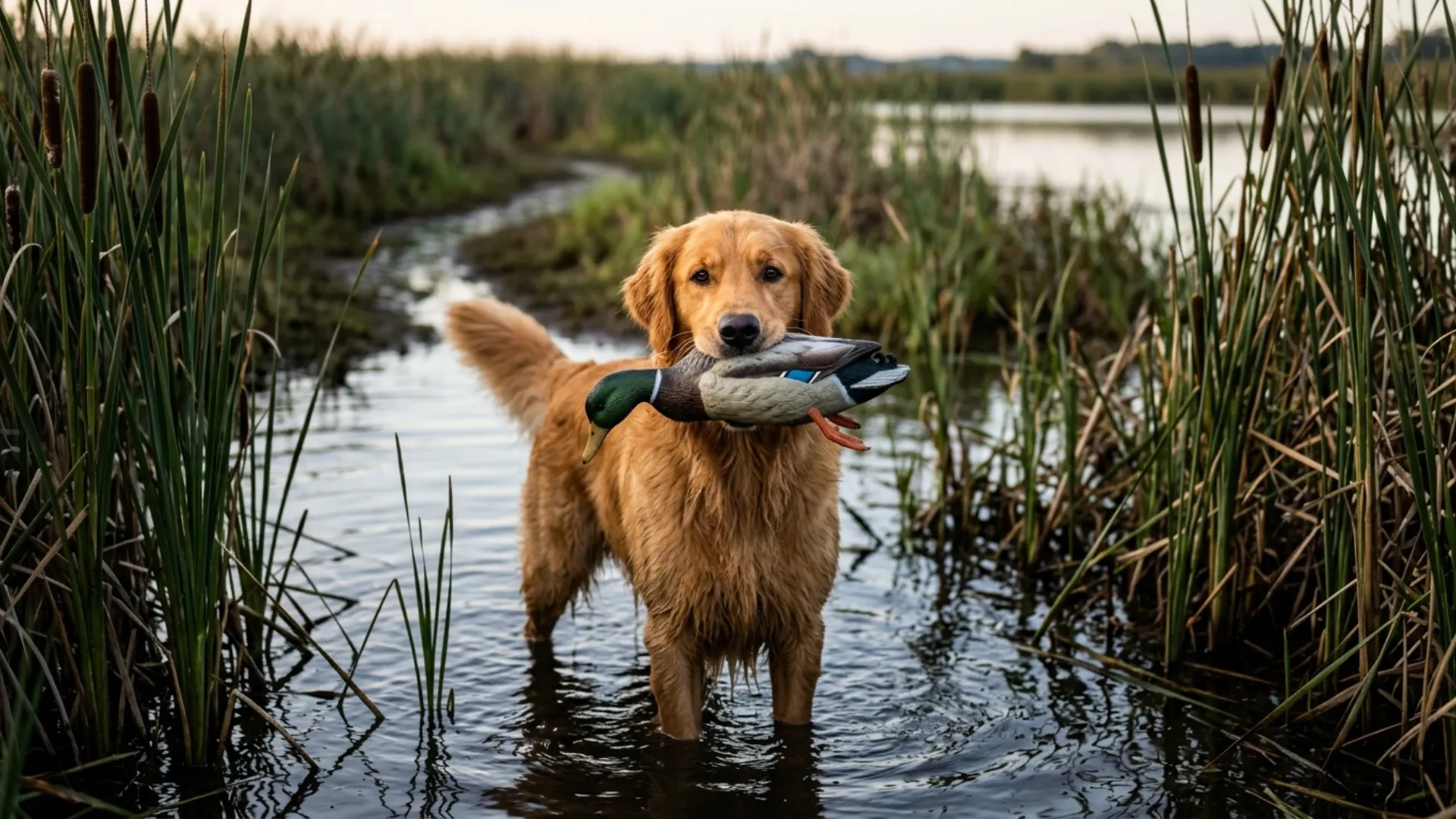
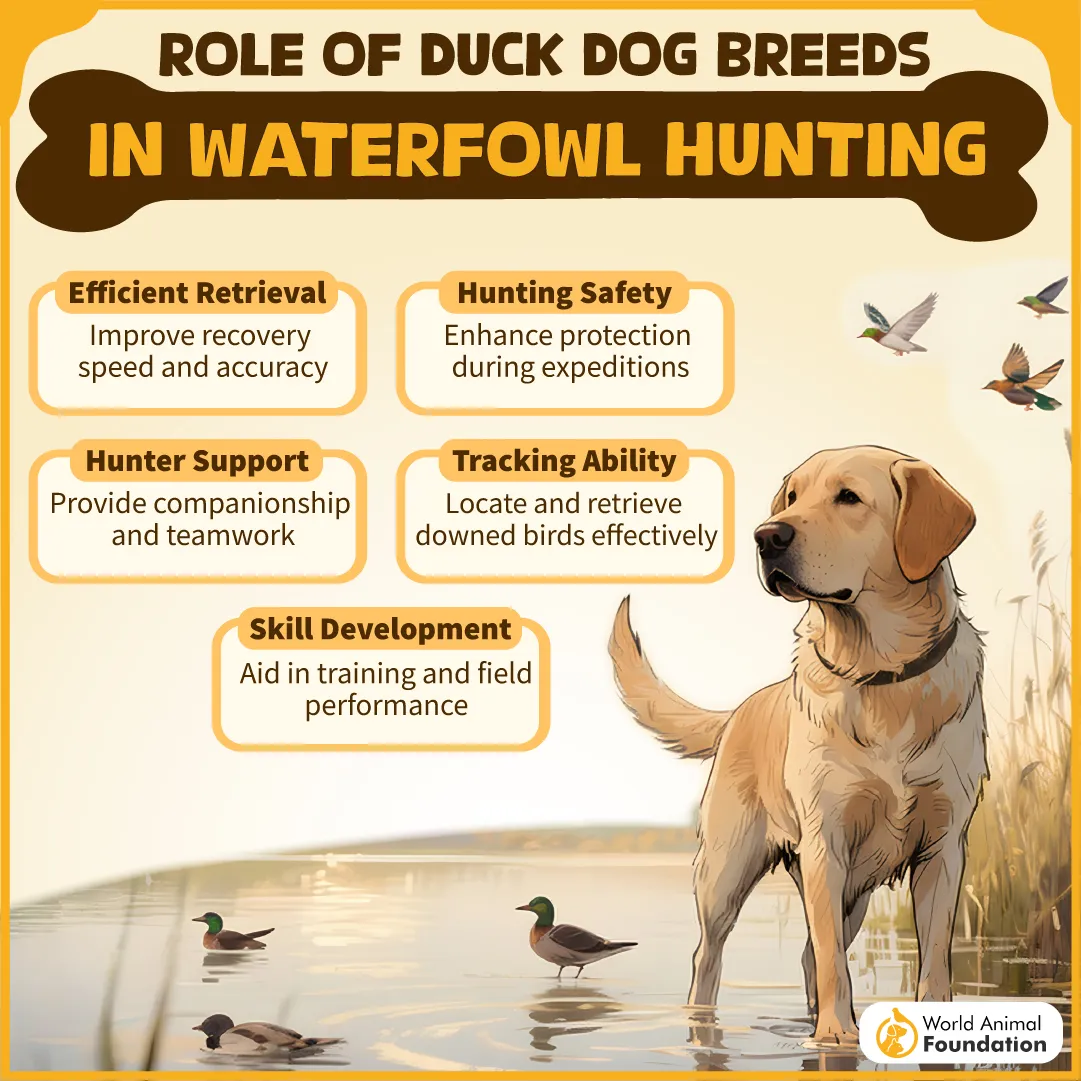
Waterfowl hunting is not just about a dog jumping into the water and bringing back a bird as if it were running a side quest. A great waterfowl dog needs brains, stamina, patience, a good nose, a soft mouth, courage in cold water, and the ability to listen when everything around it is loud, wet, muddy, and chaotic. Basically, these dogs are athletes, coworkers, and best friends wearing waterproof coats.
The best breeds for duck and goose hunting are often retrievers, spaniels, and water dogs bred to work around marshes, lakes, rivers, and rough cover. Many have water-resistant coats, strong swimming ability, webbed feet, and a natural desire to bring game back without damaging it.
But not every waterfowl dog works the same way.
Some of these breeds are easygoing family companions with strong field skills, while others are more intense, independent, or rare. A waterfowl dog should not only perform on hunting days; it also has to live in your house, ride in your truck, listen around family, and chill when the decoys are packed away.
So, let’s break down the remarkable breeds that bring serious talent to the blind, the marsh, and the water.
Remarkable Dog Breeds for Waterfowl Hunting
1. Labrador Retriever
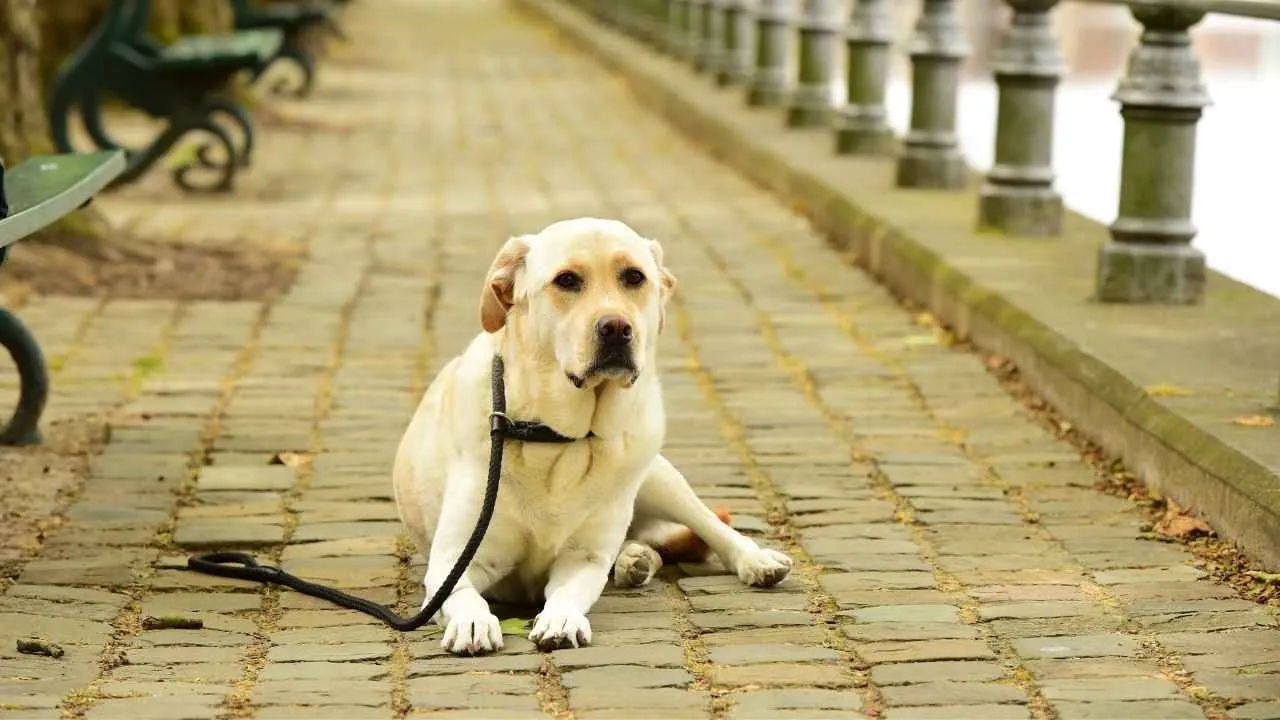
The Labrador Retriever is the popular pup of the waterfowl world, and honestly, it earned the hype. The AKC describes Labs as friendly, outgoing, and high-spirited companions. At the same time, the Labrador’s athletic build enables it to function as a retrieving gun dog for waterfowl and much more.
What makes them different is their all-around balance.
It has the drive to retrieve, the trainability to follow handling commands, and the emotional softness to work closely with people. In real hunting terms, that means it can mark falls, swim confidently, handle repetitive retrieves, and still come home ready to be everyone’s goofy couch buddy.
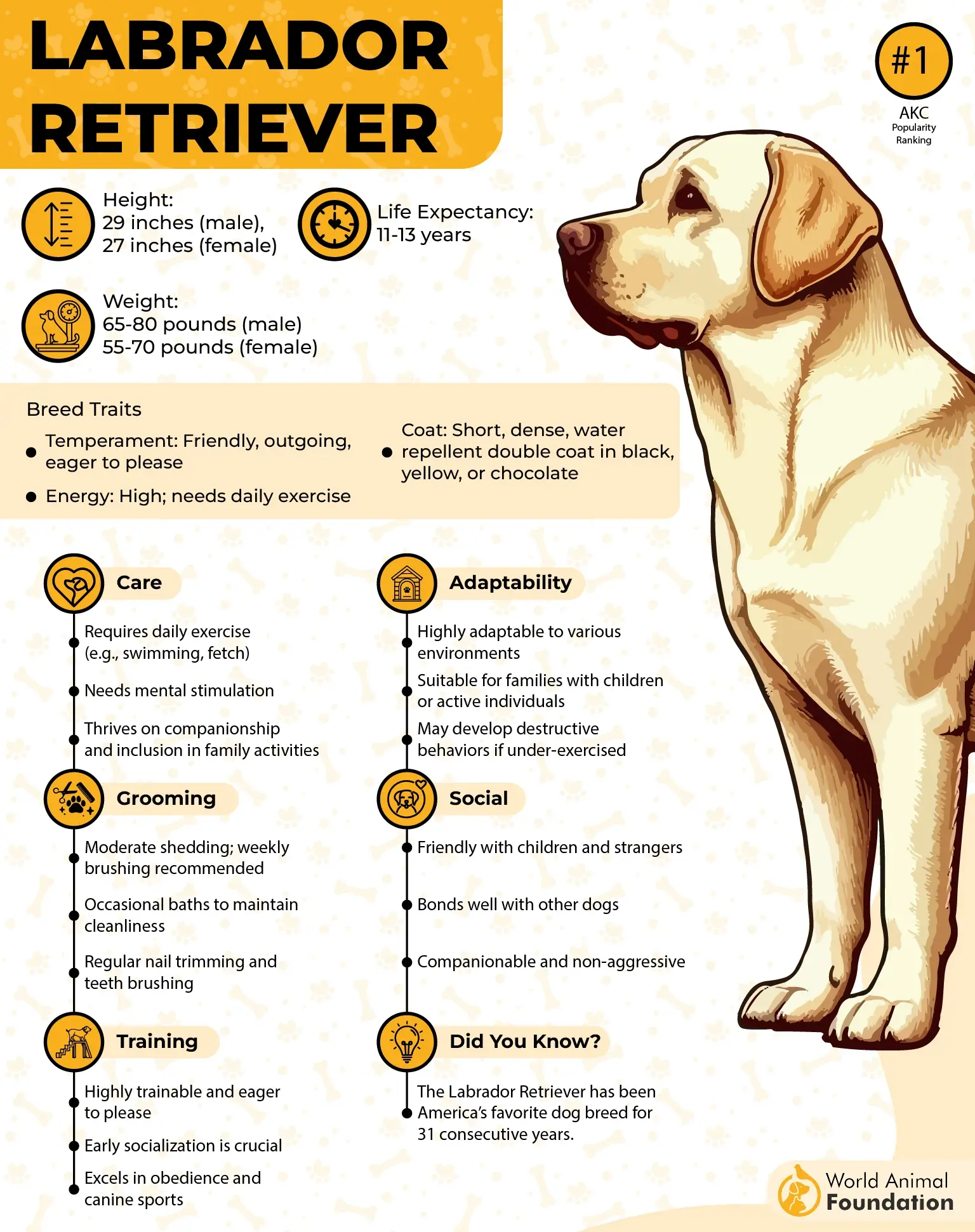
These loyal companions are especially loved because they are versatile across a range of conditions. They can work ponds, marshes, rivers, flooded fields, and upland edges without acting like the job description changed too much.
They often want to please, respond well to reward-based work, and enjoy repetition when it feels like a game. Still, their enthusiasm can become chaos if owners skip steadiness training, because a young Lab may think every splash means, “Launch mode activated.”
For hunters who want one dog that can retrieve ducks, play with kids, ride calmly in the truck, and learn advanced handling, the Labrador Retriever is hard to beat. Its biggest difference is reliability across nearly every category. If waterfowl breeds had a default setting, the Lab would probably be it.
2. Chesapeake Bay Retriever
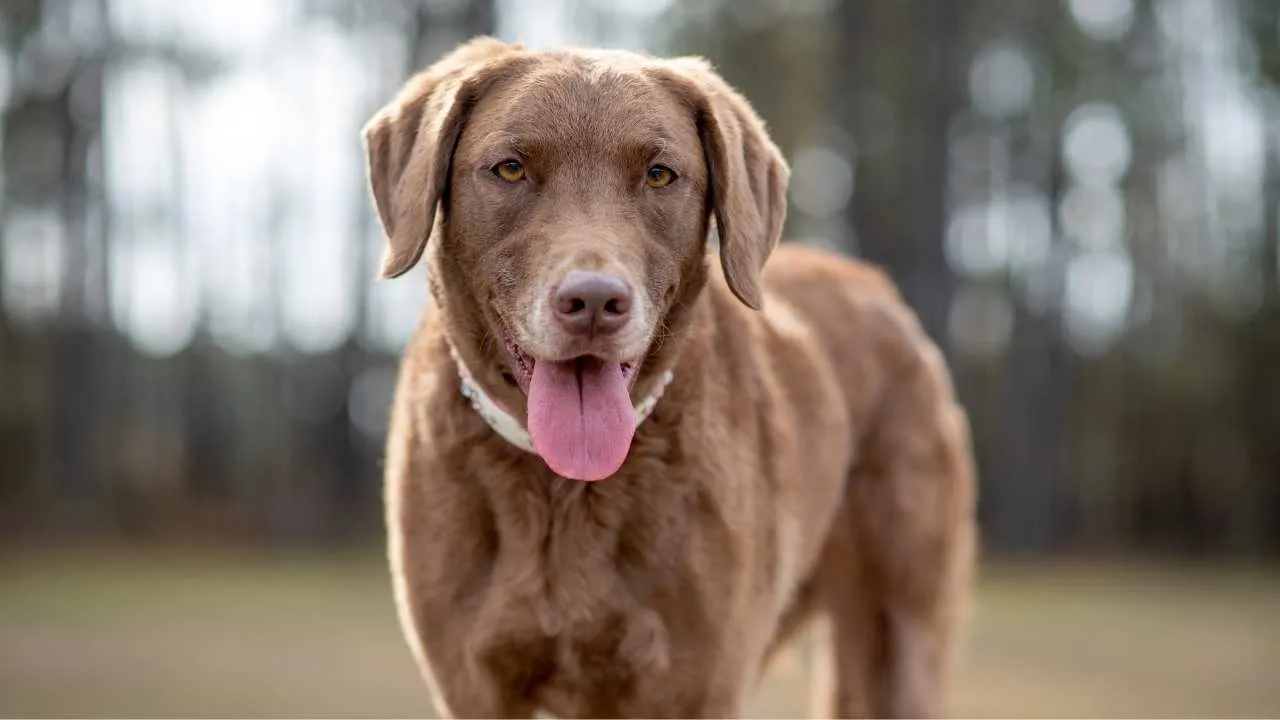
The Chesapeake Bay Retriever is the rugged cold-water specialist of the retriever crew. The VCA Animal Hospitals calls the Chesapeake Bay Retriever the “peerless duck dog of the Mid-Atlantic,” and that phrase tells you exactly where this breed built its reputation. It was shaped for harsh water, tough weather, and serious retrieving work, not just cute dock photos.
Chessies are loyal, tireless, and affectionate with their people, but they are often more serious and independent than Labs. They are not usually the “everyone is my best friend” retriever; they are more like, “I have a job, a family, and standards.”
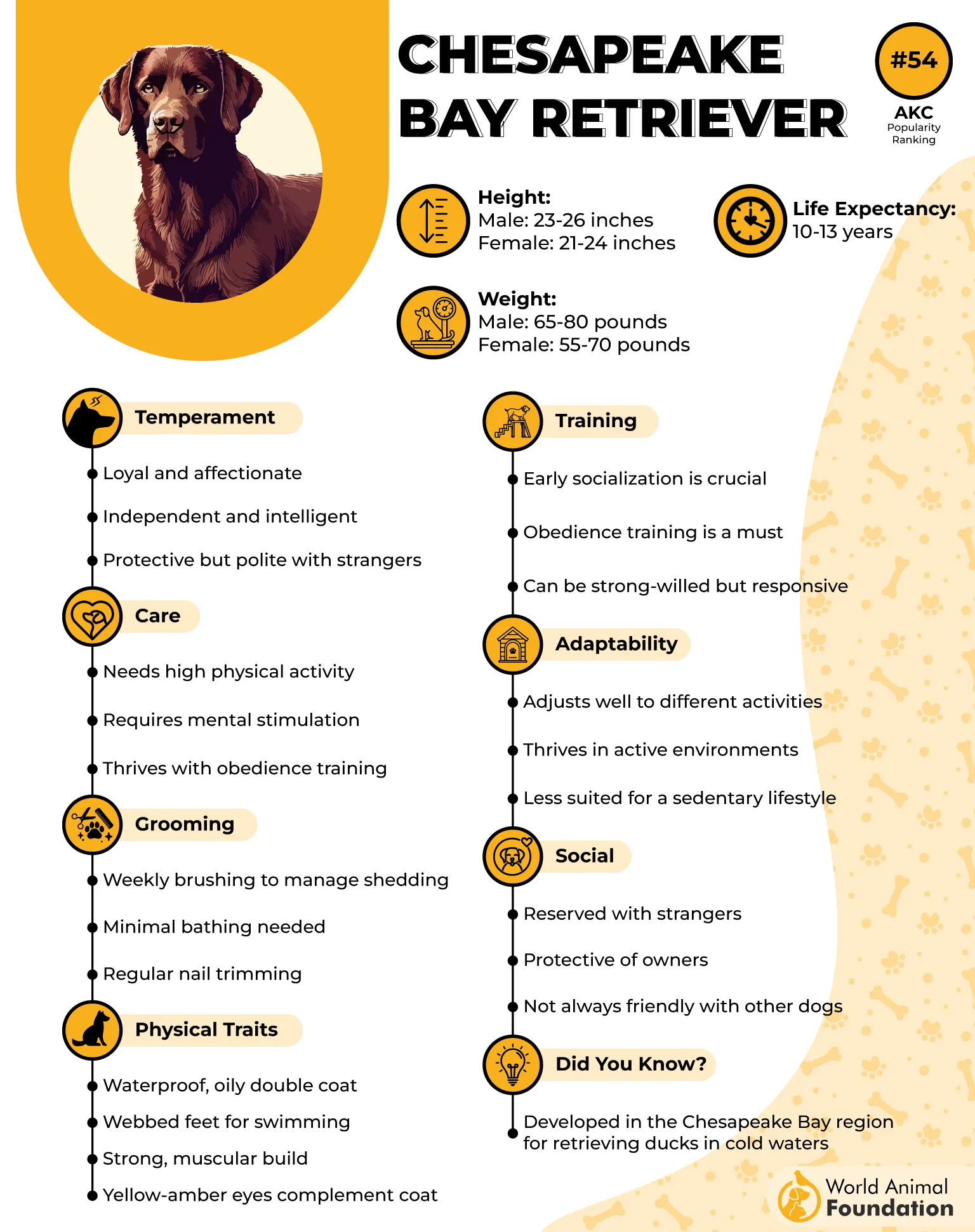
Their coat is a major advantage in waterfowl hunting. Chesapeake Bay Retrievers are known for a dense, oily, water-resistant coat that helps protect them in cold, wet conditions. That makes them especially valuable for hunters who deal with icy water, wind, rough shorelines, and long retrieves.
They are smart enough to learn advanced work, but they may not enjoy pointless repetition or heavy-handed correction.
For experienced hunters who want a tough, loyal, cold-water retriever, it is the elite choice. This breed is built for hunters who value grit, endurance, and a dog that takes the work personally.
3. Golden Retriever
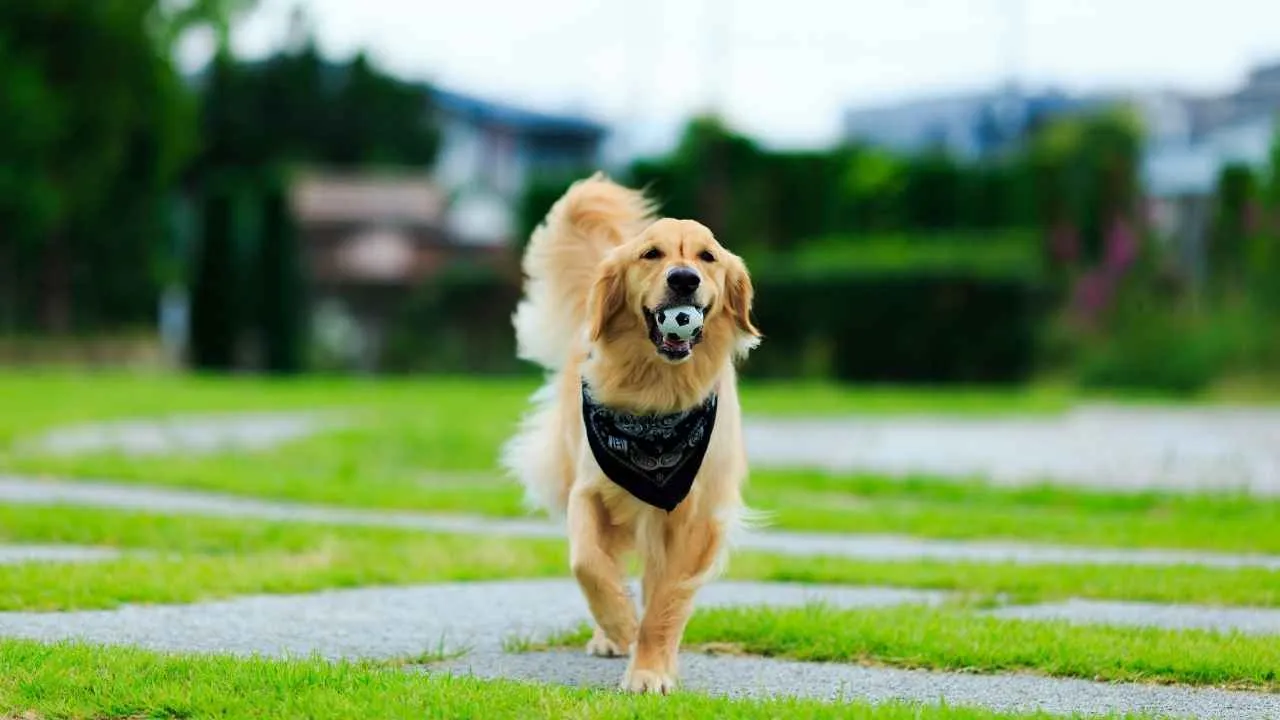
The Golden Retriever brings style, softness, and a serious retrieving history to waterfowl hunting. They are often thought of as family dogs first, but they were originally developed as sporting retrievers. Their friendly personality sometimes hides how capable they can be in the field.
The Golden’s biggest difference is its blend of trainability and emotional sensitivity. This versatile breed usually wants to work with its handler, not against them. That makes Goldens excellent for hunters who enjoy building a close partnership rather than managing a hard-headed field machine.
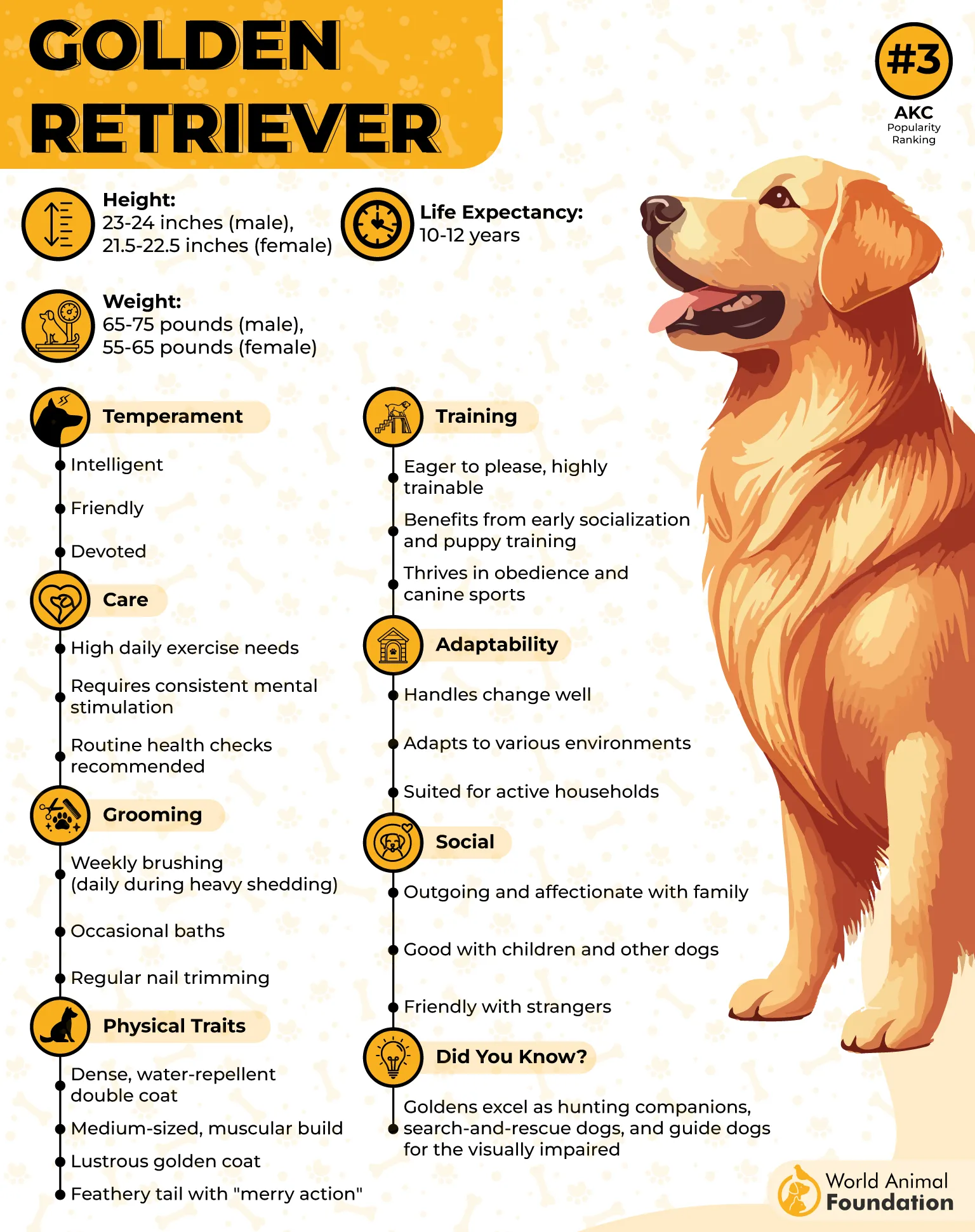
In waterfowl work, they can be strong swimmers and careful retrievers. Their soft mouth is a valuable trait because a good retriever should bring back game without damaging it. Their feathered coat also offers protection, though it can collect burrs, mud, and marsh debris as if it were building a souvenir collection.
Goldens may require more grooming after wet hunts. Their longer coat needs brushing, drying, and regular care to prevent matting and skin issues. So yes, they are beautiful, but that beauty has a maintenance bill.
4. American Water Spaniel
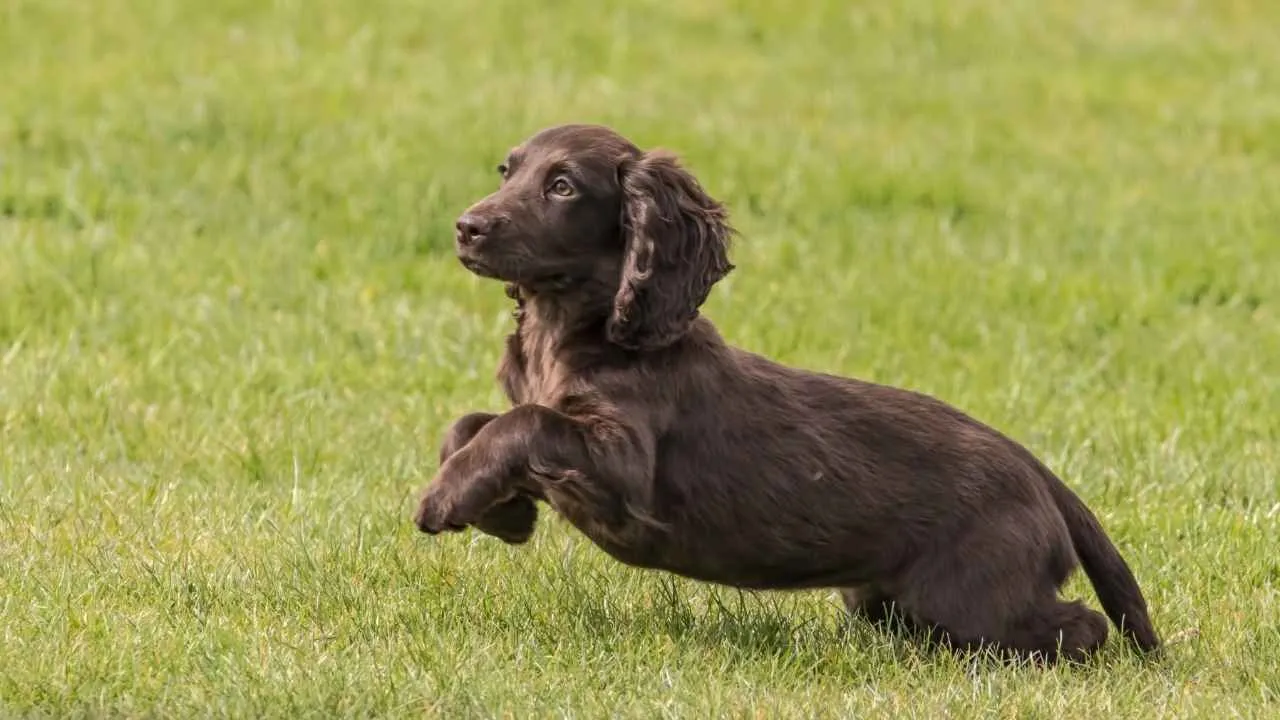
The American Water Spaniel is compact, versatile, and way more useful than its fame level suggests. Royal Canin says this breed was developed in the United States as a hunting companion for work around water and rough cover, making it especially practical for small boats and varied terrain.
What makes the American Water Spaniel different is its size-to-skill ratio. It is smaller than most retrievers, which makes it easier to manage in canoes, skiffs, and tight blinds. But do not confuse smaller with softer, because this dog can flush, retrieve, swim, and work through cover with impressive determination.
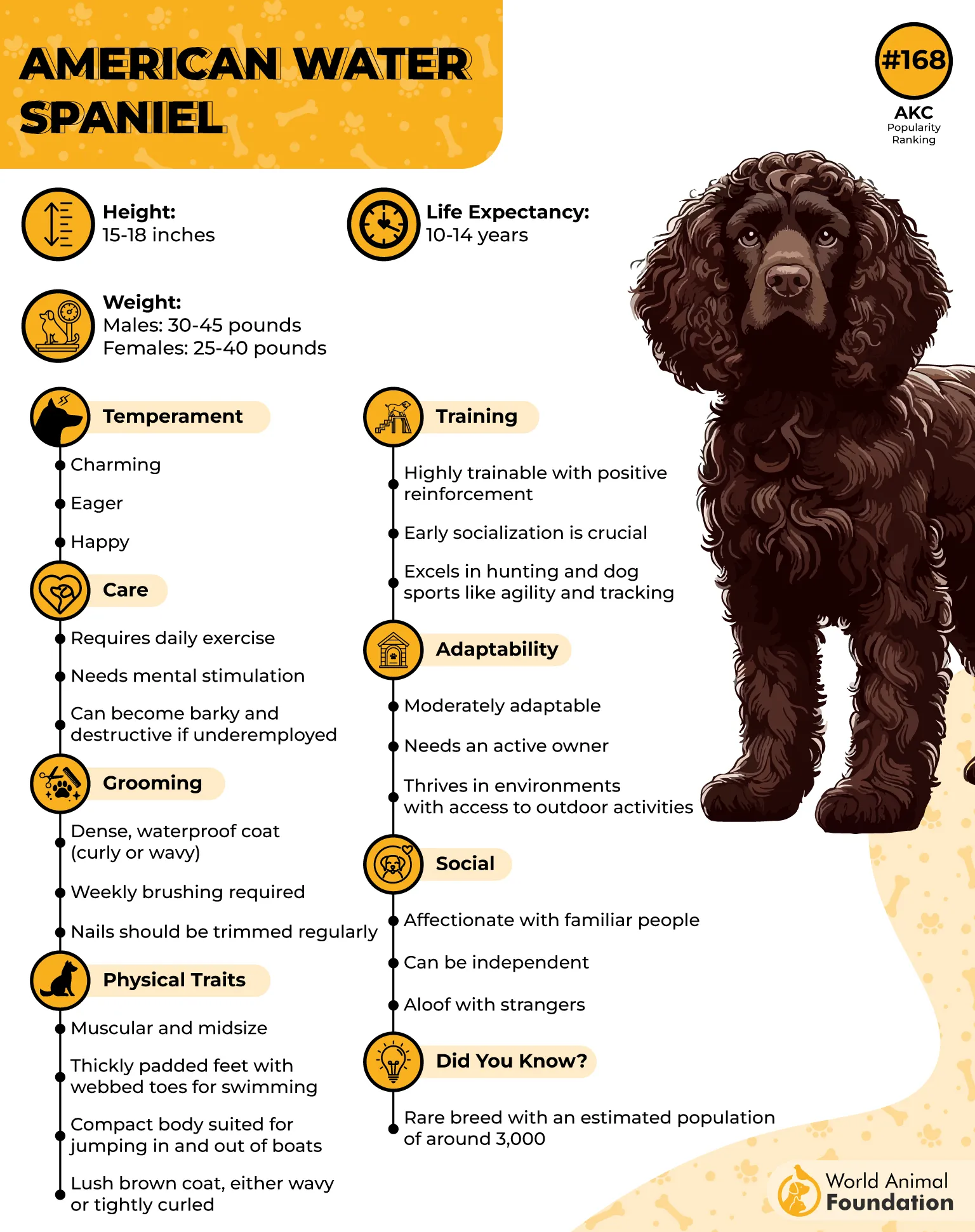
This breed can be especially useful for hunters who want one dog for both waterfowl and upland birds. It has spaniel-style hunting energy and retriever usefulness, giving it a flexible field profile. In simple words, it can help when birds are flying and when birds are hiding.
It often bonds closely with its owner and may be reserved with strangers. That loyalty can make it a focused hunting partner, but it also means early socialization matters. A dog that works closely with one person still needs to behave politely around hunting buddies, family, and other dogs.
For hunters with limited space or smaller boats, this excellent companion is a smart option. It offers water ability, flushing talent, and compact toughness in one curly-coated package. Its biggest difference is that it feels like a practical, all-terrain hunting tool without the giant-dog logistics.
5. Nova Scotia Duck Tolling Retriever
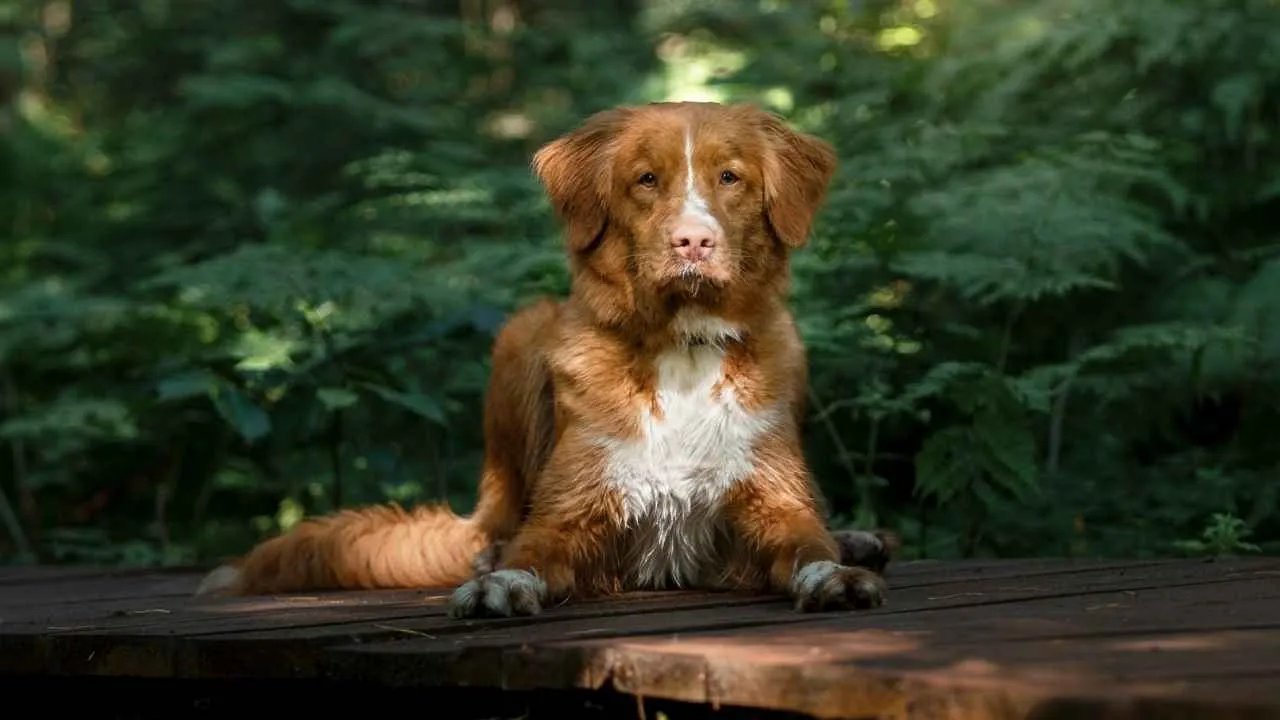
The Nova Scotia Duck Tolling Retriever, or Toller, is the clever little trickster of waterfowl hunting. Its unique waterfowl role is not just retrieving; it was developed to “toll,” or lure ducks within range through playful movement near the shore.
That tolling behavior makes the Toller different from every other breed on this list. Instead of simply waiting to retrieve after the shot, the dog may actively help attract curious ducks by running, playing, and making quick movements along the bank. It is part hunter, part performer, and part tiny red chaos machine.
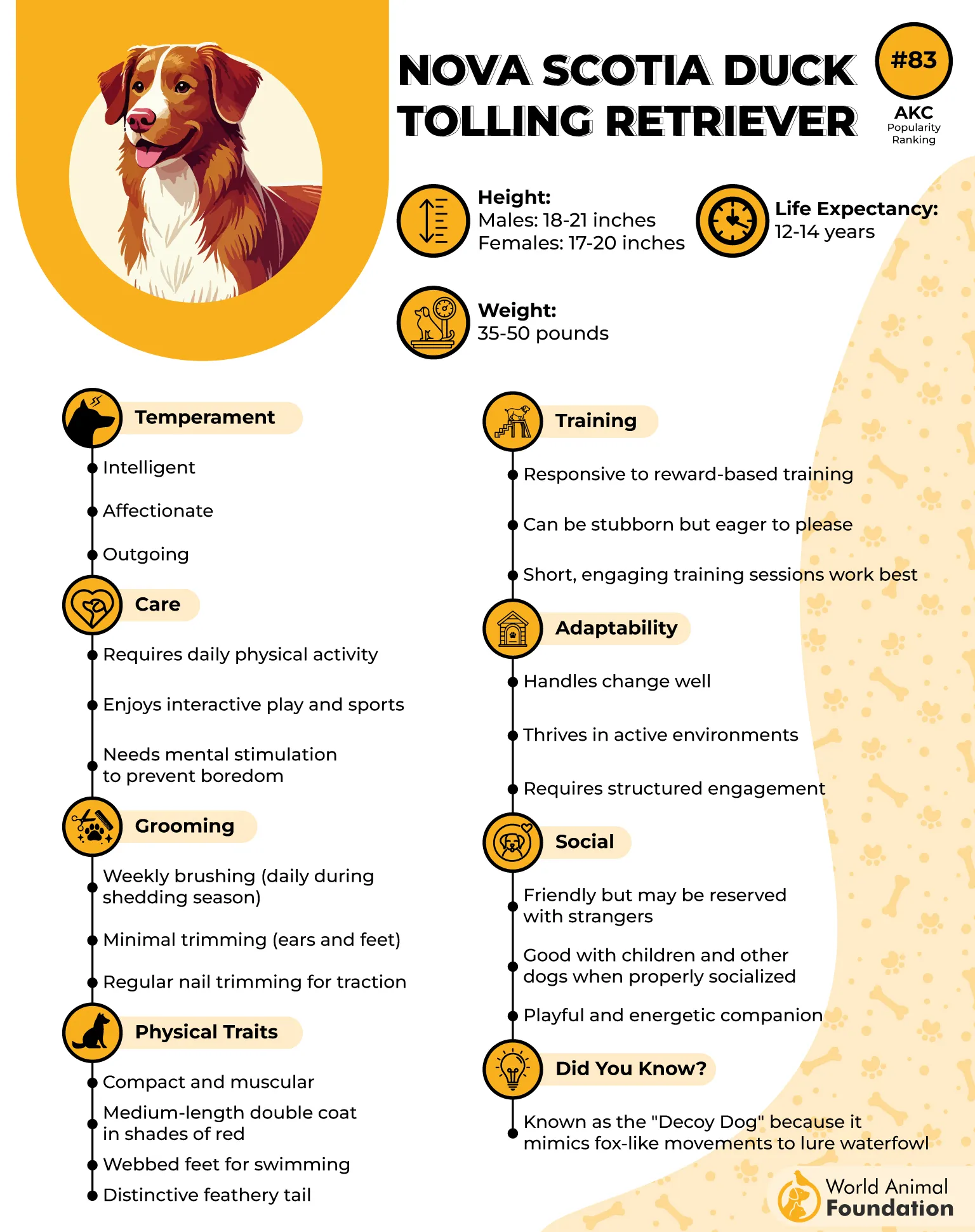
Their energy can be spicy. They are fast, bright, and intense, with a brain that needs work. A bored Toller may invent its own job, and you may not enjoy the job description.
In waterfowl hunting, they can retrieve from water, work well in smaller setups, and handle cold conditions better than many people expect from their size. Their double coat helps protect them, and their agility makes them excellent around shorelines and brushy cover.
They are not huge goose-hauling tanks, but they are sharp, athletic, and efficient.
It is ideal for hunters who want something different from the usual retriever lineup. It requires training, humor, and patience because this breed is smart enough to notice every loophole.
6. Curly-Coated Retriever
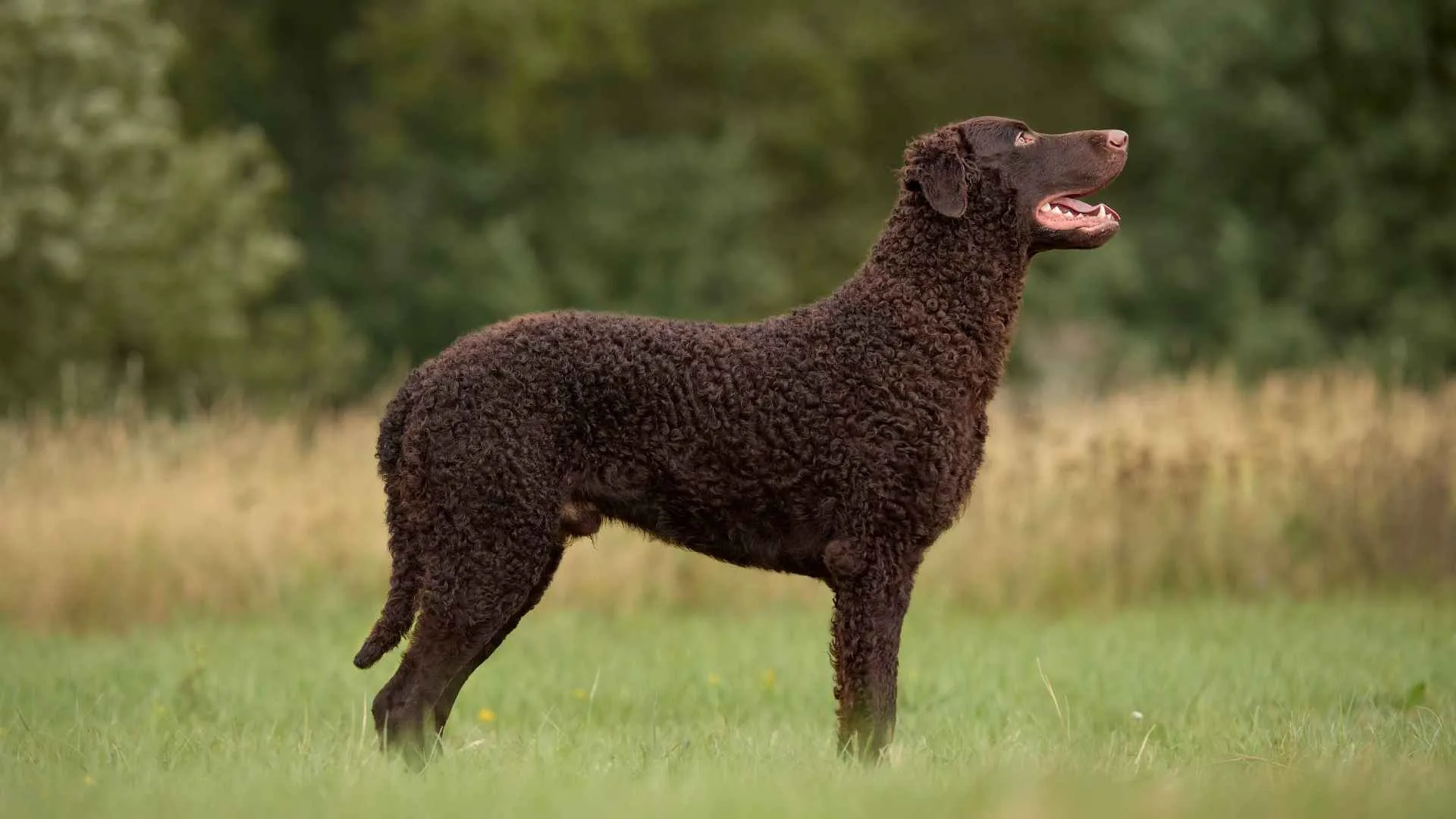
The Curly-Coated Retriever is one of the oldest retriever breeds and easily one of the most distinctive. Its tight curls are not just for aesthetics; that coat helps protect it from water, weather, and rough cover. The Curly Coated Retriever stands out as classy, athletic, and a little more independent than the usual retriever crowd.
It can be affectionate with family but is often more reserved.
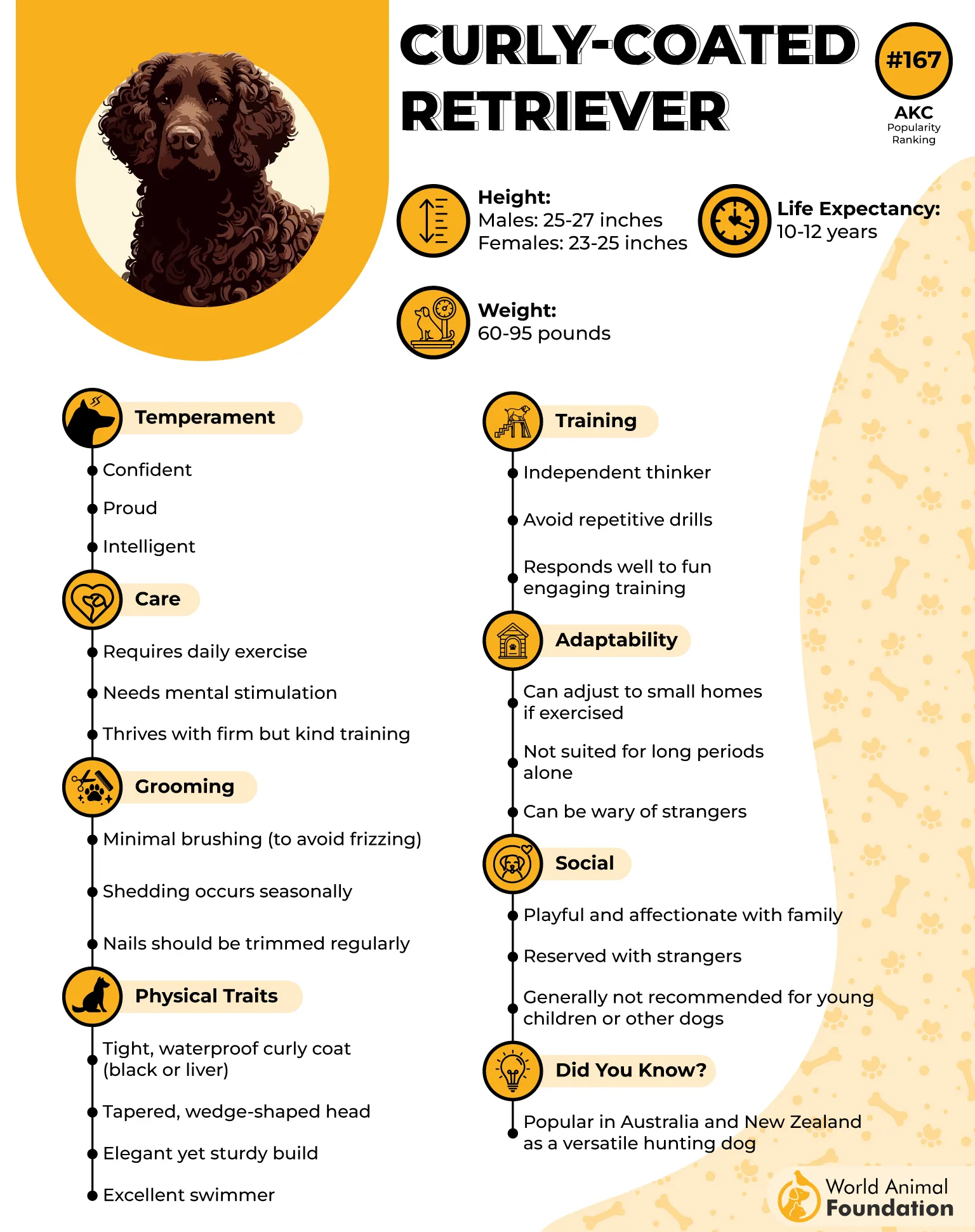
In hunting work, Curly-Coated Retrievers can be strong swimmers and capable retrievers. They were bred to retrieve game from land and water so that they can handle varied hunting conditions. Their long legs and athletic build also give them speed and endurance over uneven ground.
Training a Curly can be rewarding, but it may require creativity. This breed is intelligent, yet sometimes less eager to repeat drills endlessly just because the human said so. Keep lessons upbeat, purposeful, and varied, or the dog may get bored.
For hunters who want a rare retriever with water ability and independent confidence, the Curly-Coated Retriever is a fascinating choice.
7. Boykin Spaniel
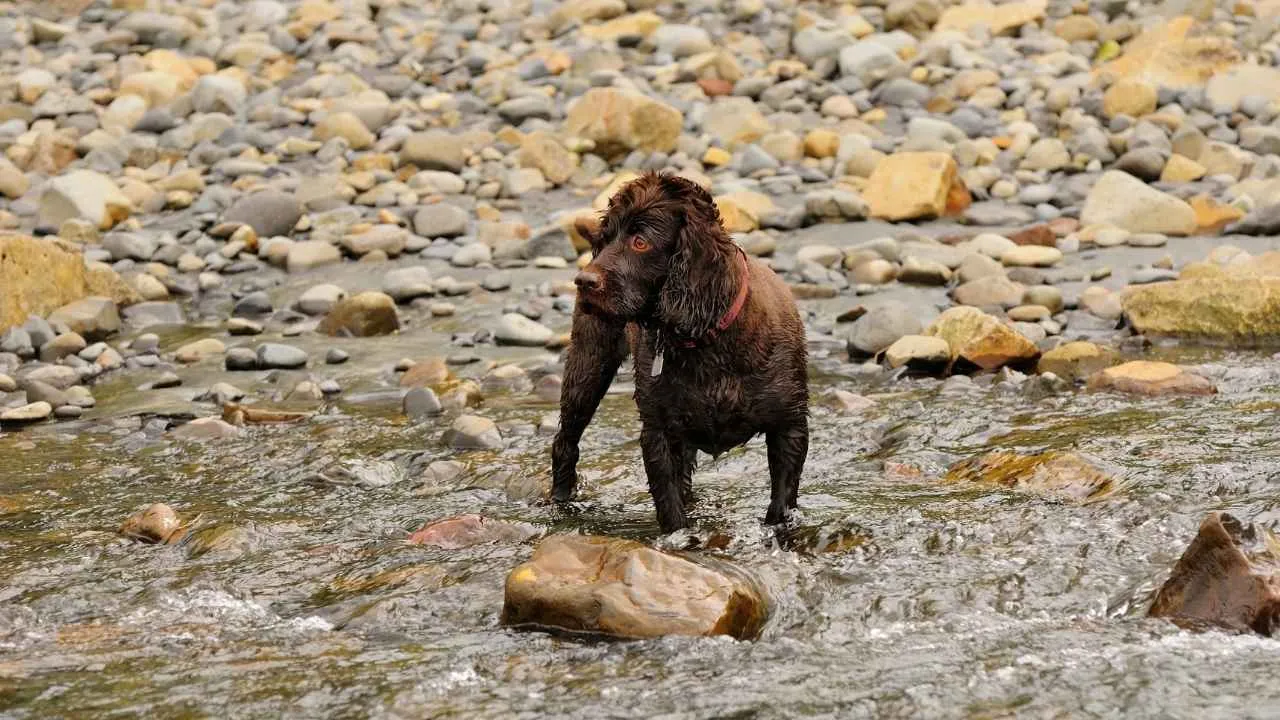
The Boykin Spaniel is small, brown, energetic, and famously useful in the field. Developed in South Carolina, it became known as a compact hunting dog that could work from boats and handle birds in swampy Southern terrain.
The Boykin is the clever little all-wheel-drive vehicle that fits anywhere.
It is smaller than most retrievers, which makes it easier to lift into a boat, manage in tight blinds, and keep in smaller homes. Yet it still has the heart and drive to retrieve waterfowl and work upland birds.
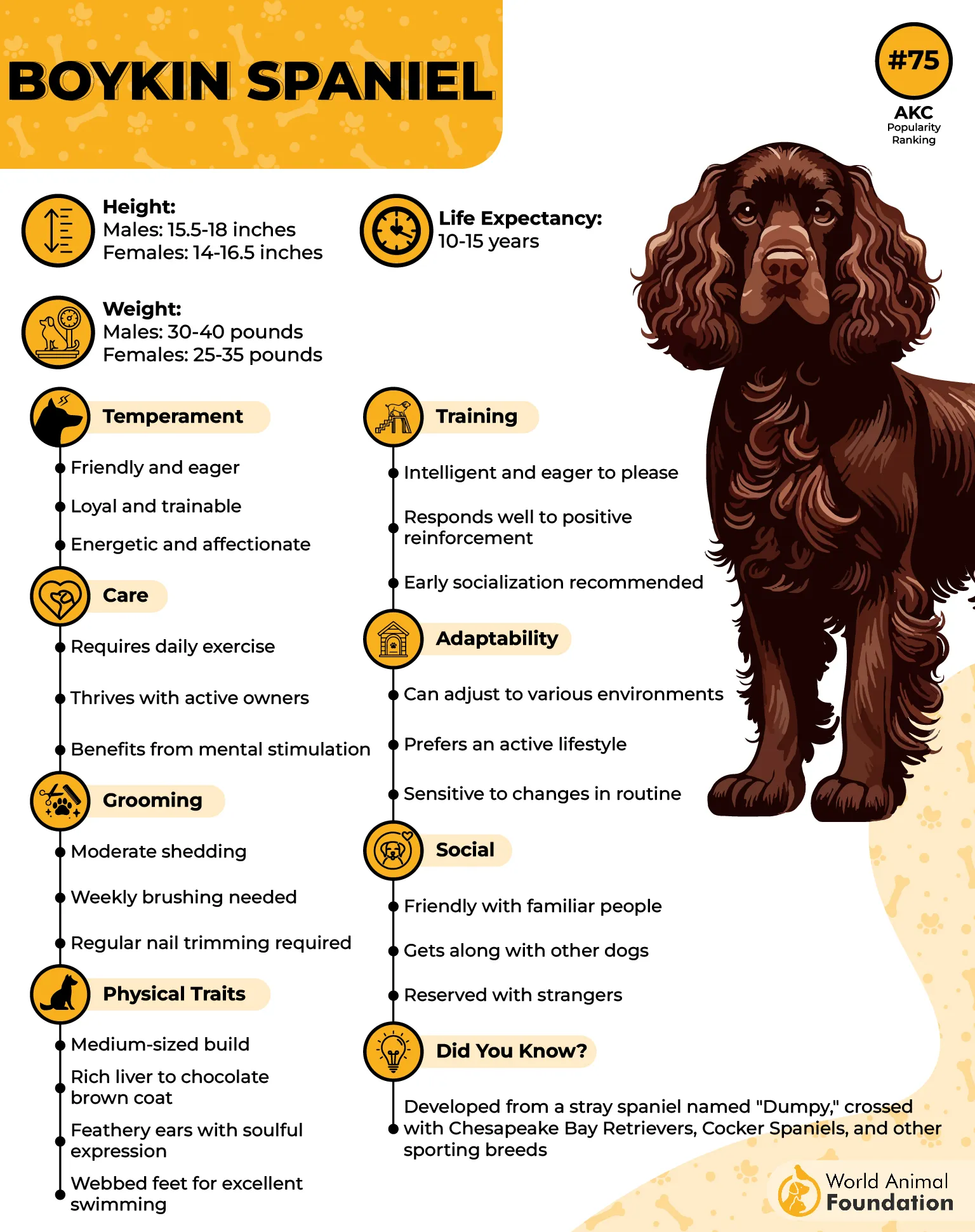
This breed usually has a lively personality and a strong desire to be involved. Boykins can be affectionate family dogs, but they are not couch decorations with ears. They need exercise, training, and meaningful activity, or they may become mischievous.
In waterfowl hunting, they are especially useful for smaller ducks, moderate retrieves, and swamp or creek environments. They may not be the first pick for massive icy-water goose retrieves, but they shine in the conditions they were built for. Their size gives them a unique advantage that bigger dogs may lack.
This Spaniel dog is perfect for hunters who want a smaller dog with real field ability. It brings energy, personality, and boat-friendly practicality. This breed is proof that a waterfowl dog need not be huge to be seriously helpful.
8. Irish Water Spaniel
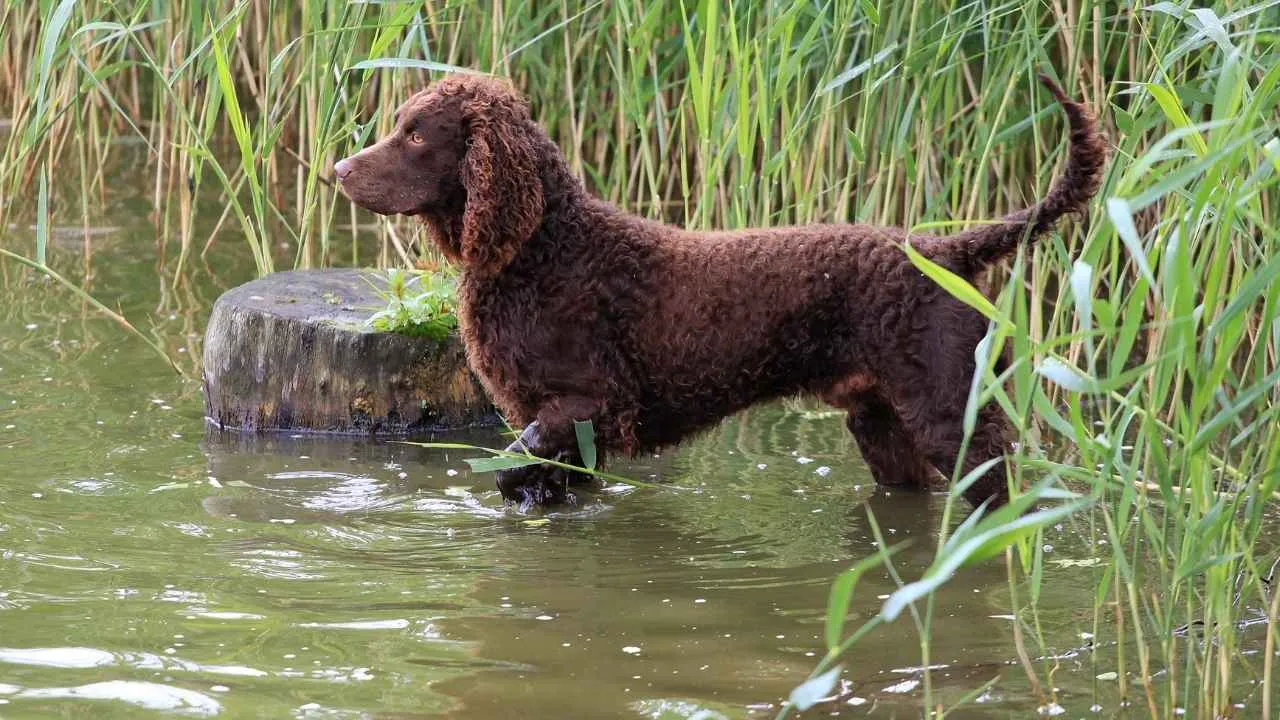
The Irish Water Spaniel looks like someone mixed a serious hunting dog with a curly-haired comedian. They have webbed feet and a two-layered, water-repellent coat that suits them for retrieving waterfowl, and they can also hunt game on land. That makes them one of the most naturally water-ready spaniel breeds.
It combines retriever ability with spaniel personality. It is often clownish, clever, and independent, which makes it fun but not always effortless. This is a dog that may retrieve your bird, then make you laugh five seconds later with some dramatic nonsense.
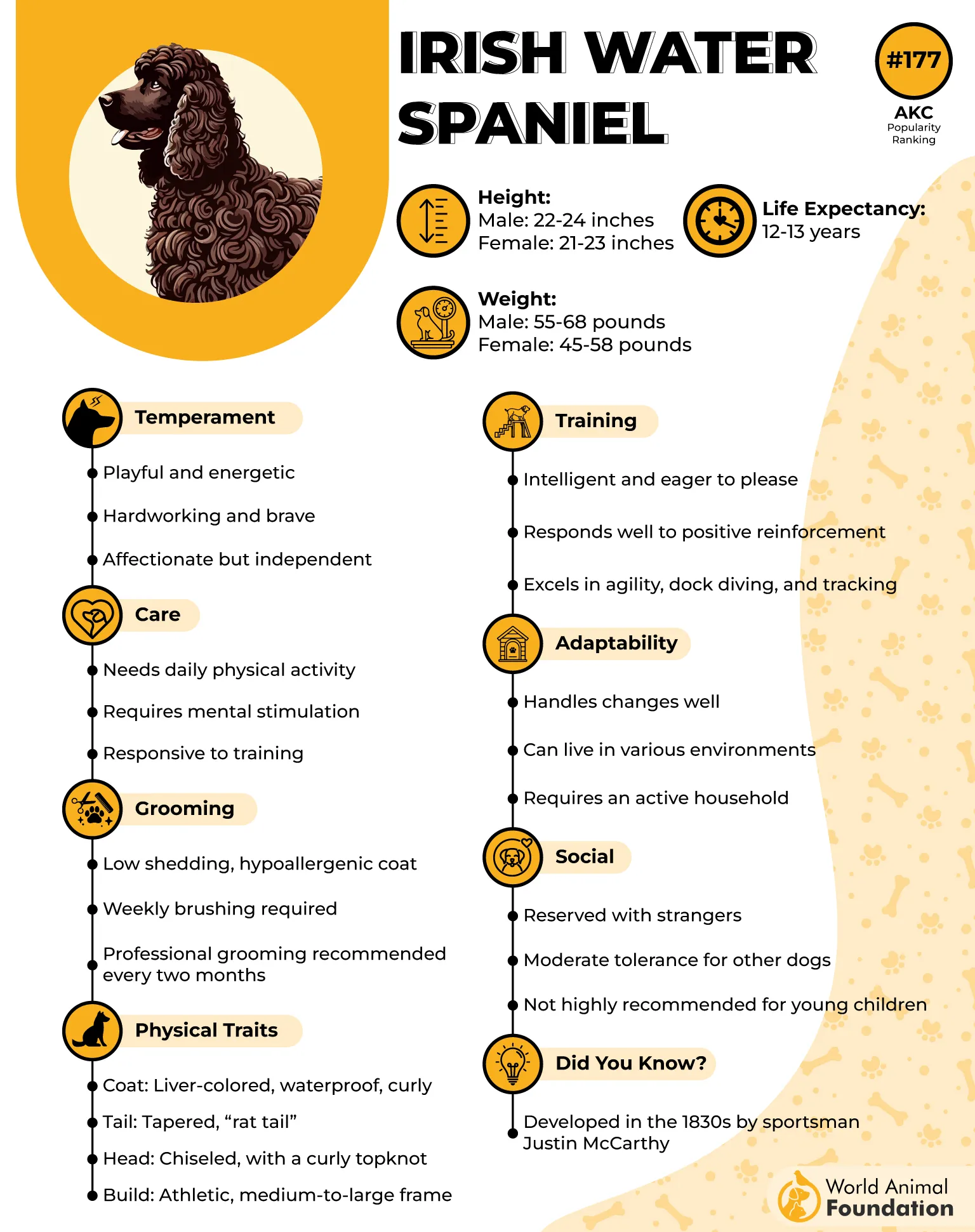
Its coat is one of its major hunting features. The dense curls and water-repellent texture help protect it in wet environments, while the breed’s webbed feet support strong swimming. The distinctive “rat tail” is also part of the classic breed look, making it instantly recognizable.
Training takes patience and variety. It is intelligent and capable, but it may get bored if every session feels the same. Positive reinforcement, field exposure, and consistent handling help bring out its best work.
For hunters who want a rarer waterfowl dog with humor, athleticism, and strong swimming ability, the Irish Water Spaniel is a standout. It may require more grooming. But for the right owner, this breed brings serious water talent with a side of curly chaos.
9. Flat-Coated Retriever
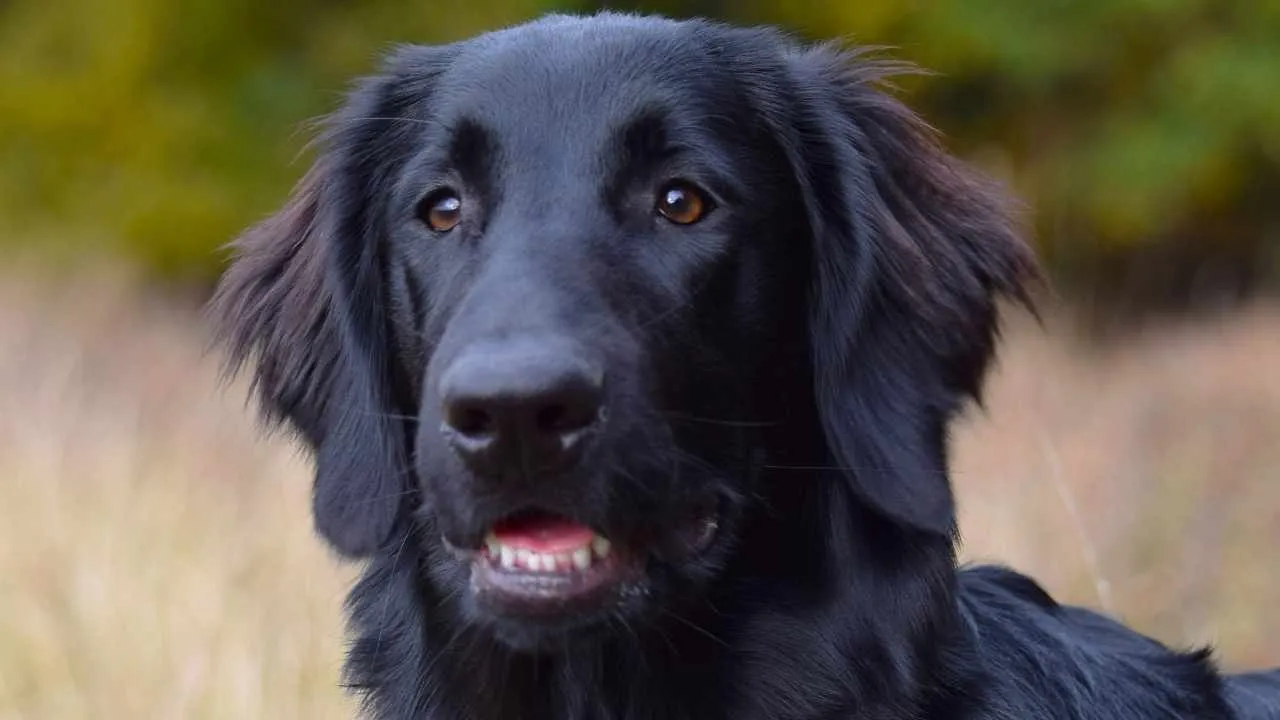
The Flat-Coated Retriever is the cheerful optimist of the waterfowl group. This breed is known for being energetic, friendly, and forever-young in spirit. If some retrievers are serious workers, the Flat-Coated Retriever is the one saying, “Work? Amazing. Friends? Amazing. Mud? Also amazing.”
The main difference with the Flat-Coated Retriever is its joyful, outgoing personality. It can be a capable hunting dog, but it often brings a lighter, more playful attitude. That makes it a fun partner for hunters who enjoy enthusiasm and emotional brightness.
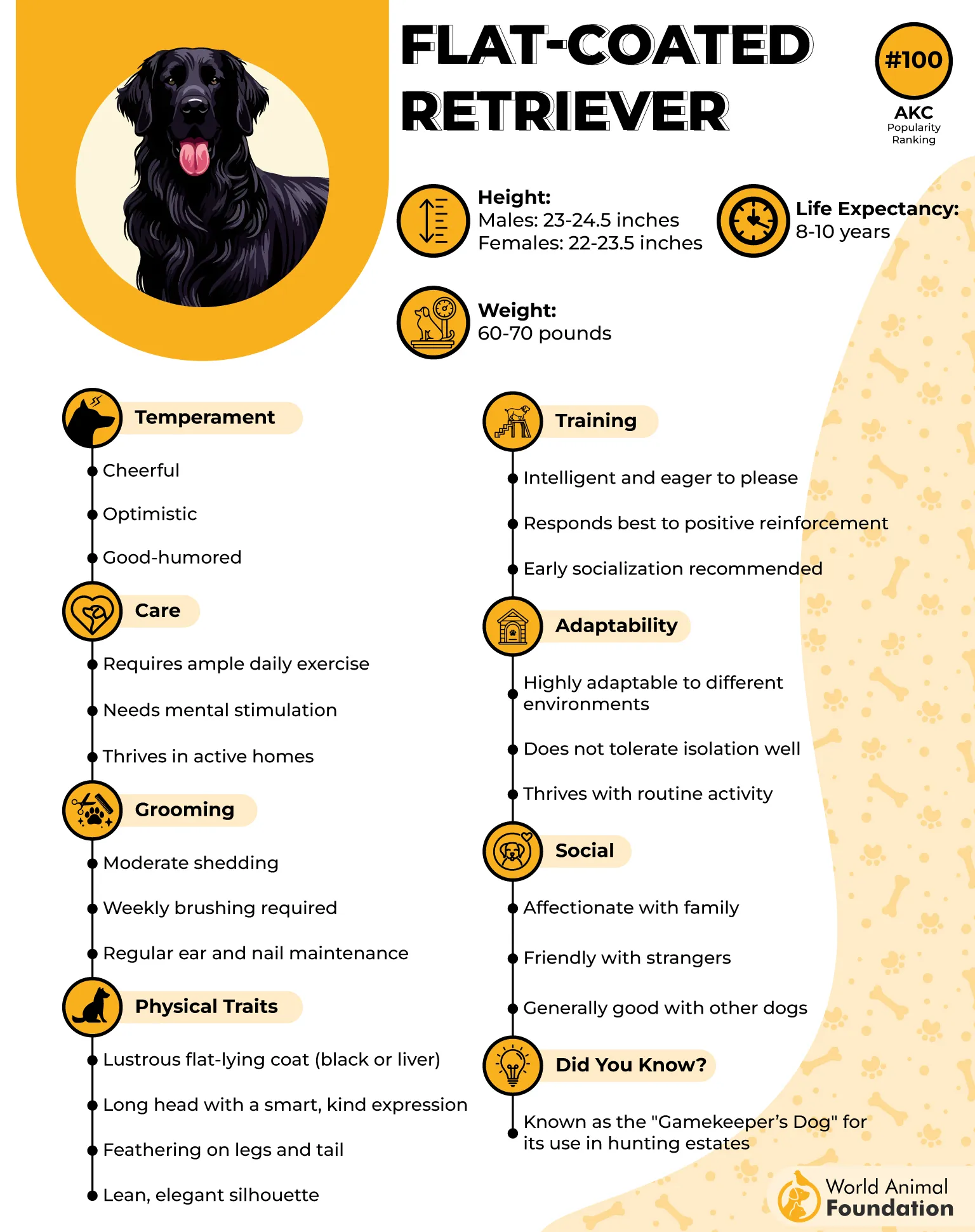
In waterfowl hunting, the Flat-Coated Retriever can retrieve from land and water and often shows strong drive. Their sleek coat is easier to manage, though it still needs care after wet and muddy work. They are athletic dogs, not lazy living-room ornaments.
Training usually works best with positive reinforcement and movement. This breed may not respond well to boring repetition or harsh correction, because its spirit is part of its working charm. Keep the dog engaged, and it can become a stylish, happy, useful field partner.
It is a great choice for active hunters who want a friendly family dog with retrieving ability and a lot of personality. This breed is basically sunshine with a soft mouth and muddy paws.
10. English Springer Spaniel
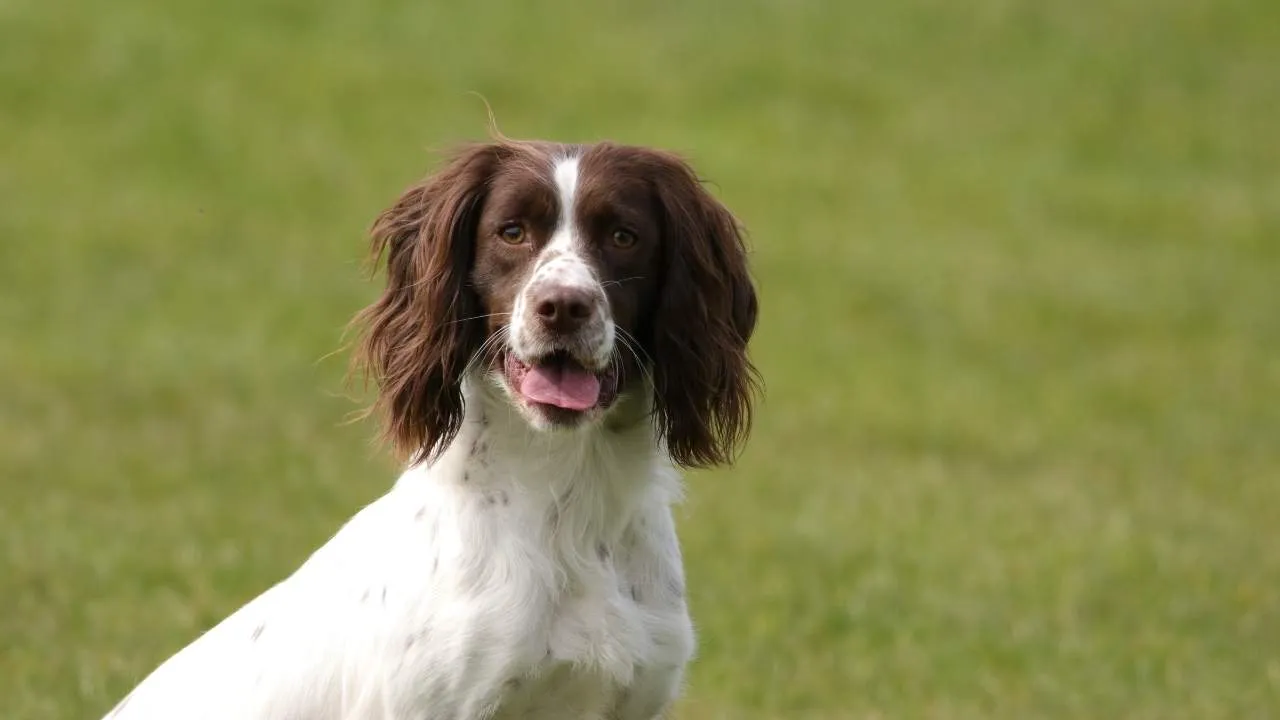
The English Springer Spaniel is different from most dogs on this list because it is more of a flushing spaniel than a classic waterfowl retriever. That means its traditional job is to push birds out of cover, work close to the hunter, and use its nose in dense terrain. Still, many Springers can retrieve and work around water when trained properly.
The biggest difference is hunting style. A Springer is naturally wired to move, search, quarter, and flush. This makes it especially useful for hunters who split time between upland birds and waterfowl edges.
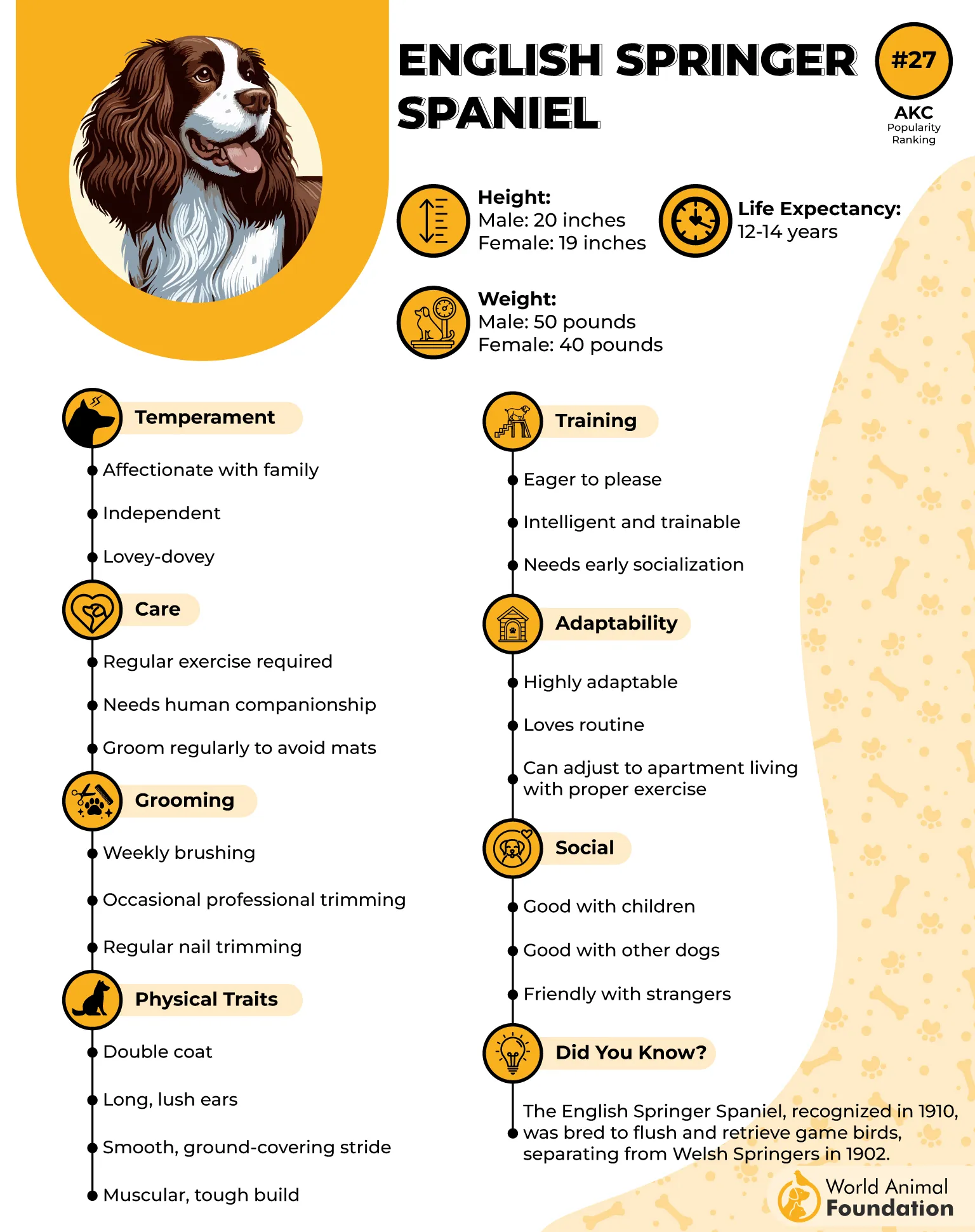
Springers are energetic, people-focused, and usually eager to work, according to Orvis. They can be excellent family dogs, but they need exercise and mental stimulation. Without enough activity, a Springer may redecorate your life with chaos, one stolen sock at a time.
For waterfowl work, it is best in milder conditions, with smaller retrieves and mixed hunting situations. It is not usually the breed you pick for breaking ice or hauling huge geese through rough water. But in marsh edges, creek bottoms, and upland-waterfowl crossover hunts, it can be extremely useful.
It suits hunters who want a lively, close-working dog rather than a big water specialist. It brings nose, drive, agility, and trainability in a manageable package. If your hunting life is more varied than one single setup, the Springer may be the multitasker you need.
Conclusion
Waterfowl hunting dogs are not all built from the same blueprint, and that is what makes this group so interesting. German Wirehaired Pointers and Standard Poodles are also some phenomenal hunting breeds.
The best breed depends on where you hunt, what you hunt, and how you live when the season ends. Cold-water goose hunters may lean toward a Chesapeake, family-focused duck hunters may love a Lab or Golden, and boat hunters may appreciate a Boykin or American Water Spaniel.
Choose the dog that fits your real field conditions, train with patience, and you will have more than a hunting partner; you will have a wet, muddy, tail-wagging legend.
