




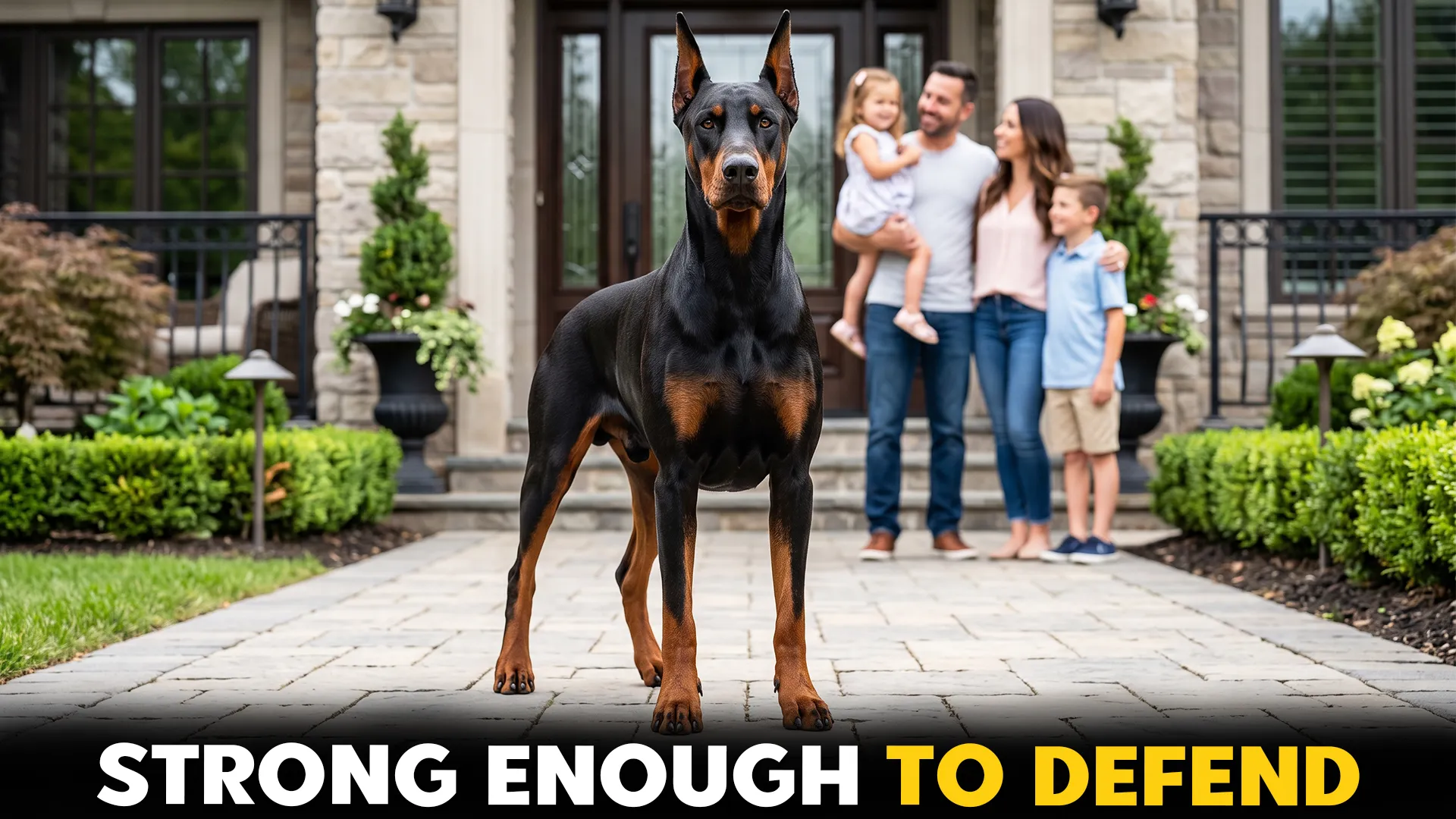
Living within a safe boundary is the basic survival instinct. Whether it is about the ancient people living in caves, rural families living in big homes, or urbanized city dwellers, all humans need protection.
No matter how advanced the technology gets, there is still a chance of an error. The alarm system only notifies after the burglar gets in. While a good protection dog will anticipate the threat prior to any mishap.
These walking security and alarm systems have built-in features of emotion, loyalty, bravery, and intelligence, which a security system obviously lacks. These dogs are not only friendly with adults, but they are also good friends with kids, and most of them also thrive in multi-pet households.
Super Protective Dog Breeds That Keep Families Safe and Sound
1. German Shepherd
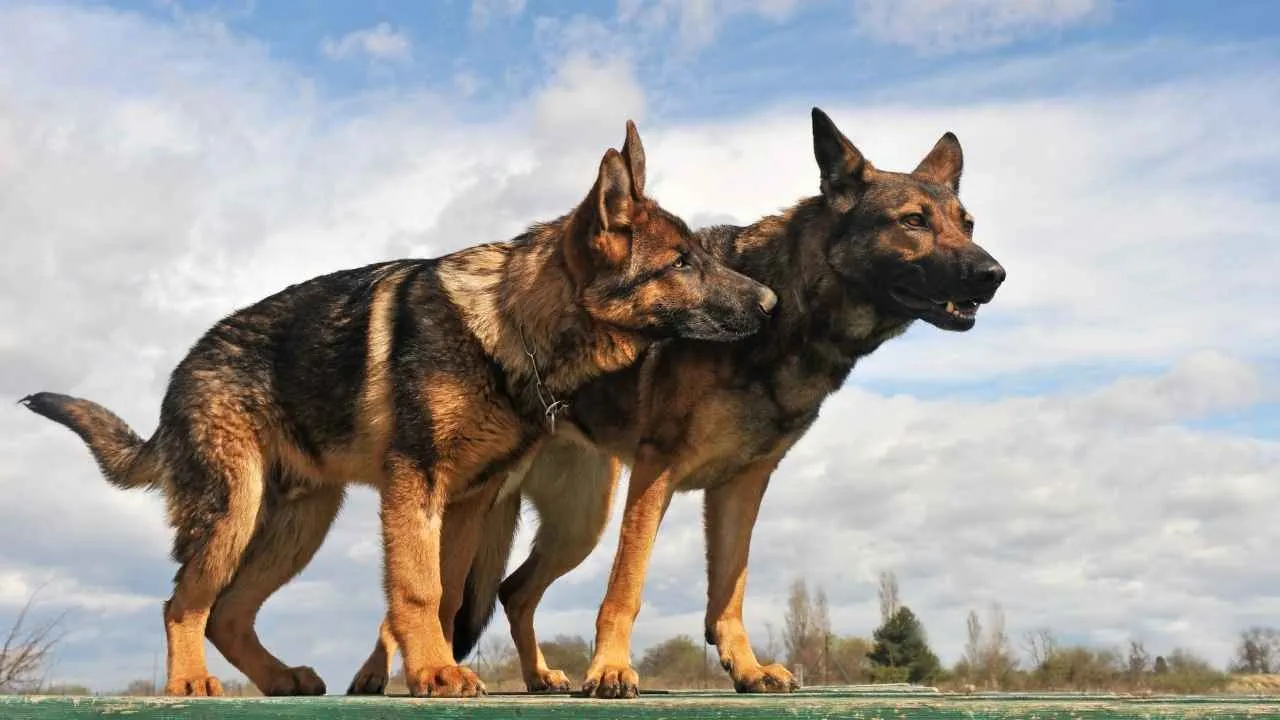
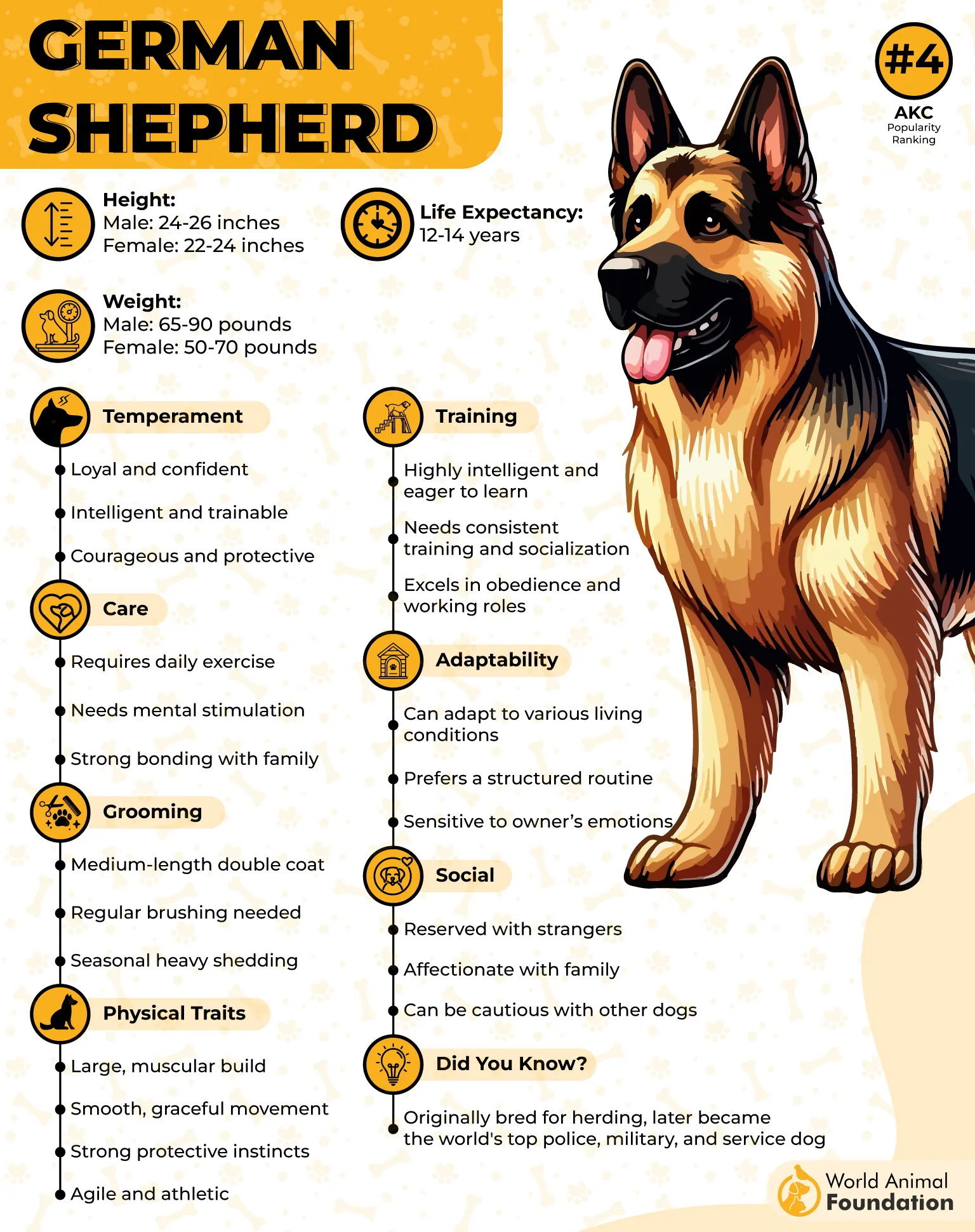
This excellent guard dog was developed by Capt. Max von Stephanitz in 1899 as a herding breed. It was bred by crossing old shepherd dogs and farm dogs. It was officially recognized by the AKC in 1908.
The primary source of acceleration and drive lies in the angulated hind legs that act like coiled springs. With a strong bite force of 238 PSI, it can crush bones easily. It has a thick coat consisting of two layers, providing protection against external stimuli.
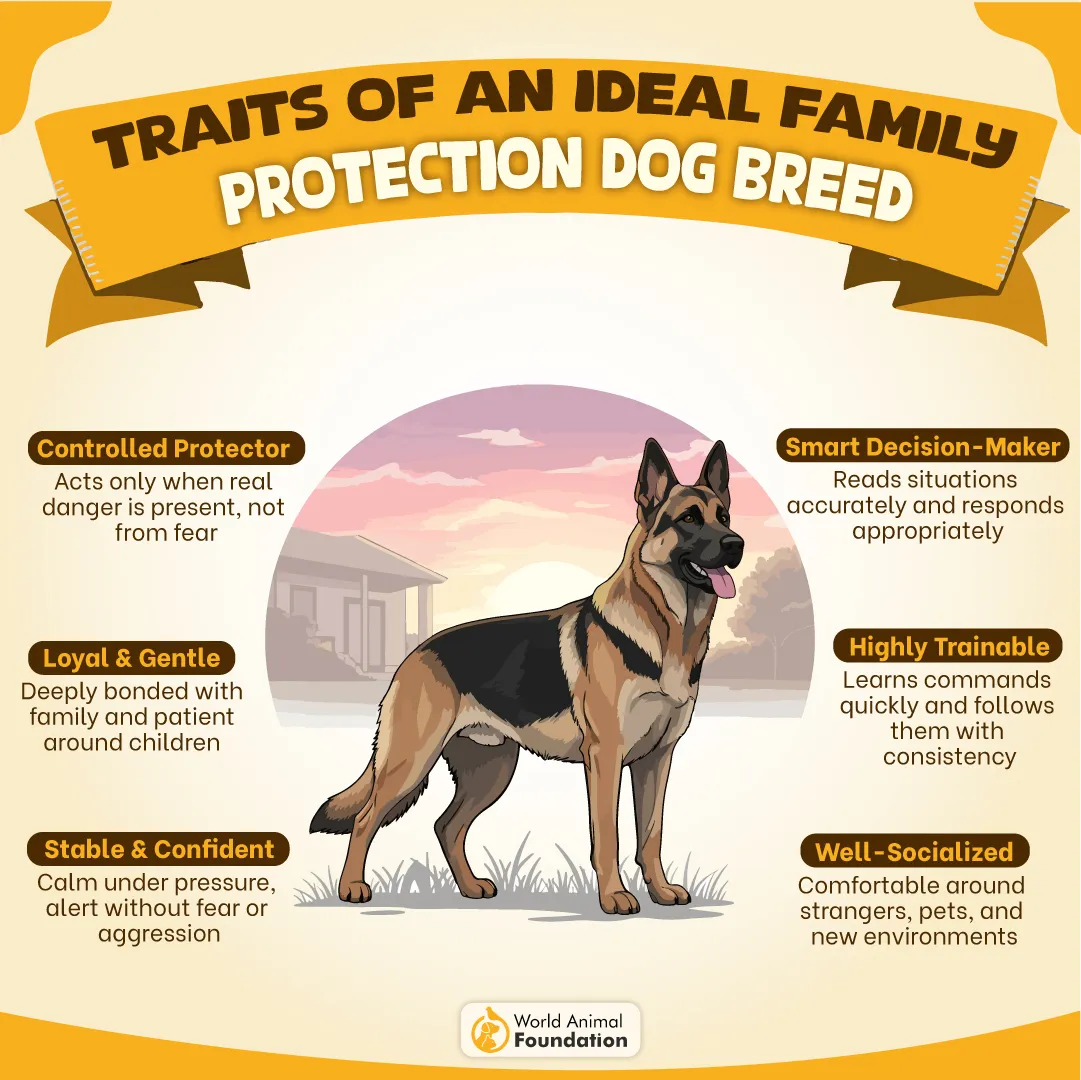
This guard dog breed keenly observes daily routines, moods, and body language and can anticipate distress before humans do. It is the third most intelligent breed, and its strong herding instincts make it a great watchdog.
A well-socialized GSD can distinguish between a normal situation and a potentially threatening situation.
2. Doberman Pinscher
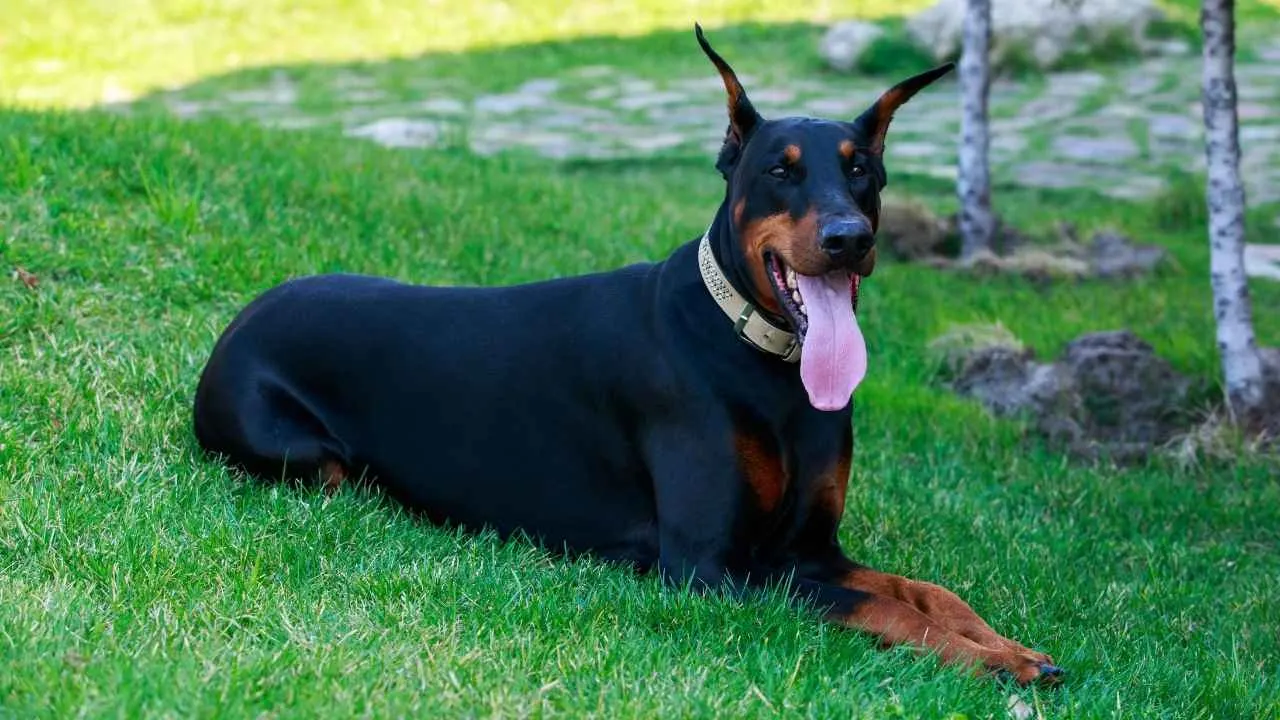
This protection dog was developed by a German tax collector in the 1800s. It was bred by crossing Old German Shepherds with German Pinschers, Black and Tan Manchester Terriers, and Greyhounds. Often kept as a family dog, it is the 5th smartest breed in the dog world.
This great guard dog has fast-twitch muscle fibres which generate rapid, explosive bursts of energy, enabling it to run up to 40 mph and jump up to 6 feet high. The moderate angulation in the shoulders and rear legs enables a graceful and powerful stride.
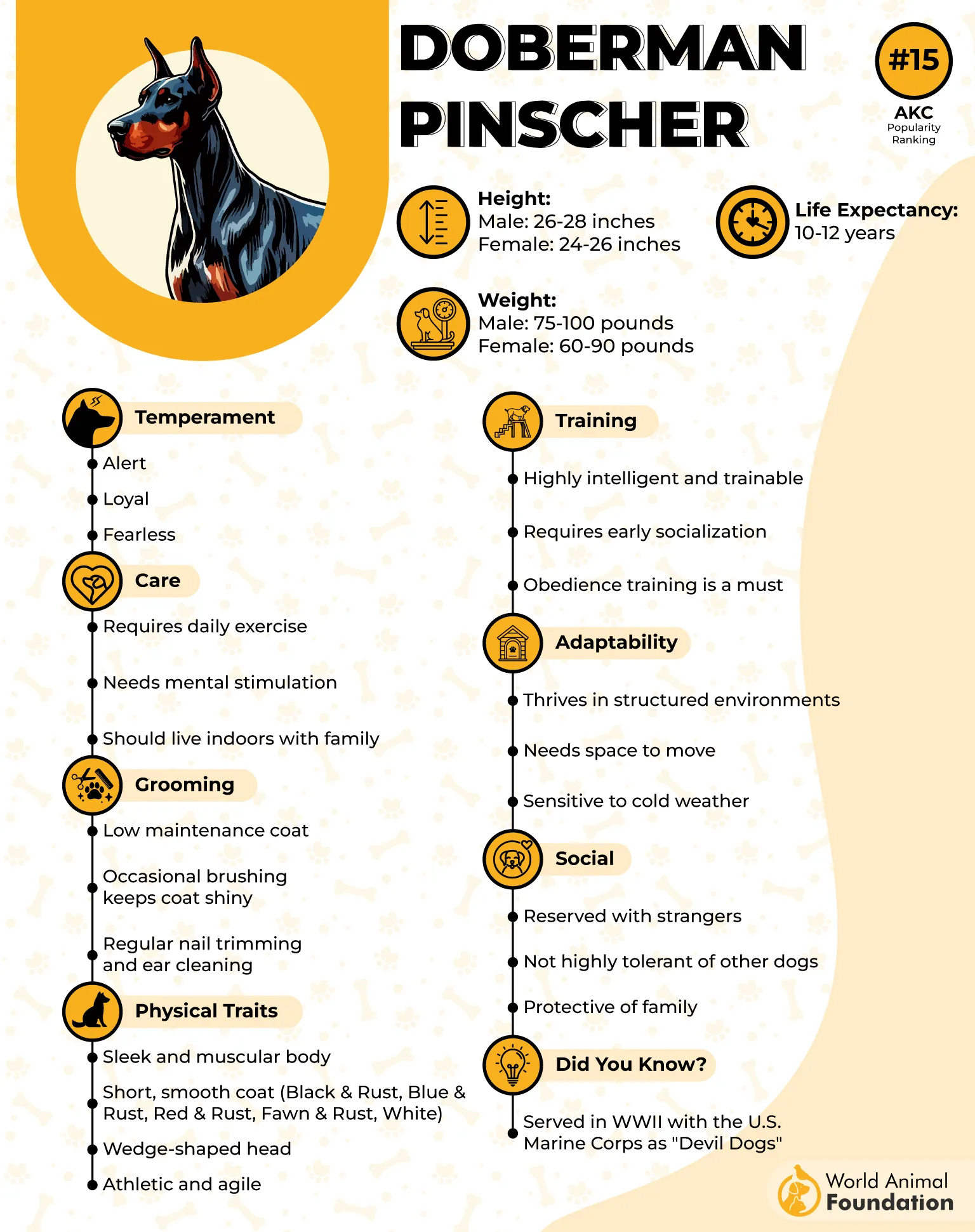
It is common for a Doberman to monitor its surroundings or sleep facing a door to keep its family secure. It is a velcro breed and forms deep bonds with family members, children, and other pets. The loyal companion requires 70-120 minutes of daily exercise: flirt pole, hiking, running, and biking.
3. Rottweiler
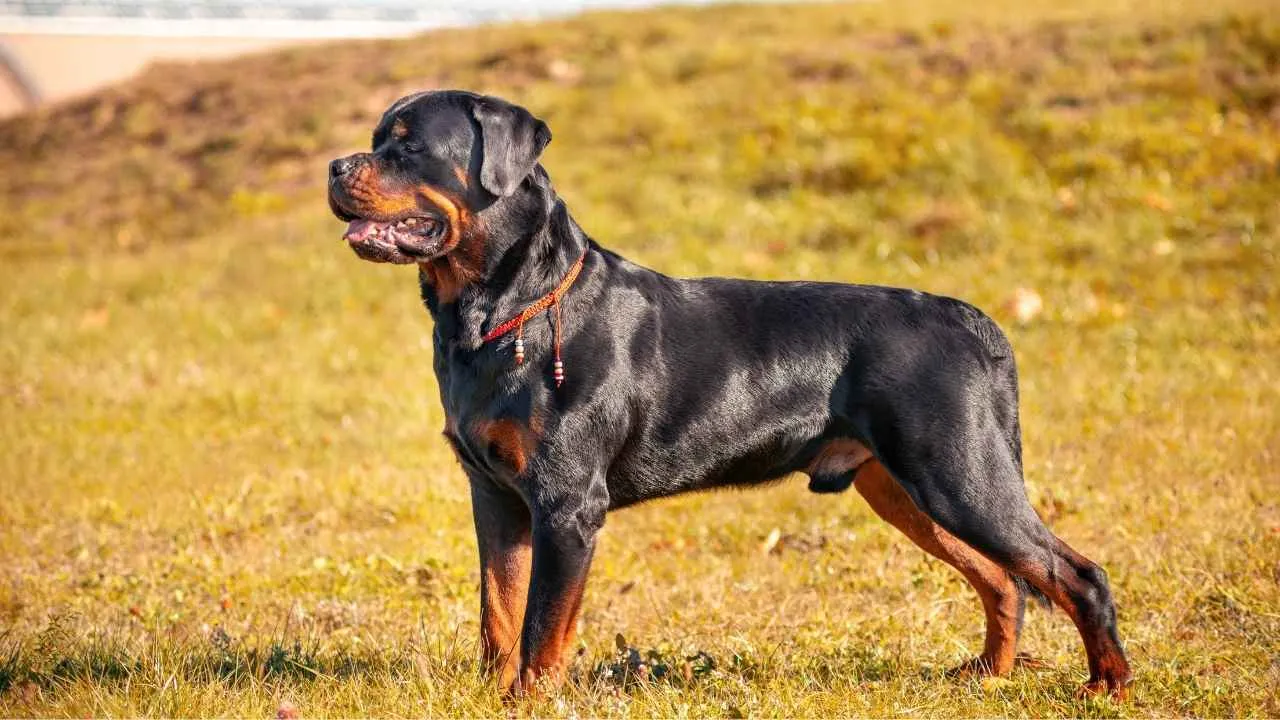
Descended from mastiffs of the Roman Army, the Rottweiler is one of the oldest working dog breeds and was originally bred to herd cattle and pull heavy meat carts to the markets. The breed adopted the second profession after the Roman Empire collapsed and was called “Rottweiler Metzgerhund”, meaning “Butcher’s Dog of Rottweil,” as per Purina.
The broad head anchors an incredibly powerful bite, which historically enabled it to manage and control large livestock. The calm, confident, and self-assured temperament allows it to regulate its physical energy and remain focused. The alert nature allows it to constantly scan its environment.
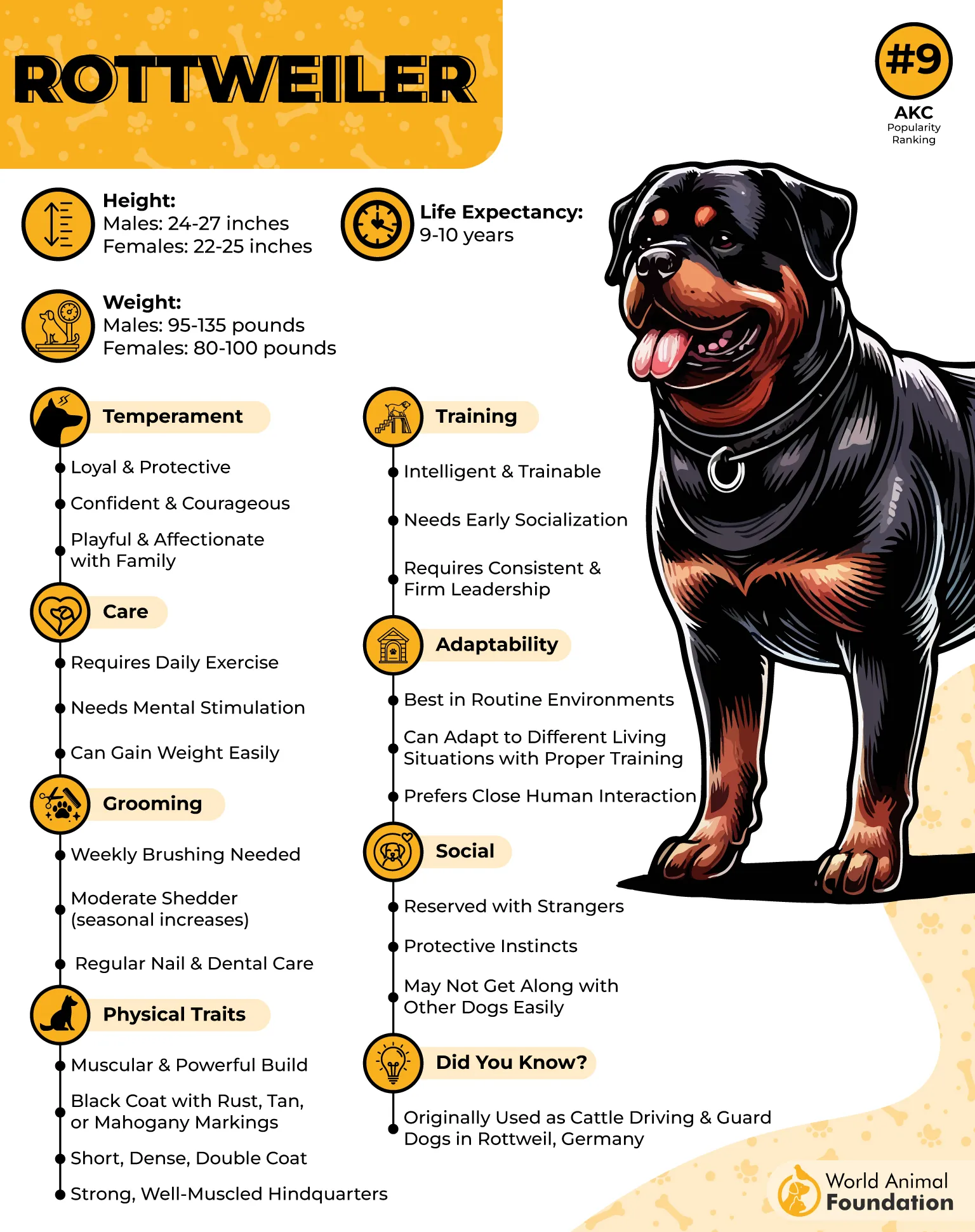
This protection dog is emotionally attuned to the owner’s mood. Proper socialization and early training strengthen territorial and protection instincts. It requires 1-2 hours of daily exercise and mental stimulation. Follow the 5-minute rule for puppy training (increase 5 minutes each month till it reaches 18-24 months).
4. Bullmastiff
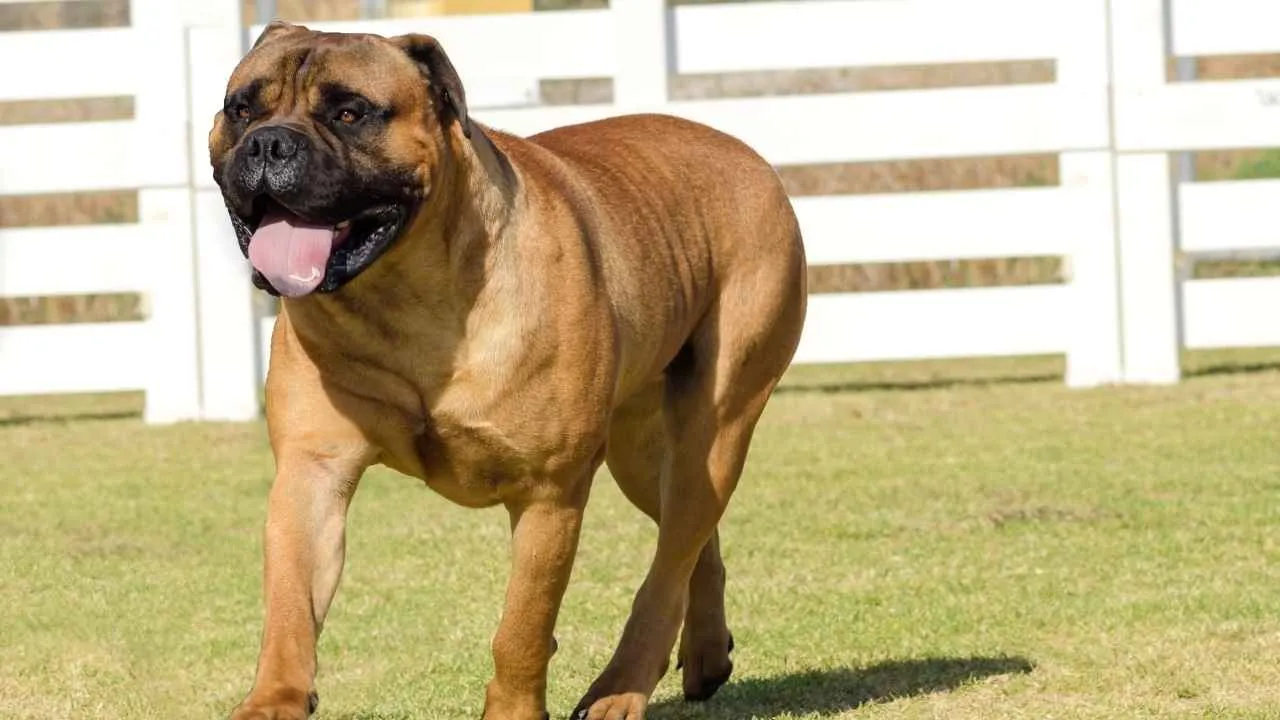
This domestic guard dog was bred in the 19th century and was called a ‘Gamekeeper Night Dog.’ Its primary goal was to catch poachers in England, as poaching was considered a grave crime back then. It is a mix of the English Mastiff and Old English Bulldog and has similar characteristics to Molosser dogs.
The thick, well-arched neck allows it to easily control heavy loads and resist pulling forces. It has a low reactivity threshold and does not bark unnecessarily. Since it was bred to catch predators at night, it highly relies on its high speed and strong sight with its dichromatic vision. It has the instincts to protect property without formal training.
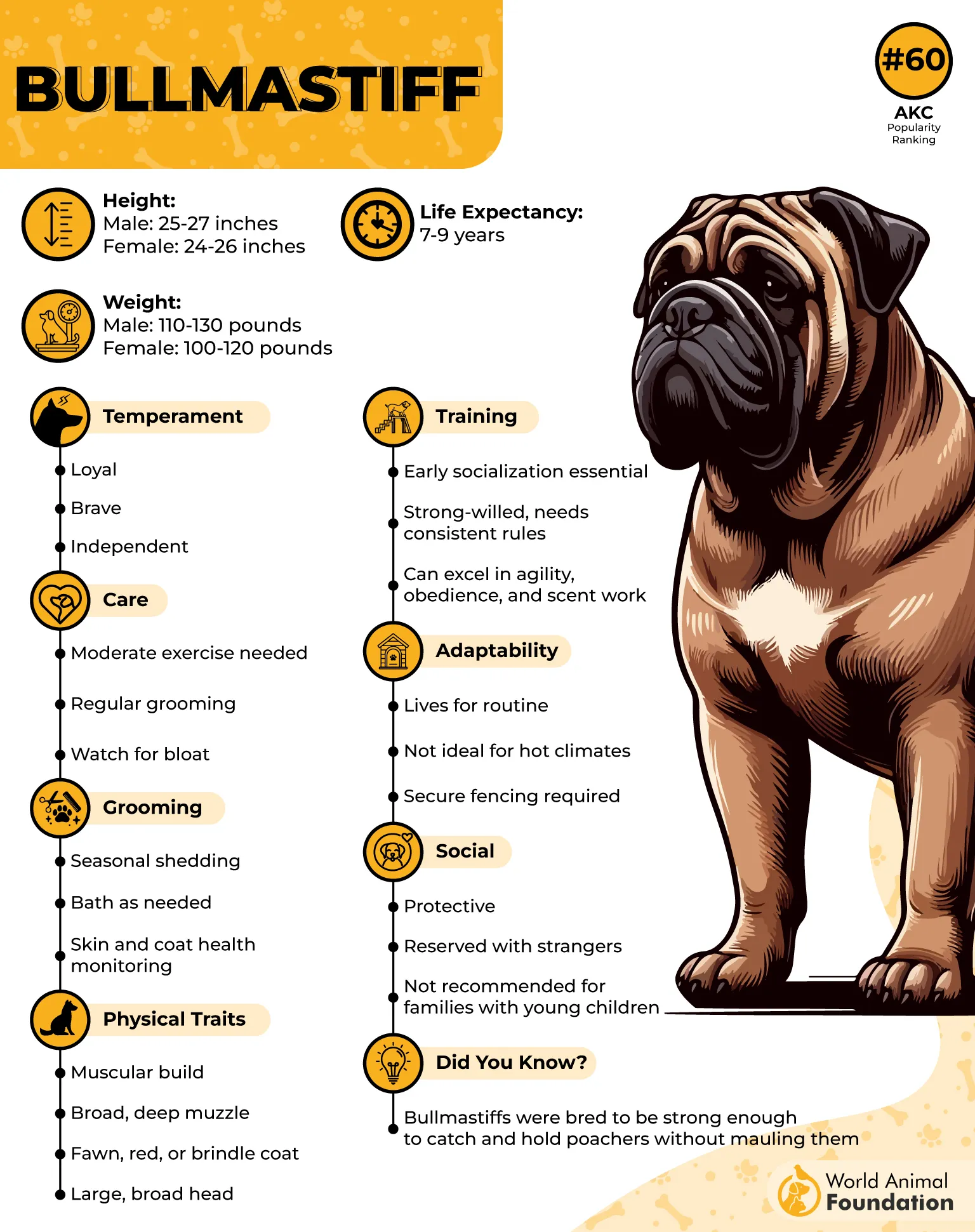
It generally does not welcome guests unless approved by the owners. It needs 30-45 minutes of daily moderate exercise, as it is a brachycephalic breed and may face difficulty in breathing during intense outdoor activities.
5. Great Dane
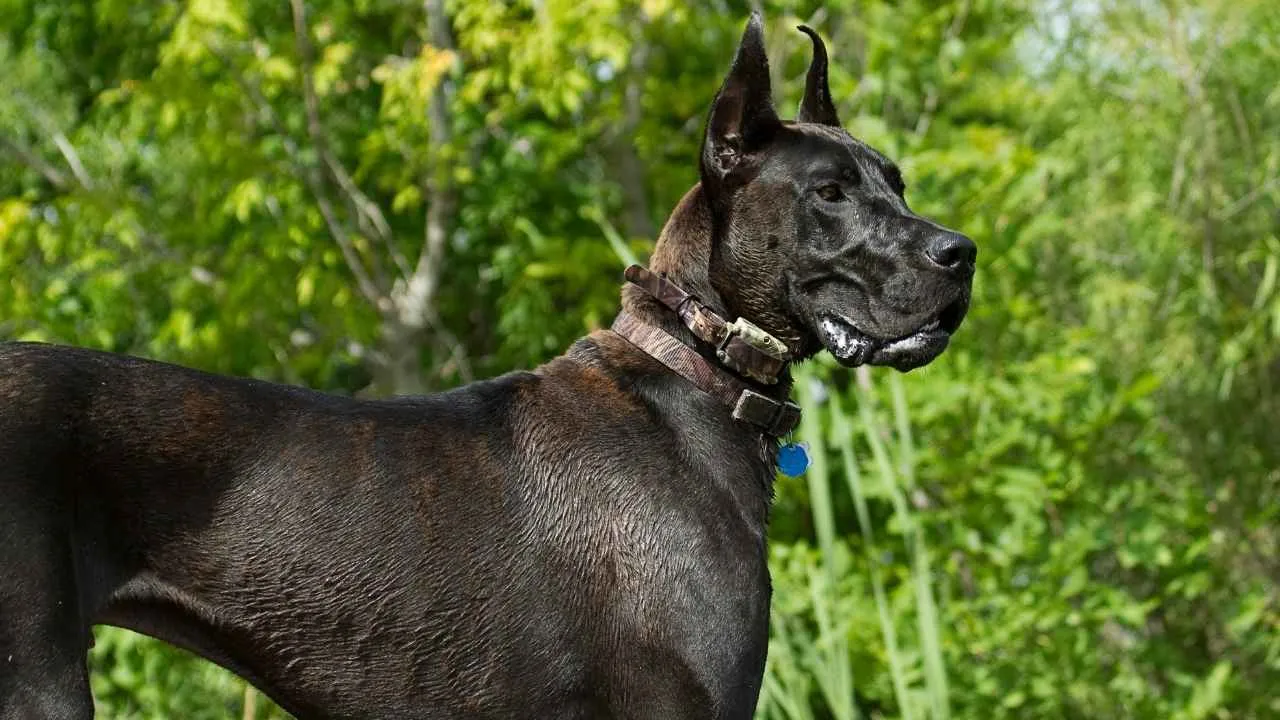
This German breed of large mastiff-sighthound is the descendant of the hunting dog from the Middle Ages. Its primary goal was to hunt large animals, such as wild boars, bears, and deer. The largest dog breed to ever be recorded, Zeus, stood 44 inches tall and was a Great Dane, according to Wikipedia.
The forelegs are straight and long, acting as shock absorbers and springs. The square body stature enables a galloping frame, giving it a high power-to-weight ratio. The tail acts as a thick, heavy counterbalance, providing stability and balance during high-speed turns.
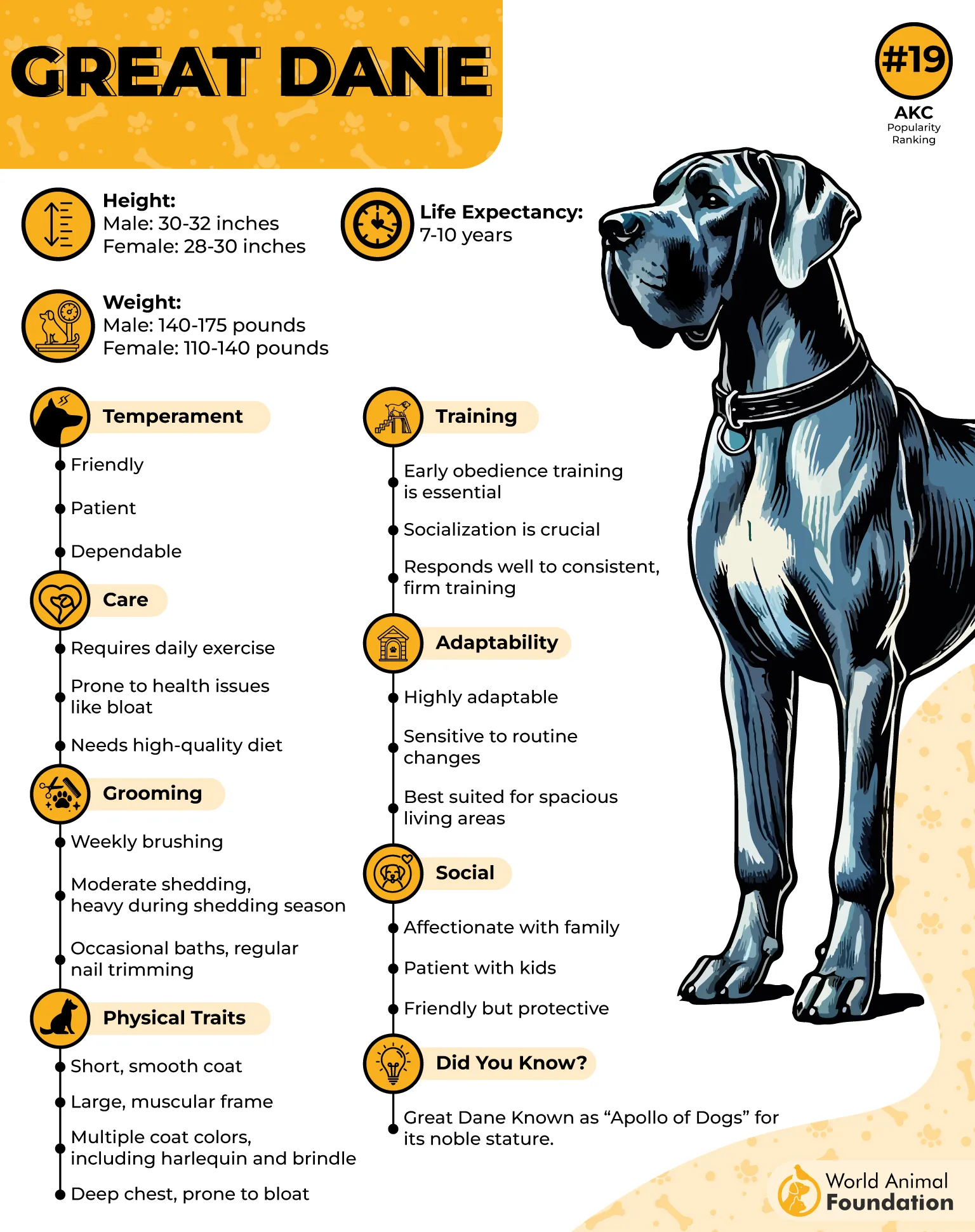
Generally quiet in nature, this loving family pet has a loud bark to alert the owner. It has a ‘pack’ mentality and tends to stay closer to the family. Since the breed grows rapidly and has sensitive joints, it usually prefers low-impact exercise (1-2 hours daily).
6. Cane Corso
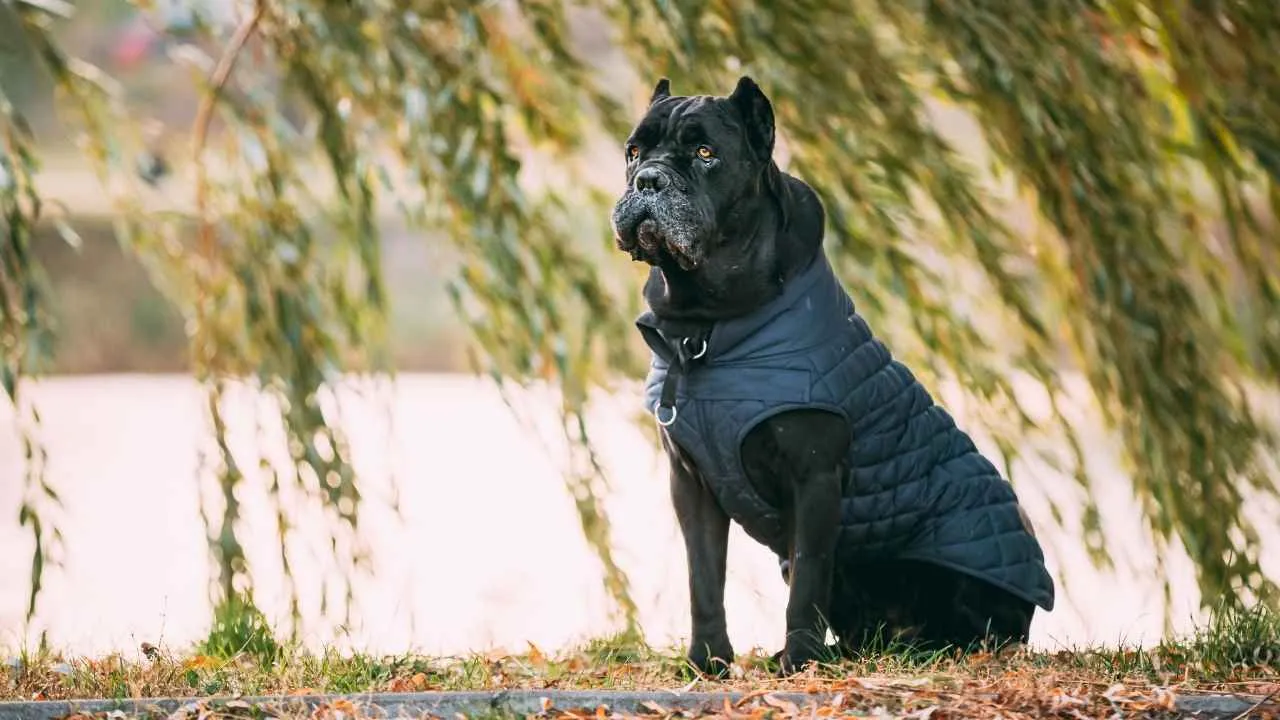
This mastiff-type dog is a descendant of Roman war dogs called ‘Canis Pugnax.’ Its name comes from the Italian words ‘cane,’ which means dog, and ‘cohors,’ which means guardian. It was originally a catch dog and was used to hunt wild boars and cattle.
Because of its heavy-boned, rectangular frame, which enables sudden bursts of speed despite its large size. It exhibits a strong bite force of 700 PSI, and a pack of this breed can knock down a giant lion. It has a thick and loose skin around the neck that provides a protective shield, preventing crucial veins and nerves from being damaged.
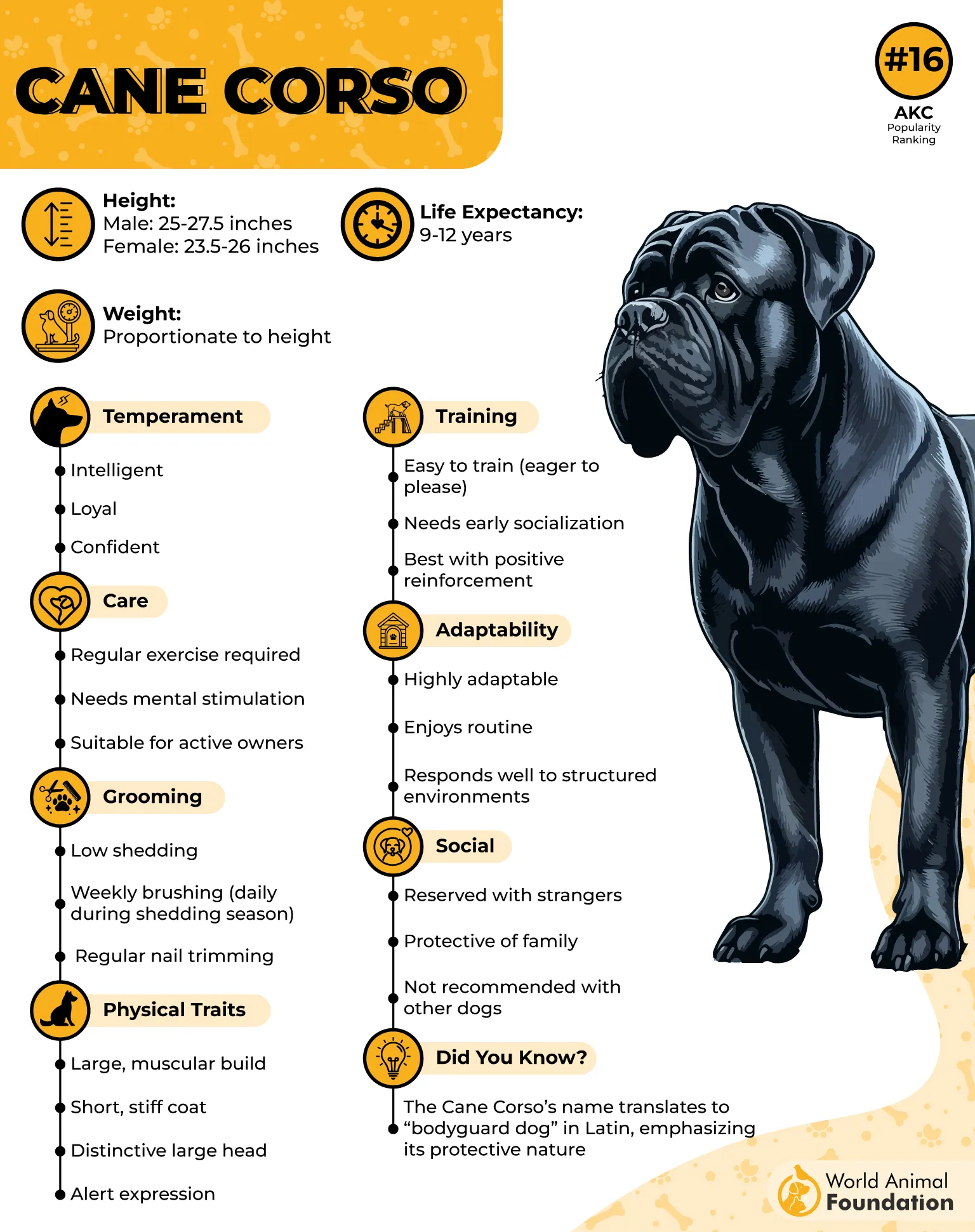
The breed naturally patrols the boundary. Rather than being aggressive, it utilizes a calculated assessment approach to identify the attacker. Then it produces a deep bark to deter intruders. The breed requires 1-2 hours of vigorous daily exercise: long walks, obedience training, and interactive puzzle toys.
7. Giant Schnauzer
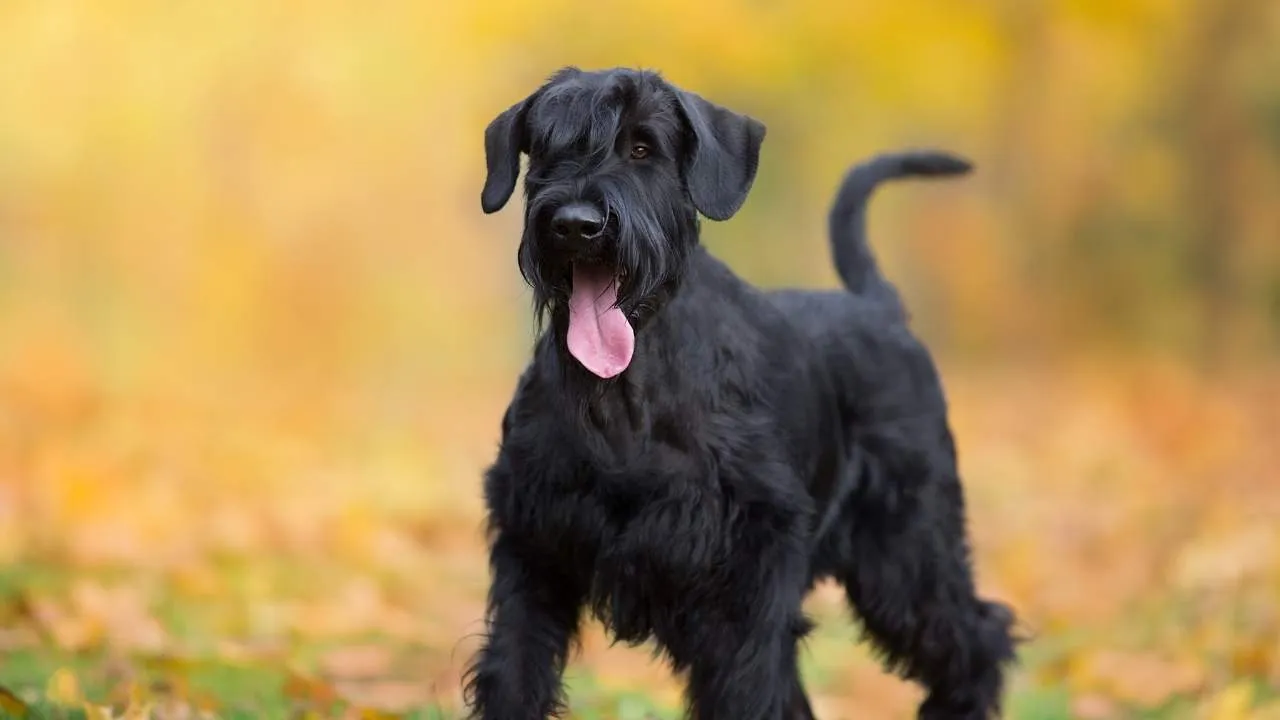
Originating in Bavaria in Germany, the history of the breed dates back to the 1700s, when it was bred by crossing the Standard Schnauzer, Black Great Dane, and Bouvier des Flandres. The primary goal was to serve as a farm guard dog, and it was widely used as a police and military dog during World War II.
With its muscled thighs and sturdy back, it exhibits explosive power to drive from behind. The rectangular head and a deep muzzle provide a strong scissor bite (the upper incisors overlap the lower incisors perfectly). Being a natural watchdog, it views its home and property as its domain.
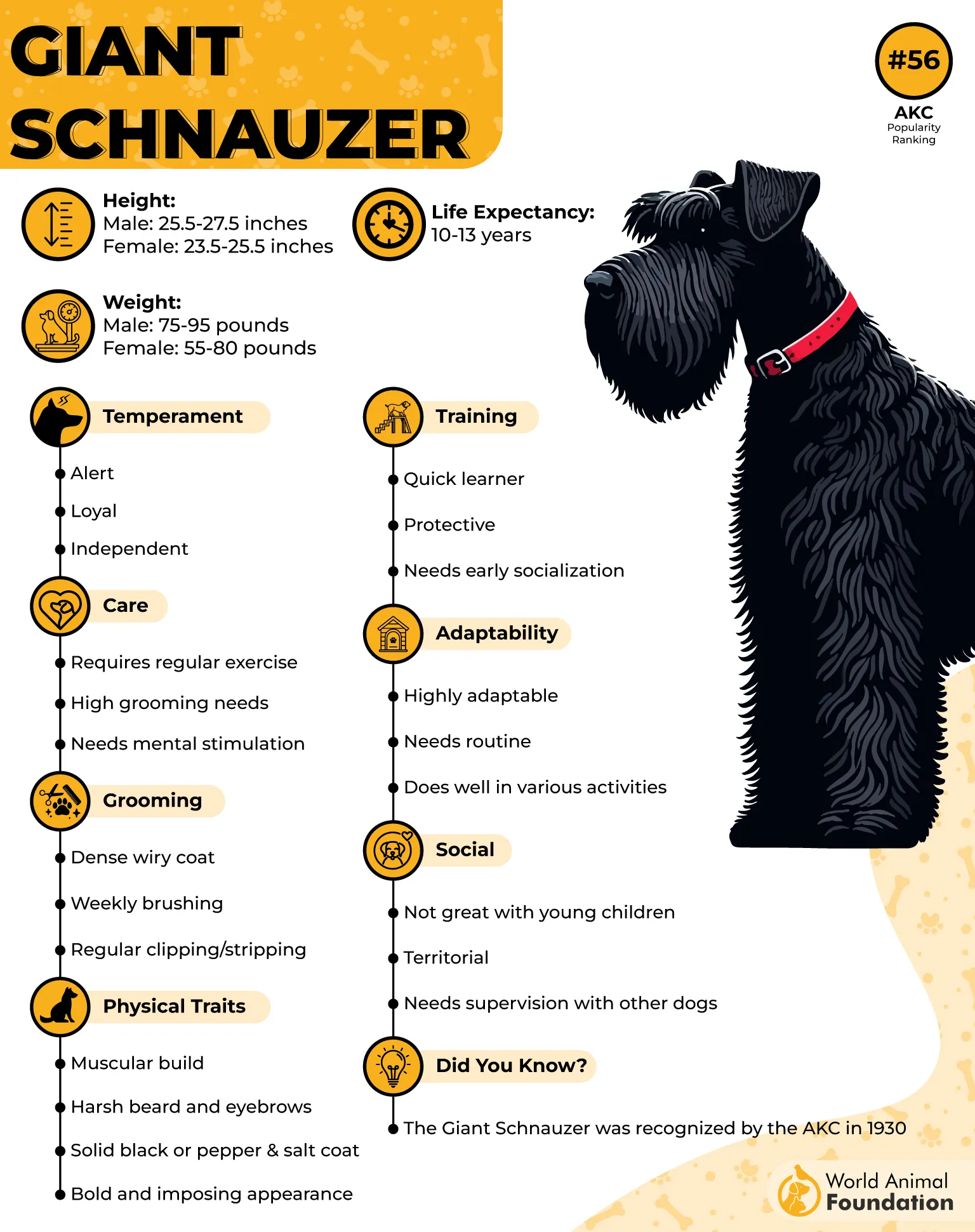
Since it has an independent streak, it may develop stubbornness and destructive behaviors. The intelligent dog breed requires 1.5-2 hours of daily exercise: long brisk walks, jogging, hiking, and fetch sessions.
The AKC notes that the familiar characteristics of these dogs are a harsh beard and eyebrows, accentuating a keen, sagacious expression.
Conclusion
A good protection dog does not always have to be a big one. It needs to be a loyal companion, packed with courage and brave enough to put itself between the owner and the danger, risking its own life. Most of them see the human family as their own family. Each dog breed brings something to the table.
Whether it is the intimidating black and shiny coat of the Cane Corso, the farming history of the Giant Schnauzer, or the cart-pulling history of the Rottweiler, you can find wonders in each breed. Do your proper research before adopting a protection dog for you.
