





Some dogs walk into a home with cats and seem to understand the arrangement almost immediately. Others treat every moving tail like the beginning of a chase. That difference isn’t simply luck, and it rarely happens by accident.
Behind those peaceful introductions are certain breed characteristics that make sharing a home with feline companions much easier. Knowing what those traits look like before bringing home a new dog can make the entire experience far less stressful for both pets and their owners.
A calm relationship between dogs and cats doesn’t happen because they magically become friends overnight. It begins with choosing a companion whose natural temperament supports patience instead of conflict. That small decision often shapes everyday life for years to come.
In this guide, you’ll meet dog breeds that have earned a reputation for coexisting peacefully with cats and learn what makes them such dependable additions to a calm, multi-pet household.
Key Takeaways
The secret to a peaceful home with both dogs and cats has less to do with luck and far more to do with the breed you choose.
Labrador Retrievers, Beagles, and Golden Retrievers are among the breeds known for settling into multi-pet homes with surprising ease when introduced the right way.
A few of these dogs even have fascinating histories that explain why sharing space and working closely with others come so naturally to them.
Keep reading because the breed that feels right on paper may not be the one you expect to fit your cat the best.
Dog Breeds That Seamlessly Rap with Cats for a Calm Home
1. Labrador Retriever

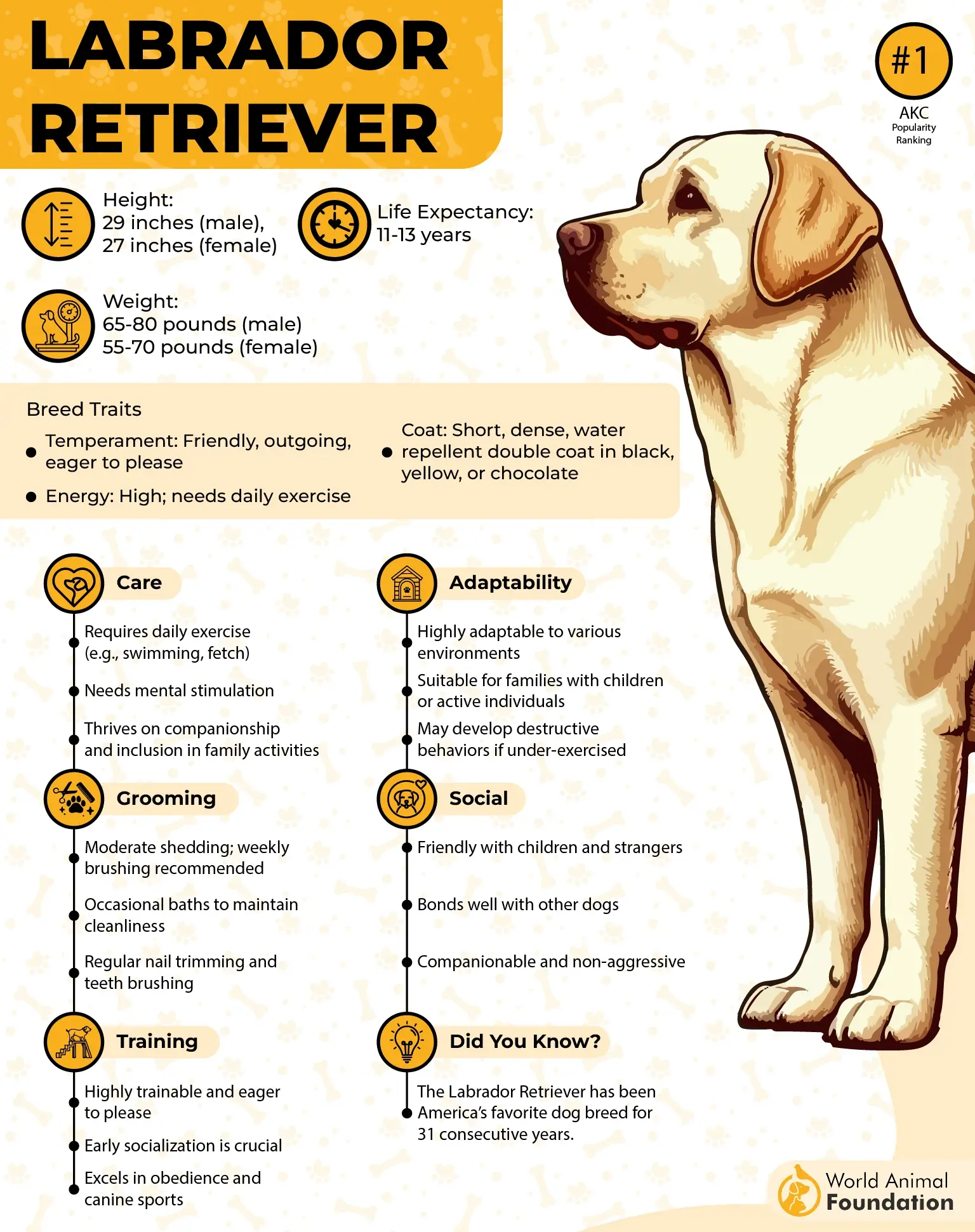
Labrador Retriever first appeared in Newfoundland, where the original dogs assisted fishermen by retrieving fish, swimming through cold water, and helping pull boats across lakes. That early work shaped a breed that still looks for opportunities to jump into water whenever it gets the chance.
Calm Around Company
This cat-friendly dog responds well to various household routines thanks to its steady temperament and willingness to learn from an early age. This balanced nature makes it generally comfortable alongside children, other dogs, and cats.

A few interesting details deserve a closer look:
Original Labradors were entirely black
Earlier dogs looked slimmer than Newfoundlands
Floating retrieve games remain a favorite pastime
Happy to Join In
Lab enjoys being involved in everyday family life and often chooses to be close to the people around it, whether that means leaning in for attention or following them from room to room.
According to Omlet, alone time is manageable for a while, although long periods without interaction can lead to mischievous behavior.
2. Beagle

Beagles have lived alongside people since hare hunting gained popularity in 14th-century England, although the breed looked quite different from its modern form until the late 1800s. Life as a pack dog helps explain why close companionship fits this breed so naturally, even in a home shared with cats.
Friendly Company
They enjoy living around people and other animals, making peaceful introductions with cats much easier when both pets are given time to adjust. Long periods of isolation can lead to destructive behavior because this breed prefers company throughout the day.
The following points reveal more of their personality:
Bays loudly after catching a fresh scent
Often used in research laboratories for its calm temperament
Standardized into its modern form during the late 1800s

Nose in Charge
Beagles follow an interesting scent with remarkable determination and can continue tracking it for long distances without losing interest. Secure spaces or a leash become especially important during outdoor walks because a tempting trail can quickly capture its full attention.
3. Golden Retriever
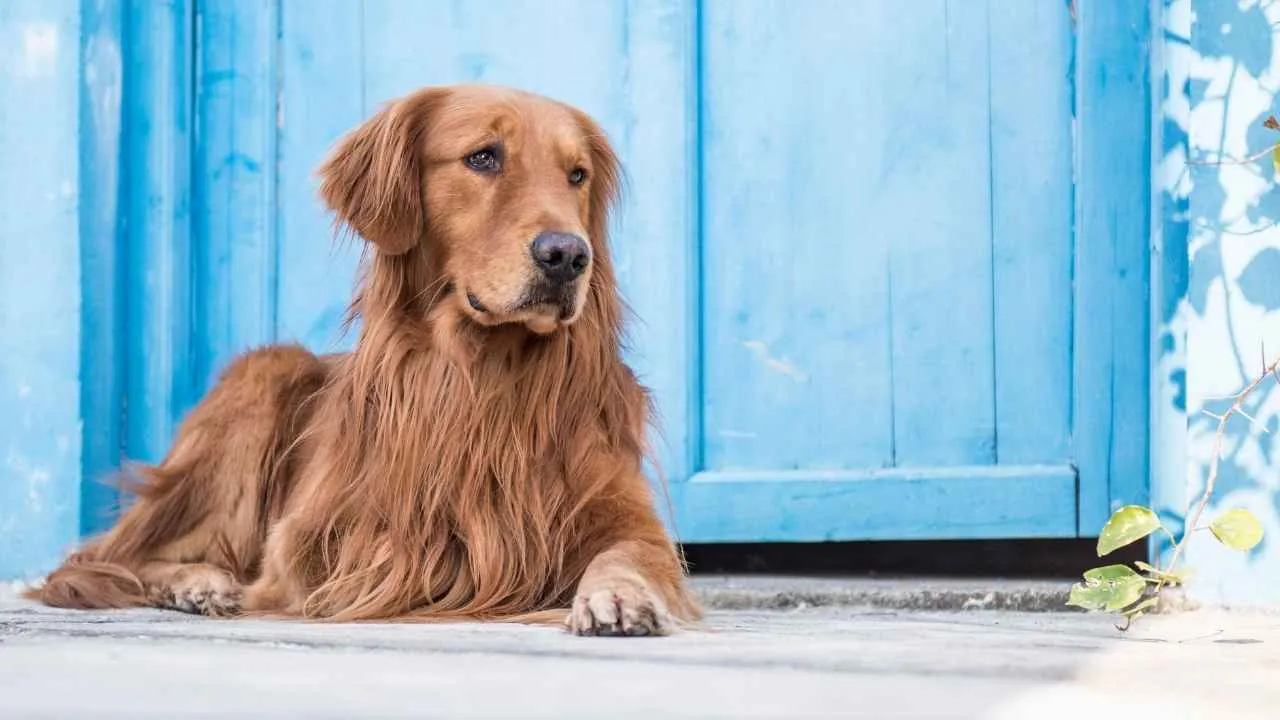
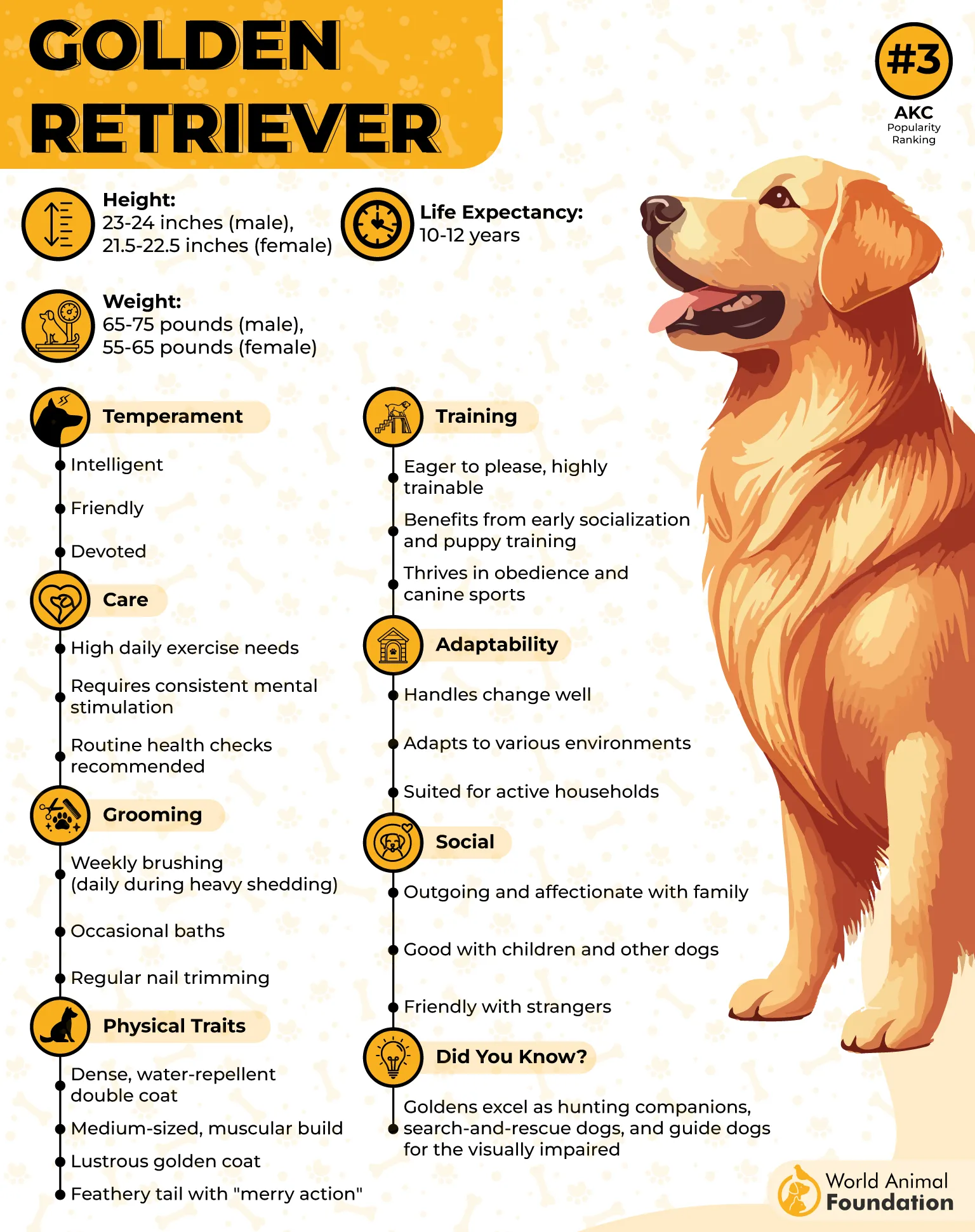
The Golden Retriever brings a calm, people-focused personality that often helps introductions with cats feel less stressful when socialization begins early. The same easygoing attitude also helps this breed fit naturally into homes with children, visitors, and other household pets.
Easy to Guide
This popular breed responds well to training because it enjoys learning and works willingly with people, making everyday routines easier to teach. That cooperative nature can be especially helpful when setting respectful boundaries around a resident cat.
Here’s more to know about this dog breed:
Suitable for first-time pet parents
Barks less than numerous other breeds
Not inclined to dig up the yard
Curious Minds Need Outlets
The Golden Retriever has an active mind that benefits from regular challenges beyond daily walks and playtime. Without enough mental engagement, puppies in particular may investigate socks, shoes, furniture, or even the trash in search of something interesting to do, as stated by PetMD.
4. Pug

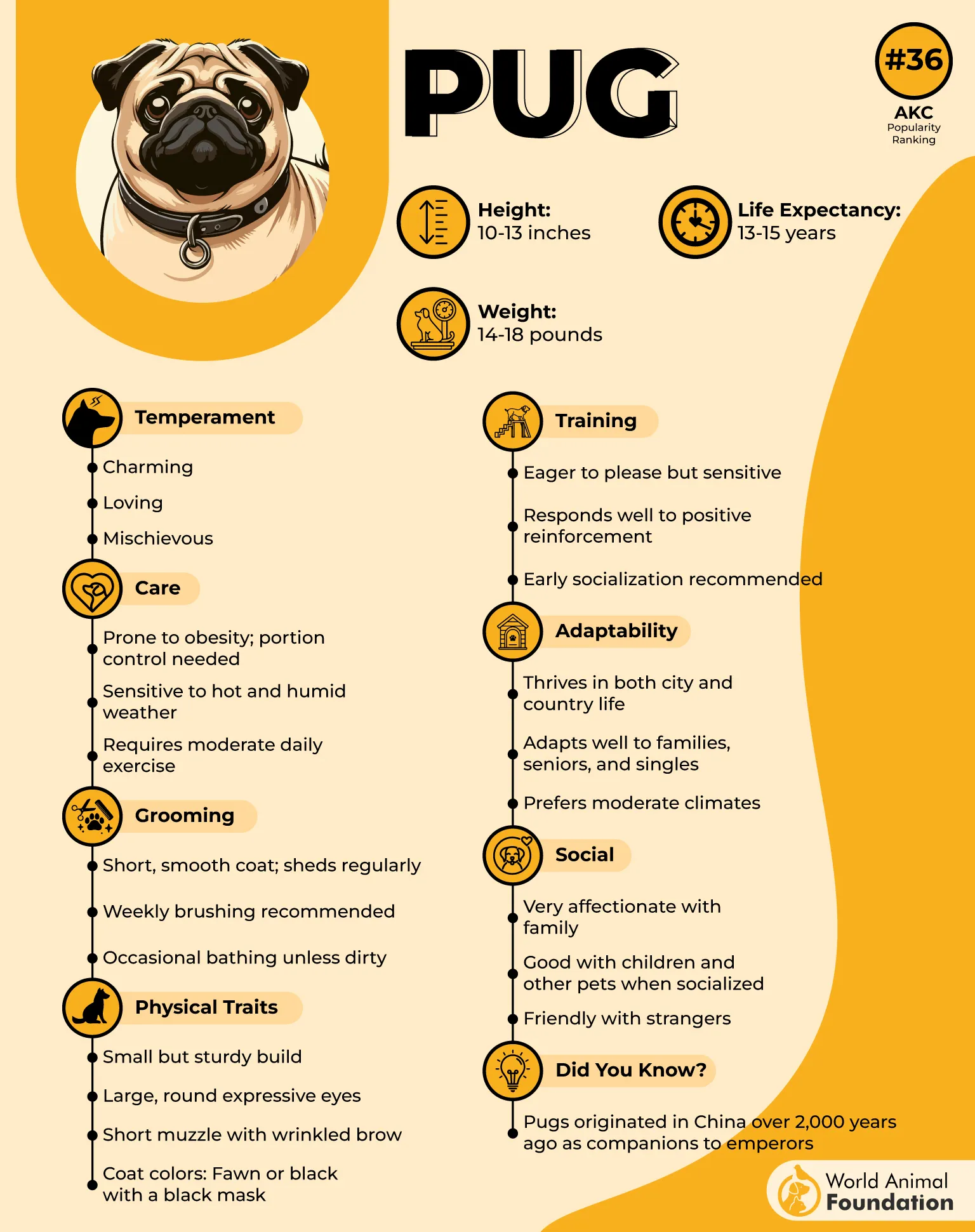
The Pug first appeared in China around 2,000 years ago and later found favor in royal households across different parts of the world. Even today, this breed enjoys being involved in everyday family life and looks for opportunities to share the same space as its people.
Easygoing Company
This small dog enjoys a slower daily routine that fits comfortably into a peaceful household, making shared living with other pets and cats much easier when introductions happen properly. Several short walks of about 15 to 20 minutes usually provide enough activity for this compact companion.
A few details add even more personality:
Originated in ancient China
Friendly and eager to please
Enjoys short games of fetch
Calm Around the House
The Pug spends much of the day relaxing indoors, although short bursts of playful energy still appear from time to time, as noted by Britannica. Because of its flat face, cooler indoor environments and carefully managed outdoor time help reduce the risk of overheating or breathing difficulties.
5. Maltese
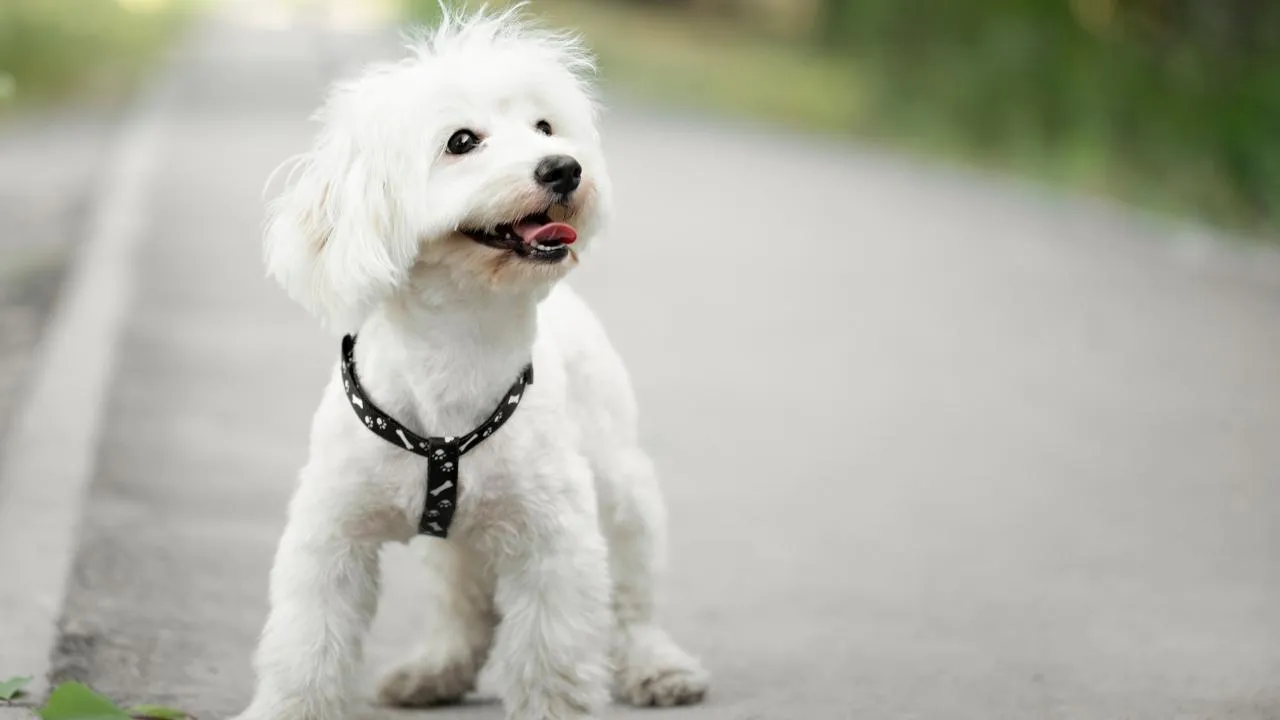
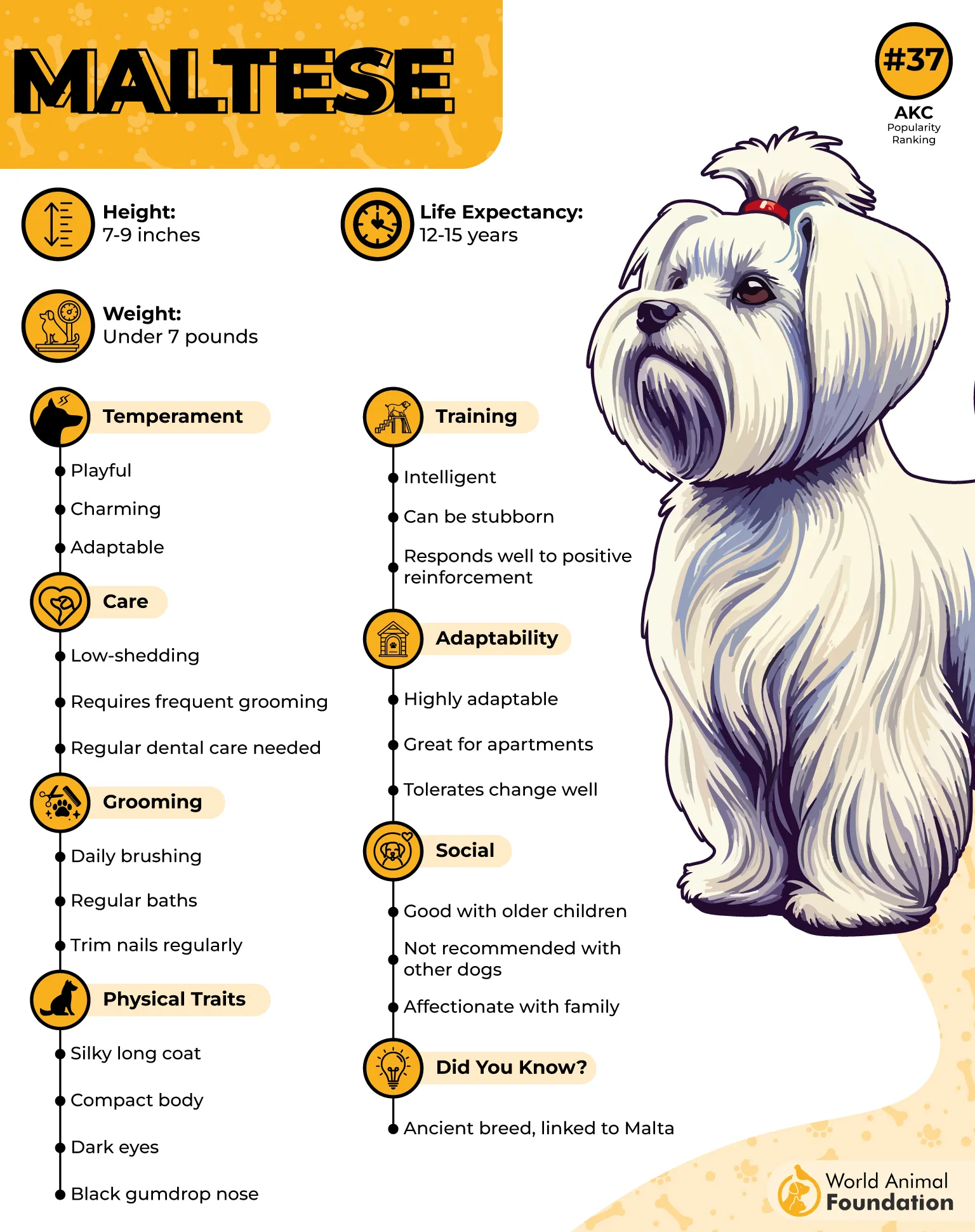
Maltese combines a gentle personality with an easygoing nature that helps it fit comfortably into homes shared with other pets, including calm cats. Originating on the Mediterranean island of Malta, this small companion has appeared in Ancient Greek and Roman literature for centuries.
Gentle Around the House
A playful personality and adaptable nature help this breed fit into different households with ease. Calm introductions and respectful interactions, especially with older children and resident cats, create a more relaxed home environment.
This is what makes this breed distinctive:
Recognized for its floor-length white coat
Not suitable to be left alone for long periods
Content with short walks and indoor play time
Quick to Learn
Maltese responds well to short, enjoyable training sessions that rely on praise, toys, and positive reinforcement instead of repetition. Boredom or loneliness can lead to excessive barking, so regular interaction helps keep this bright little dog engaged.
6. Boston Terrier

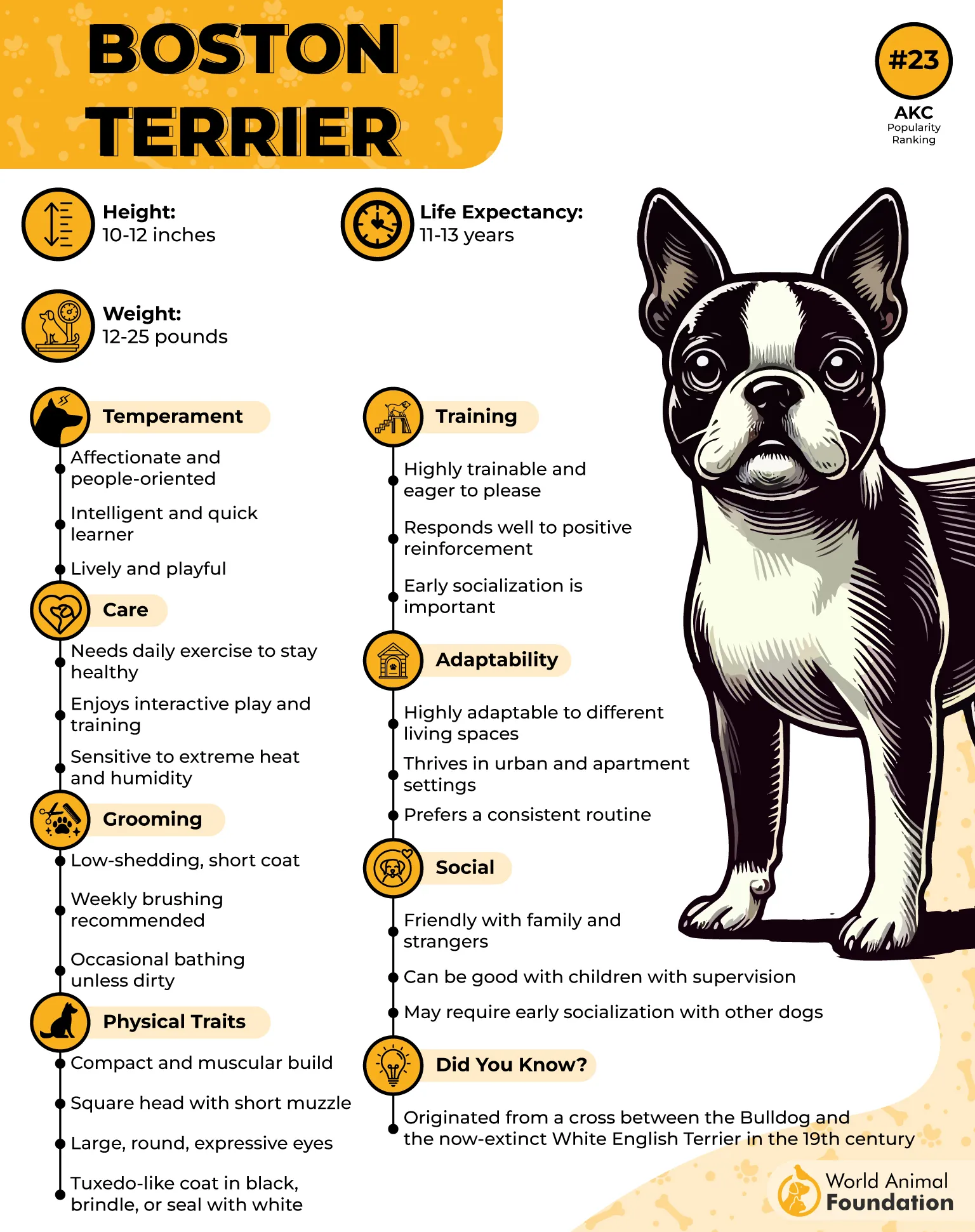
Boston Terrier first gained recognition in Boston and quickly became associated with the nickname “American Gentleman” because of its polite nature and tuxedo-like coat. While black and white is the classic look, brindle is another accepted coat color that gives the breed a different appearance.
A Friendly Housemate
Companionship has always been part of this breed story, so many are comfortable living with cats when they are introduced thoughtfully and given early socialization and training. A calm introduction and supervised interactions give both pets time to become comfortable with each other.
A few details are worth noting:
Happily enjoys family activities
Excels in fetch and frisbee
Need several short play sessions a day
Watch the Weather
Boston Terriers’ enthusiasm can make them eager to keep playing, although hot and humid conditions require extra care because breathing difficulties can develop. Without enough activity, attention, and mental challenges, unwanted habits such as barking or chewing may begin to appear.
7. Cocker Spaniel
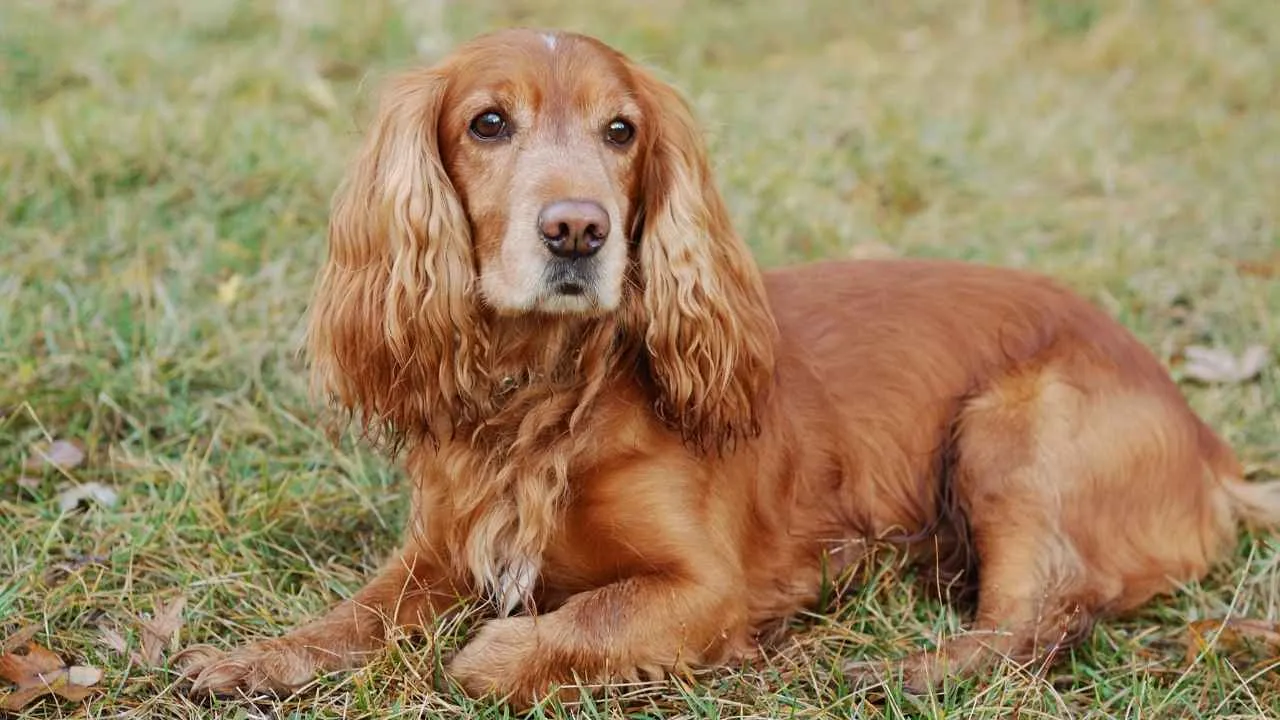
Cocker Spaniel wins people over with its expressive round eyes, long ears, and playful personality that keeps everyday life enjoyable. Originally bred for hunting, this breed combines enough athletic ability for outdoor fun with a size that also fits relaxed family living.
Peaceful Introductions
Their gentle temperament can make introductions to cats much smoother when both animals take their time to adjust at their own pace. Early socialization helps encourage polite behavior, creating a calmer environment for homes with more than one pet.
Their easygoing nature is shown in these habits:
Responds well to positive reinforcement
Enjoys agility and training, classes
Food and praise encourage learning
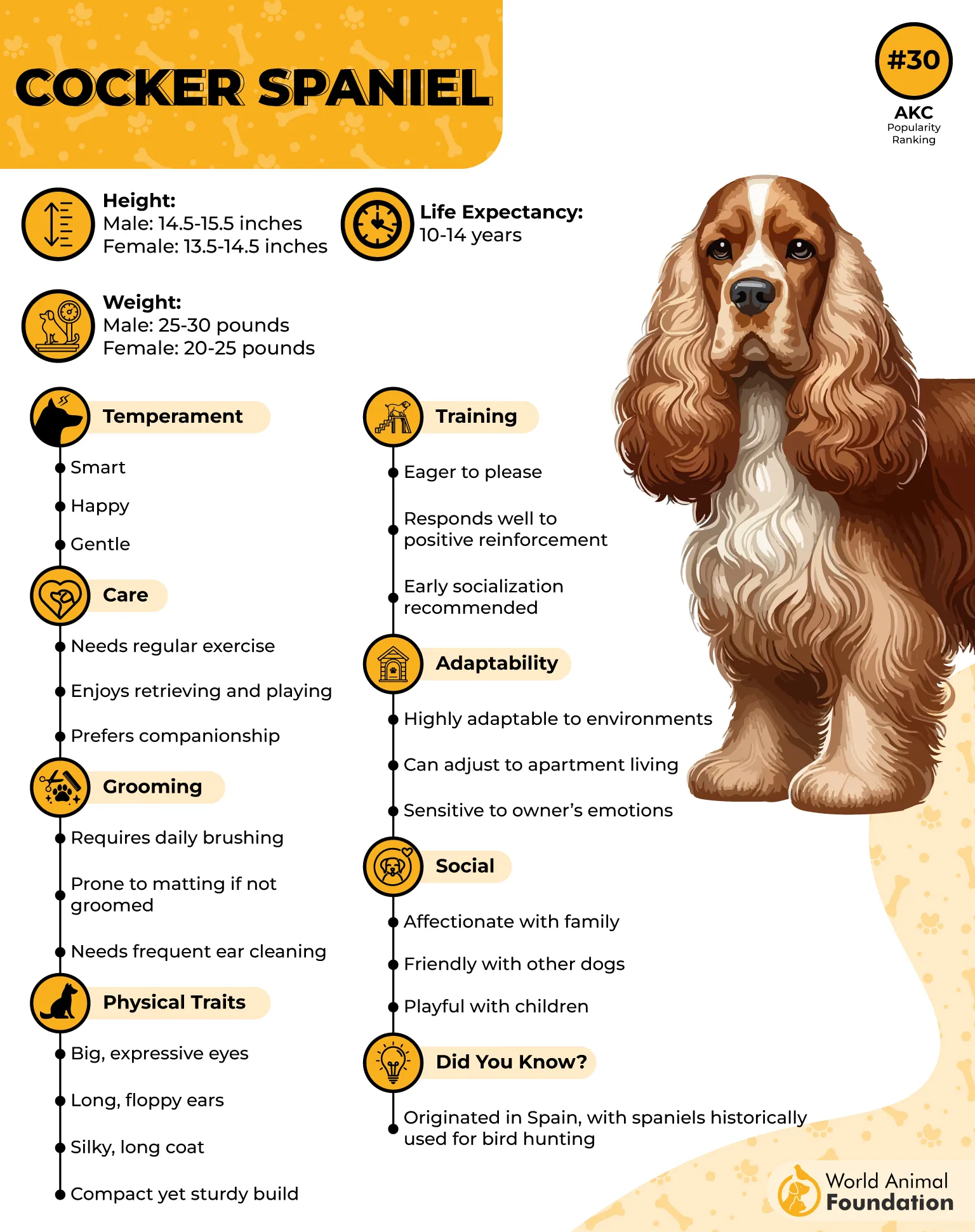
Happy to Join In
Cocker Spaniel doesn’t demand endless activity and is usually satisfied with games, a few daily walks, or a favorite toy. That balanced energy level can make shared indoor spaces feel more relaxed without constant excitement or restlessness.
8. Bichon Frise
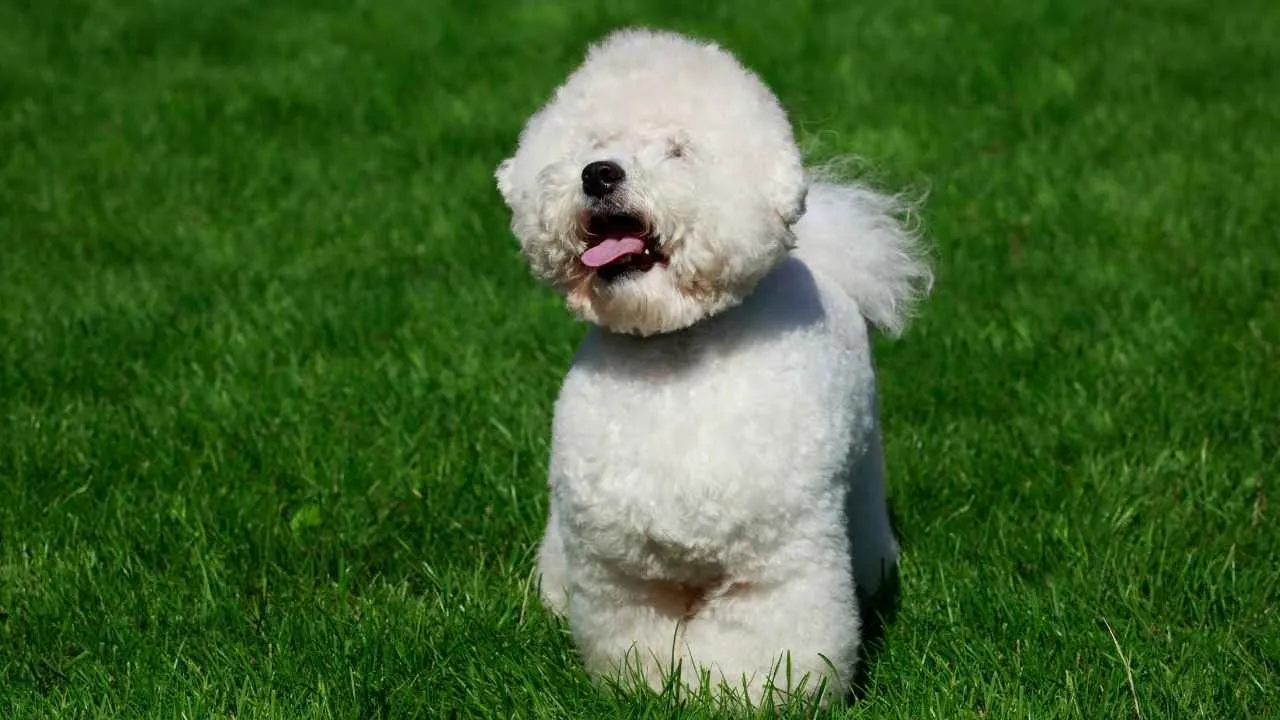
Bichon Frise brings an outgoing personality into the home and usually enjoys meeting both people and other animals with cheerful curiosity. This friendly attitude can make introductions with cats feel smoother when early socialization is part of the routine.
Happy Around Company
They belong to the Barbichon family, sharing close ties with the Bolognese, Havanese, and Maltese. Its adaptable nature also helps this breed adjust well to different households, including apartments and first-time pet homes.
A few interesting details add even more character:
Part of the non-sporting group
Respond well to training methods
Learns new tricks with enthusiasm
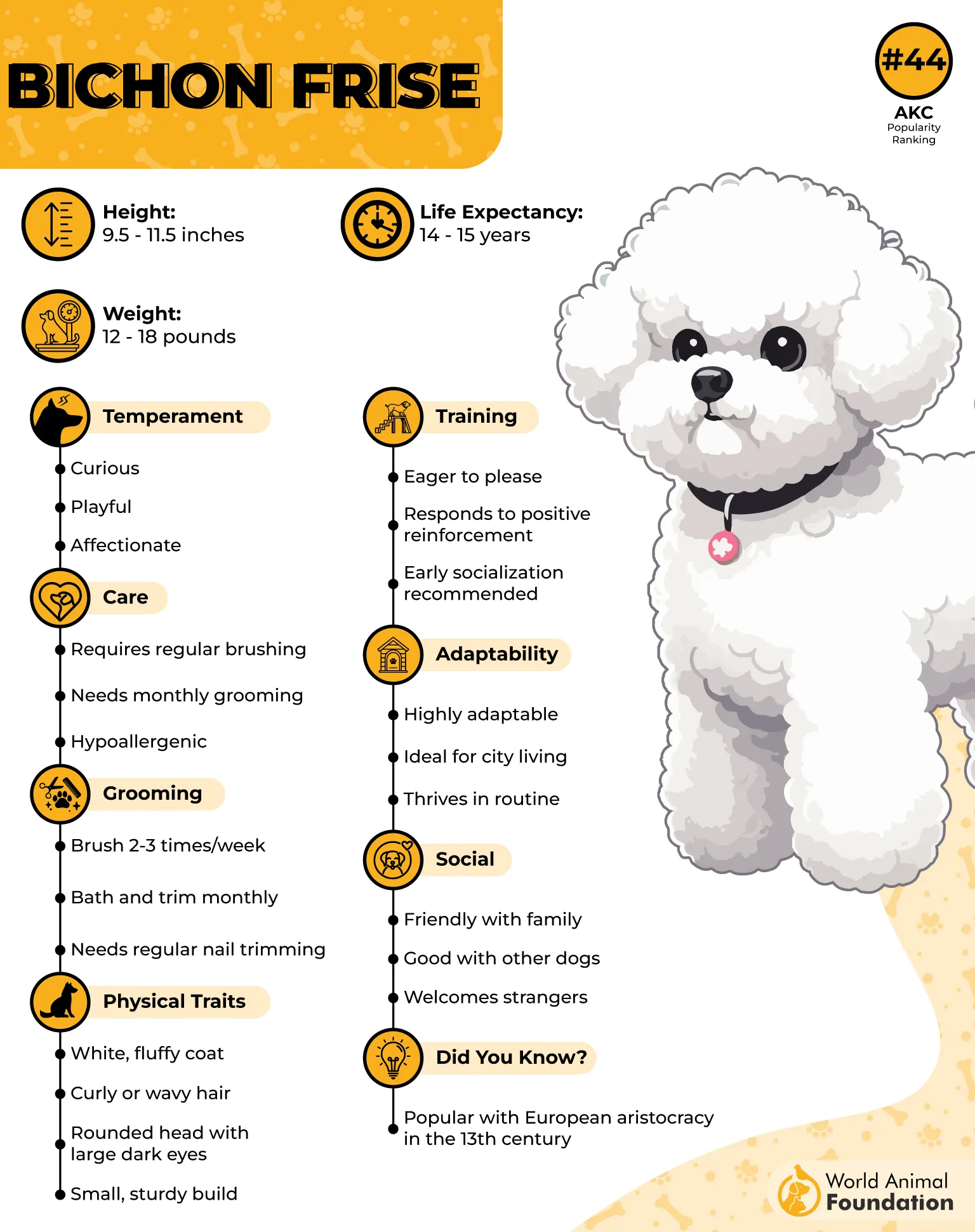
Play Comes Naturally
Bichon Frise enjoys switching between active play sessions and quiet time on the couch once its daily energy has been used productively. Favorite toys, regular interaction, and shared activities help keep this breed engaged and emotionally satisfied at home.
9. Basset Hound

Basset Hound was developed in France as a rabbit and hare hunting dog, descending from the now-extinct St. Hubert Hound. Today, its patient personality and easygoing attitude make sharing a home with cats much more comfortable when introductions are handled properly.
Calm Around the House
Although this breed once followed scent trails on hunts, daily life now revolves around a much slower pace and plenty of quiet downtime. Its relaxed nature helps create a peaceful atmosphere without constant activity filling every room.
Another side of the breed includes:
Short, smooth coat with loose, wrinkled skin
Long ears and lips often accompanied by drooling
Can’t spend time alone for long hours
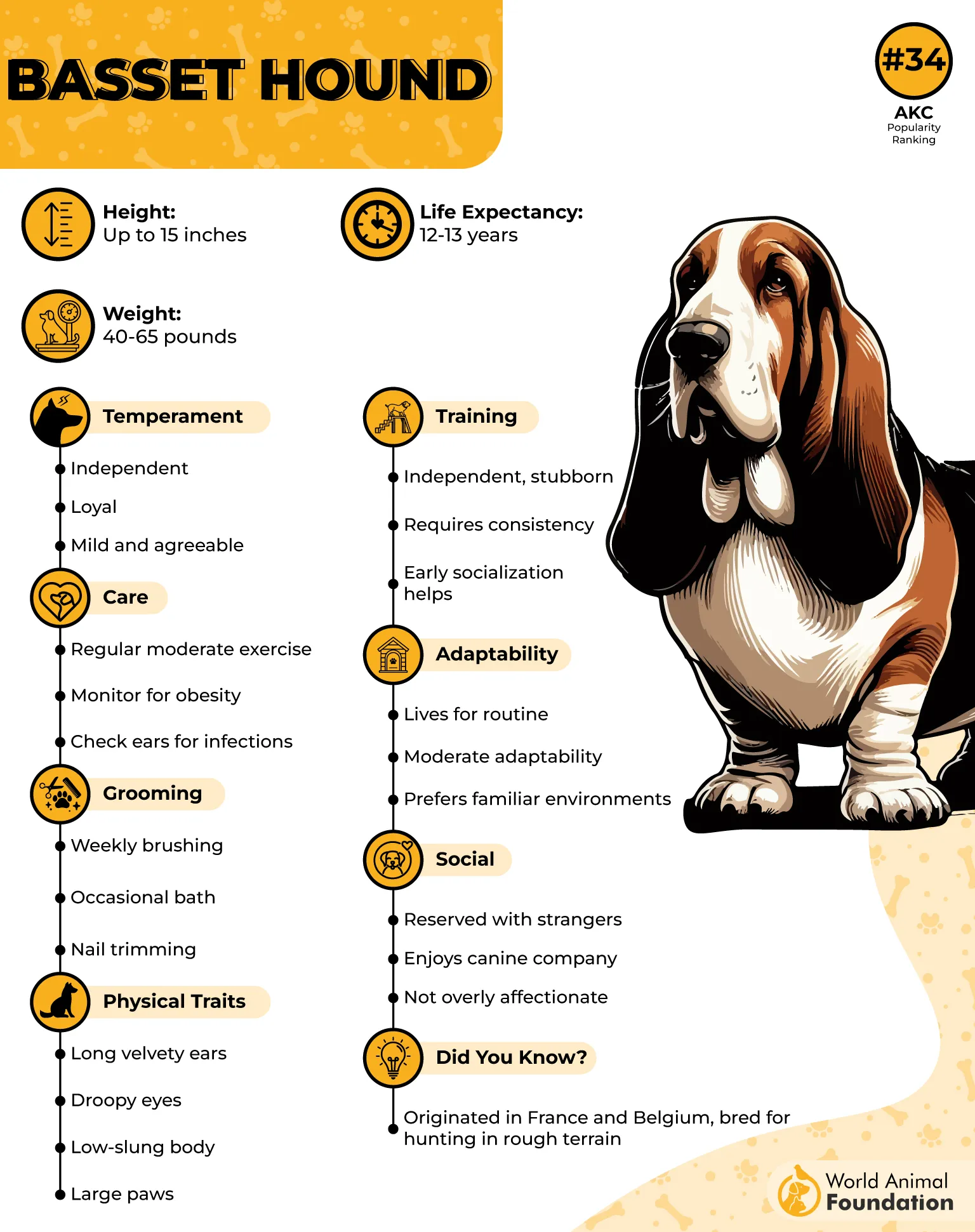
Easygoing Companion
Basset Hound enjoys the company of children, other dogs, and household pets, making mixed-pet families easier to manage with early socialization and supervision. Even with its laid-back attitude, regular walks remain important to help reduce the risk of excess weight.
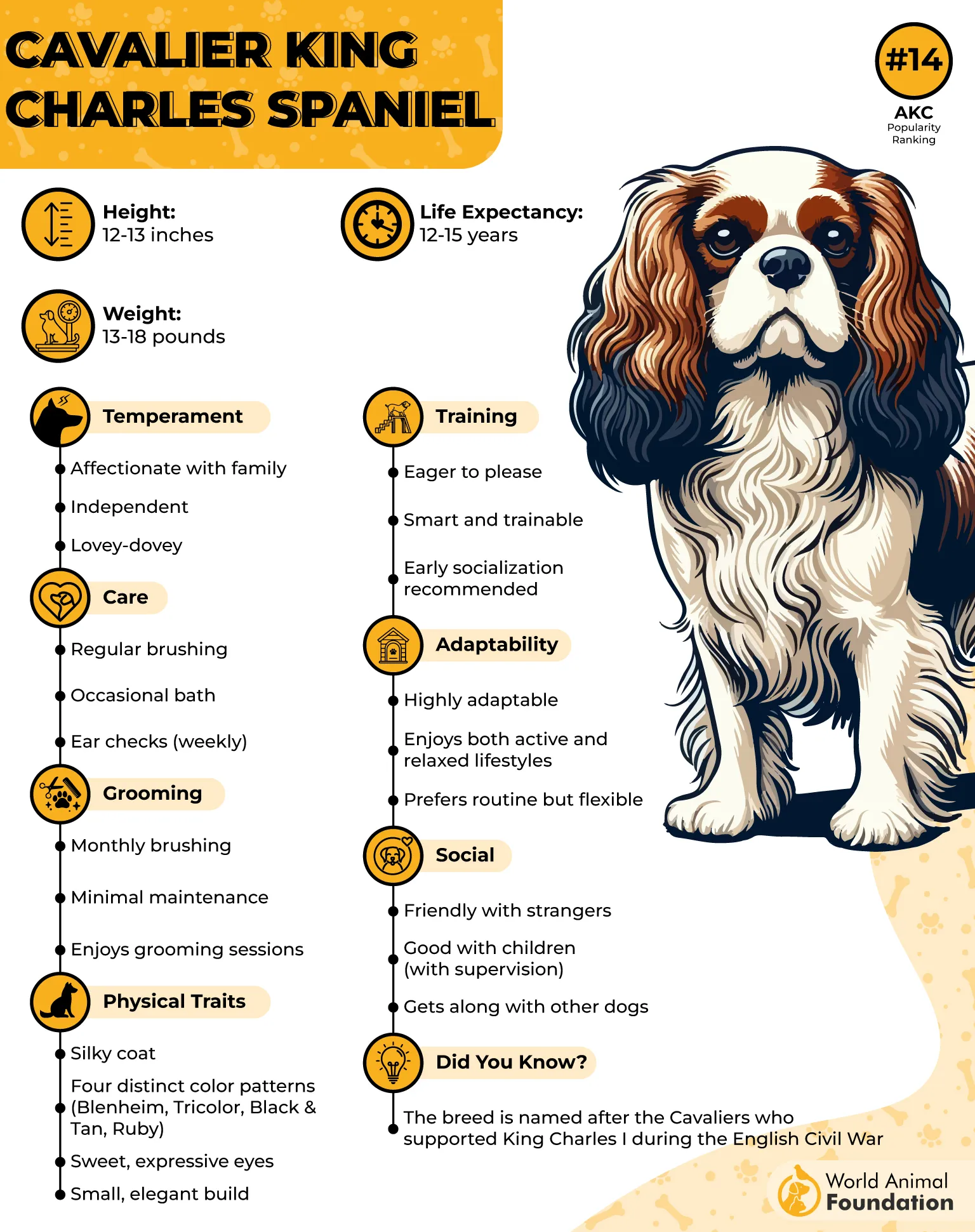
10. Cavalier King Charles Spaniel

Cavalier King Charles Spaniel takes its name from King Charles I and King Charles II, who were so attached to these little dogs that they even brought them into Parliament. That close connection with people continues to shape the breed’s affectionate personality today.
Easy Company
This breed was originally chosen to keep laps warm in chilly castles and carriage rides, which explains its comfort with quiet indoor living and constant companionship. Its patient nature also helps create peaceful introductions with cats, children, and other household pets.
Beyond those first impressions:
Ranked as the 14th most popular breed
Descends from the sporting group
Comfortable in active or quieter households
Calm Around the House
The Cavalier King Charles Spaniel enjoys being close to family throughout the day and often chooses the nearest lap or sofa instead of spending time alone. Two daily walks of about 20 to 30 minutes are usually enough to satisfy its moderate activity needs before relaxing indoors.
Conclusion
Bringing a dog into a home with cats does not have to be a difficult experience when the right companion is chosen from the beginning. Calm personalities, steady behavior, and a willingness to adapt often create the foundation for successful introductions and lasting harmony.
Taking things slowly allows both animals to become comfortable at their own pace without unnecessary pressure.
Regular supervision, rewarding positive interactions, and respecting each pet’s personal space help build confidence over time. With patience and thoughtful preparation, sharing a home becomes less about managing conflict and more about enjoying two very different companions living peacefully together.
