




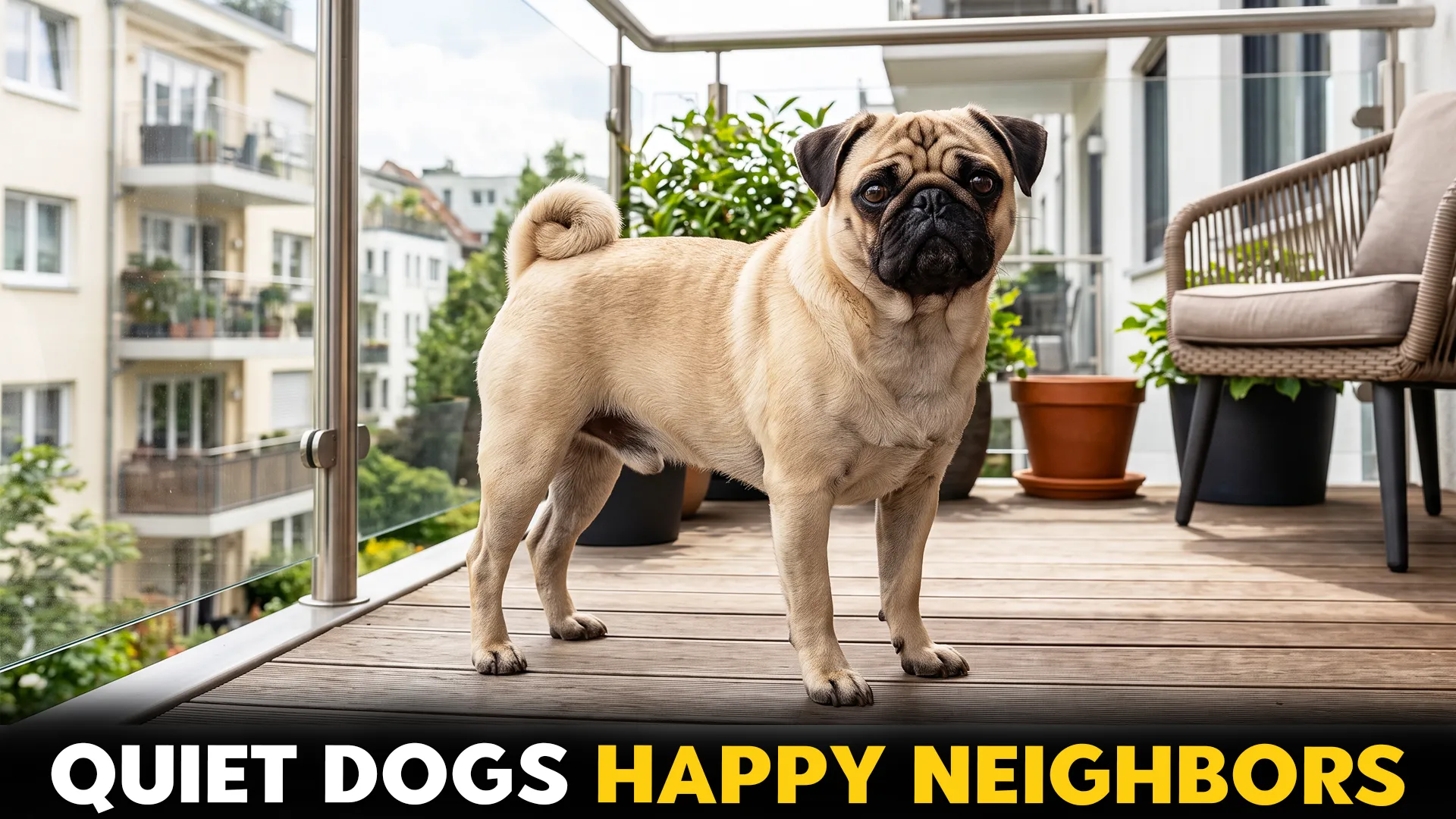
No dog is completely silent, but some breeds naturally make much less noise. If you live in an apartment, a townhome, or a quiet neighborhood, you may want a dog that won’t disturb the people around you.
Some owners also simply enjoy a peaceful home without constant barking. The good news is that several low-noise dog breeds that won’t disturb your neighbors are known for their calm nature and quieter habits.
Still, every dog is different. A dog’s barking often depends on its personality, daily routine, exercise, and the guidance it receives. Even naturally quiet breeds need proper care and attention to stay happy and relaxed.
This guide is perfect for families, first-time owners, apartment dwellers, and anyone searching for a peaceful companion. Keep reading to discover seven wonderful breeds that are known for their gentle voices and calm behavior around the home.
Low-Noise Dog Breeds That Won’t Disturb Your Neighbors
Here we go, one by one.
1. Newfoundland
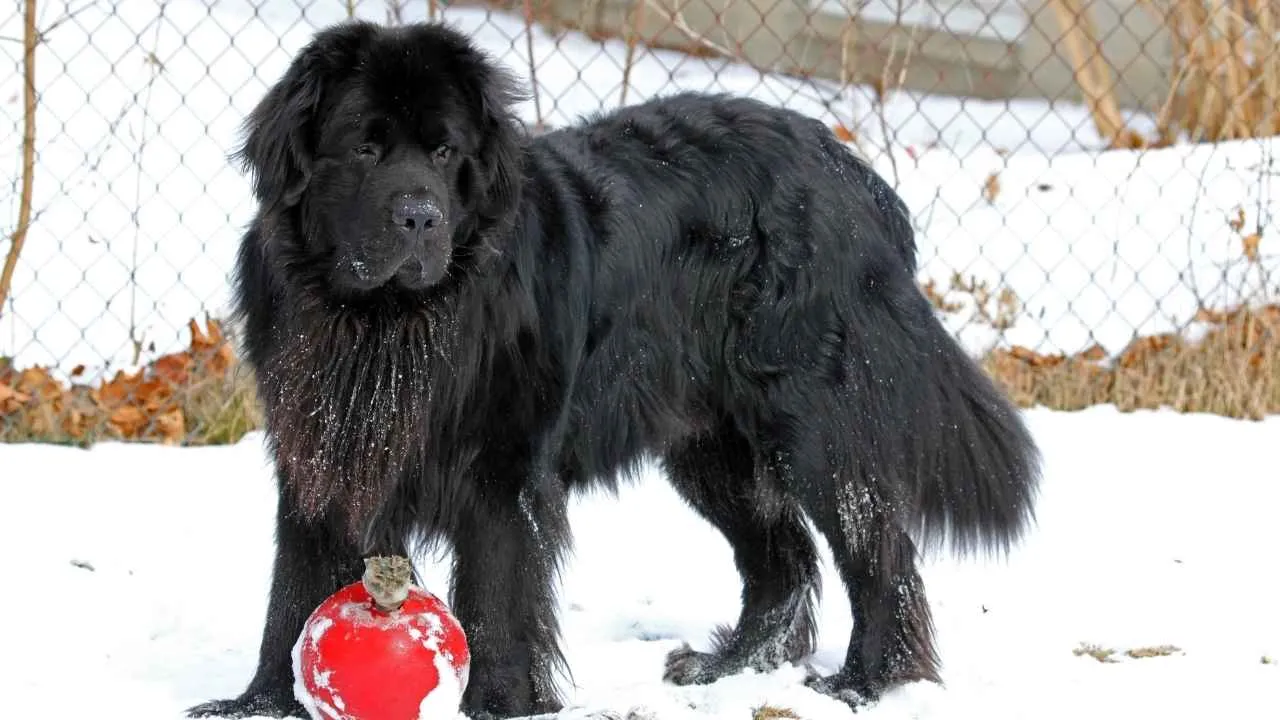
The Newfoundland proves that a giant dog can have a gentle voice. Often called a “gentle giant,” this even, naturally quiet dog breed stays calm instead of reacting to every little sound. It does not really bark unless it has a good reason, making it an excellent choice for peaceful neighborhoods.
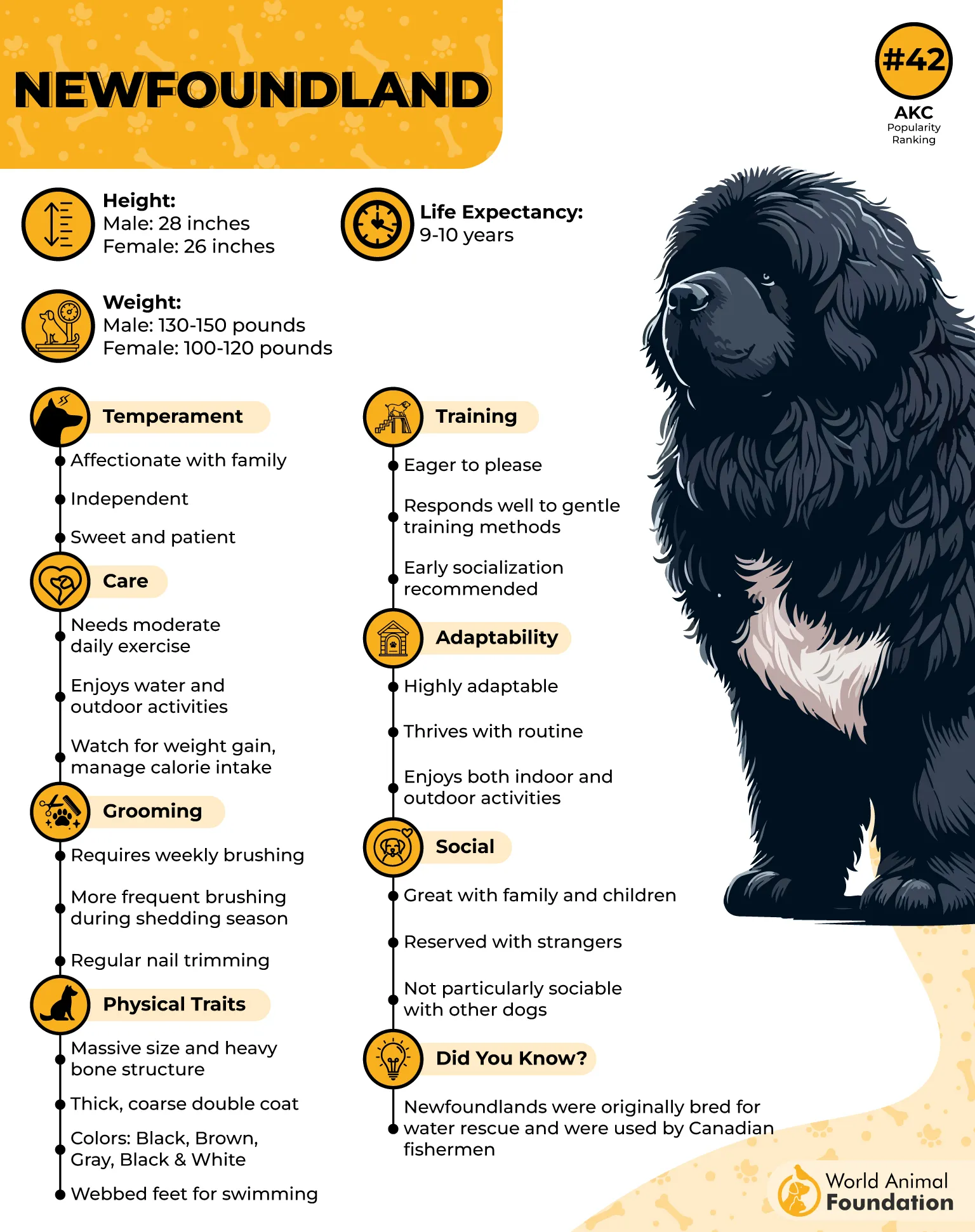
According to Omlet, Newfoundlands are sweet, loyal, and affectionate companions with webbed feet and a thick double coat that reflects their love of swimming. Their patient nature also makes them wonderful around children, and they usually prefer watching over the family rather than creating unnecessary noise.
While they are massive dogs, they often surprise people with their relaxed manners indoors. Their quiet confidence and protective instincts help them stand out from many other dogs that are quicker to raise the alarm.
Why a Newfoundland Fits Peaceful Homes
Needs plenty of indoor and outdoor space because of its impressive size.
Regular brushing keeps the thick double coat clean and healthy.
Early training helps pups grow into polite and confident adults.
Best suited for families who enjoy an affectionate and devoted companion.
Thrives in cooler climates and enjoys water-based activities whenever possible.
2. Pug

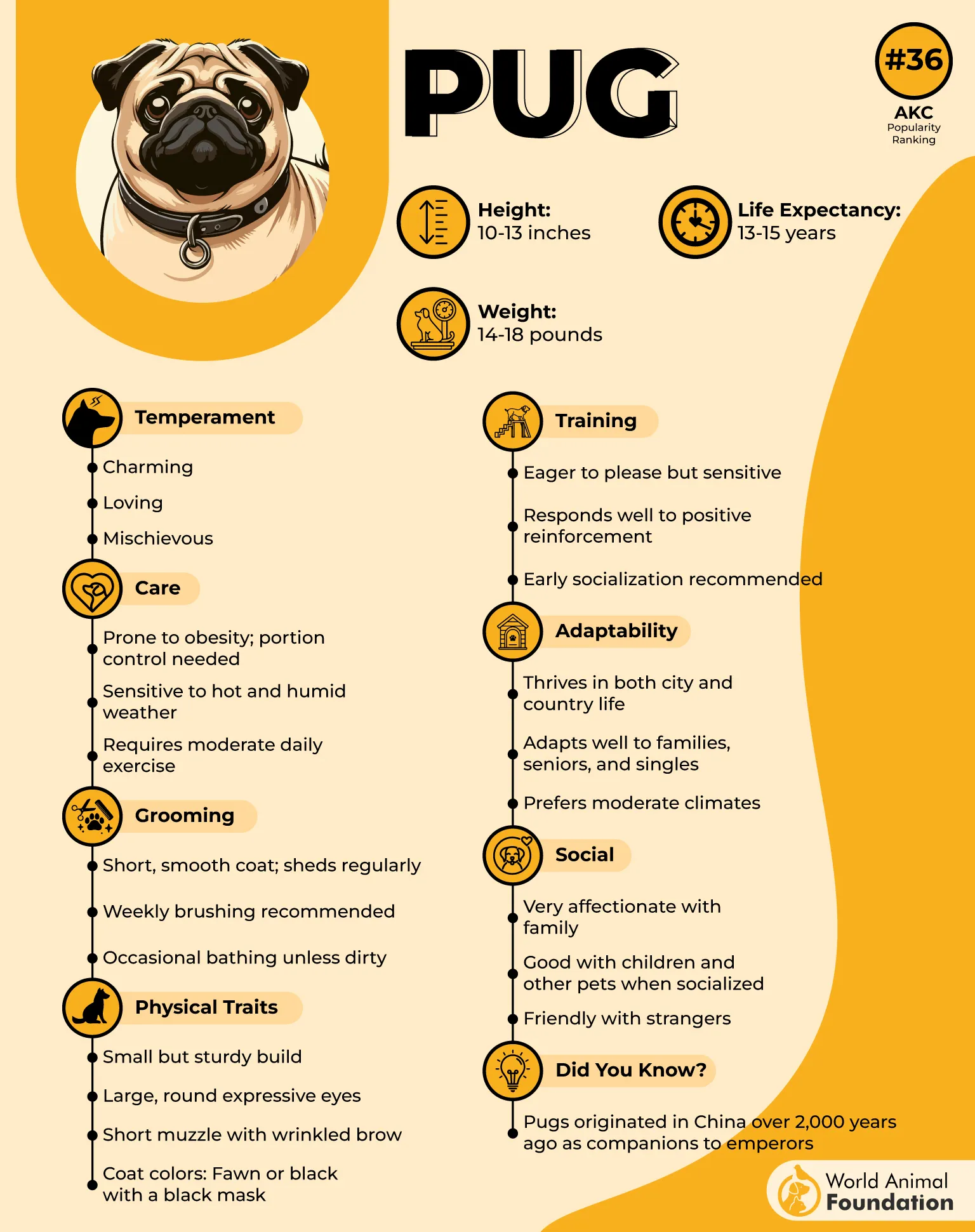
The Pug has charmed people for nearly 2,000 years, beginning in ancient China before winning the hearts of royal families around the world. Today, this cheerful small dog remains a favorite because it loves being close to its family.
Rather than making constant noise, a Pug often relies on expressive eyes and body language to communicate its needs. As a quiet dog breed, it is a wonderful choice for apartment living, where excessive noise can become a problem.
According to PetMD, Pugs are generally calm and low-energy, enjoying short walks or a quick game rather than intense exercise. After playtime, a tired dog is usually happy to relax beside its favorite people.
Although every dog has its own personality, Pugs are less likely to create nuisances by barking when they receive enough attention and a steady daily routine.
Caring for a Quiet Pug
Keep activity sessions short because this flat-faced breed can overheat easily.
Positive training helps pups develop good manners from an early age.
Give your pets interactive toys or simple games to keep their minds at work.
Welcome visitors calmly to reinforce polite behavior around new people.
Maintain a consistent daily routine to encourage a relaxed home environment.
3. Pekingese
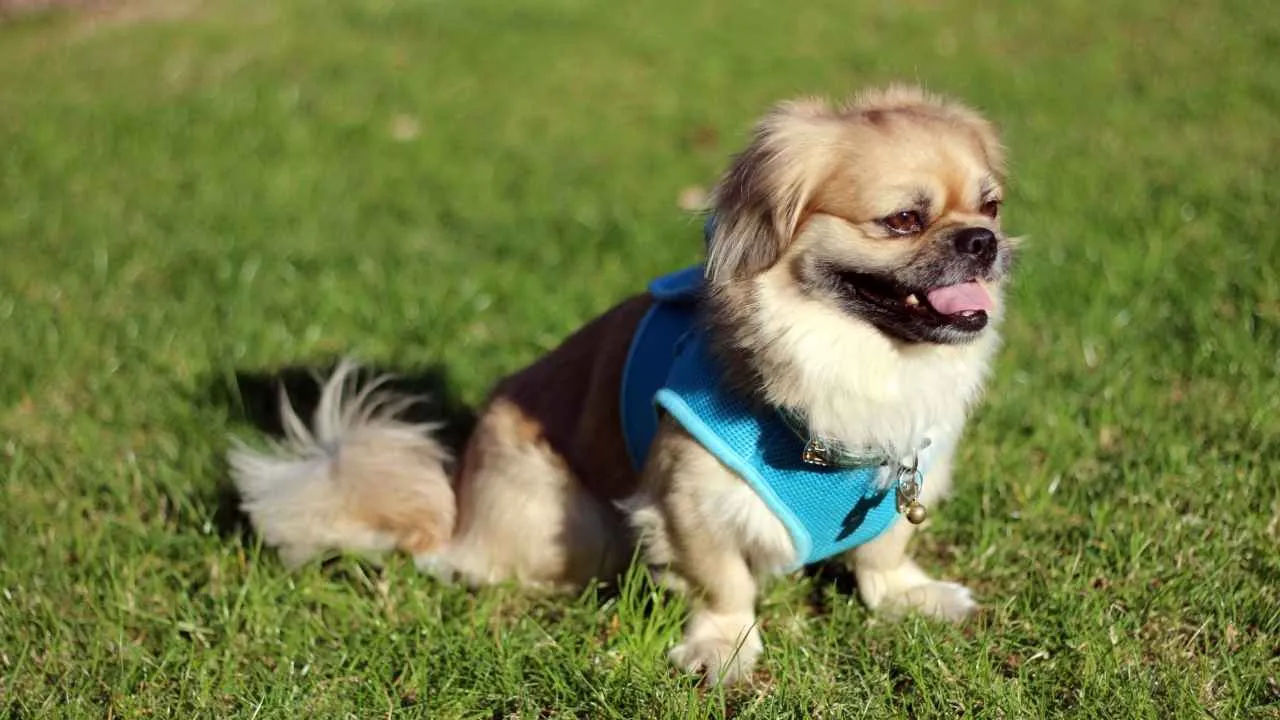
The Pekingese is an ancient Chinese companion with a proud personality and a deep sense of loyalty. According to WebMD, this small toy breed was developed to be a lap dog and is known for its lion-like appearance and devoted nature.
Despite its confident attitude, the Pekingese is often considered a quiet dog breed that enjoys relaxing close to its favorite people. Its independent nature means it does not always seek constant attention, but it forms lasting bonds with its family.
While barking is a normal part of canine communication, this breed usually saves its voice for situations it believes deserve attention. Because it is a brachycephalic breed, it is prone to overheating, so owners should manage outdoor activity carefully during warm weather.
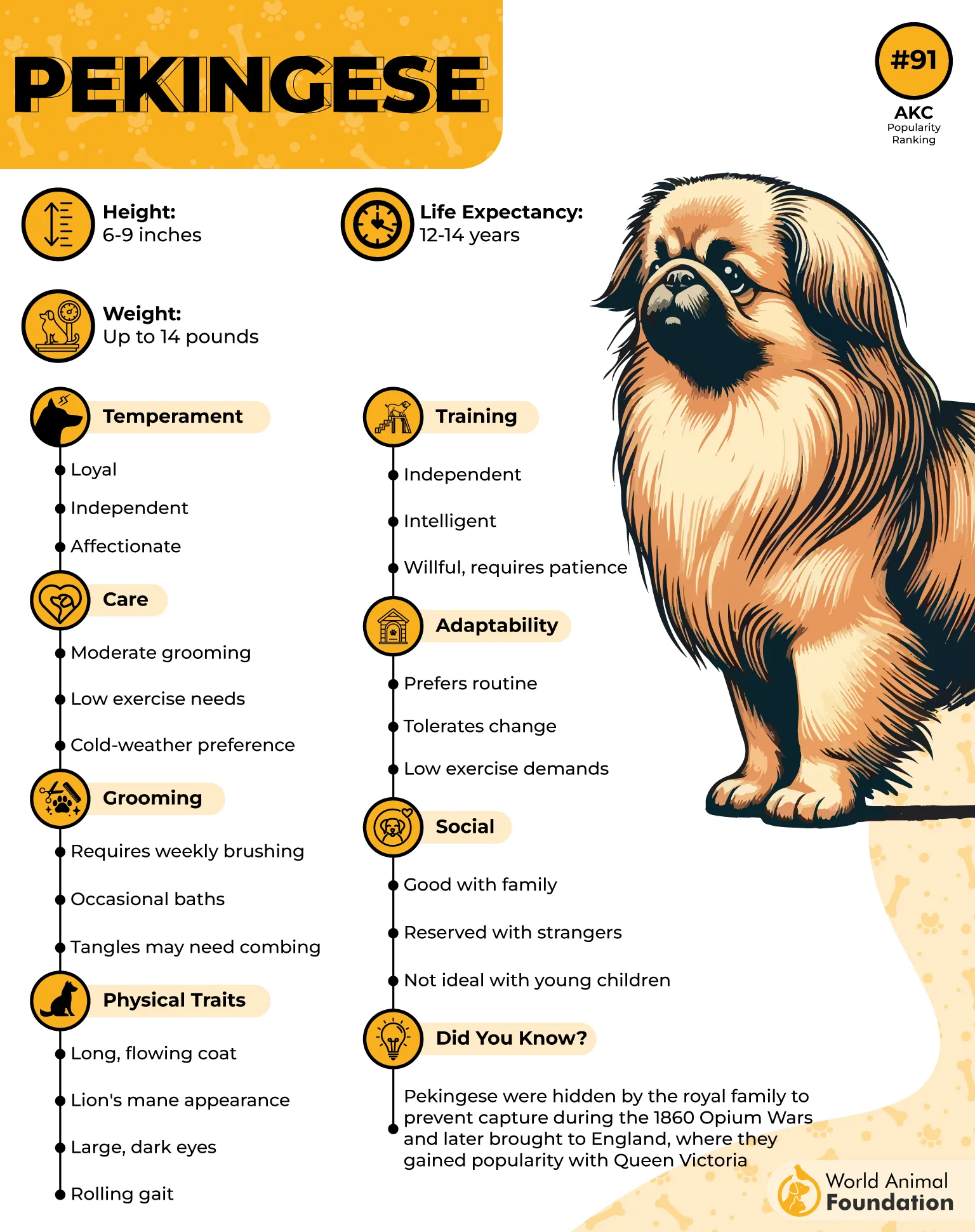
With plenty of comfort and silence at home, the Pekingese becomes a calm and devoted companion.
Living Comfortably With a Pekingese
Use consistent training with patience and rewards to encourage good manners.
Offer short walks and indoor play instead of strenuous exercise in hot weather.
Give healthy snacks as an occasional treat, not a daily habit.
Brush the long coat several times each week to prevent tangles.
Create a cool, quiet resting area where this breed can relax comfortably.
4. Basset Hound
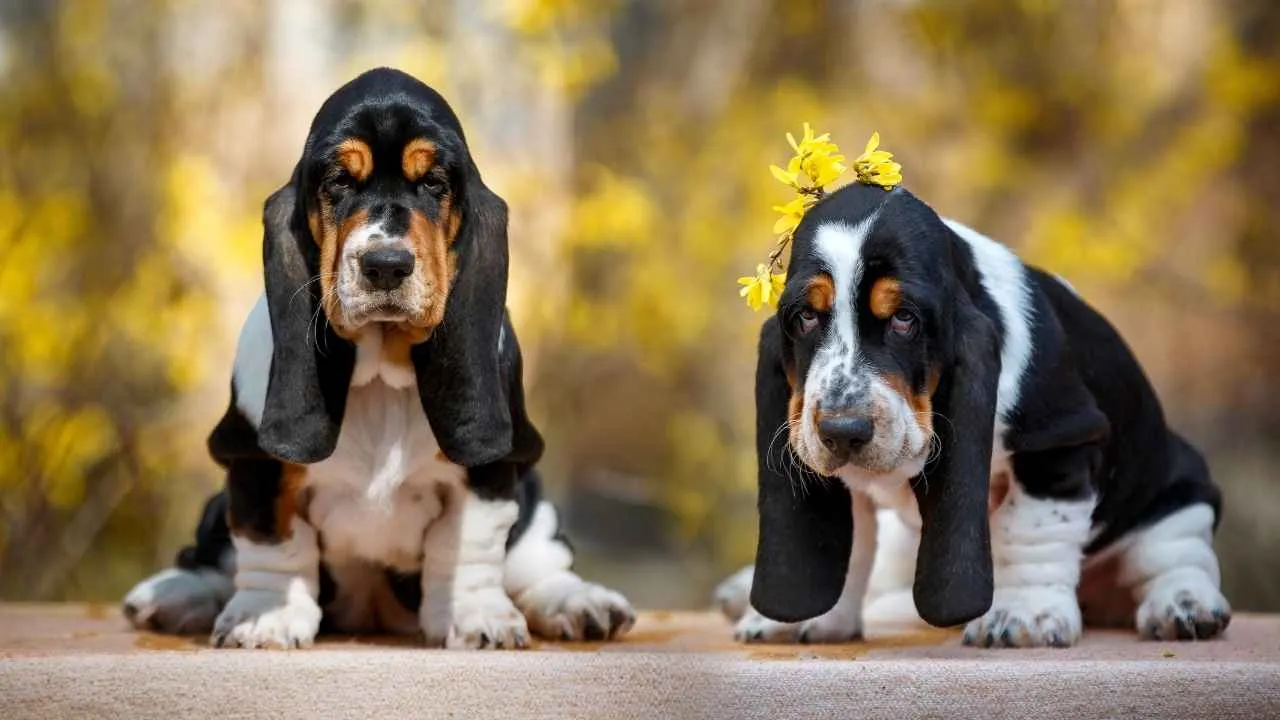
The Basset Hound is a medium-sized hunting dog breed with a long history of tracking rabbits and hares. According to Wikipedia, its name comes from the French word bas, meaning “low,” which suits its short legs and sturdy build.
Despite its hunting background, the Basset Hound is generally quiet and prefers a slow, relaxed pace indoors. It will rarely bark excessively, making it a pleasant companion for homes where peace matters.
Its powerful nose enjoys following interesting scents, so regular walks and sniffing games help keep it happy. Basset Hounds also tend to be friendly and often greet strangers with curiosity instead of suspicion.
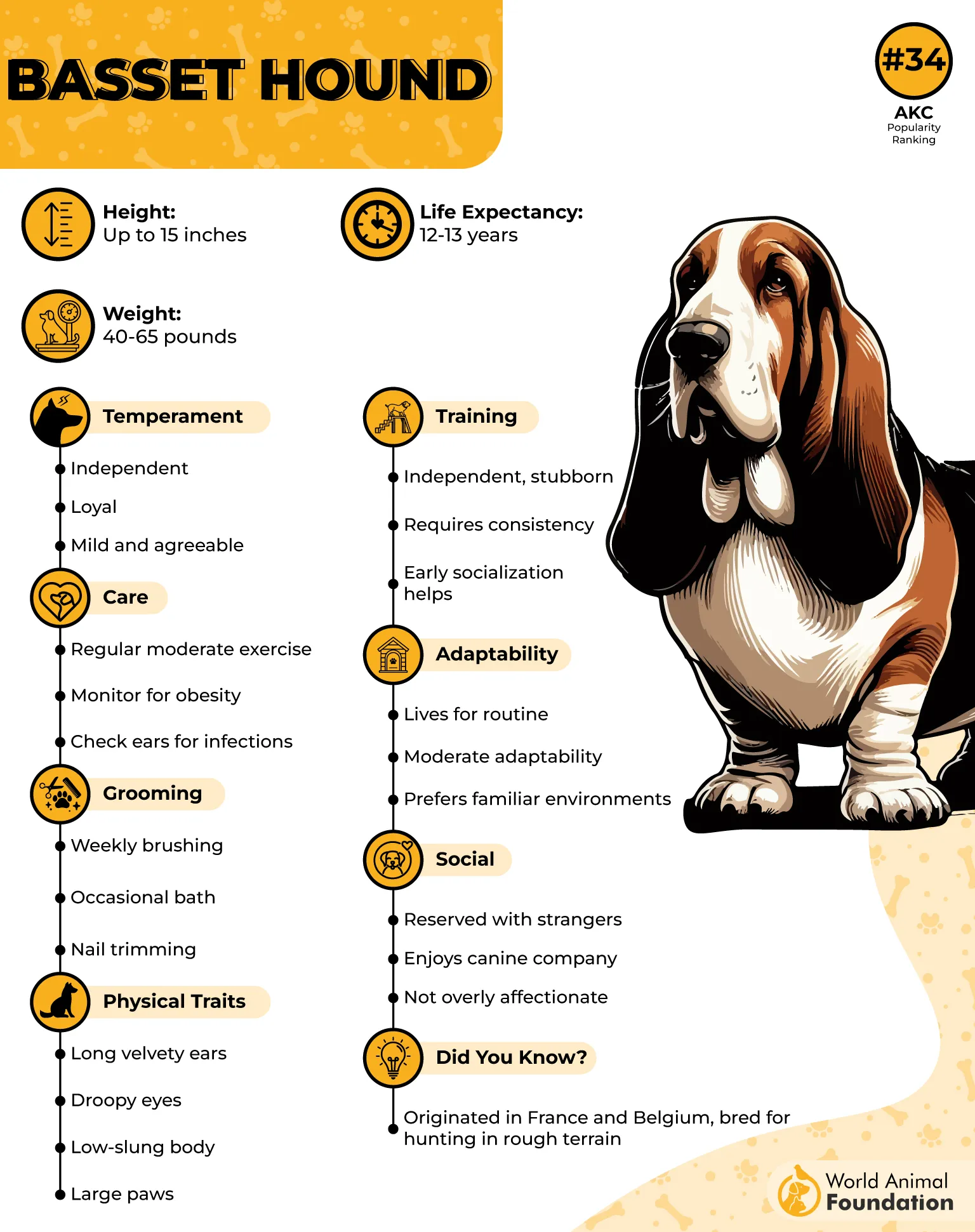
While they can be a little independent, patient guidance helps them become well-mannered family pets. Their calm nature and love of silence between adventures make them excellent friends for owners who appreciate a peaceful home.
Why the Basset Hound Fits a Calm Lifestyle
Check and clean the long ears regularly to reduce the risk of infections.
Maintain a healthy weight to protect the back and joints.
Use positive guidance because this breed can be stubborn at times.
Stay alert during outdoor walks, as an interesting scent may quickly grab its attention.
Best suited for families that enjoy relaxed daily routines and gentle companionship.
5. Cavalier King Charles Spaniel
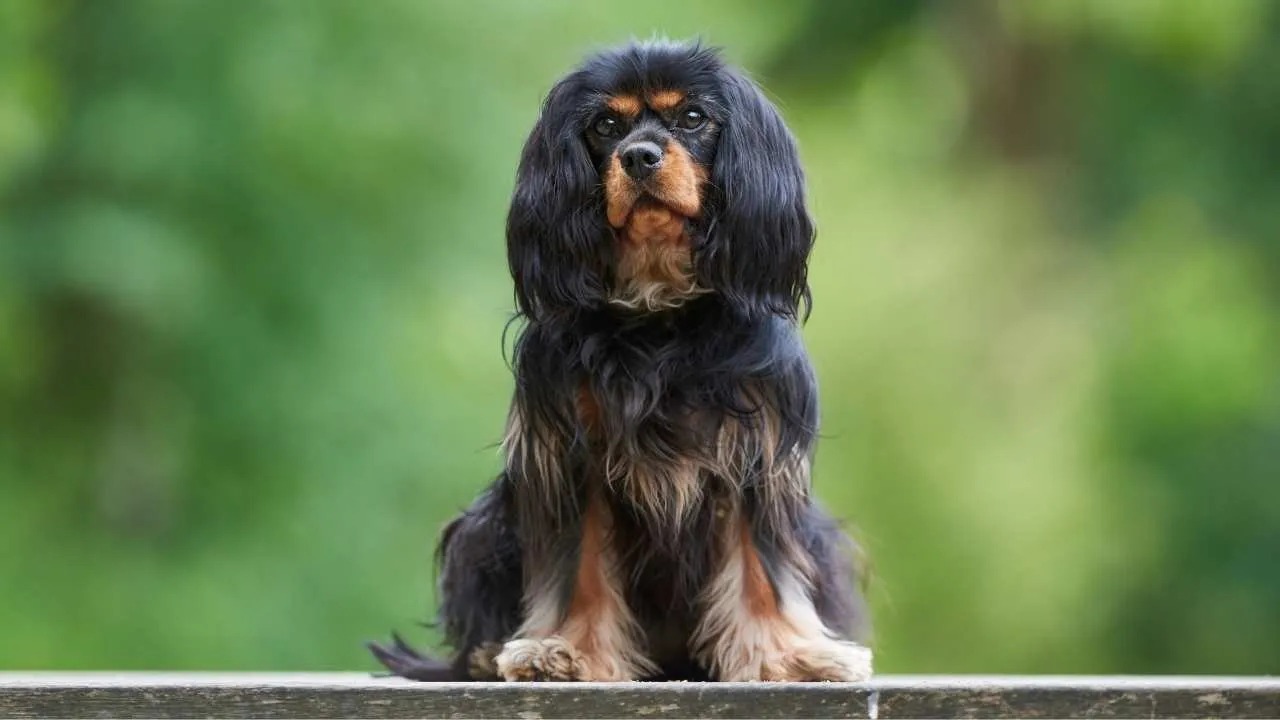
The Cavalier King Charles Spaniel is a loving companion that brings warmth to almost any home. Known as a generally quiet dog breed, it forms strong bonds with its family and enjoys spending time with people of all ages.
According to Hill’s Pet, this affectionate and playful breed is intelligent, eager to please, and naturally friendly, with shyness and aggression rarely being part of its personality. These qualities make it an excellent choice for first-time owners, families with children, and seniors alike.
This small dog usually welcomes guests with a wagging tail instead of making every sound an alarm. While no breed is completely silent, Cavaliers tend to avoid excessive barking when they receive enough attention and daily companionship.
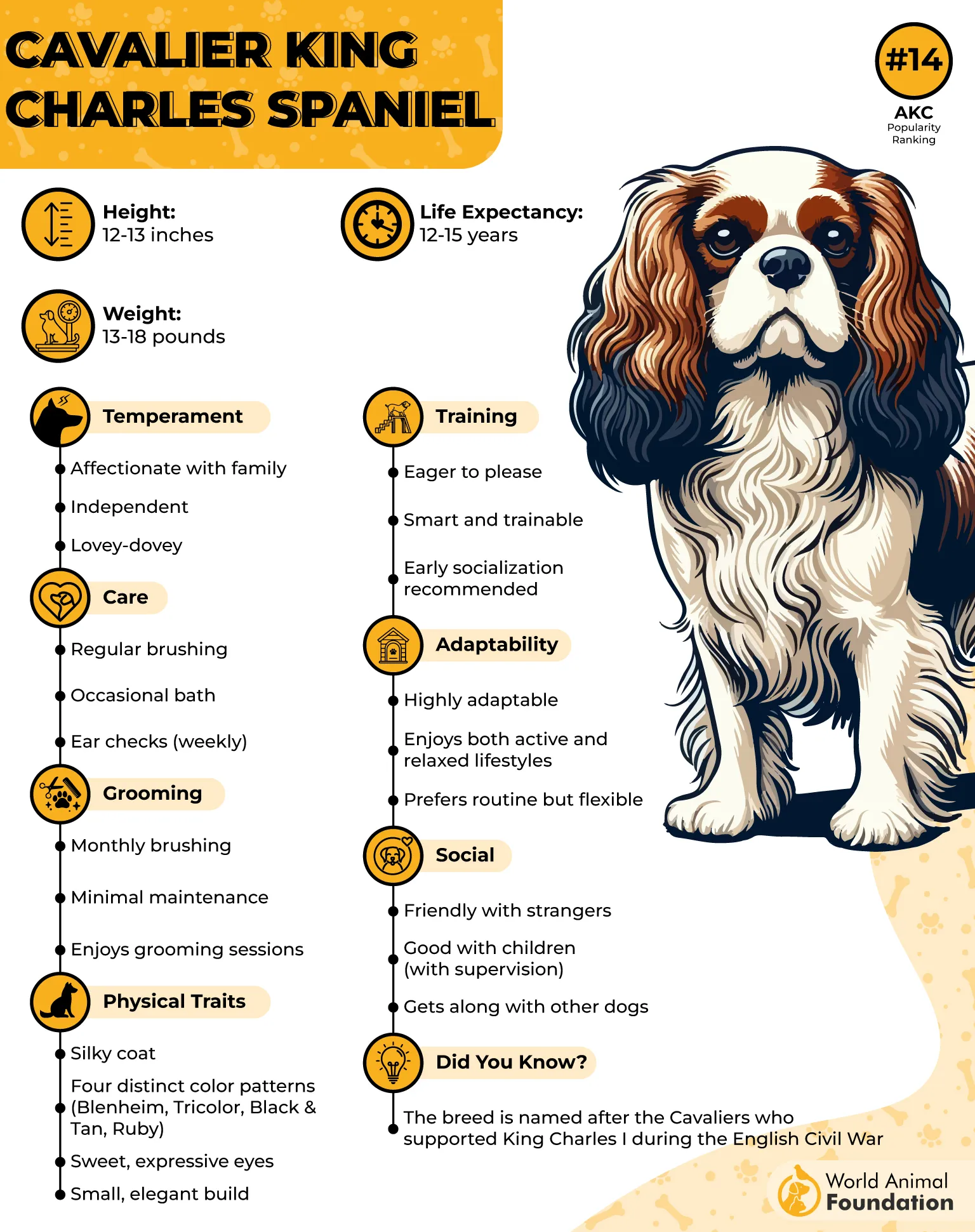
Their gentle nature and smart personality help them settle comfortably into peaceful households with other pets.
Keeping a Cavalier Happy and Relaxed
Provide daily mental stimulation with puzzle toys or simple games.
Schedule regular veterinary checkups, especially for heart and eye health.
Begin positive habits early so pups grow into confident adult dogs.
Brush the silky coat several times each week to prevent tangles.
Keep a consistent routine to help this people-loving breed feel secure.
6. Shih Tzu
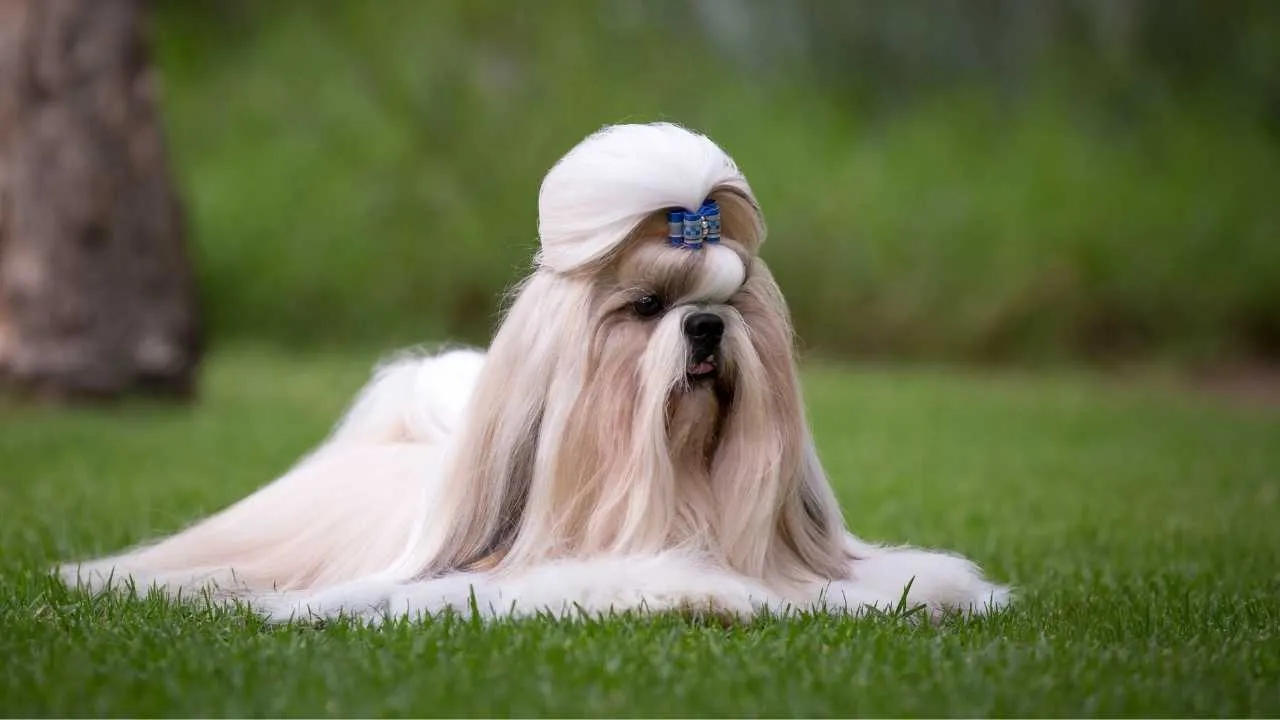
Originally treasured by Chinese royalty, the Shih Tzu was bred to be a devoted companion rather than a busy watchdog. That history still shows today. Among many quiet dogs, this cheerful breed enjoys relaxing close to its family and fits well with city living or smaller homes.
According to Britannica, the Shih Tzu is bold yet friendly and usually gets along with unfamiliar people, dogs, and other pets. These affectionate dogs prefer spending time with their favorite humans instead of reacting to every sound around them.

While they can become alert when someone arrives at the door, they are known for less barking than many other toy breeds. Their gentle personality and adaptable nature make this small companion a wonderful friend for seniors, families, and first-time owners alike.
Living Happily With a Shih Tzu
The beautiful long coat needs frequent brushing to prevent tangles and mats.
This breed is prone to eye and dental problems, so regular checkups are important.
Although often called a hypoallergenic dog breed, no breed is completely hypoallergenic.
Daily regular exercise through short walks and indoor play keeps them healthy.
Positive training helps prevent unwanted vocal habits and encourages polite behavior.
7. Bernese Mountain Dog
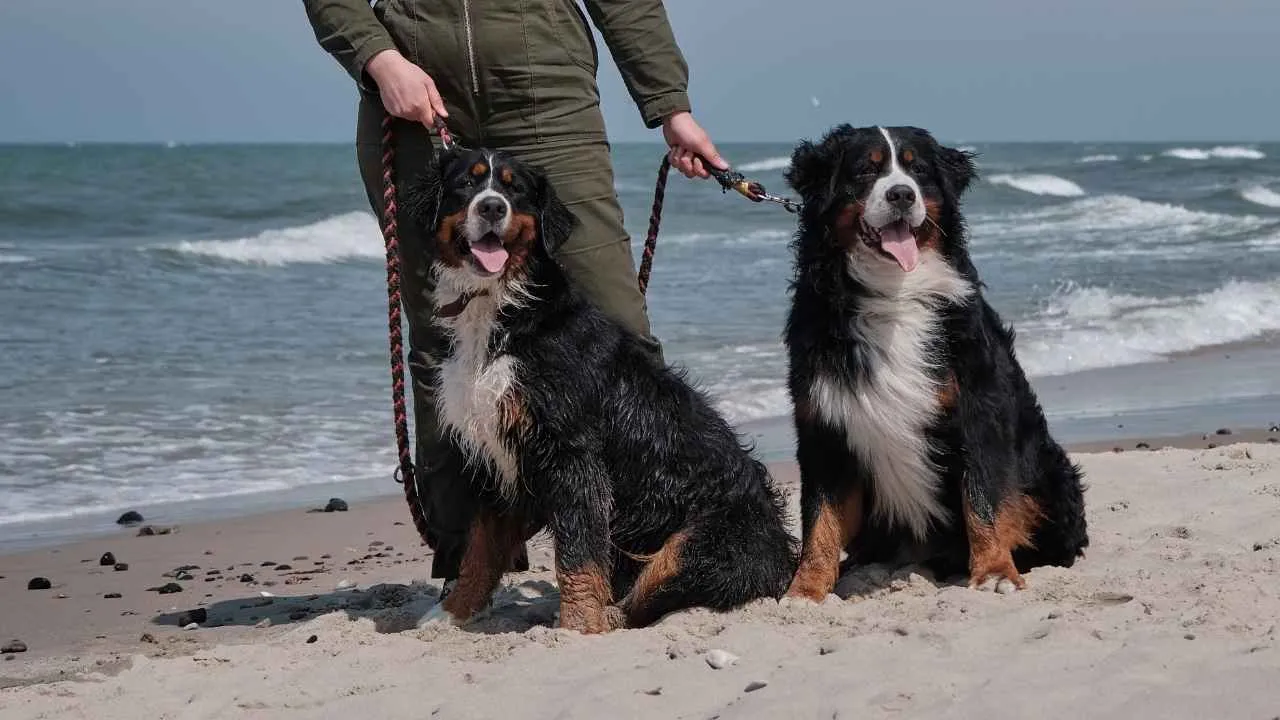
The Bernese Mountain Dog shows that a large working breed can also be a quiet dog breed. Originally developed for farm work, this gentle giant stays calm and confident around the people it loves. According to Purina, the Berner thrives with family, showing patience with children and affection toward adults.
It is also welcoming toward strangers and other pets when properly socialized. While it will use its barking to warn of a potential threat, it does not become vocal over every little sound.
This balanced response makes the Berner a dependable, quiet companion for homes that want both peace and security.
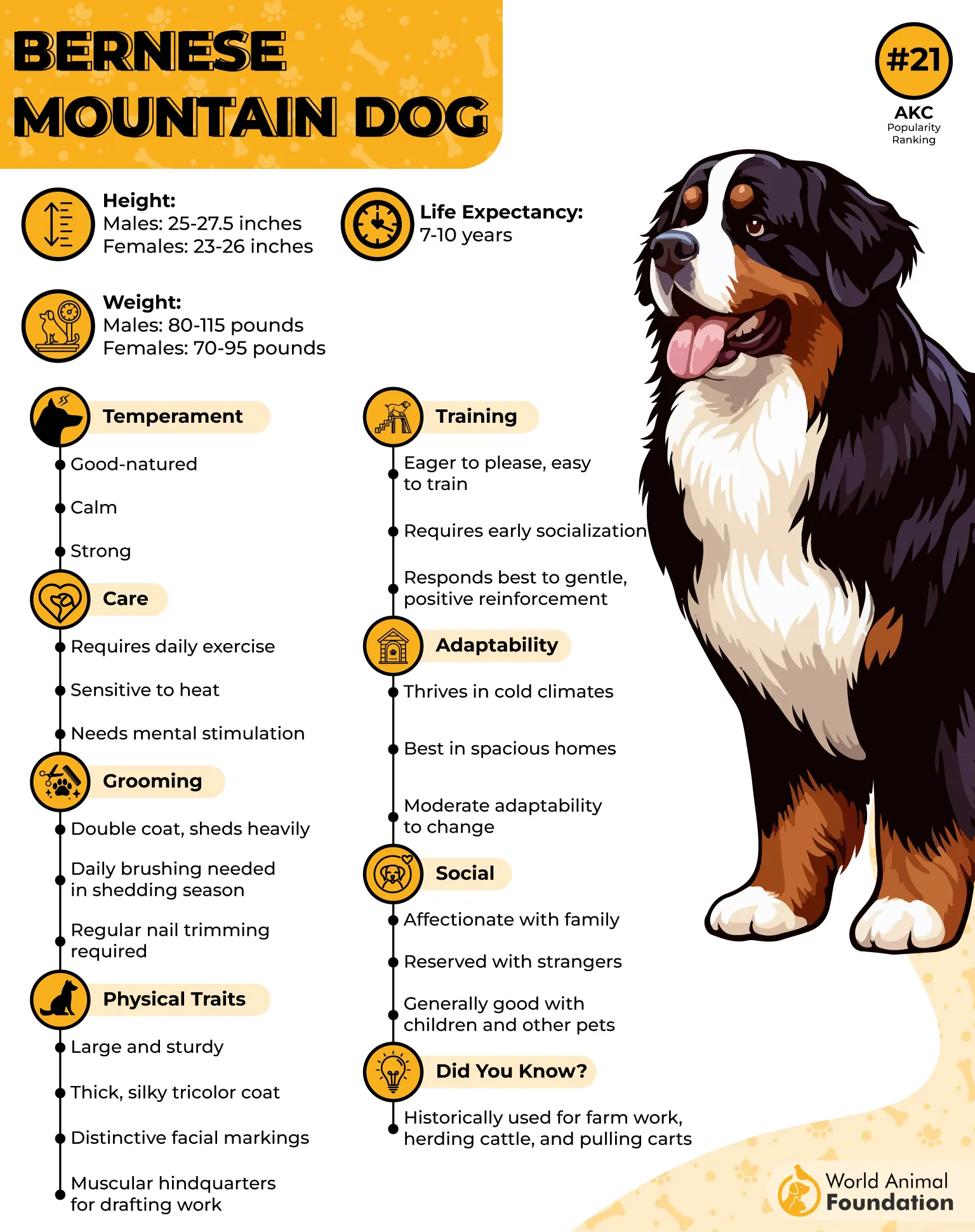
Although more active than some giant breeds, it enjoys exercise in a natural way without needing constant high-energy activities, especially in cooler weather, when this breed feels most comfortable.
Living Well With a Bernese Mountain Dog
A spacious house with room to move suits this large breed best.
Brush the thick coat several times each week, especially during seasonal shedding.
Avoid long outdoor activities in hot weather because Berners prefer cooler temperatures.
Begin positive routines early, so pups grow into calm, confident adults.
Provide steady daily activity and family time to keep this gentle breed happy and quiet.
Conclusion
No dog is completely silent, and even a quiet dog breed will make noise from time to time. While a barkless dog like the Basenji is unusual, barking is only part of how dogs communicate.
Whether you choose a small dog, a large dog, a guard dog, or a hunting dog, the right match depends on your lifestyle and expectations. Certain breeds are naturally calmer, but routine, exercise, socialization, and training also shape their behavior.
Every dog has its own personality, so it is important to expect some differences, even within the same breed. Fortunately, choosing a companion that fits your home and giving it proper care can create a quieter environment.
Finally, the right dog will bring comfort, loyalty, and happiness to both your family and your neighbors.
