





Just like people, dogs come with all kinds of different vibes. Finding the right breed isn’t just about meeting your practical needs; it’s about finding one that actually matches your energy, too. Think of a dog who’s happy to sit beside you and watch your favorite show on Netflix. A dog that doesn’t bark much, and when it does, it’s either to alert you or just to make you laugh.
And if you’ve got kids at home, no need to worry. Some of these breeds practically turn into built-in babysitters for your toddler when you’re not around. This list covers 7 breeds originally developed for rescue work, companionship, and therapy, and the best part is that they come with minimal exercise and grooming needs.
Let’s dive into the details and find your perfect match.
Most Reliable Dog Breeds for a Peaceful Household
1. Cavalier King Charles Spaniel
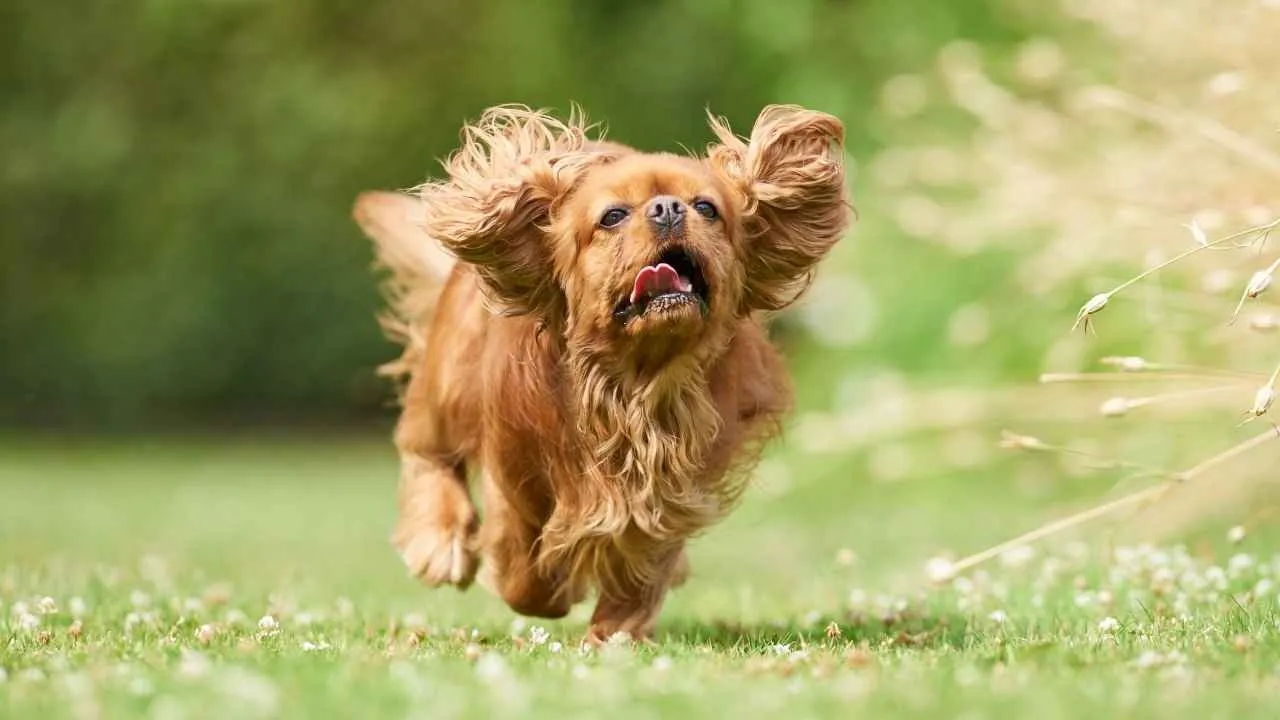
Two spaniel lines have been serving British royalty since at least the Renaissance. In the 19th century, traditional spaniels were crossed with Asian toy breeds, giving rise to the Cavalier King Charles Spaniel we know today. According to the AKC, its flatter face and domed skull classify it as a brachycephalic breed.
This family favorite has a strong instinctual pull toward human companionship, far more than any urge to chase, patrol, or roam. Thanks to its royal lapdog heritage, it tends to prefer a quiet home over a high-energy household.
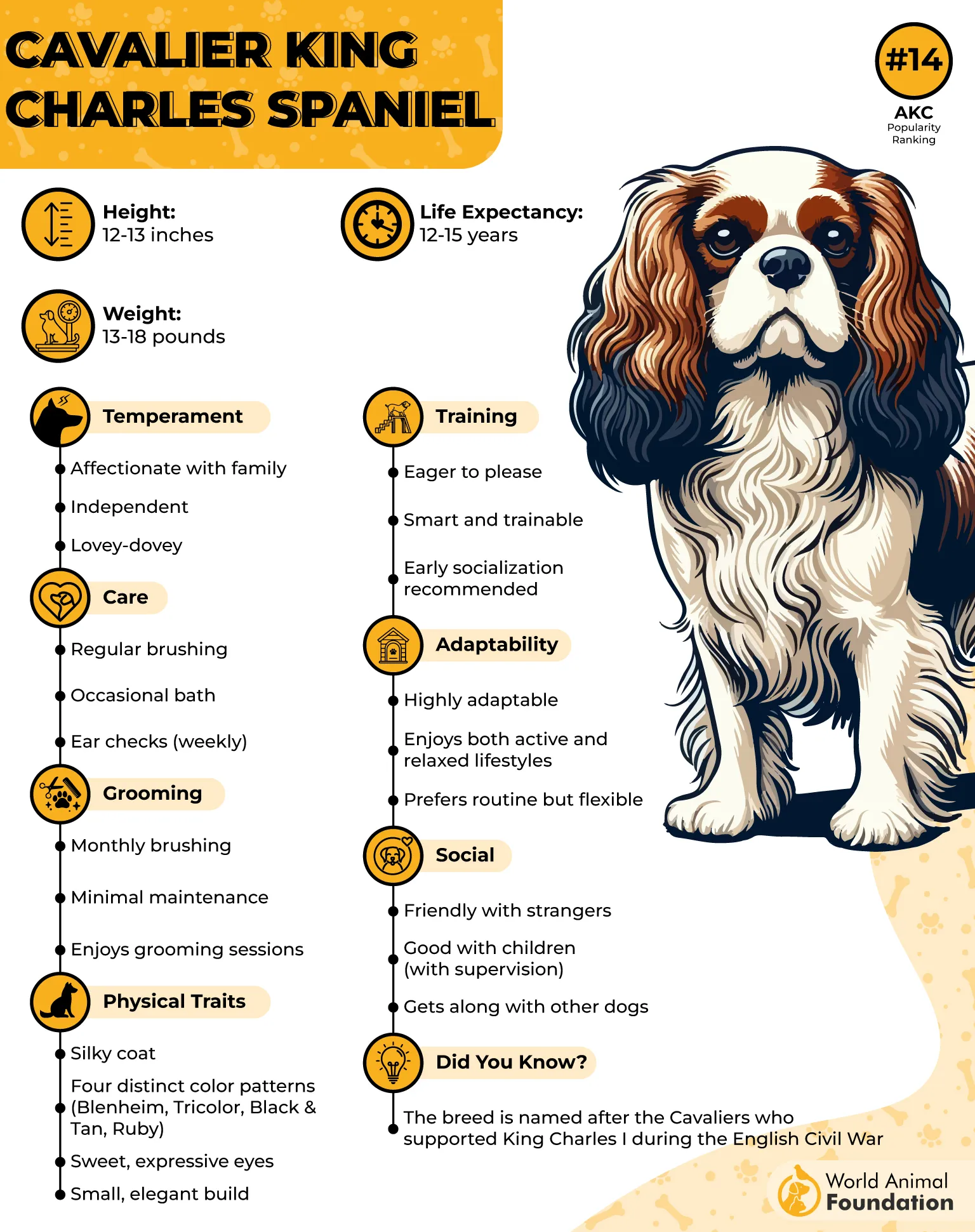
Cavaliers are also highly attuned to their owners’ emotions, which is why the breed is so often used for therapy work. With a non-aggressive personality, they make fast friends with family members, kids, other pets, and even familiar visitors.
As a low-energy breed, about 60 minutes of exercise a day is plenty to keep them physically and mentally satisfied.
2. Clumber Spaniel
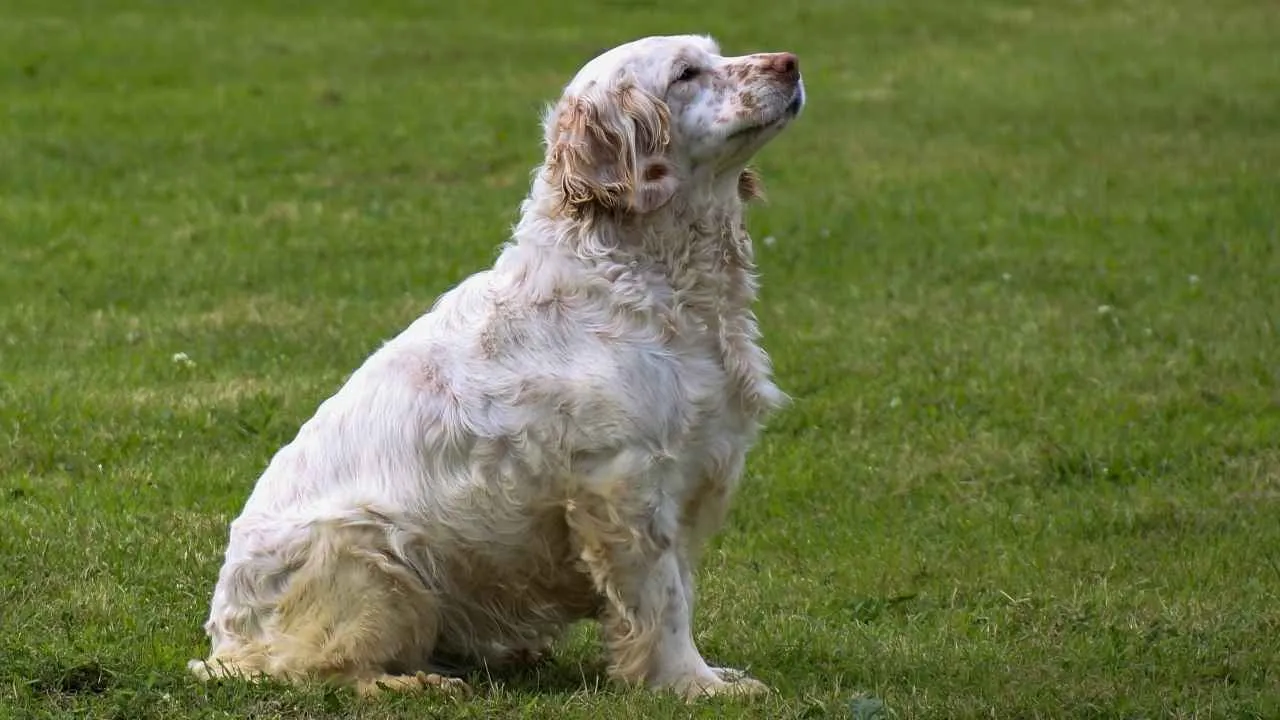
The modern Clumber Spaniel was developed in the 18th century by the Duke and his gamekeeper, William Mansell. This bird dog quickly won over British aristocrats, thanks to its calm, determined hunting style and its equally sweet companionship back home. Its face has a slight droop, paired with gentle, dark amber eyes.
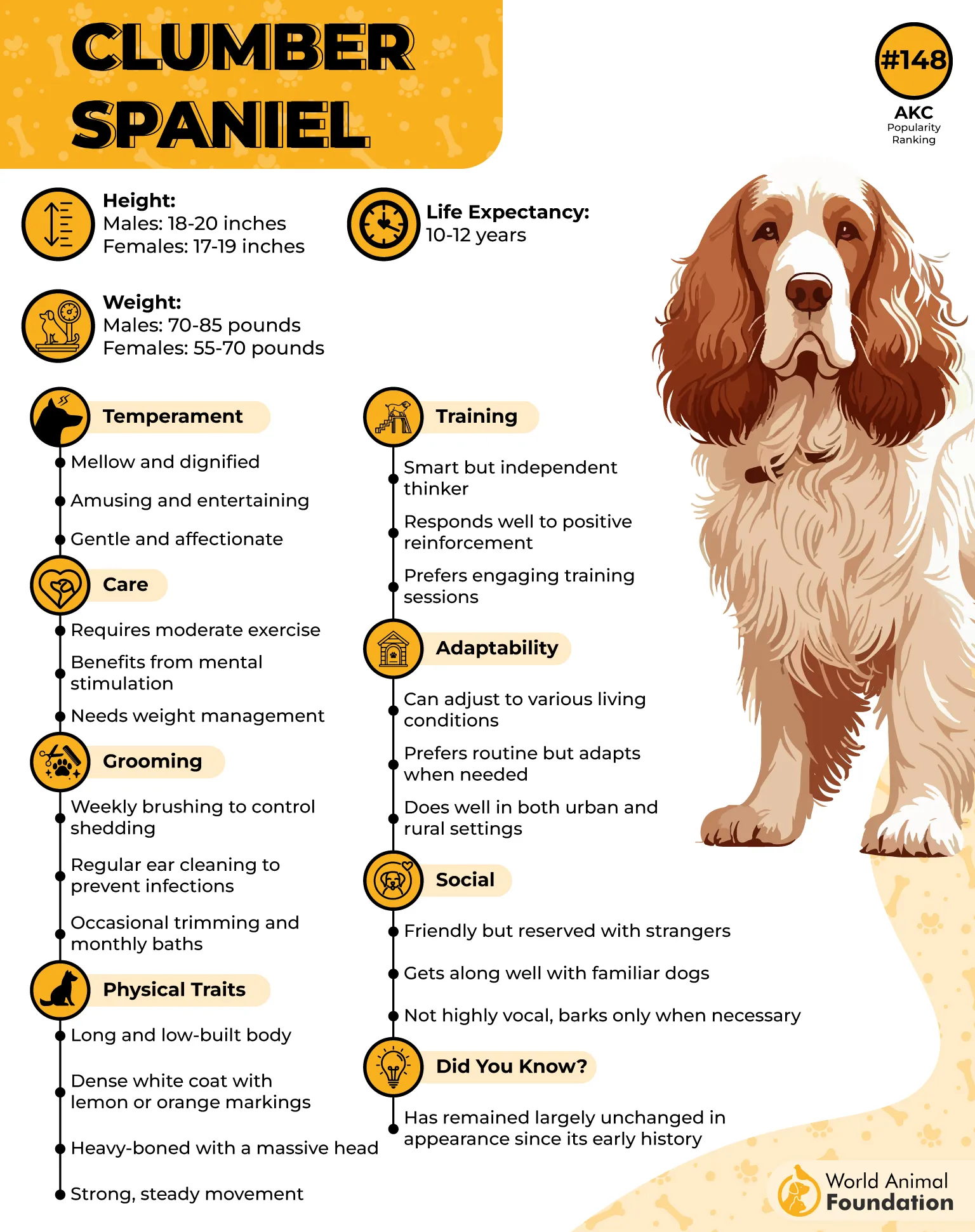
A short-legged frame and flexible back give the Clumber a naturally low center of gravity, which shows up in its slow, deliberate, rolling gait rather than the bouncy energy you’d see in sprinter breeds. That’s by design: it was bred to hunt methodically through dense underbrush, not to chase things down at speed.
Because of its droopy upper lip, it’s worth keeping a “slobber towel” handy for cleanup. The breed is also highly food-motivated and tends to excel in obedience, rally, and agility trials. And while Clumbers can bring plenty of energy outdoors, they’re just as happy settling into a laid-back pace once they’re back inside.
3. Golden Retriever
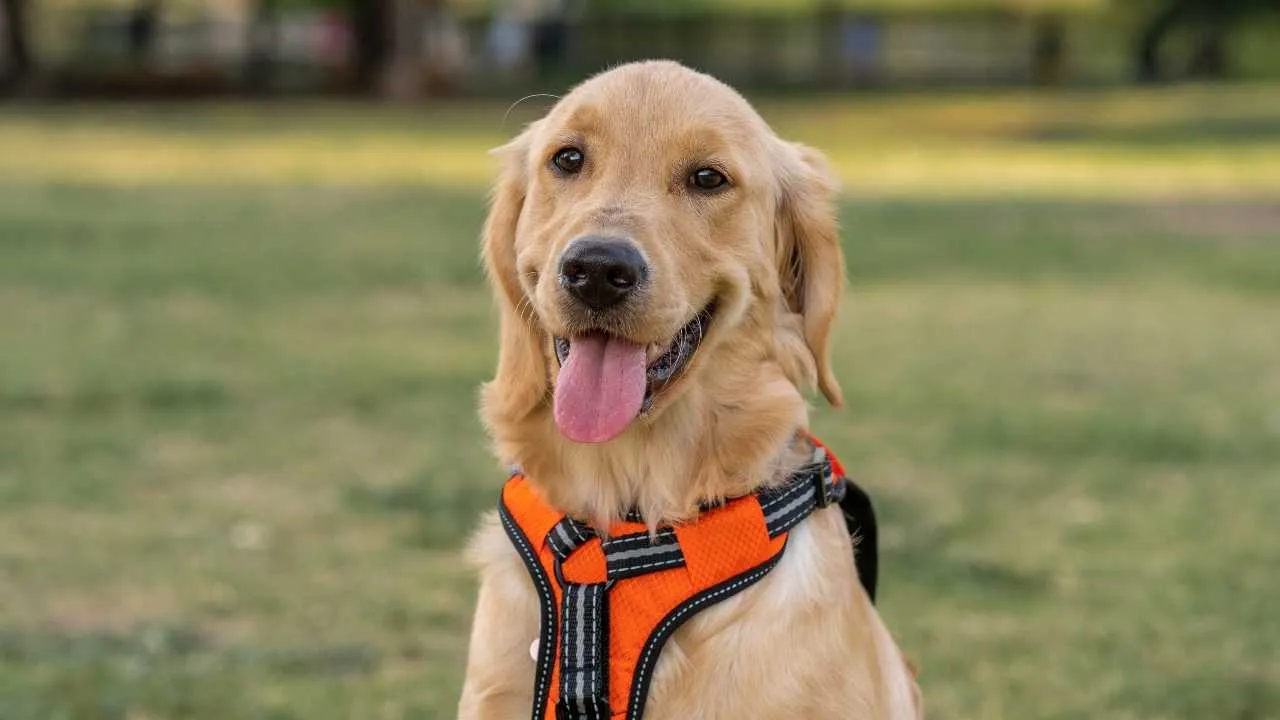
This medium-to-large Scottish breed was developed by Sir Dudley Marjoribanks in the late 19th century, originally as a retriever. Best known for that striking golden coat, it’s now mostly kept as a family companion, though it also shines in dog shows, obedience trials, and guide work, as noted by Wikipedia.
This beloved family pet seems almost wired for connection: its heart rate settles around people, and it has a knack for mirroring human moods. It also has a famously soft mouth, carrying objects gently in its jaws without ever damaging them. With virtually no territorial guarding instinct, reactivity stays low, too.
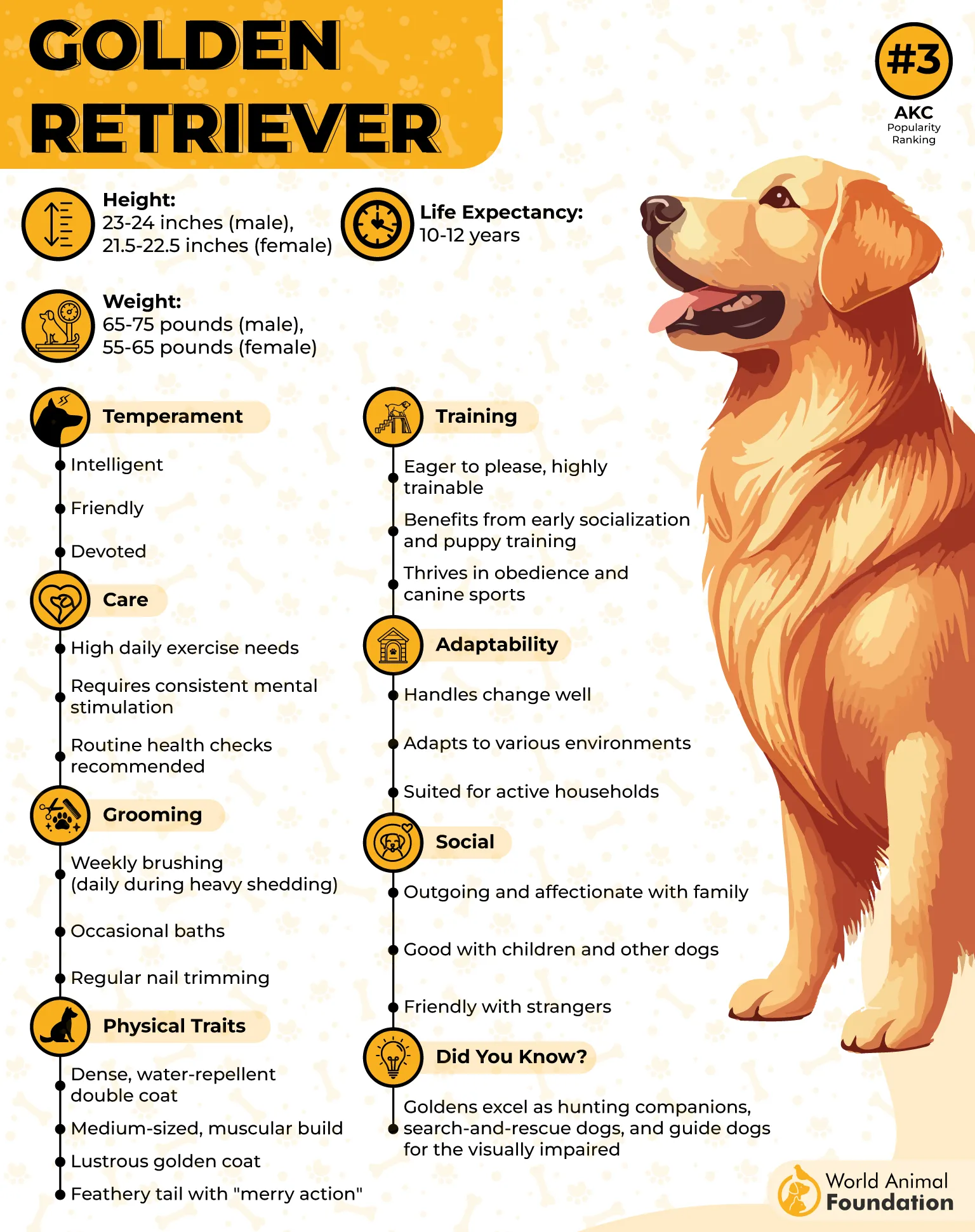
That same affectionate, steady nature is what makes the Goldens so good at guide work, helping the visually impaired navigate busy, complex environments. Some are even trained to recognize the early signs of a panic attack and offer deep-pressure therapy by leaning their body against a person for comfort.
4. Whippet
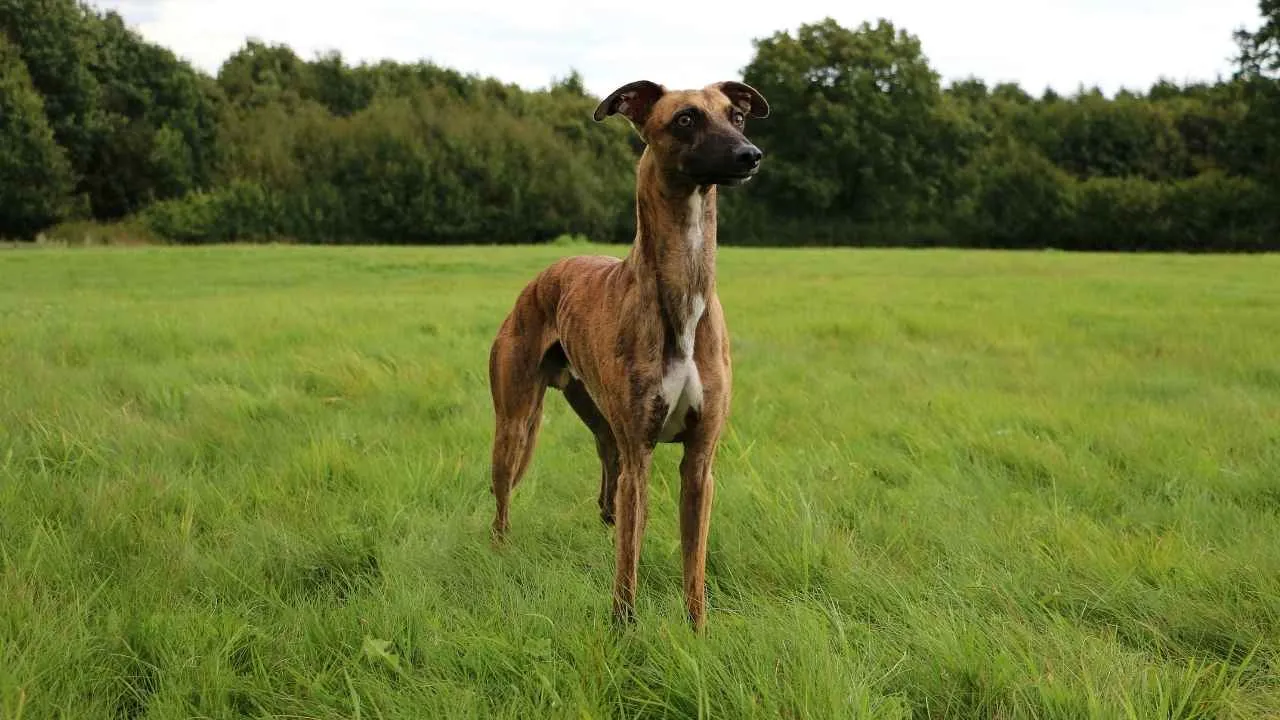
The Whippet descends from small English Greyhounds, once used to “snap up” small game like hares back in the 17th century. When these greyhounds were crossed with terriers, the Whippet was born, and by the 18th century, it had become a popular racing dog.
As sighthounds, Whippets have slender, aerodynamic frames with very low body fat, which is part of what gives them that quiet, almost cat-like personality indoors.
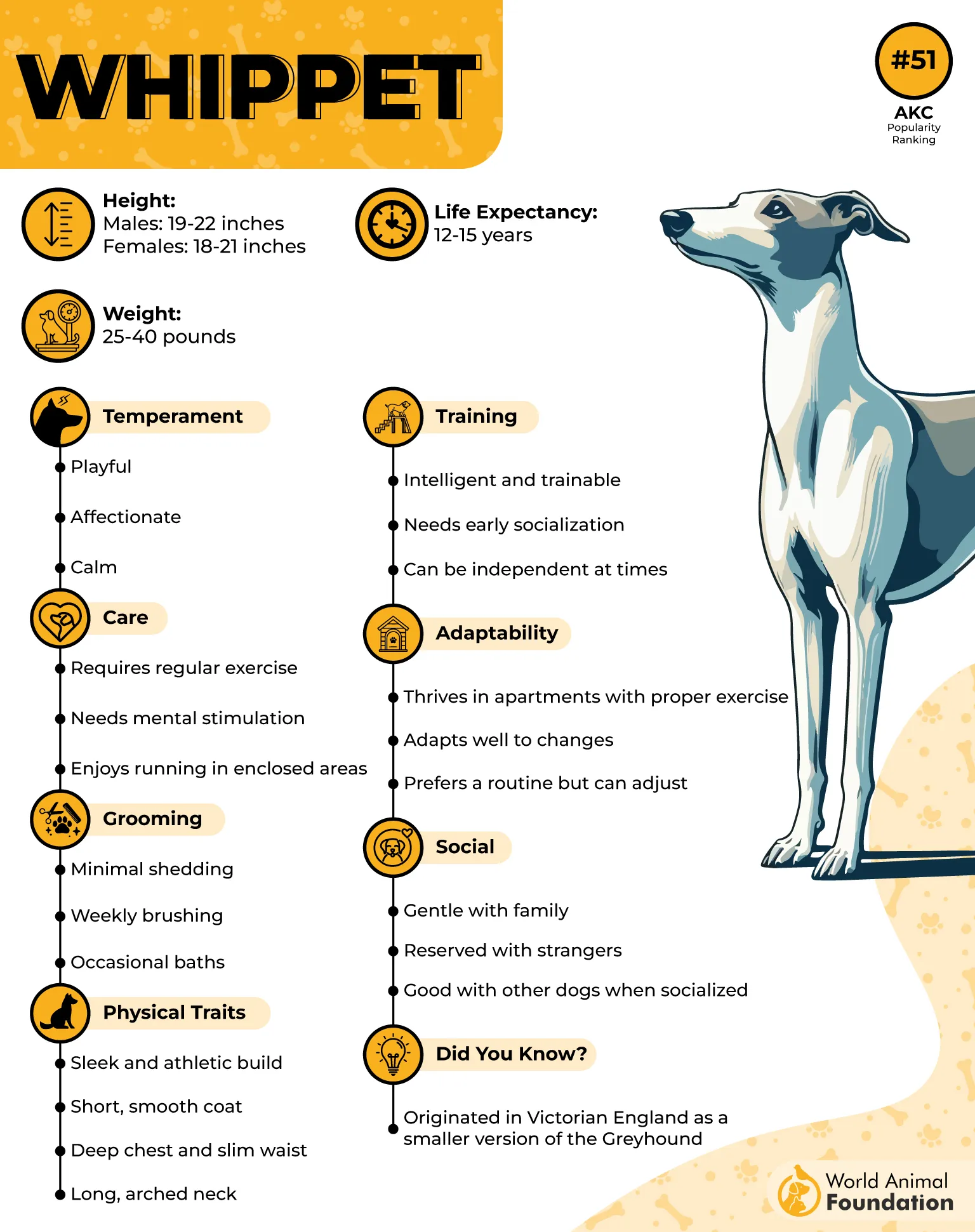
They’re also highly sensitive dogs, tuned into their environment and the emotions of the people around them. Grooming is easy too, thanks to a single-layer, tight coat that needs very little upkeep.
Whippets can sleep up to 16 hours a day, making them a great fit for calm, quiet households. As for exercise, about an hour a day does the trick, ideally a mix of short, explosive sprints in a securely enclosed space and relaxed daily walks.
5. Bernese Mountain Dog
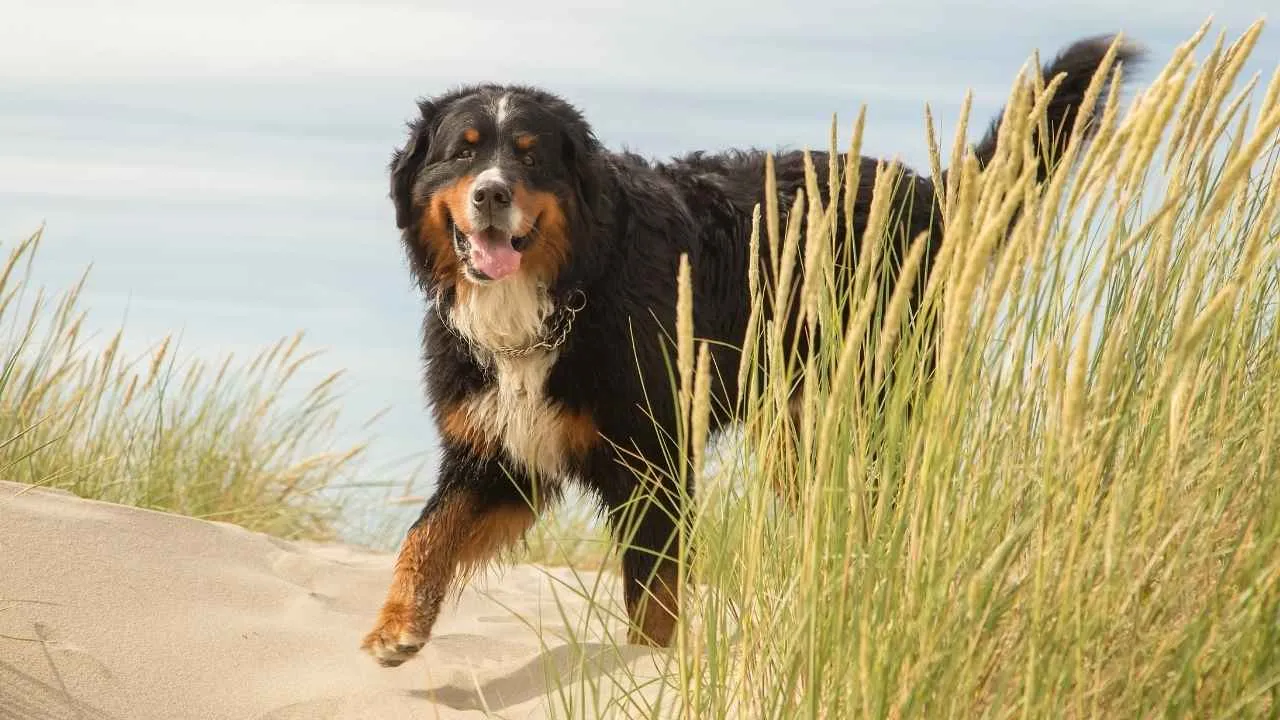
This ancient mastiff-type breed dates back roughly 2,000 years to Switzerland, where it was developed as a hardworking farm and draft dog. In the Canton of Bern, it played a vital role pulling carts, herding livestock, and standing guard. It wasn’t until the 20th century that its job shifted toward being a calm family companion, according to Orvis.
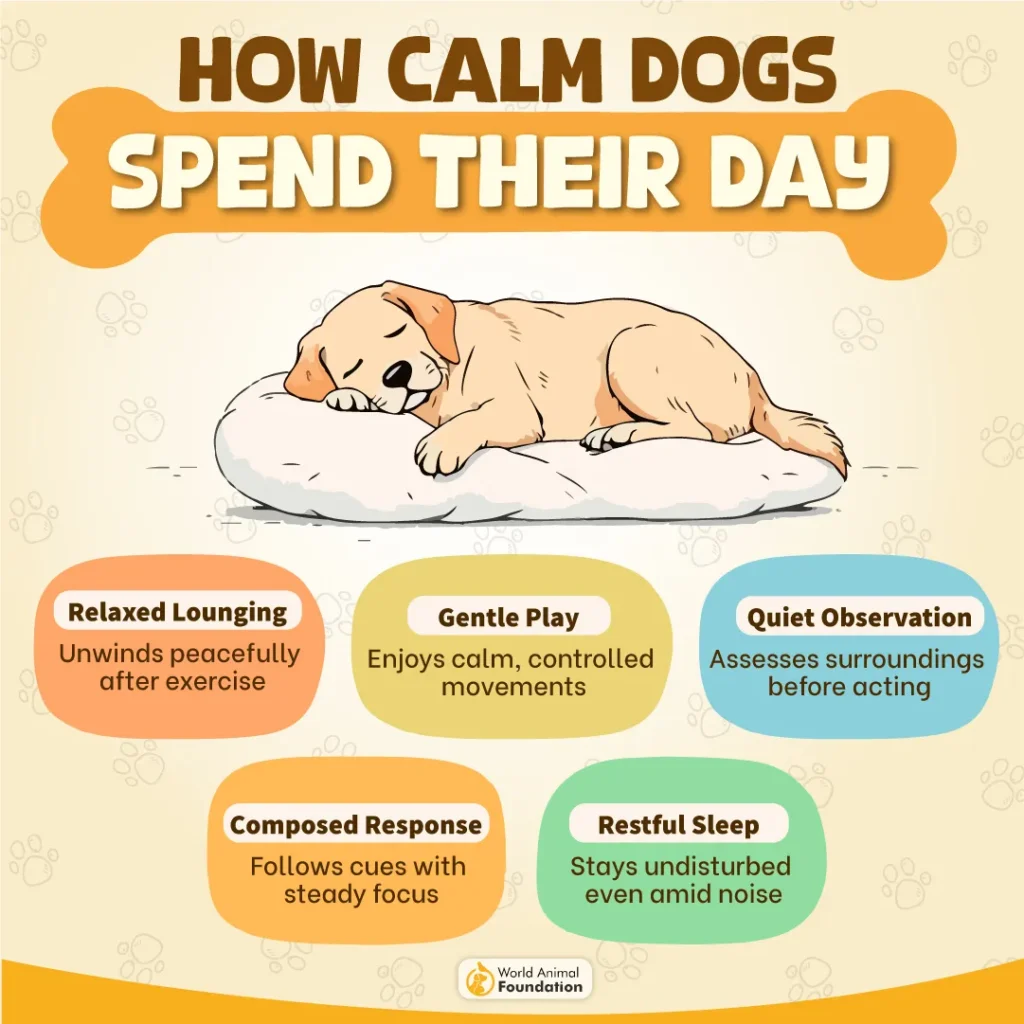
Since it was bred for endurance and steady pulling rather than bursts of speed, this friendly dog does well with a moderate 30 to 60 minutes of daily exercise. Its low, deep bark also fits right into apartment living without disrupting the calm.
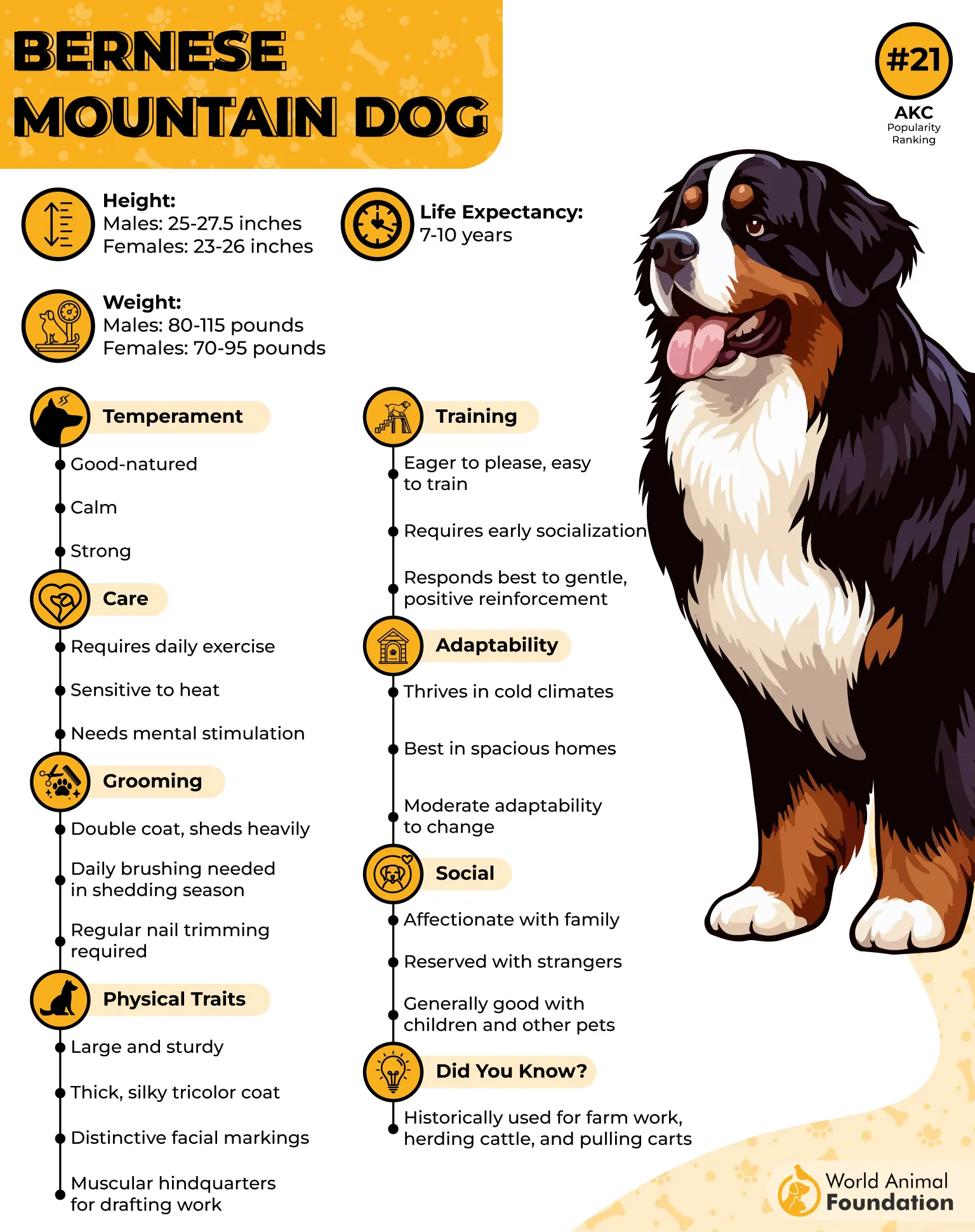
Bernese Mountain Dogs are sometimes used as therapy dogs too, once they’ve passed socialization, obedience, and temperament assessments, offering real psychological comfort to the people around them.
That same gentle persistence also shows up in their herding instinct, guiding livestock without ever needing to nip. One thing to watch for: as a true “Velcro dog,” they can develop separation anxiety if left alone too often or for too long.
6. Newfoundland

Originating in Newfoundland, Canada, this large breed was bred for water rescue work and shares some traits with Mastiffs and Saint Bernards. Its history dates back to the 16th century, when fishermen needed a powerful, water-loving dog capable of hauling nets, swimming, and pulling carts.
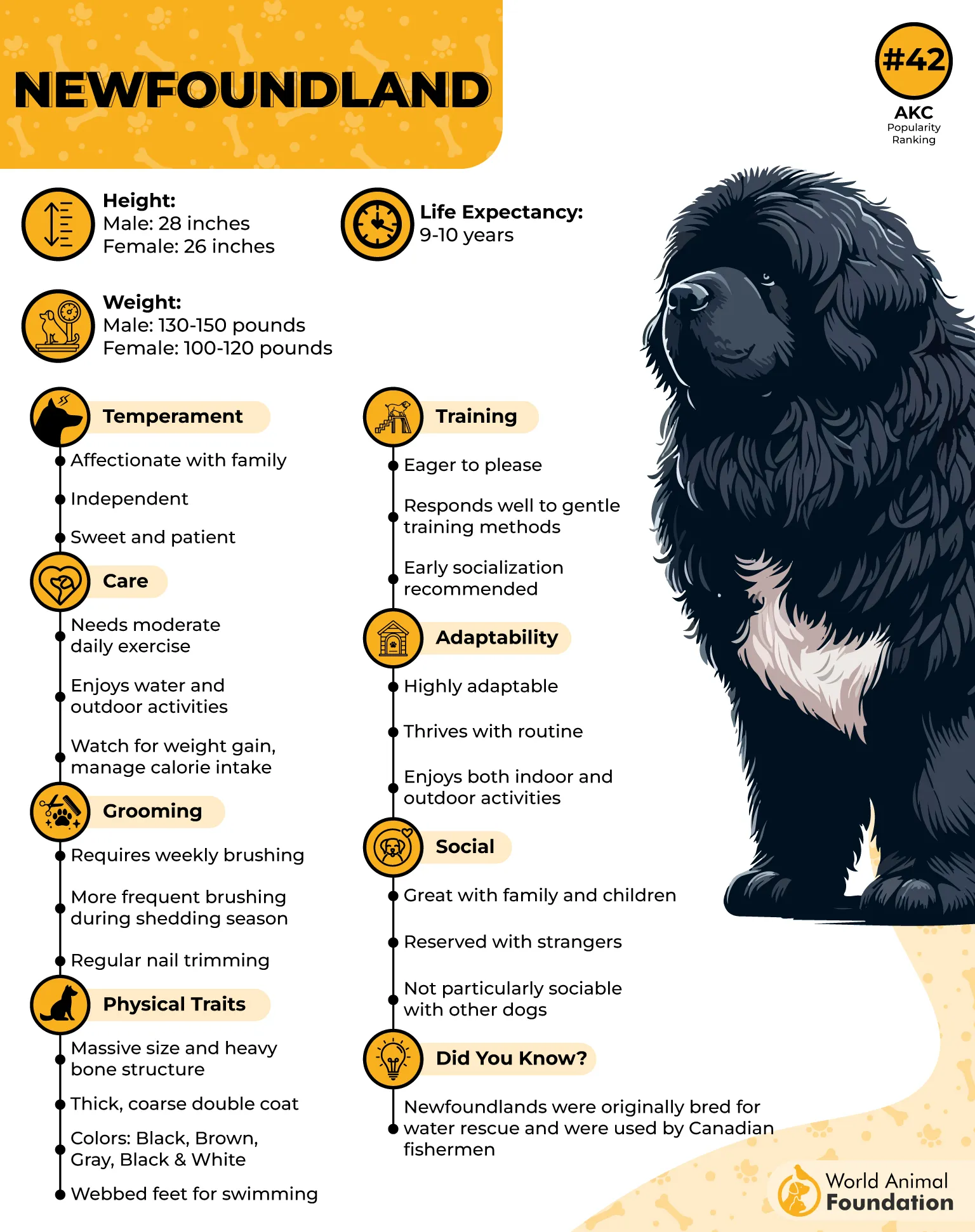
With a naturally slow resting heart rate and low metabolic rate, this breed suits laid-back families perfectly. Its sheer size also means high-impact activities like jumping, running, or sudden darting aren’t a great fit. Instead, 30 to 60 minutes of daily exercise, including scent games, paired with consistent training, is essential.
Newfoundlands are widely used in search-and-rescue operations, relying on air scenting to track lost hikers. They’re also known as natural “nanny dogs” without any formal training required, and they take well to drafting and hauling work, usually fitted with a harness that distributes weight evenly across their shoulders.
7. Saint Bernard
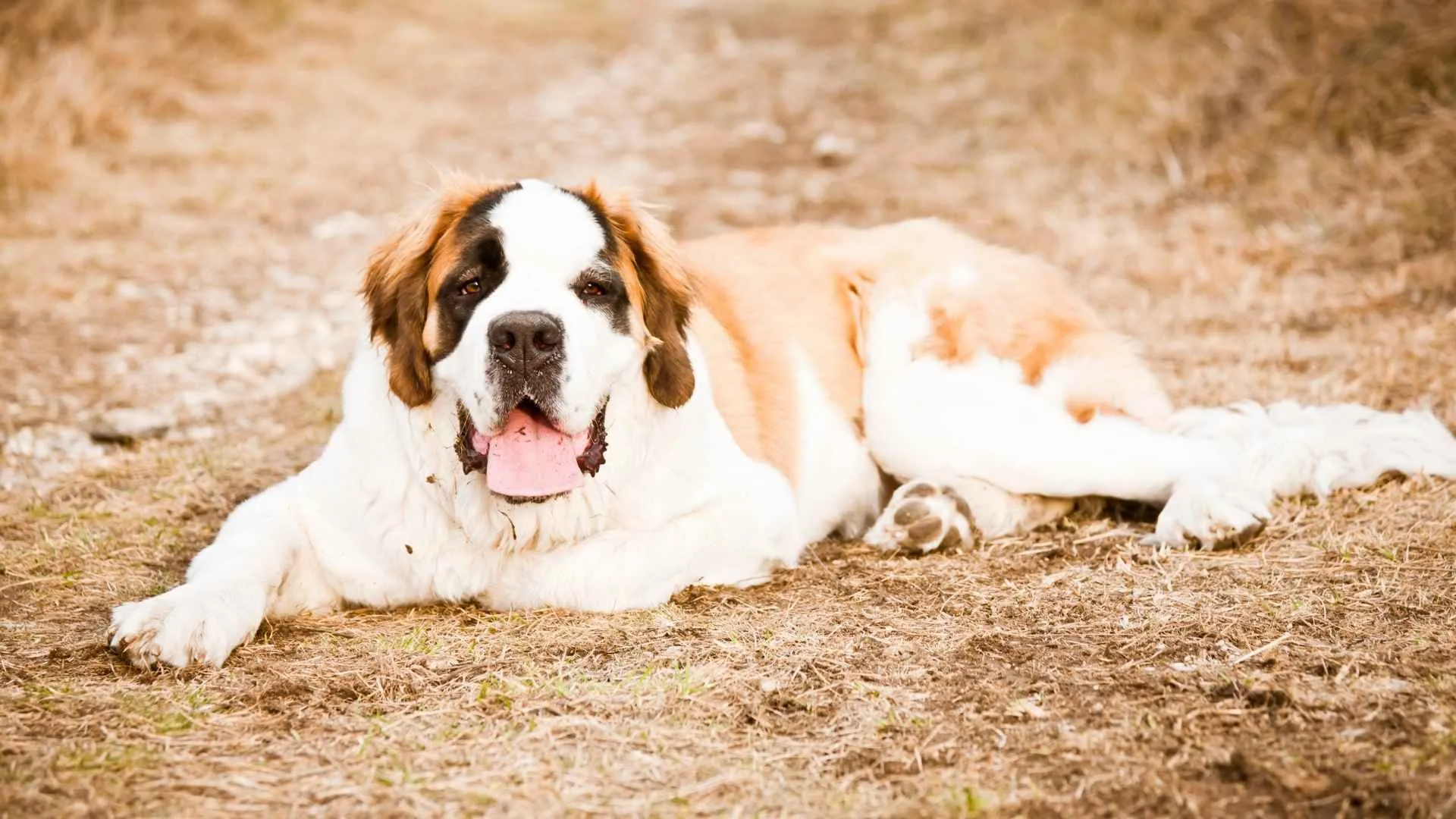
A descendant of the Molossers, war dogs brought to Switzerland by the Romans, the Saint Bernard was later bred by monks to rescue travelers stranded in the ice. Crossing the Molosser with Alpine mountain dogs eventually gave us this gentle giant.
A true couch potato at heart, the Saint Bernard has a low metabolic rate and lower energy drive compared to other working breeds, so 30 to 60 minutes of daily exercise is all it really needs.
Its weather-resistant double coat was built for the freezing Swiss Alps, which also means it doesn’t tolerate warm climates well and tends to prefer staying indoors when it’s hot out.
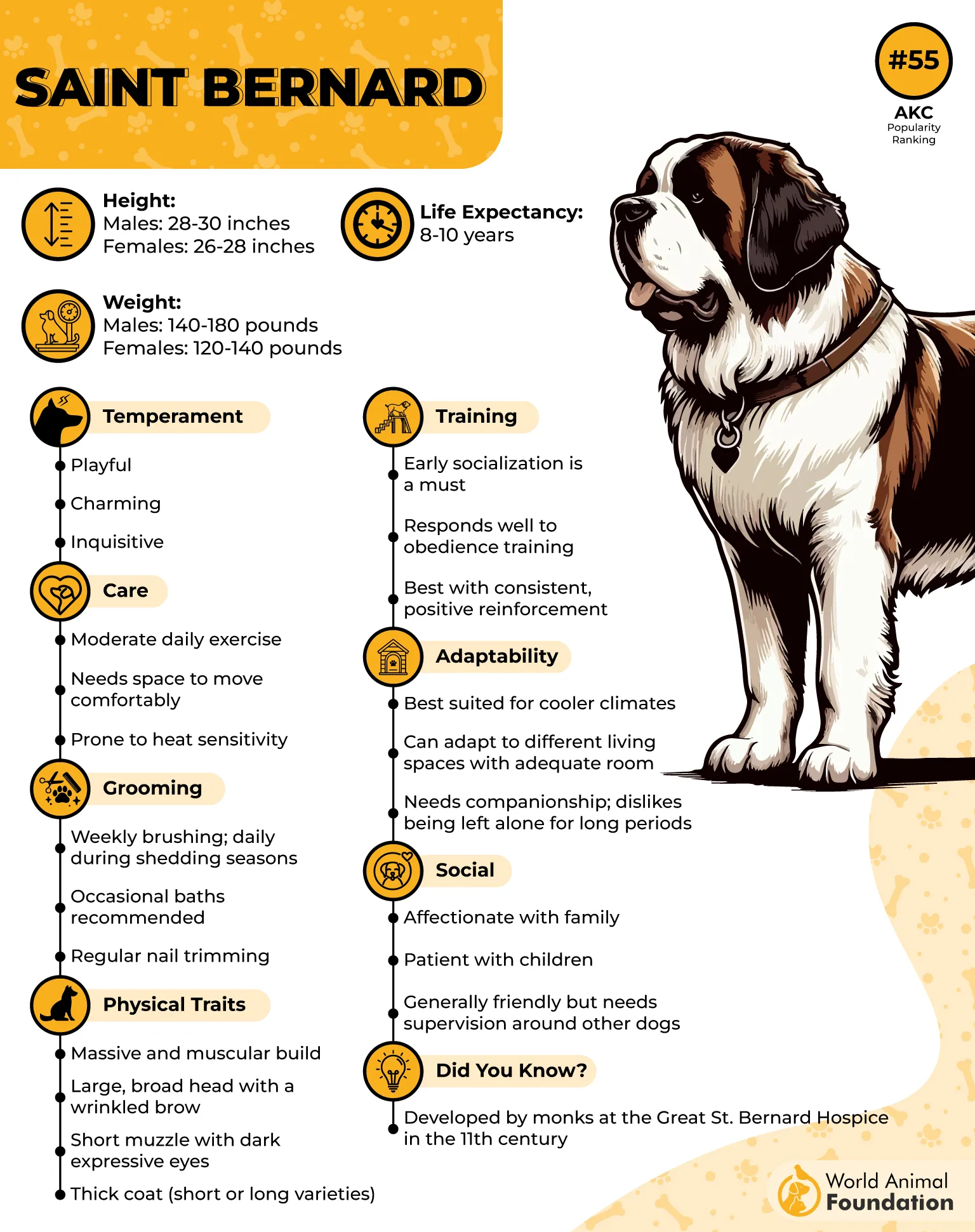
Highly trainable and largely free of chasing or hunting instincts, this breed stays calm even around fast-moving stimuli. That forgiving, gentle nature is exactly why it’s so often used as a nanny dog.
With a strong sense of smell, it can pick up on wind-borne human scent, track footprints across all kinds of terrain, and alert handlers to danger without ever turning aggressive.
Conclusion
Whether you adopt a Cavalier bred to be royal companionship, a Whippet built as a smaller take on the Greyhound, or a Saint Bernard developed for mountain rescue, each breed brings something different to the table. All that’s left is finding the missing puzzle piece that fits perfectly into your life.
Whatever dog you end up choosing, never skip the research. Open your laptop, grab a cup of coffee (or tea), and start searching for that one stunning companion who’ll be by your side for the next decade or two.
