




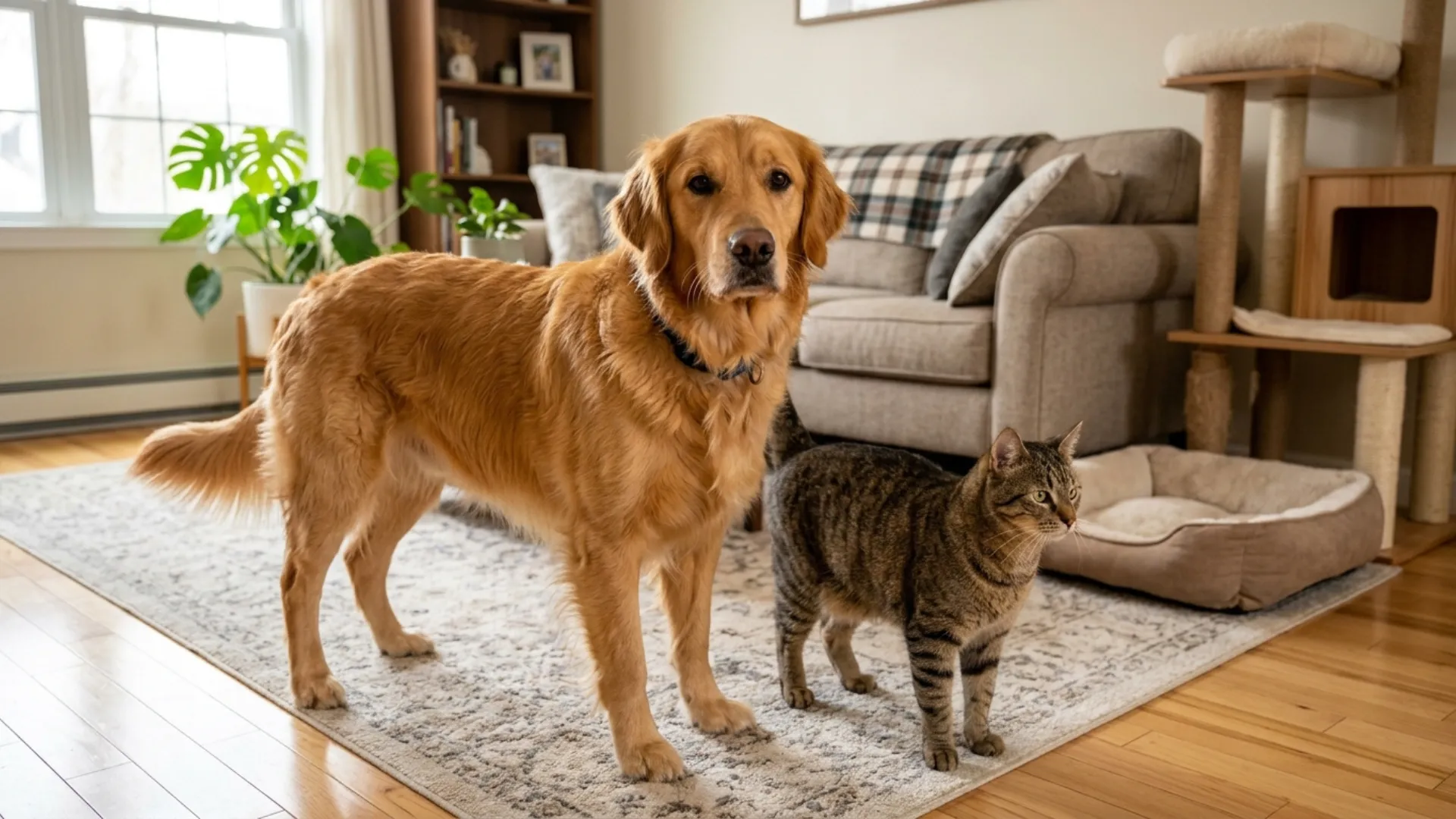
The old saying “fighting like cats and dogs” has convinced a lot of people that the two just can’t get along. But anyone who’s scrolled through videos of cats and dogs curled up together napping knows that’s simply not the whole story.
Sure, there are exceptions where the vibes just don’t click, and they end up bickering like siblings. But that doesn’t mean you have to give up on the idea of having both under one roof. It just means you need to be a bit more thoughtful when choosing your dog.
Honestly, it comes down to training, personality, prey drive, and a dog’s history that determine how cat-friendly they really are. Don’t expect a dog with a strong prey drive to become best buddies with your cat overnight. What you want are dogs that are naturally sweet, gentle, and affectionate.
That’s why we’ve rounded up 7 dog breeds that fit right into feline-friendly homes and coexist peacefully with cats. Along the way, we’ll cover their temperament, how they typically behave around cats, and the training they need to truly love their little housemates.
Dog Breeds Perfect for Feline‑Friendly Homes
1. Golden Retriever
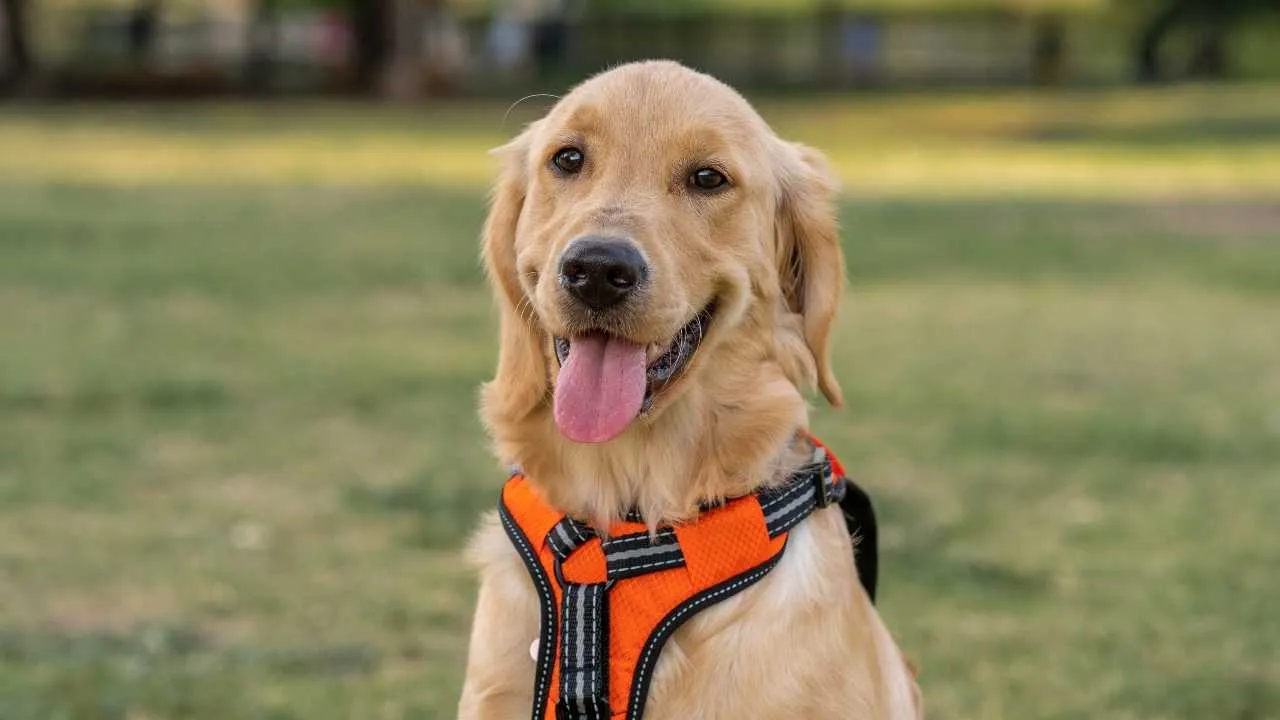
Golden Retrievers are famous for being goofy, fiercely loyal, and gentle. According to the AKC, they were originally bred as gundogs for retrieving and were also used in field trials. But it’s their eager-to-please nature, soft mouth, and low prey drive that make them such great companions for cats.
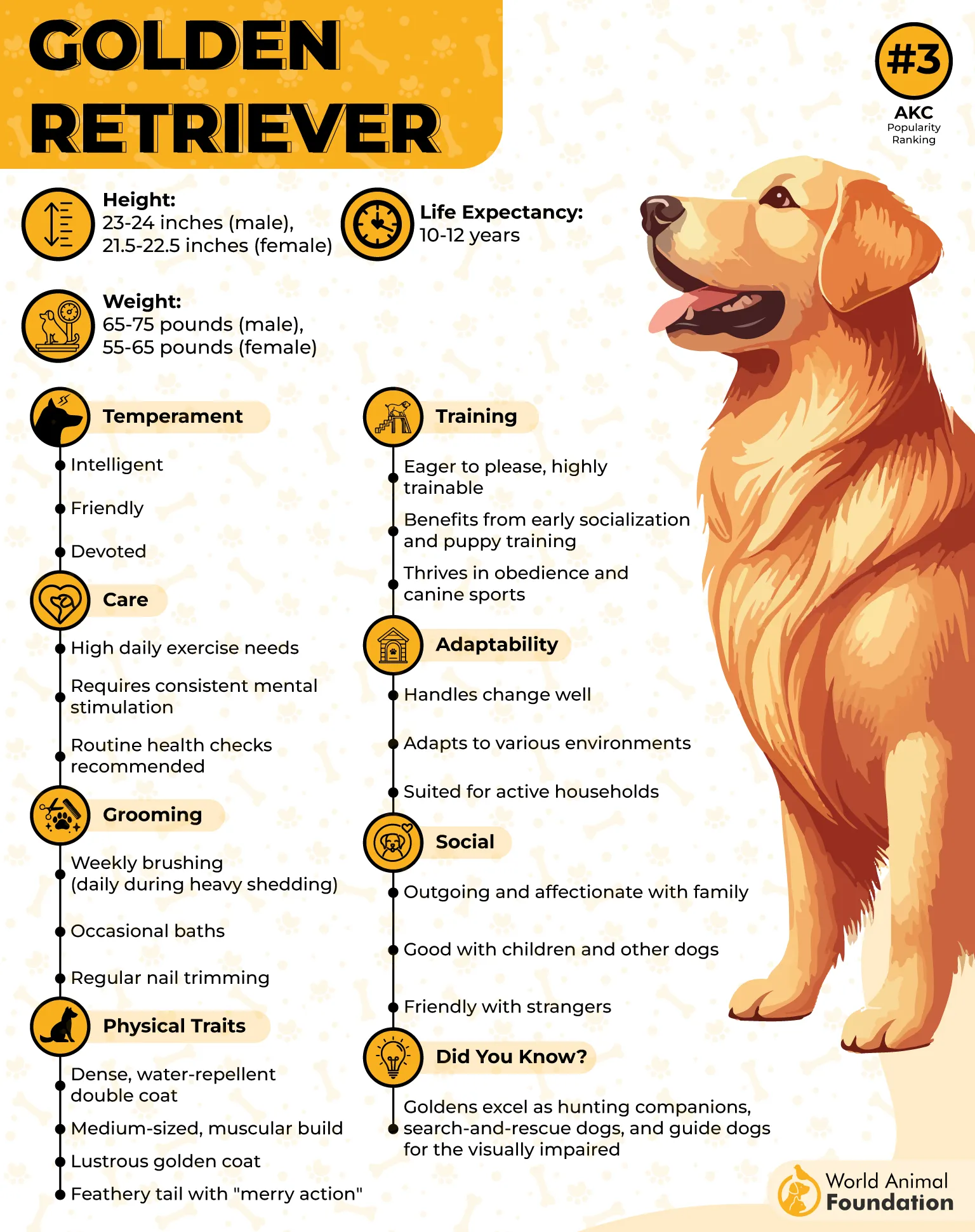
They’re far more likely to want to cuddle or play than stir up any trouble. Goldens are also highly adaptable, which is a nice bonus on top of that gentle mouth. That said, they’re still active dogs at heart who love a good game of fetch, plus swimming, hiking, and agility training.
One thing to keep in mind is their coat: a dense, water-repellent double coat that sheds moderately year-round and much more heavily during seasonal changes. Brushing it about 3 to 4 times a week will help prevent tangles and mats and keep it looking clean.
2. Labrador Retriever
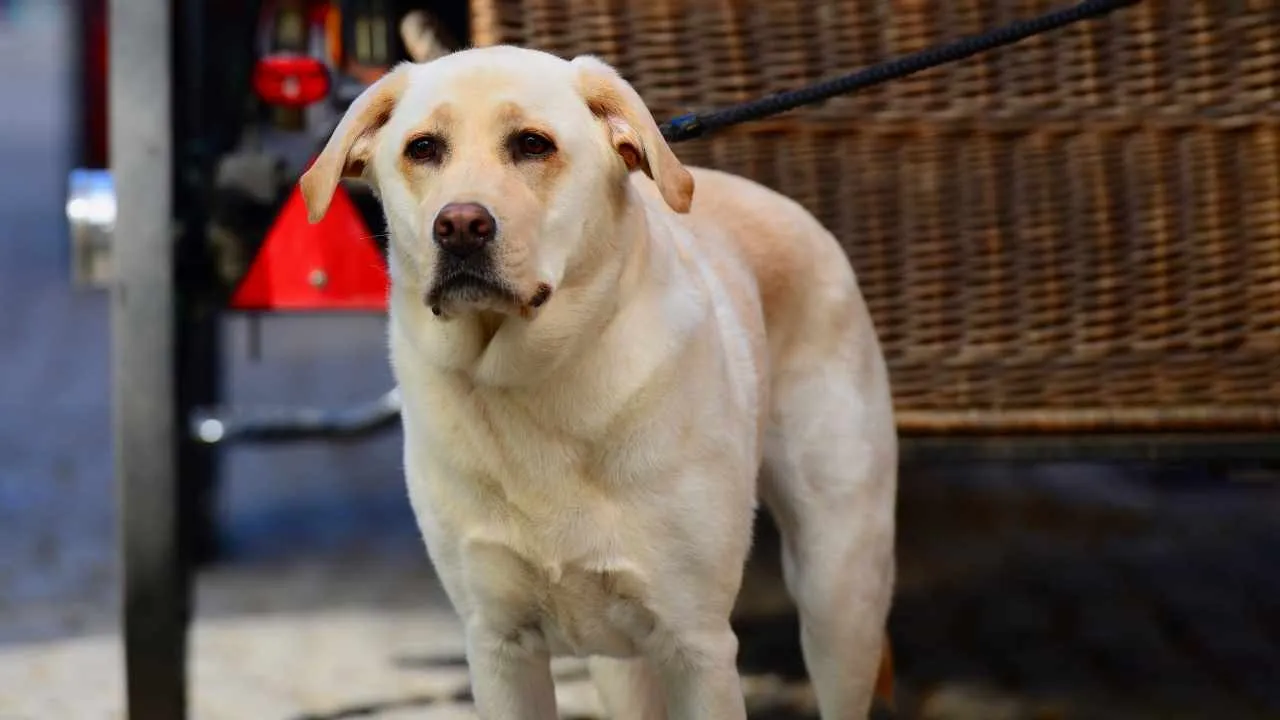
Labrador Retrievers are outgoing, friendly, and eager to please, with an even temper that makes them easy to love. They were bred to retrieve rather than hunt down prey, so their prey drive tends to run relatively low. In fact, Labs often treat cats like a smaller sibling.
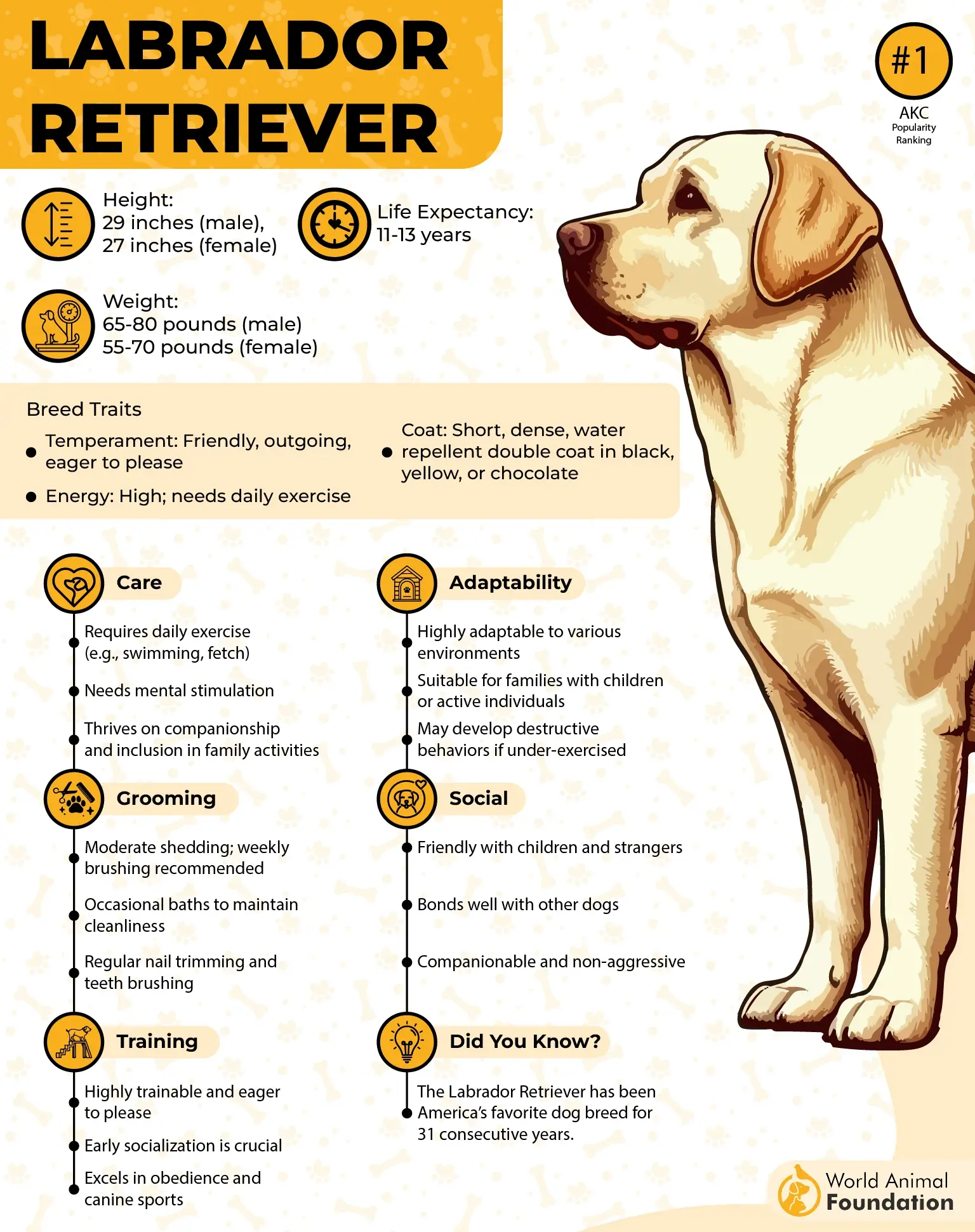
They’re usually pretty good at reading a cat’s body language too, and will happily back off and give them space the moment they seem irritated. Labs are highly adaptable and full of energy, and as natural water dogs, they love swimming, dock diving, and water games, though your cat will probably want to sit that part out.
On the training front, Labs are highly trainable and very food-motivated, so a few tasty treats and some positive reinforcement go a long way. Just keep in mind that their short coat sheds quite a bit, so frequent brushing will help keep loose hair under control.
3. Pug
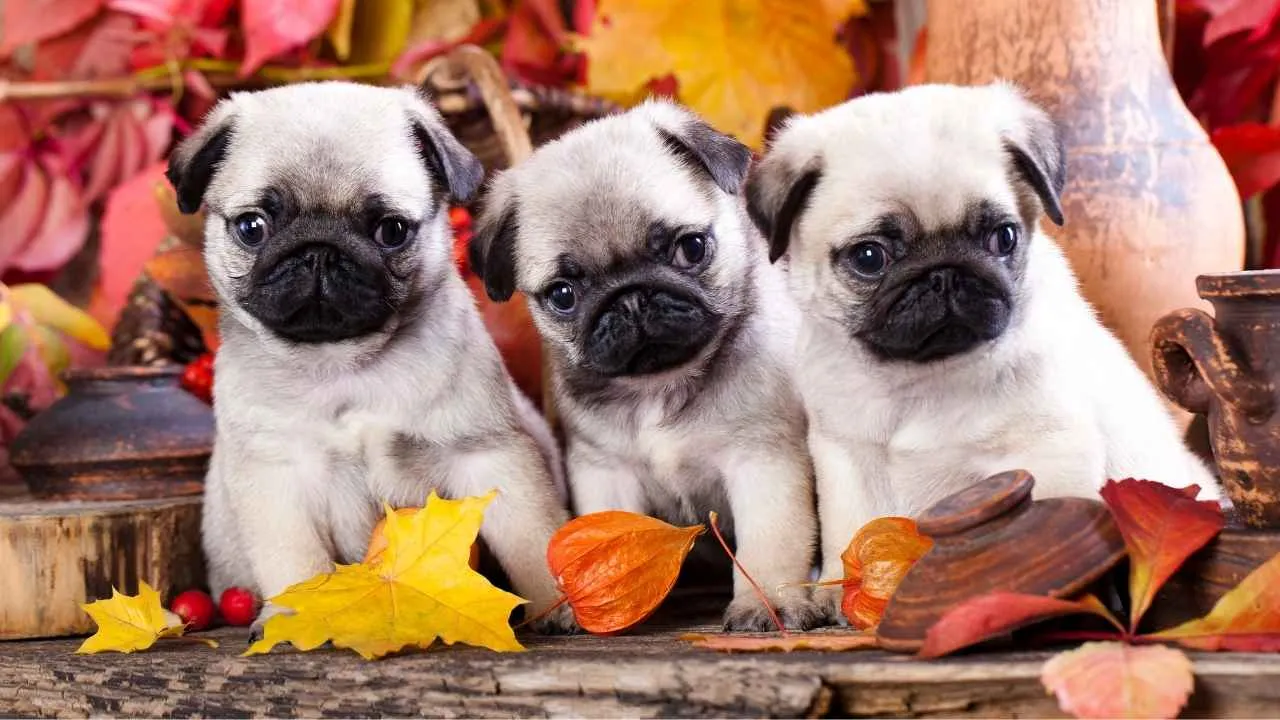
Pugs pretty much have zero hunting or prey drive, since they were never bred to chase or catch anything in the first place. Small, non-threatening, charming, and endlessly loving, they simply don’t have it in them to intimidate a cat. If anything, they end up being a cat’s favorite napping buddy, thanks to their warmth and love of a good snooze.
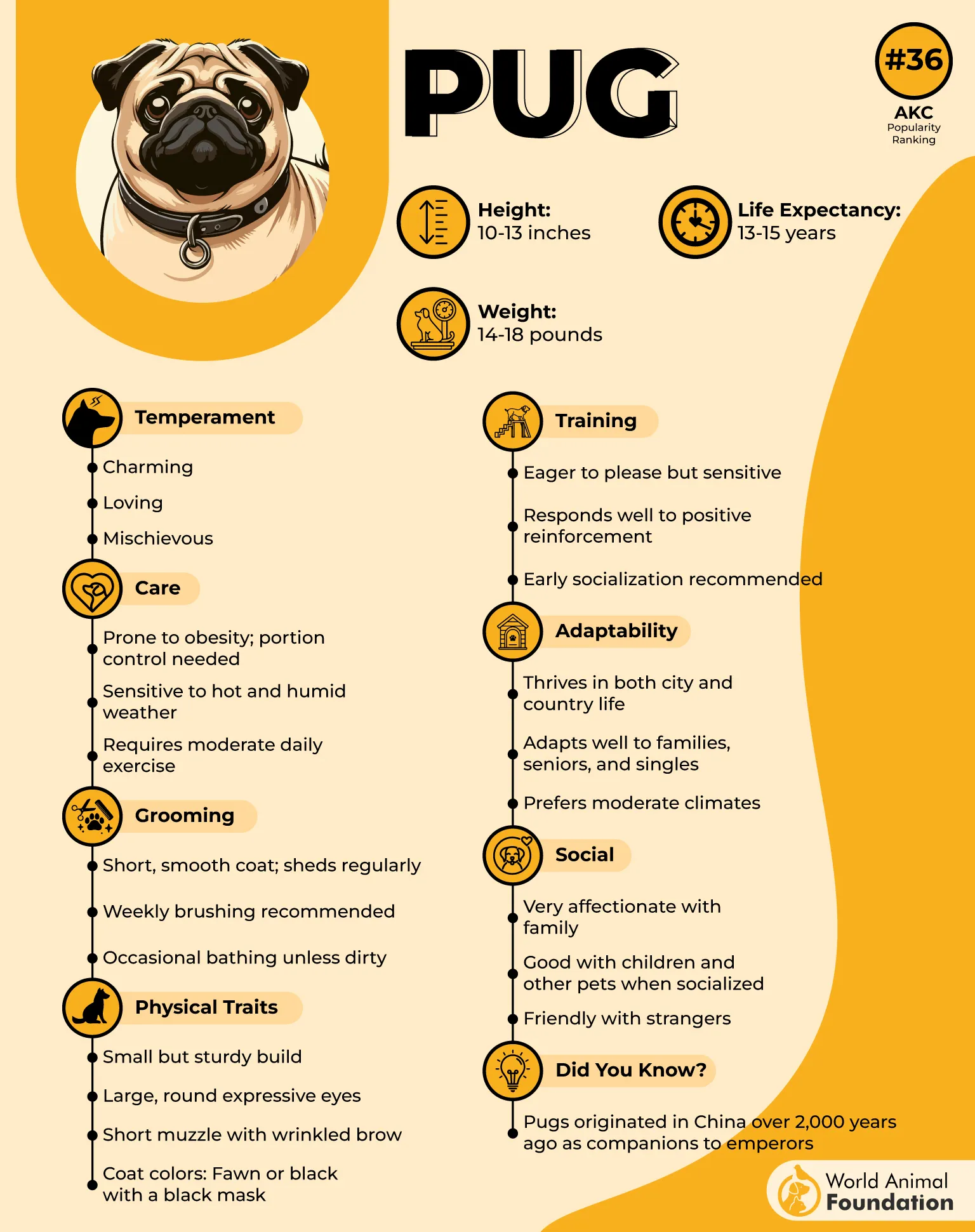
These little dogs are happy with short walks around the block to stay mentally stimulated. They can be a bit stubborn or independent at times, but with positive reinforcement, they’re still moderately easy to train.
One thing worth noting: Pugs have a brachycephalic (flat) face, which makes them prone to overheating, as Chewy points out, so it’s best to avoid overexerting them in hot weather. Their coat is short, glossy, and smooth, but don’t let that fool you. It sheds quite a bit, so brushing 2 to 3 times a week will help keep the loose hair in check.
4. Bichon Frise
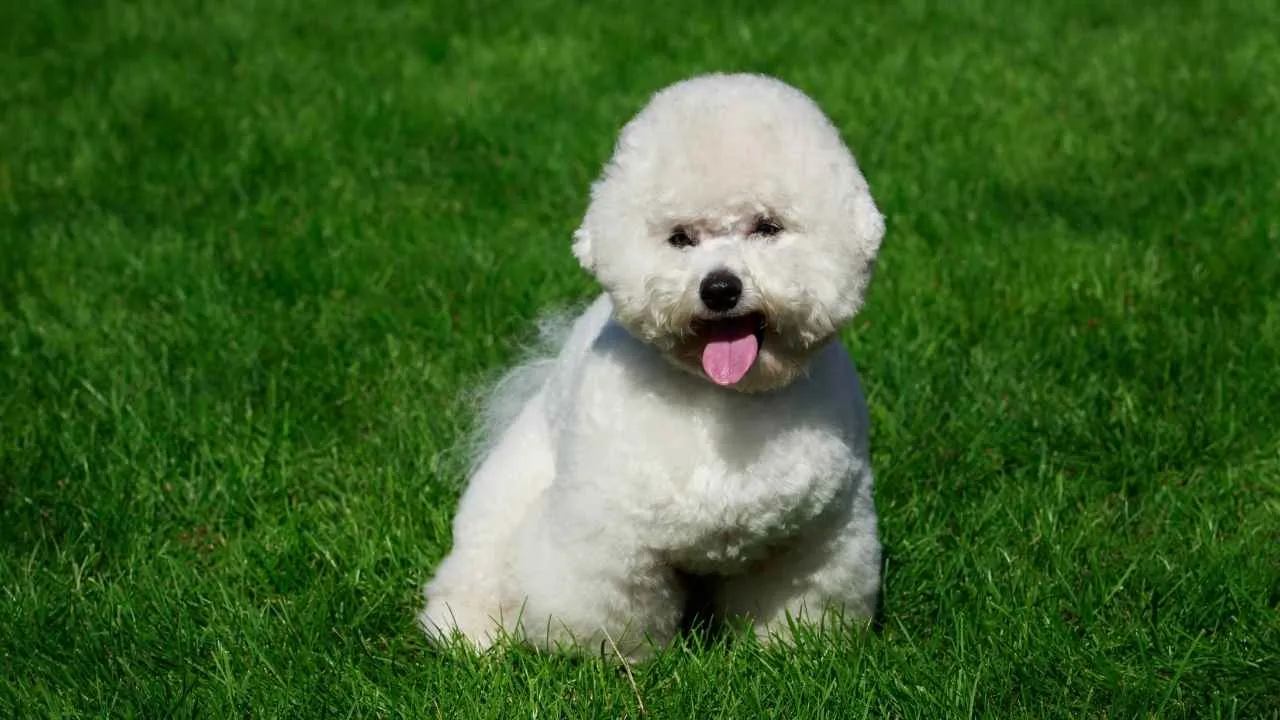
Bichon Frises are playful, cheerful, and affectionate dogs famous for their happy-go-lucky attitude. But here’s the best part about these marshmallow-looking pups: they were bred purely to be companions. Translation? No prey drive, no chaos at home.
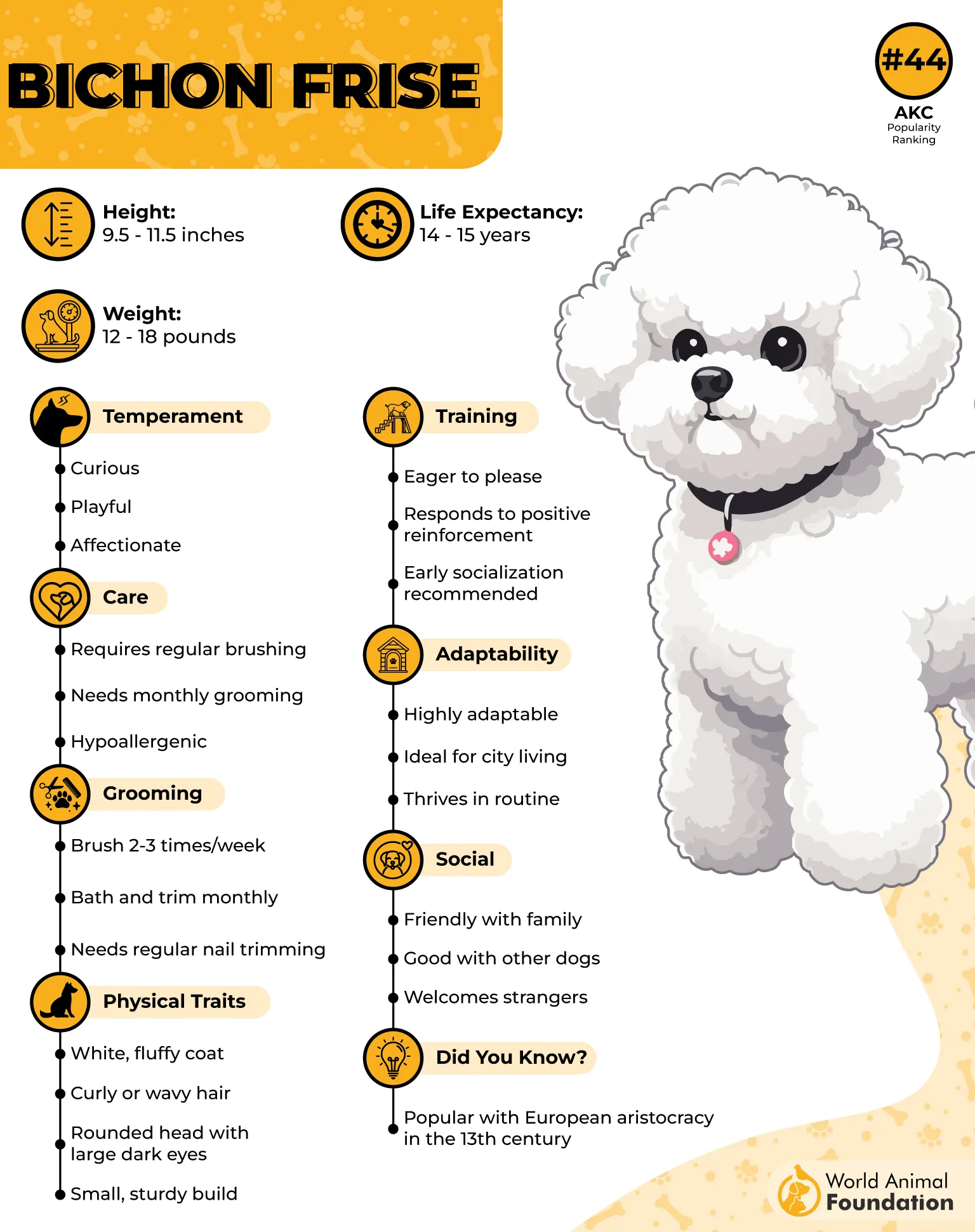
Their small size and social nature make them naturally feline-friendly, and they’re generally pretty good about respecting a cat’s boundaries. Bichon Frises have moderate energy levels, so short walks, a bit of indoor fetch, and some quality time with you are usually all they need.
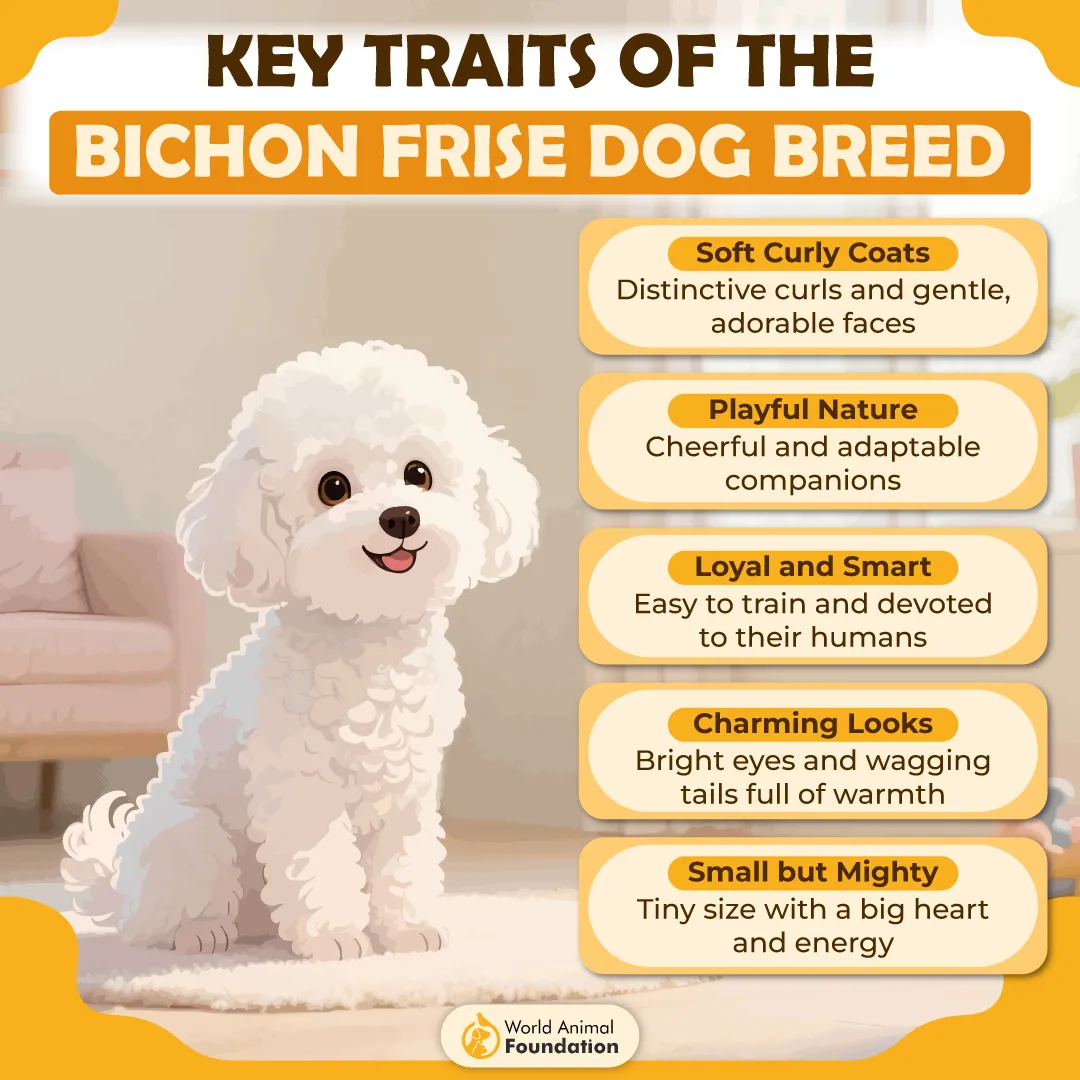
They’re also highly intelligent and eager to please, which makes training pretty straightforward. As for their coat, these white dogs have a curly outer layer that sheds almost nothing, though it does need frequent brushing to clear out any trapped hair.
5. Cavalier King Charles Spaniel
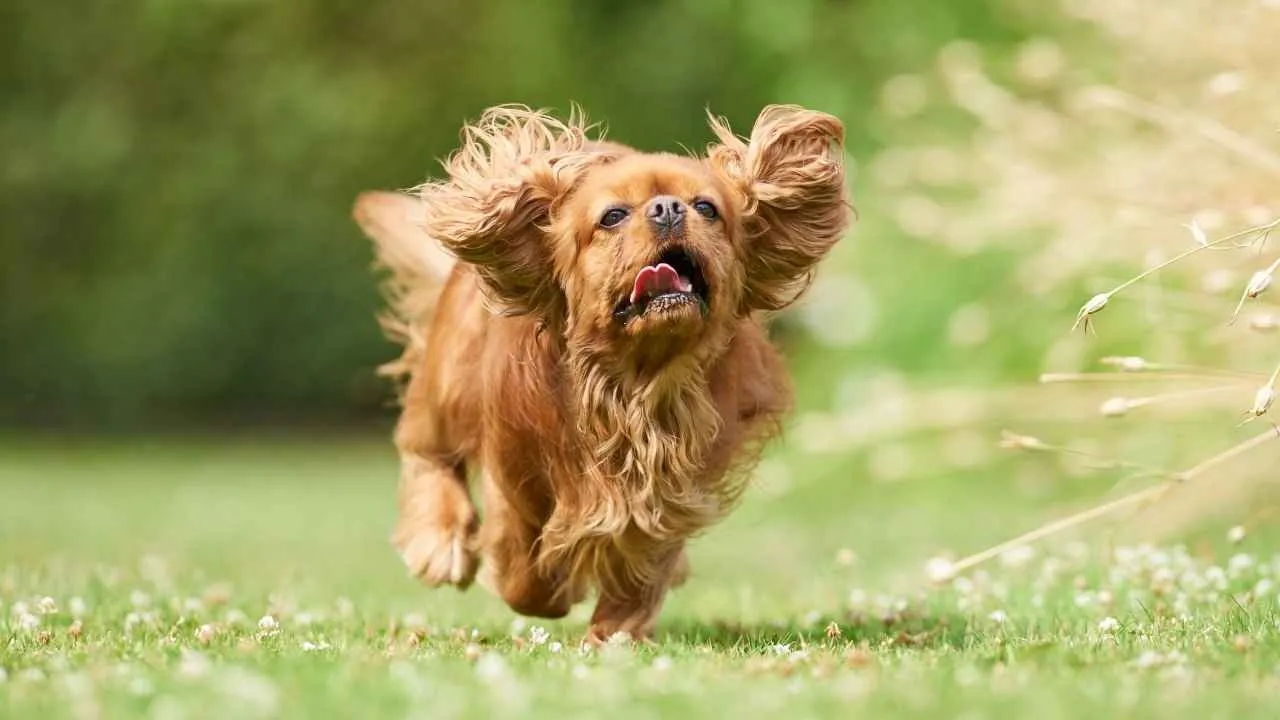
The Cavalier King Charles Spaniel gets its name from King Charles I and his son Charles II, according to PetMD. These little lapdogs are sweet, gentle, and calm, though they can get a bit clingy at times, something proper training can easily manage.
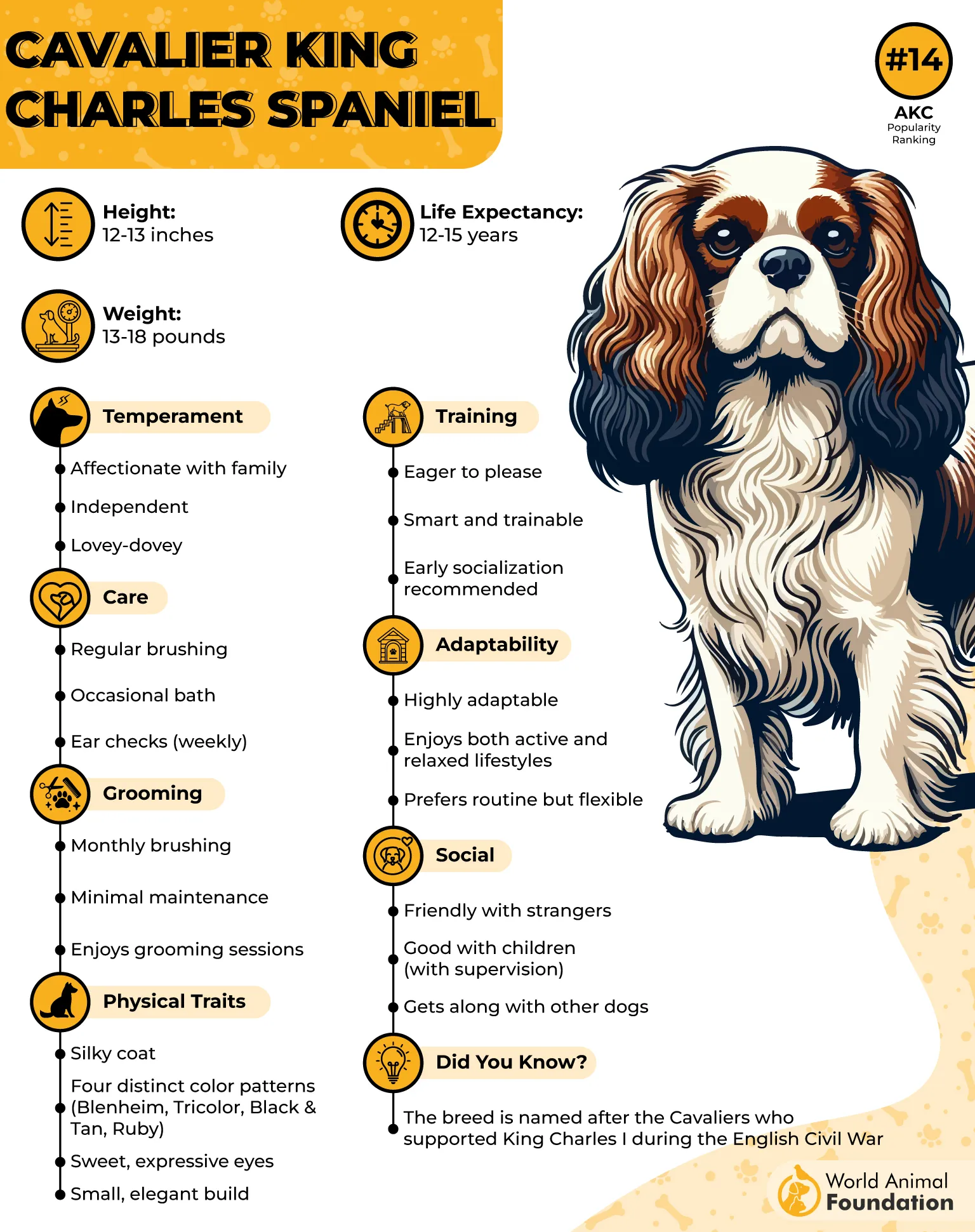
When a Cavalier meets a cat, they usually go one of two ways: making fast friends or politely ignoring them to keep the peace, since they’re not fans of discomfort or conflict either way. Beyond that, Cavaliers are happiest on neighborhood walks or snuggled up on the couch with their favorite humans.
Their eager-to-please, sensitive, and intelligent nature makes them highly trainable, especially with reward-based methods and a gentle tone. As for grooming, their medium-length silky coat doesn’t shed too much, but it does need brushing 2 to 3 times a week to stay looking its best.
6. Papillon
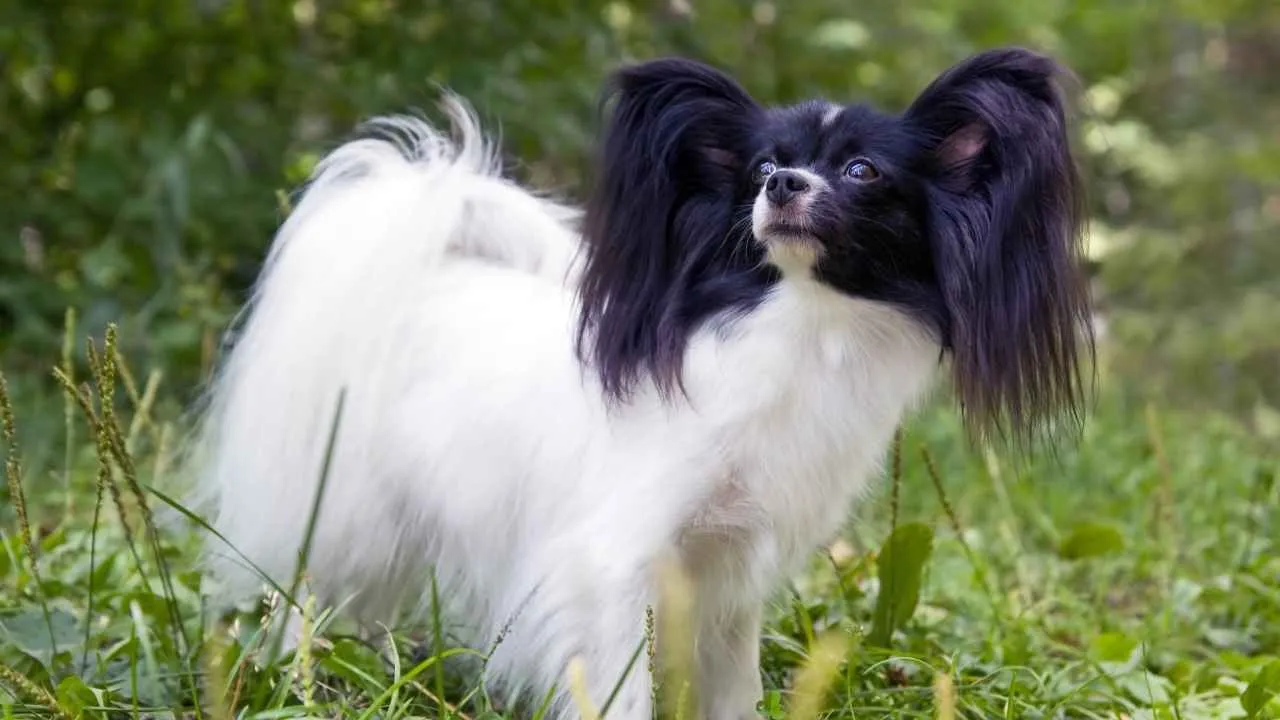
Papillon translates to “butterfly” in French, a nod to their distinctive fringed ears. According to Purina, these small dogs were also historically called dwarf spaniels and were kept as lapdogs in royal courts. Thanks to that history, they carry virtually no prey drive, so cats have never been seen as targets to chase.
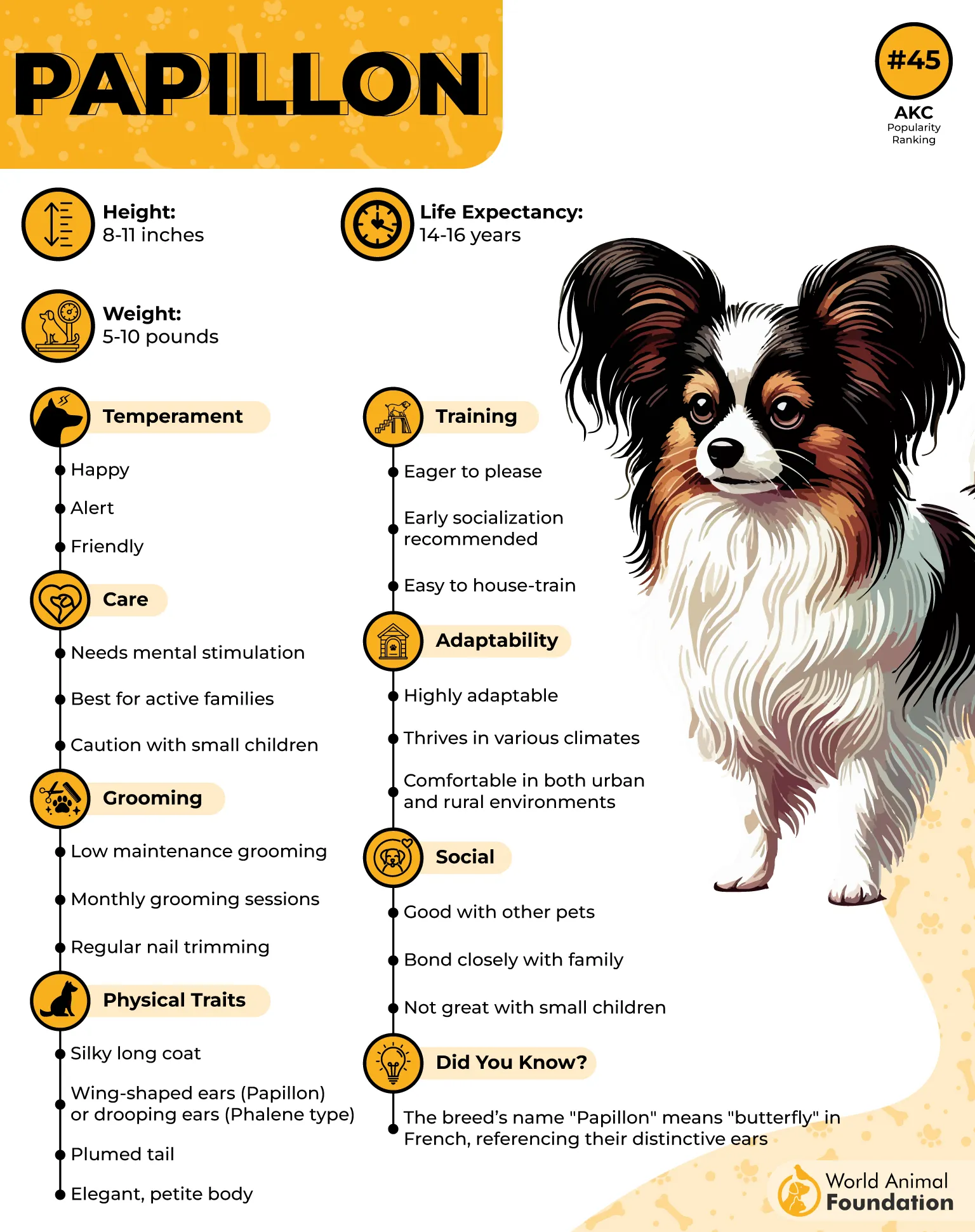
They also weigh in at around 5 to 10 pounds, roughly the same as an adult cat, so there’s no real physical threat either way. Papillons tend to see cats as playmates rather than competition, and they love learning complex tricks that keep their sharp minds busy.
With the right training, Papillons also pick up on cat boundaries quickly. Their coat is long and silky, sheds moderately year-round, and needs brushing 2 to 3 times a week. A pin brush or metal comb works best, with extra attention behind the ears and around the thighs, where hair tends to trap.
7. Basset Hound
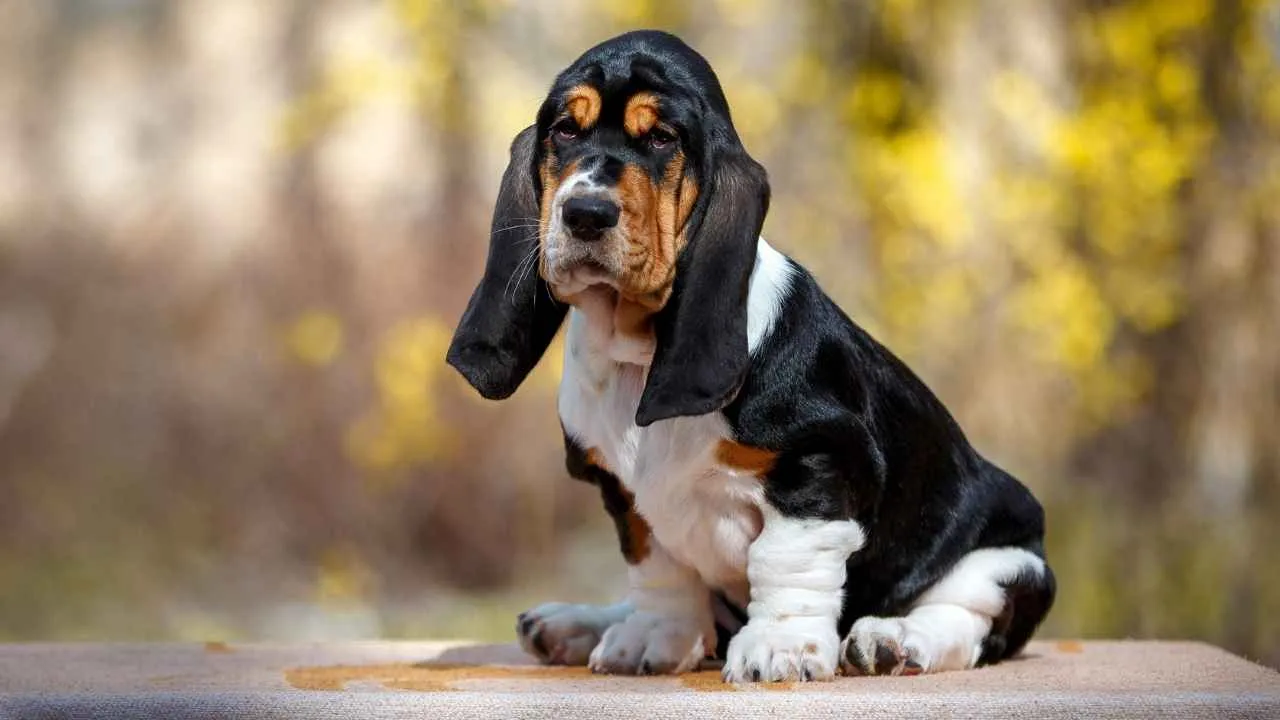
Basset Hounds are famous for being laid-back, patient, and deeply loyal. As scent hounds rather than sight hounds, their instincts are wired to follow a trail with their nose, not chase after a cat.
These low-slung dogs are famously lazy around the house and would much rather nap than get caught up in any drama. Honestly, they’re often too relaxed to even bother chasing a cat, and might just ignore their feline roommate altogether if they’re interrupting nap time.
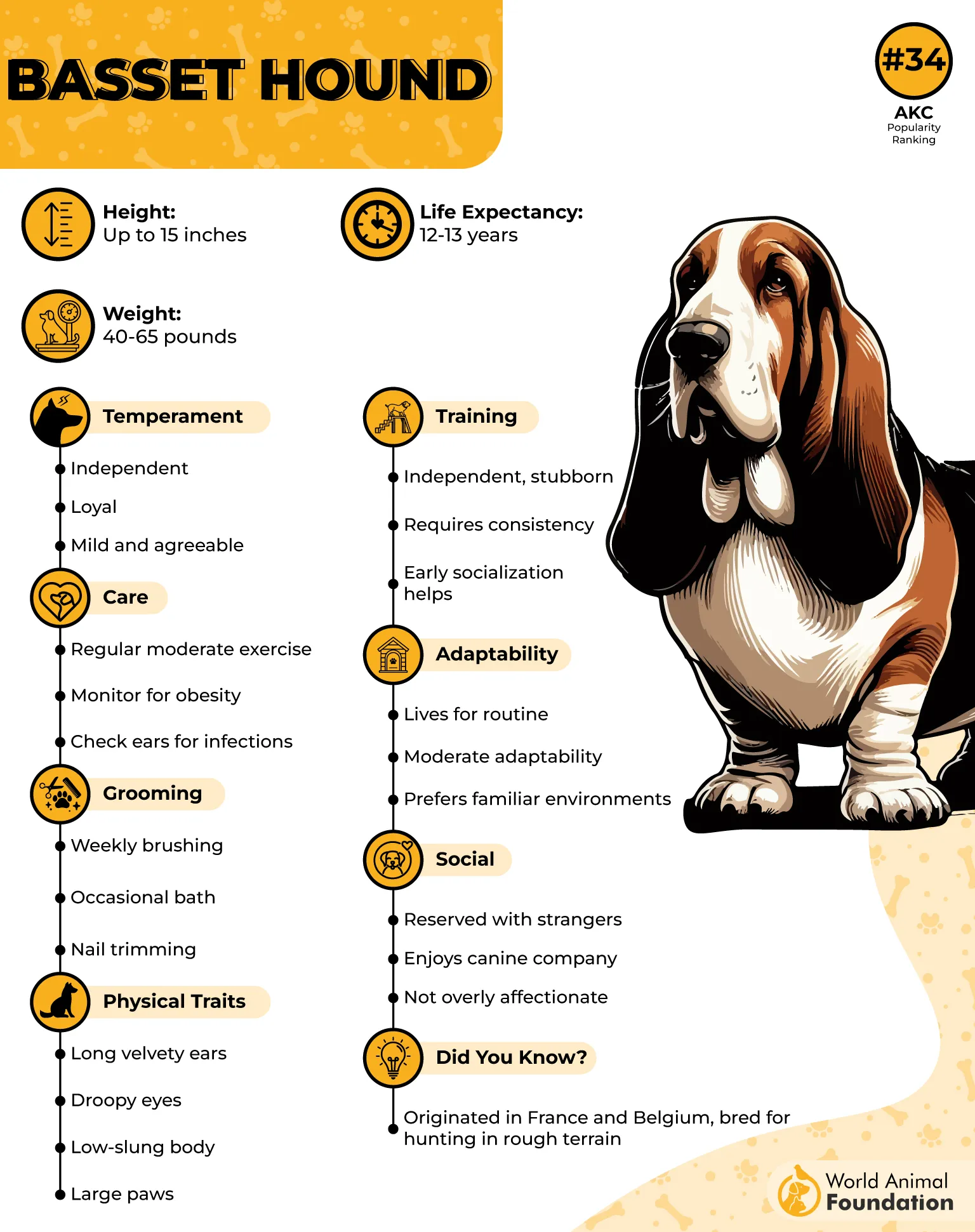
That said, Bassets do have a stubborn, independent streak, so training calls for patience, consistency, and plenty of food rewards. Their short coat sheds moderately and needs brushing 2 to 3 times a week to keep loose hair under control.
Conclusion
When you’re equally in love with dogs and cats, picking just one can feel impossible. Sure, they’re famously known as siblings who are always ready to stir up chaos, but that’s not really true of every dog. The trick is choosing a cat-friendly dog breed with low prey drive, a sweet nature, and a temperament that’s easy to train.
That said, even the right breed won’t get you far without proper socialization and training. So make sure to introduce your cat and dog while they’re young, giving them plenty of time to get used to each other along the way.
