





A family had recently moved into a new neighborhood and was still getting used to unfamiliar sounds outside their home. One evening, a noise near the front gate immediately caught their dog’s attention. While everyone else remained unaware, the dog was already focused, alert, and watching carefully.
Nothing serious happened that night, but the moment left a lasting impression. It reminded them that a capable guardian often notices things long before people do. Throughout history, certain dog breeds have been valued for exactly this reason.
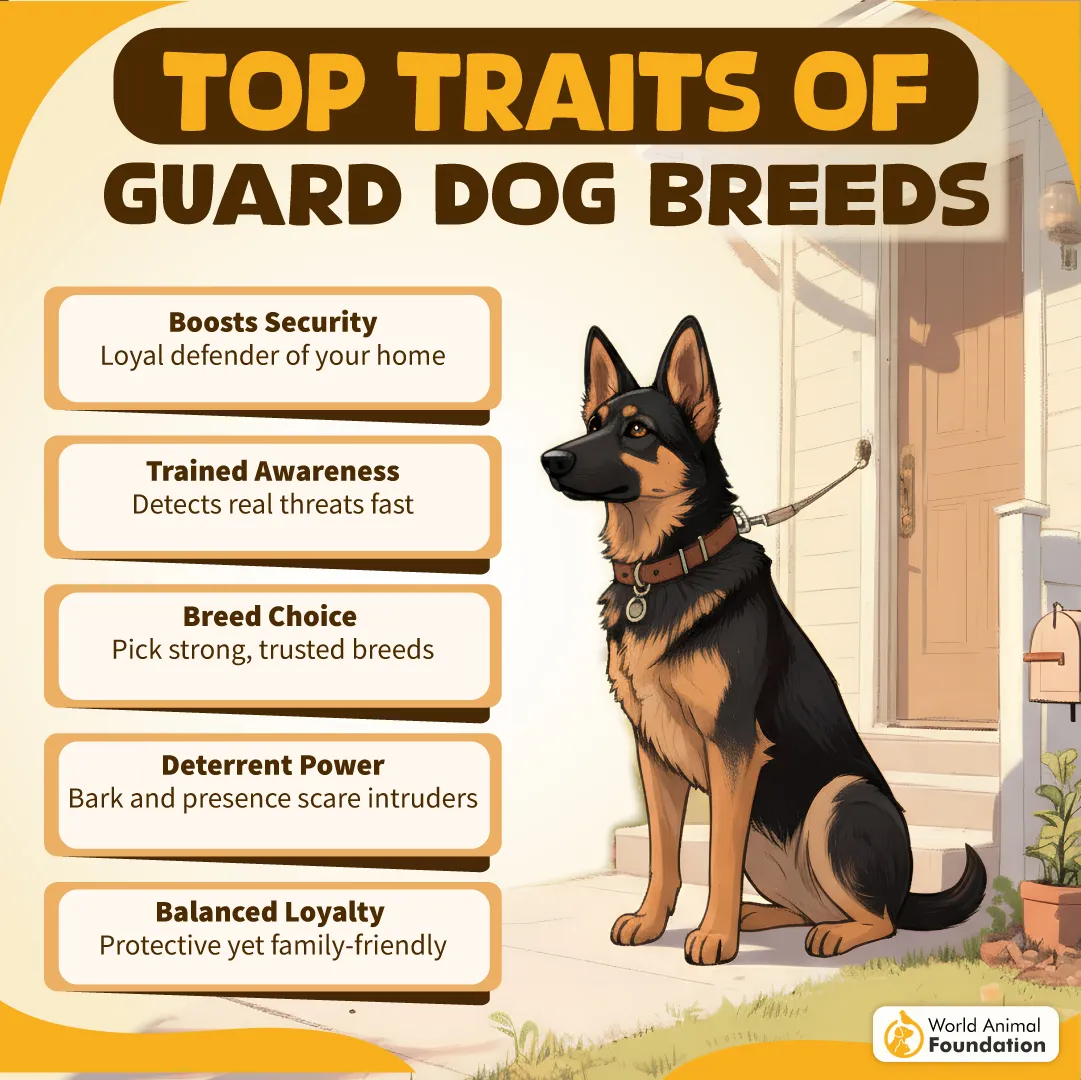
They combine strength, awareness, and loyalty in a way that makes families feel more secure. Their presence alone can discourage unwanted attention, while their protective instincts create an added sense of confidence around the home. Of course, not every powerful dog is suited for this role.
The breeds that excel as guardians possess a unique combination of traits that set them apart, and those remarkable qualities are explored throughout this article.
Key Takeaways
A small moment near a home gate becomes enough to show how quickly a dog can pick up signals that humans often miss.
German Shepherd and Doberman Pinscher stand out for their sharp awareness, while Cane Corso and Rottweiler bring grounded strength and calm control.
Belgian Malinois, Boxer, and Akita add layers of energy, loyalty, and quiet independence that shape how protection behaves in real situations.
As the list unfolds, it quietly builds a picture of what makes a dog not just powerful but dependable in everyday life.
Powerful Dog Breeds to Safeguard Your Home and Loved Ones
1. German Shepherd
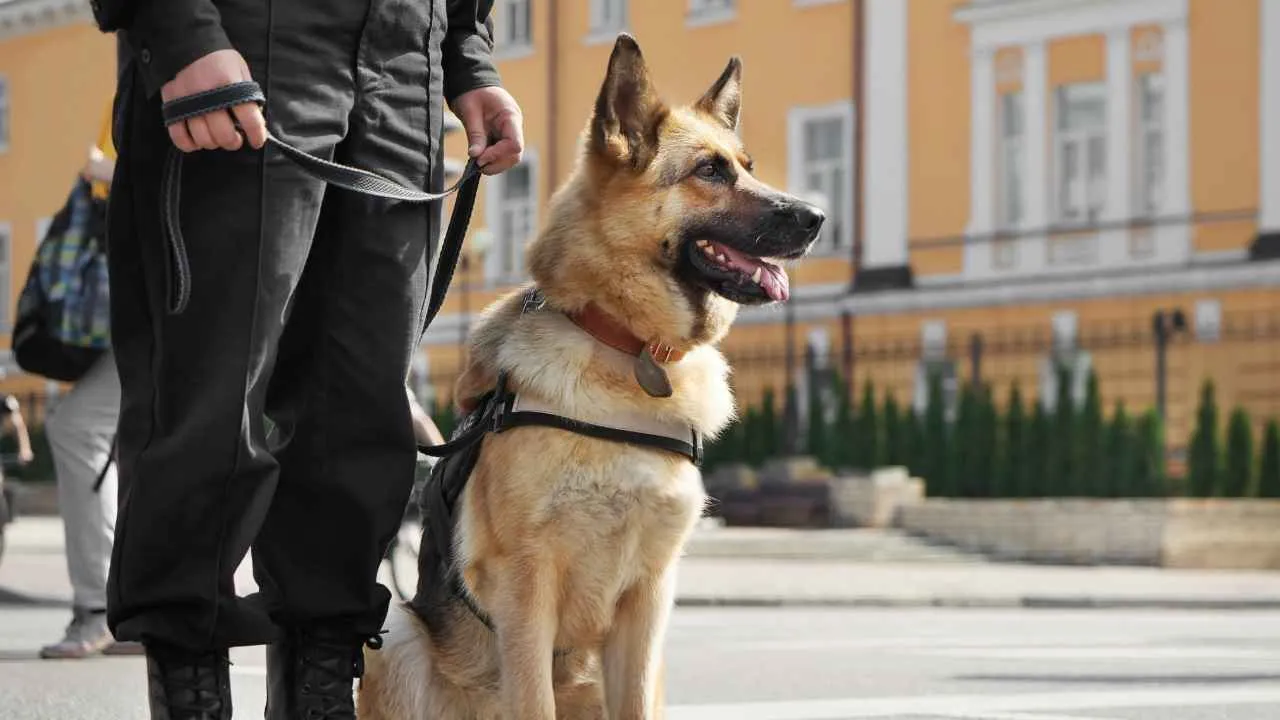
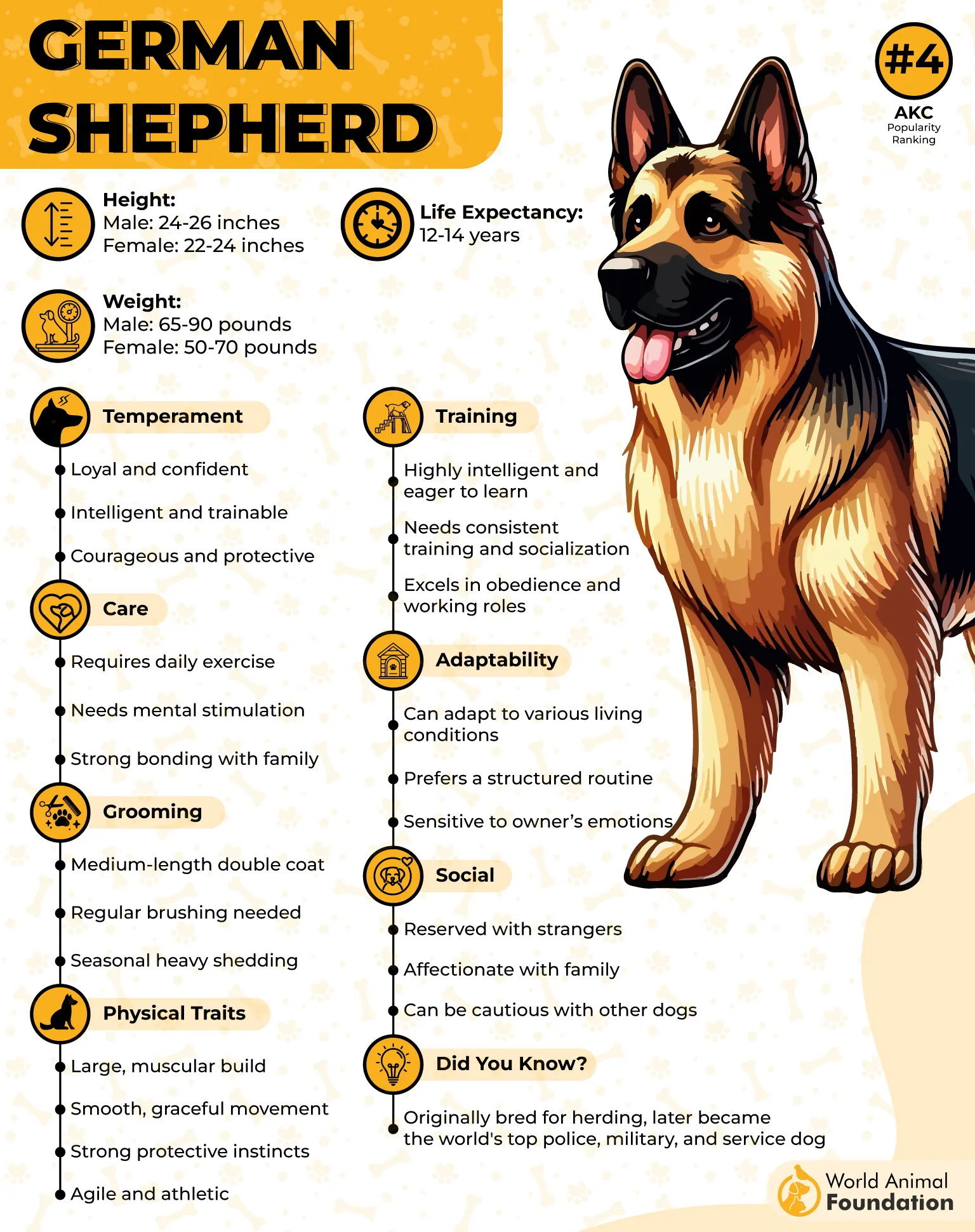
German Shepherds are known for sharp intelligence paired with a muscular, agile build that supports demanding physical and mental tasks. Its confident presence comes from a temperament shaped around loyalty and focus. These qualities make it a frequent choice for structured working roles.
Training-Driven Companion
This guard dog breed responds best when given clear direction and purposeful activity, making training a central part of its routine. Its energy level suits families and handlers who can offer consistency and engagement.
A few key traits explain its working capability:
High responsiveness to proper training
Strong drive for task-based activity
Reliable focus under guidance
Service and Protection Roles
German Shepherds are widely used in roles such as search operations, patrol duties, and detection work, where quick decision-making matters, as PetMD describes.
Its ability to handle pressure comes from a steady temperament and sharp awareness. Around familiar people, it balances discipline with calm interaction.
2. Doberman Pinscher
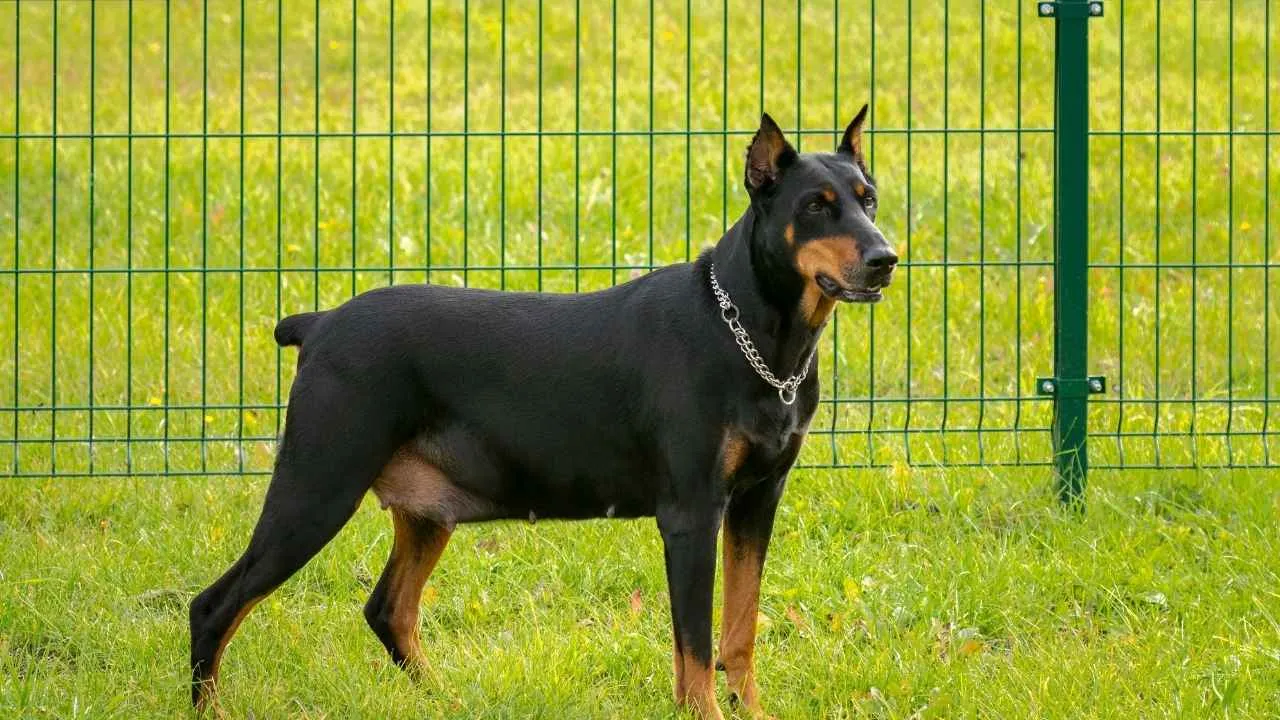
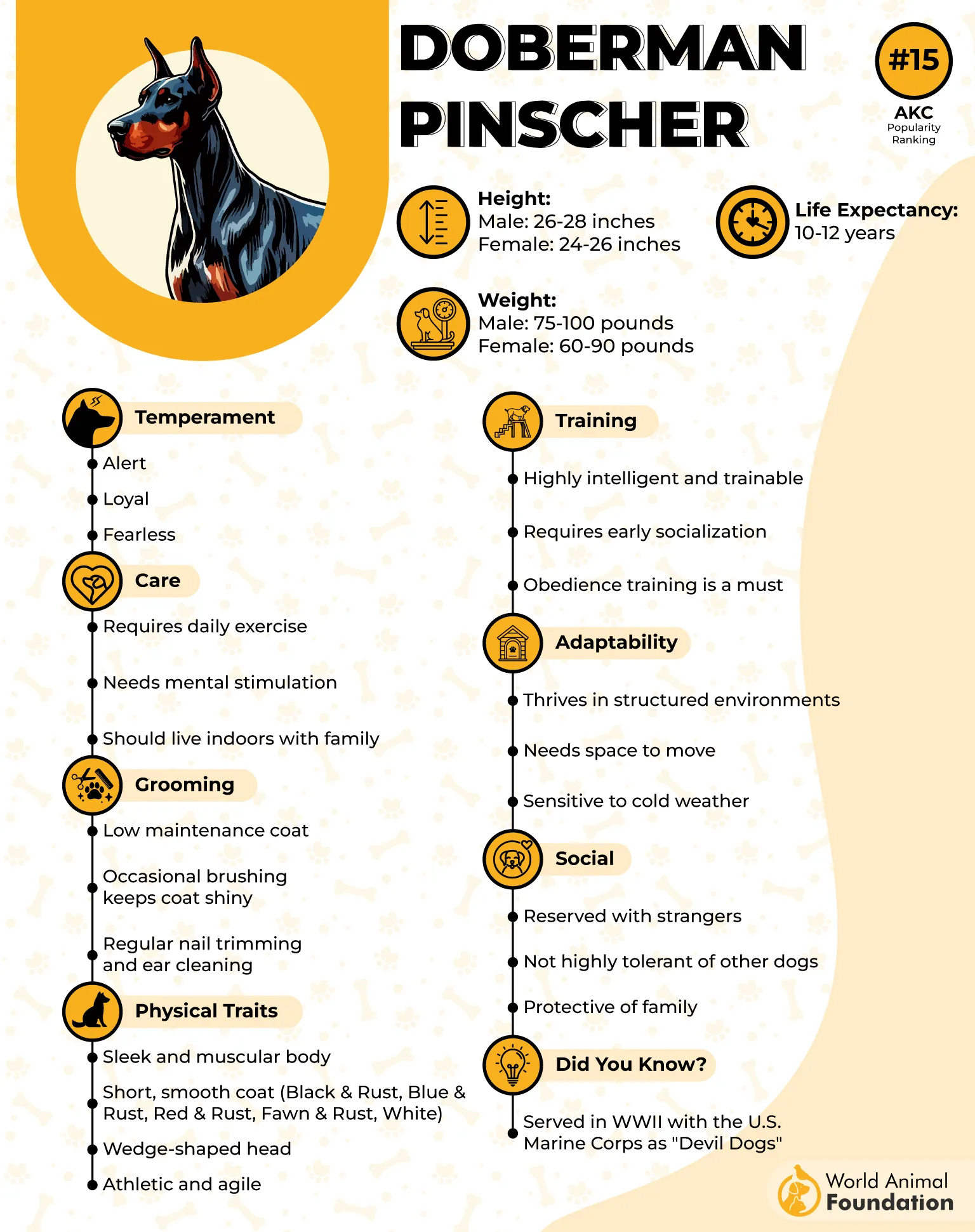
Doberman Pinscher moves with a sharp, controlled elegance, powered by a muscular frame built for speed and strength. A sleek coat, wedge-shaped head, and alert posture reflect its focused temperament. Intelligence and vigilance sit at the core of its working identity.
Sharp Instincts in Action
Its quick learning ability and responsive nature make it highly suited for structured training and guided roles. When properly guided from early stages, this protection dog channels their protective instincts into disciplined behavior.
A short shift in focus reveals key handling traits worth noting:
Learns commands quickly
Requires early social training
Responds well to structured guidance
Focused Awareness
A Doberman’s presence is marked by steady alertness, often reading its surroundings with quiet precision. Around familiar people, it becomes more relaxed and affectionate, showing a softer social side. Its balance between warmth and watchfulness shapes daily interactions.
3. Cane Corso
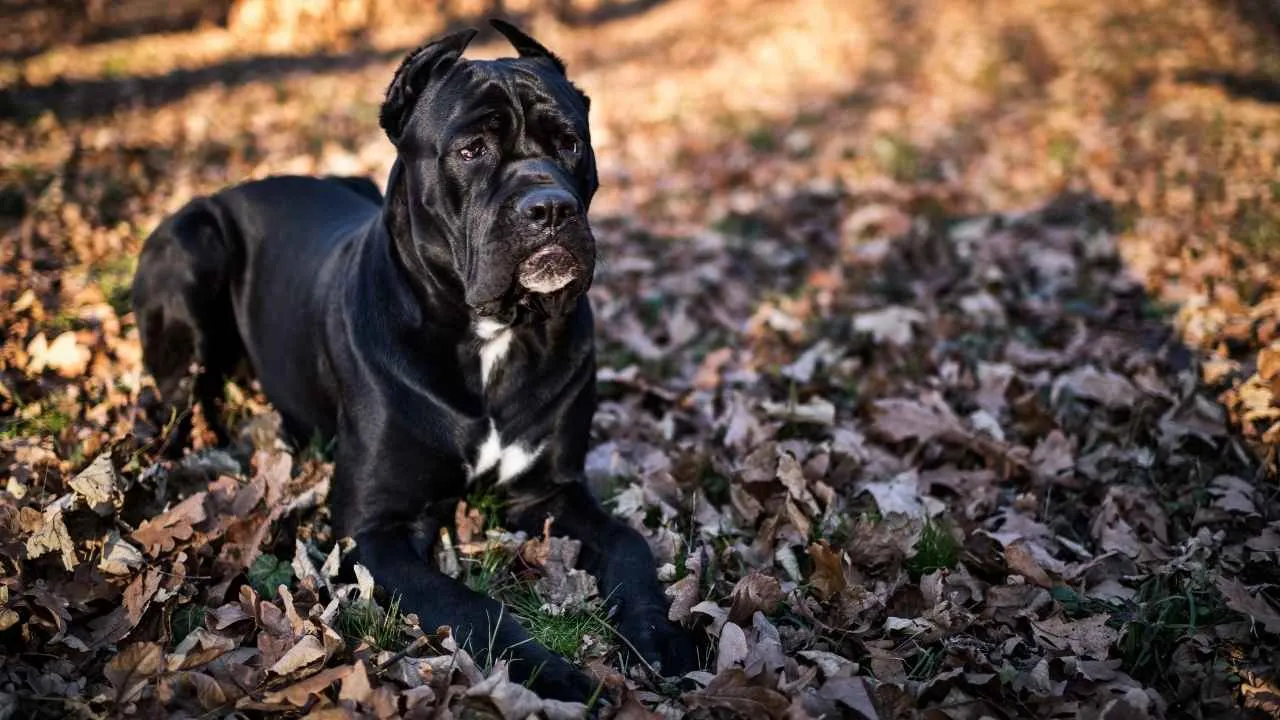
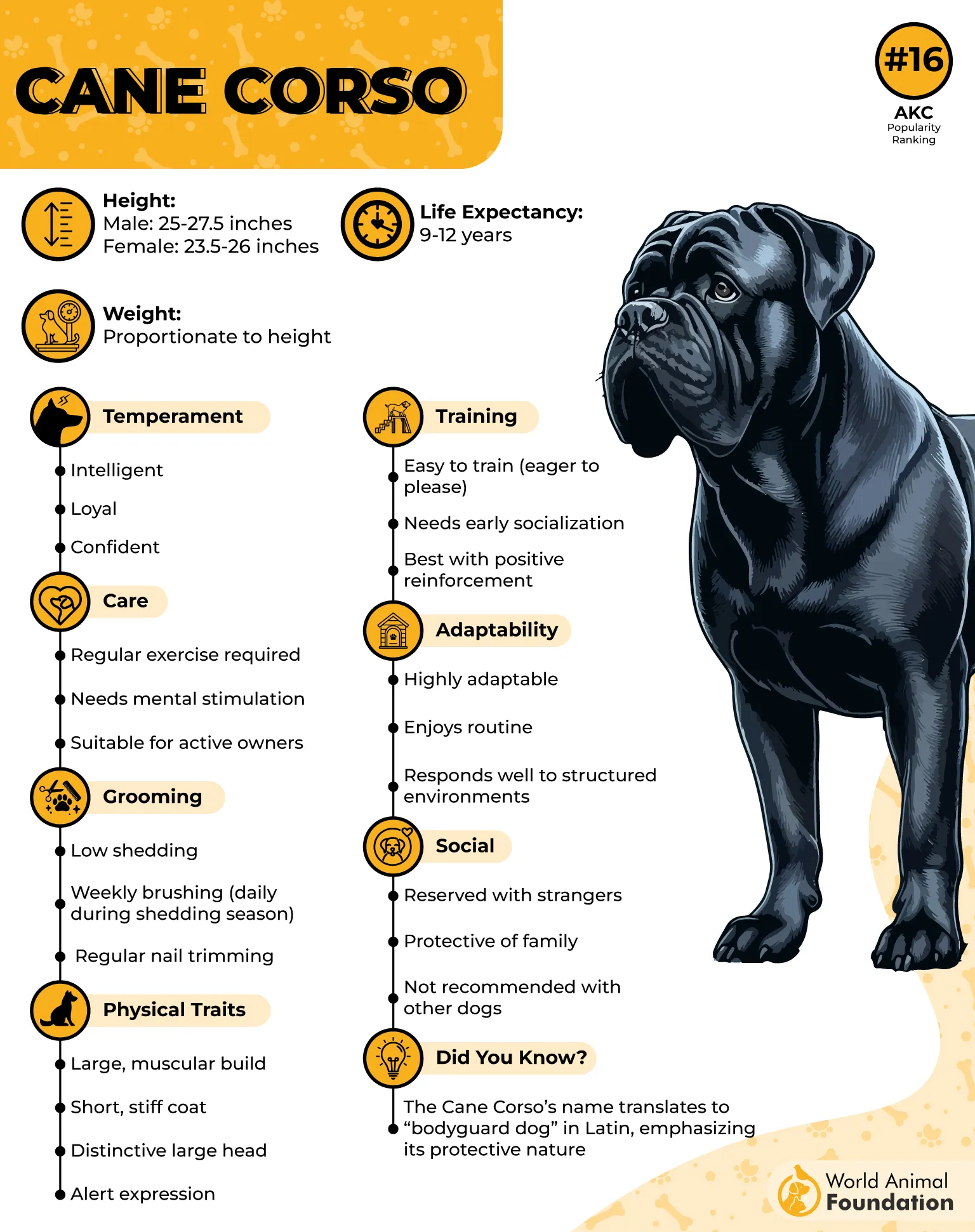
Cane Corso carries a composed, professional guard-dog presence rooted in ancient Roman lineage, where it was valued as a bodyguard-type companion. Its powerful frame and steady temperament reflect a role built around control rather than chaos.
Built for Protection Work
As excellent guard dogs, they function with a strong protective mindset, supported by their muscular build, large head, and alert expression, as per the AKC. Early social exposure plays a key role in shaping balanced behavior in such a powerful breed.
These defining qualities explain its working nature:
Highly loyal to familiar people
Strong territorial awareness
Responds well to structured training
Training and Social Balance
Cane Corso requires early guidance to shape its dominant instincts into structured behavior. Consistent training helps channel its assertiveness into calm control around people and other pets. Its size and strength make routine handling an important part of ownership.
4. Rottweiler
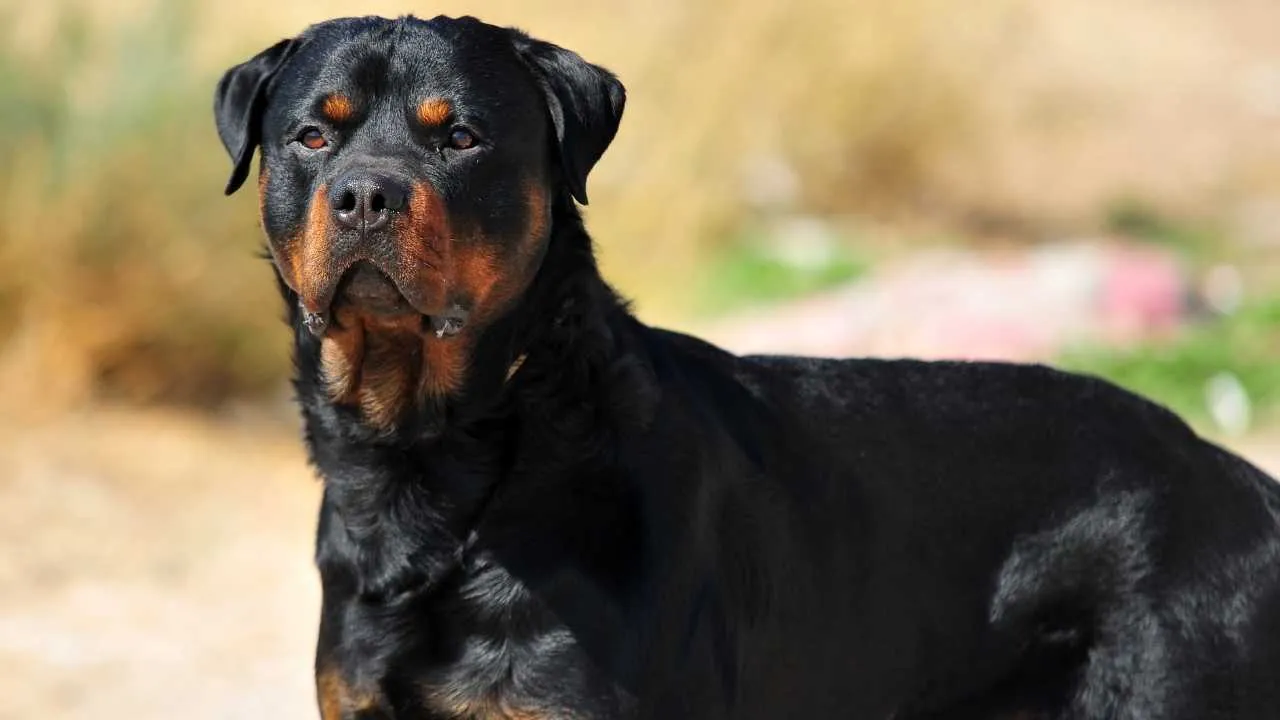
Rottweiler comes from the mastiffs once used alongside Roman legions, shaped into a strong working breed built for demanding physical roles. A calm yet confident presence sits beneath its heavy, muscular frame. Controlled power defines the way it handles both work and daily life.
Guarding Instinct and Control
Rottweiler pairs protective awareness with steady behavior when properly guided, especially around unfamiliar situations. Early structure helps channel its territorial instincts into balanced responses.
Their working nature explains their capability:
Calm but firm territorial awareness
Learns structured tasks with ease
Responsive to early training routines
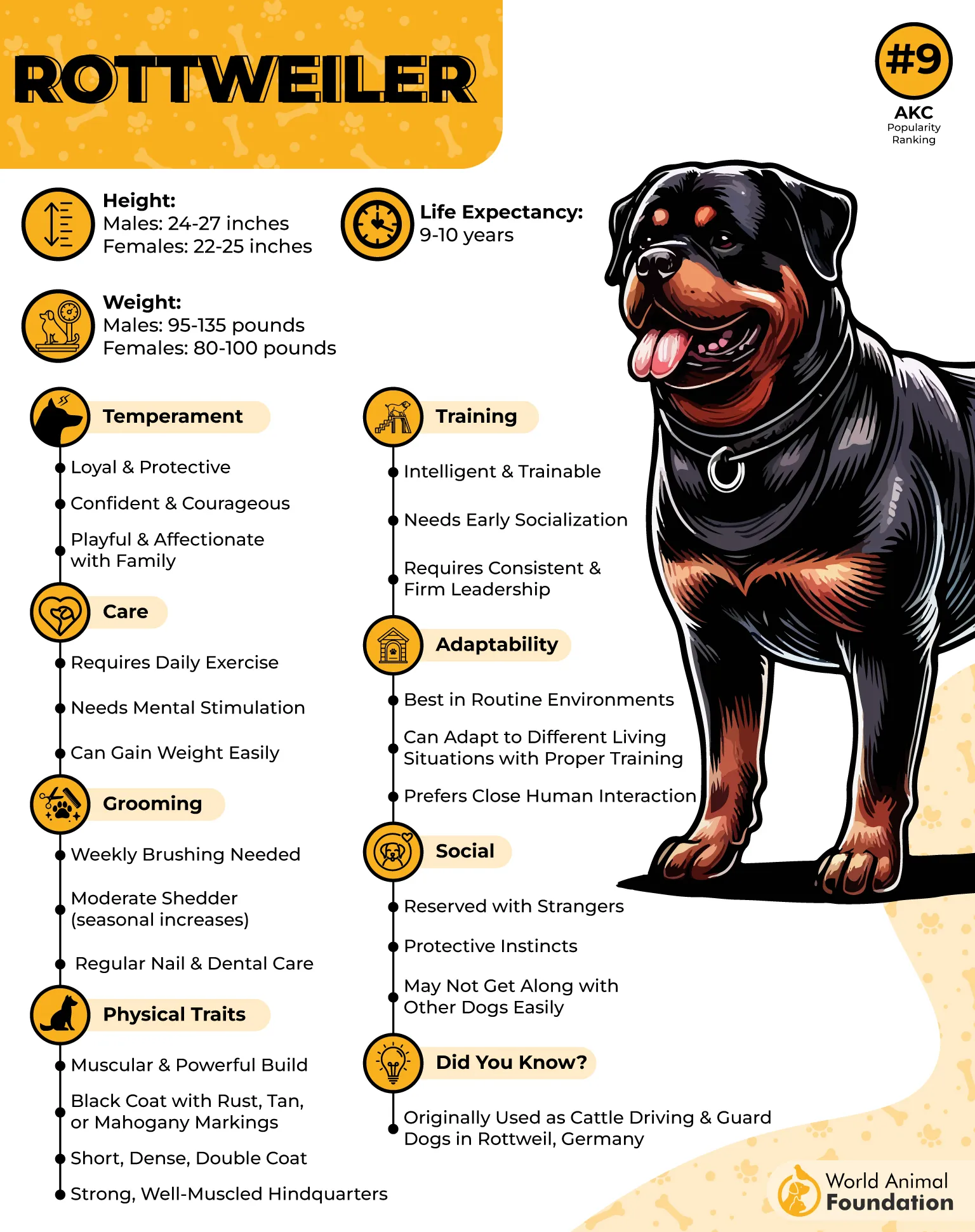
Family Temperament
Within familiar surroundings, a Rottweiler often shifts from a serious guardian mindset to a relaxed, playful companion, as WebMD claims. Its interaction with loved ones can feel unexpectedly light and affectionate. This contrast appears most clearly during quiet household moments.
5. Belgian Malinois
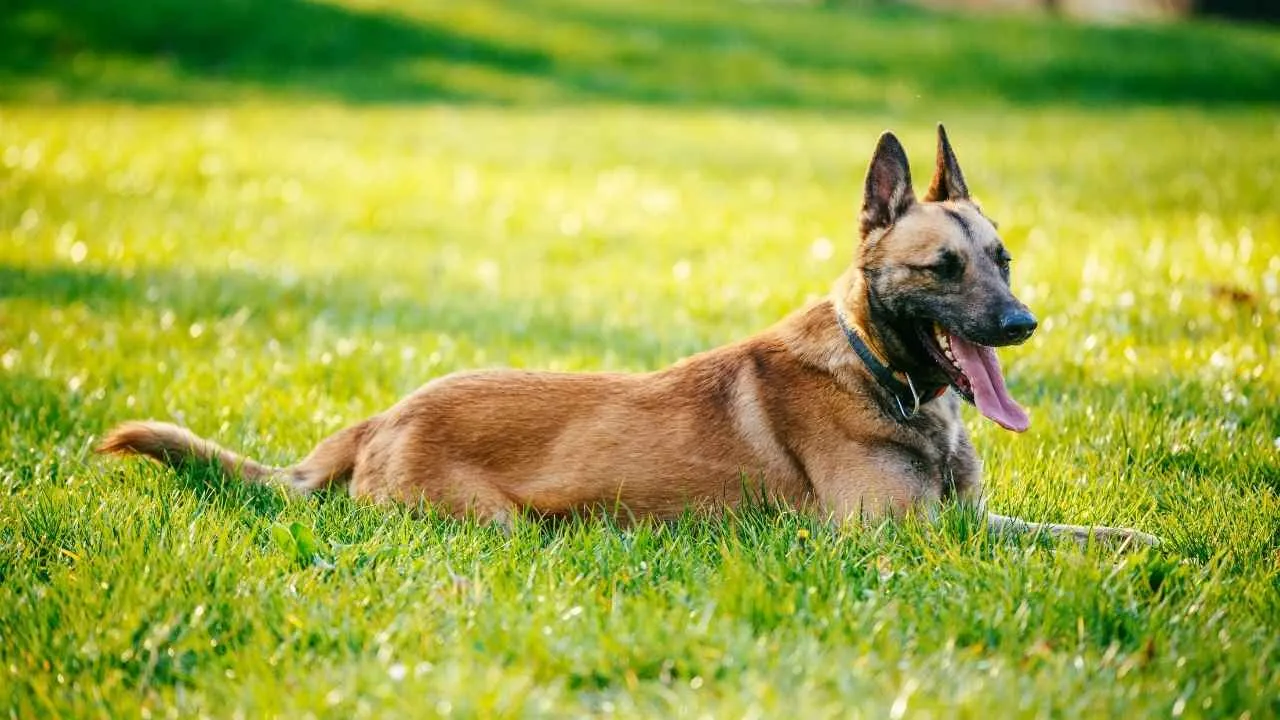
Belgian Malinois has a sharp intelligence paired with intense work focus, making it one of the most task-driven working breeds in Europe.
Named after the Malines region of Belgium, it was first used for herding before moving into demanding service roles. Police units and rescue teams later relied on its speed and precision.
High-Energy Performance
This loyal companion requires structured activity that matches its strong stamina and mental drive. Short routines are not enough, as the breed performs best with sustained physical and mental engagement.
A closer look at its working profile explains its demands.
Excels in running, tracking, and agility work
Requires intensive daily physical exertion
Performs well in obedience-based training tasks
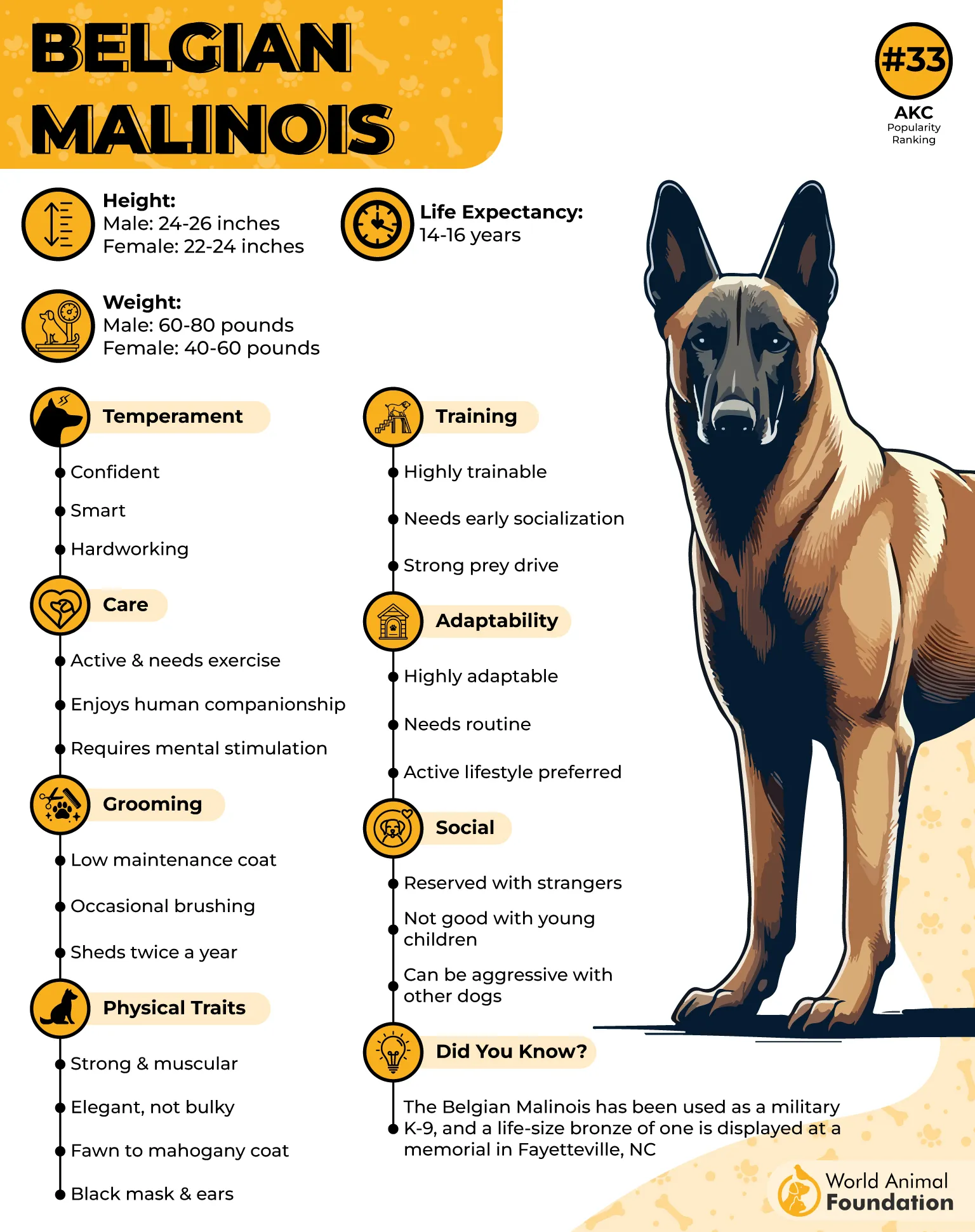
Focused Working Temperament
Belgian Malinois builds strong task concentration, often channeling its energy into structured assignments. Without proper direction, that intensity seeks outlets through self-directed activity. Controlled engagement keeps its behavior balanced in working environments.
6. Boxer
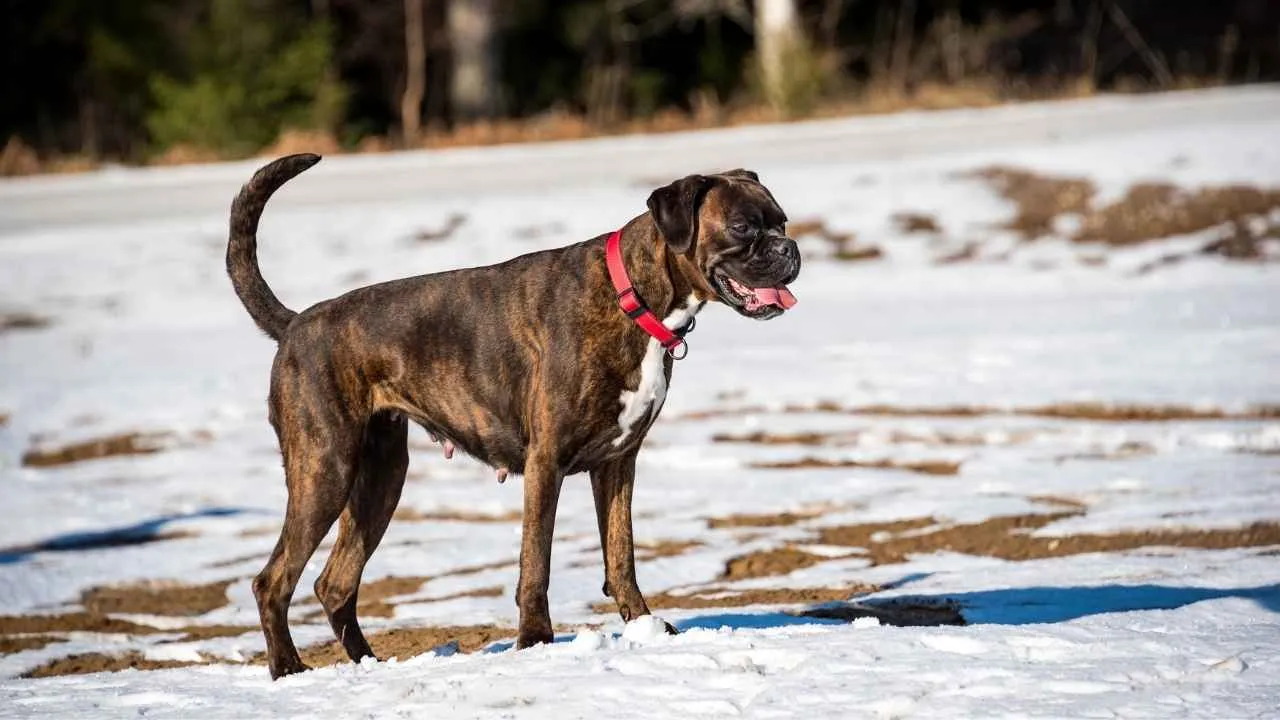
Boxer is known for its energetic build and smooth, athletic movement that reflects constant readiness. Beneath the playful exterior lies a strong working drive shaped by courage and alertness. Loyalty and intelligence sit at the core of its nature.
Family-Focused Protector
This loving family pet combines affection with a clear protective instinct, especially around familiar people and children. Early social exposure plays an important role in shaping balanced behavior in varied environments.
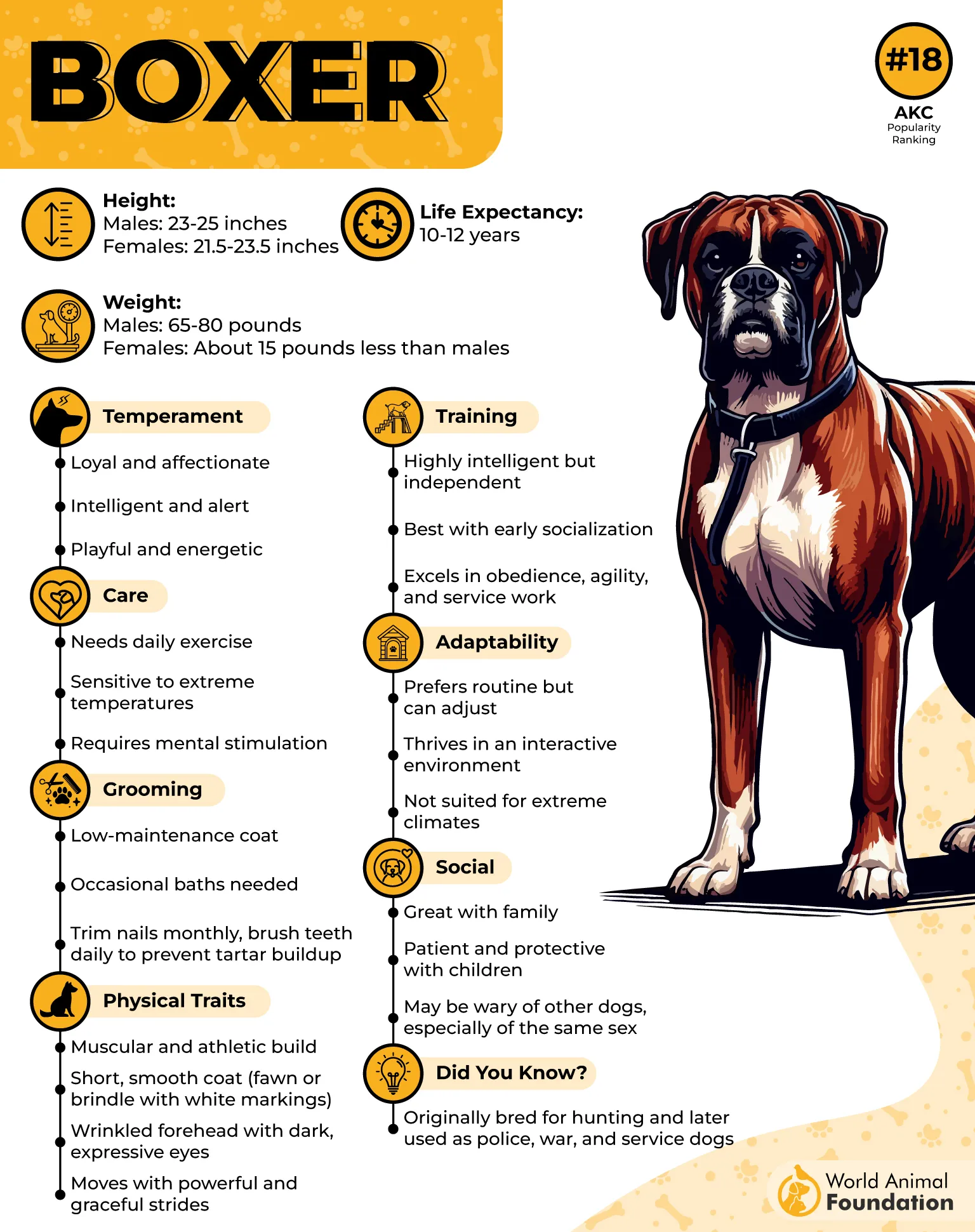
These qualities define this dependable companion:
Strong protective awareness
Highly playful and energetic
Learns well with early guidance
Playful Energy in Action
Boxers often channels its strength into jumping, running, and active interaction during daily life. This lively behavior comes from its background as a chaser of game, giving it a naturally dynamic presence. Around family, this energy turns into fun, controlled excitement.
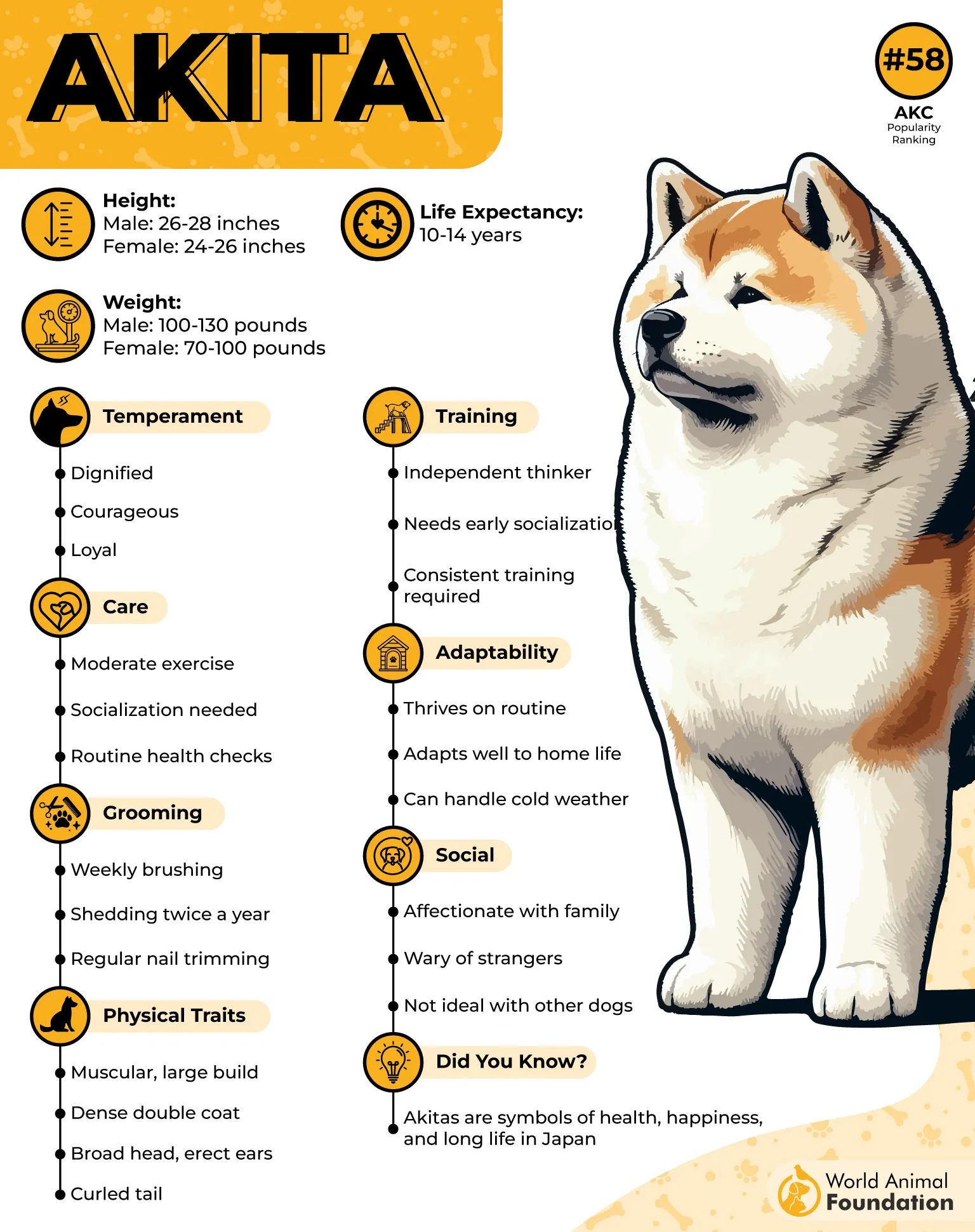
7. Akita
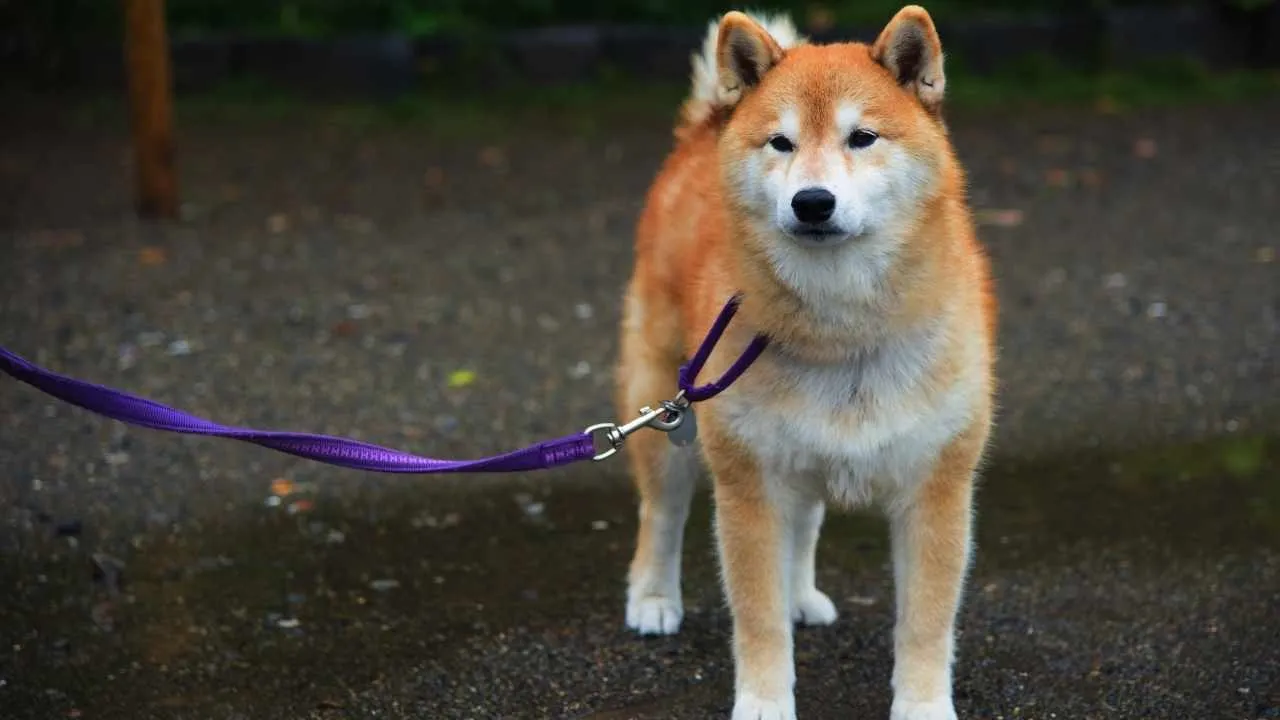
Akita has a grounded, composed presence shaped through generations of hunting work in Japan. Revered as a national monument, it is often linked with symbolic gifts representing health and protection within families. The breed carries a calm intensity that defines its interactions.
Protective Nature
A strong sense of loyalty guides Akita’s behavior, especially within its own household. Independence plays a major role in how it responds to situations, often assessing before reacting.
These points reflect the temperament of this large dog:
Strong attachment to the family unit
Reserved with unfamiliar people
May react strongly toward smaller animals
Focused Temperament
The well-known story of Hachiko highlights the breed’s deep emotional consistency and long-standing devotion. In daily life, this same focus appears in selective social behavior and careful observation of surroundings. It prefers controlled interaction rather than constant social engagement.
Conclusion
Protection is rarely defined by strength alone. The best guard dogs combine awareness, loyalty, confidence, and the ability to remain calm when situations change unexpectedly. While physical presence can discourage unwanted attention, trust is often built through consistency, proper socialization, and steady behavior around family members every day.
The dogs featured throughout this article demonstrate how different qualities can contribute to a safer home environment. Some rely on intelligence, others on courage or strong family bonds, but all share a willingness to watch over the people they value most. With proper training, many also become gentle companions, making them respected guardian dogs in homes around the world.
