




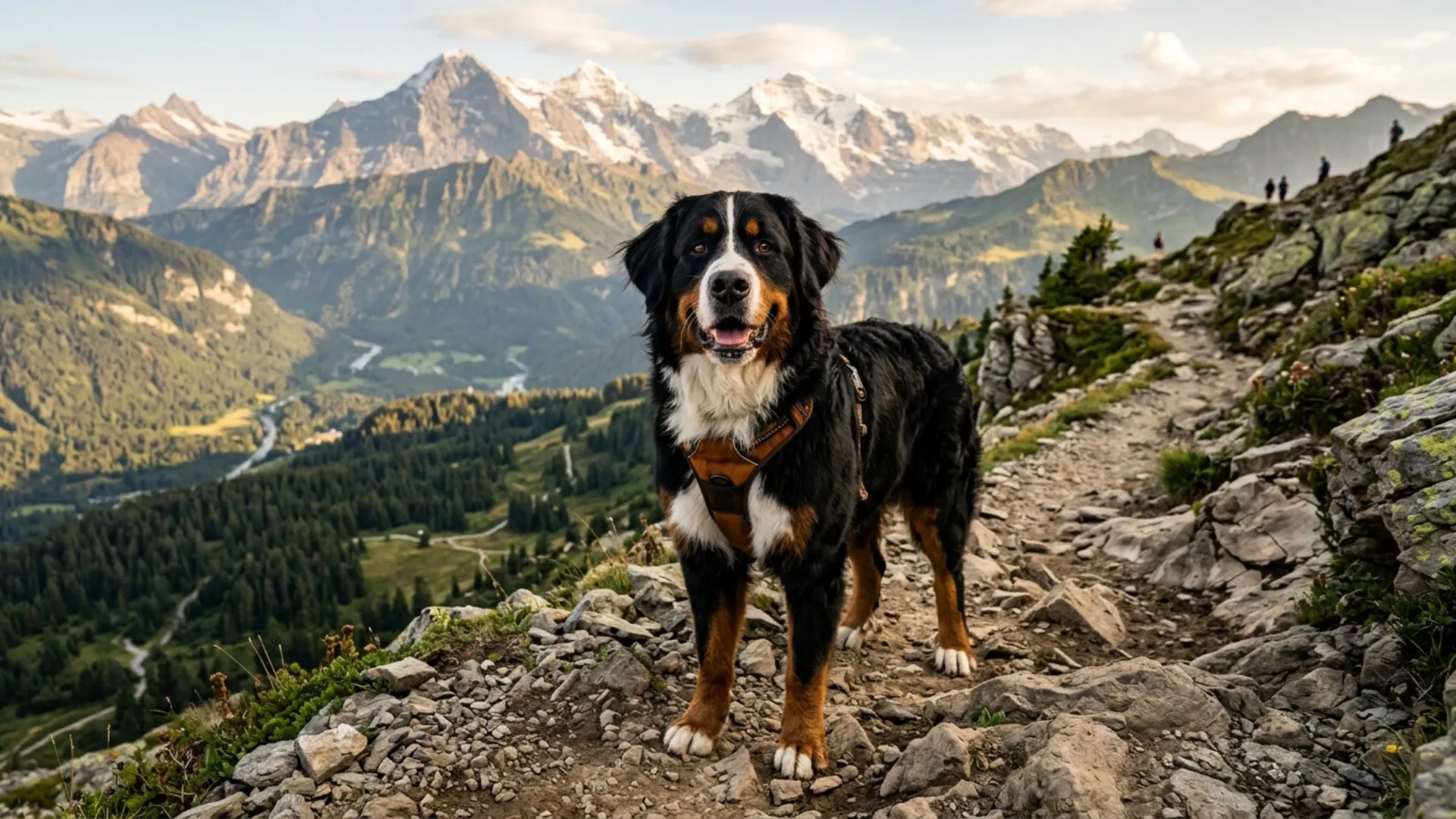
Some dogs are happiest when they are stretched out on the couch. Others come alive the moment they smell fresh air and see an open trail.
If your weekends are filled with hiking, camping, kayaking, or long walks through the woods, the right outdoor dog can become your favorite adventure partner. As outdoor expert John Muir famously said, “In every walk with nature one receives far more than he seeks.”
Many active dog breeds seem to live by that idea every single day. In this guide, you will discover amazing dog breeds built for outdoor escapades. Each one brings unique strengths, endless enthusiasm, and the loyalty that can turn every trip into a memory worth telling for years.
Amazing Dog Breeds Built for Outdoor Escapades
1. Alaskan Malamute
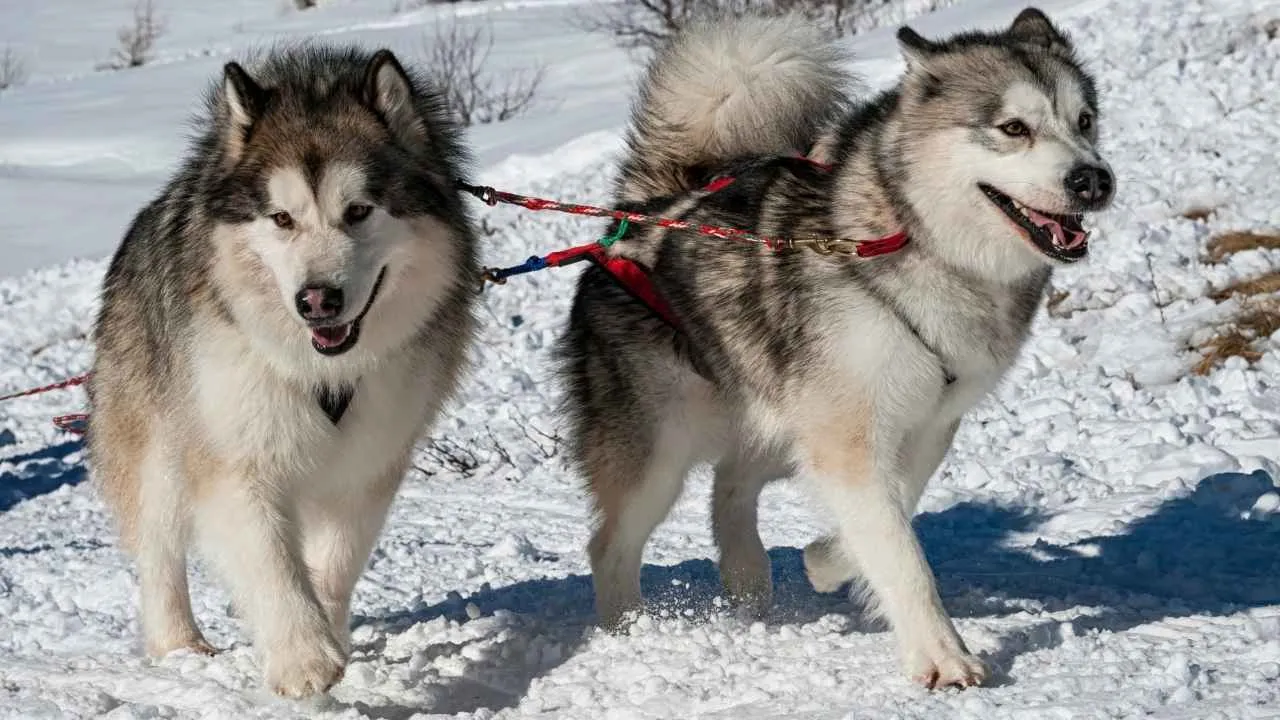
One of the oldest and strongest dog breeds of northern sled dogs, the Alaskan Malamute was the favorite of the Mahlemut people of Alaska. The breed has been working in Alaska for more than 5,000 years. The breed was then crossed with small dogs with high speed to participate in dog sports, says Purina.
Because of the well-furred paws that distribute the weight evenly, it does not sink into deep snow. It specializes in metabolism that efficiently breaks down food into slow-burning fuel. The almond-shaped eyes are framed by thick fur that protects them from harsh winds, blinding blizzards, and glare.
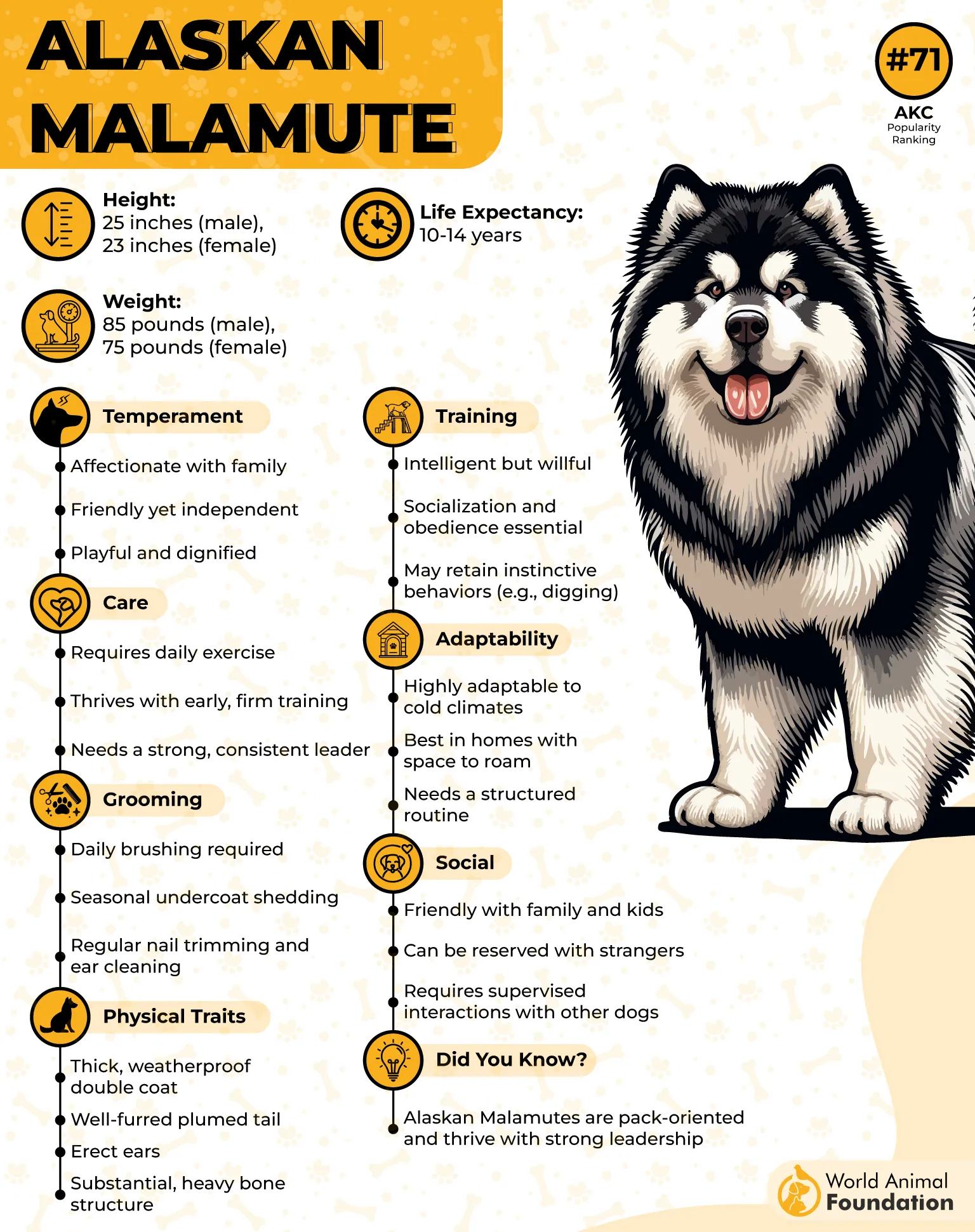
Because it is a natural freight dog, it can carry loads of 10-15% of its own body weight, making it suitable for backpacking, cart pulling, and hiking. The breed has boundless energy and can easily manage 10+ mile treks over rugged terrain in colder temperatures.
2. Bernese Mountain Dog
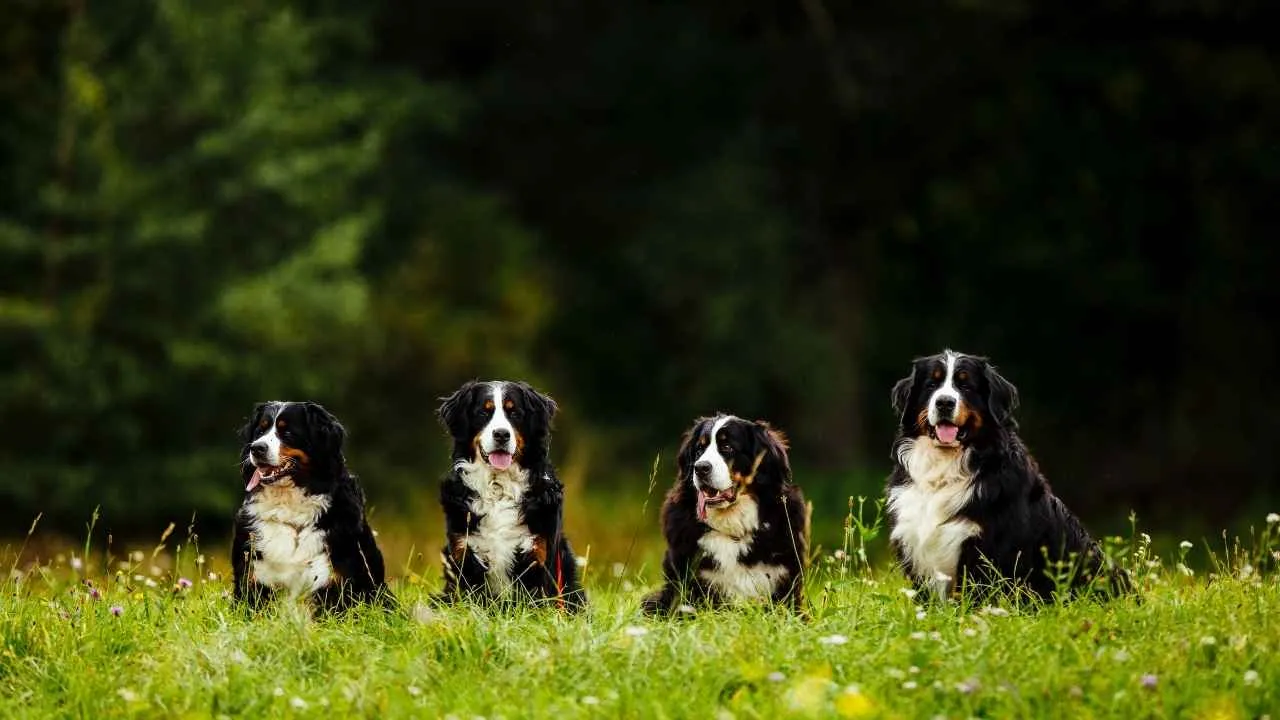
Originally bred in the Swiss Alps as a farm dog and a drover dog, the Bernese Mountain Dog was developed from the mastiff-type dogs that were brought to Switzerland 2,000 years ago, as noted by the AKC. It is the only Swiss Mountain Dog with a long coat.
It was primarily used to pull carts loaded with cheese to markets. The strong bone structure and sturdy hindquarters provide the pulling power and shock absorption needed for hiking down rocky declines. Because of its endurance, it is ideal for pet-friendly trails. Leash the breed near wildlife or drop-offs.
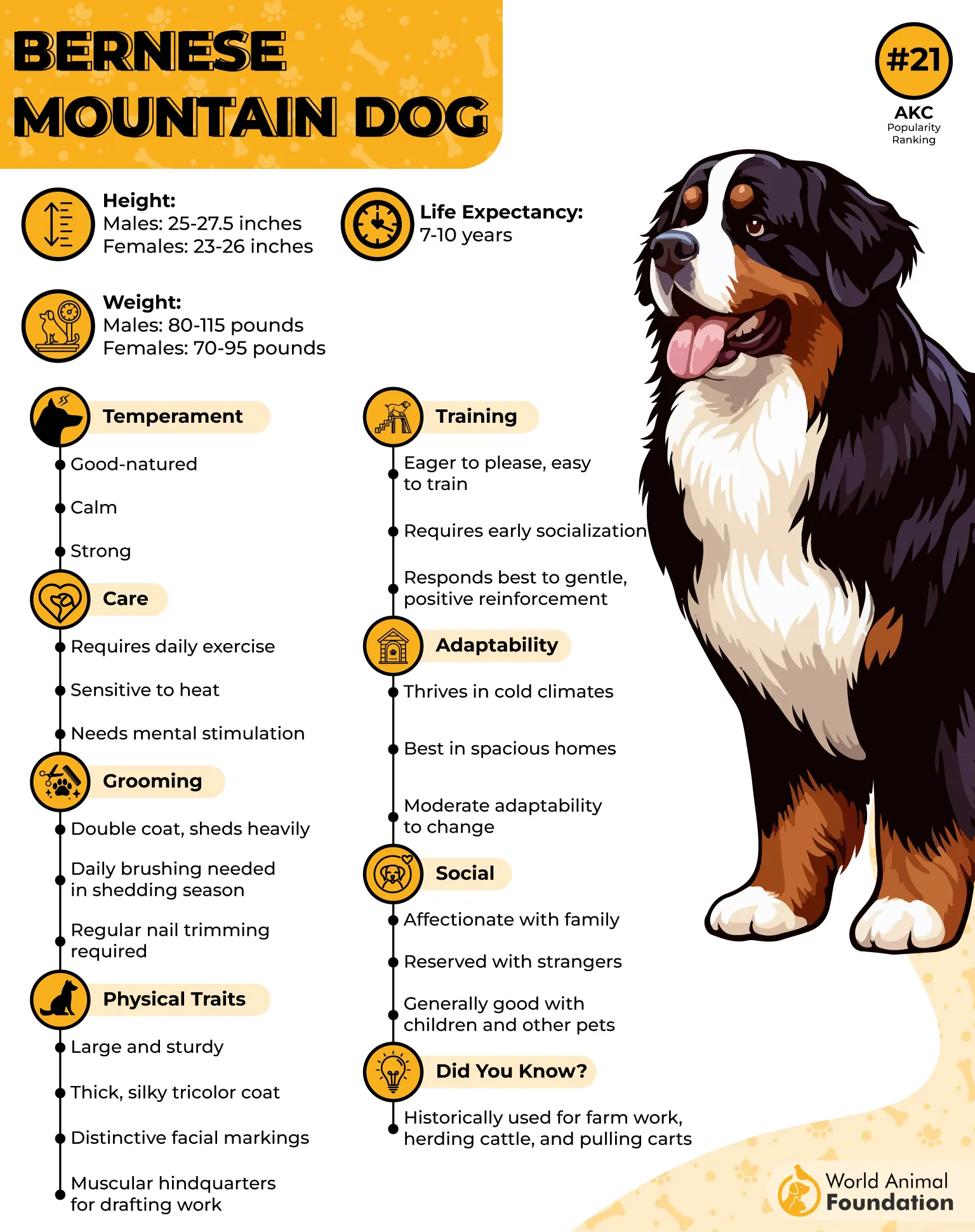
After a long day of outdoor adventures, it loves sleeping by the campfire. Since it is temperature sensitive, always keep an insulated sleeping bag so the cold ground does not sap its body heat. The breed needs moderate exercise (30-60 minutes).
3. Australian Cattle Dog
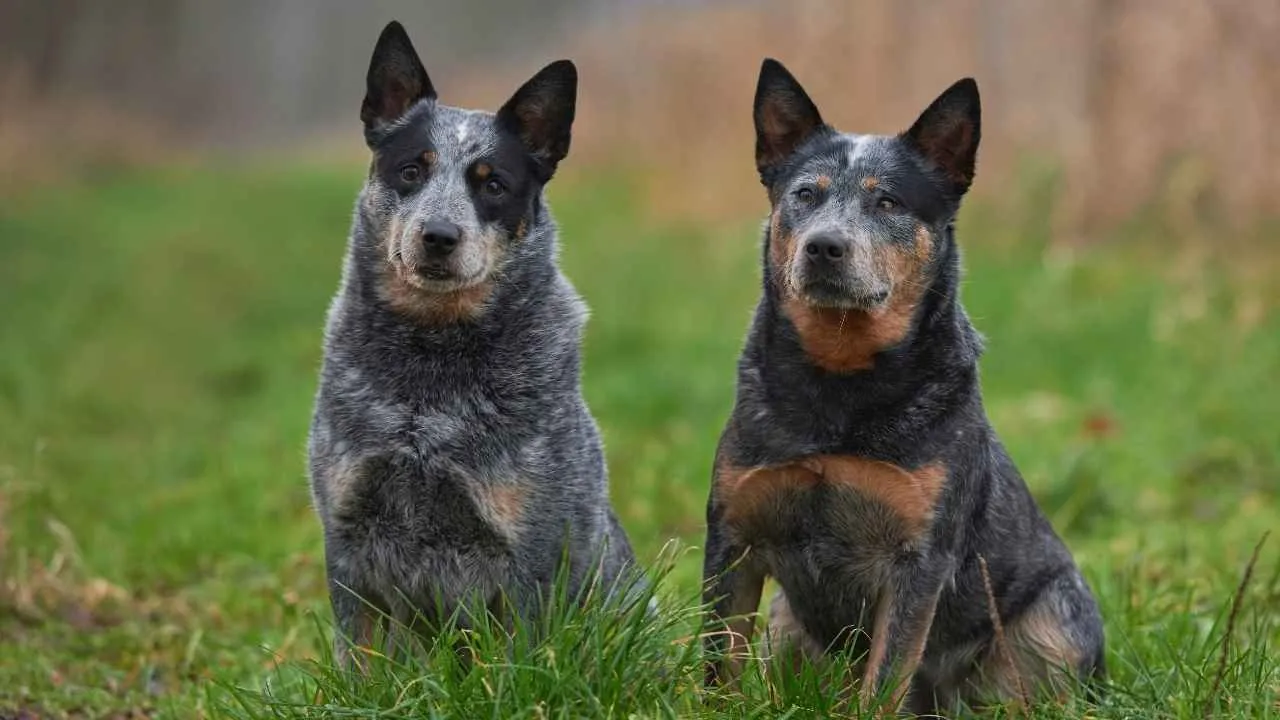
The English ranchers in the Australian Outback found that their herding dogs were not suitable for a harsh environment. Those dogs underwent selective breeding to develop a breed that could herd large flocks without being overly aggressive. Thomas Hall first crossbred Blue Smooth Highland Collies with Dingos, Australia’s wild dogs, according to Orvis.
The well-developed forequarters and hindquarters allow them to trot all day without fatiguing. It has a dense double coat; the hard topcoat guards against extreme weather conditions and dangerous bites, and the soft undercoat acts as a thermoregulator. It has a high pain tolerance and tends to nip at the heels of the stubborn livestock.
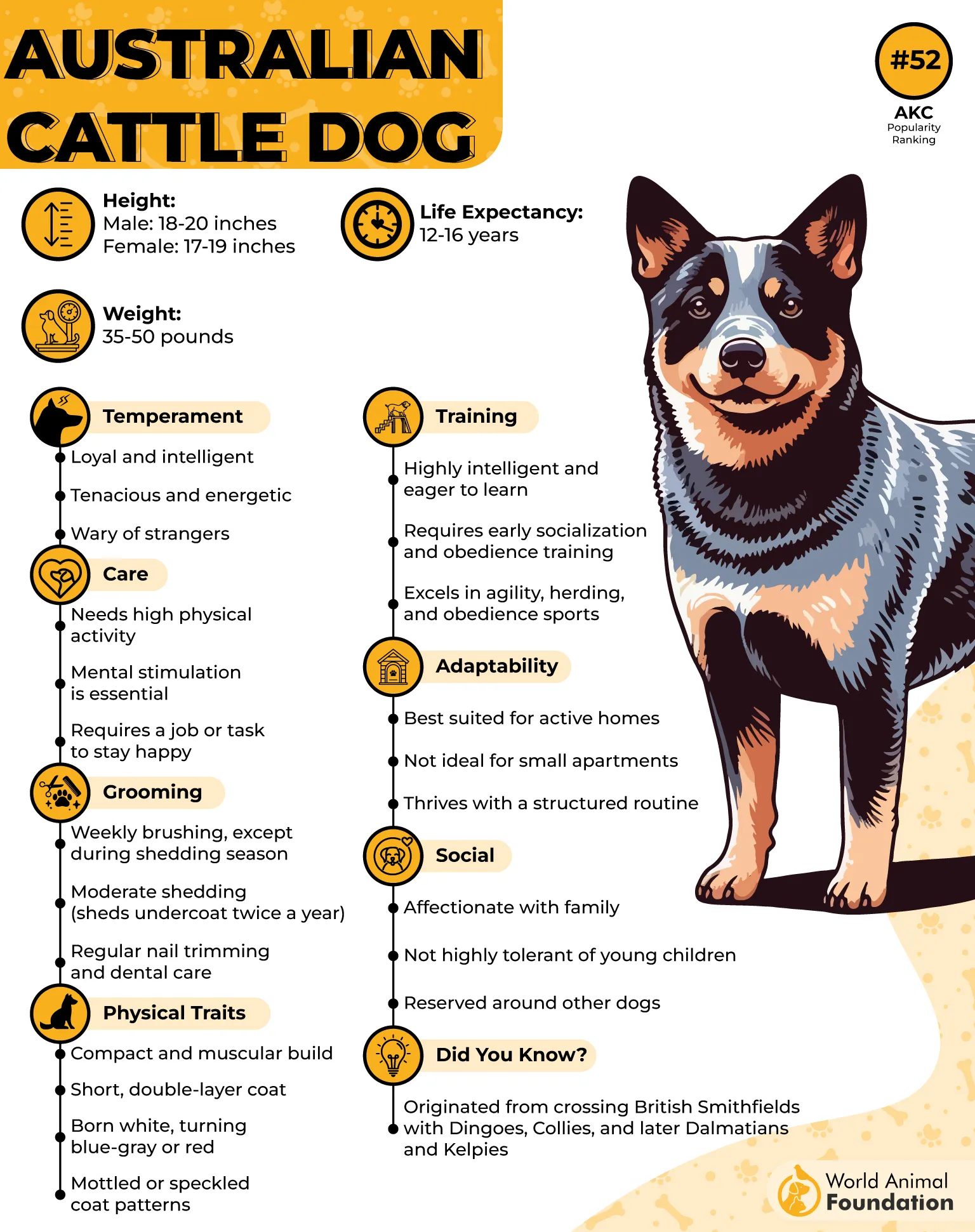
This energetic dog has alert and pricked ears, making it an excellent watchdog. With its instinct to scout ahead, it checks the terrain stability and keeps pace with you. It can wear a canine backpack with proper training and early socialization.
4. German Shorthaired Pointer
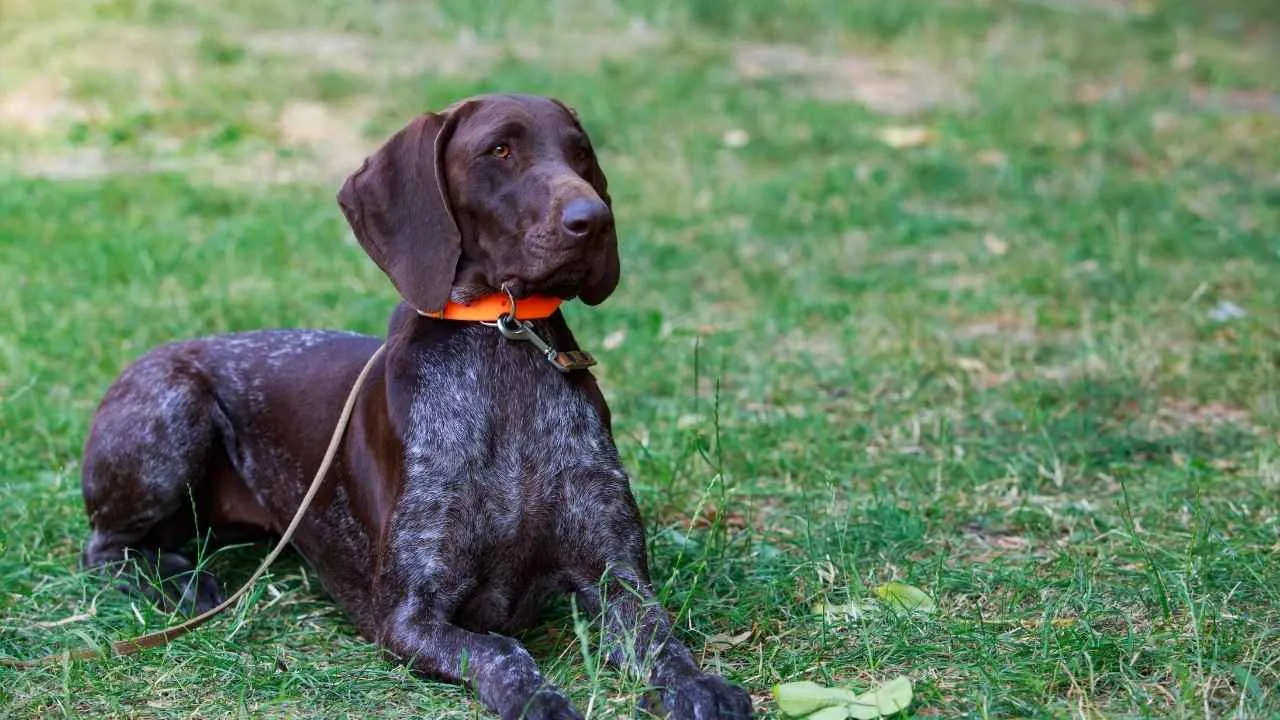
Originally developed in Germany in the 17th century, the GSP was bred by crossing a Spanish Pointer with some of the early German bird dog breeds and Bloodhounds. The resultant heavy breed was slow in pace. So, it was again selectively bred with the English Pointer to produce a lighter and faster dog.
The double coat and the webbed feet make it an excellent swimmer. The lithe and dry muscles provide a ground-covering stride to endure an entire day of physical exertion. Being an all-around gun dog, it tends to point, track, and retrieve furred game across all terrain.
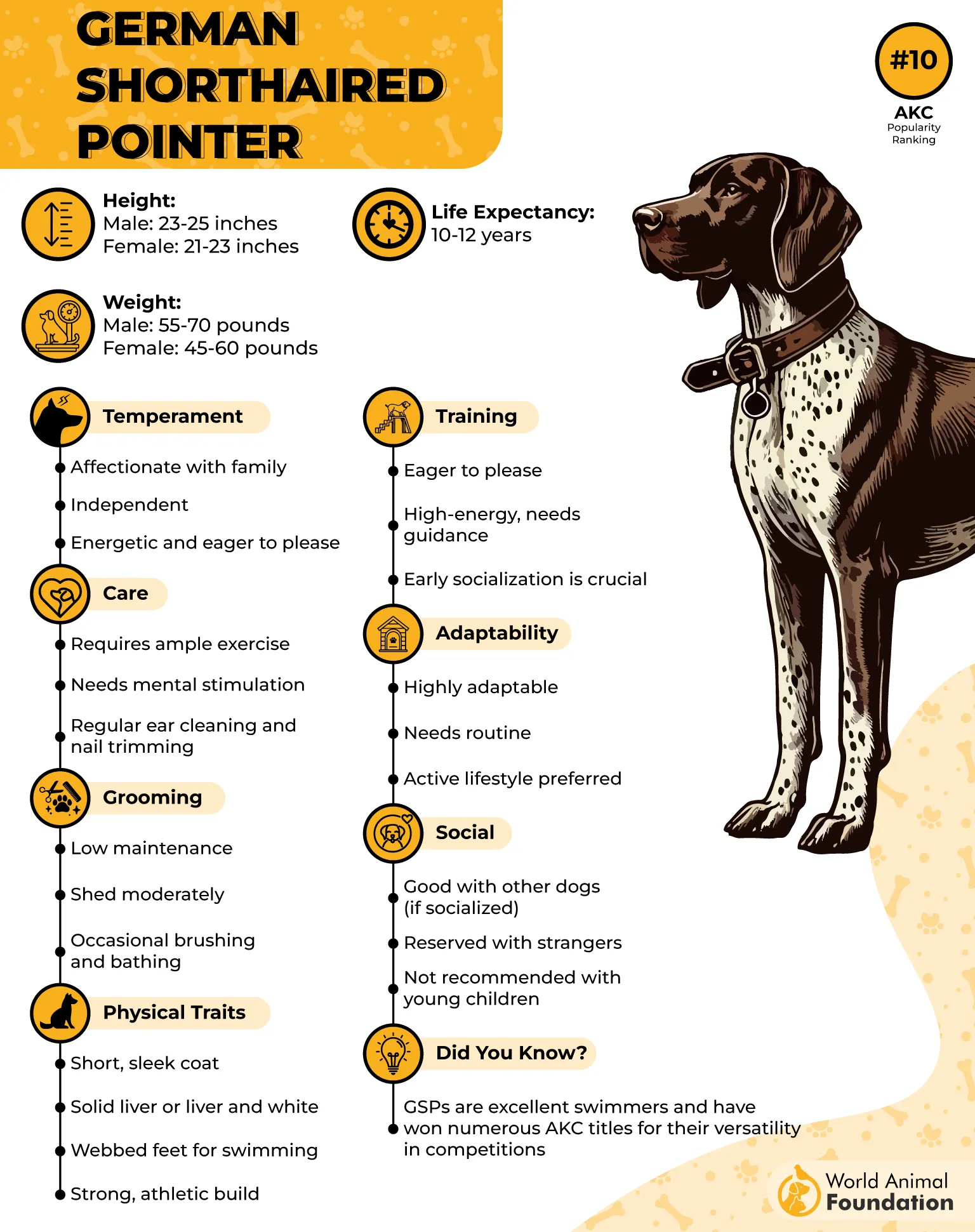
The great outdoorsy type breed excels in canicross, pulling sports, dock diving, trail running, hiking, scent work, and agility. Puppies should not be exposed to high-impact exercise for 12-18 months because of the growing plates. The adult dog needs 1-2 hours of vigorous exercise daily for physical and mental stimulation.
5. Siberian Husky
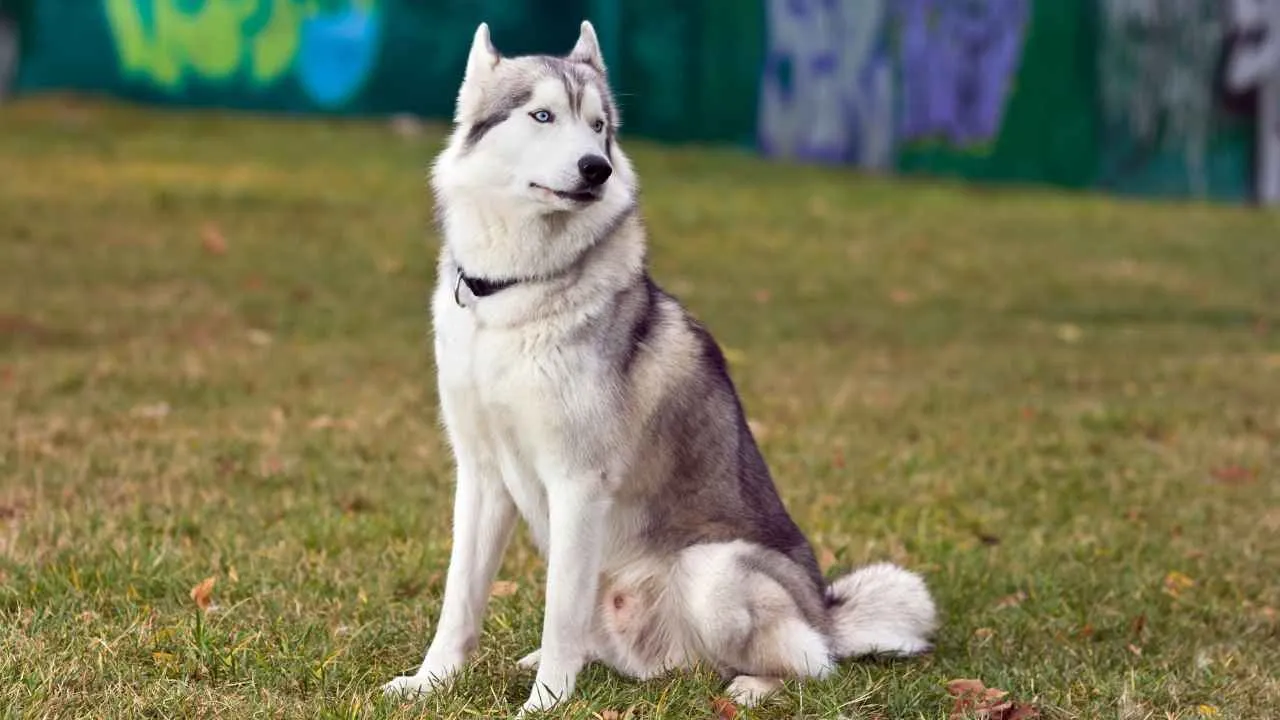
Originating in Northeast Asia, where the breed was developed by the Chukchi people as a sled dog, the Siberian Husky belongs to the Spitz family. It was officially recognized by the American Kennel Club in the 1930s. Today, it is most commonly kept as a companion dog.
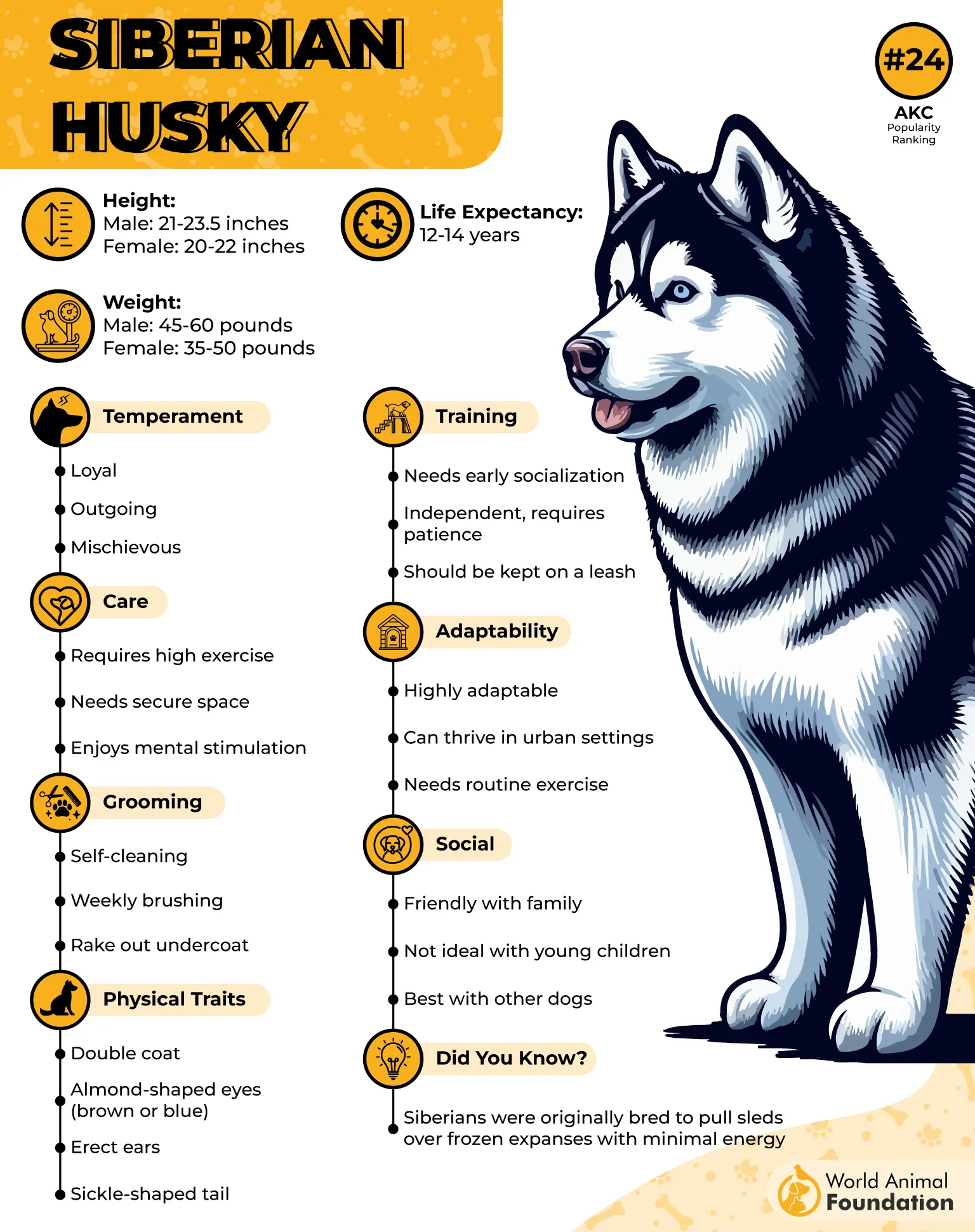
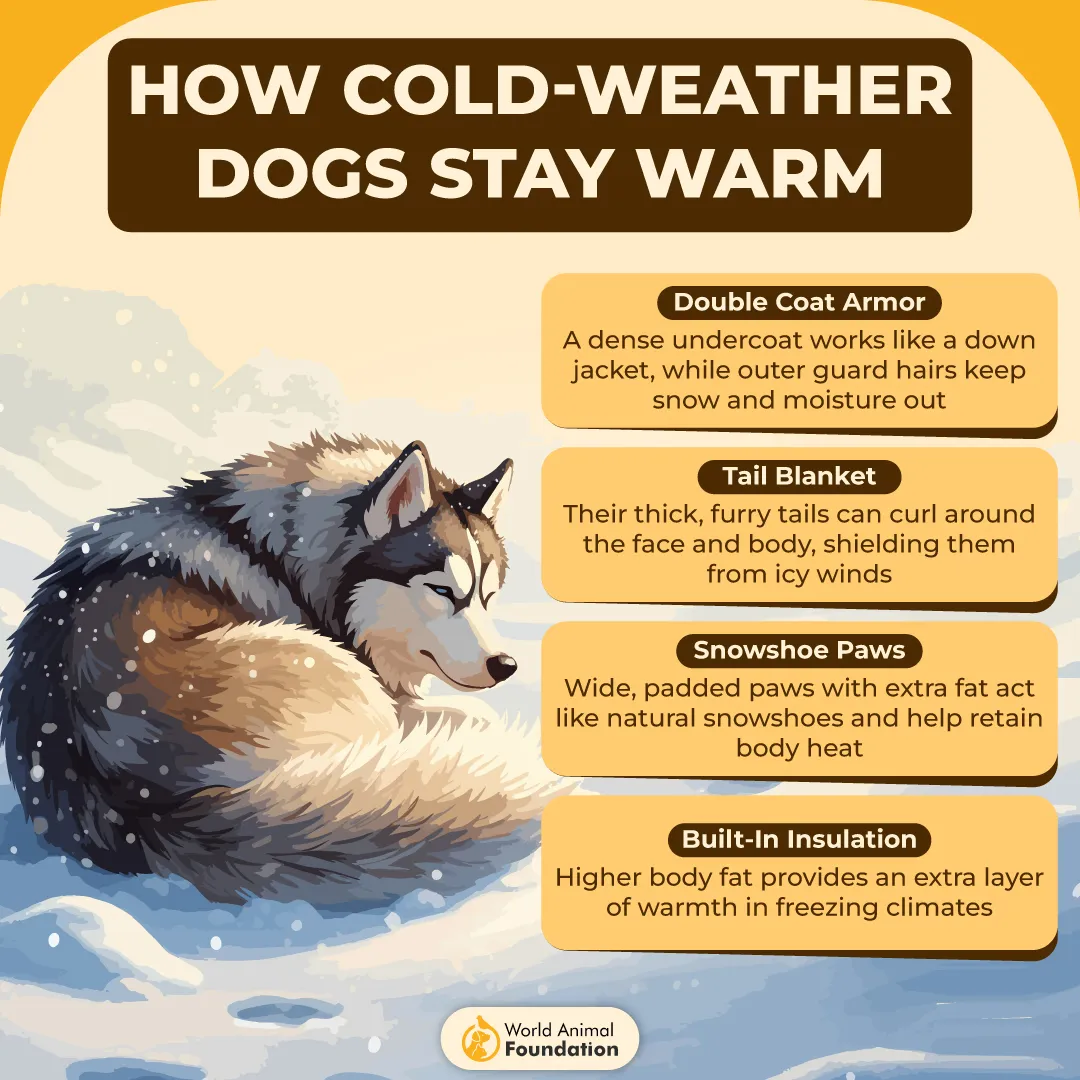
The insulating double coat acts as a thermal barrier, allowing it to endure temperatures as low as -50°C to -60°C. There is an extensive network of blood vessels in its paws where warm arterial blood transfers heat to the cooler veins, preventing paw pads from freezing on ice.
In winter, this big dog tends to pull heavy carts. In summer, it loves pulling specialized carts or bicycles. It requires at least 2 hours of daily vigorous exercise, including brisk walks, jogging, hiking, or dog sports like urban mushing or agility.
6. Labrador Retriever
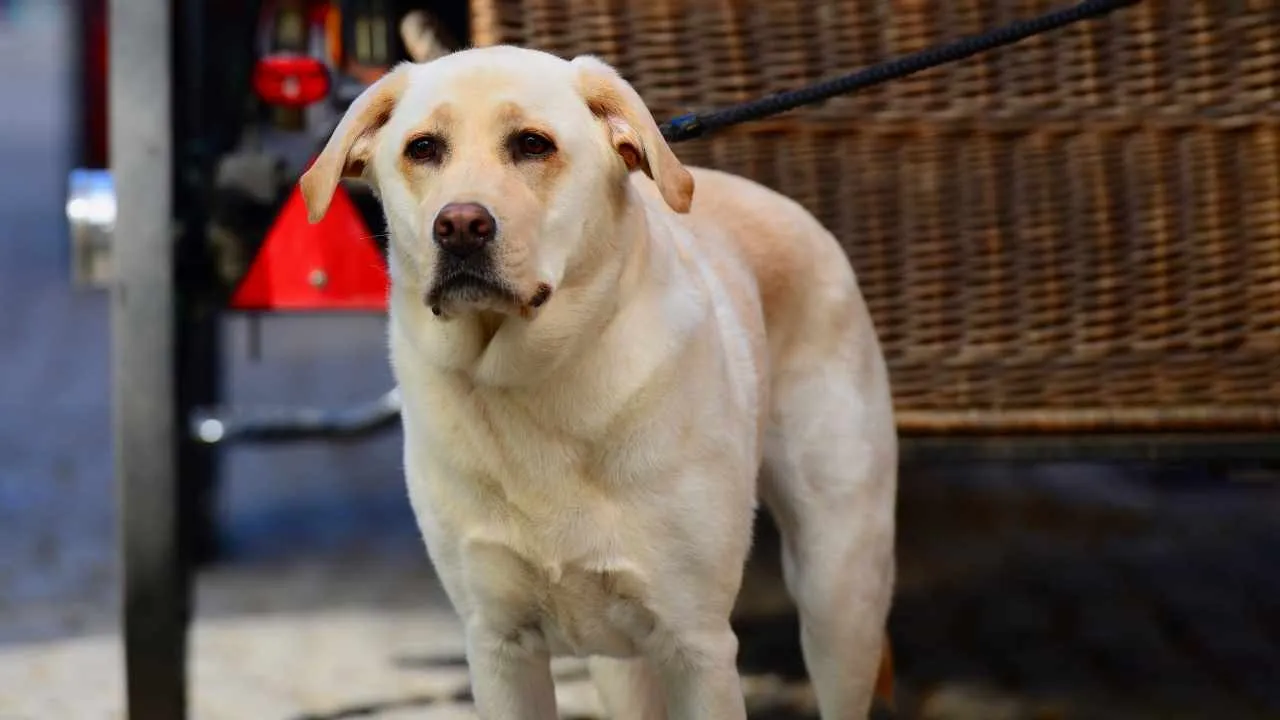
This British breed was developed as a retriever gun dog from the St. John’s water dog imported from Newfoundland, Canada. Bred as a sporting and hunting dog, it is now widely kept as a companion dog. It may also be trained as a guide or assistance dog, or for rescue or therapy work.
The thick otter tail acts as a rudder in the water and provides balance when maneuvering across slippery rocks. The muscular build gives it the physical endurance for long-distance hikes. The Labrador has a soft mouth and tends to retrieve game without physically damaging it.
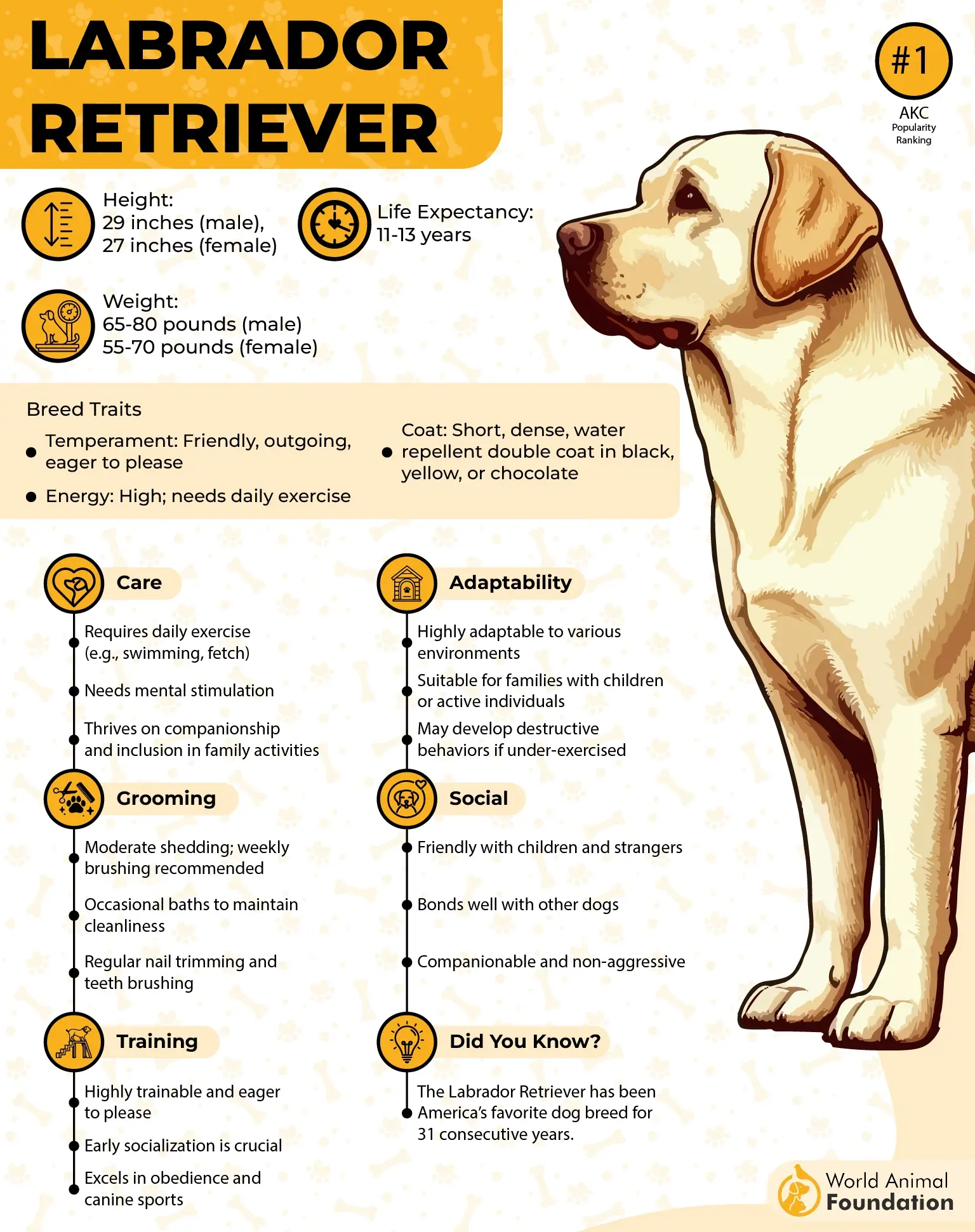
Its keen nose allows it to easily detect naturally shed antlers from deer and elk. This strong breed needs 1-2 hours of daily exercise. 5-minute rule must be adopted for puppies; increase 5 minutes each month till it reaches 18 months of age.
7. Rhodesian Ridgeback
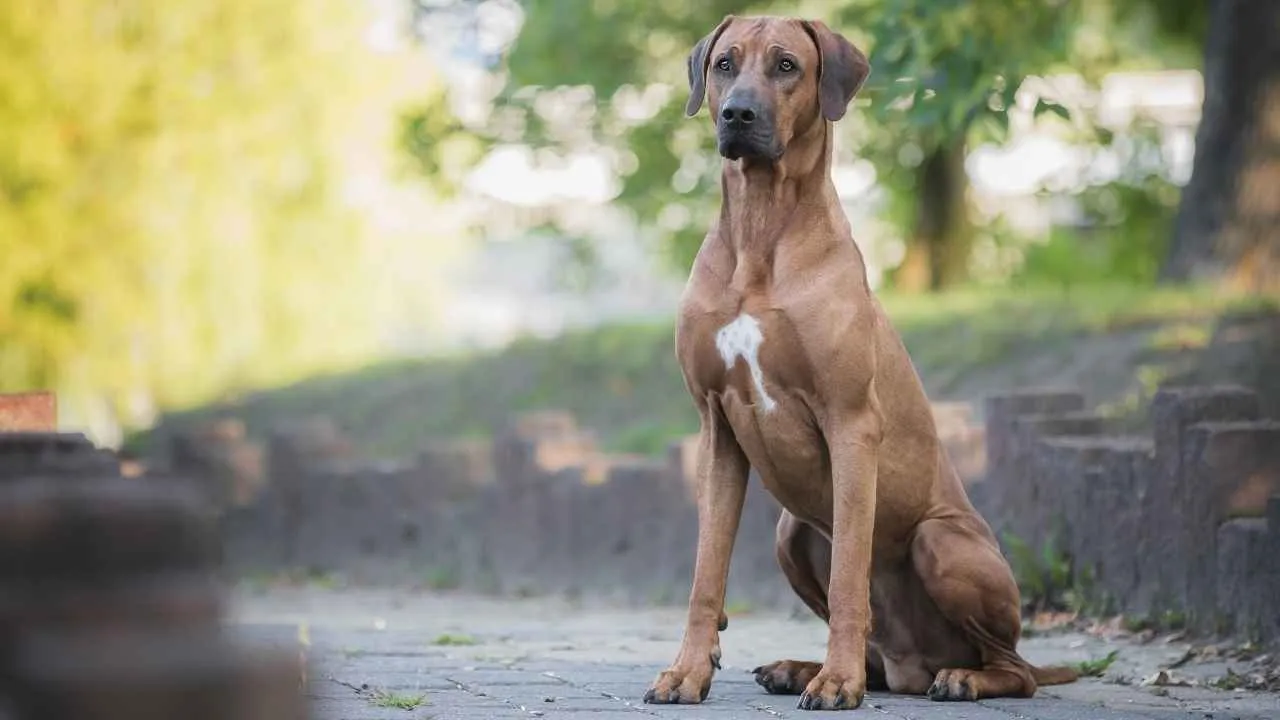
Also known as the African Lion Dog, it was bred when the European settlers came to South Africa in the 17th century. Their native dogs were not suitable for the harsh environment of Africa. They then interbred these hunting dogs with the local breeds, resulting in the Rhodesian Ridgeback.
The muscular but lean loins and strong shoulders provide a springy stride. With strong senses of sight and smell, it has a strong protective drive, ensuring it remains an alert guardian on the trail. It loves taking part in dog sports, such as agility and lure coursing.
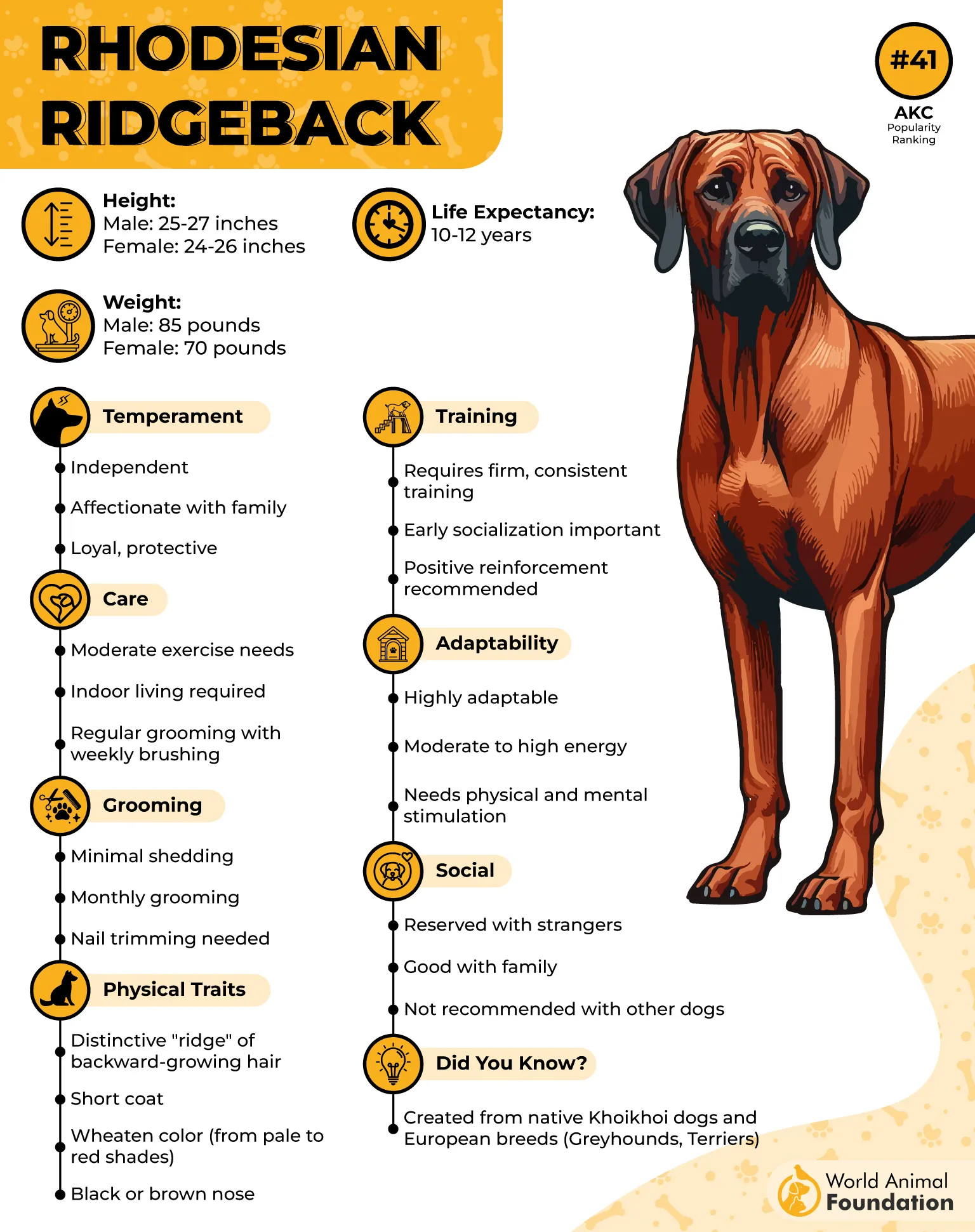
The breed can cover 15 to 20 miles a day on rugged trails, making it a great hiking partner. Always use a long lead (15-25 ft) when hiking in wildlife-dense areas. The athletic hound needs 1-2 hours of vigorous exercise daily.
Conclusion
The best outdoor dog is not always the fastest runner or the strongest hiker. It is the one whose energy, personality, and care needs fit your lifestyle. Whether you enjoy climbing mountain trails, spending weekends at the lake, or exploring quiet forest paths, there is a breed that will happily share every step of the journey.
Adventure is always more meaningful when you have a loyal companion beside you, even if they occasionally stop to inspect every interesting small thing along the way. Take time to understand each breed before making a decision.
With proper training, regular exercise, and plenty of shared experiences, these amazing dogs can become trusted partners who make every outdoor escape a little more exciting and a lot more memorable.
