




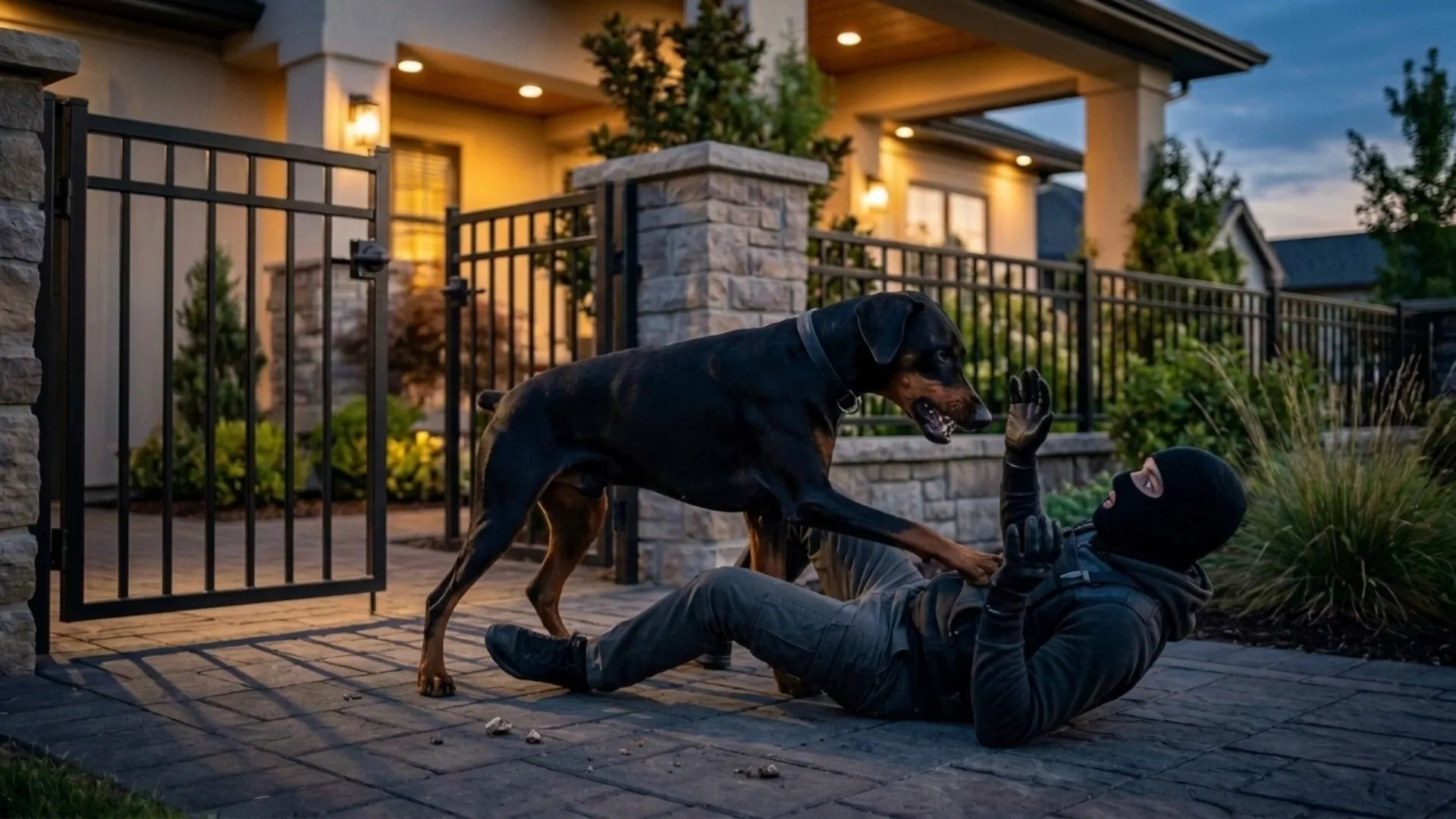
Your home is your castle, and like any castle in the history books, it needs a guard. Forget the moat, though; a loyal dog does the job just as well, and it’s a lot more fun to cuddle with.
Studies show that burglars often admit to skipping a home the moment they realize a dog lives there. That’s not a small thing either.
Neighborhoods with more pet dog owners tend to see noticeably lower rates of robbery, homicide, and aggravated assault, which basically means criminals are backing off at the sound of a bark or the sight of a glare.
Your dog doesn’t have to be a massive, intimidating beast to keep you safe, either. Plenty of medium-sized, calm breeds can get the job done just as well. This guide walks you through 7 of the best dogs known for their protective nature. Let’s dig in.
Loyal Dog Breeds to Deter Intruders and Protect Your Home
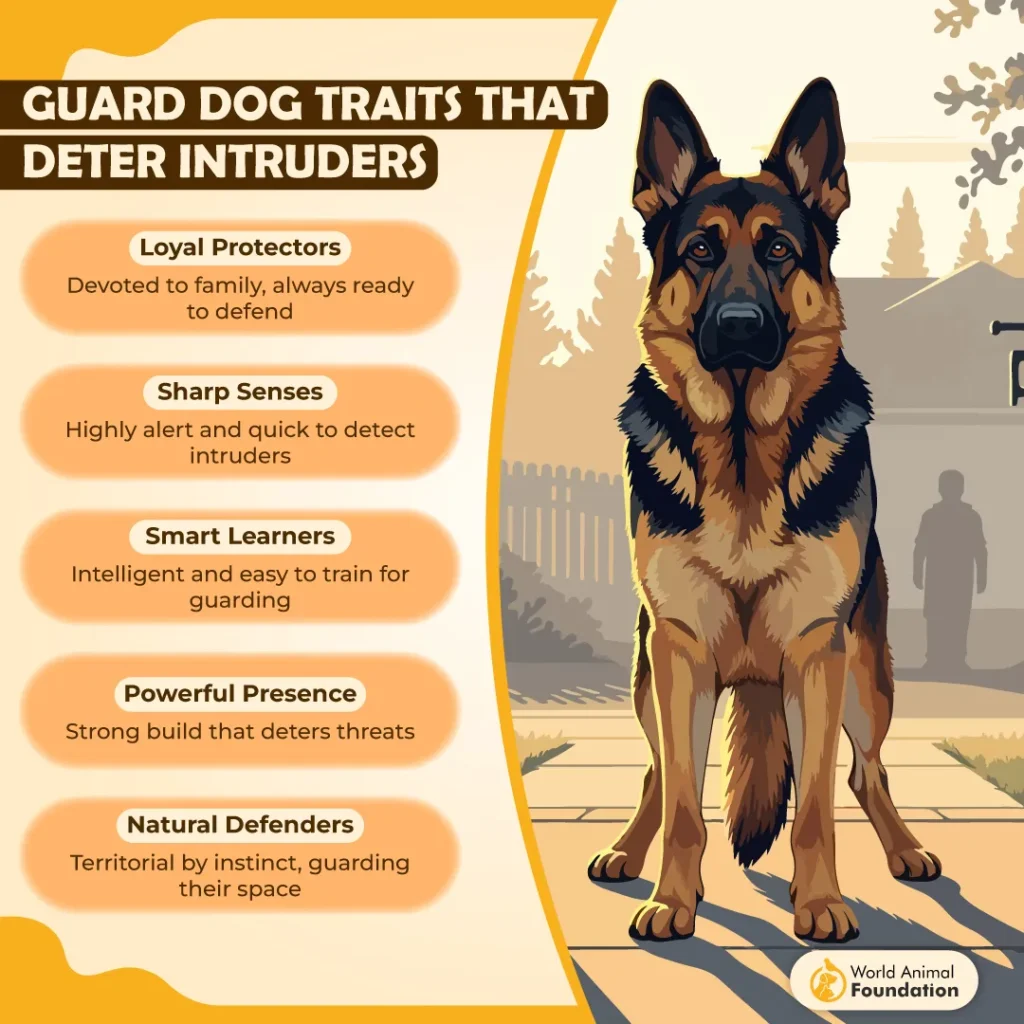
1. German Shepherd
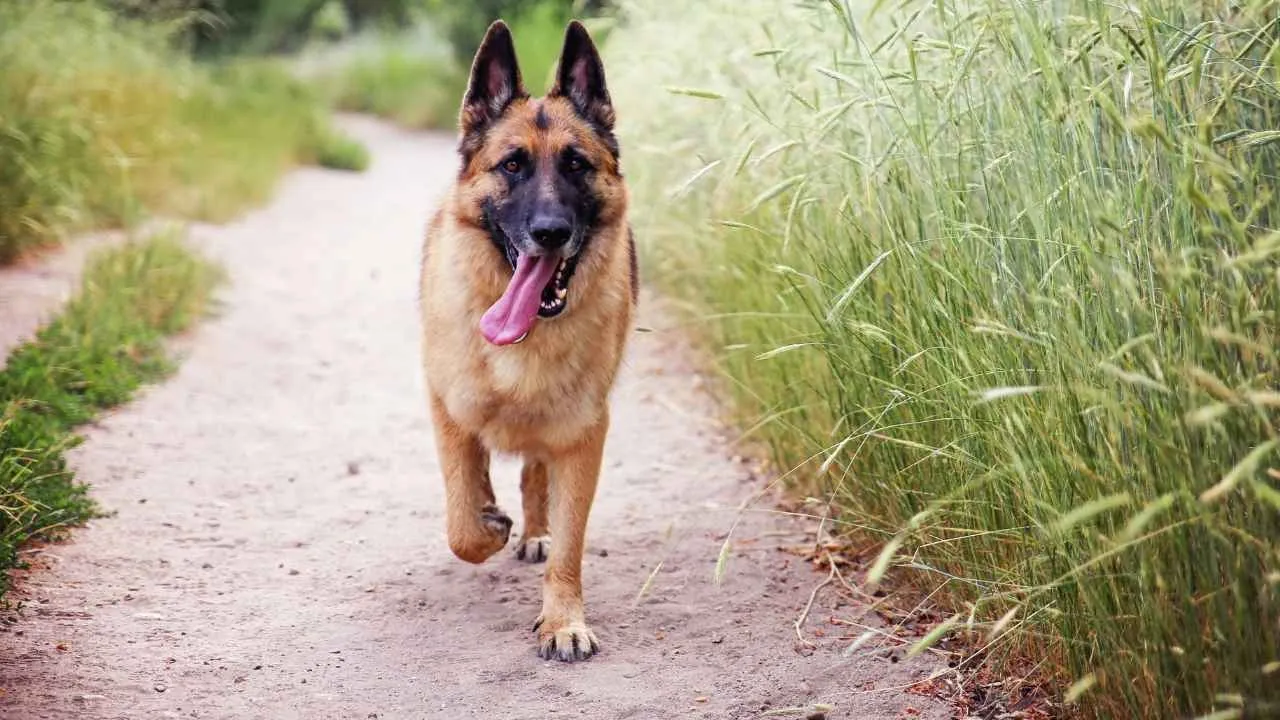
The German Shepherd was originally bred in Germany back in 1899 by Max von Stephanitz as a herding dog. Fast forward to today, and it’s recognized as one of the smartest dog breeds out there, which is exactly why it’s so widely used in assistive roles, military and police work, therapy, guarding, and search-and-rescue operations, according to Wikipedia.
This breed is also known for handling stressful, high-pressure situations remarkably well, which plays into its naturally protective instincts.
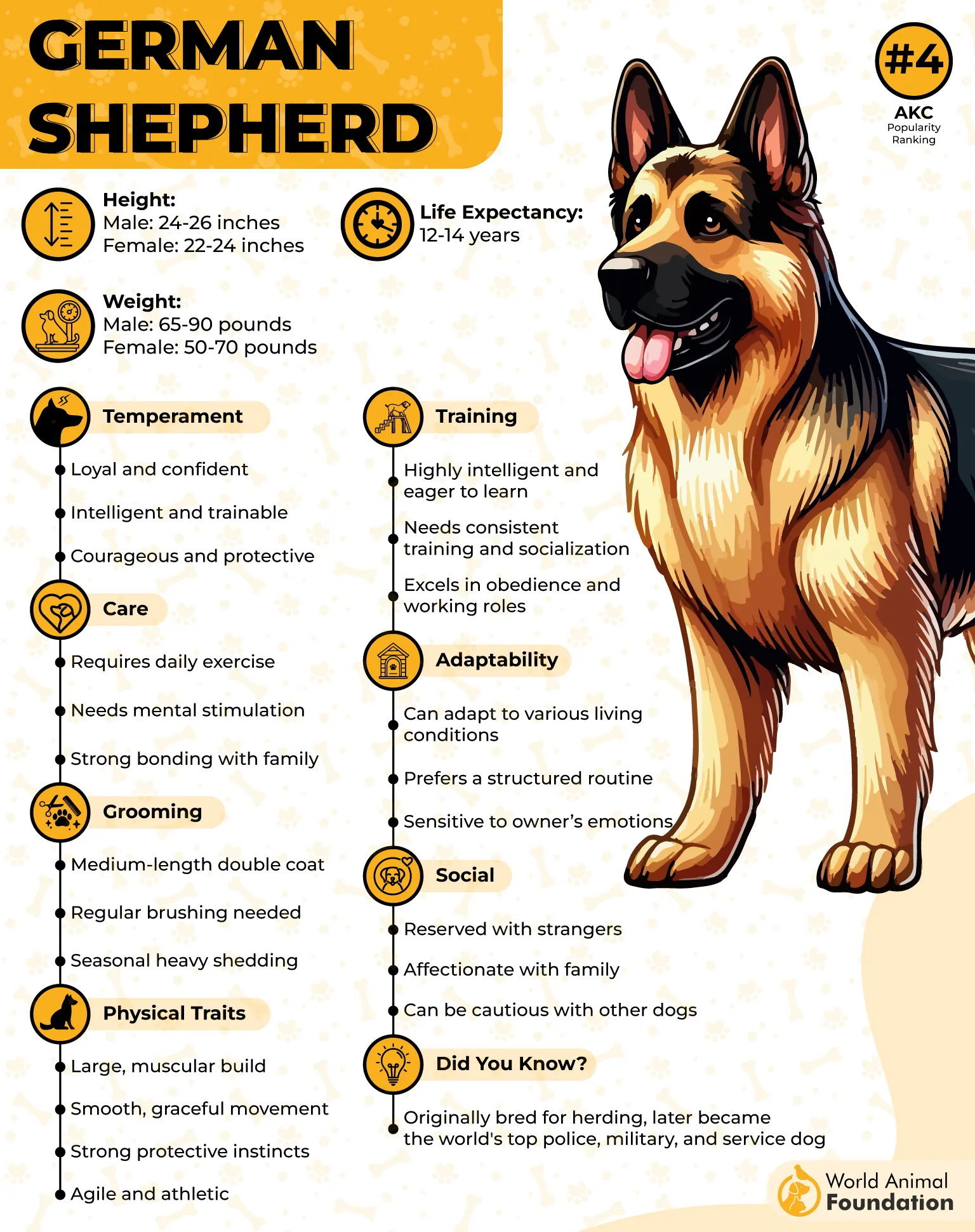
Its nose is seriously powerful too, packed with scent receptors that let it pick up on potential threats well before a human ever could. And at 65 to 90 pounds, a German Shepherd’s sheer size alone is often enough to make strangers think twice.
GSDs tend to bond closely with one particular person, which makes them especially good at personal protection. They also have a notably strong bite force, so it’s not a breed you want to be on the wrong side of. On top of that, their reaction times are impressively fast; they can size up a situation and respond almost instantly.
2. Rottweiler
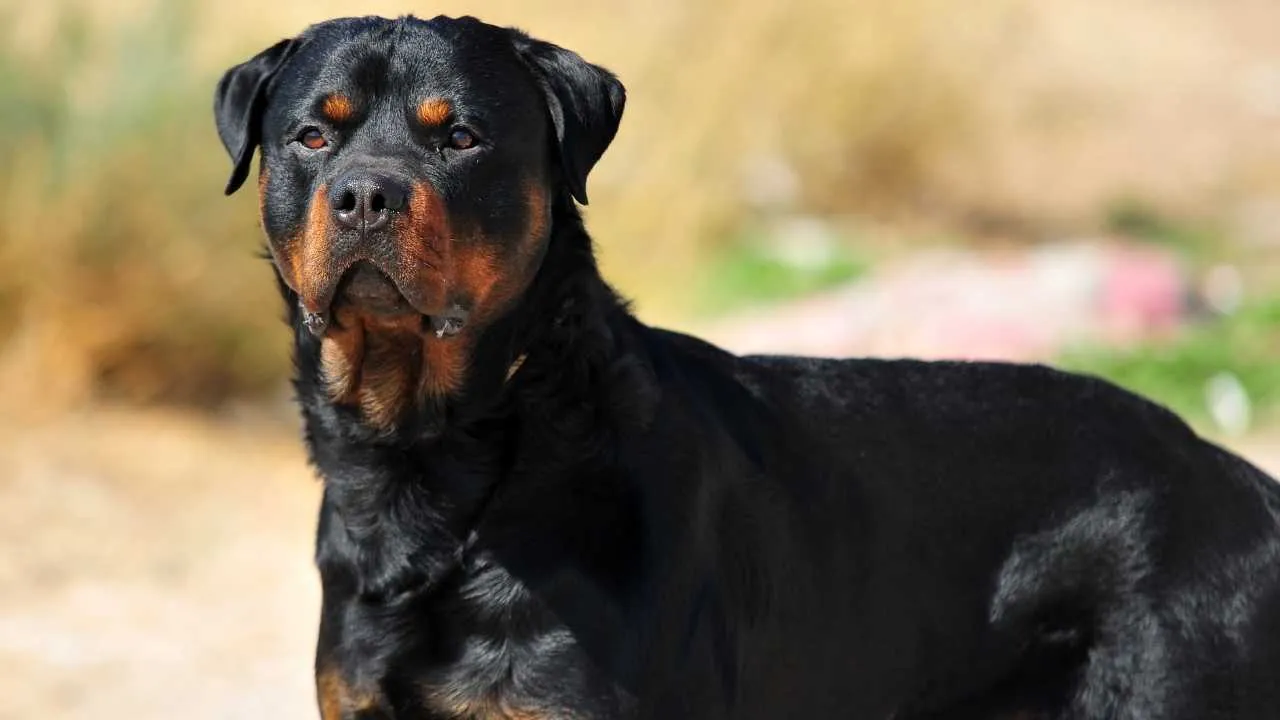
The Rottweiler’s roots trace back to Germany, where it worked as a herding breed. It’s also known as “Rottweiler Metzgerhund,” which translates to “Rottweiler Butcher’s Dog,” a nod to its job pulling heavy carts of meat to market long before railways existed. Protecting and controlling livestock is practically baked into this breed’s instincts.
One interesting trait is its “loose eye” herding style, where it positions itself at a distance and keeps watch over a wide area, keeping most of the herd in view at once. Physically, it’s built for strength too; a broad skull and powerful jaw muscles give it one of the strongest bites among dog breeds. Its coat is short but thick, offering decent protection and insulation.
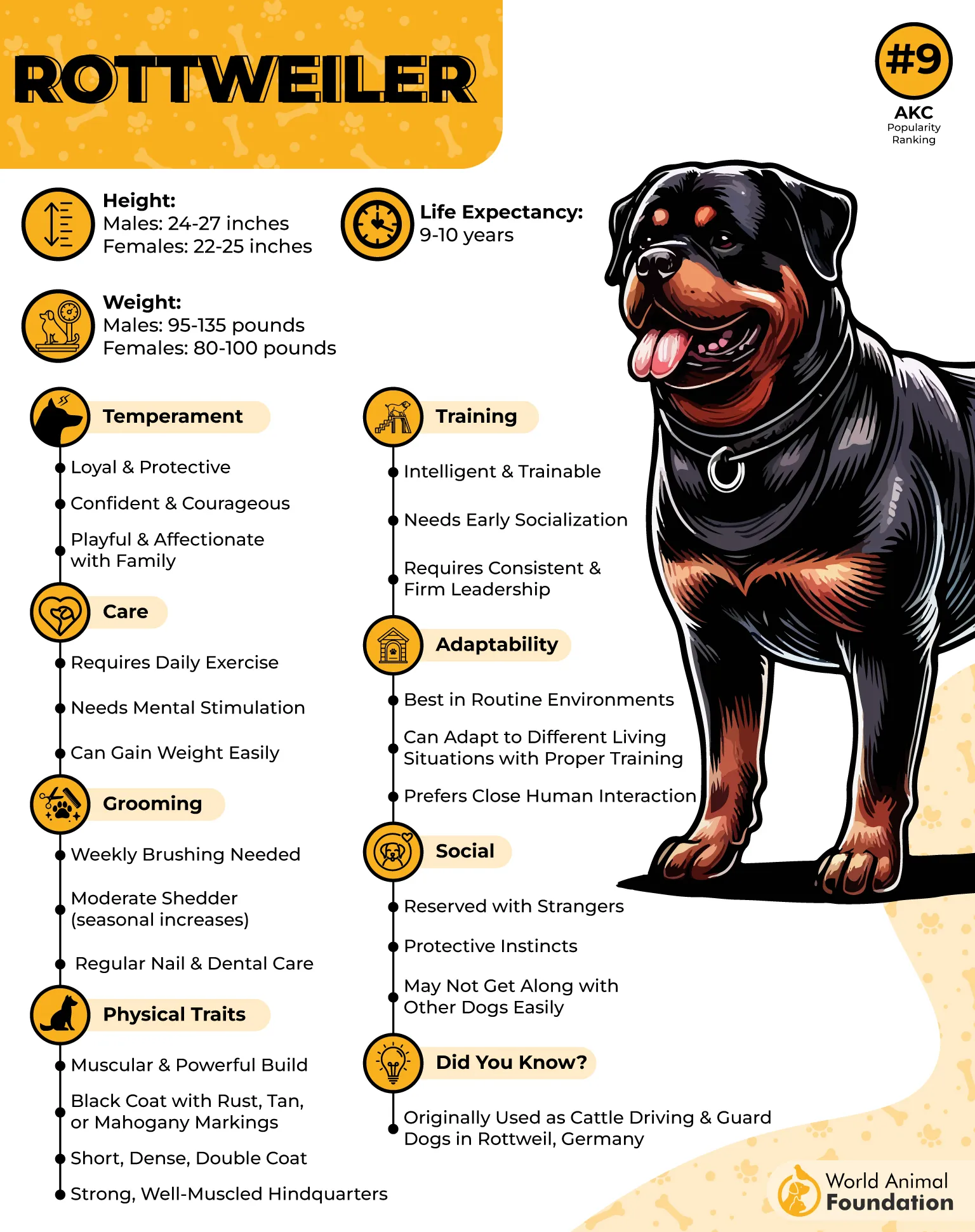
Despite its guarding instincts, the Rottweiler is generally calm and not prone to unnecessary aggression. It’s also surprisingly perceptive, picking up on its owner’s body language and facial expressions to read a situation.
Its strong spatial memory helps it “map out” familiar territory, so it tends to notice new scents, objects, or movements pretty quickly. That said, without early training and socialization, Rottweilers can become stubborn, which is why positive reinforcement is so important with this breed.
3. Doberman Pinscher
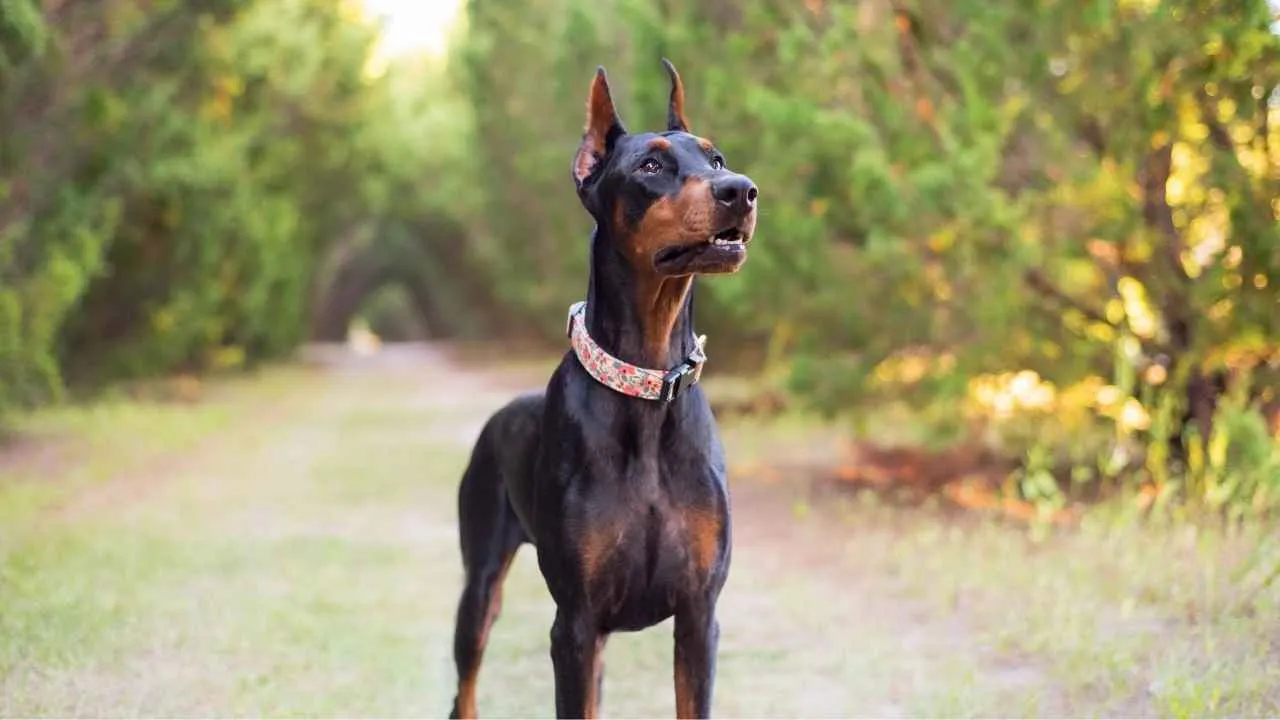
This loyal, large breed was developed by a German tax collector named Louis Dobermann back in the late 19th century. Dobermans can run at speeds of 35 to 40 mph and have remarkably sharp eyesight. According to Orvis, the breed came from a mix of the Rottweiler, Black and Tan Terrier, German Pinscher, and the Old Shorthaired Shepherd.
Their bite is worth noting too; the upper and lower incisors overlap and lock in a strong “scissor bite,” which makes tearing and slicing far more efficient. Their shoulder-blade angle, sitting around 45 degrees, also allows for excellent weight transfer, letting them go from standing still to an explosive sprint in no time.
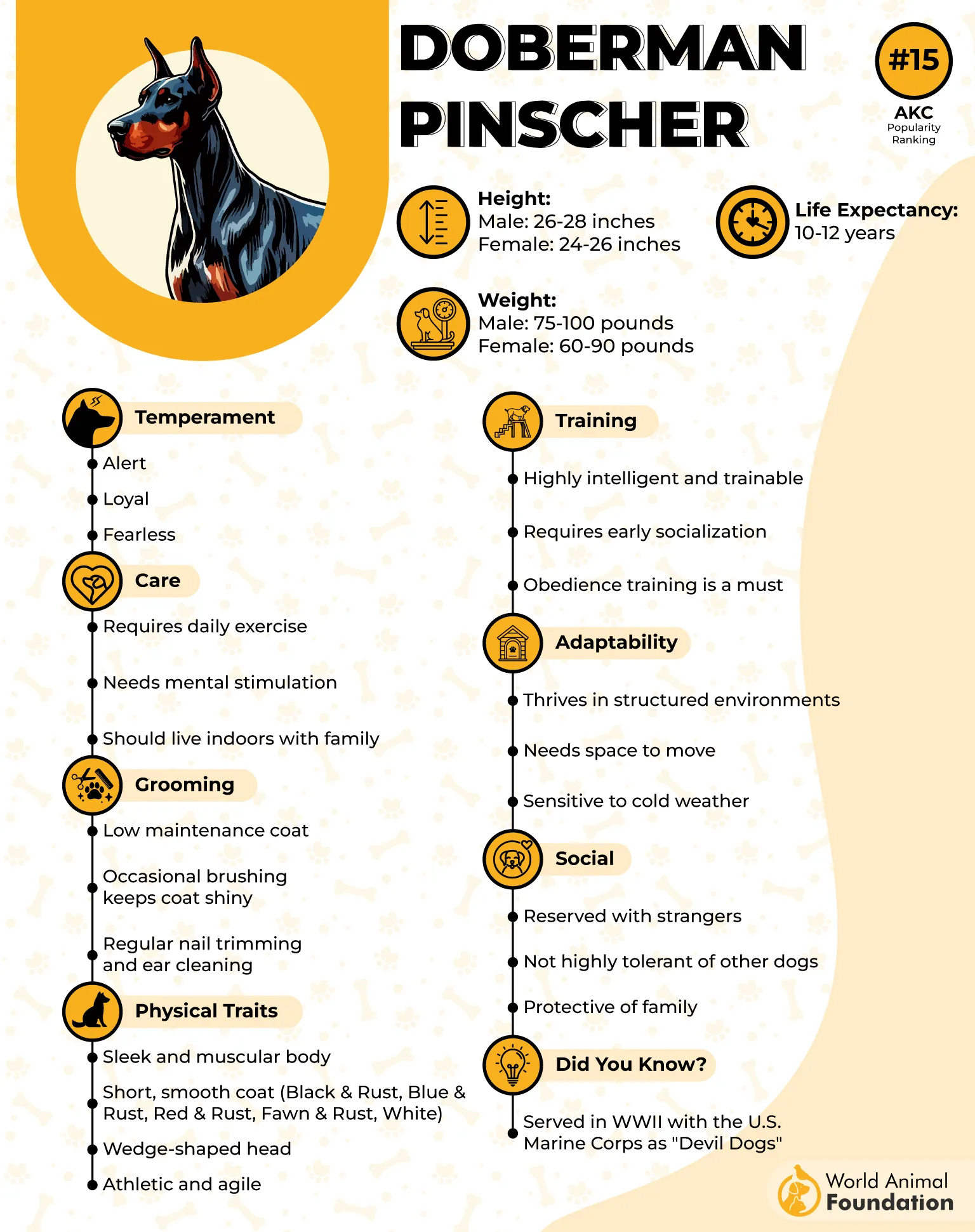
Ranked among the top 5 most intelligent dog breeds and famously “velcro” in nature, Dobermans are highly trainable and tend to be friendly with family members, kids, and other pets alike.
Then there’s the famous “Doberman stare,” known for commanding attention and deterring intruders without any physical force needed. As for exercise, they need a moderate-to-high amount of both physical and mental stimulation, such as brisk walks, off-leash running, jogging, gentle swims, and puzzle toys to keep their minds busy.
4. Belgian Malinois
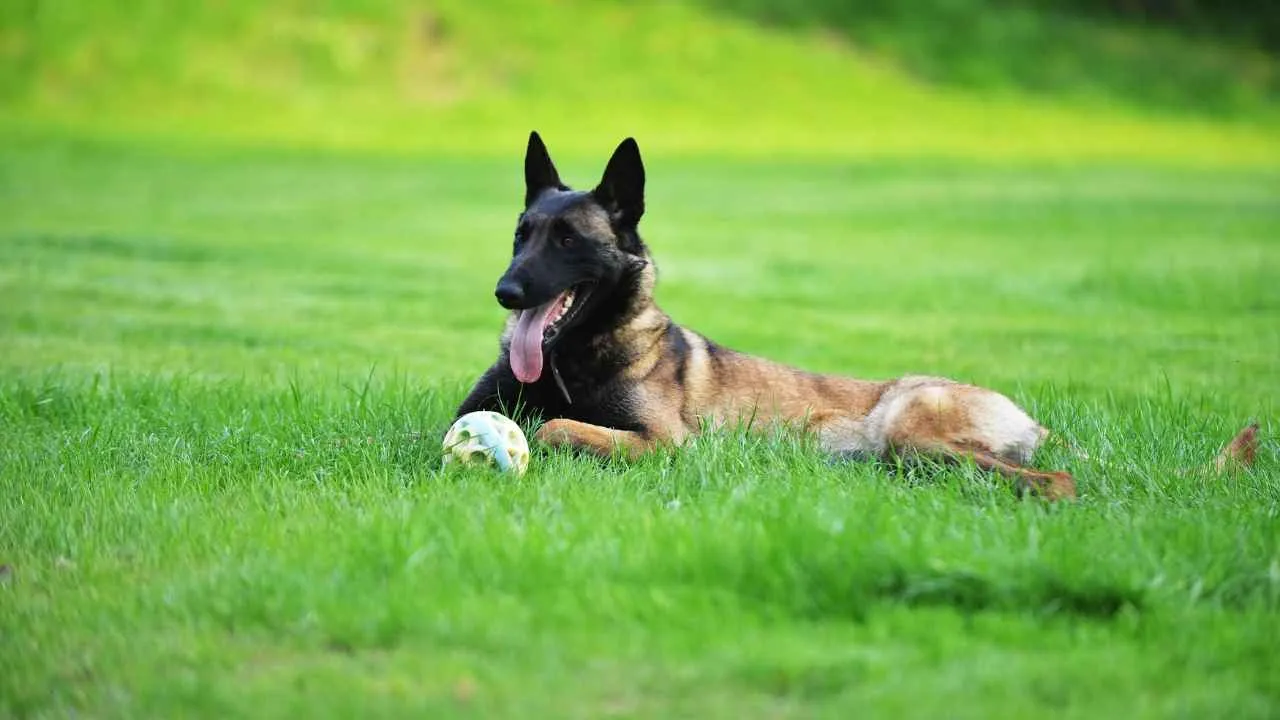
The Belgian Malinois is a medium-sized breed that actually falls under the wider Belgian Shepherd umbrella, which includes four varieties based on coat type: the Groenendael (black, long hair), Tervueren (fawn, long hair), Malinois (fawn, short hair), and Laekenois (fawn, rough hair).
The Belgian Malinois, in particular, has a long history of service with the Belgian army and in drug detection units. Its low mass-to-power ratio gives it serious athleticism; it can clear jumps over 6 feet and run at speeds up to 30 mph.
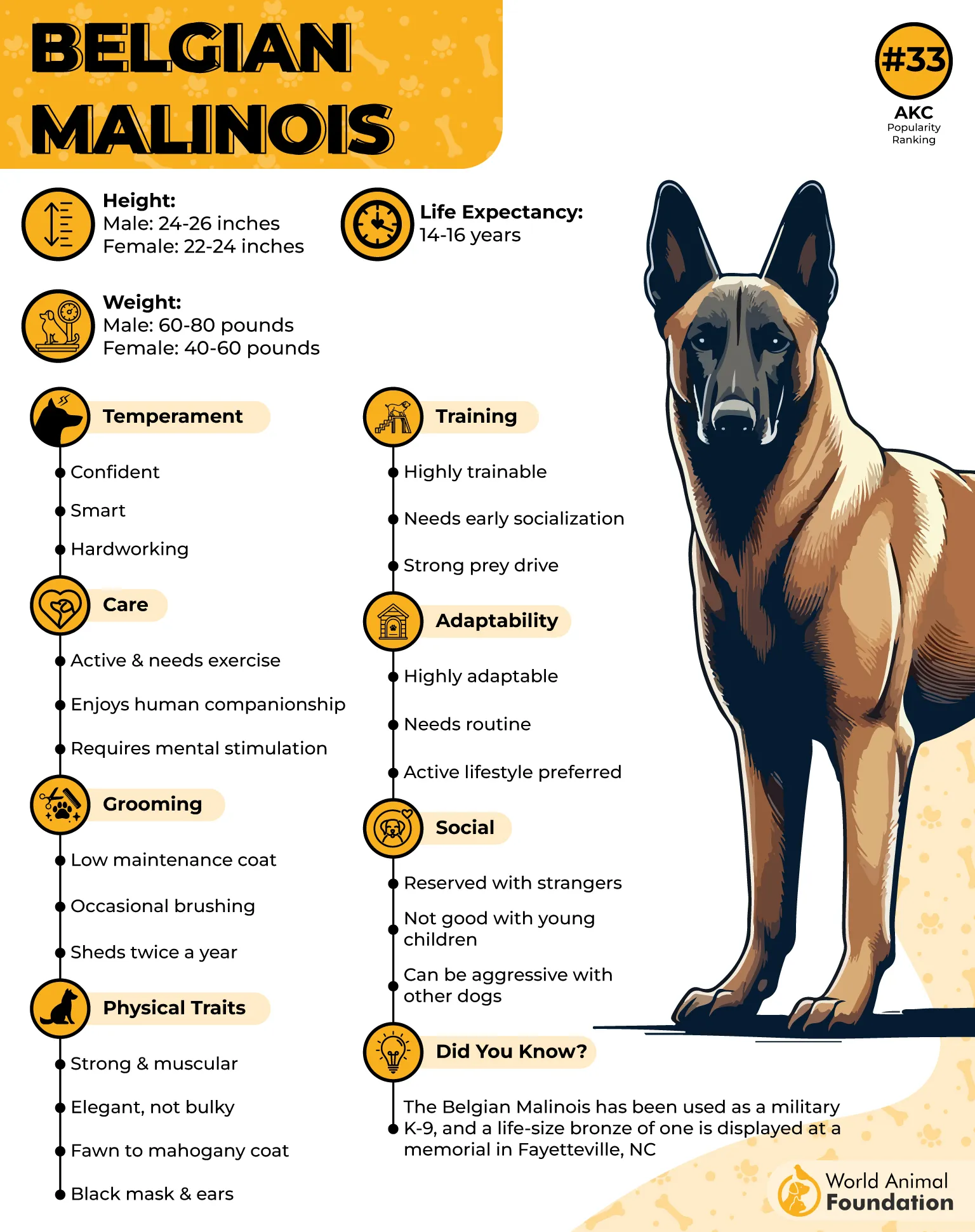
This breed is also known for constantly scanning its surroundings, and its strong prey drive makes it quick to notice anything out of place.
Malinois are incredibly perceptive too, able to pick up on subtle cues and sense potential threats early. They’re fast learners as well, often picking up complex commands within just 5 to 15 repetitions. Their bite force is lower compared to some mastiff-type breeds, but they make up for it with precision, agility, and sharp targeting.
5. Bullmastiff
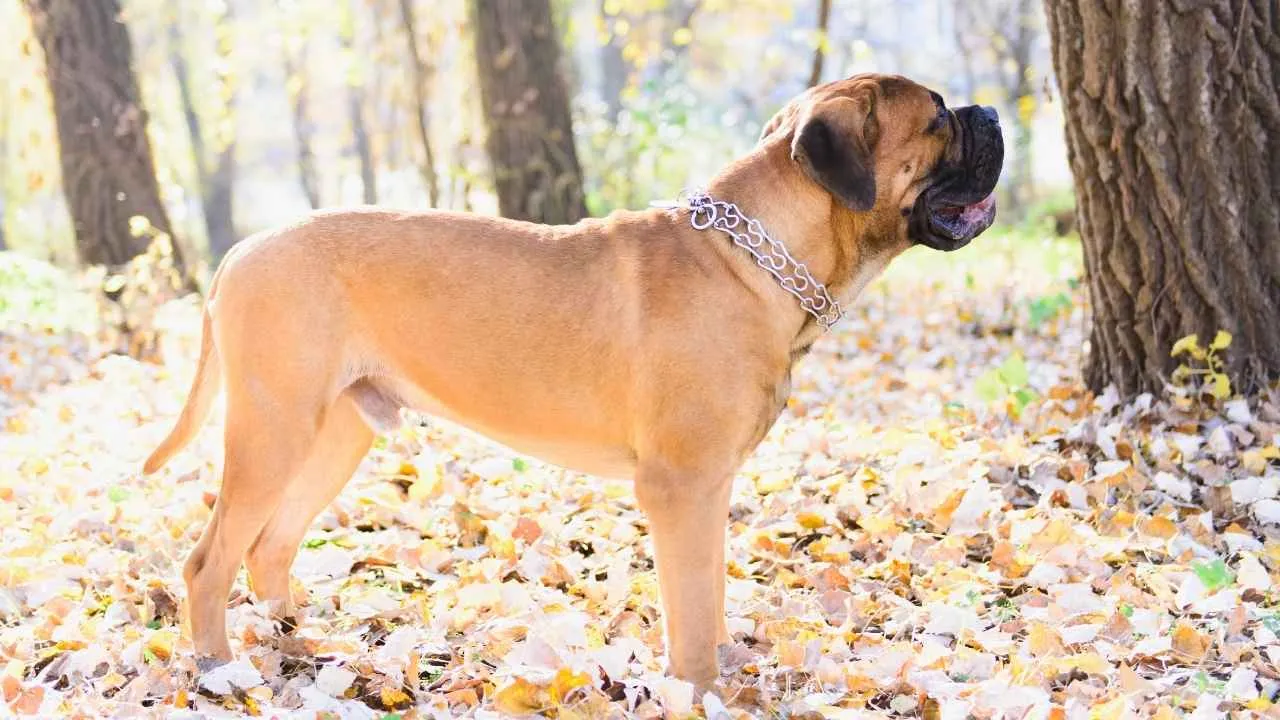
Bullmastiffs get their guard-dog reputation honestly; they were bred back in 1860 by British gamekeepers who crossed roughly 60% Mastiff with 40% Bulldog. Weighing 100 to 130 pounds and standing 24 to 27 inches tall, this breed has a large, powerful frame with dark eyes, V-shaped ears, a strong muzzle, a square head, and a double coat, according to PetMD.
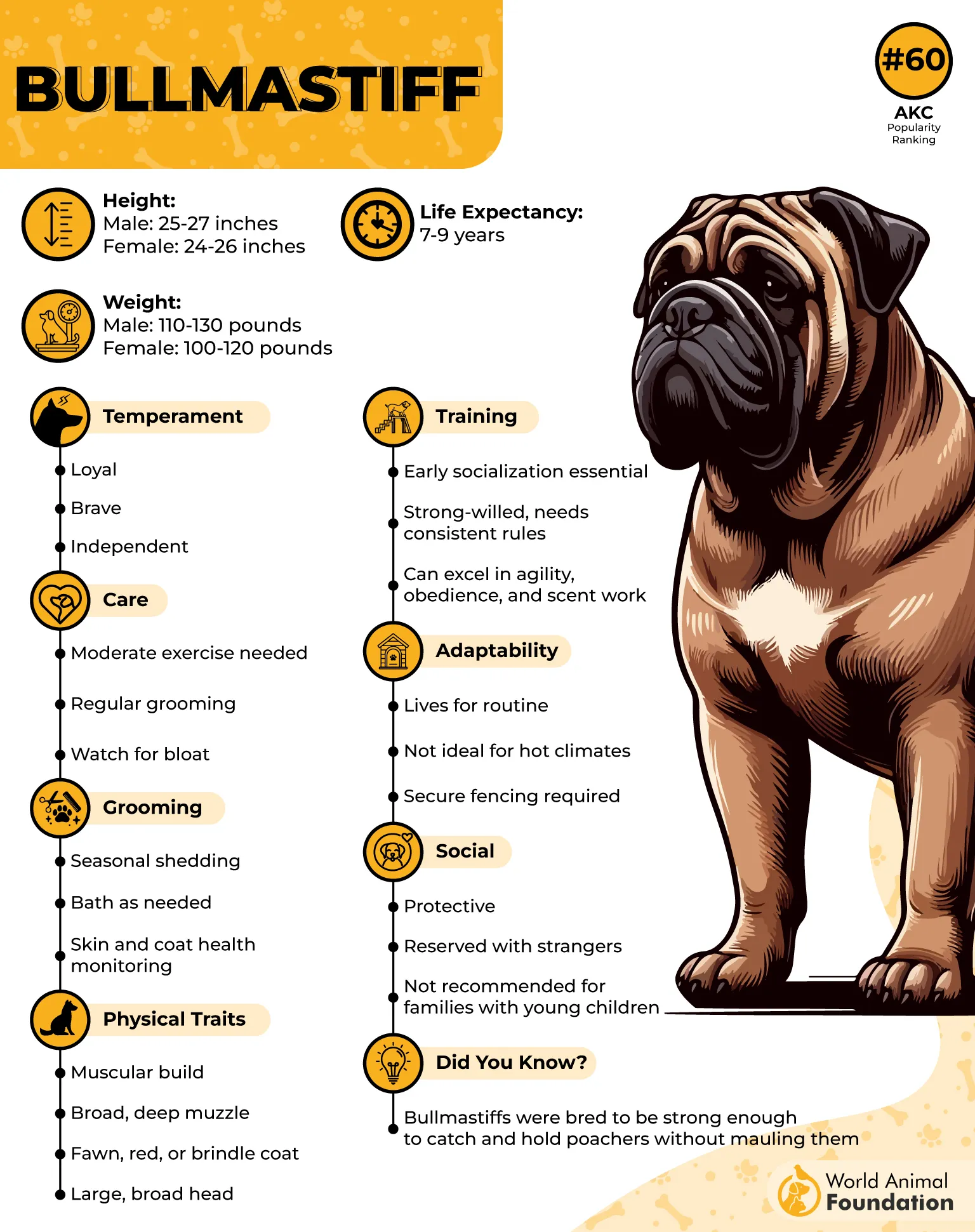
Their bite is seriously strong, too, among the most powerful of any guard breed, so a Bullmastiff is fully capable of stopping an intruder if it ever comes down to that. Their solid, muscular build lets them act almost like a “living wall,” pinning down whoever they’re up against with sheer weight and strength.
True to their original job, Bullmastiffs were trained to trail a poacher silently, come at them from behind, pin them, and bark non-stop until their owner showed up.
They’re highly intelligent dogs, but also independent thinkers, meaning they won’t just follow a command because they were told to. That independent streak can turn into stubbornness without consistent training and early socialization. The upside is that their prey drive is fairly low, so they usually stay calm and relaxed unless something genuinely serious is going on.
6. Cane Corso
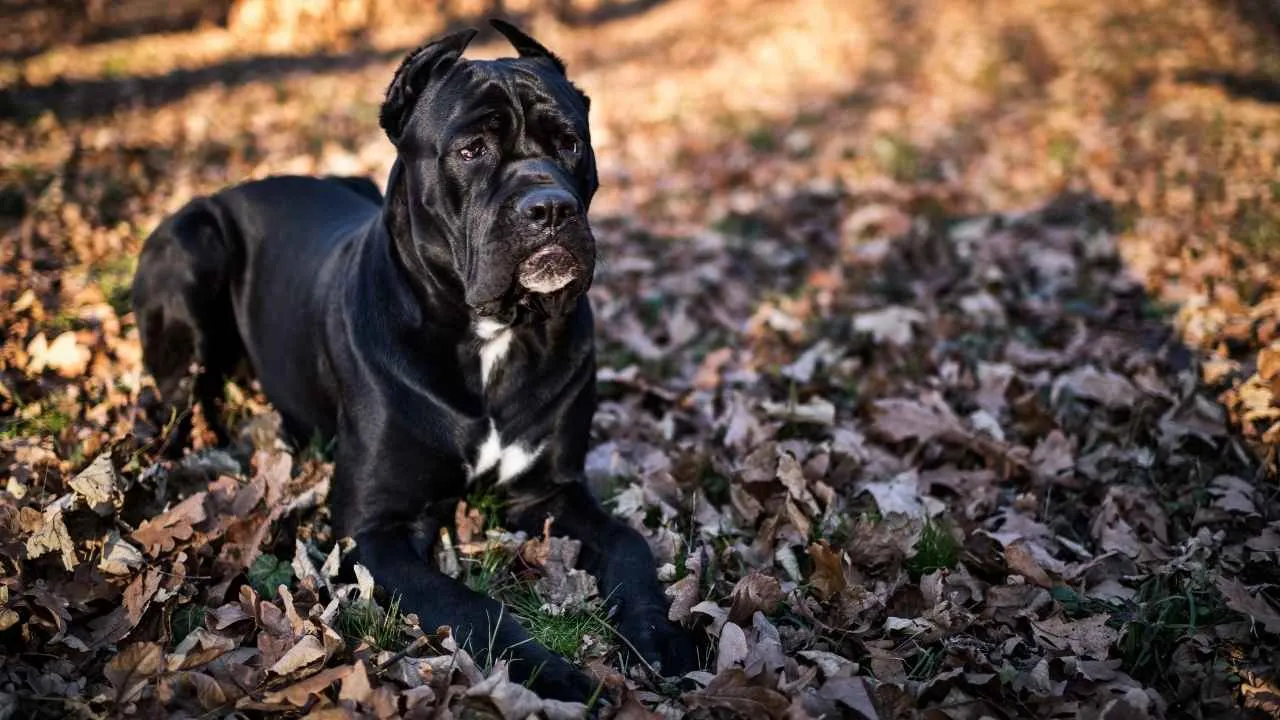
The Cane Corso traces back to the ancient Molosser working dogs. Its more modern form took shape in Italy, where it was bred alongside native Italian breeds to become the Cane Corso we know today. Thanks to its coarse, weather-resistant coat, it’s also a decent swimmer when the need arises.
This breed has one of the strongest bites in the dog world, powerful enough that it’s genuinely intimidating to anyone on the receiving end. Despite that raw power, though, Cane Corsos are known to be gentle and affectionate with their families.
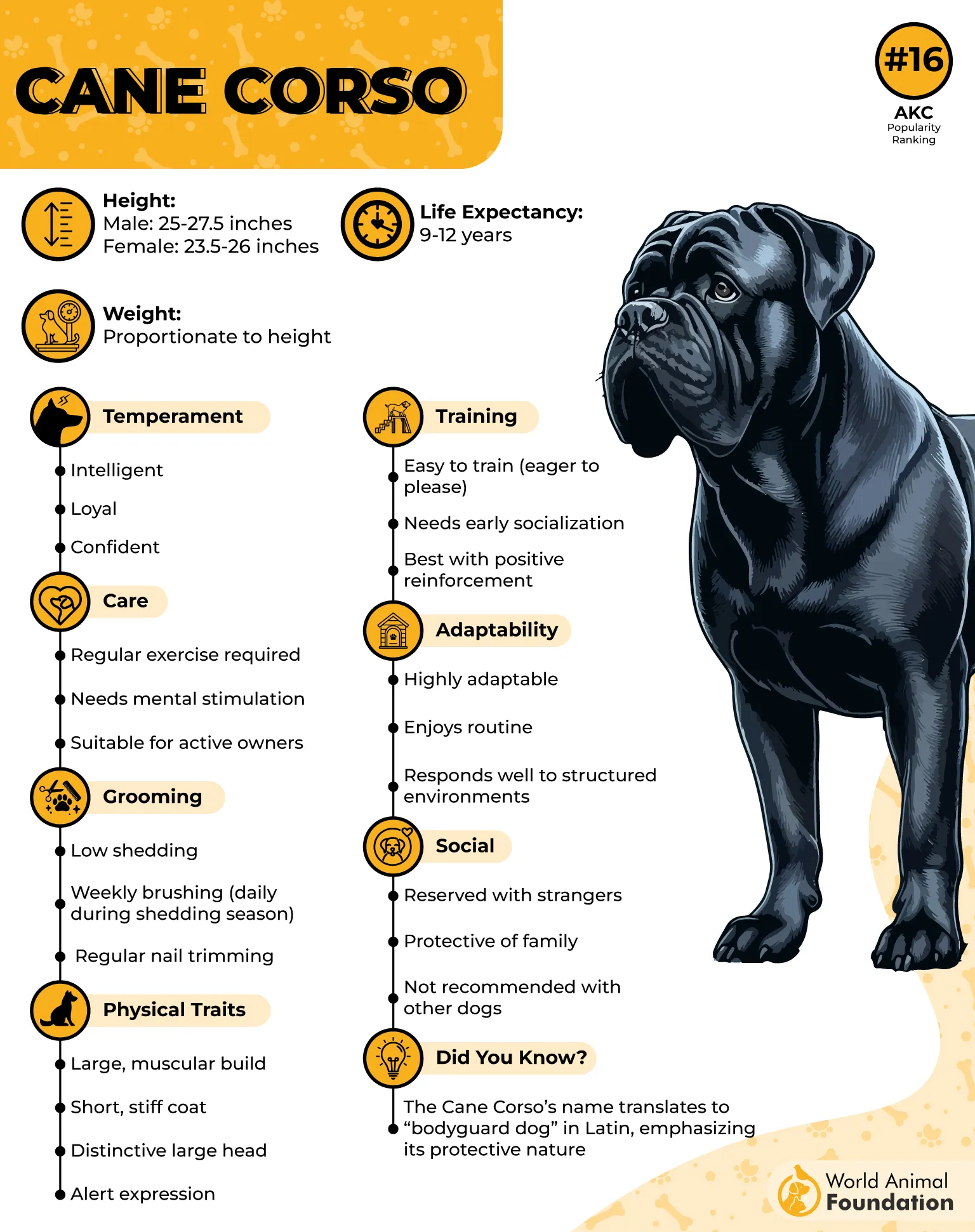
Weighing 90 to 120 pounds and standing 23 to 28 inches tall, they’re big dogs with a surprising amount of emotional sensitivity, often picking up on subtle changes in their environment before anything visibly happens.
Their approach to protection is fairly measured, too; if physically blocking a threat doesn’t work, they’ll bark loudly as a warning first. It’s really only when an intruder tries to physically harm the dog or its owner that things escalate, and the Corso steps in to hold the attacker until help arrives.
Exercise needs are moderate overall, though it’s worth noting that high-impact activity should be avoided for puppies between 18 and 24 months old, since their joints are still developing.
7. Akita
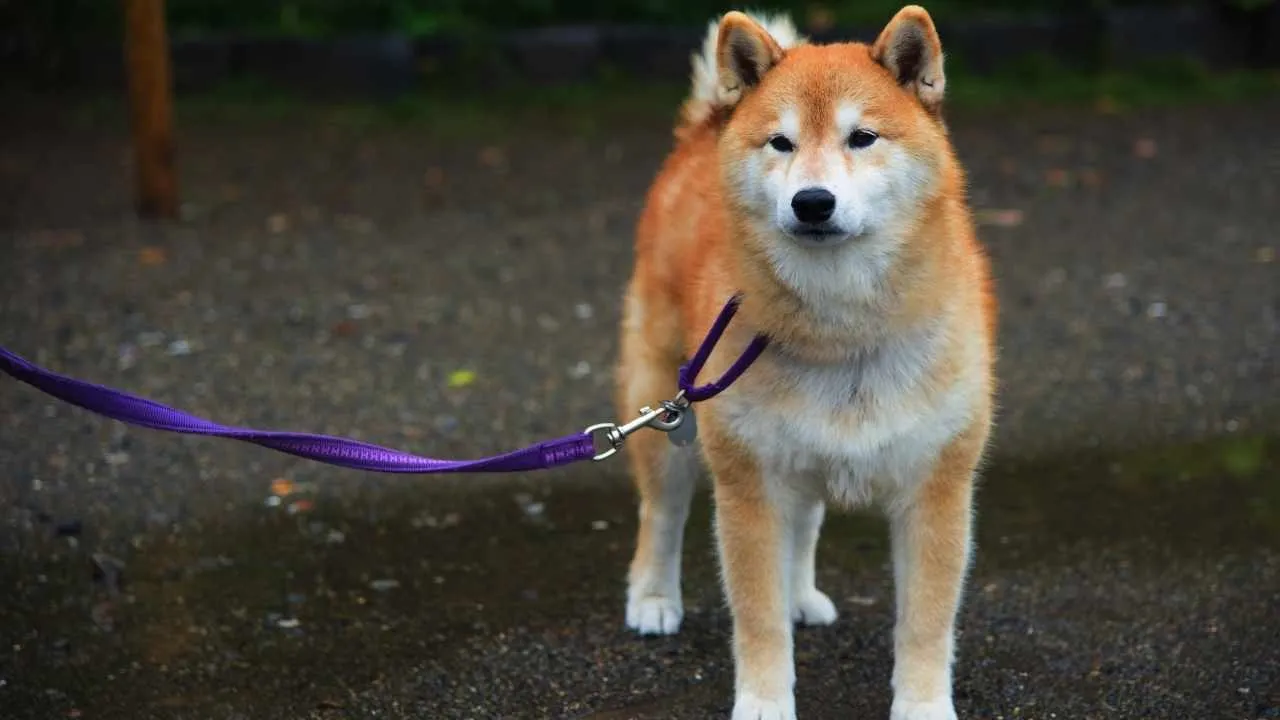
The Akita hails from the cold, mountainous regions of northern Japan, where it’s been around for centuries. Historically, the breed fought alongside samurai, and today it holds a special place in Japanese culture as a symbol of good luck and prosperity.
Akitas are naturally affectionate with their families, but they’re also physically powerful, with a bite strong enough that it’s not something to take lightly.
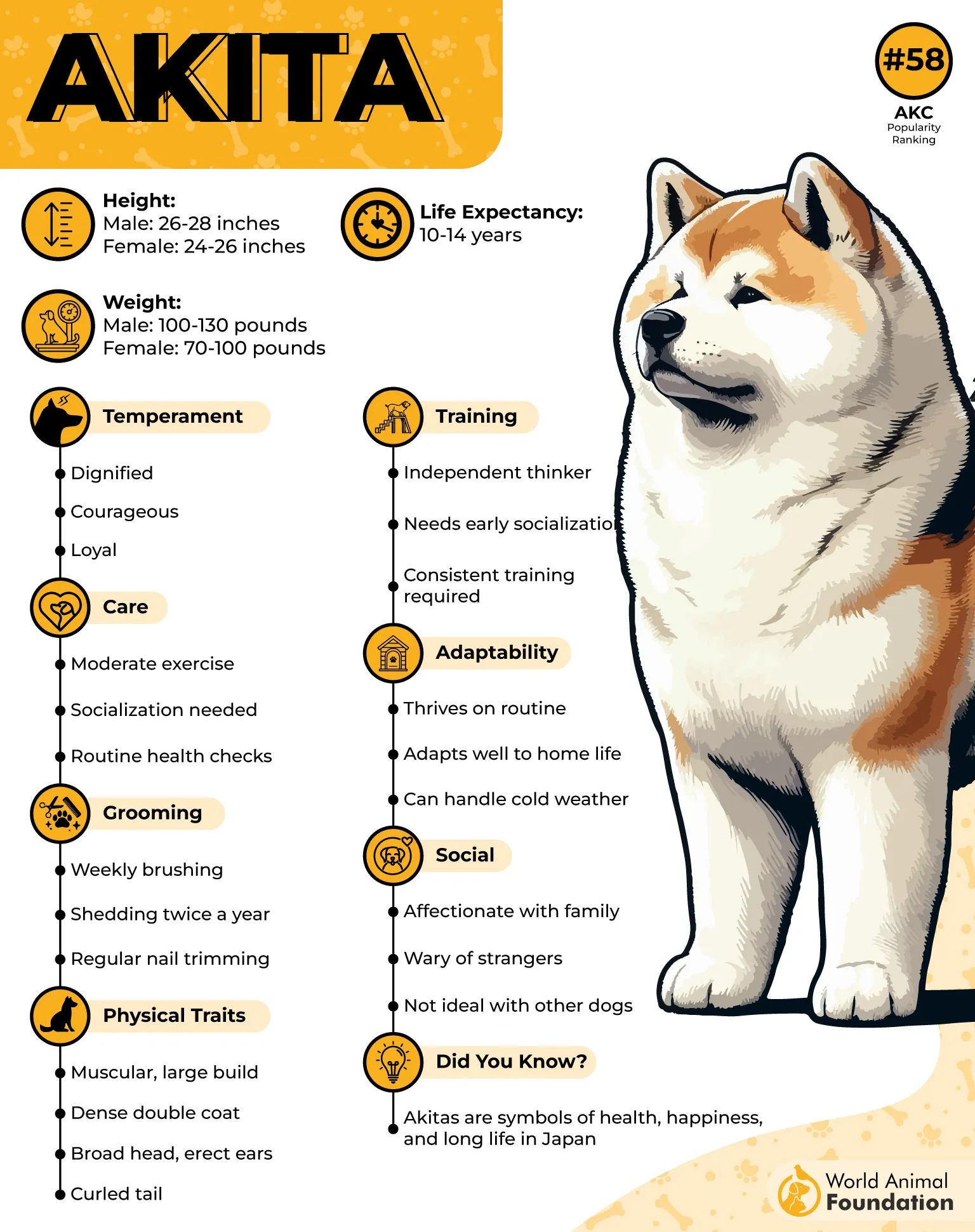
Built to survive harsh, cold climates, the Akita has a weather-resistant double coat, a water-repellent outer layer paired with a soft undercoat that helps regulate body temperature. This breed genuinely enjoys keeping watch over its home and family, and it tends to stay level-headed under pressure, assessing a situation calmly rather than reacting on impulse.
Akitas need a solid 1 to 2 hours of exercise a day, think brisk walks, interactive play, and some leash training mixed in. As with most large breeds, high-impact activity should be avoided while they’re still puppies, since their bones and joints are developing. It also helps to give an Akita a sense of purpose, since this breed can get destructive fairly quickly if left bored for too long.
Conclusion
Security systems are great. Deadbolts are smart. But nothing compares to a dog that actually cares whether you are safe. The seven breeds on this list are not just guard dogs, they are family members who take their roles seriously.
The right dog depends on your lifestyle, experience level, and living situation. A Bullmastiff suits a calmer home. A Mallinois needs space and purpose. Whatever you choose, you are not just getting a security system, you are getting a companion who will show up when you need it the most.
