




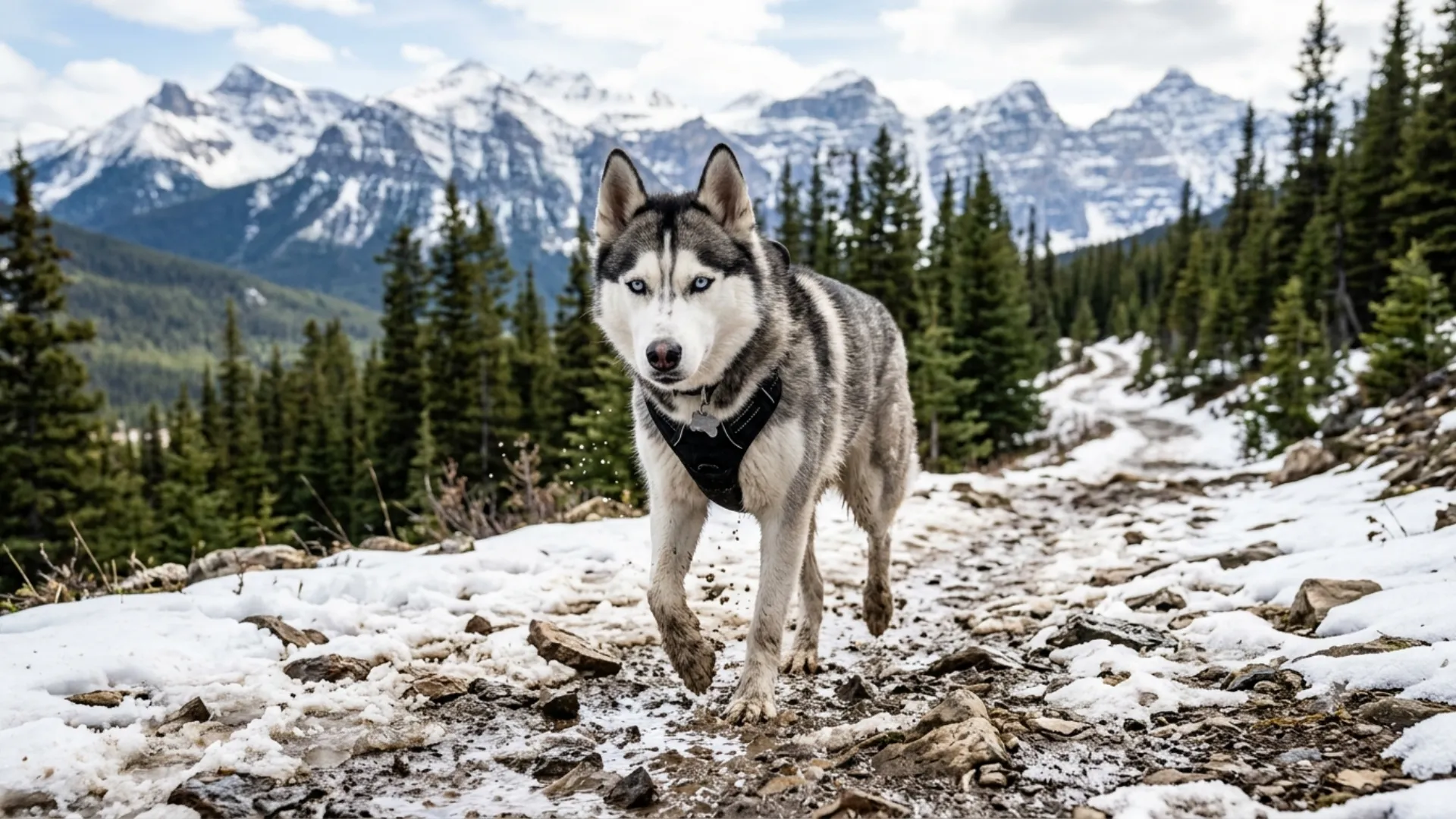
Spend enough time around outdoor enthusiasts, and a pattern begins to emerge. The people who regularly explore snowy trails, muddy paths, and rugged landscapes often gravitate toward the same types of dogs.
It is not simply a matter of appearance or popularity. These dogs possess qualities that become increasingly valuable once conditions stop being easy. Reliable footing, steady endurance, and the ability to remain comfortable in unpredictable environments can make a significant difference during long days outdoors.
While many dogs enjoy fresh air and exercise, only a select group seems perfectly at home when the terrain becomes demanding. Their confidence in difficult conditions reflects generations of development in places where resilience was not optional. Over time, those characteristics became defining traits that continue to serve them well today.
In the sections ahead, you’ll discover the rugged breeds whose strength, adaptability, and determination help them excel across snow, mud, and rough terrain.
Key Takeaways
Plenty of dogs love the outdoors, but only a few stay completely at home when the trail turns into snow, mud, and uneven ground.
The Great Pyrenees even comes with rear double dewclaws that help it keep its footing on difficult ground, while the Alaskan Malamute powers through deep snow with ease.
From the Siberian Husky to the Australian Cattle Dog, every breed on this list carries traits shaped by places where tough conditions were simply part of life.
A few surprises along the way might change which breed you would trust most when the trail stops being easy.
Rugged Dog Breeds That Excel in Snow, Mud, and Rough Terrain
1. Alaskan Malamute
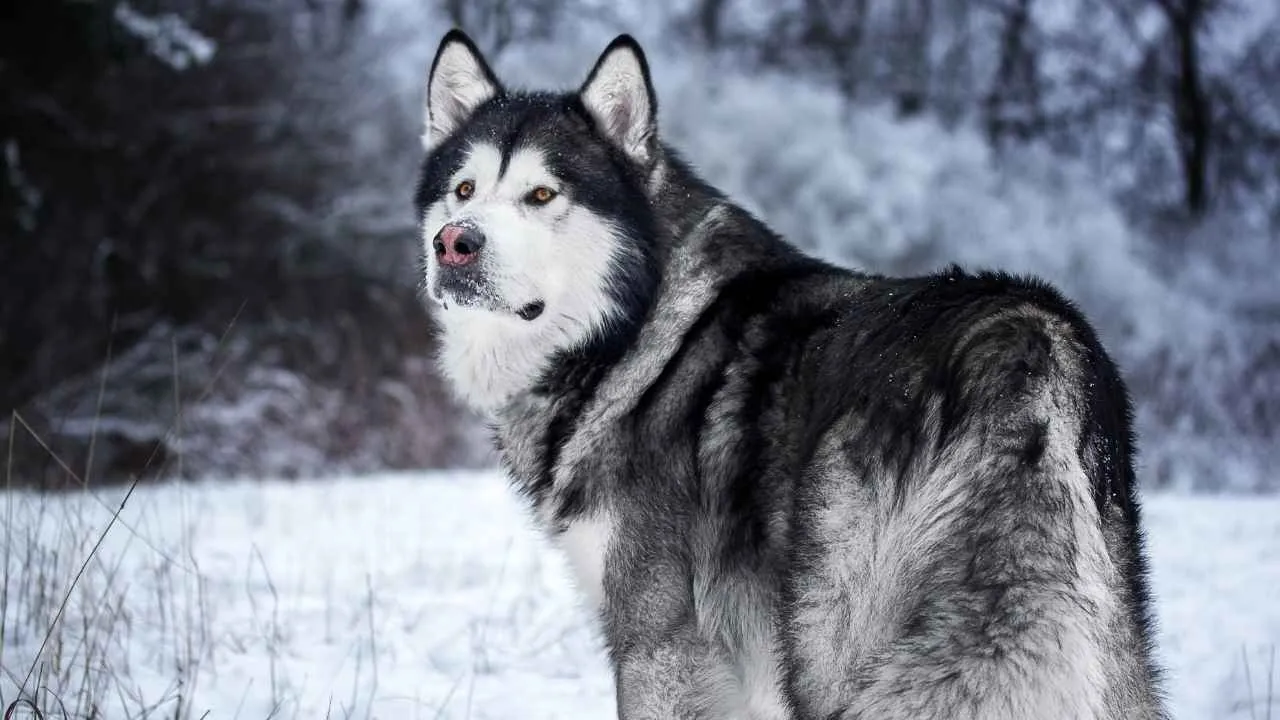
The Alaskan Malamute combines immense strength with a body designed for demanding conditions, making rough ground and deep snow part of its natural environment. A thick double coat protects and provides insulation against freezing temperatures, strong winds, and long periods outdoors.
Power Beneath the Fur
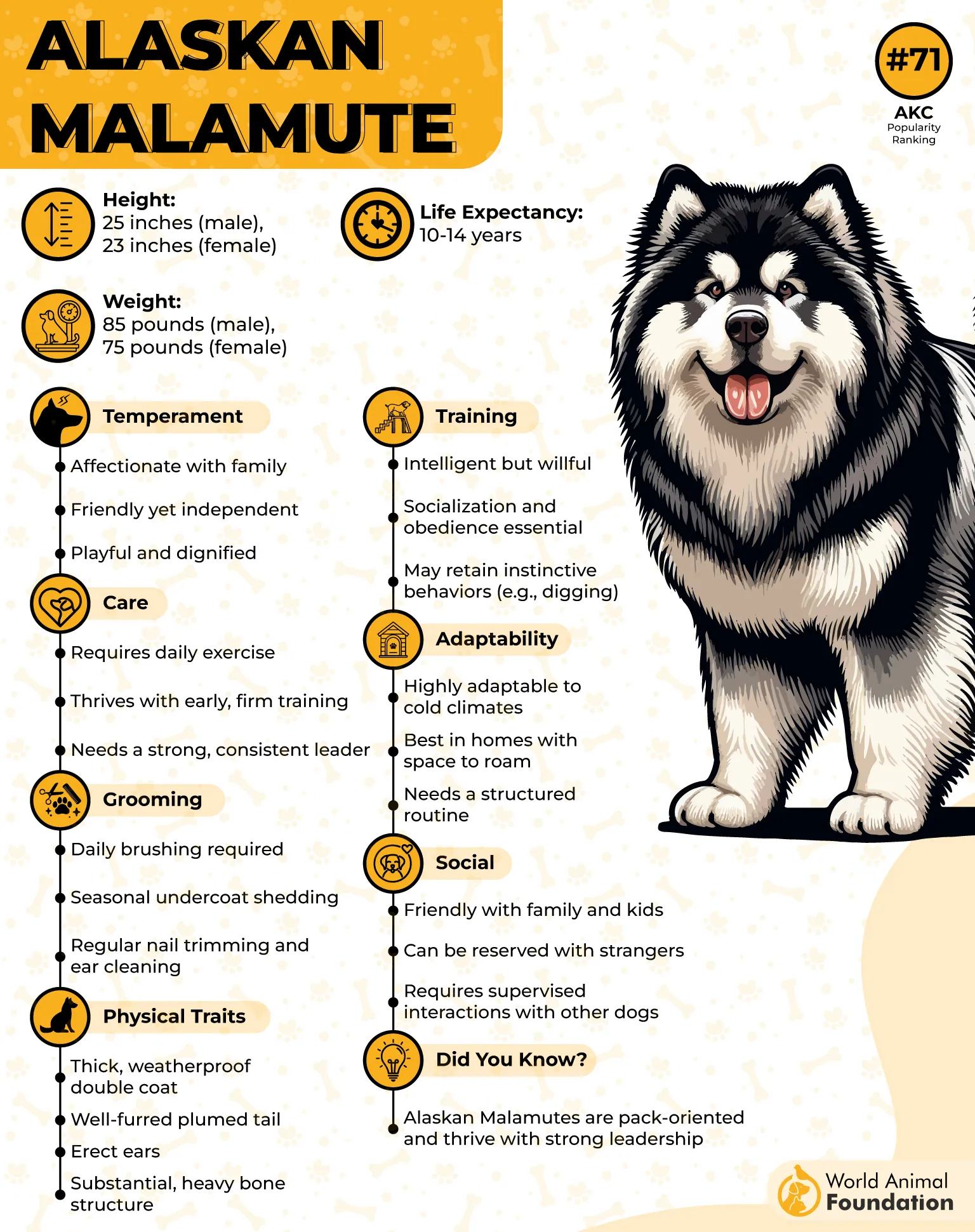
Massive bone, a deep chest, and impressive pulling ability helped this breed handle some of the toughest hauling tasks in northern regions. Those physical traits explain why challenging terrain is far less intimidating to a Malamute than it is to many other dogs.
These details paint the complete picture of the breed:
Plumed tail curled over the back
Large, well-furred snowshoe-like feet
Erect ears typical of spitz breeds
Made for the Long Haul
The Alaskan Malamute was built for endurance rather than quick bursts of speed, allowing it to tackle long stretches of difficult work over extended distances. Hiking, swimming, backpacking, skijoring, and other outdoor adventures fit naturally into the routine of this athletic breed, as per PetMD.
2. Siberian Husky
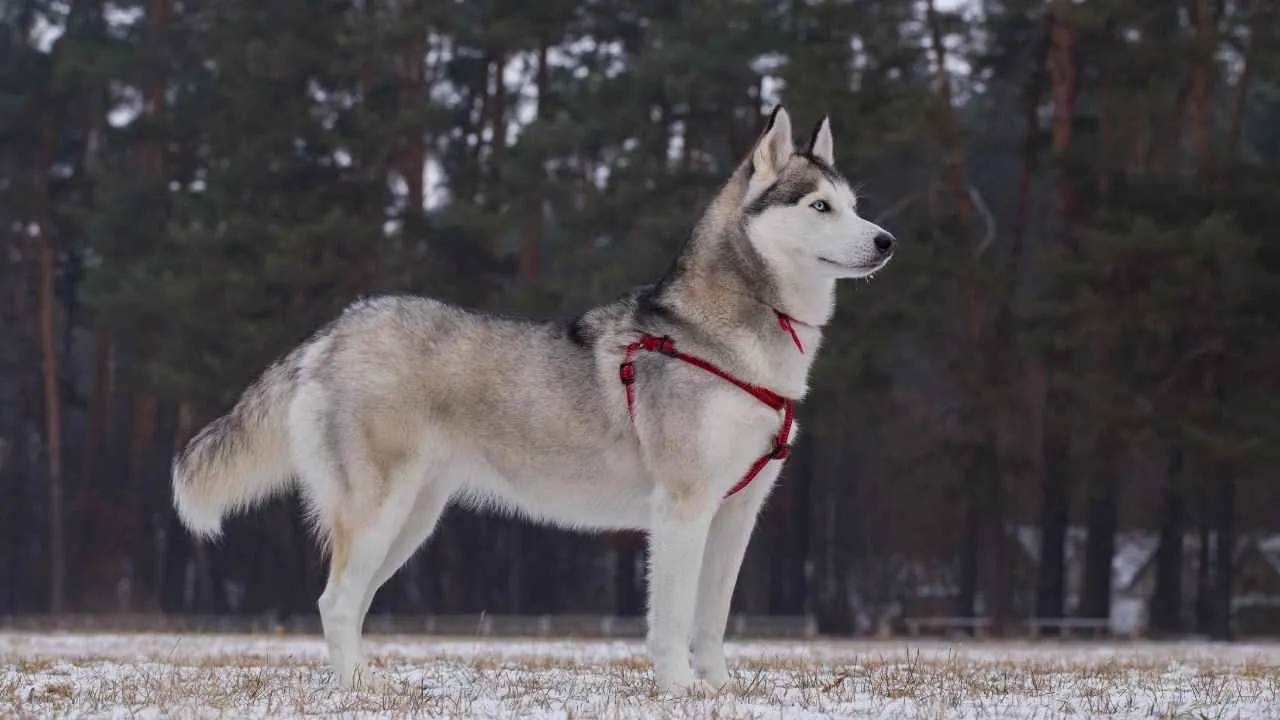
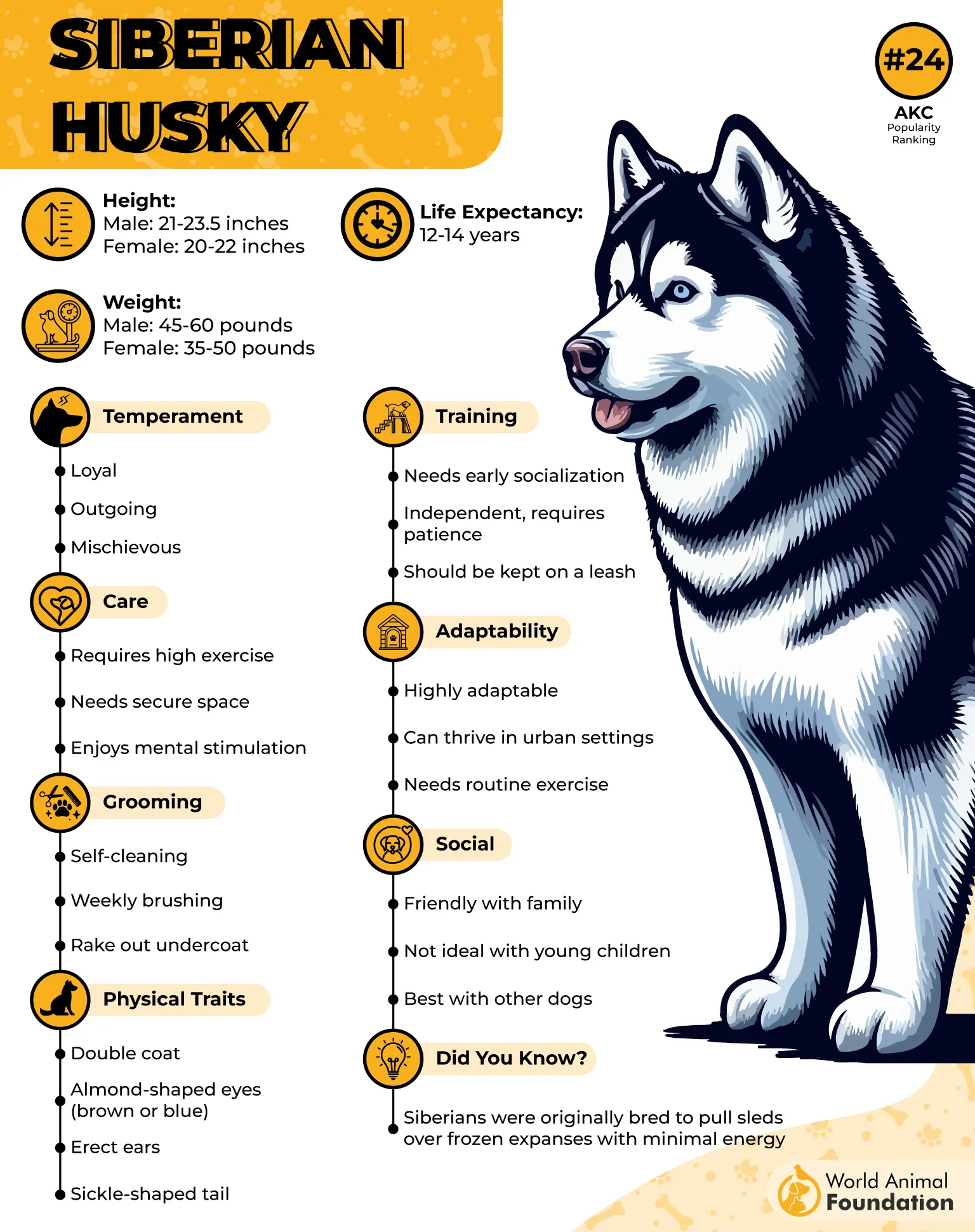
Long before becoming a popular family companion, the Siberian Husky pulled light loads across frozen landscapes with a team of fellow dogs. Its graceful, efficient stride helped it cover impressive distances, making long journeys look far easier than they actually were.
Winter Advantage
Cold weather brings out some of this breed’s best qualities, thanks to a dense undercoat that traps warmth and an outer coat that helps block wind and moisture, as Hill’s Pet writes. Large feet also provide dependable footing when snow and ice begin covering the trail.
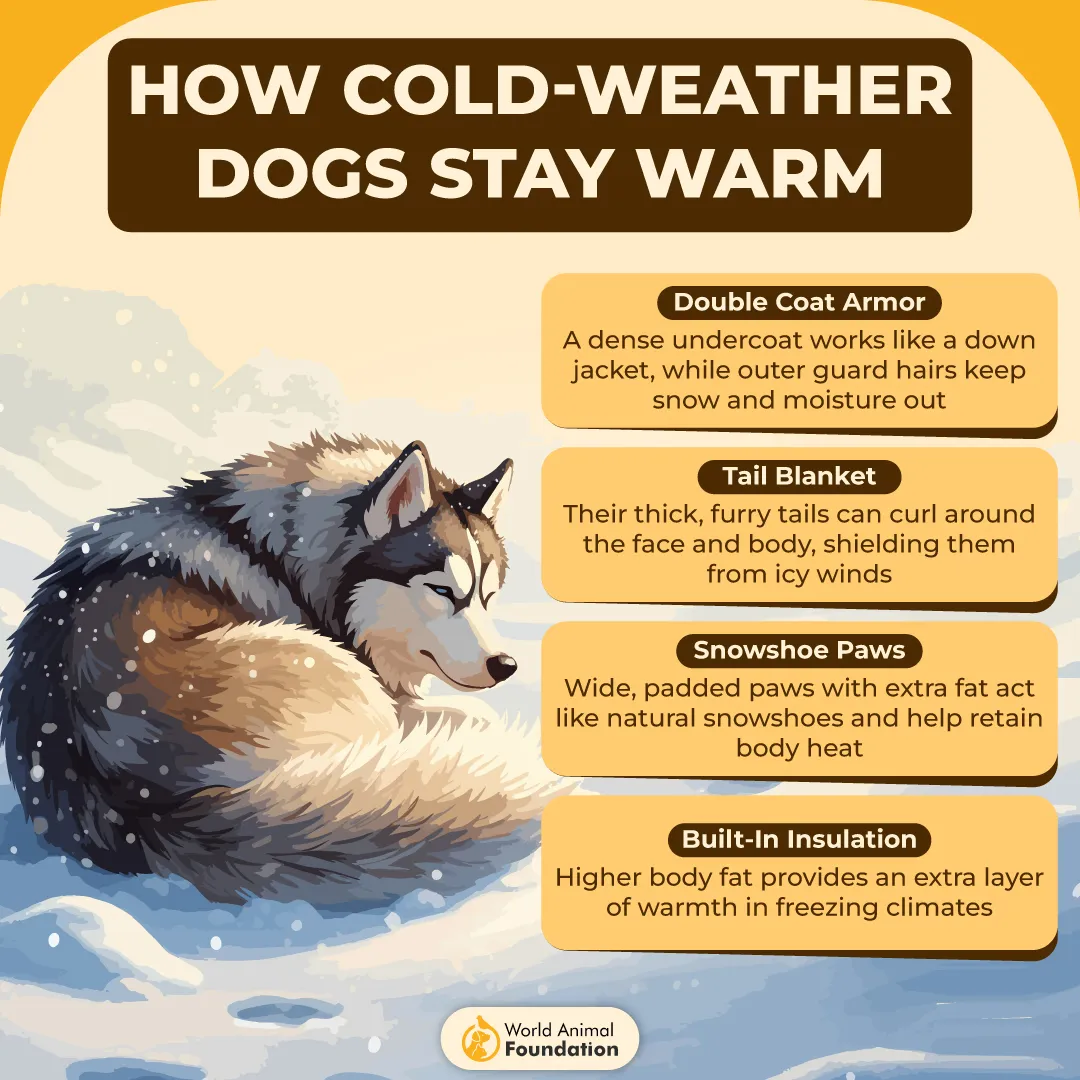
A few details help explain that capability:
Efficient energy metabolism
Compact size under 60 pounds
Strong pack-oriented nature
Sure-Footed Traveler
Siberian Husky handles rough ground with confidence, using its balanced frame to navigate muddy tracks, rocky stretches, and uneven terrain. Thick paw pads help protect the feet from ice fragments, gravel, and other challenging surfaces encountered outdoors.
3. Great Pyrenees
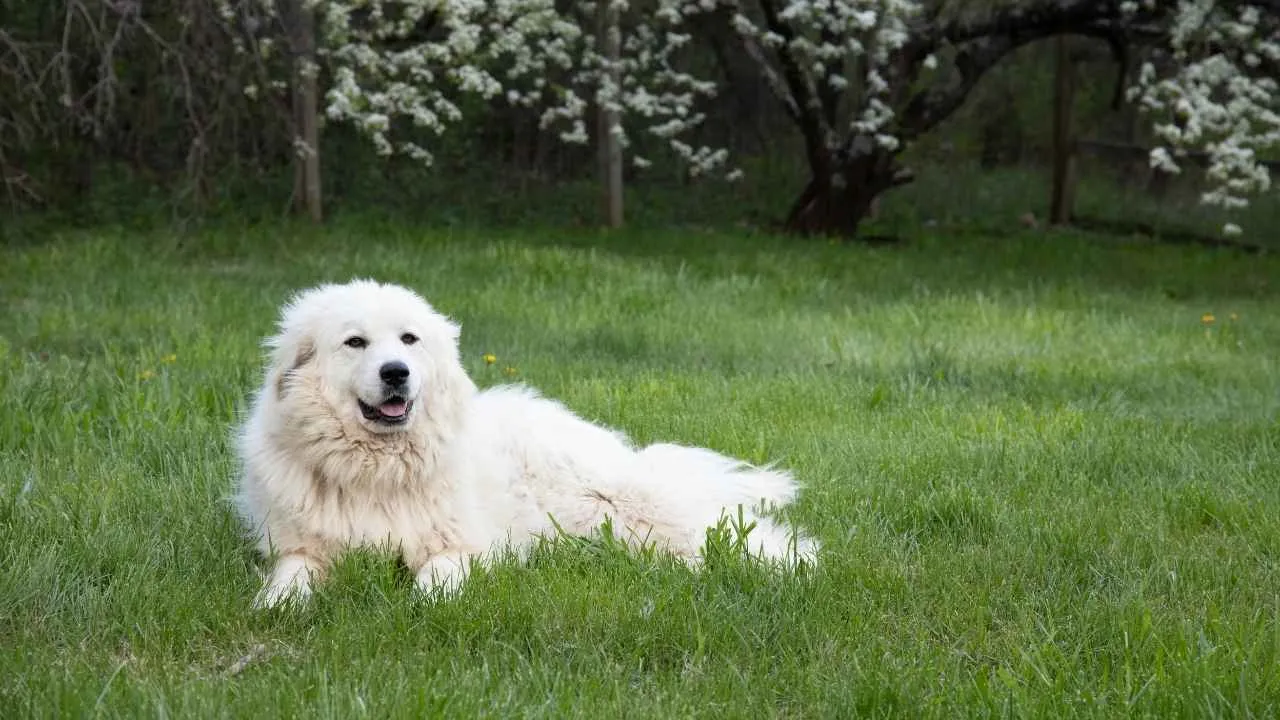
The Great Pyrenees spent generations watching over livestock in the Pyrenees Mountains between France and Spain, where snowy slopes and predator threats were part of daily life. Its thick white coat even helped it blend into winter landscapes while guarding sheep from wolves and bears.
Built for Difficult Ground
Deep snow, muddy terrain, and rocky paths demanded more than size alone, which is why this breed possesses several specialized physical features. Those traits helped it cover challenging ground while keeping its footing in difficult conditions.
A closer look reveals some remarkable characteristics:
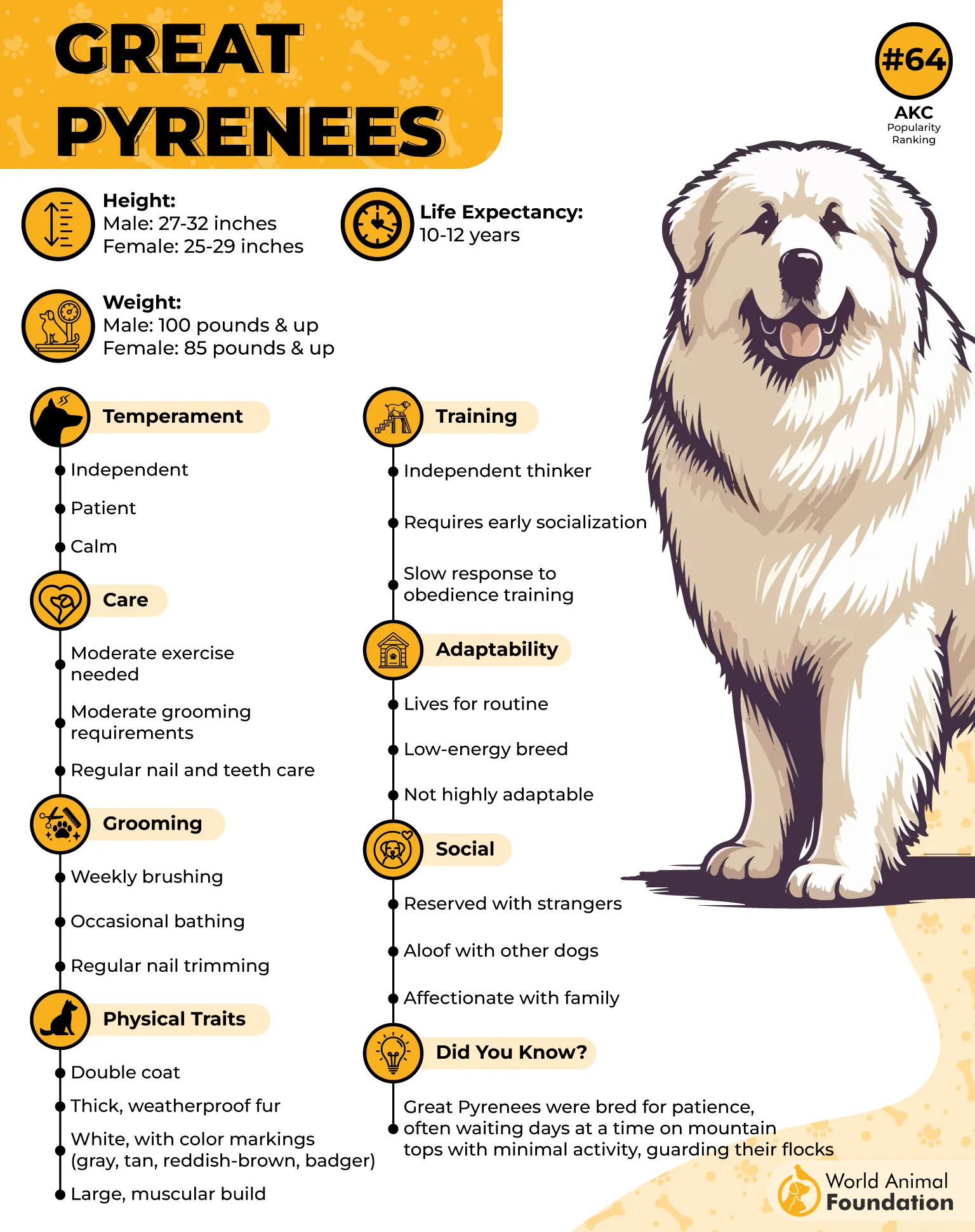
Rear double dewclaws for added grip
Thick paw pads resist sharp shale
Webbed feet spread weight on soft ground
Calm Strength
This ancient breed was selected for independent decision-making, allowing it to watch over flocks without constant human direction in remote valleys. Its deliberate pace conserves energy over long periods, making activities such as hiking, farm work, and pulling carts or sleds a natural fit.
4. American Foxhound
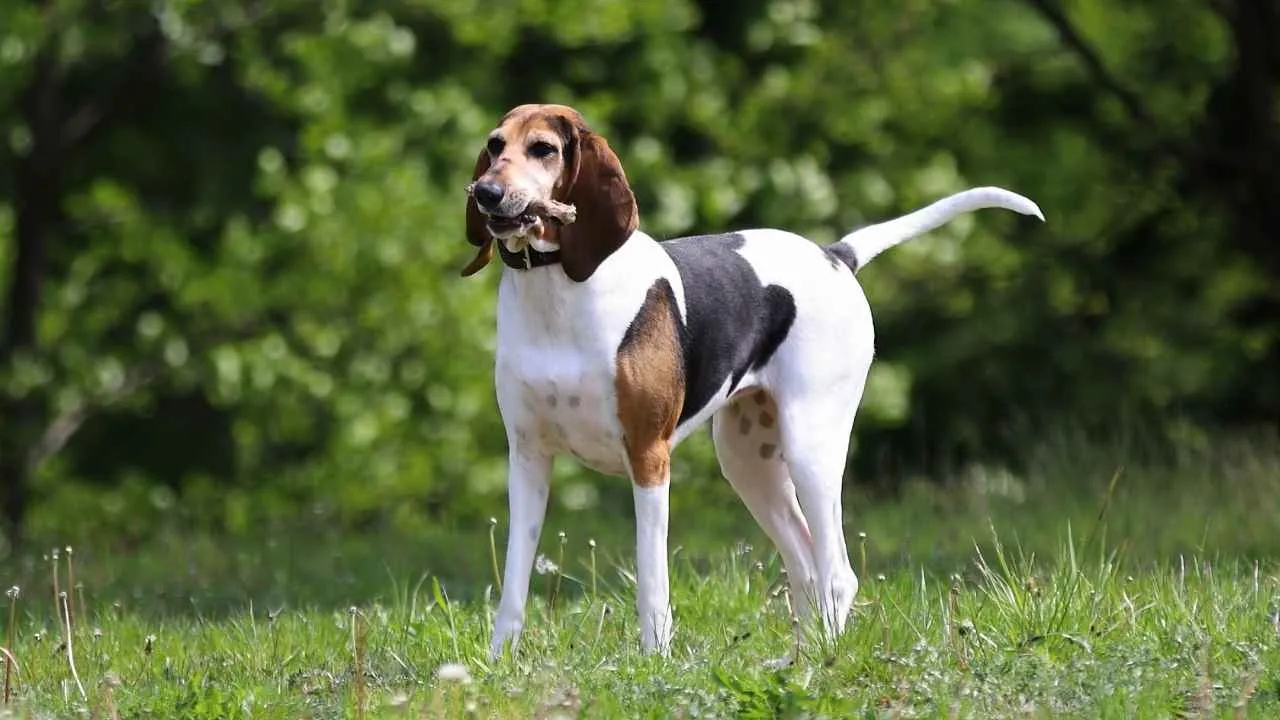
The American Foxhound can keep working long after rough weather turns trails into a mix of snow, mud, and tangled brush. Its exceptional scenting ability allows it to follow a trail through conditions that would challenge many other dogs, making it a natural fit for demanding spaces.
Ready for Difficult Ground
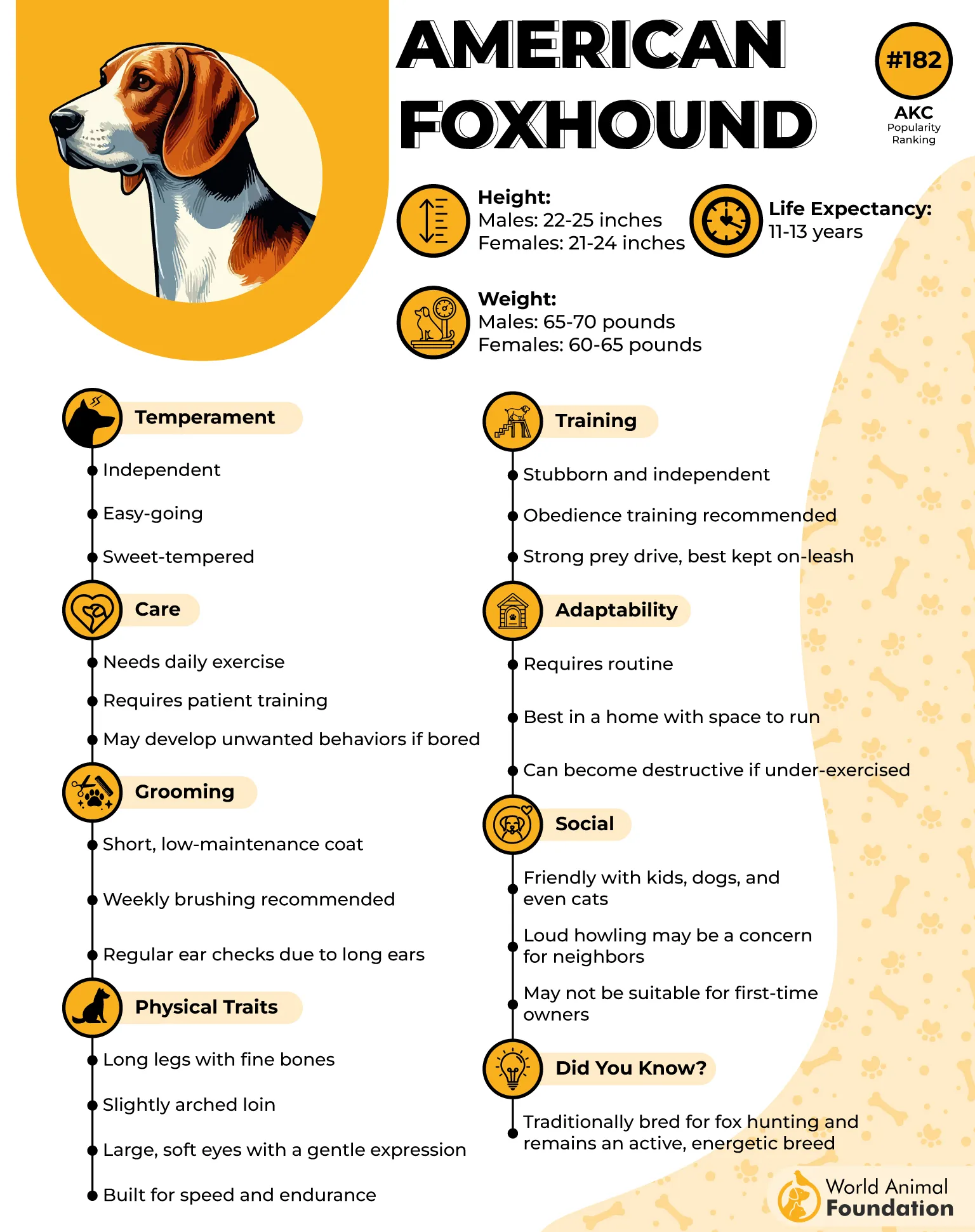
Long legs, strong hindquarters, and agile joints help this breed handle challenging landscapes with confidence. Deep drifts, rocky paths, fallen timber, and sticky clay demand balance and leverage, both of which are important parts of this hound’s design.
These physical traits contribute to that ability:
Tough, fox-like foot pads
Close protective outer coat
Tall frame for deeper snow
Energy With a Purpose
The American Foxhound needs substantial daily activity, as inactivity can lead to destructive behavior and frustration, as the AKC noted. Tracking events, rally competitions, coursing tests, and other scent-focused activities provide productive outlets for both its body and instincts.
5. Weimaraner
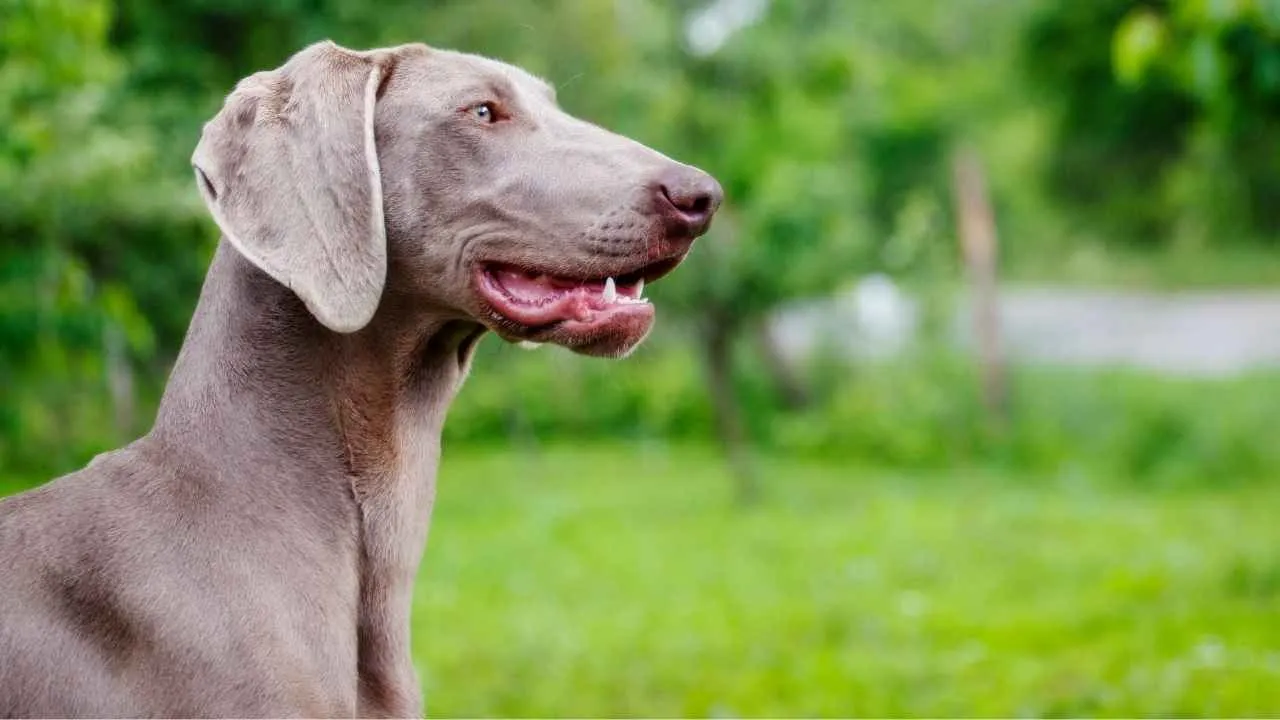
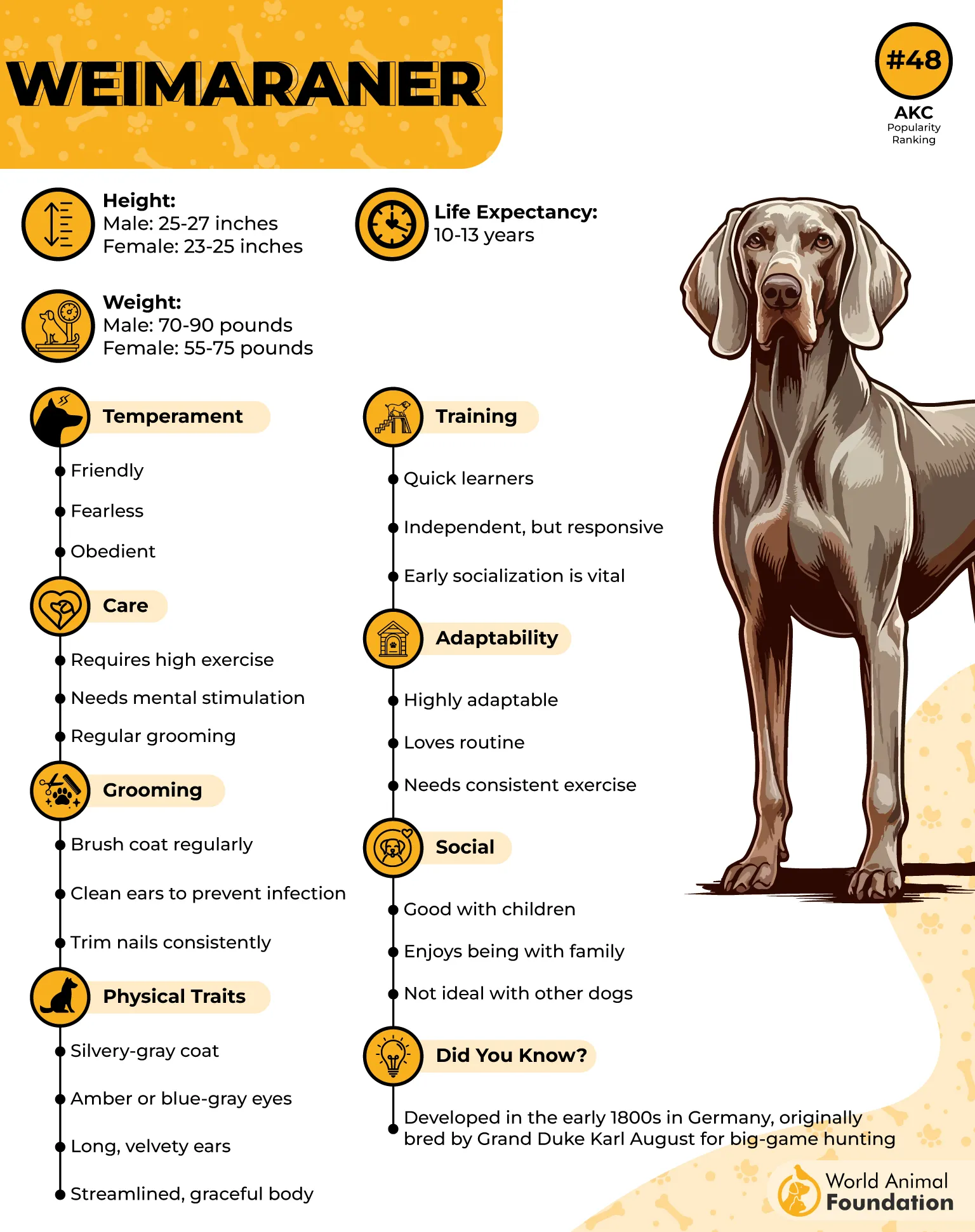
The Weimaraner picked up the nickname “Gray Ghost” because of its sleek appearance and swift pace, but that reputation goes beyond looks alone. Hunters have long appreciated this breed for its obedience, friendly nature, and willingness to keep going when conditions become demanding.
Sure-Footed Progress
They handle challenging routes with a combination of webbed paws, strong nails, and an athletic frame that helps on snow-covered ground, loose gravel, and uneven trails. These features are especially useful when the terrain keeps changing underfoot.
Its characteristics extend even further:
Deep chest for greater stamina
Strong heart and lung capacity
Focused prey-tracking instinct
Mud and Cold
The Weimaraner has a short, smooth coat that releases dried mud without much effort, which can be a welcome benefit after a messy outing. Extra attention is needed in severe cold, as the limited undercoat provides less protection than heavily insulated breeds.
6. Australian Cattle Dog
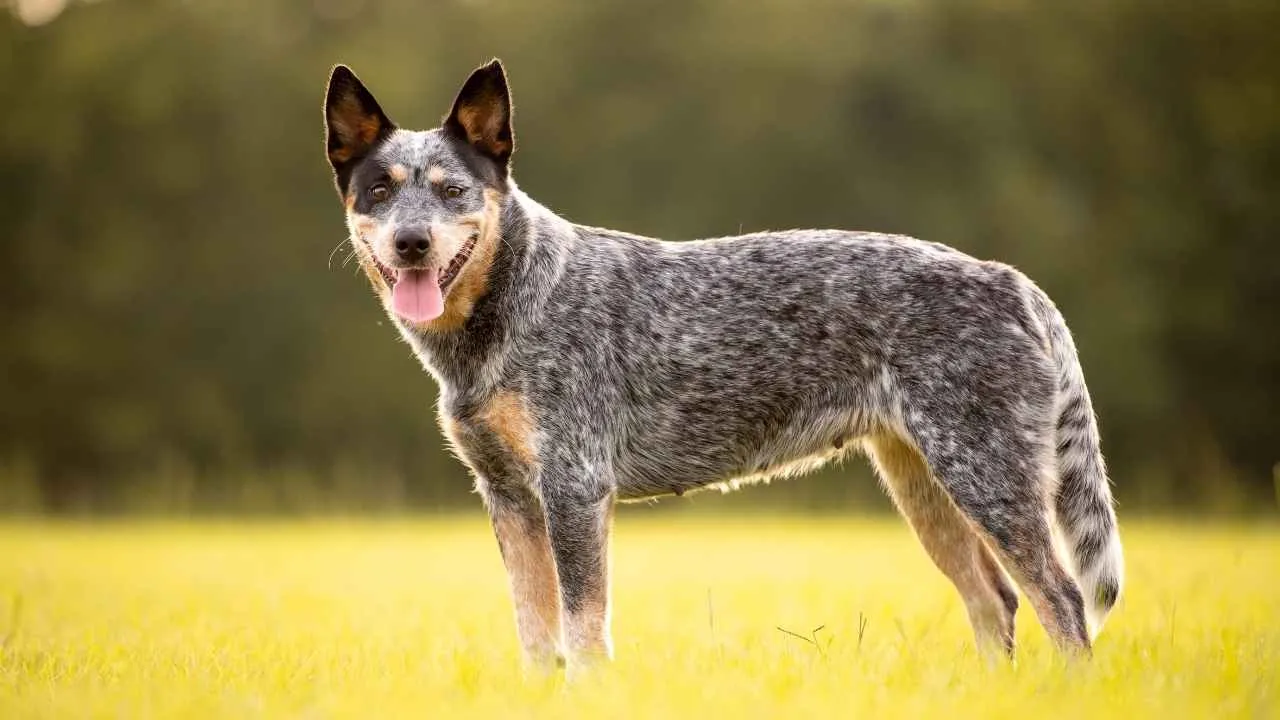
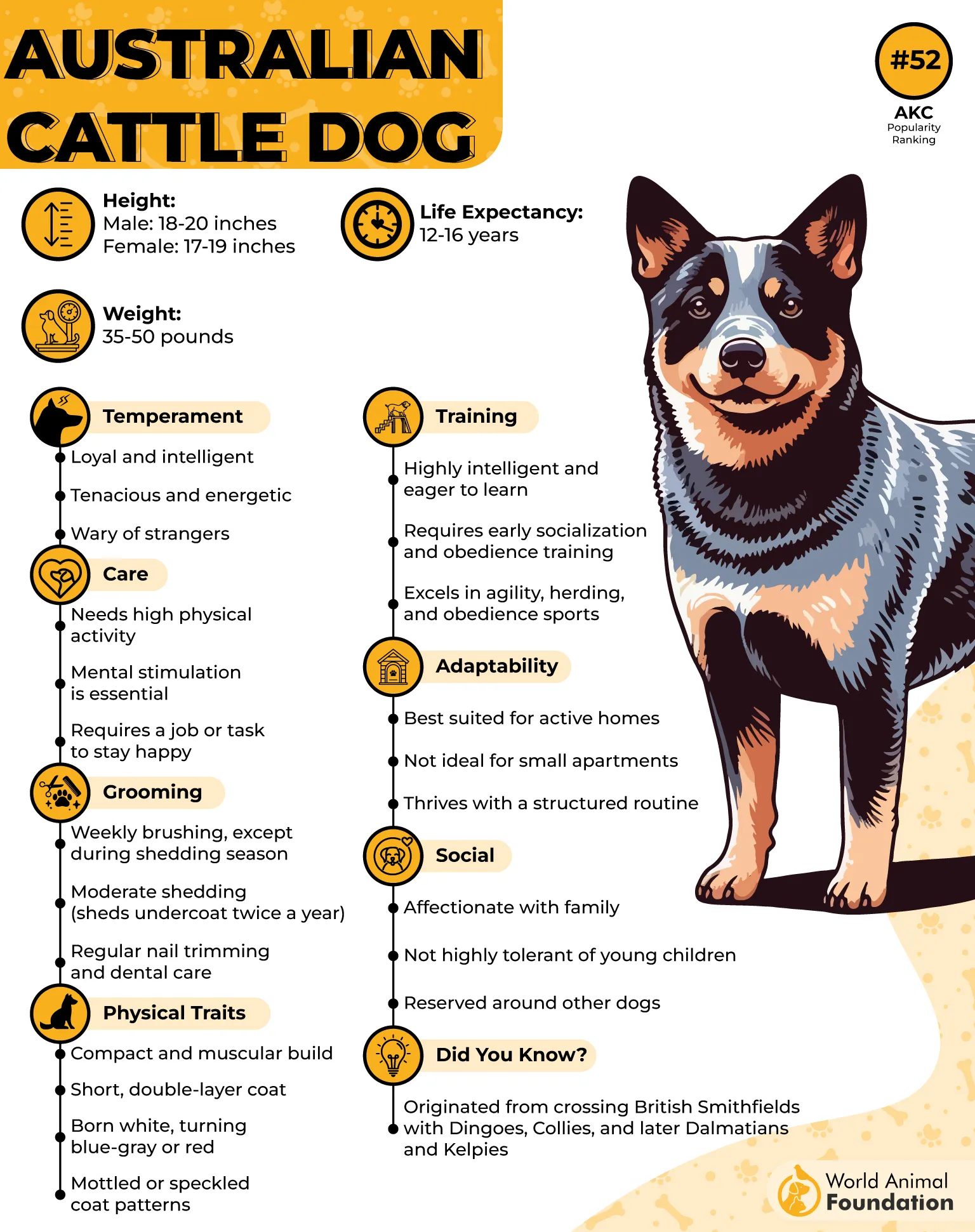
The Australian Cattle Dog descends from the dingo and was originally bred to handle cattle across vast stretches of land without slowing down. That working purpose still appears in its powerful frame, sharp thinking, and ability to tackle tough terrain with confidence.
Sure-Footed Design
A compact, muscular body helps this breed react quickly when the ground becomes uneven, slippery, or unpredictable. Deep, rounded feet with hard pads also provide dependable grip when crossing muddy tracks and rocky surfaces.
There’s more than meets the eye:
Low center of gravity
High pain tolerance
Sudden directional changes
Ready for a Challenge
ACD comes equipped with a dense undercoat beneath a straight, water-resistant outer layer that helps in both cold and warm conditions. Running, agility work, frisbee, and other forms of physical and mental exercise suit this breed far better than a quiet routine.
7. Bloodhound
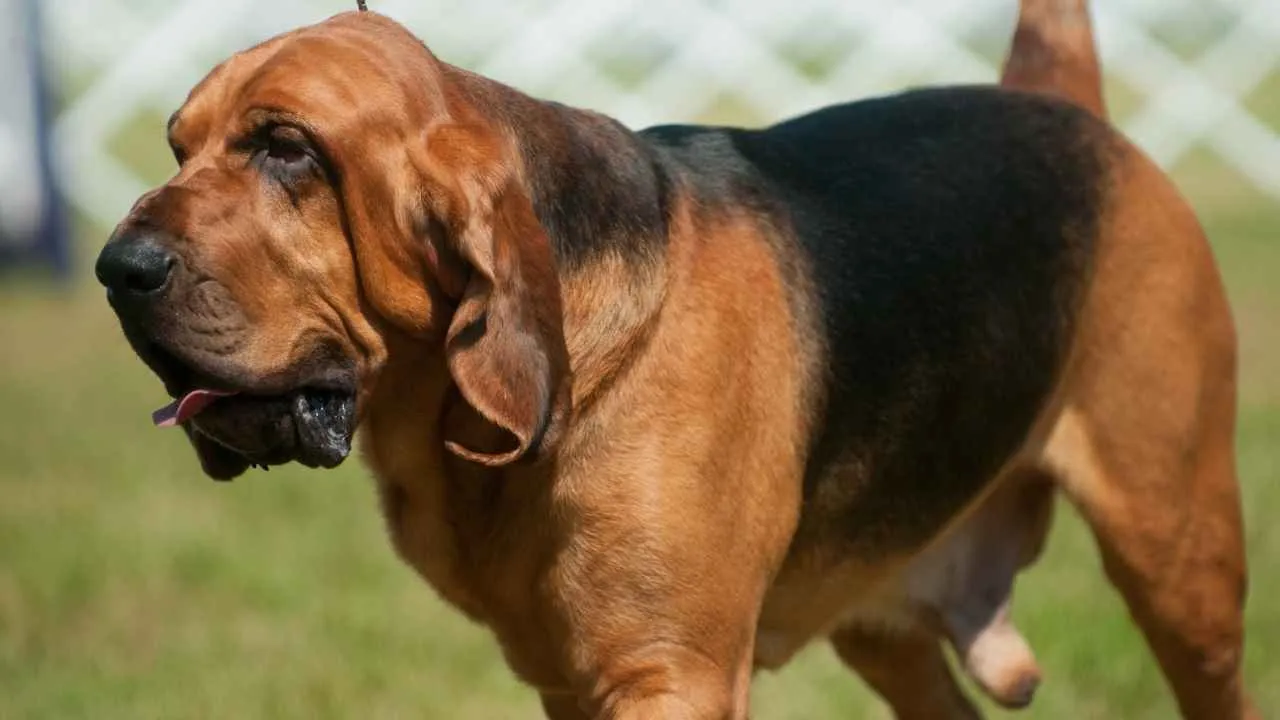
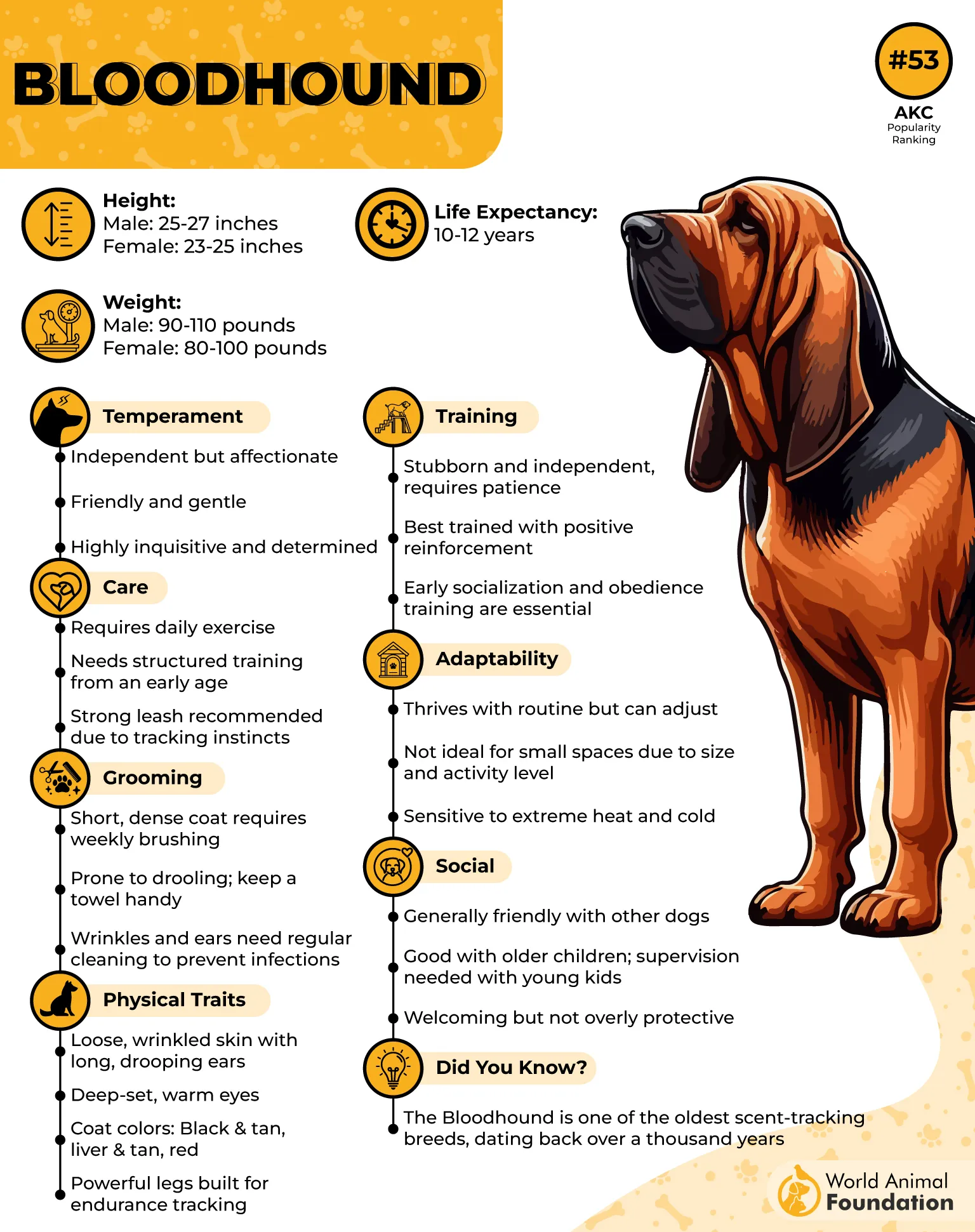
The Bloodhound has built its reputation around one extraordinary ability: locating people who are lost or deliberately hiding, which is why famously called a search and rescue dog.
Once a scent is picked up, this breed follows it with remarkable determination across ground that would challenge many other dogs.
Built for Difficult Ground
They spread their weight across soft ground with unusually wide feet that function much like snowshoes in snow or mud. A heavy frame and lower center of gravity also help this breed keep its footing when trails become steep, slick, or uneven.
The breed’s story continues below:
Wide feet distribute weight on soft ground
Deep paw pads shield against sharp rocks
Heavy bone structure aids traction in mud
More Active Than Expected
The Bloodhound enjoys long daily walks and benefits from regular opportunities to explore outdoors on a leash. A strong interest in following scents, combined with digging ability and talent for finding escape routes, makes secure fencing especially important.
8. Redbone Coonhound
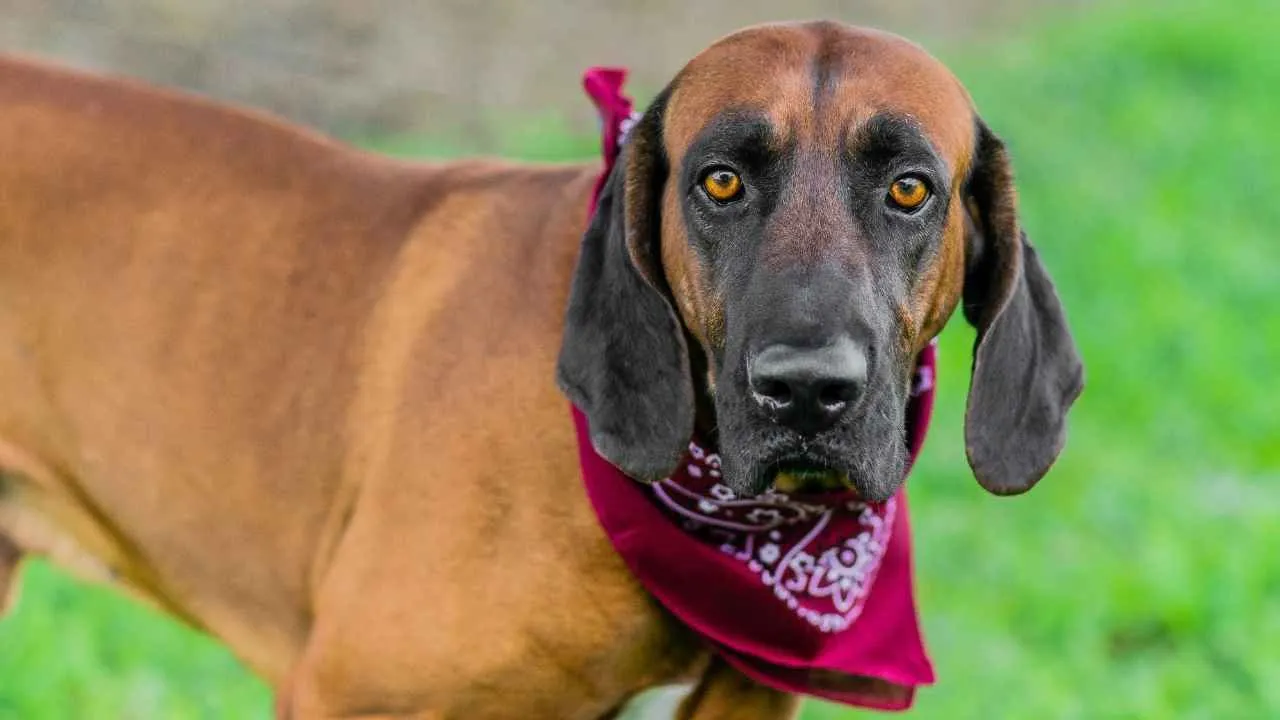
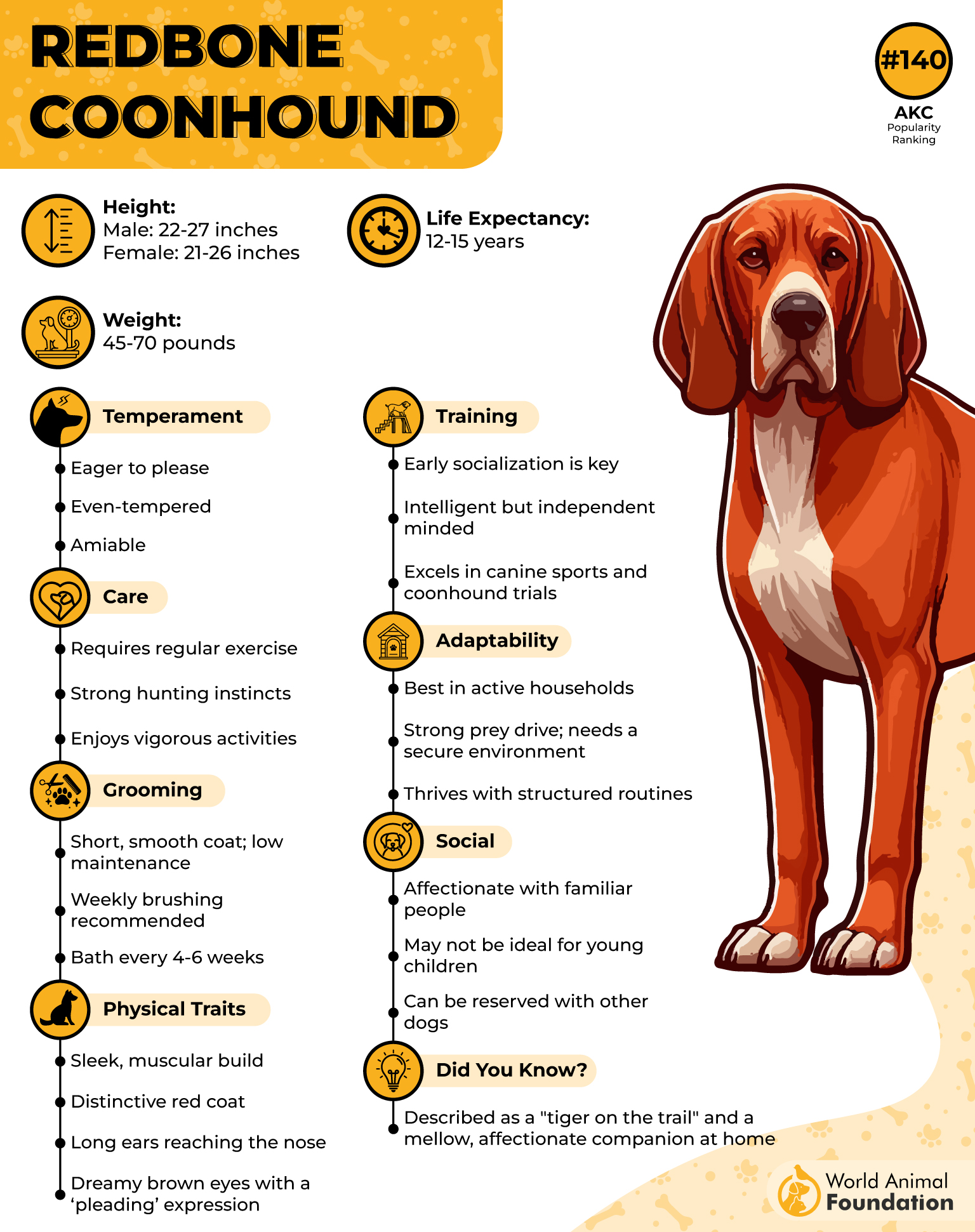
The Redbone Coonhound emerged in the United States when hunters needed a dog capable of crossing swamps, climbing mountains, and following a trail through demanding landscapes. That versatility still explains why this breed feels so comfortable in challenging outdoor conditions.
Natural Trail Specialist
It combines stamina, agility, and determination when working across uneven ground or through thick cover. Its intense focus on scent allows it to continue tracking even when weather and terrain become more difficult.
Several physical traits contribute to that ability:
Webbed toes for mud and swimming
Cat-like feet for rocky surfaces
Dense coat that resists briars
More Than a Hunter
The Redbone Coonhound has also been used for tracking big game in mountainous regions and assisting with search-and-rescue work in remote areas. Its friendly nature, loyalty, and enthusiasm for activity make it a dog that prefers action over long periods of inactivity.
9. Black and Tan Coonhound
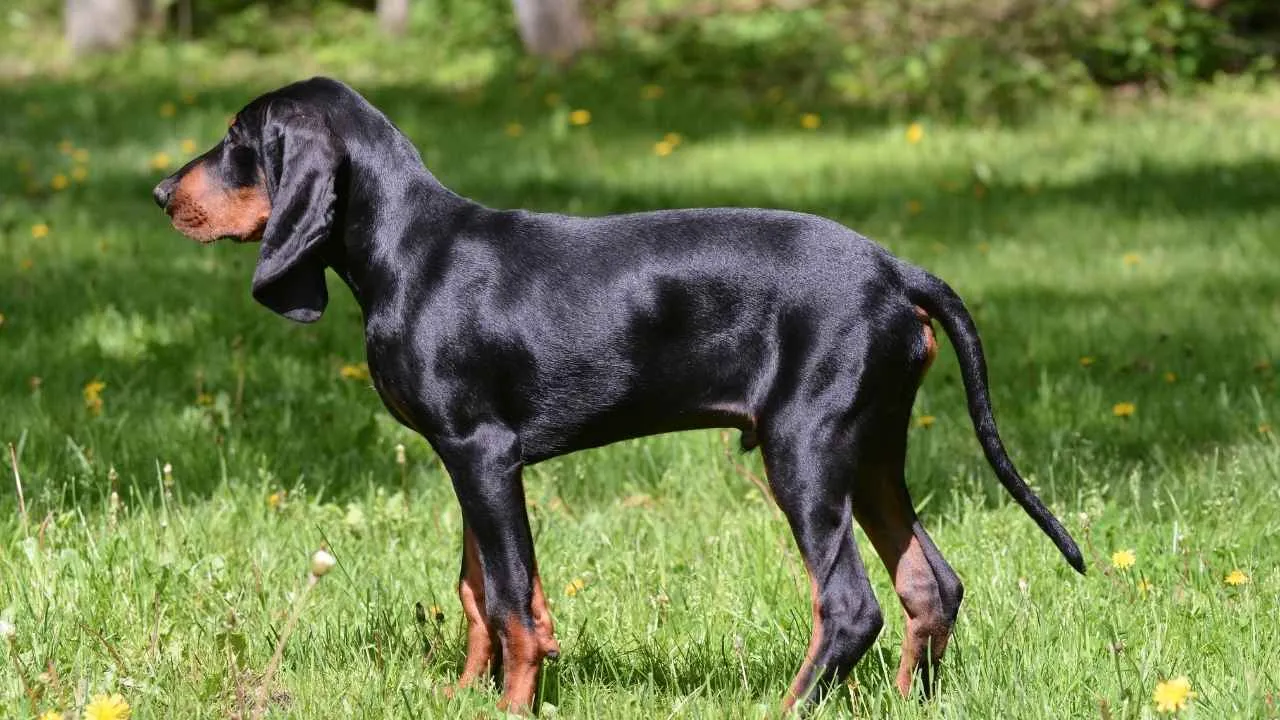
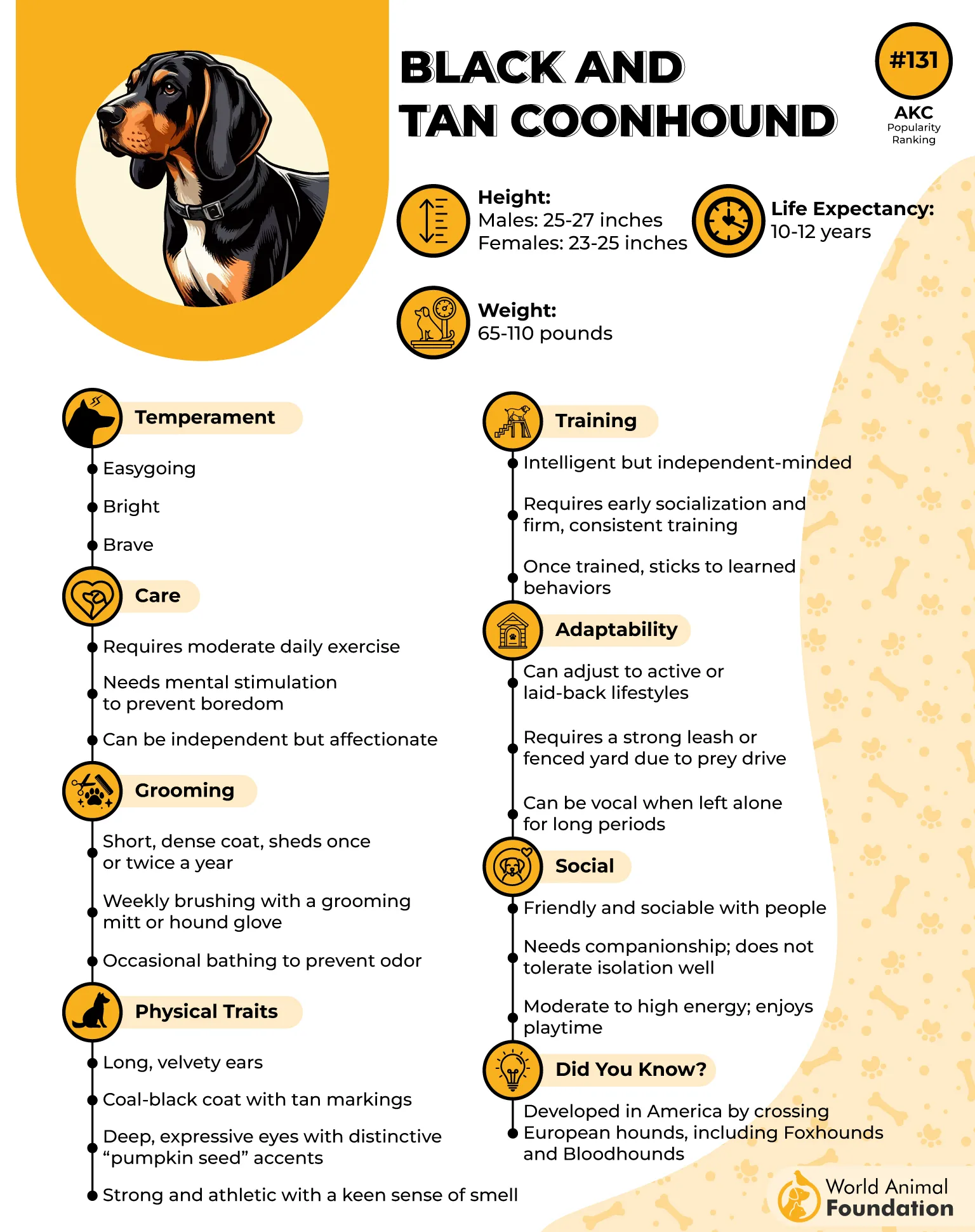
The Black and Tan Coonhound spent generations working after dark, following scent trails when visibility was limited, and conditions were far from easy. That determination, paired with a powerful frame, helps explain why this breed handles demanding landscapes so confidently.
Ready for Difficult Ground
Wide feet provide extra support on challenging surfaces, while a dense coat offers protection from cold weather and damp conditions. This physique is especially useful when the terrain turns messy, frozen, or uneven.
Its unique qualities continue here:
Long ears help gather ground scent
Deep chest aids travel through marshes
Thick paw pads resist freezing conditions
Trail-Focused Mindset
The Black and Tan Coonhound approaches scent work with remarkable persistence and can remain focused on a trail for extended periods. A passing squirrel or the scent of small game can quickly capture its attention, making a secure leash and sturdy fence important considerations.
Conclusion
The farther a trail moves from comfort and predictability, the more certain qualities begin to matter. Reliable footing, physical endurance, environmental awareness, and determination often separate capable dogs from those that struggle when conditions become demanding. The breeds explored here earned their reputations through generations of work in landscapes that tested both body and mind.
Those same traits continue to serve them well on modern adventures. While each approaches a challenge differently, all share a natural ability to handle difficult environments with confidence. That combination of resilience and adaptability makes them exceptional partners and affectionate companions wherever rugged terrain leads.
