




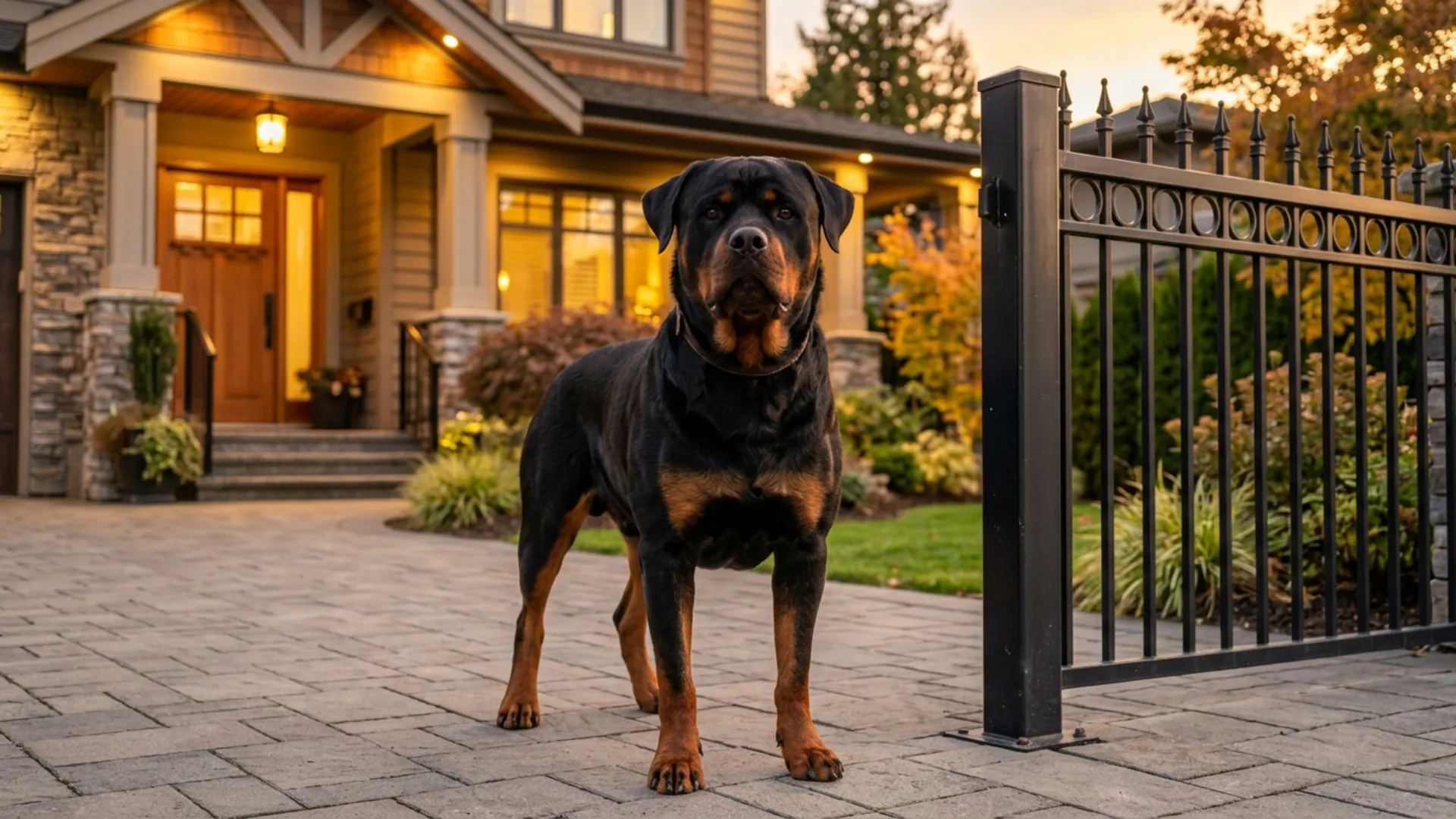
Dogs have protected people for thousands of years, making them far more than loyal companions. Many have a natural instinct to watch over their families, alert them to danger, and help their owners feel safer. The right protective dog offers both security and unwavering companionship.
However, not all protective dogs are the same. Some are excellent watchdogs that sound the alarm, while others are natural guardians willing to defend their loved ones.
Choosing a breed that matches your lifestyle, along with proper training and socialization, is key to raising a confident, well-behaved protector.
In this article, you’ll discover some of the best guard dog breeds that keep families safe, what makes each one stand out, and how to choose the best fit for your home and lifestyle.
Key Takeaways
Meet 7 protective dog breeds that combine loyalty, courage, and family-friendly personalities.
Compare German Shepherds, Rottweilers, Bullmastiffs, and more to find your perfect guardian.
Discover what makes each breed a fearless protector and devoted companion.
Learn the care and training behind every confident, reliable guard dog.
Top Protective Dog Breeds That Keep Your Family Safe
1. German Shepherd
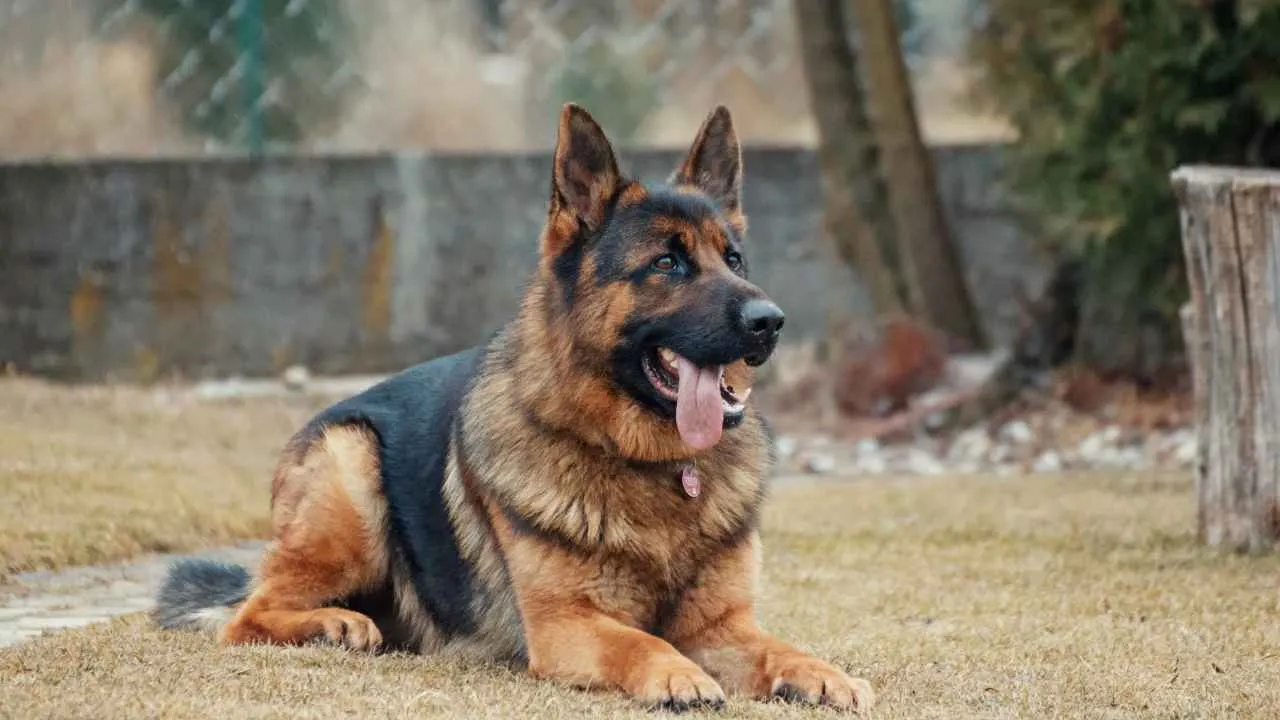
German Shepherds are among the most trusted protective dog breeds in the world. Originally developed in Germany as herding and farm dogs, they quickly became known for their intelligence, loyalty, and fearless nature.
Today, they protect homes, assist people with disabilities, and work alongside police and military teams. They are affectionate with their families, naturally alert, and always ready to respond if they sense a threat.
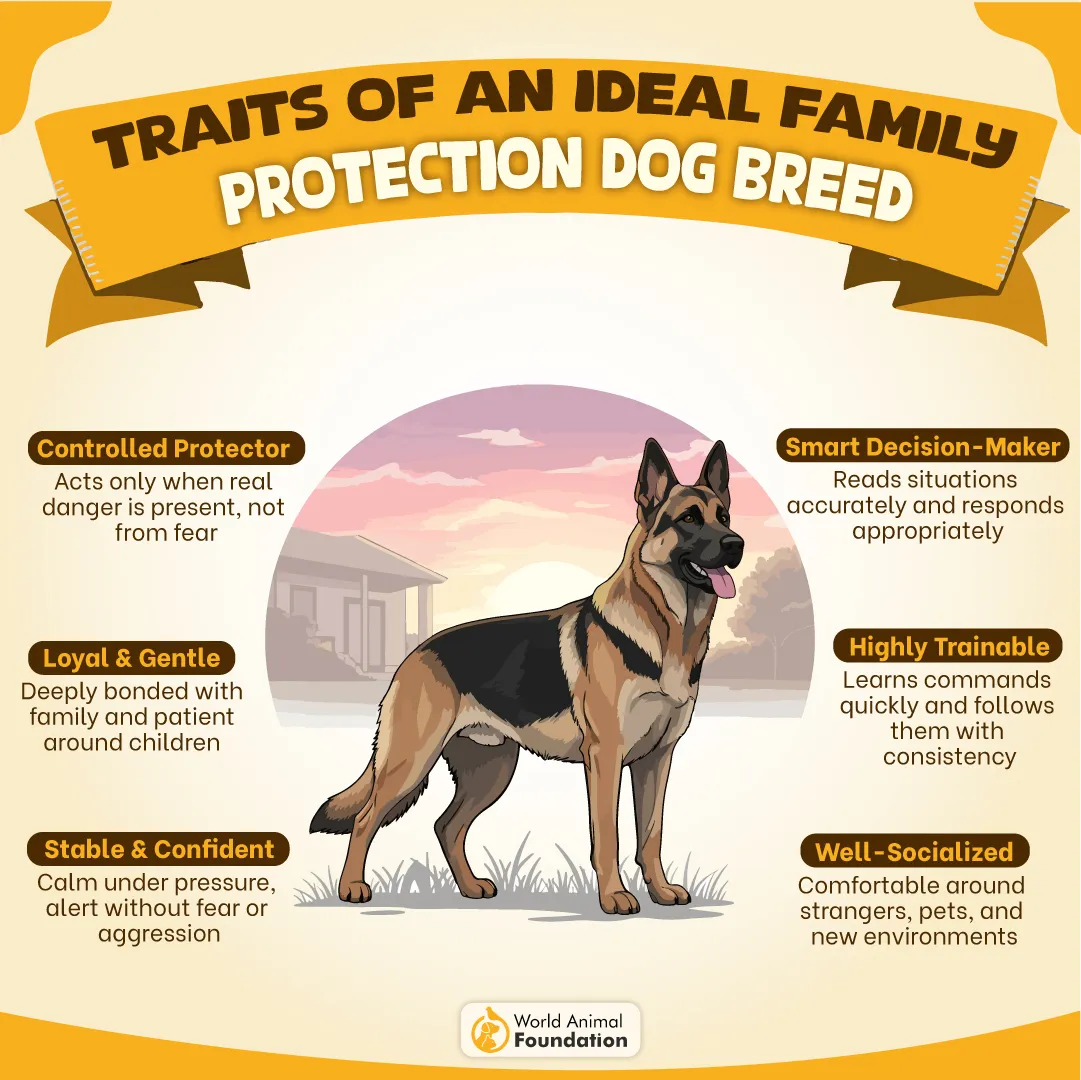
Why They’re Great Family Protectors
Highly intelligent and easy to train with consistent guidance.
Loyal, confident, and naturally protective of their loved ones.
Excellent guard dogs that stay alert without being overly noisy.
Thrive when given both physical exercise and mental challenges.
Usually gentle with children but may be reserved around strangers until properly introduced.
Care & Things to Know
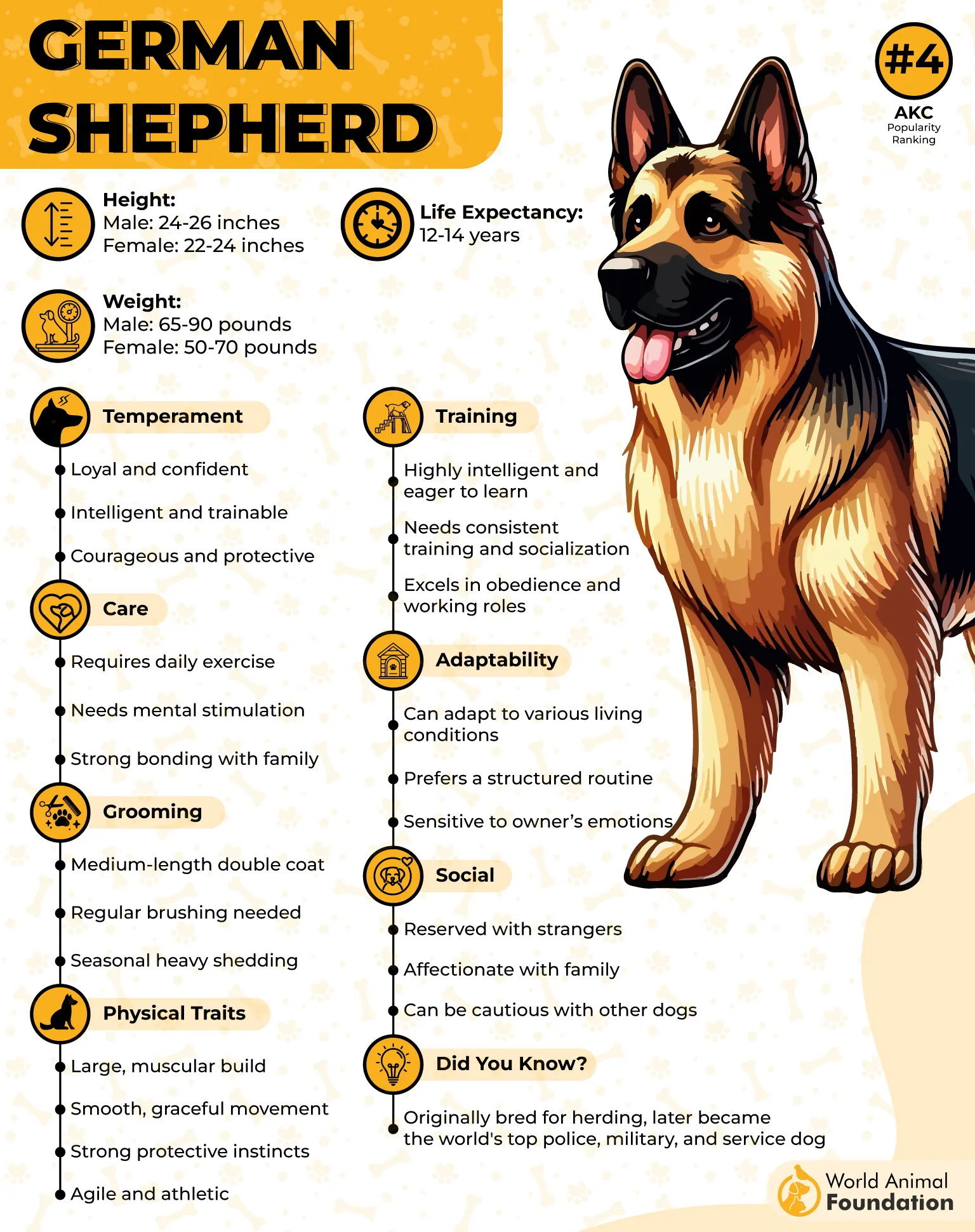
According to PetMD, German Shepherds are active dogs that need one to two hours of daily exercise and regular mental stimulation to stay happy. Early training and socialization are essential to help them become confident, well-mannered adults.
Their thick coat sheds heavily, especially during spring and fall, so frequent brushing is important. Like many large breeds, they can be prone to hip problems, gastric dilatation-volvulus (bloat), and certain skin conditions, making regular veterinary care and a balanced diet especially important.
2. Rottweiler
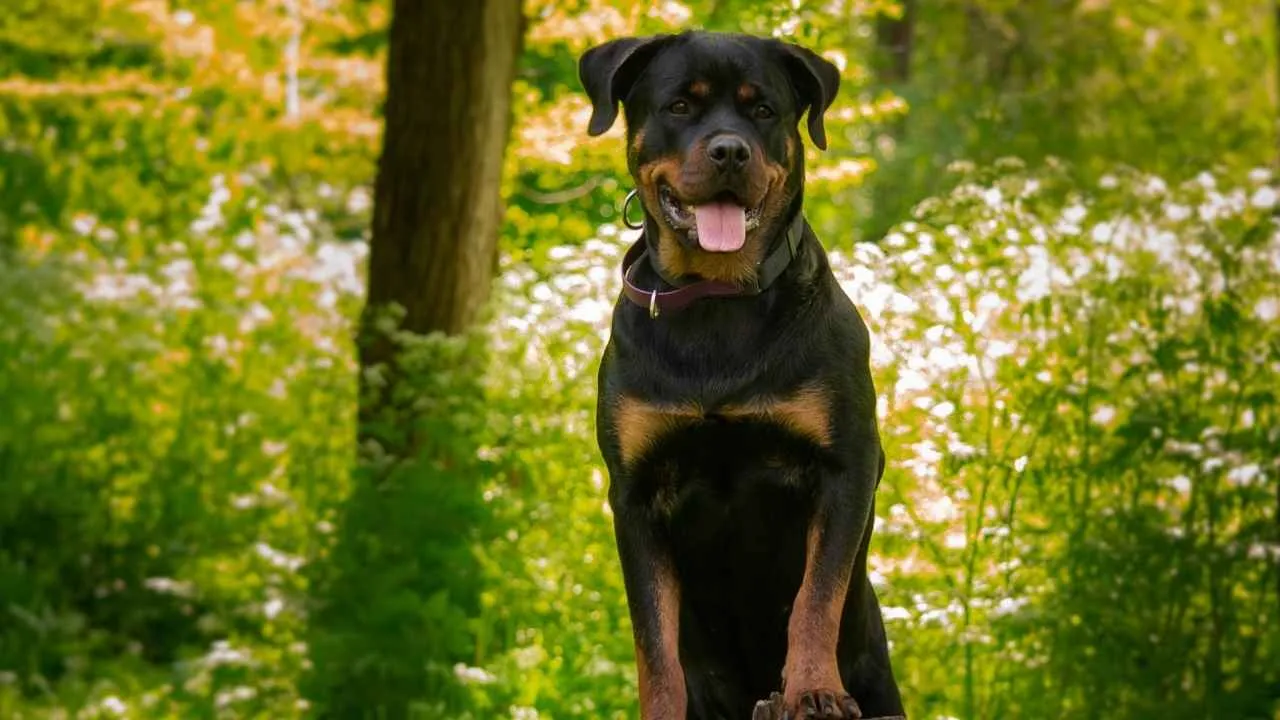
Rottweilers are powerful working dogs that have protected people for centuries. Originally descended from Roman drover dogs, they later became trusted guardians for butchers, livestock, and families.
Today, they are widely used as guard dogs, service dogs, police dogs, and search-and-rescue partners. Although they look intimidating, well-trained Rottweilers are calm, confident, and incredibly devoted to the people they love.
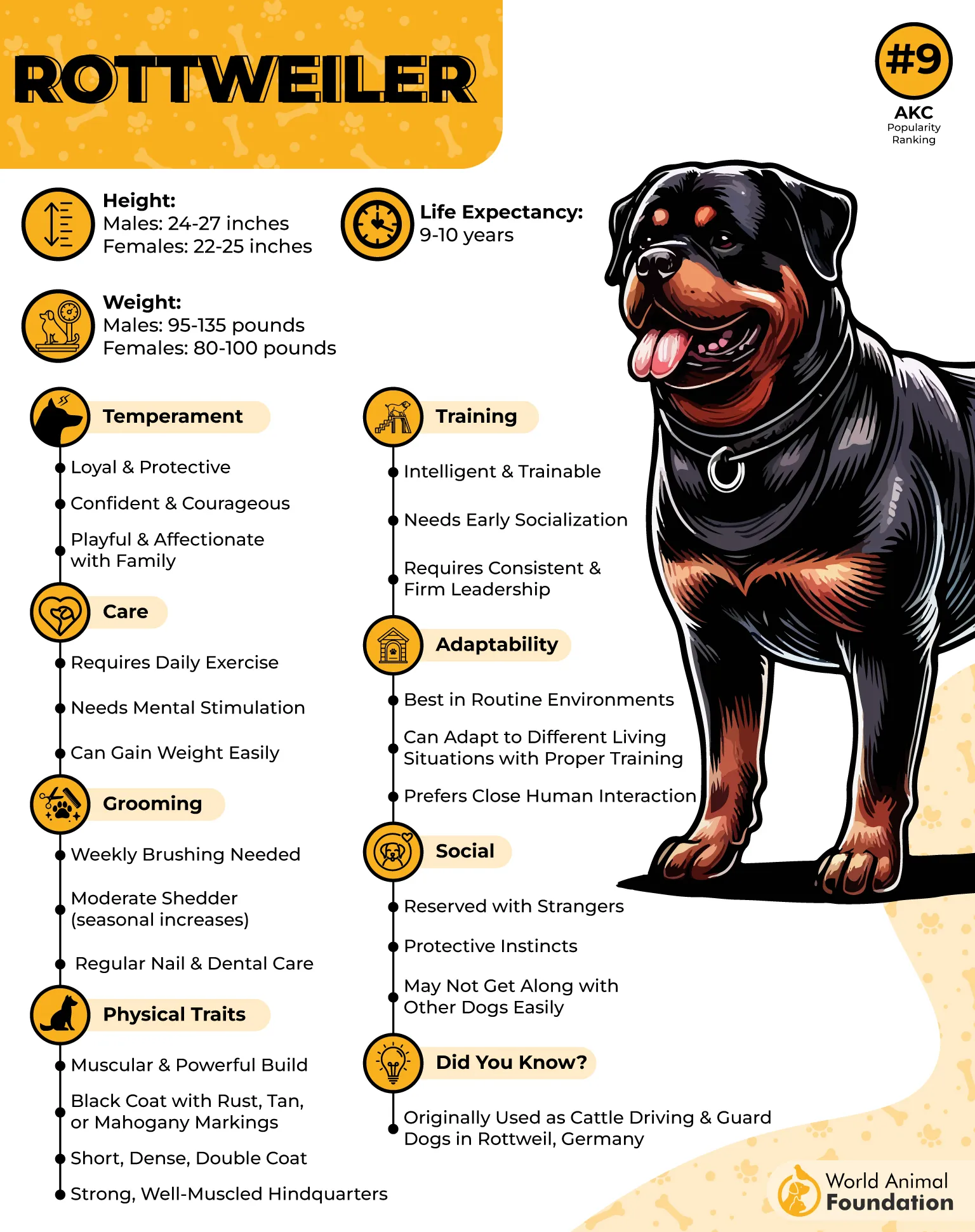
Why They’re Great Family Protectors
Naturally loyal, fearless, and protective of their family.
Calm and confident without being overly aggressive.
Highly intelligent and easy to train with consistent guidance.
Watchful around strangers but playful and affectionate at home.
Excel in guarding, obedience, tracking, and other working roles.
Care & Things to Know
Rottweilers need daily exercise, mental stimulation, and early socialization to become well-mannered family protectors. They love having a job to do and enjoy activities like walking, swimming, obedience, and tracking.
Their short coat is easy to maintain with weekly brushing, though they shed more in spring and fall. Like many large breeds, they can be prone to hip and elbow issues, certain heart and eye conditions, cancer, and bloat, so regular veterinary care and a balanced diet are important.
3. Boxer
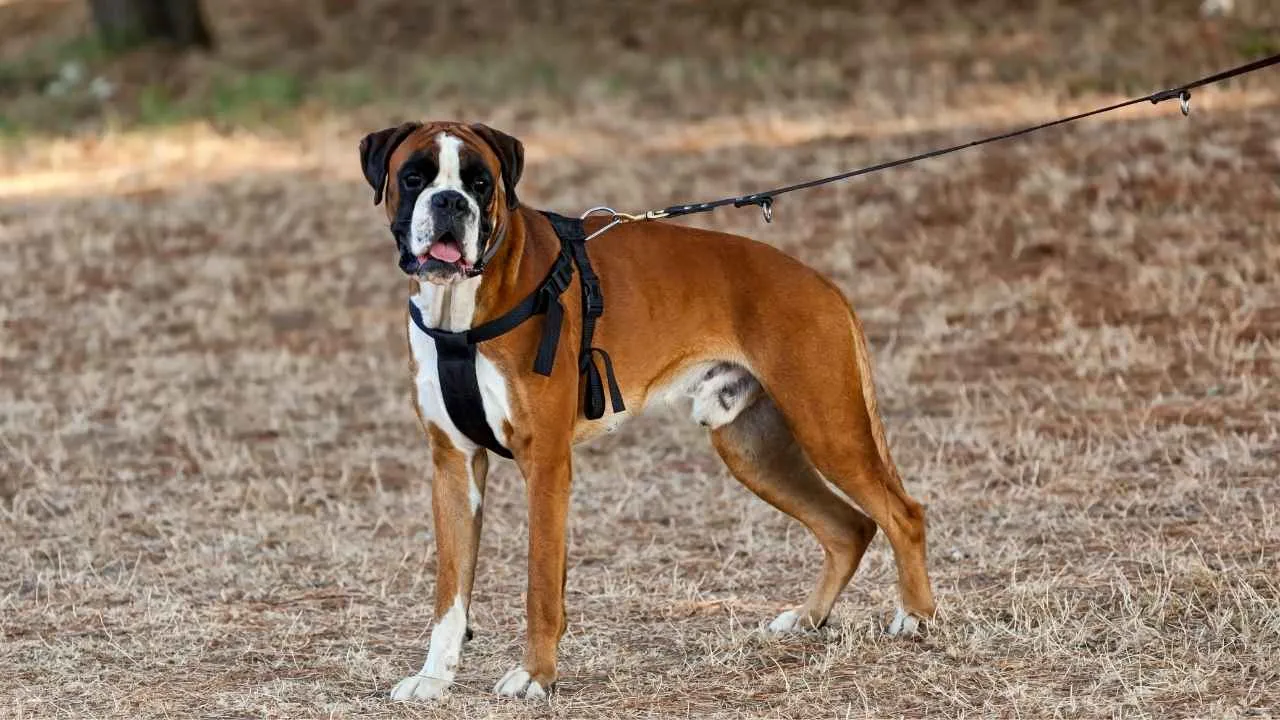
Boxers are energetic, fearless, and deeply devoted dogs that make excellent family guard dogs. Originally developed in Germany as working dogs, they were used for guarding, hunting, and later military and police work.
Today, they are loved for their playful personalities, intelligence, and natural instinct to protect the people they care about. While they can be wary of strangers, they are affectionate and gentle with their families.
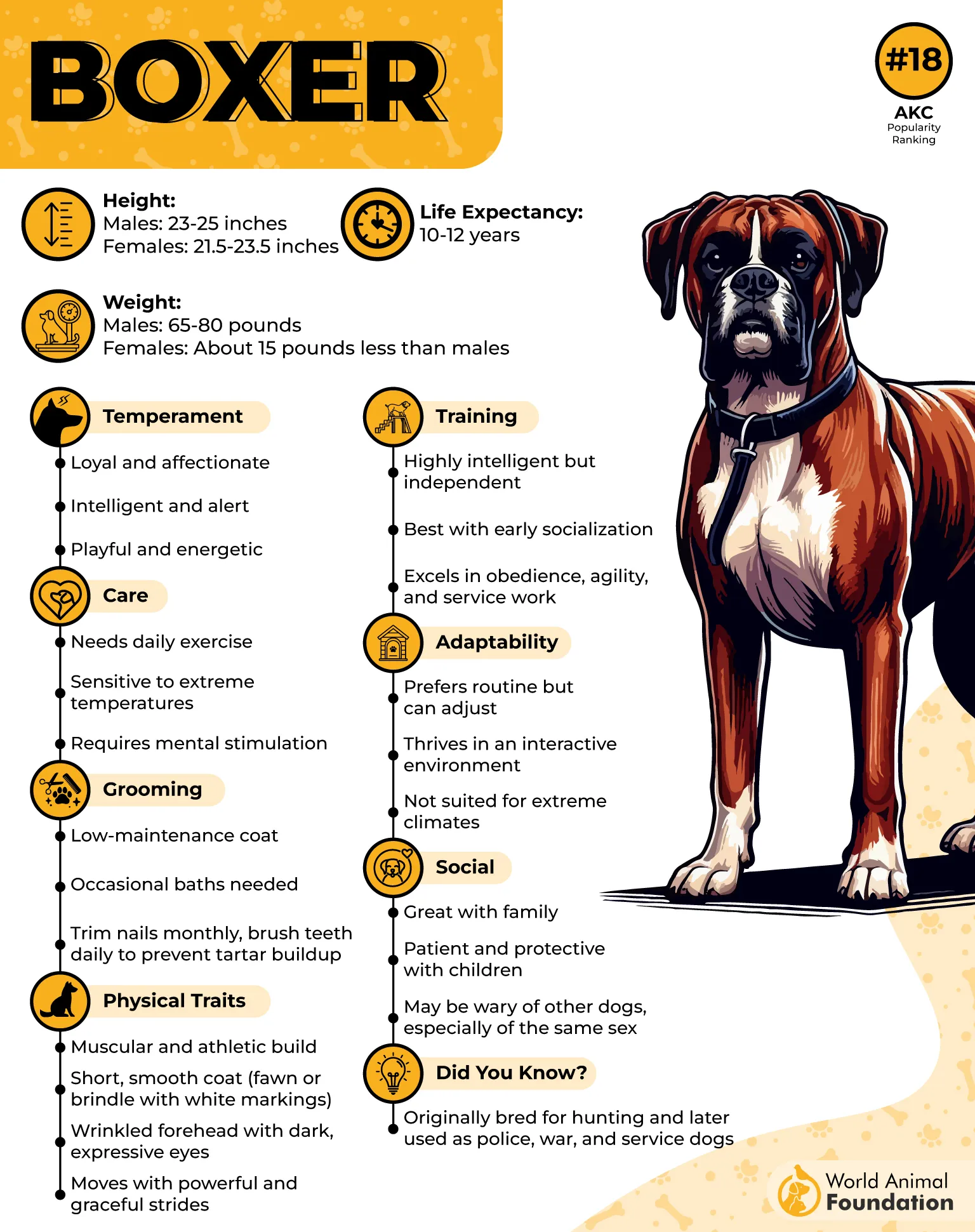
Why They’re Great Family Protectors
Loyal, courageous, and naturally protective.
Alert watchdogs that quickly notice unusual activity.
Playful, patient, and affectionate with children.
Intelligent and responds well to consistent training.
Strong, athletic, and always ready to defend their loved ones if needed.
Care & Things to Know
Boxers need plenty of daily exercise and mental stimulation to stay happy and prevent boredom. Early training and socialization help them grow into confident, well-mannered adults. Their short coat is easy to care for with weekly brushing and sheds moderately.
Like many deep-chested breeds, they can be prone to bloat, and they may also develop heart conditions, certain cancers, and joint problems, so regular veterinary checkups are important.
4. Great Dane
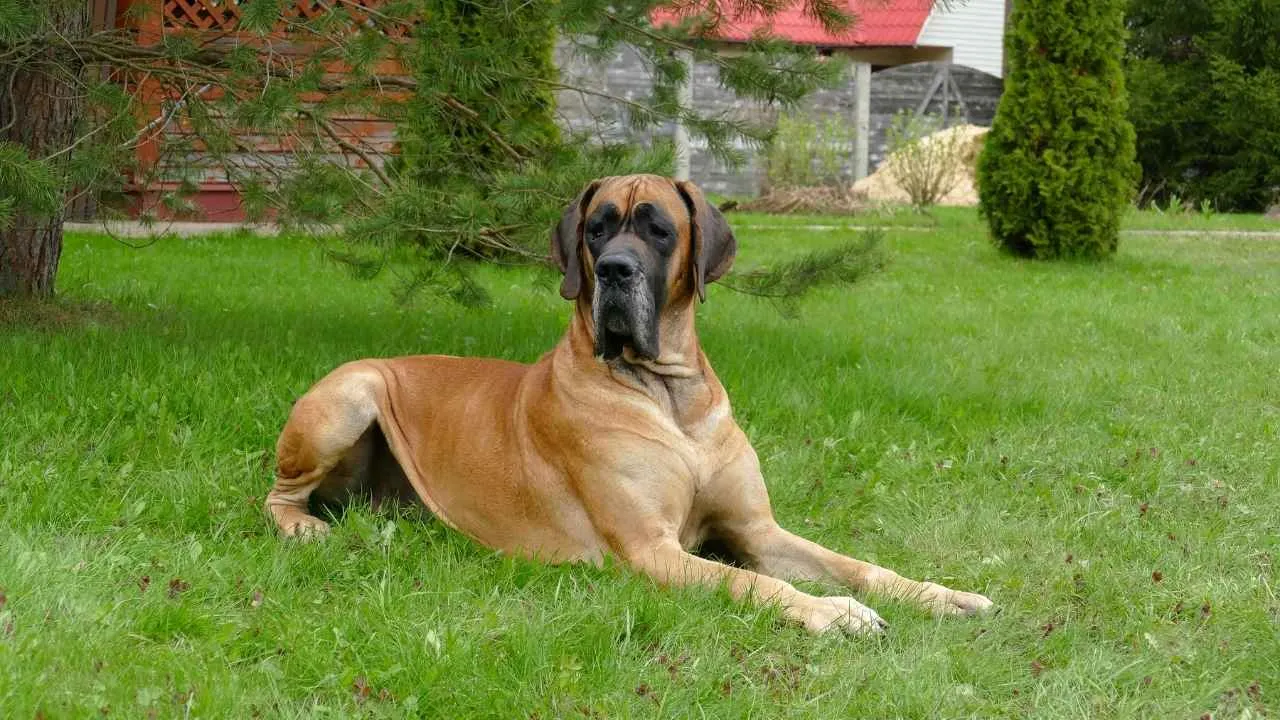
Great Danes may be known for their impressive size, but they are also gentle, loyal, and dependable family protectors. Originally bred in Germany to guard estates and hunt wild boar, they have a long history as fearless working dogs.
Today, they are affectionate companions that naturally watch over their homes while forming strong bonds with their families.
Why They’re Great Family Protectors
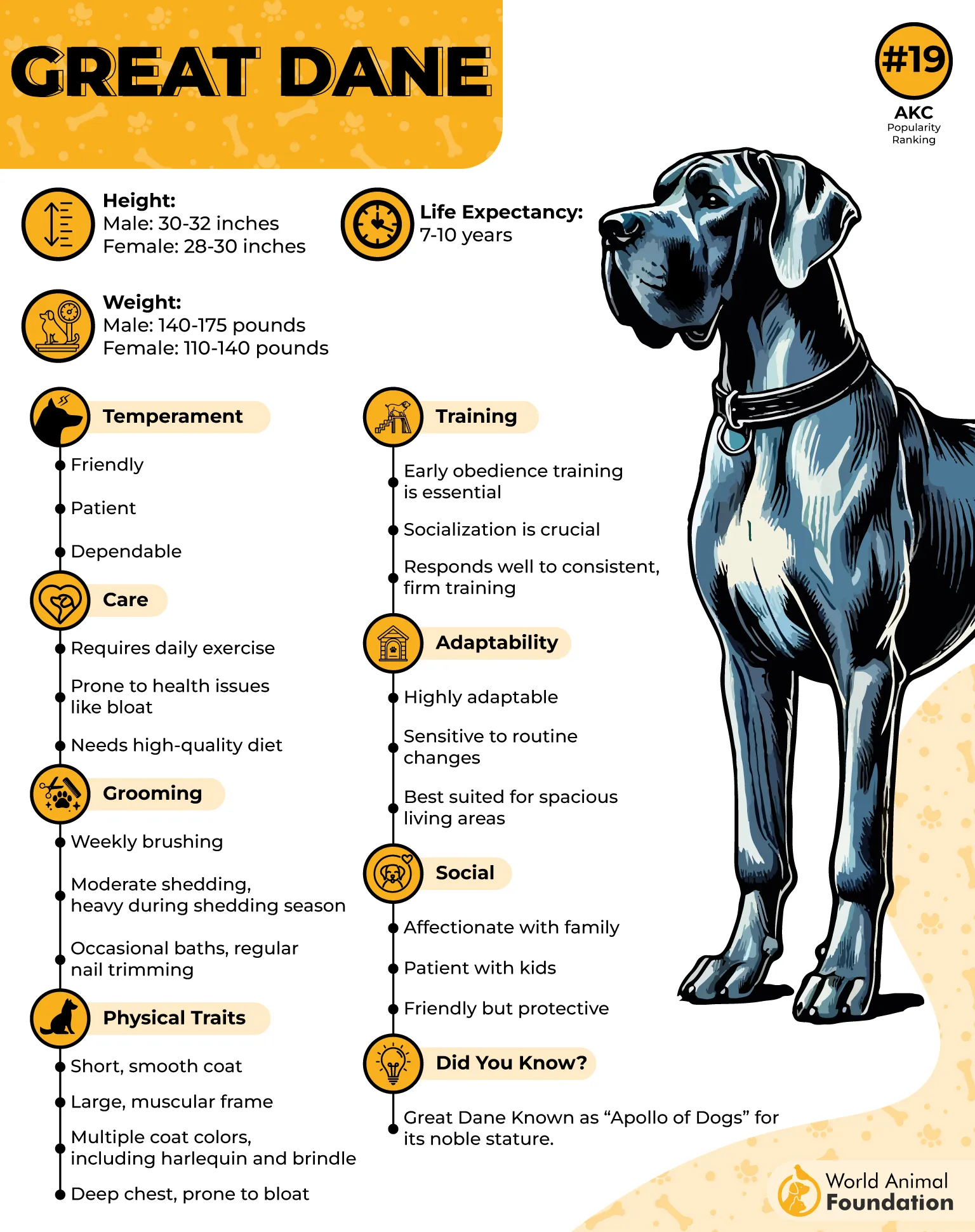
Naturally protective and alert without being overly aggressive.
Gentle, patient, and usually great with children.
Calm and affectionate with family members.
Intelligent and generally easy to train with positive reinforcement.
Usually get along well with other pets when properly socialized.
Care & Things to Know
Great Danes need plenty of space, daily walks, and early obedience training to help them grow into well-mannered adults. Their short coat is easy to maintain with weekly brushing and sheds lightly to moderately throughout the year.
Because of their giant size, they are prone to bloat, so smaller meals and rest after eating are recommended. They also have a shorter lifespan than many other breeds, making regular veterinary care especially important.
5. Bullmastiff
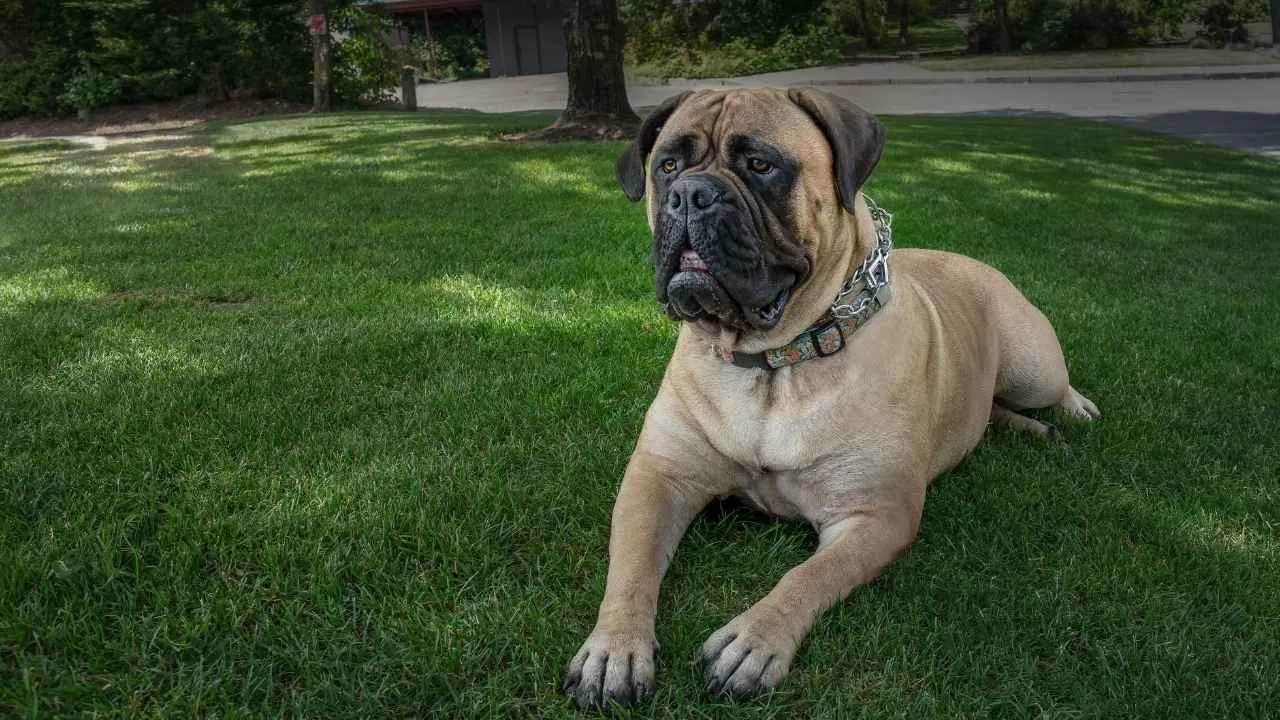
Bullmastiffs were originally developed in England by crossing Bulldogs and Mastiffs to guard estates from poachers, according to Orvis. They are powerful, loyal, and naturally protective dogs that form deep bonds with their families.
Despite their large size and serious appearance, Bullmastiffs are gentle, affectionate, and calm around the people they love, making them excellent family pets and guardians.
Why They’re Great Family Protectors
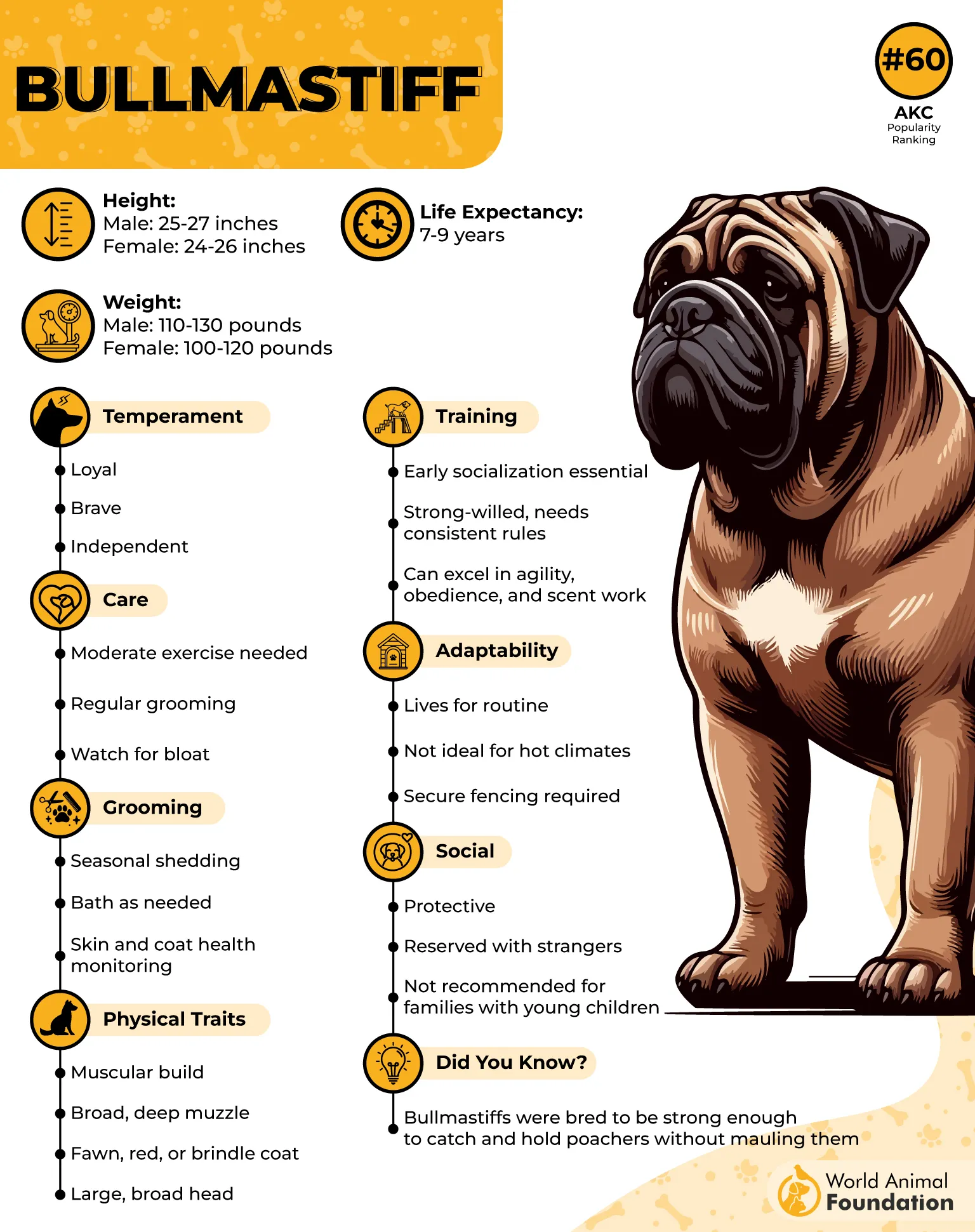
Naturally protective, confident, and fearless.
Quiet watchdogs that only bark when necessary.
Loyal and affectionate with their families, including children.
Highly intelligent and quick to learn with consistent training.
Usually reserved around strangers but not aggressive without reason.
Care & Things to Know
Bullmastiffs need daily walks, regular playtime, and early training to grow into well-mannered adults. Socialization from puppyhood is important to help them stay confident around new people and other pets.
Their short, dense coat is low maintenance and only needs occasional brushing, though they shed more during seasonal changes.
Their broad, wrinkled face and droopy jowls should be kept clean, as they can drool. Like many giant breeds, they can be prone to joint problems and bloat, so regular veterinary care and a healthy diet are essential.
6. Giant Schnauzer
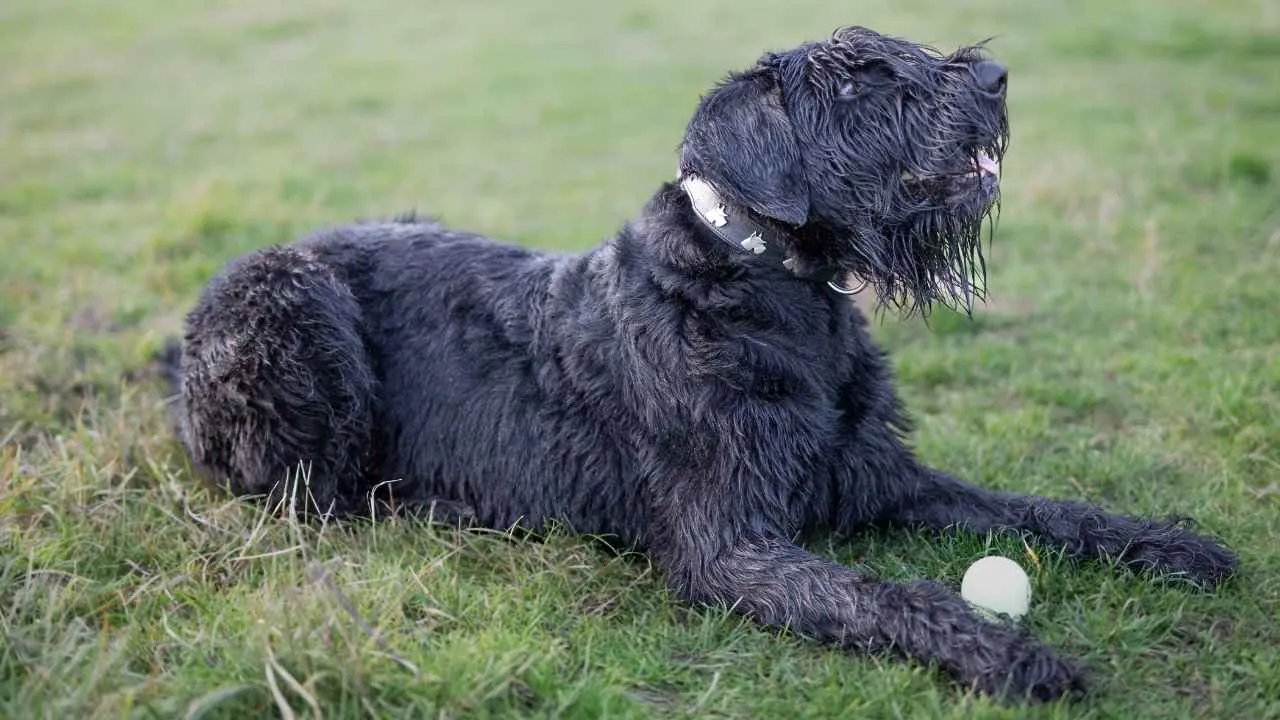
Giant Schnauzers were originally bred in Germany to drive cattle and guard farms and estates. Over time, their intelligence, strength, and protective nature made them popular as police and military dogs.
Today, they are loyal family companions that are naturally watchful and always ready to protect the people they love. Their bold appearance, complete with bushy eyebrows and a distinctive beard, matches their confident personality.
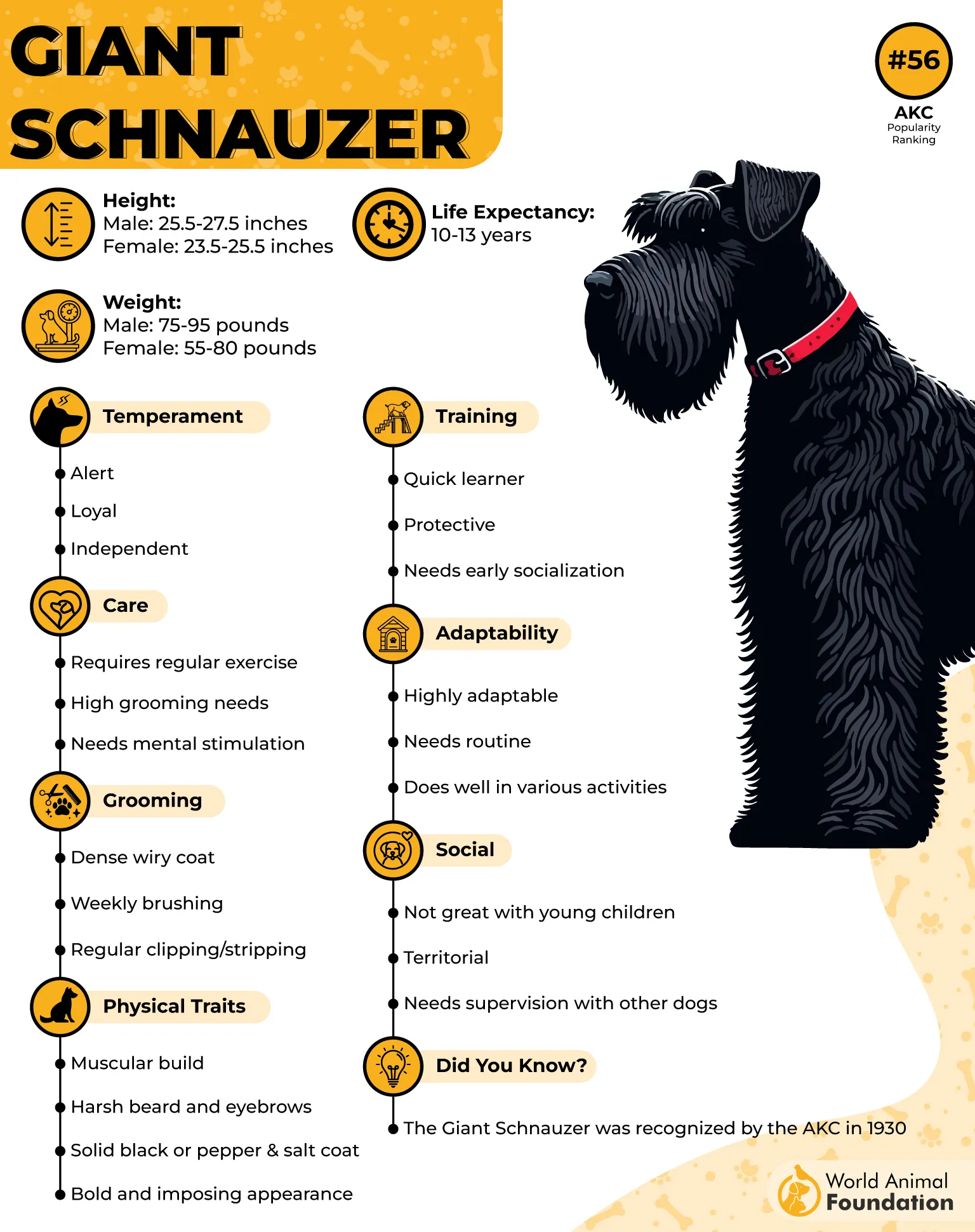
Why They’re Great Family Protectors
Loyal, courageous, and naturally protective.
Highly intelligent and eager to learn.
Alert and watchful without being unnecessarily aggressive.
Athletic and energetic with a strong work ethic.
Form deep bonds with their families and enjoy having a job to do.
Care & Things to Know
Giant Schnauzers need plenty of daily exercise, mental stimulation, and consistent training to stay happy and well-behaved. Early socialization is important to help them become confident around new people and animals.
Their dense, wiry double coat needs regular brushing and routine grooming to keep it looking its best. They thrive with experienced, active dog owners who can meet their physical and mental needs.
7. Rhodesian Ridgeback
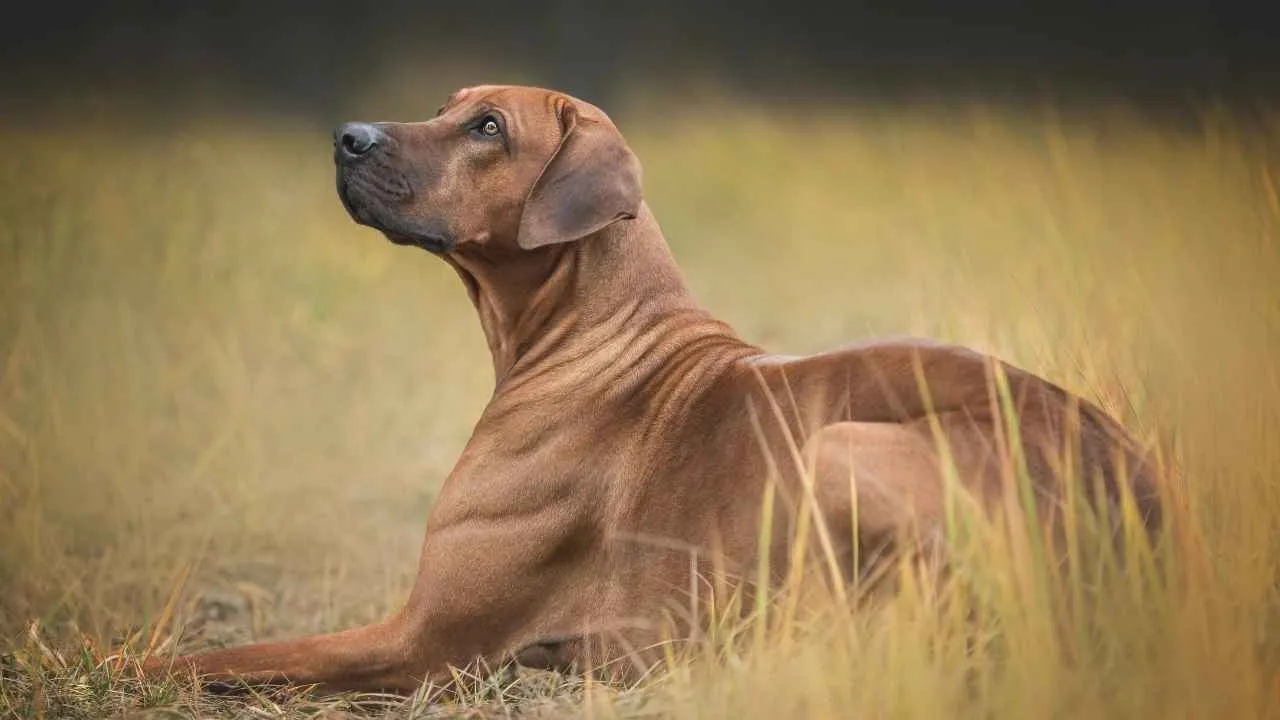
Rhodesian Ridgebacks were originally bred in Africa to hunt large game and protect their families. They are best known for the distinctive ridge of hair that grows in the opposite direction along their back, as mentioned by the American Kennel Club.
Strong, intelligent, and athletic, these dogs are loyal companions with natural protective instincts. While they are affectionate with their families, they tend to be reserved around strangers.
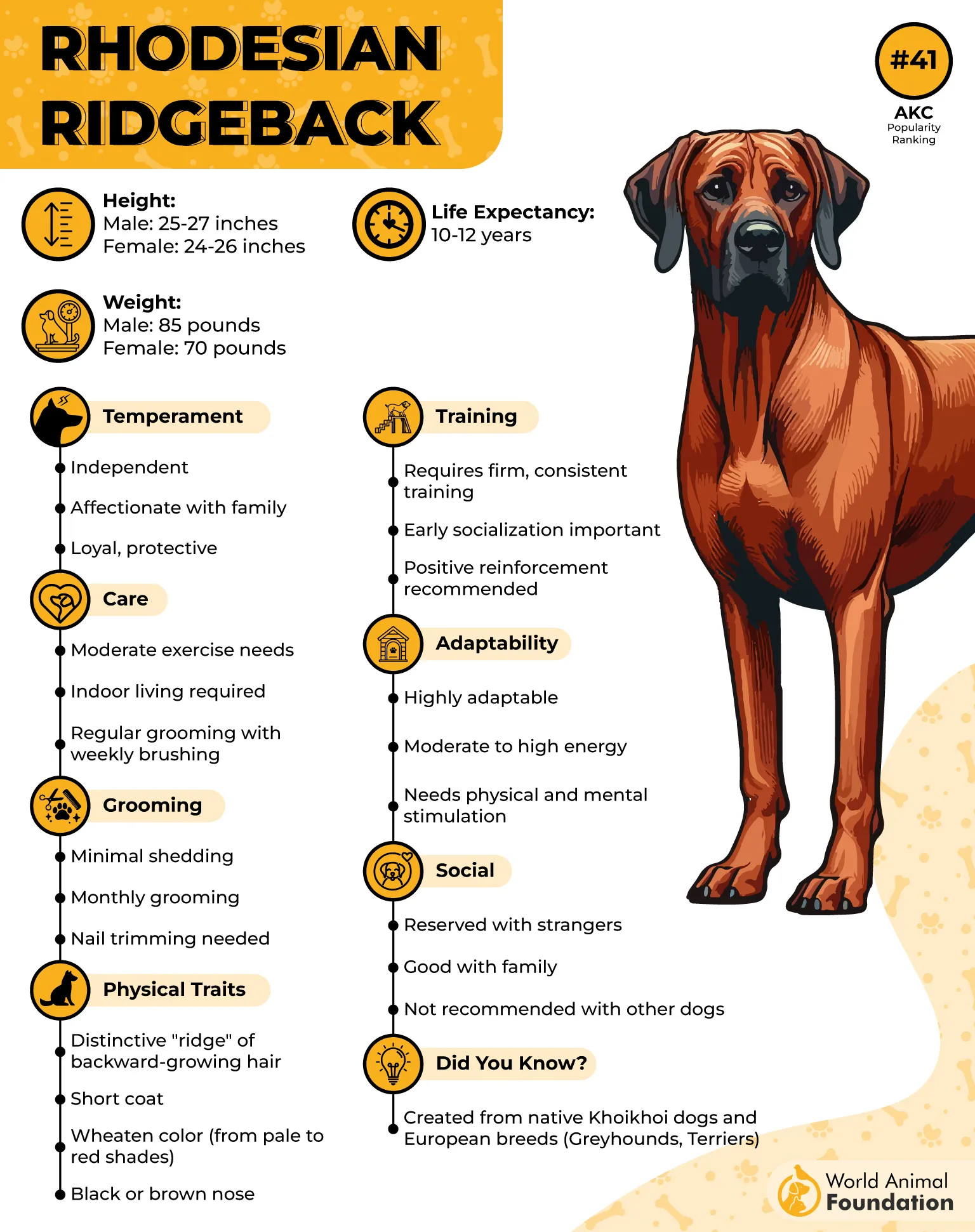
Why They’re Great Family Protectors
Loyal and naturally protective of their loved ones.
Courageous, intelligent, and highly alert.
Strong, athletic, and built for endurance.
Calm and affectionate, they make loving family pets.
Confident watchdogs that don’t bark excessively.
Care & Things to Know
Rhodesian Ridgebacks need at least an hour of daily exercise, along with regular mental stimulation to prevent boredom. Early training and socialization are essential, as they can be independent and have a strong prey drive.
Their short coat is easy to maintain with minimal grooming. Like many large breeds, they can be prone to hip dysplasia and dermoid sinus, so regular veterinary checkups are recommended.
Conclusion
The best protective dog breeds offer much more than security—they become loyal family members who stand by your side through every stage of life. From fearless guardians to gentle giants, each breed has its own strengths, personality, and care needs.
No matter which breed you choose, remember that a great guard dog isn’t born overnight. With proper training, consistent care, and plenty of love, these dogs can become both dependable protectors and lifelong companions.
Take the time to find the breed that fits your family, and you’ll gain a loyal friend who will always have your back.
