




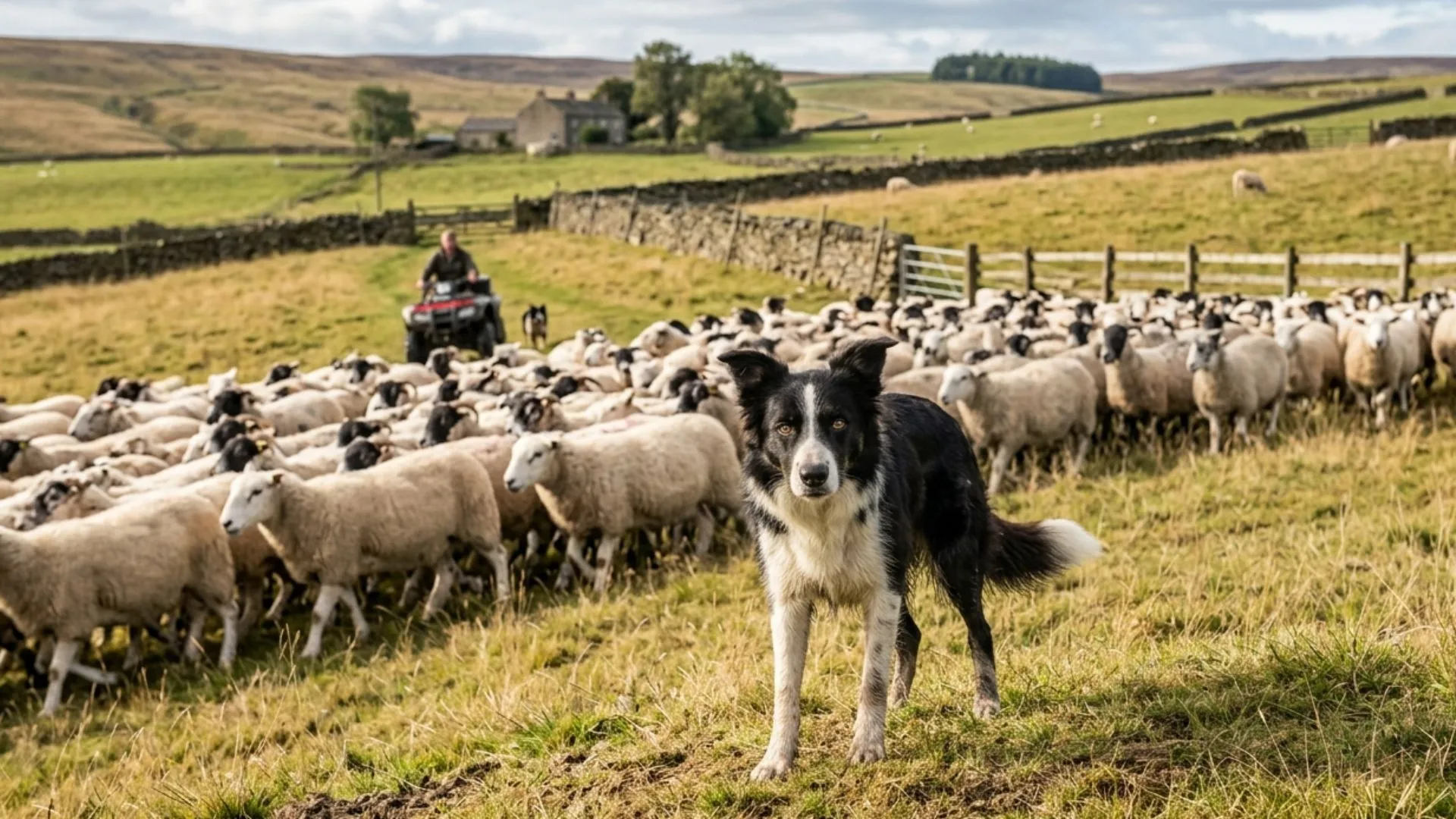
Managing livestock is rarely as simple as opening a gate and hoping everything stays together. Animals wander, conditions change quickly, and large areas often require constant supervision. Without the right help, keeping a herd organized can become a demanding challenge.
That’s where powerhouse herding dogs make a difference. Developed through generations of selective breeding, these dogs combine intelligence, speed, endurance, and strong instincts to move and control livestock efficiently. Different breeds use different techniques, from quietly guiding animals to actively driving them forward across difficult terrain.
Imagine a skilled dog weaving through a field, responding instantly to commands while keeping the herd on course. That blend of athleticism and focus is what makes great herding breeds so valuable. The dogs featured in this guide have earned their reputation as dependable working partners capable of handling some of the toughest herding tasks.
Powerhouse Dog Breeds Ideal for Herding
1. Anatolian Shepherd
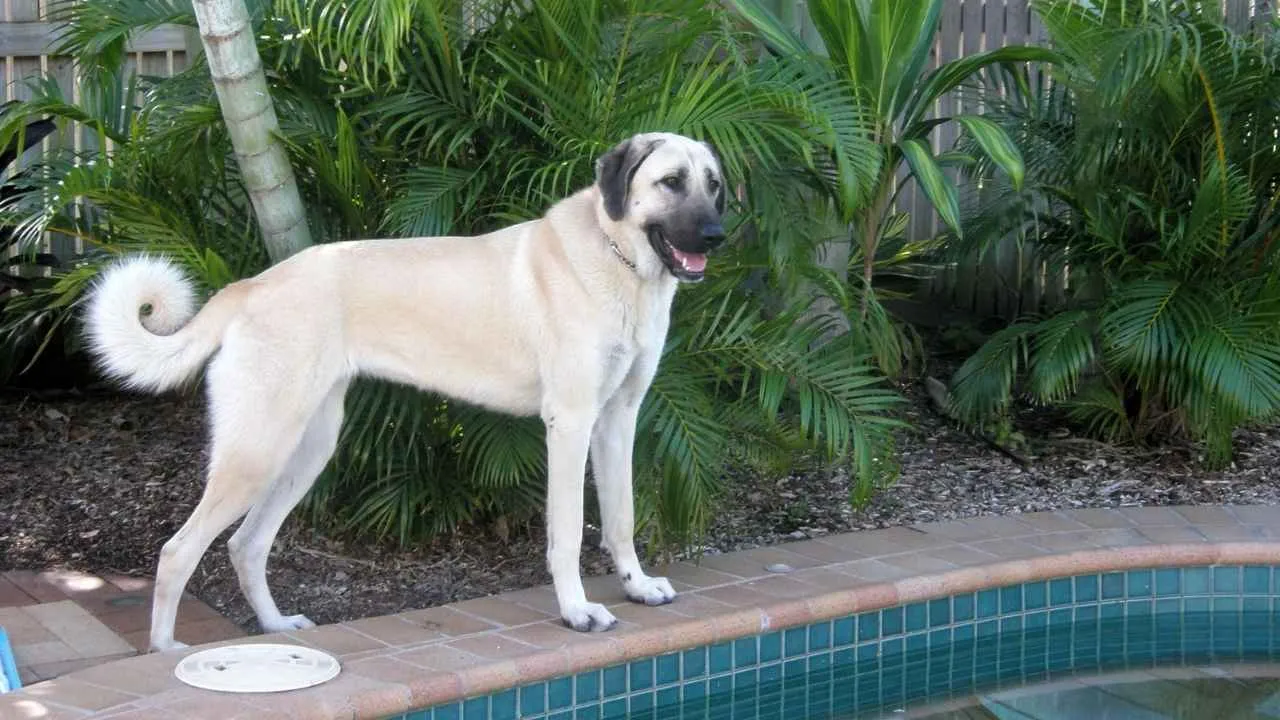
For thousands of years, shepherds in the rugged landscapes of Turkey relied on the Anatolian Shepherd to stand watch over their flocks. Descended from ancient livestock guardian dogs of Mesopotamia, this powerful breed was developed to protect sheep and goats from formidable predators such as wolves, jackals, and bears.
According to Purina, Anatolian Shepherds are powerful, mastiff-type guardians with a broad head and a short, dense coat designed to withstand extreme weather conditions.
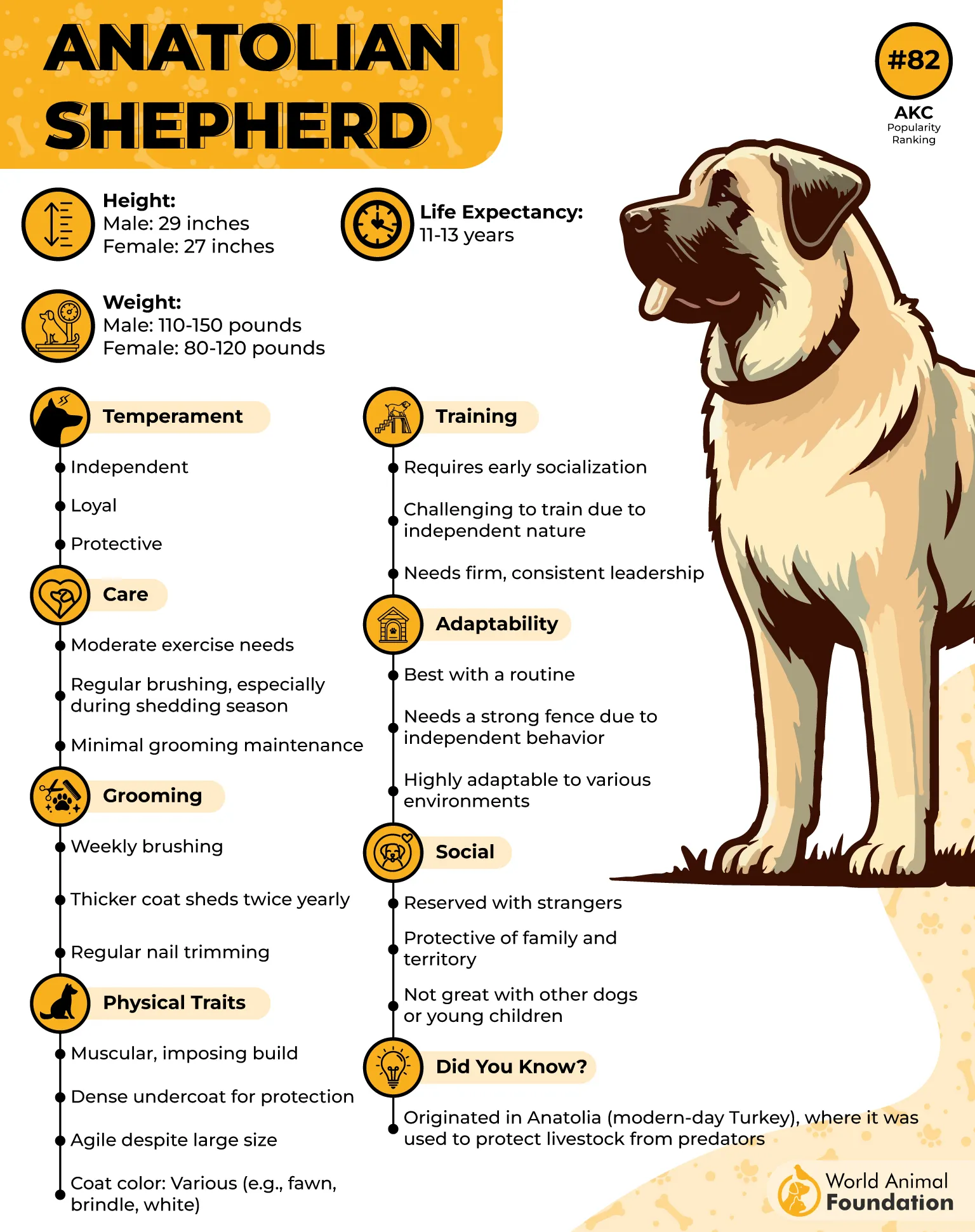
Unlike traditional herding breeds that move livestock, the Anatolian Shepherd works as a perimeter guardian. Its job is to patrol, observe, and make independent decisions when danger appears. This self-reliant working style, refined over centuries, makes it one of the most effective livestock protectors in the world.
Built for endurance rather than speed alone, the breed combines strength, agility, and resilience. Males can stand around 29 inches tall and weigh between 110 and 150 pounds, giving them the size needed to deter threats while covering vast grazing areas. Their dense double coat also helps them withstand harsh weather and challenging terrain.
Calm, confident, and deeply loyal, Anatolian Shepherds form strong bonds with their families and livestock. Early socialization and consistent training are essential, as their natural guardian instincts can make them cautious around unfamiliar people and animals.
2. Australian Cattle Dog
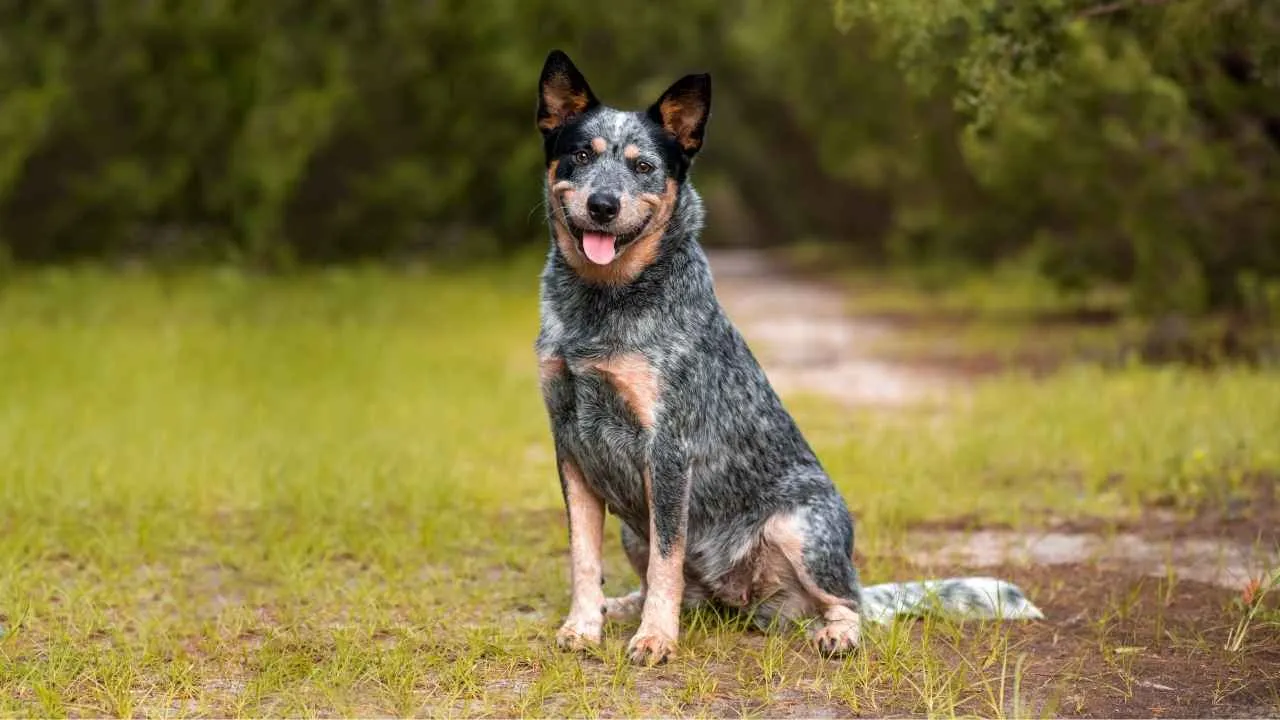
Few herding breeds can match the Australian Cattle Dog’s endurance. Originally developed in Australia to move cattle across vast, unforgiving landscapes, this rugged worker is often called the Blue Heeler. According to PetMD, Australian Cattle Dogs are highly intelligent herding animals descended from the dingo.
Compact, muscular, and remarkably agile, the breed excels at driving cattle by nipping at their heels and swiftly avoiding kicks. Its dense double coat and unwavering focus allow it to work for long hours through heat, rough terrain, and changing weather without losing momentum.
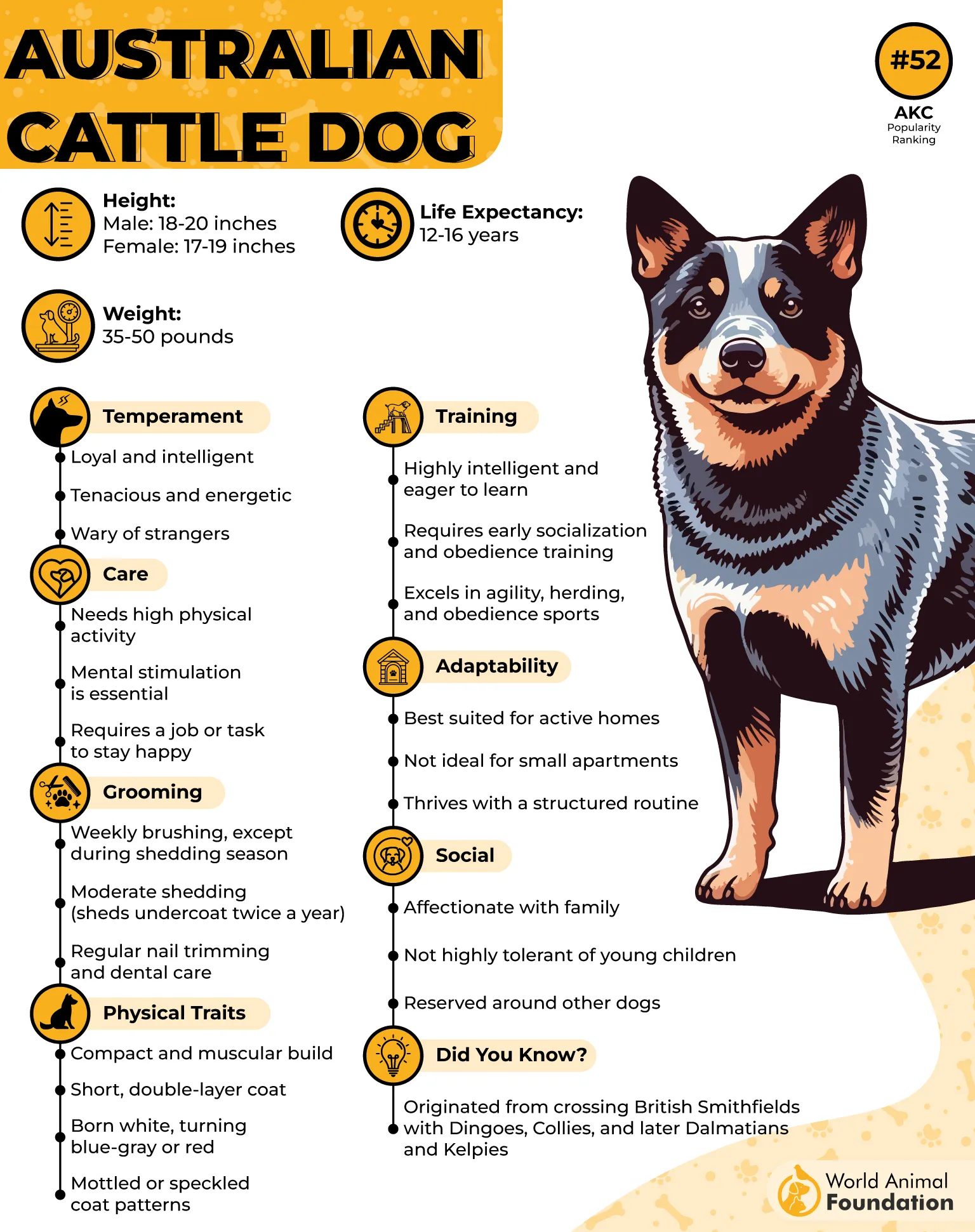
Life with an Australian Cattle Dog feels like having a tireless ranch partner. Whether crossing open pasture, navigating rugged trails, or accompanying its owner on long outdoor adventures, this dog thrives when given a meaningful task. Boredom is its biggest enemy, while challenges bring out its best qualities.
Highly trainable and fiercely loyal, the Australian Cattle Dog combines physical toughness with mental sharpness. Daily exercise, obedience work, puzzle games, and herding activities help satisfy the strong working instincts that have made this breed a livestock-handling powerhouse for generations.
3. Australian Shepherd
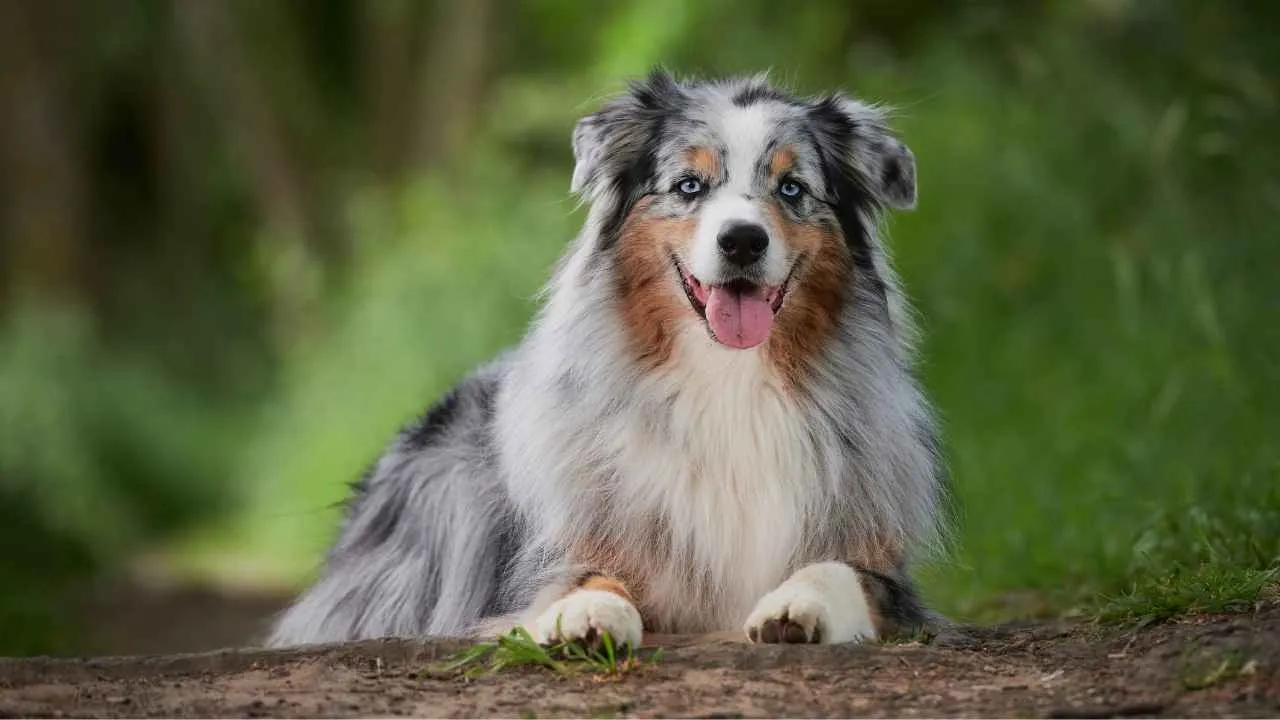
Despite its name, the Australian Shepherd was largely developed in the American West, where it became an indispensable ranch dog. Often called the “Aussie,” this athletic breed earned its reputation by expertly moving sheep and cattle across vast ranchlands while remaining highly responsive to its handler’s commands.
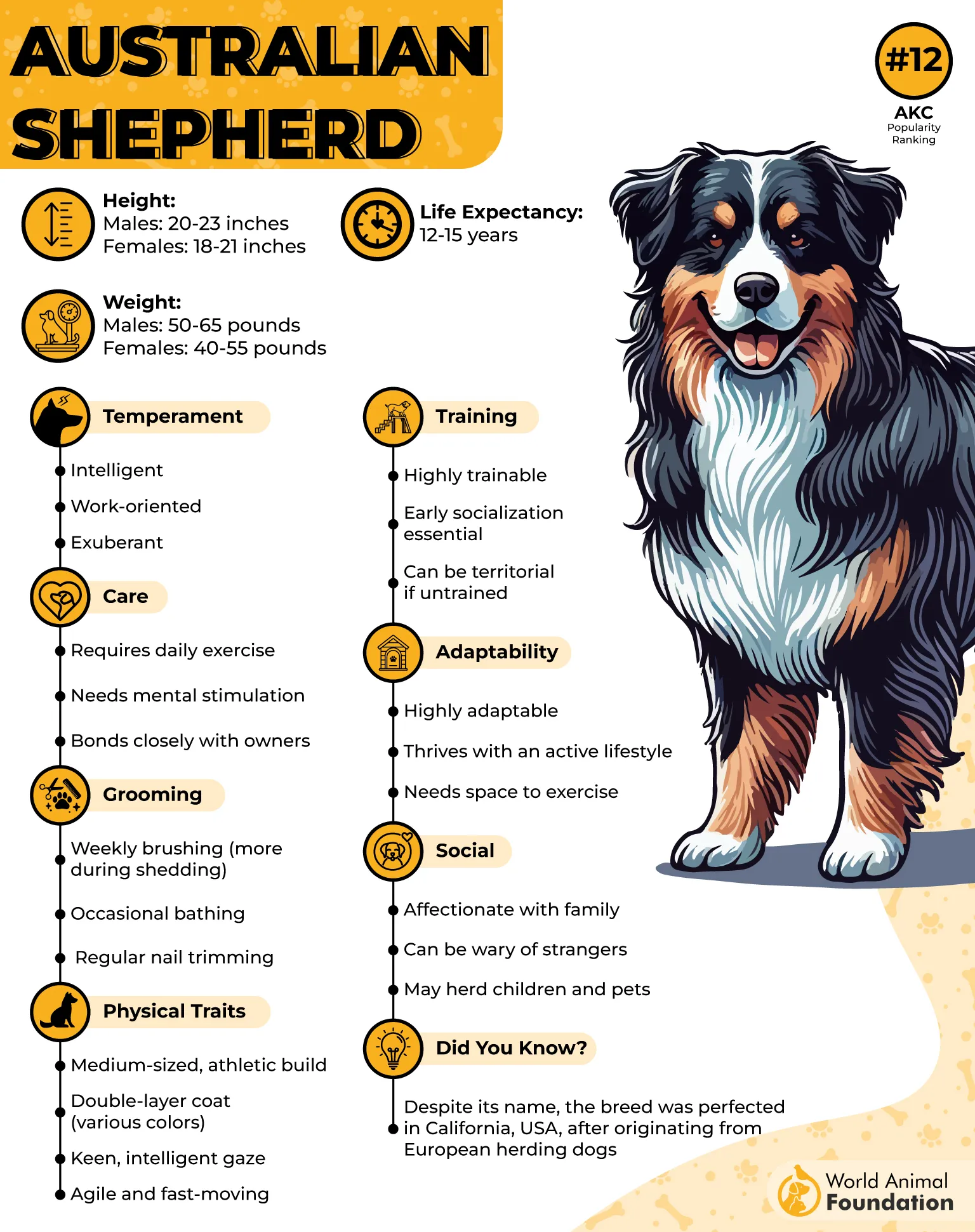
What makes the Australian Shepherd such an exceptional herder is its combination of stamina and natural stock sense. According to the AKC, they are smart and work-oriented dogs.
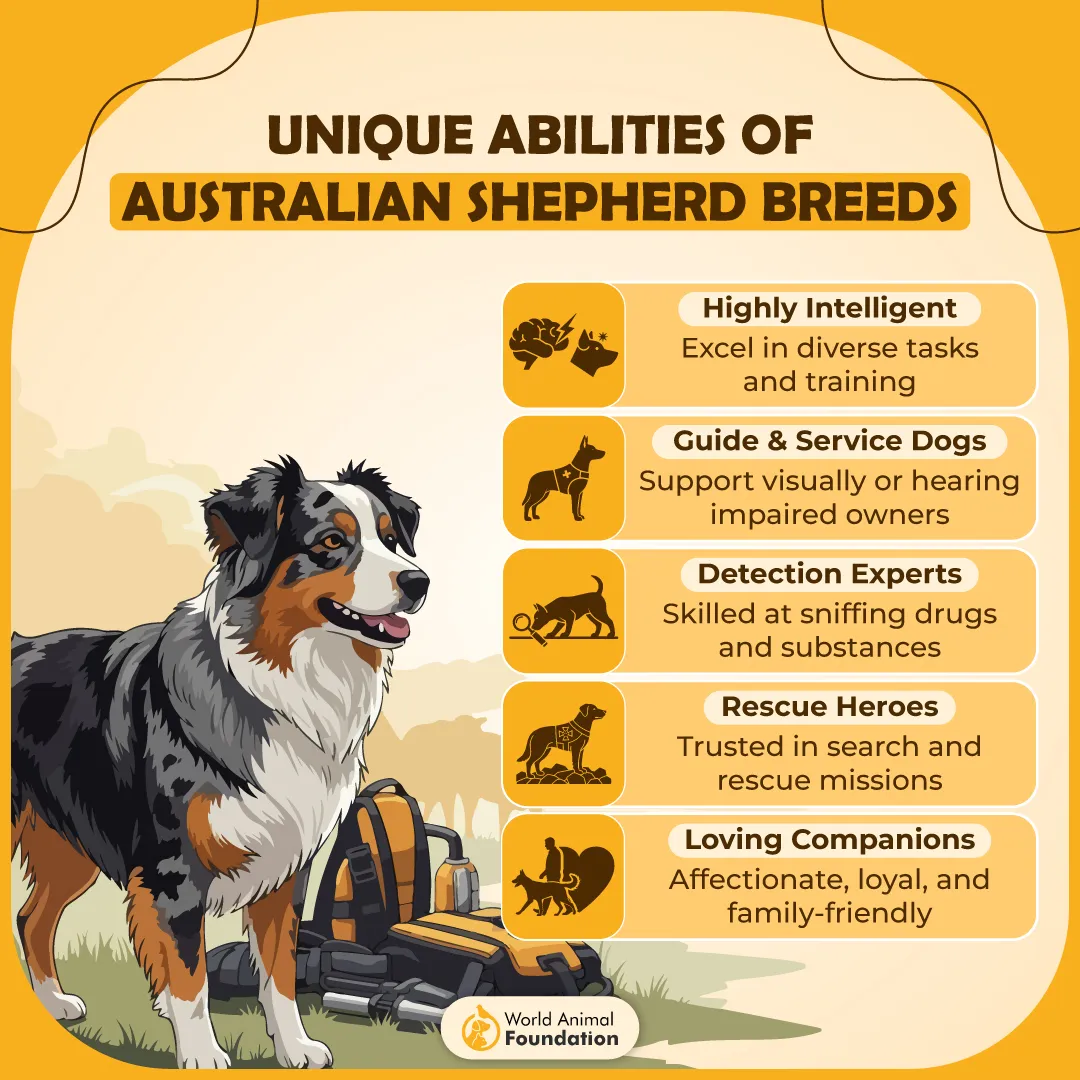
Bred to think independently when managing livestock, Aussies can quickly assess situations, control movement, and adapt to changing conditions in the field. Their strong work ethic still shines through today.
Beyond ranch work, this versatile breed has excelled in search-and-rescue, therapy, service, and police-related roles. Their eagerness to learn and ability to master complex tasks make them one of the most adaptable working dogs in the canine world.
Australian Shepherds thrive in active environments where they have a job to do. Whether herding livestock, competing in dog sports, hiking rugged trails, or assisting handlers, they bring the same enthusiasm, athleticism, and problem-solving ability that made them favorites among generations of cowboys.
4. Border Collie
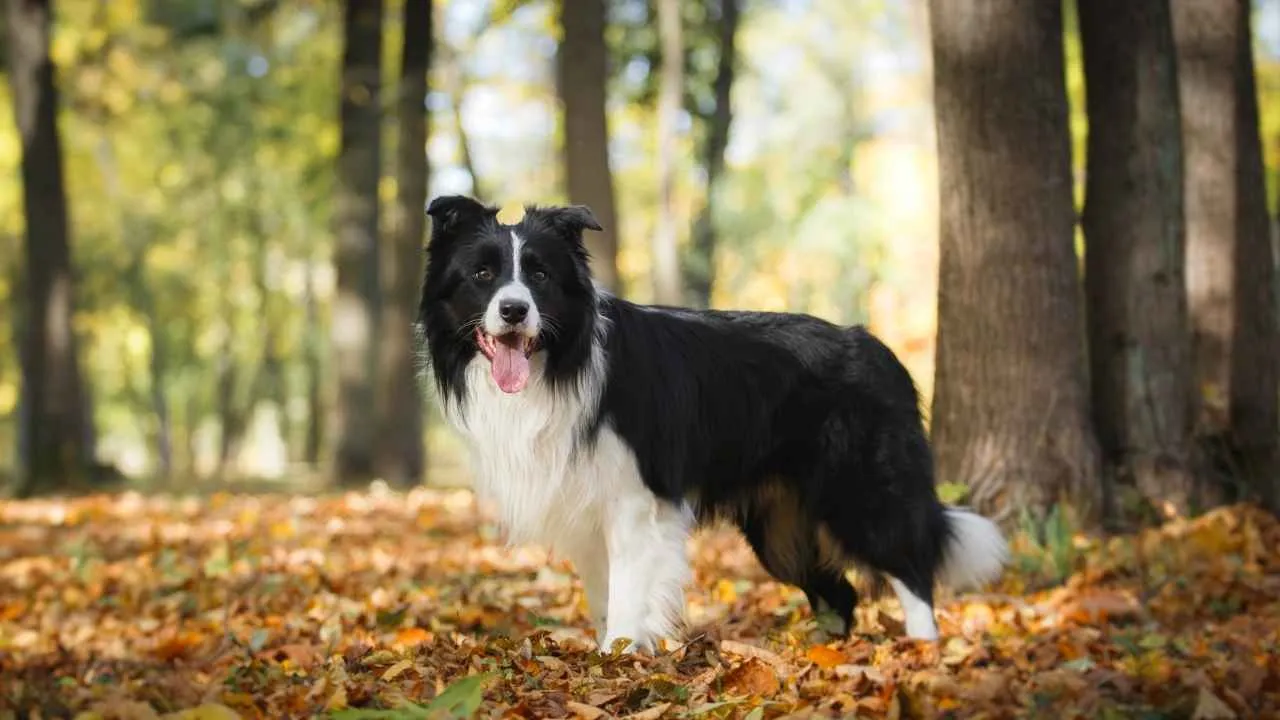
If herding had a master strategist, it would be the Border Collie. Developed along the rugged borderlands of England and Scotland, this breed spent generations guiding sheep across challenging terrain, relying on intelligence, stamina, and split-second decision-making rather than brute force alone.
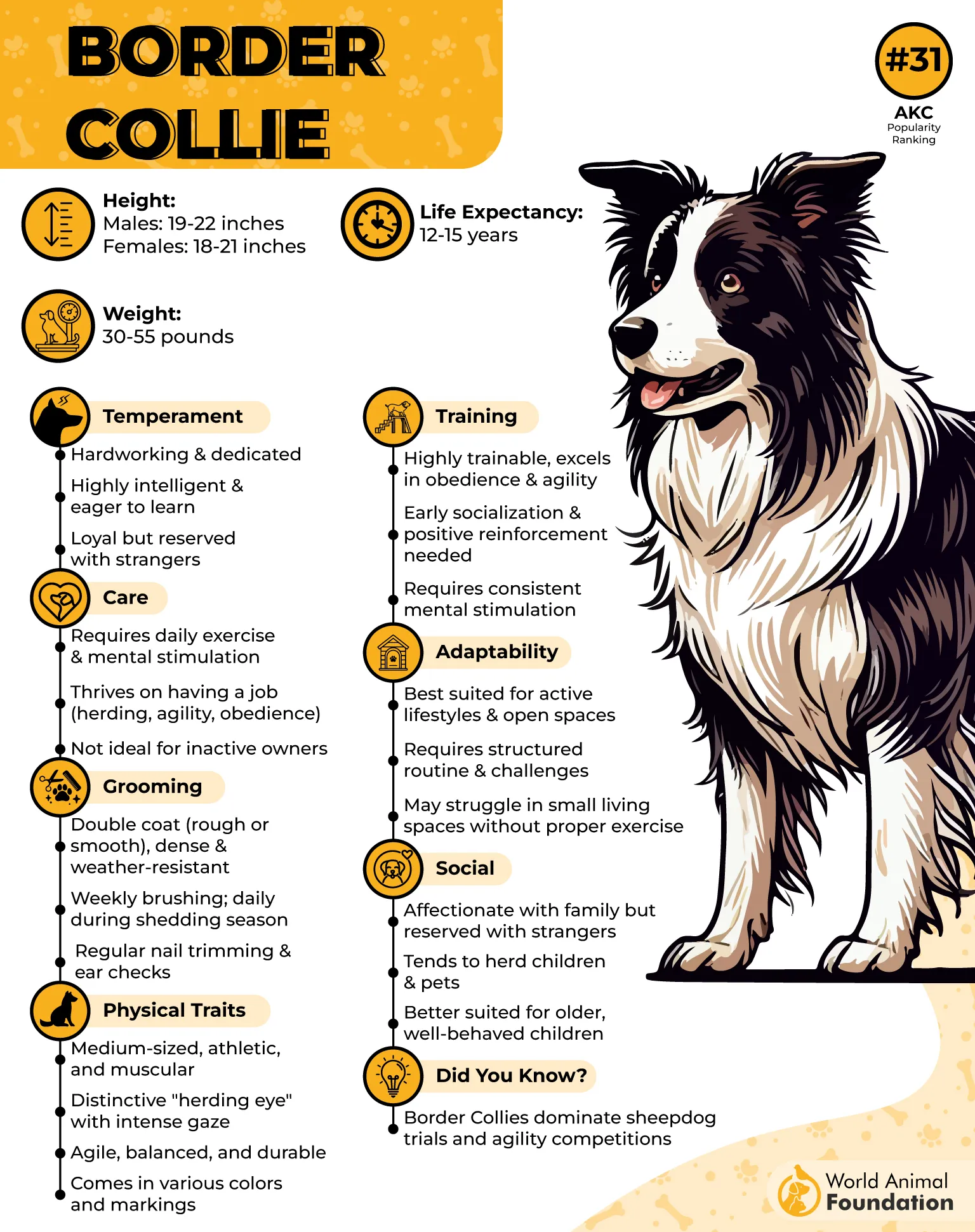
What sets the Border Collie apart is its remarkable ability to learn and adapt. These dogs quickly understand commands and often anticipate what their handler wants next. Their famous “herding eye”—an intense, focused stare—helps them control livestock with precision, making them one of the most effective herding breeds in the world.
Perfect for active farms, ranches, and experienced owners, Border Collies thrive when given meaningful work. Long hikes, livestock management, agility training, and advanced obedience exercises all provide the mental and physical challenges they crave. Without enough stimulation, their sharp minds can easily turn toward unwanted behaviors.
Despite their gentle nature with family, Border Collies are confident workers capable of asserting control when livestock resist. Their combination of focus, athleticism, and problem-solving ability allows them to move animals efficiently while remaining closely attuned to both their surroundings and their handler.
5. Belgian Malinois
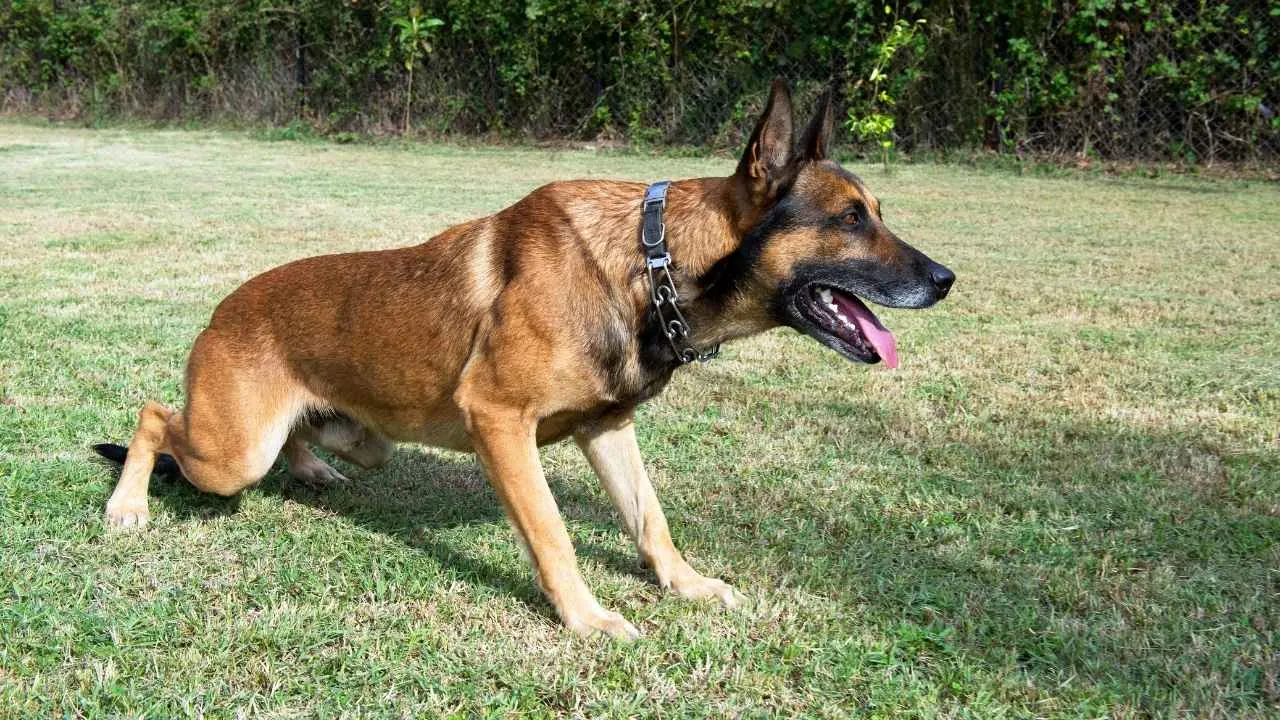
The Belgian Malinois is the definition of a working athlete. Developed near the Belgian city of Mechelen in the late 1800s, this energetic herding breed was originally tasked with managing livestock, guarding farms, and assisting with a variety of daily agricultural duties. Its versatility quickly made it a favorite among shepherds and ranchers.
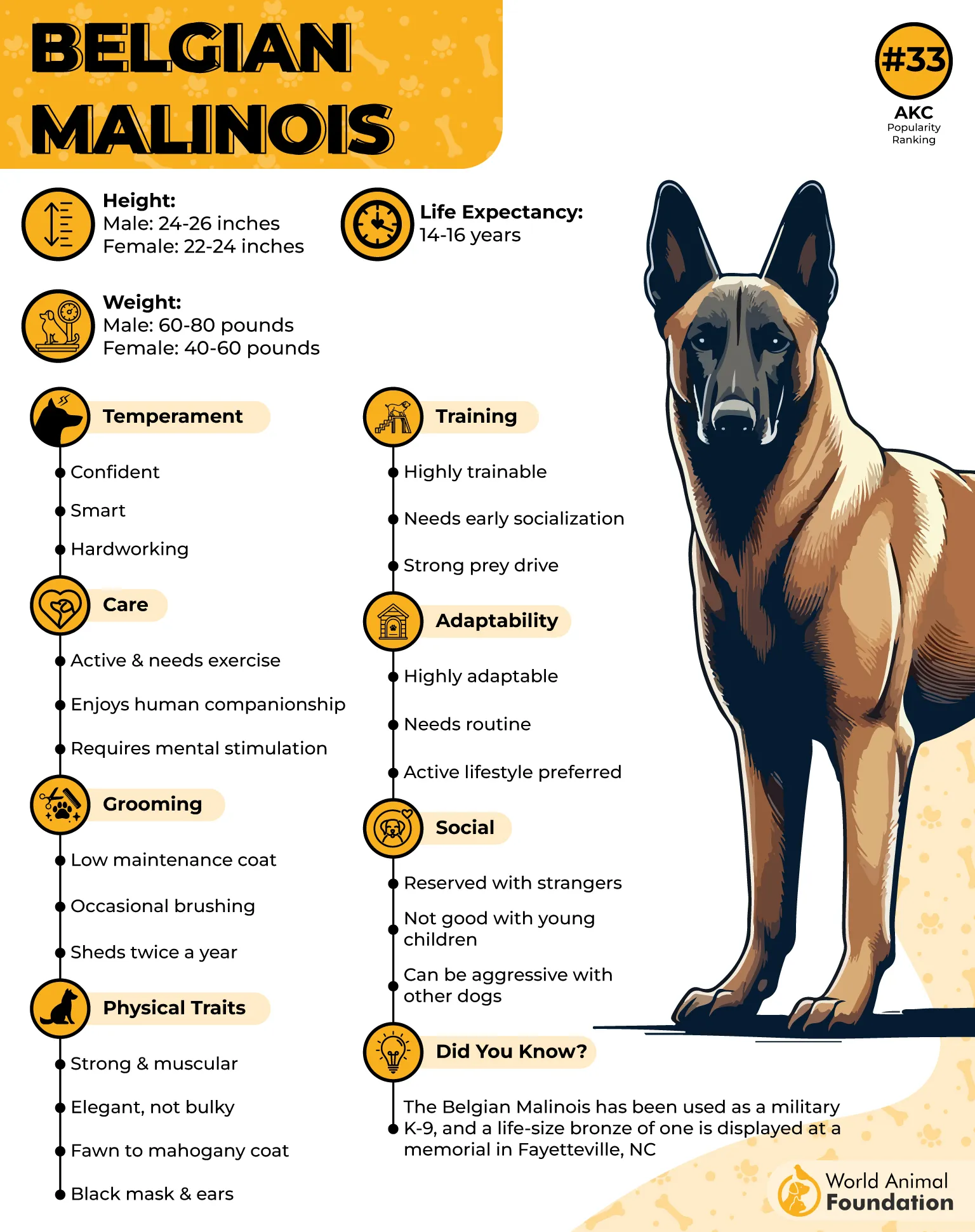
Built for action, the Malinois combines intelligence, speed, and endurance in one sleek package. Herding requires a dog that can think independently while responding instantly to commands, and the Malinois excels at both. Its intense focus and eagerness to work allow it to move livestock efficiently across challenging terrain.
The breed’s remarkable stamina has carried it far beyond the pasture. Today, Belgian Malinois are trusted in police, military, and search-and-rescue roles, a testament to the same drive and trainability that once made them exceptional farm dogs.
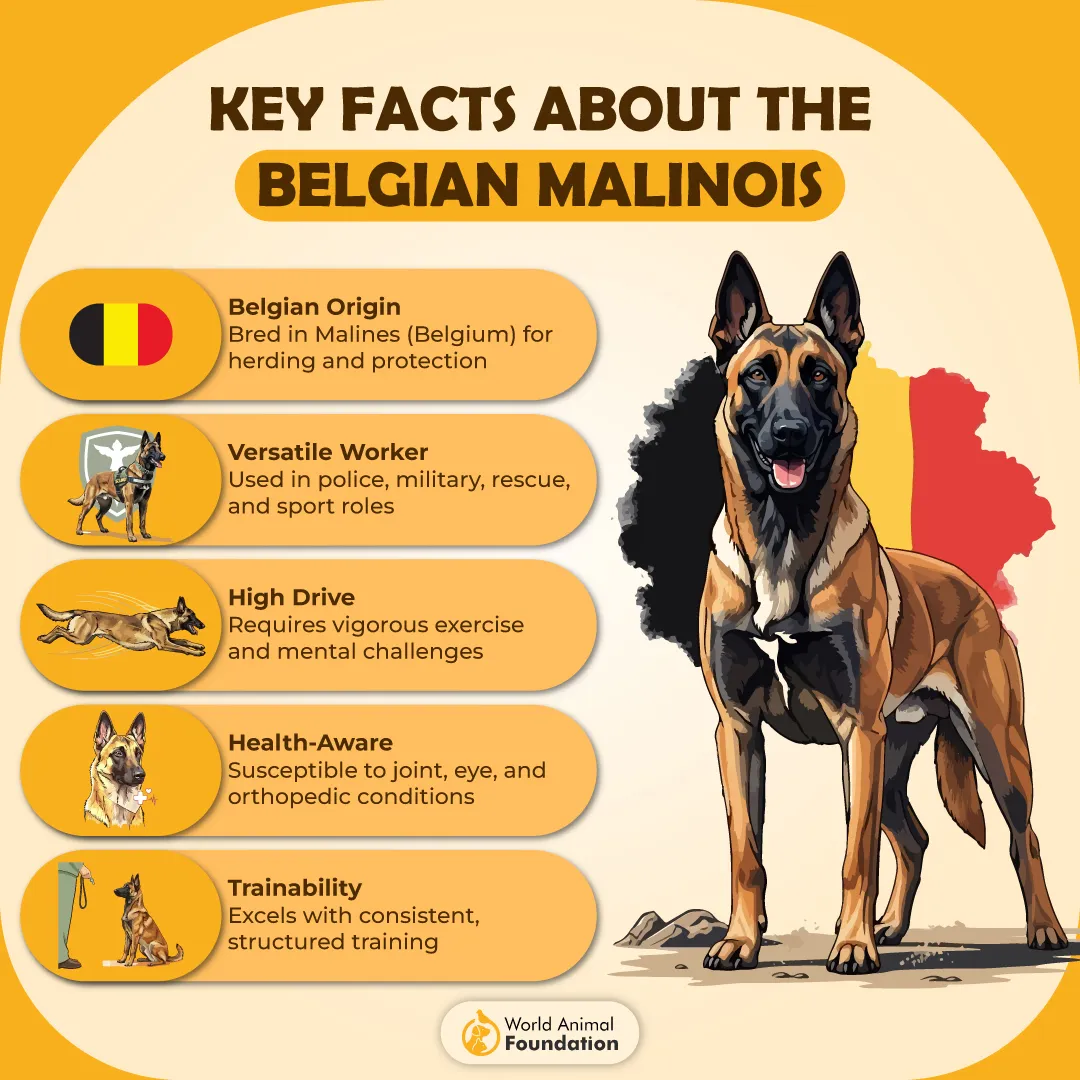
Adventure-loving owners appreciate a Malinois for its willingness to tackle any task. Whether herding stock, hiking long distances, or mastering advanced training exercises, this breed thrives when given a meaningful job and plenty of physical and mental challenges.
6. German Shepherd
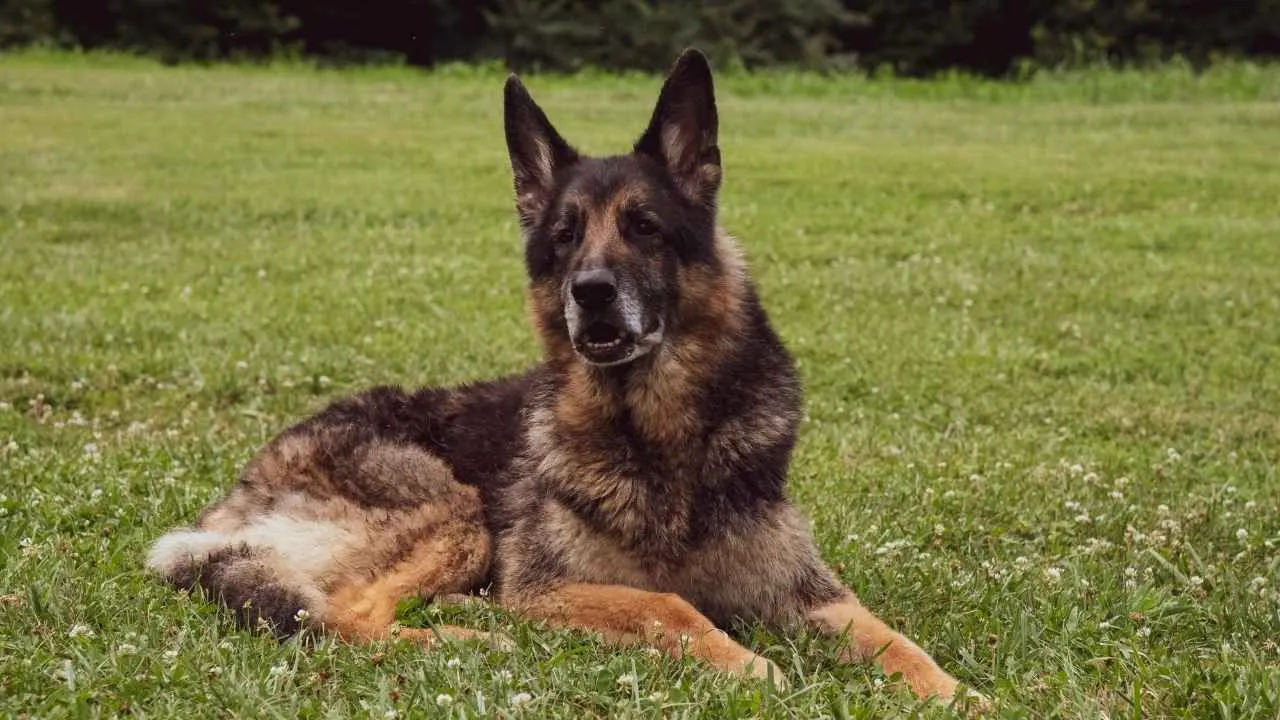
Picture a hardworking farm dog moving a flock across open fields, watching every animal while staying tuned to its handler’s commands. That image captures the essence of the German Shepherd, a breed originally developed in Germany to herd and protect livestock with intelligence, confidence, and unwavering focus.
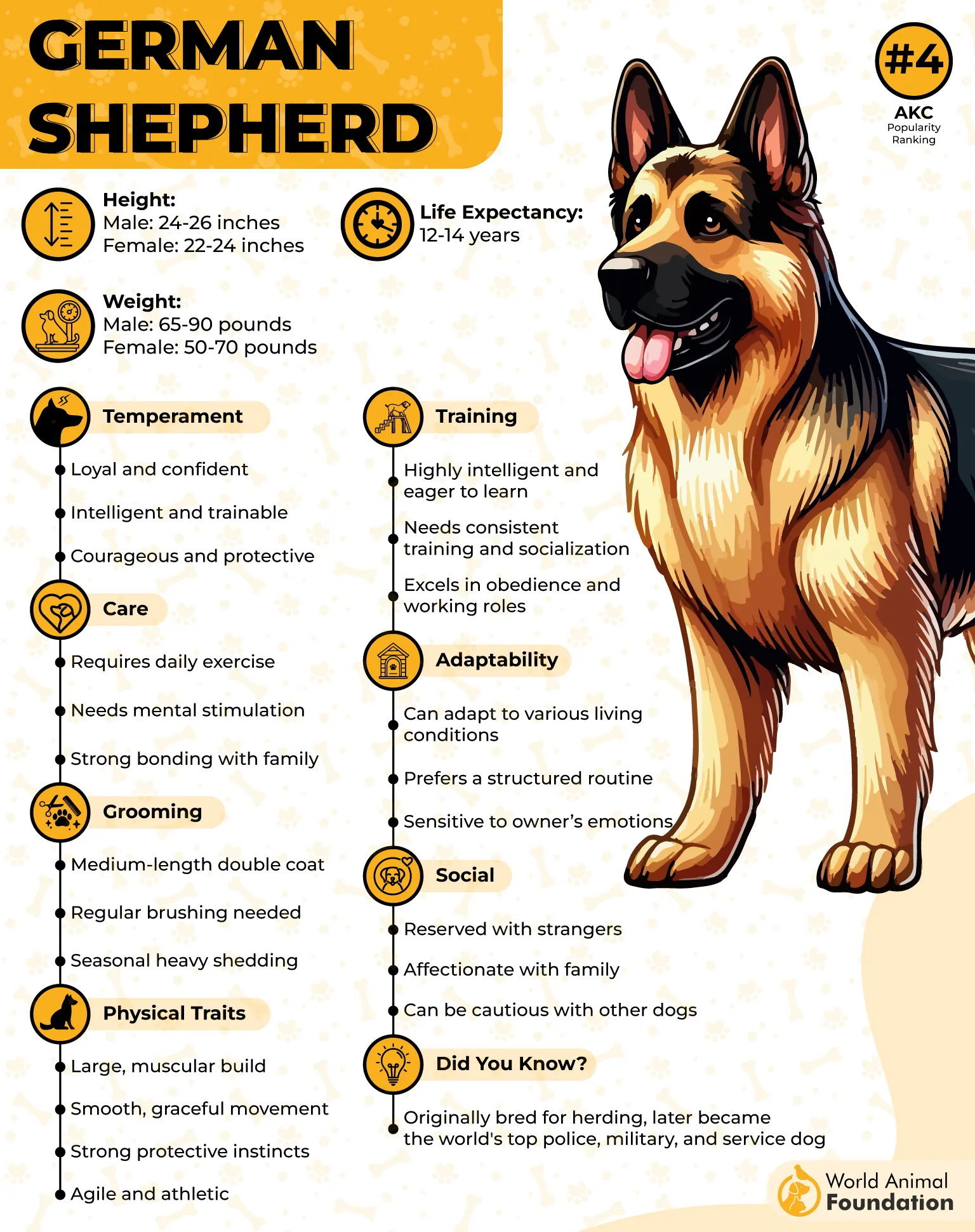
German Shepherds are natural leaders in the field. Their sharp problem-solving abilities, strong work ethic, and eagerness to learn allow them to manage livestock efficiently while adapting to changing situations. These traits later made them successful in police, military, and search-and-rescue roles, but herding remains at the heart of the breed’s story.
Built with a powerful, athletic frame, German Shepherds combine endurance with agility. Their alert expression, upright ears, and keen awareness help them monitor both livestock and their surroundings. They are highly responsive to training and thrive when given clear direction and meaningful tasks.
Loyal and protective, they form strong bonds with their handlers and look for guidance in challenging situations. Early socialization and consistent training help channel their confidence into calm, dependable leadership, making them one of the most versatile herding breeds in the world.
7. Rottweiler
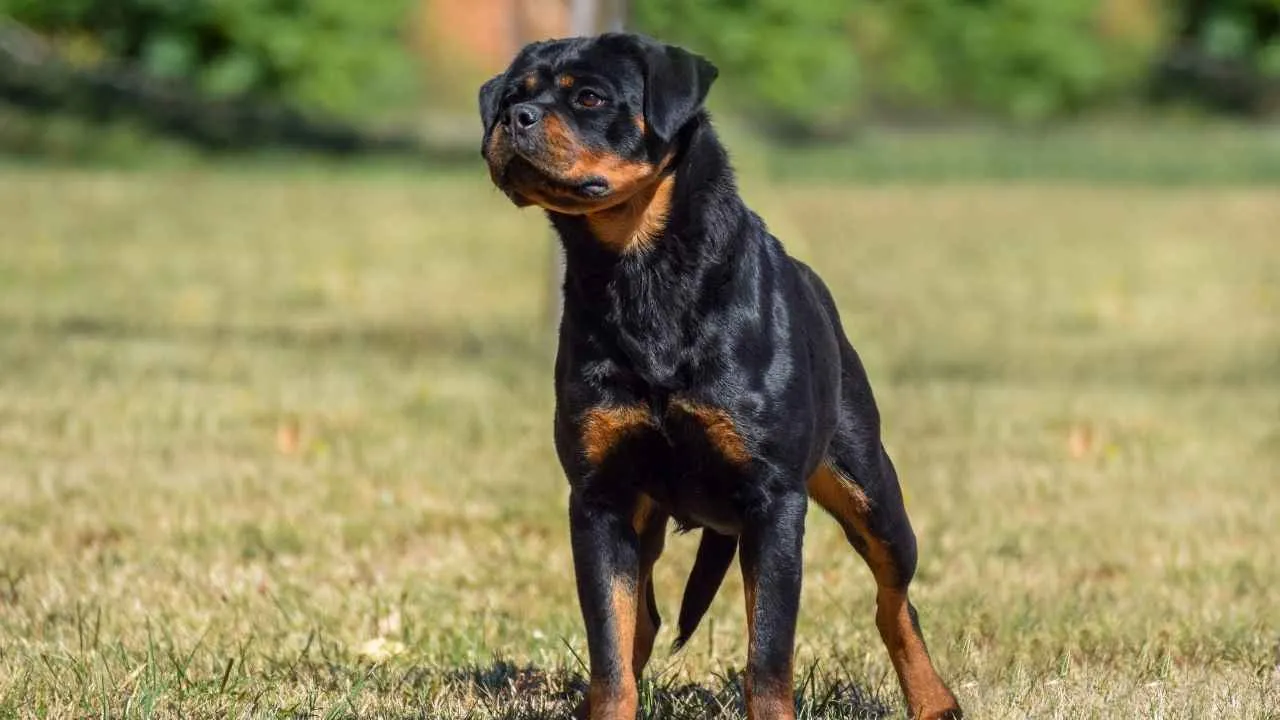
Many people associate the Rottweiler solely with guarding, but that overlooks an important part of the breed’s history. Descended from Roman drover dogs and later refined in Germany, Rottweilers were originally used to move and manage livestock, combining herding ability with dependable protection.
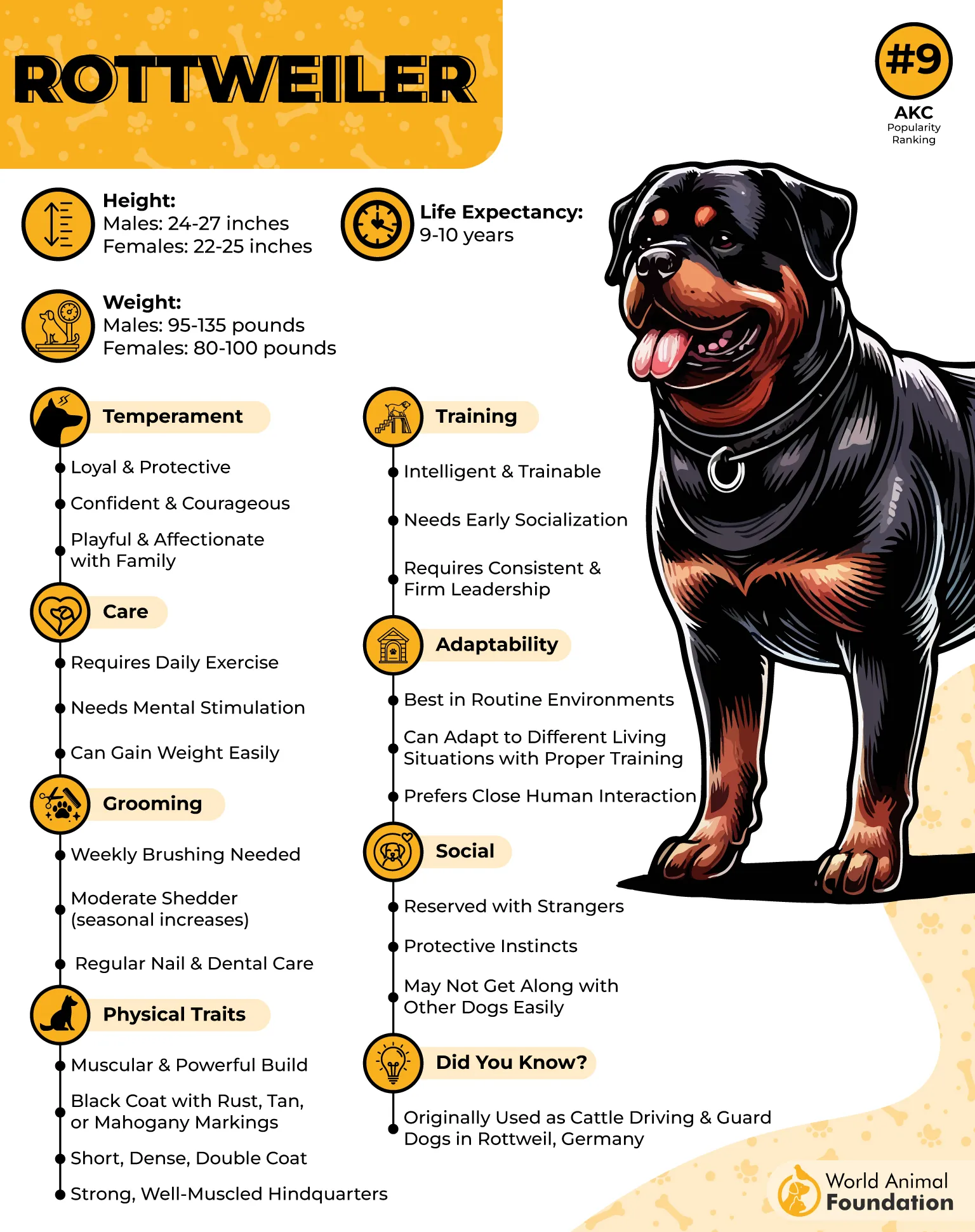
Their powerful build, broad chest, and muscular hindquarters allowed them to guide cattle over long distances while safeguarding valuable animals and property. This blend of strength, endurance, and controlled movement made them invaluable working partners rather than simply intimidating watchdogs.
A well-trained Rottweiler is intelligent, composed, and highly responsive to direction. These dogs excel when given structure, making them effective in demanding roles ranging from herding and tracking to search-and-rescue and service work. Their confidence is typically rooted in stability, not aggression.
Despite common myths, properly socialized Rottweilers are often affectionate and deeply devoted to their families. They thrive on regular exercise, mental challenges, and purposeful activities. For active owners seeking a powerful breed capable of both livestock management and guardianship, the Rottweiler remains one of the most versatile working dogs in the world.
Conclusion
Powerful herding dogs have earned their reputation through generations of dedicated work alongside humans. Their combination of intelligence, stamina, speed, and instinct allows them to manage livestock with remarkable efficiency.
Each breed approaches the job differently, whether guiding animals, driving herds forward, or preventing them from wandering. These specialized skills make herding dogs valuable partners in a wide range of environments and working conditions.
Beyond their abilities in the field, many of these breeds form strong bonds with their families and enjoy being involved in daily activities. Their alert nature and eagerness to work often make them highly engaged companions.
Choosing the right herding dog means understanding its energy level, temperament, and need for purpose. With proper training, exercise, and mental stimulation, these hardworking breeds can thrive while continuing to showcase the traits that have made them exceptional herding partners for generations.
