




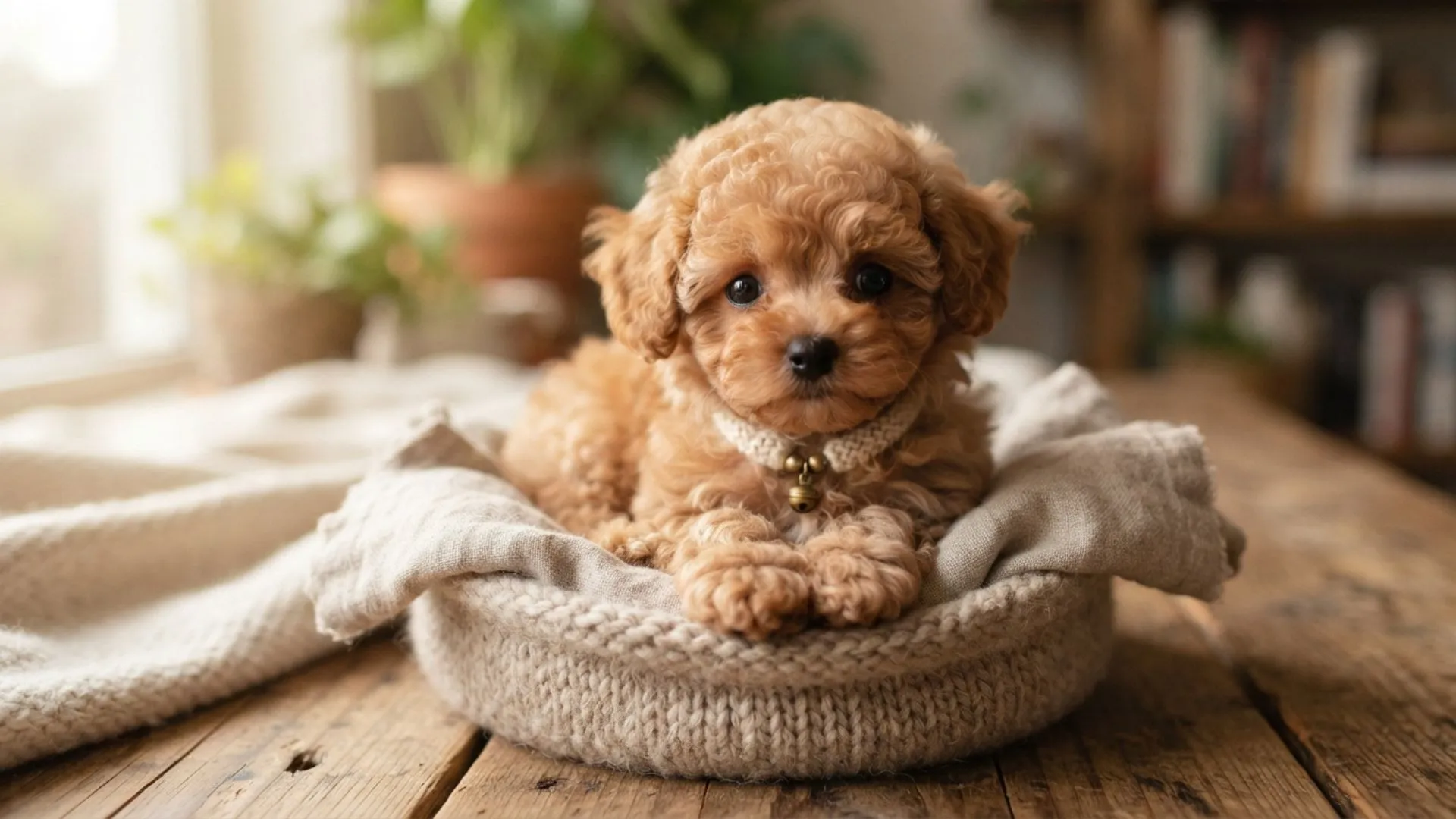
Teacup puppies possess a unique way of garnering attention. They are some of the most adored companion animals in the world due to their petite size, expressive faces, and loving personalities; all traits that make them perfect companions.
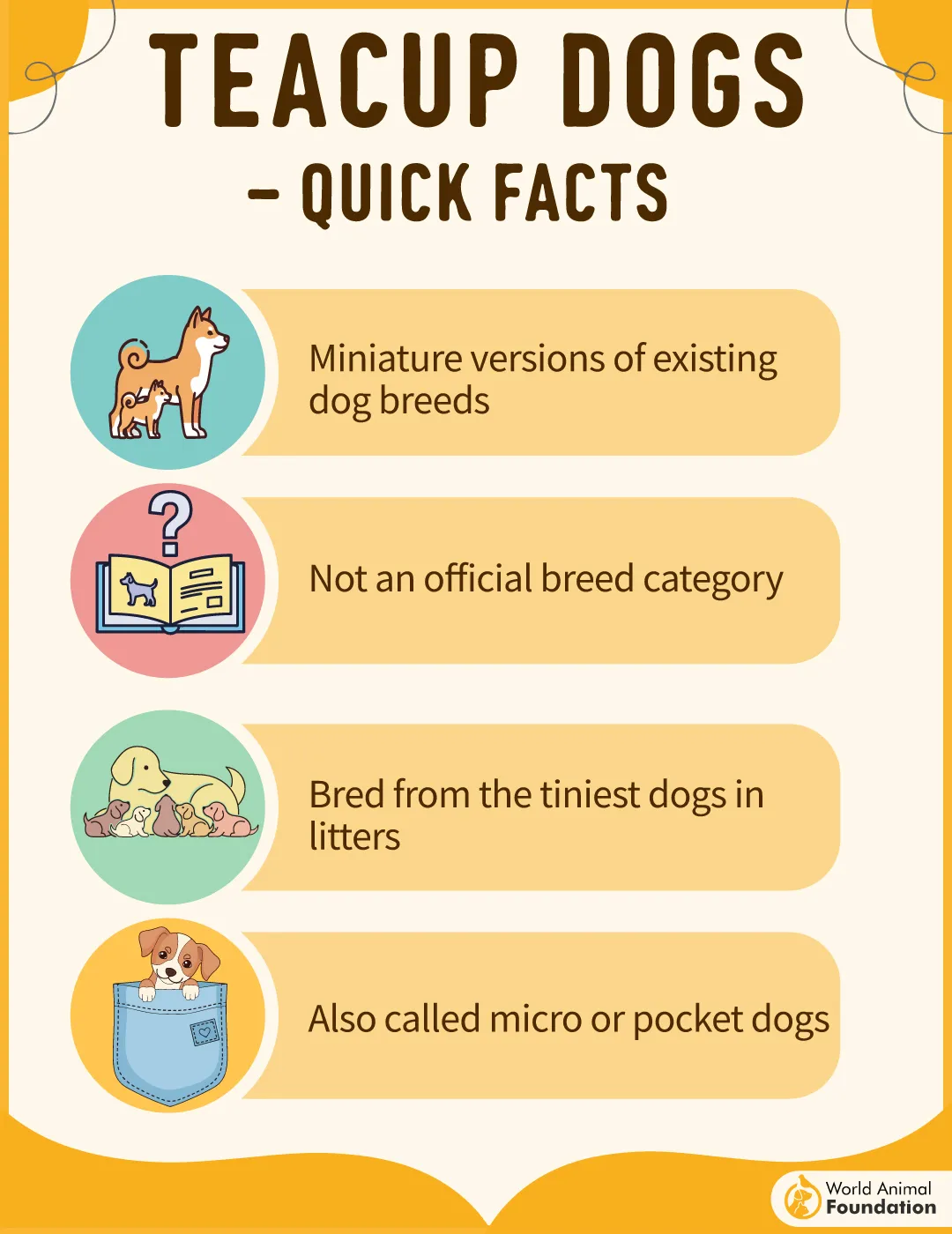
Though most people use the term teacup to refer to these tiny dogs, it should be noted that it is not a formal breed standard name. Rather, it typically denotes very small toy dog breeds.
Every little breed is charming. There are those that love to fearlessly explore, and others that are smart actors, alongside some that just enjoy cozying up on their owner’s lap. The following are seven outstanding little wonders that remain in the hearts of dog lovers worldwide.
Tiny Teacup Dog Breeds: A Showcase of Small Wonders
1. Pomeranian
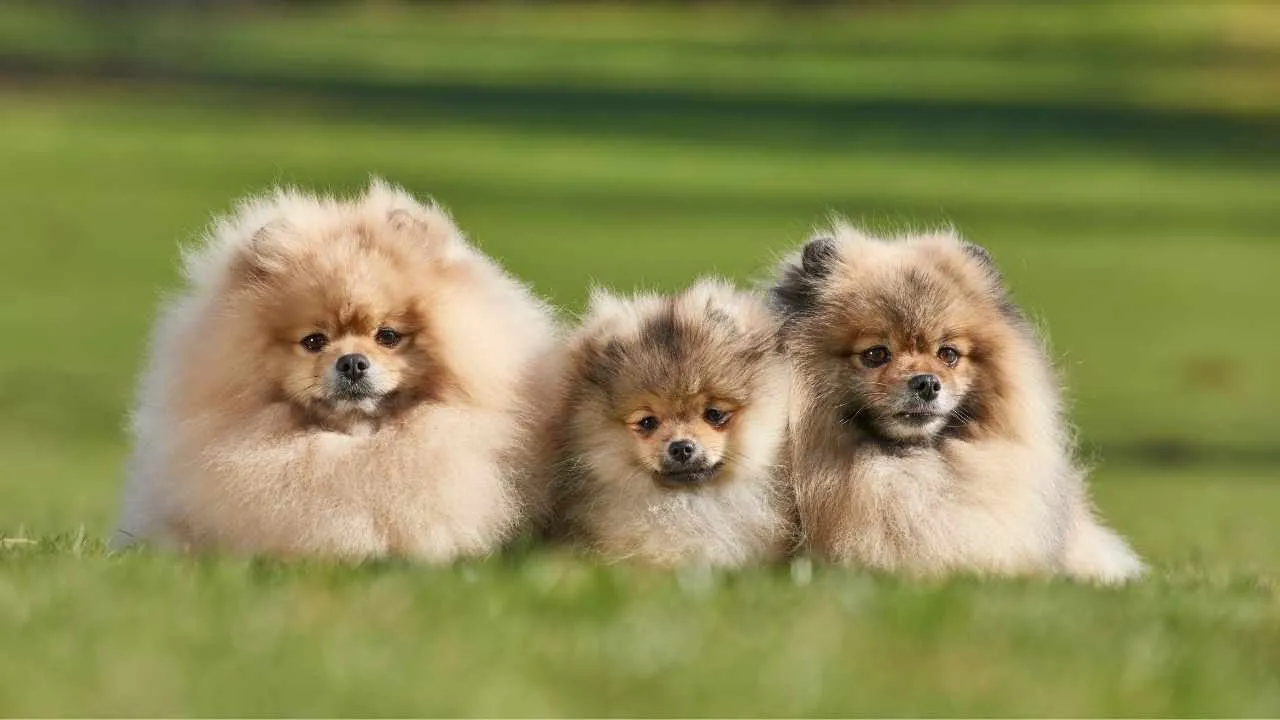
The Pomeranian resembles a small fluffy cloud, yet beneath its pretty coat is a spirited and self-assured small dog. The modern-day teacup Pomeranian is the descendant of much bigger Spitz working dogs. It still has the bravery and inquisitiveness of its ancestors. It likes to roam in all parts of the house and tends to think it is a bigger dog than it actually is.
Called a compact-sized yet sturdy dog by Orvis, these dogs enjoy being involved in everything their owners do. Be it in the kitchen or at the office desk, Pomeranians will always want to be close to you. They are born entertainers with their expressive faces, jovial personalities, and most of them soon become the center of attention in the family.
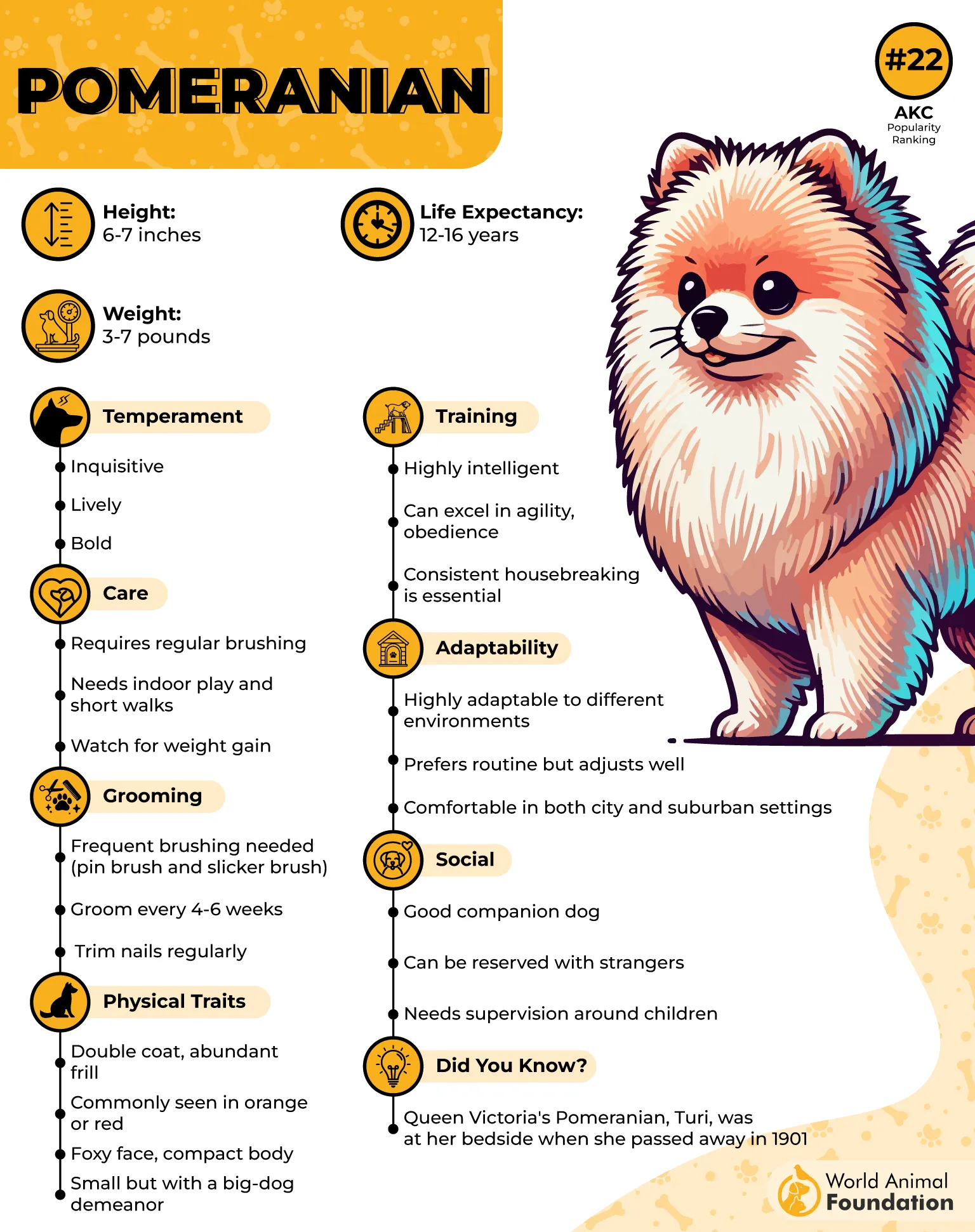
The two-layered coat of this toy dog must be brushed a number of times a week, particularly during seasonal shedding. To keep them lively and to keep their coat shiny, a good small-breed diet high in protein and omega fatty acids helps them avoid any health problems in the long run.
Pomeranians are healthy animals that face fewer health issues compared to bigger dogs, and thus they make great long-term pets for those willing to invest time in grooming and training.
2. Toy Poodle
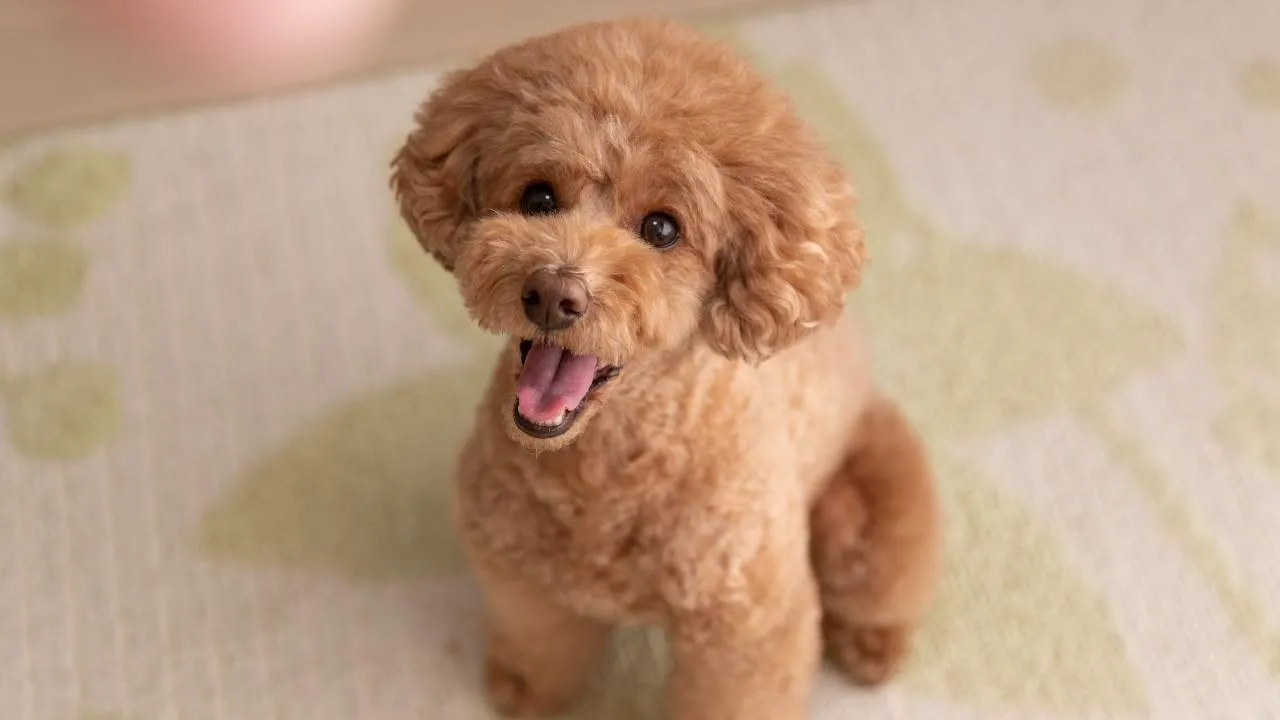
This pocket dog breed is part of a small group that blends elegance and intelligence in a very successful manner. This pint-sized pup is always watching, acquiring, and problem-solving from a young age. Pet owners usually find that their Toy Poodle learns routines as soon as they are trained for them.
It is hardly ever dull with Toy Poodles. They love interactive toys, hide-and-seek games, and learning new tricks, as well as practically anything that provides them with proper training and mental stimulation. Positive reinforcement leads to great results at a young age because this small dog breed learns fast, unlike some other pets.
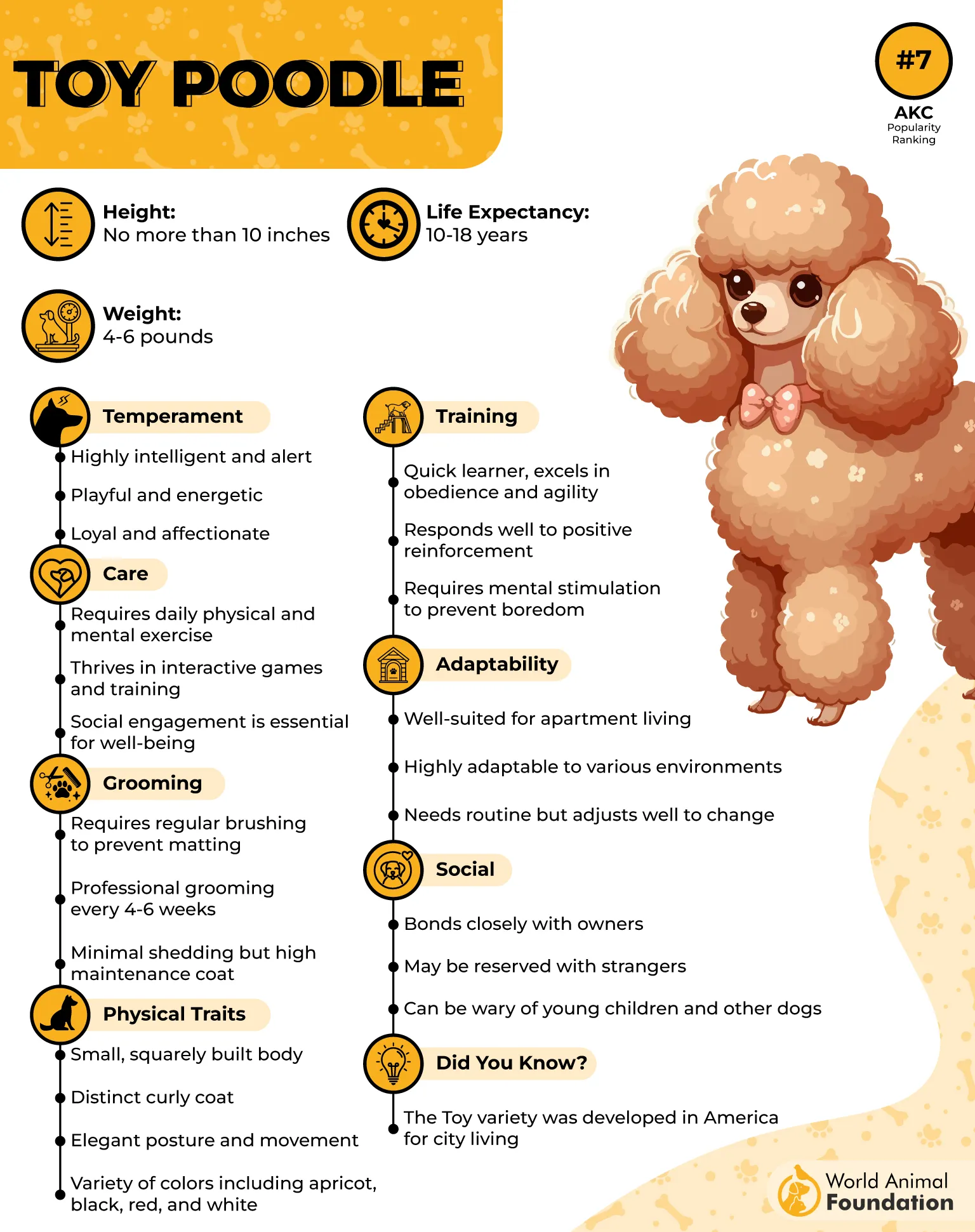
Their curly coat makes them look elegant, and they also shed very little as a result. Regular grooming helps keep their coat in good condition.
The versatility of this teacup puppy breed is one of its greatest strengths. A Toy Poodle may enjoy hiking in the morning, learning tricks in the afternoon, and relaxing with their family in the evening.
3. Pug
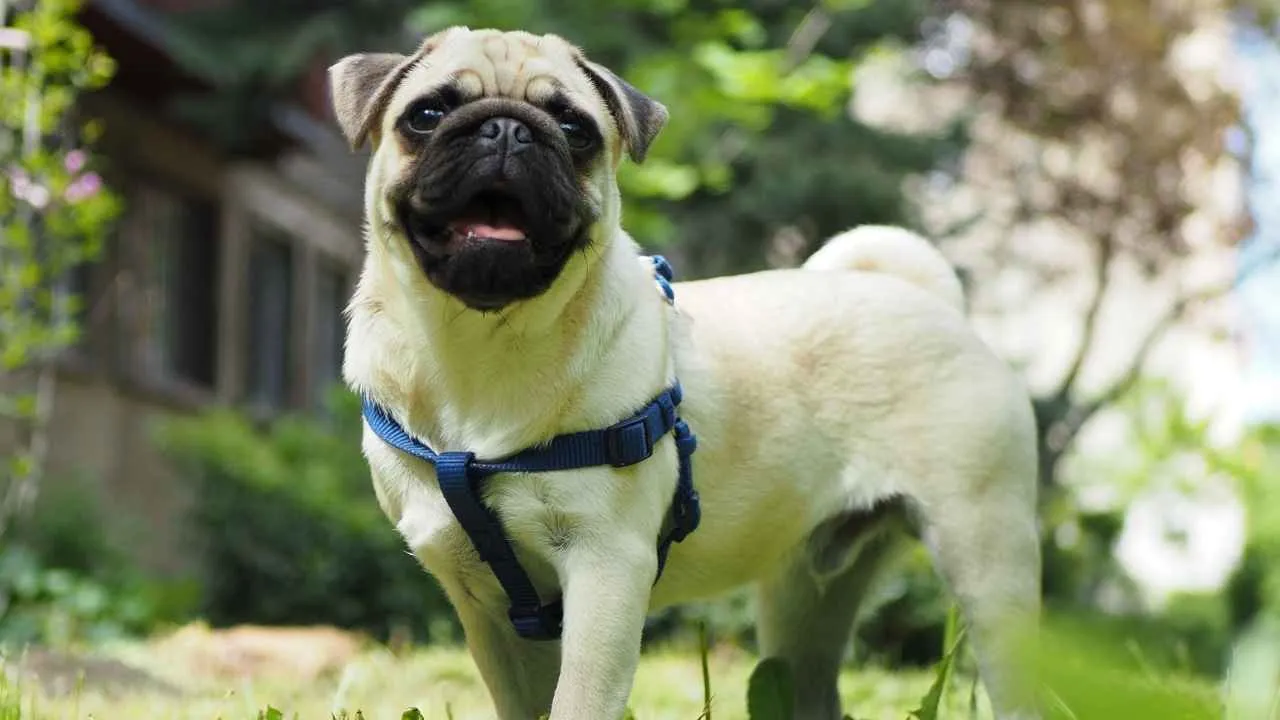
This micro dog has been working at its one job for centuries: to make people smile. This breed is easy to get along with, with its wrinkled face, expressive eyes, and playful attitude.
Pugs tend to be equally affectionate to all members of the house, unlike other breeds that are of a small stature. They love welcoming visitors, playing with children, and trailing family members everywhere they want to go. Most owners refer to them as small shadows, as these dogs do not like to be left alone.
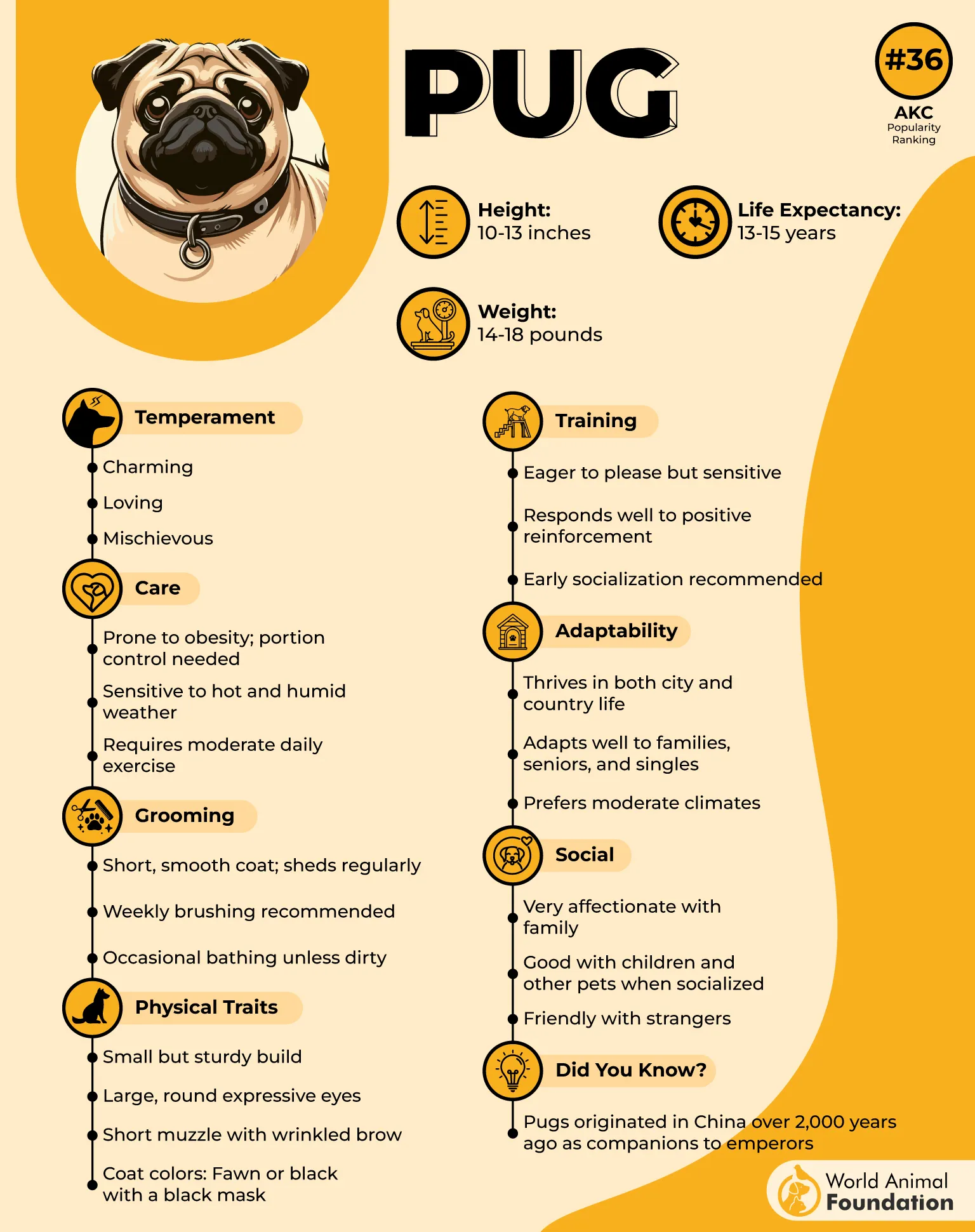
Pugs do not require vigorous exercise. They like slow walks and then napping on the couch afterwards. Their easygoing temperament makes them ideal companions for owners who enjoy a more relaxed lifestyle.
Washing the crevices around their face and keeping their teeth clean are easy practices that can help them avoid prevalent health problems that they are prone to. Behind their comical appearance is an affectionate dog that simply wants to share everyday life with the people it loves.
4. Chihuahua
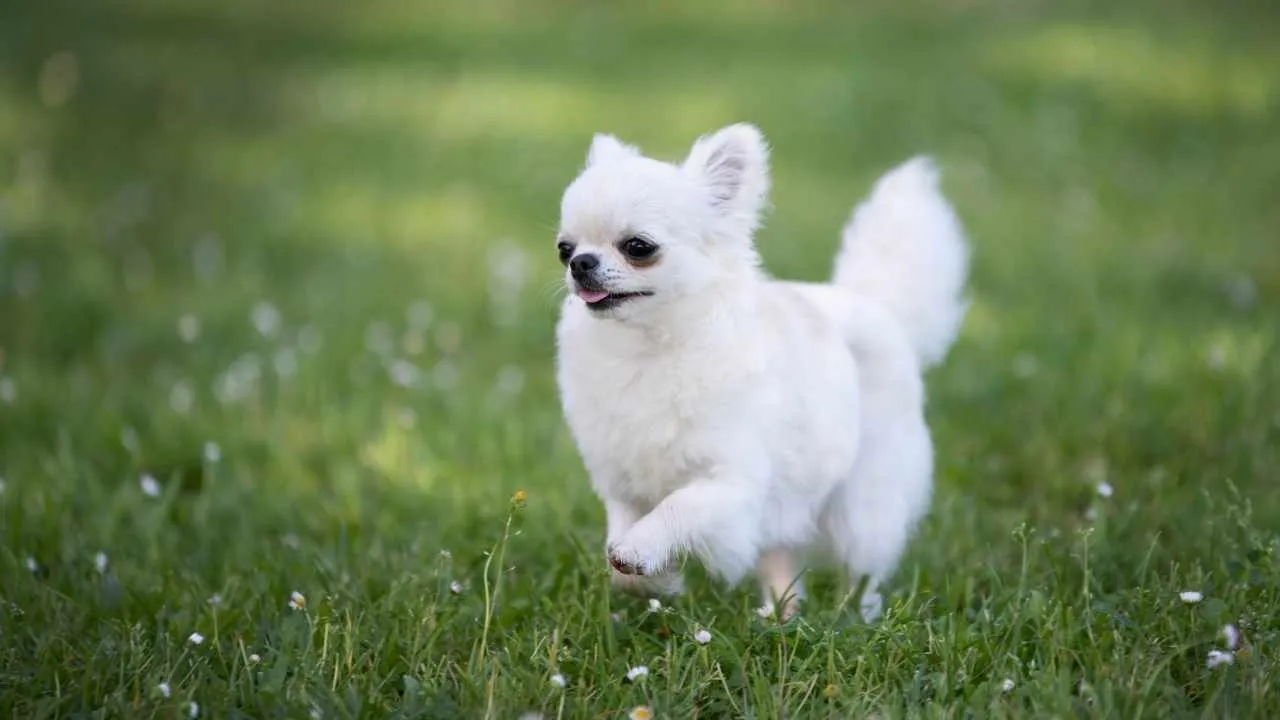
The teacup Chihuahua demonstrates that confidence has nothing to do with size. Although this small dog is only a few pounds, it goes through life with great courage and adventure. It is also a versatile pick as this breed can easily adjust to small living spaces such as apartment living.
Lots of Chihuahuas develop very strong bonds with their pet parents. They like to sit on laps, sleep under blankets, and follow their favorite person around all day long. They are frequently bound together by their loyalty. Separation anxiety can be caused if these dogs are kept alone for a long time.
Such dogs are born to be alert. They are good little watchdogs, and they soon pick up on strange sounds, visitors, or the alteration of their environment. Although they can bark when something is out of the ordinary, appropriate socialization will avoid excessive vocalization.
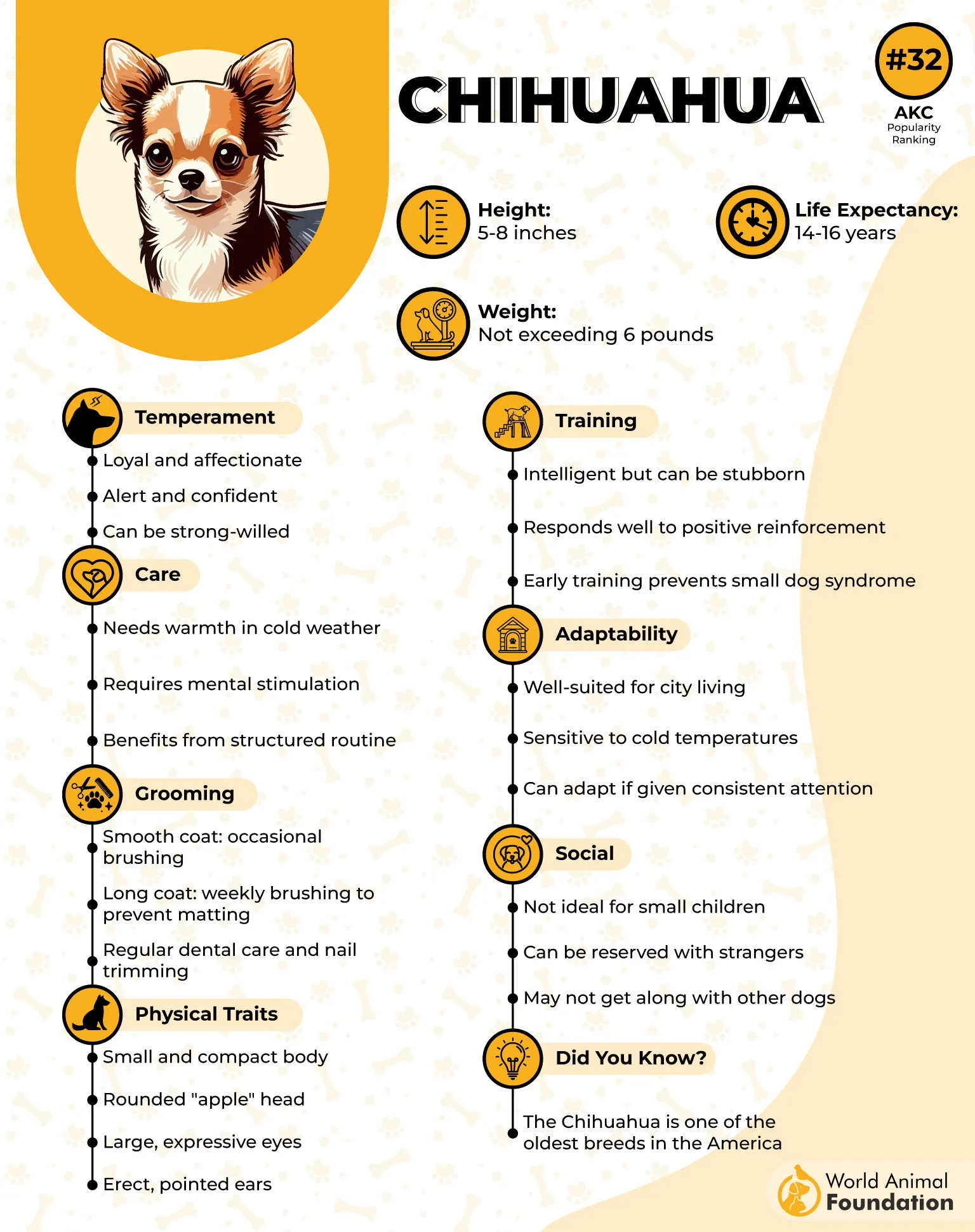
Due to their small size, Chihuahuas need special care. Leaping over high furniture may cause greater harm, and therefore, pet owners may buy small pet stairs or ramps within the house.
The American Kennel Club calls the Chihuahua a tiny dog with a large personality. Most Chihuahuas approach much larger dogs with complete confidence, seemingly unaware of their tiny size—a testament to their fearless personalities.
5. Bichon Frise
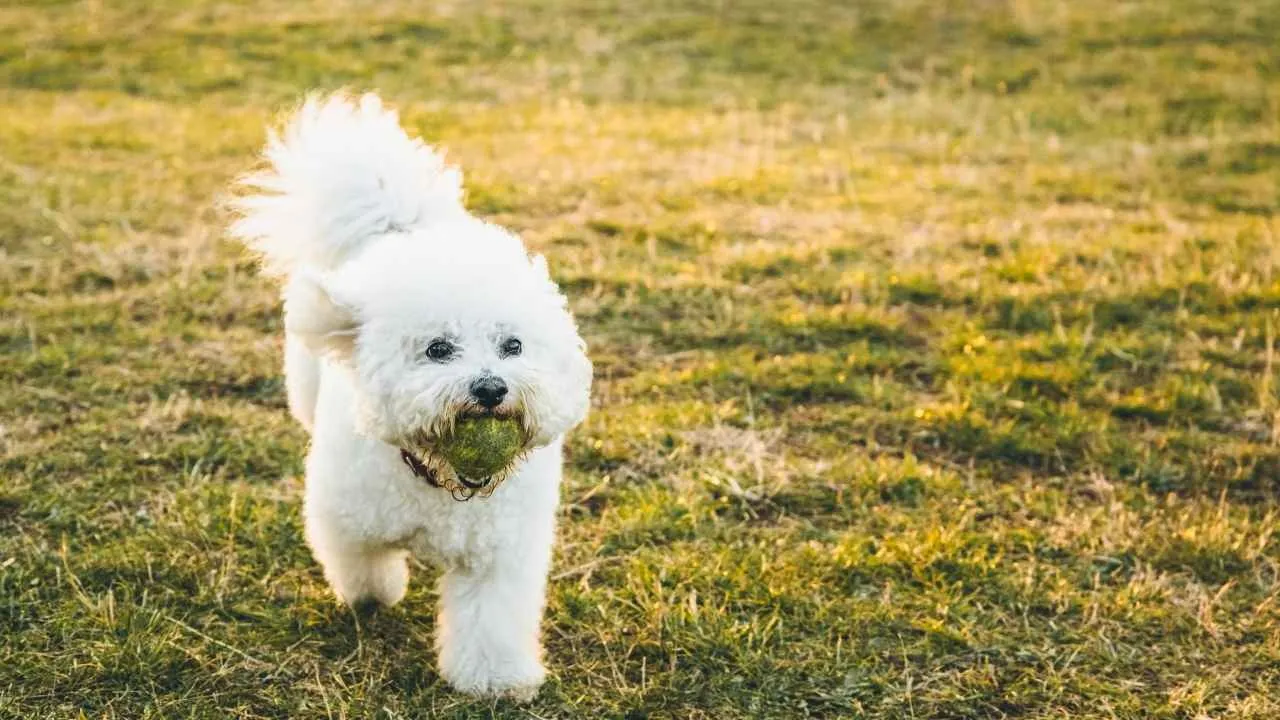
Teacup Bichons are commonly referred to as small white cotton balls that have jovial personalities. This breed is a people pleaser and has an instinctive power to light up any room. The Bichon is generally a friend to all people, and unlike other toy breeds, it is not shy about encountering new people. This makes it impossible to avoid being everyone’s friend.
Bichons make lives full of fun. They like throwing toys into the air, running after little balls all over the house, and coming up with games to keep themselves and their families entertained. They are very good companions for homes with children, seniors, or other friendly pets due to their happy nature.
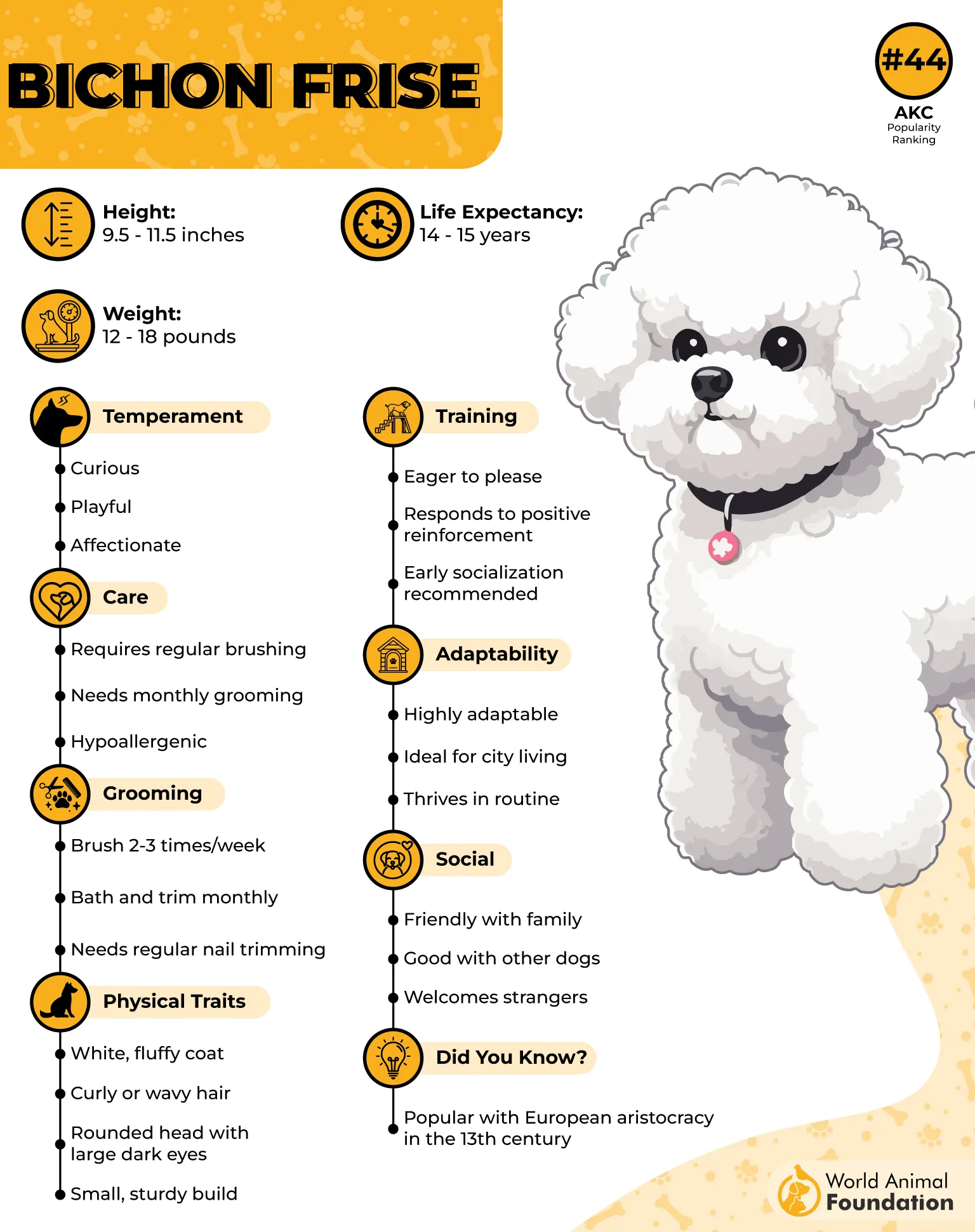
The low-shedding coat of the breed is a great characteristic. Although it requires regular and professional grooming to keep it looking presentable, the fact that the coat does not shed easily is welcomed by many allergy-sensitive owners.
The Bichon was originally bred to be a companion dog and was a popular pet of the European nobility. It continues to be a companion pet today with the same light-heartedness as it adjusts to family life with a lot of joy and happiness.
6. Yorkshire Terrier
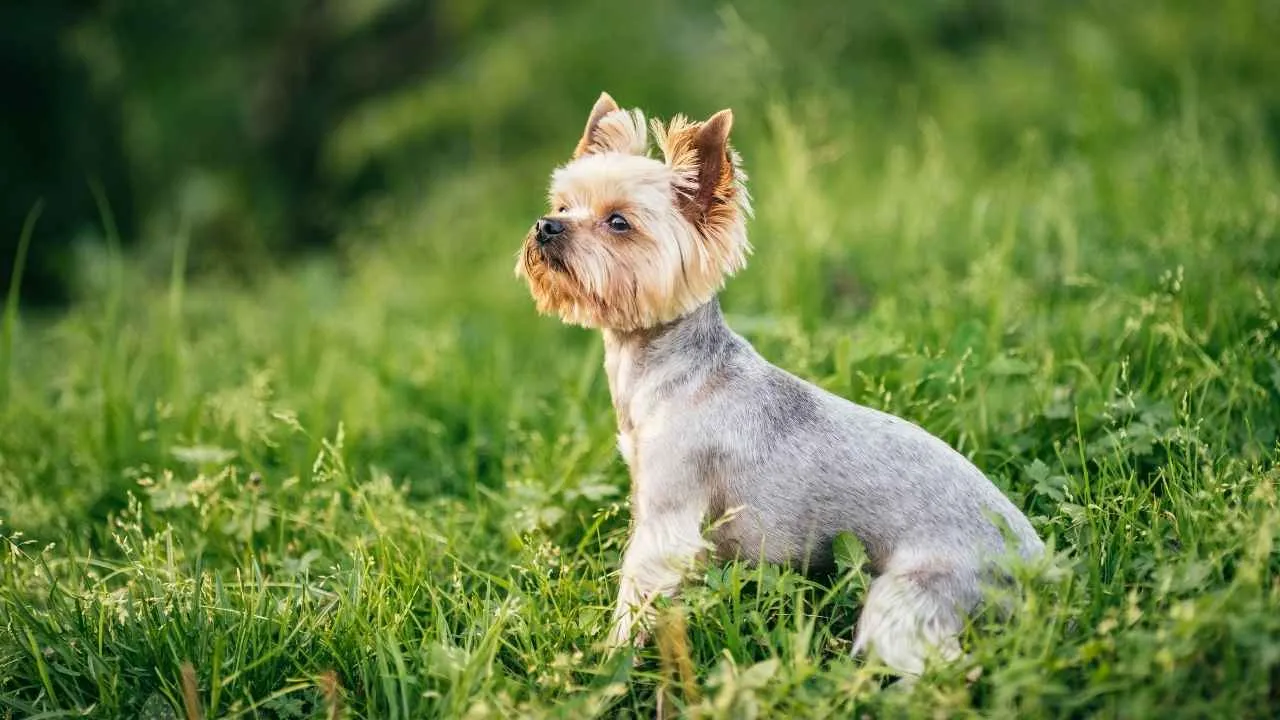
Teacup Yorkies can be the size of a travel bag, yet they have the heart of an adventurer. The Yorkie was bred to hunt rats in textile mills. Nowadays, it enjoys exploring new locations and discovering new things.
This breed is able to flourish when incorporated into daily activities. Yorkies like to be outdoors, whether it is at a cafe, strolling around the neighborhood, or even in a car. They are good traveling companions because of their small sizes.
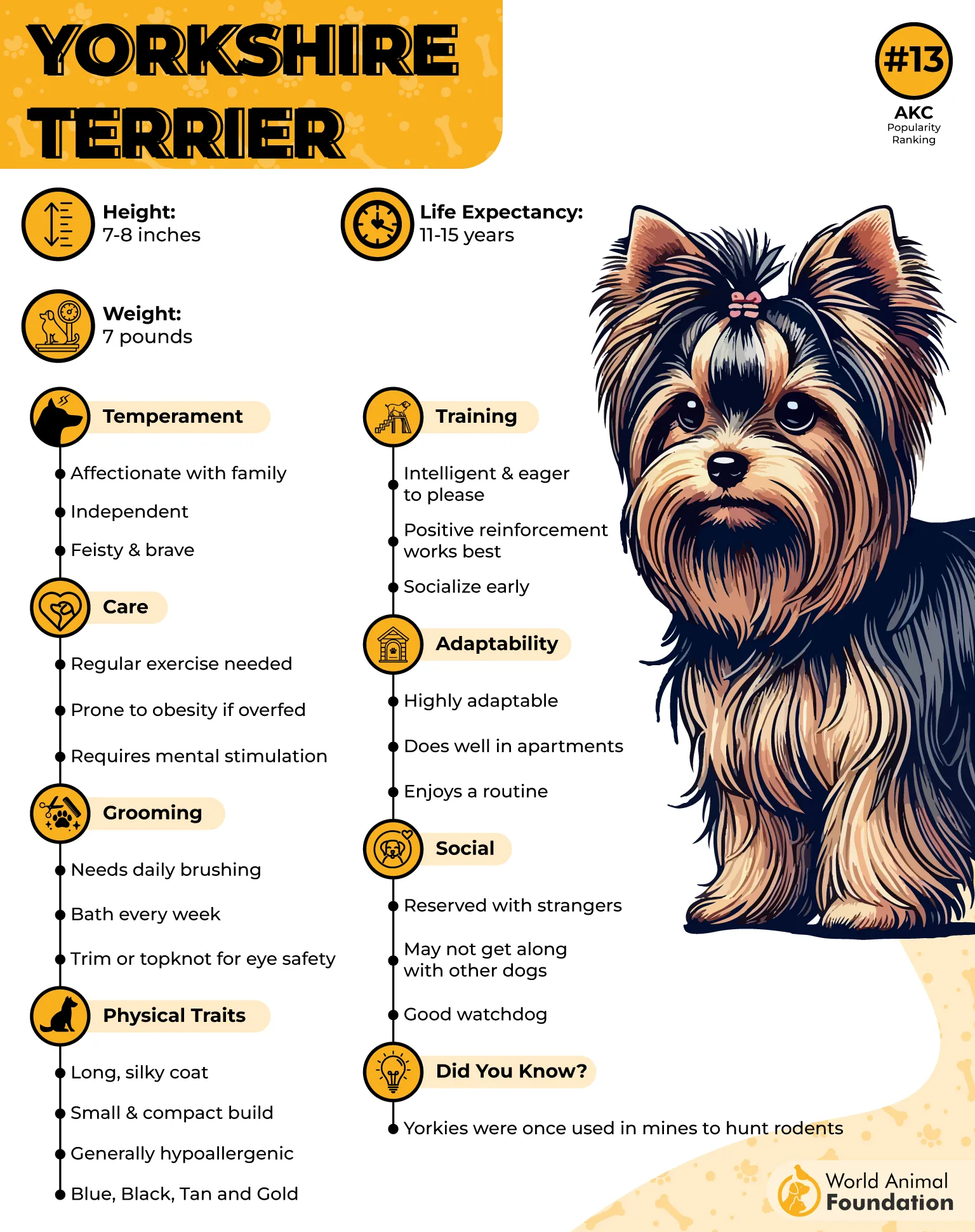
Their silky coat keeps on increasing in length, similar to human hair. Owners have the option of leaving it long to create a classic look or cutting it short so that it can be maintained easily. Frequent brushing will ensure the coat is smooth and does not form tangles.
Yorkies make for wonderful family pets with big personalities, as stated by PetMD. Most Yorkies do not hesitate to greet much bigger dogs.
7. Papillon
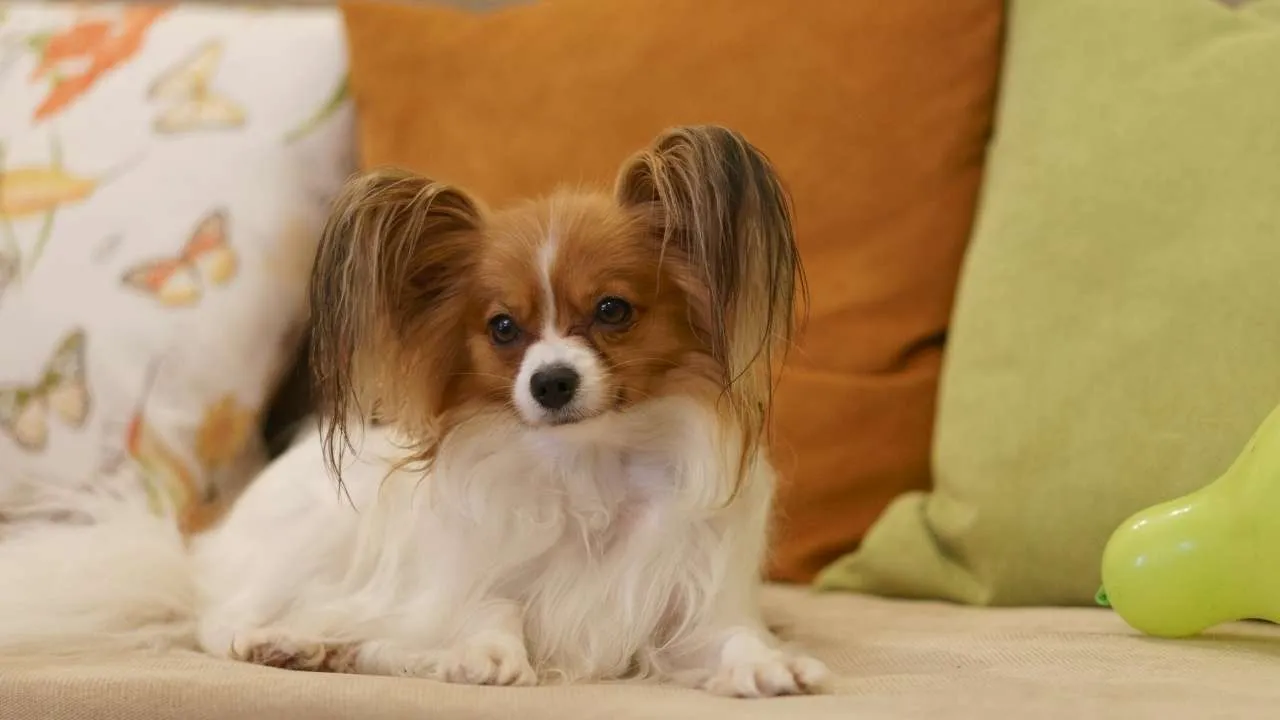
The Papillon is recognizable at first glance due to its graceful, butterfly-like ears. However, its intelligence is no less astonishing. This breed is always one of the most intelligent toy dogs and prefers any activity that requires both mental and physical challenge.
Despite the fact that smaller companion breeds like the Papillon like to lie around all day, these dogs are surprisingly energetic, even with their short legs. Their favorite activities are hiking short routes, agility training, obedience training, and quick thinking games.
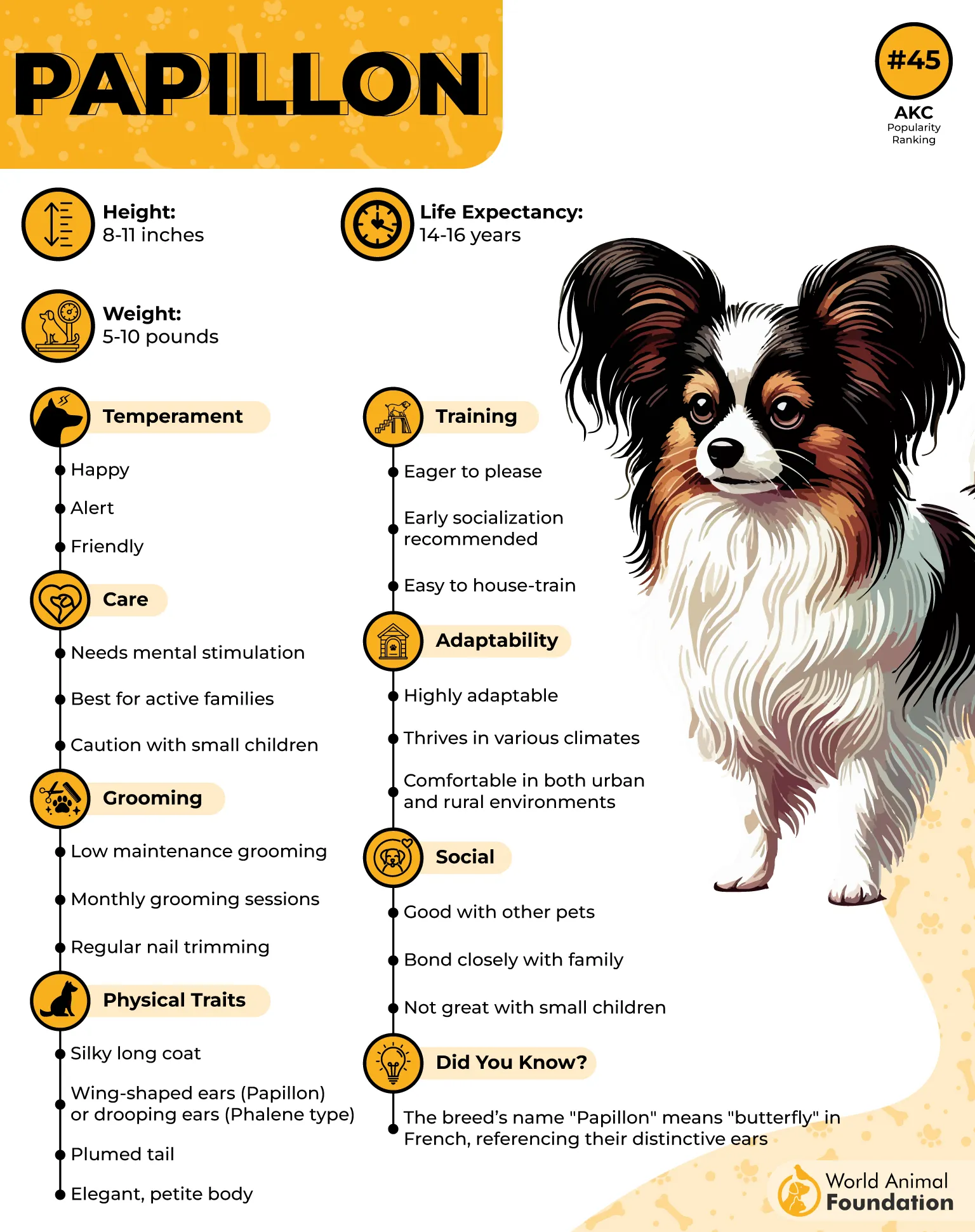
Their coats are so silky that they are not difficult to maintain, as they do not have a heavy undercoat. It is normally sufficient to brush a couple of times a week to keep them smooth and healthy.
Among some interesting information is the fact that Papillons have been used in European paintings for hundreds of years, since their beautiful appearance has been appreciated over the centuries.
Conclusion
Size should not be the sole factor in the selection of these breeds. Before deciding, take into account grooming requirements, activity, training requirements, and long-term healthcare. The tiniest dogs are usually reliant on responsible owners who understand their sensitive nature.
These little friends can live long and happy lives with proper nutrition, regular check-ups at the vet, gentle handling, and lots of love. Their devotion, love, and personality show that some of the best friends in life are those that fit into the palm of your hand.
