




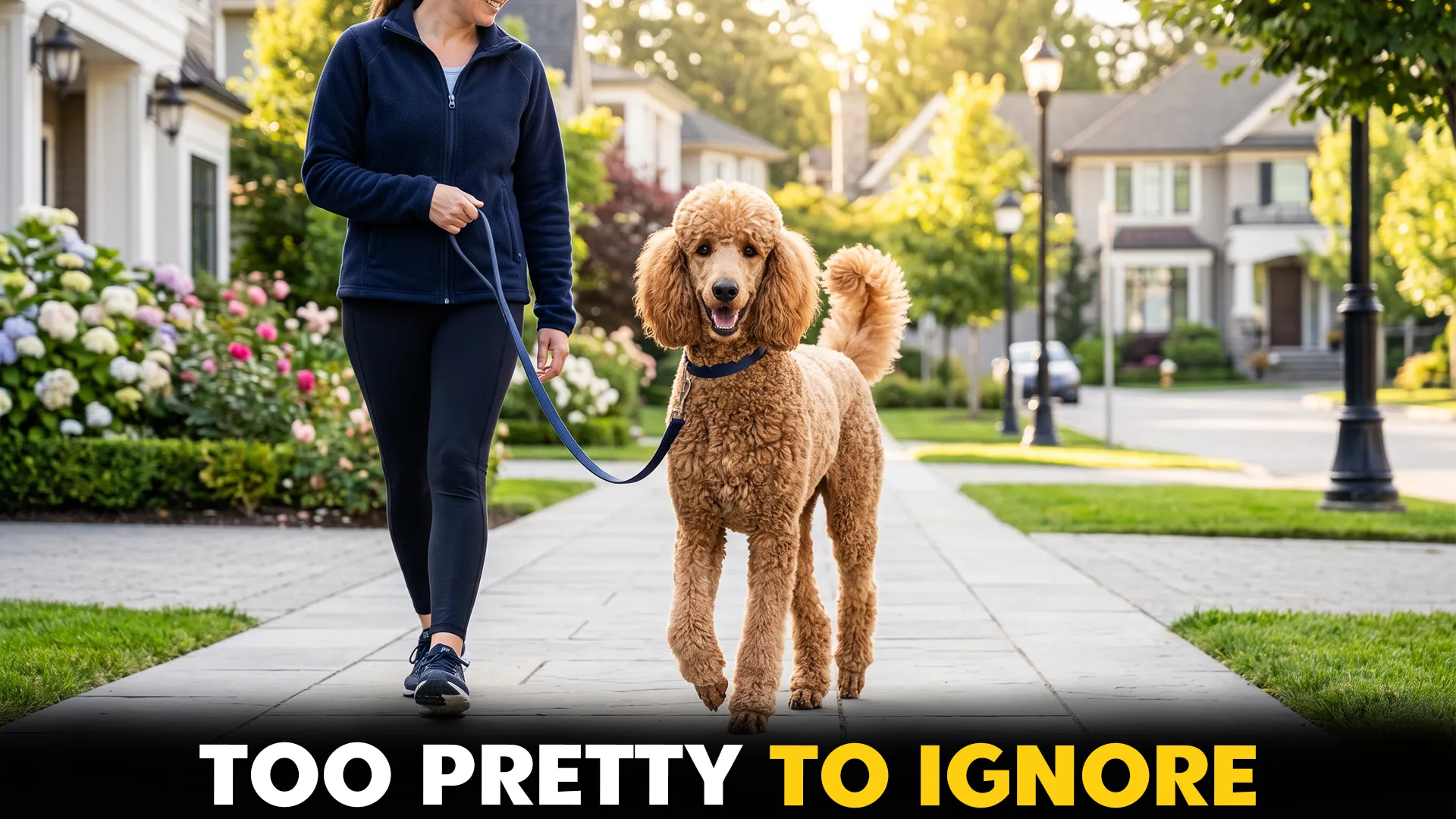
Getting your first dog is basically unlocking a new life chapter with more tail wags, more outdoor walks, and yes, more mystery stains on the carpet. It is exciting, emotional, and slightly chaotic in the best possible way. But choosing the right breed matters because not every adorable face is beginner-friendly.
A great beginner dog is not “perfect” because no dog arrives with factory settings and a built-in manners app. The best first dogs are usually friendly, adaptable, trainable, affectionate, and forgiving while you learn how to be a confident owner.
That does not mean these breeds are effortless. Every dog needs training, exercise, grooming, vet care, patience, and a human who understands that “cute” is not a substitute for boundaries.
Below are amazing dog breeds that are great for beginners, from golden-hearted classics to tiny charmers with big personalities. Each one brings something different to the table, whether you want a playful family dog, a cuddly apartment companion, or a clever little shadow who follows you as you owe them snacks. Let’s meet the beginner-friendly icons.
Amazing Dog Breeds That Are Great for Beginners
1. Golden Retriever
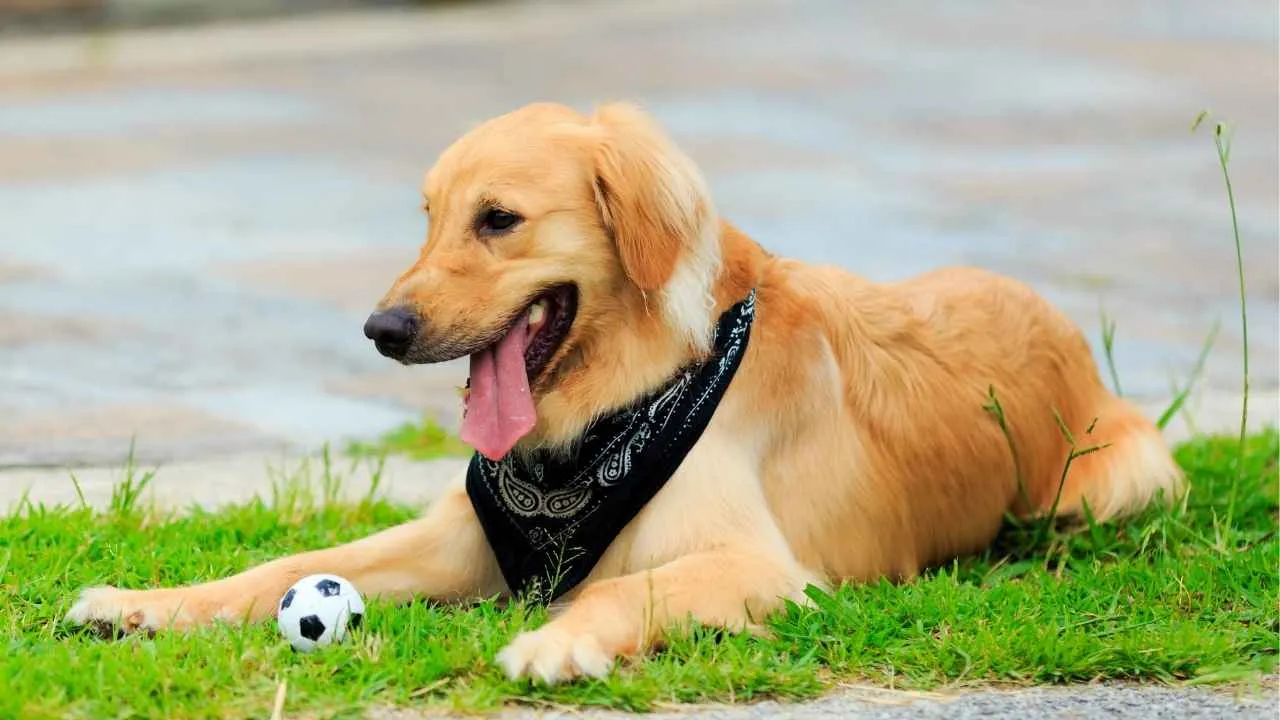
Golden Retrievers are famously friendly, eager to please, and emotionally tuned in, making them among the most comforting choices for first-time owners. Their whole vibe is “best friend who also wants to carry your sock.”
This breed was developed as a sporting and retrieving dog, so it has brains, stamina, and a strong desire to work with people. That people-loving attitude is why the Goldens of various types often do well in family homes, therapy roles, and training environments. They usually respond beautifully to praise, food rewards, and consistent routines.
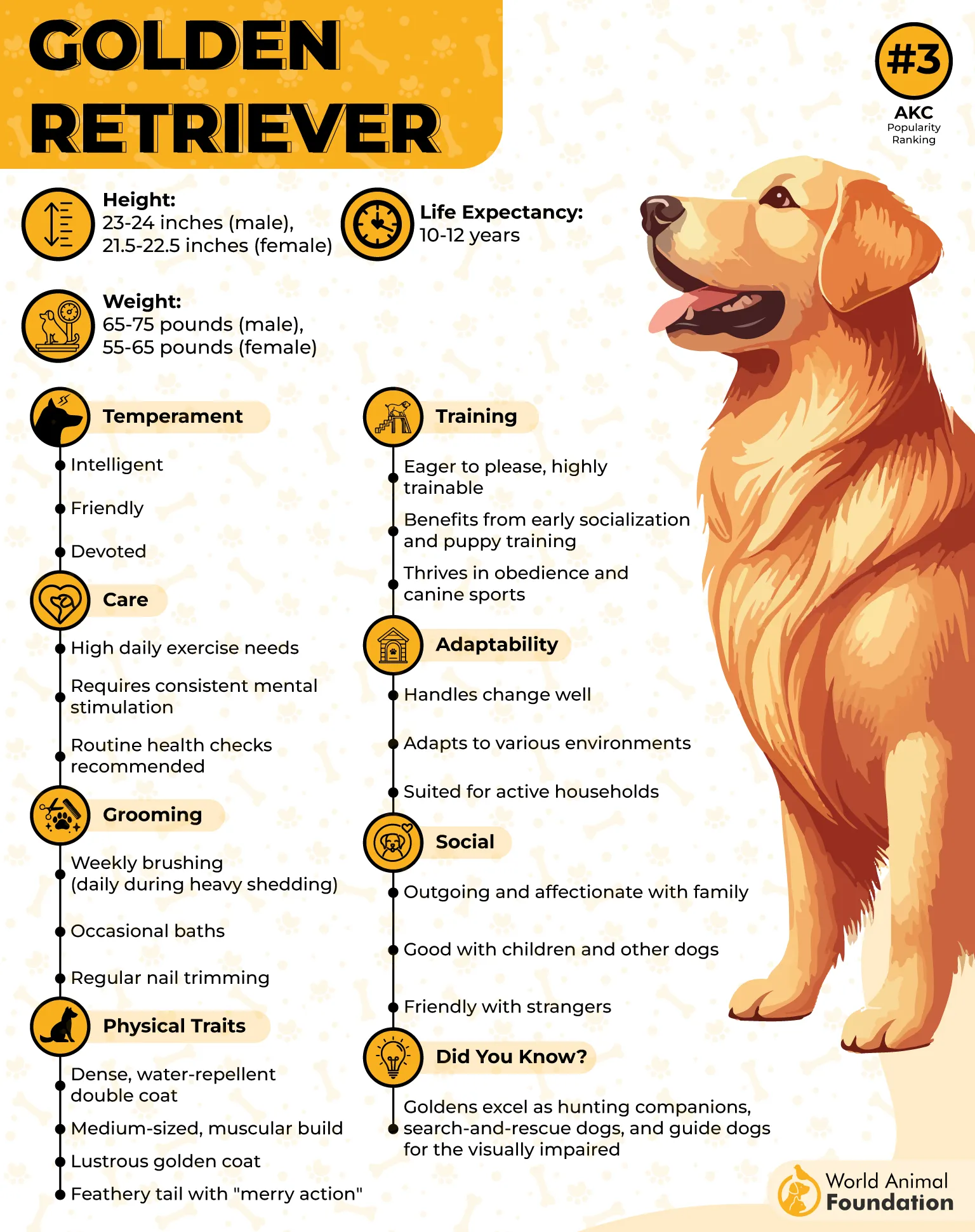
For beginners, the biggest win is their forgiving nature. This intelligent dog can make you feel like a dog-training genius because they often want to understand what you are asking. They are not robots, though, and a bored Golden may turn shoes, pillows, or garden beds into personal art projects.
PetPlan mentions their energy level is moderate to high, so daily walks, play sessions, and mental games are non-negotiable. Fetch is basically their love language, and swimming may become their entire personality if water is nearby. If you want a couch-only dog, this sunny athlete may politely ruin your lazy plans.
Expect regular brushing, seasonal shedding, and a home that occasionally looks sprinkled with golden confetti. If you can handle the hair, the exercise, and the emotional neediness, a Golden Retriever can be an incredible first-dog experience.
Managing Them As A New Owner
Build a simple routine with walks, meals, brushing, and training so your Golden knows what life looks like every day.
Use their love of retrieving for easy training games, because “bring it back” can become exercise and obedience in one.
Start polite greeting practice early, since their friendly excitement can accidentally become full-body enthusiasm.
2. Cavalier King Charles Spaniel
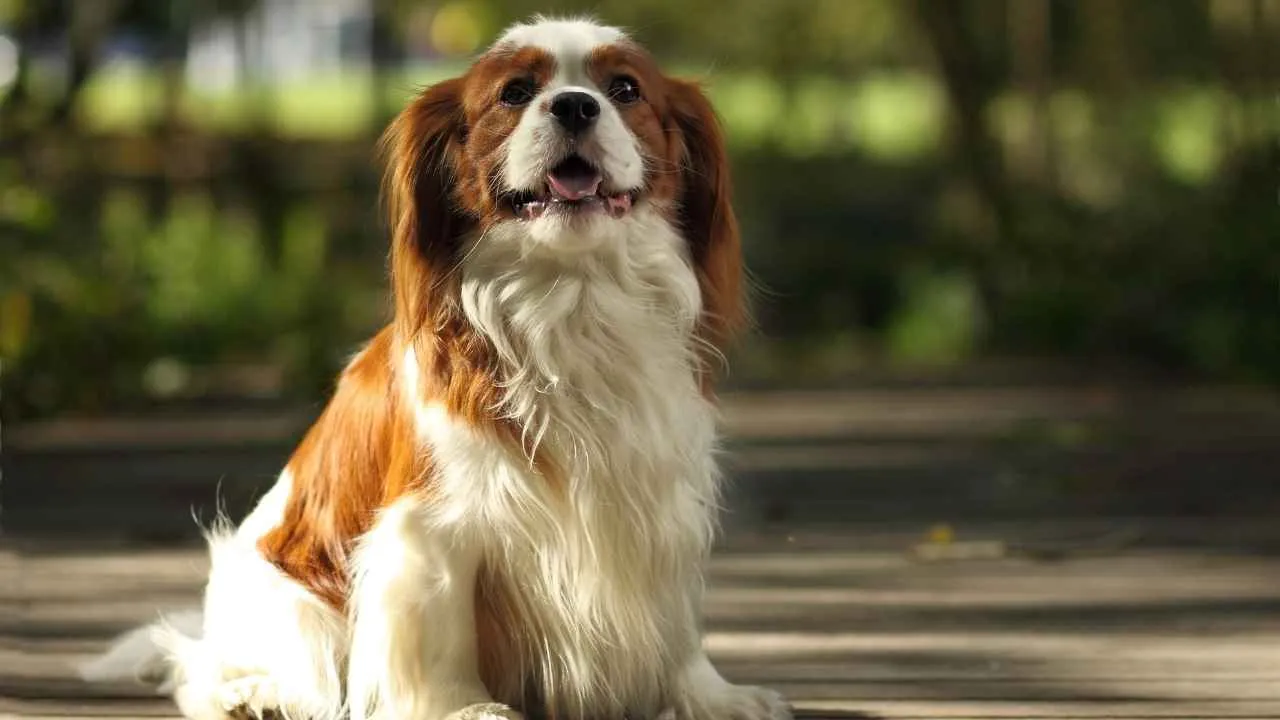
Sweet, affectionate, and gentle, this breed is often loved by beginners because it wants to be close without turning life into a full-time boot camp. Cavaliers are small enough for apartments but loving enough to fill a whole room.
Among the most popular dog breeds for new owners, they carry a mix of lapdog charm and sporting-spaniel spark. That means they enjoy cuddles, but they also appreciate walks, playtime, and sniffing adventures.
They are not usually intense, which can be a relief for new owners who are still learning the difference between enrichment and chaos.
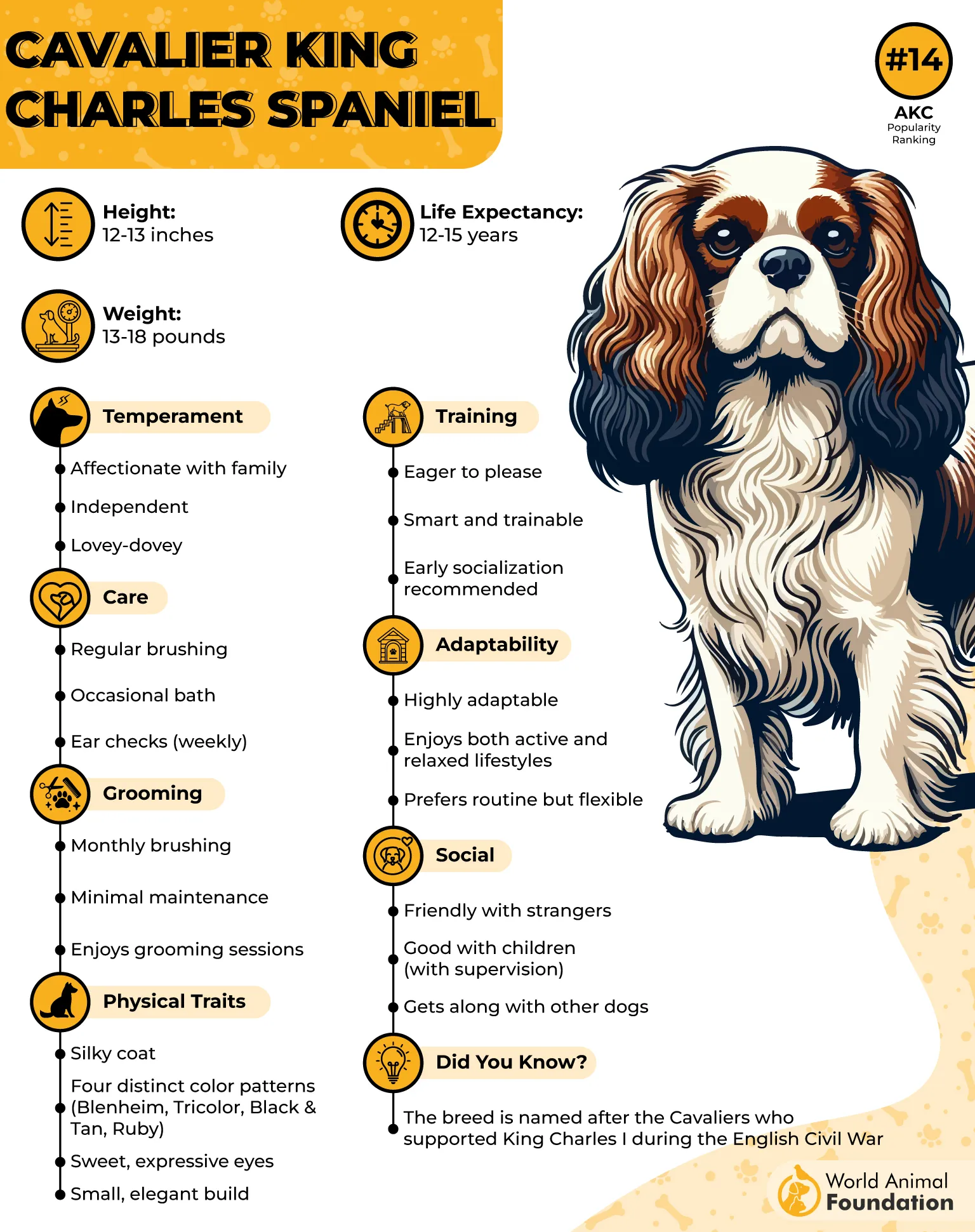
Cavaliers are often good with families, seniors, and individuals because they are people-oriented and adaptable. They tend to bond deeply, so they thrive in homes where someone can offer attention and companionship. Leave them lonely too often, and their soft little hearts may not be thrilled.
Training is usually pleasant because many Cavaliers are food-motivated and eager to connect. They respond best to gentle guidance rather than harsh correction, because their sensitivity is part of their charm. Think calm voice, tasty treats, and small wins stacked like building blocks.
Their silky coat does need regular brushing, especially around the ears, chest, and feathering. They also need responsible health care, as the breed can have inherited health concerns. For a beginner who wants a loving companion more than a high-energy project, the Cavalier is pure cozy-core.
Managing Them As A New Owner
Practice short training sessions indoors because Cavaliers often learn best when the mood is calm and encouraging.
Keep grooming gentle and regular so their silky ears and feathered coat do not get tangled.
Plan companionship into your day, since this breed is happiest when it feels included rather than ignored.
3. Poodle
Poodles are not just fancy haircuts walking around like they own the sidewalk. They are seriously intelligent, athletic, and trainable dogs that come in Standard, Miniature, and Toy sizes. For beginners who want a smart companion with style and substance, the Poodle is a top-tier choice.
Their intelligence is both a blessing and a tiny warning label. A Poodle learns quickly, which makes training fun, but it also means they can learn unwanted habits if life gets boring. Basically, if you do not give them a job, they may appoint themselves as manager of your household.
One major beginner-friendly feature is their low-shedding curly coat. This can be helpful for owners who dislike heavy shedding, though no breed is truly maintenance-free. The catch is grooming, because that iconic coat needs brushing, clipping, and professional care to avoid mats.
All Poodles are active dogs, especially Standards and Miniatures, so daily movement is important. They often enjoy fetch, obedience, agility, scent games, and anything that lets them show off their brain. Toy Poodles may be smaller, but they still deserve training and exercise, not just a life inside someone’s handbag.
For apartment-living owners, it works best when treated as a clever partner rather than a decorative pet. They thrive with structure, kindness, and mental stimulation. Give them that, and they can become one of the most rewarding beginner dogs around.
Managing Them As A New Owner
Rotate puzzle toys, trick training, and sniff games so their clever brains stay busy in a healthy way.
Book grooming appointments before the coat becomes a problem, because Poodle maintenance is easier when you stay ahead.
Match the size variety to your lifestyle, since Standard, Miniature, and Toy Poodles can feel very different day-to-day.
4. Bichon Frise
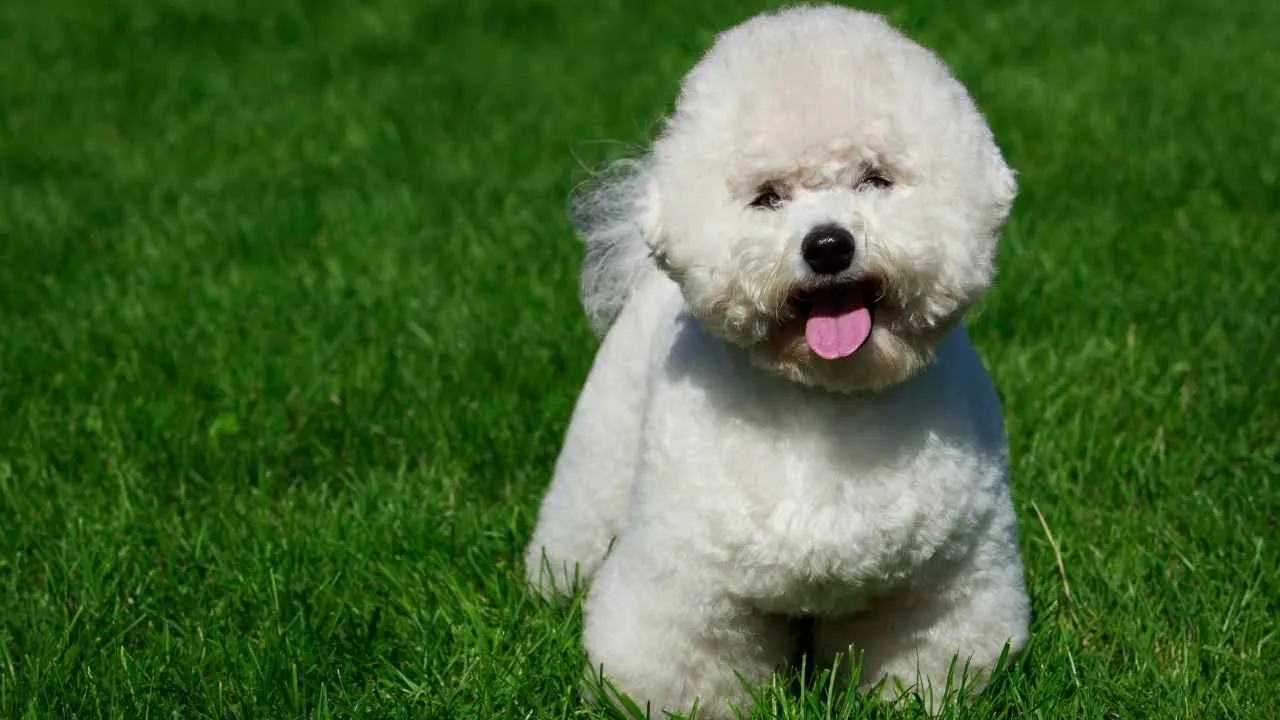
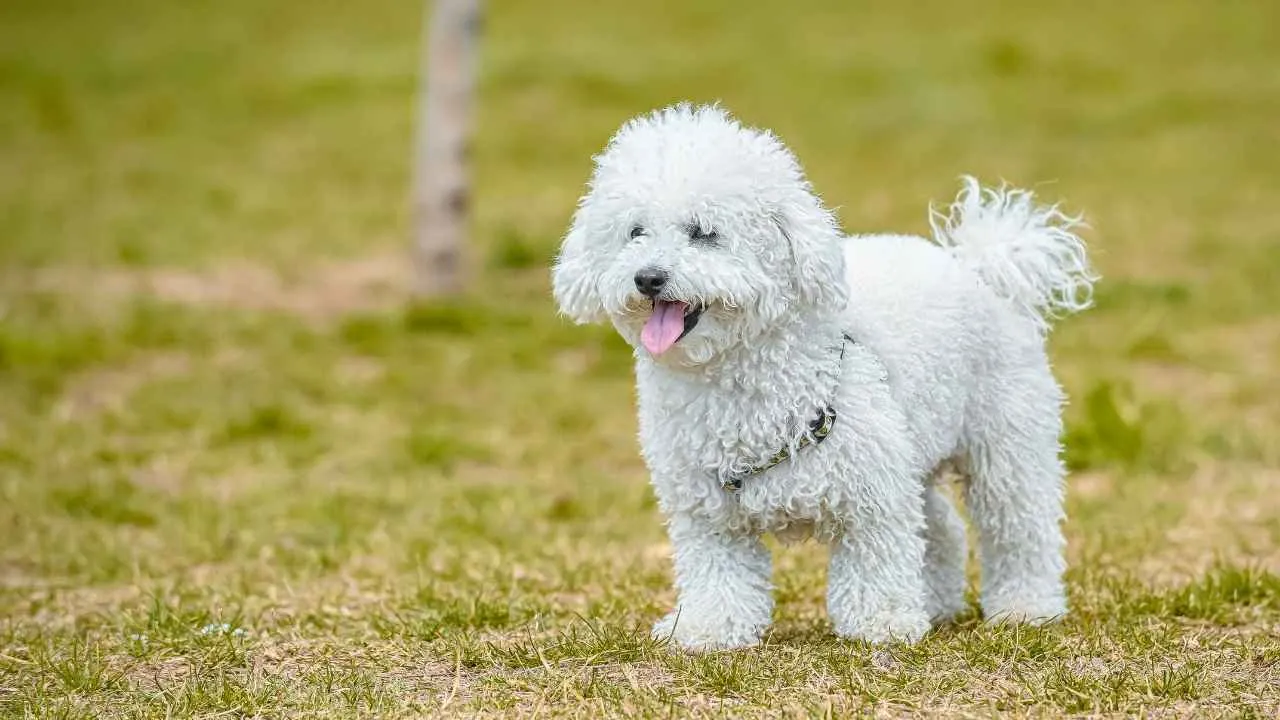
The Bichon Frise looks like a cheerful cloud that learned how to bounce. Playful, peppy, and affectionate, this small breed is often a lovely match for beginners who want a happy companion with a big personality. Bichons bring sunshine energy without needing a giant backyard.
They were loved as companion dogs and performers, which explains their social confidence and crowd-pleasing charm. Many Bichons enjoy learning tricks, meeting people, and turning ordinary moments into little comedy scenes.
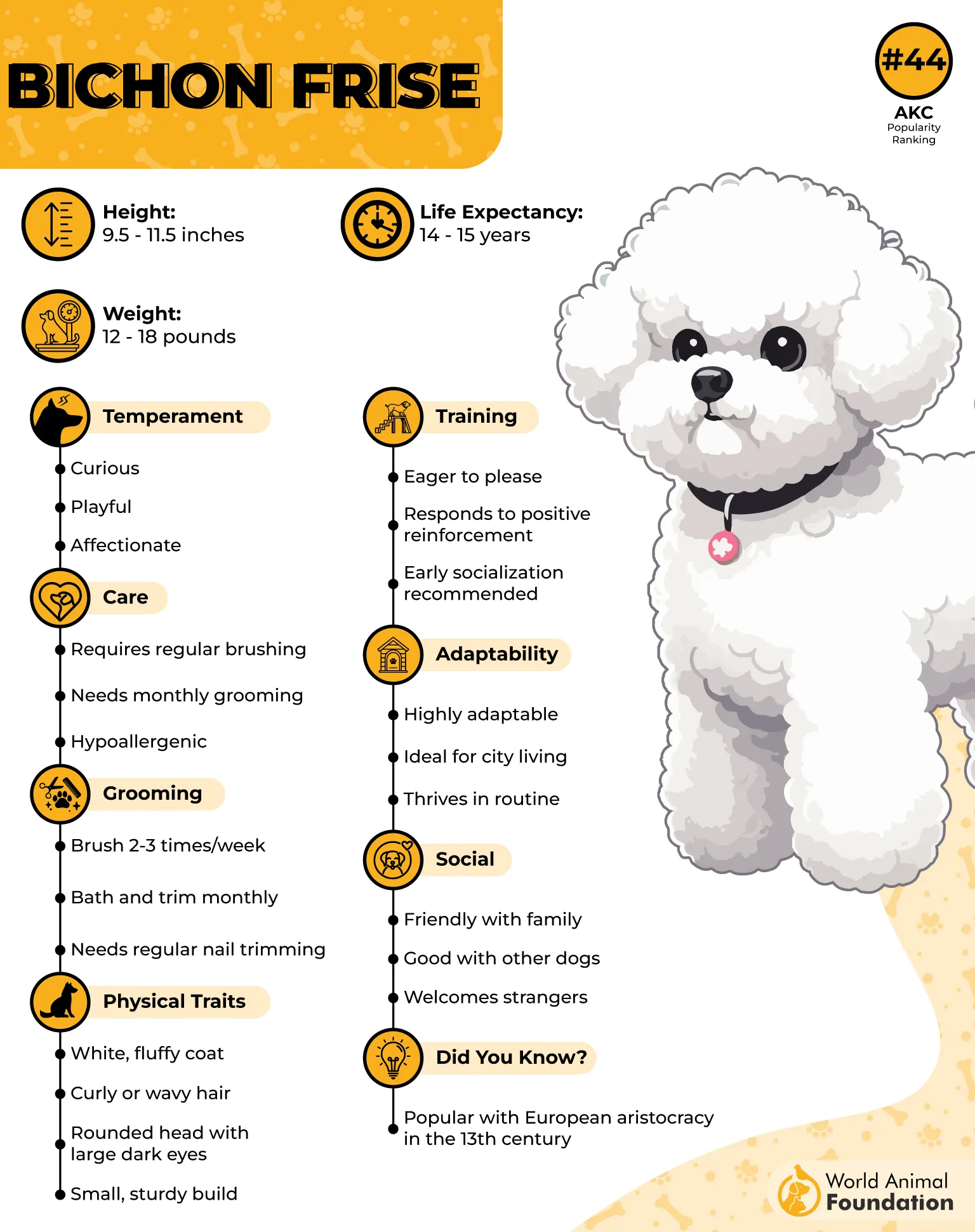
For first-time owners, their friendly nature is a huge plus. Purina claims that they are usually not intimidating, and their compact size makes them manageable in apartments or smaller homes. Still, they need socialization so that friendliness becomes confidence rather than clinginess or nervous barking.
Bichons are low-shedding, but their curly white coat requires consistent brushing and regular grooming. Skip the grooming schedule, and that marshmallow fluff can turn into a mat festival.
House training may take patience with some small breeds, and the Bichon is no exception. A routine, supervision, praise, and realistic expectations make the process smoother. If you want a joyful little dog with moderate exercise needs that brings clown energy and cuddle power, the Bichon Frise is a beginner-friendly gem.
Managing Them As A New Owner
Treat potty training like a schedule-based project, not a guessing game, because consistency helps small dogs succeed.
Keep grooming tools visible and use them regularly so coat care becomes routine rather than a weekend crisis.
Encourage calm alone time gradually, since this social breed can become overly attached without practice.
5. Shih Tzu
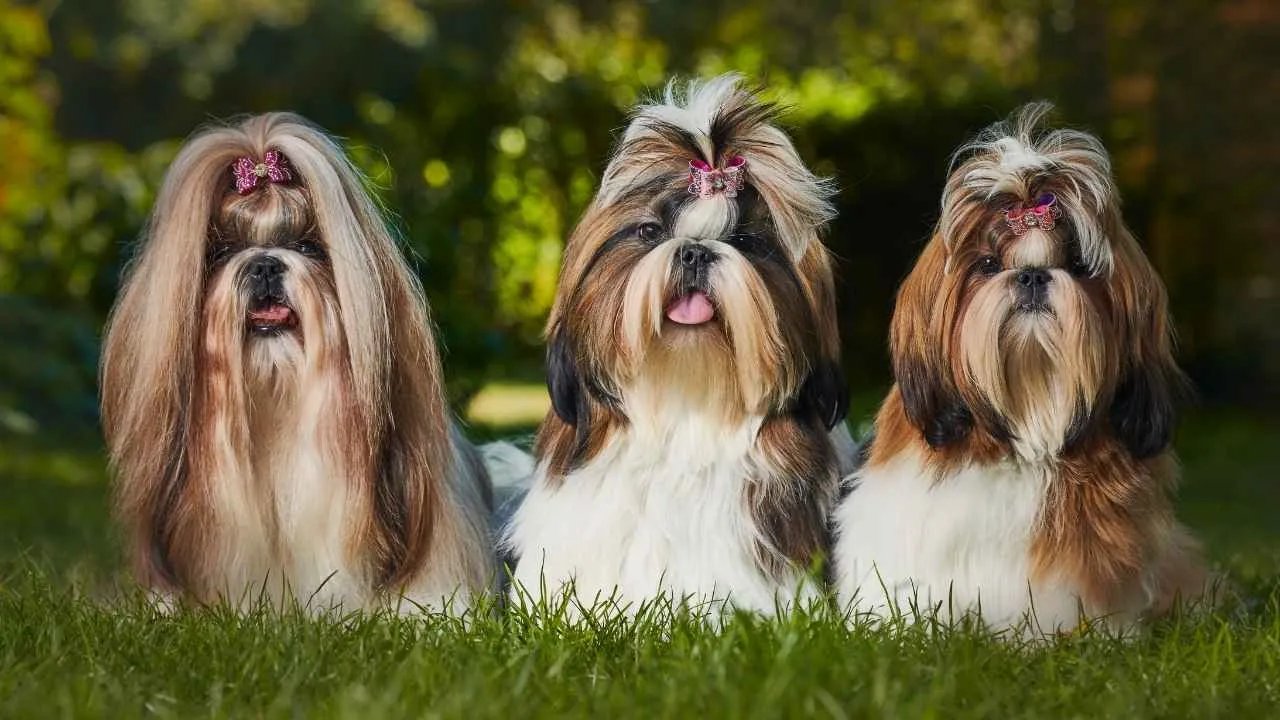
The Shih Tzu was born for companionship, and honestly, it has not forgotten. This small, affectionate breed has a royal history and a very modern talent for making people feel adored. For beginners who want a sweet indoor companion, the Shih Tzu can be a beautiful fit.
Shih Tzus are typically friendly, playful, and people-focused. They do not need intense athletic routines, which makes them appealing for apartment dwellers or owners with calmer lifestyles. They still need daily walks and play, but they are not usually asking you to train for a marathon.
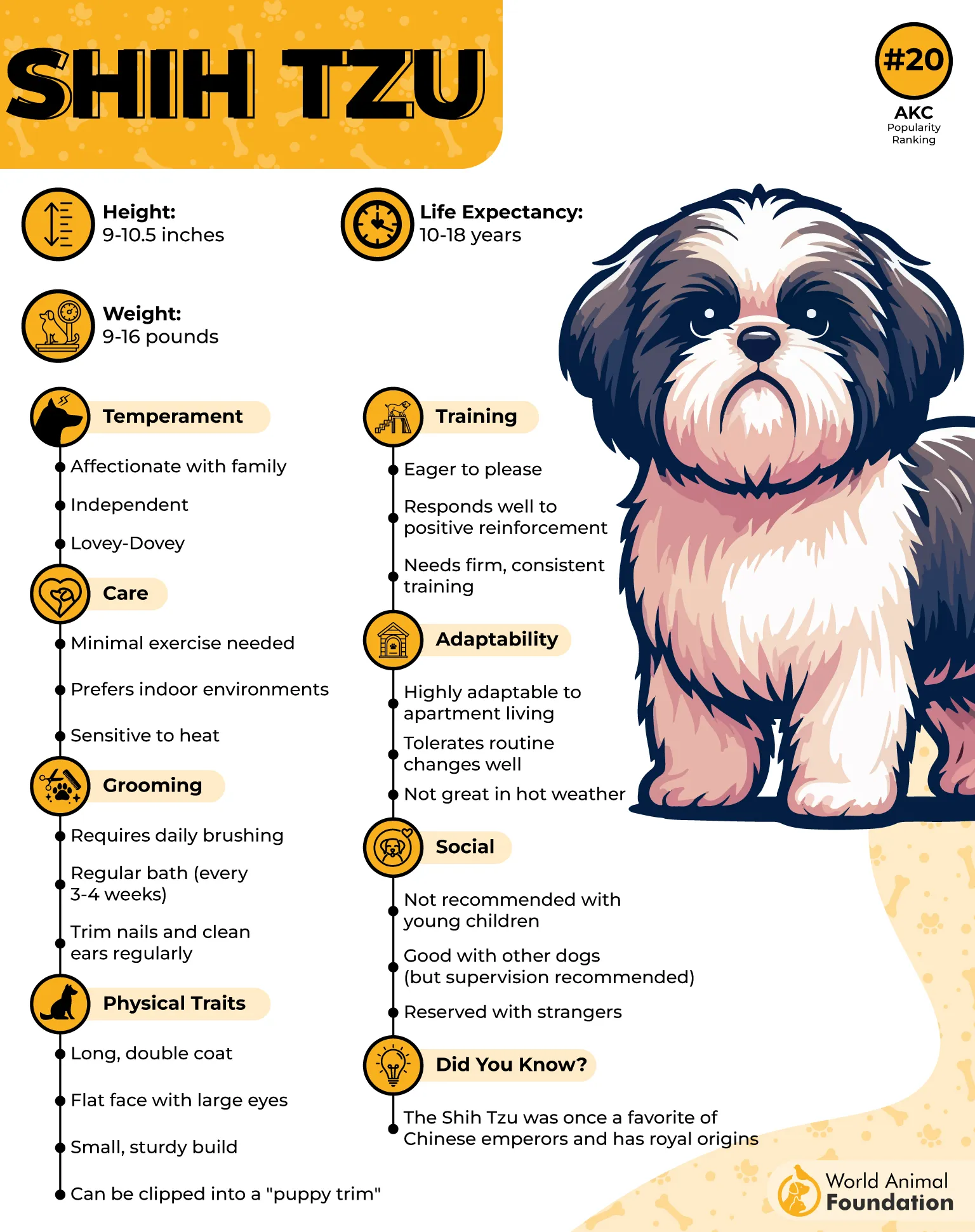
Their personality can feel charmingly confident. A Shih Tzu may enjoy attention, soft beds, and being treated like an important household executive. That adorable confidence is cute, but boundaries still matter so they do not become tiny royalty with a furniture-based kingdom.
Their long coat can be stunning, but many pet owners choose a shorter “puppy cut” for easier maintenance. Either way, brushing, face cleaning, ear care, and regular grooming should be part of the plan.
Because they are a flat-faced breed, owners should be mindful of heat, breathing comfort, and safe exercise. They are not built for extreme weather or rough outdoor adventures. With gentle care and steady training, they turn into a suitable breed for first-time owners.
Managing Them As A New Owner
Choose a practical haircut if daily brushing feels unrealistic, because comfort matters more than show-ring drama.
Keep walks light and weather-aware, especially in heat, since this breed needs careful breathing support.
Teach polite handling early, from face wiping to brushing, so everyday care feels familiar instead of annoying.
6. Havanese
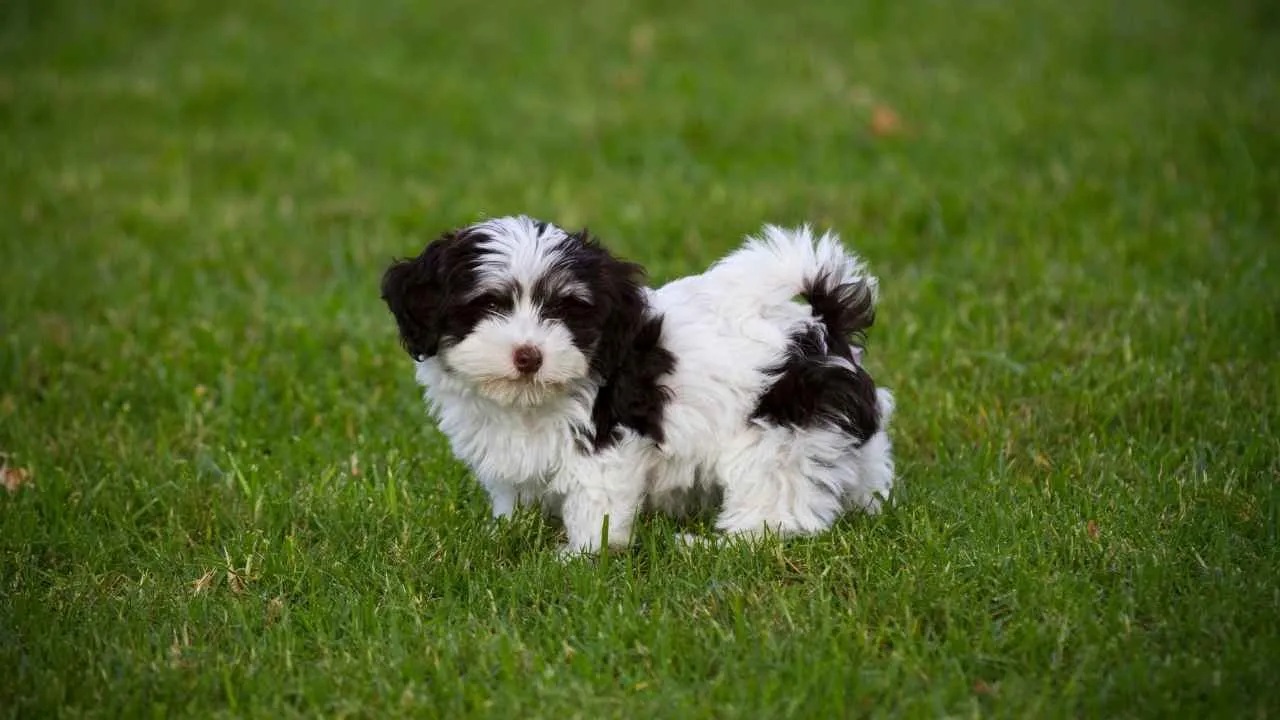
The Havanese is basically a small dog with main-character energy and a soft, affectionate soul. Known as Cuba’s beloved companion breed, the Havanese is friendly, intelligent, and often wonderfully people-centered. For beginners, that combination can feel like winning the starter-dog lottery.
One of the best dog breeds as pets, these dogs tend to enjoy family life and can adapt well to different homes. Apartments, houses, busy families, and quieter owners can all work if the dog gets attention, exercise, and training. The Havanese does not need a mansion; it needs connection.
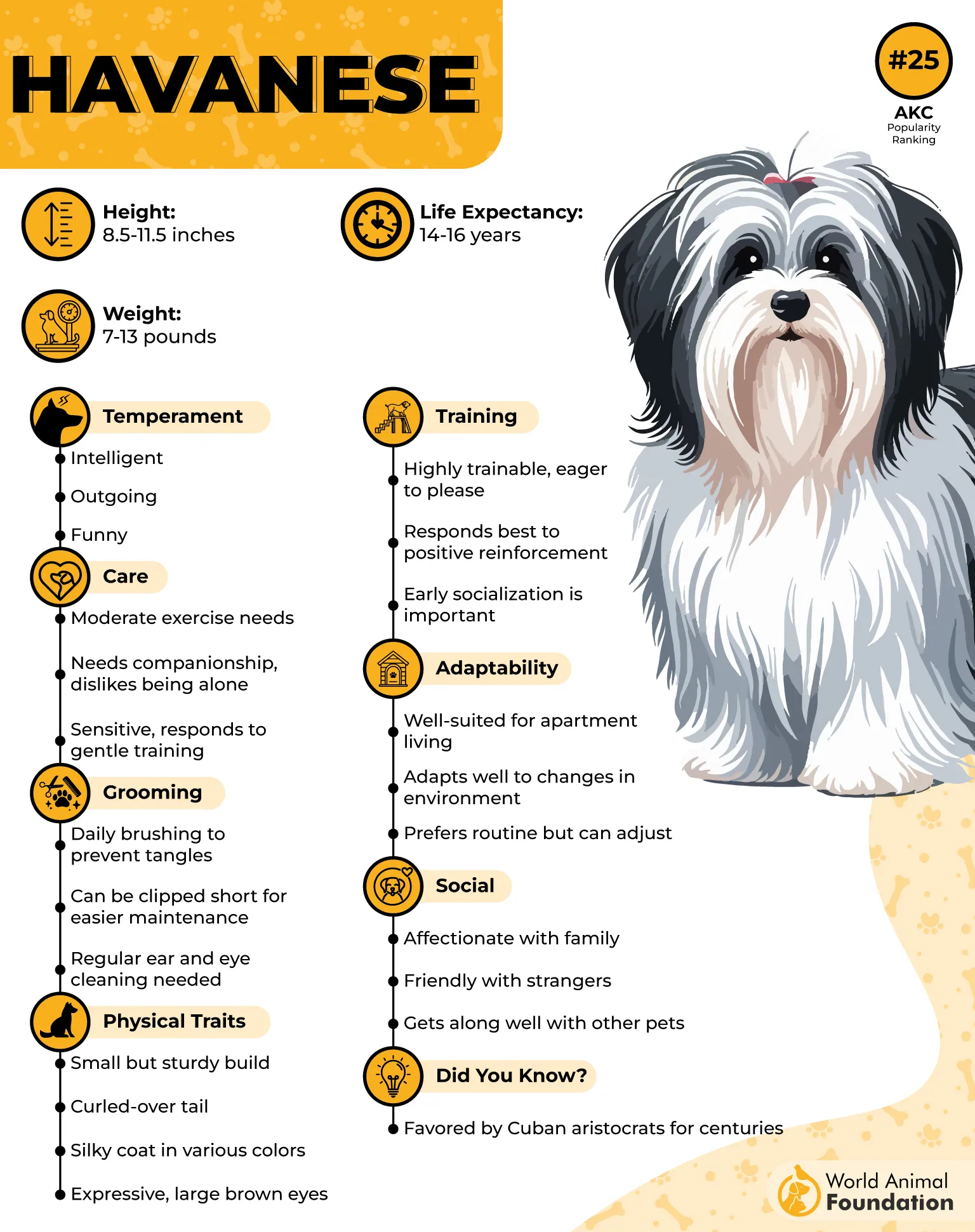
Training can be fun because Havanese dogs are usually bright and responsive. They often enjoy learning tricks, playing games, and being praised like they just won an award. Their cheerful nature makes them feel less like a strict obedience project and more like a tiny teammate.
Their coat can be silky, soft, and beautiful, but they need regular care. Some owners keep it longer, while others choose shorter trims for easier maintenance. Either way, brushing and grooming should not be treated as optional side quests.
First-time pet parents should know that the Havanese can dislike being left alone for long periods. They are companion dogs through and through, not background decorations. If you want a social, funny, affectionate dog that brings emotional sparkle to everyday life, the Havanese is a strong contender.
Managing Them As A New Owner
Make training playful with tricks and praise, because this breed often learns faster when the vibe is upbeat.
Practice brief separations slowly so your Havanese gains confidence without feeling abandoned.
Decide early whether you want a long coat or a shorter pet trim, then build grooming around that choice.
7. Pug
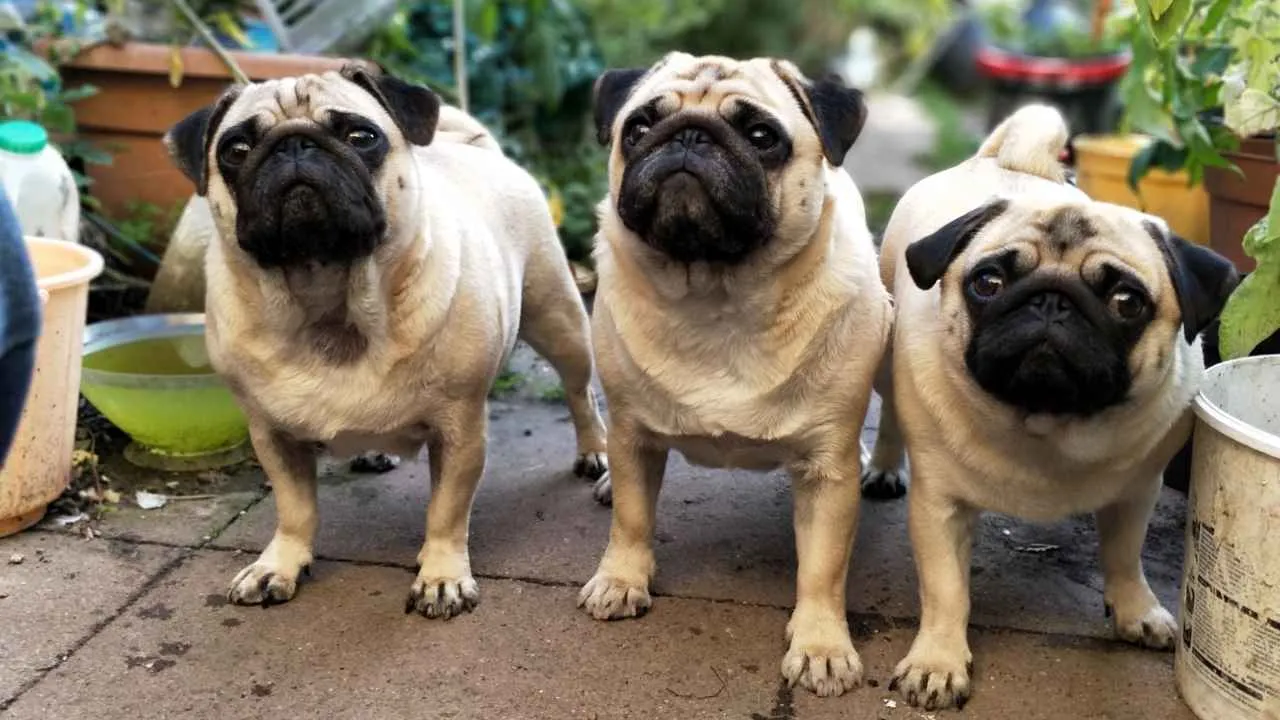
The Pug is proof that a dog can be small, sturdy, and absolutely loaded with personality. With a wrinkly face, round eyes, and comedic timing that feels suspiciously intentional, the Pug has been charming humans for centuries. For beginners wanting a loving house dog, this breed can be a hilarious little companion.
They are often described as charming, mischievous, and affectionate. They usually love being close to their people, whether that means sitting beside you, following you around, or staring dramatically while you eat. Their energy is moderate, and they often prefer short bursts of fun over endless athletic demands.
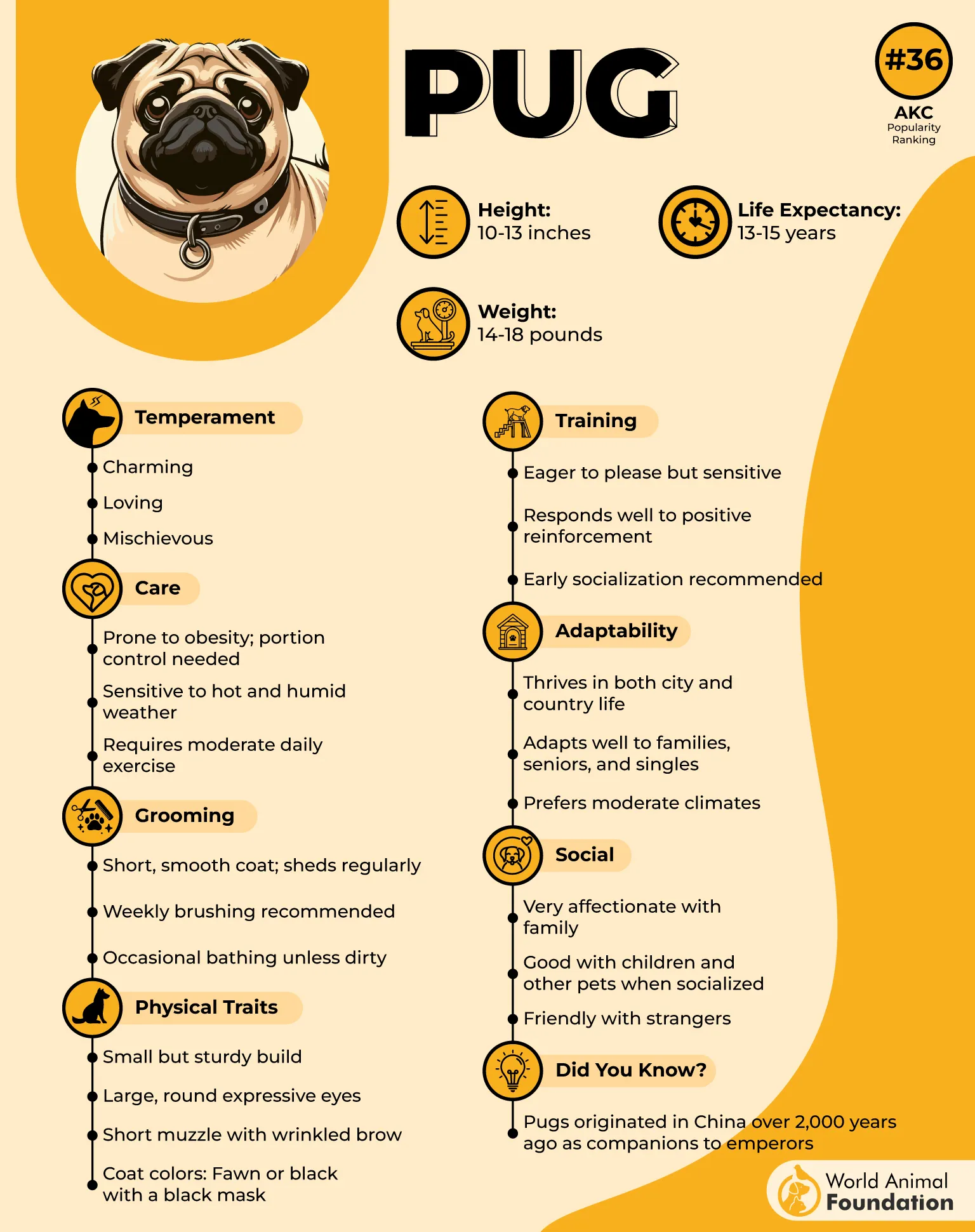
Training a Pug can be entertaining because they are smart but sometimes stubborn, according to Greencross Vets. Food can motivate them, but owners must avoid overfeeding because they can gain weight easily. The trick is to make training rewarding without turning every lesson into an all-you-can-eat buffet.
Their short coat is fairly easy to maintain, but skin folds, eyes, nails, and teeth need steady care. Those adorable wrinkles should stay clean and dry to help avoid irritation. Beginner owners should also understand that cute faces often come with real care responsibilities.
Because they are brachycephalic, they require caution during heat and intense exercise. They are better suited to relaxed indoor living than hot-weather adventures or long-distance running. With sensible care, humor, and portion control, the Pug can be a lovable dog with elite cuddle credentials for first-time dog owners.
Managing Them As A New Owner
Watch food portions closely, because Pugs can act hungry even when their bowl history says otherwise.
Clean facial folds gently and regularly so their famous wrinkles stay cute, not uncomfortable.
Skip hard exercise in heat and choose cooler, shorter walks that respect their breathing needs.
Conclusion
The best beginner dog is not the one with the cutest photo or the most viral TikTok energy. It is the dog whose needs match your home, schedule, patience level, grooming budget, and idea of fun.
Labrador Retriever, Bernese Mountain Dog, Yorkshire Terrier, English Springer Spaniel, and Basset Hound are some other popular dog breeds.
The real secret is this: beginner-friendly does not mean responsibility-free. Every breed on this list still needs training, socialization, healthcare, enrichment, and love that shows up even when the puppy phase gets messy. If you are a dog owner, choose slowly and honestly.
