




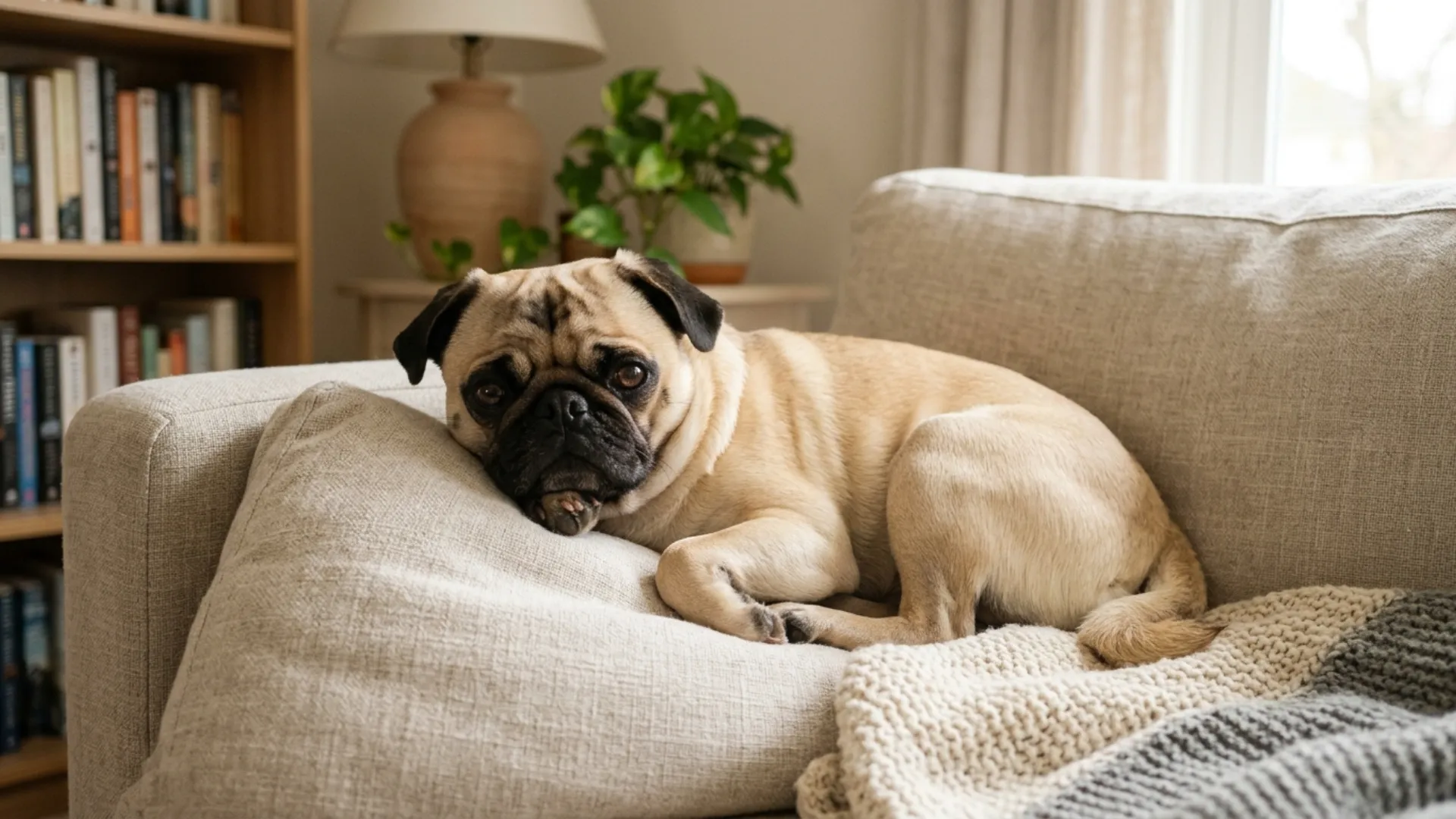
The apartment felt wonderfully quiet until a neighboring dog began barking every morning before sunrise. Within weeks, the constant noise became part of everyone’s routine, interrupting meetings, disturbing sleep, and making peaceful evenings harder to enjoy.
Watching that daily frustration made one thing surprisingly clear. Bringing home a dog is not only about choosing a loving companion but also about finding one whose natural behavior suits the way you live. Many people assume every dog barks frequently, yet that simply is not true.
Some are naturally more reserved with their voices while still being playful, loyal, and deeply connected to their families. If you live in an apartment, a close-knit neighborhood, or anywhere a quieter environment matters, that difference can make daily life much more enjoyable.
The right companion can fill a home with happiness instead of unnecessary noise. Continue reading to meet dogs known for quieter personalities and comfortable home living.
Key Takeaways
A quiet home doesn’t always mean giving up the joy of having a dog around, especially when some breeds are naturally less vocal than others.
The Japanese Chin even earned a reputation for its cat-like habits, while the French Bulldog stays remarkably quiet despite always keeping an eye on what’s happening.
Add the royal history of the Pug, the cheerful Bichon Frise, and a few more surprising companions, and this list becomes far more interesting than you might expect.
Some of the quietest dogs also have the most fascinating stories, and a few of them may completely change which breed ends up on your shortlist.
Top Low‑Barking Dog Breeds for Noise‑Free Home Living
1. Bichon Frise
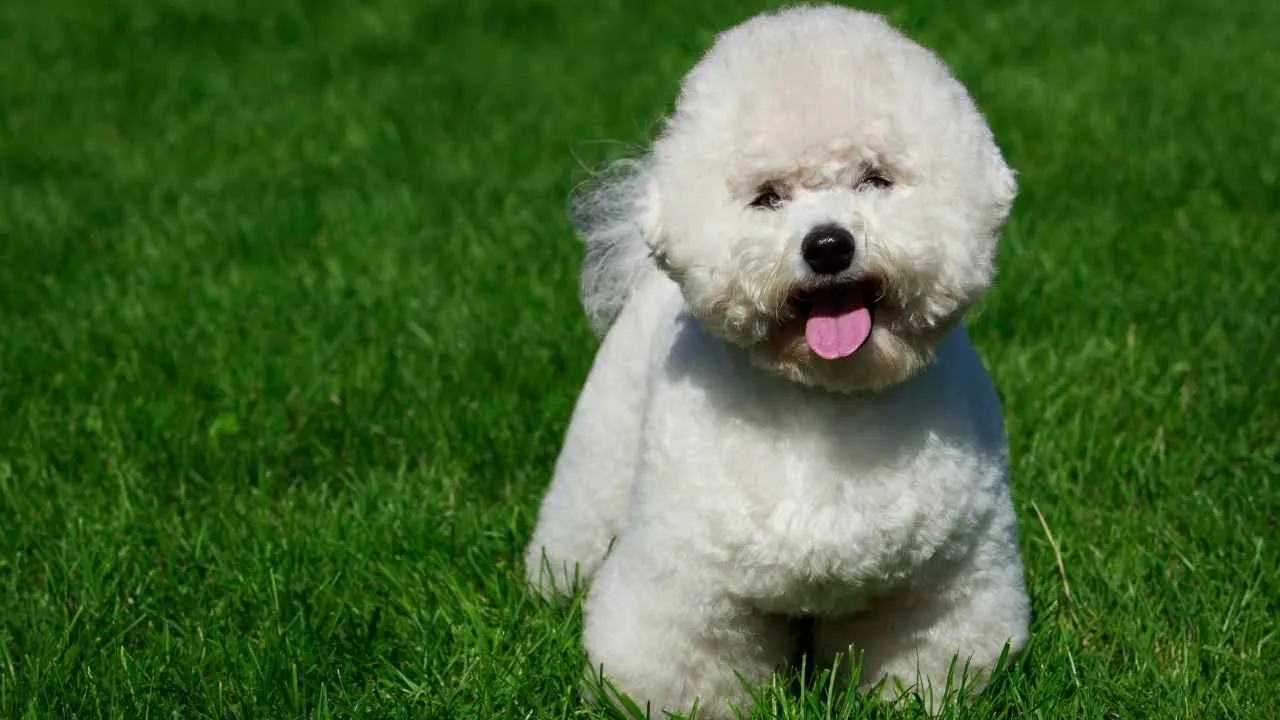
The Bichon Frise brings an outgoing personality that fits naturally into busy households, greeting children, other dogs, and unfamiliar faces with curiosity. After an active play session, this little companion is just as happy curling up beside its family for a relaxing afternoon.
Easy to Live With
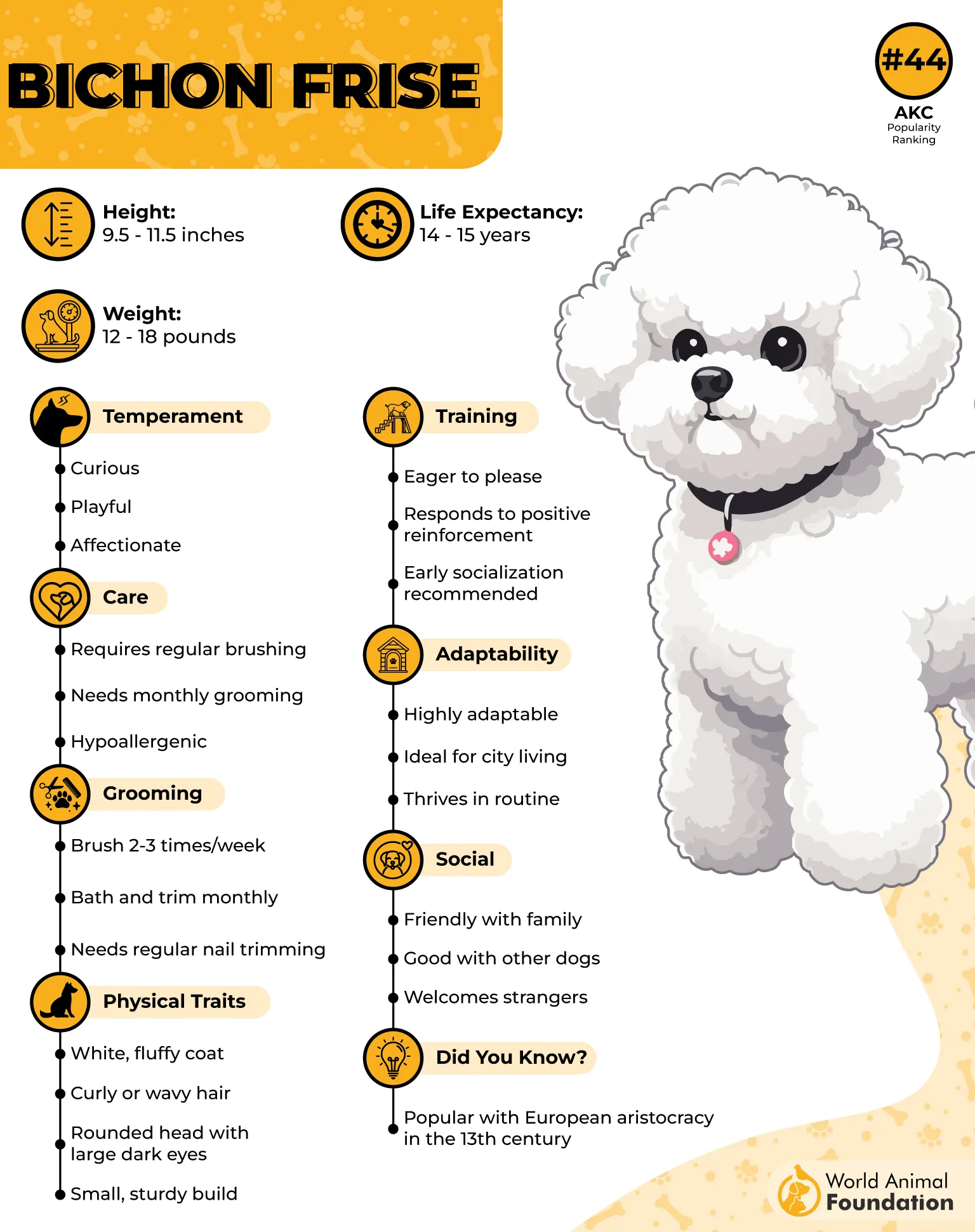
Its compact size makes the Bichon Frise a practical choice for apartments and other smaller homes, while its eagerness to learn helps with everyday training. Alert barking may happen when unfamiliar sounds appear, though consistent guidance helps shape calmer responses.
Some worth-knowing details of the breed are here:
Belongs to the non-sporting group
Enjoys learning new tricks
Good choice for first-time pet parents
Social Every Day
The Bichon Frise responds well to early socialization, making introductions with new people and animals much smoother as it grows, as the AKC noted. This playful breed also adapts well to different home environments and enjoys being included in everyday family activities.
2. Pug

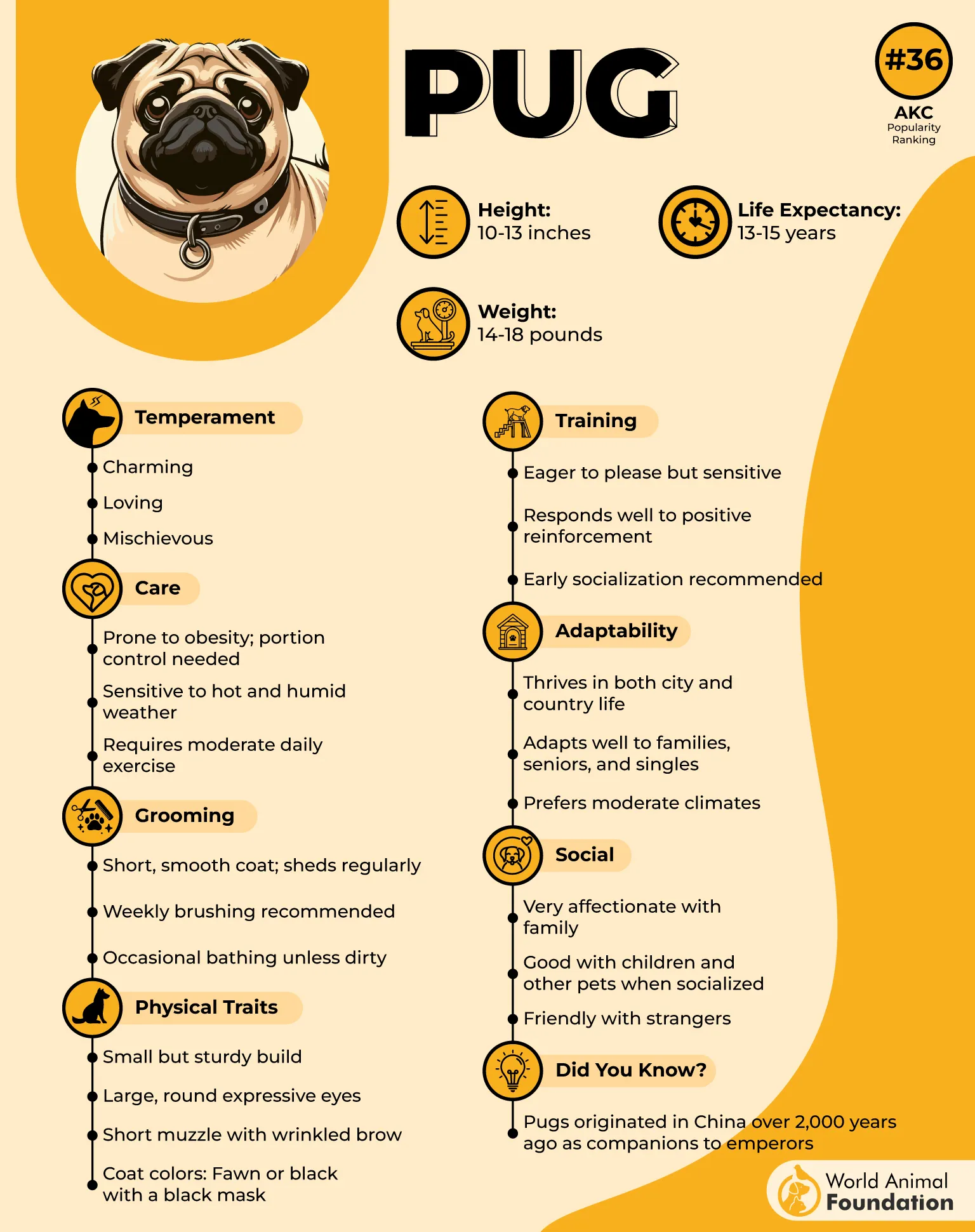
Pugs first appeared in China more than 2,000 years ago before becoming a favored companion in royal households across different parts of the world, as noted by PetMD. Even today, this breed prefers being close to its family and enjoys taking part in everyday household routines.
Easygoing Pace
They are happiest with a relaxed lifestyle that matches their physical build, making several short walks of about 15 to 20 minutes a better choice than demanding activities. Running or agility work does not suit this breed, while a brief game of fetch fits much more comfortably.
Here’s another reason to admire it:
Brachycephalic facial structure
An elongated soft palate is common
Narrow nostrils and airways
Comfort Comes First
This apartment-living breed spends much of the day lounging indoors, where cooler surroundings are generally a better fit for its flat-faced structure. Warm weather calls for extra attention because breathing difficulties and overheating can become a concern during outdoor time.
3. Japanese Chin

Japanese Chin spent years in the company of Buddhist monks before becoming a familiar sight among nobility in Imperial palaces. That close connection with people shaped an affectionate companion that feels most comfortable sharing everyday life indoors.
A Cat-Like Twist
It is often compared to a cat because it enjoys settling along the back of a sofa or the arm of a chair instead of choosing the floor. Quiet moments indoors are balanced with playful walks and a willingness to perform simple tricks.
Here’s what makes it unique:
Gifted to members of nobility
Socialization is encouraged before 12–16 weeks
Small size calls for supervised play with children

Calm Living
The Japanese Chin fits naturally into a peaceful household where companionship is part of the daily routine, and attention is shared throughout the day. Its compact size also means children should interact gently, helping prevent accidental injuries during play, as WebMD writes.
4. French Bulldog

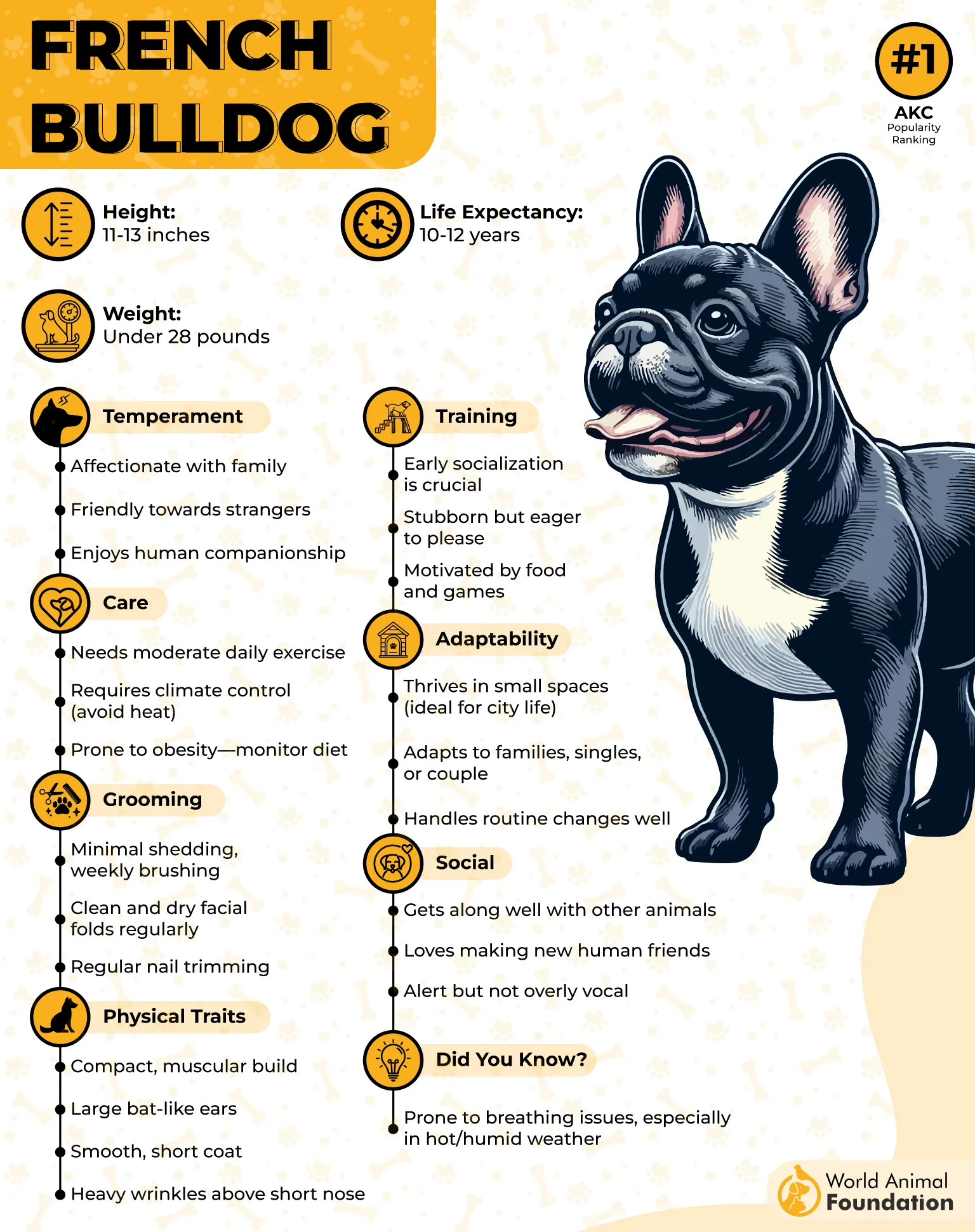
The French Bulldog catches attention immediately with its upright bat ears, a feature that has become the breed’s unmistakable trademark. Combined with a square head, compact frame, and smooth coat, this little companion has a look that is easy to recognize.
Quiet by Nature
This quiet dog breed is not a frequent barker, making everyday life more peaceful without losing awareness of its surroundings. That calm voice, paired with an alert personality, allows this breed to notice visitors without filling the house with constant noise.
A few details make the breed even more distinctive:
Large, square-shaped head
Heavy facial wrinkles above the nose
Compact, muscular body build
Comfortable Anywhere
As a small dog breed, it adjusts easily to life with singles, couples, or families and enjoys meeting both familiar faces and new people. Limited outdoor exercise suits this breed well, making daily routines easier in homes where space is more limited.
5. Boston Terrier

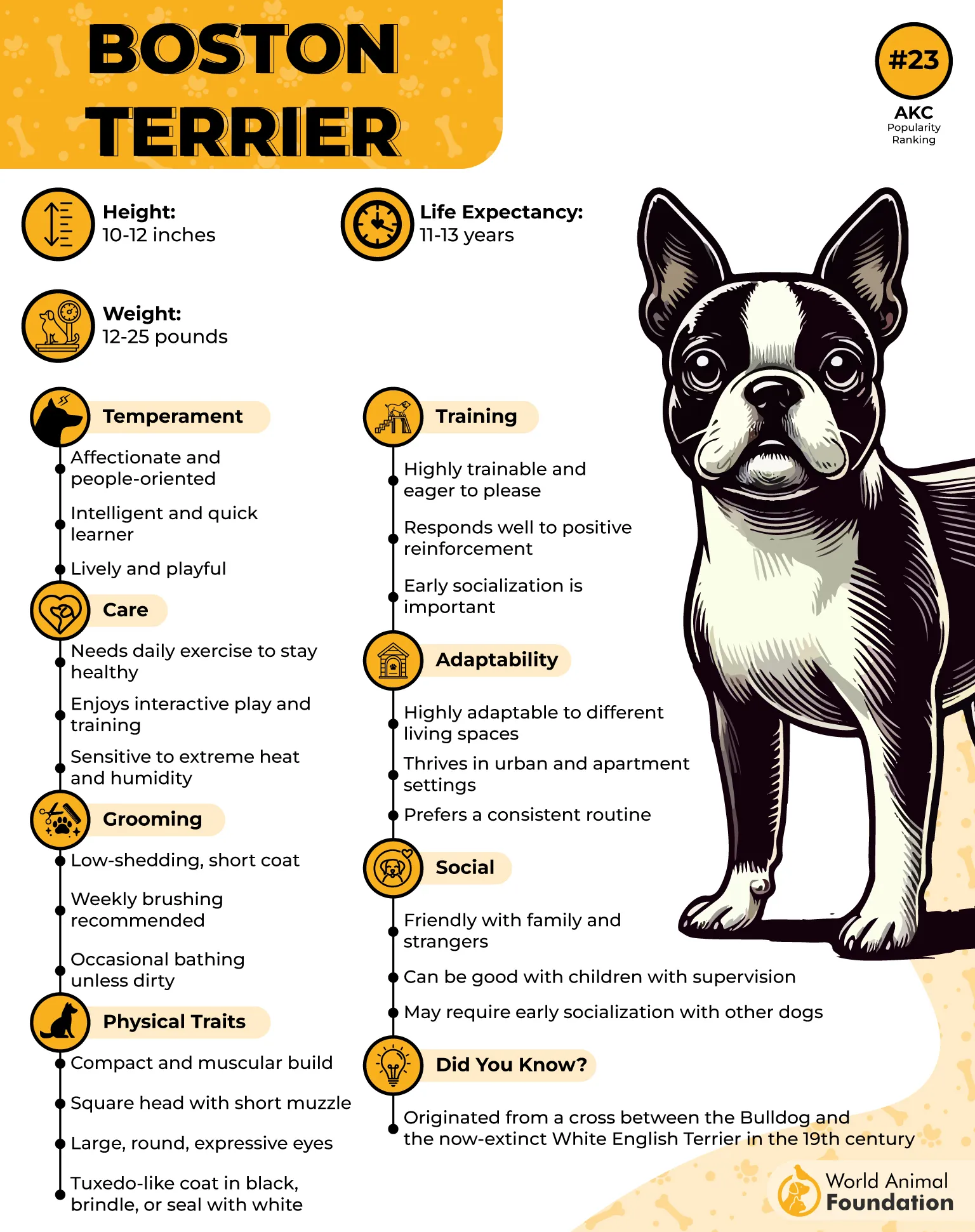
The Boston Terrier was first seen in Boston and quickly became associated with the nickname “American Gentleman,” thanks to its polite personality and tuxedo-like coat. While black and white is the familiar look, brindle coat variations can also be found within the breed.
Easygoing at Home
This apartment dweller enjoys being involved in everyday family life and adapts well to different living spaces with consistent, moderate activity. A daily game of fetch or frisbee gives this playful companion a fun way to use its energy.
These interesting details add another layer:
Originally bred as a companion dog
Not suitable for hot and humid weather
Need enough mental stimulation
Play Comes Naturally
The Boston Terrier brings an upbeat attitude into the home and happily joins family activities without needing constant entertainment. Gentle children and properly introduced pets are often welcomed, although supervised play helps prevent accidental injuries to this sturdy little dog.
6. Bolognese
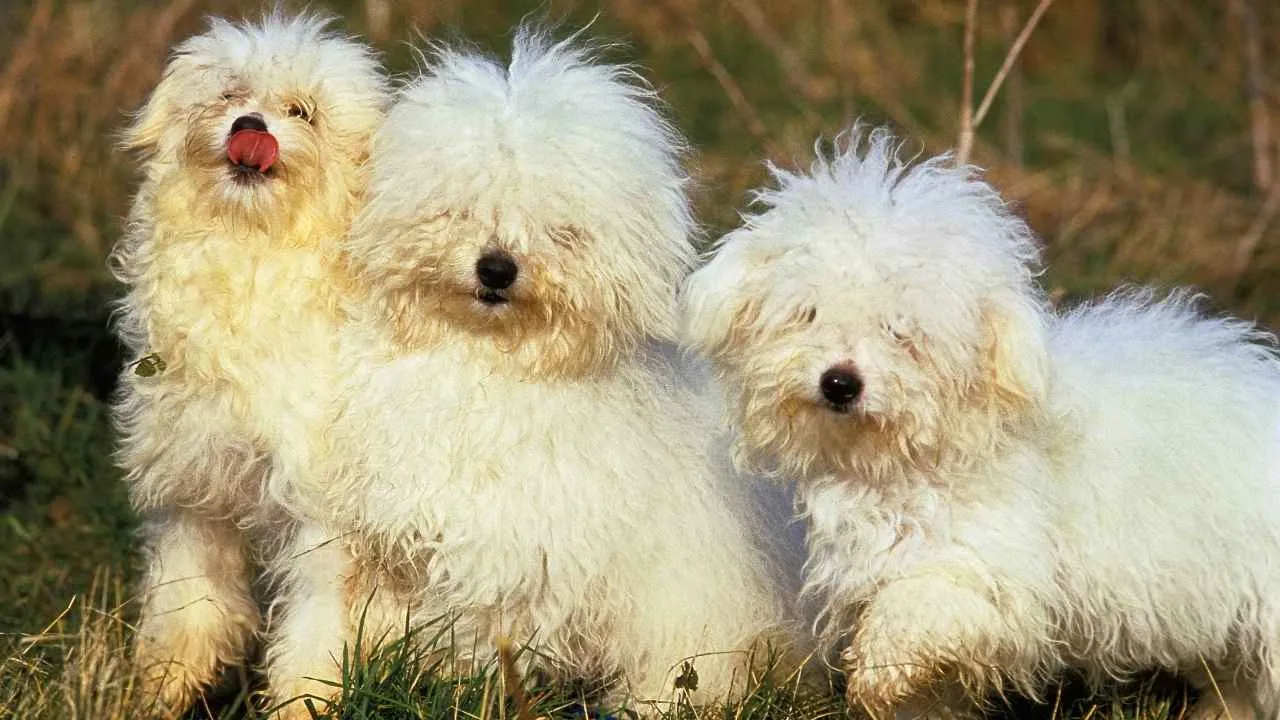
The Bolognese lived alongside Italian nobility for centuries, and its small white appearance even found a place in Renaissance artwork. From the beginning, this breed’s role centered on close human companionship, shaping the calm and affectionate personality seen today.
Gentle by Nature
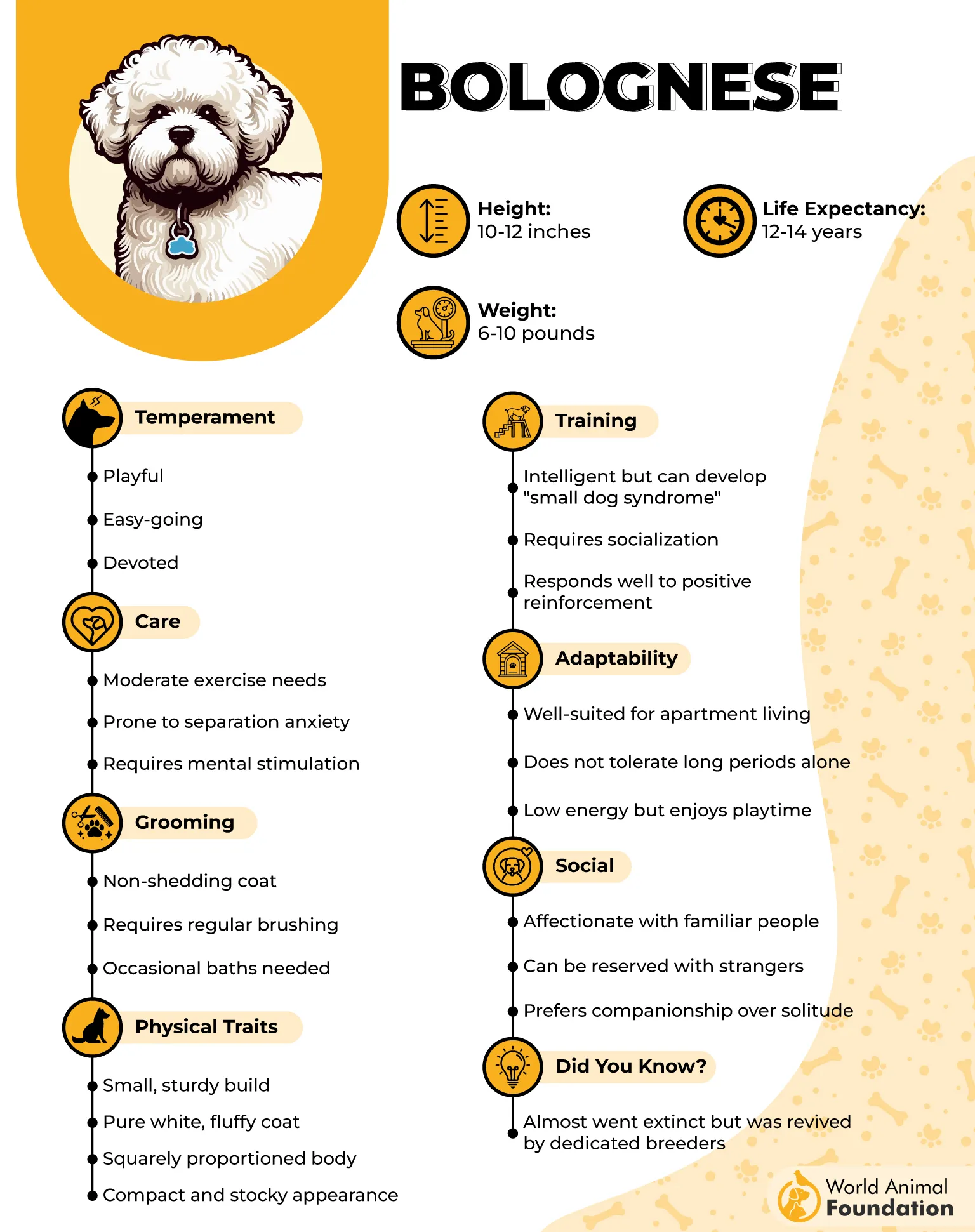
They bring a balanced temperament into everyday life, combining a relaxed attitude with enough awareness to notice what is happening nearby. That even disposition fits comfortably into homes where a quieter atmosphere is appreciated.
These details complete the picture:
Adaptable with children and seniors
Comfortable during travel and errands
Enjoy brief play sessions
Calm Without Fuss
The Bolognese avoids the extremes of being overly energetic or excessively timid, giving it a steady personality in daily life. Proper socialization and training help this breed adjust comfortably to different people, routines, and household environments without unnecessary commotion.
7. Coton de Tulear
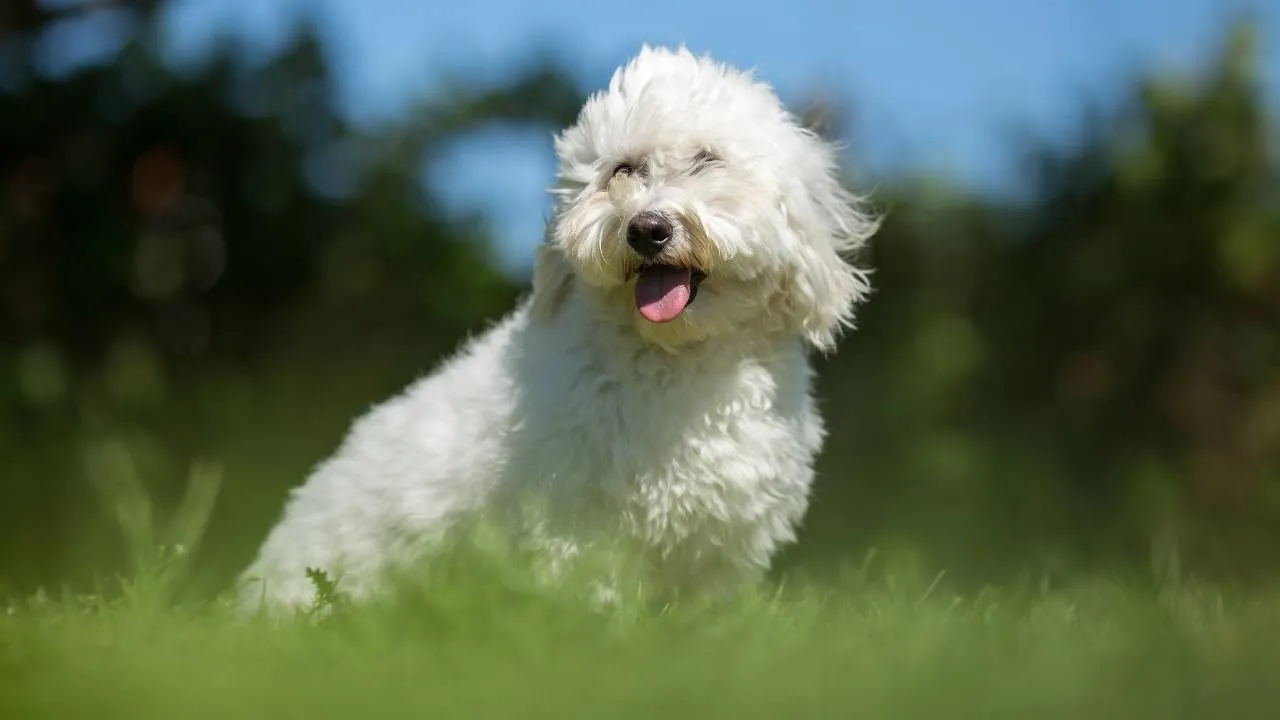
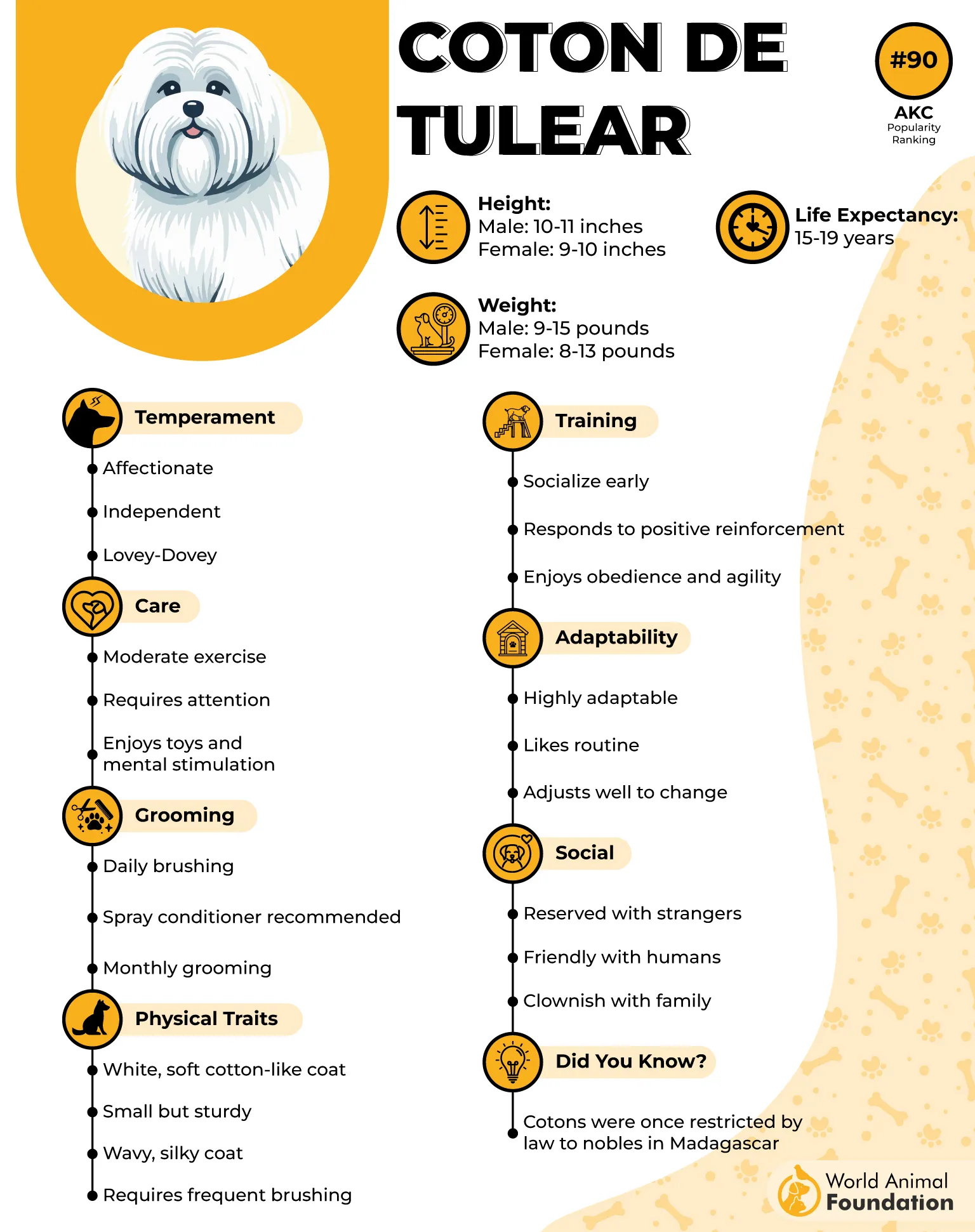
The Coton de Tulear takes its name from the port city of Toliara in Madagascar, where this fluffy companion first became closely associated with island life. Its soft, cotton-like coat inspired the breed’s name, while early accounts suggest it reached the island by ship during the 15th century.
Easy to Live With
They can live well in different living environments and enjoy both quiet indoor time and playful moments outdoors. Daily walks and neighborhood play sessions are enough to keep this cheerful companion content without demanding nonstop activity.
There’s still plenty to uncover:
Once called the “Royal Dog of Madagascar”
French nobles prized the breed in the 1700s
Thought to have mixed with local wild dogs on Madagascar
Family Comes First
The Coton de Tulear forms close bonds with the people around it and enjoys joining family routines throughout the day, making it a pleasant companion for shared living spaces. It also settles in well with children, other pets, and even travel when introductions are handled thoughtfully.
Conclusion
Finding a companion that suits a quieter lifestyle involves much more than choosing the dog that barks the least. Temperament, exercise, training, and the amount of companionship each breed expects all shape everyday life together. Taking time to compare those qualities with other breeds helps create a happier experience while avoiding surprises after bringing a dog home.
The right match allows peaceful routines to develop naturally while reducing excessive barking without giving up the affection, loyalty, and playful moments that make sharing life with a dog so rewarding. A calm household and a devoted companion can easily go together when personality and lifestyle complement one another from the beginning.
