




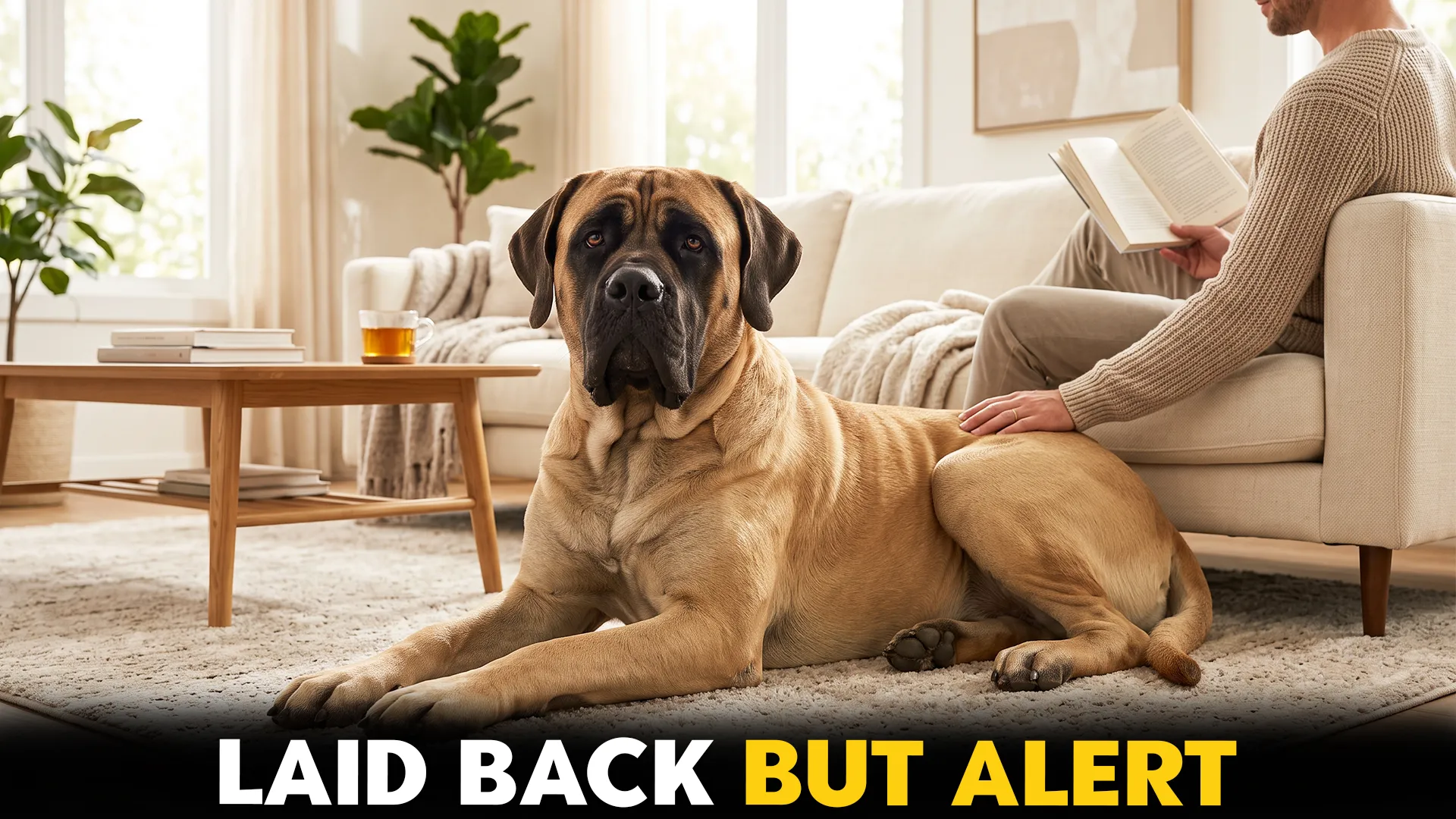
Relaxed owners usually want calm loyalty, quiet confidence, and a dog that can protect the vibe without turning the house into a full-time action movie. That is where low-maintenance guardian breeds come in, because some dogs can look intimidating while emotionally operating in “couch mode.”
For relaxed owners, the best match is a dog that is steady indoors, naturally loyal, and not desperate for a marathon before breakfast. Still, these breeds need clear rules because a 120-pound dog with no manners is not “chill”; it is a furniture-moving weather event.
Socialization is the secret sauce that teaches them who is a guest, who is family, and who is just the delivery guy trying to survive his shift.
Let’s talk about the seven dog breeds that bring calm strength, family devotion, and enough guardian energy to make strangers think twice. Let’s meet the big softies with serious security resumes.
Low-Maintenance Guard Dog Breeds Perfect for Relaxed Owners
1. Mastiff
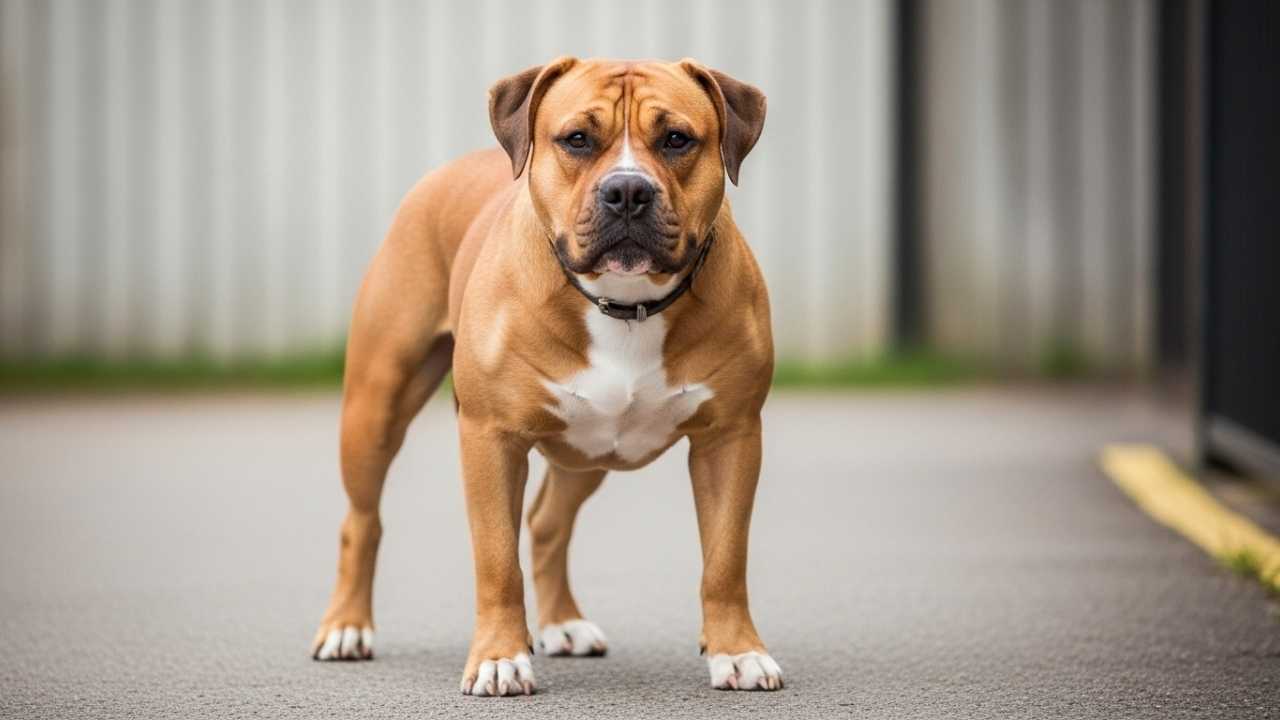
The Mastiff is basically a castle with paws, a heartbeat, and a serious talent for looking intimidating while doing absolutely nothing. This ancient guardian has protected homes and people for centuries, but modern Mastiffs are often calm, affectionate, and deeply attached to their families.
These best family guard dogs do not bounce around the house like chaos on four legs because, honestly, when you are that massive, even standing up feels like a major announcement.
For relaxed owners, this Mastiff dog is a dream because this dog does not need to turn every day into a security drill. A well-raised Mastiff is usually happy lounging near the family, silently judging the room like a sleepy royal advisor.
Then, when something feels off, one deep bark drops like thunder, and suddenly everyone remembers this gentle giant is also home security with jowls.
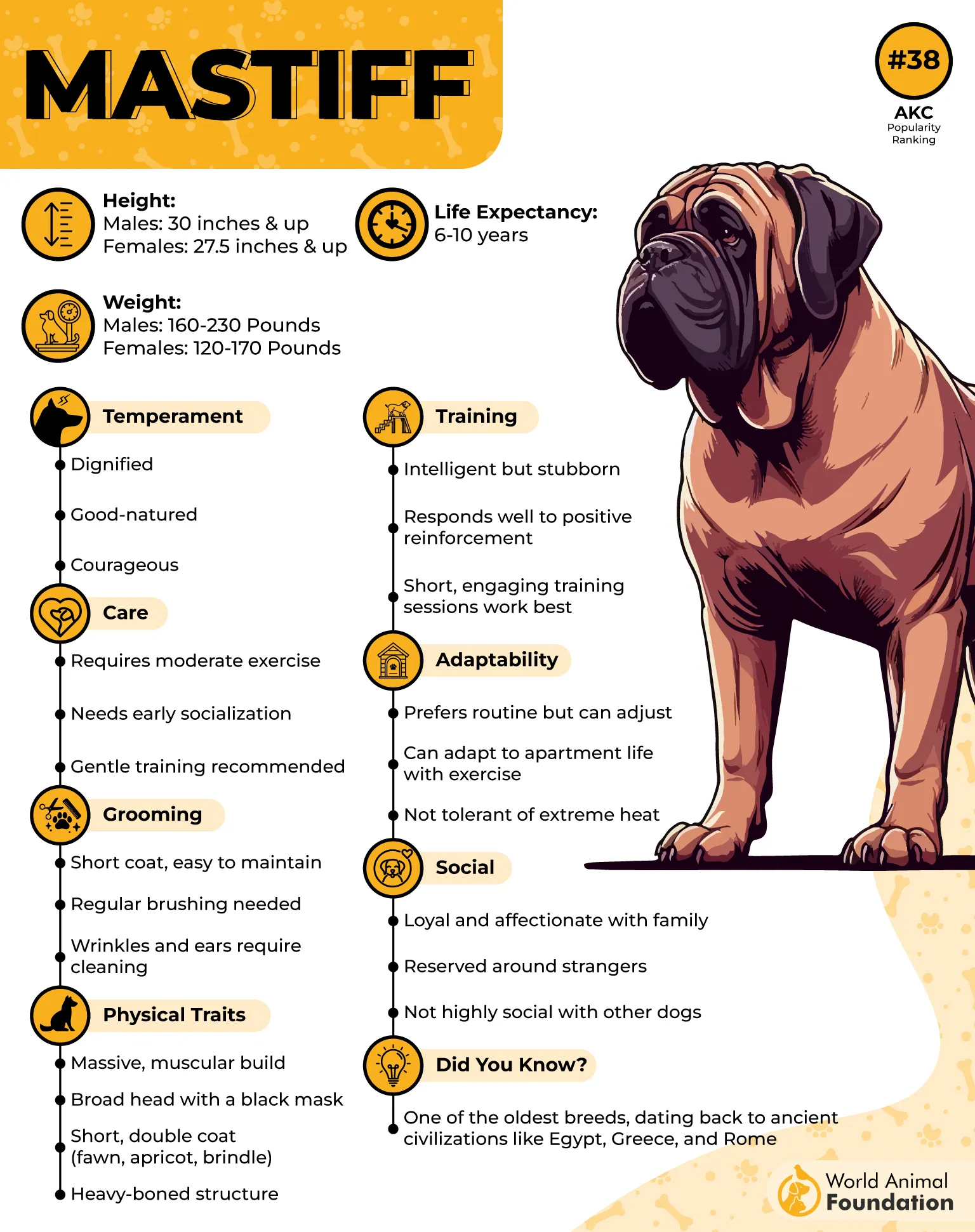
Exercise-wise, these great guard dogs are not training for the dog Olympics. They enjoy daily walks, easy playtime, and some mental stimulation, but they are not begging you to climb a mountain before breakfast. Their ideal fitness plan is more “calm neighborhood patrol” and less “extreme survival challenge with snacks.”
Training should start early because tiny Mastiff puppies quickly become living furniture movers. A polite Mastiff is a peaceful, steady guardian, but an untrained one can accidentally teach your coffee table about gravity.
For calm owners with space, patience, and a good sense of humor, the Mastiff brings quiet protection, giant cuddles, and elite-level nap security.
2. Great Pyrenees
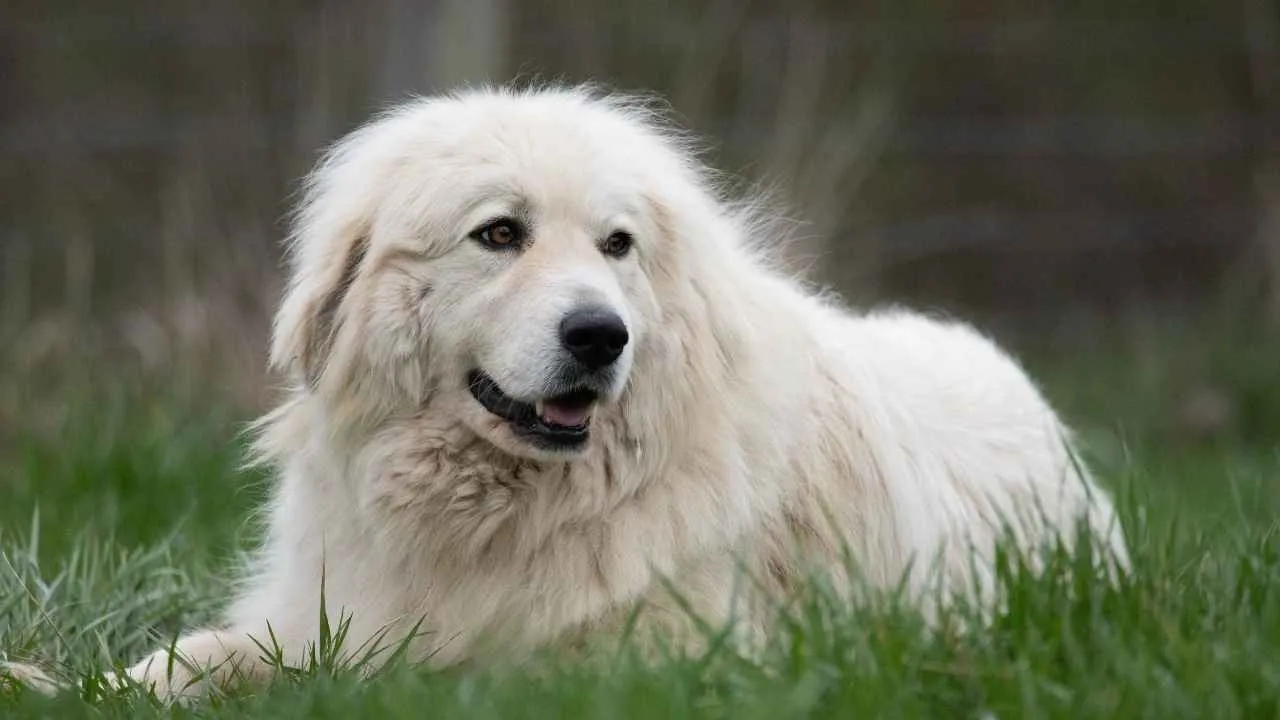
The Great Pyrenees is the majestic white guardian that looks like it should be protecting a snowy kingdom and judging your Wi-Fi password.
Originally bred to guard livestock in mountain regions, this protective dog breed is calm, independent, and naturally protective. Their whole vibe is “soft cloud outside, serious manager inside.”
Relaxed owners love that these excellent guard dogs are not usually hyper indoor tornadoes. They were bred to conserve energy while watching over flocks, so many are calm and thoughtful when nothing suspicious is happening. Of course, when they decide something is suspicious, their bark enters the chat with full sound.
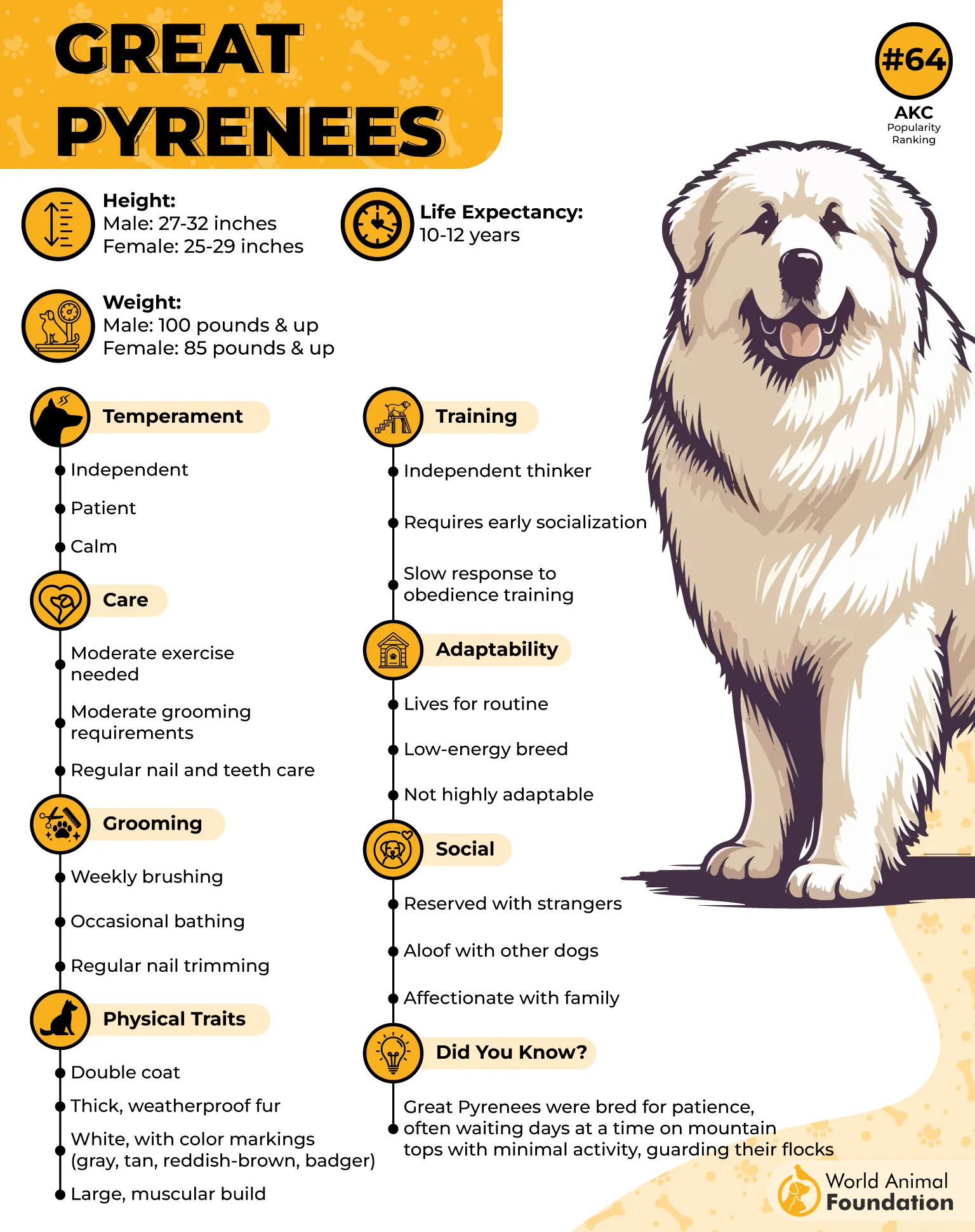
Their independence is both a blessing and a comedy routine. A Pyr can be intelligent enough to understand what you want and independent enough to decide whether your request matters. Positive training, patient repetition, and respectful leadership work better with a Pyr.
Regular brushing helps prevent mats and keeps the legendary white fluff from taking over your home like a soft avalanche. They are not low-maintenance in the vacuum department, but they are often low-maintenance in the exercise-drama department.
These properly trained protection dogs do best with secure fencing, space, and owners who understand guardian instincts. They may roam if given the chance because, in their minds, the whole area could use supervision. For relaxed homes with room to breathe, they bring calm protection, gentle loyalty, and serious “mountain guardian but make it cozy” energy.
3. Bullmastiff
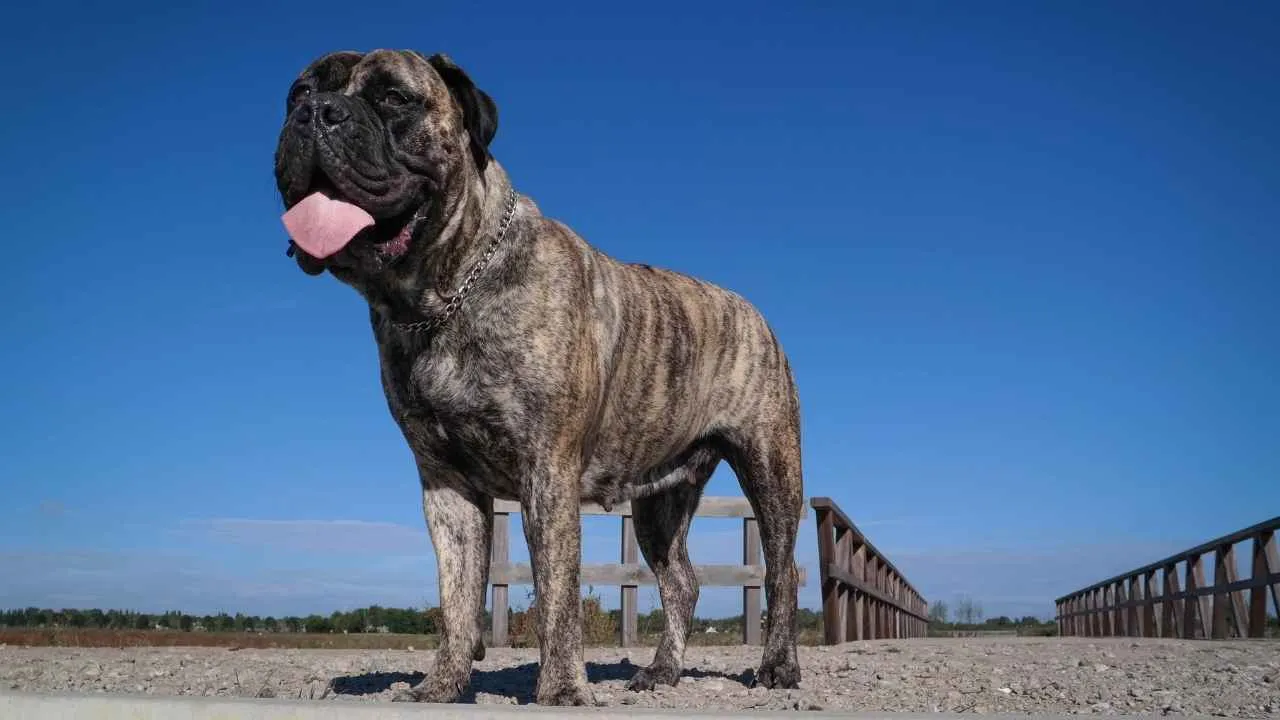
The Bullmastiff is the ultimate “less bark, more body language” guard dog. This breed was developed in England to help gamekeepers guard estates, which explains its calm courage and strong protective instinct. They were meant to stop trouble, not create neighborhood gossip.
For relaxed owners, they can be appealing because many are steady, quiet, and not overly energetic indoors. They often enjoy short-to-moderate walks, family time, and strategic lounging in places where they can keep an eye on everything.
Think of them as a home-security system that also wants snacks and a soft bed.
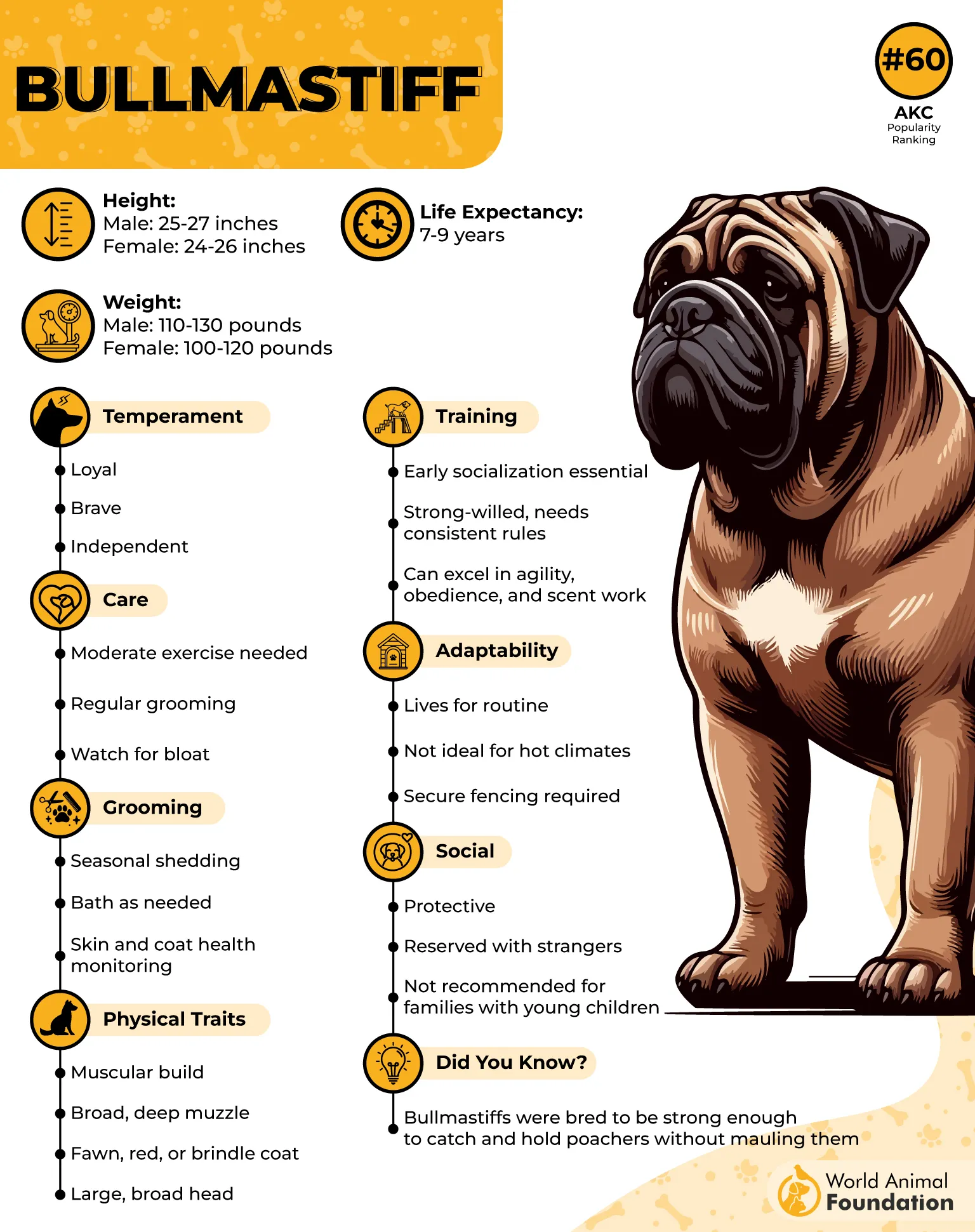
Their guarding style is usually confident and physical rather than noisy. A Bullmastiff may stand between family and a perceived concern, using presence before escalation. When a dog that size blocks a doorway, it is less of a warning and more of a full architectural decision.
Bullmastiffs are loyal and affectionate, but they need early socialization to avoid becoming too suspicious of strangers. They are best for owners who want calm protection while still committing to structure.
For the right relaxed household, the Bullmastiff is a low-fuss guardian with big love and bigger “try me” energy.
4. Newfoundland
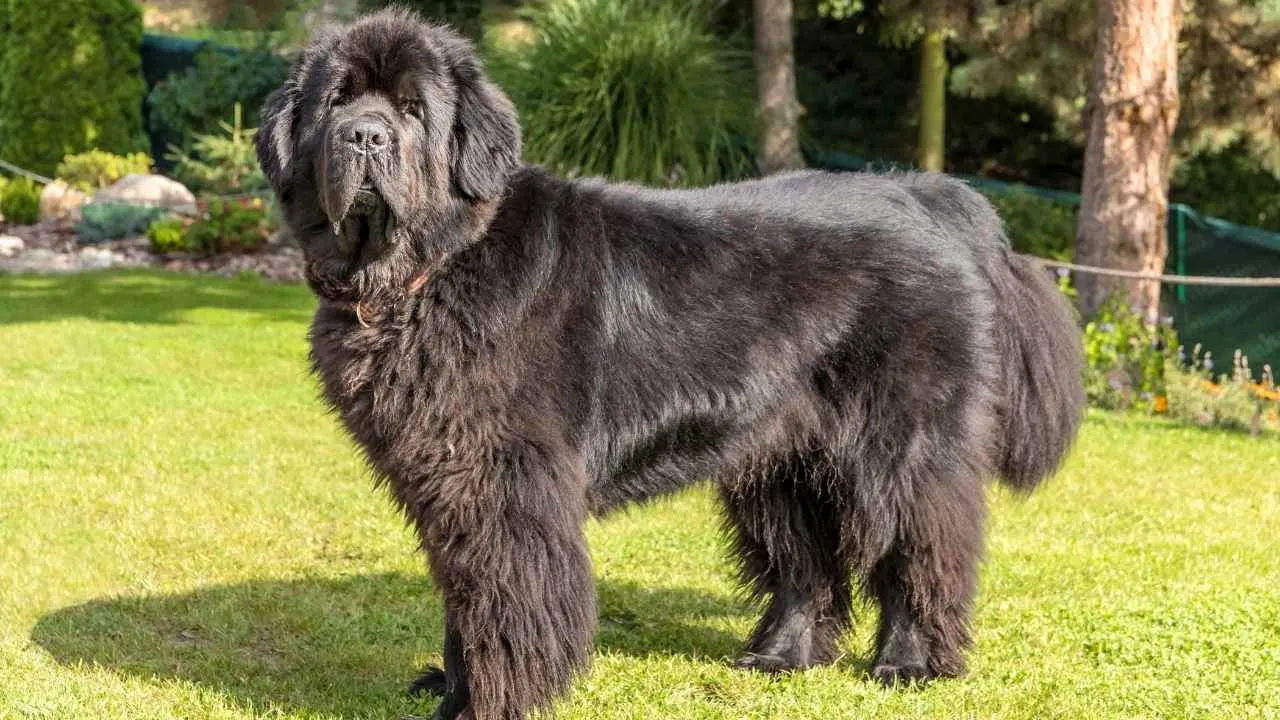
The Newfoundland is the gentle giant who looks like a bear but emotionally feels like a warm blanket. This breed is famous for its sweetness, patience, and strength, with a working history in water rescue and heavy labor.
While not a sharp guard dog in the traditional sense, a Newfoundland’s size alone can make strangers suddenly remember they have somewhere else to be.
For relaxed owners, the AKC claims that the Newfie’s calm temperament is a major win. Many Newfoundlands are affectionate, steady, and not interested in unnecessary drama. They are the kind of dog that may quietly stand near you and make the entire room feel safer just by existing.
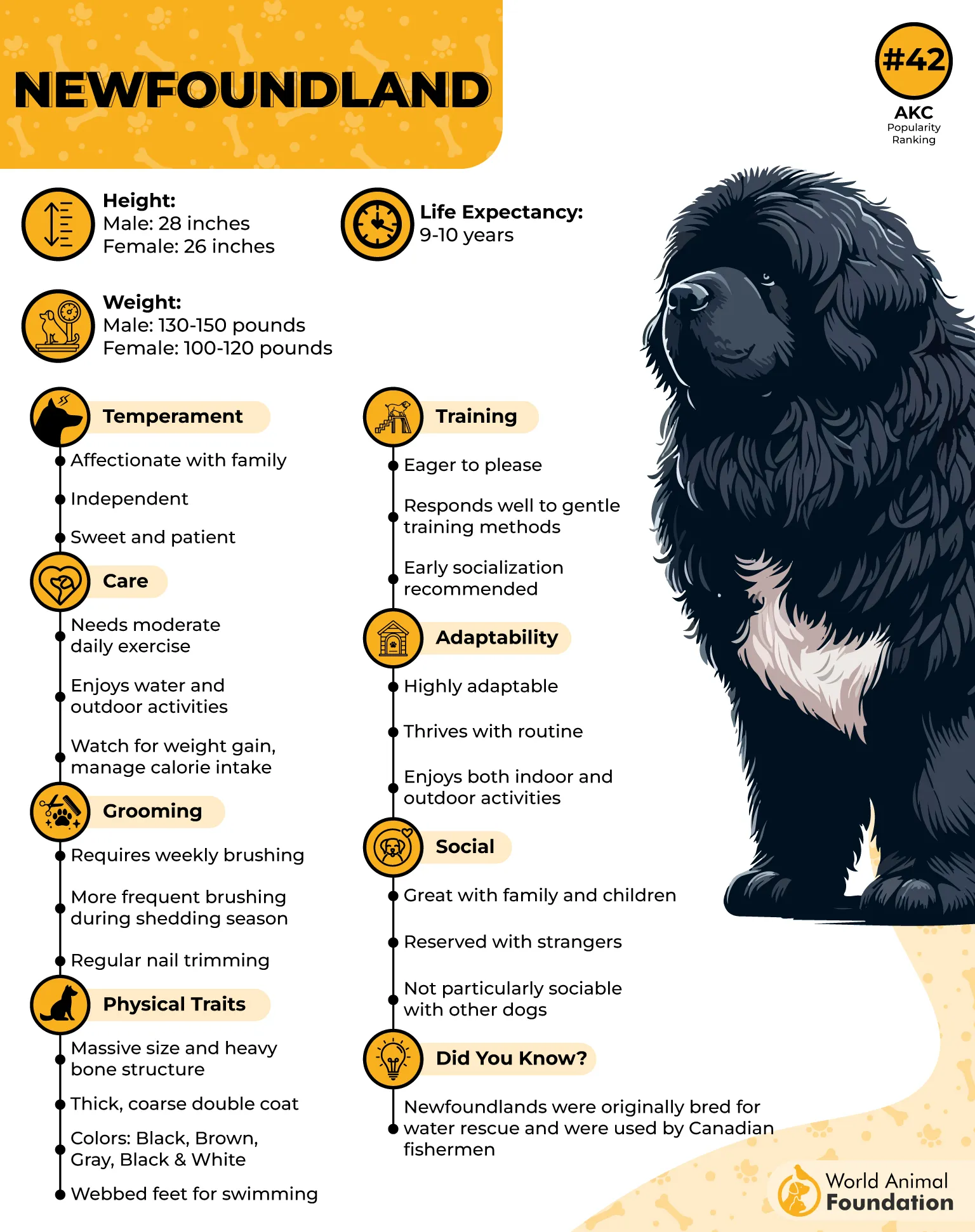
Their exercise needs are moderate, and they often enjoy gentle walks, swimming, and slow outdoor time. They are not typically built for intense speed, but they do need movement to avoid obesity and stiffness. It may not demand chaos, but it still needs care, because giant couch potatoes become expensive couch mountains.
Grooming is where the “low-maintenance” label needs a reality check. Their thick coat sheds and needs regular brushing, especially after water, mud, or seasonal coat changes. If you hate dog hair, a Newfoundland will lovingly help you confront that weakness.
As peaceful security dogs, they shine through presence, loyalty, and emotional steadiness. They are often friendly, but if they sense something is wrong, their protective side can appear in a calm, serious way.
5. Rhodesian Ridgeback
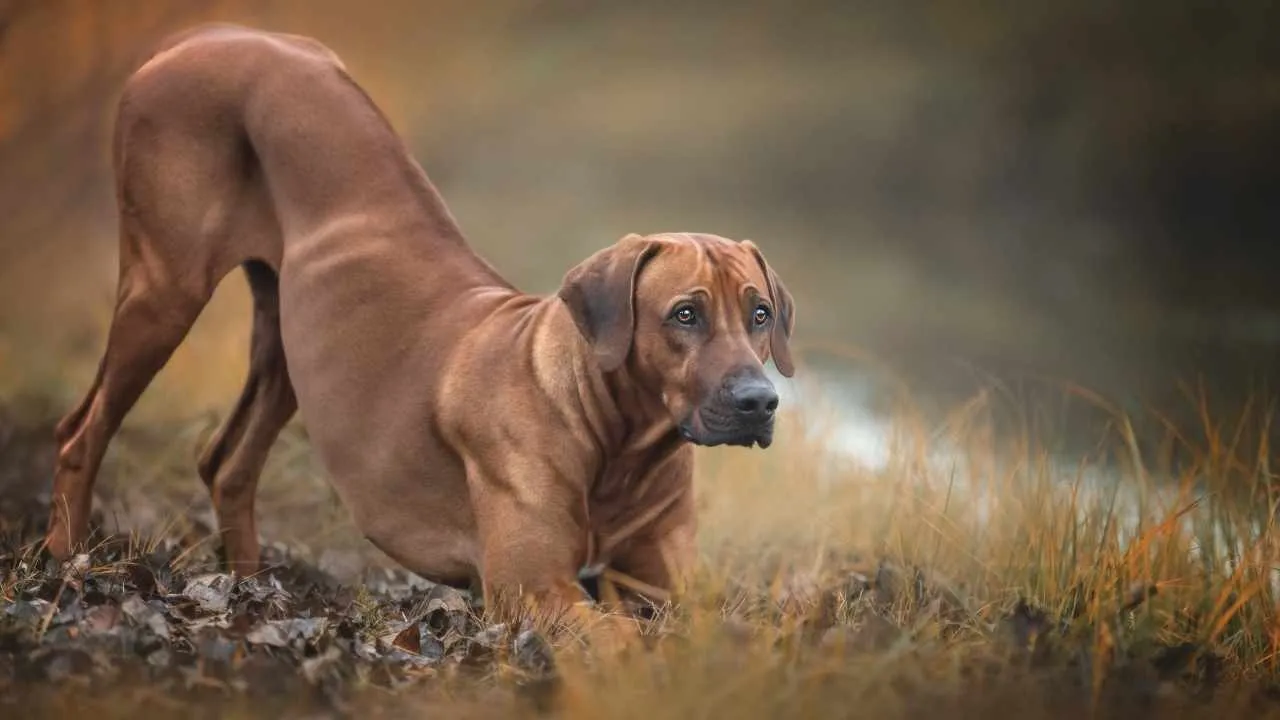
The Rhodesian Ridgeback is the sleek, athletic guardian for owners who prefer low grooming yet still want a serious presence. This breed was developed in southern Africa for hunting support and home protection, and it still carries that confident, independent attitude. It is not fluffy, not fussy, and not here for nonsense.
Compared with thick-coated guardian breeds, it is easier to maintain in terms of grooming. Royal Kennel Club mentions that its short coat needs basic brushing, occasional baths, and routine care like nails, ears, and teeth. That is great news for relaxed owners who want less hair drama and more clean-lined elegance.
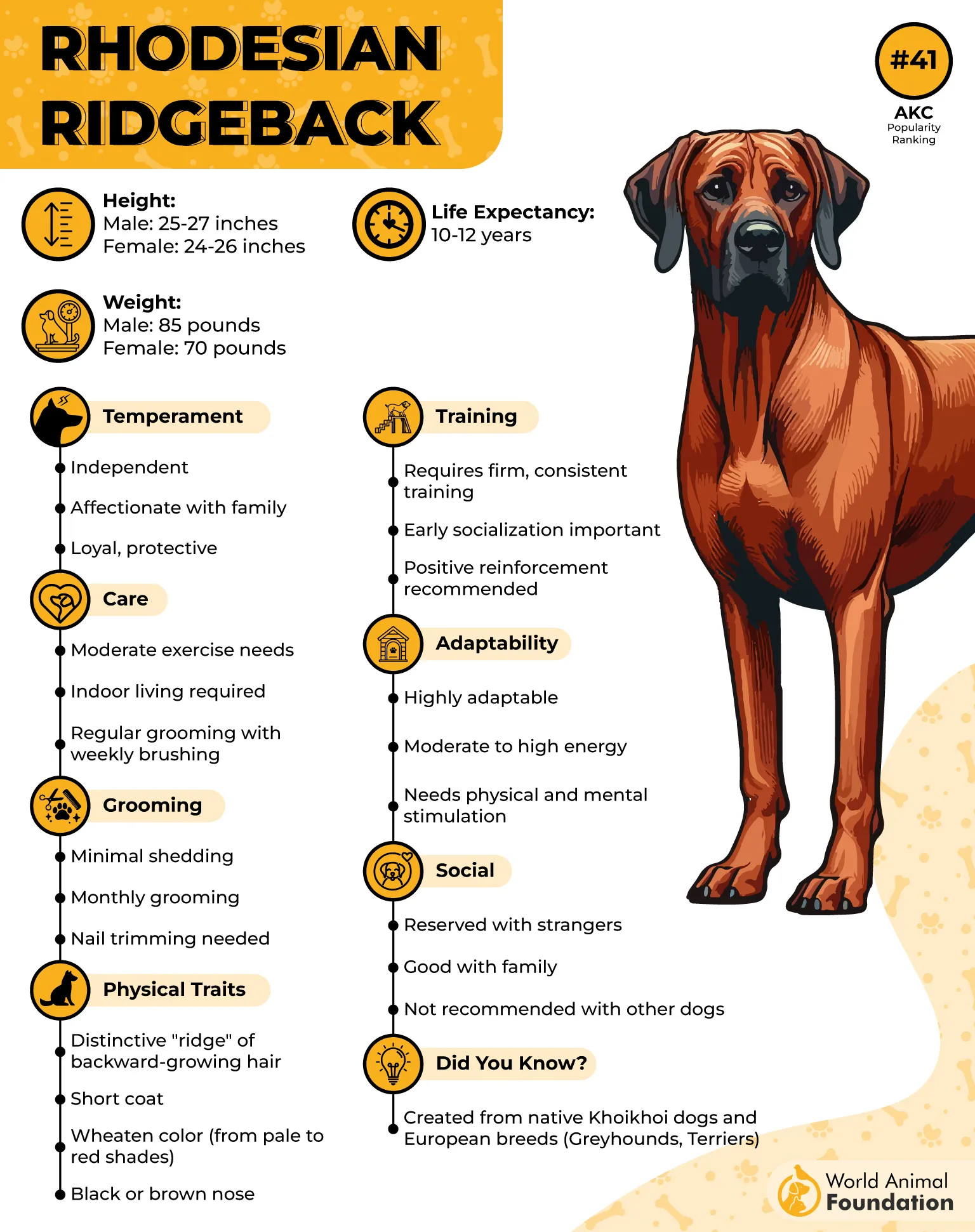
Exercise needs are higher than a Mastiff’s, so “low-maintenance” here mostly means simple coat care, not a lazy lifestyle. Ridgebacks need daily walks, opportunities to run, training, and mental engagement to stay balanced. If ignored, they may become stubborn, restless, or professionally unimpressed with your life choices.
Their guarding style is quiet, watchful, and reserved with strangers. A Ridgeback often does not waste energy barking at everything, but it may stay alert and serious around unfamiliar people. That calm suspicion can be useful when shaped through early socialization.
This breed works best for relaxed but active owners who enjoy routine exercise without wanting intense grooming. They are loyal to family, dignified indoors, and surprisingly goofy with people they trust. For someone who wants a low-fuss coat and a confident protector, the Rhodesian Ridgeback is smooth, stylish, and very much not a pushover.
6. Kuvasz
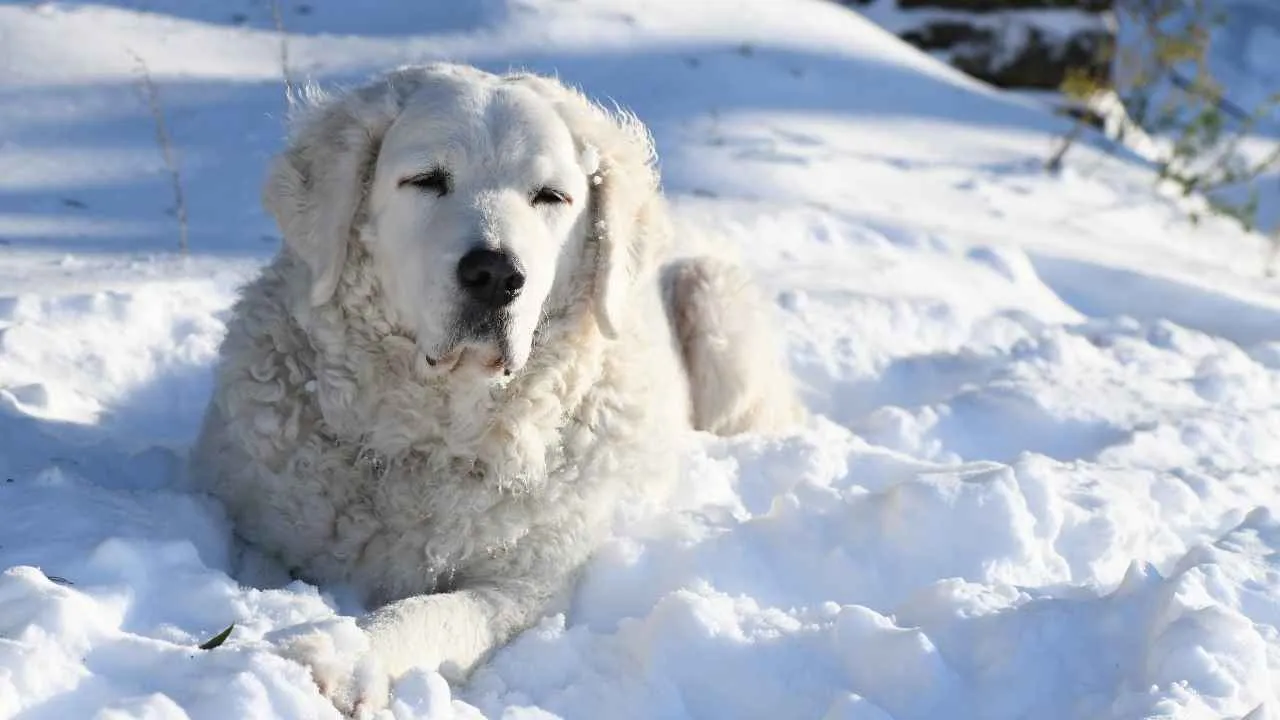
The Kuvasz is the noble white livestock guardian that looks angelic but thinks like a security consultant. This Hungarian breed was developed to protect flocks and property, often making independent decisions without constant human direction. That history created a dog that is loyal, brave, calm, and seriously watchful.
For relaxed owners, they can be peaceful indoors when properly trained and exercised. It is not usually bouncing around for attention every five seconds, because this breed values dignity and personal space. However, its independence means it is not a beginner-friendly “easy button” dog.
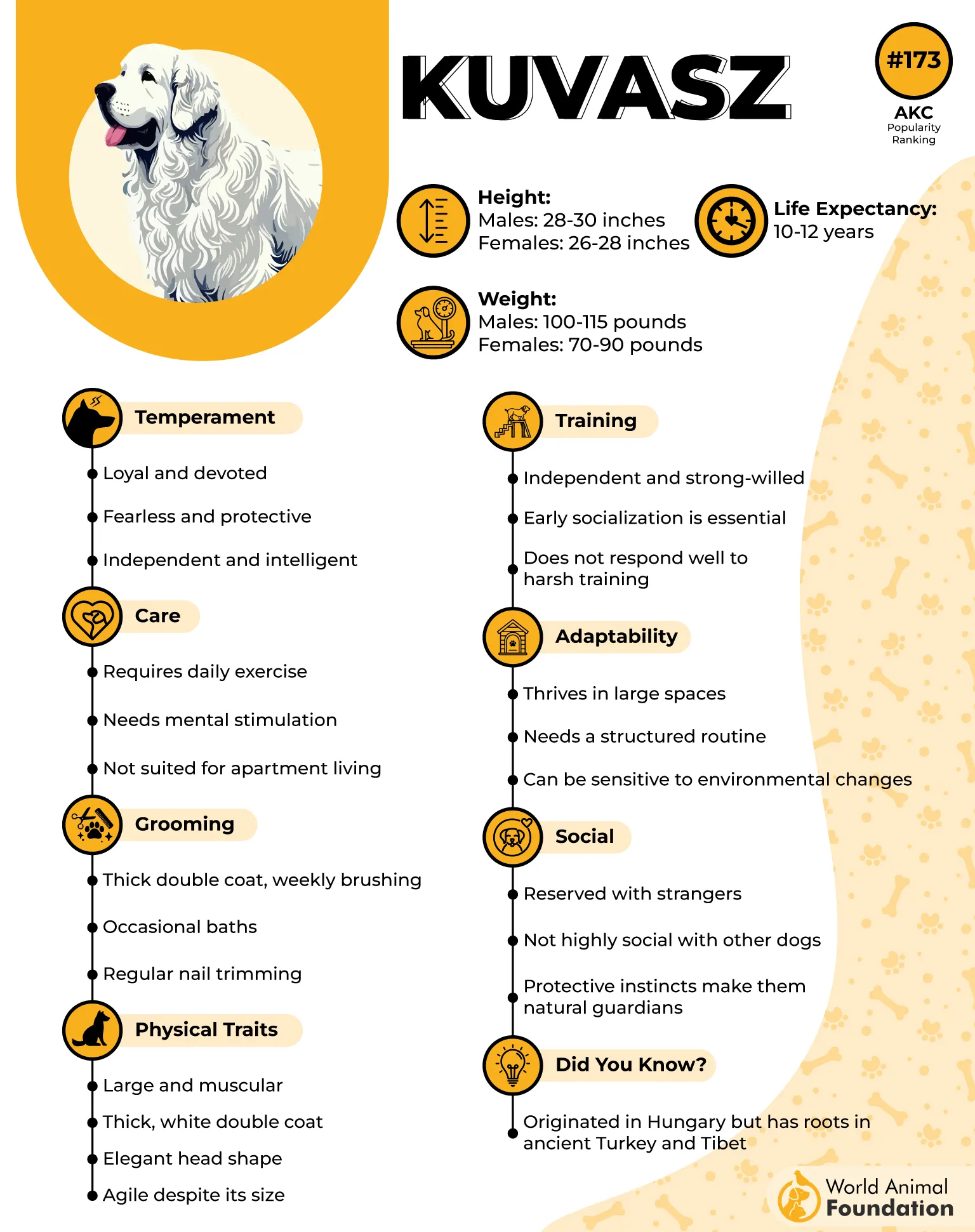
The Kuvasz guards by observing, patrolling, and deciding whether something feels wrong. That decision-making ability is impressive, but it also means the owner must build trust and provide consistent boundaries. You do not boss a Kuvasz around so much as earn cooperation from a very fluffy chief of security.
Its coat is self-cleaning to some extent, so dirt often dries and falls off rather than sticking heavily. The thick double coat usually does not need frequent bathing or professional trimming. Regular weekly brushing is often enough outside heavy shedding seasons.
Hills Pet says it is generally independent and not overly clingy, so it does not need constant attention like some companion breeds.
This breed is best for experienced, relaxed owners with space, secure fencing, and respect for guardian instincts. A well-socialized Kuvasz can be affectionate with family while staying reserved with strangers. If you want quiet loyalty with ancient working-dog confidence, the Kuvasz is basically a noble knight wearing a cloud.
7. Great Dane
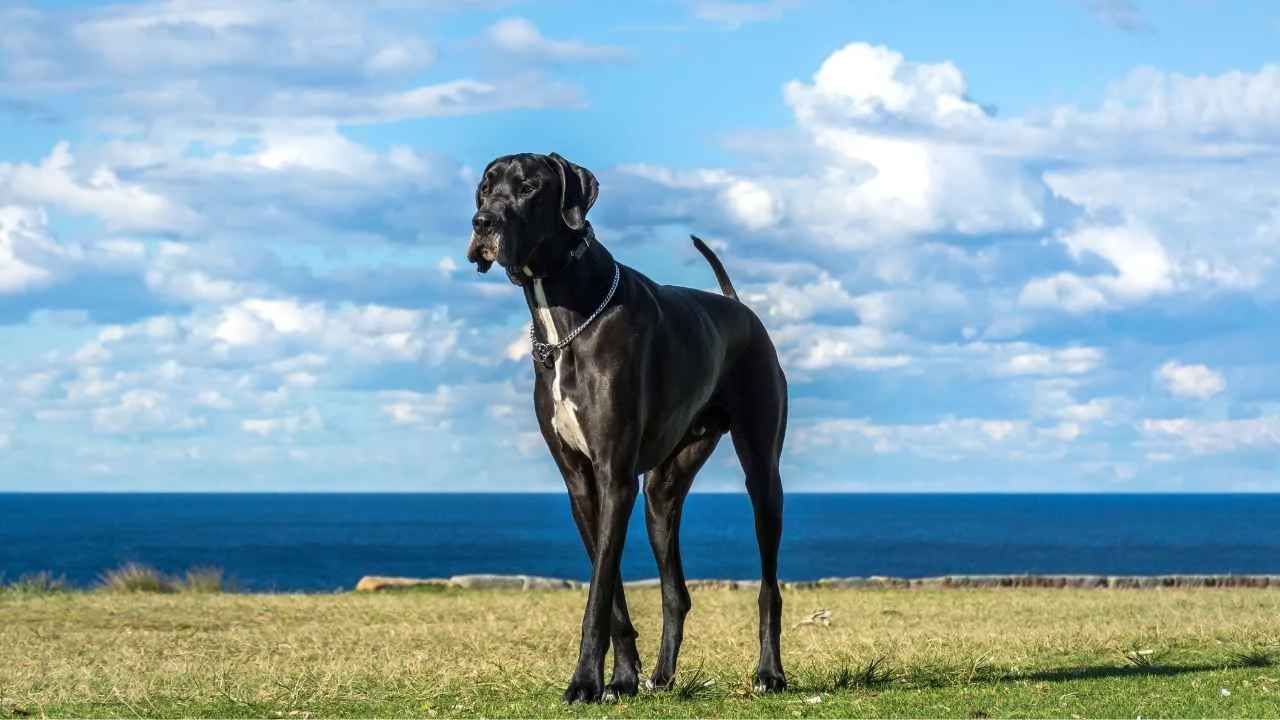
The Great Dane is the tall, elegant giant that makes burglars reconsider life decisions while secretly wanting to lean on your leg. Despite their enormous size, many Great Danes are gentle, affectionate, and surprisingly chill indoors. They are not called gentle giants for nothing, although “personal space destroyers” would also be accurate.
For relaxed owners, it can be appealing because it often has a calm house personality. They enjoy walks, play, and companionship, but their needs are not as intense as those of high-drive protection breeds. A Dane is more likely to supervise the couch than demand a five-mile mission at sunrise.
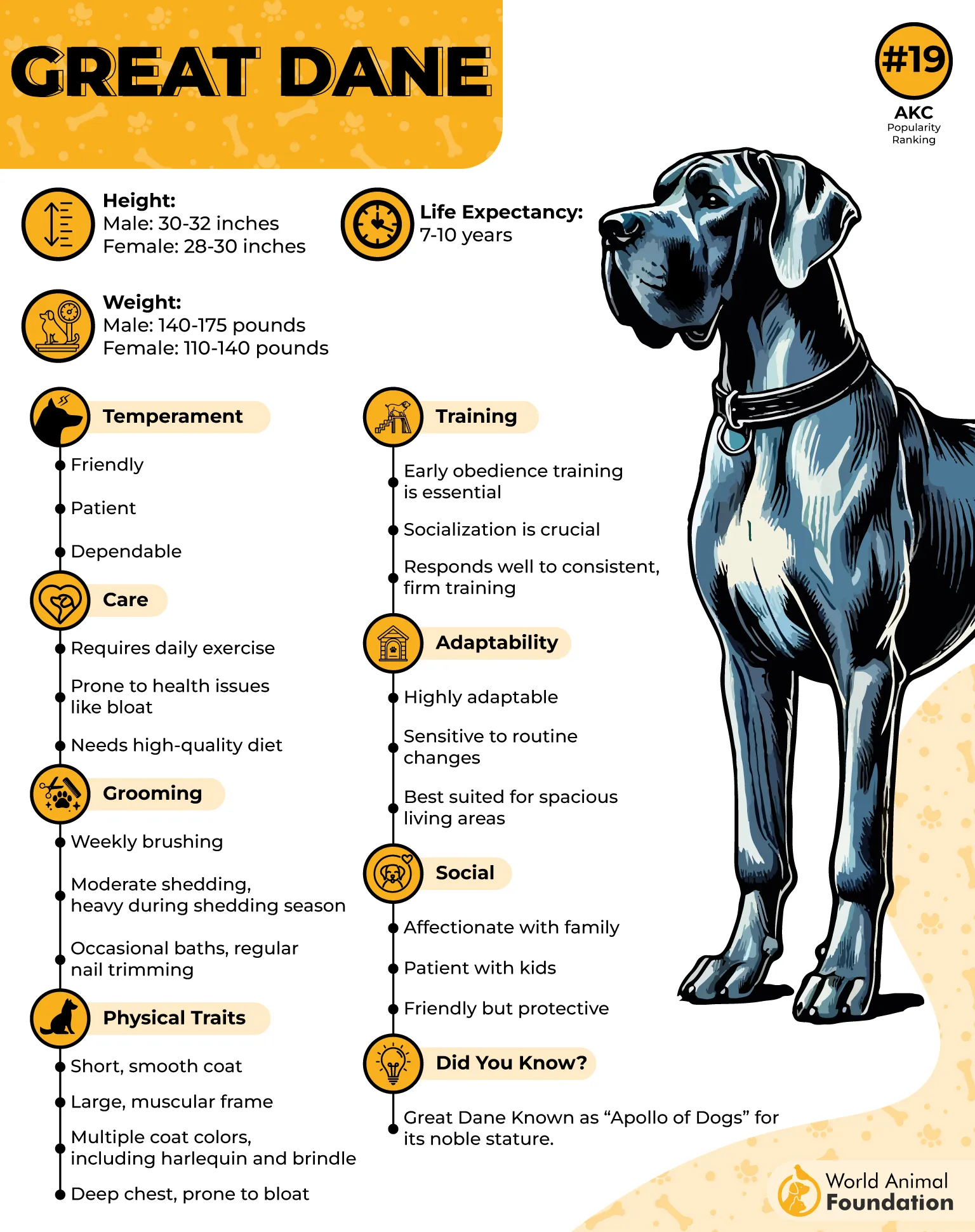
Their guarding power is mostly visual, and honestly, that visual is doing overtime. A stranger seeing a Great Dane in the doorway may not know the dog is a cuddly goofball who fears the vacuum. The size alone creates a strong deterrent, which is very convenient for a dog that may prefer soft blankets to confrontation.
Grooming is simple because the coat is short and easy to brush, says PetMD. The bigger maintenance realities are food costs, vet expenses, joint care, proper training, and finding a bed large enough for a horse pretending to be a dog. Great Danes also need careful puppy exercise to protect their growth.
These calm guard dogs need socialization, so their size remains safe and manageable around guests, children, and other pets. A polite Great Dane is a calm, loving companion with natural home-security vibes.
Conclusion
Low-maintenance guard dogs are not lazy security furniture, even if a few of them nap as if it were their full-time career. These loyal companions still need training, socialization, routine care, and responsible owners who understand size and strength. What makes them easier for relaxed people is their calmer energy, natural presence, or simpler grooming compared with more intense working breeds.
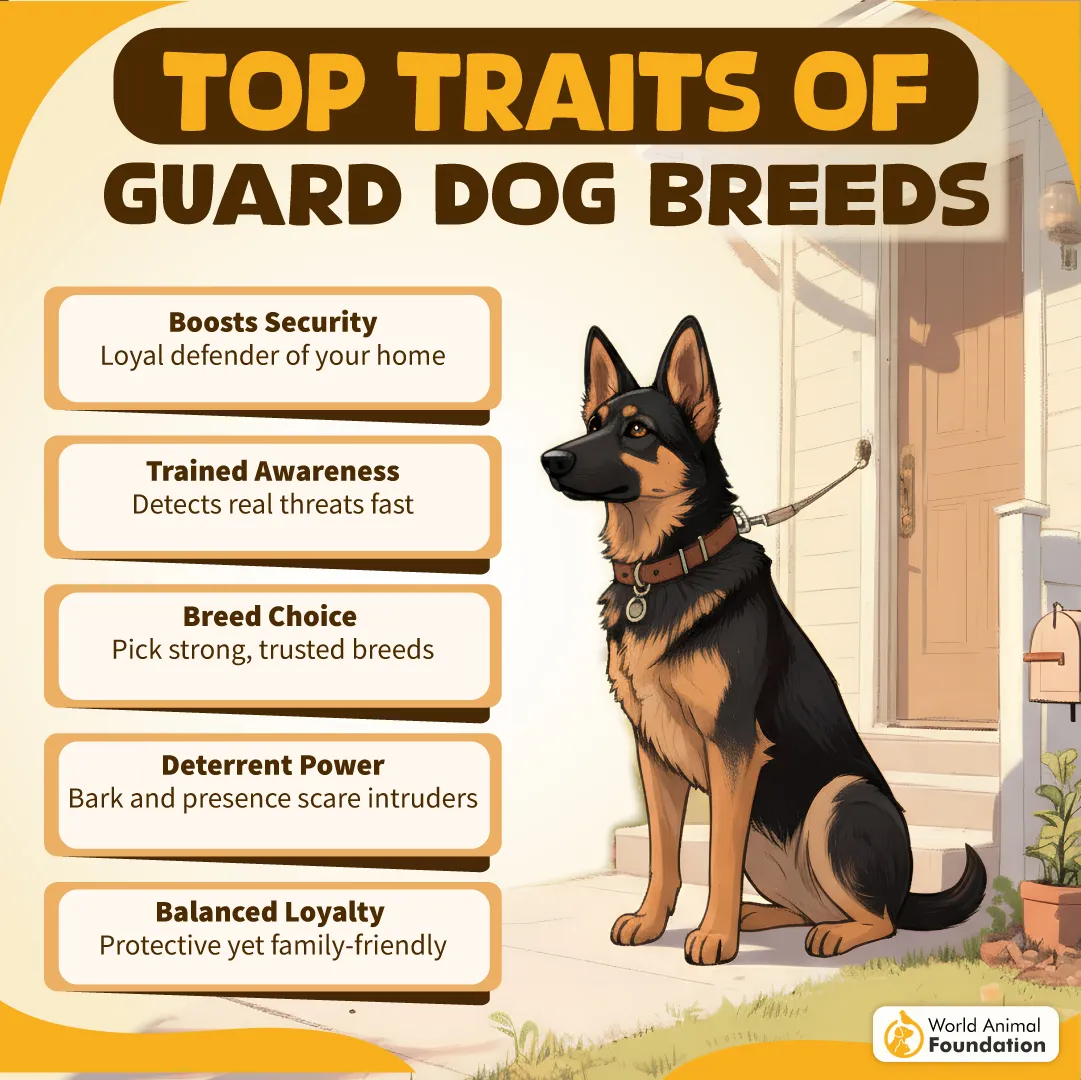
German Shepherd, Doberman Pinscher, and Belgian Malinois are also some easy to manage family guard dogs.
Still, every breed here needs early socialization because protection without confidence can turn into reactivity. A good guard dog should understand normal visitors, normal noises, and normal daily life. The goal is a calm protector, not a suspicious drama king with paws.
Choose based on your home size, strength, climate, grooming tolerance, budget, and training experience. A relaxed owner can absolutely have a loyal guardian, but the match has to be realistic. Pick wisely, train kindly, and your big chill protector might become the best roommate you have ever had.
