




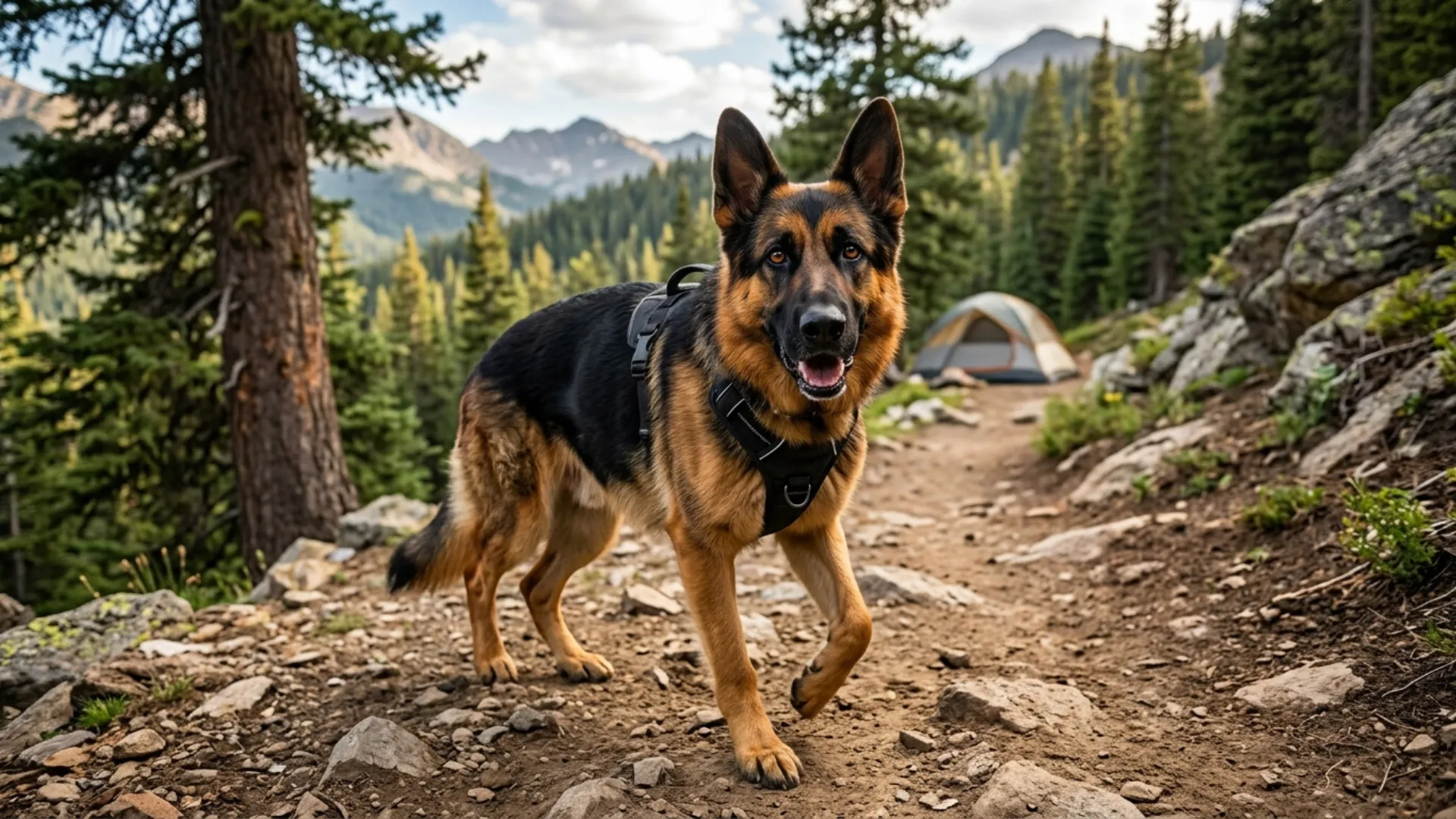
Off-road dogs share a few major traits: stamina, confidence, good structure, curiosity, and the ability to handle changing outdoor conditions. Some were bred to retrieve game, herd livestock, pull sleds, guard property, or run beside hunters across serious terrain. Basically, their ancestors had jobs before modern dogs started having Instagram accounts.
Hiking and camping with dogs can be amazing, but it also requires planning. Owners need to check trail rules, carry water, protect paws, manage leash safety, pack first aid, and avoid pushing puppies, seniors, or heat-sensitive dogs too hard.
This list includes seven breeds with strong outdoor reputations, from sleek hot-weather athletes to fluffy cold-weather icons. Each one has different strengths, care needs, and trail personality. So, grab the imaginary hiking boots, because these breeds are ready to go off-road.
Off-Road Dog Breeds That Love Hiking and Camping
1. Rhodesian Ridgeback
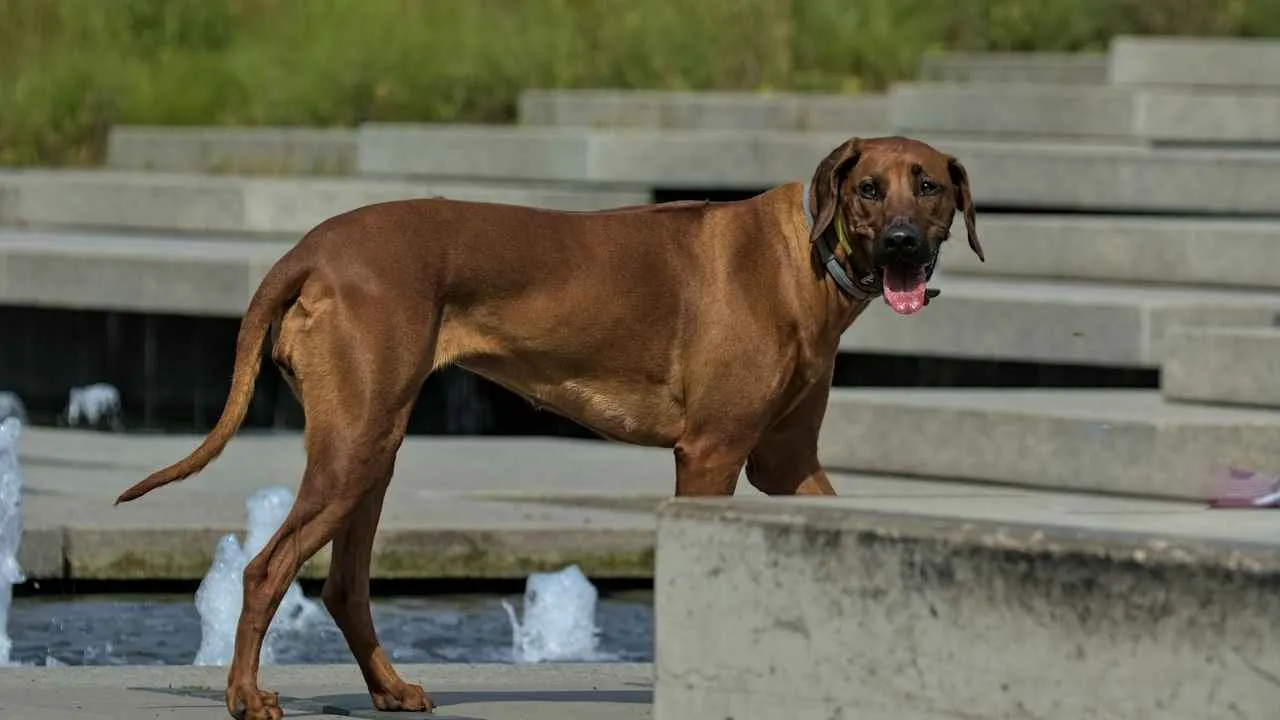
The Rhodesian Ridgeback is the trail dog for people who like their hiking partner strong, sleek, and quietly dramatic. Originally developed in southern Africa, this breed was used to support big-game hunting and to guard homesteads.
They are often loyal and affectionate with their people, but they can be reserved with strangers. That makes them calm companions at camp once they trust the environment, yet alert enough to notice movement around the site.
They are not usually clingy chaos machines, but they do like being part of the family mission.
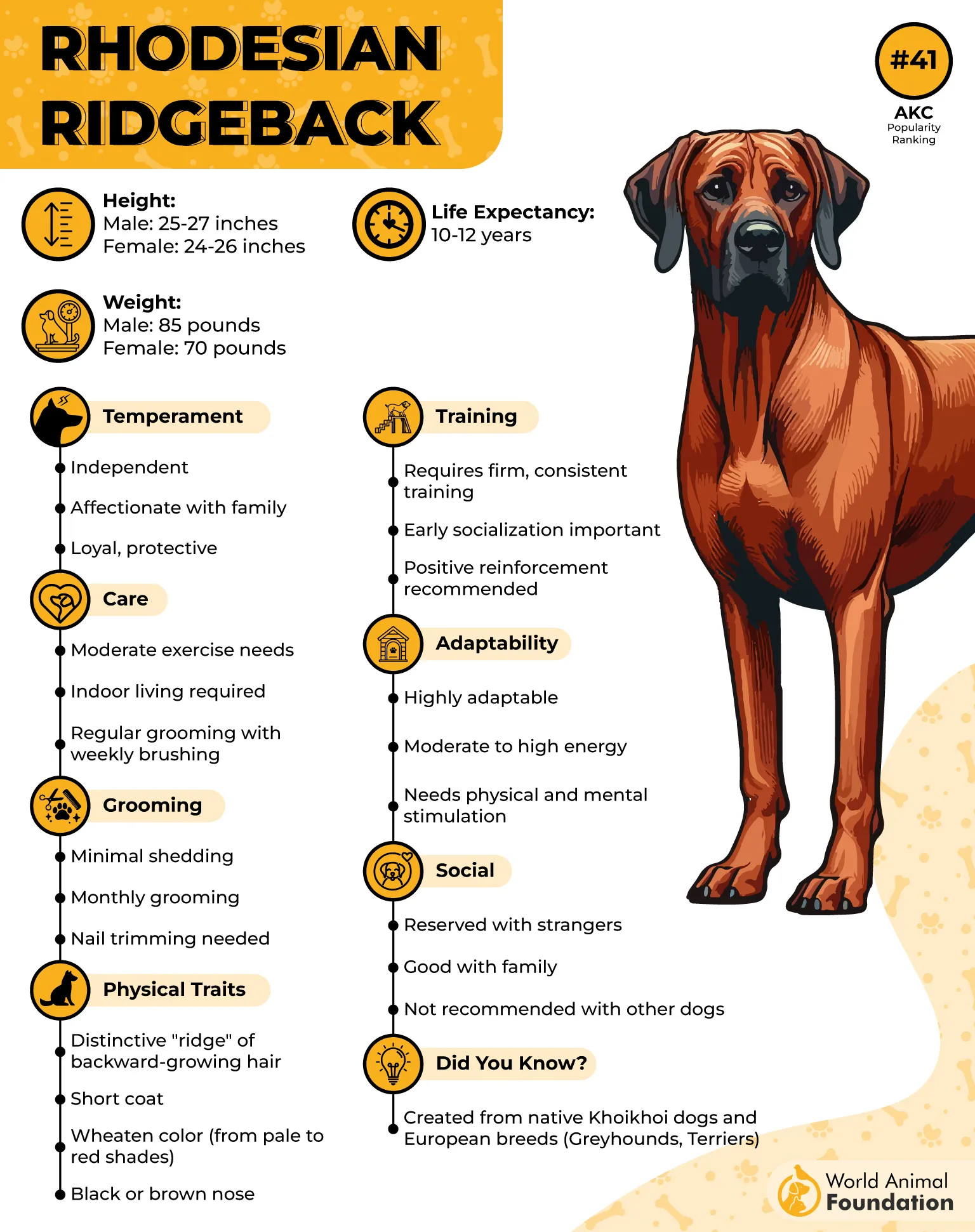
For hiking, their short coat and lean build make them better suited to warmer trails than heavy-coated northern breeds. They still need water, shade, and rest because heat tolerance does not mean heat-proof.
Their prey drive can be strong, so leash control and recall training are a big deal. Wildlife, rabbits, deer, and fast-moving trail distractions can flip their explorer switch very quickly. Owners who hike with Ridgebacks often learn to trust secure gear more than wishful thinking.
This breed suits experienced owners who enjoy long walks, structured exercise, and confident, independent dogs. On the trail, they bring endurance, dignity, and low-maintenance grooming with serious adventure energy.
Why Owners Love Taking Them For Hiking And Camping
Their athletic frame handles long, open trails without needing a bulky cold-weather coat.
Their short coat makes post-hike cleanup easier after dusty routes and dry campsites.
Their calm watchfulness gives solo hikers a confident companion without constant noisy drama.
2. Golden Retriever
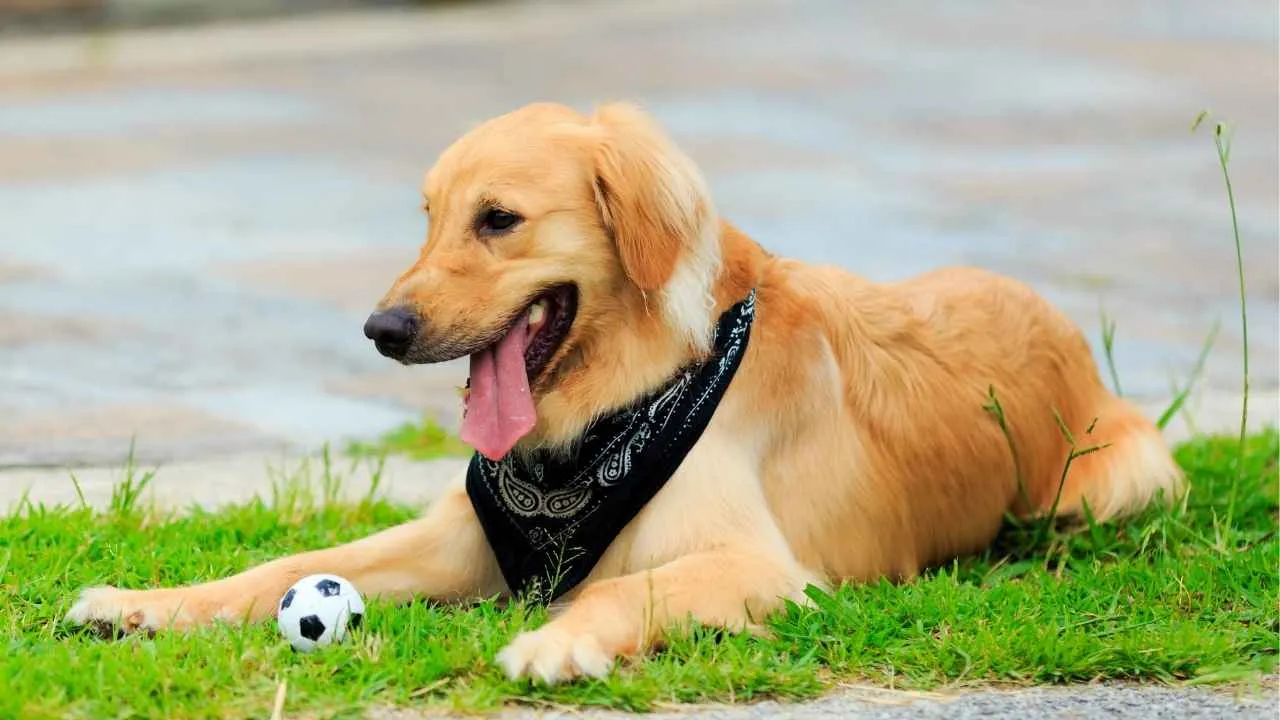
The Golden Retriever is the golden-hour hiking buddy everyone wants in their photo dump. Originally bred as a sporting dog for retrieving game, the breed has energy, trainability, and a love of outdoor activity built into its history. Add that friendly face, and suddenly every trail stranger wants to say hello.
These hiking companions are usually sociable, eager to please, and emotionally tuned into their humans. That makes them great for camping trips where there may be other hikers, dogs, kids, and campsite activity. They are often less intense than some working breeds, but they still need real exercise to stay healthy and relaxed.
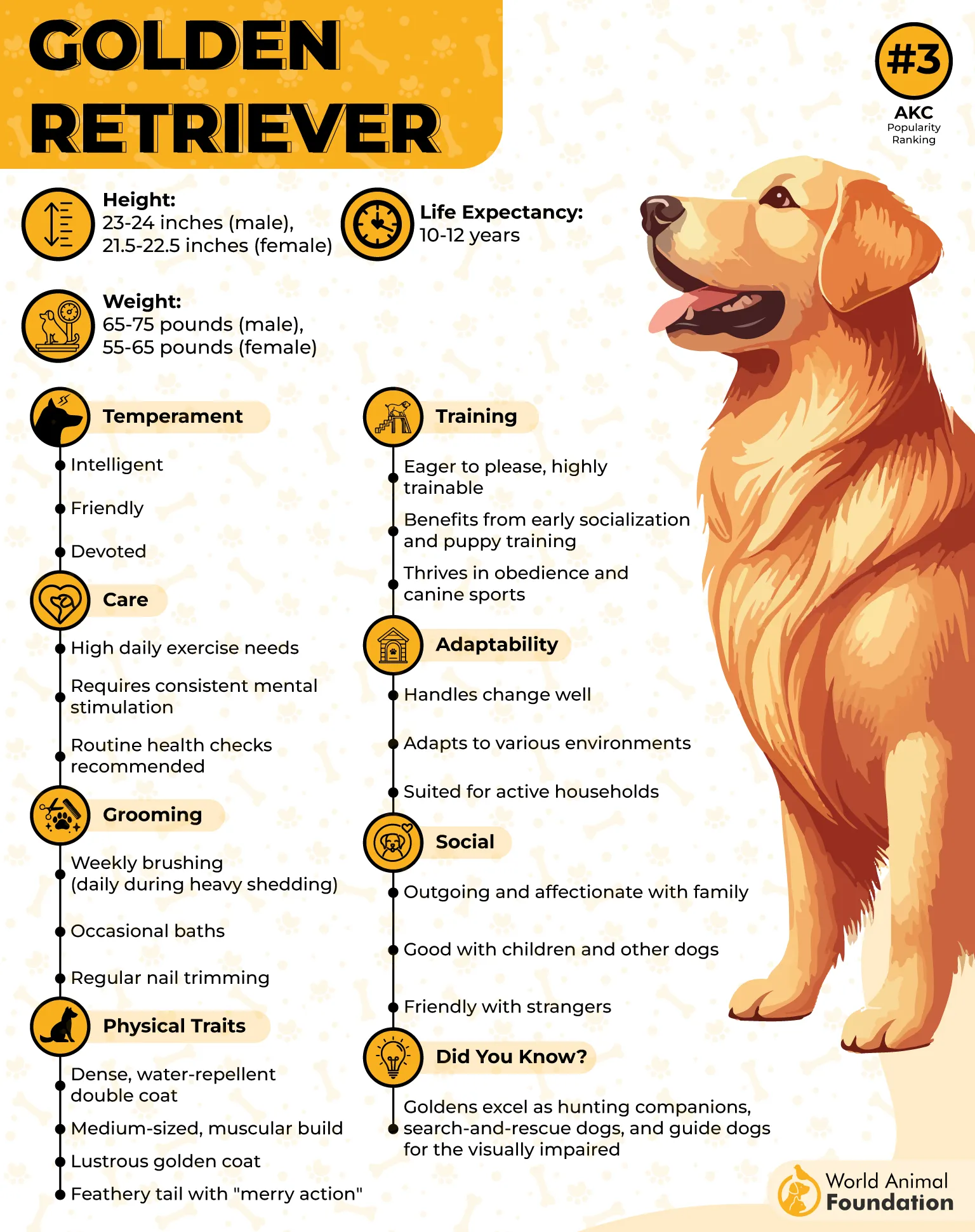
Their water-repellent double coat helps them handle damp fields, lakesides, and messy outdoor adventures. Many Goldens love swimming, fetching, and exploring near water, which makes them elite lake-camping companions. The downside is that a wet Golden can smell like a swampy friendship bracelet.
Training is usually a joy because this breed loves rewards, praise, and teamwork. Good recall, leash manners, and leave-it commands matter on trails where food scraps, wildlife, or campsite trash may appear.
The Royal Kennel Club says these high-energy dogs are best for owners who want a cheerful, affectionate, trainable dog that enjoys nature without acting too serious. They need brushing after outdoor trips because burrs, mud, and loose undercoat can collect fast.
Why Owners Love Taking Them For Hiking And Camping
Their friendly personality makes shared campsites, family hikes, and group walks feel easier.
Their love of water turns lakeside camping and river trails into full golden retriever paradise.
Their trainability helps owners build safe trail habits like recall, waiting, and polite greetings.
3. German Shepherd
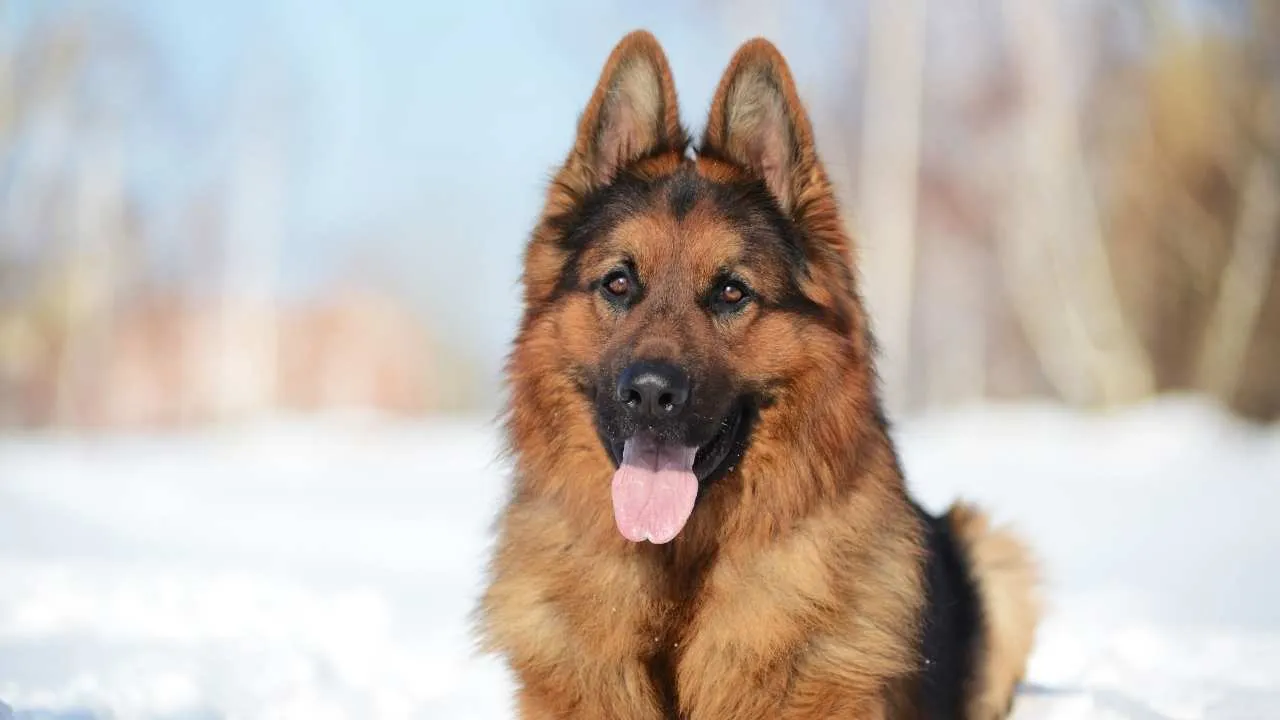
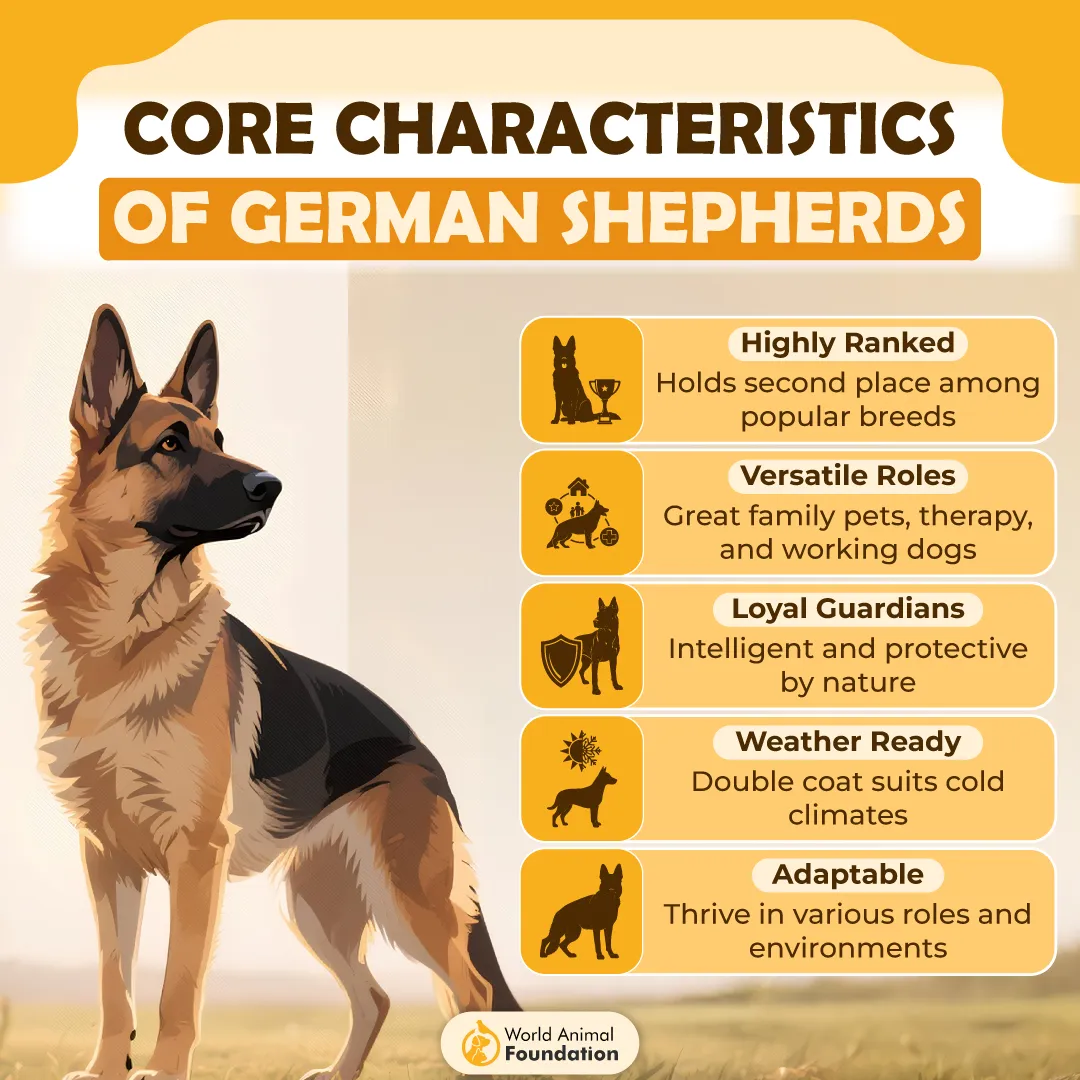
The German Shepherd is the off-road dog for people who want brains, athleticism, loyalty, and serious trail awareness in one package. Originally developed as a working herding breed in Germany, this dog has become famous for police, military, search, rescue, service, and protection roles. That working background shows up in their stamina, focus, and ability to learn complex tasks.
On hikes, German Shepherds often act like they are both enjoying the trail and managing the operation. They notice sounds, movement, people, dogs, and changes in direction with impressive focus. This makes them great adventure partners for owners who appreciate a dog that stays mentally engaged.
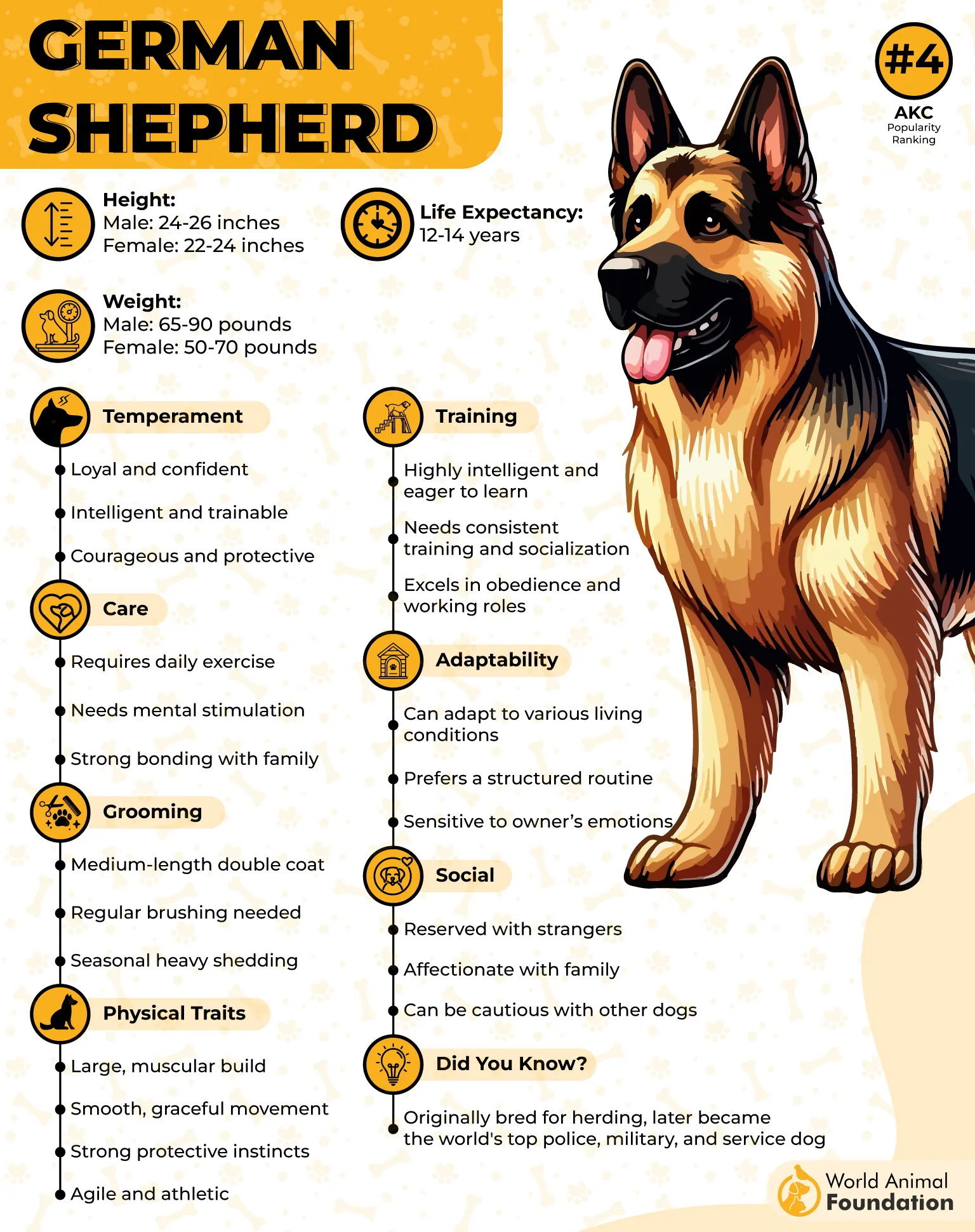
They need daily exercise and mental stimulation, not just a casual stroll and a “good luck.” Hiking, tracking games, obedience drills, scent work, and structured play help channel their drive. Without enough activity, their intelligence can turn into barking, restlessness, or home-based destruction.
Their double coat gives some weather protection, but owners still need to manage heat and check paws. German Shepherds can handle rugged terrain well when properly conditioned, but sudden, extreme hikes can strain any dog. Building endurance gradually is smarter than turning the first trip into a survival documentary.
This breed is ideal for active owners who enjoy training as much as walking. A well-socialized German Shepherd can be steady at campsites and responsive on trails. With the right handler, they bring loyalty, confidence, and “I’ve got your back” energy to outdoor life.
Why Owners Love Taking Them For Hiking And Camping
Their intelligence makes it easier to teach trail commands, navigation routines, and campsite rules.
Their alert nature helps them notice unusual movement or sounds in remote outdoor spaces.
Their strong bond with owners creates a dependable hiking partnership built on teamwork.
4. Vizsla
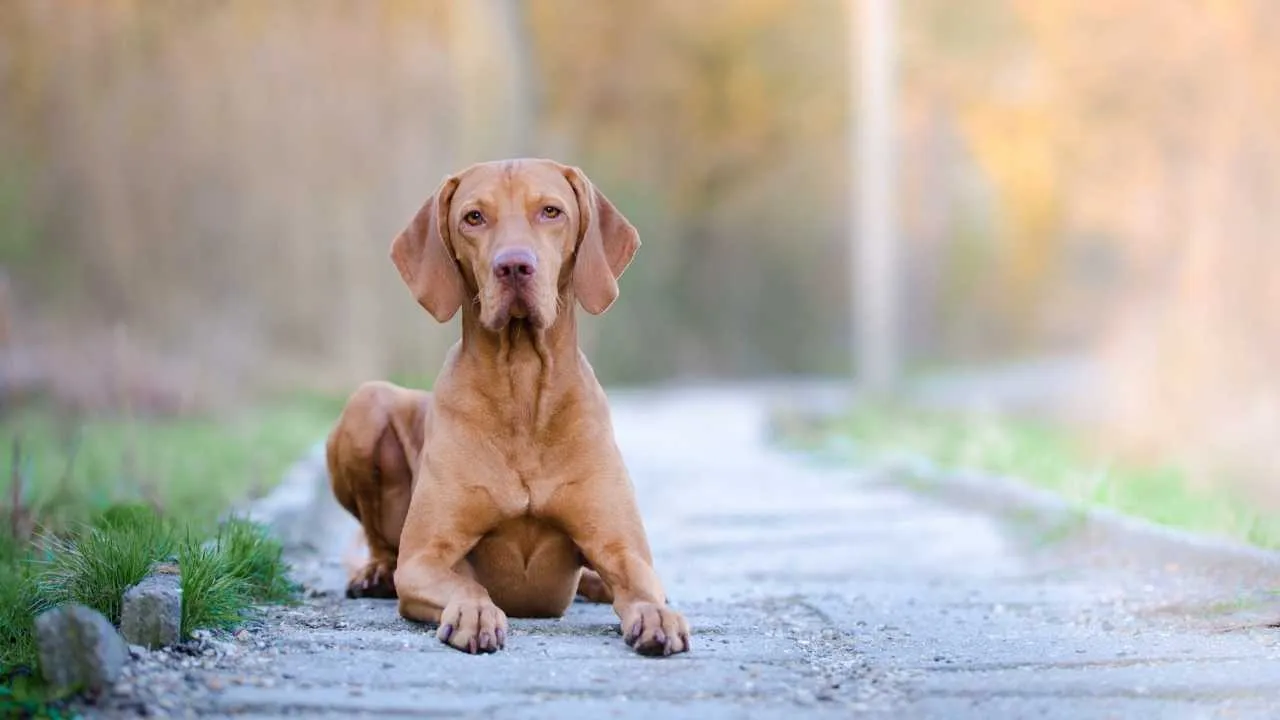
The Vizsla is basically an espresso shot with paws, wrapped in a sleek golden-rust coat. This Hungarian sporting breed was developed to work closely with hunters, covering ground with speed, stamina, and focus.
These active dogs are famously affectionate and often called “Velcro dogs” because they love staying close to their people. That closeness can be wonderful on camping trips because they usually want to be near the tent, trail, or camp chair you’re at. They are not the kind of dog that emotionally supports distance.
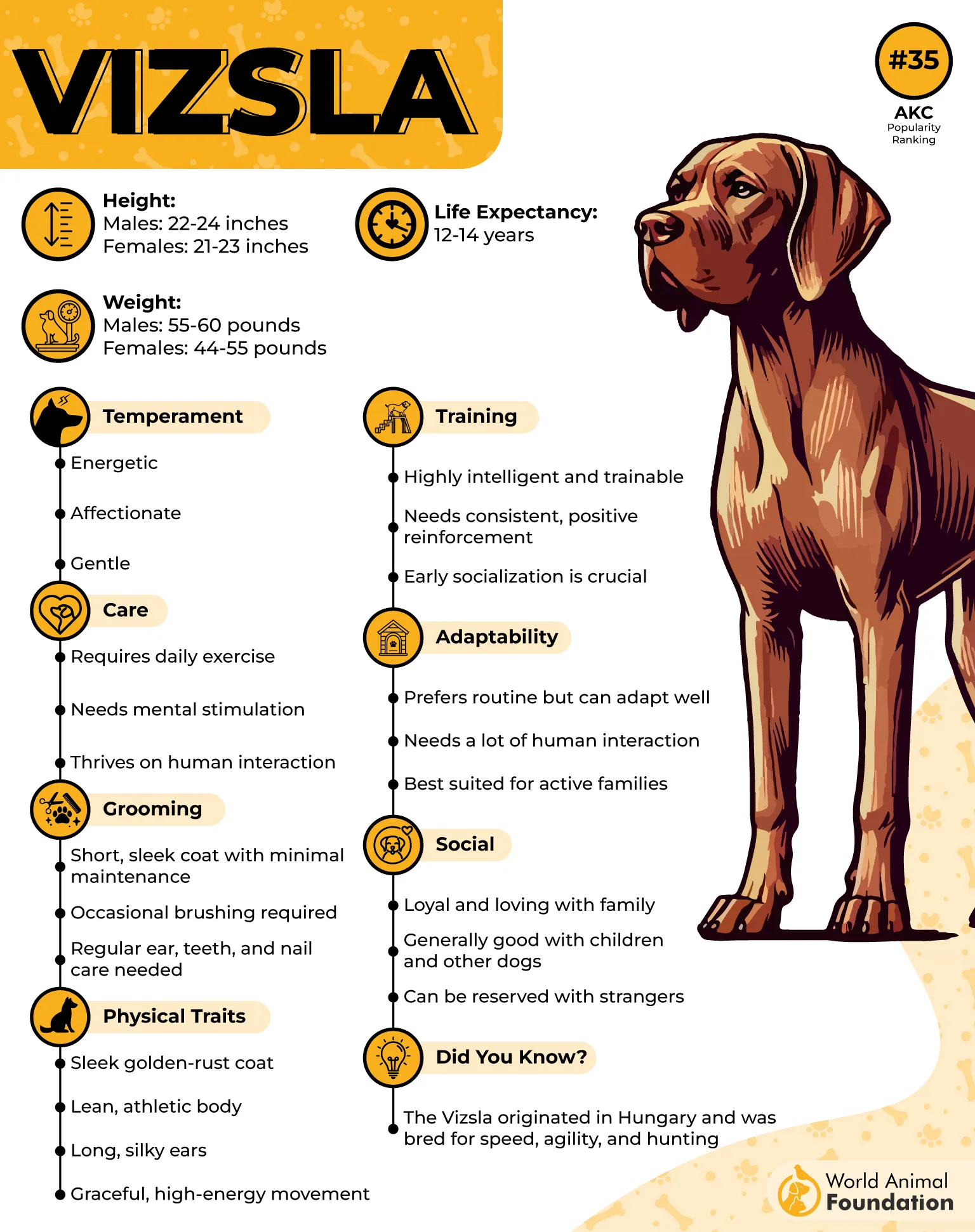
The AKC claims that their short coat makes them easy to clean after dusty hikes, but it gives less protection in cold weather. In chilly camps, they may need a jacket, blanket, or warm sleeping setup. A Vizsla can run like the wind but still shiver like royalty if the temperature drops.
Exercise is not optional with this breed because they were built to move. Long hikes, trail runs, field games, fetch, scent work, and obedience practice help keep them balanced. A bored Vizsla may become whiny, clingy, or creative in ways that ruin your peaceful camping fantasy.
They are best for active owners who want a sensitive, athletic dog that thrives on companionship. Training should be positive and consistent because Vizslas can be soft-hearted even during physically intense training. On the trail, they bring speed, affection, and “please include me in everything” energy.
Why Owners Love Taking Them Hiking And Camping
Their lightweight athletic build makes them excellent for fast-paced trails and active outdoor weekends.
Their close attachment keeps them connected to their owner during shared adventures.
Their short coat is simple to wipe down after dusty paths, dry fields, or sandy campsites.
5. Siberian Husky
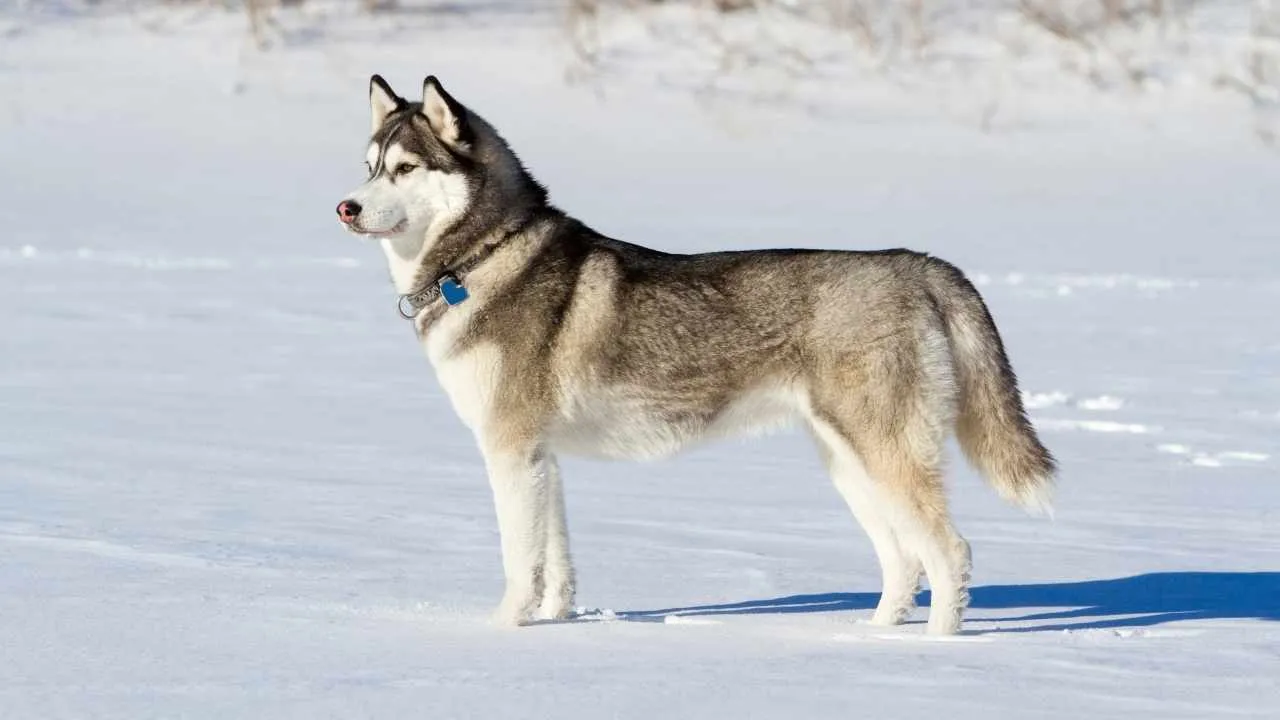
The Siberian Husky is the snow-trail icon with dramatic eyes, endless opinions, and a soundtrack nobody requested but everyone hears. Developed by the Chukchi people of northeastern Siberia, Huskies were bred for sled pulling over long distances in harsh cold.
Their endurance is legendary, and their personality is pure outdoor chaos with a smile.
Huskies shine in cold-weather hiking, snow camping, skijoring, and long winter walks. Their thick double coat helps protect them from freezing conditions, while their body is built for efficient movement. In hot weather, however, they need serious caution because overheating can become dangerous.
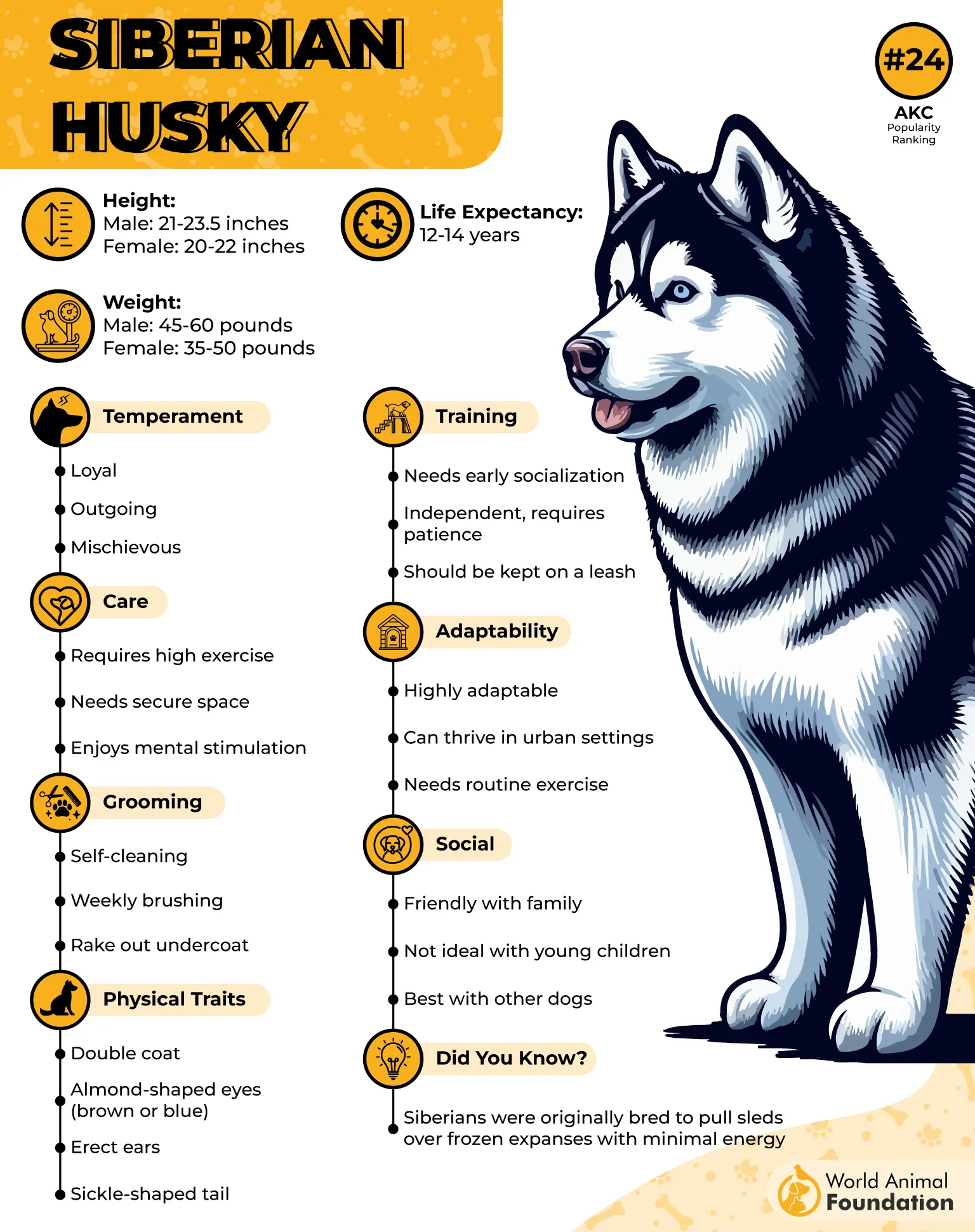
Purina mentions that this breed is social, playful, and often friendly, but obedience may require negotiation. Huskies are independent thinkers and famous escape artists, so secure leashes, harnesses, and campsite setups matter. If a Husky finds a weakness in your plan, congratulations, you have discovered why people call them clever.
Camping with this agile dog can be hilarious because they are expressive, vocal, and full of personality. They may howl at sirens, wildlife, other dogs, or the moon just because the vibe feels right. This is charming in the wilderness and less charming at a quiet campground at 2 a.m.
Huskies are best for owners who love cold climates, exercise, and a wild-hearted dog. They need brushing, especially during shedding season, because the undercoat can launch fur like a blizzard indoors.
Why Owners Love Taking Them For Hiking And Camping
Their sled-dog stamina makes them exciting partners for long winter hikes and snowy routes.
Their thick coat supports cold-weather camping when temperatures drop after sunset.
Their social nature brings fun, expressive energy to outdoor trips with active people.
6. Bernese Mountain Dog
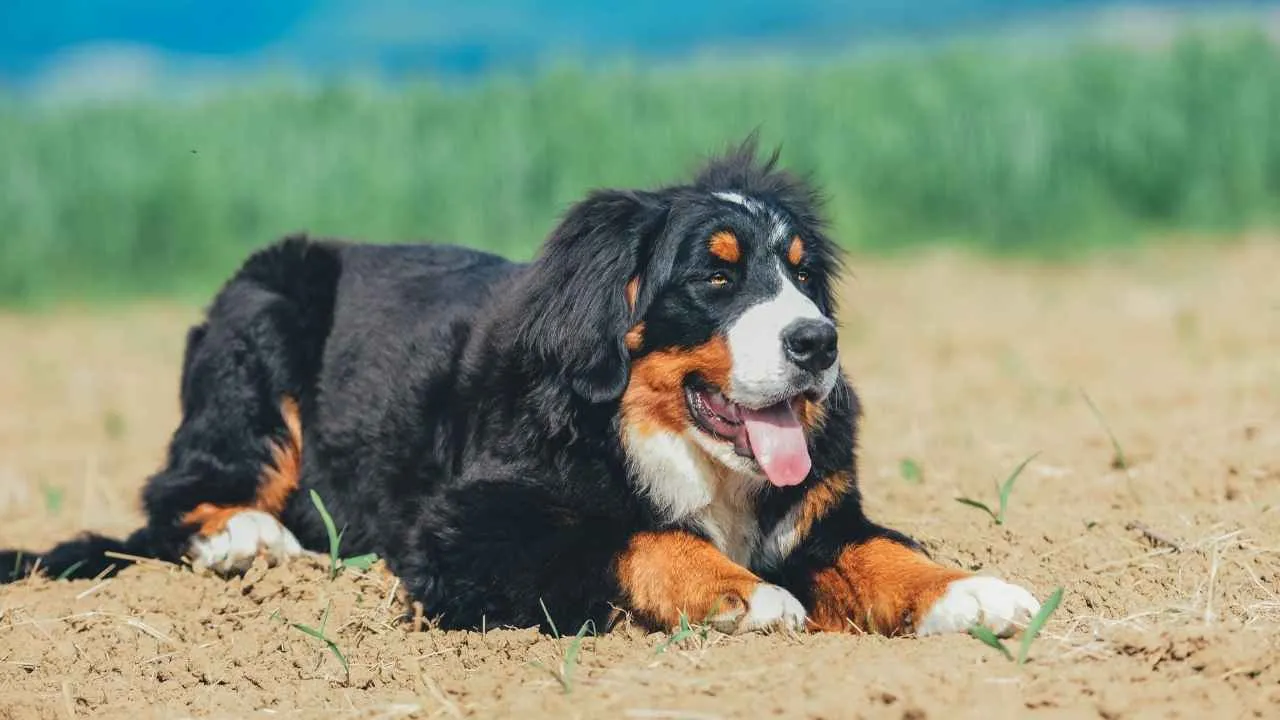
The Bernese Mountain Dog is the gentle giant that looks like it belongs on a postcard from the Swiss Alps. Originally bred as a working farm dog in Switzerland, the Bernese Mountain Dog has strength, steadiness, and a beautiful tricolor coat. They are not built for all-day sprinting, but they can be lovely companions for cooler hikes and relaxed camping trips.
These mountain dogs are affectionate, calm, and often great with families when properly trained and supervised. Their sweet temperament makes them wonderful around campsites where slow mornings, cozy blankets, and group chilling are part of the plan. They are big dogs, though, so every tail wag has furniture-moving potential.
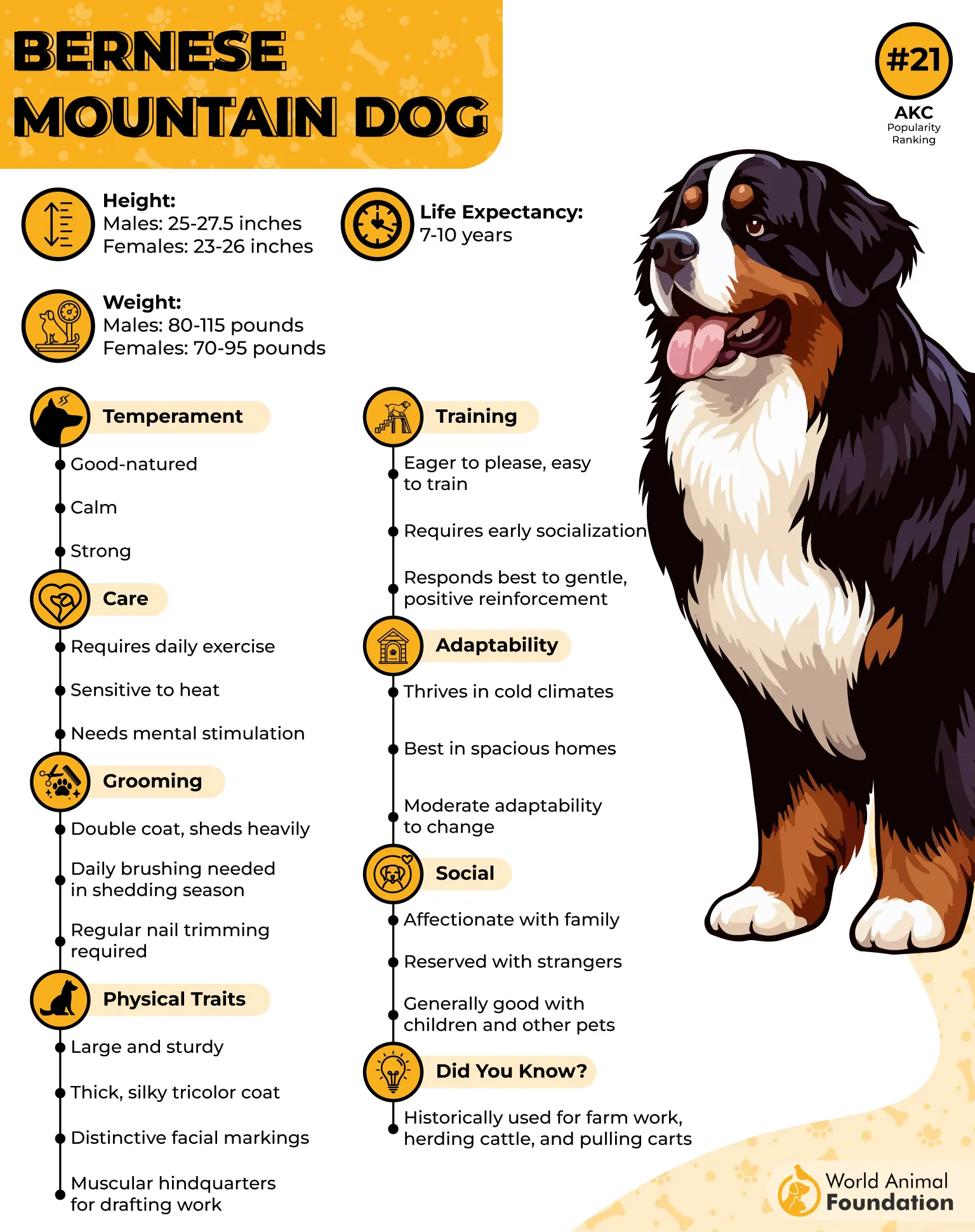
Their thick double coat helps in cold weather but can make hot hikes risky. Owners should plan cool-weather outings, bring plenty of water, and avoid midday summer trails. A Berner in heat is not “being lazy”; they may genuinely be struggling.
Because they are a giant breed, conditioning and joint care matter. Puppies should not be pushed into long hikes, repetitive jumping, or tough climbs before their bodies mature. Adult Berners can enjoy moderate hiking, but the pace should be appropriate to their size and stamina.
This breed fits owners who want a mellow, loving outdoor companion rather than a high-speed trail beast. They need brushing after hikes because burrs, dirt, and loose fur can hide in that thick coat. For scenic camping, cool mountain air, and slow, joyful walks, it brings cozy, adventurous energy.
Why Owners Love Taking Them Hiking And Camping
Their calm personality makes them relaxing companions for slower hikes and peaceful campsites.
Their cold-weather coat suits mountain mornings, forest cabins, and chilly outdoor evenings.
Their affectionate nature turns every camping trip into a giant-dog cuddle retreat.
7. Australian Shepherd
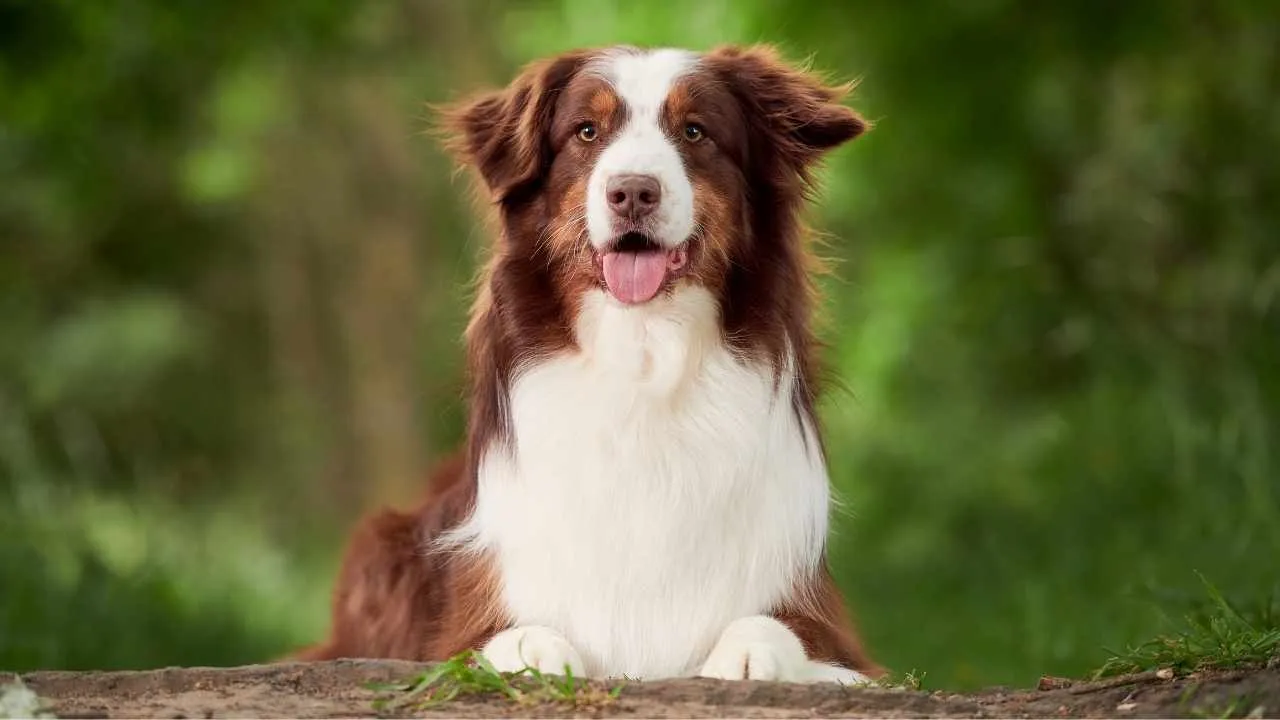
The Australian Shepherd is the trail overachiever that treats every hike like a group project it plans to manage. Despite the name, the breed was developed in the United States as a herding dog, especially around ranch and livestock work.
That herding background created a smart, agile, energetic dog that loves movement and problem-solving.
Aussies are athletic and quick, with the kind of stamina that makes casual owners question their own cardio. They often excel in agility, obedience, herding, flyball, and other dog sports because their brains and bodies both want jobs.
On hikes, they usually enjoy climbing, exploring, balancing, and staying involved with every moment.
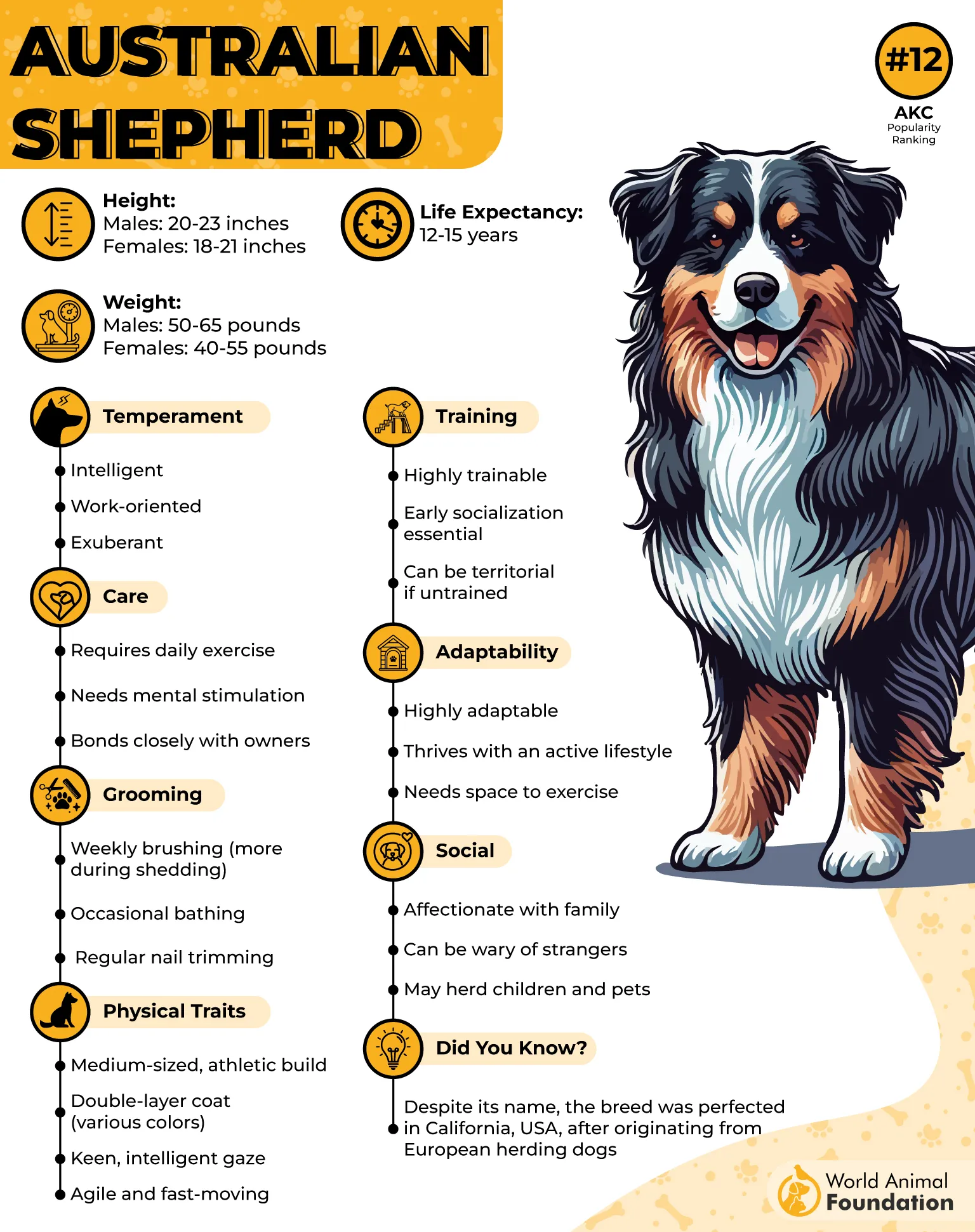
Their medium-length double coat offers some protection against weather, brush, and outdoor conditions. It still needs brushing, especially after trail days when burrs, seeds, and dirt sneak into feathering. An Aussie may look rugged, but that coat can collect nature souvenirs fast.
Training is essential because Australian Shepherds are clever enough to learn good habits or invent chaotic ones. Their herding instinct can lead them to chase bikes, runners, wildlife, or moving children if not guided early on. Clear cues, recall practice, and impulse control turn all that drive into trail brilliance.
Why Owners Love Taking Them For Hiking And Camping
Their agility helps them handle uneven trails, rocks, roots, and changing terrain with confidence.
Their working-dog brain makes hikes more interactive through training games and trail tasks.
Their high energy fits owners who want an active camping partner, not just a fireside ornament.
Conclusion
The best off-road dogs are not just cute dogs standing near a tent. They are breeds with stamina, trainability, outdoor history, and the ability to enjoy movement across real terrain.
Jack Russell Terrier, Australian Cattle Dog, Labrador Retriever, and German Shorthaired Pointer are also some good hiking dogs.
Before hiking or camping, owners should check dog rules, leash requirements, weather conditions, terrain difficulty, and access to veterinary care. Pack water, food, waste bags, a first-aid kit, paw protection, a leash, and a safe sleeping setup. Trail safety is not boring; it is what keeps the adventure fun.
The right dog can make every hike feel more alive, and every campsite feel more like home. Choose based on your lifestyle, not just the prettiest outdoor photo. When the match is right, your dog becomes more than a pet; they become your favorite off-road adventure partner.
