




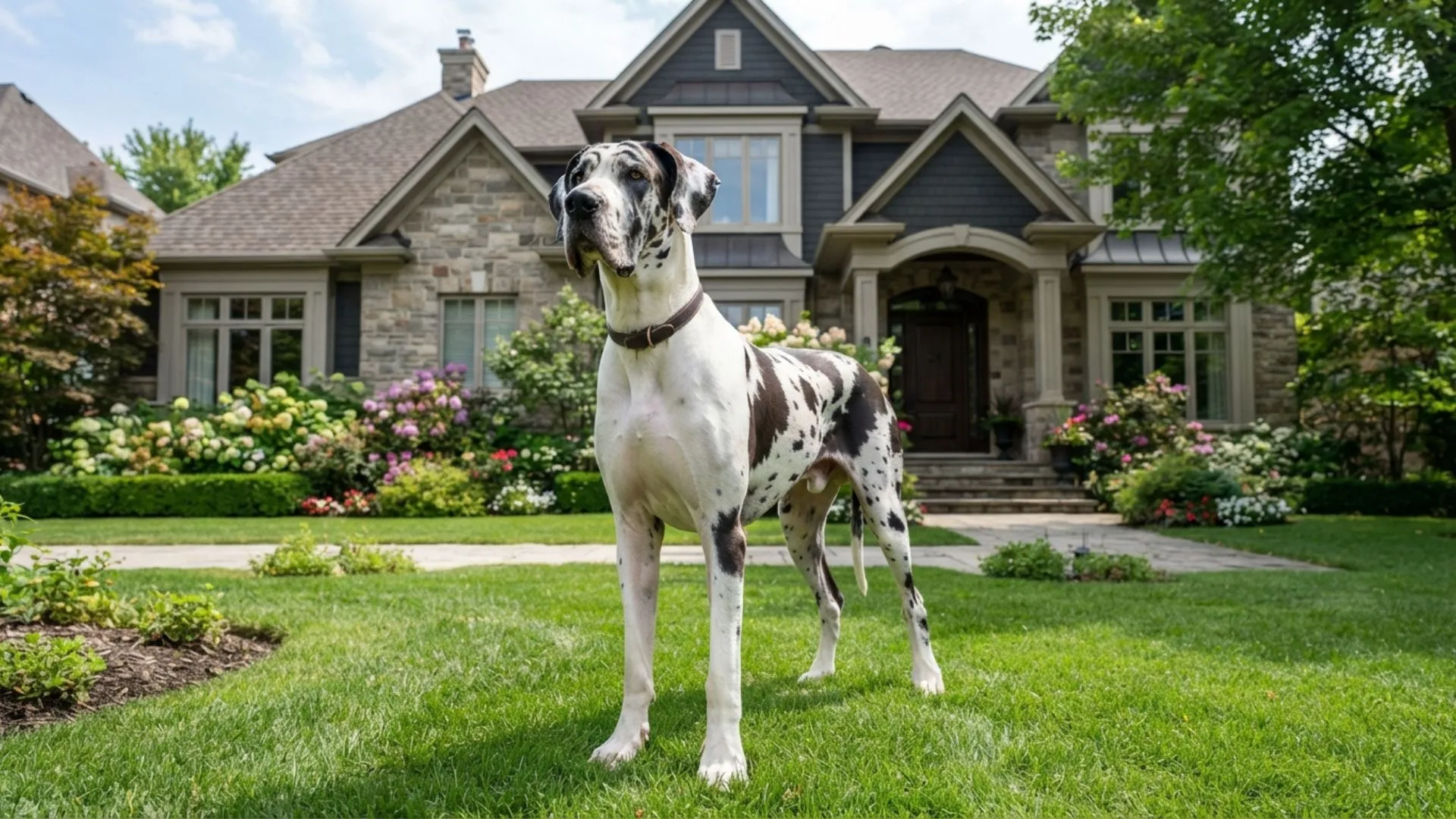
Not every guard dog needs to act like it is auditioning for an action movie. Some protective breeds are calm, steady, quiet, and totally happy to spend most of the day lounging like oversized security blankets.
They may not be hyper, flashy, or constantly barking, but when something feels wrong, their presence alone can make strangers rethink their life choices.
The best relaxed guardian is usually stable, predictable, and confident. It should understand normal visitors, neighborhood sounds, kids playing, delivery drivers, and family routines. Without early socialization, even a calm dog can become too suspicious or hard to manage.
So, if you want a dog that can protect your home while still enjoying a peaceful lifestyle, these breeds deserve your attention. From mountain flock guardians to gentle giants and surprisingly laid-back sighthounds, here are seven relaxed guard dog breeds that combine calm energy with serious loyalty.
Relaxed Guard Dog Breeds Ideal for Low-Maintenance Ownership
1. Great Pyrenees
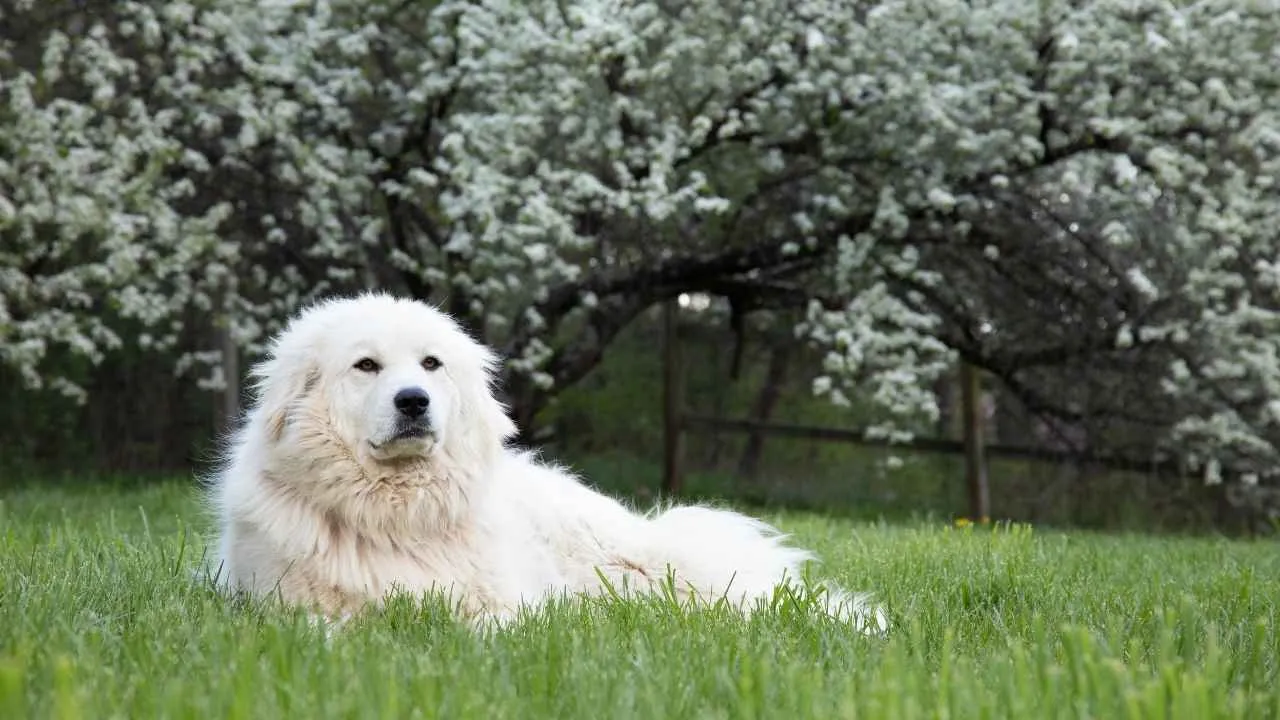
The Great Pyrenees is the calm mountain guardian that looks like a cloud but thinks like an independent security professional. This breed was developed to protect livestock in rugged mountain areas, often working without constant human direction. That history explains why Pyrs can be calm, watchful, and independent rather than needy or hyper.
One reason the Great Pyrenees feels low-maintenance in terms of energy is that it was bred to conserve energy. A livestock guardian does not waste energy bouncing around all day when it may need to respond to a real threat later.
In home life, this loving family pet often shows up as a relaxed dog that enjoys resting, observing, and quietly monitoring the property.
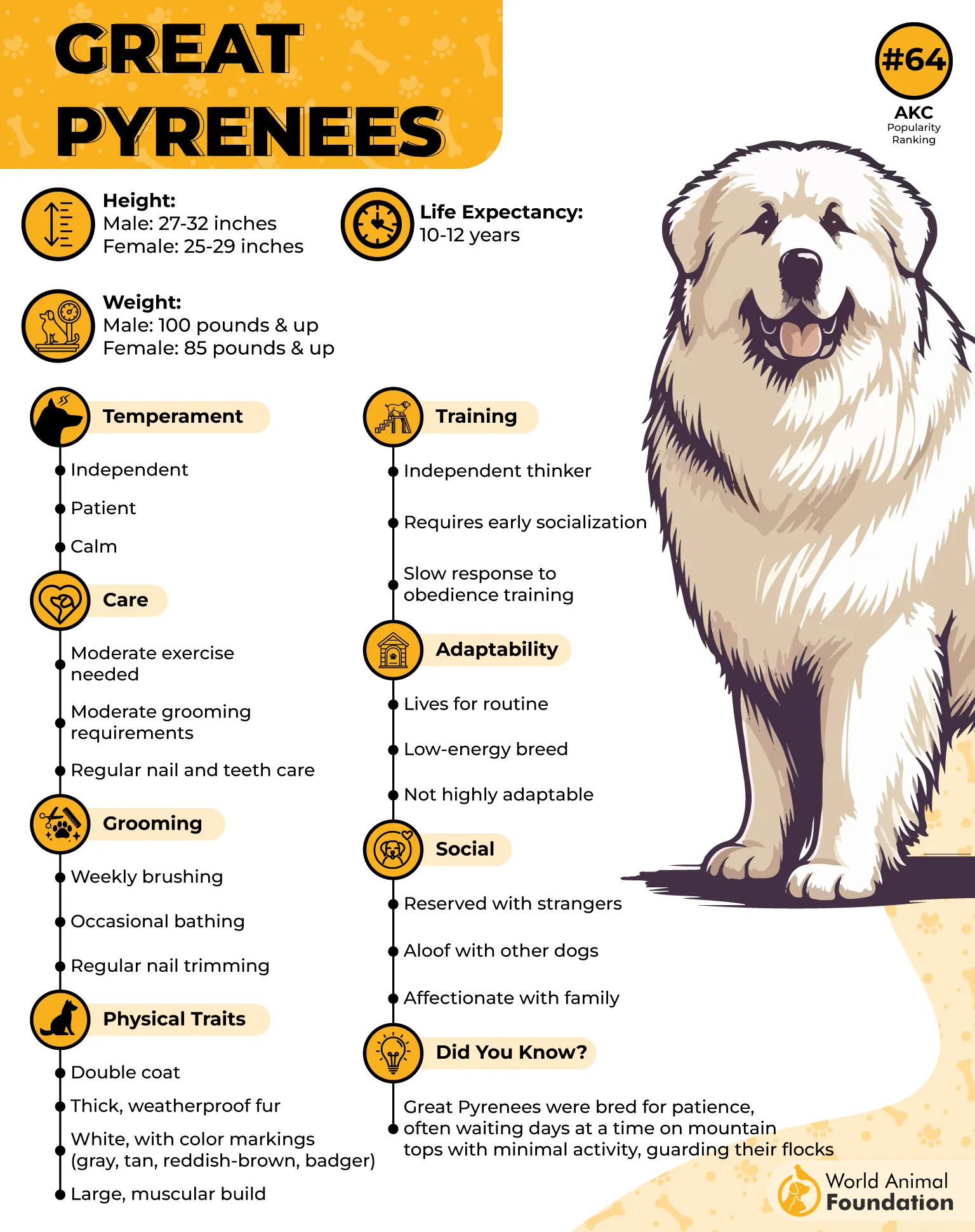
Their protective style is usually steady, not frantic. A Great Pyrenees may place itself between its family and something suspicious, bark at night, or patrol its space with slow confidence. It is not normally looking for drama, but it does take its guardian role seriously.
Grooming looks intimidating because the coat is big, fluffy, and majestic enough to deserve its own postcode. However, the outer coat is naturally weather-resistant and can shed dirt better than people expect.
The challenge is training, because these dogs are famously independent thinkers. They are sweet and devoted, but they may not respond as quickly as a fast-response obedience breed. With early socialization, calm boundaries, and proper training, it becomes a relaxed, noble family guardian with gentle power.
2. Newfoundland
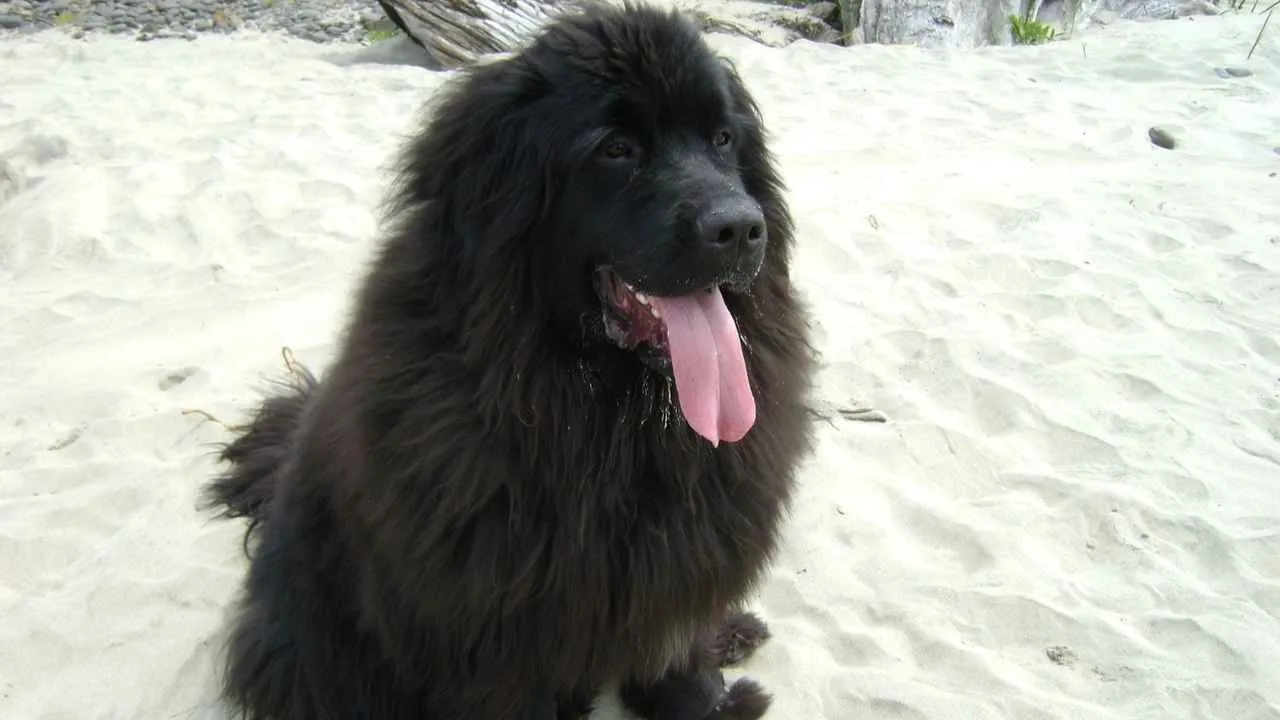
The Newfoundland is the gentle giant who looks massive enough to guard a castle but mostly wants hugs, water, and family time. This breed is known for its sweet, patient temperament and strong devotion to people.
Newfies can be protective through size, deep barking, and calm presence rather than sharp aggression.
They were bred as working dogs, especially around water, and their history gives them strength, intelligence, and a cooperative nature. They are often patient with children, friendly with visitors, and affectionate with other pets when properly raised.
Their guardian effect often comes from being huge, steady, and emotionally connected to the home.
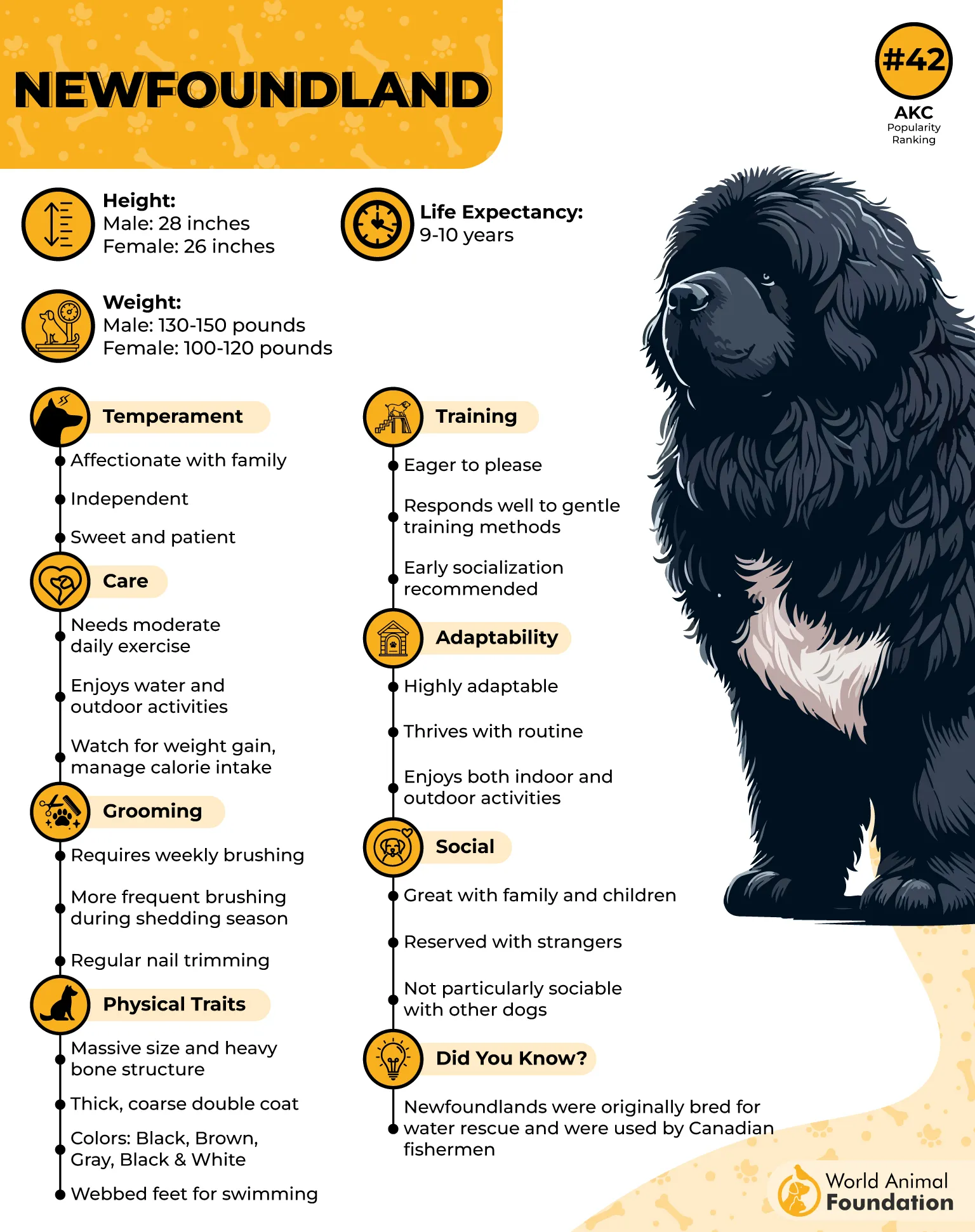
Purina mentions that it is not usually a high-speed fitness influencer. Daily walks, gentle play, swimming, and mental stimulation are often enough for a healthy adult. They enjoy activity, but they are not typically as demanding as a high-drive herding or sporting breed.
The low-maintenance part does not apply to drool, space, or grooming. Newfies are giant dogs; their beds are giant, their food bills are giant, and yes, the drool can be a lifestyle. Their thick coat requires regular brushing, and many owners should be prepared for wet-dog moments after every swim.
Training should be gentle and reward-based because these dogs are sensitive despite their size. They usually want to please, but they mature slowly and can stay puppy-like for a long time.
In a calm home with enough space, a Newfoundland becomes a loving, relaxed protector who feels more like a living teddy bear, with the added security benefits.
3. Bullmastiff
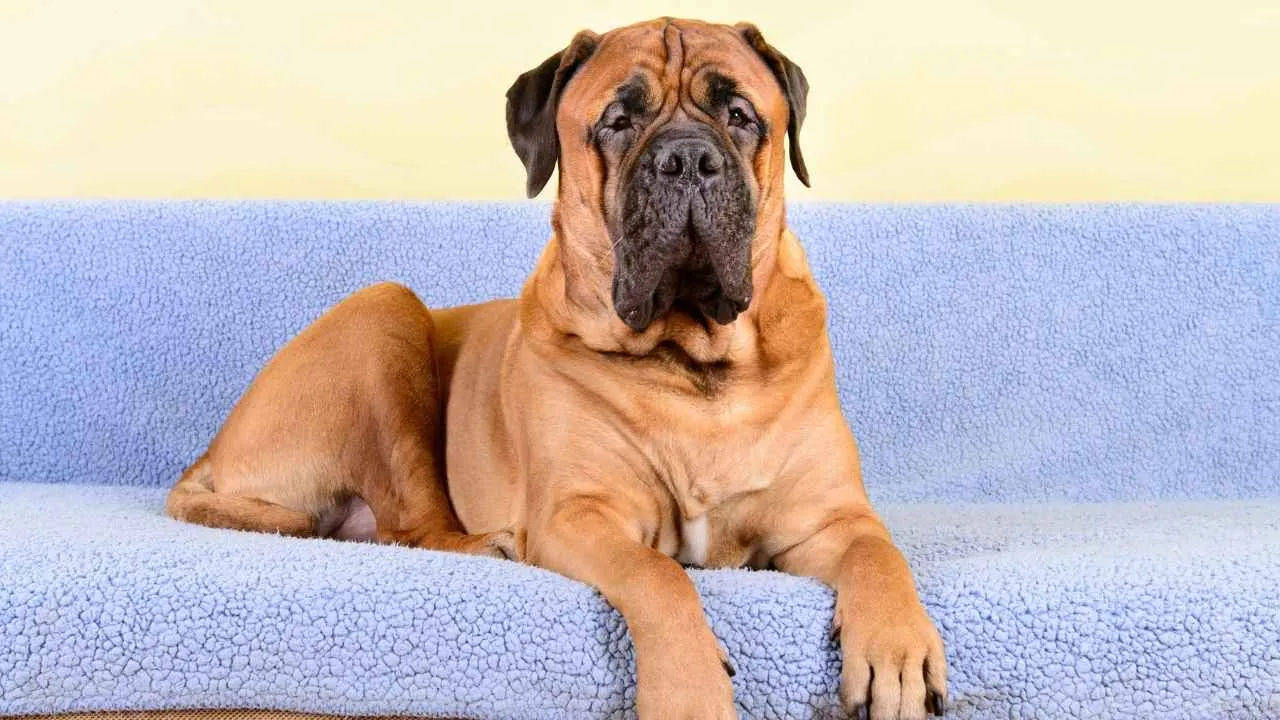
The Bullmastiff is the quiet bouncer of the dog world: calm with family, suspicious of nonsense, and fully aware that it does not need to yell to be taken seriously. This breed was originally developed to help gamekeepers guard estates from poachers.
They often protect by watching first and reacting only when needed. They are not usually nonstop barkers, which makes their serious silence even more impressive. A stranger may not hear much noise, but one look at a Bullmastiff standing calmly in the doorway can say plenty.
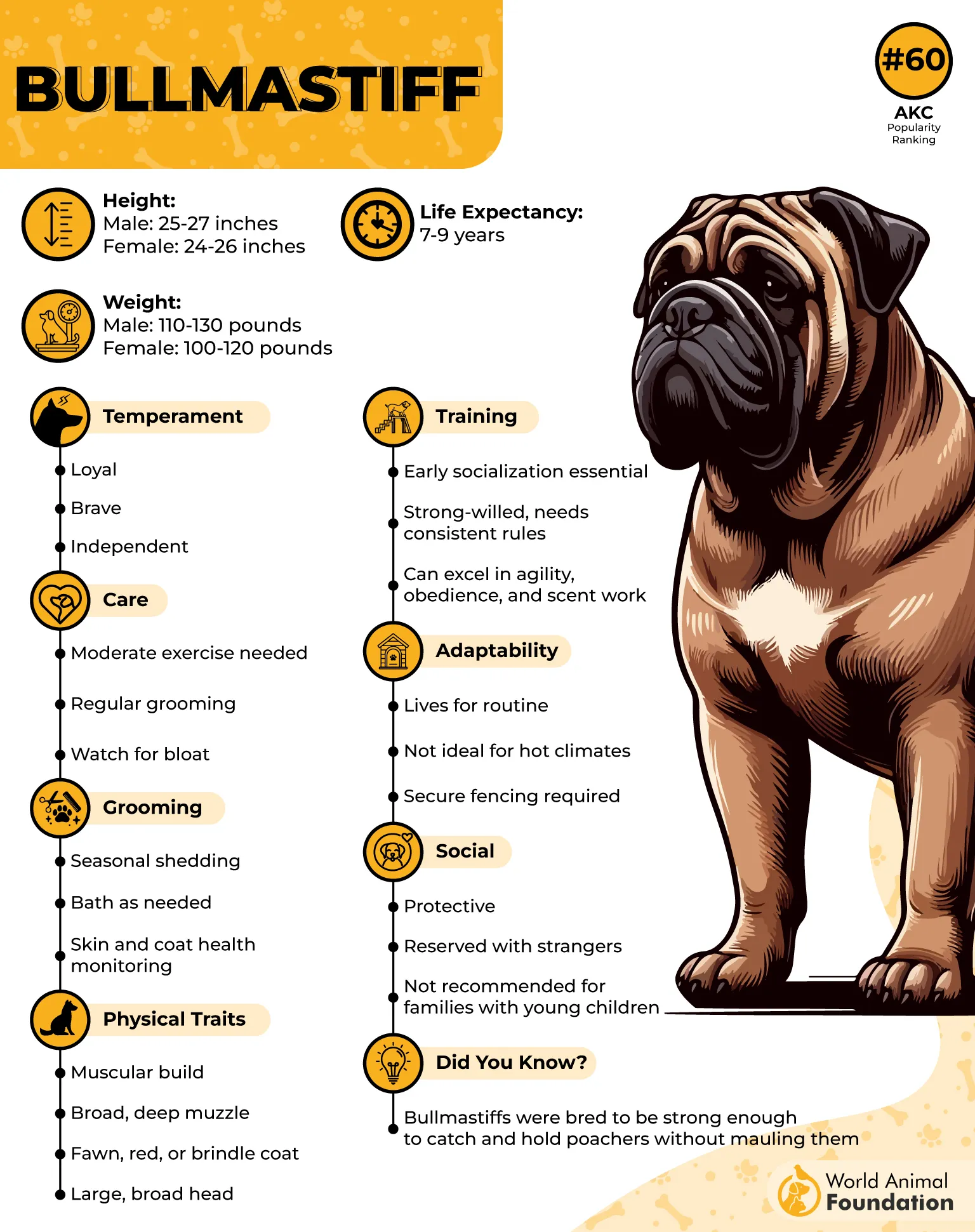
At home, many Bullmastiffs are affectionate, sleepy, and convinced they are lap dogs. They may lean on their people, lounge on the sofa, and act personally offended by unnecessary exercise. Moderate daily walks and controlled play usually suit them better than intense activity.
However, the ABA says this breed is strong and stubborn and not ideal for careless or novice owners. A Bullmastiff must be socialized early so it understands guests, public spaces, and normal household movement. Without guidance, its natural suspicion can become too much.
Grooming is easy because the short coat needs only basic brushing, but drool and size are part of the package. Feeding should be managed carefully because large breeds are prone to bloating and obesity can stress their joints.
With firm but kind training, the Bullmastiff becomes a relaxed, devoted family guardian with a surprisingly soft heart.
4. Great Dane
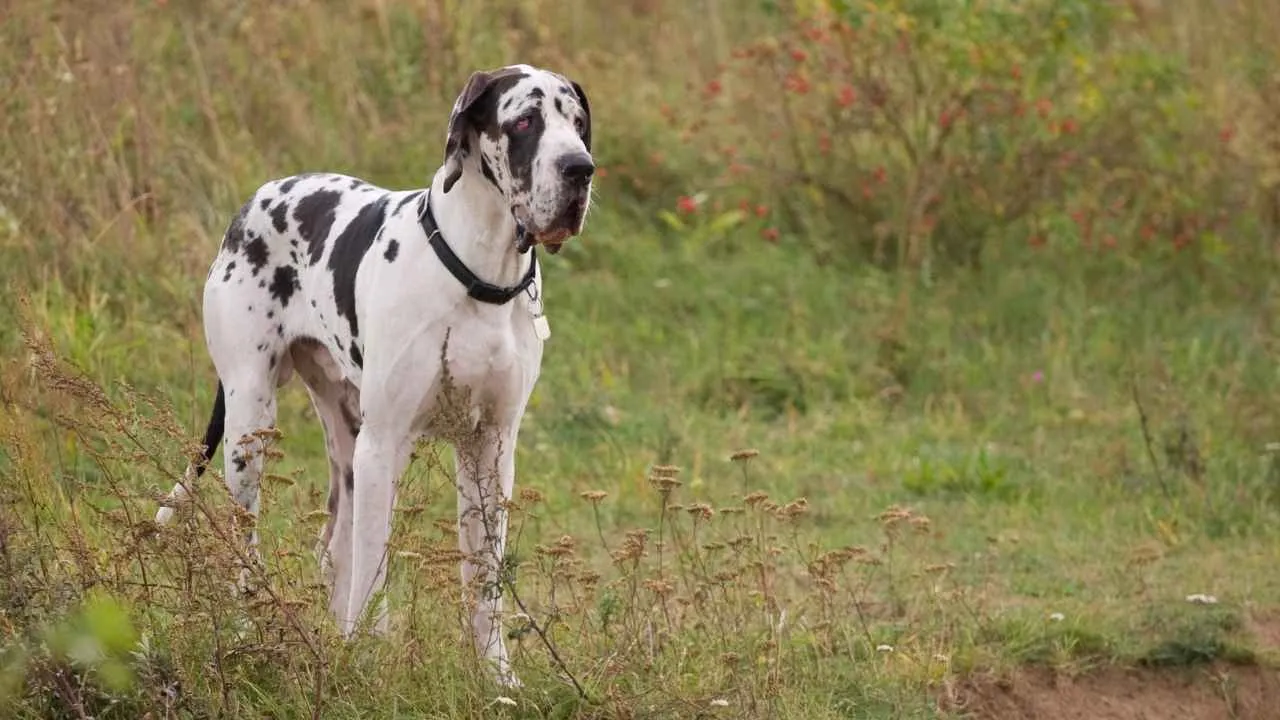
The Great Dane is the giant sweetheart who can scare people from across the street and then gently ask for couch cuddles five seconds later. Its size alone gives it a serious guard-dog presence. Most intruders don’t stop to ask whether the dog is actually a softie when it looks like a small horse with opinions.
These protection dogs are often affectionate, people-oriented, and eager to be part of family life. They usually enjoy being around their humans and may greet familiar guests warmly. Still, if they sense a real threat, their courage and confidence can turn them into impressive defenders.
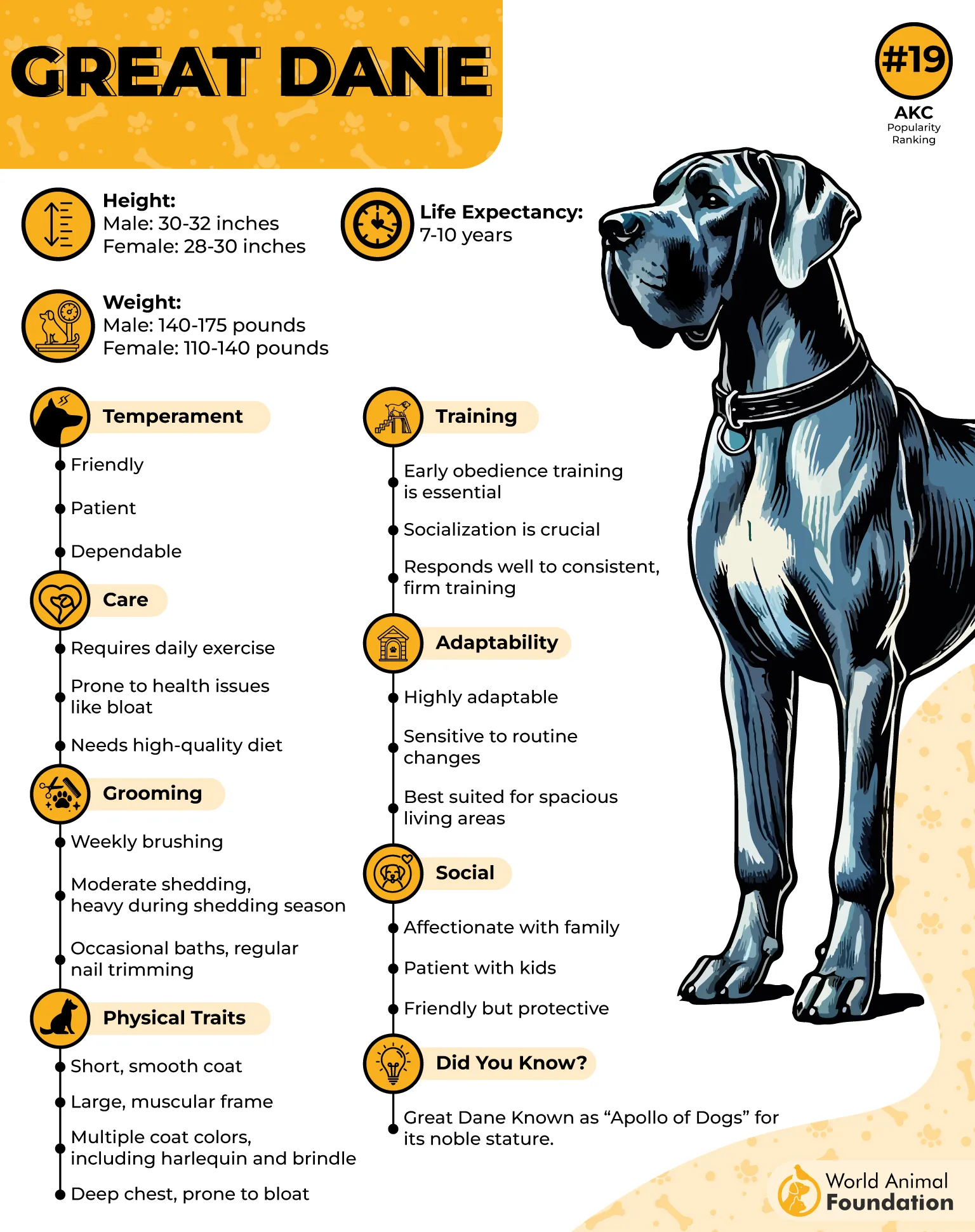
This low-energy guard dog can be calmer indoors than many people expect. The Greencross Vets say that a well-exercised Great Dane is often happy to lounge, nap, and casually occupy half the living room. They need daily walks and play, but they are usually not as constantly busy as smaller high-energy breeds.
The practical challenge is space. This muscular dog may be relaxed, but its body is huge, and even one happy tail wag can clear a coffee table like a natural disaster. Families with young children should supervise closely because accidental bumps can knock little kids over.
Early socialization and obedience training are essential because an adult Great Dane is too large to be unmanaged. Gentle leash manners, calm greetings, and confidence around strangers help prevent awkward giant-dog moments.
With the right handling, the Great Dane becomes a mellow, affectionate guardian whose size does half the security work.
5. Mastiff
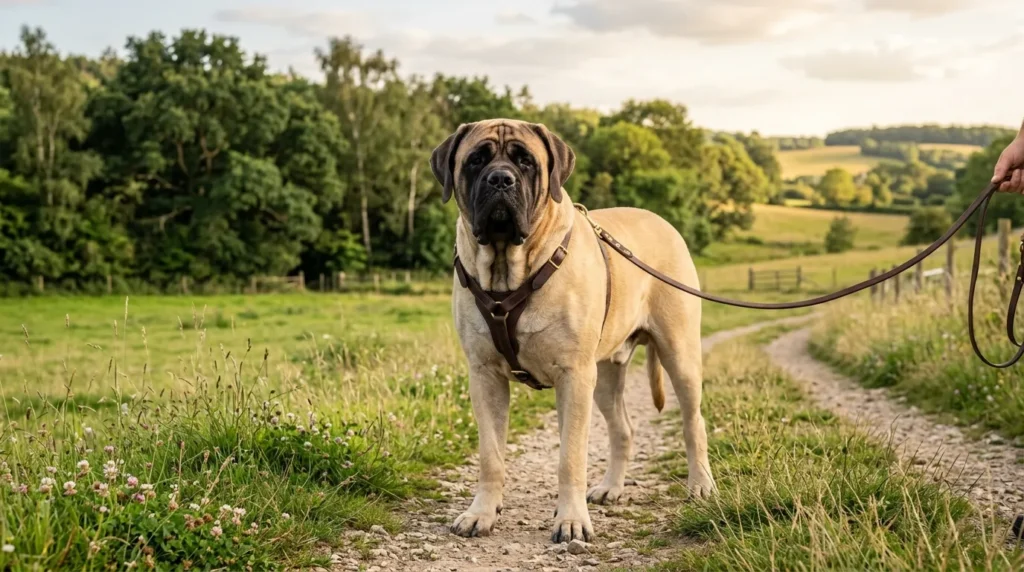
The Mastiff is a calm powerhouse with an ancient-guardian vibe and a heart that belongs entirely to its family. This breed is known for being gentle, loyal, patient, and protective without needing to act dramatically all the time. A Mastiff’s body, bark, and quiet confidence can make it one of the most naturally intimidating, relaxed protectors.
At home, Mastiffs often prefer calm routines over constant action. They may enjoy slow walks, gentle play, and long naps near their people. Their low-energy style can suit owners who want a protective dog without a nonstop exercise schedule.
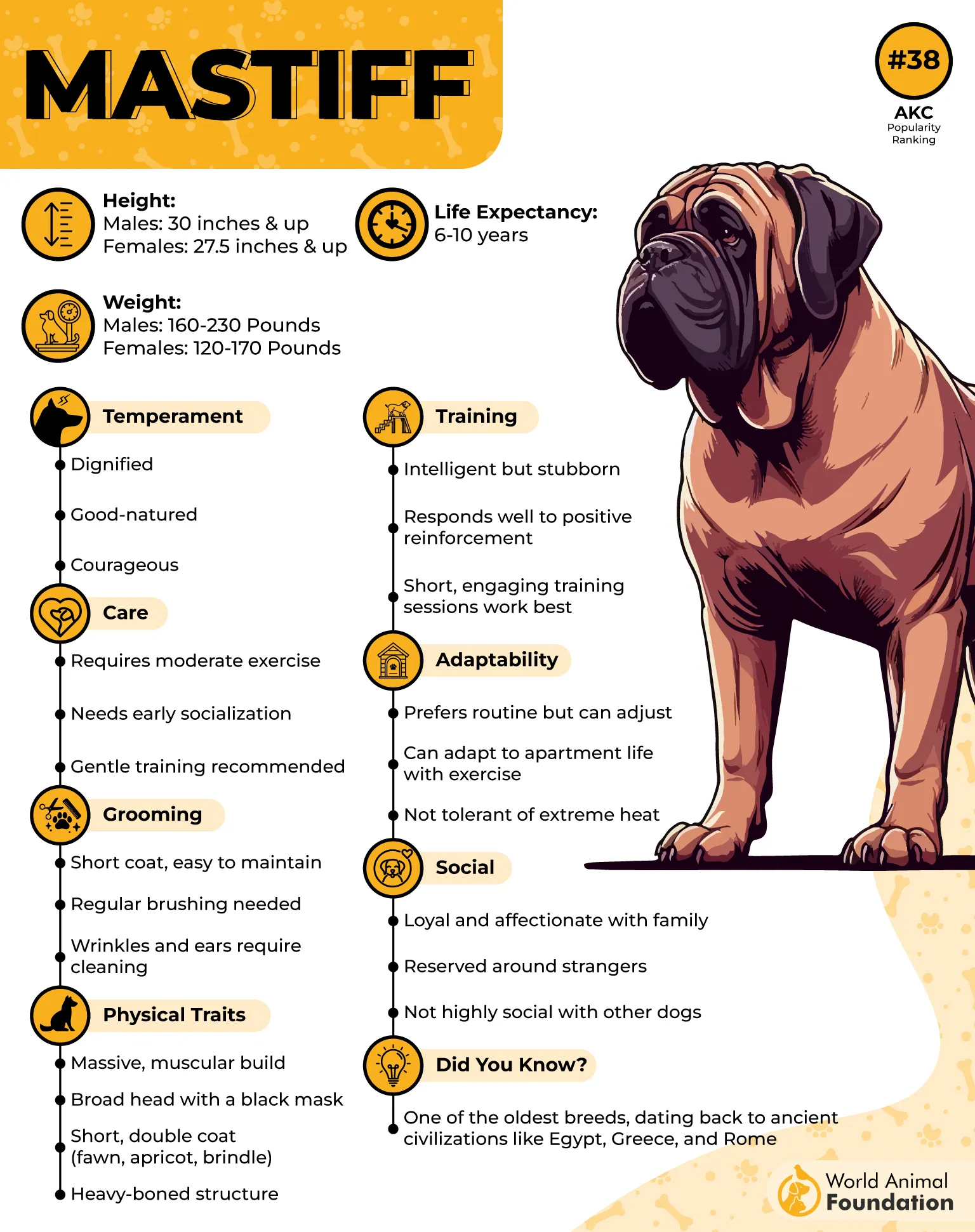
Their protection style is usually based on presence and loyalty. A Mastiff may watch strangers carefully, stand near its family, or block access without immediately escalating. This calm but serious nature is one reason many people value them as family guardians.
Low-maintenance grooming is a real plus with Mastiffs. Their short coat usually needs brushing every week or two, though they can shed moderately or heavily during seasonal changes. Nail care, ear cleaning, dental care, and drool management still belong on the routine list.
The challenge is size, strength, and training responsibility. Mastiffs need early socialization, short positive training sessions, and clear household boundaries from puppyhood. When raised with patience and respect, the Mastiff becomes a steady, affectionate protector who looks intimidating but loves deeply.
6. Rhodesian Ridgeback
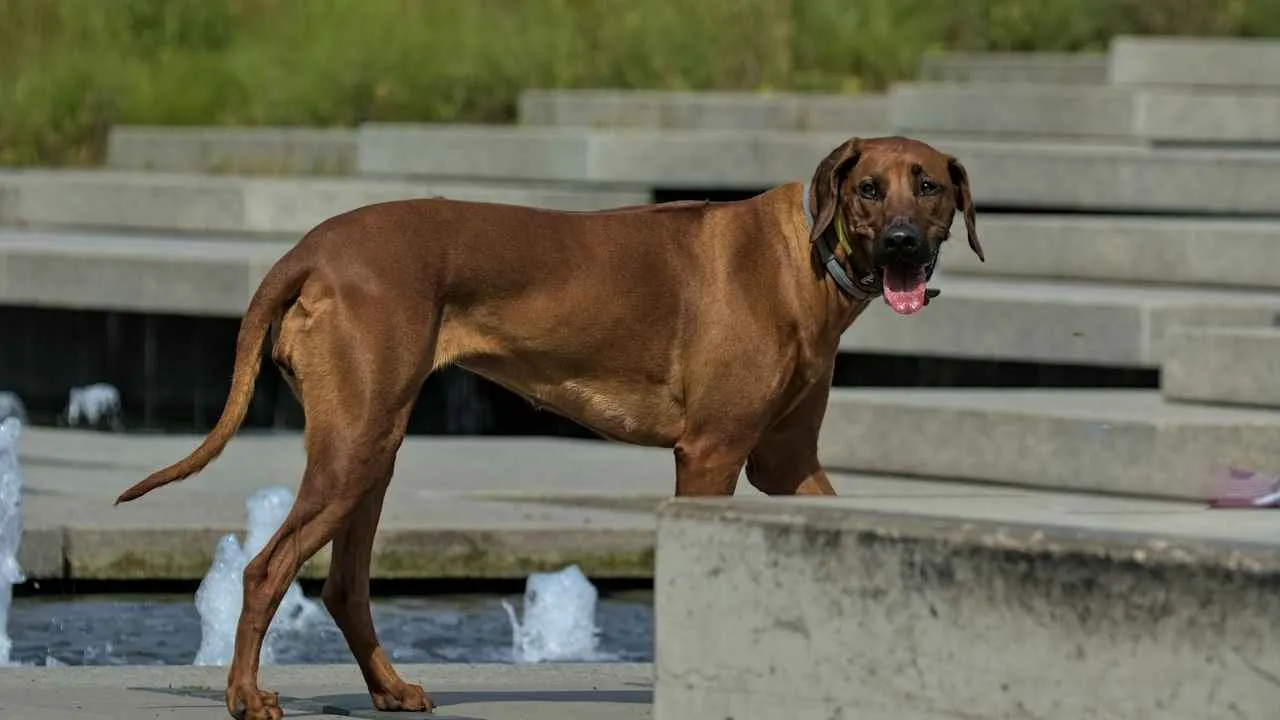
The Rhodesian Ridgeback is athletic, dignified, and quietly protective, like a dog that does not need to prove anything. This breed was developed in southern Africa and is known for endurance, confidence, and a distinctive ridge of backward-growing hair along the back. It can be affectionate with family while remaining reserved with strangers.
They are not usually needy or clingy in the same way as some companion breeds. They often enjoy family time but can also appreciate independence and personal space. That makes them feel more low-maintenance emotionally for some experienced owners, as long as their exercise needs are met.
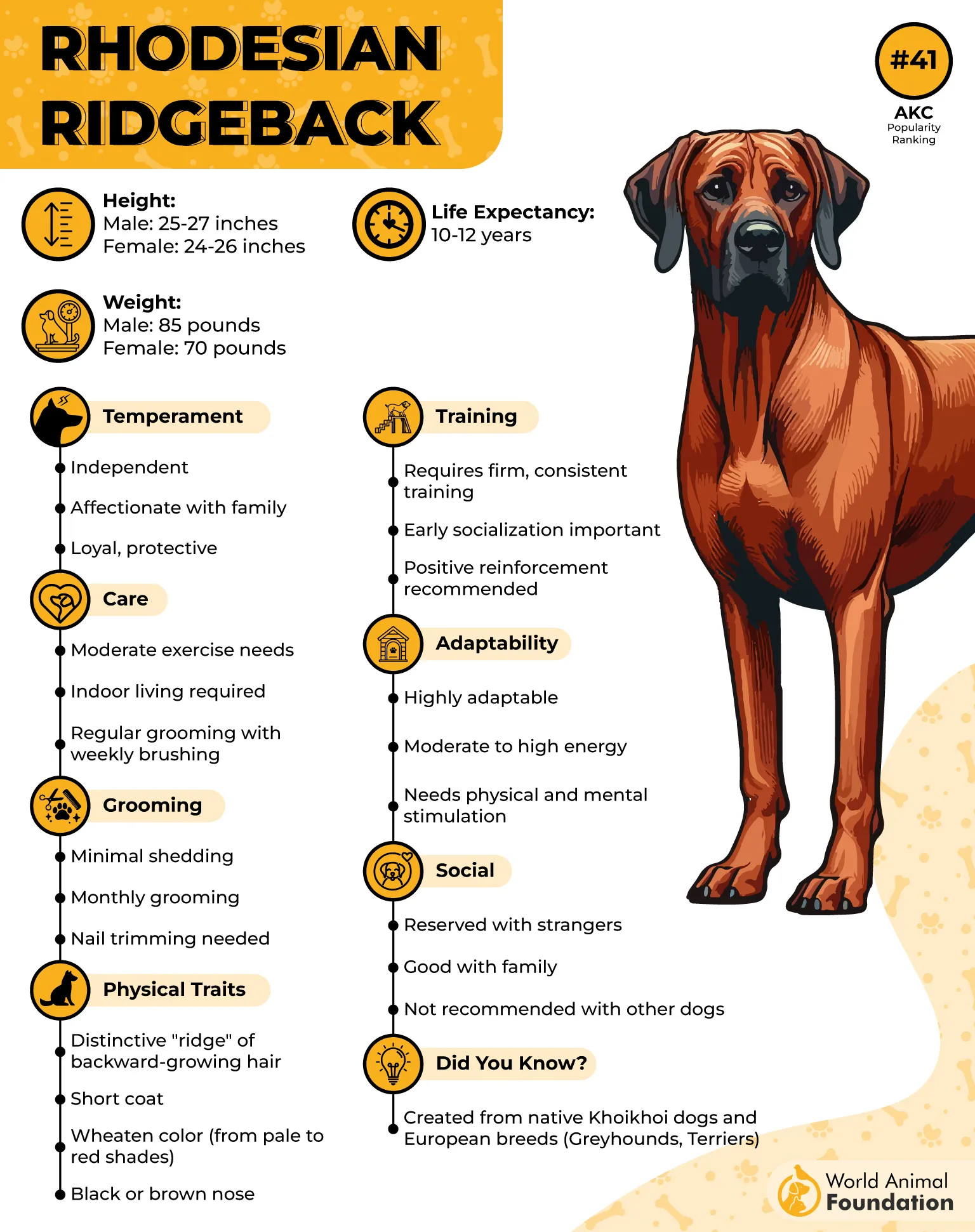
Their guarding style is alert and serious, according to the AKC. These dogs with protective instincts may watch unfamiliar people carefully, stand between their family and a concern, or calmly assess a situation before reacting. It is not typically a bark-at-every-leaf breed, but when it does alert, people notice.
The grooming side is refreshingly simple. Their short, smooth coat usually needs only weekly brushing and occasional baths. Nail trims, ear checks, and early handling practice matter because strong adult dogs are easier to care for when they are used to grooming routines.
They are strong-willed and athletic and are not ideal for beginners. They need exercise, secure fencing, early socialization, and owners who understand hound independence.
With experienced handling, it becomes a sleek, loyal, low-grooming guardian with calm confidence.
7. Greyhound
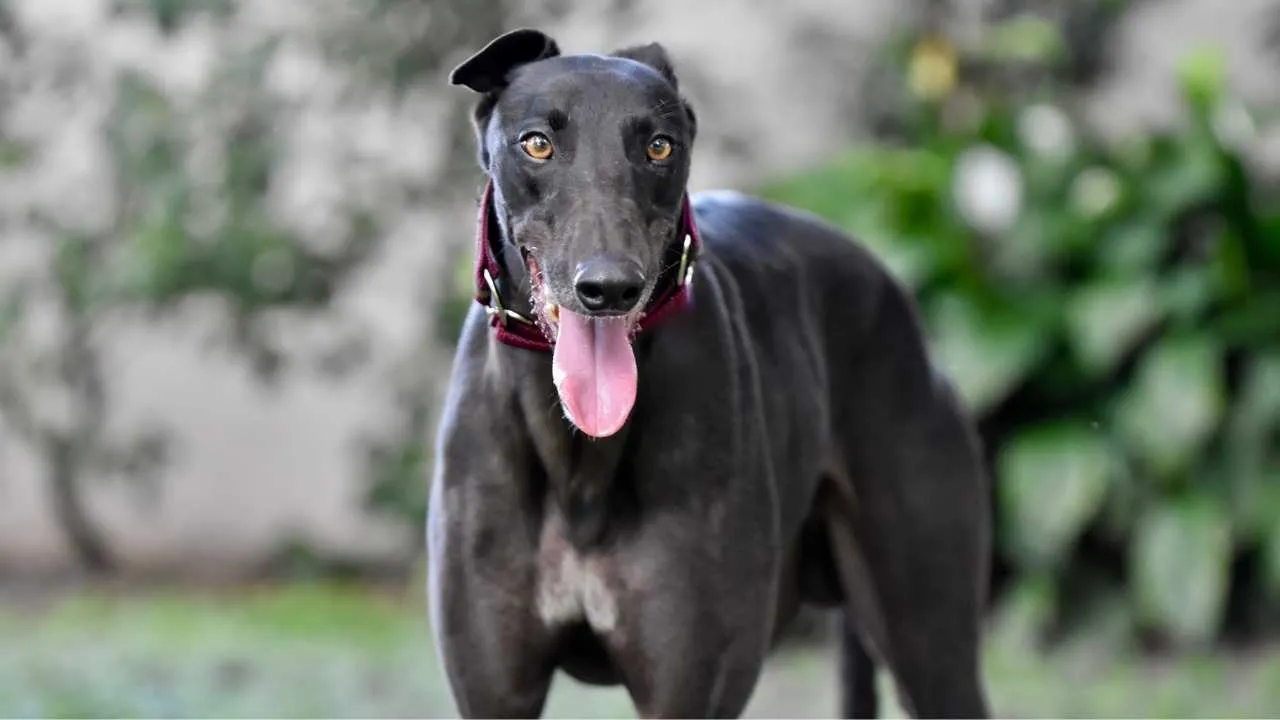
The Greyhound may surprise people on a guard-dog list because it is more of an elegant sprinter than a traditional protector. Still, its size, speed, alertness, and reserved nature can make it a quiet deterrent in the home.
This excellent guard dog is not a classic protective breed, but it can be watchful and loyal in a relaxed way.
Greyhounds are famous for speed, yet many retired racers and pet Greyhounds are professional-level loungers indoors. They often enjoy short bursts of running followed by long naps in dramatic sleeping positions. This makes them one of the most low-maintenance large breeds when their exercise needs are handled properly.
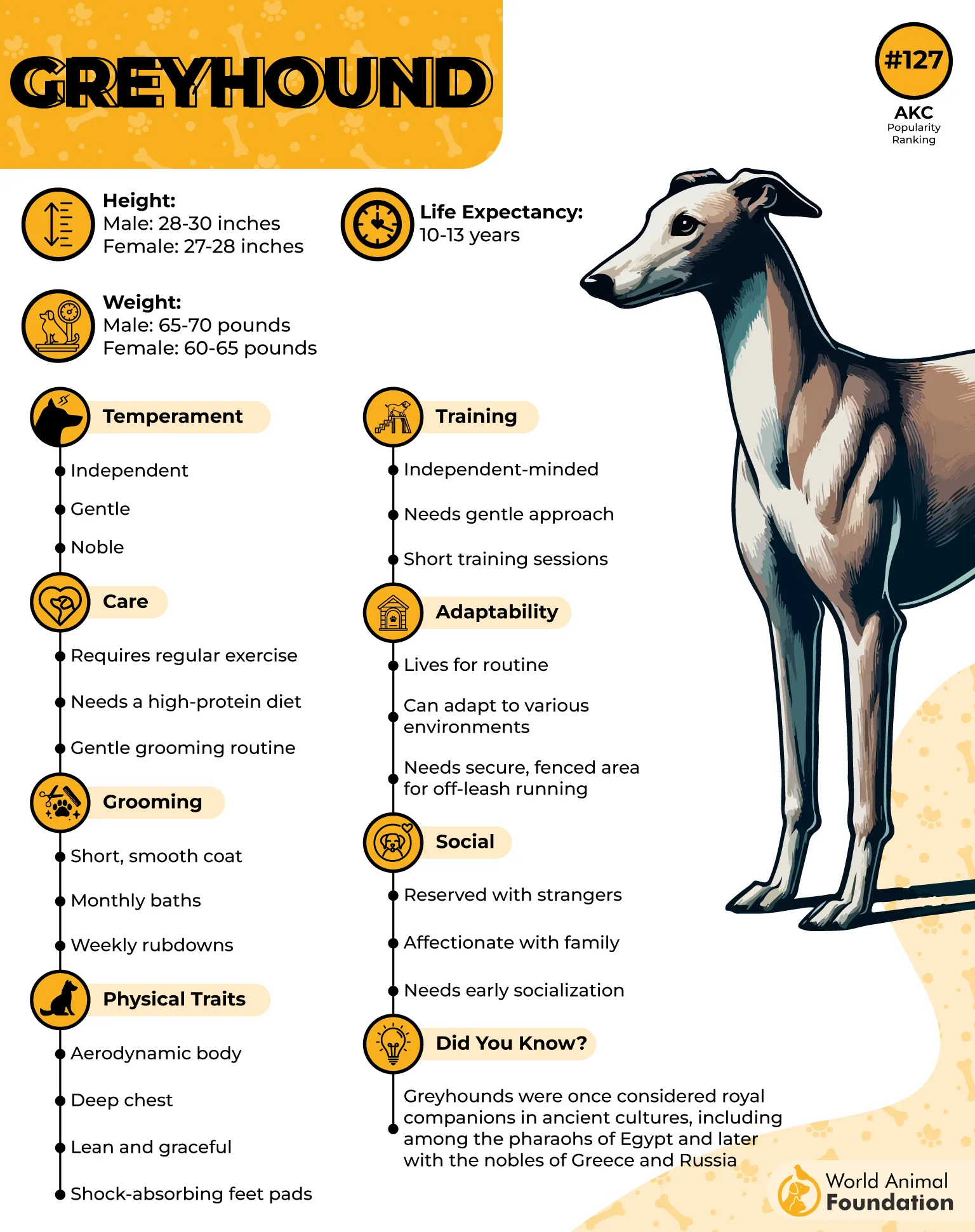
The protective style of these great guard dogs is usually subtle. A Greyhound may notice strangers, become cautious around unfamiliar people, or alert through posture rather than loud barking. They are not usually confrontational, so they are better described as calm watchdogs than hard guard dogs.
Grooming is extremely easy compared with fluffy giants. Their short coat requires minimal brushing and no complicated coat care. However, they can be sensitive to cold weather, hard surfaces, and rough handling because they are lean dogs with thin skin.
Training should be calm, positive, and patient because Greyhounds can be sensitive and independent. Their strong prey drive means off-leash freedom is risky unless in a securely fenced area. For owners who want a relaxed, gentle, low-grooming dog with quiet alertness, the Greyhound is a surprisingly lovely choice.
Conclusion
Relaxed guard dogs prove that protection does not always need nonstop barking, endless energy, or intense working-dog chaos.
The most important thing is matching the breed to your real lifestyle. A low-energy giant may still need space, training, socialization, grooming, food, vet care, and strength-aware handling. Low-maintenance ownership means easier day-to-day energy in some areas, not zero responsibility.
For families, the best relaxed guardian is stable, socialized, and understood. These dogs should learn who belongs, what normal visitors look like, and how to stay calm in daily life. With the right care, a relaxed guard dog can become both a peaceful companion and a quiet protector.
