




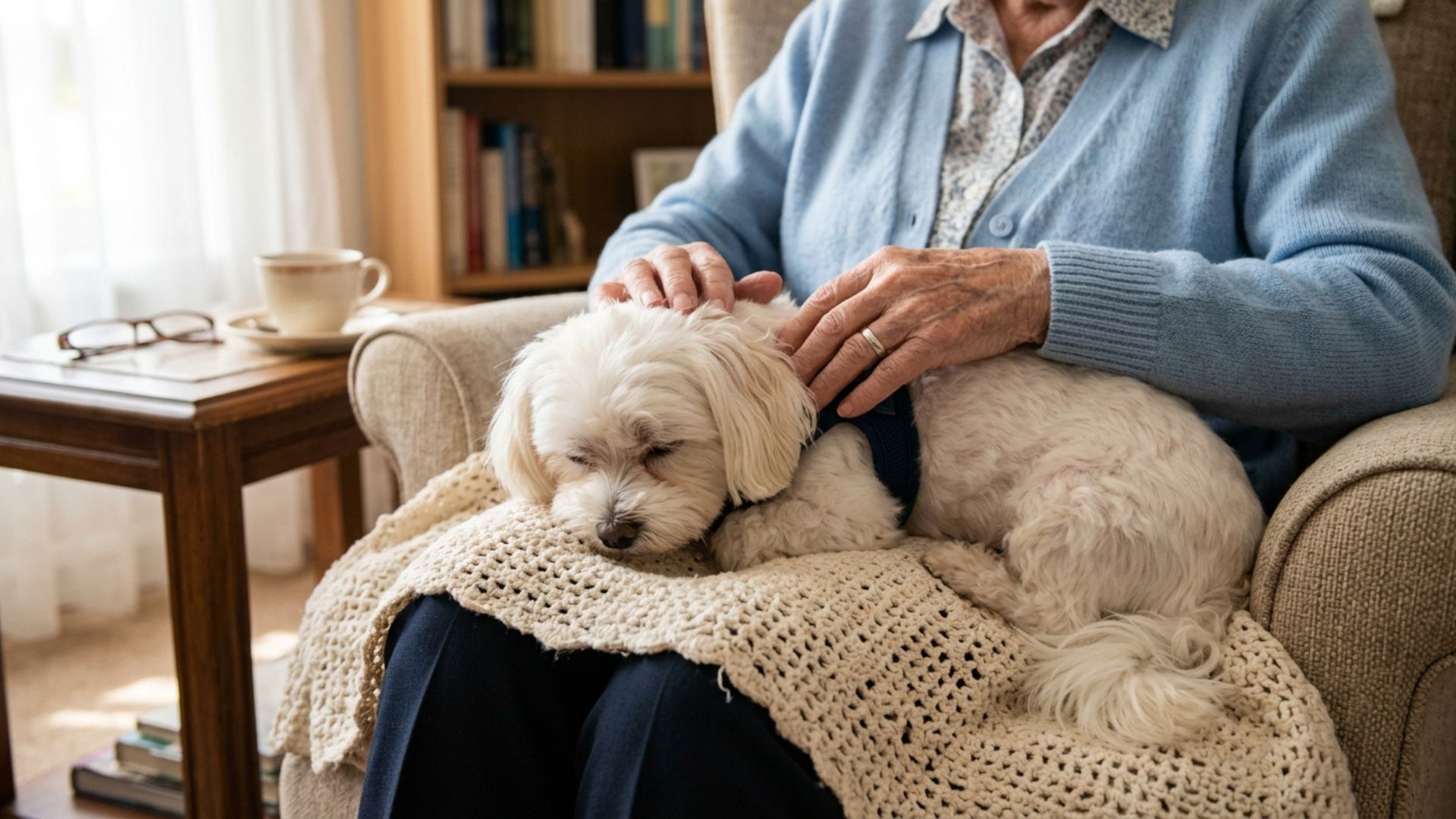
The golden years often come with a slower pace, more quiet moments, and extra time to savor life’s simple pleasures. For many older adults, sharing that time with a furry companion can make ordinary days feel warmer and, honestly, more meaningful.
The right dog can bring steady companionship, nudge you toward daily strolls, offer emotional steadiness, and help set up a comforting rhythm. Still, not every canine is a good match for senior life.
Some dogs really need intense exercise, while others basically demand ongoing action and constant company. On the bright side, though, quite a few dog breeds blend really well with a relaxed routine and end up being loyal friends for years.
Research suggests that having a pet can ease loneliness and support regular movement. Even brief walks, plus a simple daily flow with a kind dog, may help older owners feel happier and more active.
Best Suitable Dog Breeds for Senior Living
1. Cavalier King Charles Spaniel
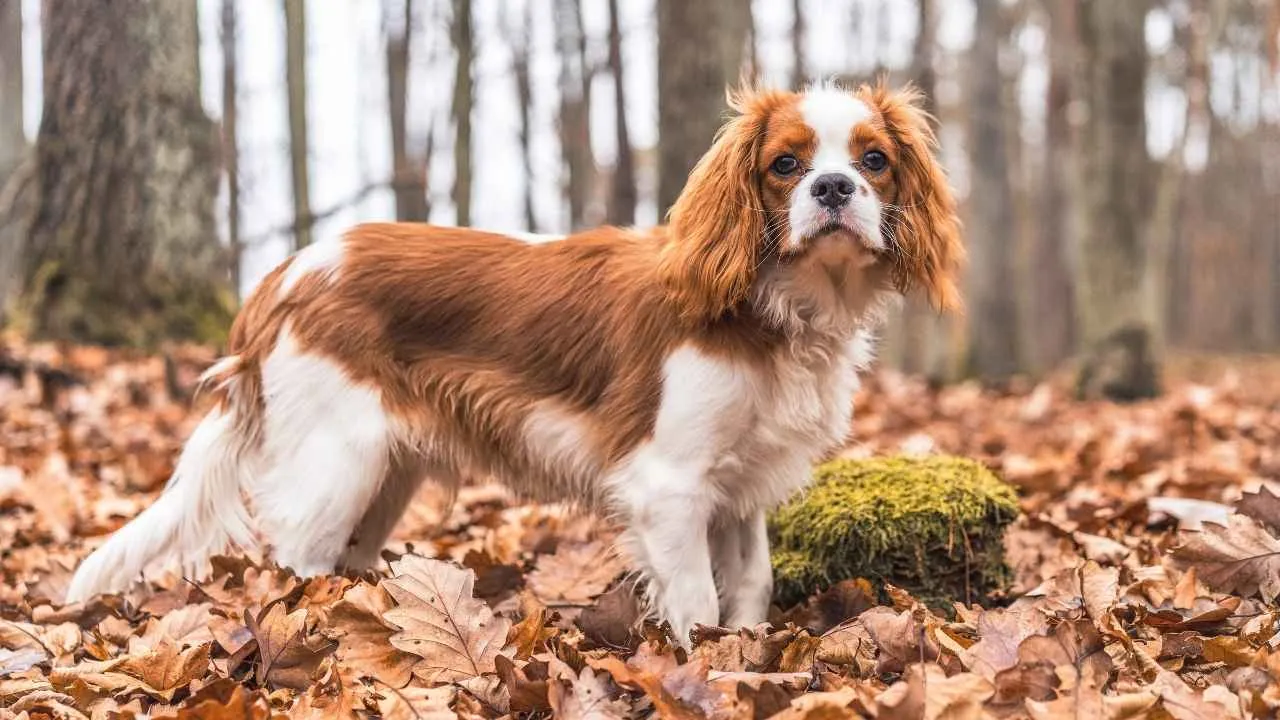
The Cavalier King Charles Spaniel is frequently seen as one of the best dog breeds for seniors, mainly because of its affectionate vibe and generally calm temperament. This lovely companion likes being nearby to its human partners and tends to adjust easily to both apartment living and bigger houses.
A lot of dog lovers notice how smoothly this small dog blends into everyday schedules. Whether it’s relaxing on the couch, taking those quick walks, or just staying near a beloved chair, this breed usually looks most content when it’s sharing time with people in the home.
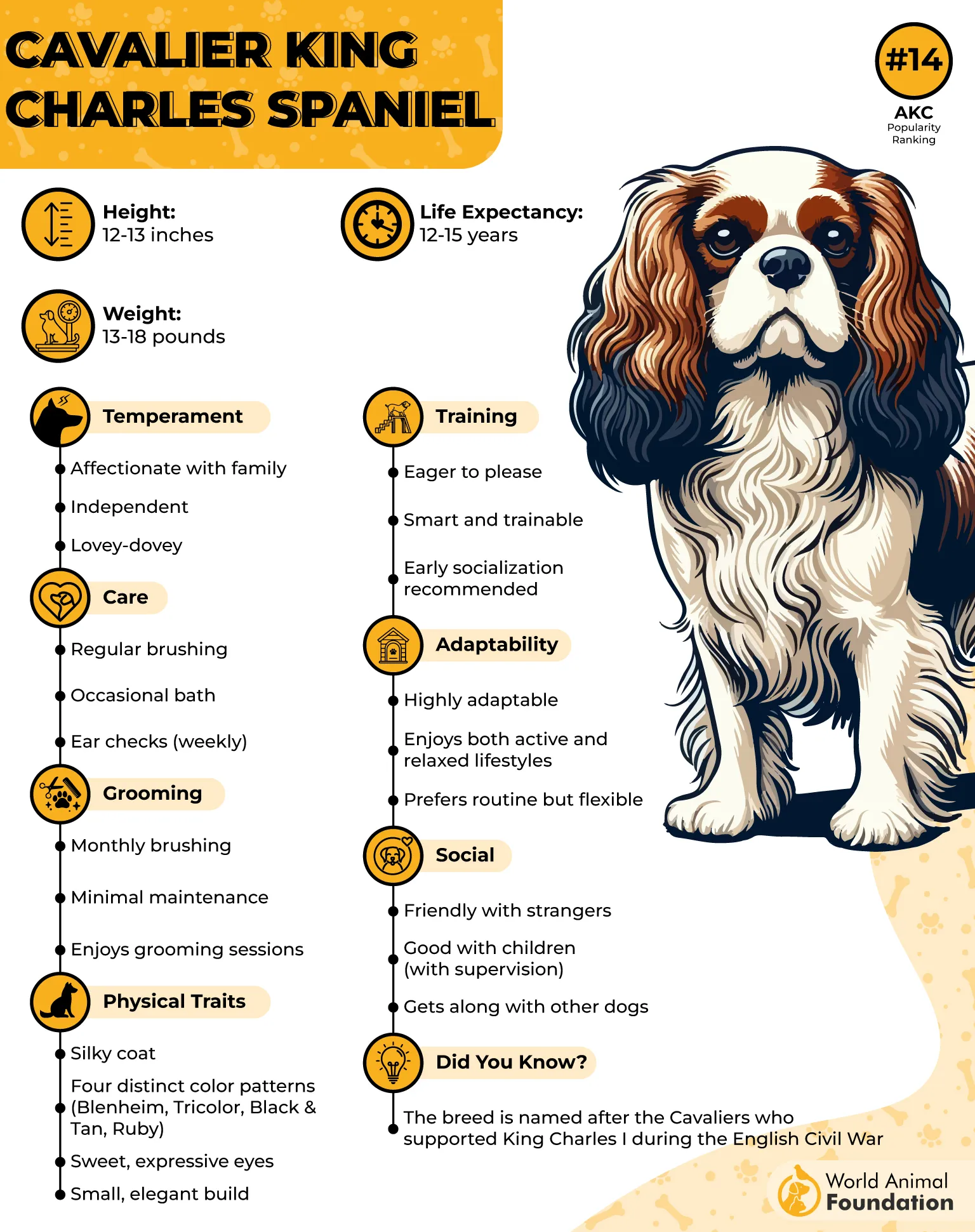
The Cavalier King Charles Spaniel carries a gentle disposition while still bringing enough energy for outdoor activities. Regular walks and mild play help support physical health and mental balance, yet the activity level remains manageable for most households.
2. Bichon Frise
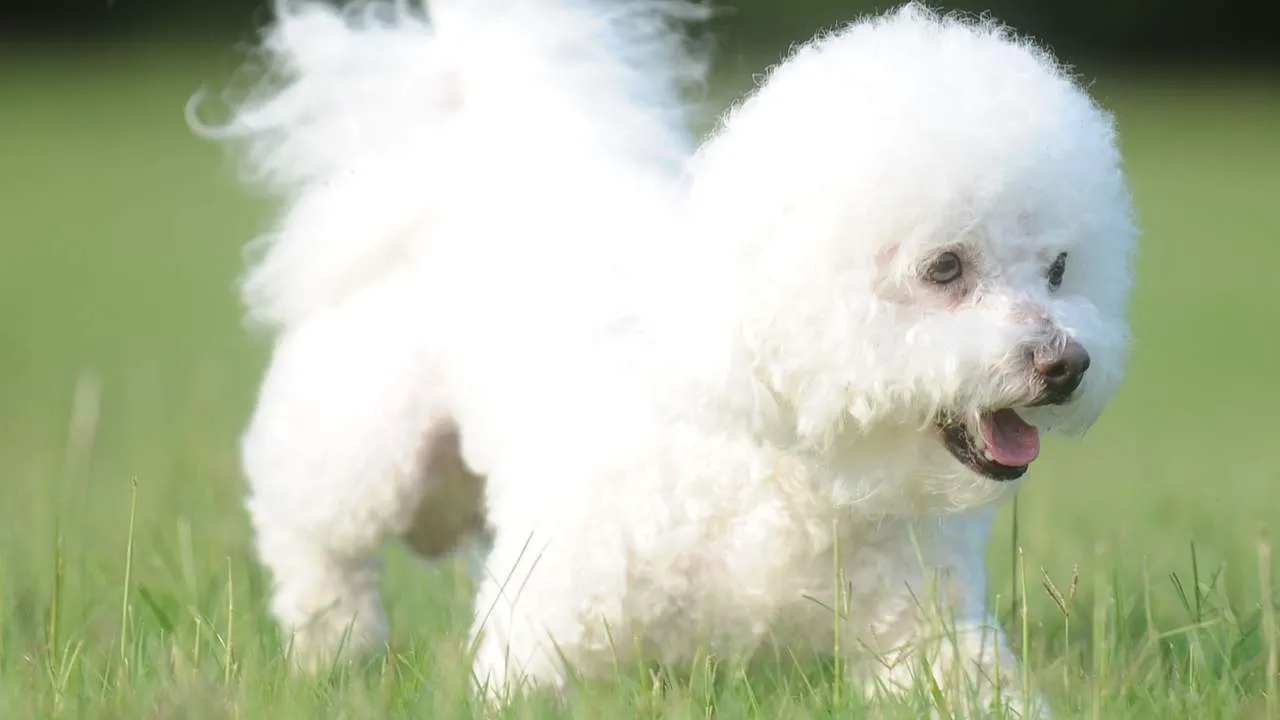
The Bichon Frise brings joy wherever it wanders. People often describe it as having a bright, warm demeanor and a kind approach. Its fluffy presence can make later life easier, not by big things, but through steady attention and little playful exchanges again and again.
This dog generally handles visitors, children, and other pets pretty well. Its friendly mood often builds a comfortable space, especially if you like hosting guests or if you live in a place that is more pet-friendly.
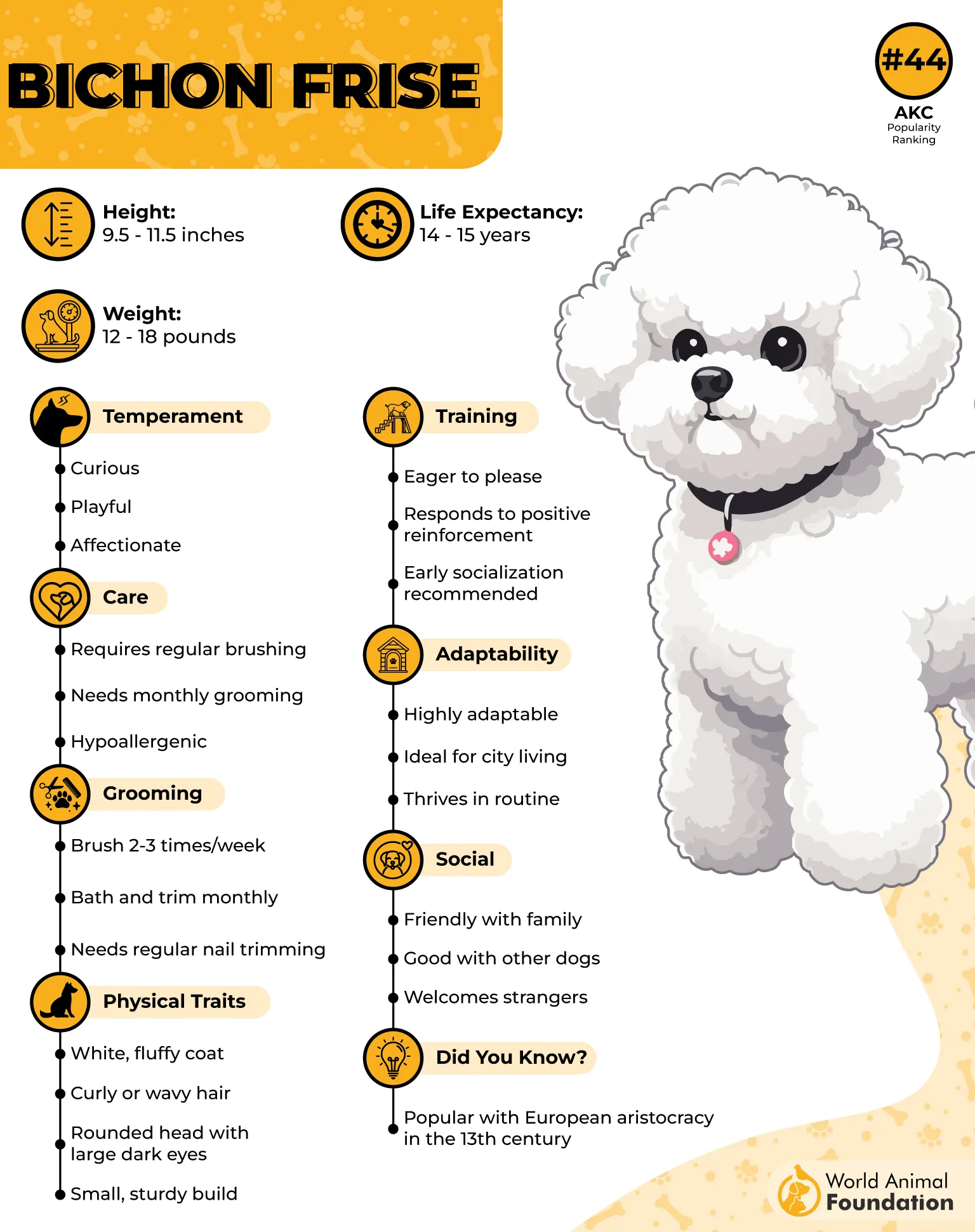
The breed tends to do well with positive training, and it often likes learning basic commands or small tricks. Hills Pet mentions the Bichon Frise is smart, flexible, and eager to take part in family routines, so training can feel like a shared activity, not a battle.
3. Havanese
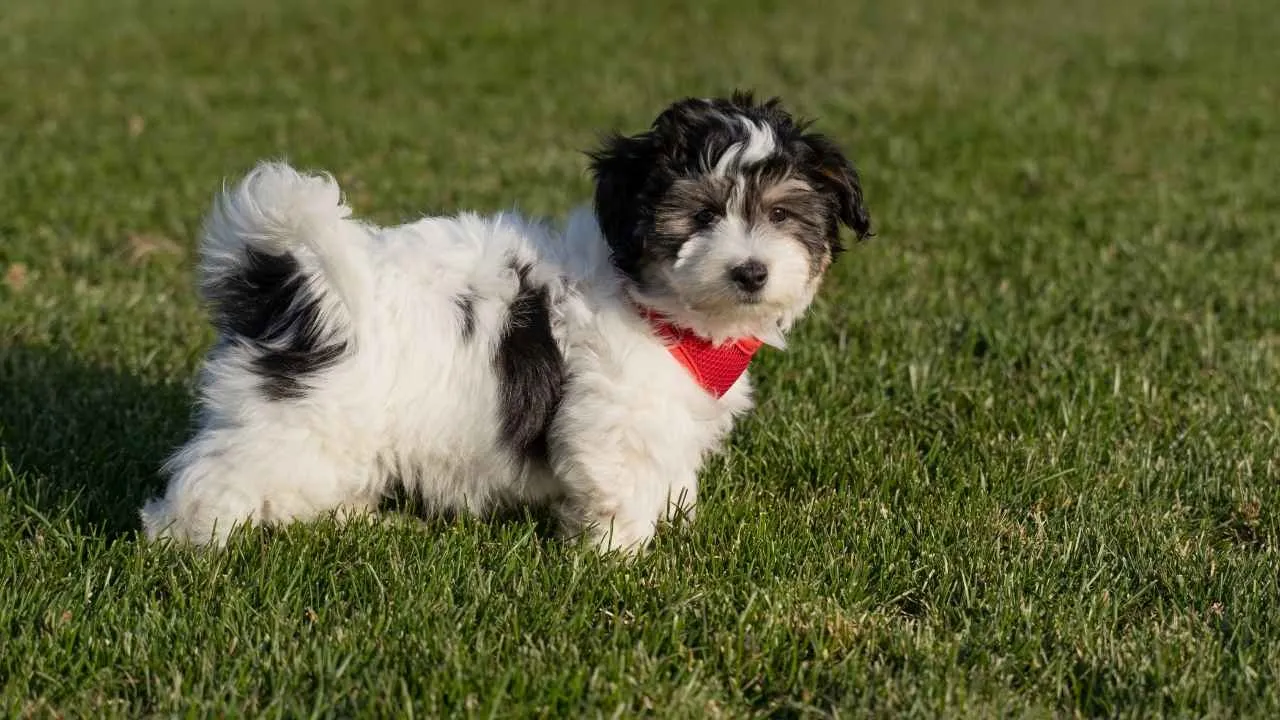
The Havanese is a loving companion with a naturally friendly personality. Its small but sturdy dog that seems to like meeting people, and very often forms close bonds with everyone who lives in the household. Sometimes it feels like they’re always “on” but in a warm way.
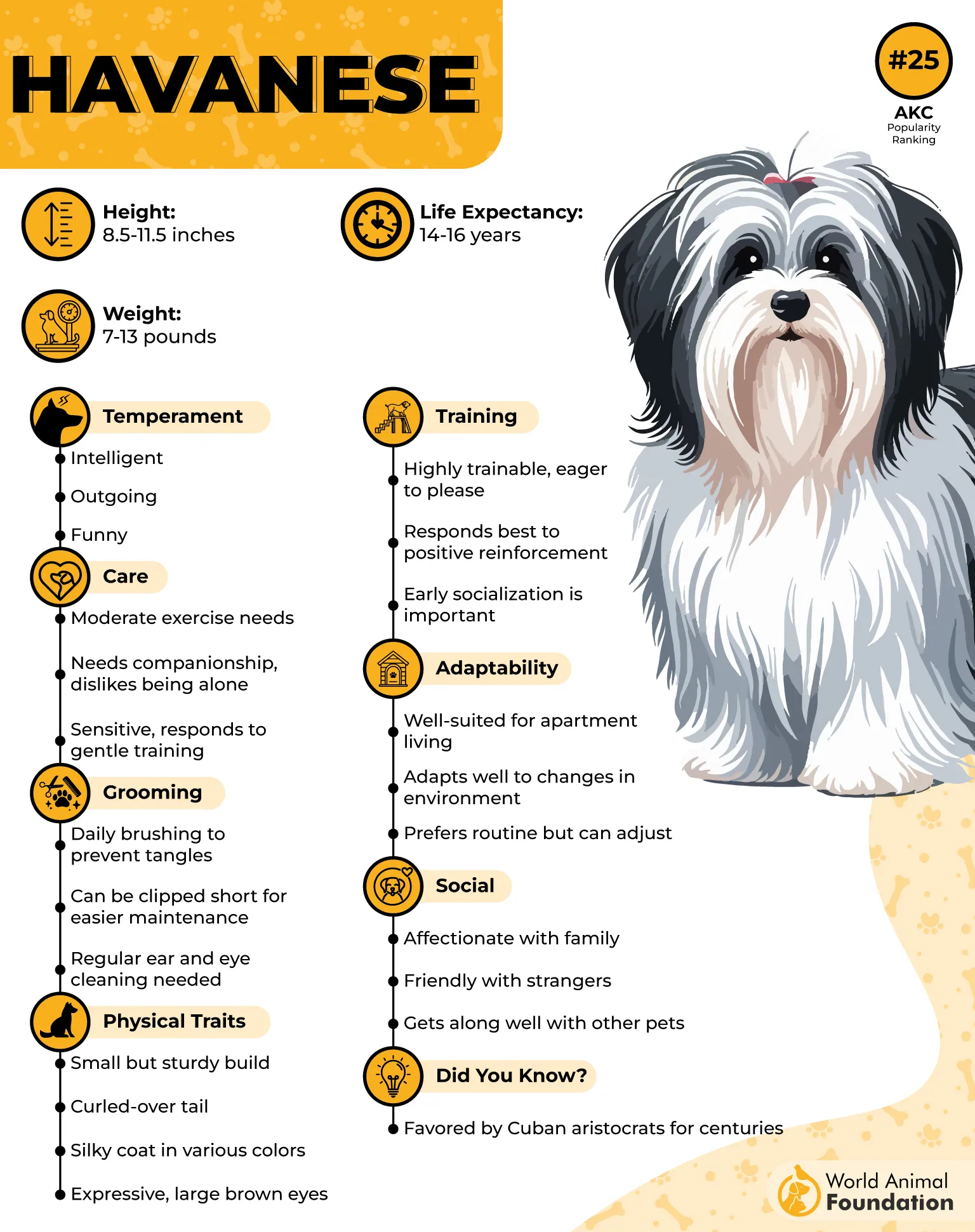
A lot of seniors really like the blend between being playful and still staying calm. The Havanese likes activity, sure, but it doesn’t really need exercise to feel content. That sort of steady rhythm in energy makes daily care easier for many different kinds of lifestyles.
Moderate exercise, short walks, and indoor games usually cover what this breed needs. The long coat does ask for consistent grooming, but many owners go for a puppy cut since it’s simpler to keep up with and honestly less time-consuming.
4. Pug
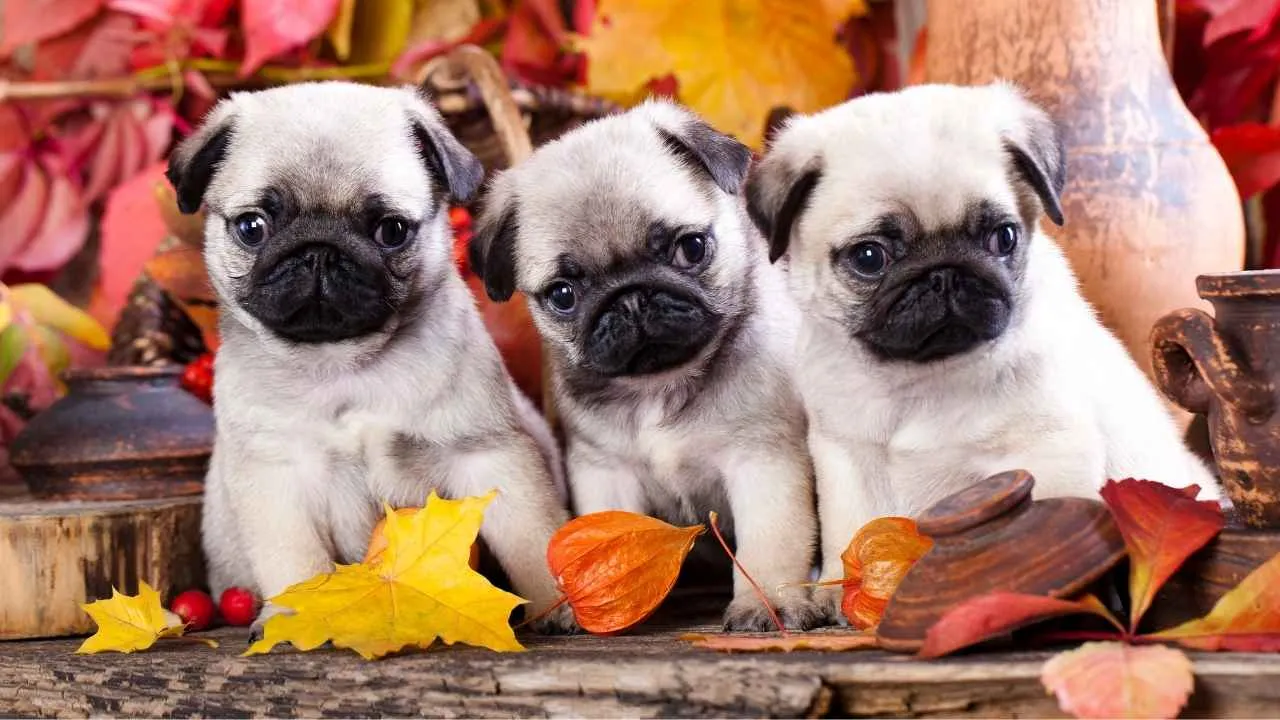
The Pug earned a reputation as one of the most entertaining dog breeds. With expressive eyes and a playful attitude, this little buddy tends to keep owners smiling throughout the day, almost without trying.
Many seniors appreciate how strongly this breed values companionship. Instead of being by itself, the Pug prefers staying close to the people it loves and joining in with daily routines whenever it can.
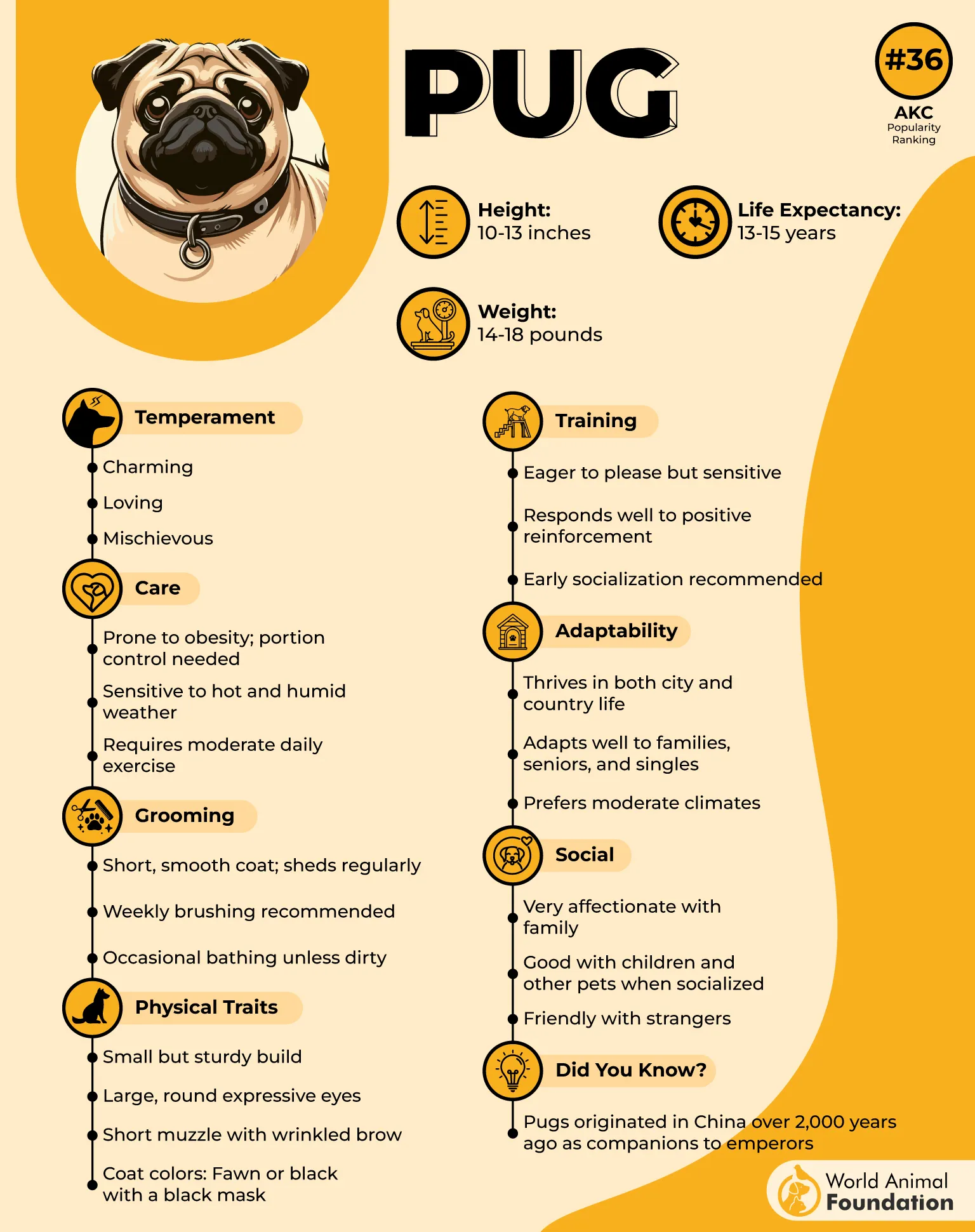
Short walks and gentle play sessions are often enough for exercise. Also, care matters in hot weather because that flat-faced structure can make breathing more tricky. PDSA notes that this breed thrives on being around people and that it benefits from careful exercise management so it can support long-term health and comfort.
5. Shih Tzu
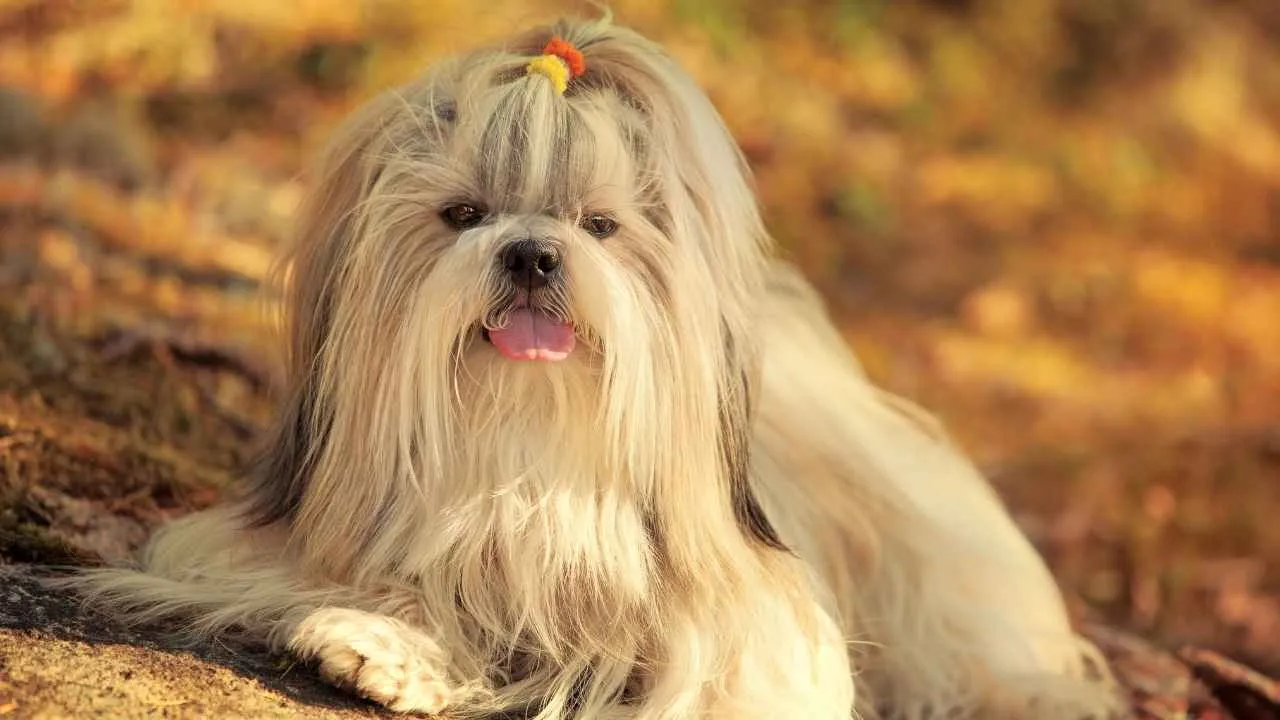
Originally bred as a companion animal, this affectionate friend still shines in that role today. It enjoys staying close to family and often follows a favorite person from room to room, almost as if carrying out a small daily duty.
The calm demeanor and loving personality make the Shih Tzu feel especially welcoming for senior living. Even when it gets a bit playful, it usually leans toward a cozy way of life, with attention and companionship nearby.
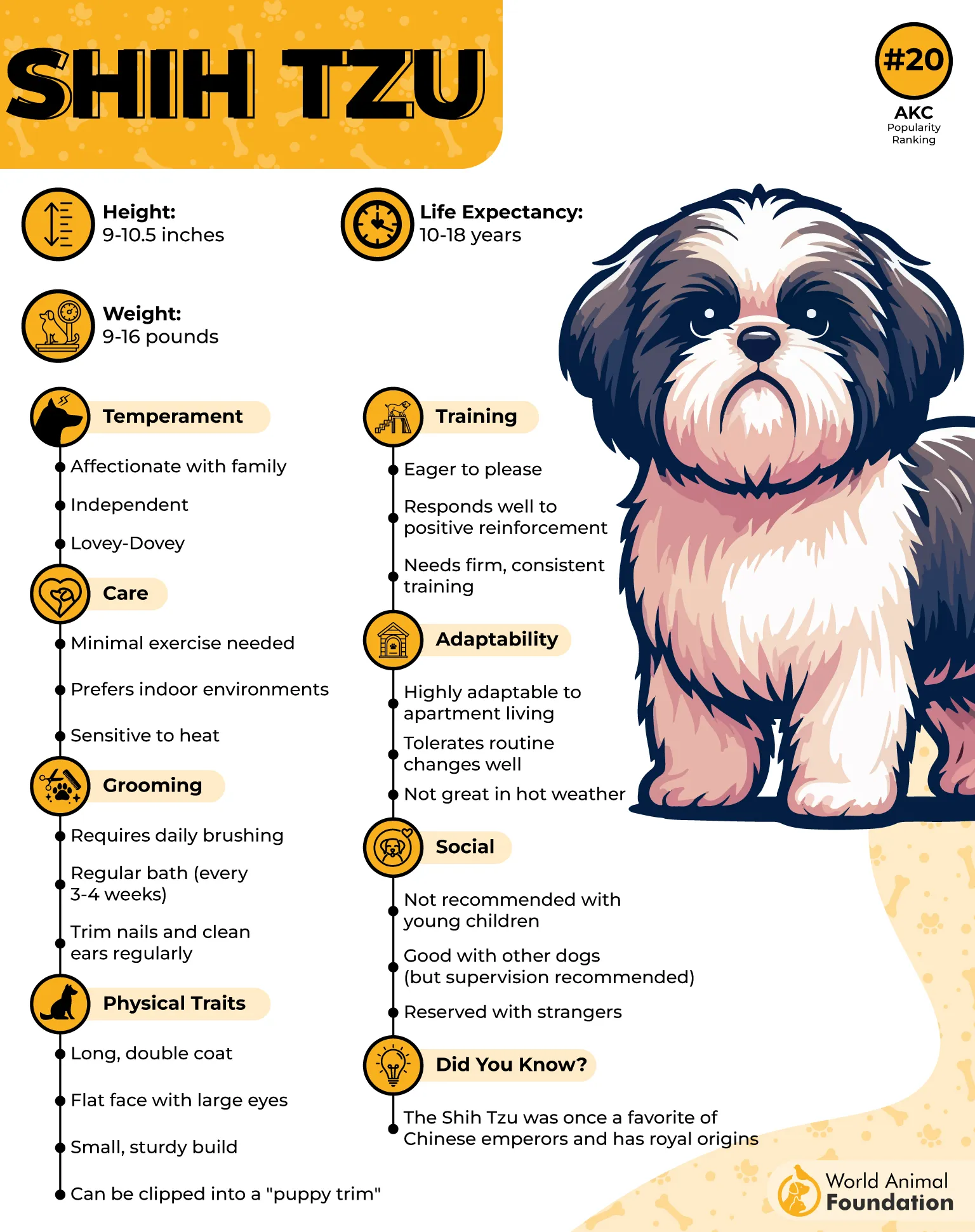
Daily walks, regular brushing, and simple social contact help this breed stay healthy and balanced. Early socialization can help build confidence around new people, new places, and all that unfamiliar stuff.
6. Pomeranian
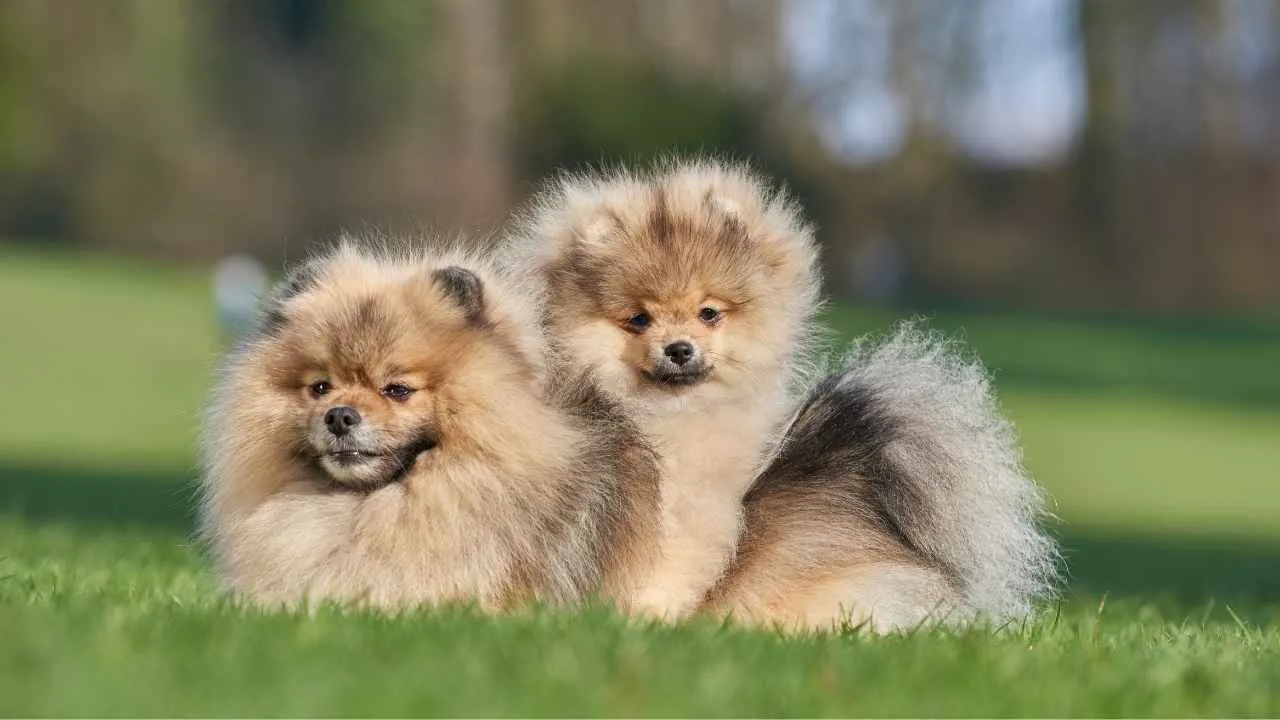
The Pomeranian might be one of the tiniest Spitz types, but this little dog still brings a huge personality. Bright and curious, full of charm, it often ends up being the center of attention wherever it goes, like it knows the spotlight is there.
A lot of senior owners really enjoy that lively spirit and the affectionate temperament. And even though it can be energetic, the compact build means their daily routines are usually simpler than they are with larger dogs.
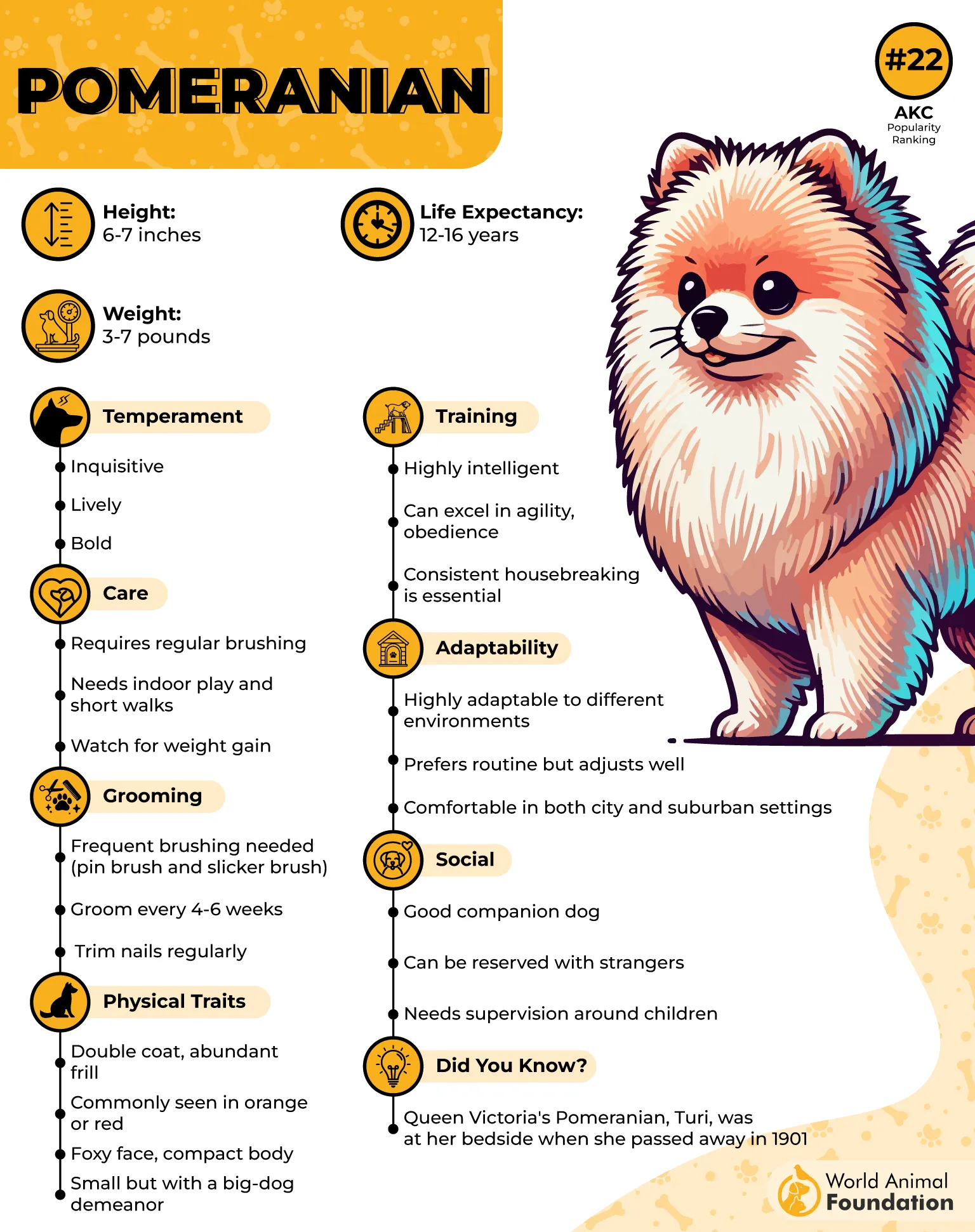
The fluffy double coat needs regular brushing so the knots don’t turn into tangles and everything stays, well, looking healthy. Short walks, plus indoor games, usually cover the exercise part and at the same time give good mental stimulation too.
7. Maltese
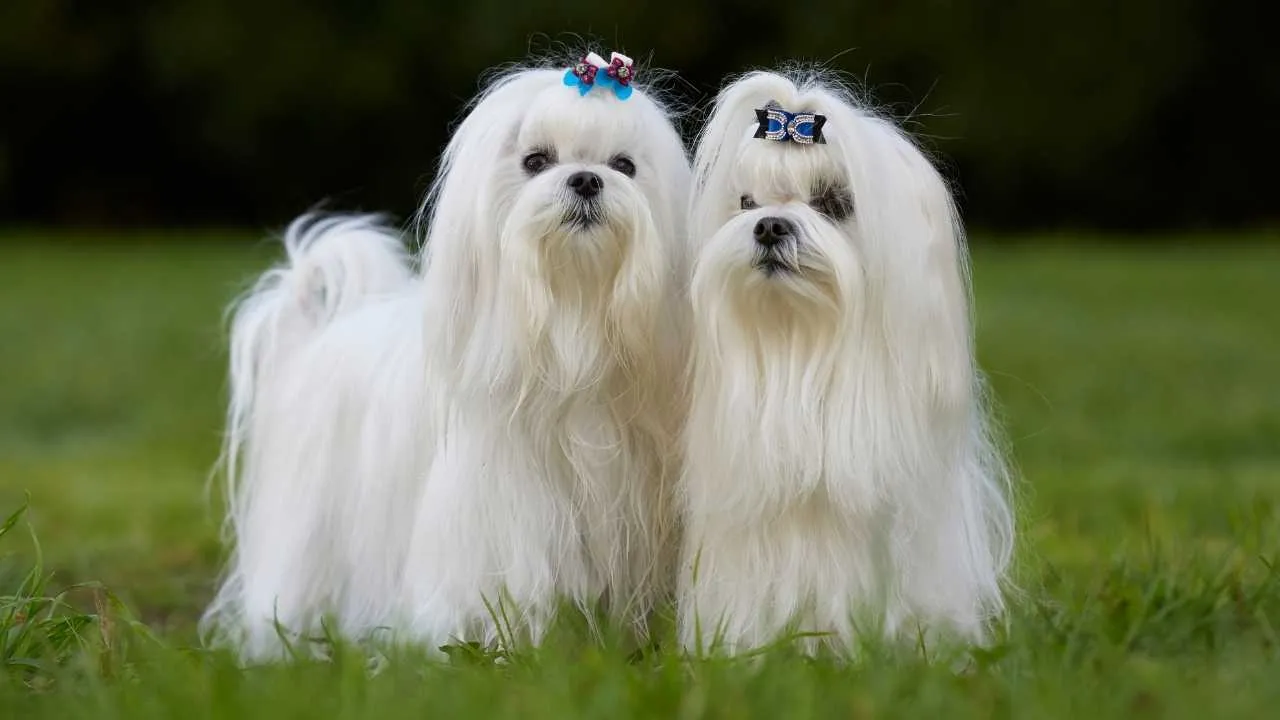
The Maltese remained a cherished companion for centuries. Known for an elegant white coat and a loving, affectionate temperament, this little dog forms meaningful attachments with loved ones and often wants to stay involved in everyday routines.
Quite a lot of seniors like that gentle way and the friendly vibe; often, this breed would rather spend calm time near family than go for demanding physical activities.
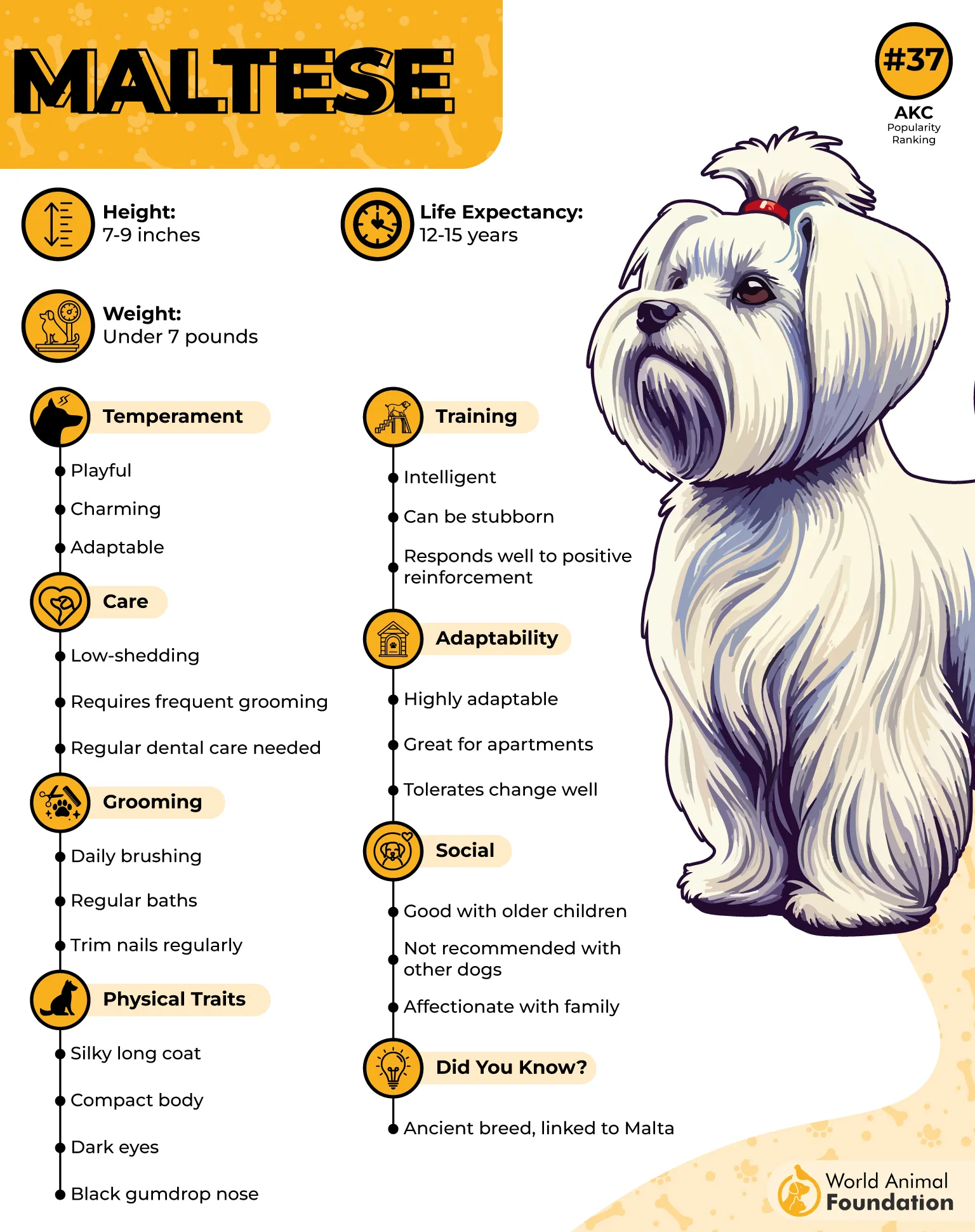
Even if the Maltese seem to like playing and learning little tricks, the actual exercise demands are still on the modest side. PetMD also notes that the Maltese builds deep family connections and does best with companionship, consistent structure, and regular social interaction.
Conclusion
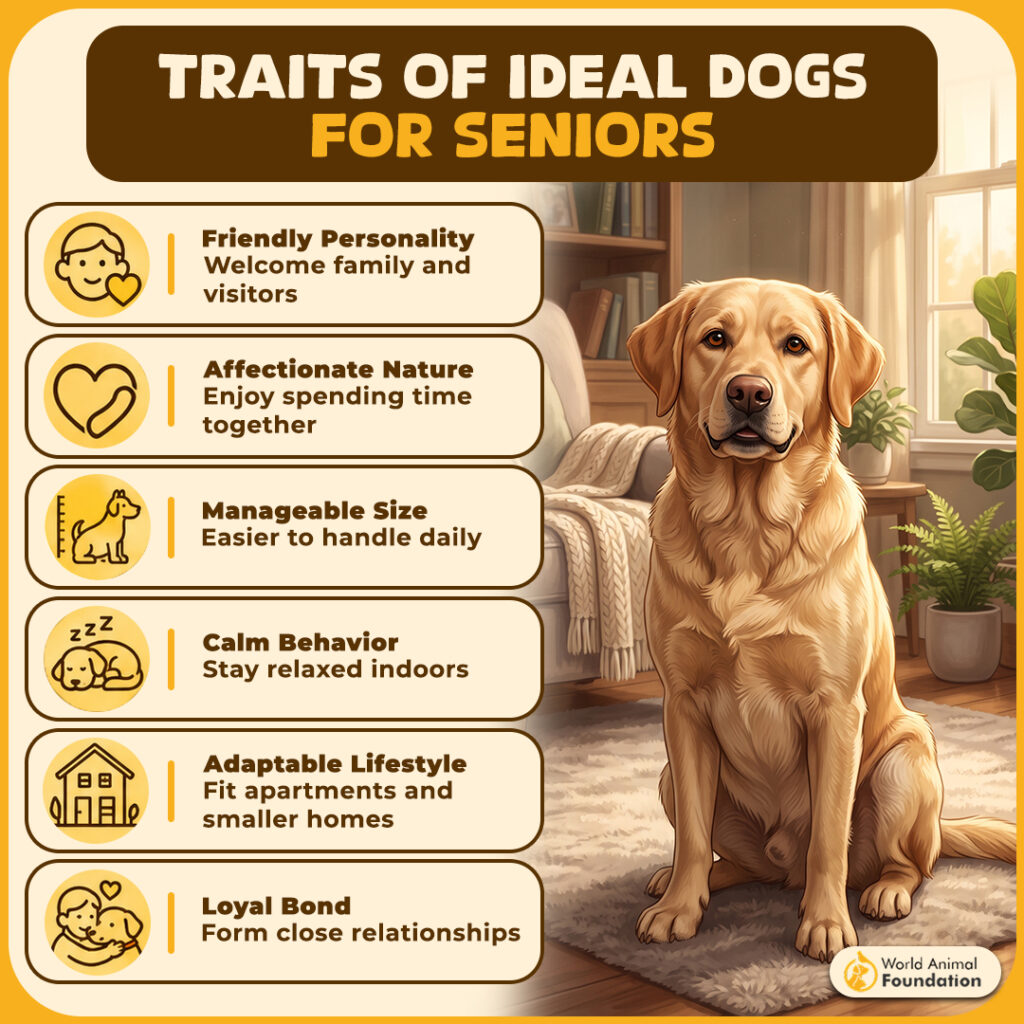
The best-suited dog breeds for senior living aren’t just the ones that require the least exercise or the lowest upkeep. The perfect buddy for seniors is the one that syncs with the owners’ daily schedule, their energy level, and even their general pace.
So whether someone is leaning toward a Cavalier King Charles Spaniel, Bichon Frise, Havanese, Pug, Shih Tzu, Pomeranian, or Maltese, each little pup brings its own special angle. With affectionate temperament and a calmer vibe, plus care that feels manageable, these dogs can add comfort, more laughter than you’d expect, and a real sense of companionship that matters.
