




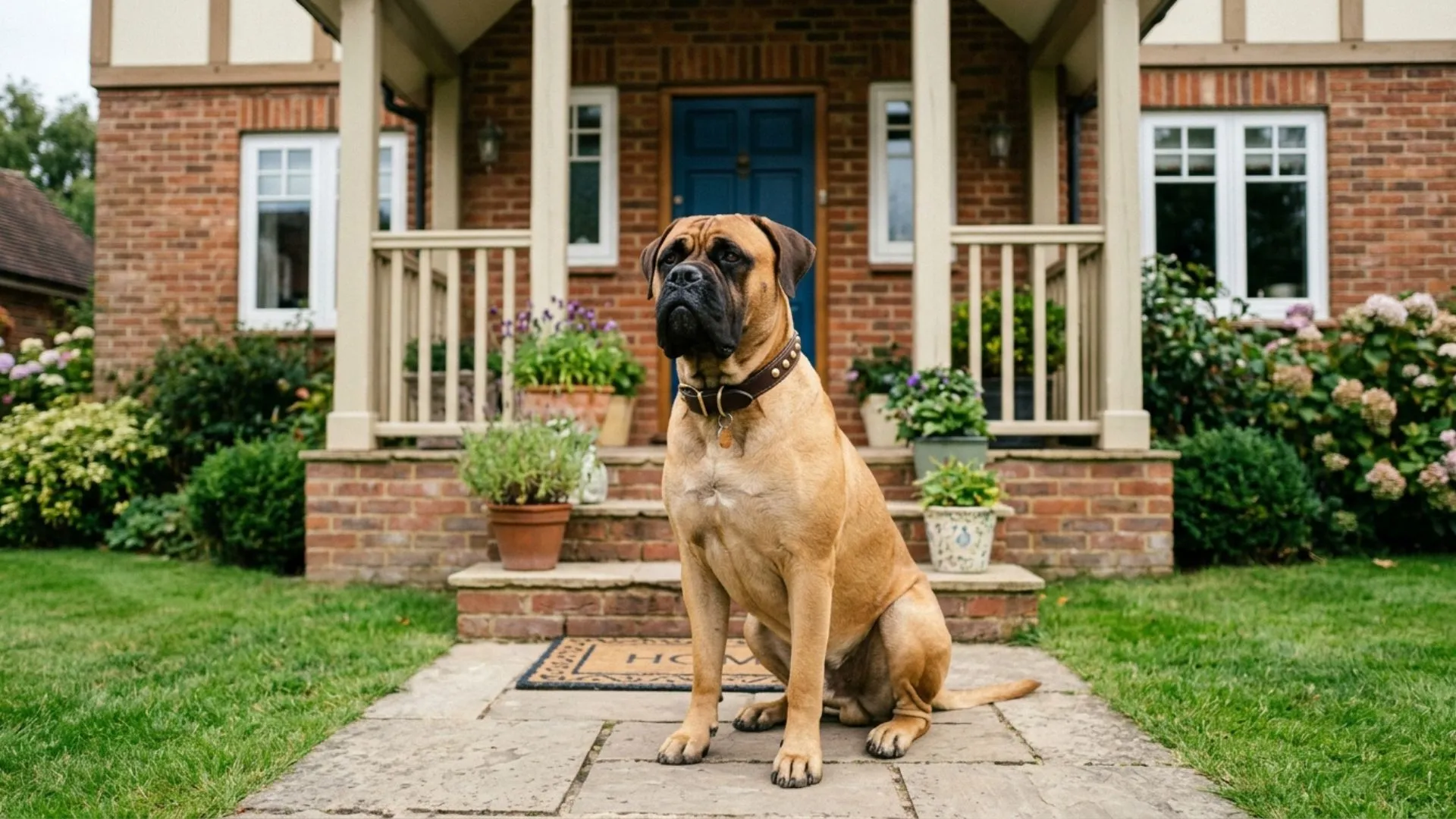
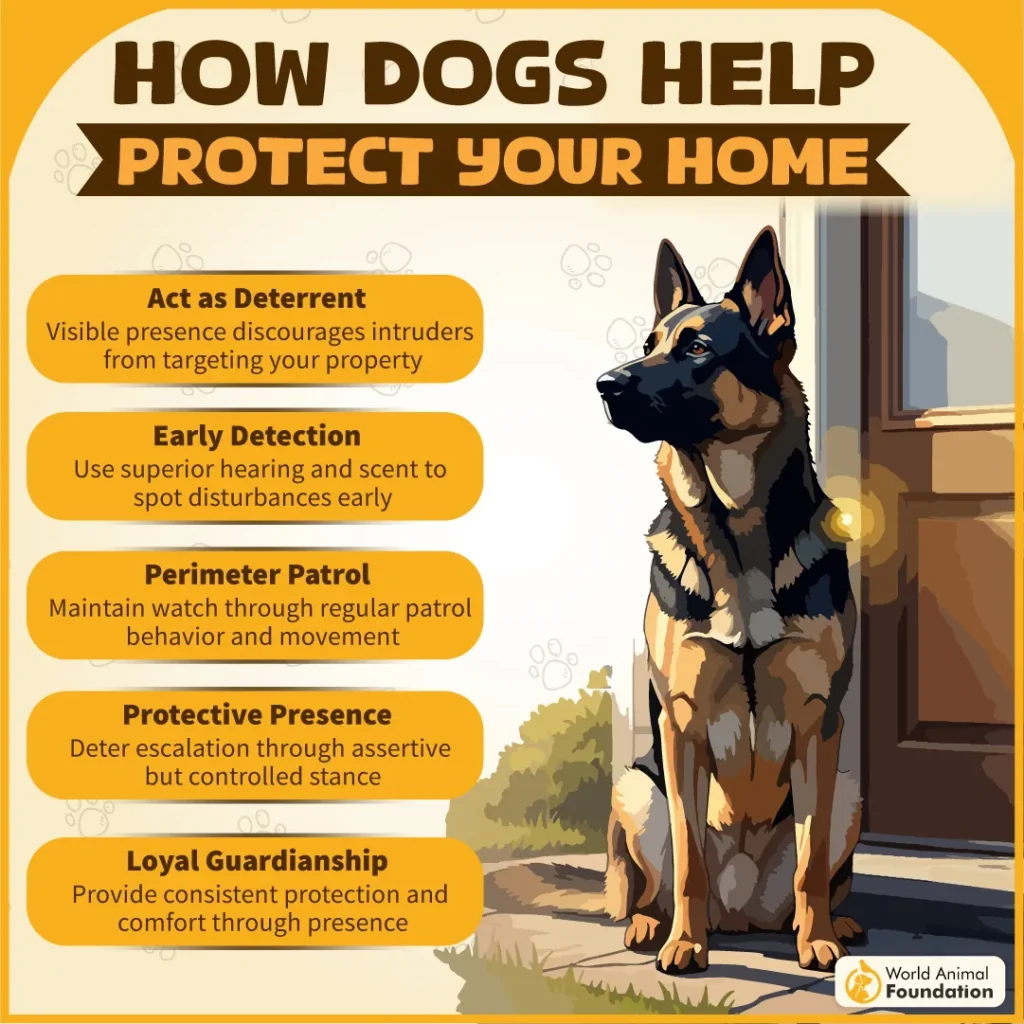
Dogs have been protecting people for thousands of years. Long before modern security systems existed, they stood watch over homes, livestock, and families, using their sharp senses to detect danger long before humans could.
While most dogs will bark at something unusual, some breeds were specifically developed to guard property and protect the people they love. Their loyalty, intelligence, courage, and natural vigilance make them exceptional home protectors.
A great guard dog isn’t just big or powerful; it knows when to stay calm, when to raise the alarm, and when to step in if a real threat appears. If you’re looking for a loyal companion that can also help keep your home safe, these protective breeds are among the best.
Protective Dog Breeds That Will Guard Your Home
1. German Shepherd
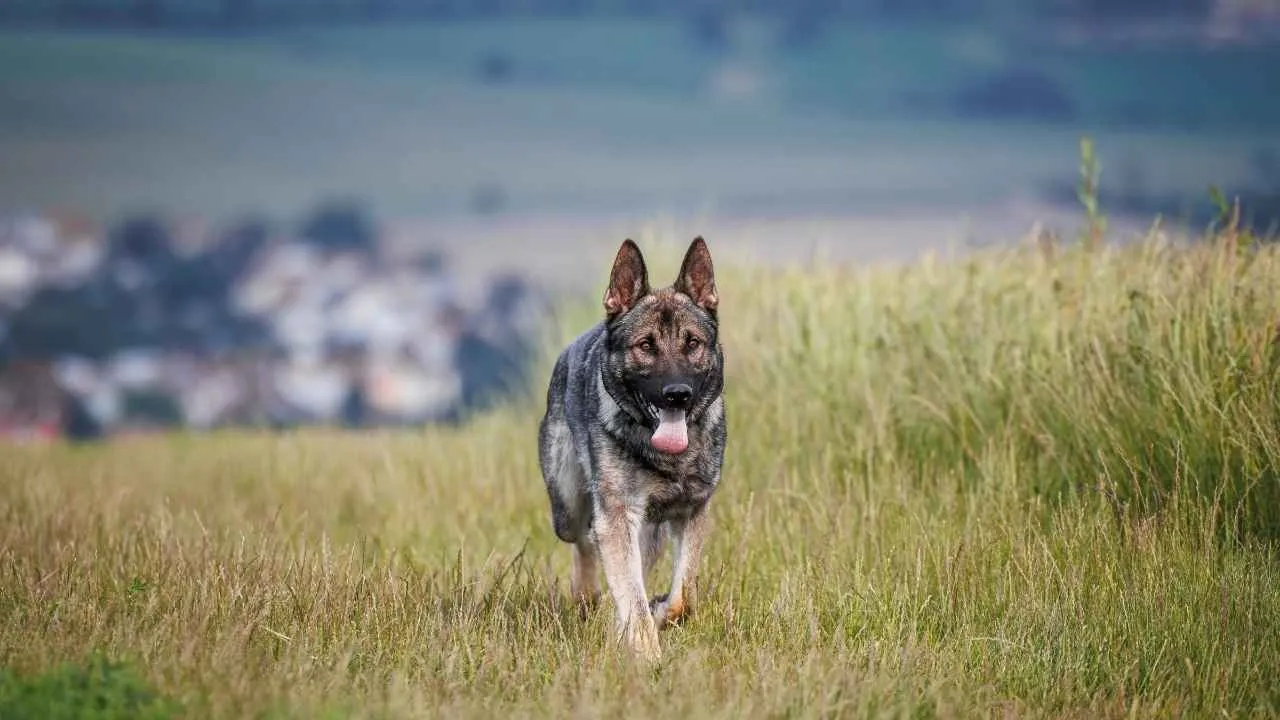
Dogkind’s finest all-purpose worker, the German Shepherd is the quintessential guard dog; instantly recognizable, endlessly capable, and genuinely hard to top when it comes to protection.
Graceful, quick on their feet, and almost annoyingly intelligent, German Shepherds are as loyal and loving at home as they are formidable on duty. The thick tail, the alert pointy ears, the booming bark that kicks in the moment something feels off; it all comes together in a dog that never really clocks out. They do not just guard a space; they guard the people in it, with everything they have got.
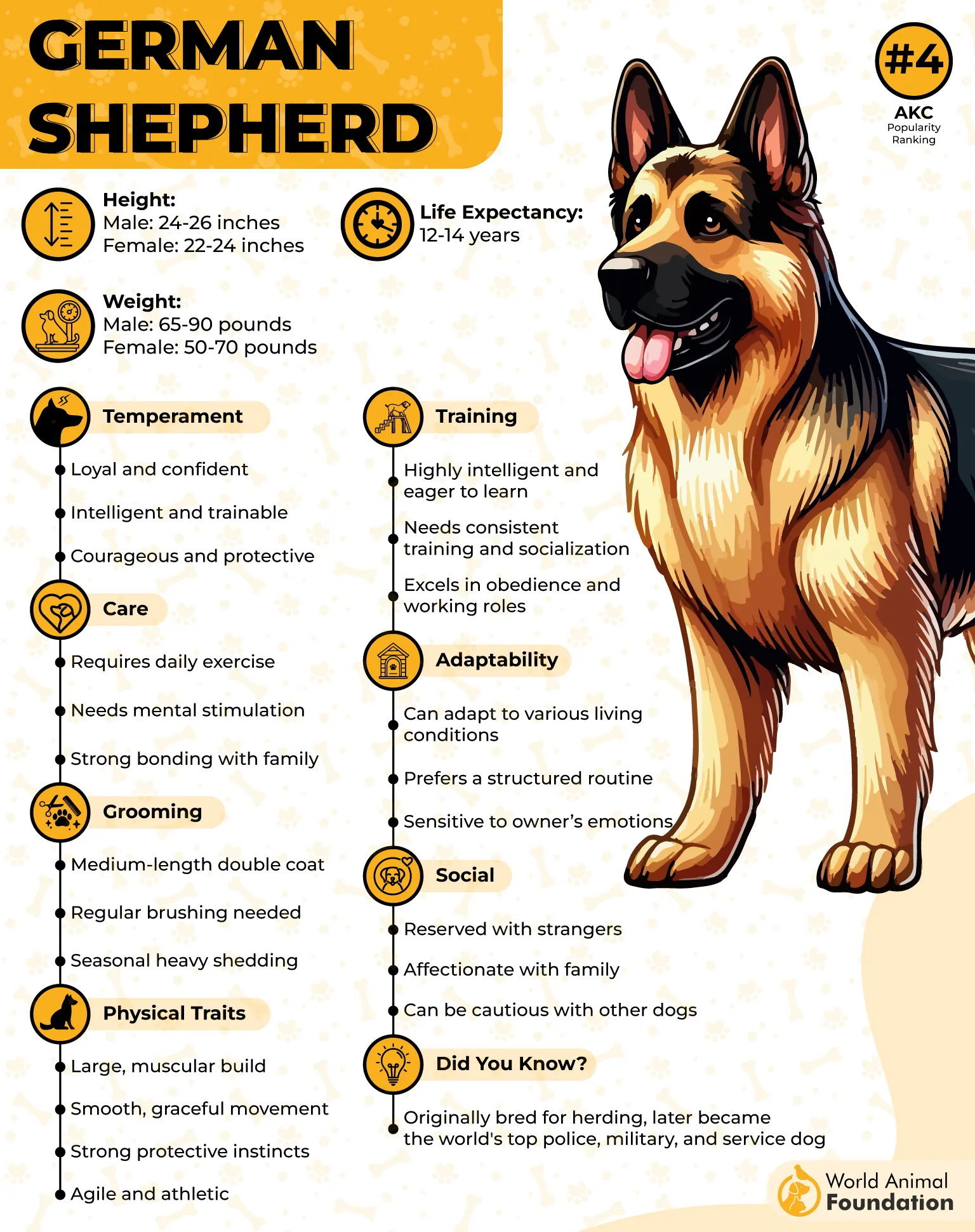
These dogs are built for a purpose. They walk with intent, serve with devotion, and will put themselves between you and a threat without a second thought. That same drive is exactly why German Shepherds are the go-to choice for police forces, military units, and search and rescue teams around the world. Their scenting ability, detection skills, and sharp observational instincts make them just as valuable in the field as they are in your backyard.
Smart and playful as they are, they do need an outlet for all that energy and brainpower. Keeping them involved in daily family life goes a long way toward meeting their mental stimulation needs; boredom is the one thing a German Shepherd handles poorly.
When it comes to training, positive reinforcement is the way to go. These dogs are eager to please and respond beautifully to handlers who work with them rather than against them.
2. Rottweiler
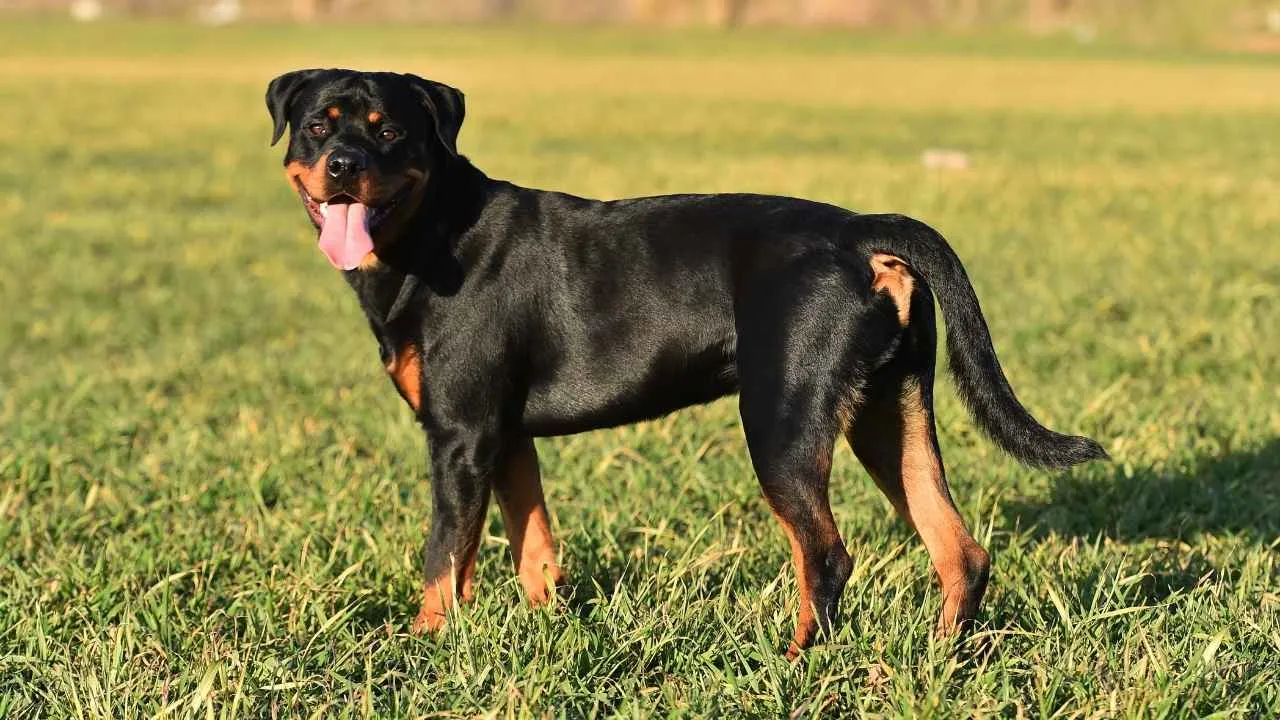
Looking for a guard dog that doubles as a goofy, lovable housemate? The Rottweiler delivers on both fronts without breaking a sweat.
Do not let the intimidating build fool you; these dogs are sensitive, perceptive, and surprisingly laid back once they feel secure in their environment. What makes them stand out as guard dogs is not just their size or strength, but their ability to actually read a situation.
Rottweilers assess body language, pick up on behavioral cues, and gauge intent with a speed and accuracy that is genuinely impressive. They do not react first and think later; they think first, which makes them far more reliable in high-pressure moments than dogs that operate purely on instinct.
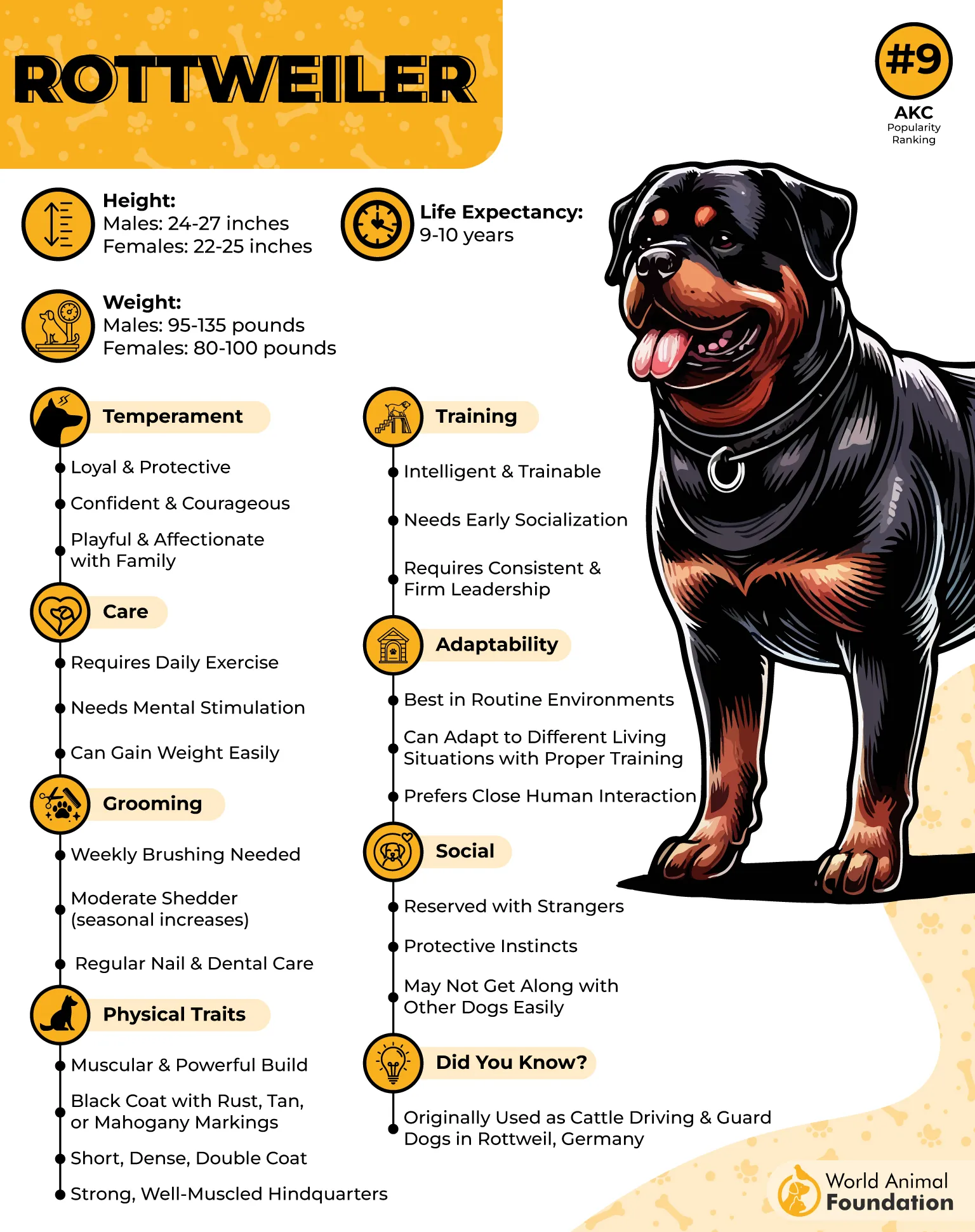
Purina notes that Rottweilers are actually much more fun-loving and easygoing than their tough exterior suggests, a detail that surprises a lot of first-time owners. Descended from Roman cattle drovers and later used by German butchers to guard livestock and earnings, these dogs carry centuries of working-dog DNA.

What training needs to cover is obedience and socialization, ideally started early. A Rottweiler that grows up well-handled and properly exposed to different people, environments, and situations becomes an exceptionally stable and trustworthy companion. One that does not is a different story.
They are a wonderful fit for family life; just go in with a clear understanding of their physical strength and their protective instincts. Respect both, and you will have one of the most devoted dogs you have ever known.
3. Doberman Pinscher
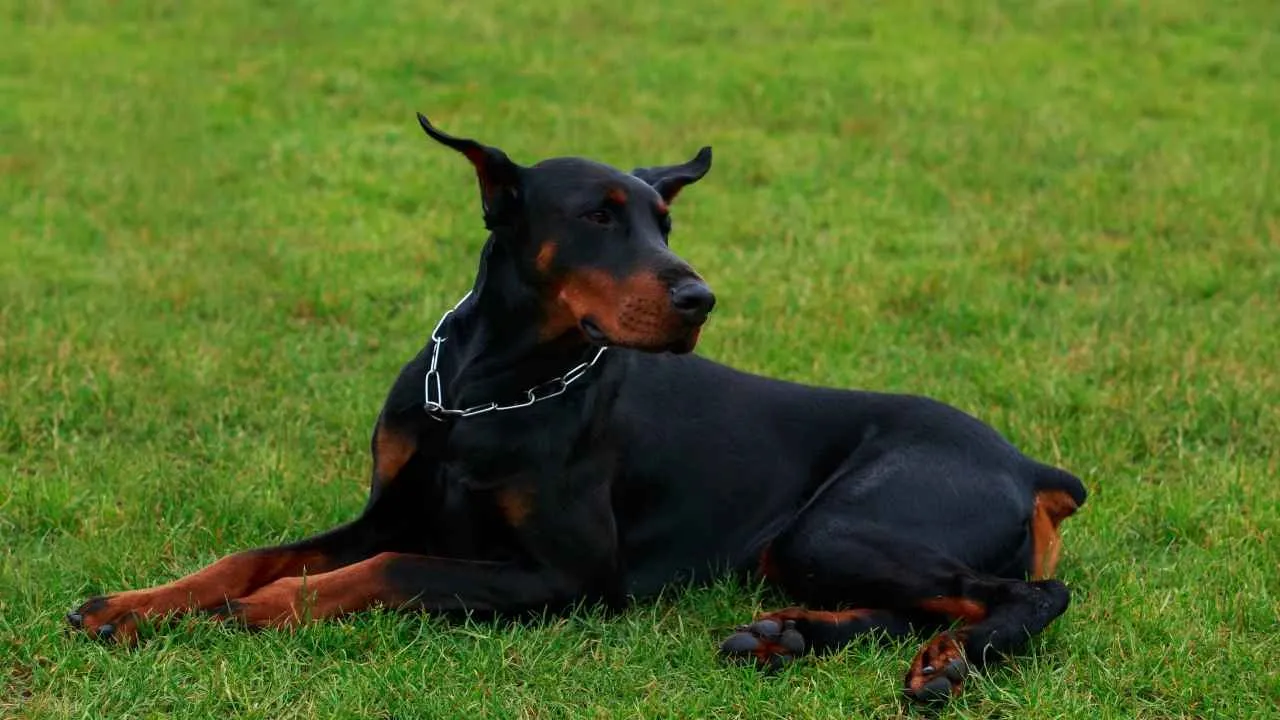
Sleek, athletic, and razor-sharp, the Doberman Pinscher was purpose-built from the ground up to be a guard dog, and honestly, it shows. Few breeds come close to matching the combination of instinct, intelligence, and raw physical ability that Dobermans bring to the role.
What makes them particularly remarkable is the engine running underneath that elegant frame. These dogs do not tire easily. Their endurance is almost unsettling; they can sustain pursuit, stay alert through long shifts, and keep up with demands that would exhaust most other breeds.
It is exactly that quality, paired with their sharp minds and trainability, that has earned Dobermans a long-standing place in law enforcement and military operations around the world.
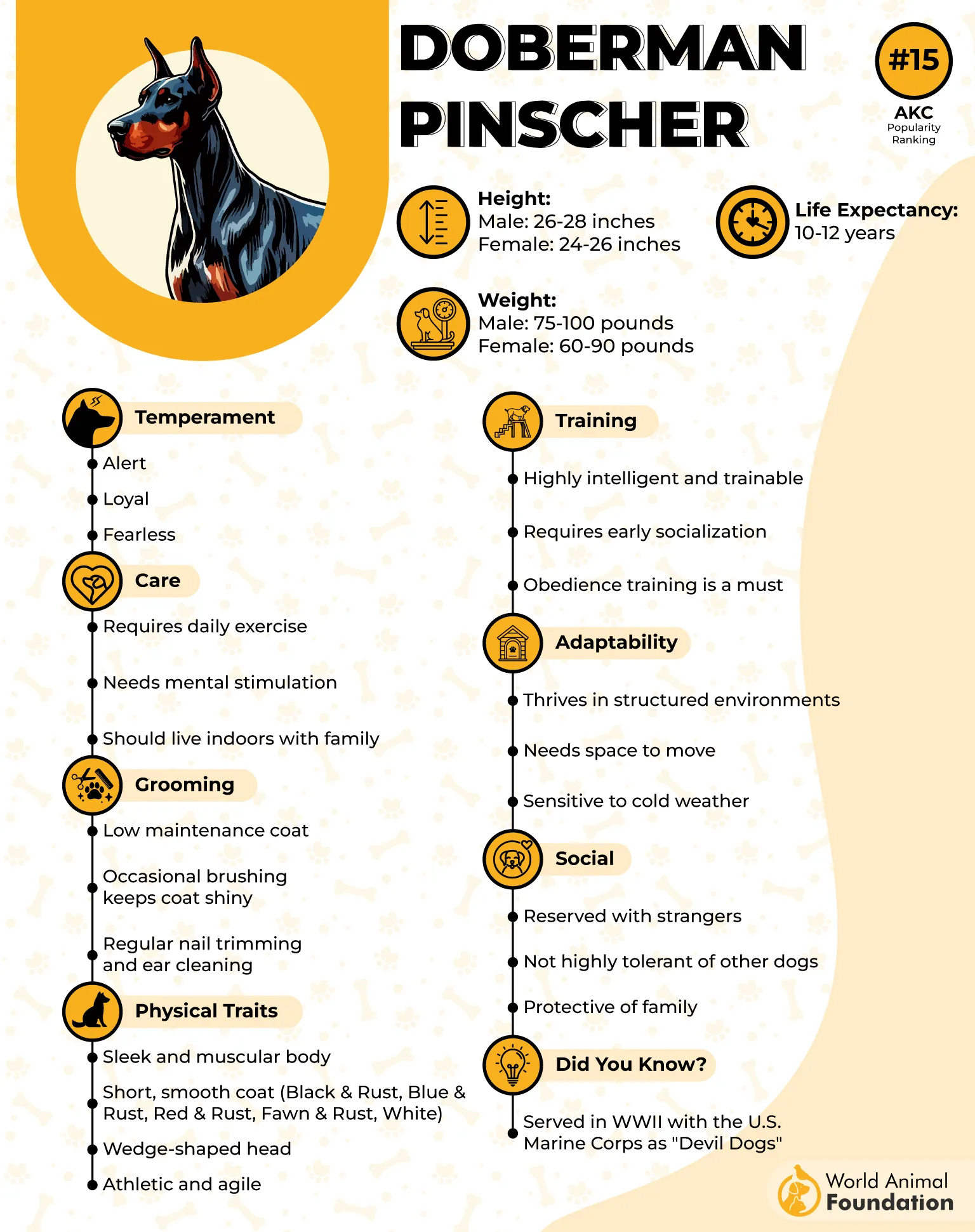
But reduce them to just a working dog, and you miss half the picture. Dobermans are eager to please, highly responsive to their owners, and genuinely affectionate with the people they consider family. They form deep bonds, and that loyalty is what drives their protective behavior; it is not aggression for its own sake; it is devotion with teeth.
They are also surprisingly gentle with children, which catches a lot of people off guard. That sweet, attentive side of their personality makes them excellent family dogs, not just guard dogs.
4. Akita
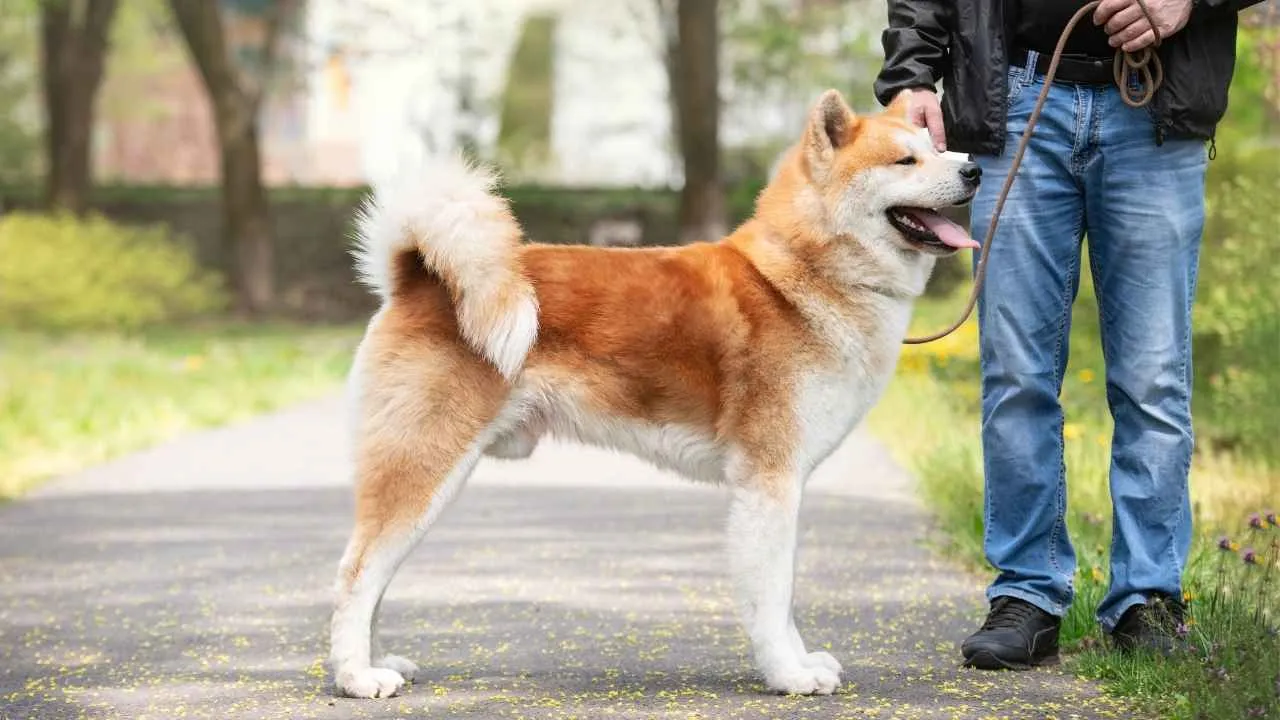
Loyal to the bone, naturally observant, and not one to make unnecessary noise, the Akita operates more like a seasoned sentinel than a typical watchdog. Historically used as hunting dogs and trusted companions to samurai, these dogs bring a calm, almost eerie awareness to everything around them.
When a threat does appear, their response is swift and decisive: less bark, more action. Sneaky or manipulative intruders tend to underestimate them, which is exactly where the Akita has the advantage.
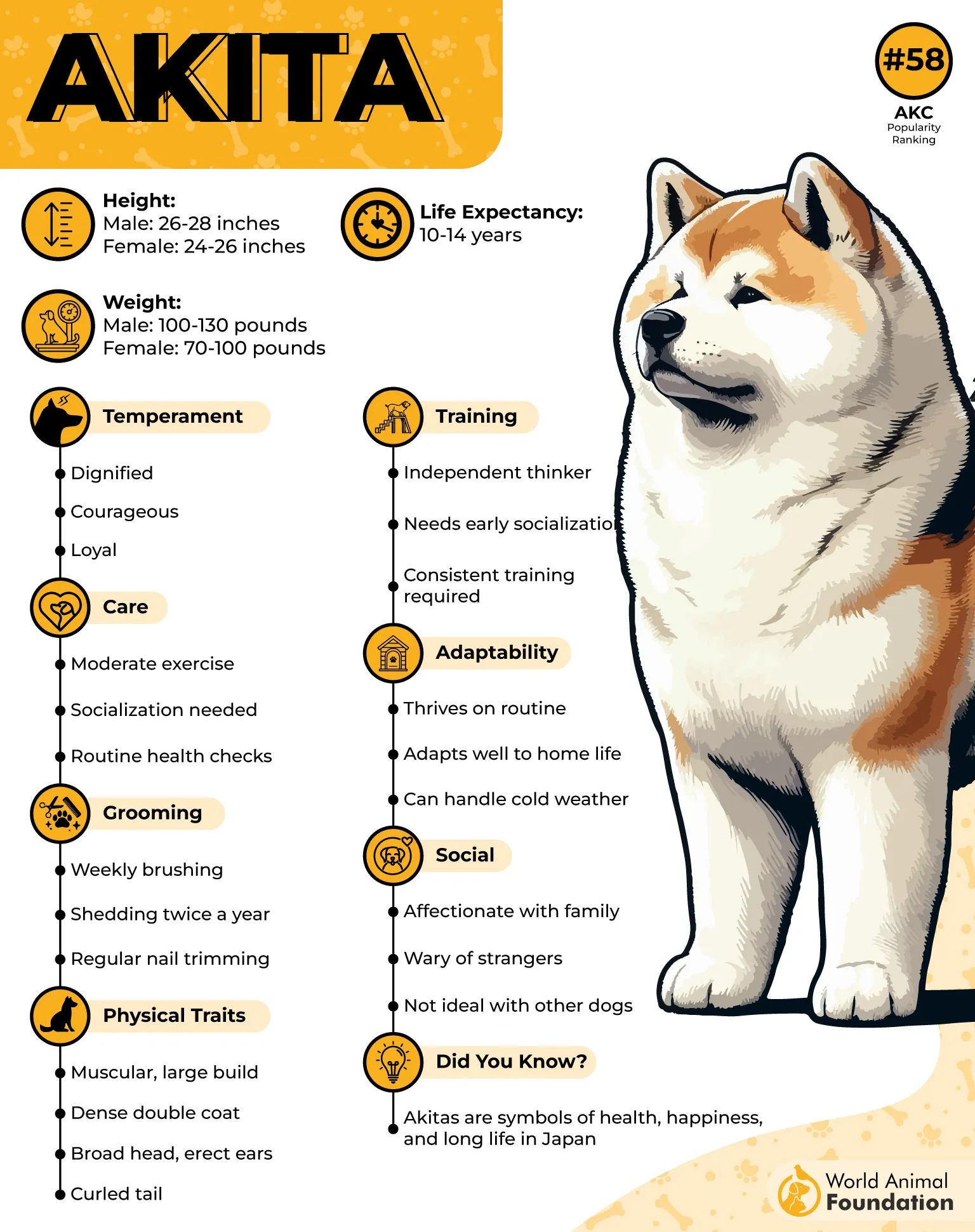
Large, powerful, and deeply territorial, Akitas are not the friendliest faces at the door. They are reserved with strangers by default, and even with family, they tend to show affection on their own terms; do not expect a dog that demands cuddles or shadows you from room to room. They value their personal space and carry themselves with a quiet dignity that is honestly kind of impressive.
Win their trust through consistent attention, care, and positive reinforcement, and you will have a guardian that is completely devoted to you and your household. But that trust has to be earned, and the groundwork has to be laid early.
Socialization and training from a young age are non-negotiable with this breed. Akitas have a natural wariness toward strangers that, without proper handling, can become a real management challenge.
5. Belgian Malinois
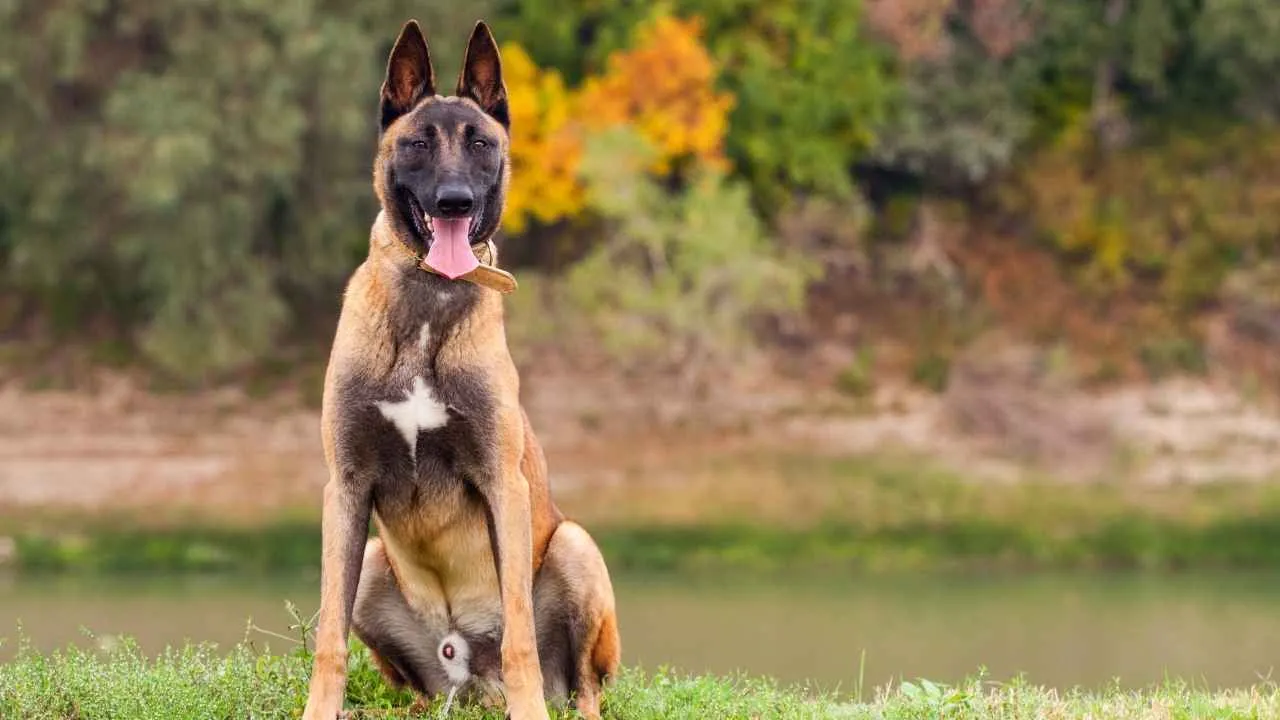
The Belgian Malinois is in a league of its own. Lean, lightning-fast, and wired for work, these dogs bring an intensity to everything they do that is difficult to overstate. They are the preferred choice of the US Navy SEALs for a reason: highly trainable, quick to learn complex commands, and completely fearless when it counts.
If you need a dog that can follow nuanced instructions and respond to threats with speed and precision, the Malinois delivers every time.
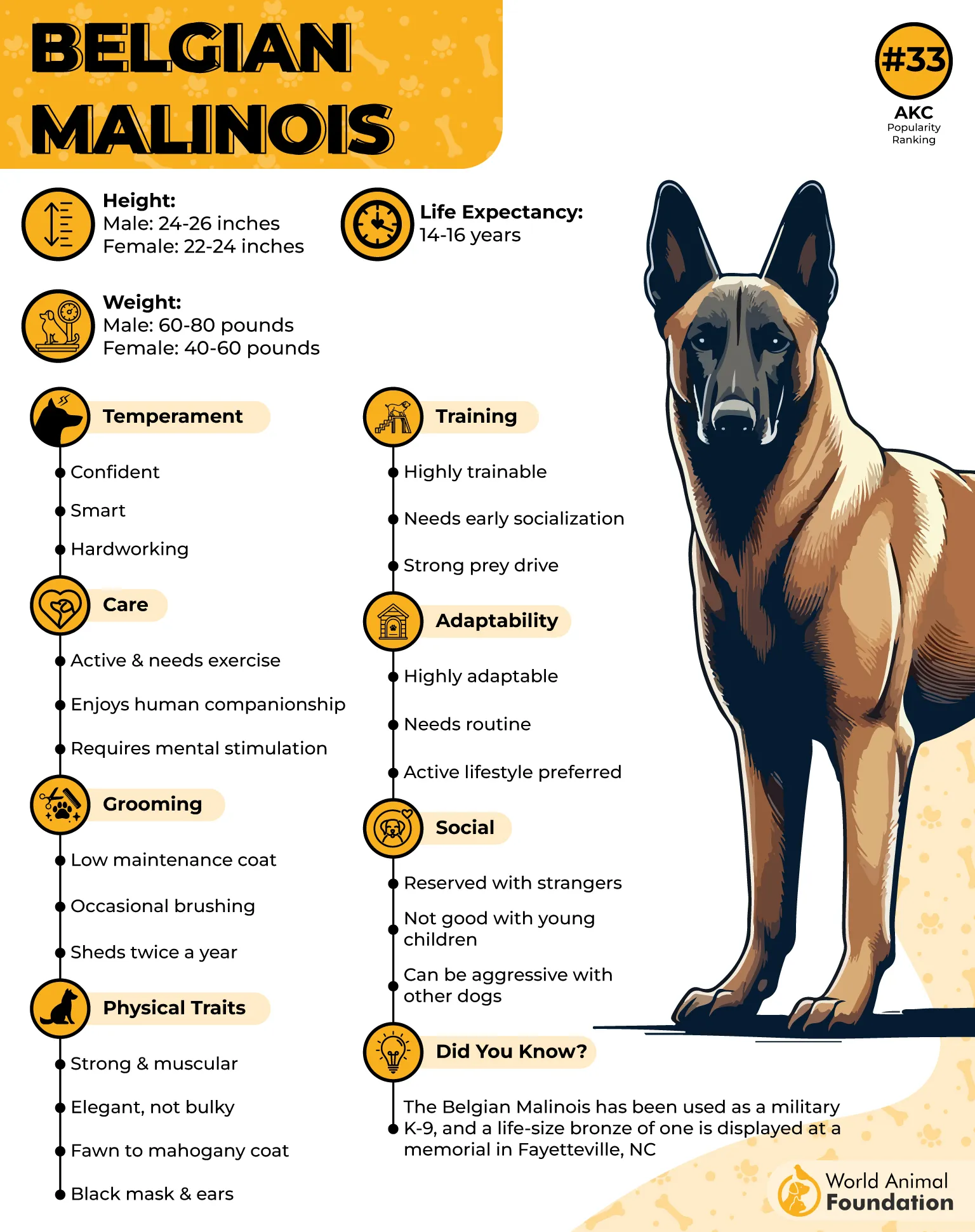
That said, the AKC recommends doing your homework before bringing one home, and it is good advice. These dogs need serious physical and mental stimulation on a daily basis. An under-stimulated Malinois is not a happy Malinois, and an unhappy Malinois will make sure you know about it.
But if you lead an active lifestyle and can match their energy, the reward is remarkable: a dog that bonds deeply with its person and would not think twice about putting itself in harm’s way for them.
One thing to keep in mind is their strong prey drive and chasing instincts. Smaller animals, such as cats, rodents, and the neighbor’s squirrel, are not going to be comfortable housemates. The Malinois thrives in high-intensity environments that demand focus and agility, not calm multi-pet households.
6. Cane Corso
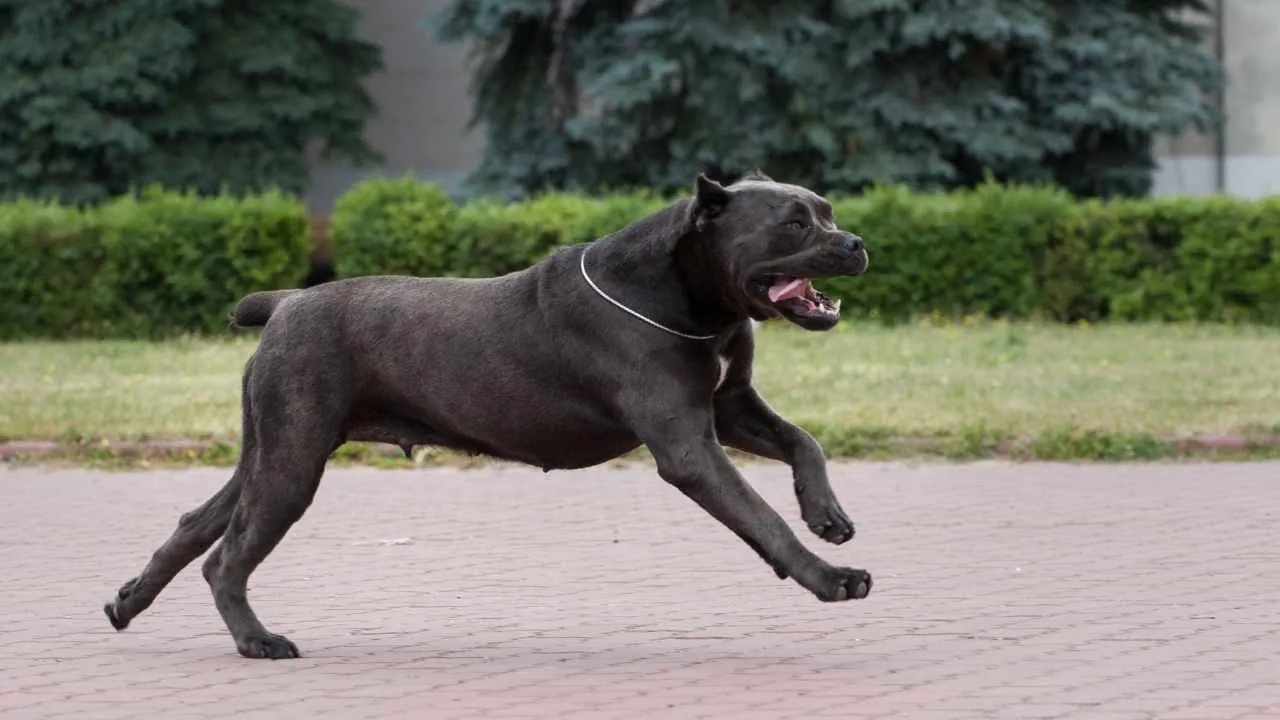
This Italian Mastiff is not a dog that bluffs. The bark is commanding, the bite is powerful, and the physical presence alone is enough to make most threats reconsider. Descended from Roman war dogs that marched on campaigns and held their own in some of history’s most brutal conditions, the Cane Corso carries that legacy in everything it does: the way it carries itself, the way it watches, the way it responds when it needs to.
Orvis describes the Cane Corso as an intense and fast-moving dog whose presence tends to get under the skin of its owners in the best way. That tracks. These dogs sleep lightly, stay alert, and remain deeply dedicated to the people they protect.
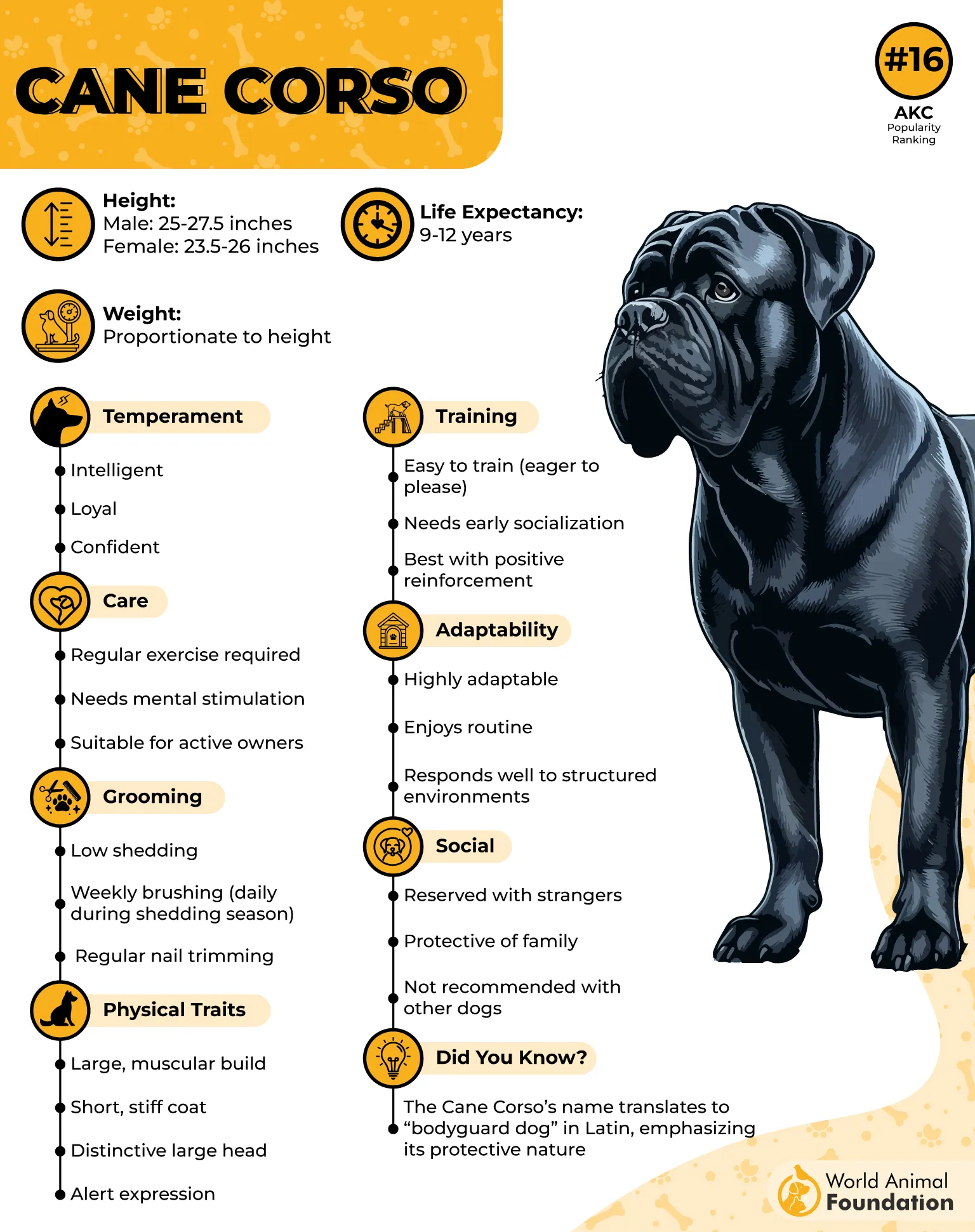
Strangers are met with immediate suspicion, and that wariness does not really soften over time; it is simply part of who they are. Serious in demeanor, a little stubborn, and completely unmoved by anything they deem unworthy of their attention.
Named by the Romans as the ultimate guardian, the Cane Corso has since been put to work in big game hunting, tracking, farming, livestock protection, and personal guarding, a working resume that speaks for itself.
This is not a beginner’s dog. The Cane Corso is best suited to experienced owners who understand how to handle a large, strong-willed, protective breed with confidence and consistency.
7. Bullmastiff
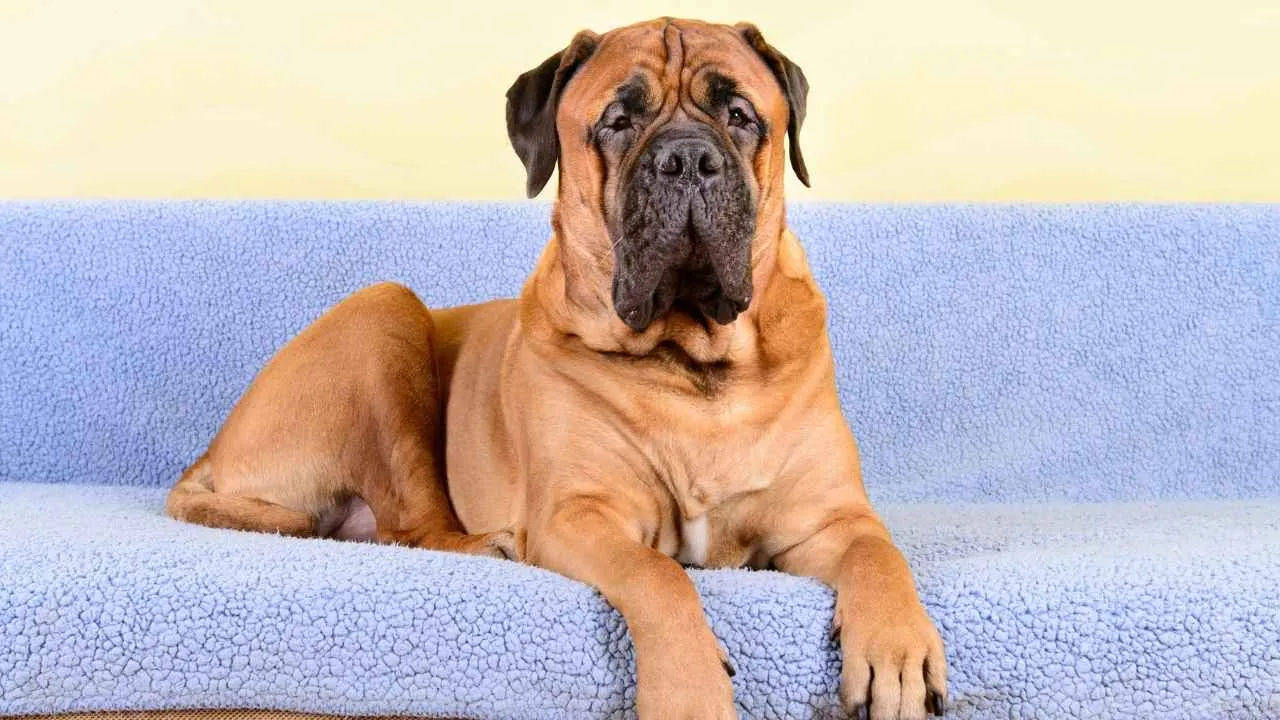
Originally bred in England to pursue and apprehend poachers on large private estates, the Bullmastiff earned its nickname “the gamekeeper’s night dog” the hard way. These dogs were put to work in the dark, tasked with tracking down and stopping some of the most determined and desperate trespassers of the time. And they were extraordinarily good at it.
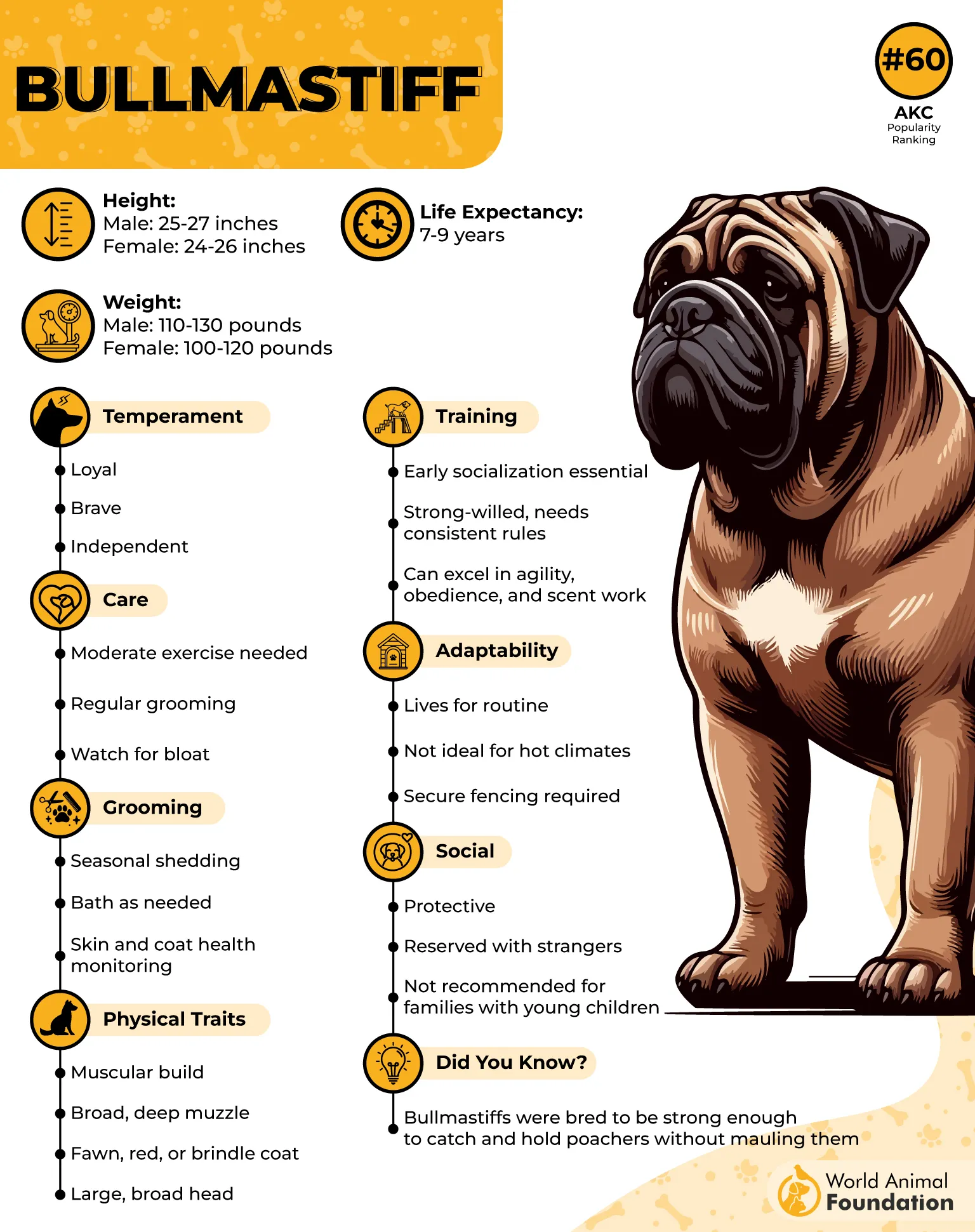
What made them so effective was not just their size, though that certainly helped. A Bullmastiff is 60% Mastiff and 40% Bulldog, and that combination produces something genuinely formidable; a dog that can cover short distances at startling speed, knock a grown adult clean off their feet, and hold them pinned to the ground until help arrives.
Poachers with a head start found out quickly that it was not enough. These dogs close the gap fast, and once they have you, you are not going anywhere.
Tenacious, fearless, and well-suited to nighttime work, Bullmastiffs are the kind of guard dogs that do not need to be wound up or provoked into action. They are naturally attentive, constantly aware of their surroundings, and completely devoted to the people they protect. Danger near the home gets their full and immediate attention.
What surprises people is how gentle they are with children. The same dog that would stop an intruder cold is perfectly calm and affectionate within the family. If you want a hard-working, steadfast protector that is also a caring presence at home, the Bullmastiff is a remarkably well-rounded choice.
8. Giant Schnauzer
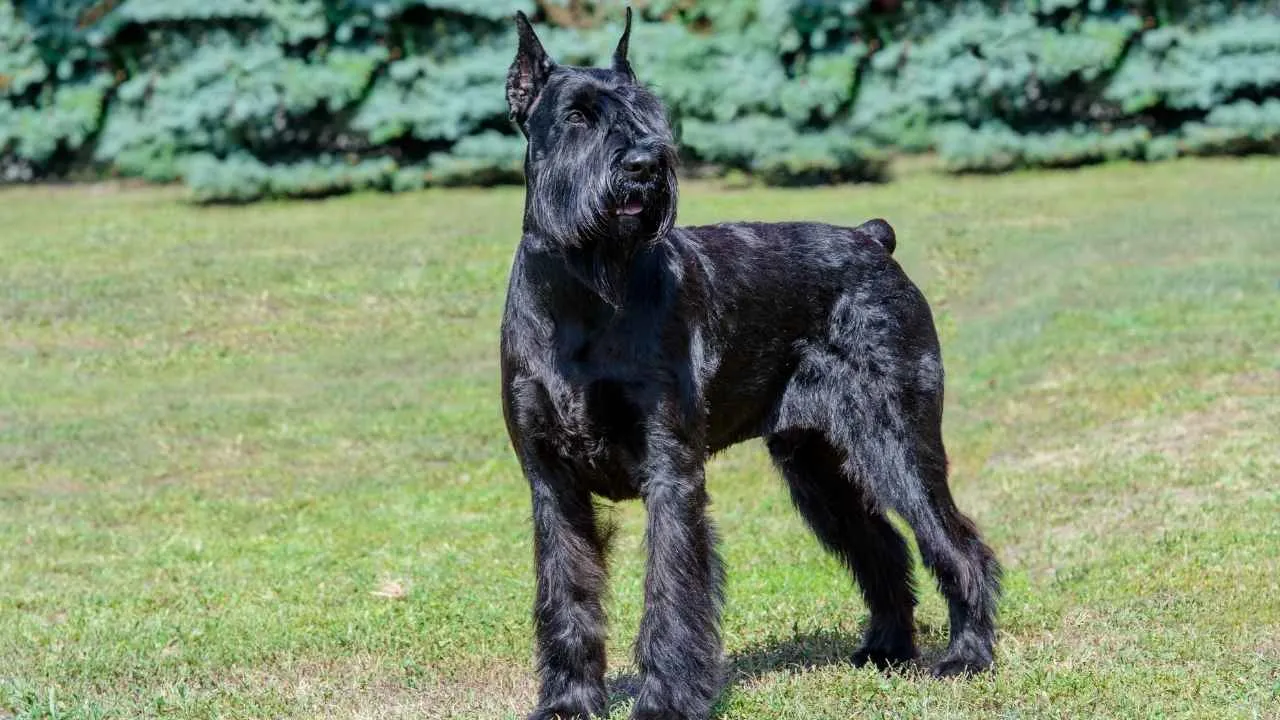
Originating in Bavaria, these dogs were built for the demands of farm life: driving cattle, guarding property, and doing whatever else needed doing. Those jobs alone tell you a lot about who they are.
Cattle driving takes physical confidence and nerve. Property guarding takes composure, territorial awareness, and sound judgment. The Giant Schnauzer does both, which is why they have always been trusted with high-stakes work.
That trust has extended well beyond the farm. Giant Schnauzers are actively employed by police forces, military units, and personal protection companies; a natural fit for a breed that is highly trainable, energetic, and instinctively territorial. Outside of formal protection roles, they also excel at advanced obedience, search and rescue, scent work, and tracking. Versatile is almost an understatement.
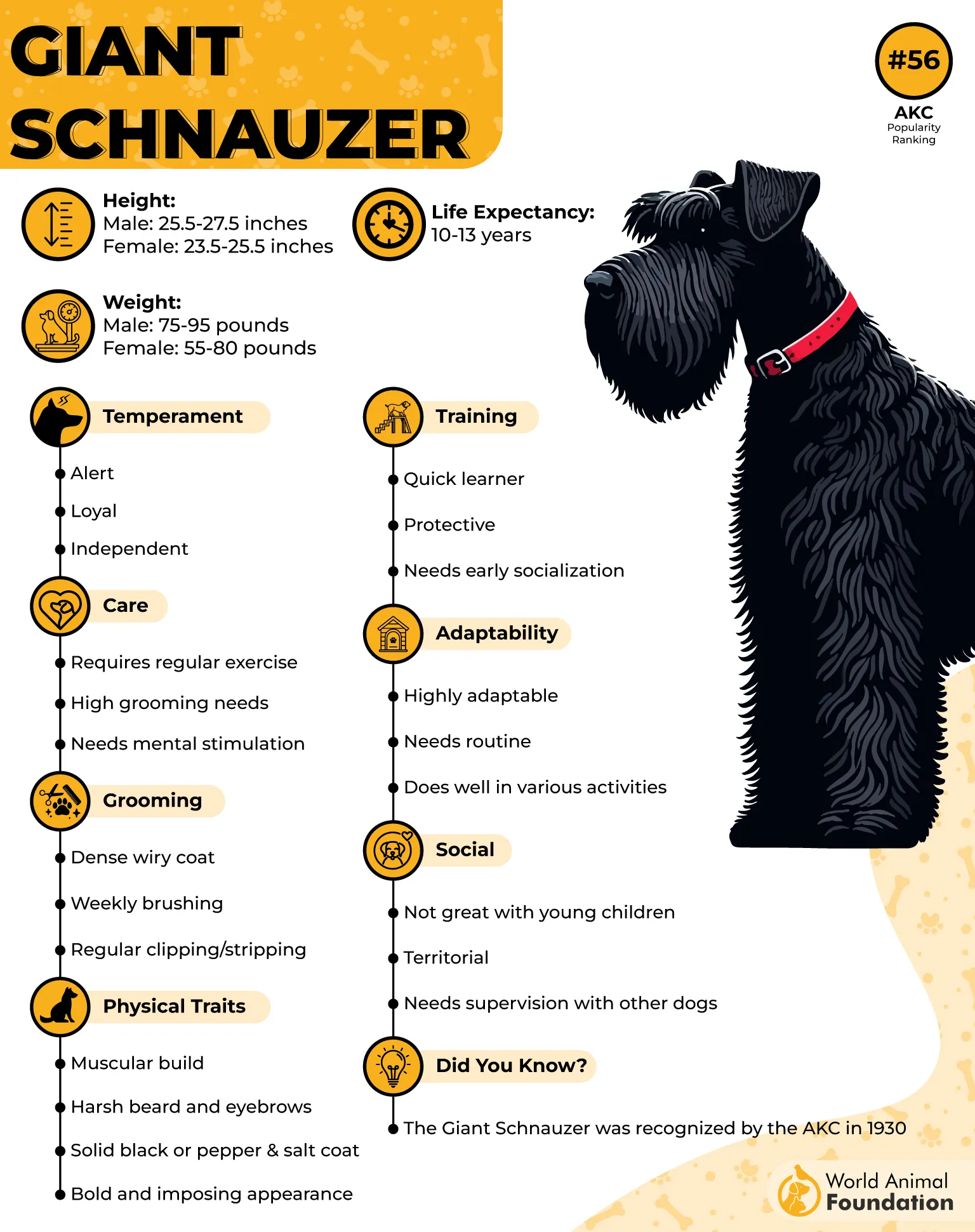
Underneath the wiry coat and the serious expression is a dog that thinks deeply and takes its responsibilities to heart. Bold, sturdy, and completely unintimidated by pressure, these are not dogs that rattle easily.
The one thing to be prepared for is the adolescent phase: Giant Schnauzers can get genuinely stubborn during that window, and inconsistent handling tends to make it worse. Early training focused on obedience, recall, and clear boundaries goes a long way toward bringing out the best in them.
Regular exercise and off-leash time are equally important; a Giant Schnauzer that is physically and mentally stimulated is a focused, reliable protector. One that is bored and pent up is a different challenge altogether.
9. Rhodesian Ridgeback
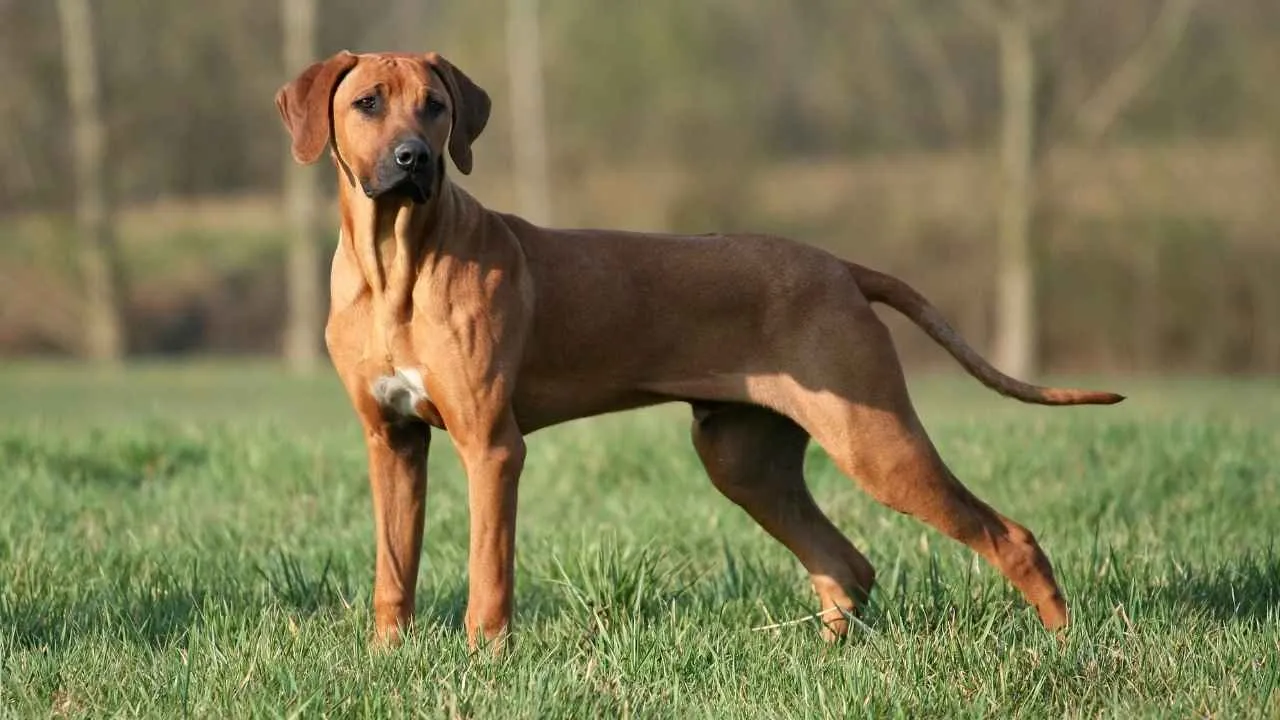
If a dog was bred to track and hold lions at bay, it is fair to say its protective credentials do not need much explaining.
The Rhodesian Ridgeback, also known as the African Lion Hound, was developed in South Africa for exactly that purpose. Tracking, cornering, and keeping the most dangerous predator on the continent occupied until hunters arrived. A burglar or intruder, by comparison, is a fairly manageable Tuesday.
Beyond the lion-hunting legacy, Rhodesian Ridgebacks have a long history of protecting homesteads, livestock, and families across southern Africa. Descended from the ridged hunting dogs of the Khoikhoi people, they are tenacious, alert, and physically gifted with sharp hearing, excellent eyesight, and a natural instinct for picking up on anything unusual in their environment.
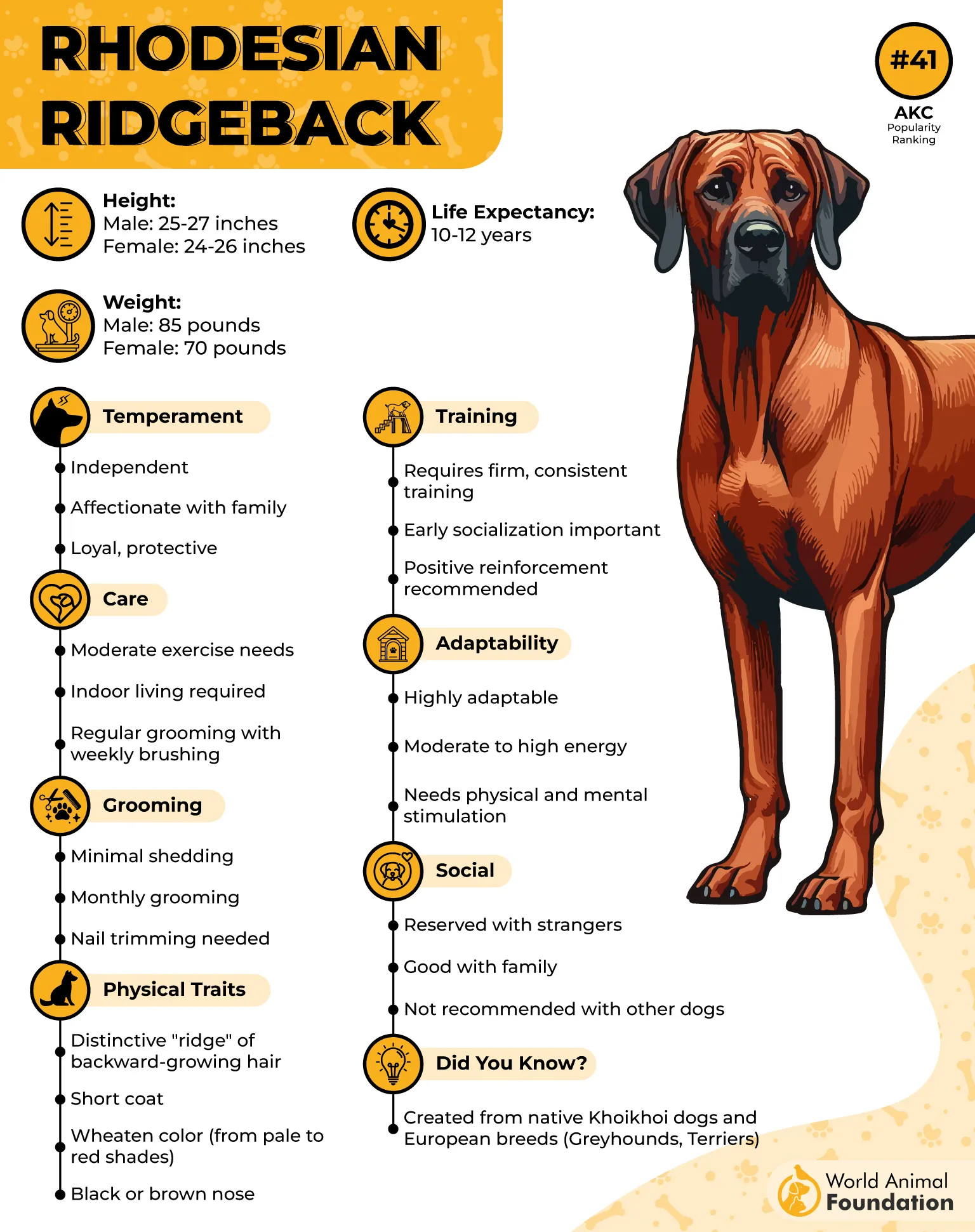
What sets them apart from a lot of other guard dog breeds is their temperament. Rhodesian Ridgebacks are independent thinkers, but they are not cold or aloof. They are patient, affectionate, and genuinely well-balanced; the kind of dog that forms a deep bond with its family without becoming anxious or clingy.
They are not unnecessarily aggressive, and they do not look for confrontation. But when something genuinely threatens the people they love, that calm exterior gives way to something far more formidable.
They are also notably good with children, gentle and watchful in equal measure. If you want a guard dog that brings security without tension and loyalty without neediness, the Rhodesian Ridgeback is one of the most well-rounded choices on this entire list.
Conclusion
A true protection dog is more than a deterrent standing at the front door. The best guard dog breeds combine confidence with self-control, knowing the difference between a genuine threat and an everyday visitor. Their courage is matched by deep loyalty, and that unwavering devotion is what makes them such trusted companions. When raised with proper training, socialization, and responsible ownership, these breeds become both dependable protectors and loving members of the family.
Choosing a guard dog should never be about finding the toughest breed; it should be about finding the right match for your lifestyle and commitment. Every protective dog deserves guidance, structure, and plenty of affection to thrive. Invest in that relationship, and you’ll gain more than a watchful guardian. You’ll have a faithful companion whose greatest instinct isn’t just to protect your home, but the people who make it one.
