




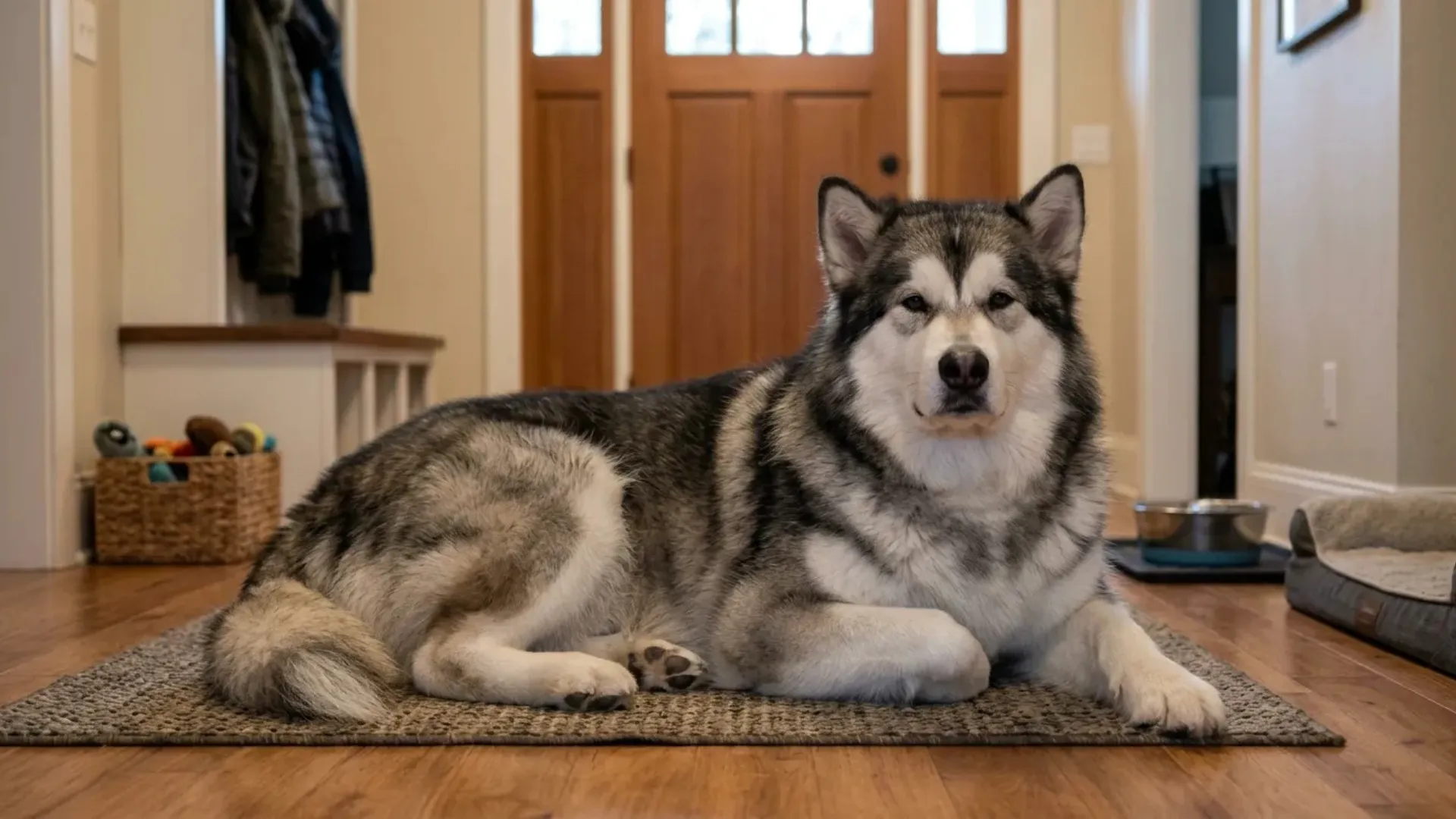
Every weekday followed the same routine. Breakfast was served, a short walk came next, and then the front door quietly closed as everyone left for work.
At first, there was plenty of worry about what might happen during those empty hours. Would the house be a mess? Would the dog struggle with being alone? Those concerns slowly disappeared because each evening brought the same welcome surprise.
The home was peaceful, nothing was damaged, and an eager companion greeted everyone with a happy tail instead of anxious behavior. That experience showed an important truth. Some dogs naturally cope with alone time much better than others, making them a practical choice for busy owners.
Read on to explore the dogs that stay relaxed during quiet hours and the qualities that help them succeed.
Key Takeaways
What if the perfect dog for your schedule does not mind a little quiet time while you’re away?
The Great Pyrenees spent generations watching over sheep by itself, while the Akita became famous for a loyalty story that still touches hearts today.
From the towering Great Dane to the corded Komondor, these breeds prove that confidence and independence can go hand in hand with deep family bonds.
A few surprising names on this list might completely change the way you think about dogs that do well on their own.
Dog Breeds That Thrive When Left Alone
1. Great Dane
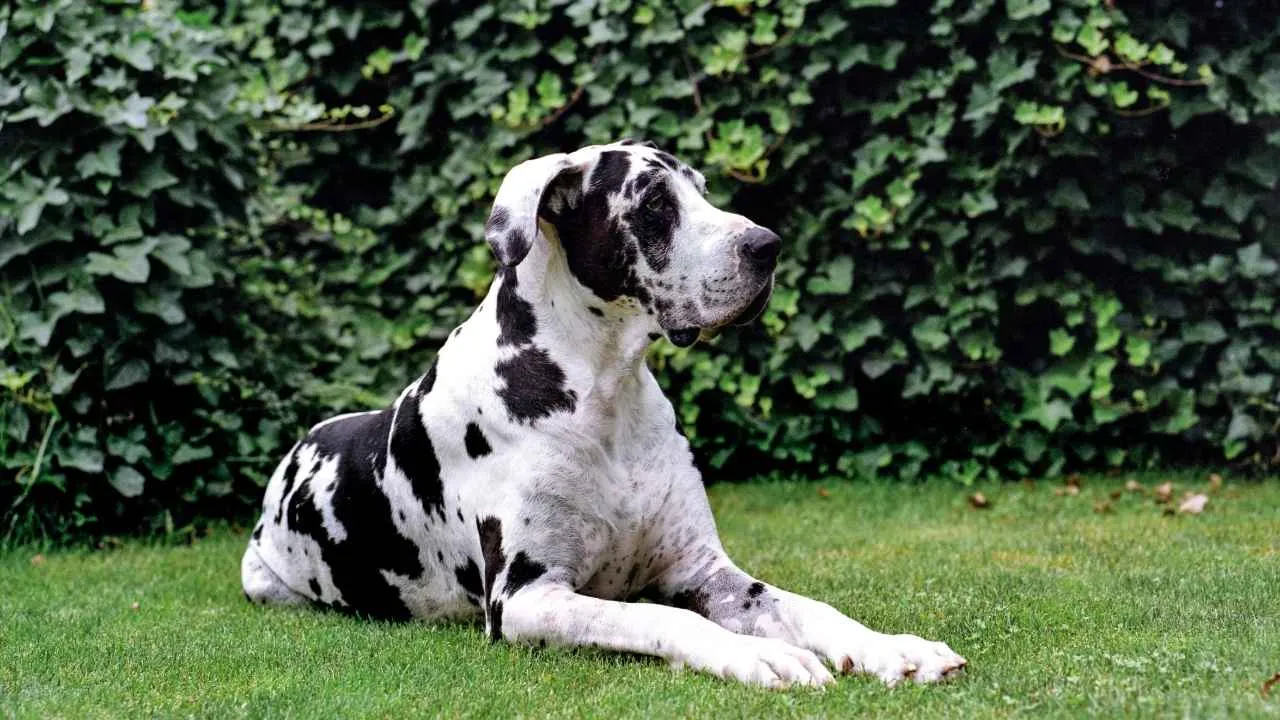
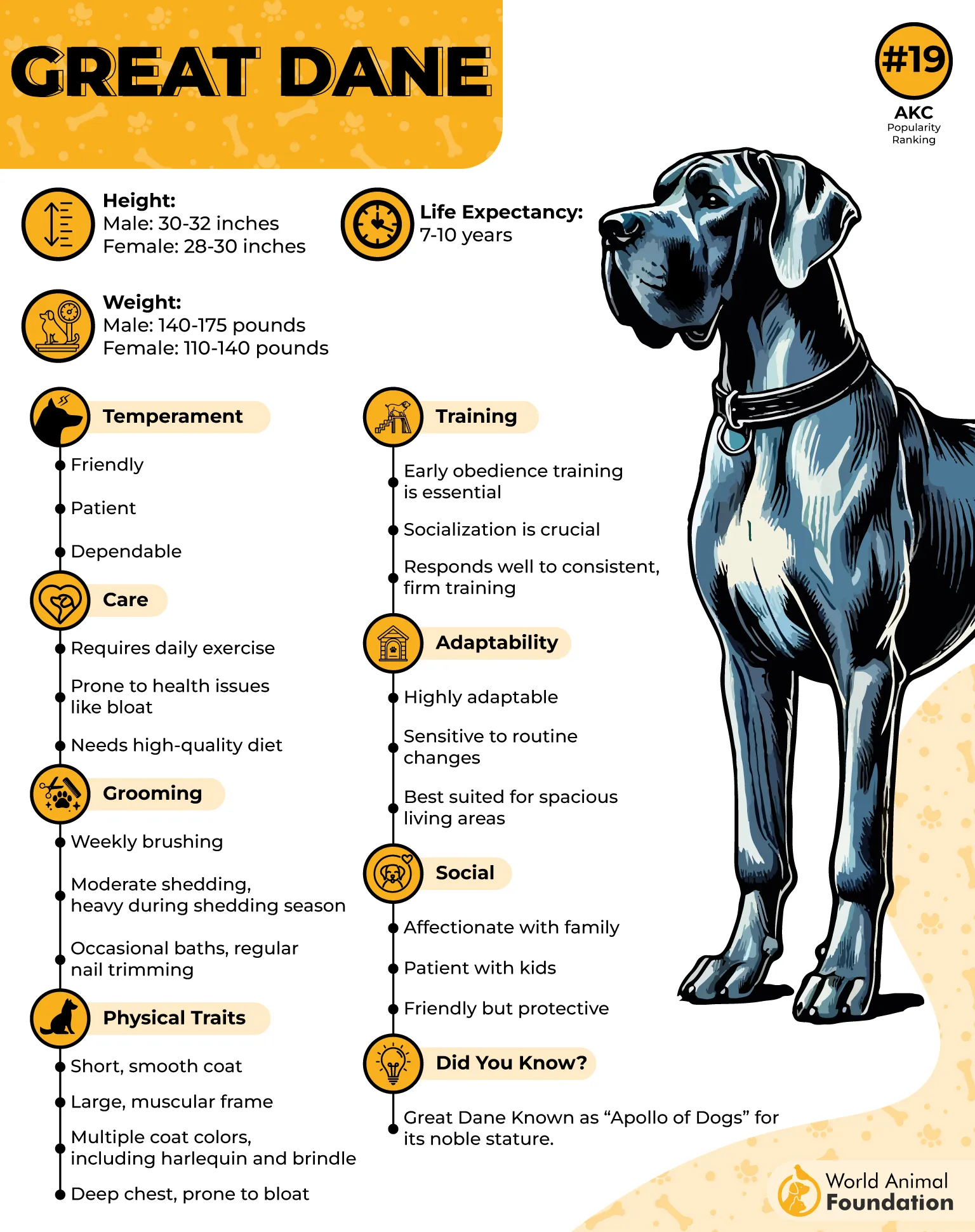
The Great Dane may be one of the tallest dogs in the working group, yet its personality is often calm, quiet, and affectionate in family life. This impressive breed originally hunted wild boar in Germany, and its well-known nickname, the “Apollo of dogs,” reflects its commanding size and elegant build.
Calm Independence
This independent dog breed can usually spend up to four or five hours alone without difficulty when their daily routine and social needs are already met. Regular walks and room to stretch out help keep this large companion comfortable throughout the day.
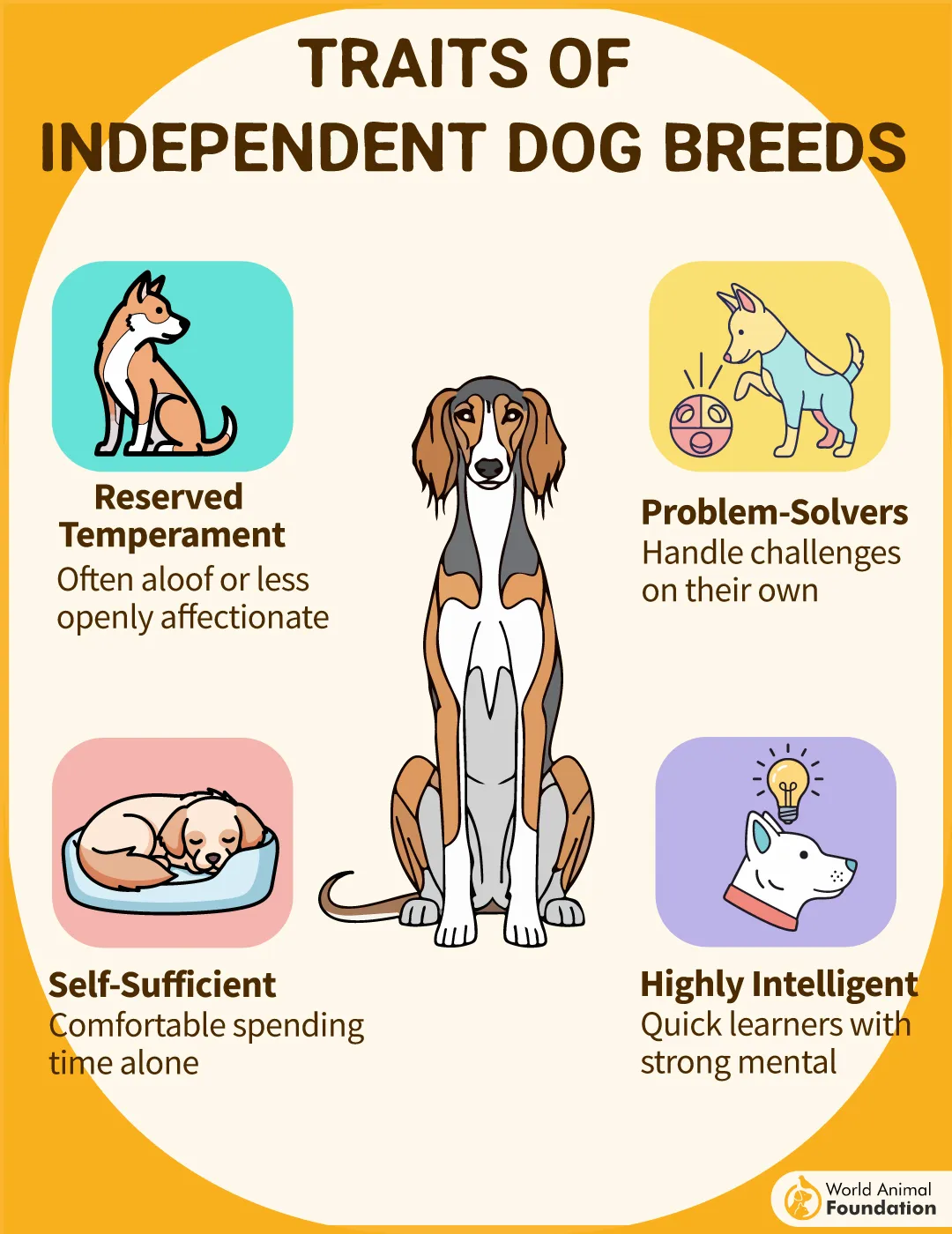
Some interesting details follow:
Nicknamed the “Apollo of dogs”
No historical connection to Denmark
First bred for wild boar hunting
Space to Unwind
Great Danes enjoy walking twice a day and moderate play rather than constant activity throughout the afternoon, as per Pawlicy Advisor. Children can get along well with this breed after proper training and socialization, although interactions should always be supervised because of its enormous size.
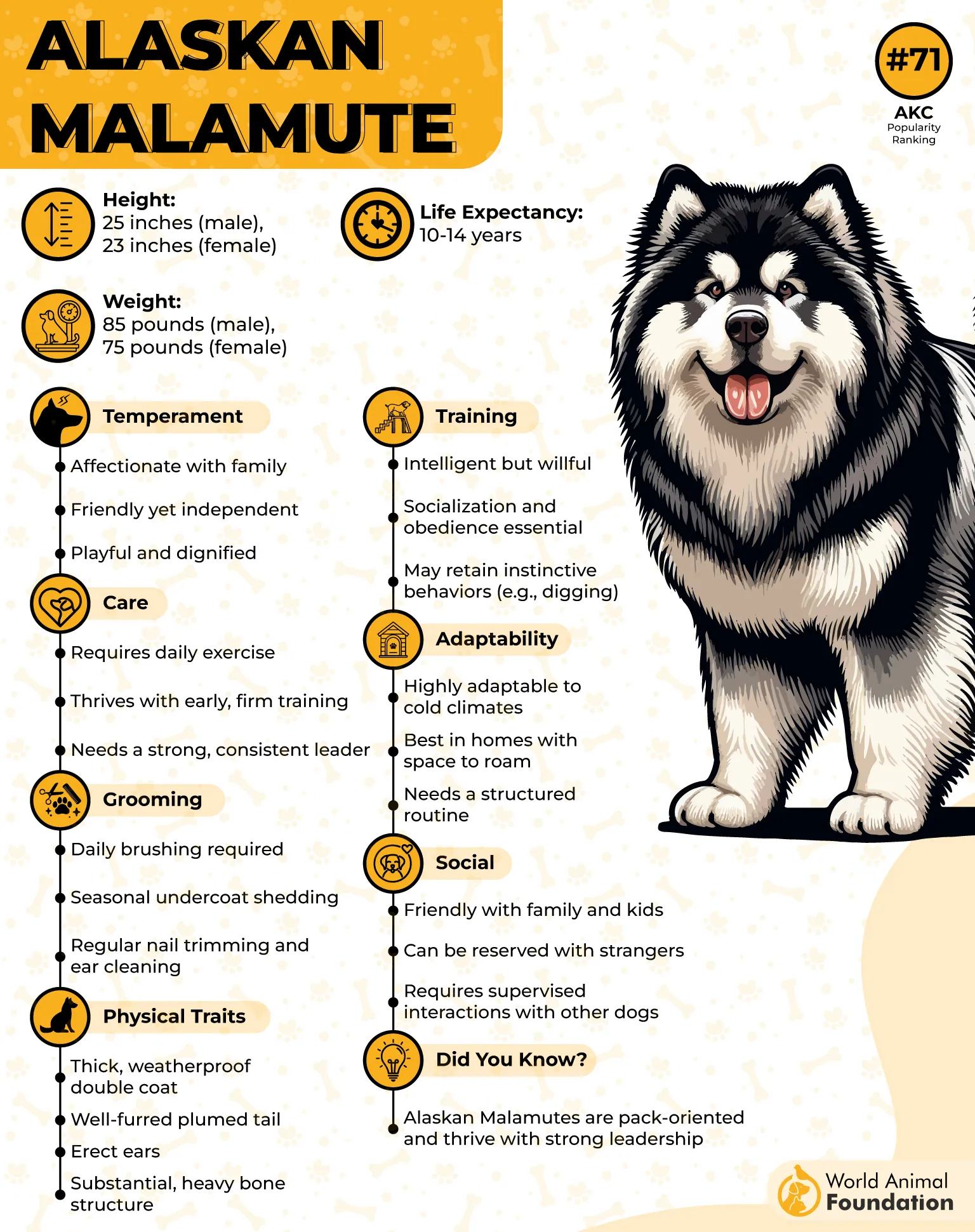
2. Alaskan Malamute
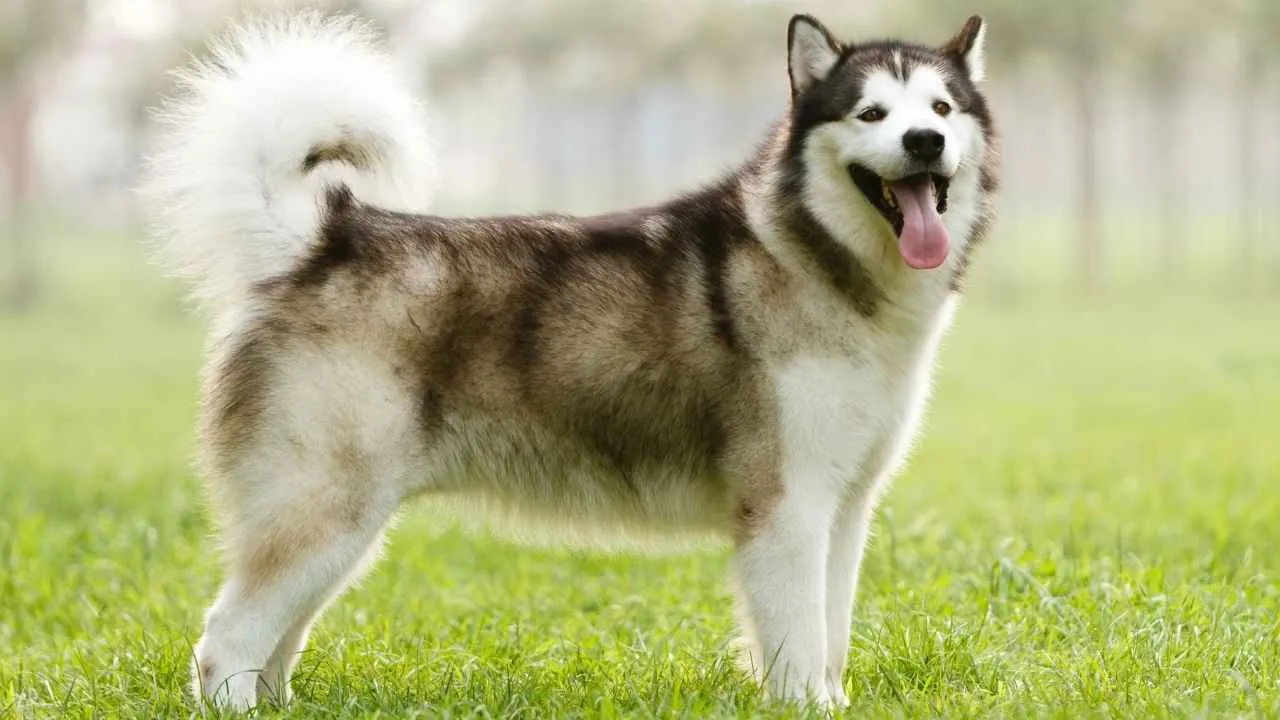
The Alaskan Malamute worked alongside the native Mahlemut tribe in Alaska, where strength and dependability were part of everyday life. The breed also gained wider recognition during the 1896 Klondike Gold Rush, when reliable sled dogs were in constant demand for difficult routes.
Time on Their Own
An adult dog can generally spend up to four or five hours alone, though this breed still forms strong attachments to its family. Daily interaction and purposeful activity make that quiet time much easier to handle.
Its characteristics extend even further:
Vocal “awoo” communication
High prey drive toward smaller animals
Positive reinforcement suits training best
Family Connection
Alaskan Malamute enjoys close involvement with its favorite people and responds well when treated as an intelligent partner, as noted by PetMD.
Early socialization helps puppies learn appropriate behavior around other pets, while supervision remains important around young children because of the breed’s size and energy.
3. Romanian Carpathian Shepherd
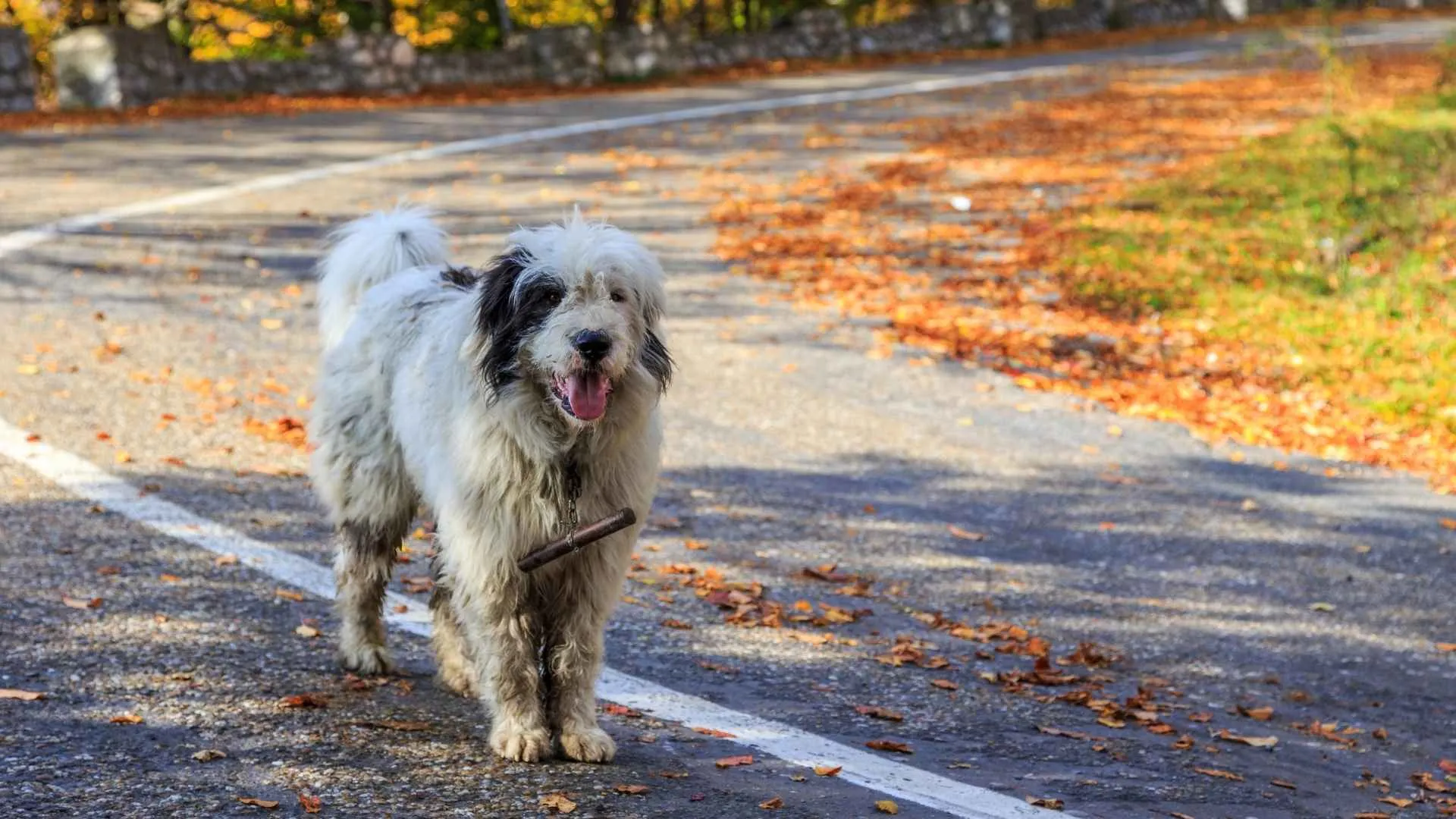
The Romanian Carpathian Shepherd spent generations protecting livestock in the Carpathian Mountains, where gray wolves and brown bears were genuine threats. That demanding role shaped a calm, self-controlled dog that conserves its energy until a situation truly requires action.
Quiet Confidence
A dignified attitude and unwavering loyalty make this guard dog deeply devoted to its family while forming its strongest bond with one primary person, as per the AKC. Even during quiet moments, its natural guarding instincts remain an important part of its character.
A closer look reveals several remarkable details:
Gray wolf-like coat coloring
Still works in the Romanian mountain regions
Helps protect herds from wolves and bears
Time on Its Own
The Romanian Carpathian Shepherd can tolerate short periods alone, although regular absences beyond four to six hours are not recommended. Its strongest connections are built with family members, making companionship an important part of its daily routine.
4. Pyrenean Mastiff
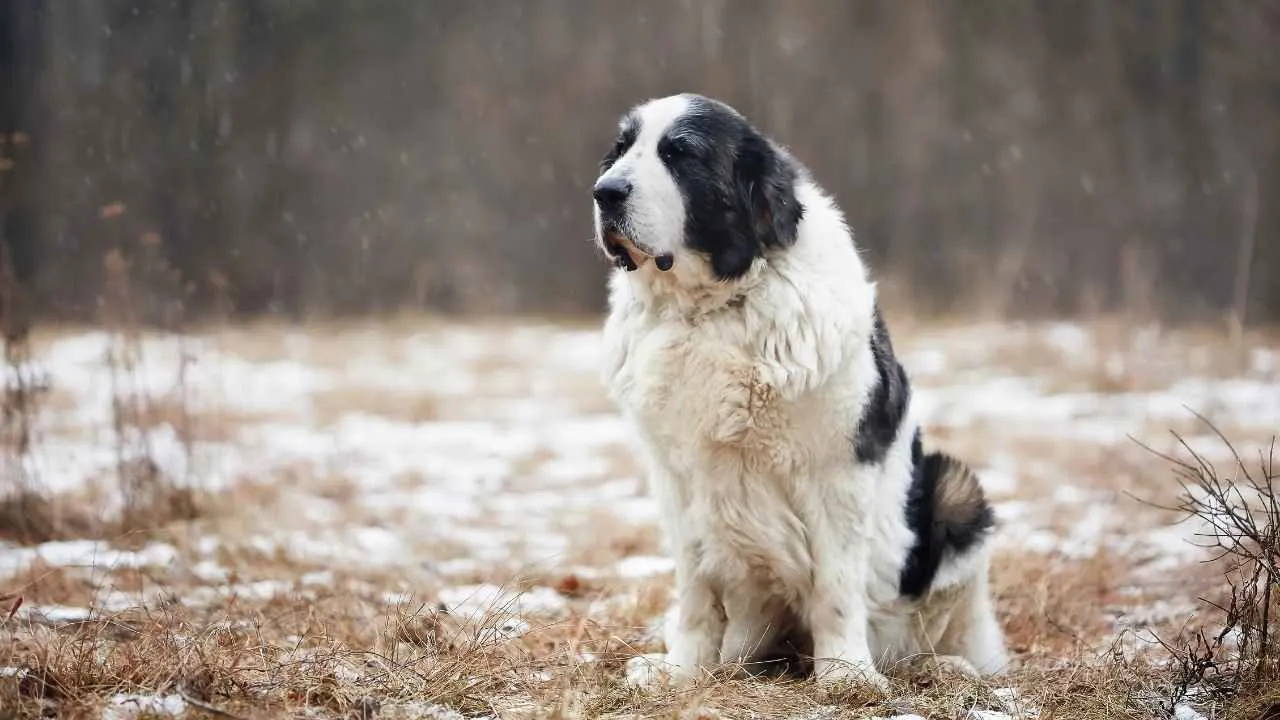
The Pyrenean Mastiff first gained recognition in the Spanish Pyrenees Mountains, where it watched over livestock across rugged landscapes for generations. That working role shaped a calm, dependable temperament that suits quieter households and time spent without constant attention.
Calm by Nature
Life indoors is usually peaceful because this giant breed has a relaxed pace and lower activity needs than many large dogs. Time with familiar people still matters, although it also enjoys having a meaningful task whenever the opportunity arises.
These lesser-known details are worth noting:
Closely related to the Great Pyrenees
Originally protected livestock in mountain regions
Fits well with low-impact activities like leisurely hikes
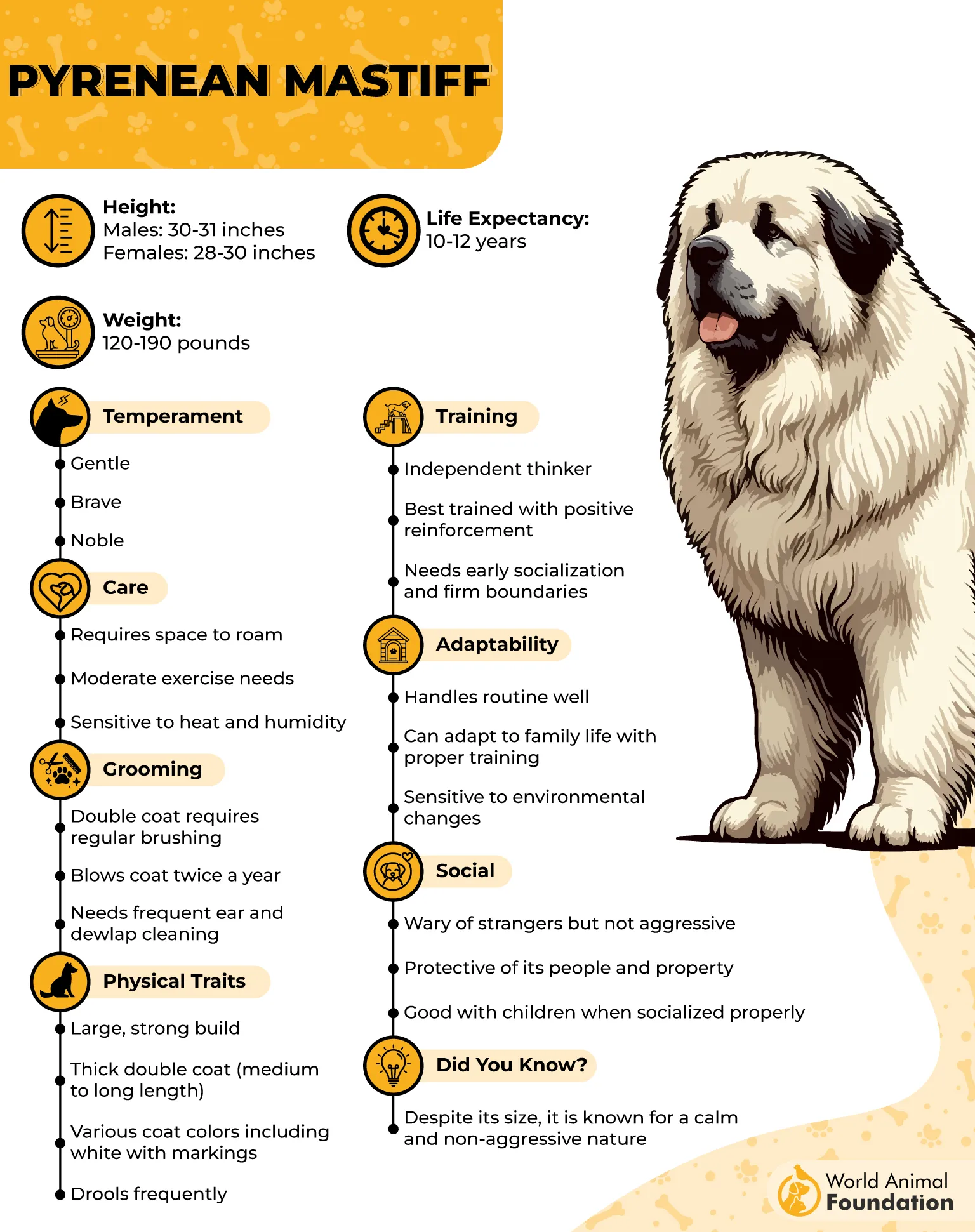
Quiet Confidence
It remains composed for much of the day, making independent downtime less demanding than it is with more energetic breeds. An unfamiliar person or animal may prompt a few alert barks, while obedience sessions and relaxed walks provide enough structure for this easygoing companion.
5. Akita
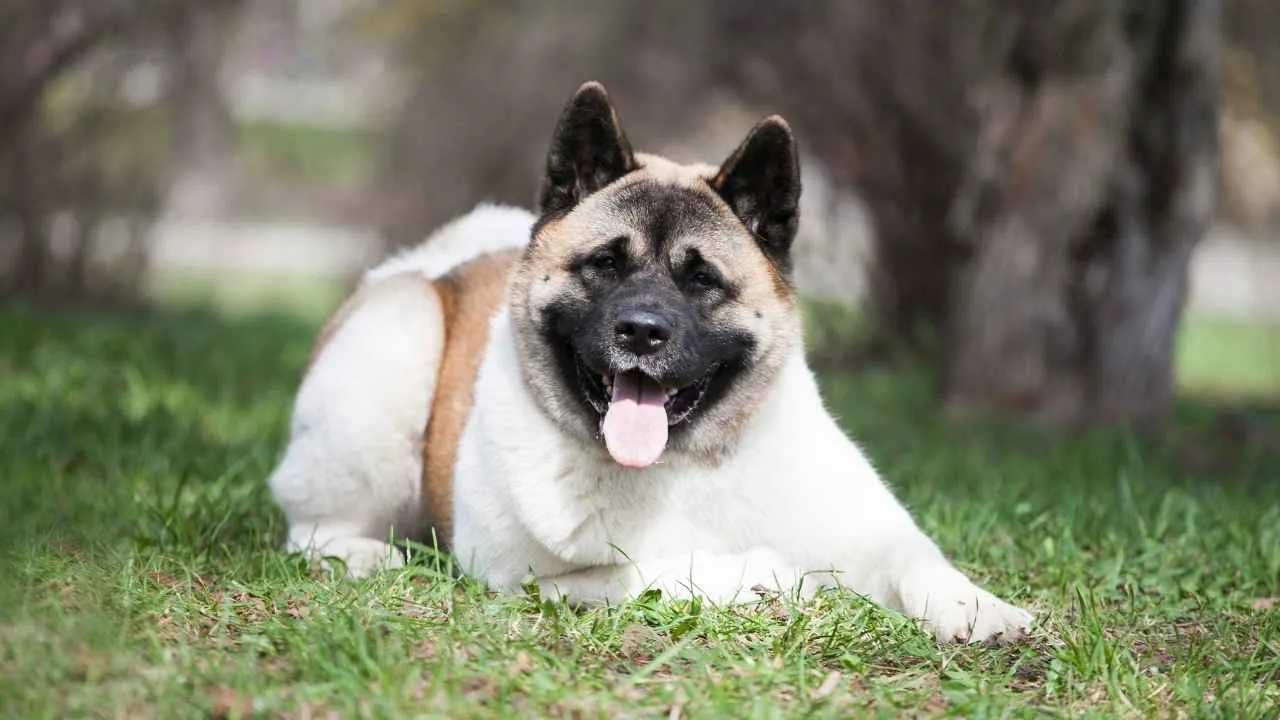
The Akita holds a special place in Japan, where the breed is recognized as a national monument and closely linked with wishes for good health.
Families also gift Akita statues to celebrate the arrival of a new baby or to encourage loved ones during illness, giving the breed a meaningful cultural connection.
Comfortable on Its Own
They first worked as hunting dogs, which helps explain their confident and self-reliant personality today. Adult dogs can generally remain alone for four to eight hours, making them a practical choice for households with predictable daily schedules.
The following details make this breed especially memorable:
Responds best to experienced handlers
Inspired by the true story of Hachiko’s nine-year wait
Often prefers being the only pet at home
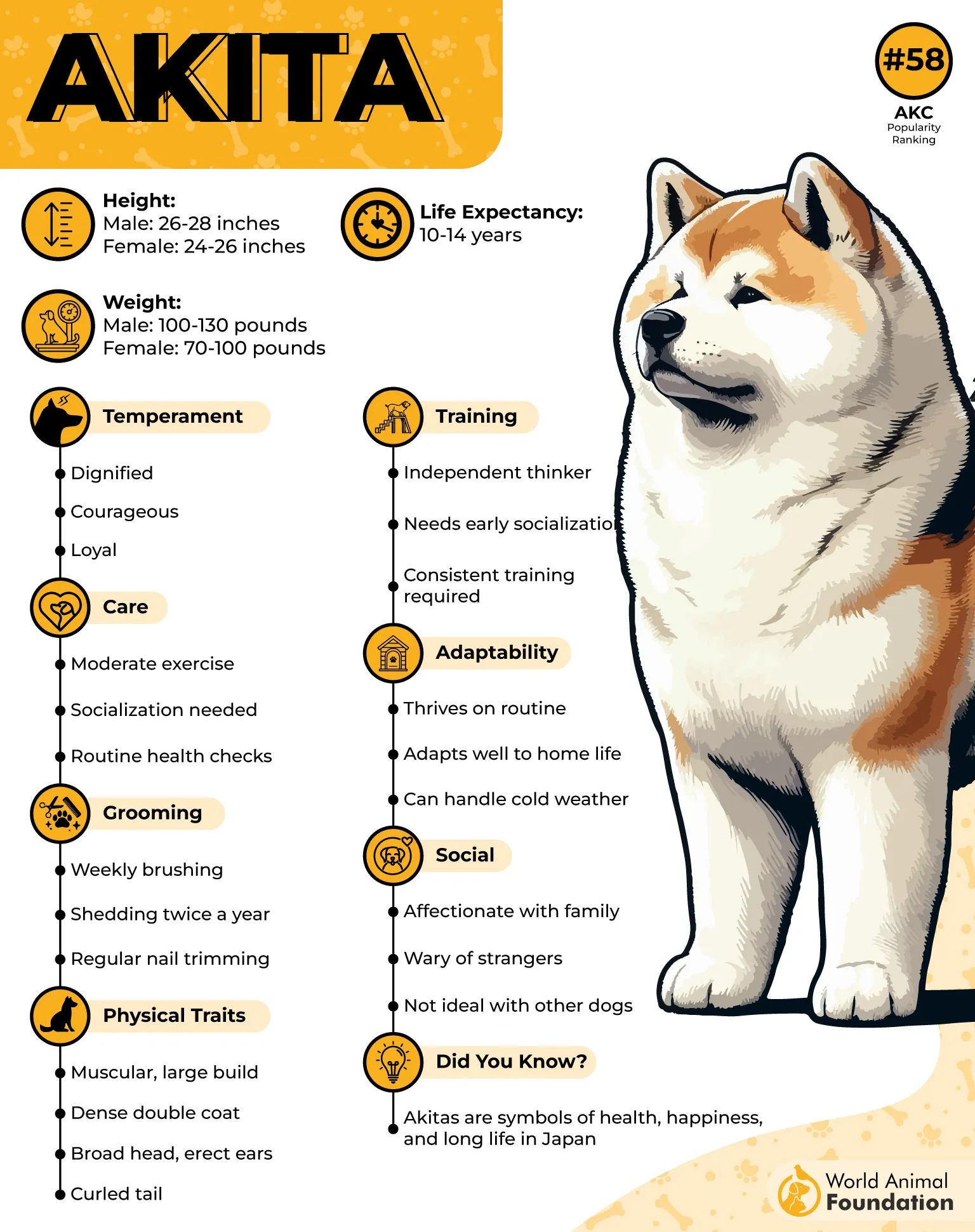
Trust Comes Gradually
The Akita builds deep bonds with its family but usually takes extra time before accepting unfamiliar people into its circle. Early socialization and patient, consistent training help shape polite behavior while respecting the breed’s naturally independent mindset.
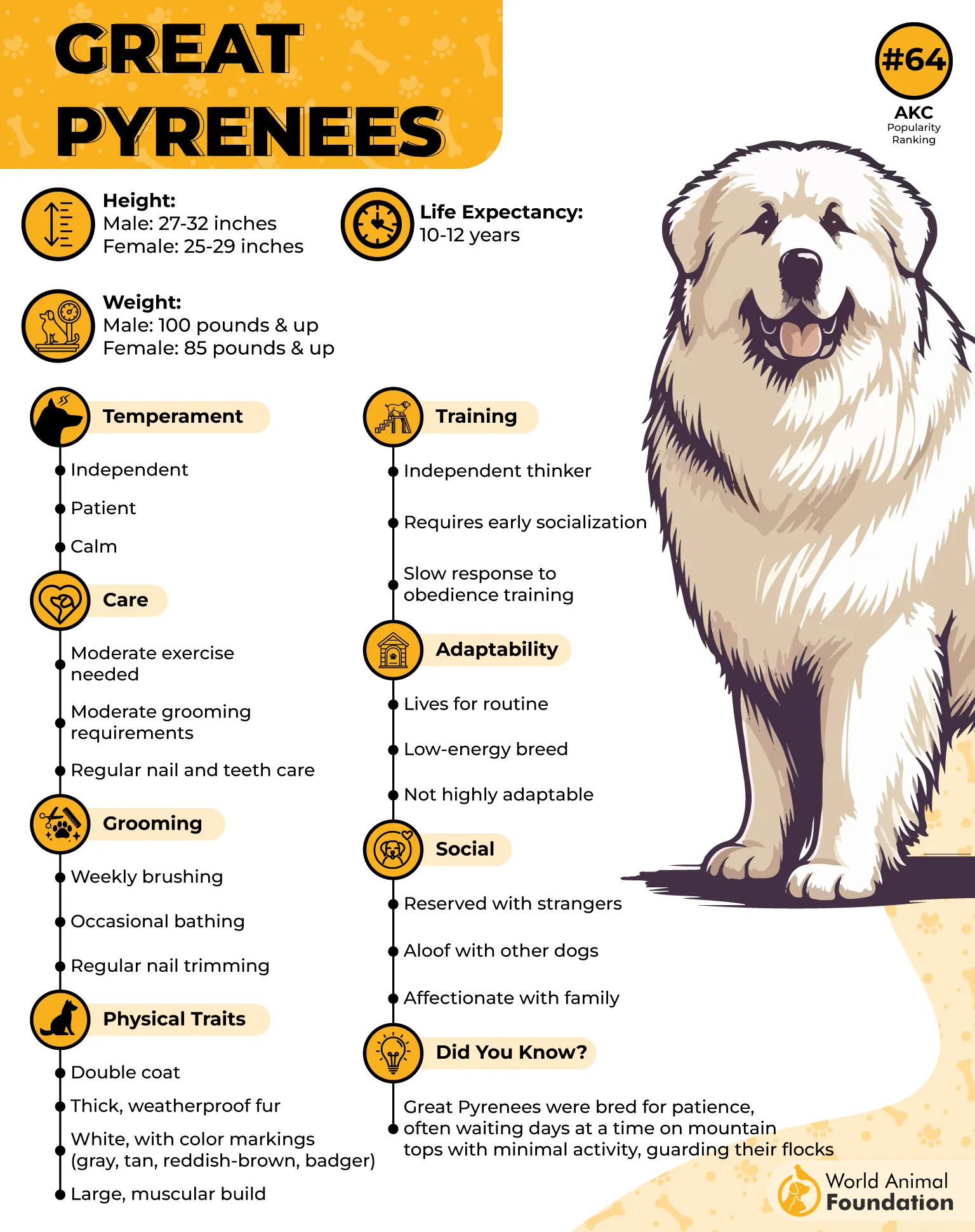
6. Great Pyrenees
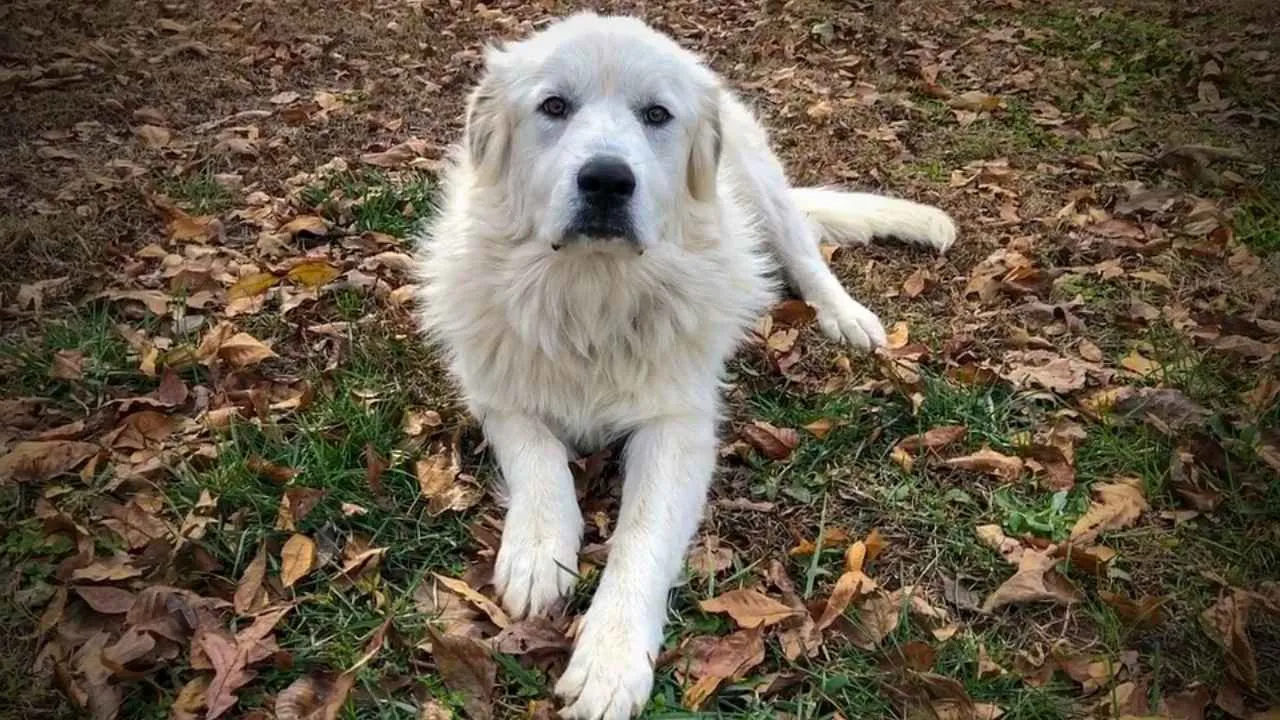
The Great Pyrenees began as a livestock guardian in the Pyrenees Mountains between France and Spain, where a thick white coat blended naturally into snowy landscapes. That natural camouflage helped the breed watch over sheep while keeping an eye out for bears and wolves.
Comfortable on Its Own
Long hours spent watching flocks shaped a dog that feels comfortable spending time by itself without constant attention. Even today, healthy adults can generally remain alone for about five to eight hours when their daily needs have been met.
A few details reveal how this breed worked:
Guarded sheep in mountain valleys
Faced bears and wolves
Conserved energy between patrols
Steady Temperament
This large dog combines alertness with a low-energy routine, making constant activity less important than it is for several working breeds. Families with older children often find this giant companion easier to manage because accidental bumps from a dog of this size can happen during everyday life.
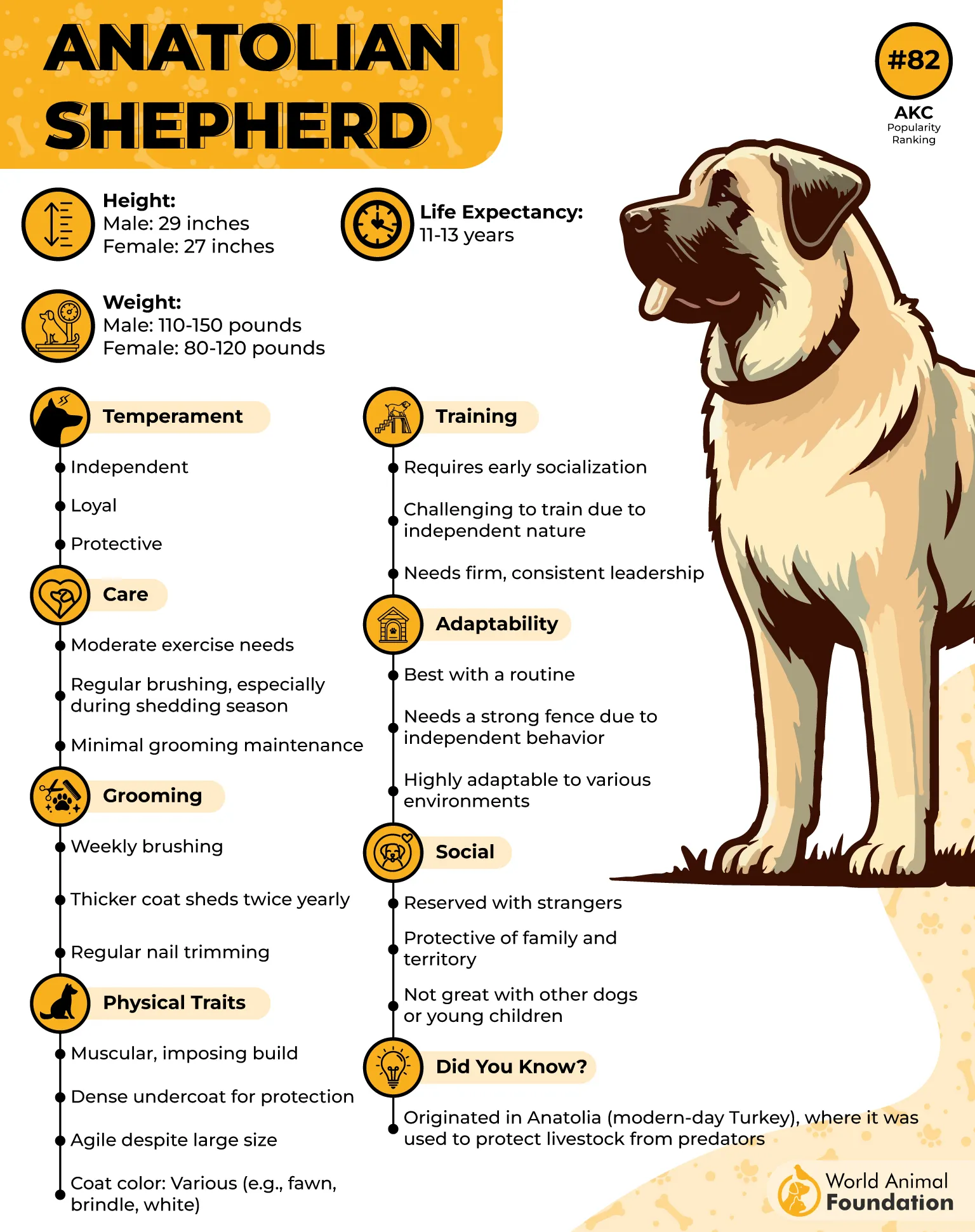
7. Anatolian Shepherd Dog
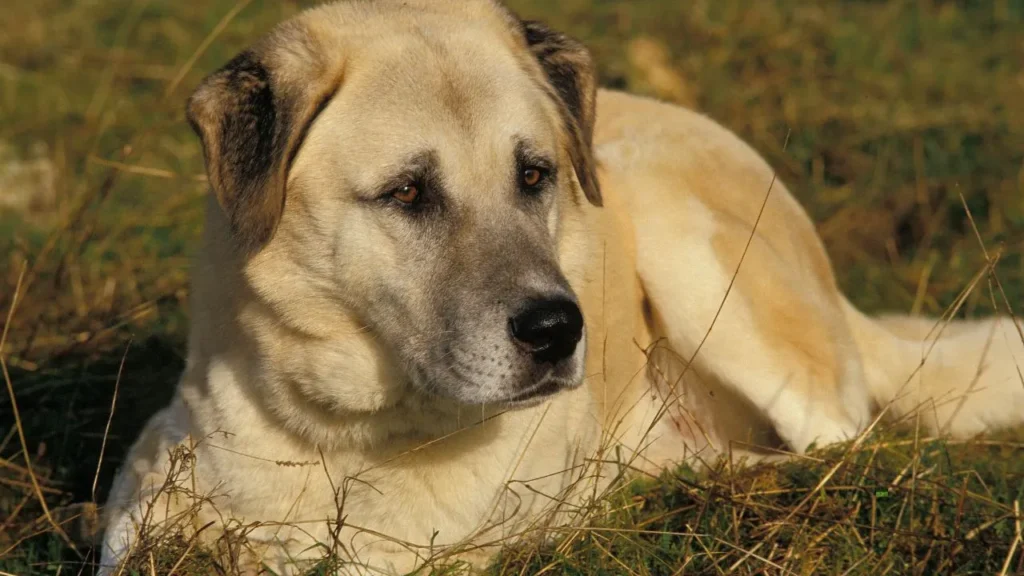
The Anatolian Shepherd belongs to one of the oldest known domestic canine bloodlines, with roots reaching back thousands of years. Its long role as a livestock guardian shaped a confident temperament that allows this breed to work and make decisions without constant human direction.
Trusted on Its Own
An adult Anatolian Shepherd can generally spend four to six hours alone, with six to eight hours considered the upper limit in suitable circumstances. That level of independence reflects the guardian role this breed performed for generations.
The breed has more to offer:
Introduced to the U.S. in the 1950s
Helped protect endangered cheetahs in Namibia
Adult weight can reach around 150 pounds
Home Environment
They usually get enough activity from outdoor time in a securely fenced yard instead of demanding constant exercise. Frequent territorial barking can become an issue in homes with shared walls, while early introductions often help puppies live peacefully with other pets.
8. Tibetan Mastiff
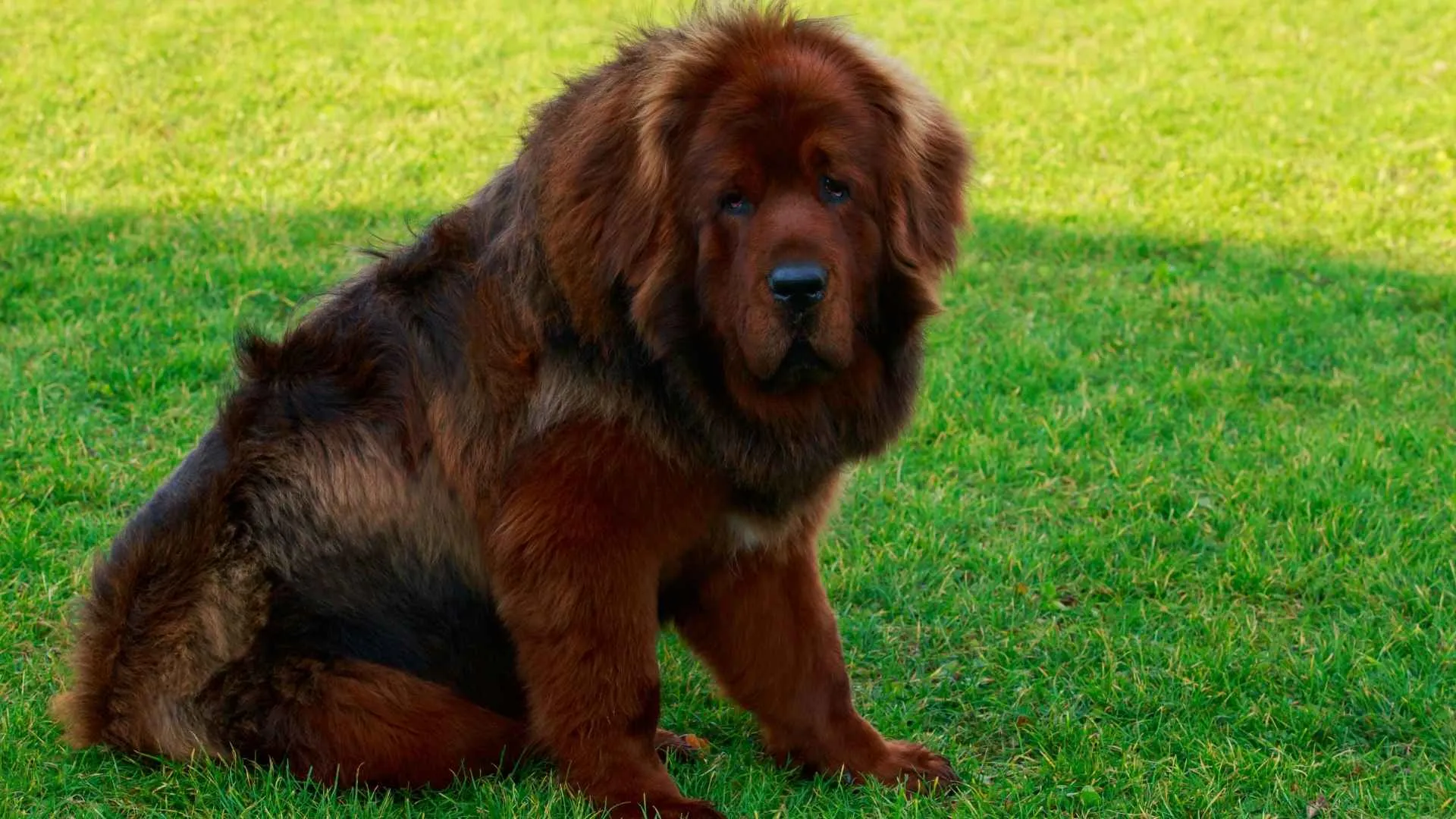
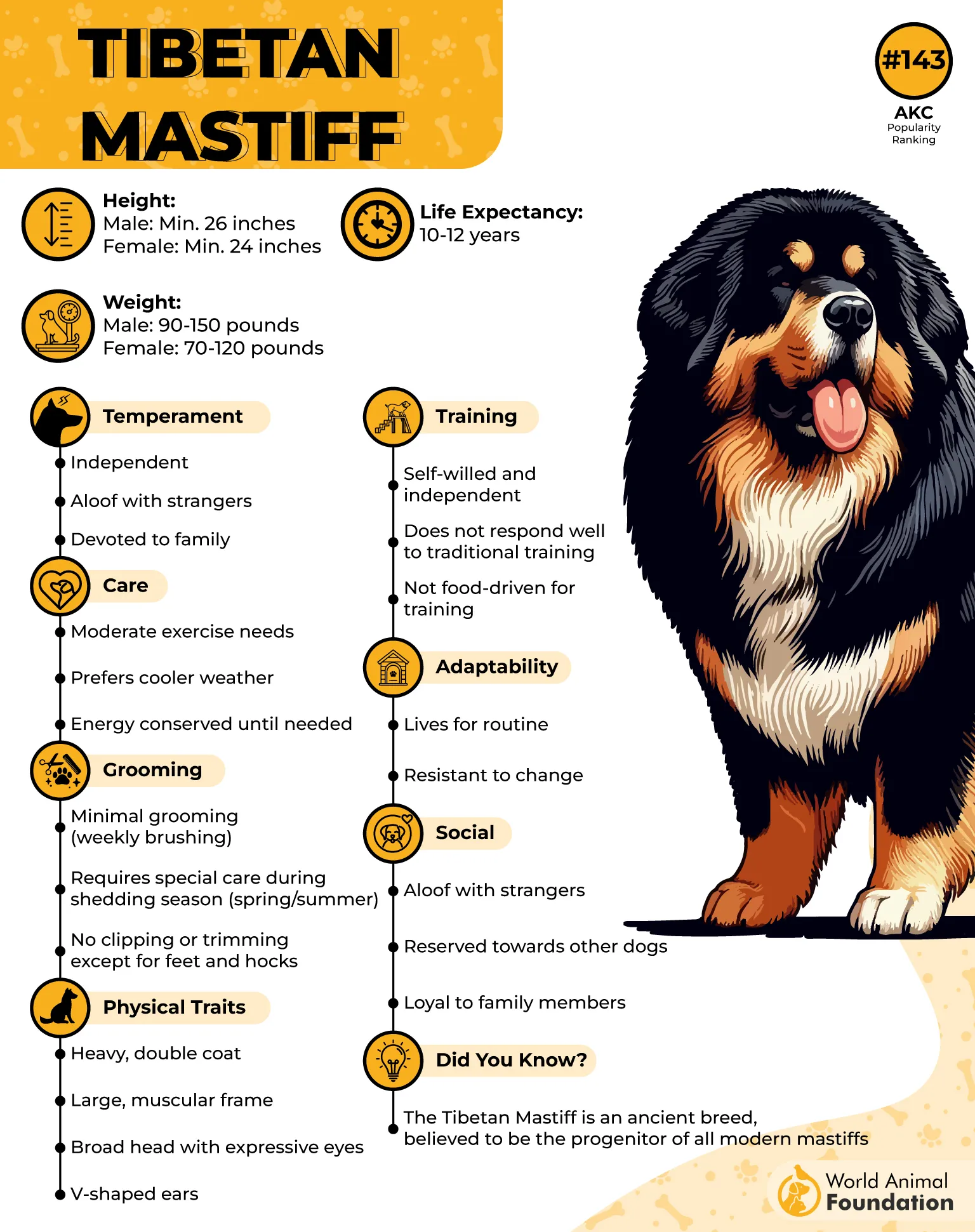
The Tibetan Mastiff comes from Tibet in East Asia, with written records dating back to 1100 BCE, making it one of the oldest documented dog breeds. Its imposing size and lion-like appearance match the calm confidence that has long been associated with this devoted family guardian.
Comfortable on Its Own
An adult Mastiff can generally spend four to six hours alone, with well-trained adults handling up to eight hours in some situations. Young puppies need much shorter periods of separation and should not be left alone for extended stretches.
A few facts are worth keeping in mind:
Spends much of the daytime resting indoors
Puppies need company every 1–2 hours
A thick, double-layered coat requires regular brushing
Independent by Nature
They combine intelligence with an independent mindset, so having a purposeful role helps keep them engaged. Careful socialization from puppyhood also helps it respond more appropriately to unfamiliar people and animals instead of viewing every newcomer as a potential threat.
9. Komondor
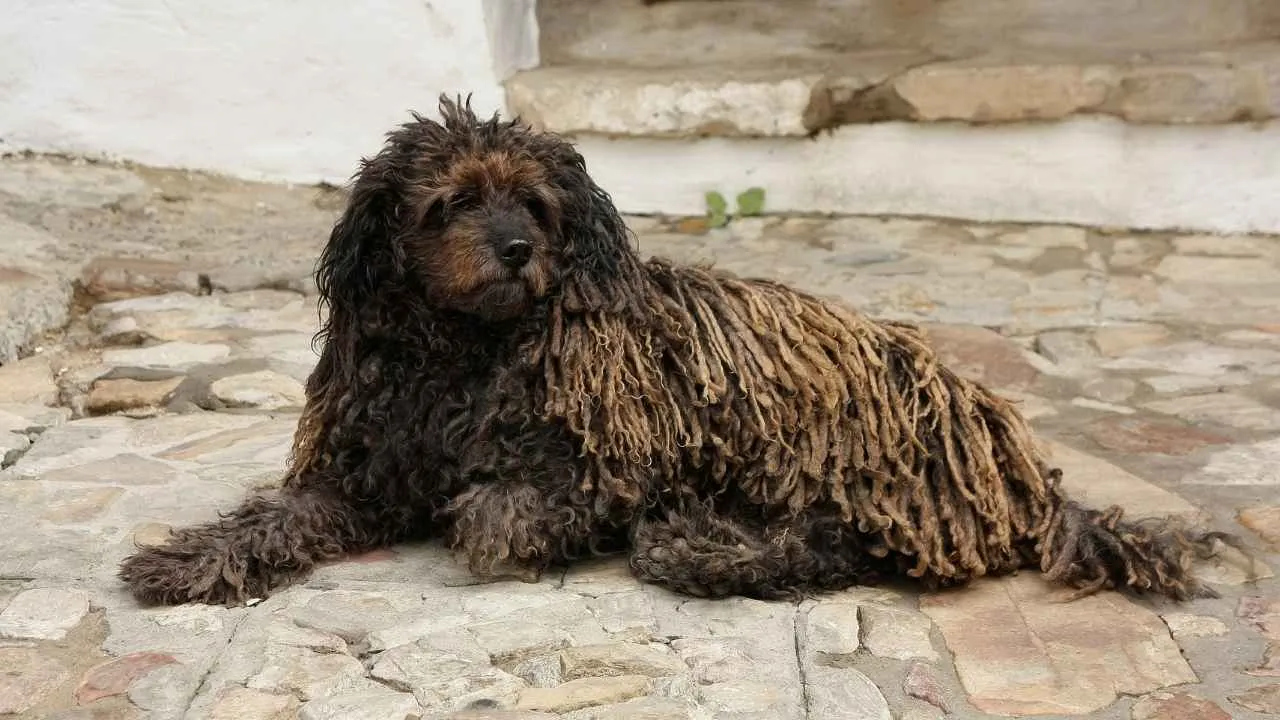
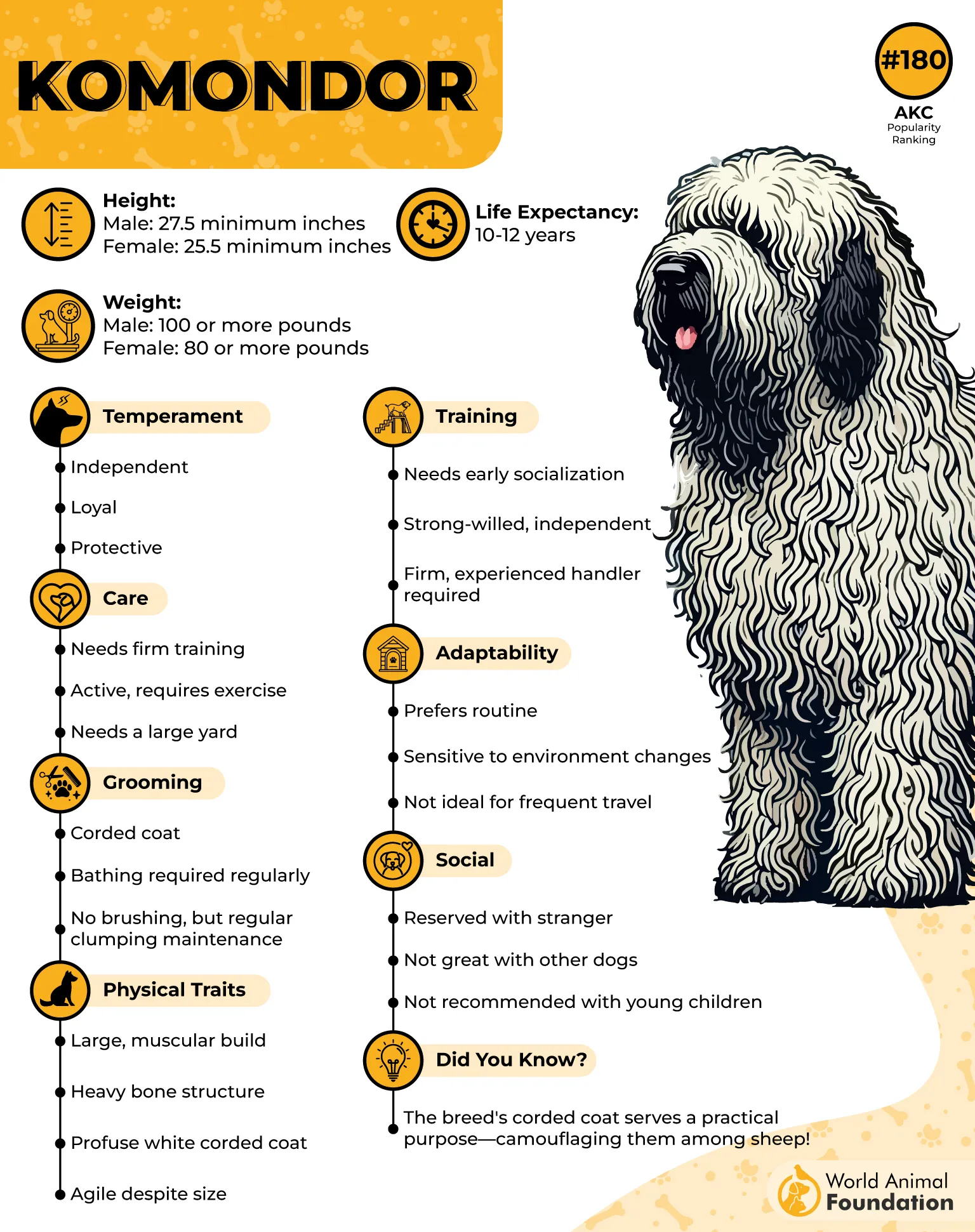
The Komondor spent centuries protecting sheep across Hungary, where patience and watchfulness were just as important as strength. An adult with proper training, regular exercise, and a settled routine can usually spend about four to six hours on their own without difficulty.
More Than a Distinct Coat
Its heavy white cords served a practical purpose by helping the dog blend into a flock while watching for danger. That natural independence still influences how this breed approaches its surroundings and daily routine.
There’s more behind the breed:
White cords resemble dreadlocks
Originally protected livestock from predators
Quiet until something needs attention
Confident Temperament
The Komondor has an affectionate side that becomes more noticeable with the people and animals it trusts from an early age. Consistent training and meaningful companionship help reduce unwanted behaviors while supporting the balanced temperament expected from a livestock guardian.
Conclusion
A busy schedule does not have to stand in the way of enjoying life with a loyal companion. While no dog should spend long periods alone every day, a good dog breed for busy owners can handle a few hours of quiet with less risk of separation anxiety. Selecting a companion whose personality matches your routine creates a happier experience for everyone involved.
Daily exercise, mental stimulation, and meaningful time together remain just as important as independence. When those needs are consistently met, these dogs become wonderful companions, making it one of the best moments of the day to come home to a relaxed, content friend who has been waiting with quiet confidence and excitement.
