




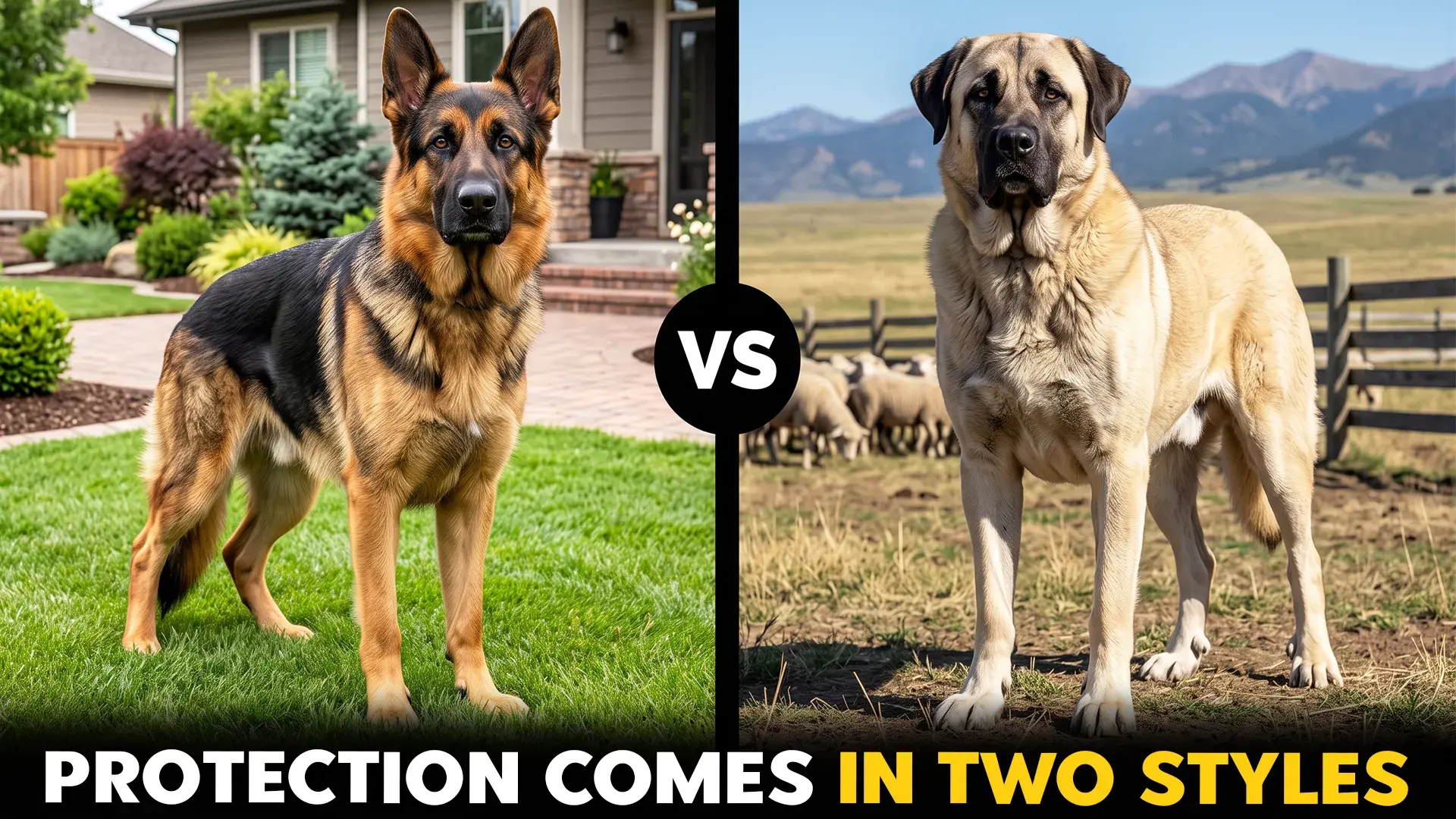
German Shepherds and the Anatolian Shepherd Dogs are two separate breeds often associated with protective dog breeds. Both breeds are well known throughout the world for their loyalty, extremely intelligent attitude, property and personal protection guarding.
Still, these dogs were bred for separate reasons.
There are more considerations than size or appearance when it comes to selecting a breed. They all vary in temperament, exercise needs, trainability, and protection styles.
Let’s break down the differences between the German Shepherd and the Anatolian Shepherd dog in various aspects.
German Shepherd vs. Anatolian Shepherd: Protective Traits Compared
Origins, History & Purpose
German Shepherd
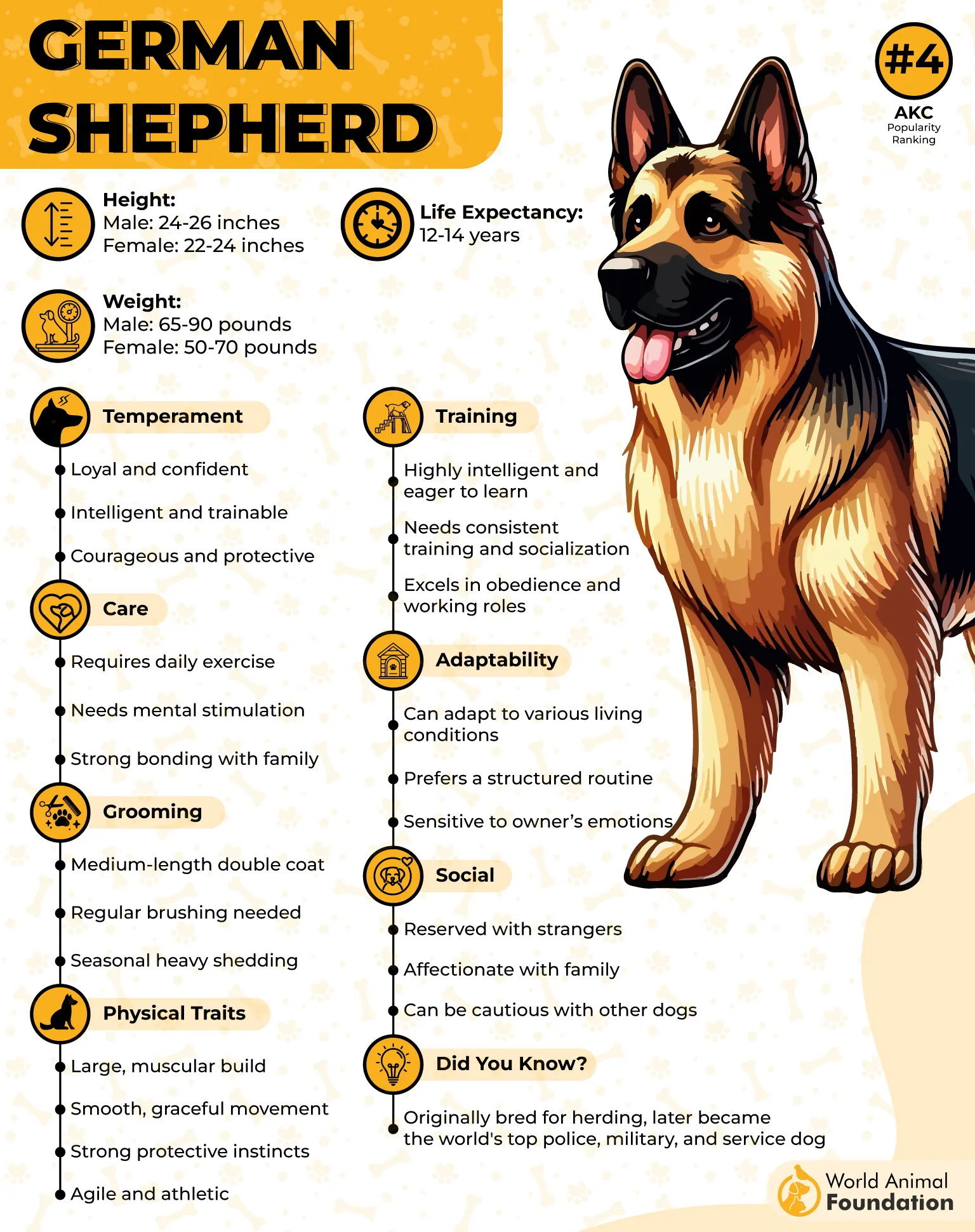
Considered dogkind’s finest all-purpose worker by the American Kennel Club, this breed was originally bred in Germany in the late 19th century. Captain Max Von Stephanitz wanted to produce the ideal working and herding dog, which is intelligent, athletic, and obedient. The breed’s versatility over time led to the breed becoming a favorite among police, military, and service dogs globally.
Anatolian Shepherd
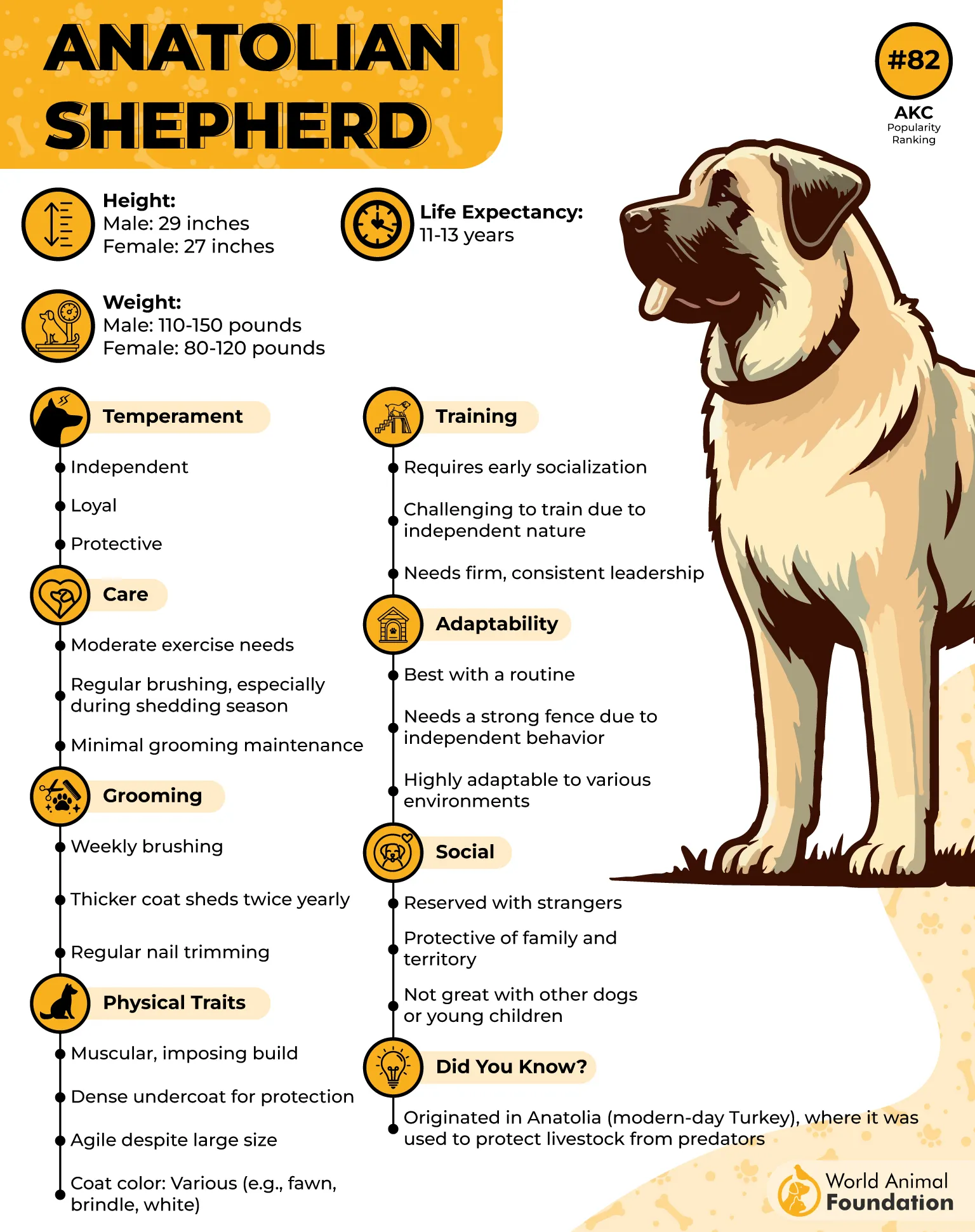
The Anatolian Shepherd is a much older dog. This ancient breed originated thousands of years ago in Turkey, where it was used as a livestock guardian dog to protect livestock from predators such as wolves and bears.
In contrast to other dogs, such as the herding group that was bred to work closely with humans, this breed was required to make its own decisions when taking care of flocks on large areas of land.
Key Differences
This distinction in the purpose of both breeds is reflected today. German Shepherds are highly likely to work well with humans, but the Anatolian Shepherd, which was used for guarding livestock, is more likely to work independently and without waiting for cues.
Muscular Build & Physical Characteristics
This is the most important trait, encompassing overall appearance, build, and size. Both large breeds look strong on the surface, but their body shapes are different for different tasks.
German Shepherd
The German Shepherd’s size is normally 22-26 inches, with a weight of 50-90 pounds. Their muscular build offers a combination of strength and agility, enabling them to run, jump, and move with ease.
Anatolian Shepherd
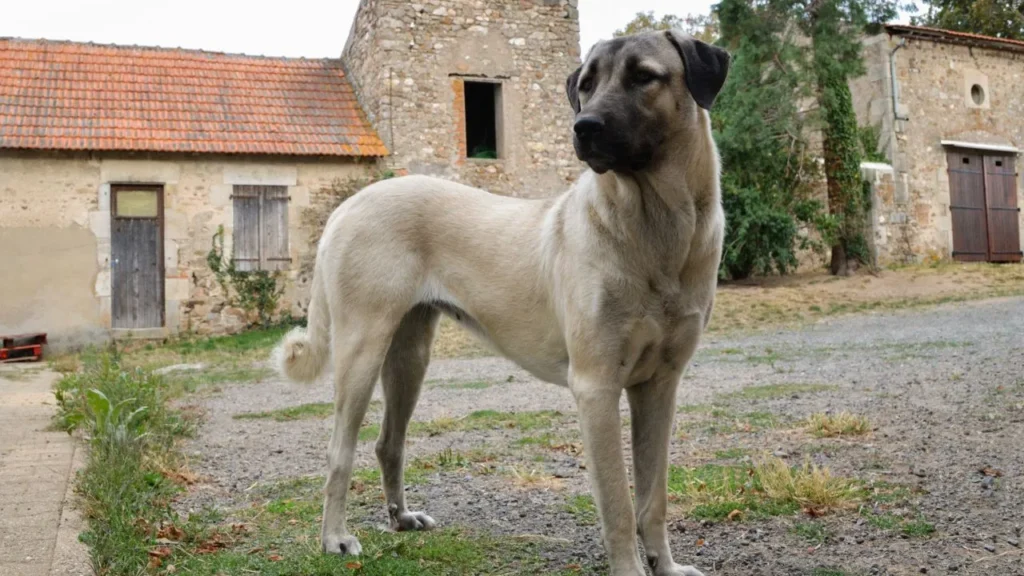
Anatolian Shepherds are obviously larger. Some males can weigh more than 120 pounds and can grow to 29 inches tall at the shoulder. They have heavy bones and well-muscled bodies, which are constructed for stamina rather than for speed.
Key Differences
Based on the German Shepherd’s appearance, they are thought to be athletic and versatile. The Anatolian Shepherd is a rugged, strong dog. Both breeds are imposing, but size alone may make the Anatolian more intimidating.
Their facial expressions vary, too. German Shepherds often have alert and attentive looks, while Anatolians have a calm and observant expression.
Grooming Needs & Coat Care
German Shepherds
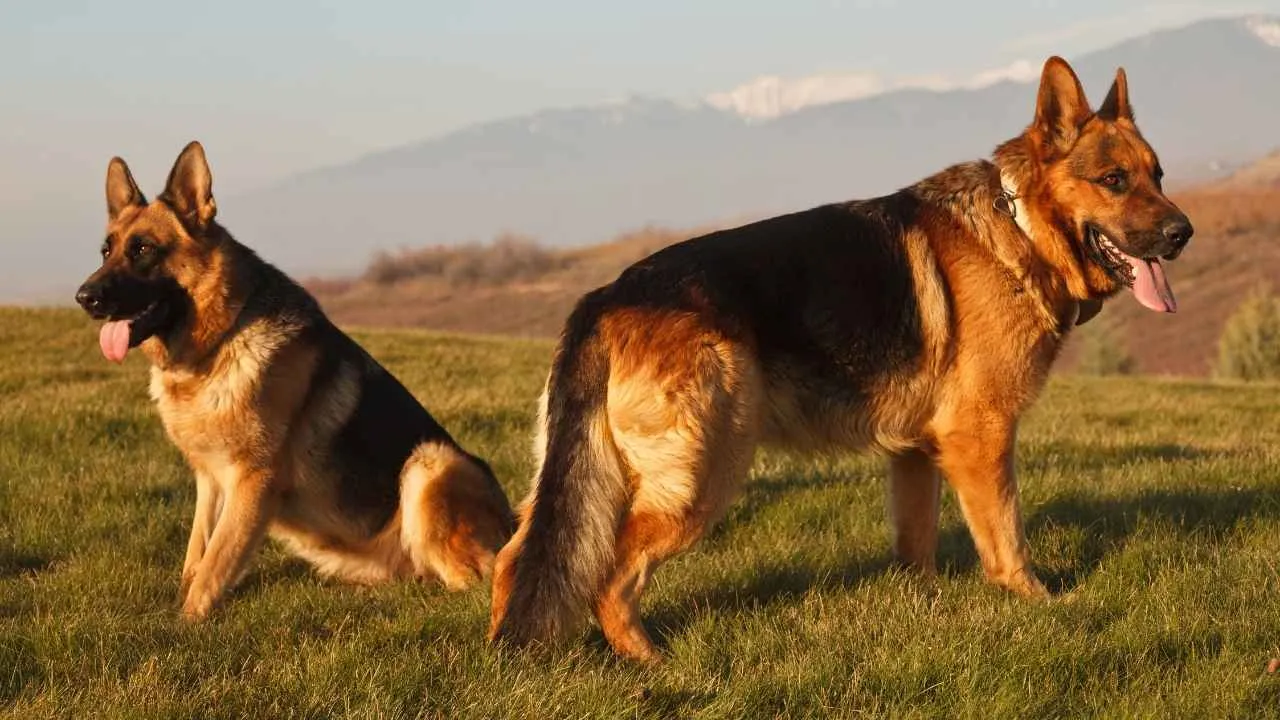
German Shepherds have a thick double coat that sheds a lot, as stated by PetMD. Loose hair should be controlled by more frequent brushing, which will also help keep their thick undercoat healthy.
Frequent brushing several times a week is what will reduce shedding and help keep their coat in good condition.
Anatolian Shepherd
Anatolian Shepherds are also double-coated, but their grooming needs are not as critical, and they don’t require much careful management. They have developed a dense undercoat to insulate them from the extreme weather, hot and cold.
The Anatolian sheds seasonally, but does not need as much upkeep as many think it should with its size.
Key Differences
Professional grooming isn’t necessary for either breed. Both, however, can be helped by regular manicures, brushing their teeth, and checking their ears.
Temperament, Personality & Behaviour
One of the most notable differences among these breeds is temperament.
German Shepherd
German Shepherds are extremely people-oriented, making them ideal household pets. Like other household pets, they love interaction and can develop strong bonds with family members. With their love of human company, they are responsive and love to be involved in daily activities like going on walks in a dog park.
Anatolian Shepherd
Known as a calm and observant breed that is naturally territorial, as stated by Orvis, the Anatolian Shepherd is an independent dog but loves its family. They are likely to be independent thinkers and are less likely to be constantly seeking attention or approval.
Key Differences
German Shepherds have been described as loyal protectors that desire to be a part of all things that are going around them. Anatolians tend to be more inclined to watch from afar and act only if necessary.
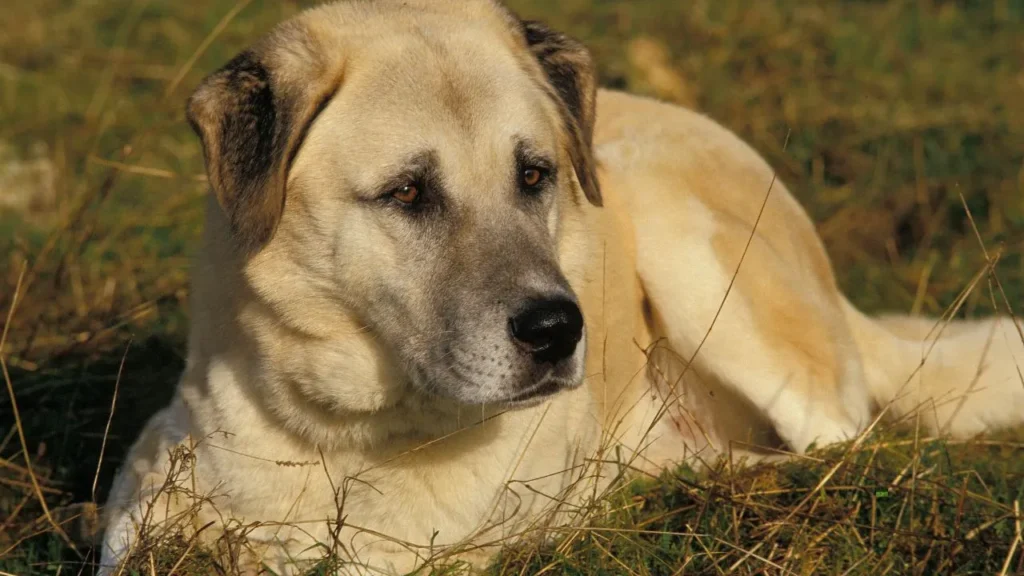
Socialization and positive reinforcement are crucial for both breeds, but particularly for Anatolians. They tend to be wary of strangers and other animals, and have been trained to protect livestock for centuries.
German Shepherds will generally embrace structured training and socialization, whereas Anatolians may wish to retain their independence.
Energy Levels, Exercise Needs & Trainability for these Livestock Guardian Dogs
German Shepherds
German Shepherds are a highly intelligent and extremely energetic breed that needs plenty of physical activity each day. They love to run, hike, learn advanced obedience, engage in agility, and enjoy mental challenges.
German Shepherds may get bored or develop undesirable behaviors if they don’t get enough exercise. They are smart and need regular stimulation.
Anatolian Shepherd
Anatolian Shepherds require different types of exercise. They can be good stamina busters, but tend to be less active indoors. They want to move in a meaningful way, more than repetitive activities for the sake of exercise.
Key Differences
It is the trainability that really makes a big difference.
German Shepherds are among the world’s most trainable breeds. They respond to commands rapidly and have an affinity for the training itself.
Anatolian Shepherds are smart, yet independent. They can hear instructions clearly and decide if they need to follow them or not. This is a characteristic that was bred into the breed to be a self-sustaining guard dog.
Guarding Style, Protective Traits & Work Drive
This category emphasizes the biggest differences between the two breeds.
German Shepherd
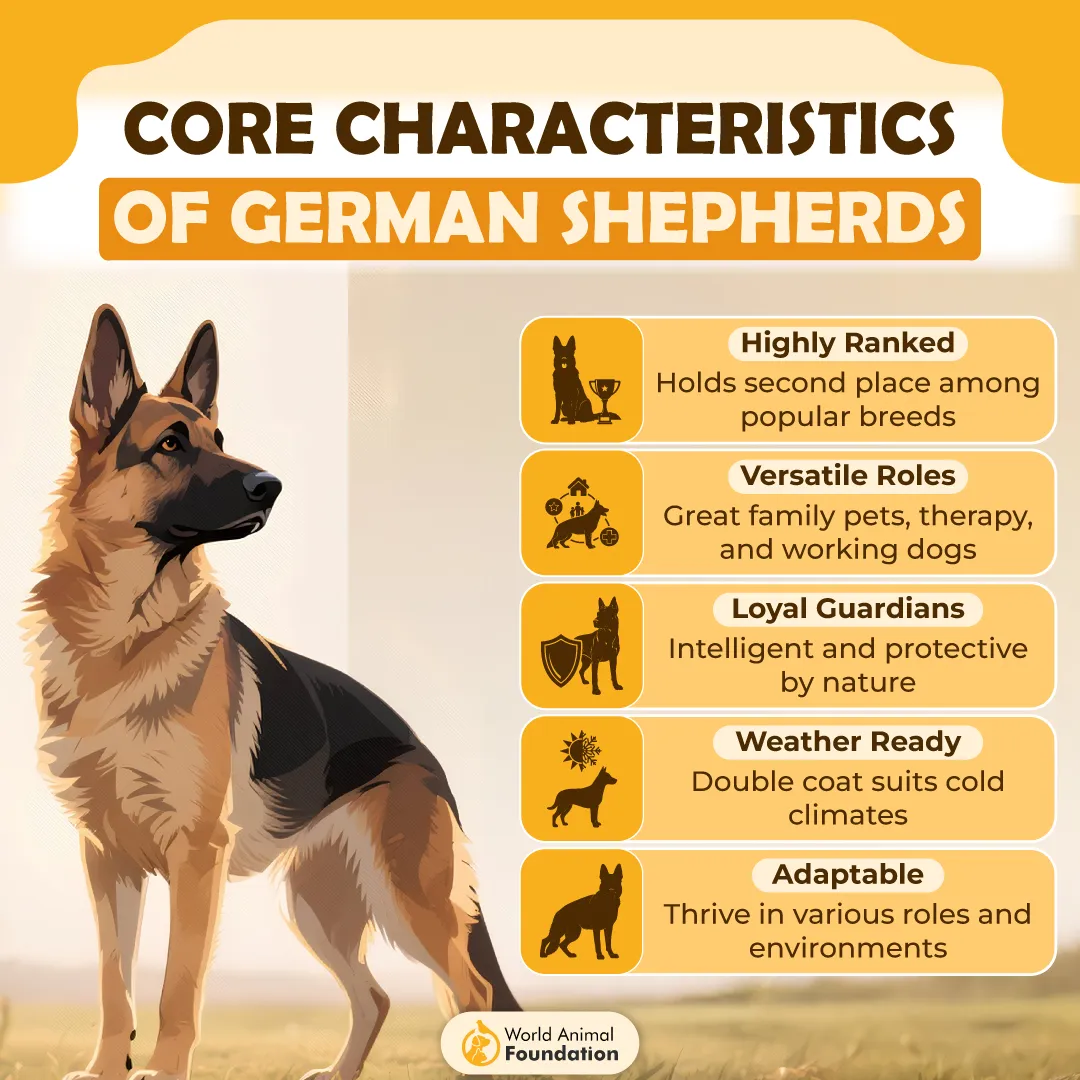
German Shepherds are active protectors. They are trained, responsive, and closely supervised by handlers. They tend to guard by watching for potential danger, waiting for instructions, and acting decisively when necessary. This makes them very good in police, military, personal security, and security jobs.
Anatolian Shepherd
Anatolian Shepherds watch in another way. They have been bred to discourage threats prior to conflict. They spontaneously prowl over the territory, keep track of activity, and create a protective presence. By often intimidating large predators, they avoid confrontation.
Key Differences
German Shepherds have the tendency to guard humans. Anatolians have a greater tendency to defend territory, livestock, and property.
Both breeds are courageous, but what they do is a result of generations of specialized breeding.
Average Lifespan & Health Needs
German Shepherd
The average lifespan for the German Shepherd is 12-14 years.
As with any breed, there are health considerations to be taken into account with German Shepherds and Anatolian Shepherds.
Hip dysplasia, elbow dysplasia, degenerative myelopathy, and bloat are common problems in German Shepherds. While the risks have been lessened through responsible breeding, prospective owners must learn about health testing in detail.
Anatolian Shepherd
The average lifespan for this dog is about 9-13 years.
Anatolian Shepherds are a fairly sturdy breed. They have developed in challenging settings, which helped them to be resilient in general.
These canines can develop hip dysplasia, thyroid problems, and gastric torsion (bloat). With their larger size, joint health is a factor to consider.
Key Differences
Both breeds benefit from routine veterinary care, proper nutrition, and weight management.
Lifestyle Compatibility & Suited Work Environment
German Shepherd
German Shepherds are adaptable and thrive in busy families, provided they receive plenty of play and activity. Their performance is best when they are part of a family and provided with work or learning opportunities.
This breed is very rewarding for the owners who love training, outdoor activities, and dog sports.
Anatolian Shepherd
Anatolian Shepherds are best for large properties, farms, ranches, and rural settings. In a high-density situation, their territorial nature can be problematic.
Some Anatolians have become suburbanized, but mostly they do well given space to watch and guard.
Key Differences
For first-time owners who are willing to put in the effort to train their dogs, German Shepherds might be a better fit. Anatolian Shepherds typically do not make a good fit for novice shepherds who are unfamiliar with independent guardian breeds.
Classified Working Roles & Adaptability
German Shepherd
Perhaps this is why the German Shepherd is one of the most versatile of the working dogs. It can be a police dog, military dog, service dog, detection dog, therapy dog, or search-and-rescue dog.
It readily learns and cooperates.
Anatolian Shepherd
The Anatolian Shepherd is more focused. It is a very capable breed, but best as a livestock and property protector. This specialization is one of the breed’s greatest strengths. Few dogs can match the Anatolian Shepherd’s ability to protect livestock over large expanses of land.
Key Differences
German Shepherds excel because they can do a lot of things.
However, Anatolian Shepherds are successful because they have had thousands of years to master one job.
Conclusion
Both the German Shepherd and Anatolian Shepherd are great protectors, but in their own unique ways.
There’s nothing wrong with either breed. It depends on what type of lifestyle you are looking for, your experience, and your expectations.
The German Shepherd could be a better choice for an individual who is looking for an easily trainable working type.
The Anatolian Shepherd might be the best self-reliant guard for large estates.
