




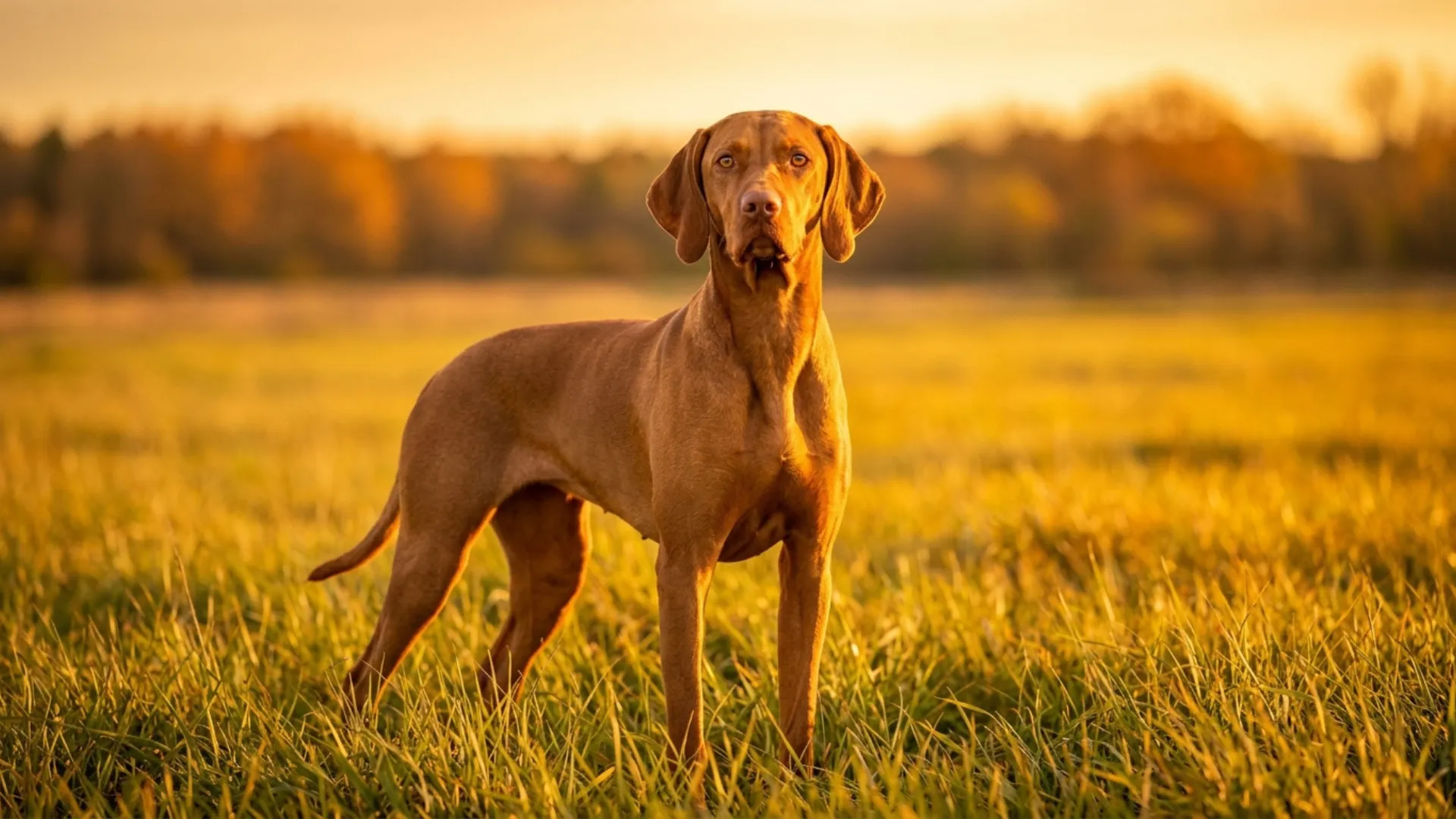
Golden-coated dogs have that instant “main character walking through a sunset” energy, and honestly, we get the hype. These dogs look warm, radiant, expensive, soft, and cinematic before they even do anything. Their coats can come from different genetic pigment pathways, breed histories, grooming styles, and selective breeding choices.
Dog coat color is mostly built from two pigment types: eumelanin, which creates black or brown-based tones, and pheomelanin, which creates yellow, red, cream, orange, and golden shades. Genes such as MC1R, ASIP, TYRP1, CBD103, and others influence how those pigments show up across the body.
Golden coats are not just pretty; they can also connect to a breed’s original job. So, let’s meet the top dog breeds showcasing a stunning golden coat. Some are famous family icons, some are rare runway-looking hunters, and some are tiny lion-core companions with ancient vibes.
Top Dog Breeds Showcasing a Stunning Golden Coat
1. Golden Retriever
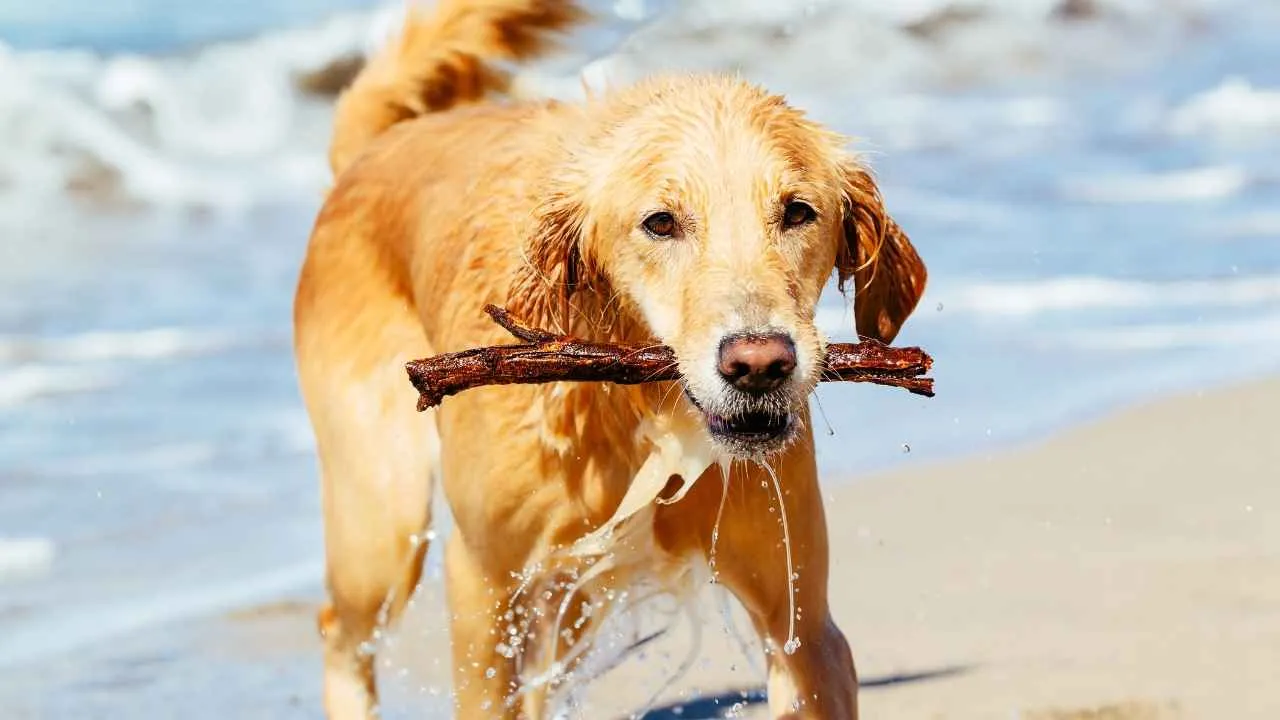
The Golden Retriever is basically the golden coat celebrity of the dog world, and yes, the name is doing exactly what it says on the tin. Their dense undercoat and water-resistant outer coat helped them work through chilly fields, marshes, and lakes without looking like soggy noodles.
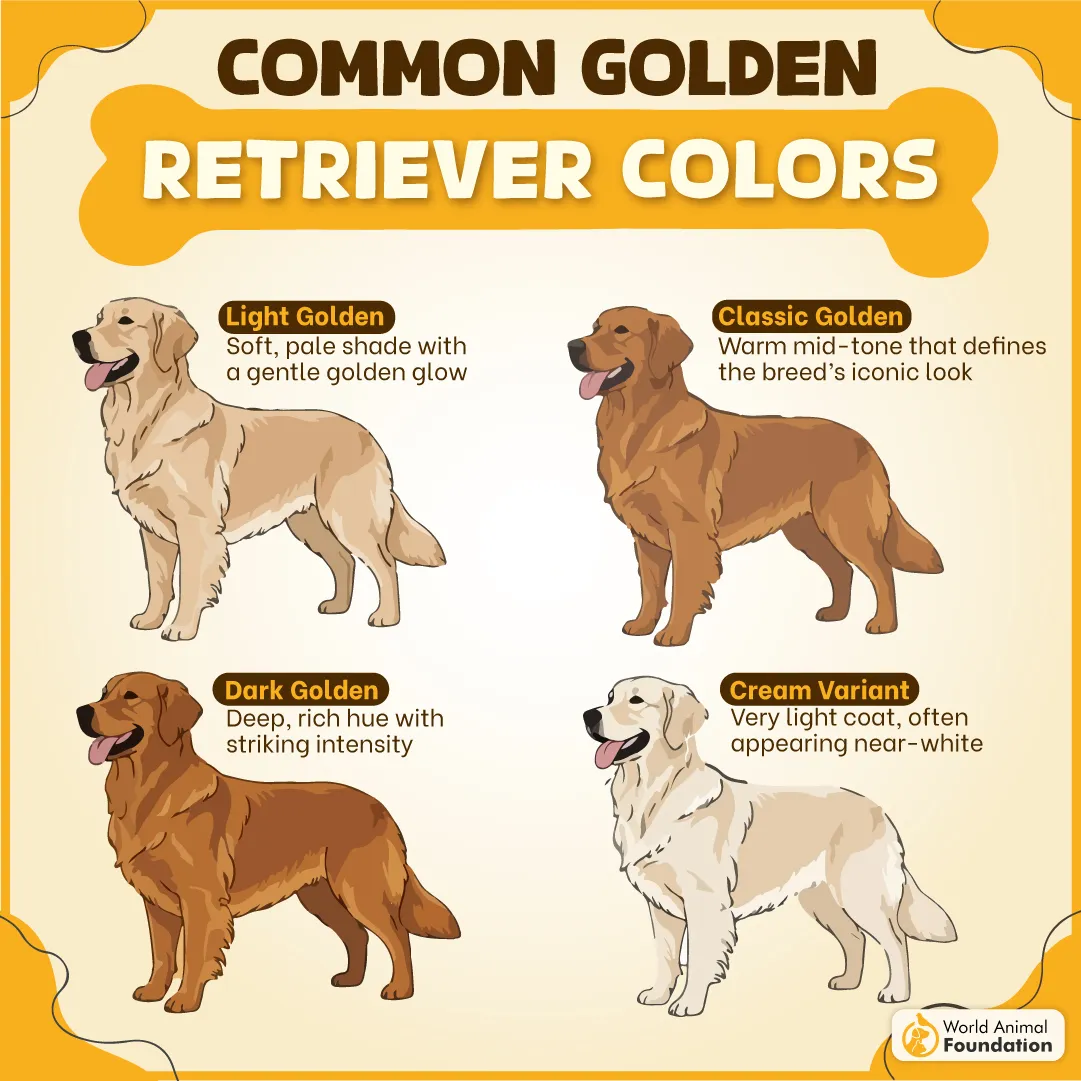
They usually appear in light golden, golden, and dark golden shades, with many puppies shifting color as they mature. A pale puppy may deepen into a richer shade, while darker feathering on the ears can sometimes hint at the adult coat.
Their golden glow comes from pigment genetics that favor warm pheomelanin expression rather than dark eumelanin dominance. The coat is not just one flat color, because feathering, undercoat density, age, sun exposure, and grooming can change the way the shade looks.
This is why two Golden Retrievers can both be correct and still look like vanilla cream versus toasted caramel.
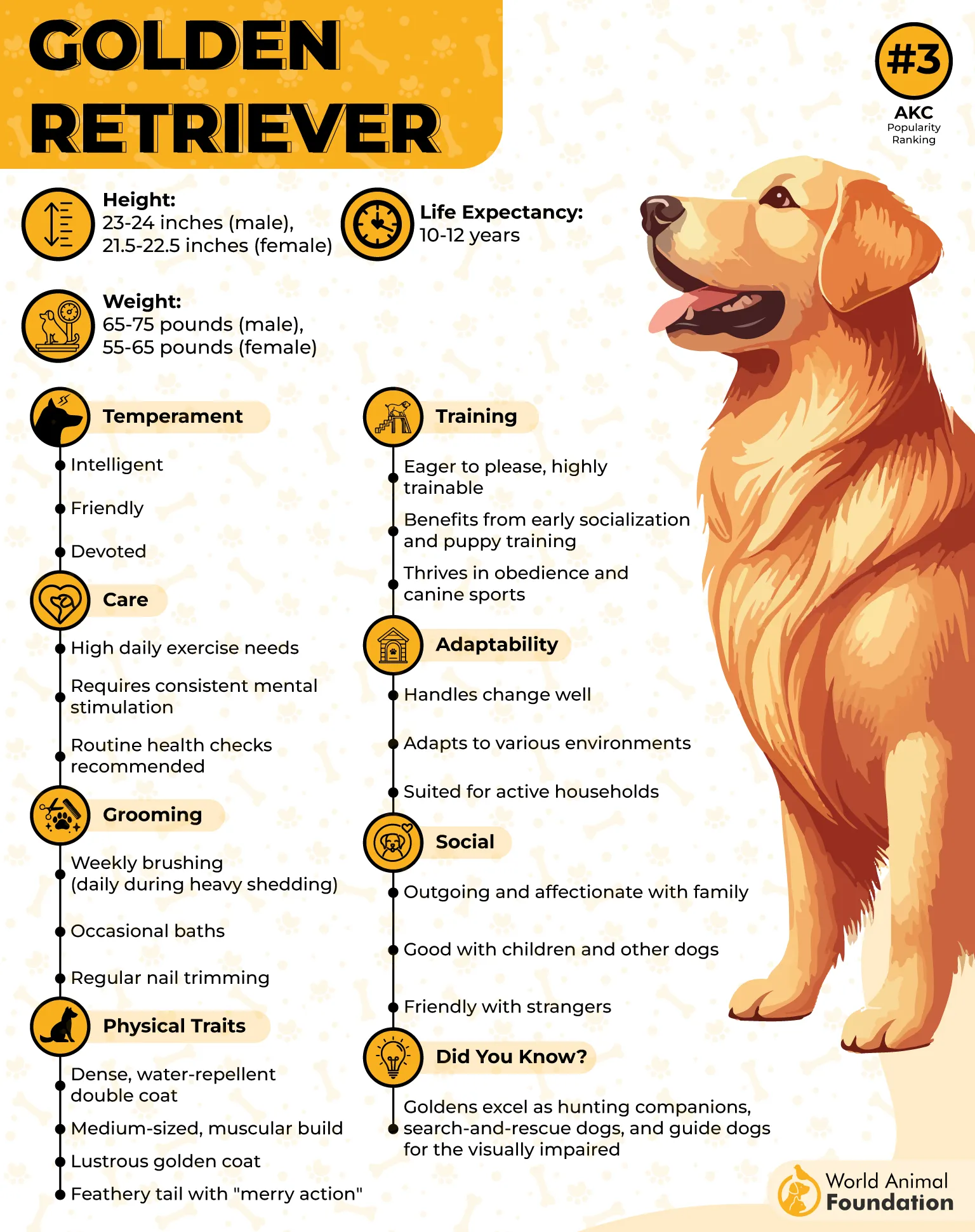
People love this breed for more than the coat, because Goldens are famously affectionate, trainable, social, and goofy in the most lovable way. The AKC says they often rank among America’s most popular breeds, which is not shocking because they are basically a family dog and are friendly with the family members.
The trade-off is that this golden coat comes with golden tumbleweeds all over your home. Brushing several times weekly, and often daily during seasonal shedding, helps manage the thick double coat and prevents mats behind the ears, chest, legs, and tail.
If you want this yellow and golden dog, accept that your black pants may never know peace again.
Genetic And Biological Reasons for Their Golden Coat
Their warm shade is tied to pheomelanin expression, giving the breed its famous cream-to-deep-gold spectrum.
A dense undercoat plus water-resistant outer coat makes the color look plush, layered, and luminous in natural light.
2. Vizsla
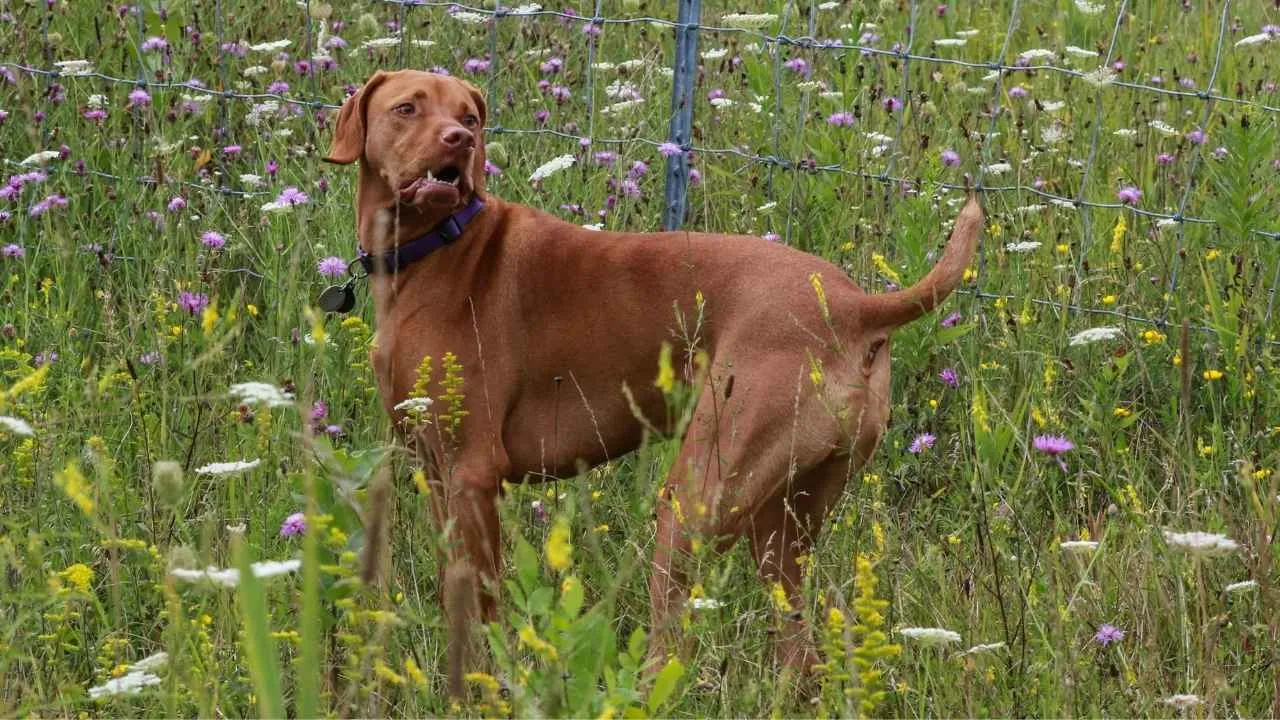
The Vizsla does not wear gold like jewelry; the Vizsla looks poured out of a copper sunset. This Hungarian sporting breed is known for a short, sleek coat in golden rust shades that appear clean, glossy, and athletic.
Unlike breeds with many accepted colors, this yellow dog breed is closely associated with its golden-rust identity. Breed standards describe the coat as shaded golden rust, and the color is one of the breed’s signature features.
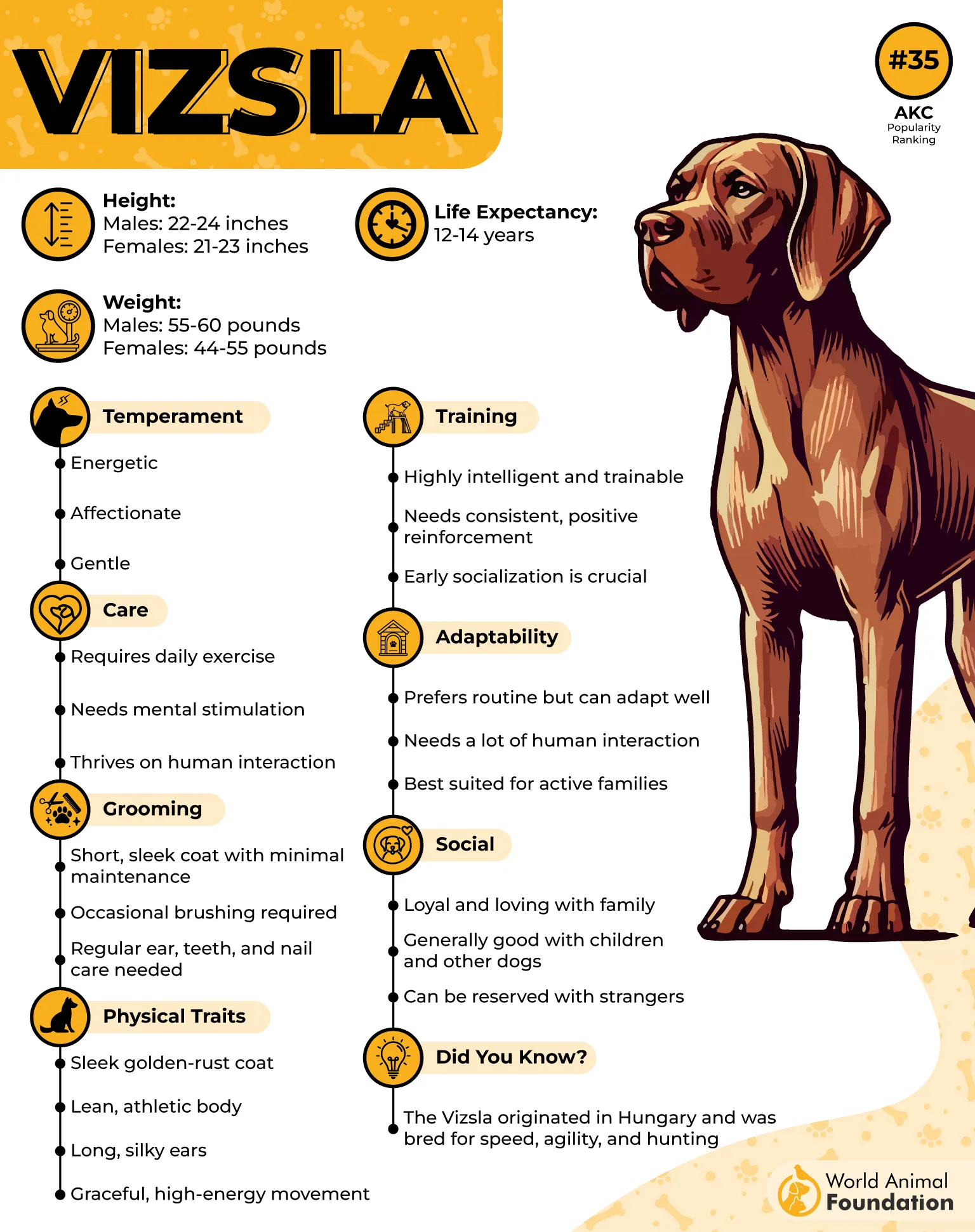
Biologically, the color comes from warm pigment expression spread over a very short coat. Since the hair is close to the body, there is no fluffy undercoat hiding the shine, so the color reflects light in a clean and polished way. That is why Vizslas can look almost metallic when they run through sunlight.
Purina claims that their coat is low-maintenance compared with fluffy breeds, but their exercise needs are not low-maintenance at all. A bored Vizsla can become a chaos intern, while a well-exercised Vizsla becomes affectionate, elegant, and deeply loyal.
The golden dog breed’s coat also has practical roots in field work, where a short coat was easy to maintain and suited an active hunting dog. Regular brushing with a rubber mitt removes loose hair and keeps the coat glossy without turning grooming into a full production.
Genetic And Biological Reasons for Their Golden Coat
The breed’s golden-rust shade comes from warm pigment concentration across a sleek, short hair shaft.
Minimal coat length allows light to bounce directly off the body, creating that polished copper-gold effect.
3. Tibetan Spaniel
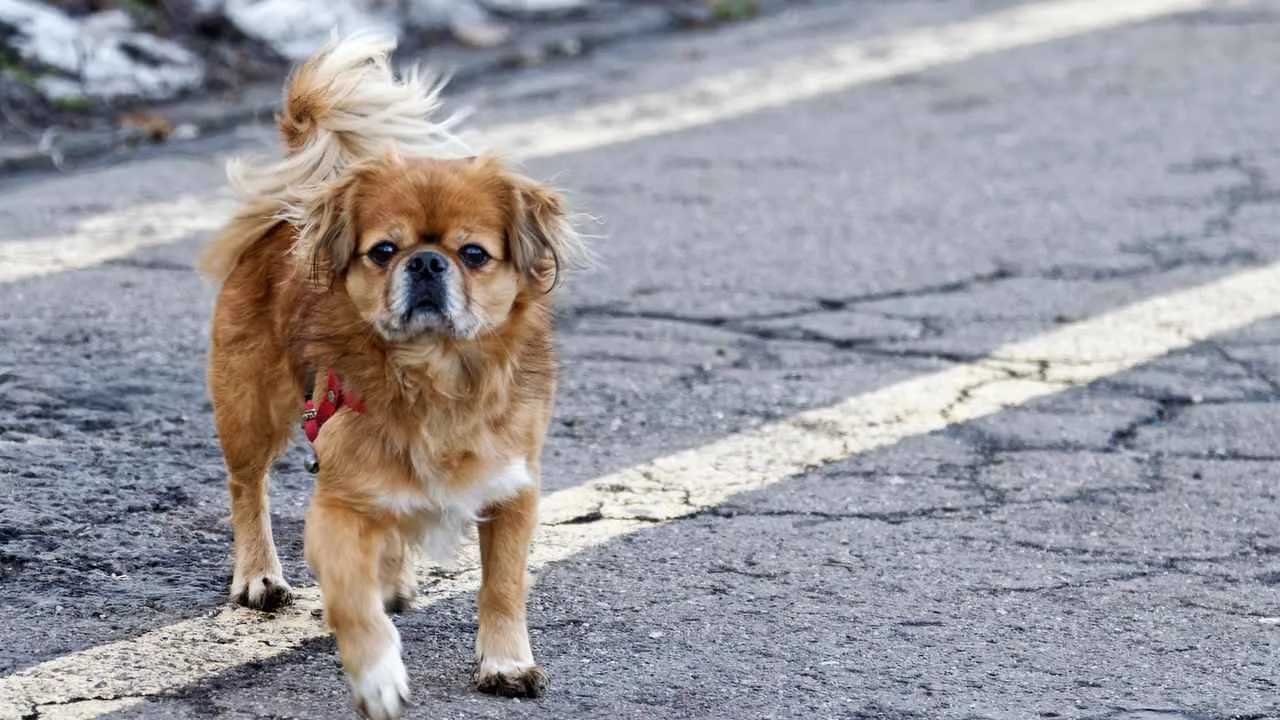
The Tibetan Spaniel brings ancient temple-dog energy with a silky coat that can appear in golden, red, cream, sable, and mixed shades. This little breed from Tibet was historically treasured as a companion and alert dog, often associated with monasteries and indoor watchdog life.
Their medium-length coat lies relatively flat on the body, while feathering around the ears, legs, tail, and neck adds drama. Males often show a more noticeable mane or shawl, which can make a golden Tibetan Spaniel look extra royal.
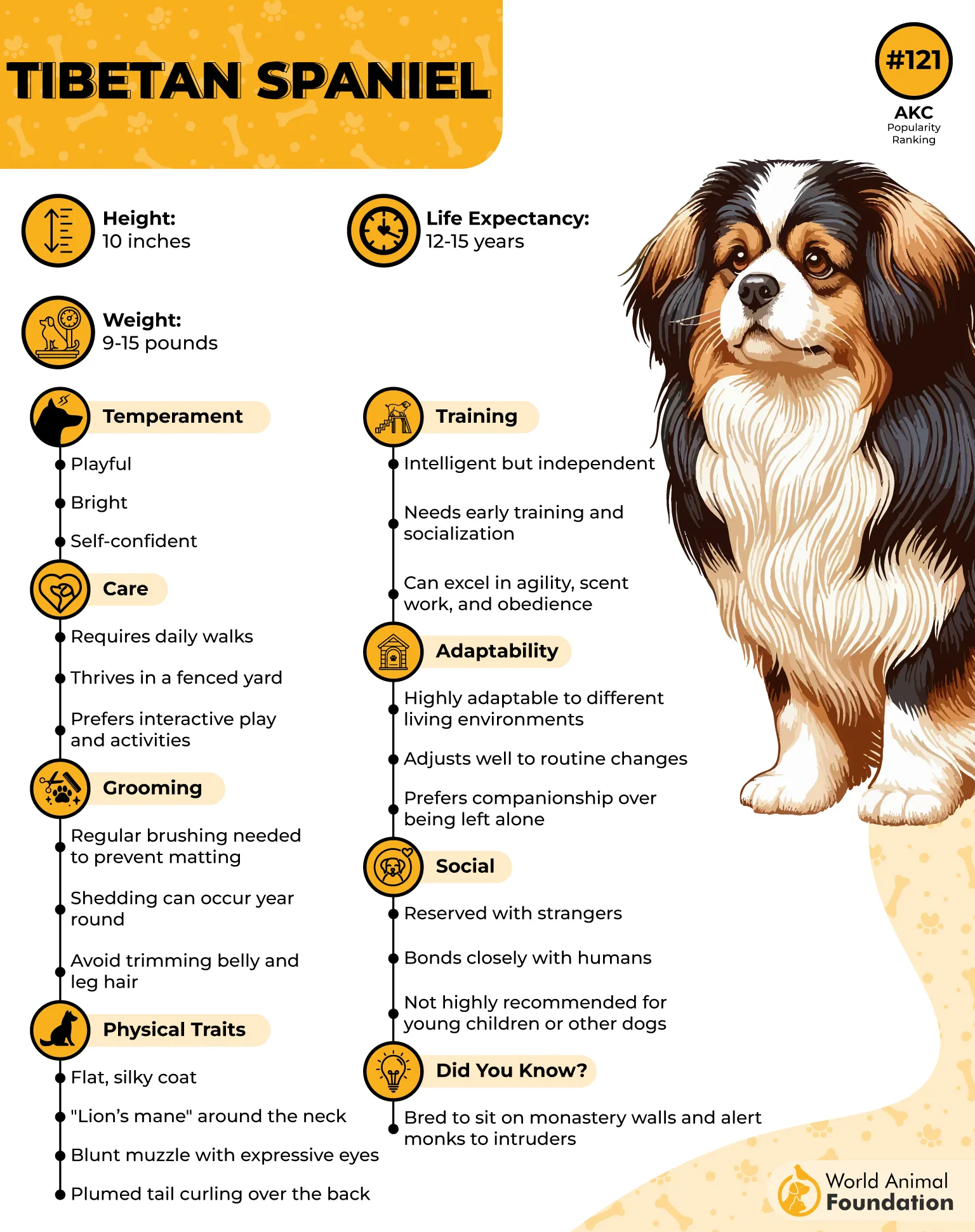
The golden appearance comes from pheomelanin-based coloring layered through silky hair rather than dense, heavy fluff. Hills Pet claims that the smooth coat can look soft and glowing instead of thick and woolly. Seasonal shedding and natural feathering may shift how bright or rich the coat appears throughout the year.
Owners often appreciate that Tibetan Spaniels look fancy without needing the same extreme grooming schedule as some long-coated breeds. Brushing a few times weekly usually helps prevent tangles, especially behind the ears and in feathered areas.
They also tend to have less doggy odor than many breeds, which is a big win for apartment life and couch privileges.
Personality-wise, Tibetan Spaniels are affectionate, clever, alert, and sometimes hilariously independent. They like being close to their people but are not always desperate to obey every command like a golden robot. Their coat may be soft, but their opinions can be very firm.
Genetic And Biological Reasons for Their Golden Coat
Golden Tibetan Spaniels display warm pigment through a silky medium coat that softens the shade.
Feathering around the ears, tail, and neck adds dimension, making the color look richer in motion.
4. English Cocker Spaniel
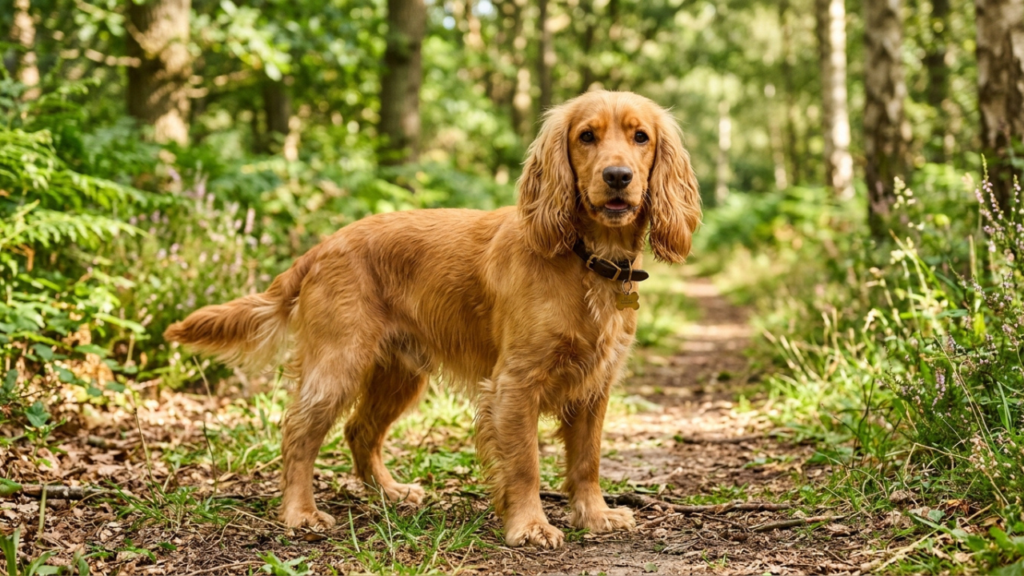
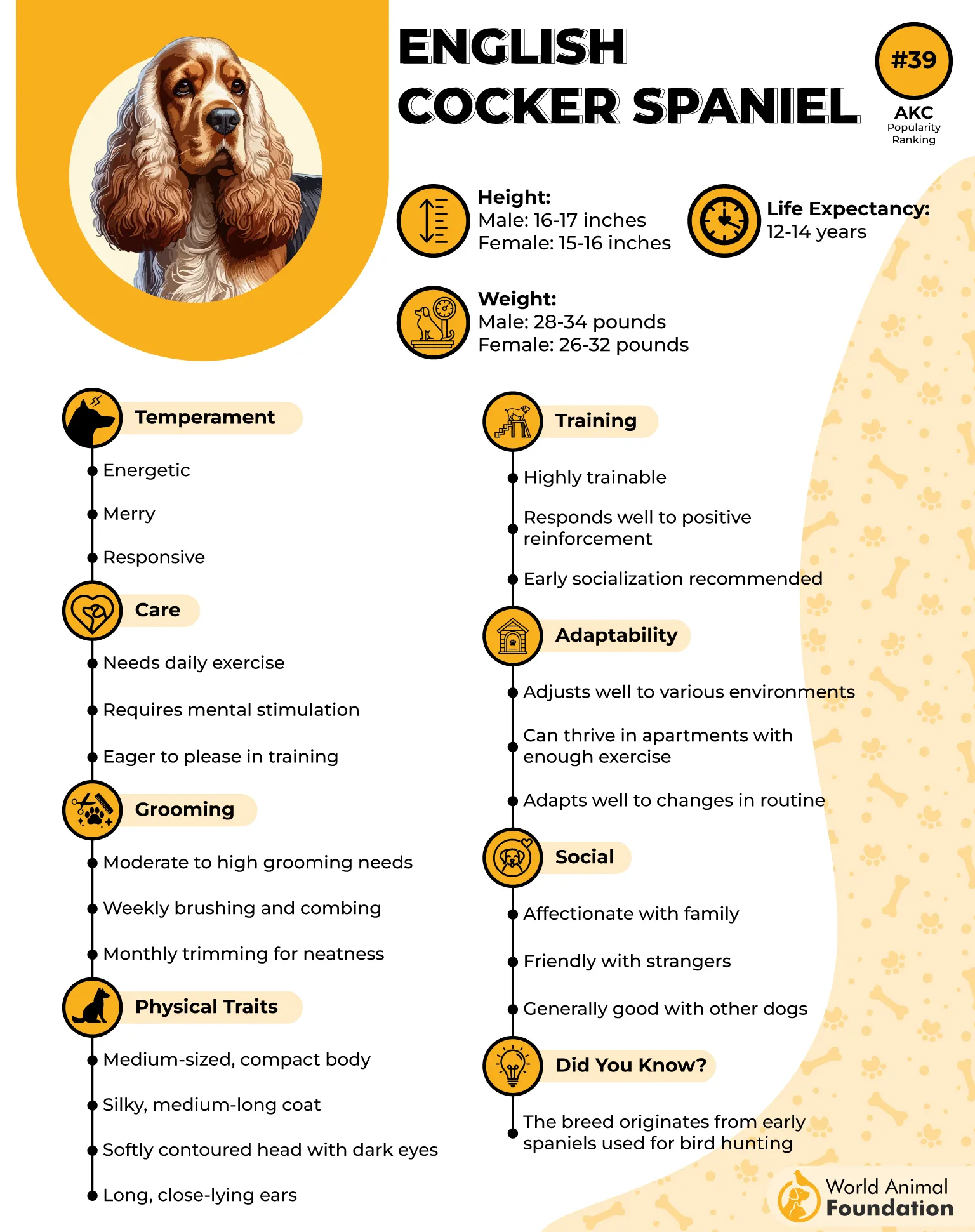
The English Cocker Spaniel in golden coloring is pure sunshine with floppy ears and an emotional range. This breed is known for its merry temperament, compact sporting build, and constant tail action. A golden English Cocker can look glamorous enough for a show ring but still ready to dive into grass, like dignity is optional.
Cockers come in many colors and patterns, as per The Royal Kennel Club, and golden is one of the shades that grabs attention fast. The coat can have a silky texture, feathering on the ears and legs, and a soft, flowing outline that makes the dog look polished.
The golden look comes from warm pigment genes interacting with coat length, feathering, and texture. Longer feathering can make the color appear lighter at the edges and richer along the body. This creates natural highlights without needing a salon appointment, which is honestly unfair.
People who live with English Cockers often describe them as cheerful, sensitive, loving, and very people-focused. They can be energetic and busy, but many also have a gentle cuddle mode once their needs are met. Their emotional softness means they usually respond best to kind training, routine, and praise rather than harsh correction.
Grooming is the price of admission for that golden glamor. Ears, skirt, legs, and chest feathering can tangle or collect debris, so brushing and trimming matter.
Genetic And Biological Reasons for Their Golden Coat
Warm pheomelanin tones show through the breed’s silky hair, producing that bright golden spaniel glow.
Feathering creates natural light variation, making the coat appear shaded, shiny, and soft.
5. Pomeranian
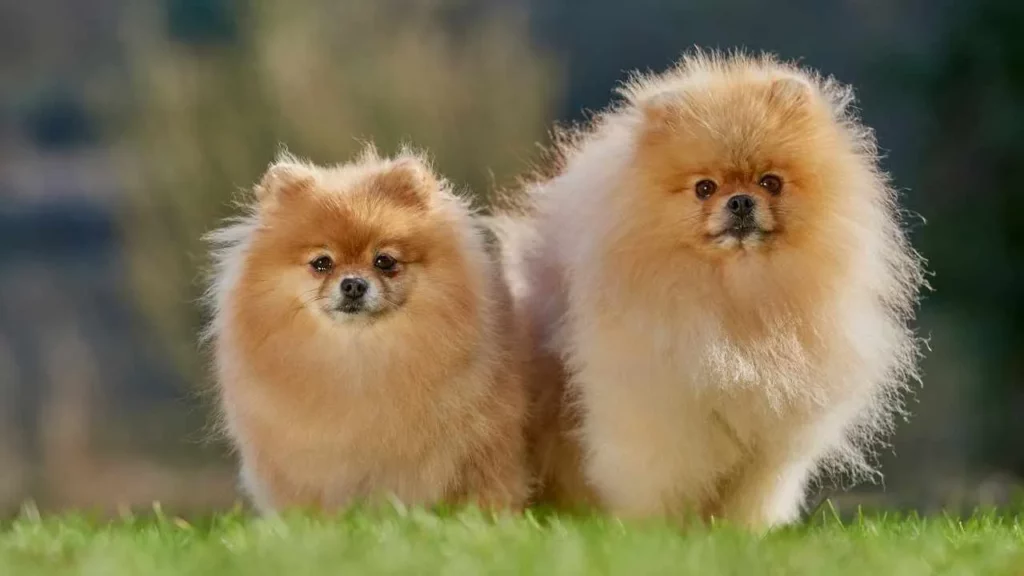
The Pomeranian is tiny, fluffy, loud, and golden-orange enough to look like a toasted marshmallow with opinions. Although Poms come in many colors, orange and orange-sable shades are among the most iconic. Their coat makes them look bigger than they are, which matches their personality perfectly.
The Pom’s golden-orange glow is powered by warm pigment and amplified by a thick double coat. The soft undercoat creates volume, while the harsher outer coat adds shape and sparkle. That combination is why a small dog can visually occupy an entire room.
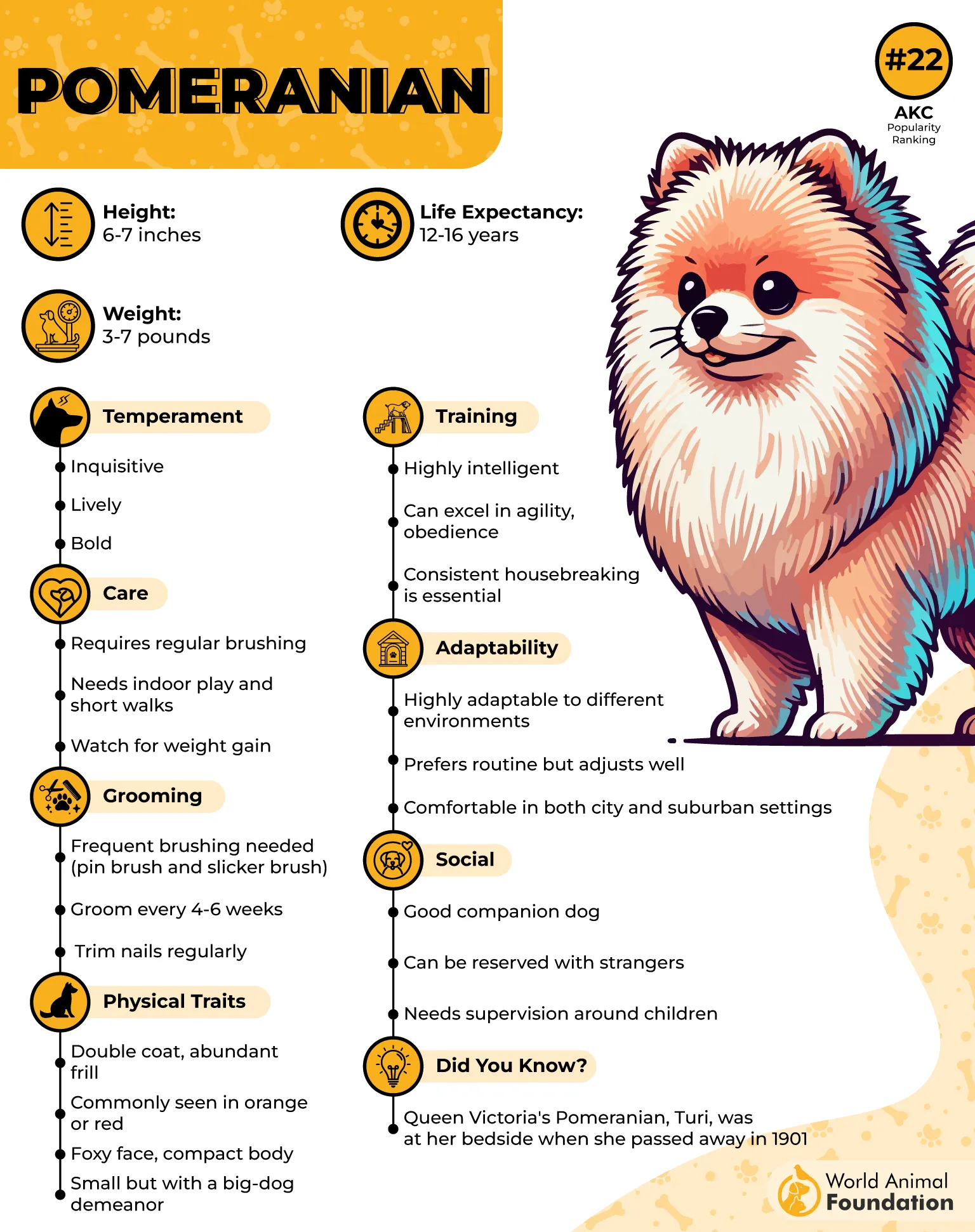
Biologically, the coat is pure Spitz drama, with a ruff around the neck and feathering that gives a miniature lion effect. The golden tones can range from light honey to deep orange-red, depending on genes, age, and shading. Some puppies change color as they grow, so the final adult coat may be a surprise reveal.
Experienced dog owners say Pomeranians act like watchdogs in pocket-sized bodies, and that alertness comes with plenty of barking potential. They are affectionate and playful, but they also need training, socialization, and boundaries so the tiny boss energy does not run the household.
Regular grooming is where the fantasy meets reality, because that fluffy coat does not maintain itself. Brushing several times a week, reaching down to the undercoat, helps prevent mats and controls shedding.
Genetic And Biological Reasons for Their Golden Coat
Orange-gold Poms show warm pigment across a dense double coat, making the color look extra saturated.
The thick undercoat lifts the outer fur, giving the shade a glowing, cloud-like appearance.
6. Pharaoh Hound
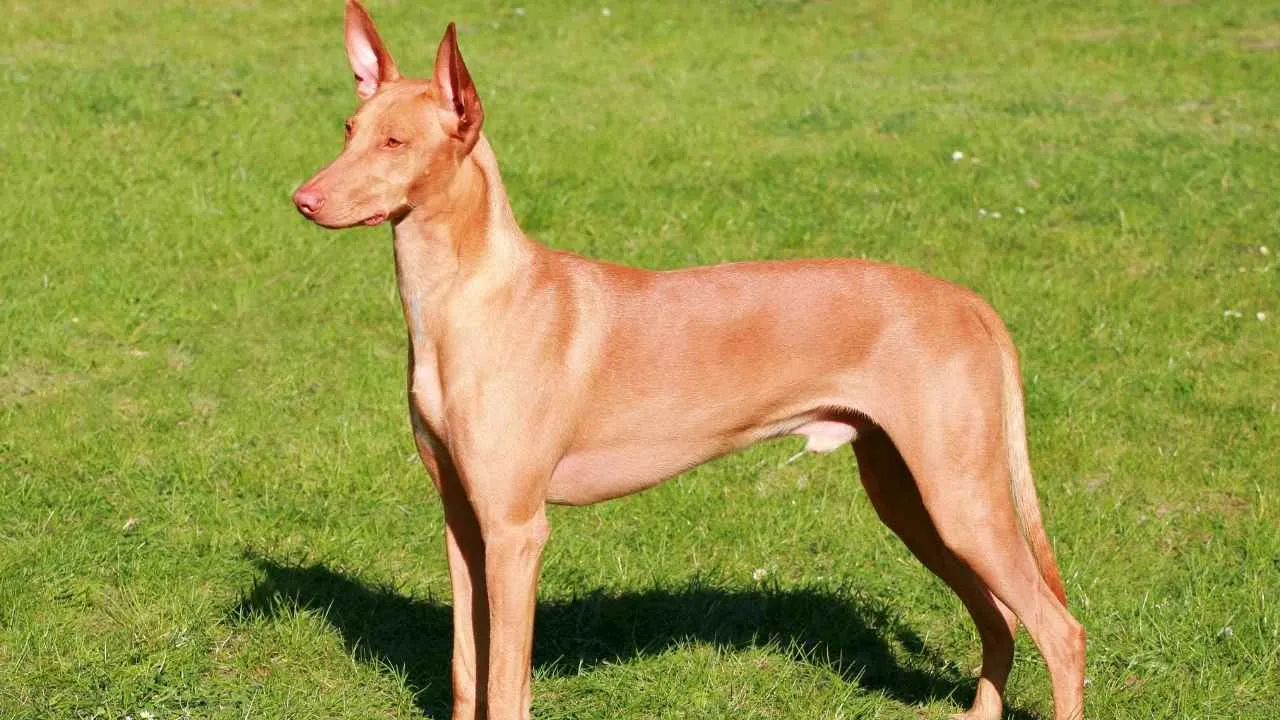
The Pharaoh Hound looks like an ancient statue decided to become athletic, glossy, and slightly mischievous. Its coat ranges from tan to chestnut and can include rich golden-red or coppery tones. The short, close coat makes every muscle line visible, so the color looks sleek instead of fluffy.
This breed is famously associated with Malta, where it has been used for rabbit hunting and is known for speed, agility, and alert expression. The golden-copper coat fits the desert-hound aesthetic perfectly, even though the breed’s modern cultural identity is strongly Maltese.
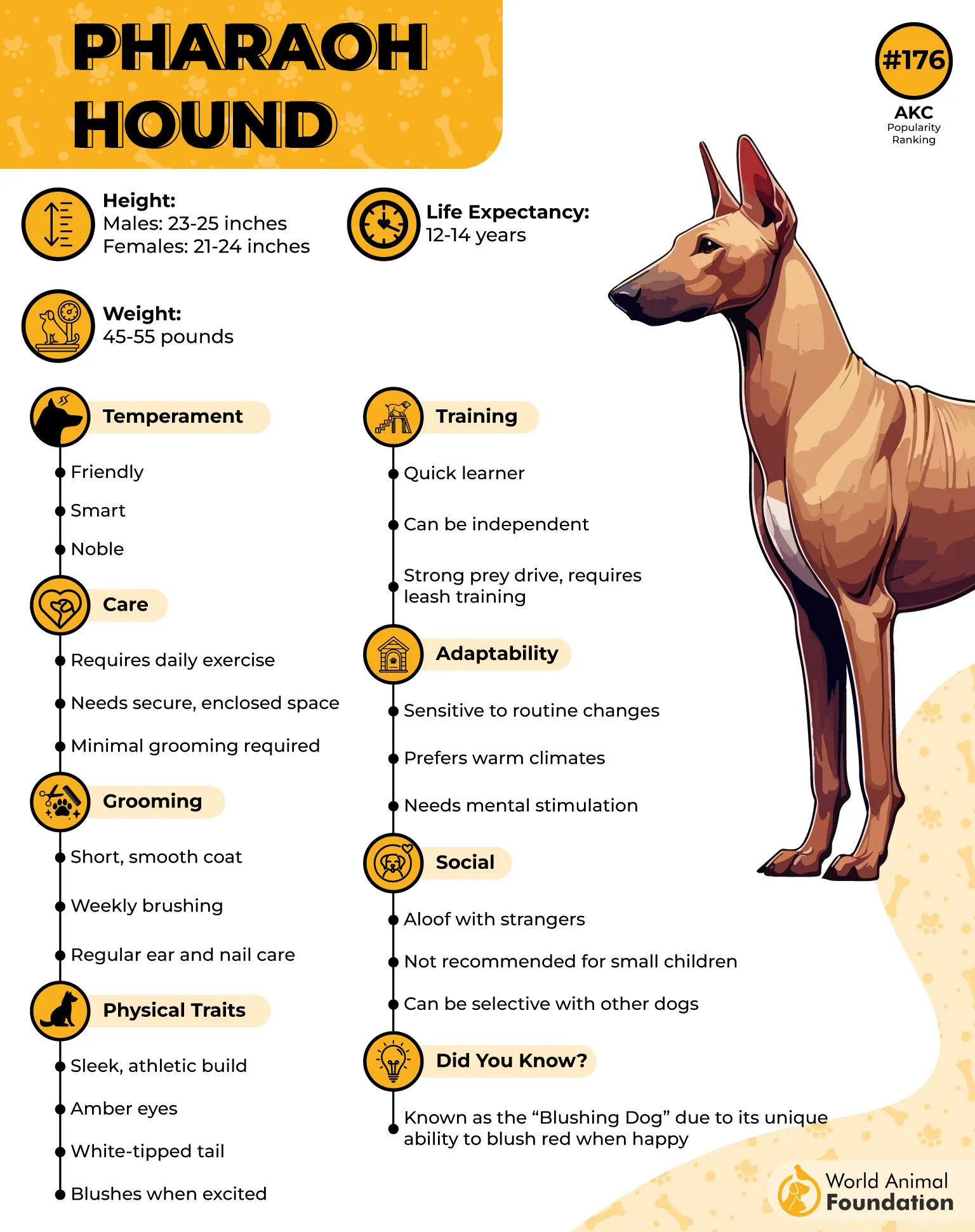
Genetically, the warm coat is connected to red-yellow pigment expression, with limited white markings allowed in specific places. White on the chest, toes, facial centerline, or tail tip can appear, but the main impression remains golden tan or chestnut. Because the coat is short and glossy, even subtle color differences show clearly.
Owners often mention that Pharaoh Hounds can “blush” when excited, with the nose and ears flushing pinkish. That biological quirk happens because of visible blood flow through thin skin, not because the dog is embarrassed by your playlist. It makes the breed feel unusually expressive, like the dog is reacting in real time.
Grooming is simple, but skin checks are still important because short coats reveal bumps, scratches, dryness, or irritation quickly. A weekly grooming mitt can keep the coat bright and remove loose hair without fuss.
Genetic And Biological Reasons for Their Golden Coat
Warm red-yellow pigment produces the Pharaoh Hound’s tan-to-chestnut glow.
A short glossy coat exposes the color cleanly, creating a polished copper-gold finish.
7. Nova Scotia Duck Tolling Retriever
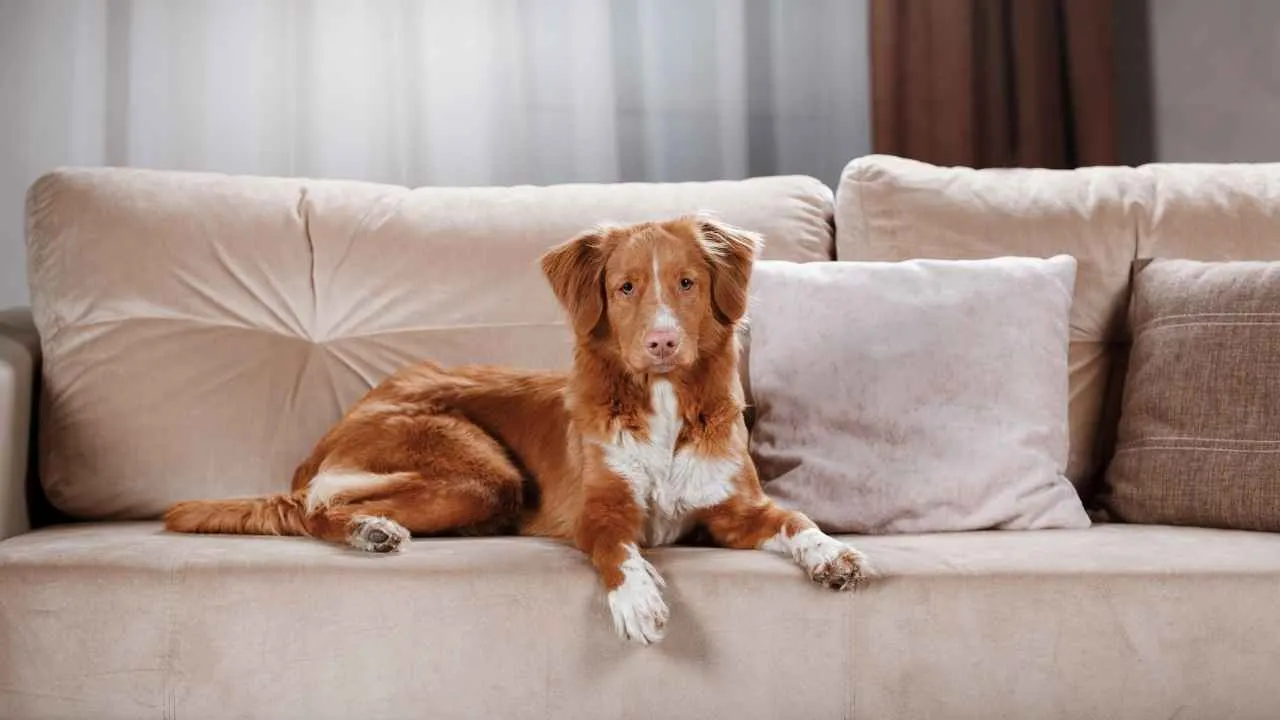
The Nova Scotia Duck Tolling Retriever, or Toller, is the spicy red-gold cousin in the retriever family. This Canadian breed was developed to lure and retrieve waterfowl, using playful movement along shorelines to attract ducks.
Their coat usually appears red, orange, red-gold, or buff, often with white markings on the chest, feet, tail tip, or face. The medium-length double coat is water-repellent, with a softer, dense undercoat for insulation. That coat is not just cute; it is workwear disguised as golden glamour.
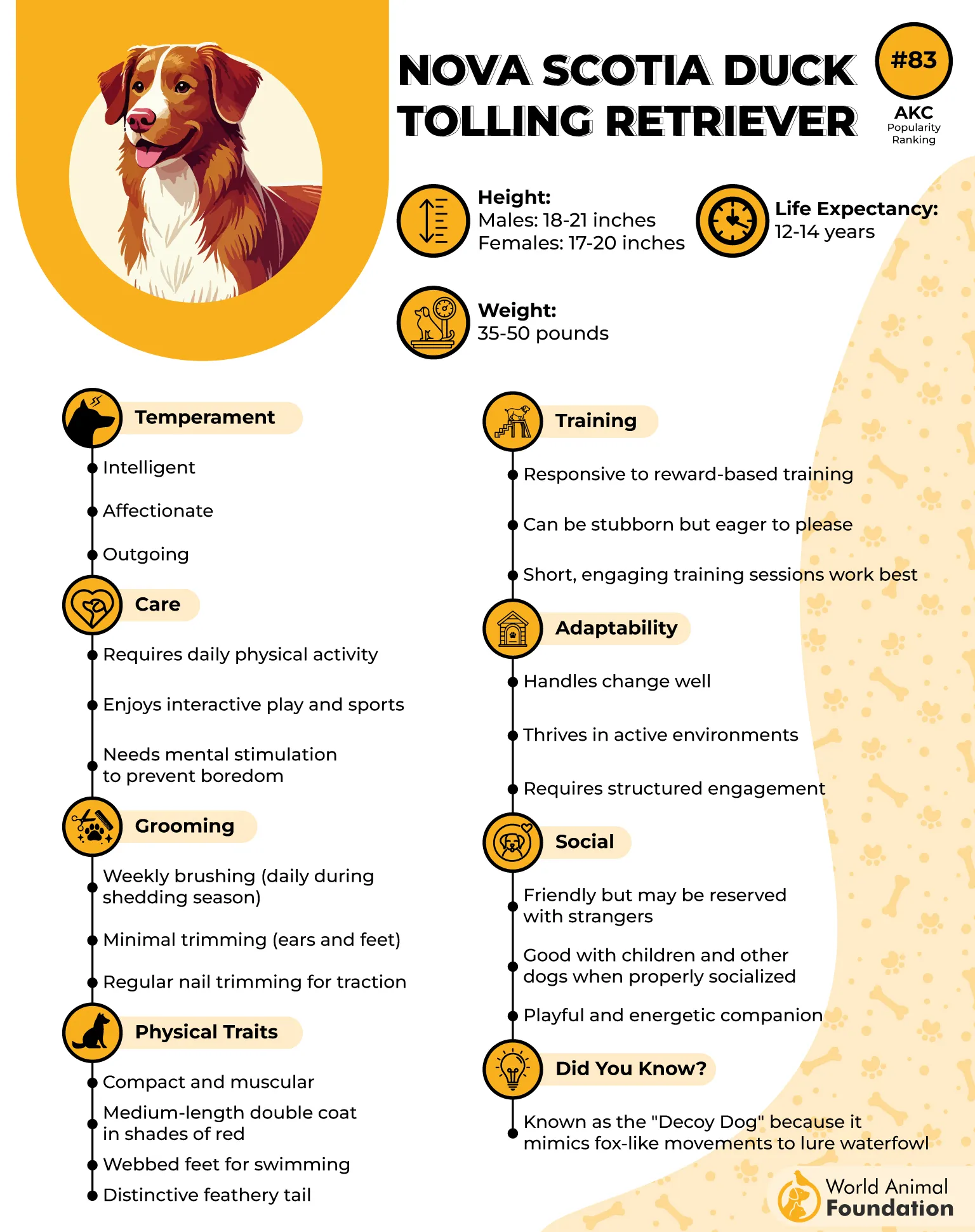
The biology behind the glow combines warm pigment with a practical double-coat structure. The undercoat can make the color appear softer, while the outer coat adds shine and weather protection. Feathering on the tail, legs, and chest gives the golden-red color movement when the dog runs.
People who live with Tollers often describe them as smart, athletic, intense, playful, and occasionally too smart for casual ownership. They need real exercise, training games, and mental challenges, not just a decorative backyard moment. A bored Toller can create its own side quests, and you may not enjoy the plot.
It requires minimal grooming, but it needs to be consistent, especially during shedding seasons when the undercoat starts acting like it has a personal agenda. Weekly brushing usually works most of the year, while seasonal coat blowing needs more effort.
Genetic And Biological Reasons for Their Golden Coat
Red-gold pigment is layered through a water-repellent double coat built for cold, wet retrieving work.
Lighter feathering and white accents can make the golden-red body look even brighter.
8. Chow Chow
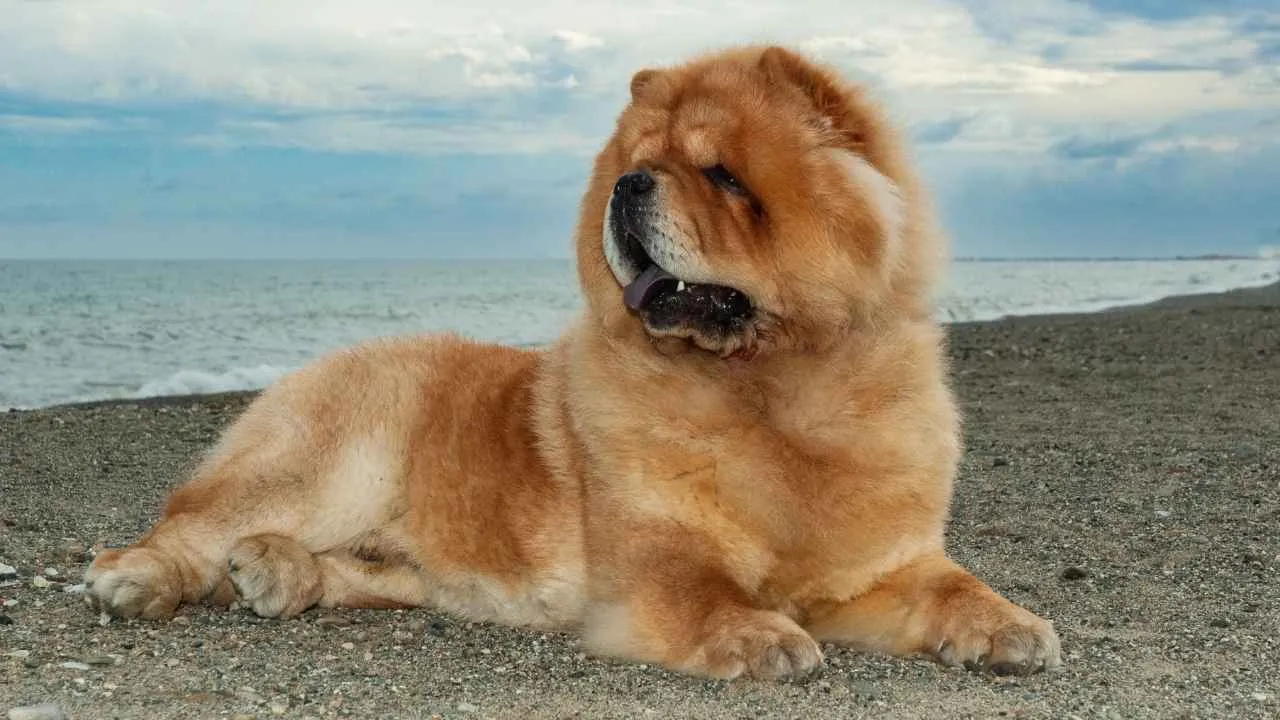
The Chow Chow is the bear-lion-cloud hybrid of the golden coat universe. This ancient Chinese breed can appear in red shades that range from light golden to deep mahogany, along with other accepted colors such as black, blue, cinnamon, and cream.
A golden-red Chow looks majestic, serious, and mildly unimpressed by everyone’s life choices.
The yellow coat can be rough or smooth, but the rough-coated version creates the famous plush teddy-bear outline. Around the neck, the dense ruff gives a lionlike silhouette that makes the golden shade look even more dramatic. Add the blue-black tongue, and suddenly this dog looks like a mythical guardian with snack preferences.
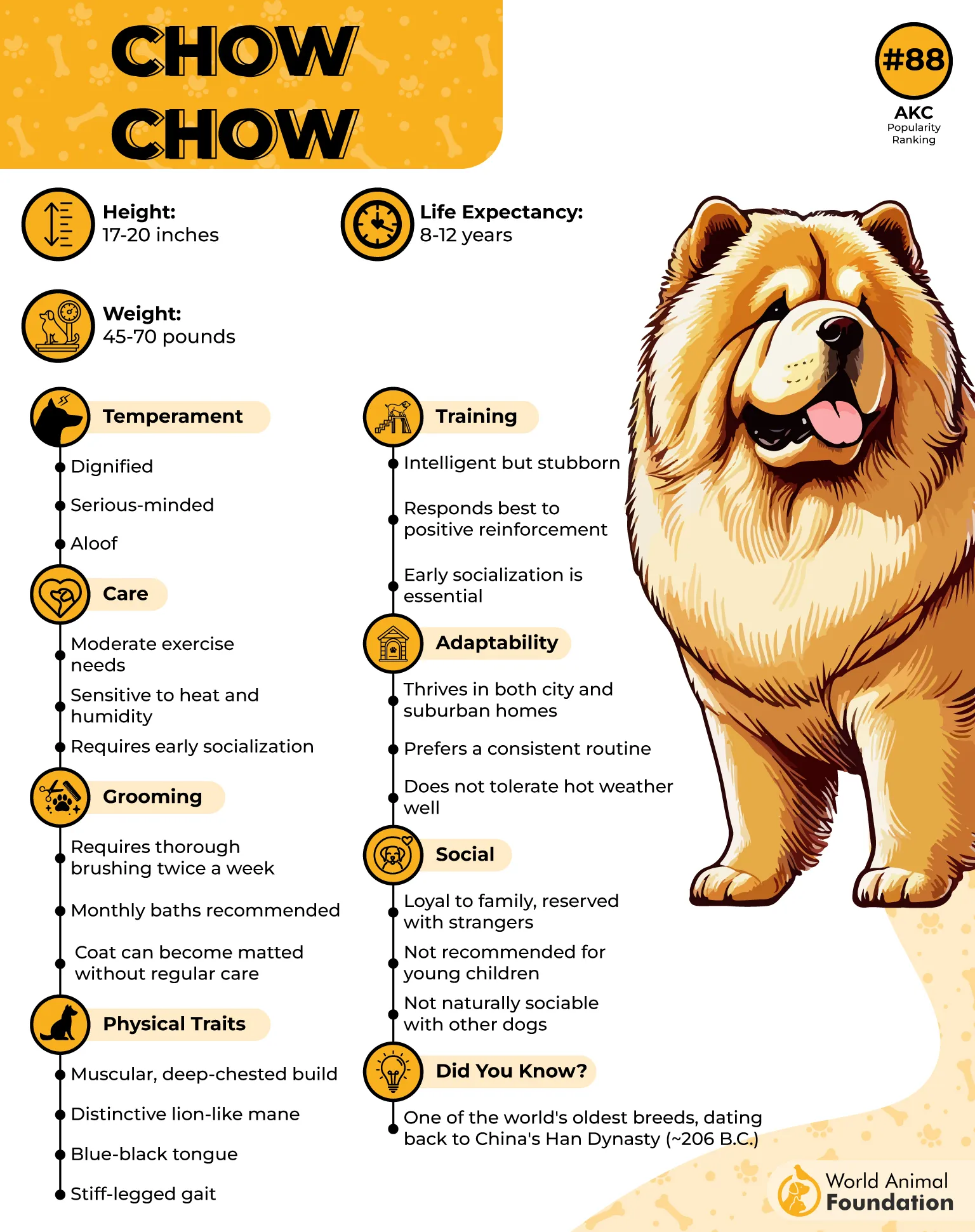
These gentle giants reflect warm pigment expression, while the thick double coat intensifies the visual effect. The dense undercoat adds volume, and the outer coat creates textured shading across the ruff, tail, and feathered areas. That is why a golden Chow can appear lighter in some sections and deeper in others.
They are not usually the kind of dog that begs every stranger for attention, which makes them feel more like reserved royalty than party hosts. Early socialization matters because this breed can be strong-willed and selective.
The coat is stunning, but it demands commitment. Rough-coated Chows need brushing down to the skin several times weekly, with extra care behind the ears, around the legs, under the chest, and in the ruff. They can also overheat in warm climates, so the golden fluff needs smart temperature management.
Genetic And Biological Reasons for Their Golden Coat
Red Chows can range from pale golden to deep mahogany because warm pigment varies in intensity.
The dense double coat magnifies color depth through thick undercoat volume and textured outer fur.
9. Lhasa Apso

The Lhasa Apso brings golden coat drama with ancient Tibetan watchdog credentials. This small breed was historically used as an indoor sentinel, and its long coat helped create that regal, temple-guardian appearance. A golden Lhasa can look like a tiny, wise elder who has absolutely judged your outfit.
Golden, dark gold, red-gold, cream, white, black, grizzle, brindle, and mixed shades can all appear in the breed’s broader color world. The golden versions may show white markings, darker ear tips, masks, or shaded areas that change with maturity.
Lhasa coats can also shift over time, so a puppy’s color is not always the final adult coat color.
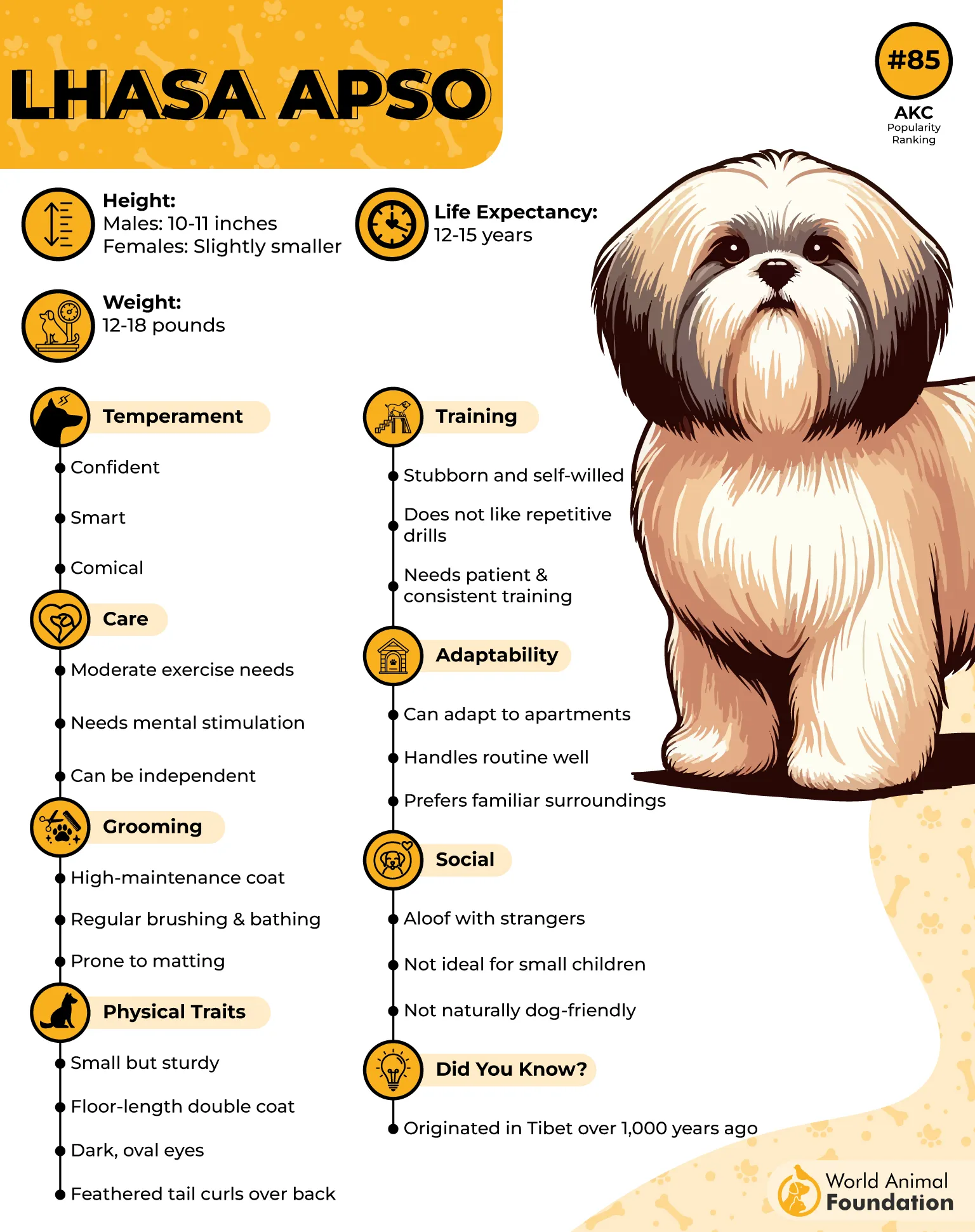
Biologically, the glow comes from warm pigment expressed through continuously growing hair. Unlike short-coated golden dogs, the Lhasa’s color stretches through long strands that can look silky, shaded, or layered depending on grooming.
Owners often say these small dogs are affectionate with family but alert and suspicious enough to take the watchdog job seriously. They are small, but they are not fragile little decorations with no opinions. Their confidence is part of the charm, and their sass level can be elite.
Grooming is the major commitment with this breed, especially if the coat is kept long. Daily brushing may be needed for a full coat, while a short puppy cut is easier but still requires weekly care. If you want a golden Lhasa, prepare for beauty, brains, loyalty, and a dog who believes they are the household security director.
Genetic And Biological Reasons for Their Golden Coat
Warm pigment expresses through long, continuously growing hair, giving the gold a flowing, layered look.
Coat changes with age can soften, deepen, or redistribute golden tones across the body.
Conclusion
Golden-coated dogs are not all the same shade, and that is exactly what makes them fascinating. Some glow like cream, some burn like copper, some shimmer like honey, and some arrive in full, fluffy lion mode. The color may be stunning, but the biology behind it is even cooler.
Responsible breeders, breed clubs, veterinarians, and experienced owners all repeat the same big lesson: health and temperament come first. A golden coat is the bonus, not the foundation. Choose the dog for its whole personality, not just the glow-up.
Cairn Terriers, French Bulldogs, Poodles, Dogue de Bordeaux, and French Mastiffs are also great companions with stunning coats! These breeds bring warmth in their color and often warmth in their companionship, too. Honestly, that is golden in every possible way.
