




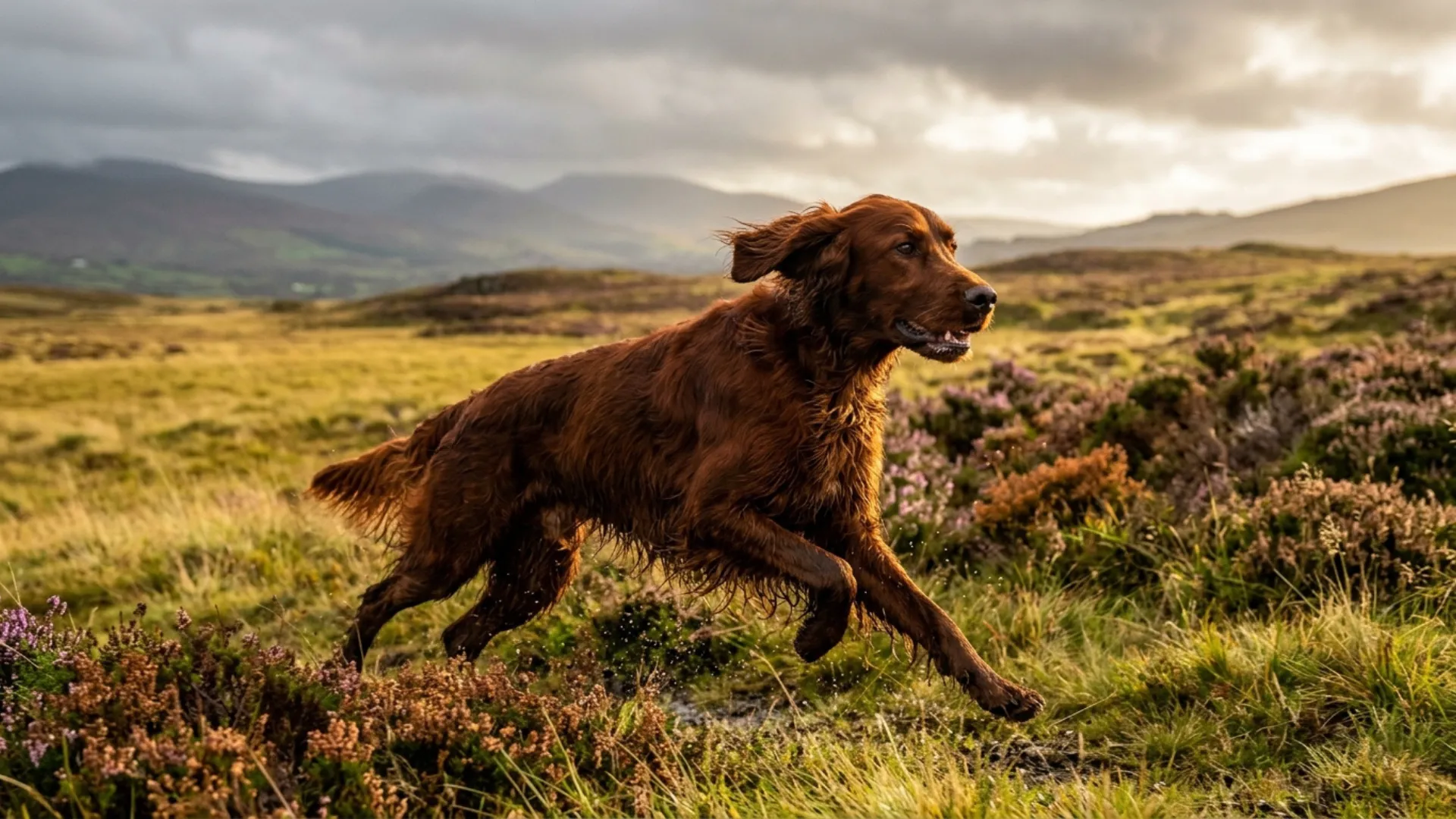
Many people compare dogs based on size, energy level, or trainability, but prey drive is often the trait that has the biggest impact on daily life. A calm companion may ignore a squirrel darting across the path, while a high-prey-drive dog can instantly switch into pursuit mode, seemingly forgetting everything else around it.
Contrary to popular belief, a strong prey drive is not a sign of aggression or poor training. It is a deeply rooted instinct shaped by generations of hunting, chasing, and survival behaviors. Breeds such as sighthounds and other hunting dogs are often especially responsive to movement and fast-moving targets.
Understanding this difference is essential for responsible ownership. Dogs with high prey drives can be intelligent, athletic, and rewarding companions, but they require thoughtful training and management. Learning how these instincts work is the first step toward channeling them safely and successfully.
Dog Breeds with a High Prey Drive: What You Need to Know
1. Greyhound
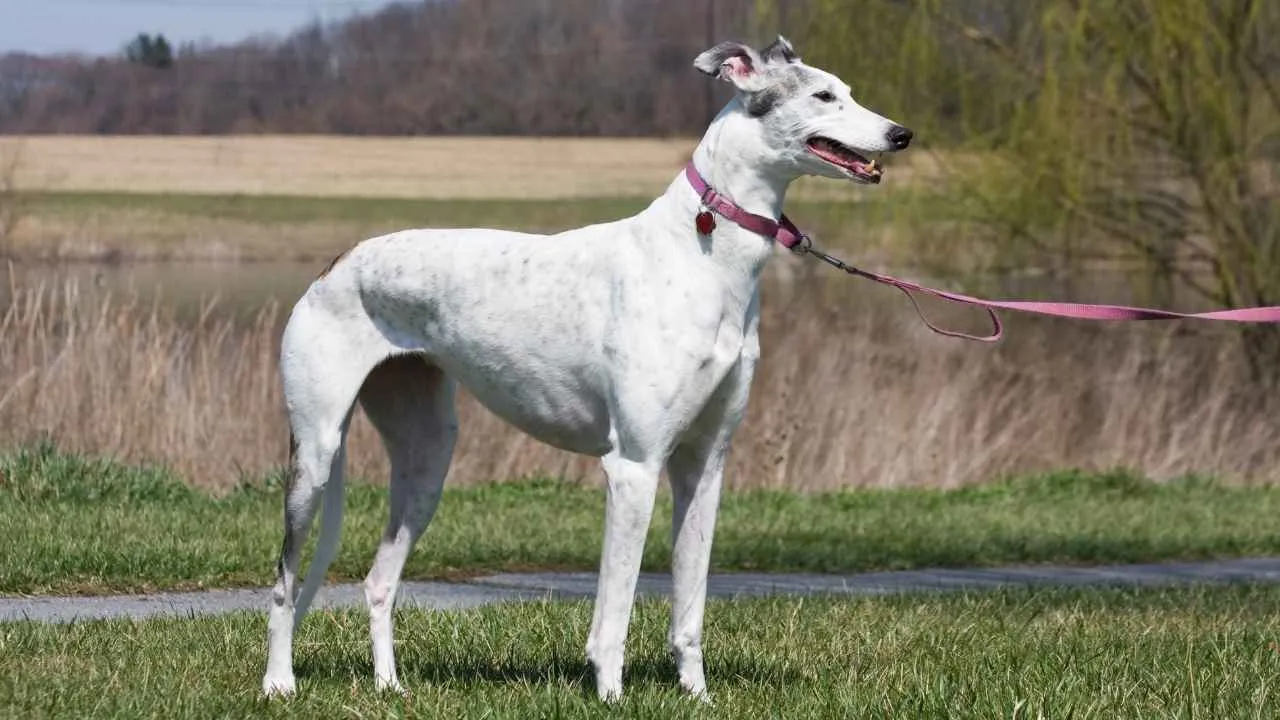
Many people assume Greyhounds are hyperactive because they’re the fastest dogs in the world, capable of reaching nearly 45 mph. In reality, this ancient sighthound is often a calm, quiet companion indoors, earning the nickname “the 40-mph couch potato.”
Their relaxed nature, however, shouldn’t be mistaken for a lack of hunting instinct. According to Purina, Greyhound dogs are renowned for their gentle temperament and friendly nature, making them affectionate and loyal companions.
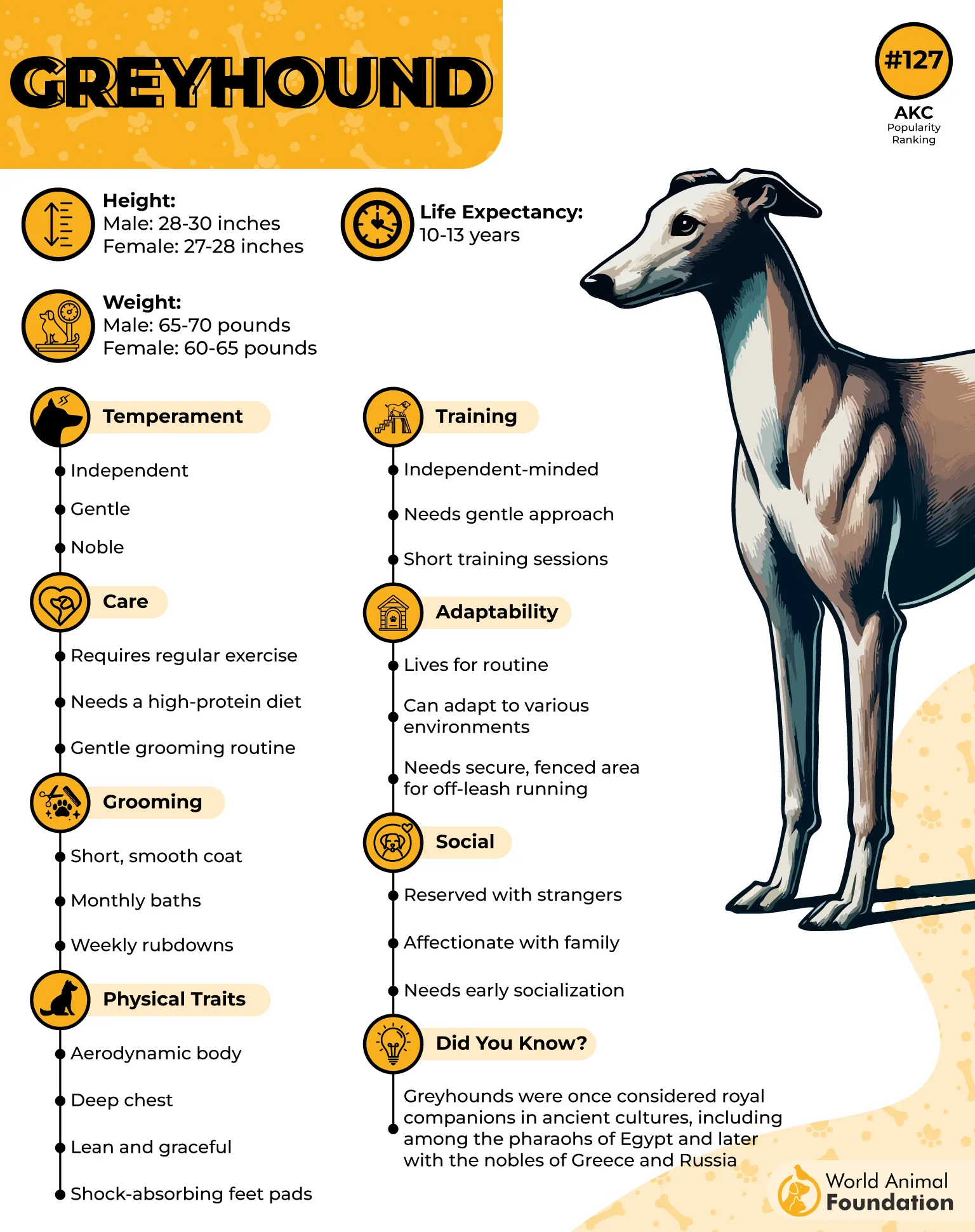
Bred for centuries to pursue game by sight rather than scent, Greyhounds possess an exceptionally strong prey drive. A rabbit darting across a field, a squirrel sprinting up a tree, or even a fast-moving object can instantly trigger their chase response. Once focused on a target, their speed, agility, and determination are remarkable.
Their streamlined body, deep chest, and distinctive curved silhouette were all designed for explosive acceleration. This athletic build allowed them to excel in coursing and hunting pursuits long before modern racing tracks existed.
Despite these instincts, Greyhounds typically get along well with people and other dogs. Early socialization is especially important in homes with smaller pets, helping them learn appropriate responses while managing their natural urge to chase.
2. Afghan Hound
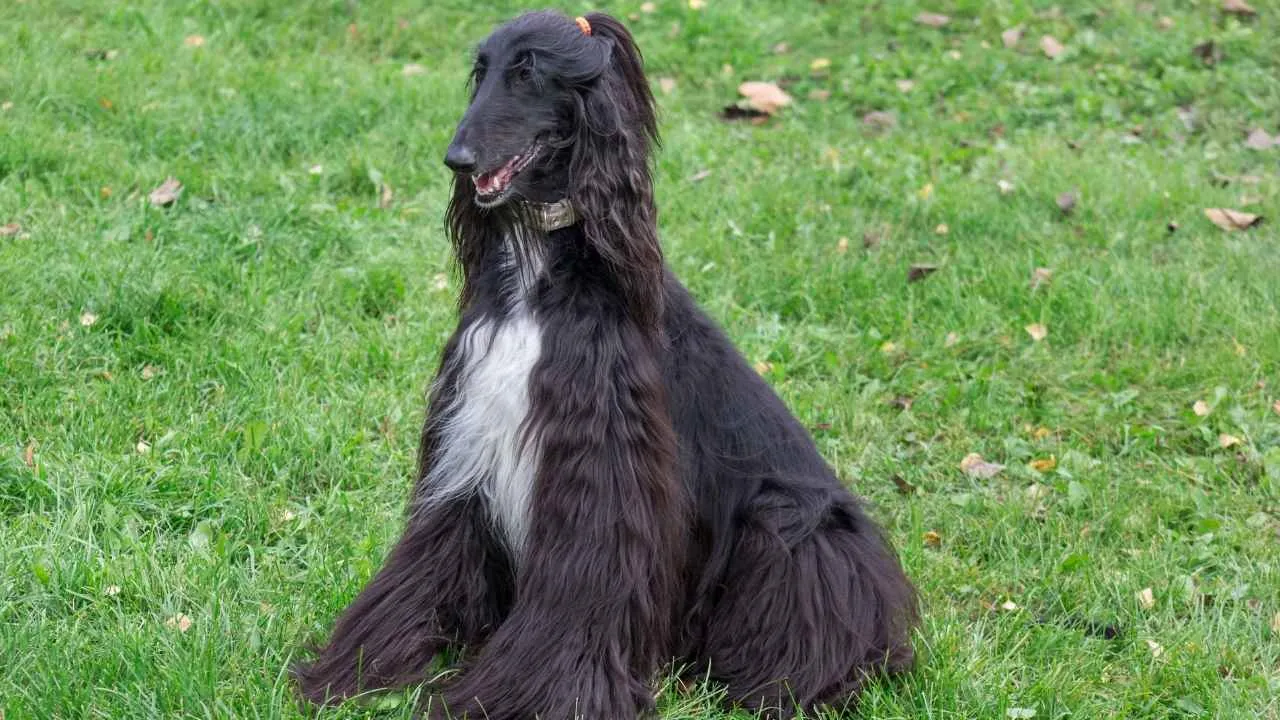
The Afghan Hound is often admired for its luxurious, flowing coat and aristocratic appearance, but don’t let that elegance fool you.
Beneath the glamor is a highly skilled hunter developed to pursue fast-moving game across the rugged mountains and open plains of Afghanistan. According to PetMD, Afghan Hounds long legs made this breed capable of chasing deer, gazelles, hares, and other swift prey.
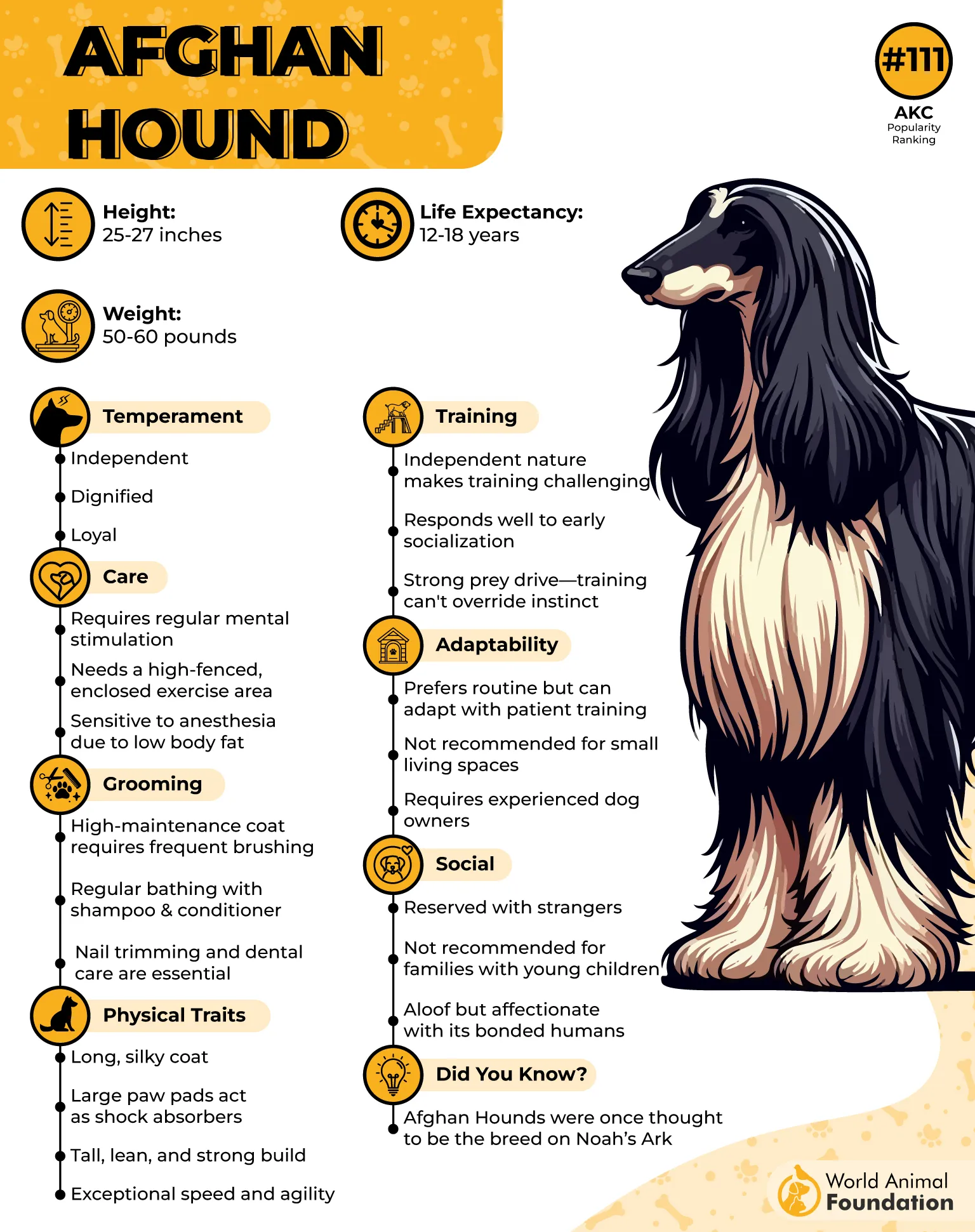
Their strong prey drive is deeply rooted in centuries of independent hunting. They instinctively react to movement and may quickly lock onto squirrels, rabbits, or other small animals during walks, making secure, enclosed spaces essential.
Historically known as the tazi, these hounds earned a reputation for intelligence and impressive problem-solving abilities while hunting in challenging terrain. Their ability to anticipate a fleeing animal’s path showcased both speed and strategic thinking.
While reserved with strangers, Afghan Hounds form steady bonds with their families. Their independent nature, combined with powerful chasing instincts, means consistent training and leash management are especially important.
3. Saluki
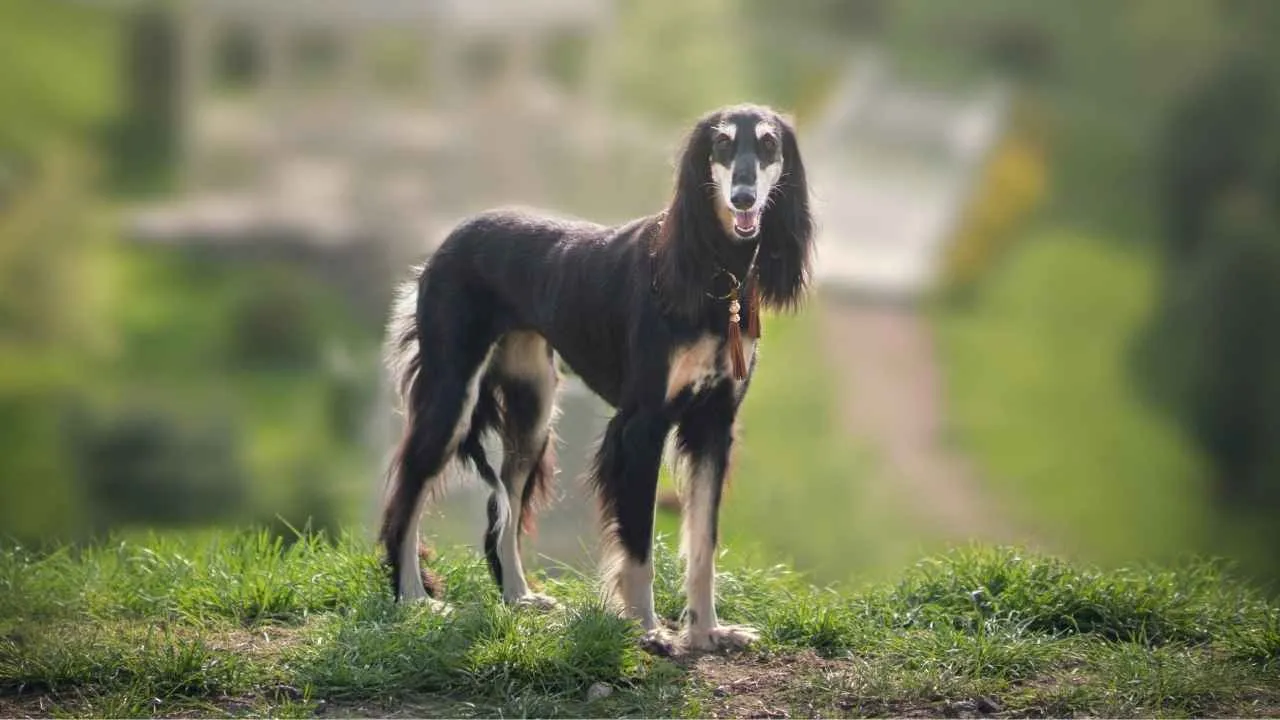
Long before modern hunting breeds existed, the Saluki was already racing across desert landscapes in pursuit of gazelles and hares. According to WebMD, Salukis are a highly adaptable and loyal breed.
Often associated with ancient Middle Eastern cultures and revered by Egyptian nobility, this elegant sighthound was bred for one purpose: spotting movement and chasing it at remarkable speed.
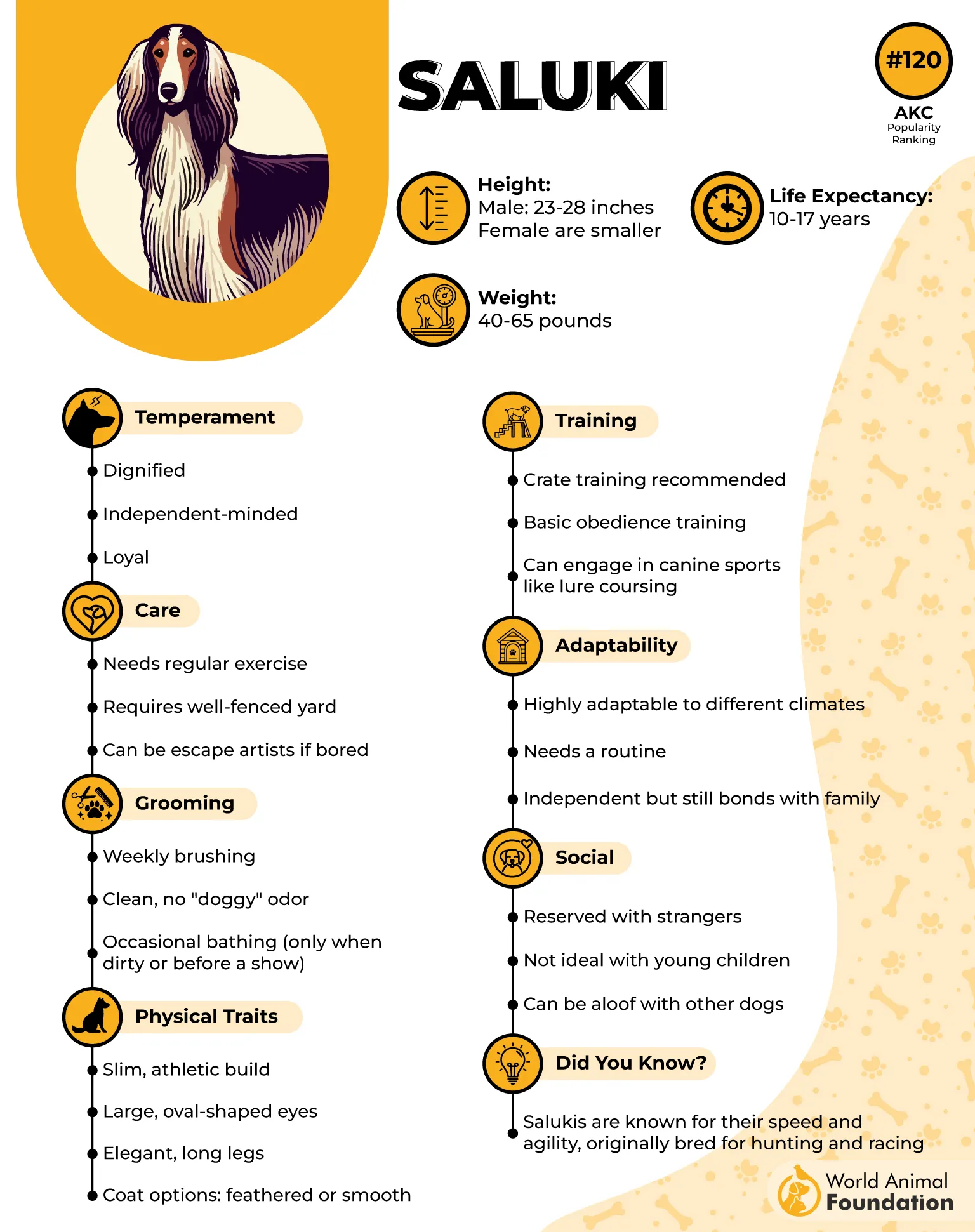
A common misconception is that the Saluki’s graceful appearance means it has a mild prey drive. In reality, few breeds are as instinctively wired to pursue fast-moving animals. Their lean build, sharp eyesight, and ability to reach speeds of around 40 mph made them exceptional desert hunters for thousands of years.
Despite their hunting heritage, Salukis are typically calm and quiet indoors. Outside, however, their chase instincts can activate instantly when they spot squirrels, rabbits, or other small animals. Reliable recall can be challenging because these independent dogs were bred to make decisions during the hunt.
Early socialization and patient, reward-based training are essential. Salukis tend to be reserved with strangers and generally thrive with experienced owners who understand their sensitive yet highly driven nature.
4. Pharaoh Hound
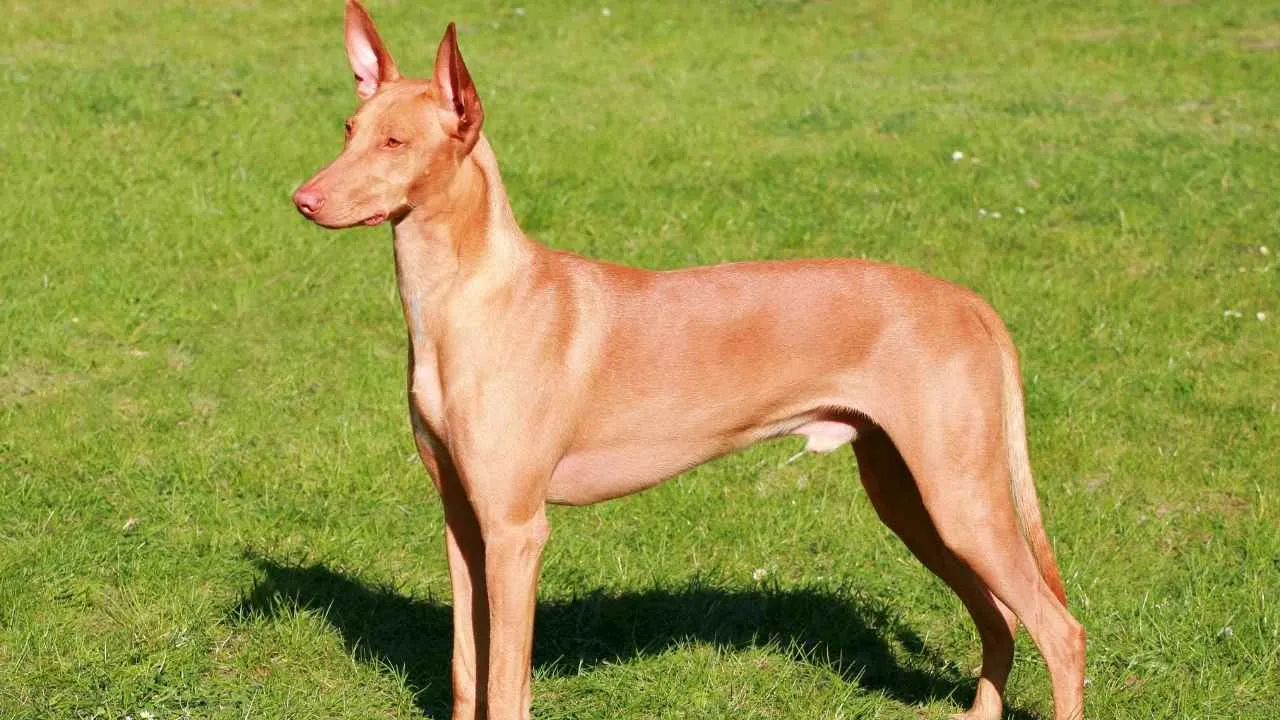
This ancient breed was developed to pursue fast-moving game across challenging terrain. Originating thousands of years ago in the Mediterranean and later becoming Malta’s national dog, the Pharaoh Hound combines speed, intelligence, and an exceptionally strong prey drive.
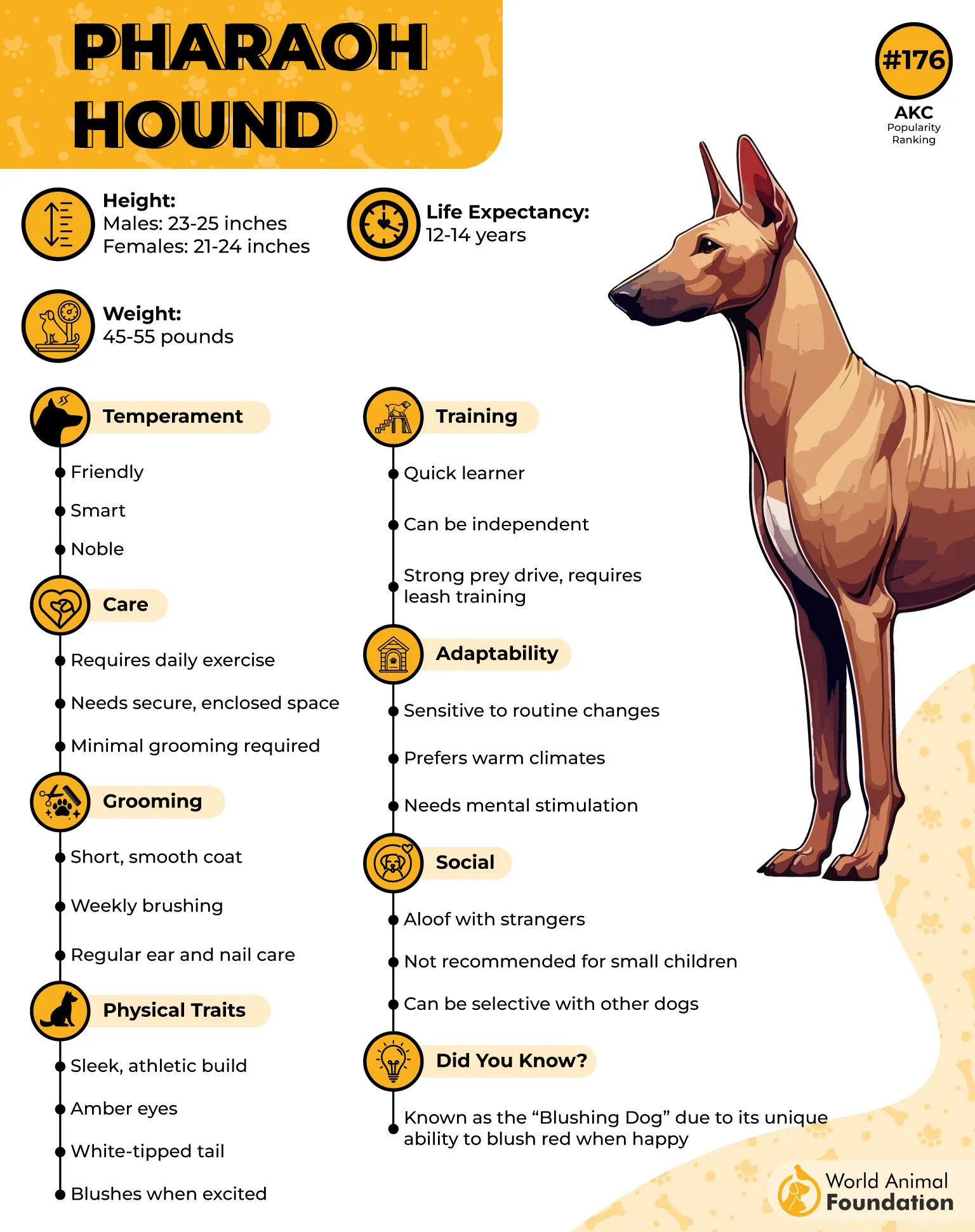
Unlike many hunting breeds that rely primarily on scent, the Pharaoh Hound is a versatile hunter that uses sight, scent, and even hearing to locate prey. The moment a rabbit, squirrel, or other small animal darts across its path, this alert sighthound can lock on and react with remarkable speed.
Its lean, athletic build, erect ears, and keen amber eyes reflect a dog designed for pursuit. Owners often notice how quickly these hounds become focused on movement, making secure fencing and leash control essential during outdoor adventures.
At home, the breed is affectionate, playful, and surprisingly family-oriented. However, its hunting instincts remain deeply ingrained, so interactive exercise, lure-style games, and structured activities are important outlets for both its energy and natural chase drive.
5. Irish Setter
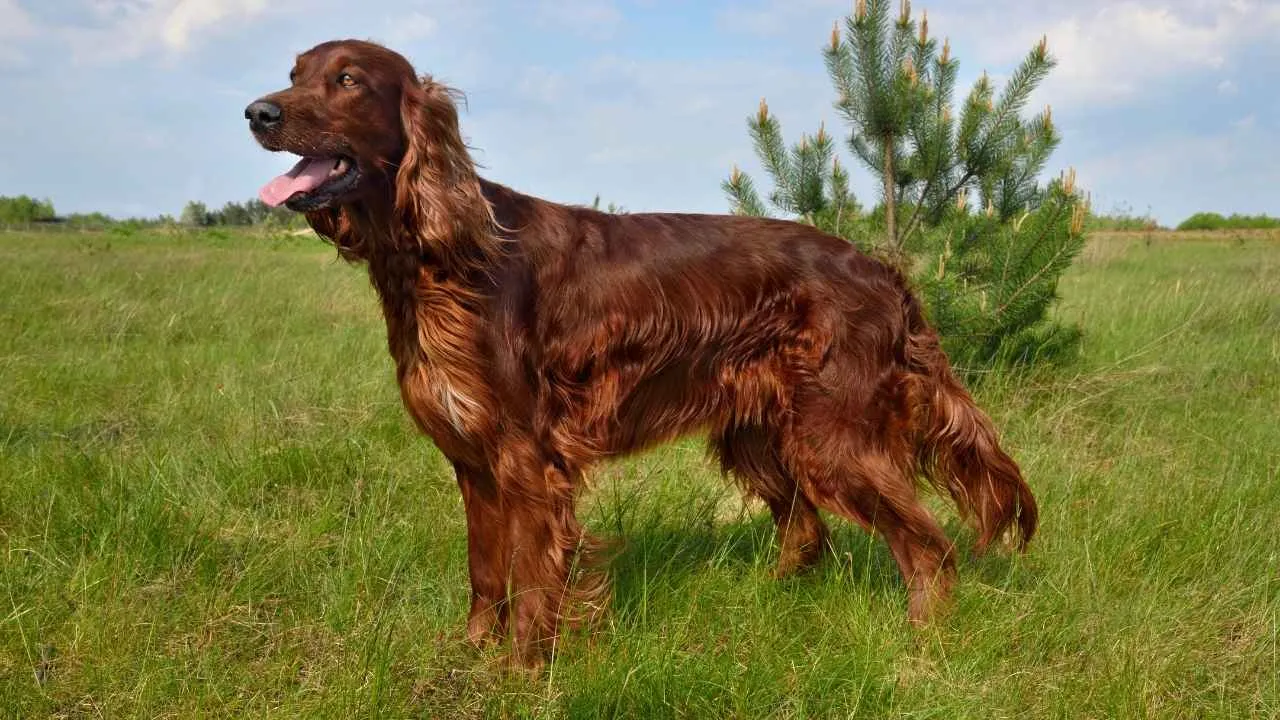
Don’t let the Irish Setter’s glamorous red coat fool you—beneath that elegant exterior is a bird dog that would happily turn a quiet walk into a full-speed adventure.
Originally bred for hunting, this breed possesses a strong prey drive, quick reactions, and an instinctive urge to chase anything that grabs its attention.
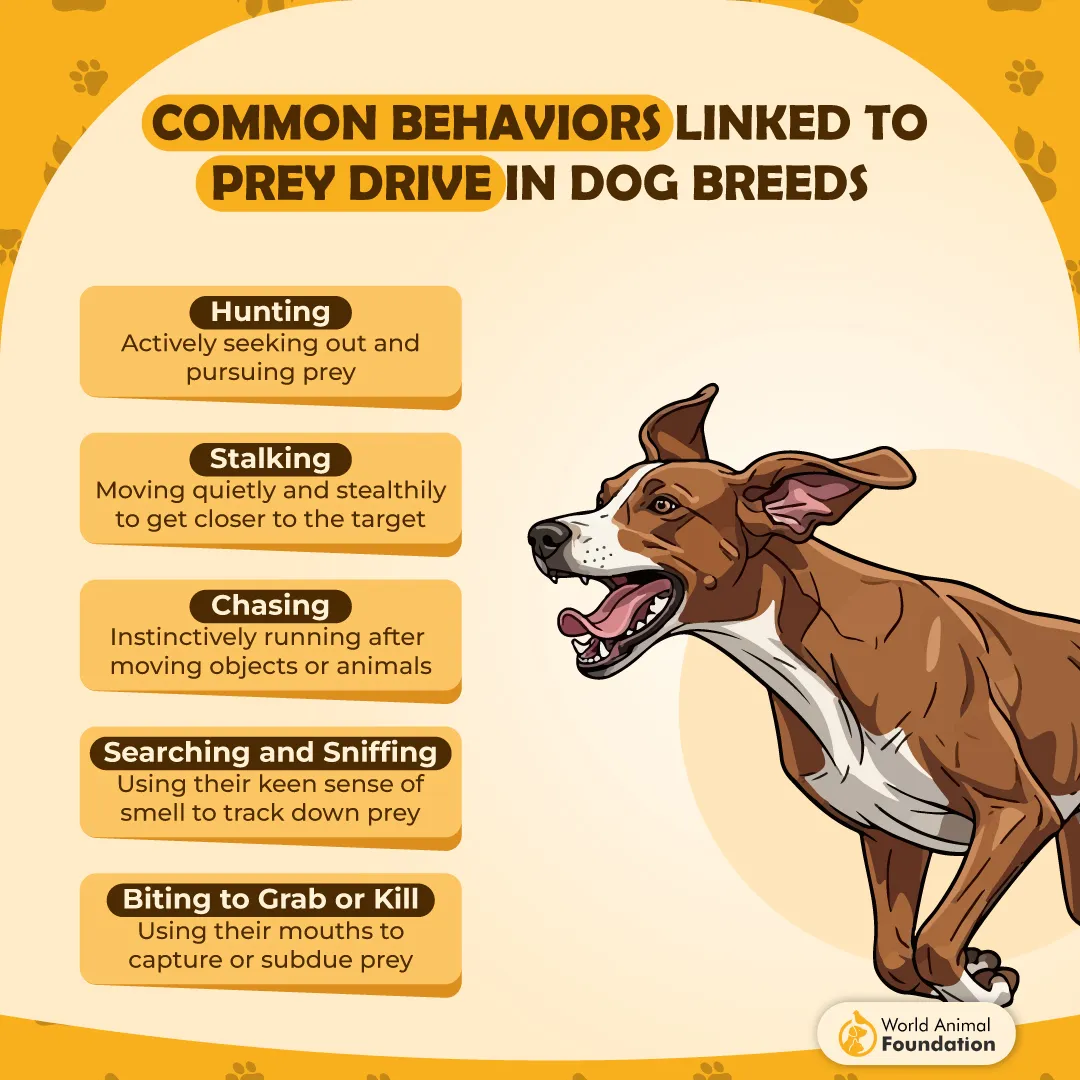
Irish Setters are famously affectionate with people, children, and even many household pets, yet they still retain the stamina and focus that made them excellent field companions. Their enthusiasm outdoors is often impossible to miss.
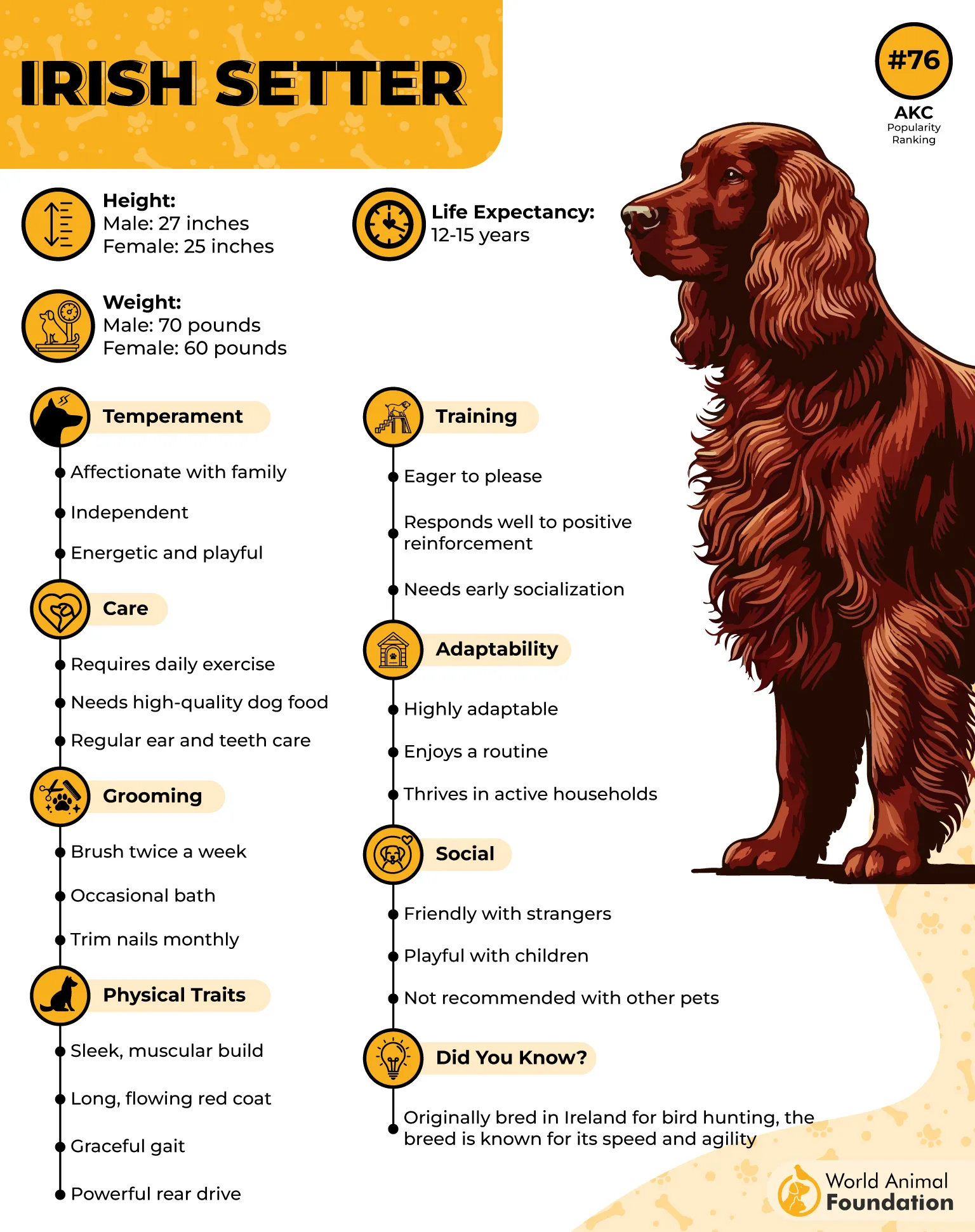
These energetic dogs thrive when given structured activities, long walks, and opportunities to run in open spaces. Without enough exercise or mental stimulation, their boundless energy can quickly transform into mischief. Training works best through short, upbeat sessions, as their excitement sometimes outruns their attention span.
With early socialization, many Irish Setters learn to live peacefully alongside cats and smaller pets, though their natural urge to pursue moving objects never fully disappears. Their hunting heritage remains very much alive beneath that cheerful personality.
6. Whippet
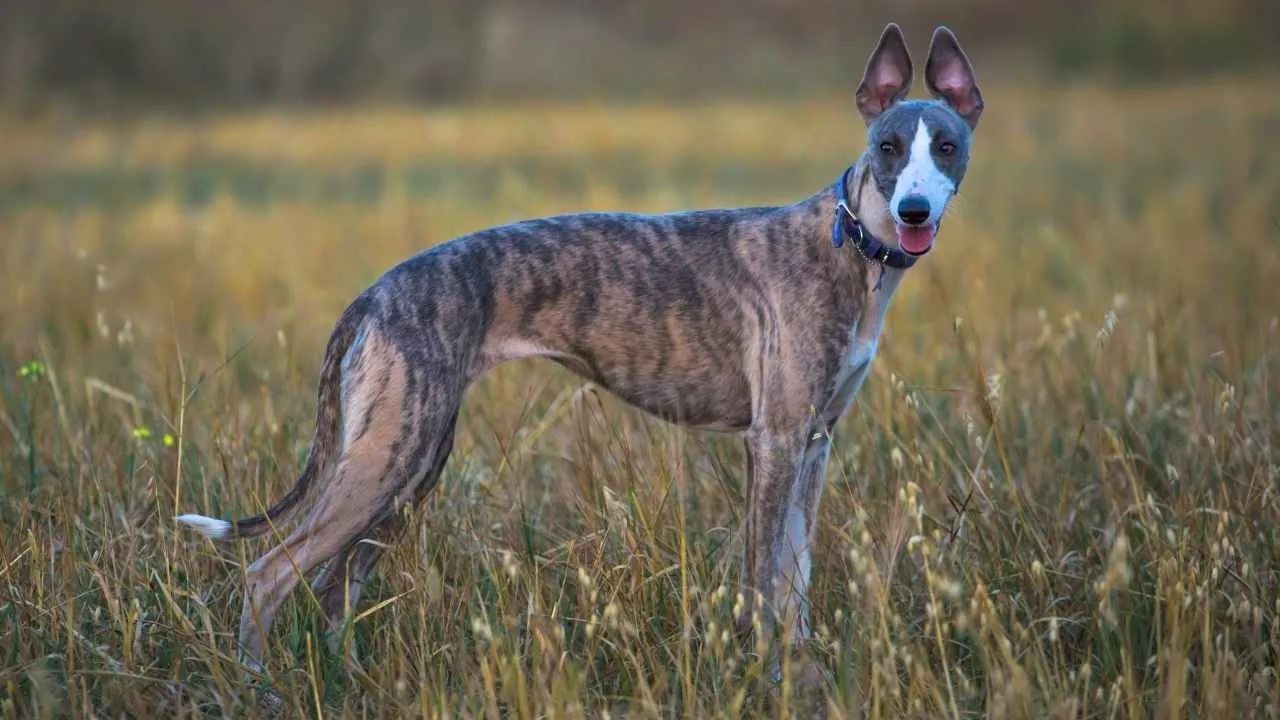
Perfect for active owners who enjoy outdoor adventures, the Whippet combines remarkable speed with a surprisingly gentle personality.
Often described as a smaller cousin of the Greyhound, this sleek sighthound was originally developed in England, where working-class families admired its racing ability and talent for chasing fast-moving prey.
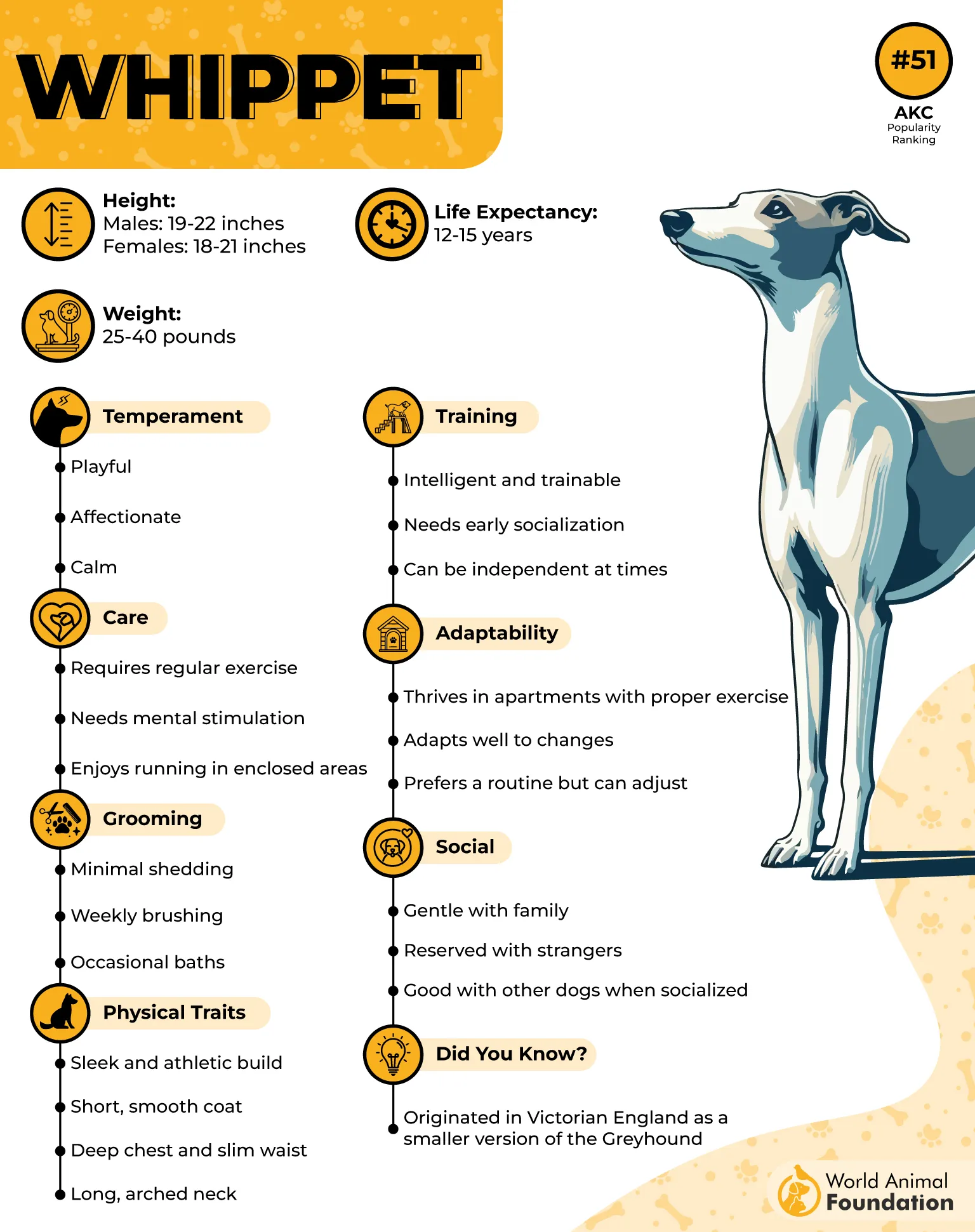
One common misconception is that Whippets are endlessly energetic. In reality, their prey drive appears in short, explosive bursts. Their sharp eyesight, lightning-fast reactions, and ability to reach speeds of up to 35 mph make them natural pursuit specialists. Anything that darts across their field of vision can instantly trigger their instinct to chase.
Historically nicknamed the “Poor Man’s Racehorse,” the breed earned recognition for its athleticism and enthusiasm in lure-based games. Today, those instincts remain strong, which is why secure fencing and leash walks are essential. Whippets can quickly accelerate and change direction when tracking movement.
Away from the chase, they are affectionate, playful companions who enjoy relaxing with their families. However, homes with small pets may require extra caution due to the breed’s deeply rooted hunting instincts.
7. Jack Russell Terrier
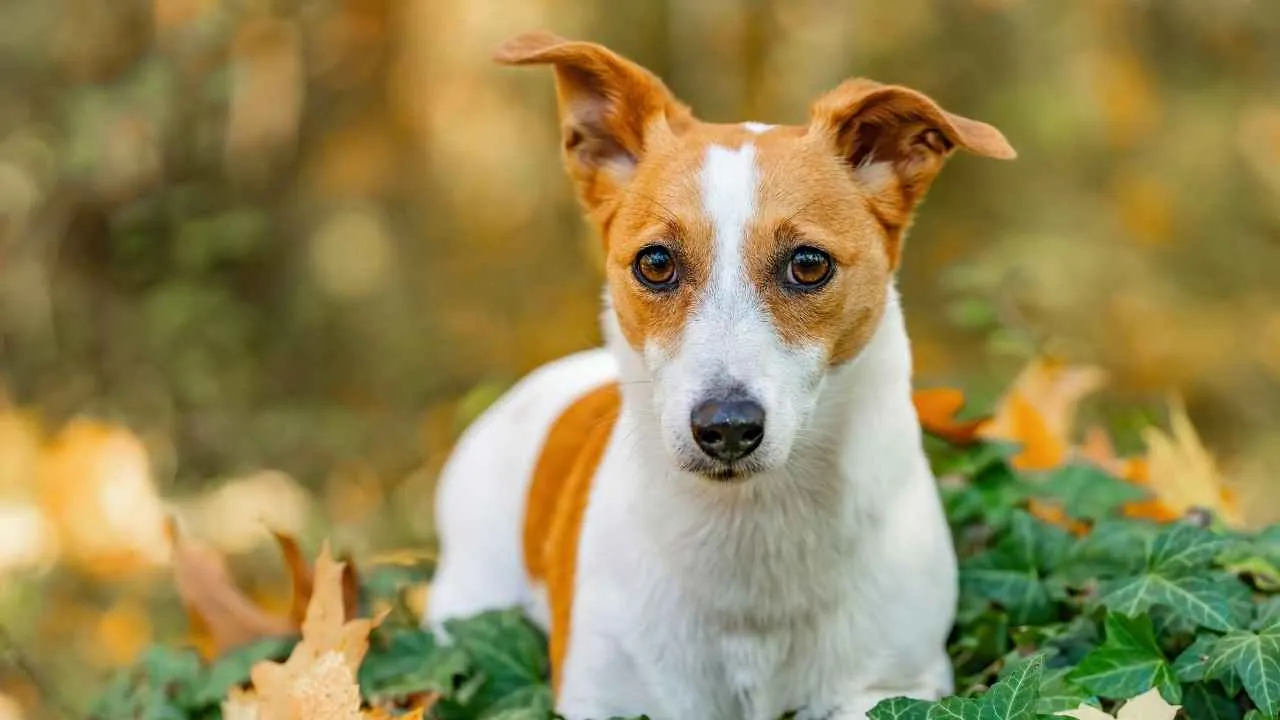
Don’t let the Jack Russell Terrier’s small size fool you. Originally developed in 19th-century England for fox hunting and vermin control, this energetic terrier was bred to pursue fast-moving prey with remarkable determination. Its strong prey drive isn’t a training flaw—it’s a deeply ingrained instinct shaped by generations of hunting work.
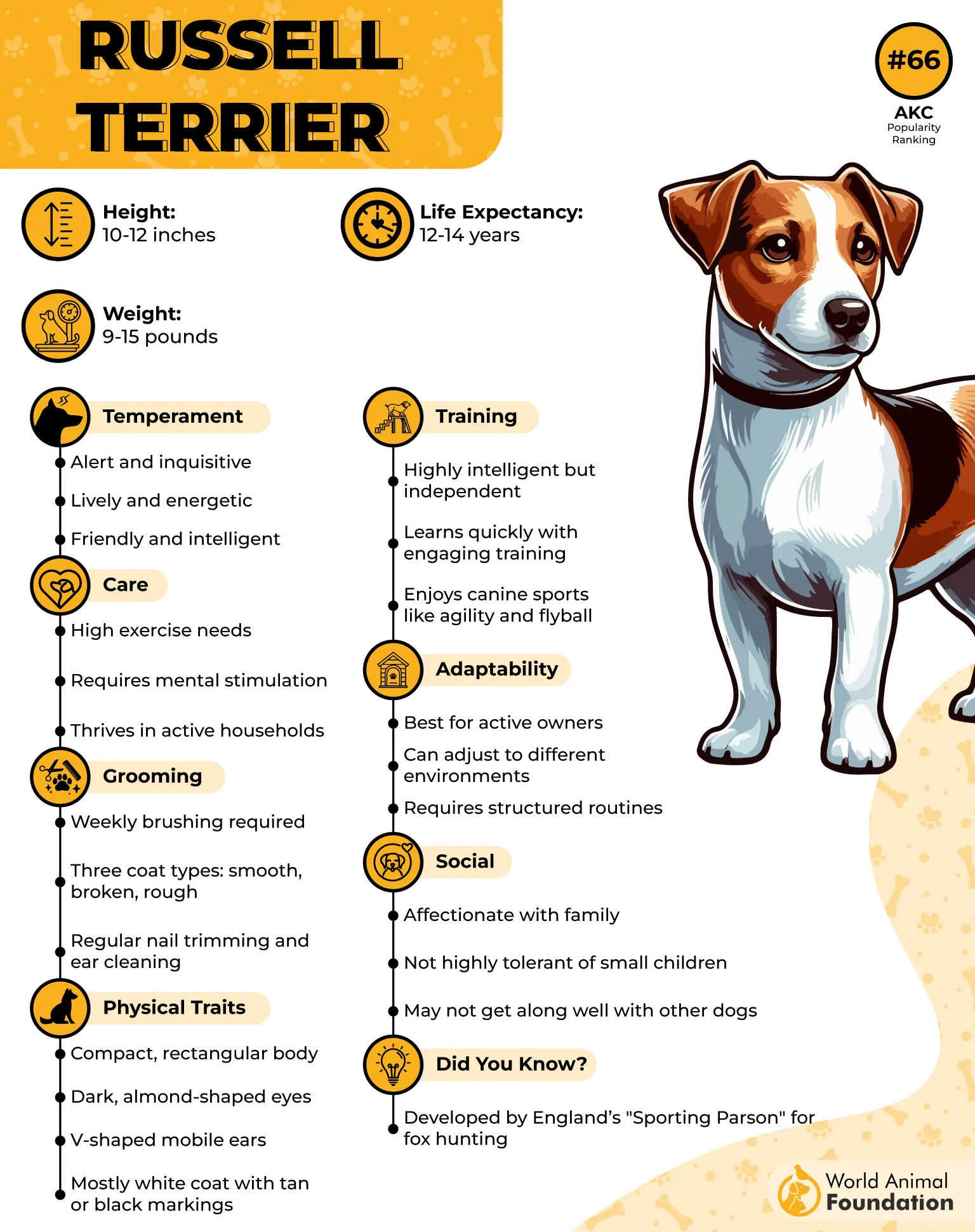
Jack Russells are constantly alert to movement, making squirrels, rabbits, and other small animals nearly impossible to ignore. Their quick reactions, persistence, and fearless attitude allow them to chase targets with an intensity that often surprises first-time owners.
Reliable recall training and secure outdoor spaces are especially important because these dogs may follow a scent or a moving animal without hesitation.
Despite their hunting heritage, Jack Russells are intelligent, loyal companions that thrive when given structured exercise, games, and mental challenges. Fetch, scent work, and interactive activities help channel their energy productively.
While some can learn to coexist with cats through early socialization, homes with small pets such as rabbits or guinea pigs are generally not the best match for this bold little hunter.
Conclusion
A high prey drive is an instinct, not a behavioral flaw. In many breeds, the urge to chase, track, and pursue movement is deeply rooted in their history and original purpose.
These dogs are often energetic, intelligent, and highly focused. While their instincts can create challenges during walks or around small animals, understanding those tendencies allows owners to manage them more effectively.
The goal is not to eliminate prey drive but to redirect it. Through positive reinforcement, appropriate activities, training, and mental stimulation, dogs can learn to channel their natural impulses in productive ways.
Ultimately, successful ownership begins with awareness. By recognizing how prey drive influences behavior and choosing management strategies that work with a dog’s instincts rather than against them, owners can build a safer, more rewarding relationship with these remarkable breeds.
