




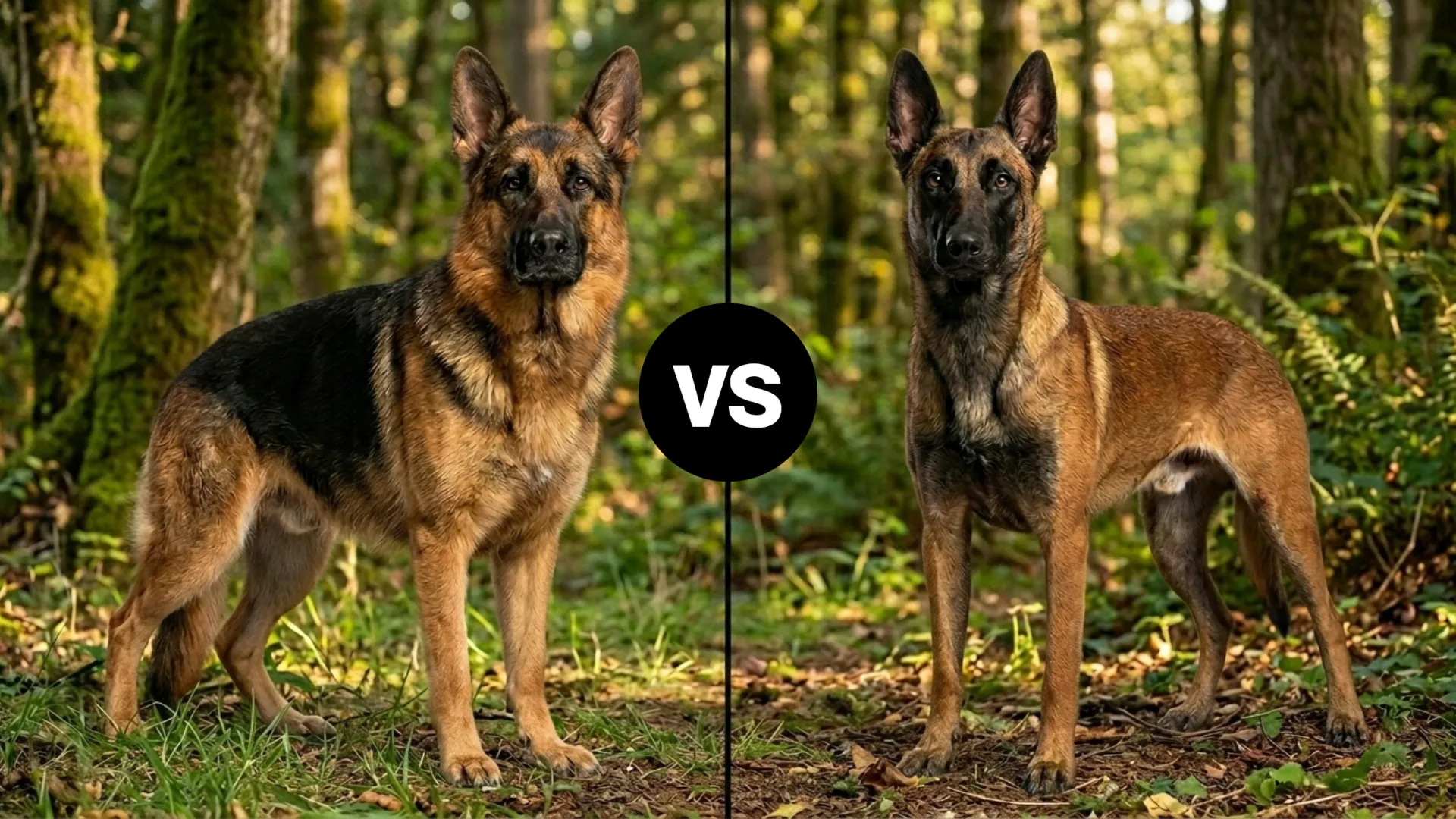
The German Shepherd and Belgian Malinois are often mistaken for one another, and it is easy to see why. Both are intelligent, athletic, and highly respected working dogs trusted by military units, police teams, and search-and-rescue organizations around the world. Yet their similarities only tell part of the story.
While both breeds thrive with purpose, training, and active lifestyles, they differ in temperament, energy levels, and day-to-day care requirements. Those differences can have a significant impact on which breed is the better fit for your experience, household, and expectations.
If you’re deciding between these remarkable working dogs, understanding their unique strengths is essential. This comparison explains the key differences between the German Shepherd and Belgian Malinois, helping you choose the companion best suited to your lifestyle and goals.
German Shepherd vs. Belgian Malinois: Working Dog Differences Explained
Origins & Purpose
The German Shepherd and Belgian Malinois both began as hardworking herding dogs in the late nineteenth century, but they were developed with different priorities. Captain Max von Stephanitz created the German Shepherd to be a versatile farm dog capable of herding, guarding, and adapting to many demanding jobs.
The Belgian Malinois originated near the Belgian city of Malines as one of the Belgian Shepherd varieties. While sharing the same herding heritage, breeders emphasized speed, agility, endurance, and intense focus, shaping a dog that thrives on continuous work and quick responses.
These early breeding goals continue to define both breeds today. German Shepherds naturally transition between work, family life, and service roles, while Belgian Malinois are driven to stay active and excel in specialized tasks such as search and rescue, herding, and competitive canine sports.
Size & Build
Although both breeds are athletic working dogs, the German Shepherd has a larger and heavier frame. Males generally weigh 65–90 pounds, while females weigh 50–70 pounds, giving the breed a broad chest, a longer body, and a powerful build suited to strength and sustained work.

The Belgian Malinois is leaner and more streamlined, with males typically weighing 60–80 pounds and females 40–60 pounds. Standing up to 26 inches tall, its lighter, muscular structure is designed for quick acceleration, agility, and fast-paced tasks that demand speed and precision.
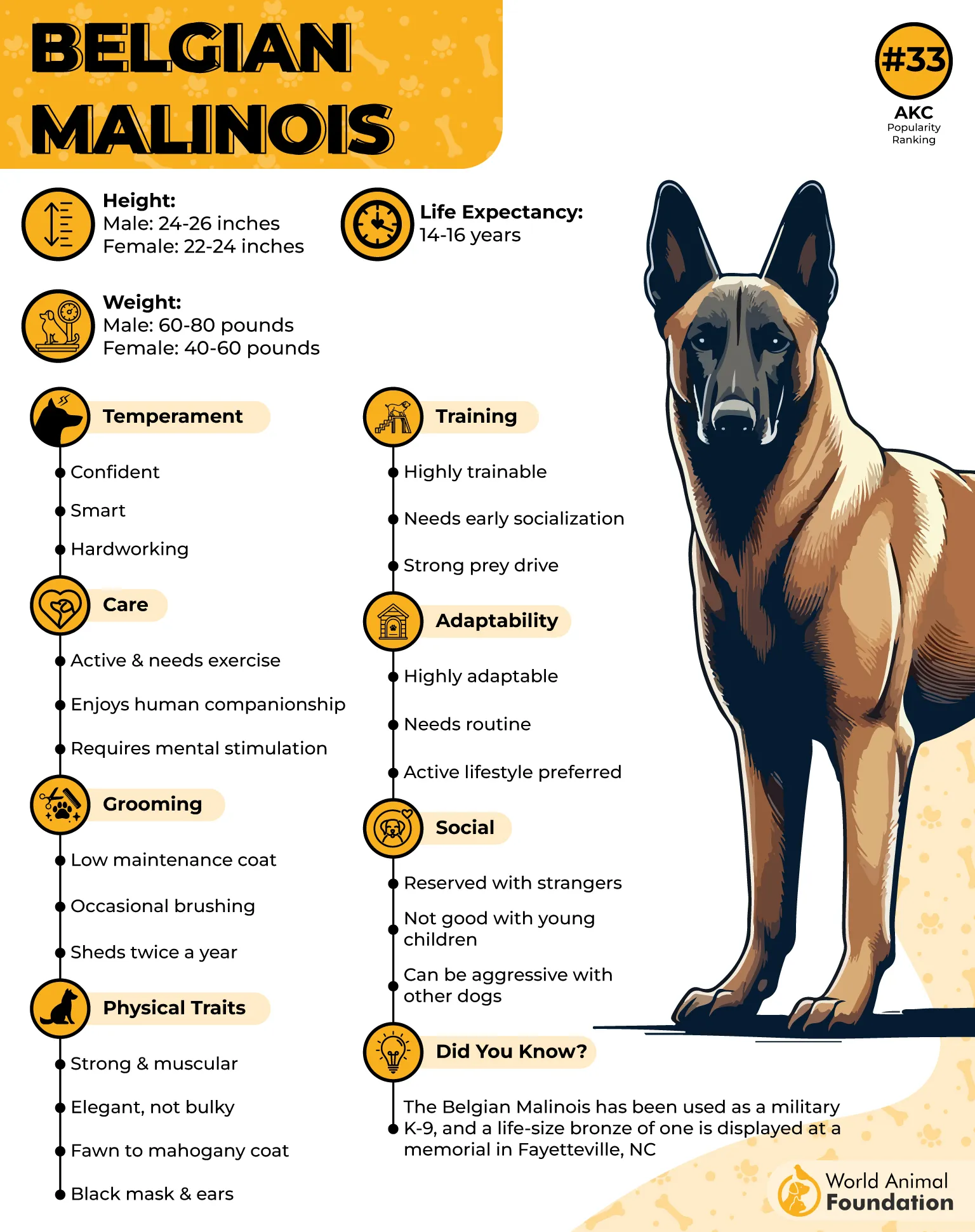
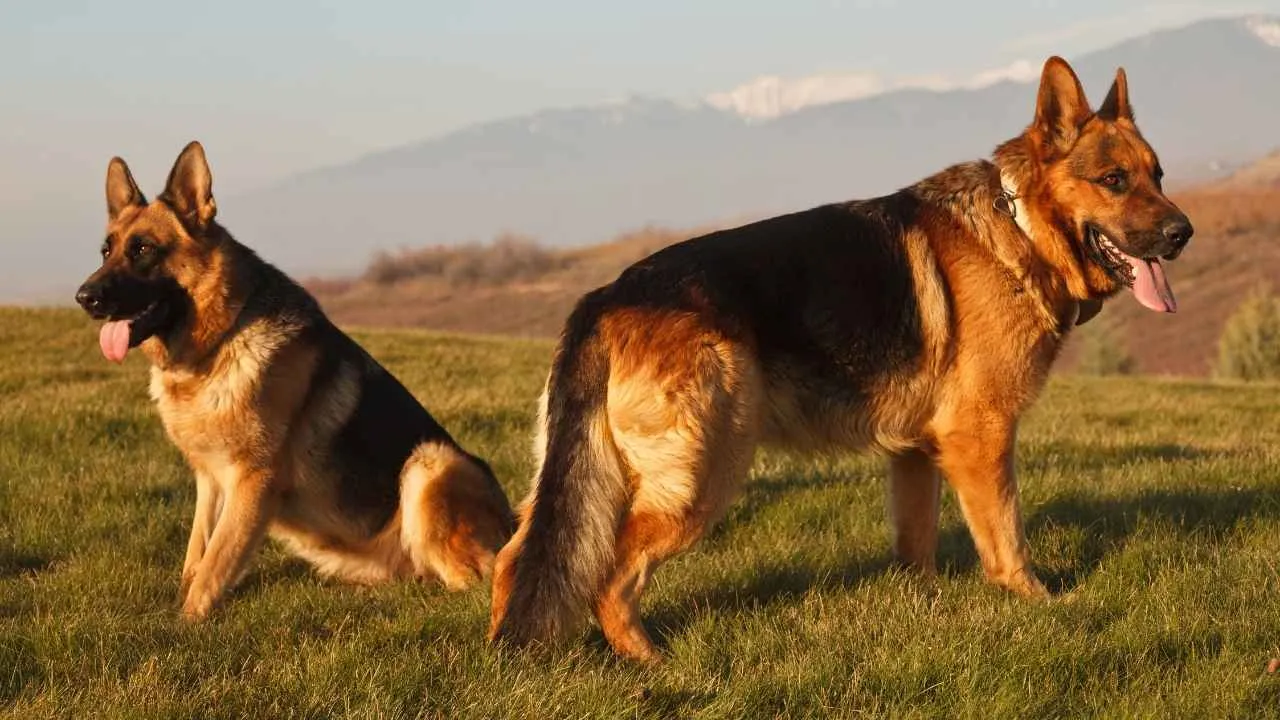
Their coats also reflect different working styles. German Shepherds have a thick double coat that sheds heavily throughout the year, while Belgian Malinois wear a shorter, easier-to-maintain coat. Overall, the German Shepherd emphasizes power and stability, whereas the Belgian Malinois favors speed, flexibility, and effortless movement during demanding outdoor work.
Pricing & Availability
German Shepherds are generally easier to find because of their widespread popularity, with puppies ranging from $2,500 to $4,500 from reputable breeders, though adoption or rehoming may cost much less. Belgian Malinois are less common, and well-bred working lines can exceed $9,000, especially those bred for demanding performance roles.
The purchase price is only part of the investment. German Shepherd owners may face higher veterinary expenses due to inherited orthopedic conditions and degenerative myelopathy, while Belgian Malinois owners often spend more on advanced training, specialized equipment, and activities that match the breed’s intense work drive.
Whichever breed you choose, buy from a responsible breeder who performs health testing for conditions such as hip and elbow dysplasia. Ask to review DNA screening results and available health records before bringing a puppy home, or request all medical information when adopting from a shelter or rescue.
Temperament & Personality
German Shepherds and Belgian Malinois are both exceptionally intelligent and naturally protective, making them outstanding working dogs. They excel in roles that demand close teamwork, quick thinking, and unwavering dedication, but their personalities differ once the job is done.
According to Purina, German Shepherds are deeply loyal to their families; they tend to be reserved with strangers and usually take time to build trust and form new relationships.
German Shepherds are calmer and more adaptable at home, balancing their protective instincts with a dependable “off switch.” Belgian Malinois, in contrast, bring relentless energy, sharper intensity, and an eagerness to stay engaged, often remaining focused on a task long after other breeds have lost interest. Their sensitivity also means they respond strongly to both good training and inconsistent handling.
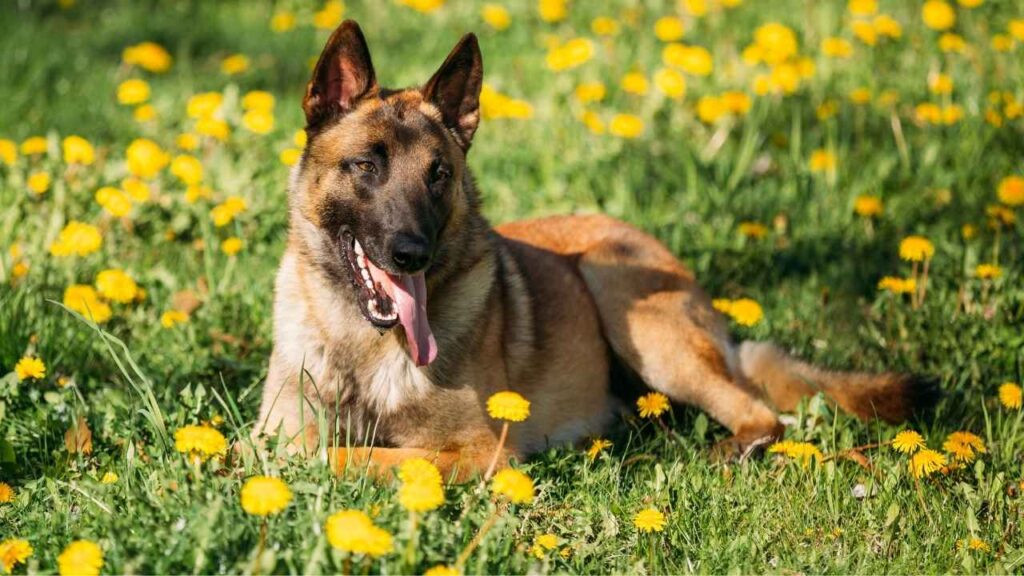
Both breeds benefit from early socialization and consistent structure, especially around strangers and other animals. For active, experienced owners, either dog can become a deeply devoted companion, though the German Shepherd generally suits families seeking a steadier temperament, while the Belgian Malinois thrives with owners who can match its constant drive and need for purpose.
Exercise Needs & Energy Level
German Shepherds and Belgian Malinois are both energetic working dogs that need daily physical activity and mental challenges to stay balanced. Long walks, running, hiking, agility, obedience training, and scent games are excellent ways to keep either breed healthy and engaged.
The key difference is intensity. A German Shepherd is usually satisfied after structured exercise and training, making it more forgiving if an occasional workout is shorter than planned. The Belgian Malinois, however, thrives on constant activity, advanced tasks, and problem-solving, often requiring even more vigorous exercise to stay content.
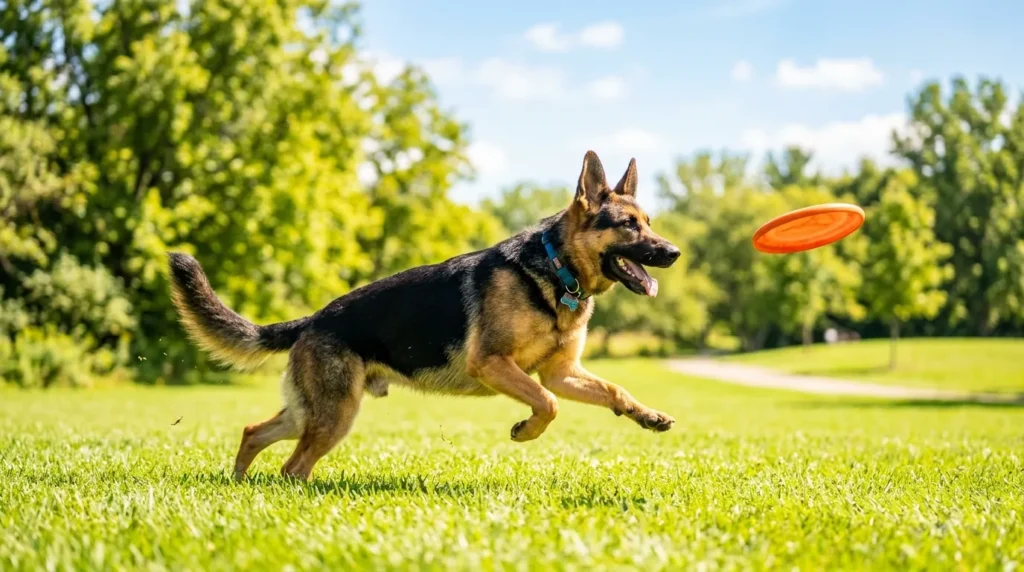
Mental stimulation is just as important as physical activity for both breeds. Interactive toys, nose work, puzzle games, and regular training sessions help prevent boredom. Without enough outlets, German Shepherds may become vocal or develop unwanted habits, while Belgian Malinois are far more likely to channel their endless energy into destructive behaviors or invent demanding jobs of their own.
Trainability & Obedience
Both the German Shepherd and Belgian Malinois rank among the most intelligent working dogs, but they learn in different ways. German Shepherds are eager to please and generally respond well to consistent, fair guidance, making them more approachable for committed handlers with less working-dog experience.
According to PetMD, German Shepherds are renowned for their confidence and courage; they excel in advanced training and are widely used in military, police, and detection work.
The Belgian Malinois learns at a remarkable speed and often anticipates commands, but that brilliance demands precision. Even small training mistakes can become lasting habits, so experienced owners who enjoy structured routines, advanced obedience, agility, or working sports are usually the best fit for this high-drive breed.
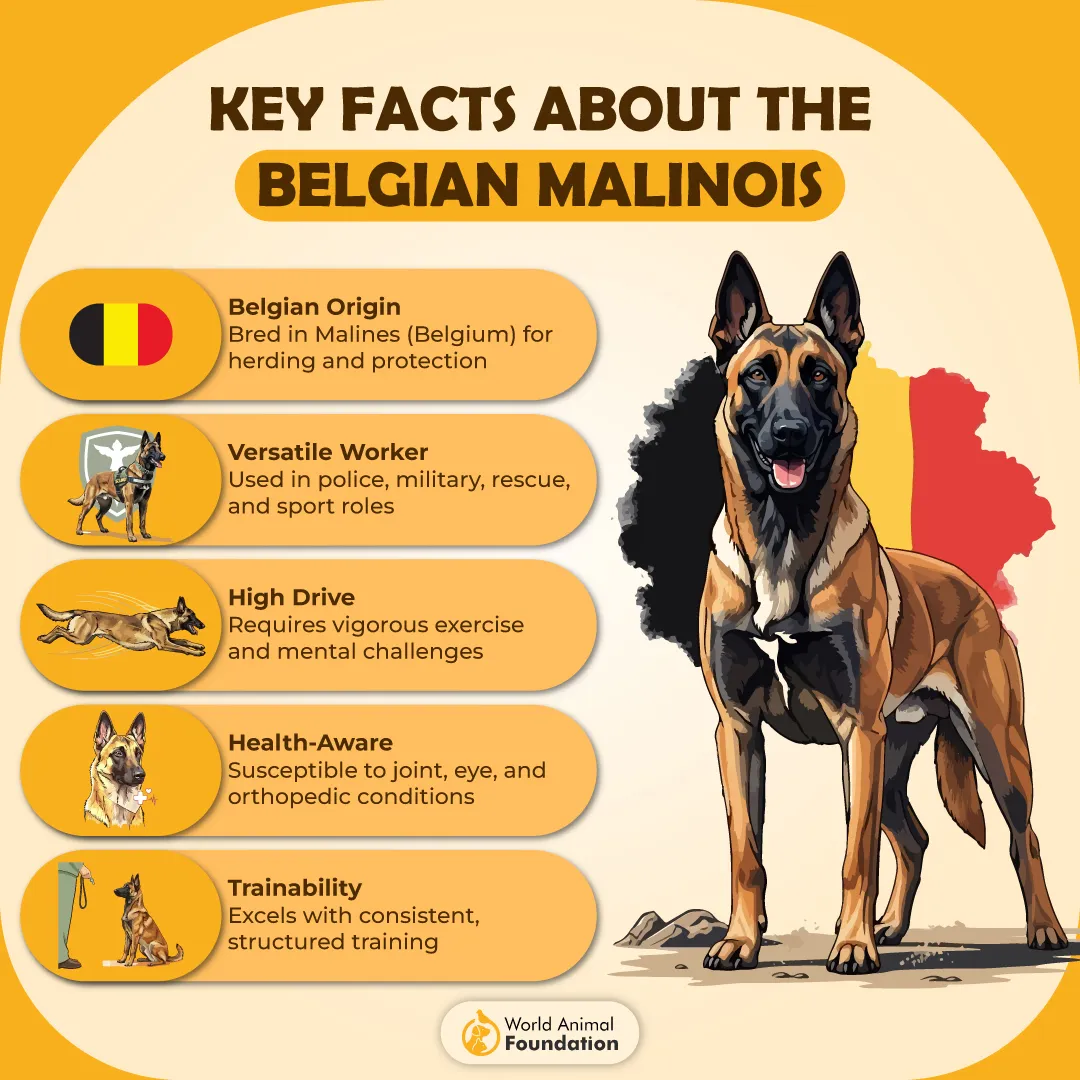
Both dogs require extensive physical exercise, mental stimulation, and early training to reach their full potential. The Malinois typically needs a more intensive daily training commitment and thrives when given challenging tasks, while the German Shepherd offers a slightly steadier learning curve without sacrificing the intelligence, loyalty, and work ethic that make both breeds exceptional working partners.
Grooming Needs & Shedding
Both breeds have weather-resistant double coats, but their grooming demands are noticeably different. German Shepherds are famous for heavy year-round shedding, with especially intense coat blows during spring and fall, making brushing several times a week—and daily during seasonal shedding—essential to prevent loose hair and matting.
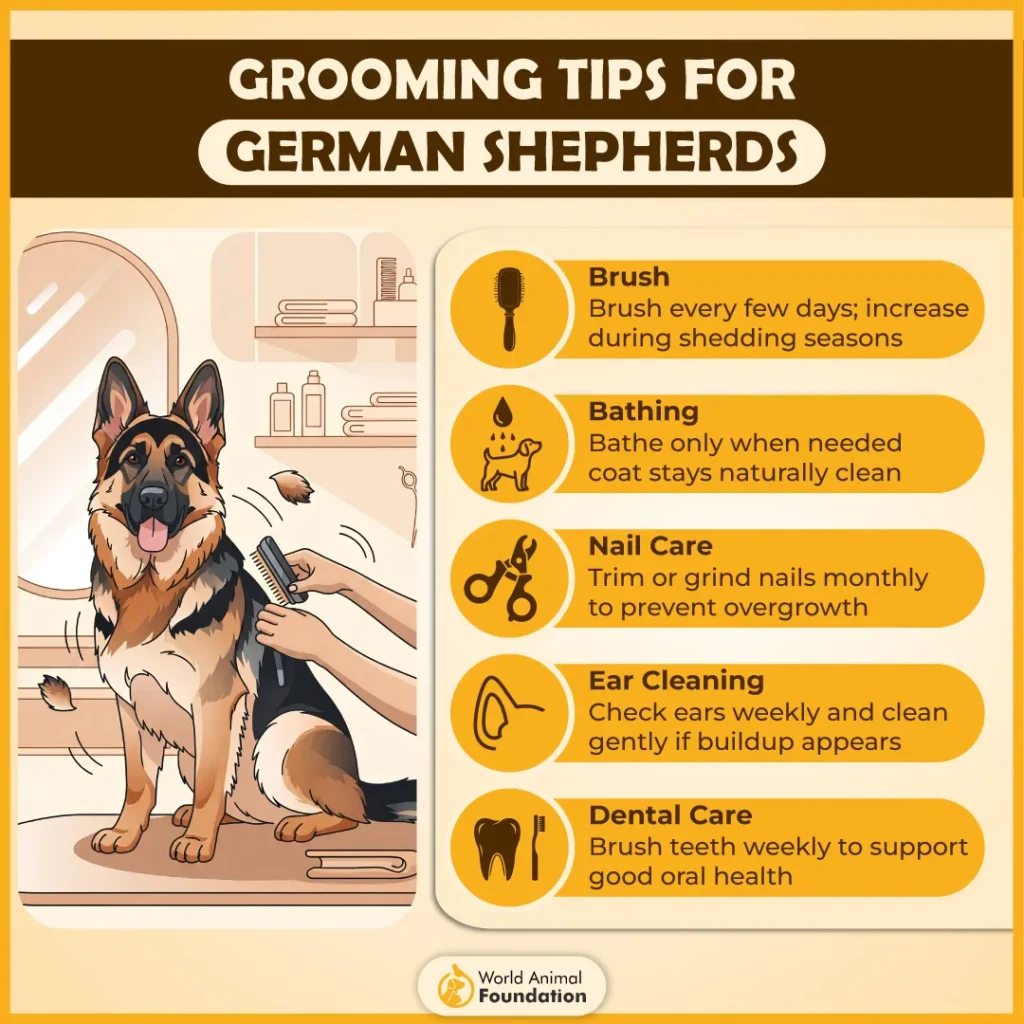
The Belgian Malinois also sheds throughout the year and experiences seasonal coat changes, but its shorter, denser coat is much easier to maintain. Weekly brushing is usually enough, though more frequent sessions during heavy shedding help remove dead hair and keep the coat healthy. Neither breed should have its double coat shaved, as it naturally protects against both heat and cold.
Beyond brushing, both dogs benefit from regular nail trimming, ear checks, dental care, and occasional baths to maintain healthy skin and coat condition. If keeping fur around the house is a priority, the Belgian Malinois is generally the lower-maintenance choice, while the German Shepherd requires a greater grooming commitment.
Guarding Instincts & Alertness
Both the German Shepherd and Belgian Malinois are naturally protective, but they express those instincts differently. German Shepherds typically combine confidence with a calmer, more measured approach, making them dependable family guardians who assess situations before reacting, while remaining highly alert to unfamiliar people or unusual activity.
The Belgian Malinois brings greater intensity to protection work. According to WebMD, Belgian Malinois dogs are highly intelligent and exceptionally trainable.
This breed responds rapidly to its handler’s cues and excels in demanding working environments. However, its heightened sensitivity means consistent training, daily mental challenges, and clear structure are essential for balanced behavior.
German Shepherds generally recover from stressful situations more easily and are less reactive when properly socialized. In contrast, Belgian Malinois often stay on high alert and may become restless or develop unwanted behaviors if they lack purpose, making them a better fit for experienced owners seeking an exceptionally driven working partner.
Health & Lifespan
German Shepherds and Belgian Malinois share several inherited health concerns, including hip and elbow dysplasia, making health screening and responsible breeding important for both breeds. German Shepherds also have a higher risk of degenerative myelopathy, a progressive spinal condition, while both breeds can experience issues such as bloat and certain skin disorders.
The Belgian Malinois is generally considered the healthier and slightly longer-lived breed, often reaching around 10–15 years. German Shepherds typically live about 10–13 years, though genetics, nutrition, exercise, and routine veterinary care all play a major role in overall longevity and quality of life.
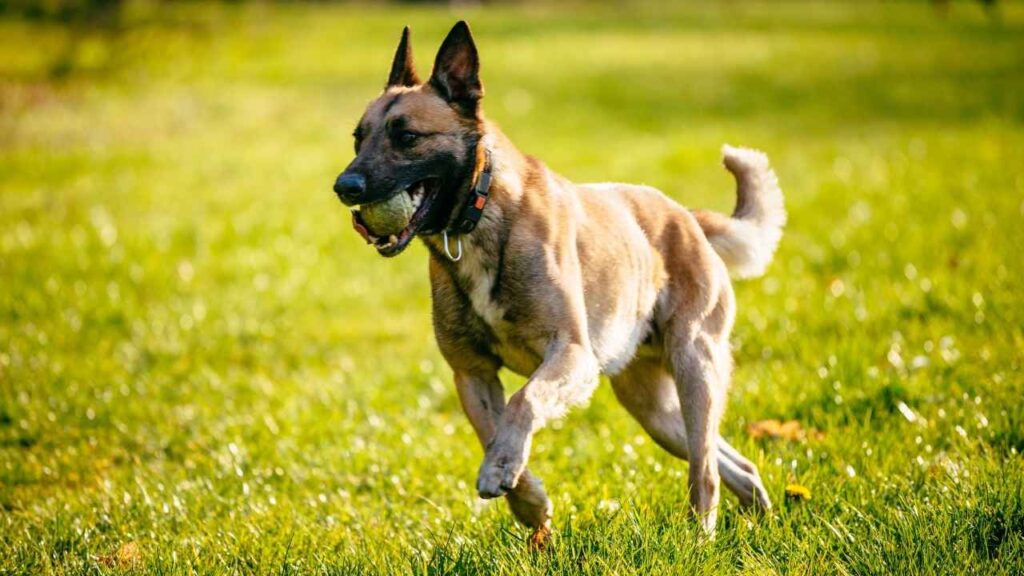
Whether choosing a puppy or adopting an adult dog, ask for available health records and genetic screening results whenever possible. Preventive care, including dental hygiene, regular nail trimming, balanced nutrition, and prompt veterinary attention, helps both breeds remain active, comfortable, and capable throughout their working years.
German Shepherd vs. Belgian Malinois: Which Loyal Protector Is Right for You?
Both the German Shepherd and Belgian Malinois are exceptionally intelligent, loyal working dogs that flourish when given meaningful tasks and regular training. Although they share many qualities, choosing between them depends more on your daily routine and experience than on which breed is “better.”
A German Shepherd is often the stronger choice for active families seeking a dependable protector that can balance work, training, and life at home. The Belgian Malinois, however, is best suited to experienced handlers who can provide intensive physical exercise, advanced training, and constant mental stimulation through activities such as agility, tracking, or protection work.
The Malinois typically excels in demanding police roles because of its lighter build, remarkable agility, and relentless drive, while the larger German Shepherd offers a slightly calmer temperament outside working hours. Whichever breed you choose, success depends on matching the dog’s energy, training needs, and purpose with your lifestyle and long-term commitment.
Conclusion
Choosing between the German Shepherd and Belgian Malinois is less about finding a better breed and more about finding the right match for your lifestyle. Both are intelligent, loyal, and highly capable working dogs that thrive with purpose and consistent training.
The German Shepherd offers an excellent balance of protection, companionship, and adaptability, making it a strong choice for active families. The Belgian Malinois shines with experienced handlers who can meet its exceptional physical and mental demands every day.
Whichever breed you prefer, responsible ownership begins with proper training, early socialization, and selecting a reputable breeder. Matching the dog’s energy level, temperament, and working drive to your experience ensures a rewarding partnership.
With the right commitment, either breed can become a devoted companion, reliable protector, and hardworking partner for many years.
