




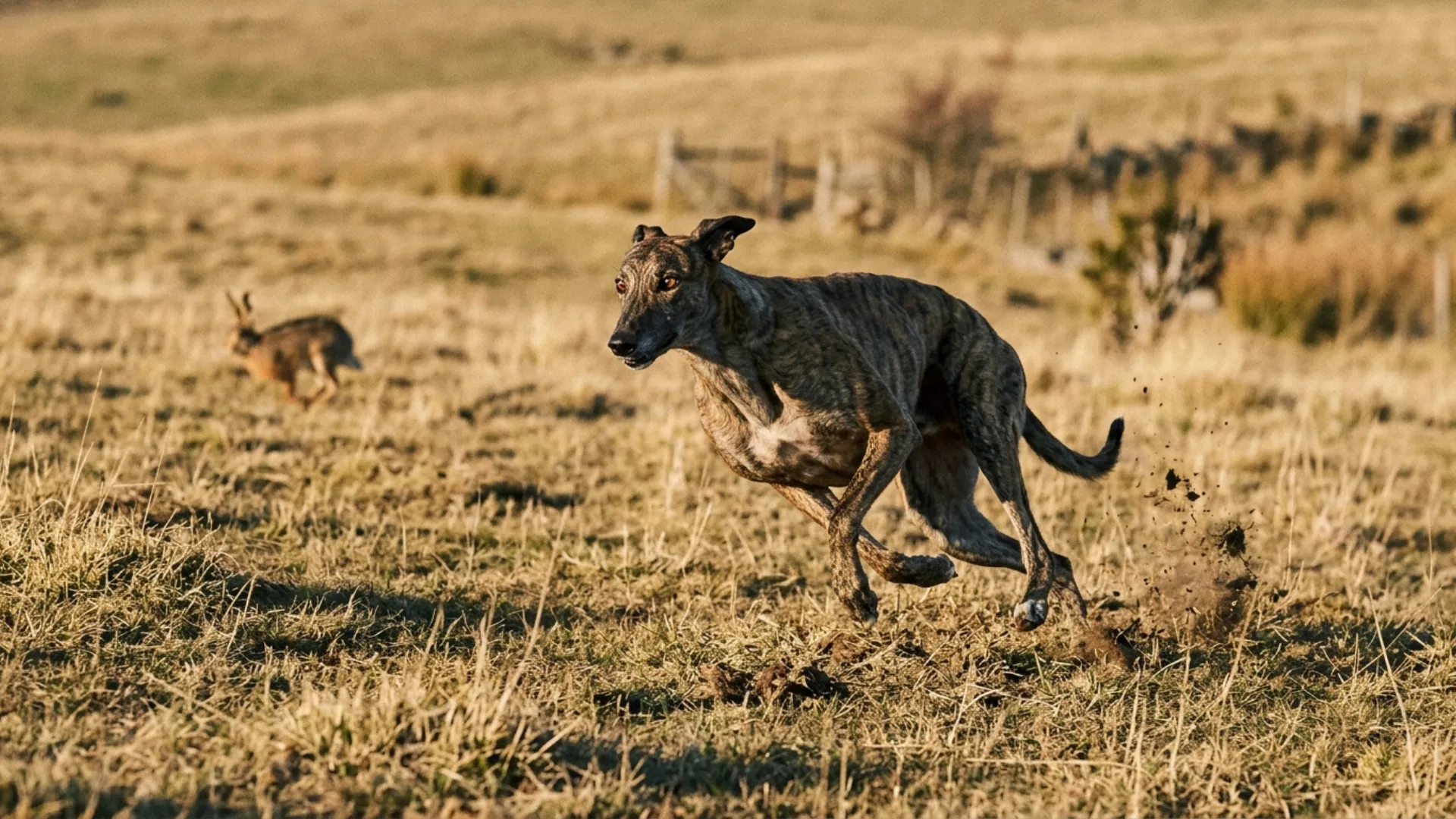
A dog owner was enjoying a peaceful walk when a squirrel darted across the path. In an instant, their usually obedient companion transformed into a determined hunter, completely focused on the chase. Moments like this often leave owners wondering where such intense behavior comes from.
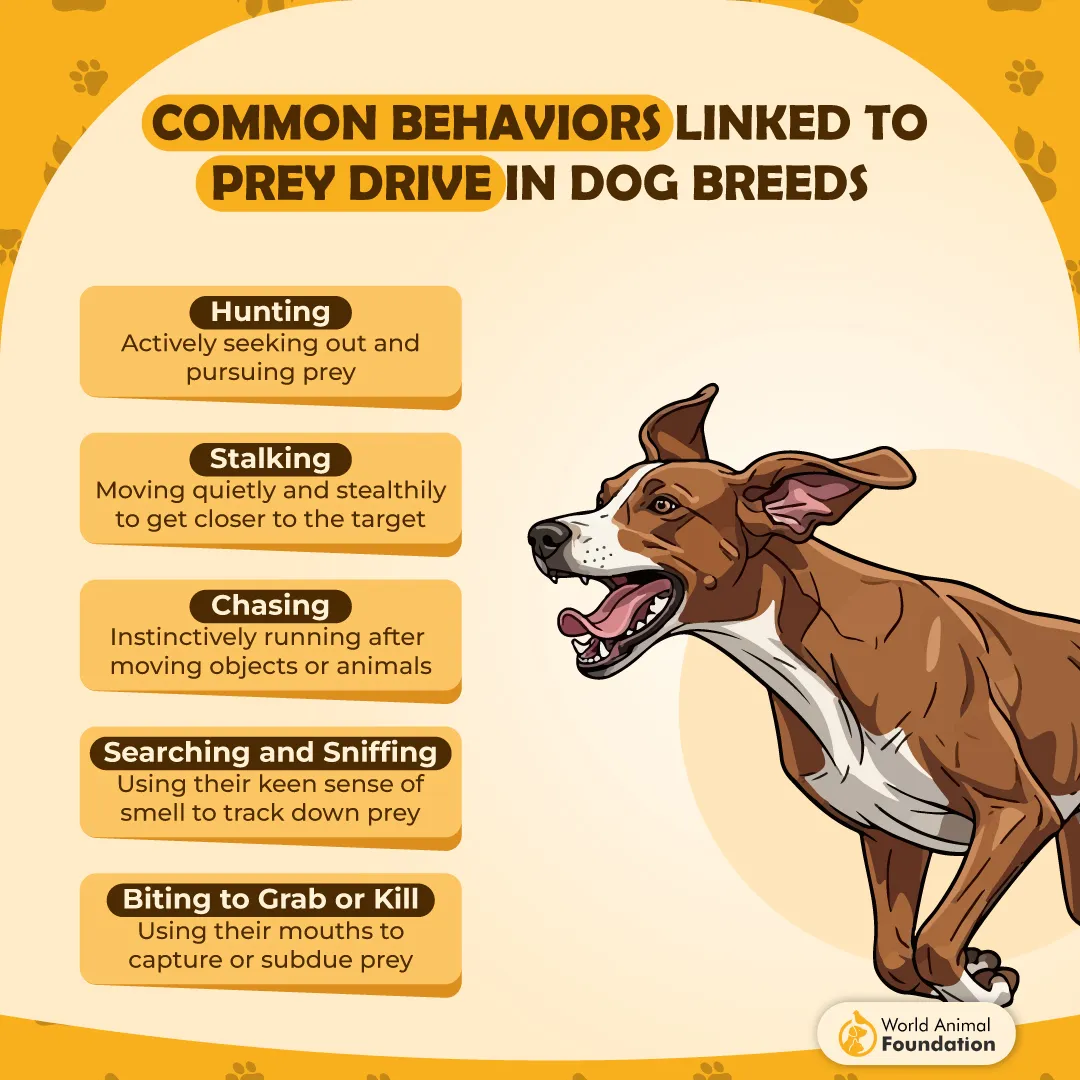
Contrary to popular belief, a high prey drive is not a sign of aggression or poor training. It is an instinct rooted in generations of hunting, tracking, and survival behaviors. While some dogs are content to watch the world go by, others are genetically inclined to stalk, chase, and pursue moving targets.
Understanding this instinct is essential for successful ownership. Rather than trying to eliminate prey drive, owners can learn to redirect it through training, enrichment, and positive reinforcement. The breeds in this guide showcase how deeply these instincts can influence canine behavior and everyday life.
Top Dog Breeds With Naturally High Prey Drive
1. Afghan Hound
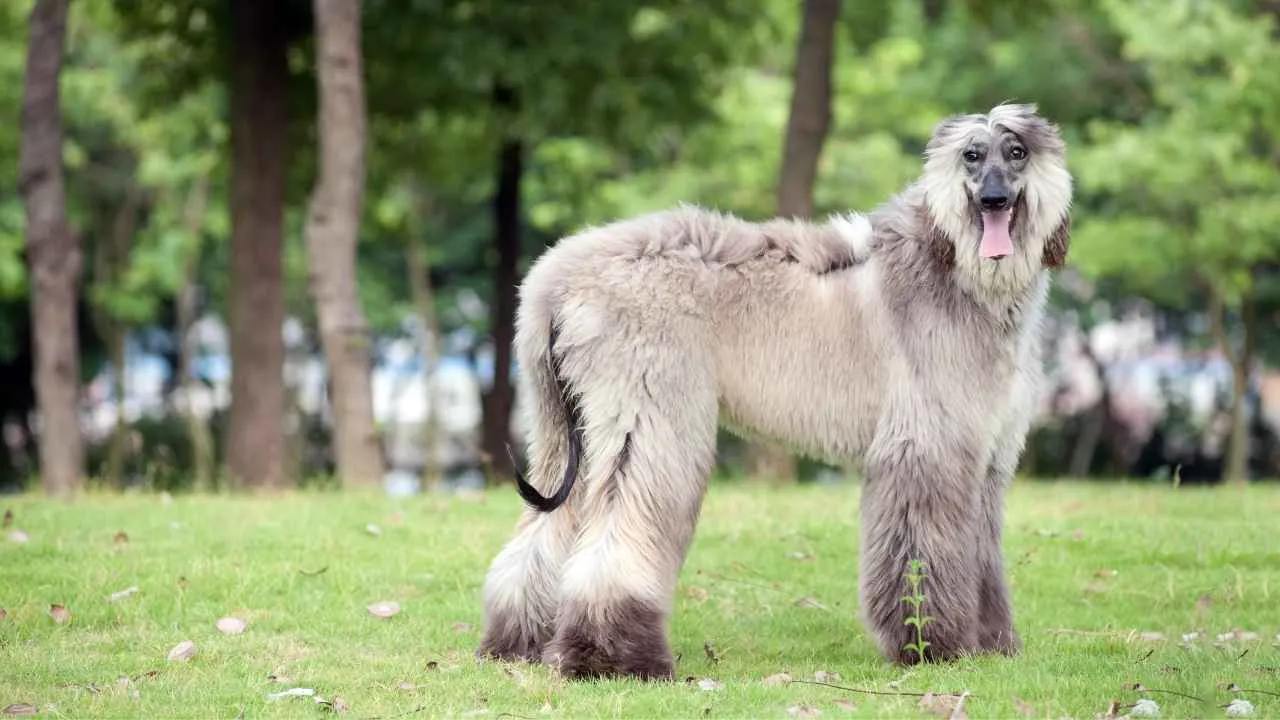
Behind the Afghan Hound’s luxurious coat and aristocratic appearance lies a hunter built for speed, vision, and pursuit. Originally developed in the rugged landscapes of Afghanistan, this sighthound was bred to spot moving game from a distance and chase it with remarkable agility and determination.
According to PetMD, Afghan Hounds are sight hounds renowned for their keen eyesight and remarkable speed. Originally bred to hunt small game, they continue to excel in modern canine sports such as lure coursing, where their agility and chasing instincts shine.
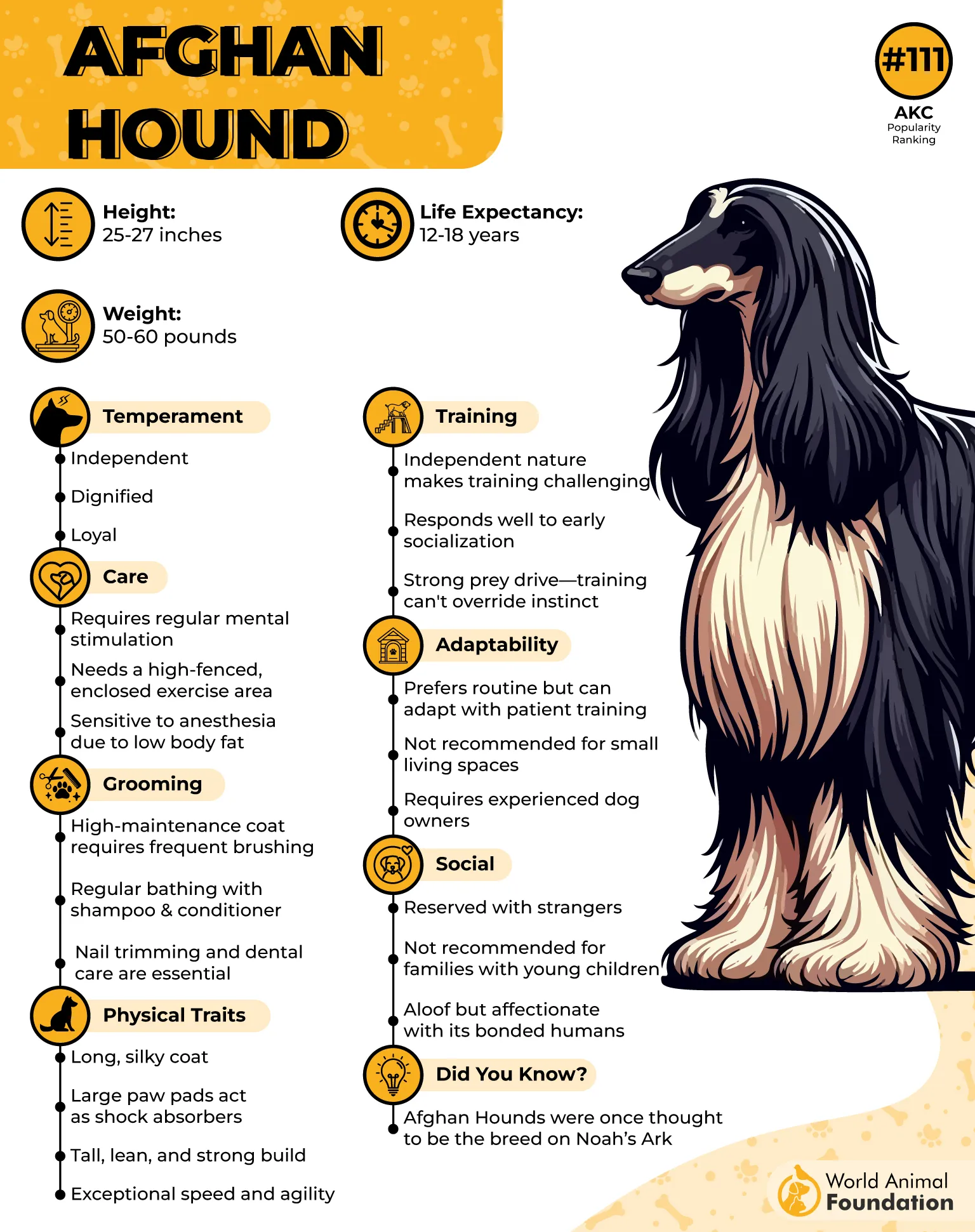
Many people assume the breed is simply a glamorous show dog, but its strong prey drive tells a different story. Afghan Hounds instinctively react to fast-moving animals, making secure fencing and leash control essential during outdoor activities. Their independent nature reflects centuries of working without constant human direction while tracking prey across challenging terrain.
These athletic dogs thrive on regular exercise and enjoy activities that allow them to use their natural chasing instincts, such as lure coursing. Although reserved with strangers, they form deep bonds with their families. Their stunning, silky coats require daily brushing and routine grooming, but beneath that refined exterior is a focused hunter with a passion for the chase.
2. Greyhound
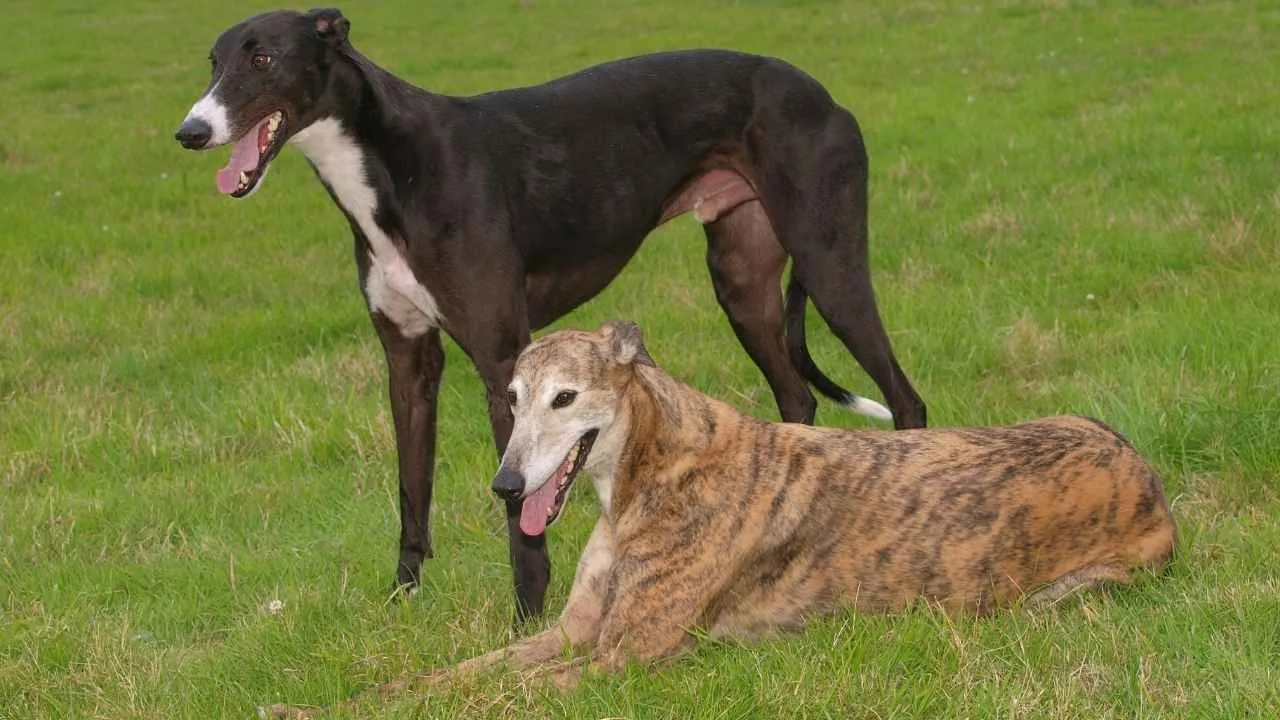
Many people assume Greyhounds are endlessly energetic because of their racing reputation. In reality, these elegant athletes are often surprisingly relaxed at home, happily spending much of the day lounging beside their favorite people. What never disappears, however, is their deeply rooted instinct to spot and pursue moving prey.
According to Hills Pet, Greyhound dogs are more than just accomplished racers. Away from the track, they are generally calm, low-energy companions that enjoy relaxing at home and are known for their affectionate, couch-loving nature.
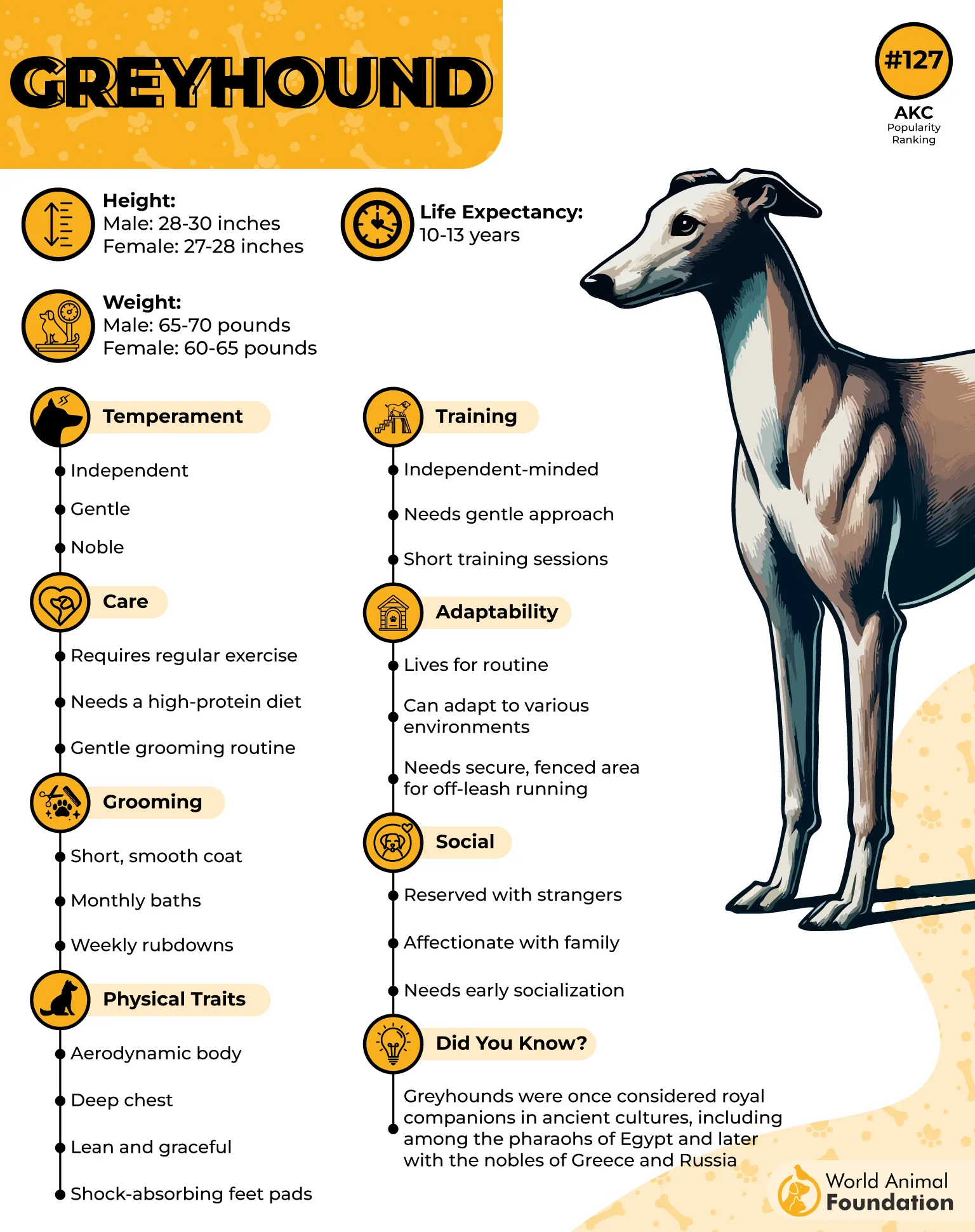
Bred for generations as sighthounds, Greyhounds are naturally drawn to movement. A darting squirrel or rabbit can instantly trigger their chase response, which is why secure fencing and leash use are essential. Their desire to pursue is not a training flaw—it is a trait carefully preserved through selective breeding.
Despite this powerful prey drive, Greyhounds are affectionate, gentle companions that bond closely with their families. Their short, smooth coat is easy to maintain, and moderate daily exercise usually keeps them content. For owners who understand their hunting heritage, the Greyhound offers a fascinating blend of laid-back companionship and lightning-fast athletic ability.
3. Rhodesian Ridgeback
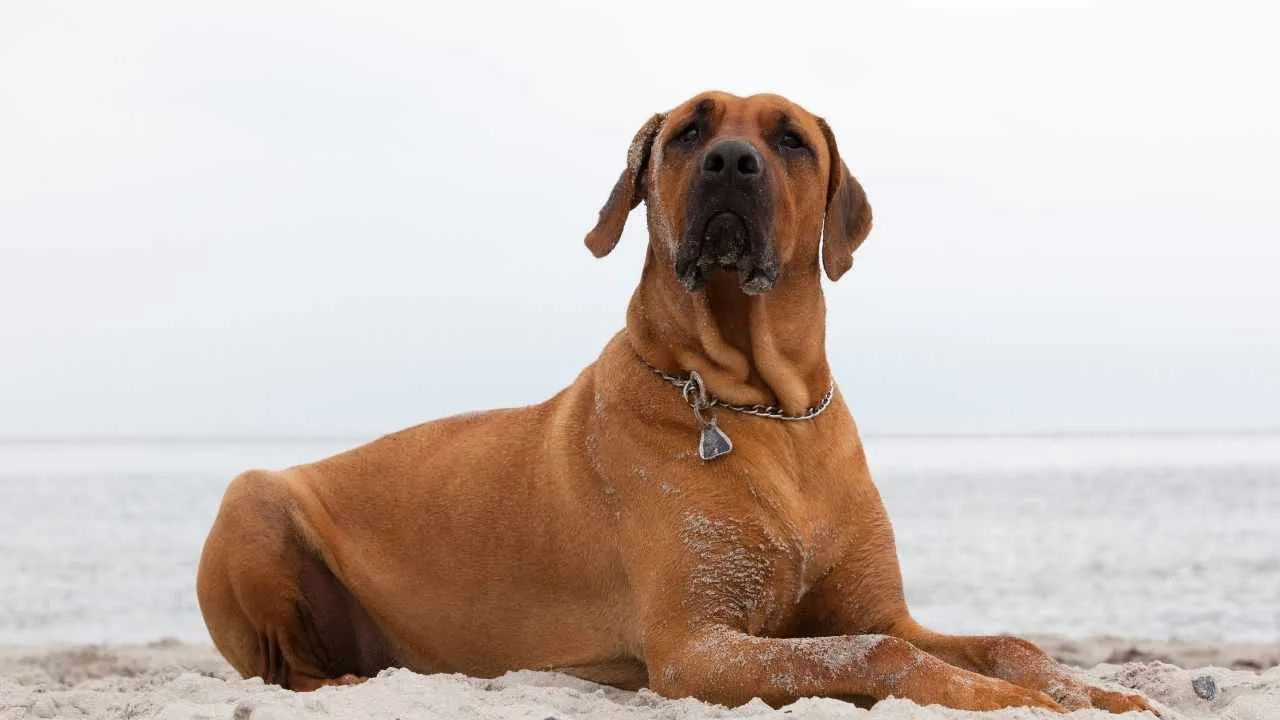
The Rhodesian Ridgeback’s reputation as a lion hunter often overshadows another important fact: despite its fearless hunting heritage, this breed is also a devoted and affectionate family companion. Originally developed in southern Africa to track and hold large game, the Ridgeback combines courage, endurance, and remarkable athletic ability.
According to Purina, Rhodesian Ridgebacks are large, powerful, and agile companions recognized by the distinctive ridge of hair running along their back. Despite their athletic build and independent streak, they are gentle with their families and enjoy relaxing alongside their owners after an active day.
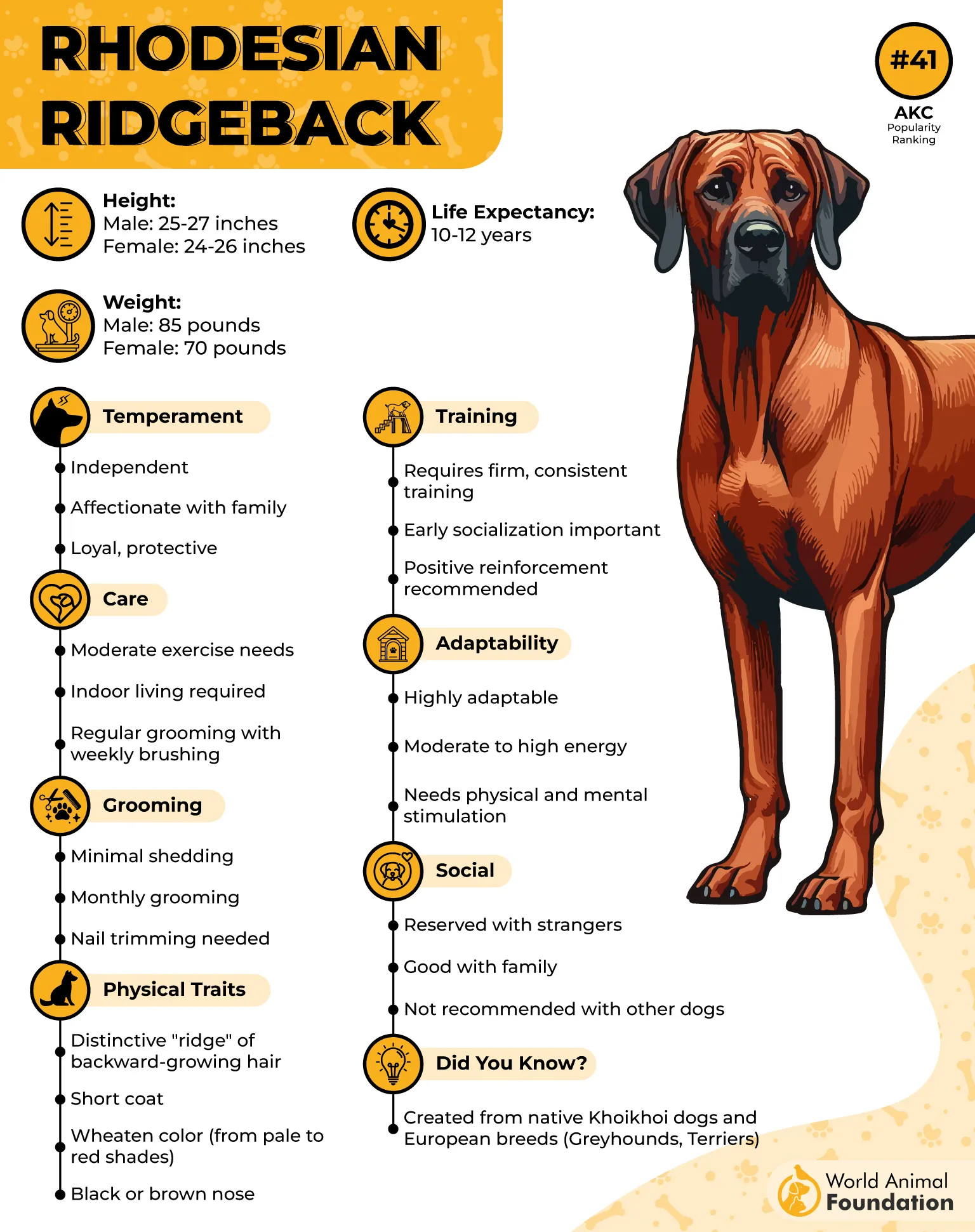
Its naturally high prey drive stems from generations of selective breeding for pursuit and tracking work. Fast-moving animals can quickly capture a Ridgeback’s attention, making early training, socialization, and secure containment essential. This instinct is not aggression but a deeply ingrained hunting trait that remains strong today.
Recognizable by the distinctive ridge of backward-growing hair along its spine, the breed is built for action. Daily exercise, mental challenges, and outdoor adventures help channel its energy productively. While often reserved around unfamiliar people, Ridgebacks are deeply loyal to their families. Their sleek wheaten coat is easy to maintain, allowing owners to focus more on activities than grooming.
4. Vizsla

The Vizsla proves that a high prey drive and a loving personality can exist in the same dog. Originally developed in Hungary as a hunting companion, this athletic breed was bred to locate, track, and pursue game while working closely alongside people.
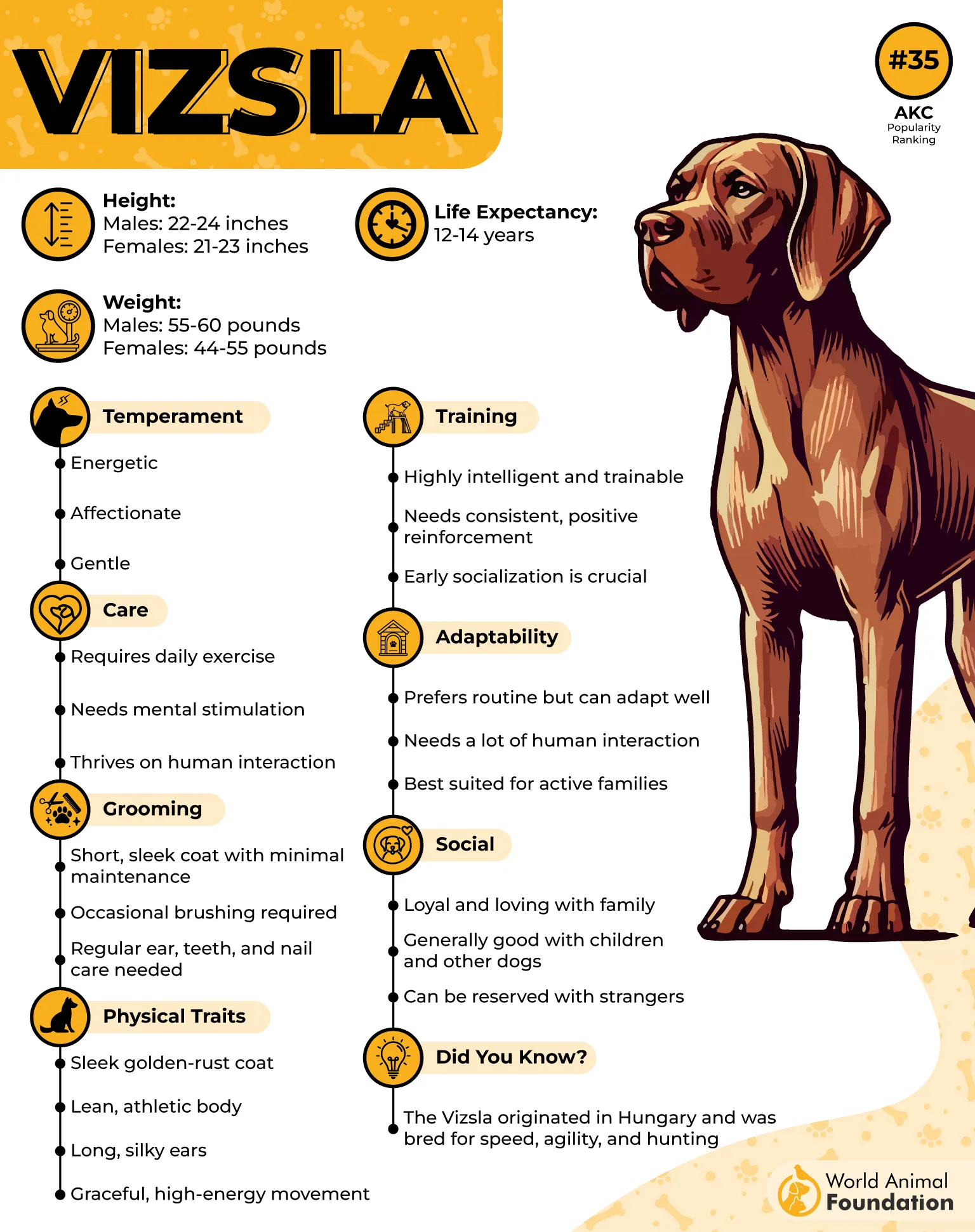
Many assume dogs with strong hunting instincts are distant or difficult to bond with, but the Vizsla often forms exceptionally close relationships with its family. In fact, its desire to stay near loved ones has earned it a reputation as a devoted shadow.
Beneath that affectionate nature, however, remains a powerful instinct to chase moving animals, making reliable training and supervision important in open spaces.
Built for endurance and action, the Vizsla thrives on vigorous daily exercise, outdoor adventures, and mentally engaging activities. Whether running, hiking, tracking, or participating in dog sports, this breed loves having a purpose. Its short, sleek coat requires minimal grooming, allowing active owners to spend less time brushing and more time exploring together.
5. Irish Setter
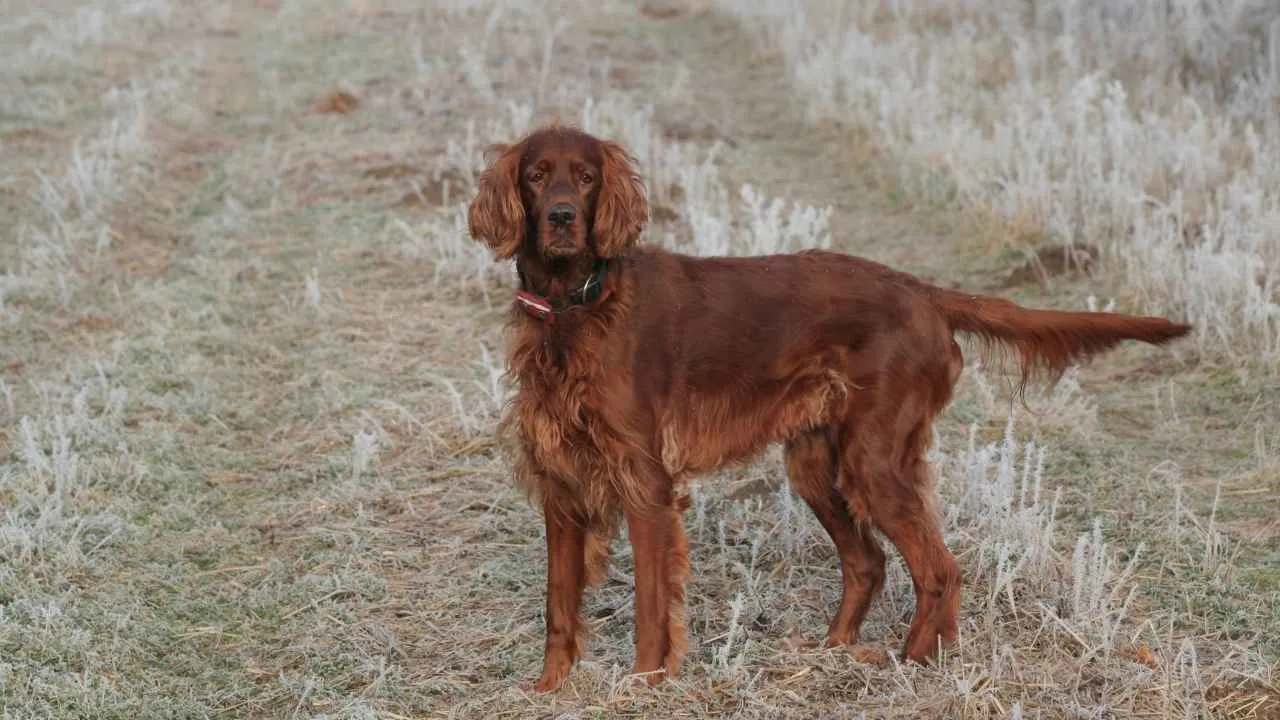
An Irish Setter in motion is a reminder of its hunting heritage. Originally developed as a gun dog in Ireland, this energetic breed was bred to locate game birds across open fields, combining speed, stamina, and a natural desire to work alongside people.
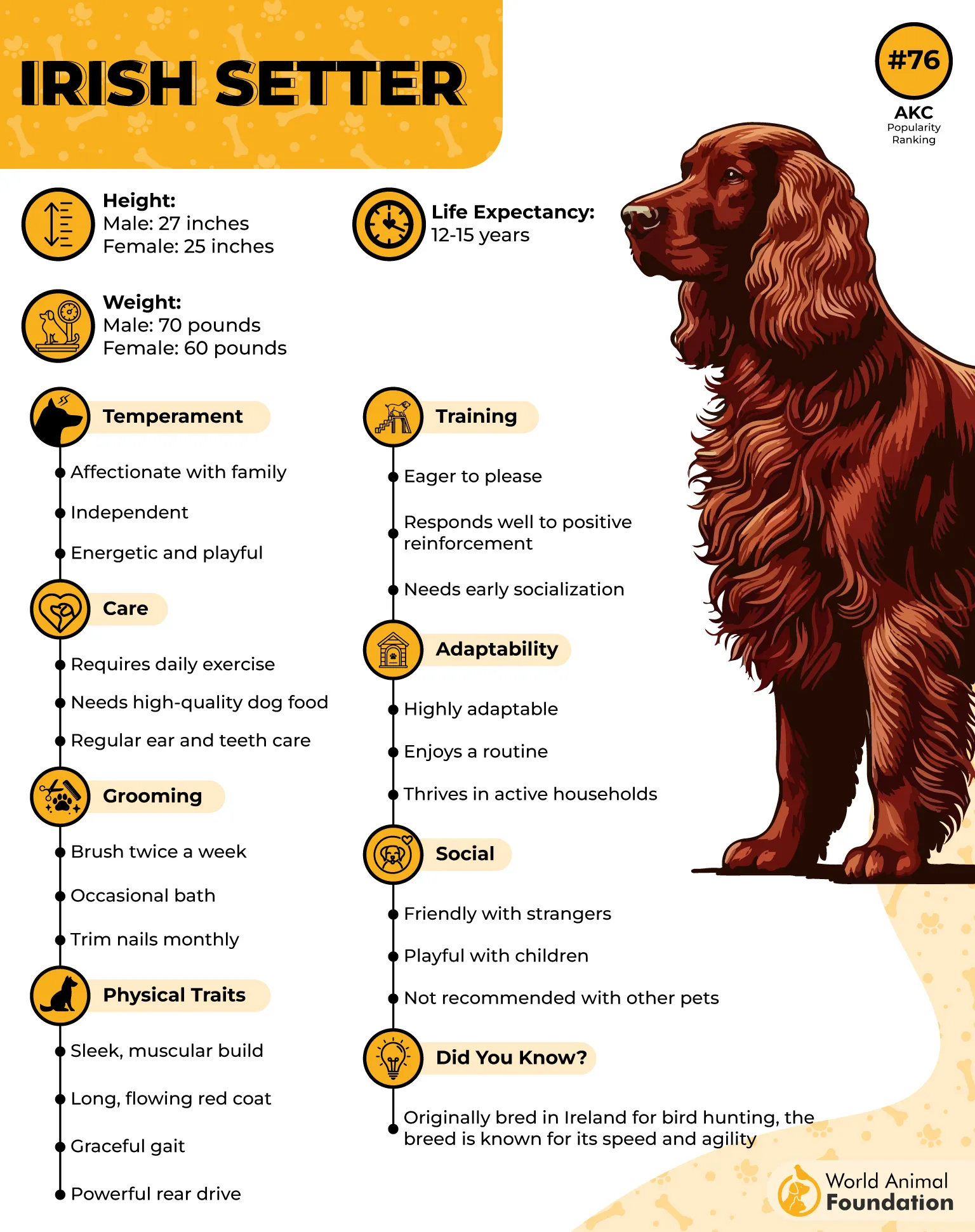
Their strong prey drive is often misunderstood. While Irish Setters enjoy chasing moving objects and can become distracted by wildlife, they are not solely hunting dogs. With proper socialization, many live peacefully with other household pets and become affectionate family companions. Their enthusiasm is driven more by instinct and excitement than by aggression.
Known for their flowing red coat and cheerful personalities, Irish Setters thrive in active homes where they can exercise both body and mind. Long walks, retrieving games, and training sessions help channel their energy in positive ways.
They are eager to please but can be easily distracted, making reward-based training especially effective. Beneath their elegant appearance lies a hardworking sporting dog that is happiest when given room to run and explore.
6. Black And Tan Coonhound
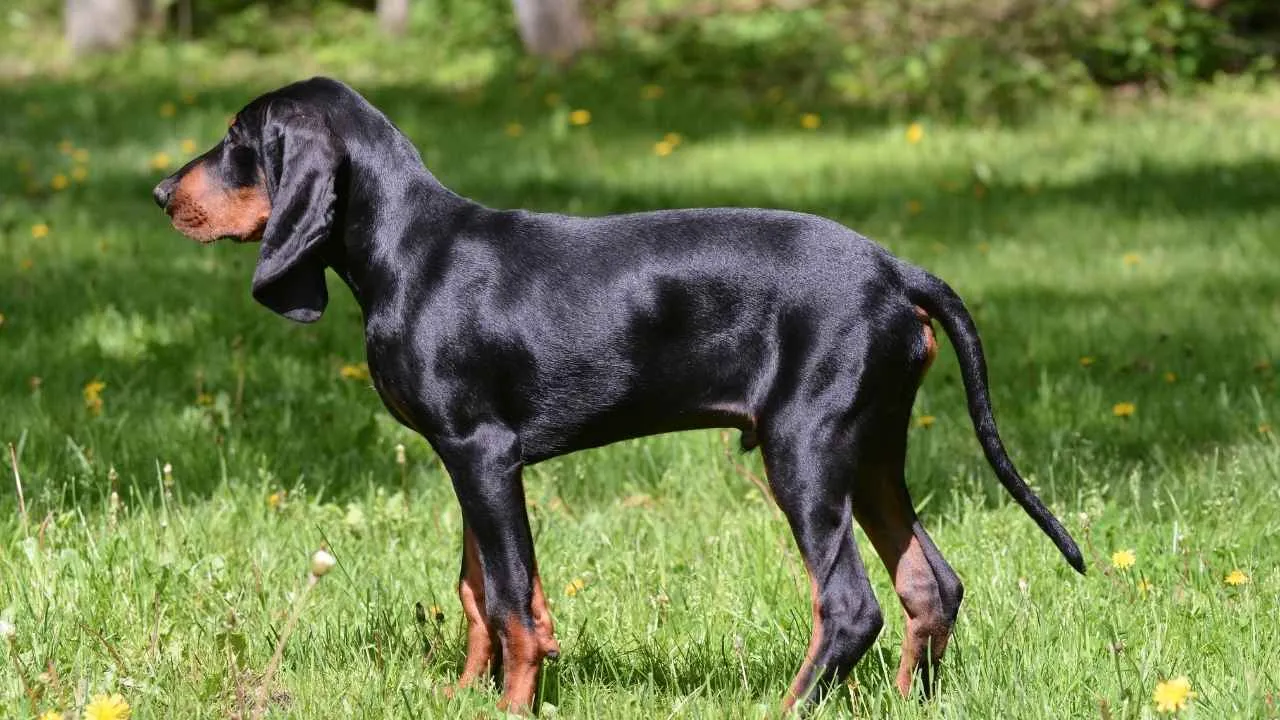
The Black and Tan Coonhound was built to follow a trail long after other dogs lost it. Developed in the United States from scenthound ancestors with exceptional tracking abilities, this breed earned its reputation by pursuing raccoons and even larger game across difficult terrain.
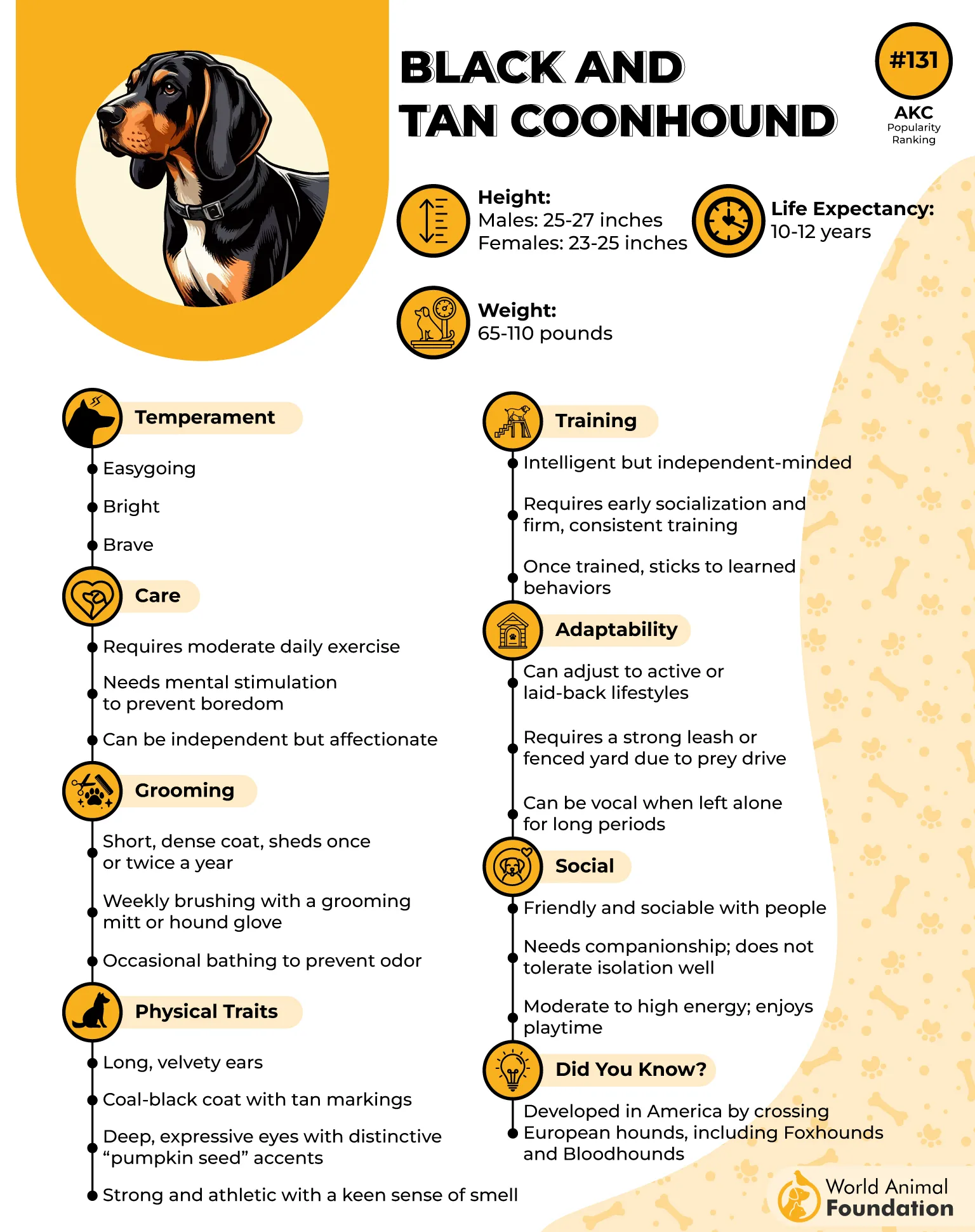
A common misconception is that a strong prey drive makes a dog difficult to live with. In reality, the Black and Tan Coonhound is known for being friendly, gentle, and easygoing at home. When a scent catches its attention, however, its hunting instincts take over. This determination is why secure leashes and enclosed spaces are so important during outdoor adventures.
With a powerful nose, sharp mind, and remarkable endurance, this breed thrives on activities that challenge its tracking skills. Scent games, trail work, and daily exercise help satisfy its instincts. Though sometimes labeled stubborn, Black and Tan Coonhounds respond best to patient, positive training that respects their independent nature and working heritage.
7. Border Collie
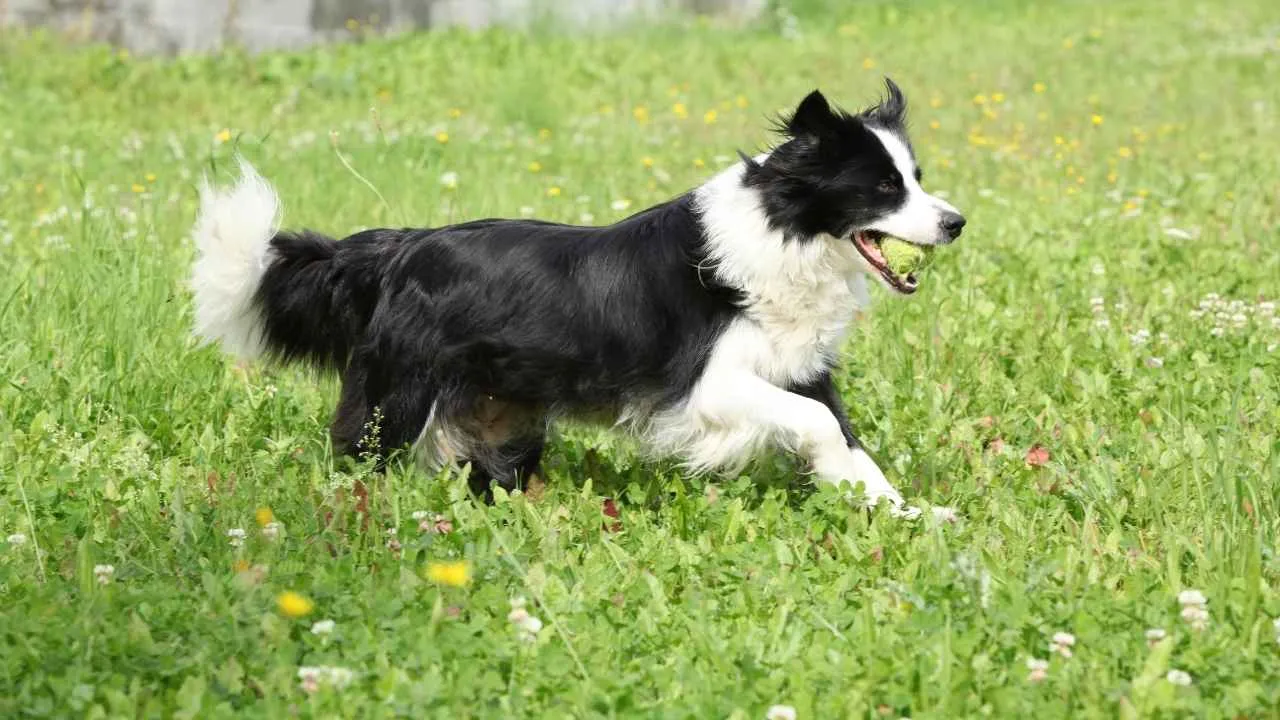
Many people assume a Border Collie’s urge to chase means it has the same prey drive as a hunting dog. In reality, this remarkable breed was developed to control livestock through intense stalking and pursuit rather than catching prey. Their famous focused “eye” and quick movements allow them to guide sheep with precision instead of aggression.
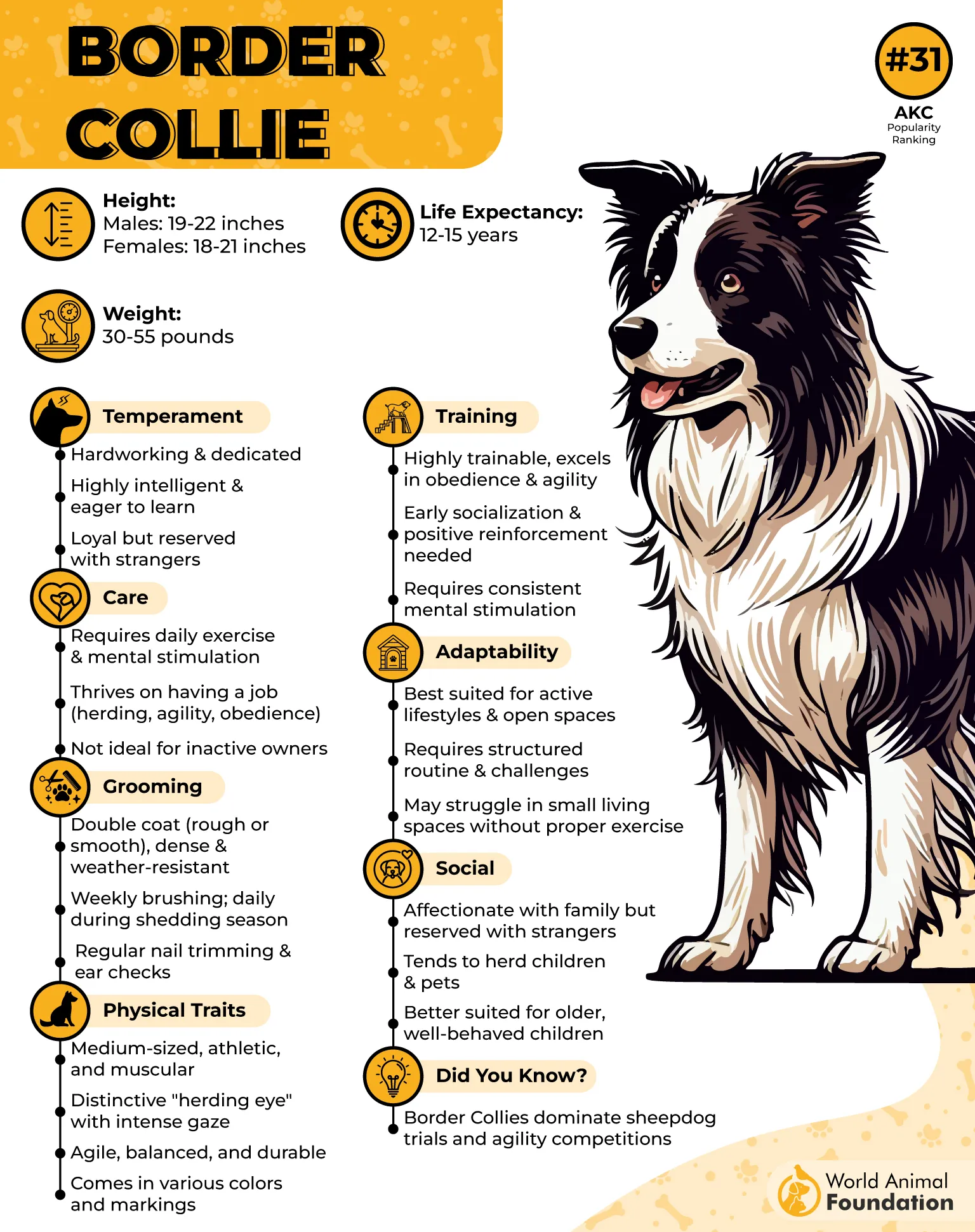
Originally bred along the border of England and Scotland, Border Collies became indispensable partners for shepherds working across rugged hillsides. Their exceptional intelligence, problem-solving ability, and eagerness to work make them one of the world’s finest herding dogs, but those instincts remain deeply rooted.
Without meaningful mental challenges or daily exercise, a Border Collie may redirect its chase instincts toward children, cyclists, or other moving objects. Structured training, herding activities, agility sports, and interactive tasks help channel their natural drive into productive outlets, allowing this brilliant working breed to thrive while satisfying the instincts generations of selective breeding have preserved.
Conclusion
Dogs with a naturally high prey drive are often energetic, intelligent, and deeply influenced by instincts that have been shaped over generations. Their strong attraction to movement and pursuit is part of what makes these breeds unique.
While these instincts can create challenges, they are not signs of poor behavior. Prey drive is a natural trait that affects how certain dogs respond to their environment, especially when they encounter fast-moving animals or objects.
Successful ownership depends on understanding and managing these tendencies. Consistent training, mental stimulation, structured activities, and positive reinforcement can help channel their energy in productive ways.
When owners work with a dog’s instincts rather than against them, the relationship becomes more rewarding. With the right guidance and commitment, high-prey-drive breeds can be loyal, engaging companions that thrive in active and attentive homes.
