




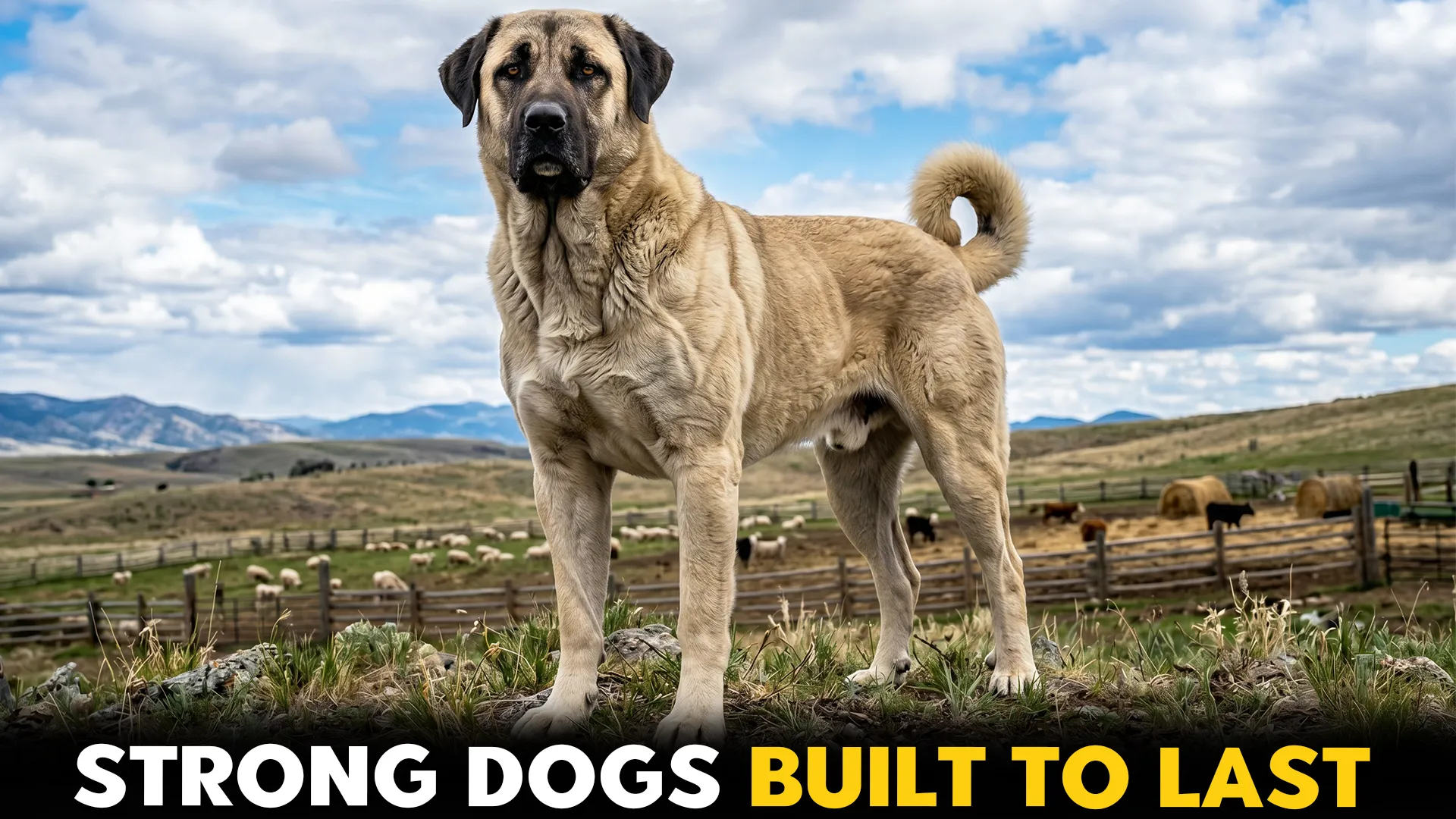
Running a ranch demands more from a dog than most people realize. Long days, changing weather, rough terrain, and livestock that rarely cooperate can quickly expose a dog’s limitations.
A companion that struggles with stamina or confidence often creates more work instead of easing it. That is why strength matters far beyond appearance in a working environment. The right dog can cover ground efficiently, remain focused through demanding tasks, and stay dependable when conditions become challenging.
Ranch owners have relied on powerful canine partners for generations because certain dogs are naturally built to handle responsibilities that require both physical ability and mental toughness. Their presence brings an extra layer of reliability to daily operations, whether they are helping manage livestock, watching over property, or accompanying long hours outdoors.
Ahead, you’ll discover the super-strong dog breeds whose power, resilience, and work ethic make them valuable partners where ranch life never truly slows down.
Key Takeaways
Plenty of dogs look powerful, but ranch life quickly reveals which ones can actually handle the job day after day.
The Anatolian Shepherd has even helped protect endangered cheetahs in Africa, while the Great Pyrenees earned its reputation by standing up to wolves and bears in the mountains.
From hauling heavy loads to guarding livestock without constant direction, every breed on this list has a story that goes well beyond muscle.
A few of these working partners have done jobs that most people would never expect from a dog, and that is only the beginning of what makes them remarkable.
Super‑Strong Dog Breeds Ideal for Ranch Life
1. Anatolian Shepherd
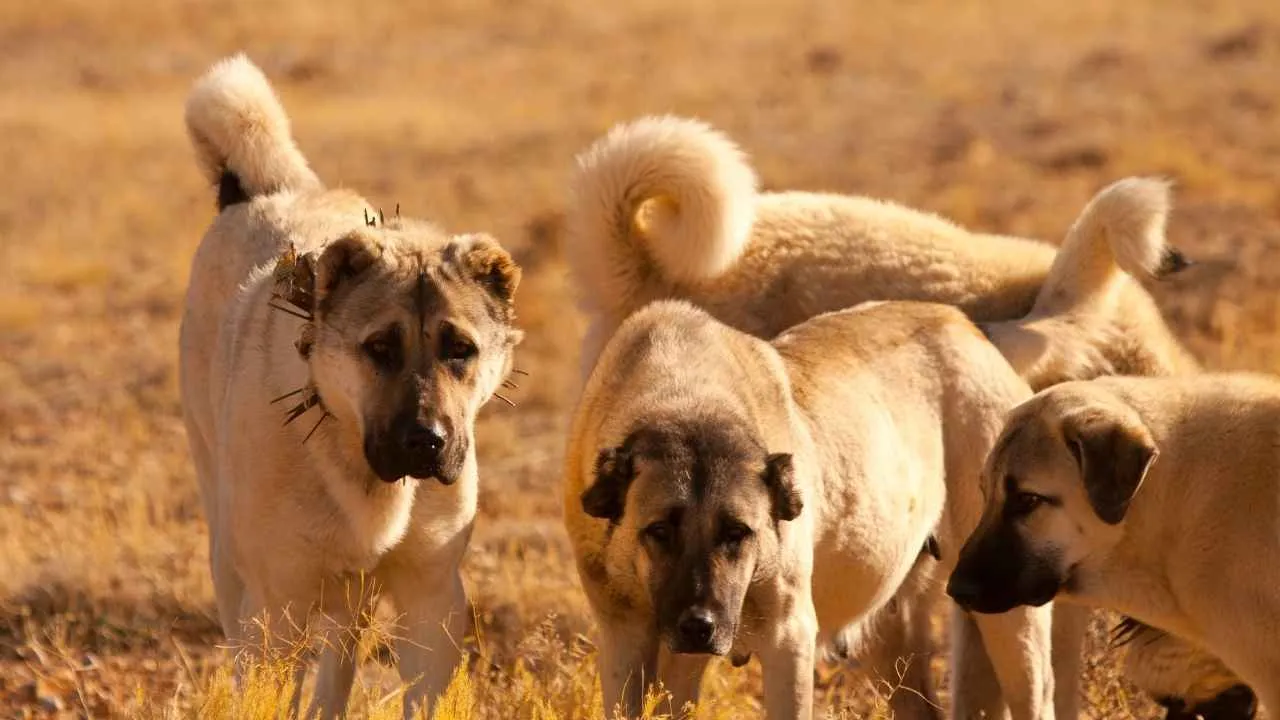
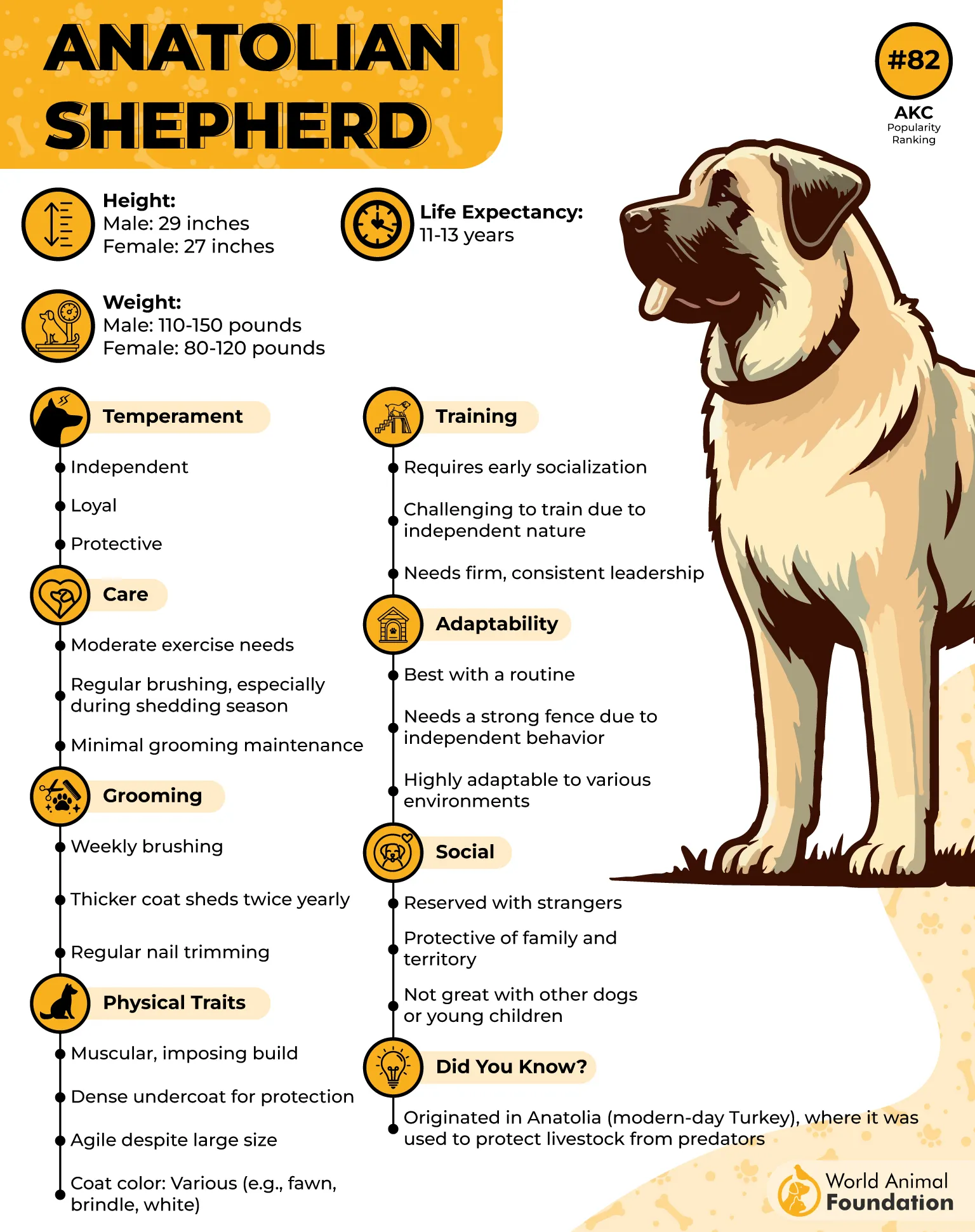
The Anatolian Shepherd descends from some of the oldest known domestic canine bloodlines and spent generations protecting livestock across Turkey. That deep-rooted guarding instinct remains one of the reasons this breed continues to be valued on working properties today.
Trusted With Serious Work
Protecting animals is more than a traditional task for this breed, as its abilities have even been used to help safeguard endangered cheetahs in Namibia, as PetMD writes. Physical presence alone is often enough to make potential threats think twice.
That reputation comes from several notable details:
Arrived in the U.S. during the 1950s
Used in cheetah conservation efforts
Bred for making decisions independently
Early Lessons Matter
This farm dog benefits from meeting different people, animals, and environments from a young age to build confidence in unfamiliar situations. A securely fenced yard and guidance from an experienced handler help channel the breed’s natural caution toward strangers.
2. Great Pyrenees
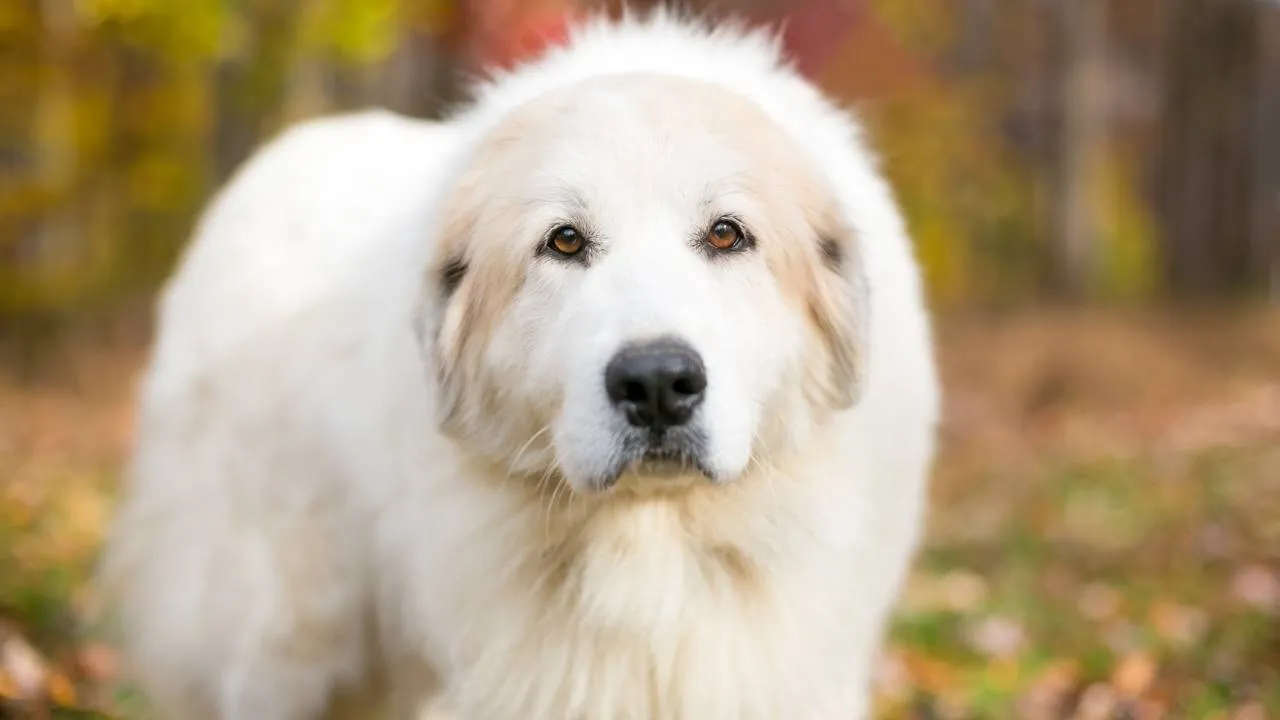
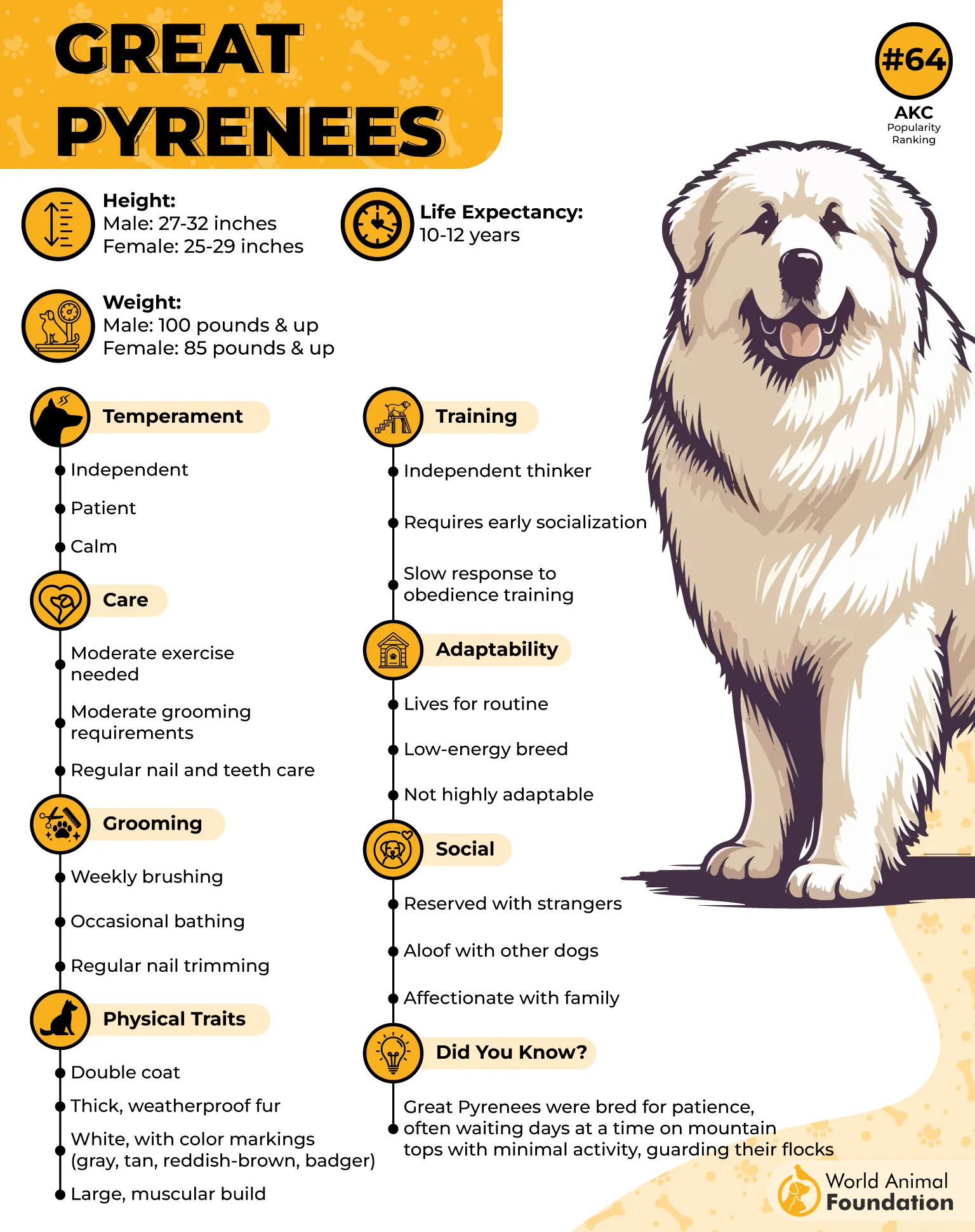
The Great Pyrenees spent generations herding sheep in the Pyrenees Mountains between France and Spain, where predators such as bears and wolves posed a constant threat. Its imposing size, strength, and quick reactions made this dog a dependable protector in remote grazing areas.
Blends Into the Landscape
A thick white coat served a practical purpose in snowy mountain terrain, helping the dog blend into its surroundings while keeping watch over livestock, as Showsight Magazine writes. That same coat became one of the breed’s most recognizable physical features.
Several details help explain its working nature:
Guarded flocks without direct supervision
Faced wolves and bears in mountain regions
Selected for independent decision-making
Steady Approach
This giant dog does not demand a packed schedule of activities and generally conserves energy rather than seeking constant action. Early socialization with different people, animals, and environments helps shape a confident dog that handles unfamiliar situations more comfortably.
3. Bernese Mountain Dog
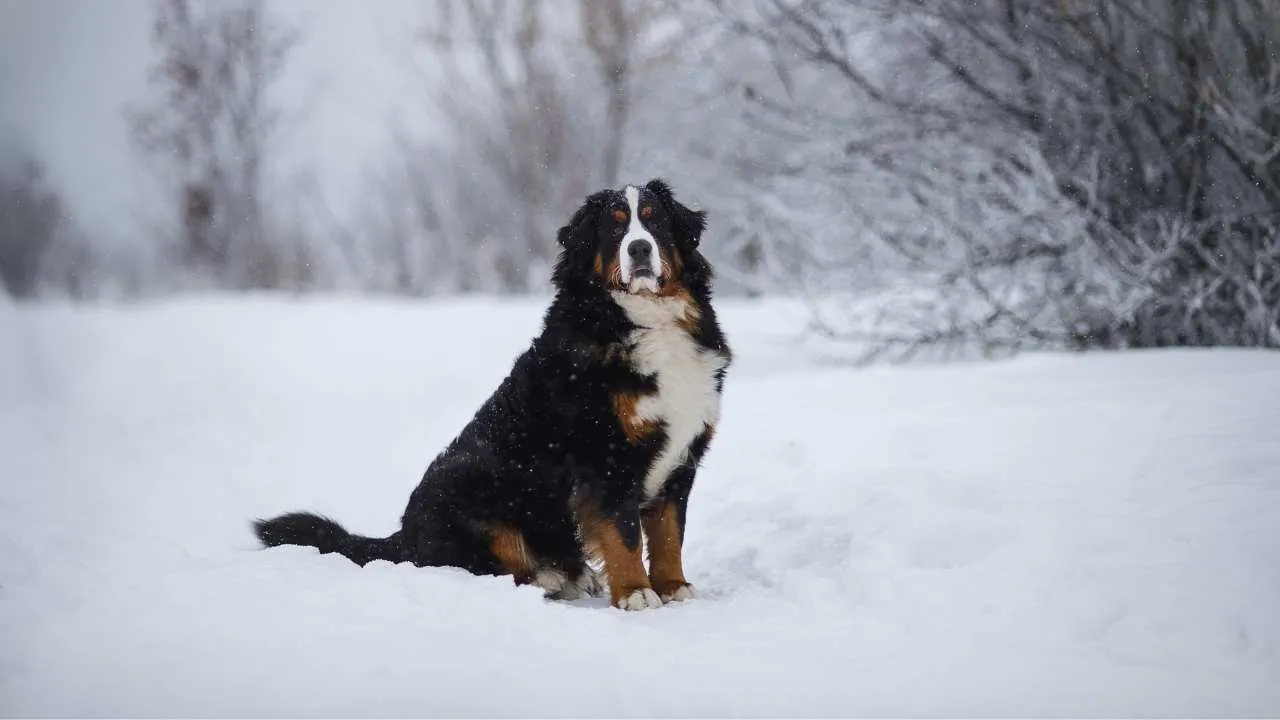
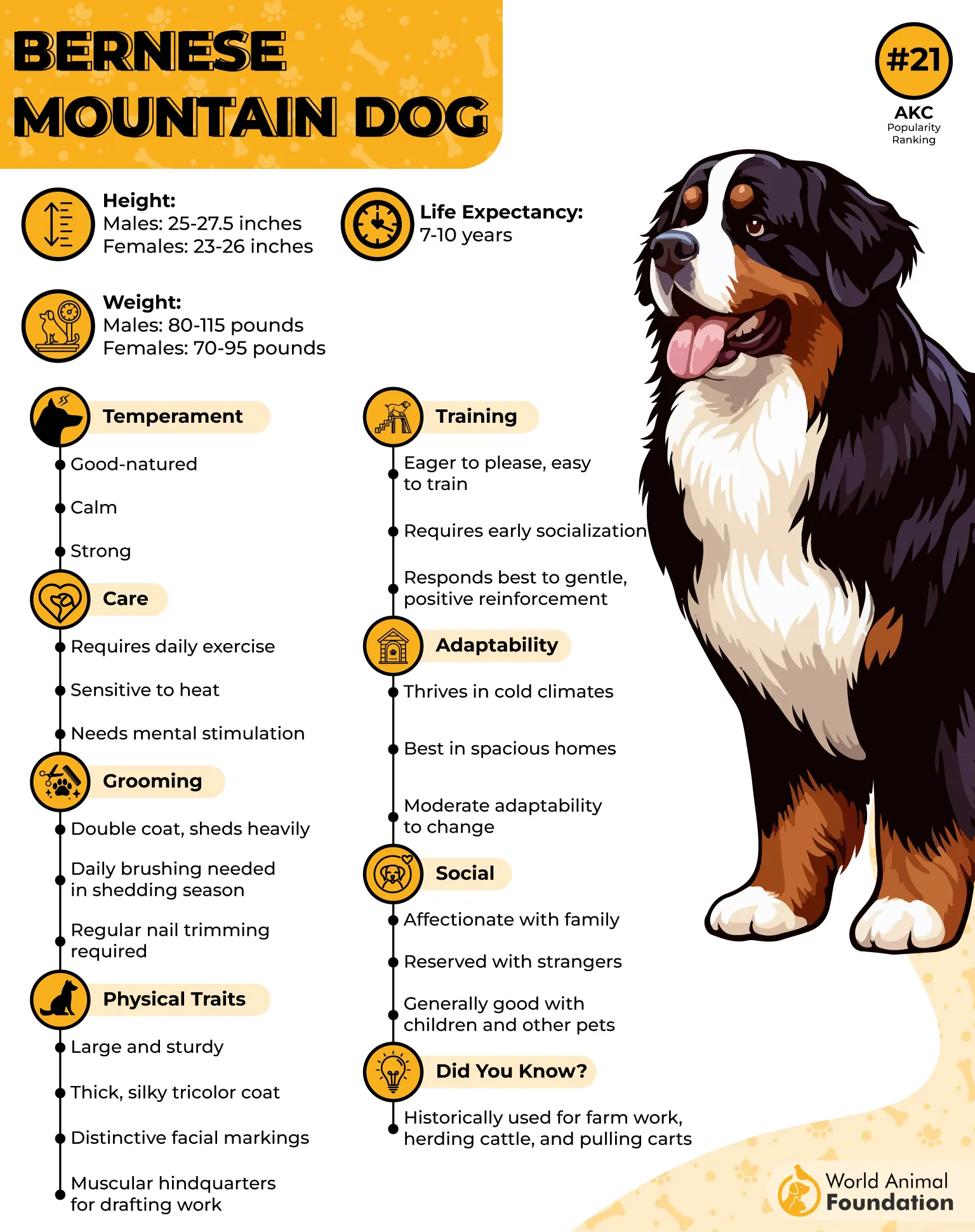
The Bernese Mountain Dog first gained recognition on Swiss farms, where physical strength and a dependable nature made it a valuable working partner. The breed later arrived in the United States during the 1920s, continuing its connection with agricultural life and daily farm routines.
Willing Worker
This farm dog breed combines intelligence with a strong desire to cooperate, qualities that can make training more straightforward than expected. That eagerness to please is especially useful when teaching manners around livestock, equipment, and busy outdoor environments.
The following points tell more about the breed’s personality:
Performs best with treats in training
Often reserved with unfamiliar people
Responds well to early socialization
Gentle Presence
The Bernese Mountain Dog is widely appreciated for its patient approach to children and its ability to coexist peacefully with other household animals, as per the AKC. While generally calm, this breed can quickly switch gears when invited to join a game or outdoor activity.
4. Komondor
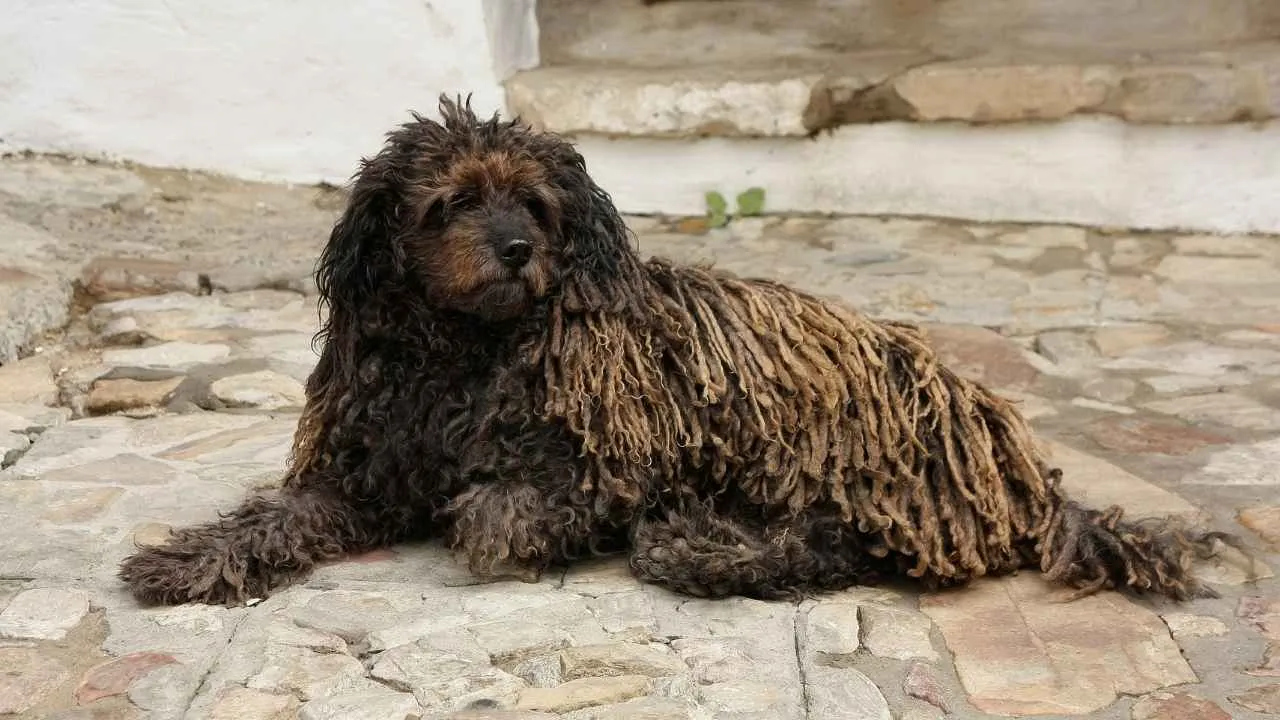
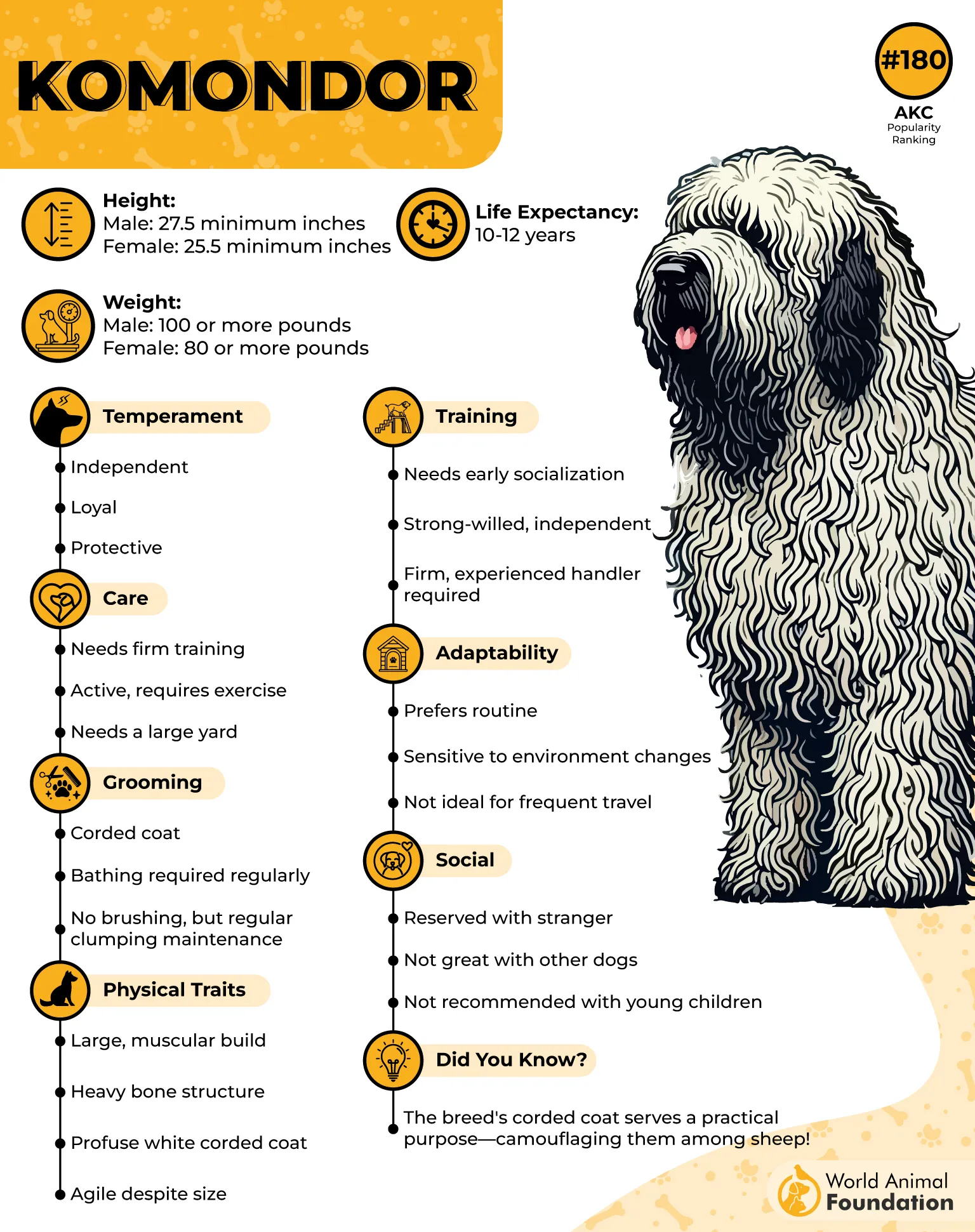
The Komondor is immediately recognizable by its heavy white corded coat, a feature that gives the breed one of the most unusual appearances in the dog world. Beneath that striking exterior is a calm, steady worker that has long been valued for watching over homes, property, and the people within them.
Watching Everything
They approach their surroundings with an independent mindset and a natural tendency to keep an eye on what matters. That quiet confidence often suits large properties where awareness and good judgment are valued every day.
These details add further insight:
Typically quiet indoors
Intelligent problem-solver
Affectionate with family members
Family Circle
As a family dog, they form close bonds with the people and animals it accepts as part of its group. Proper socialization and proper training at a young age help this breed become more comfortable with children, livestock, visiting dogs, and the variety of encounters that come with daily ranch life.
5. Maremma Sheepdog
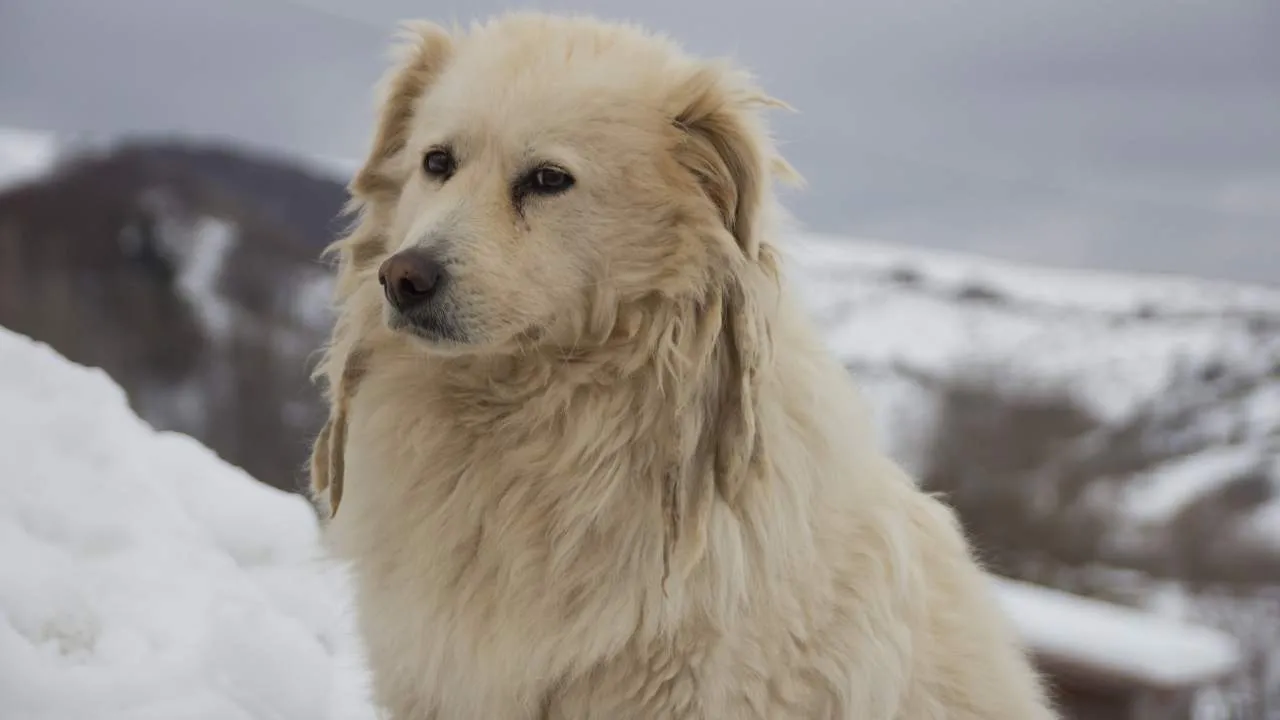
The Maremma Sheepdog was originally bred to protect livestock in Italy, where shepherds relied on its judgment when wolves threatened flocks. Even today, this breed continues that role in parts of the Abruzzo region, where livestock protection remains an everyday necessity.
Watching Everything
They approach guarding with remarkable seriousness, keeping an eye on livestock, property, and family members throughout the day. Visitors may receive a cautious reception because this breed naturally assesses unfamiliar situations before relaxing.
These qualities highlight the breadth of that role:
Protects sheep, goats, and cattle
Used with penguin conservation projects
Can bond closely with chickens and cats
Life on the Ranch
The Maremma Sheepdog enjoys companionship and generally prefers having people, dogs, or other small animals nearby during the day. Barking often serves as its first response to perceived intruders, making early “quiet” training especially useful in busy environments.
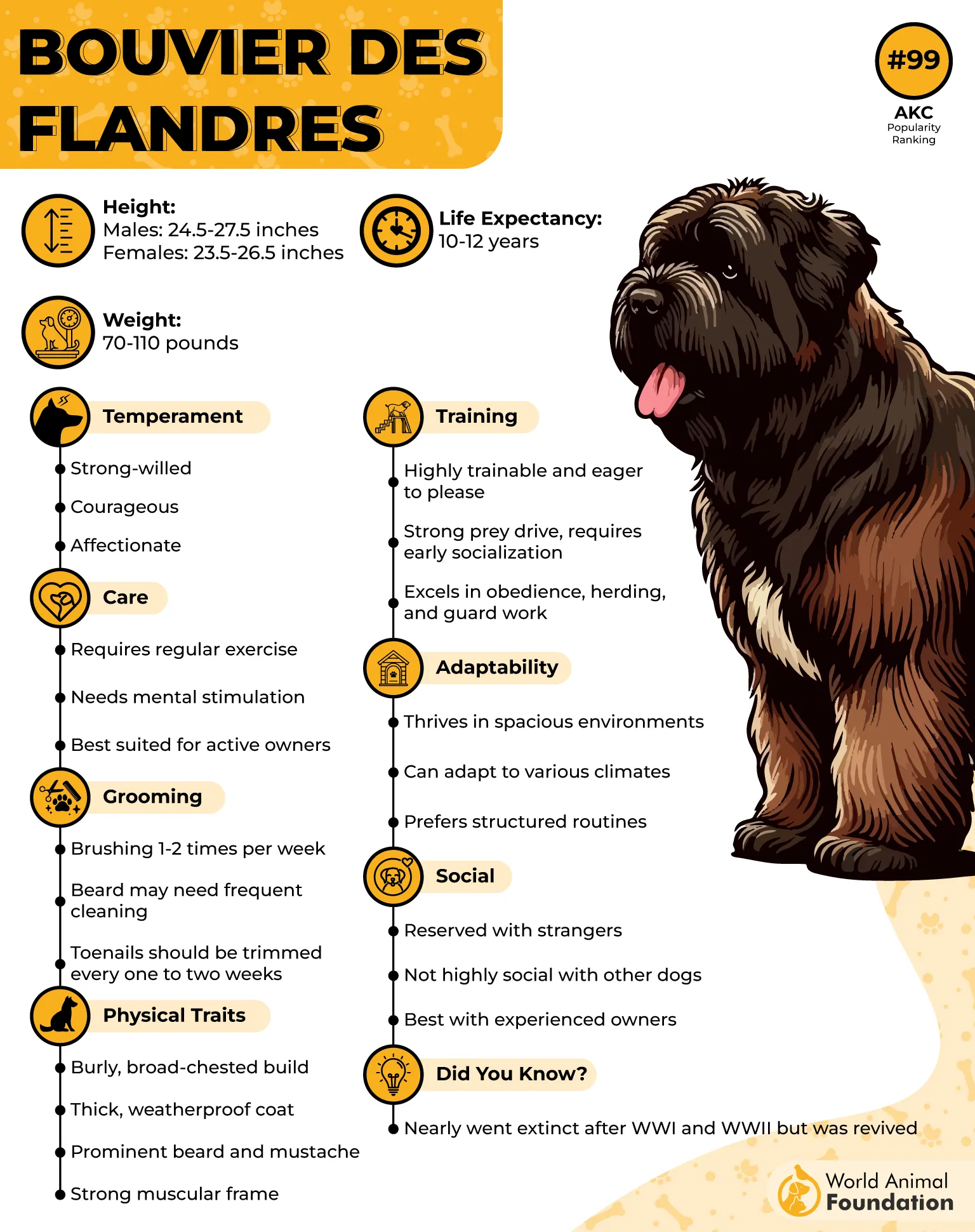
6. Bouvier des Flandres
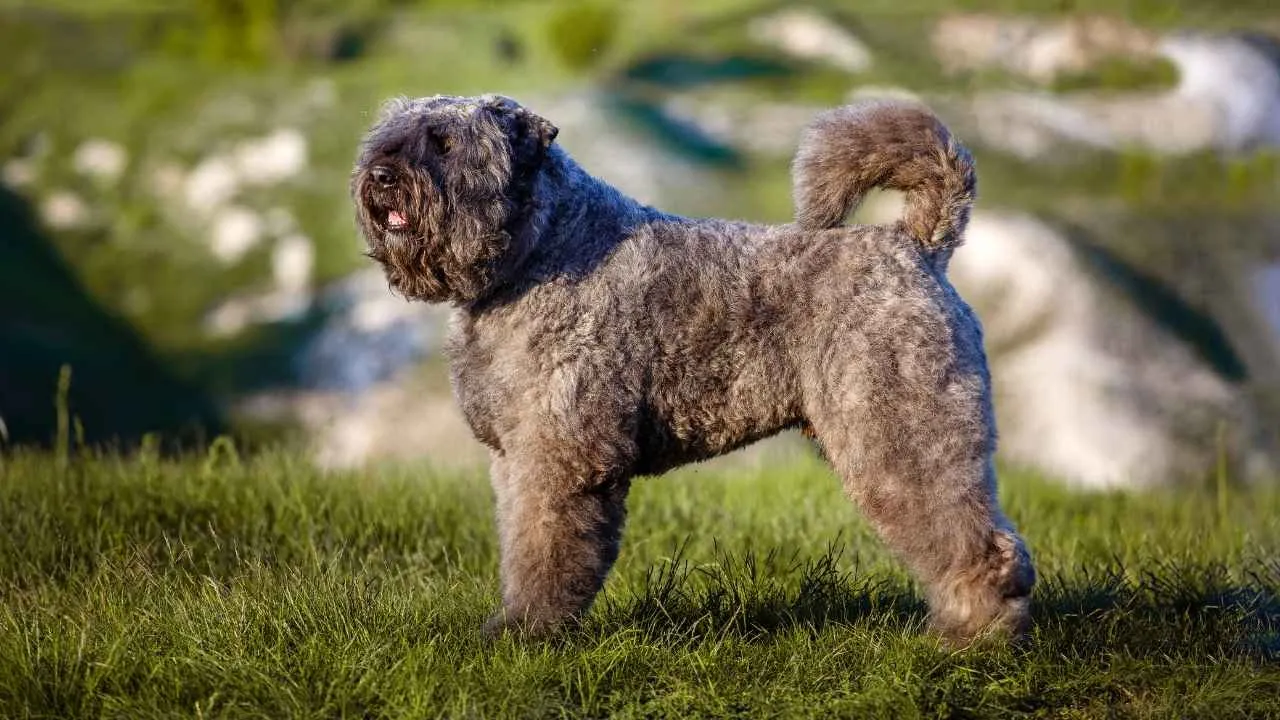
The Bouvier des Flandres began as a hardworking farm dog in Belgium, handling demanding tasks that included guiding cattle and pulling carts loaded with heavy milk jugs. Those responsibilities required both physical strength and the ability to work closely alongside people throughout the day.
Purpose Matters
They do best when regular activity fills their schedule, as this breed combines intelligence with substantial energy. Ranch work, long hikes, dog sports, and structured tasks help channel that drive into something productive.
Their working roots are shown here:
Intelligent and strong-willed
Able to work from dawn to dusk
Also known as “Dirty Beard”
Early Lessons
Bouvier des Flandres puppies benefit from socialization and training from an early age because they can be cautious around unfamiliar people. Consistent exposure to visitors, new environments, and everyday situations helps build calmer responses as they mature.
7. Caucasian Shepherd
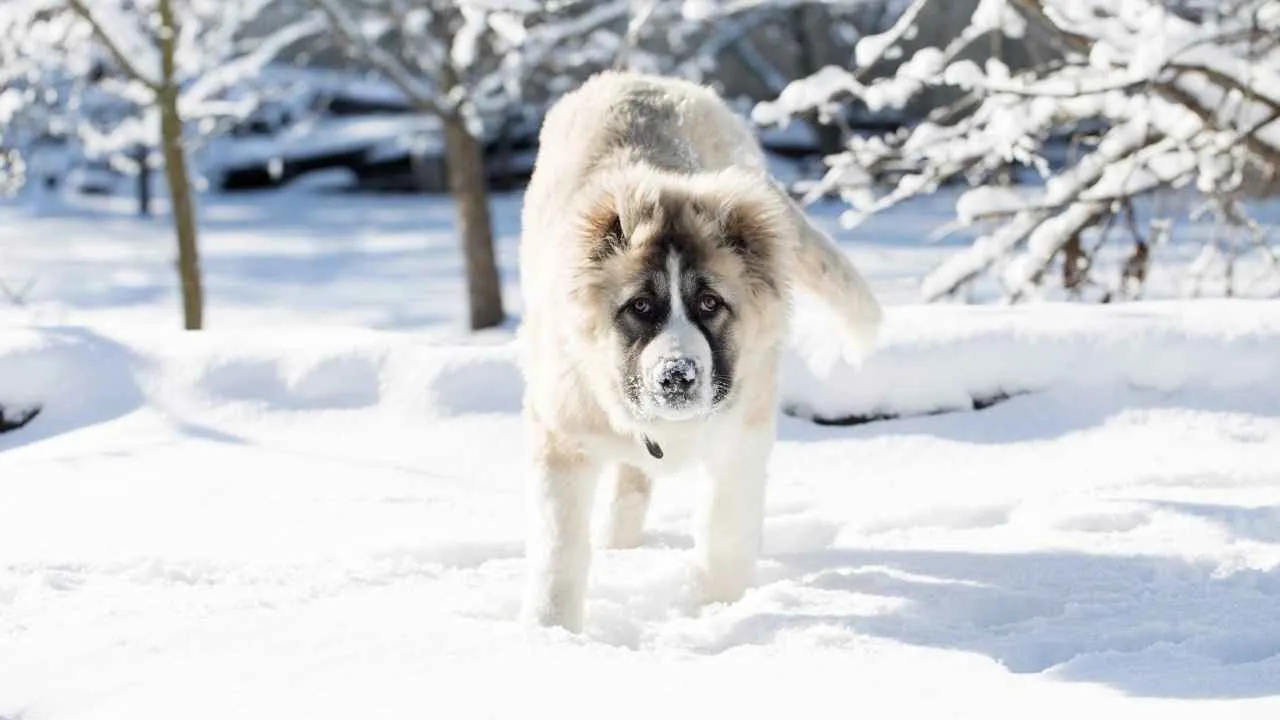
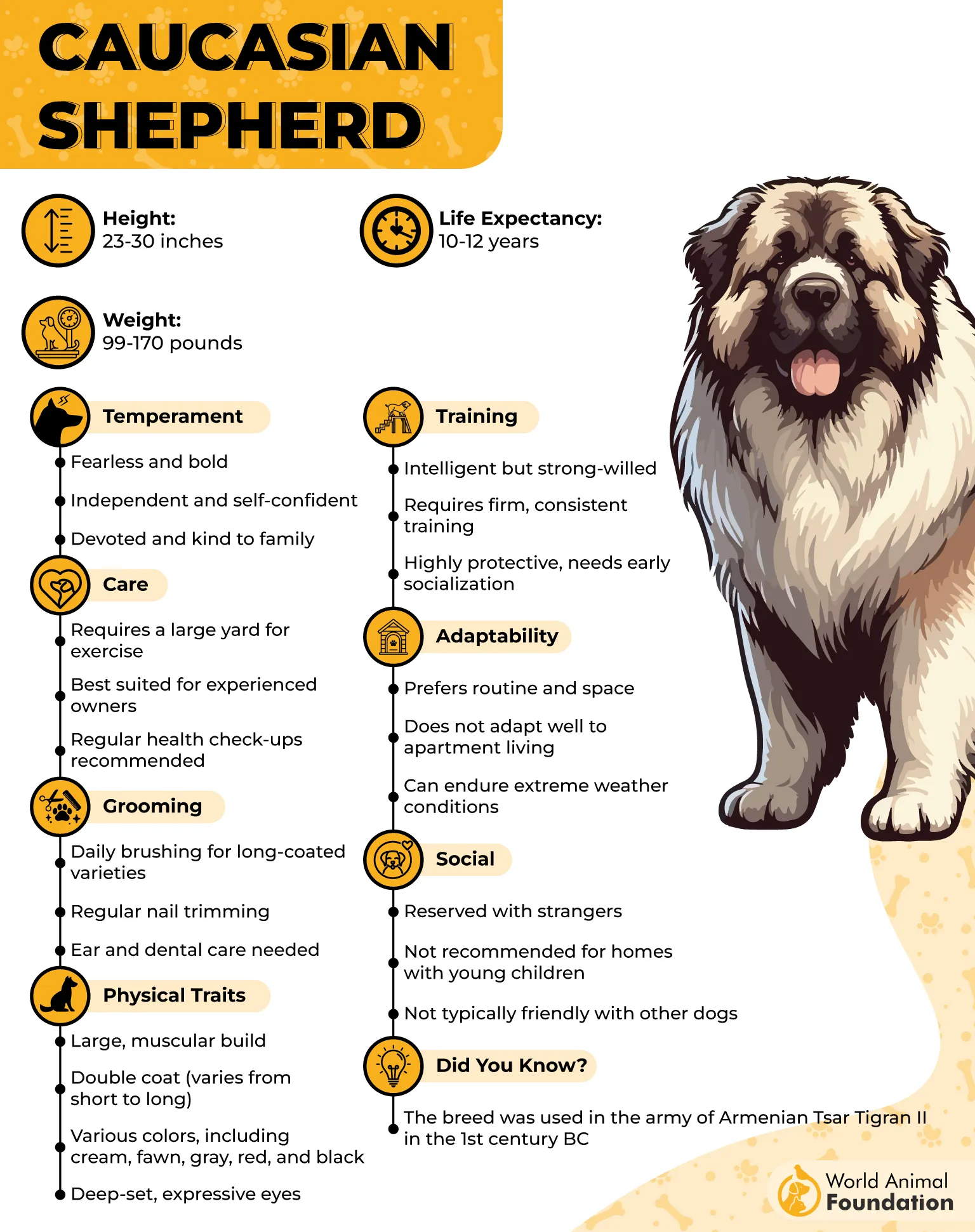
The Caucasian Shepherd built its reputation as a guardian, and that purpose still shapes the breed’s behavior today. Originating in Eastern Europe, this powerful dog approaches its surroundings with confidence, awareness, and a strong sense of independence that comes naturally to the breed.
Room to Think
This shepherd tends to make decisions on its own, which can be valuable in working environments where constant direction is not practical. That independent mindset also means training requires consistency and positive reinforcement from the beginning.
The worth noting traits of the breed are:
Also known as the Caucasian Ovcharka
Not for young children or multiple pets
Obedience training should begin early
Loyalty With Boundaries
The Caucasian Shepherd forms strong attachments to its people while still preferring a degree of personal space and autonomy. This combination of loyalty and self-reliance explains why the breed is often considered a challenging choice for first-time dog owners.
Conclusion
A successful ranch dog contributes something valuable every day, whether that means protecting livestock, monitoring property, or staying close during long hours of work. The breeds featured here were shaped by responsibilities that demanded physical ability, confidence, and a strong work ethic.
While their appearances may differ, each one carries instincts and traits developed for challenging environments where reliability matters. Their presence often brings reassurance as much as practical assistance. For owners who need a capable partner rather than simply a pet, these dogs offer a combination of strength, dedication, and purpose that continues to stand the test of time.
