




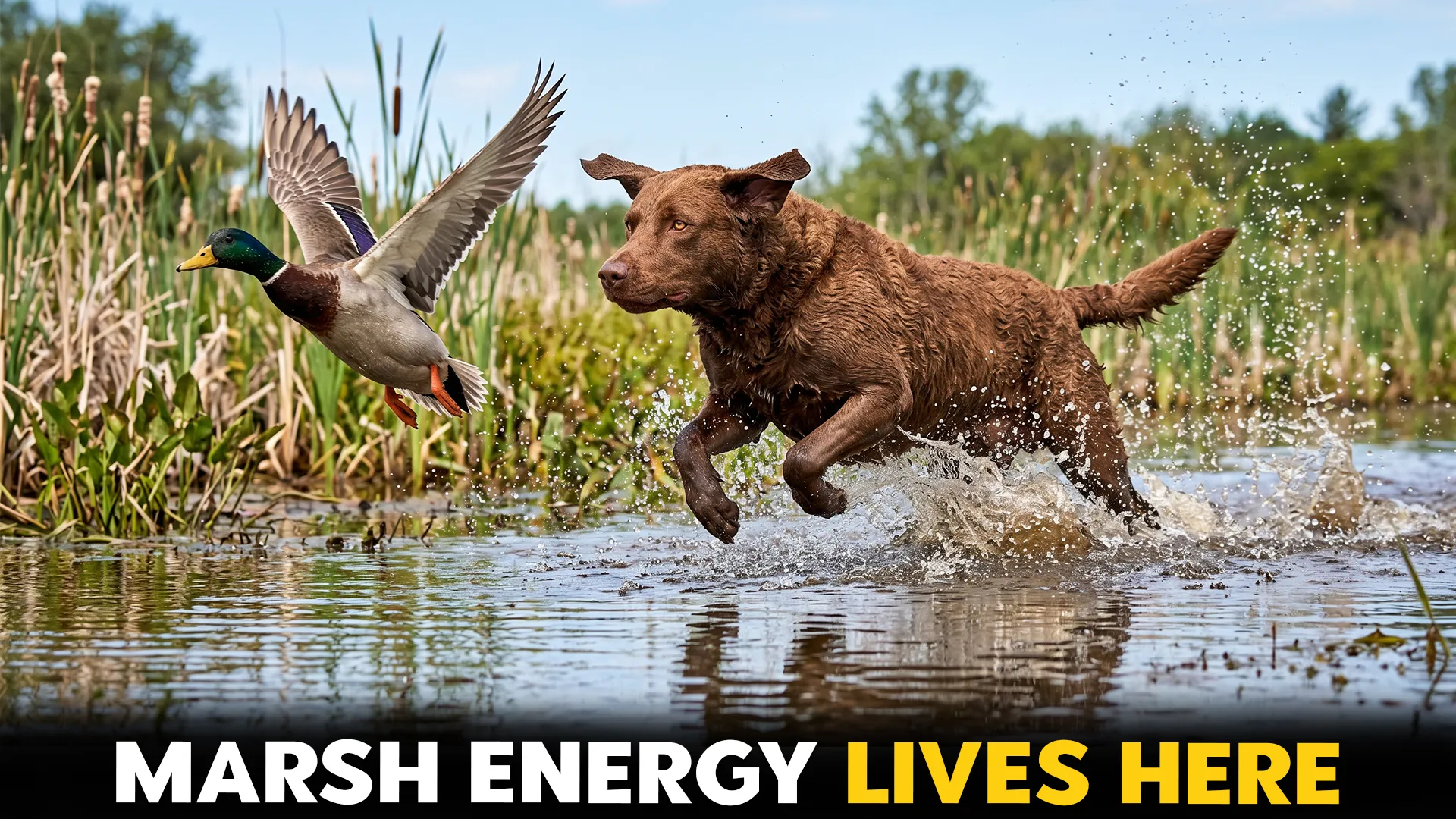
There is a reason certain dogs react differently when they spot birds skimming across a pond or hear movement coming from a marsh.
The response appears almost automatic, as though something hidden beneath the surface suddenly switches on. What makes this especially interesting is that many of these dogs have never been trained to work around waterfowl at all. Yet they still display behaviors that suggest generations of inherited purpose.
They watch carefully, track movement with surprising precision, and remain focused on environments that other dogs would quickly ignore. These instincts continue to appear even in modern homes far removed from hunting fields and wetlands. They reveal a connection between ancestry and behavior that remains remarkably strong.
In the sections ahead, you’ll meet extraordinary breeds whose deep-rooted waterfowl instincts continue to influence the way they move, think, and explore.
Key Takeaways
Water, distance, and heavy cover test every retriever, yet a few breeds seem naturally tuned to handle these challenges with ease.
Labrador Retriever and Golden Retriever stand out early in this world of waterfowl work, shaped by generations of training for swimming, marking, and soft retrieval.
Chesapeake Bay Retriever and Irish Water Spaniel take things further with icy water endurance and coats designed to handle extreme field conditions.
The full list reveals how each breed carries a different kind of instinct that makes water work look effortless in the field.
Amazing Dog Breeds With Natural Waterfowl Instincts
1. Labrador Retriever
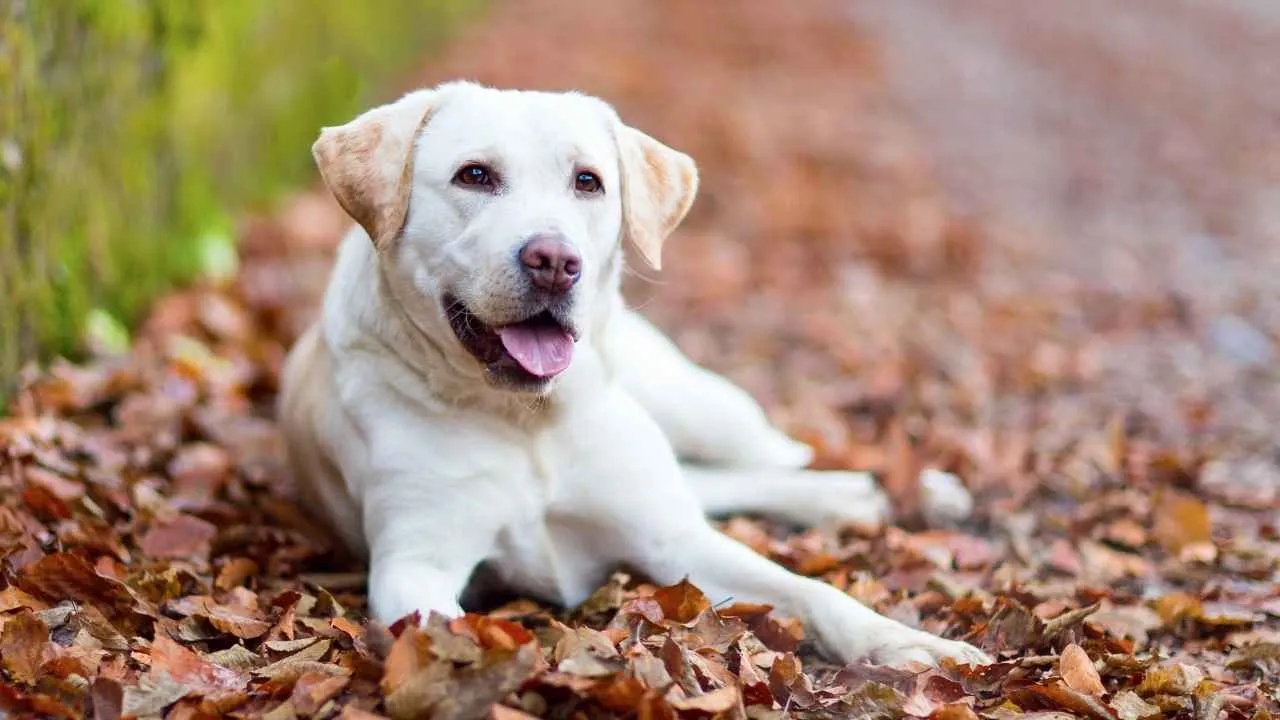
The Labrador Retriever began in Newfoundland, where early dogs assisted fishermen with tasks that required confident swimming and retrieving. Those original dogs looked quite different from modern Labs and spent much of their time working around lakes, boats, fish, and water.
Retrieval Specialist
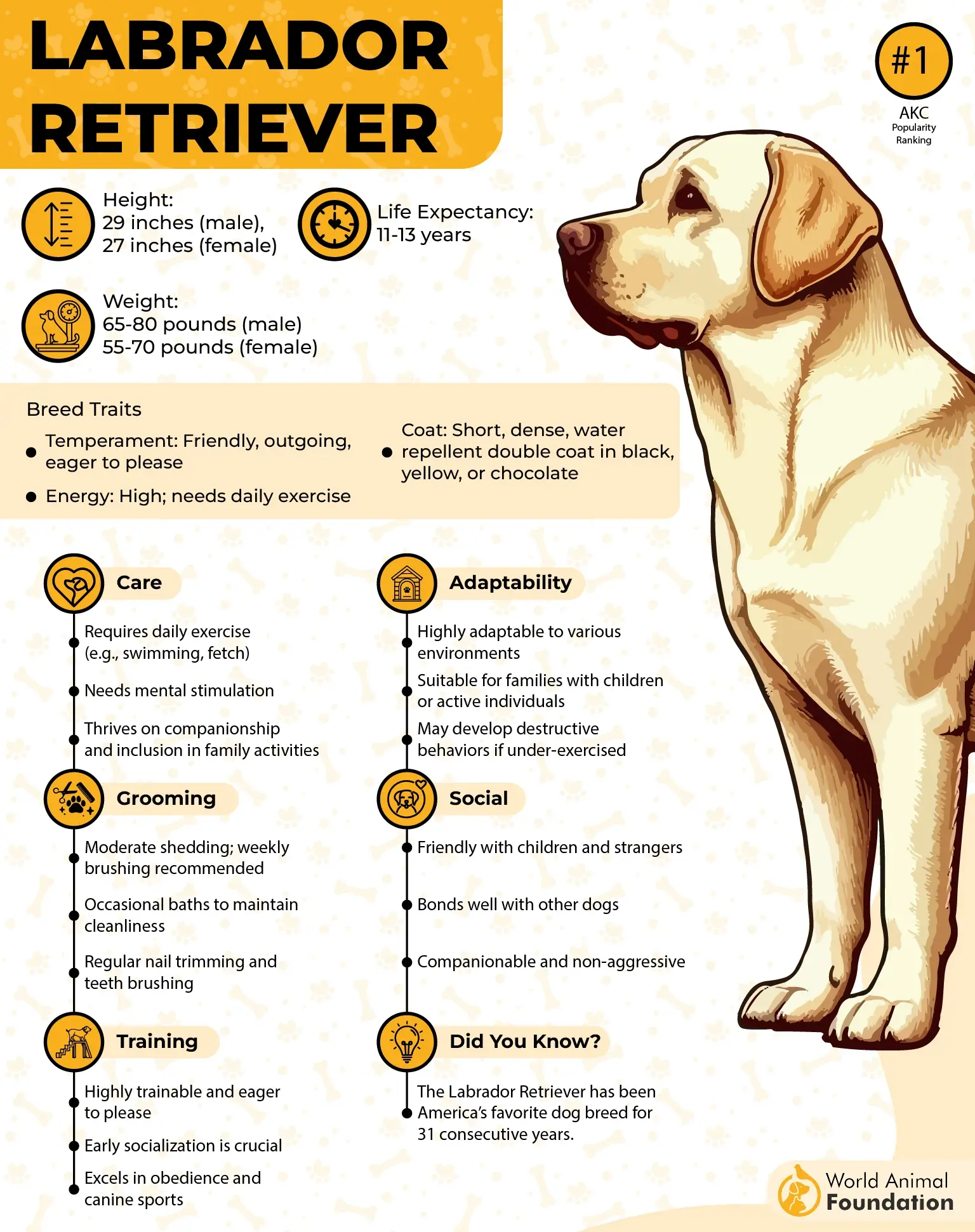
This dog breed earned a worldwide reputation in waterfowl hunting because of its ability to locate and recover birds in difficult conditions. Strong swimming ability, sharp marking skills, and dependable focus help this breed work effectively in deep water and dense cover.
Several physical traits contribute to that success:
Webbed feet for propulsion
Otter tail for steering
Soft mouth for game retrieval
Memory That Matters
Labs possess an impressive ability to remember where birds fall, even when vegetation or distance makes retrieval more challenging. Combined with a willingness to follow direction, that skill explains why this breed remains a trusted choice for demanding field work.
Beyond the Marsh
They adapt to a remarkable variety of roles, including assistance work, therapy visits, detection tasks, and family companionship, as per Assistance Dogs International. Its patient nature with children, eagerness to learn, and responsive attitude make early training especially rewarding.
2. Chesapeake Bay Retriever
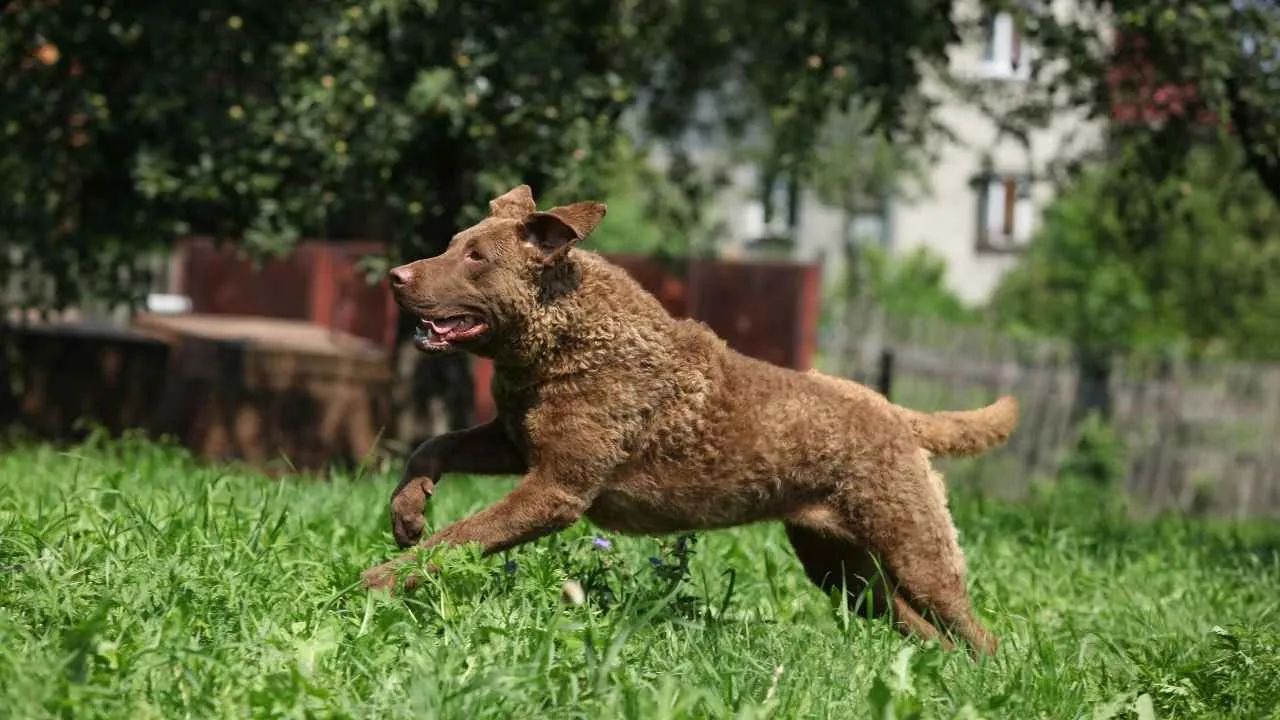
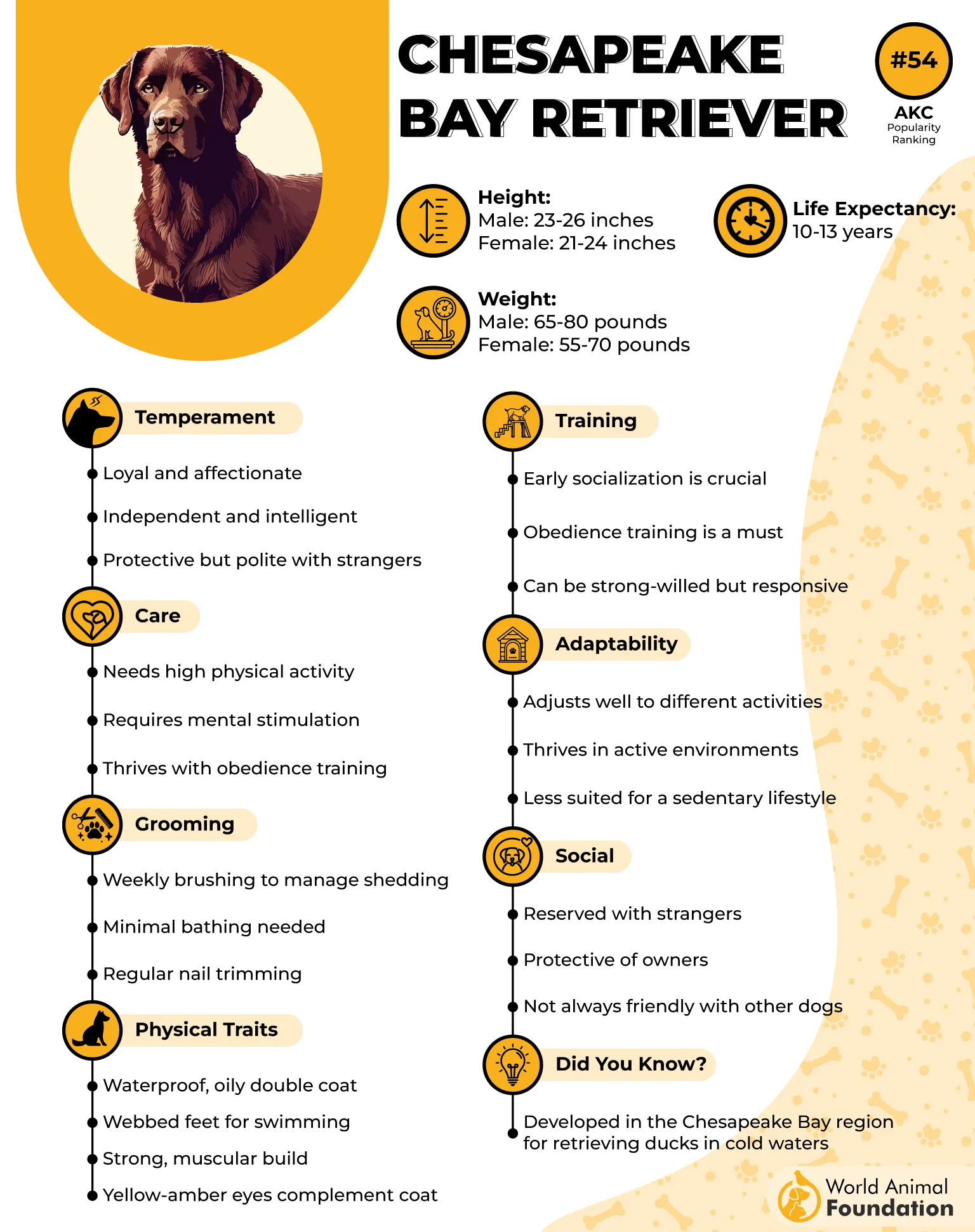
The Chesapeake Bay Retriever built its reputation in the demanding waters of the Mid-Atlantic, where icy temperatures and strong currents tested every retrieving dog.
This rugged American breed gained recognition from the American Kennel Club in 1885 and remains closely associated with serious waterfowl work, as Omlet noted.
Nature’s Equipment
A dense double coat with a naturally oily texture helps keep water away from the skin while providing insulation in freezing conditions. That practical design plays a major role in the breed’s ability to spend extended periods working in cold bays.
These physical traits contribute to that ability:
Fully webbed feet
Flipper-like swimming action
Built for heavy currents
Independent Worker
This waterfowl hunting dog approaches tasks with intelligence and determination, often relying on its own judgment when conditions become difficult. That combination of persistence and problem-solving ability has long been valued in demanding retrieval situations.
Loyal Circle
The Chesapeake Bay Retriever is affectionate with family members and generally patient with children, dogs, and household cats when raised together. New visitors usually receive a more reserved reception, as this breed tends to approach unfamiliar people with caution, especially inside the home.
3. Golden Retriever
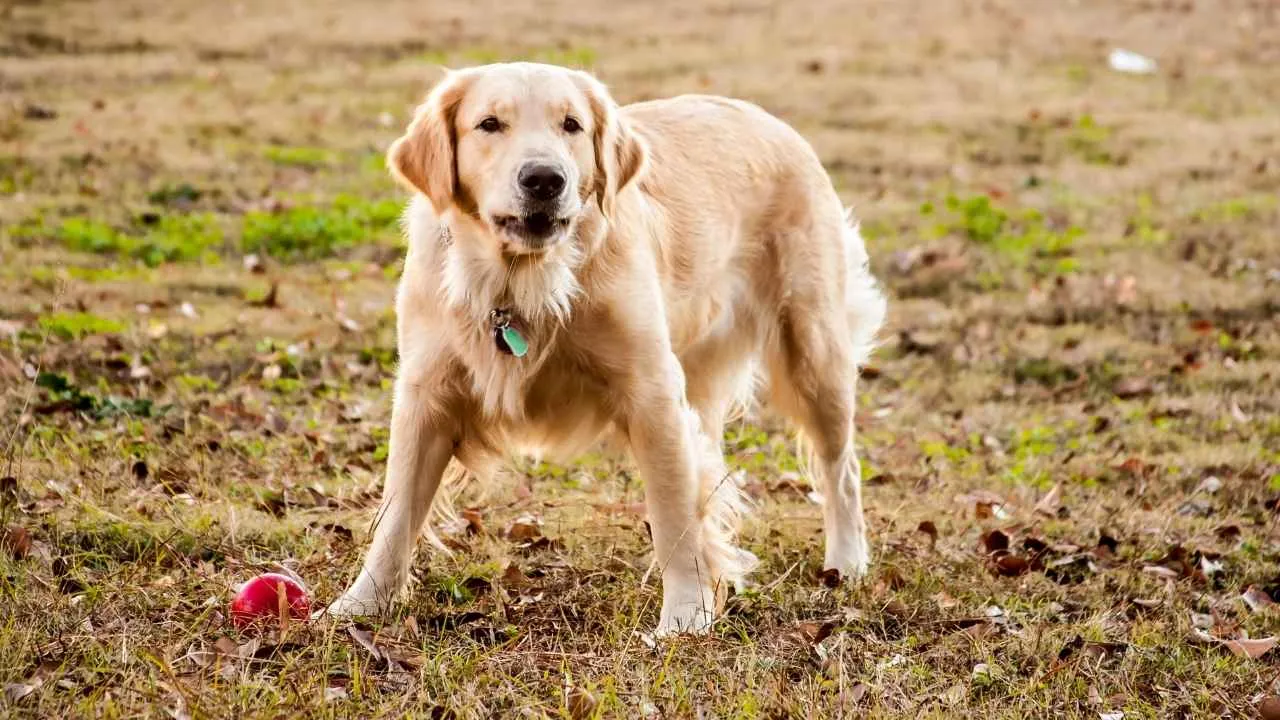
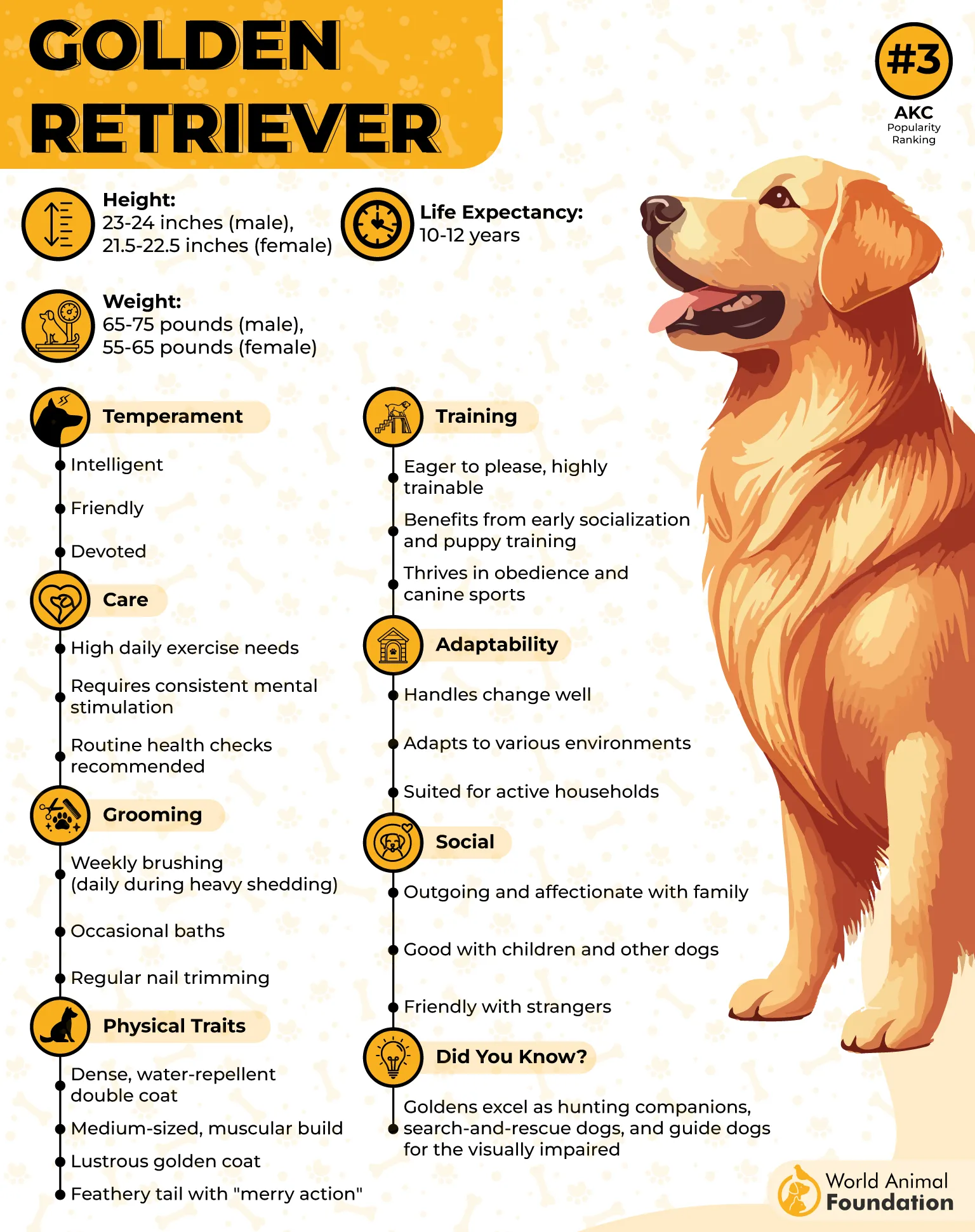
The Golden Retriever was originally developed with a very specific purpose in the Scottish Highlands, where Lord Tweedmouth sought a dog capable of recovering downed ducks and geese through thick vegetation and difficult terrain. That focus shaped a breed whose instincts still align closely with waterfowl work today.
Made for Cold Water
A dense undercoat helps insulate this breed in chilly water, while the outer coat adds another layer of protection during long retrieves. Those physical traits played an important role when birds had to be recovered across ponds, marshes, and uneven ground.
These points reveal how carefully this breed was shaped:
Created using Newfoundland ancestry
Setter blood was added later in its formation
Bred specifically for duck and goose retrieval
A Gentle Grip
This versatile breed also features a soft mouth, allowing game birds to be brought back without crushing bones or damaging meat, as mentioned by the AKC. That kind of control reflects the careful precision expected from a dog working closely alongside their hunting companions in the field.
Beyond the Marsh
Golden Retrievers’ intelligence and willingness to cooperate opened doors far beyond hunting environments. Today, this breed also assists as a guide dog, hearing dog for the deaf, search-and-rescue worker, and explosives detection partner while remaining highly responsive during training.
4. American Water Spaniel
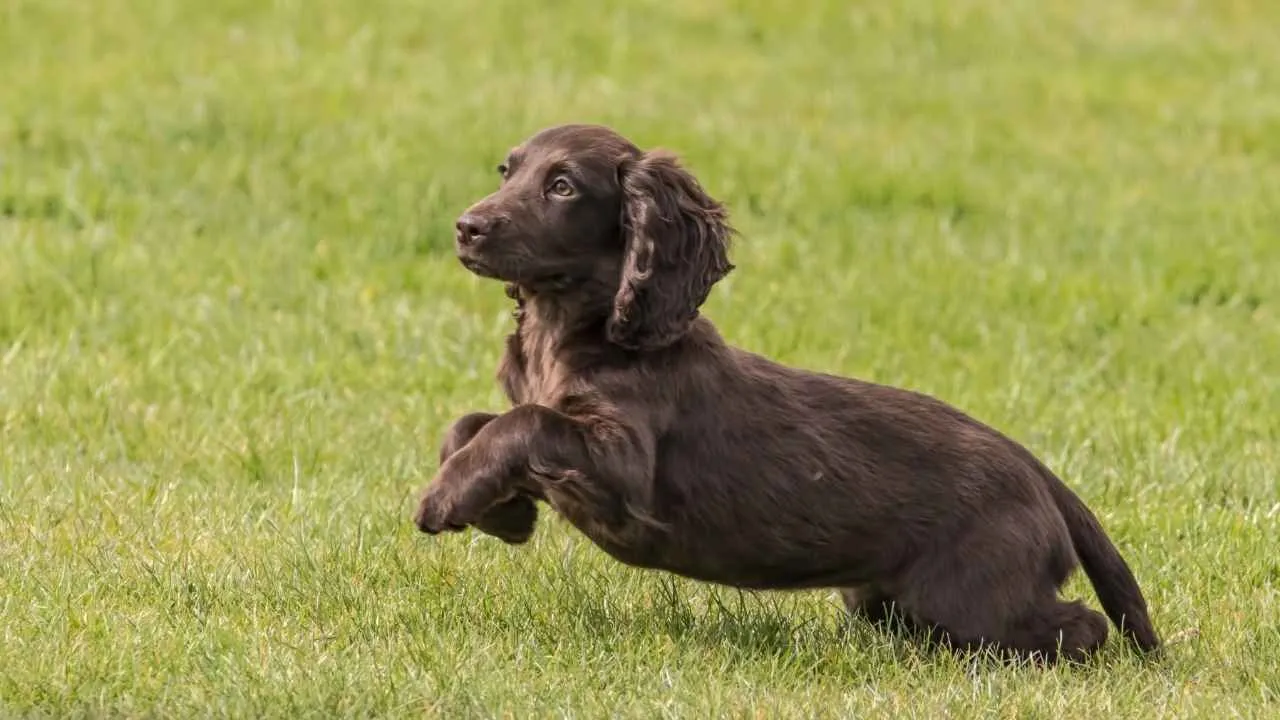
The American Water Spaniel was created for a very specific purpose: retrieving birds from small boats while working through cold, dense marshland. Its compact size proved especially useful in canoes, skiffs, and other narrow watercraft where extra space was limited.
Made for Tough Conditions
A dense coat with curly or marcel-waved texture helps this breed handle icy water, thick vegetation, and demanding hunting environments. Natural oils within the water-resistant coat add another layer of protection when conditions become wet and uncomfortable.
This is how specialized this breed became:
Bred along Wisconsin’s Fox and Wolf River valleys
Used for both retrieving and flushing game
Nicknamed the “little brown dog”
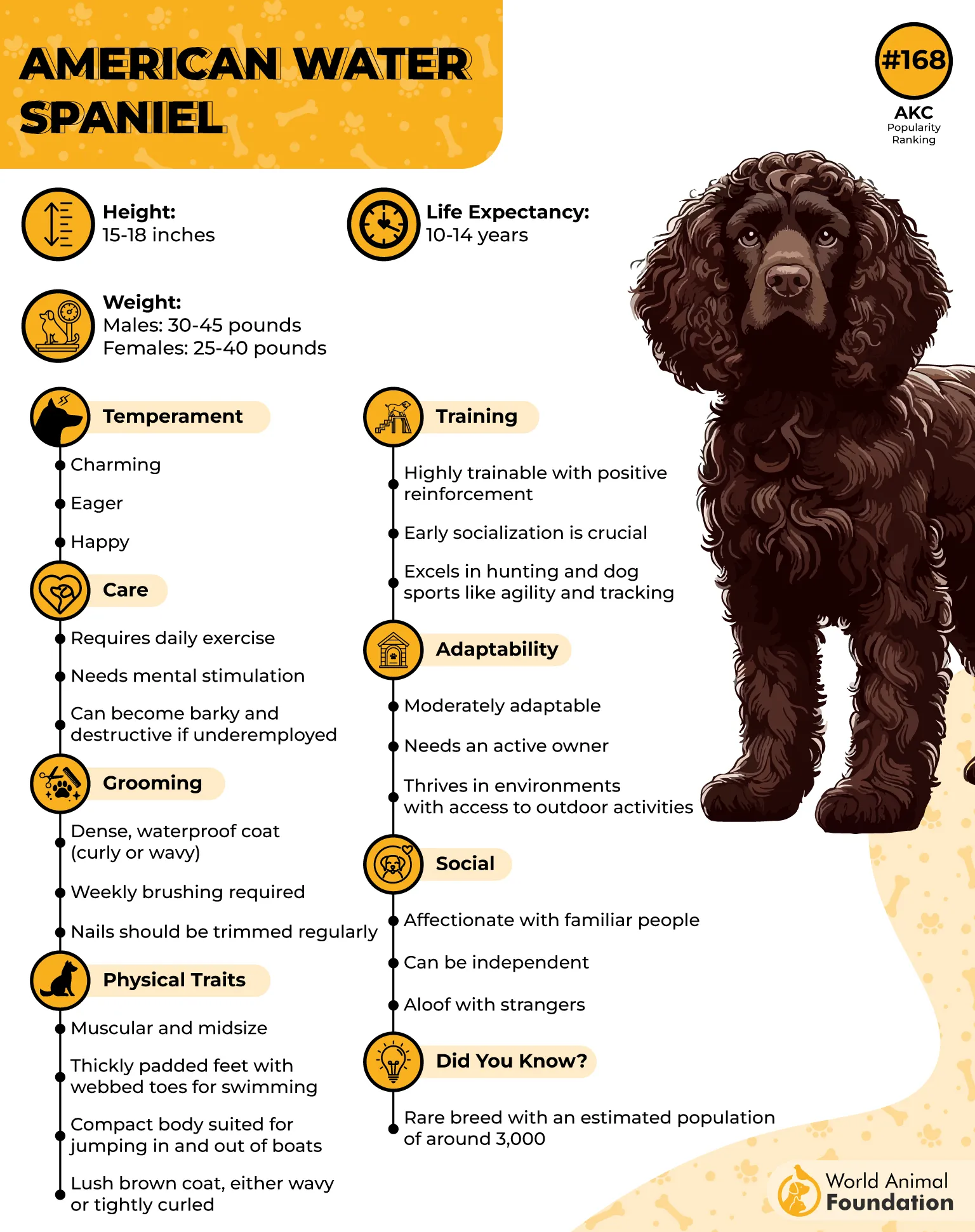
Nose for the Job
The American Water Spaniel works with a steady approach rather than rushing through cover in search of birds. An excellent sense of smell and strong marking ability help it locate downed game that might otherwise remain hidden in heavy vegetation.
Close Family Bonds
As a wonderful family pet, they form especially strong attachments to a primary handler and often gravitate toward certain family members. Positive, varied training tends to produce the best results, while early exposure to new people can help build confidence around unfamiliar faces.
5. Nova Scotia Duck Tolling Retriever
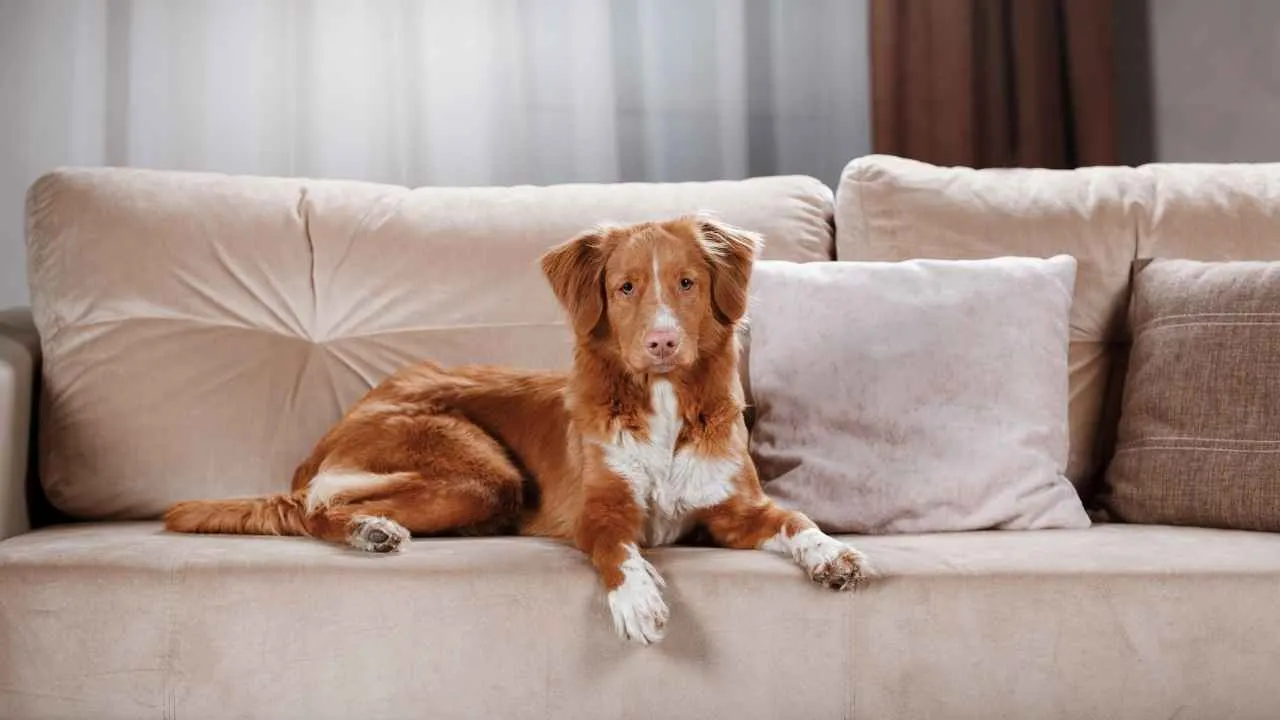
The Nova Scotia Duck Tolling Retriever got its name from a hunting technique that relied on curiosity rather than pursuit. The white tip of its tail helped draw waterfowl closer to shore, creating an opportunity for hunters before the dog retrieved the downed birds.
Built for Cold Water
Life around the Atlantic coastline shaped a dog well-suited for retrieving in chilly conditions and rough water. Their dense double coat provided insulation, while their strong swimming ability helped them work comfortably in demanding environments.
A few physical features played an important role:
Fully webbed feet
White-tipped tail
Water-repellent coat structure
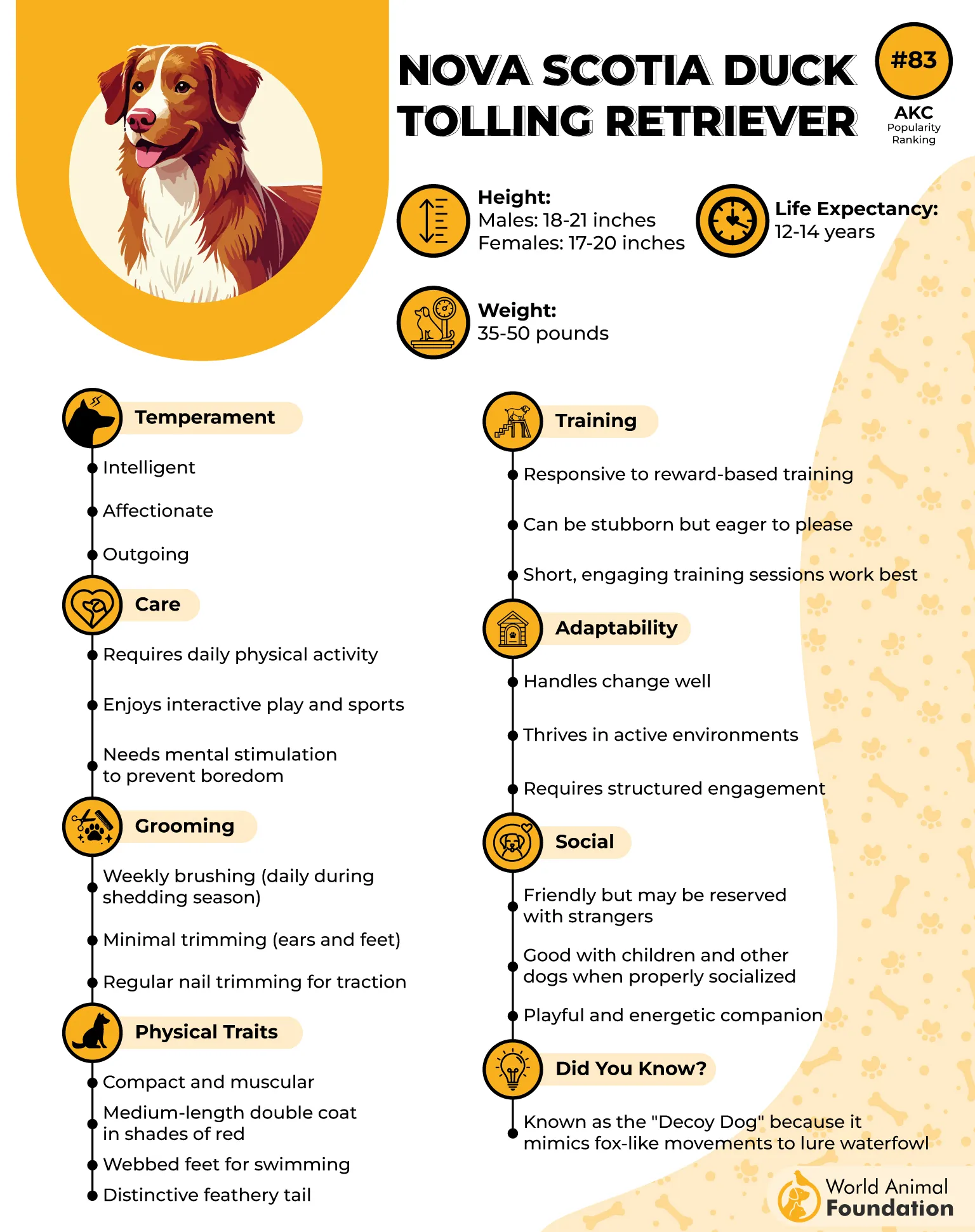
Quick Minds, Quick Learners
This waterfowl dog breed combines intelligence with an eagerness for activity, which is why training often begins at a young age. Retrieval comes naturally to this breed, making toy-based recall exercises a practical way to build early skills and focus.
Friendly With a Spark
The Nova Scotia Duck Tolling Retriever generally gets along well with children, dogs, and household pets when properly introduced. Some experienced hunters also compare its personality to a blend of a Golden Retriever and a Terrier because of its curious nature and mischievous streak.
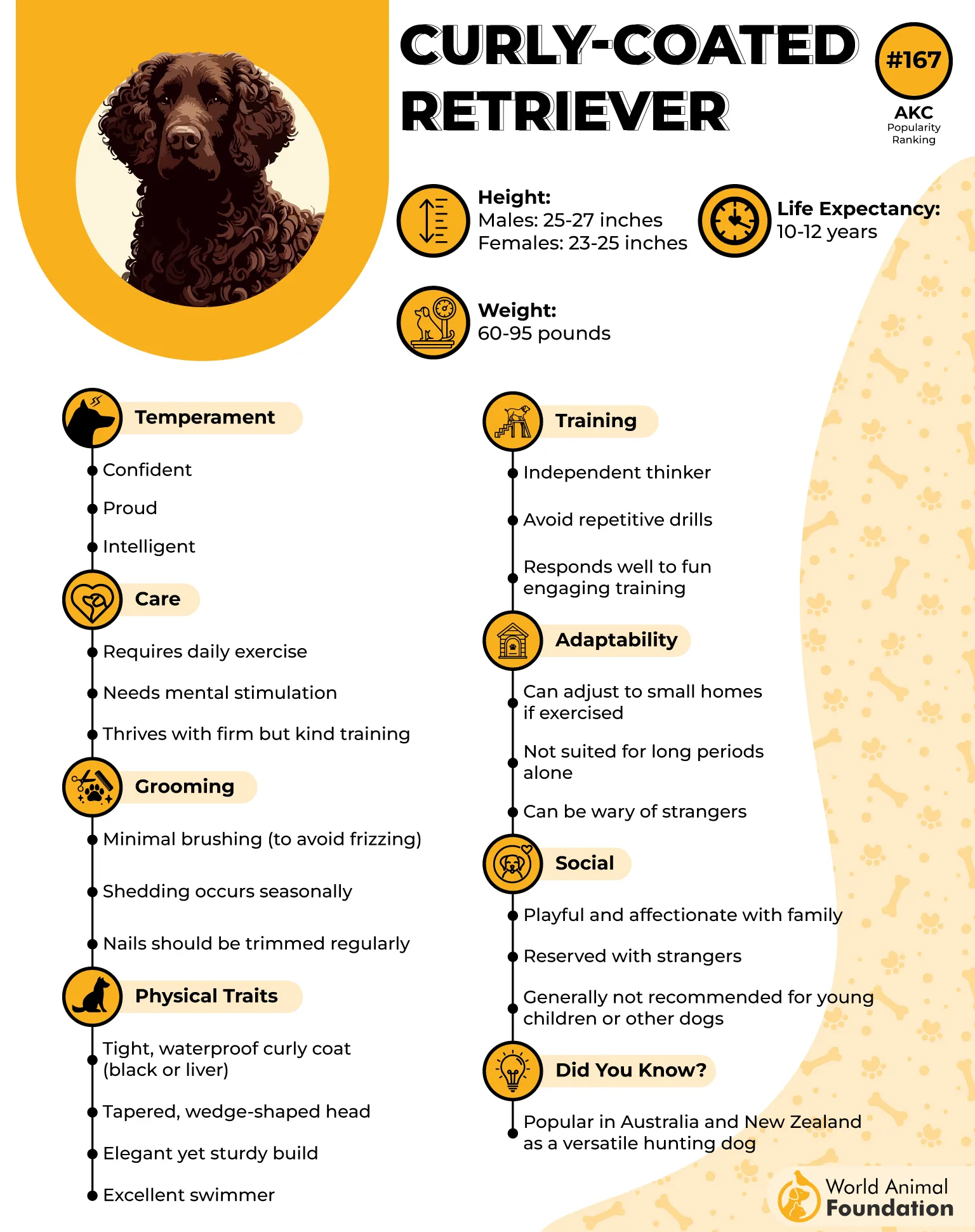
6. Curly-Coated Retriever
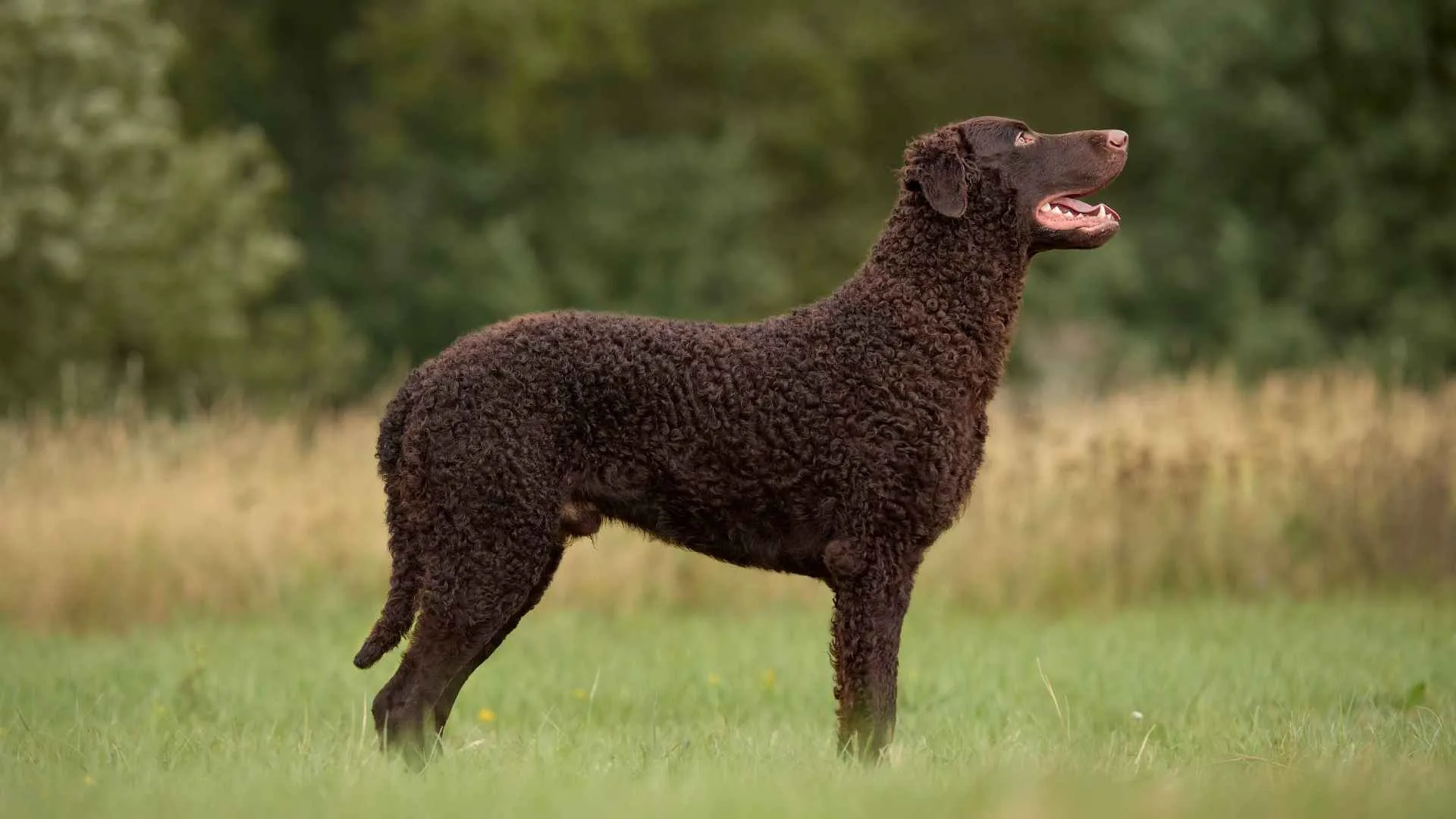
The Curly-Coated Retriever spent generations retrieving game from icy waters and thick marshland, where determination mattered as much as physical ability. It is also recognized as one of the oldest and tallest retriever breeds, giving it a distinct place among sporting dogs.
A Coat With a Job
Tight, crisp curls do much more than shape this breed’s appearance, helping repel water and provide insulation in cold conditions. The same coat also offers an extra layer of protection when pushing through rough vegetation near wetlands.
A few details reveal how practical that design is:
Protects against briars and brambles
Sheds water efficiently
Handles dense marsh cover
Thinks for Itself
The Curly-Coated Retriever approaches field work with a noticeable degree of independence, relying heavily on experience and scenting ability to locate productive areas. That thoughtful working style differs from dogs that simply follow a repetitive search pattern.
Family Side
These excellent retrievers bring plenty of enthusiasm into daily life and often remain puppy-like for the first few years. Strong family bonds, early socialization, and regular play are especially important because an intelligent dog with little to do can quickly become bored.
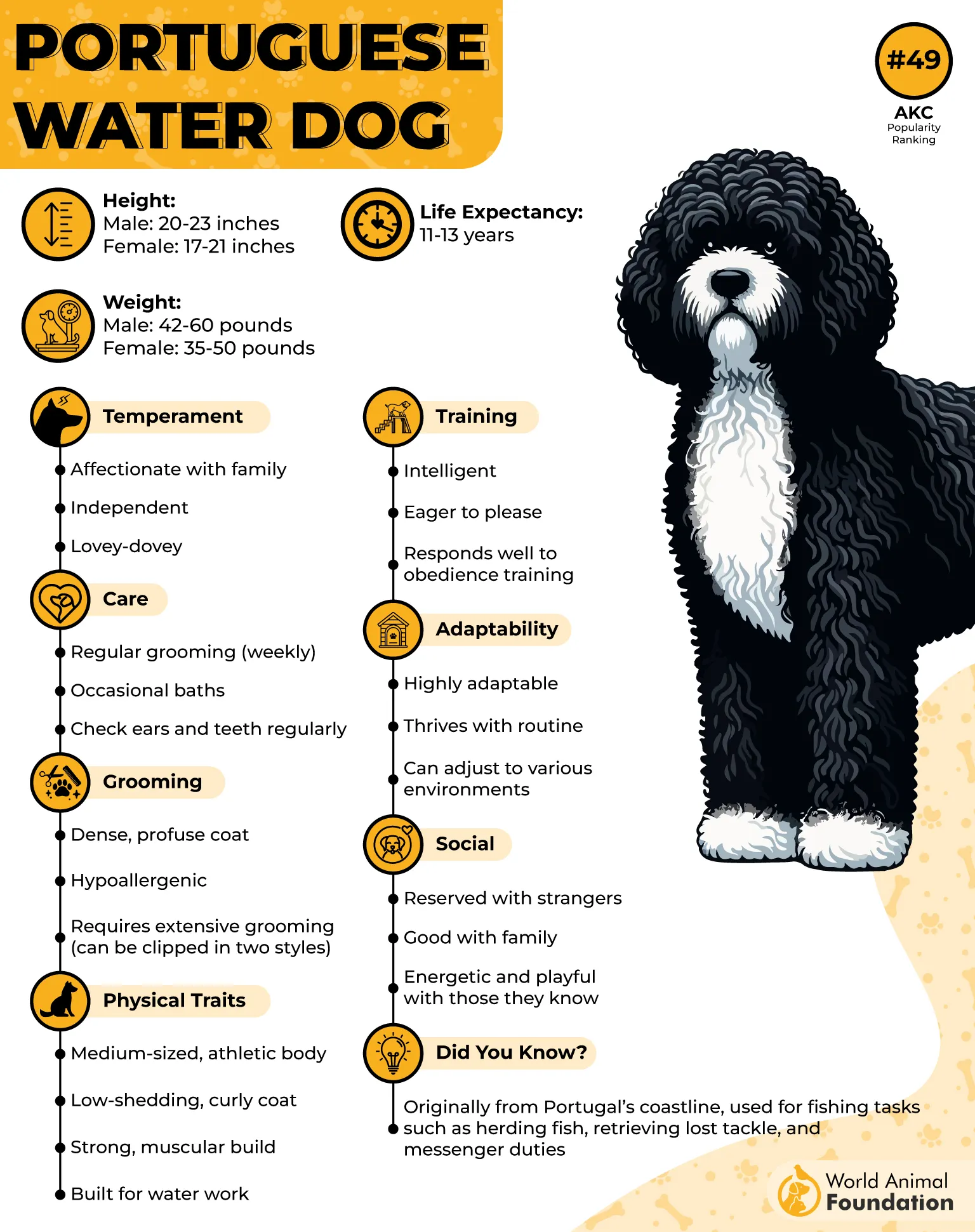
7. Portuguese Water Dog
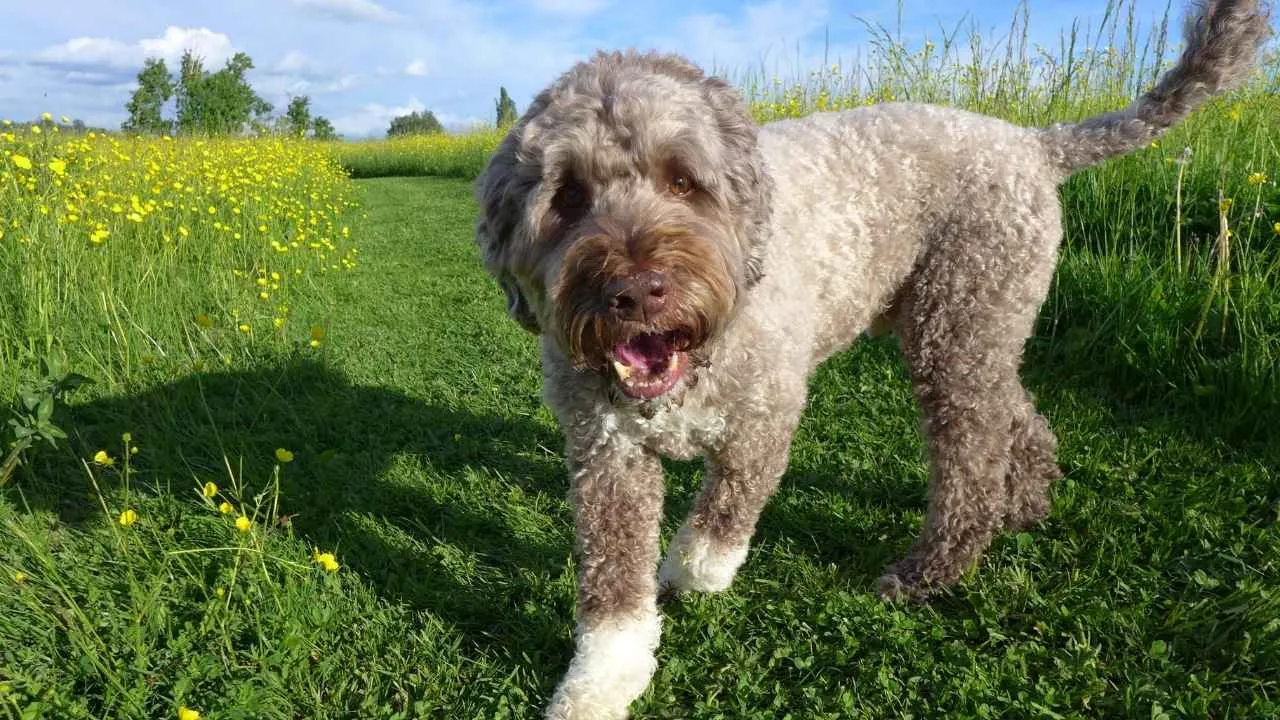
The Portuguese Water Dog was working alongside fishermen along the Portuguese coast, where it helped gather fish toward waiting nets and retrieved damaged gear from the water. Its work eventually extended beyond local waters, including voyages connected to cod fishing near Newfoundland.
Made for Water Work
Cold water tasks suited this breed well, which helps explain why it can also perform retrieving duties associated with waterfowl hunting. Physical ability in the water came from practical fishing work rather than traditional gun dog responsibilities.
A few details add extra context to their history:
Originated in Portugal’s Algarve region
Also called the Algarvian Fishing Dog
Numbers declined before revival in the 1930s
Closely Tuned In
The PWD forms a particularly strong connection with its primary handler and often keeps track of where that person is throughout the day. That attentiveness has contributed to its use in roles assisting people with hearing loss, mobility challenges, and seizure response needs.
Quick to Learn
The Portuguese Water Dog responds well to affectionate training and often picks up new tasks with impressive speed and enthusiasm. Boredom can lead to destructive habits, while its vocal nature usually appears through whines and assorted sounds rather than constant barking.
8. Boykin Spaniel
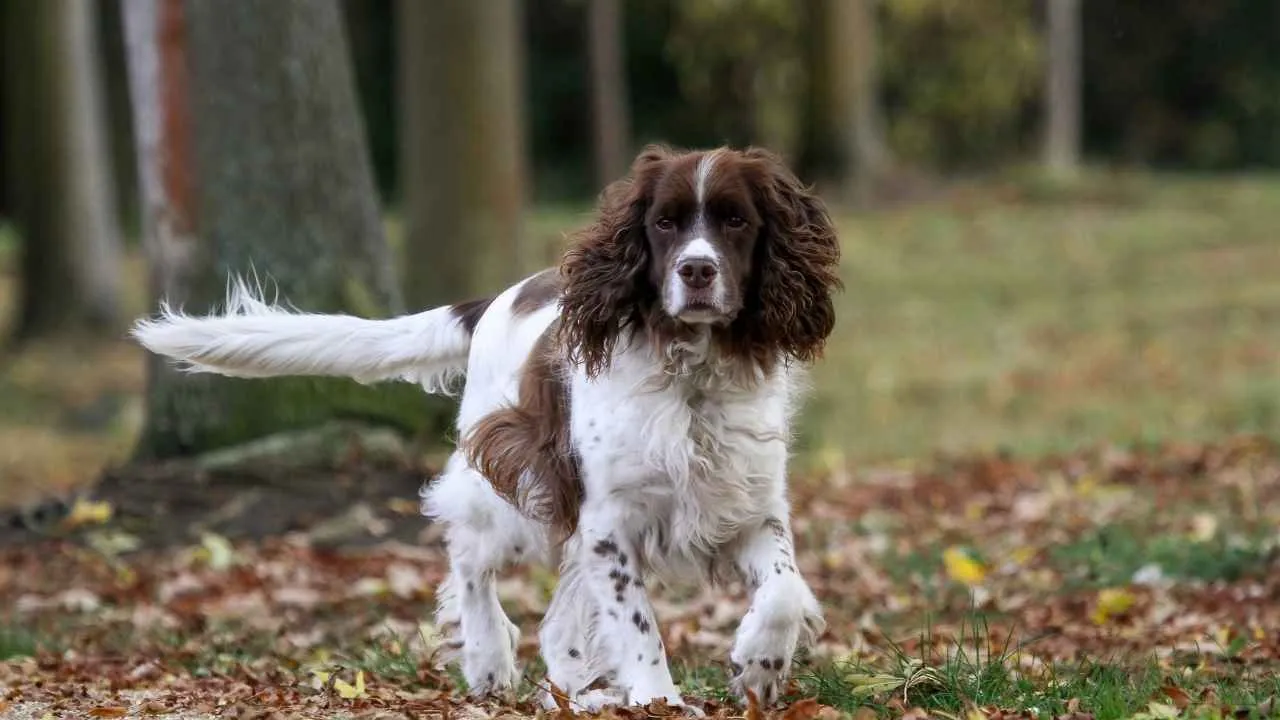
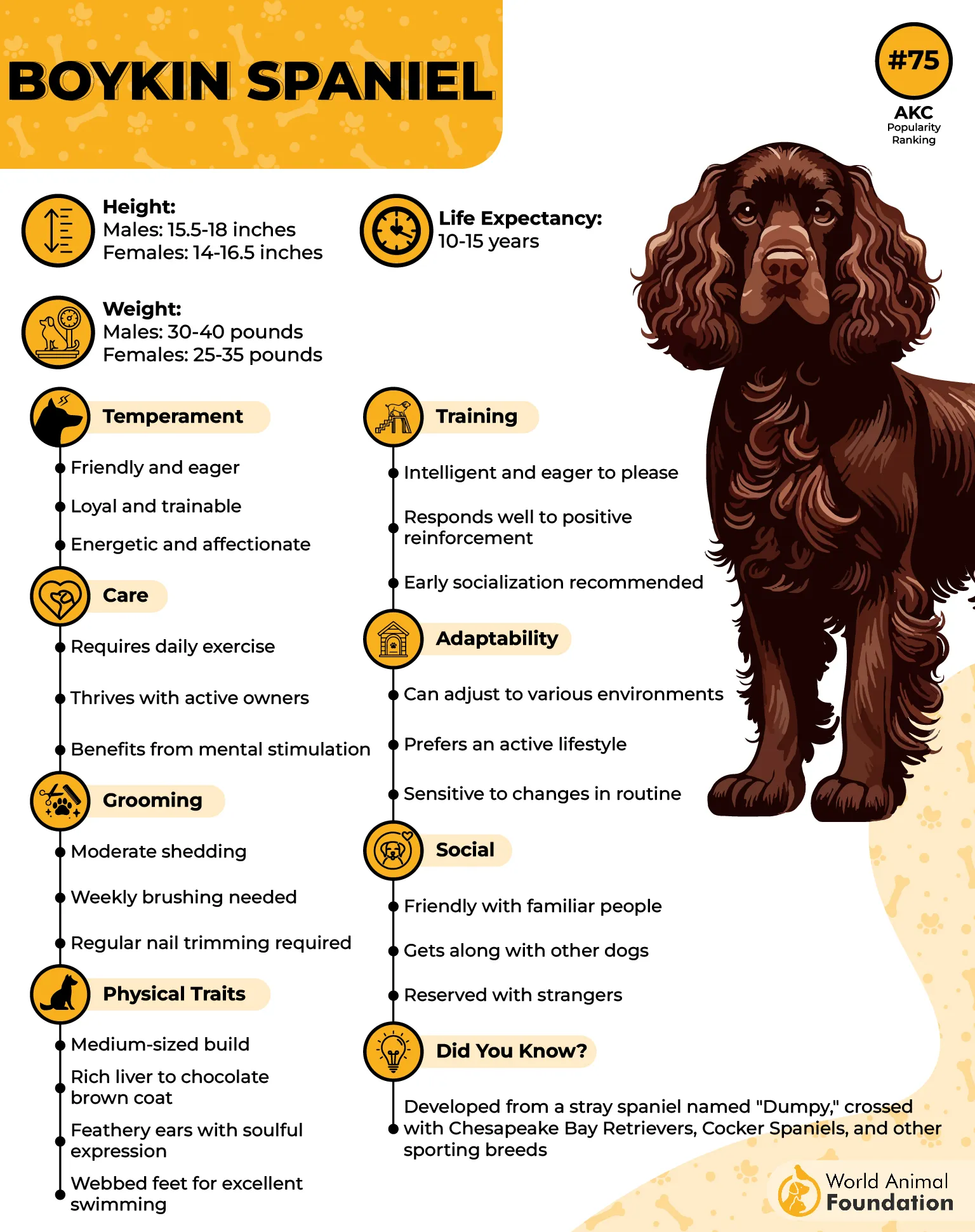
The Boykin Spaniel was bred in South Carolina wetlands to hunt ducks and wild turkeys from small boats, giving this compact spaniel a strong connection with water-based work. Its size allowed it to fit comfortably in skiffs, canoes, and hunting blinds without disturbing balance.
Built for Retrieval
It combines stamina with a strong willingness to work, making long days in the field part of their natural routine. Its webbed toes help it swim through stronger currents, while its gentle retrieving style protects the birds it brings back.
A few details make this breed especially suited for water work:
Liver or chocolate coat blends with marsh grass
Soft mouth delivers birds without damage
Began from a stray named Dumpy
Energy in Motion
The Boykin Spaniel enjoys having a purpose and needs several hours of activity and attention each day. Swimming, hiking, and daily walks fit well with this breed’s athletic nature, while a lack of engagement can lead to chewing or digging behaviors.
Family Companion
With its affectionate nature, it brings its field-driven eagerness right into home life, often happiest when spending time with the people around it. The breed’s friendly personality helps it fit naturally into two roles: a hardworking hunting partner and a loving family companion.
9. Irish Water Spaniel
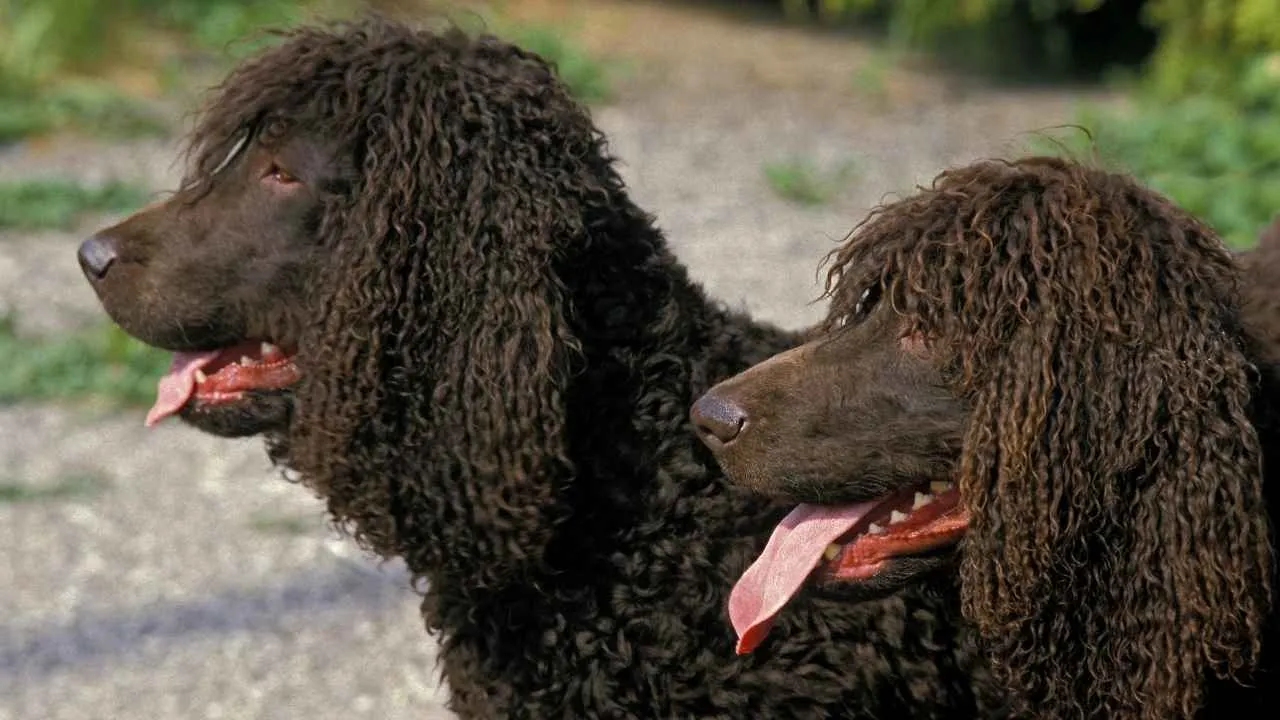
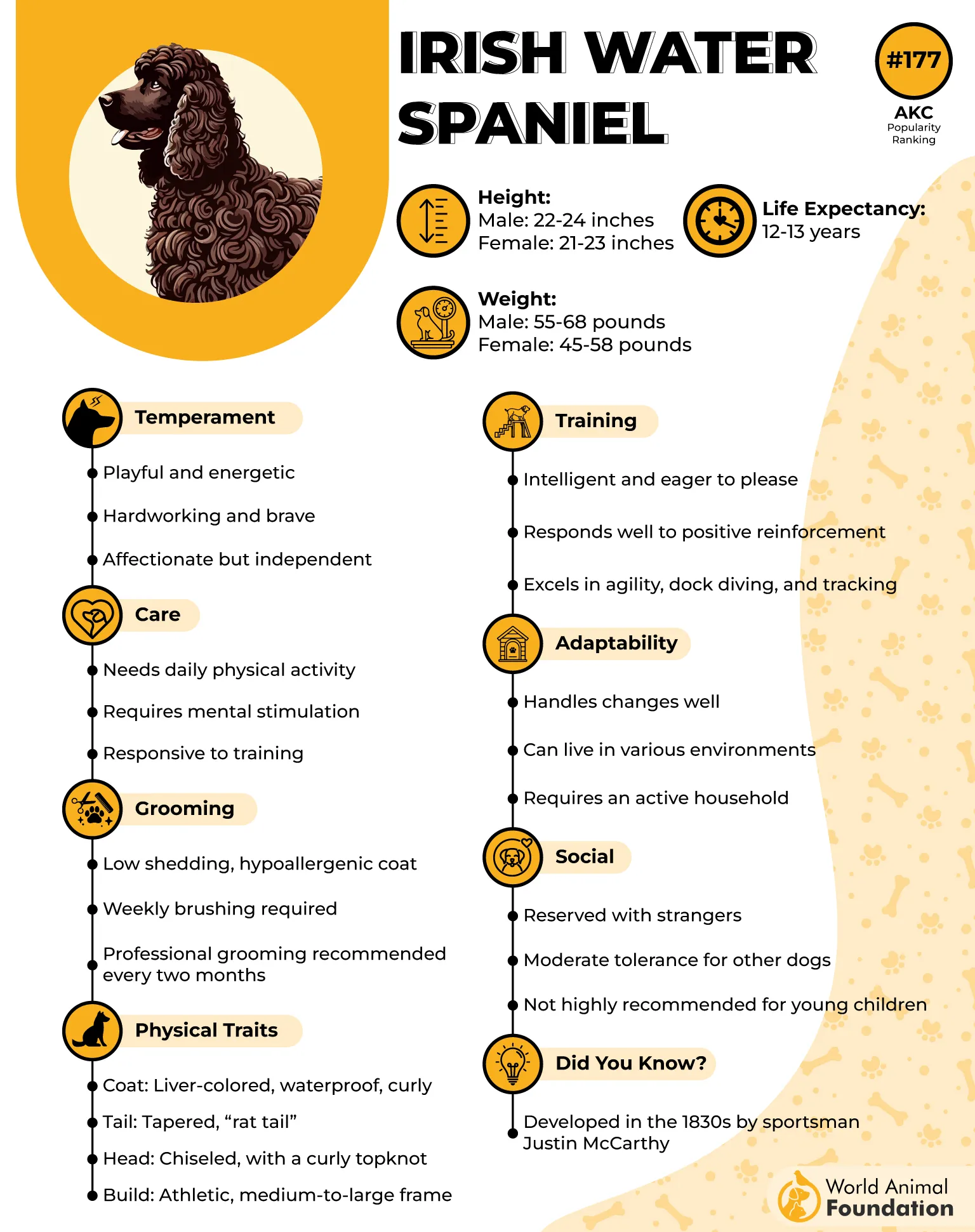
The Irish Water Spaniel is a highly specialized waterfowl retriever built for challenging aquatic work, combining strong swimming ability with the scenting and flushing skills of a spaniel. As the tallest AKC spaniel breed, it was designed for demanding retrieves in difficult water conditions.
Built for Cold Water
The Irish Water Spaniel has a dense, curly liver-colored coat that works like natural protection during icy retrieves. Its short undercoat helps trap warmth, while the oily outer curls help repel water and keep the skin dry.
These specific features make this breed unusual:
Tapered tail used like a swimming rudder
Thick curls suited for cold water
Can work quietly in hunting blinds
Focused on the Field
The Irish Water Spaniel can remain calm and motionless inside a small hunting blind or boat, patiently waiting for the right moment during a waterfowl outing. That kind of patience adds to its reputation as a dependable partner through long hunting sessions.
At Home Too
This water spaniel breed enjoys being involved with family life and prefers regular interaction throughout the day. It can be gentle around children and other pets, while early socialization helps it feel more comfortable with unfamiliar people entering the home.
10. Flat-Coated Retriever
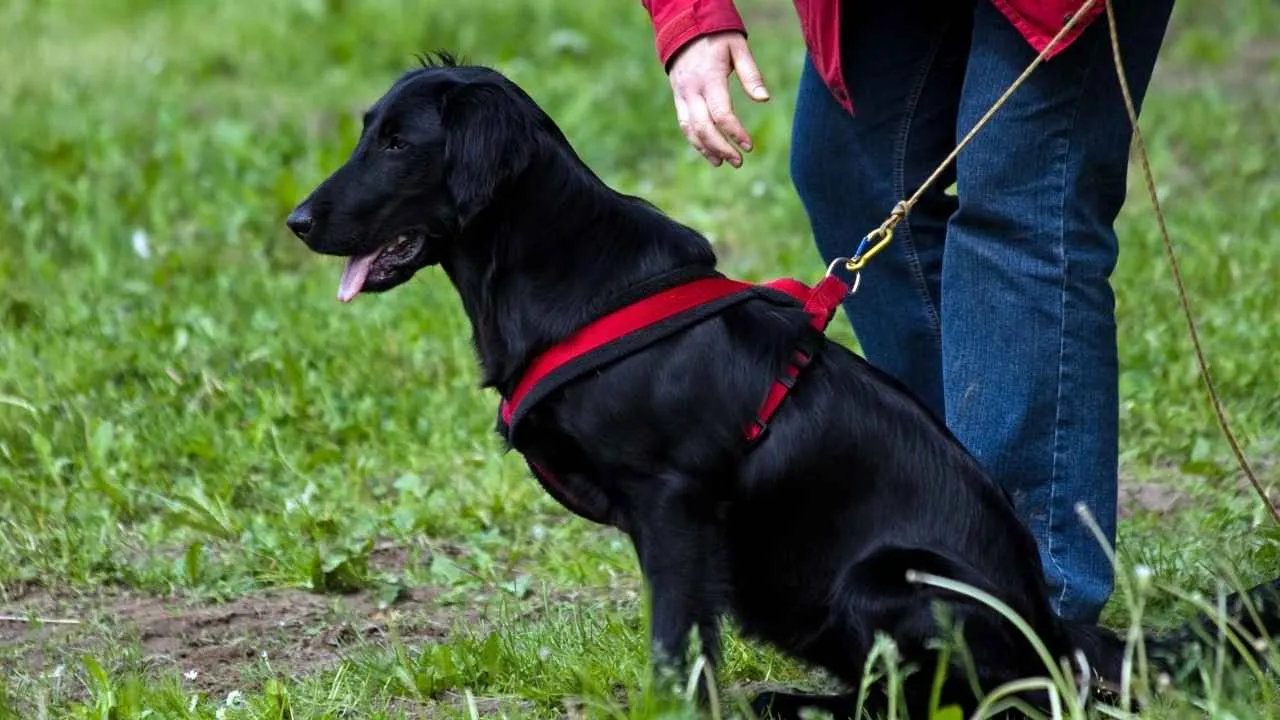
The Flat-Coated Retriever was shaped by a blend of fishing and hunting needs, with early retrievers valued for their swimming ability and skill in bringing back items from the water. Later pairings with flat-coated dogs helped create a retriever with a more water-resistant coat.
A Natural Retriever
The Flat-Coated Retriever handles both land and water work with impressive ability, making it a reliable partner for retrieving game. Its lineage includes the St. John’s water dog and water spaniels, adding strong swimming instincts to its working style.
The following traits help explain this connection:
Dense double coat for cold water
Used as guide dogs in the UK
Trained for customs detection work
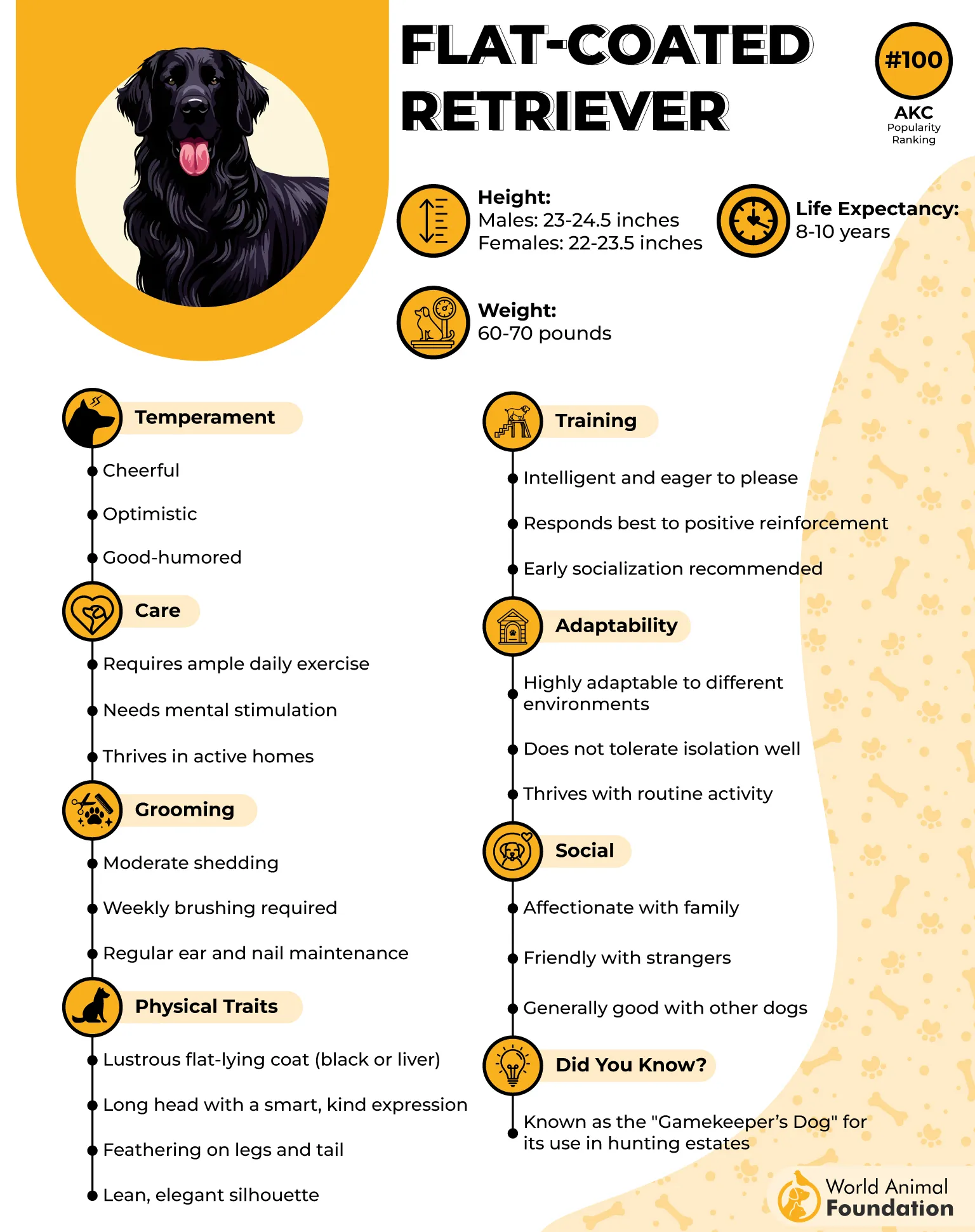
Built for the Field
The Flat-Coated Retriever keeps strong working instincts because the breed has not been separated into different field and show lines. Its love for having a task often appears at home too, where it enjoys carrying objects and bringing back items it discovers.
Friendly Around People
This breed is an affectionate family companion with a constantly wagging tail and a playful attitude. It usually welcomes visitors warmly, gets along with other pets after proper socialization, and may need guidance around very young children because of its lively energy.
Conclusion
The connection between dogs and water has existed for generations, shaped by environments where skill and determination were essential. The companions featured throughout this guide represent different paths toward the same goal: working with confidence, adapting to challenges, and staying committed to the task.
Their natural abilities make them impressive in demanding conditions, but their personalities create the strongest bonds outside the field. Selecting the right dog depends on understanding both instinct and lifestyle. When those qualities match, the result is a relationship built around teamwork, trust, and countless adventures together.
