




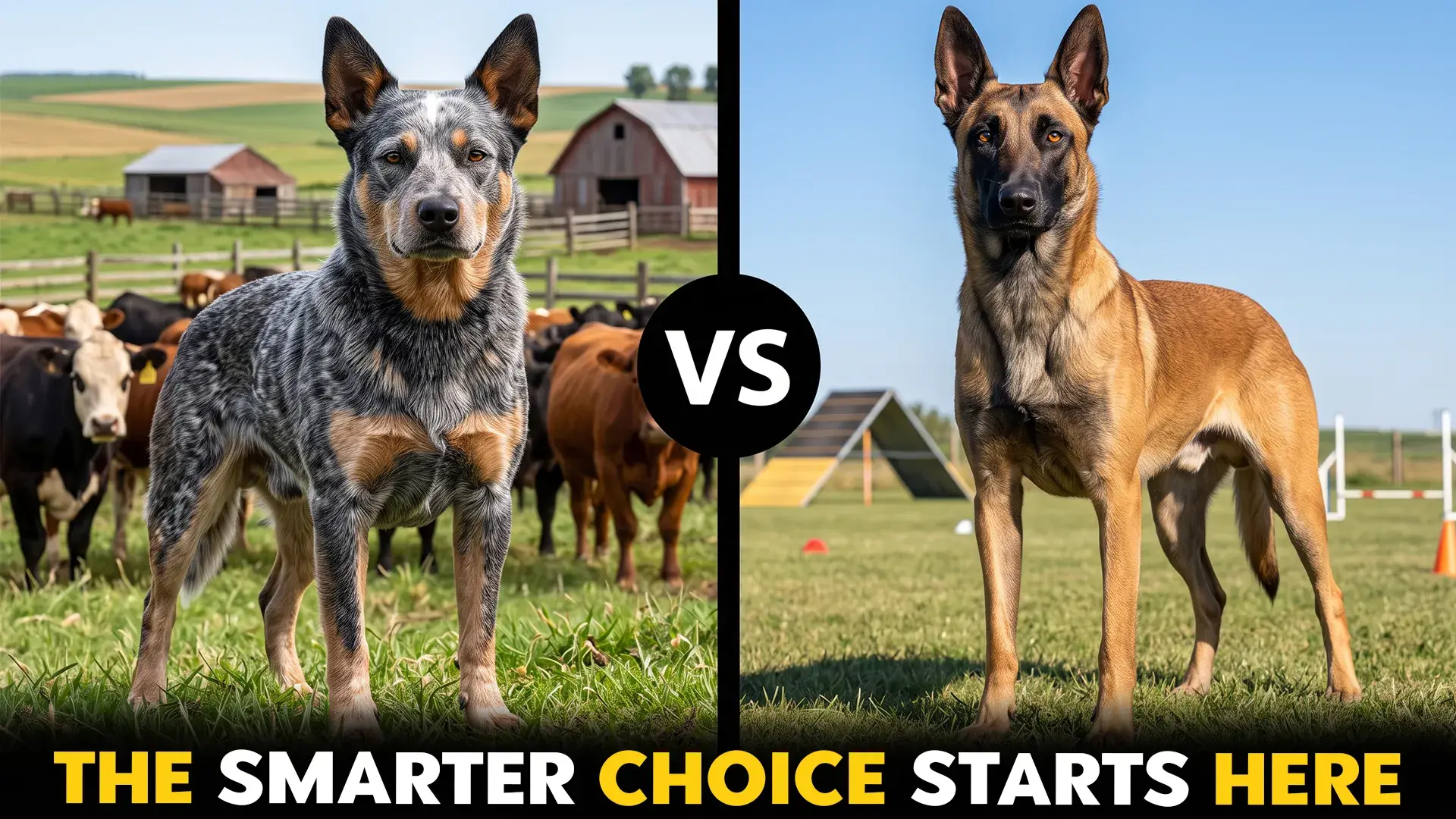
Choosing between an Australian Cattle Dog and a Belgian Malinois can be surprisingly difficult. Both are intelligent, hardworking breeds with strong instincts, impressive athleticism, and a reputation for excelling in demanding roles. At first glance, they may seem similar, but important differences emerge once you look closer.
From energy levels and trainability to grooming needs and temperament, each breed brings its own strengths and challenges. The Belgian Malinois is often known for its intense drive and enthusiasm for training, while the Australian Cattle Dog is admired for its resilience, independence, and tireless work ethic. These traits can significantly influence daily life and ownership experience.
Before making a decision, it’s essential to compare how each breed aligns with your lifestyle, activity level, and expectations. This guide breaks down the key differences to help you determine which remarkable working dog is the better fit for your home.
Australian Cattle Dog vs. Belgian Malinois: Key Differences Before You Choose
Origins & Purpose
The Australian Cattle Dog, also known as the Queensland Heeler, was developed in Australia around 1840 to move cattle across vast, rugged landscapes. Created from British herding dogs and native dingoes, it was bred with one goal in mind: endurance, control, and efficiency in challenging terrain.
The Belgian Malinois originated in Belgium, around 1891, near the city of Mechelen. While also a herding breed, its purpose extended beyond livestock management. Farmers valued its intelligence and work ethic, qualities that eventually led to its widespread use in military, police, protection, and service roles.
When comparing purpose, the Australian Cattle Dog was designed as a tough drover capable of handling stubborn cattle over long distances. The Belgian Malinois, by contrast, evolved into a versatile working partner known for guarding, herding, tracking, and high-performance service work.
Both breeds belong to the Herding Group and thrive when given meaningful tasks, but their historical roles shaped different strengths.
Size & Physical Strength
At first glance, both the Australian Cattle Dog and the Belgian Malinois appear built for hard work. However, the Belgian Malinois holds the advantage in overall size, speed, and physical power. Originally developed in Mechelen, Belgium, this lean, muscular Belgian Shepherd was bred for demanding roles requiring endurance, strength, and athleticism.
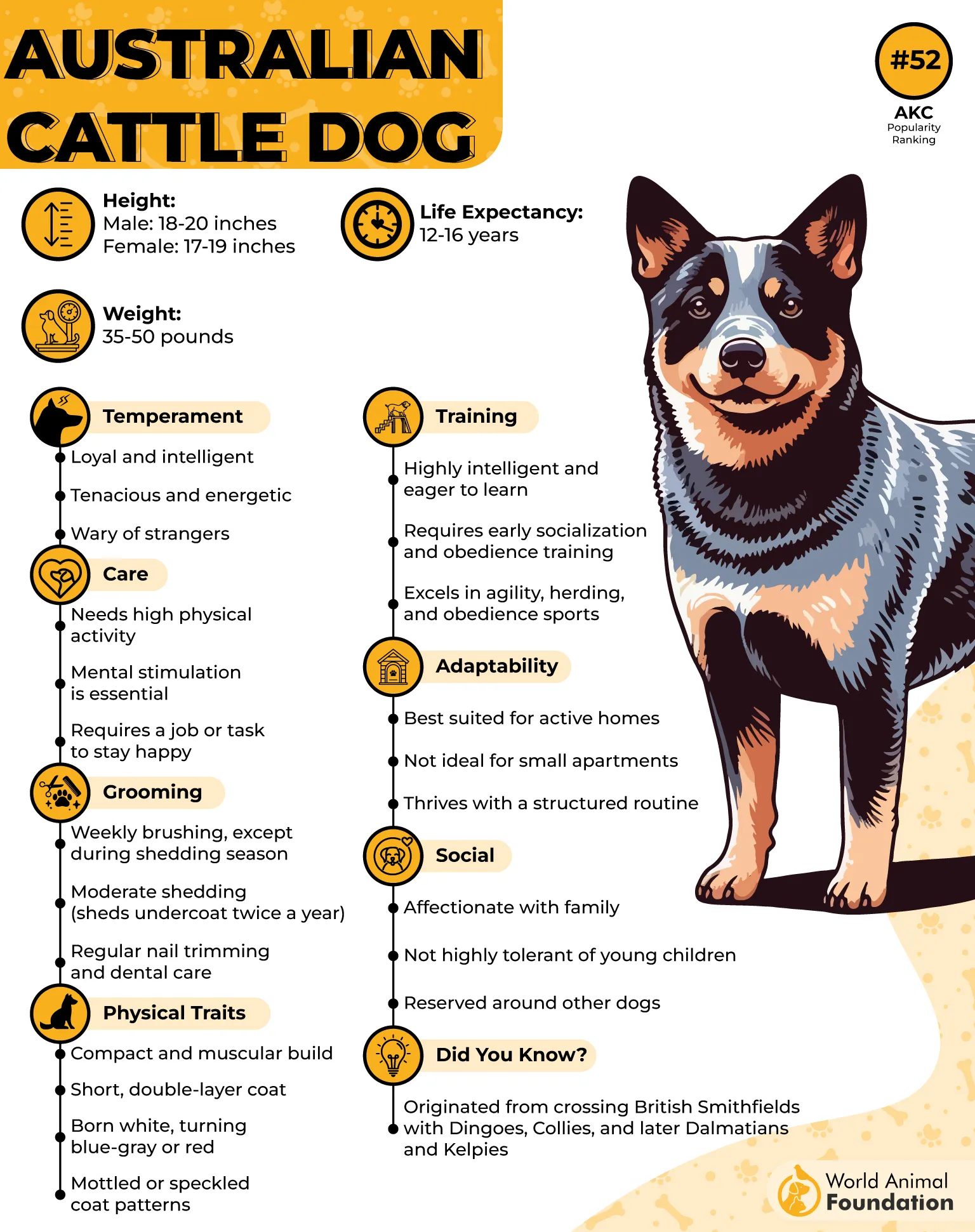
The Australian Cattle Dog was created for the harsh Australian outback, where toughness mattered more than sheer size. While considered a medium-strength breed, its compact frame is incredibly durable and efficient. Generations of herding stubborn cattle across vast distances produced a dog known for stamina, resilience, and remarkable agility rather than brute force.
By comparison, the Belgian Malinois combines a larger build with greater explosive power. Its strong musculature, intervention-dog background, and ability to reach speeds of up to 35 mph make it physically superior in tasks requiring force, pursuit, and intense athletic performance.
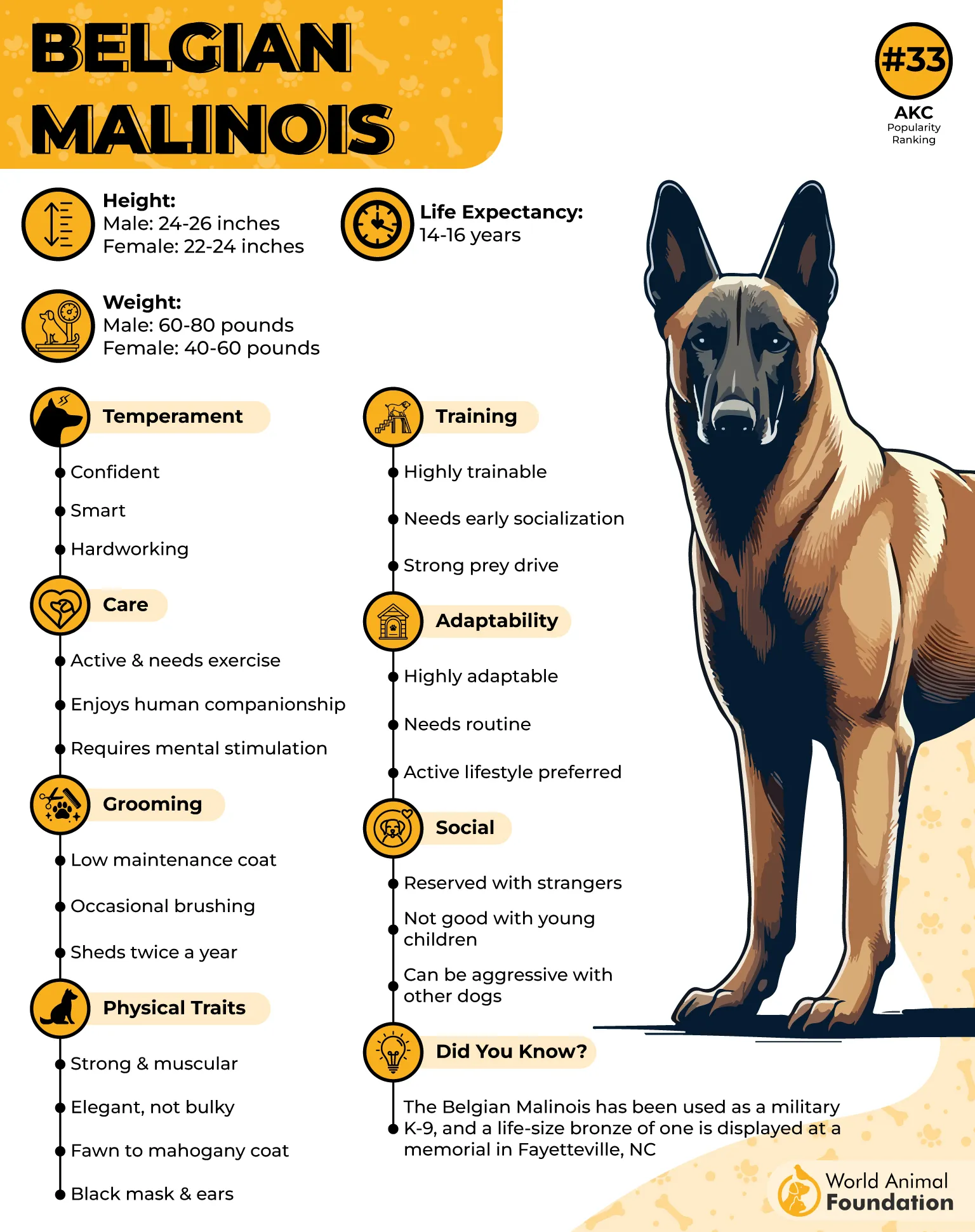
The Australian Cattle Dog remains impressive, but its top speed of around 25 mph reflects a focus on endurance over raw speed.
Temperament & Personality
The Australian Cattle Dog and Belgian Malinois are both intelligent working breeds, but they express their loyalty in different ways. The Australian Cattle Dog is generally more family-oriented and tends to get along better with household members and other pets. The Belgian Malinois, meanwhile, is often more focused on its primary handler and can be reserved around unfamiliar people.
According to PetMD, Australian Cattle Dogs are known for their boundless energy and strong work ethic. They are often called Blue Heelers or Red Heelers because of their coat color and their habit of nipping at livestock’s heels while herding.
Australian Cattle Dogs are devoted and alert companions that thrive when given structure and purpose. Bred to manage livestock, they are natural problem-solvers and enjoy having a job to do. Their strong attachment to family can make them protective, and their herding instincts may occasionally lead to nipping at fast-moving children.
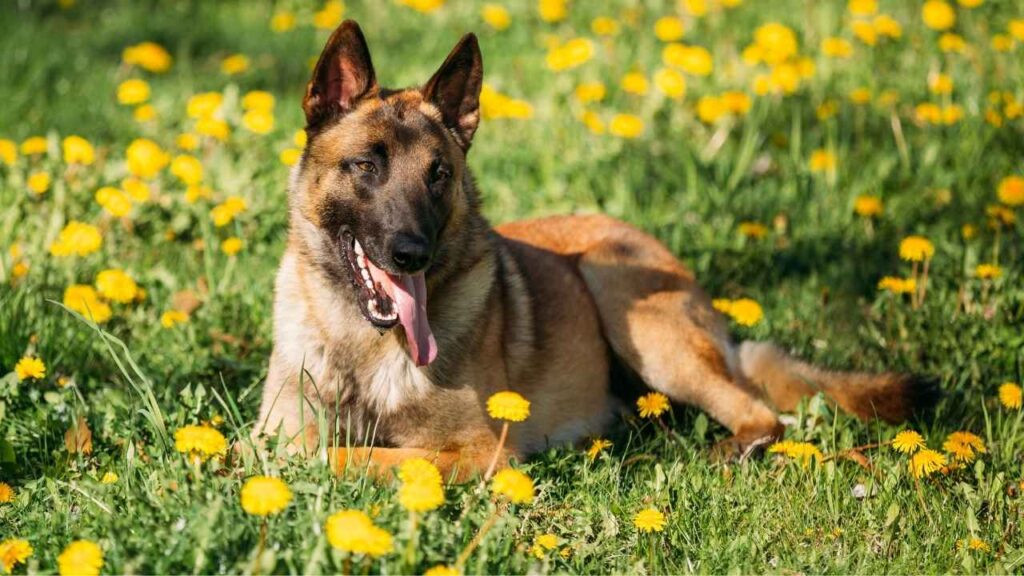
The Belgian Malinois is known for intense drive, exceptional intelligence, and unwavering dedication to work. These dogs form deep bonds with their handlers and excel when provided with consistent leadership, advanced training, and mental challenges. Without sufficient stimulation, their energy can quickly turn into destructive behavior.
For families seeking a slightly more adaptable companion, the Australian Cattle Dog often has the edge, while the Belgian Malinois is usually best suited to highly active, experienced owners who can match its relentless work ethic.
Exercise & Energy Levels
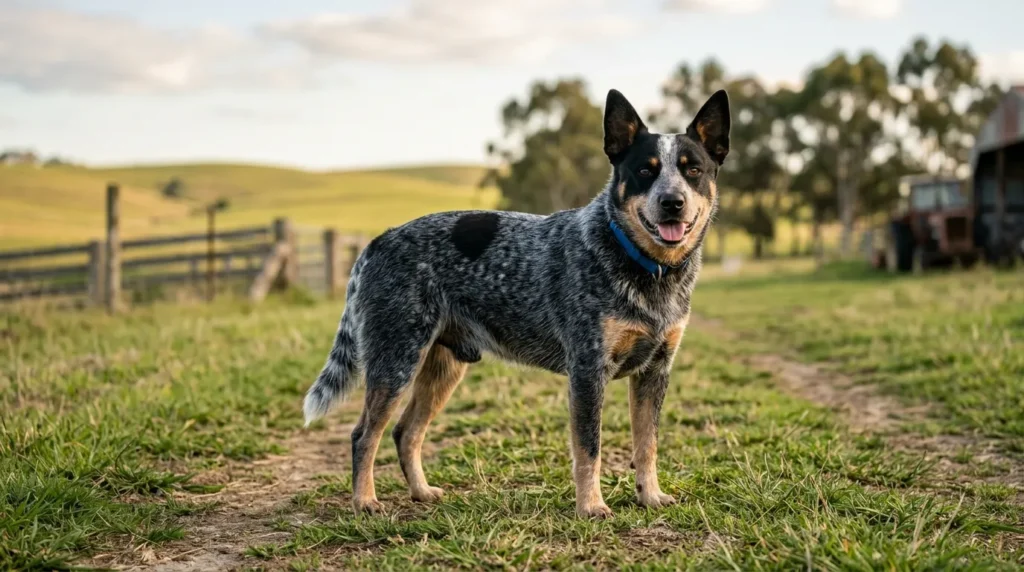
Both the Australian Cattle Dog and the Belgian Malinois are elite working breeds with exceptional stamina, but the intensity of their exercise needs differs. The Australian Cattle Dog has a high energy level and typically requires around 120 minutes of daily activity, paired with plenty of mental challenges to stay satisfied.
Originally developed for demanding herding work, Australian Cattle Dogs thrive on long hikes, fetch sessions, agility training, and problem-solving games. They enjoy having a purpose and can quickly become mischievous if boredom sets in. Their top running speed reaches about 25 MPH, reflecting the endurance needed to move livestock across large distances.
The Belgian Malinois takes things a step further. With a high-to-very-high energy level, this breed often needs more than two hours of structured activity each day. Running, advanced obedience, scent work, agility, protection sports, and herding tasks are all excellent outlets for their intense drive and athleticism.
According to WebMD, Belgian Malinois dogs are highly intelligent and easily trainable companions. Their sharp minds, strong work ethic, and eagerness to learn make them well-suited for a variety of demanding tasks and activities.
For active owners, both breeds can be rewarding companions, but the Malinois generally demands a more rigorous lifestyle.
Training & Speed level
The Belgian Malinois and Australian Cattle Dogs are both exceptionally intelligent working breeds, but their approach to training differs. The Australian Cattle Dog was developed to herd livestock across vast Australian terrain and often combines intelligence with a stubborn, independent mindset. It learns quickly but frequently tests boundaries and looks for loopholes in inconsistent training.
The Belgian Malinois is equally sharp and even more driven. Commonly used in police, military, and protection work, this breed can master complex tasks with remarkable speed. However, a Malinois must be motivated rather than forced, responding best to engaging, reward-based training that gives it a reason to work.
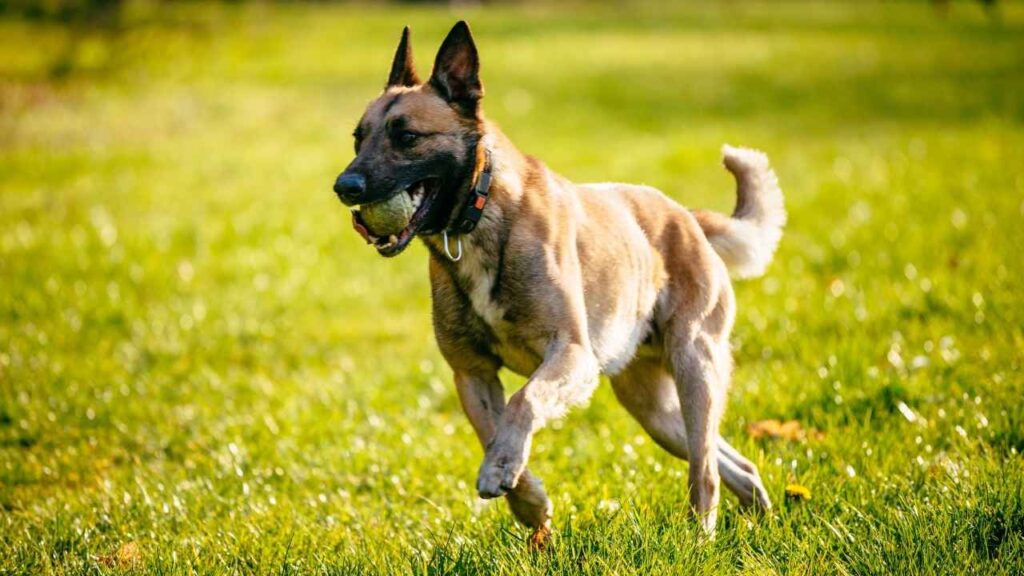
When it comes to speed, the difference becomes more noticeable. Australian Cattle Dogs are agile athletes, making them excellent herding and endurance partners. Their strength lies in sustained effort rather than outright pace.
The Belgian Malinois takes the lead in raw speed, capable of reaching approximately 35 mph. Combined with its higher energy level, powerful build, and relentless work ethic, it is often the faster and more intense performer.
Coat Maintenance
When comparing coat care, both the Australian Cattle Dog and Belgian Malinois are relatively easy to manage thanks to their short double coats. However, the Australian Cattle Dog generally requires less upkeep, while the Belgian Malinois sheds more consistently and needs extra attention during seasonal coat blows.
The Australian Cattle Dog is recognized for its blue or red speckled coat. According to Purina, Australian Cattle Dogs’ dense, weather-resistant coat helps protect them from harsh conditions and rough terrain while working outdoors.
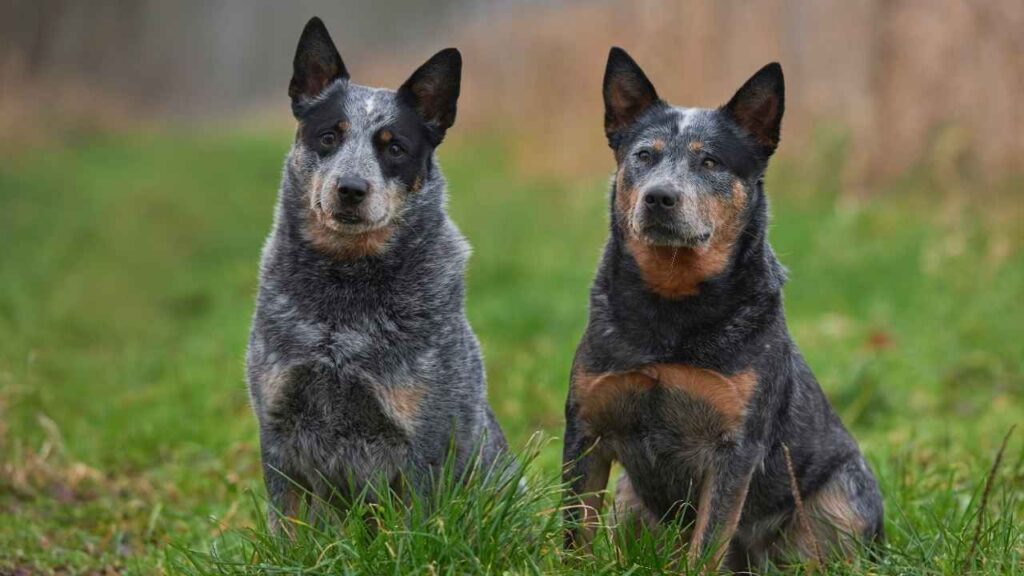
A weekly brushing is usually enough to remove loose hair and dirt, with more frequent grooming only during spring and autumn shedding periods. Occasional baths, routine ear checks, nail trims, and dental care help keep the coat and skin in top condition.
The Belgian Malinois, known for its lean build, fawn coat, and distinctive black mask, also has a short double coat but tends to shed at a higher rate. Brushing two to three times weekly helps control loose fur, while daily brushing is beneficial during heavy shedding seasons. Baths are typically needed every four to six weeks or after demanding outdoor work.
Health & Lifespan
The Australian Cattle Dog generally enjoys a longer lifespan of 12–14 years. Bred for endurance and demanding livestock work, this tough herding breed is known for its resilience, though certain inherited conditions still require attention.
Health-wise, Australian Cattle Dogs may be prone to hip and elbow dysplasia, which can affect mobility as they age. Progressive Retinal Atrophy (PRA), a genetic eye disorder that gradually reduces vision, is another concern. Congenital deafness can also occur, particularly in dogs with blue or mottled coat patterns, making early hearing screening important.
The Belgian Malinois, recognized for its athletic build and elite working abilities, typically lives 10–12 years, though some individuals may reach 14 years with excellent care. This breed is generally robust but has its own set of inherited health risks.
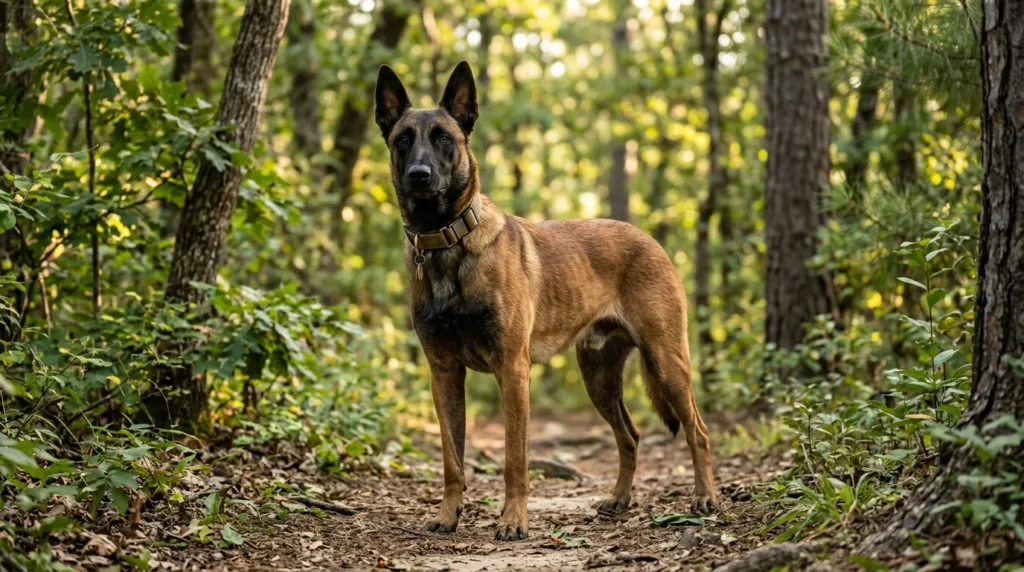
Common concerns in Belgian Malinois include hip and elbow dysplasia, epilepsy, eye disorders, and Von Willebrand’s disease, a condition that affects blood clotting. Because both breeds are highly active, regular veterinary care, joint monitoring, and responsible breeding practices play a major role in maintaining long-term health.
Suitability as Family Pets?
Both the Belgian Malinois and Australian Cattle Dog are intelligent, short-coated working breeds, but neither is a casual family pet. The Australian Cattle Dog has a straight, short double coat and was developed to handle demanding farm work. The Belgian Malinois, known for its athletic build and fawn coat with a black mask, is one of the most driven working dogs in the world.
For active families, the Australian Cattle Dog is often the easier fit. These loyal companions thrive when given structure, training, and daily physical challenges. In rural or suburban homes where they can stay busy, they become devoted family members and dependable adventure partners.
The Belgian Malinois can also excel in family life, but only in households prepared for its intense mental and physical exercise needs. Highly trainable and exceptionally intelligent, this breed requires consistent engagement to remain balanced and content.
Families seeking a hardworking companion may appreciate the ACD’s steady loyalty, while experienced owners often admire the Malinois’ unmatched work ethic and trainability.
Conclusion
Both the Australian Cattle Dog and the Belgian Malinois are intelligent, capable working breeds with strong instincts and impressive athletic ability. However, their differences can have a major impact on everyday ownership.
The Belgian Malinois is often recognized for its intense energy, enthusiasm for training, and protective nature. Its shorter coat also tends to require less grooming, making maintenance relatively straightforward.
The Australian Cattle Dog, meanwhile, is known for its resilience, independence, and strong work ethic. While highly capable, it may present different health and maintenance considerations that prospective owners should understand.
Ultimately, the right choice depends on your lifestyle, experience level, and expectations. By carefully comparing temperament, activity requirements, grooming needs, and overall compatibility, you can choose the breed that will thrive in your home and become a rewarding long-term companion.
