




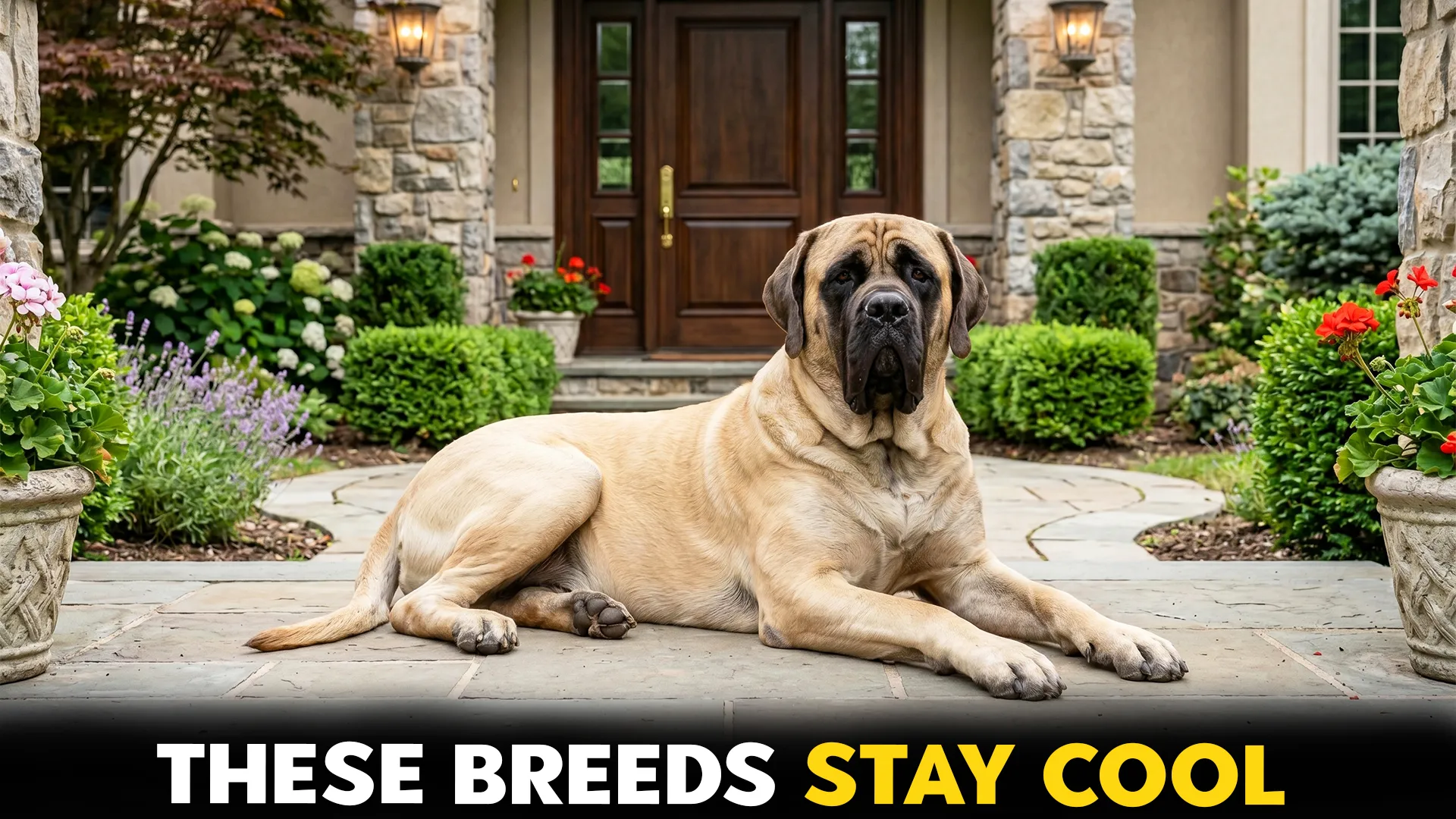
A good guard dog doesn’t have to be loud, aggressive, or difficult to handle. For many people—especially older adults and families—the best protector is one that stays calm, alert, and dependable while fitting comfortably into everyday life.
These dogs offer a reassuring presence at home, giving owners greater peace of mind without creating unnecessary stress or demanding constant attention.
Dogs have been helping humans protect their homes and loved ones for thousands of years. Even today, their natural awareness, loyalty, and ability to detect unfamiliar activity make them valuable companions.
That’s why many people are drawn to low-maintenance guard dog breeds that stay calm. These dogs combine watchful instincts with steady temperaments, making them easier to live with than high-energy or overly reactive breeds.
Below, we’ll explore some of the best calm guard dog breeds that strike the perfect balance between security, loyalty, and ease of care.
Low‑Maintenance Guard Dog Breeds That Stay Calm
1. Mastiff
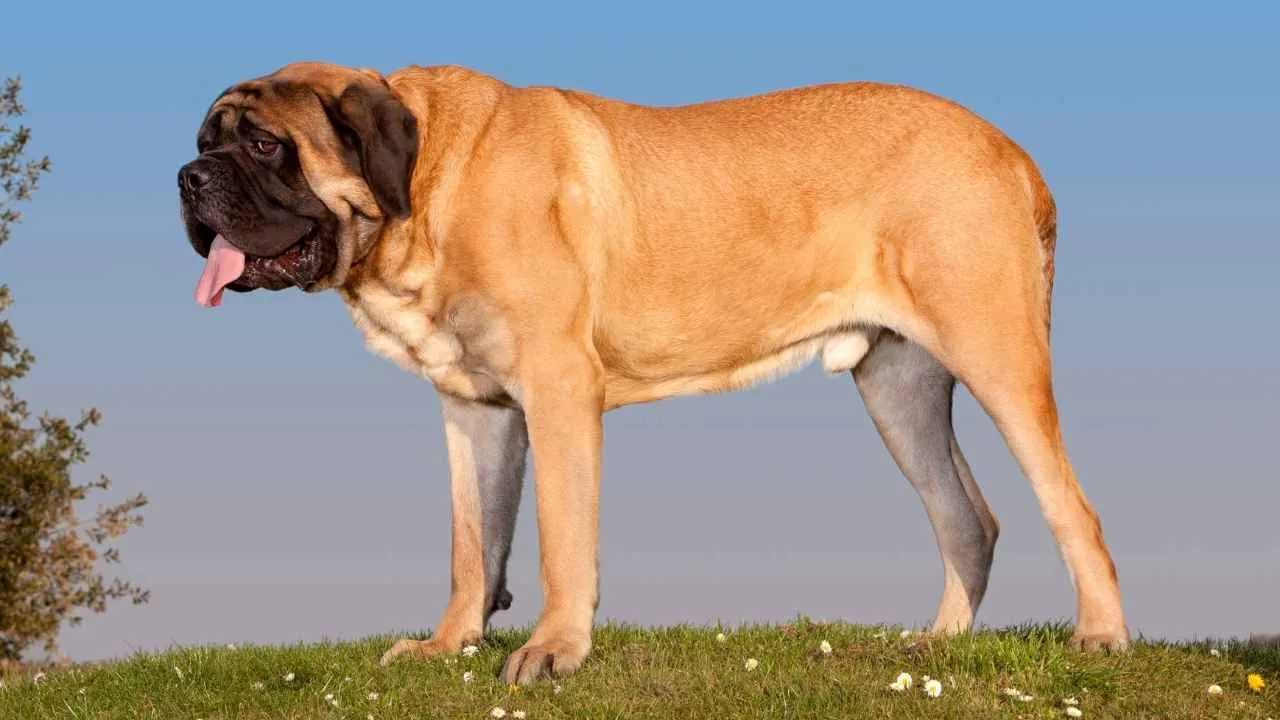
Mastiffs have been trusted guardians for centuries. Originally used as hunters and protectors, these gentle giants are still known for their calm nature and strong loyalty today. Their quiet confidence and natural watchfulness make them dependable companions and reliable watchdogs.
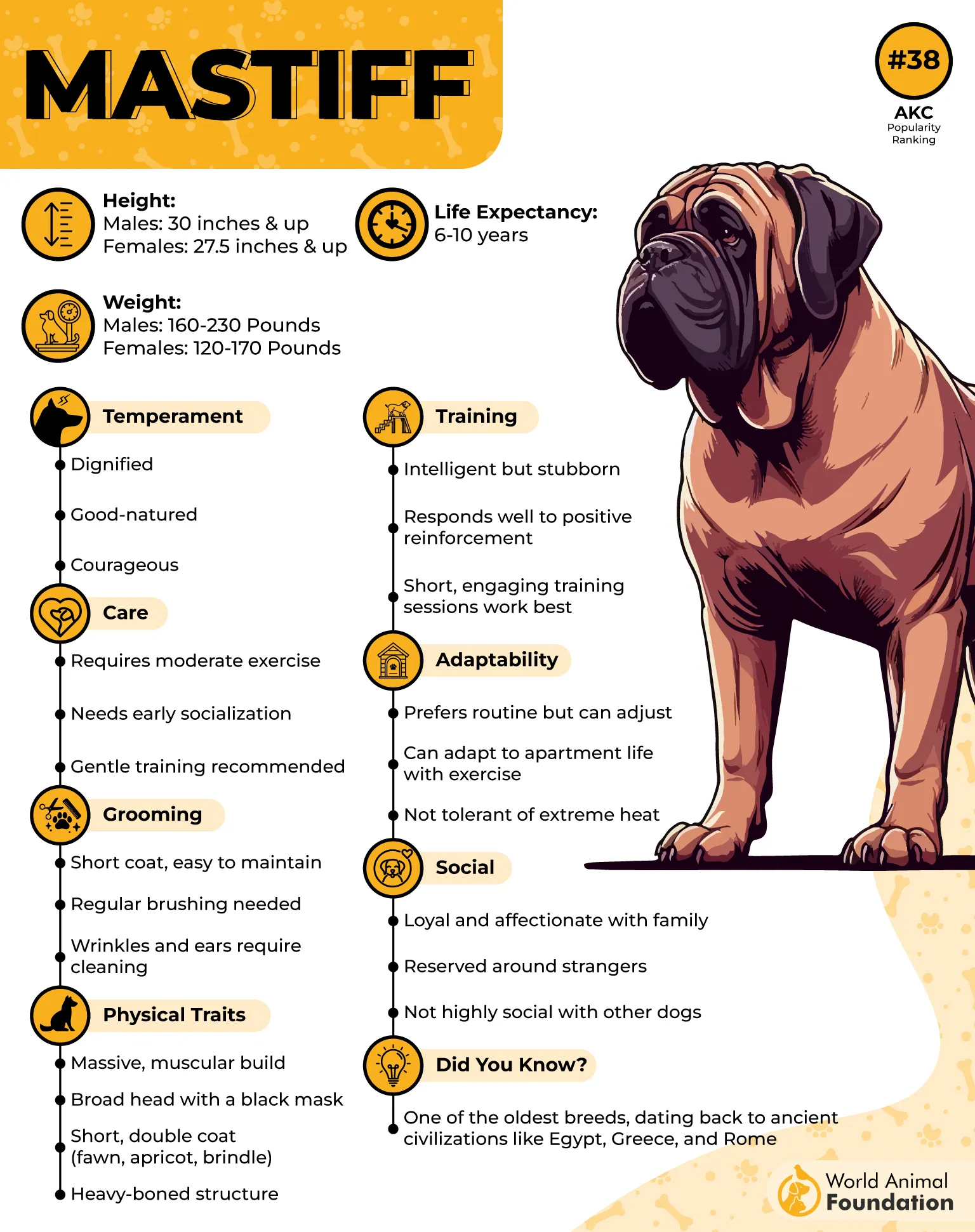
Why They Stand Out
Naturally protective without being overly reactive
Calm and affectionate with their families
Low grooming needs thanks to their short coats
Usually relaxed and happy with a laid-back lifestyle
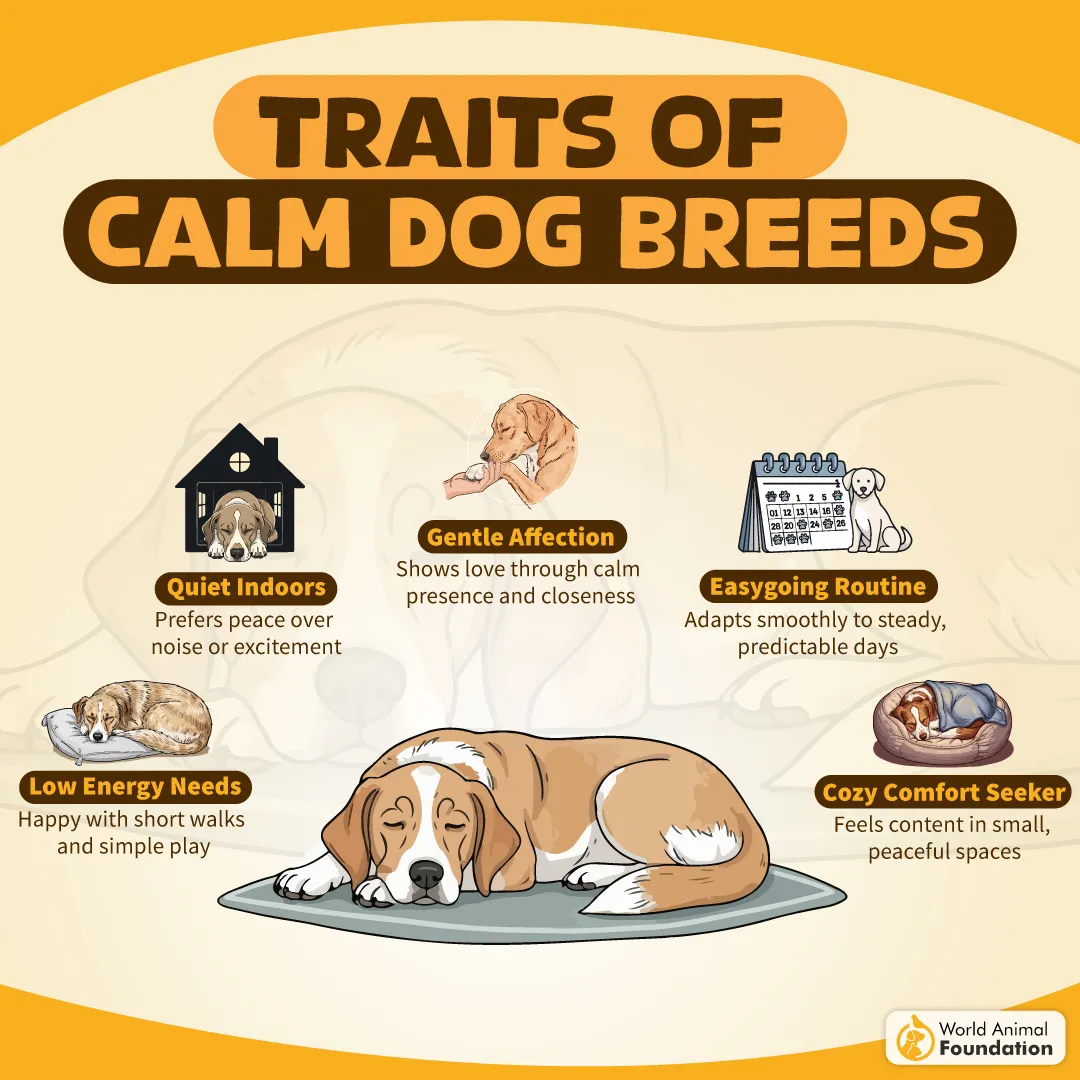
Despite their impressive size, Mastiffs are loving dogs that enjoy spending time with their people. They are patient, devoted, and often form strong bonds with their families.
While they tend to be reserved around strangers, they usually prefer observing a situation before reacting. Early socialization helps them stay confident and well-mannered around guests, other pets, and new experiences.
At home, Mastiffs are generally easygoing and enjoy a slower pace of life. Hill’s Pet mentions that they are intelligent but can be stubborn at times, so consistent, reward-based training works best. Though their coats are easy to maintain, owners should be prepared for plenty of drool.
2. Broholmer
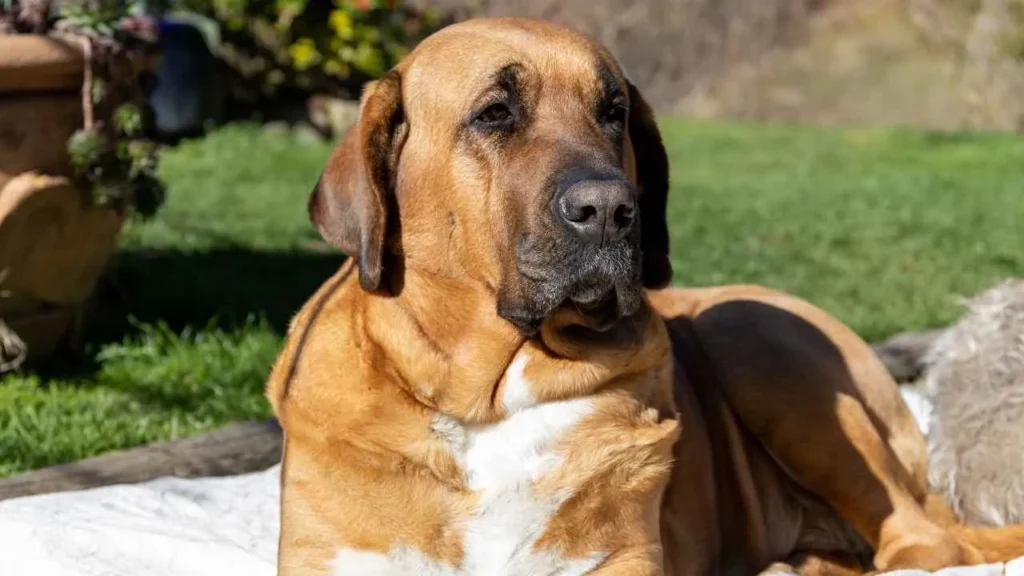
Broholmers are large Danish dogs known for their calm nature and loyal personality. Originally bred as guard dogs, they are watchful and protective without being overly aggressive. Their impressive size alone is often enough to discourage unwanted visitors.
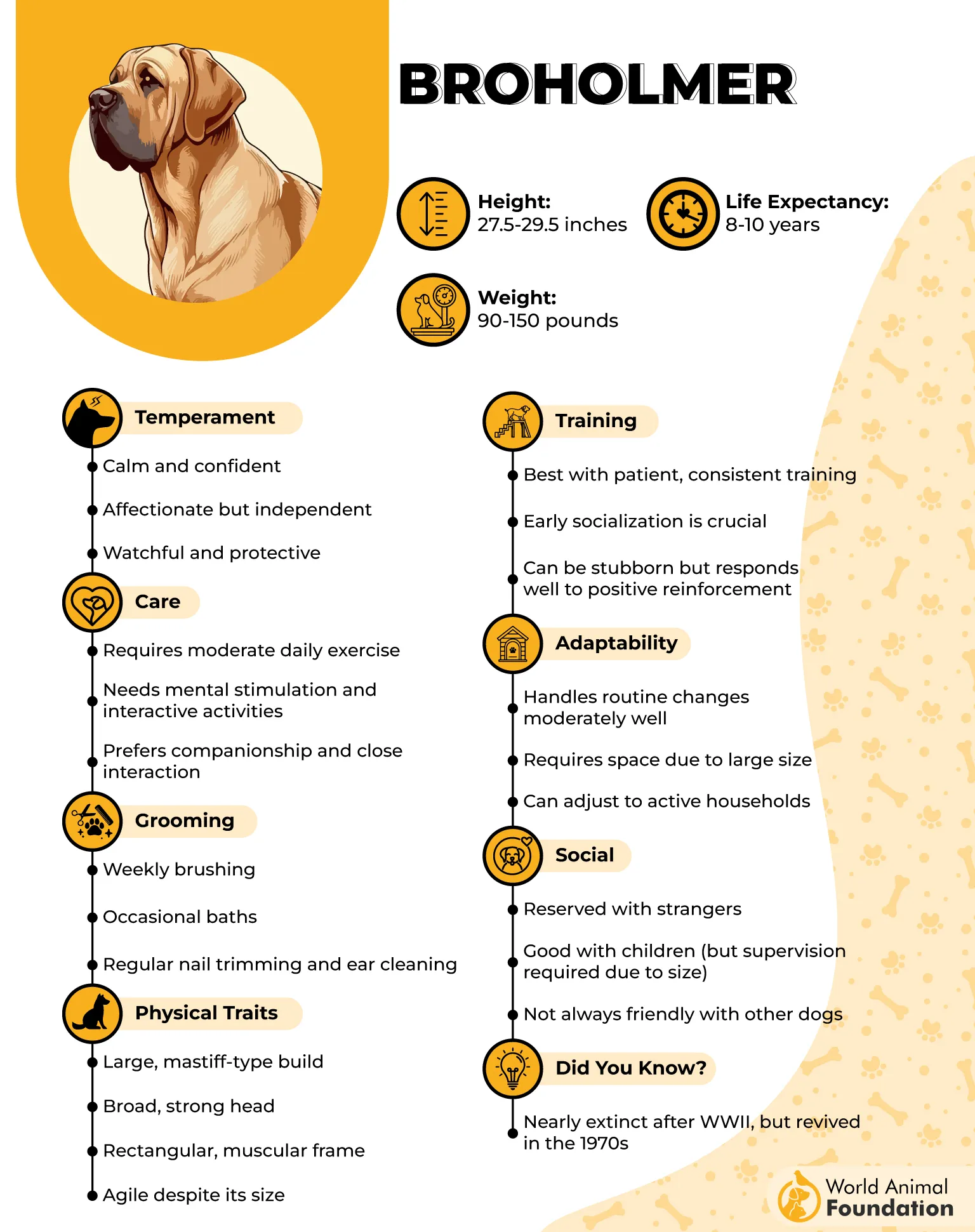
Why They Stand Out
Calm and steady temperament
Naturally protective and alert
Affectionate with family members
Usually get along well with children and other pets
Despite their powerful appearance, Broholmers are gentle and good-natured dogs. They form strong bonds with their families and enjoy being close to their people.
While they may seem reserved around strangers at first, they typically relax once they feel comfortable. Early socialization helps them develop into confident and well-mannered companions.
Broholmers need moderate exercise and regular mental stimulation to stay happy. They can be stubborn, so consistent training is important throughout their lives.
3. Boerboel
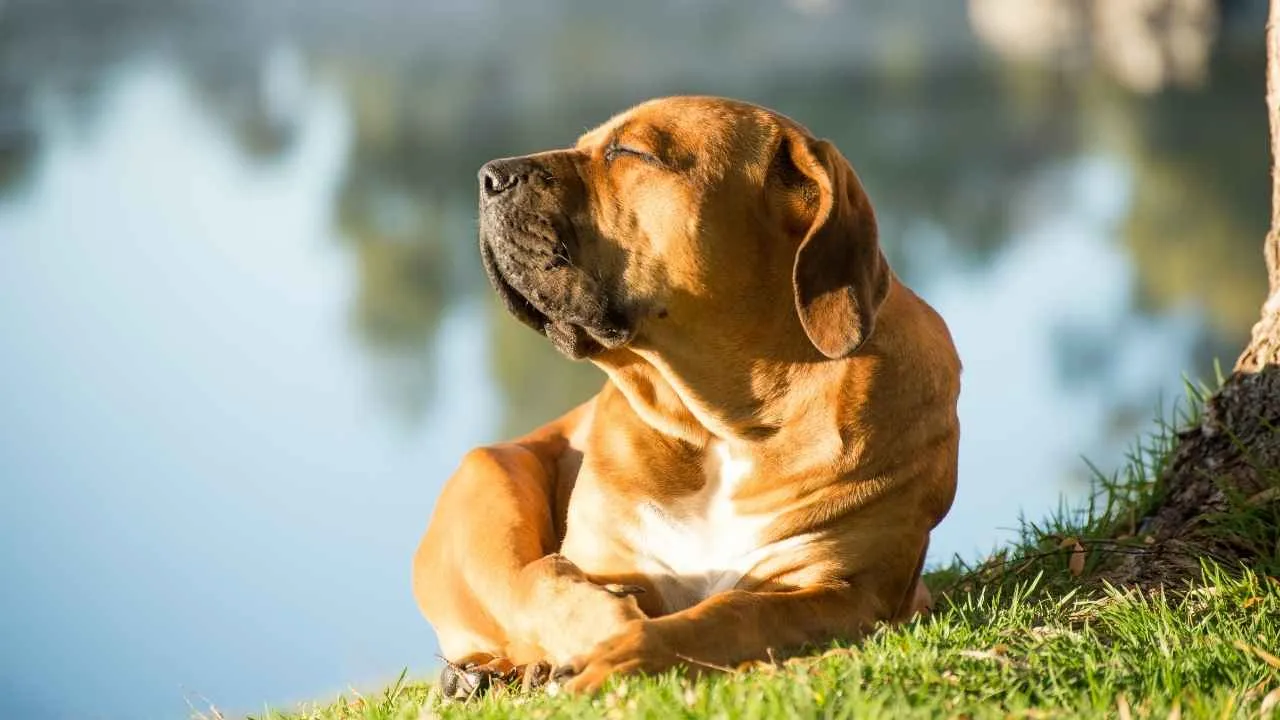
Originally developed on South African farms, Boerboels were bred to protect homes, families, and livestock. Those strong guarding instincts remain today, making them confident, fearless, and highly devoted companions. They are naturally watchful and take their role as protectors seriously.
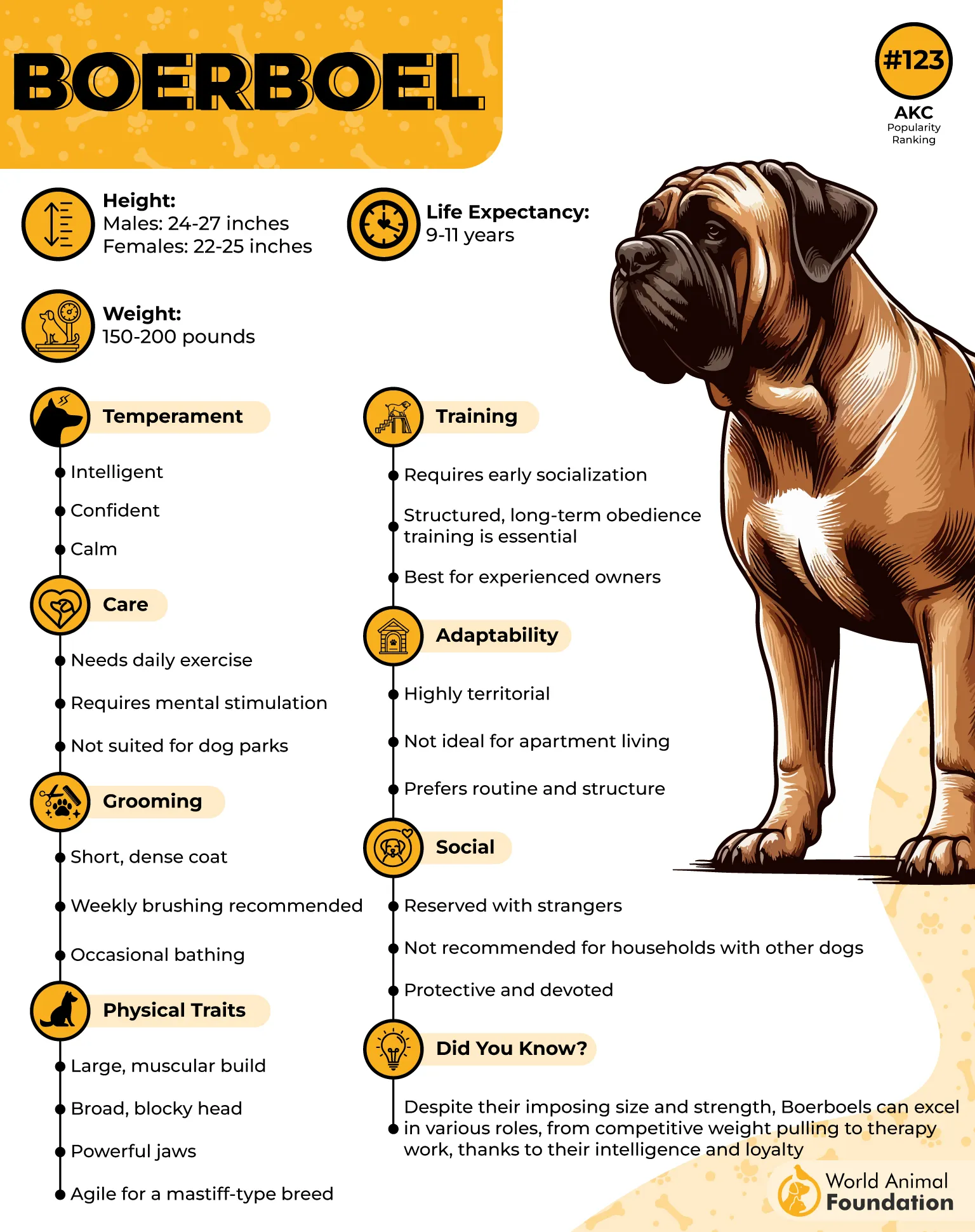
Why They Stand Out
Loyal and deeply devoted to their families
Strong natural guarding instincts
Calm and confident when properly trained
Easy-to-maintain coats with simple grooming needs
Boerboels are affectionate with their families and often have a playful, goofy side at home. They can be good companions for children, though supervision is important due to their large size.
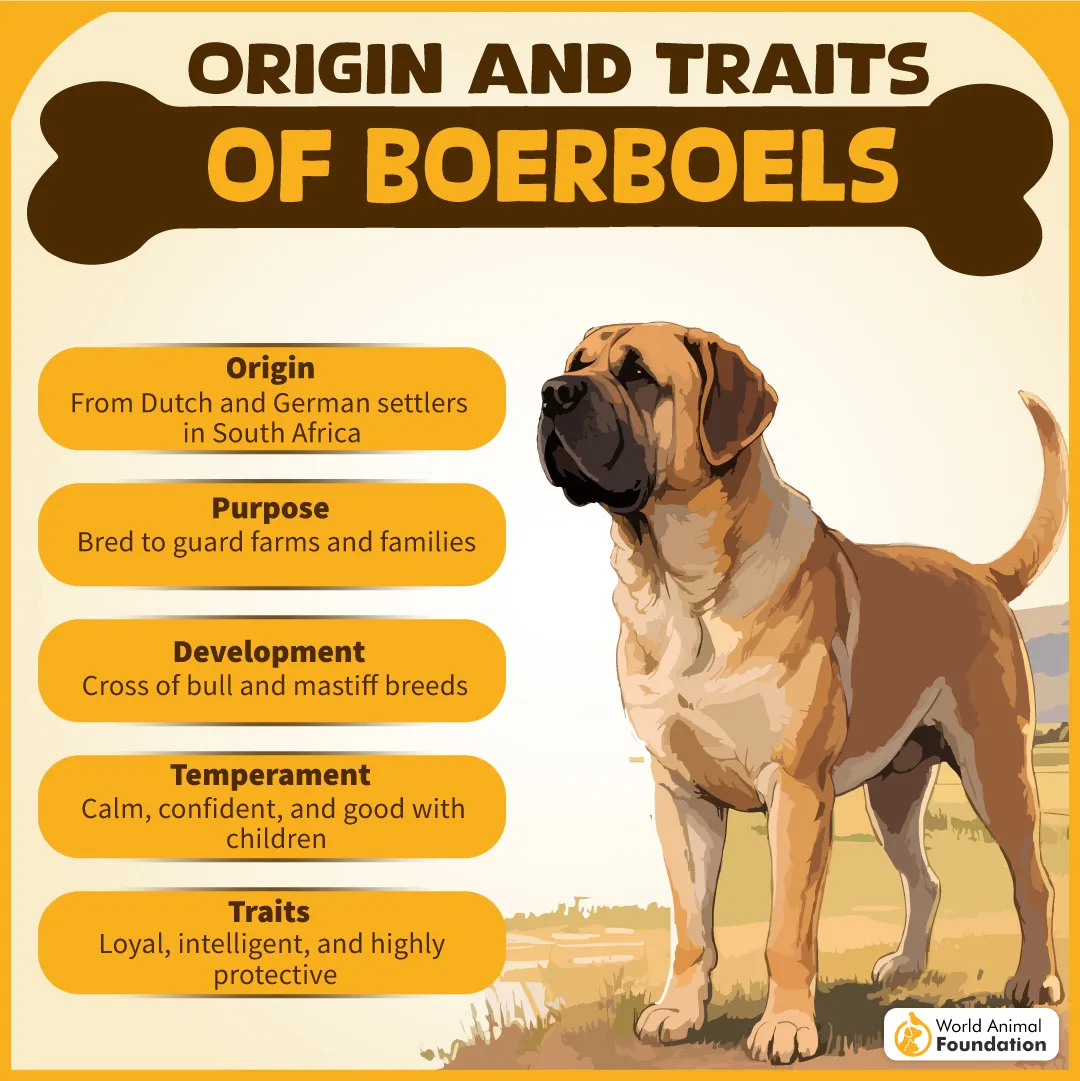
Around strangers, they tend to be reserved at first but usually become more accepting after proper introductions. Early socialization helps them learn the difference between normal visitors and genuine threats.
These intelligent dogs need consistent training and confident leadership from an early age. While their short coats require only weekly brushing and occasional baths, regular nail and dental care are also important.
4. Tornjak
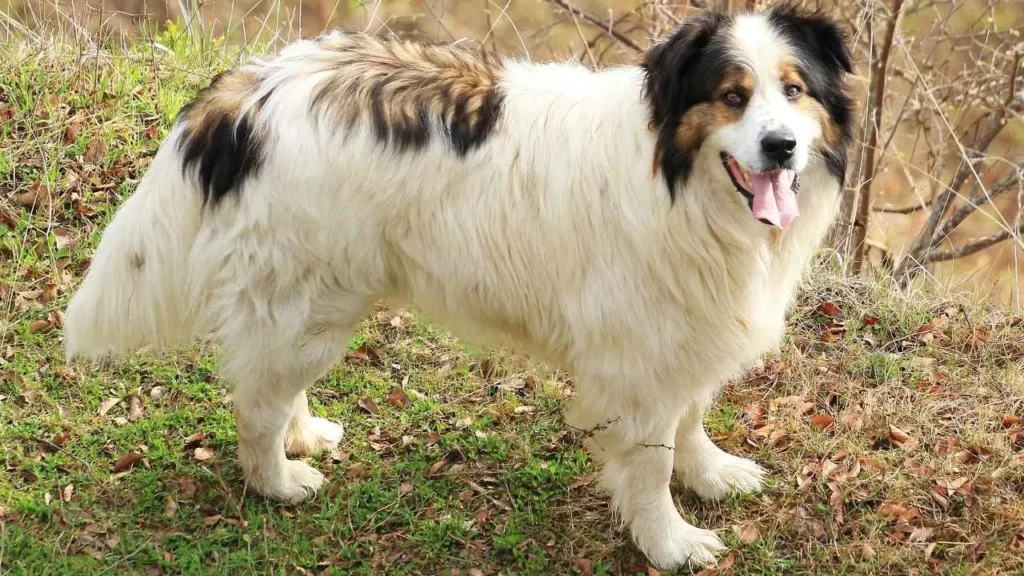
Tornjaks are ancient shepherd dogs from the Balkans, originally bred to guard livestock in mountainous regions. They are rare, strong, and well-balanced dogs with a calm yet highly protective nature. Their steady temperament makes them dependable guardians while still being relaxed at home.
Why They Stand Out
Calm, intelligent, and highly trainable
Deep loyalty toward their families
Naturally protective and alert
Low-maintenance grooming needs due to their thick coat
Tornjaks are confident and obedient dogs that learn commands quickly and enjoy working closely with their owners. At home, they are usually laid-back and gentle with their immediate family. They show strong affection toward their people and often form deep bonds.
However, they are naturally wary of strangers. Their guarding instincts make them highly alert, and they may not easily accept unfamiliar visitors or other dogs. Early socialization is important to help manage these instincts and ensure balanced behavior.
Tornjaks are not for every home, but in the right environment, they become calm, devoted, and reliable protectors who combine strength with a peaceful household presence.
5. Newfoundland
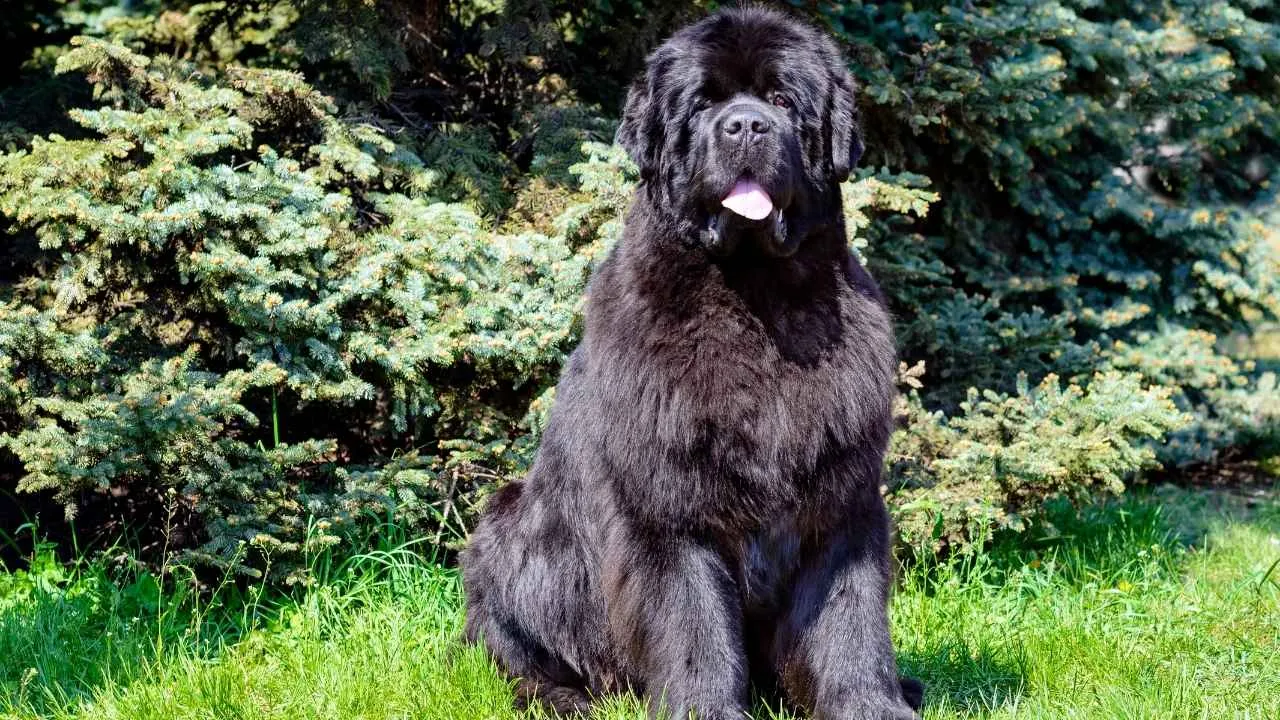
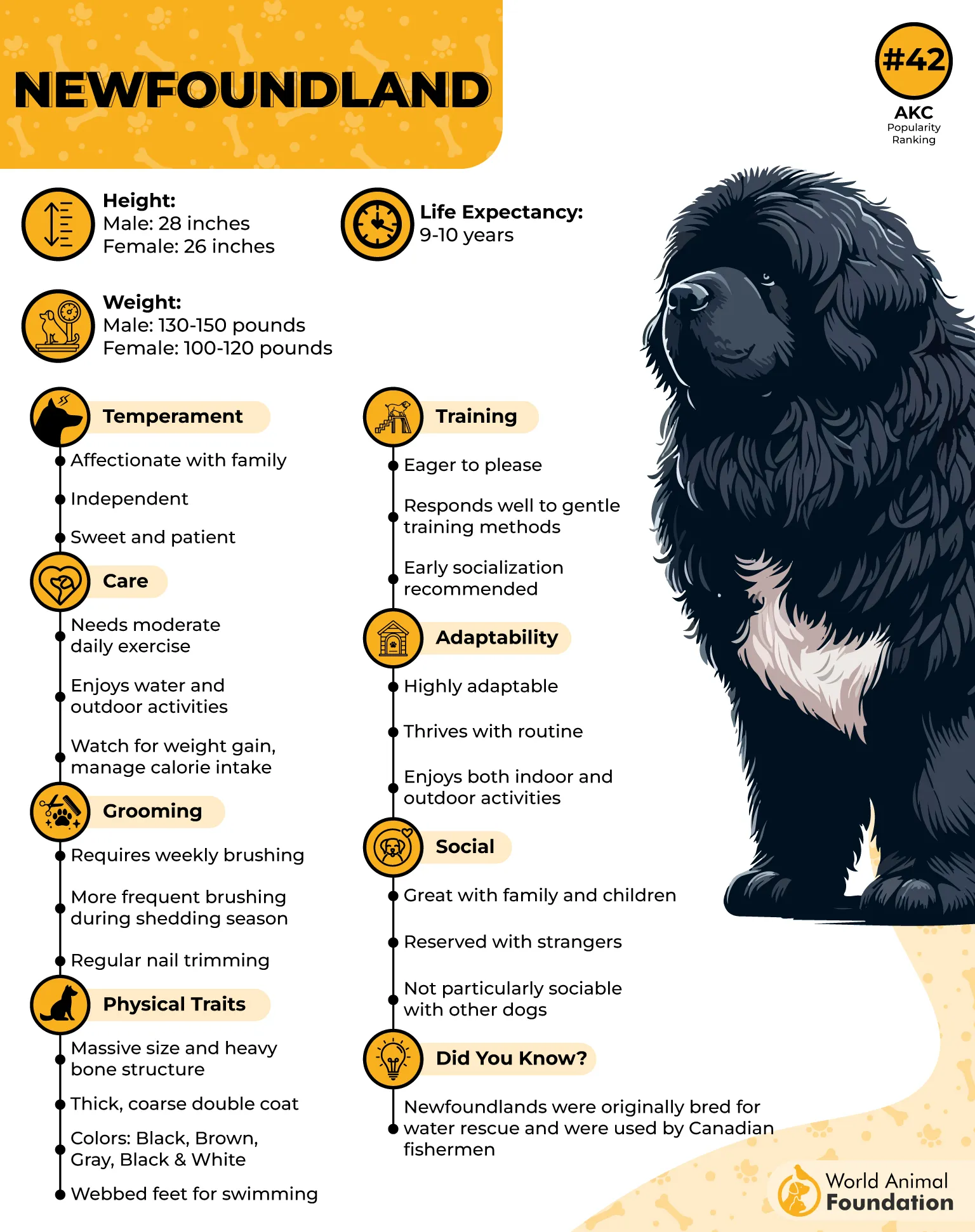
Newfoundlands, often called Newfies, are giant working dogs known for their calm, gentle, and loving nature. Originally bred in Canada to help fishermen and perform water rescues, they are powerful swimmers with webbed feet and thick coats that protect them from cold water.
Why They Stand Out
Calm, friendly, and highly affectionate temperament
Strong natural swimming ability and love for water
Patient with children and generally good with other pets
Protective without being overly aggressive
Newfoundlands are relaxed dogs at home and enjoy a slow, steady lifestyle. They are loyal, people-oriented, and often try to stay close to their family members at all times.
While they are rarely aggressive, they can be protective if they sense danger. Omlet says they are also known to be gentle with children, though their large size means they may accidentally knock smaller kids over during play.
These dogs do best with early training and consistent guidance, as they grow strong very quickly. They are intelligent and willing to learn, but they progress at their own pace and respond well to patience and positive reinforcement.
6. Great Dane
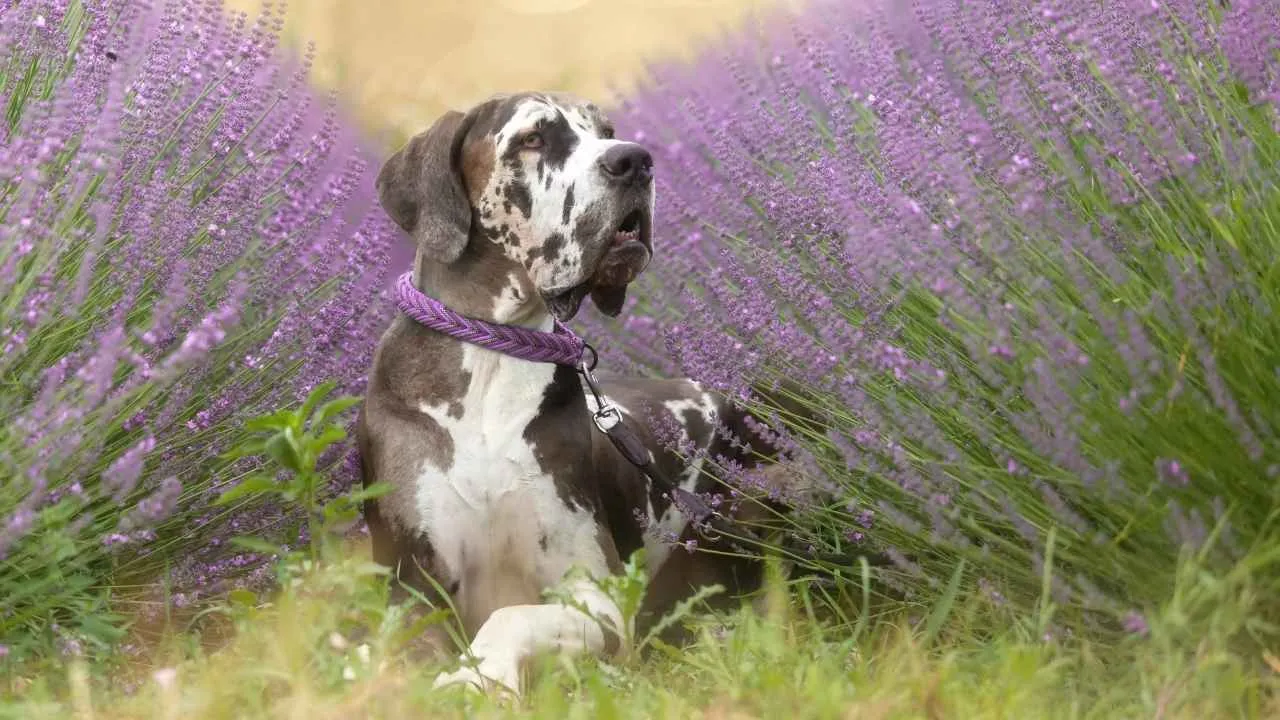
Great Danes are often called gentle giants. They were originally bred in Germany for hunting wild boar and guarding estates. Today, they are better known as calm, affectionate family companions who still carry a natural sense of protection.
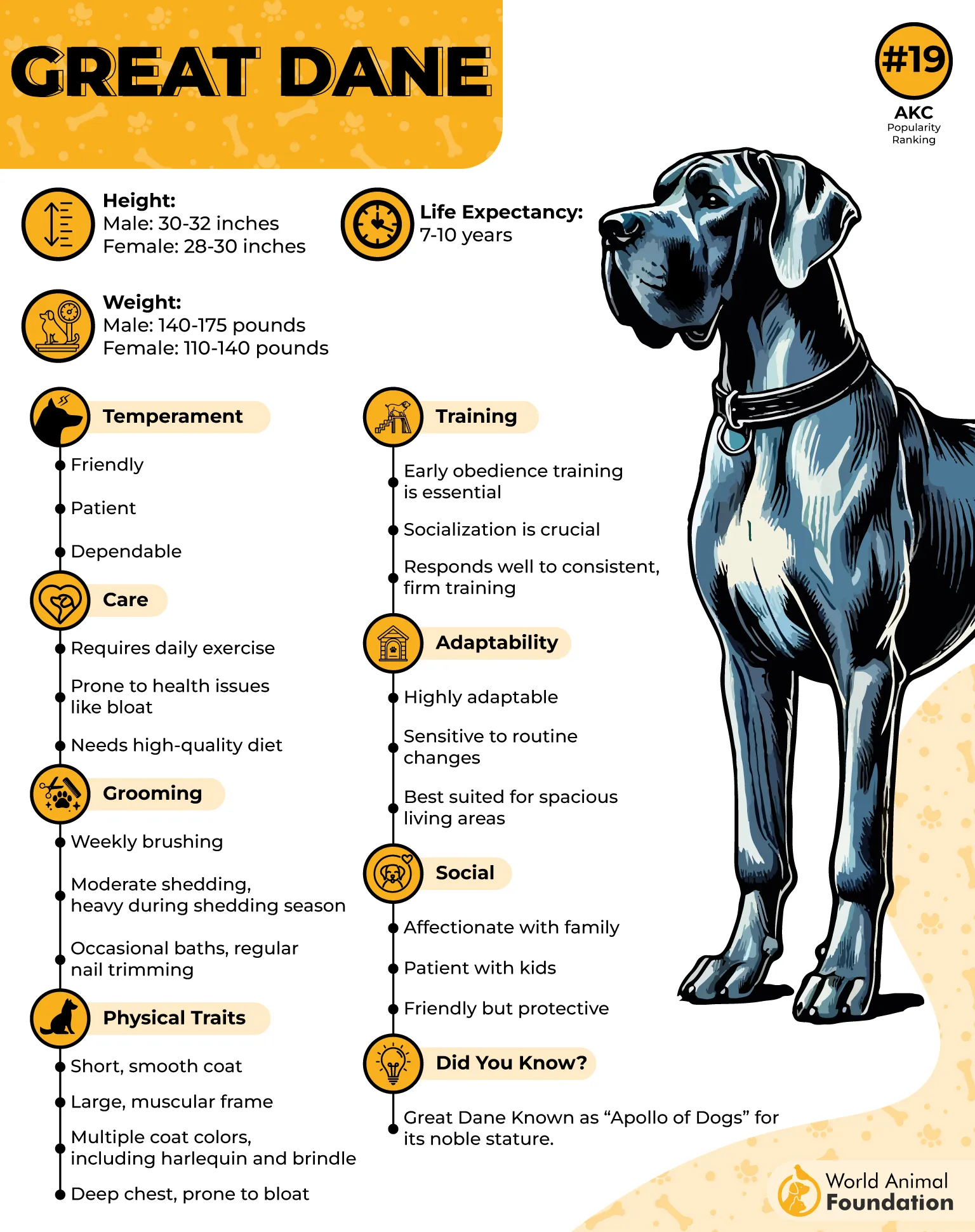
Why They Stand Out
Gentle and friendly temperament despite their size
Affectionate and people-oriented dogs
Naturally protective of their home
Generally good with children and other pets when socialized early
Great Danes are playful, confident, and love being close to their families. They enjoy attention and often act like oversized lap dogs, leaning in for affection or sitting close to their owners. Their calm and patient nature makes them a good fit for homes with children.
Although they are usually easy to train, some individuals can be a bit stubborn, so early obedience training and socialization are important. They do best in homes where they have enough space to move comfortably and daily walks for exercise.
Despite their imposing size, Great Danes are rarely aggressive without reason. They will usually stay friendly and welcoming, but can step into a protective role if they sense a real threat.
7. Rhodesian Ridgeback
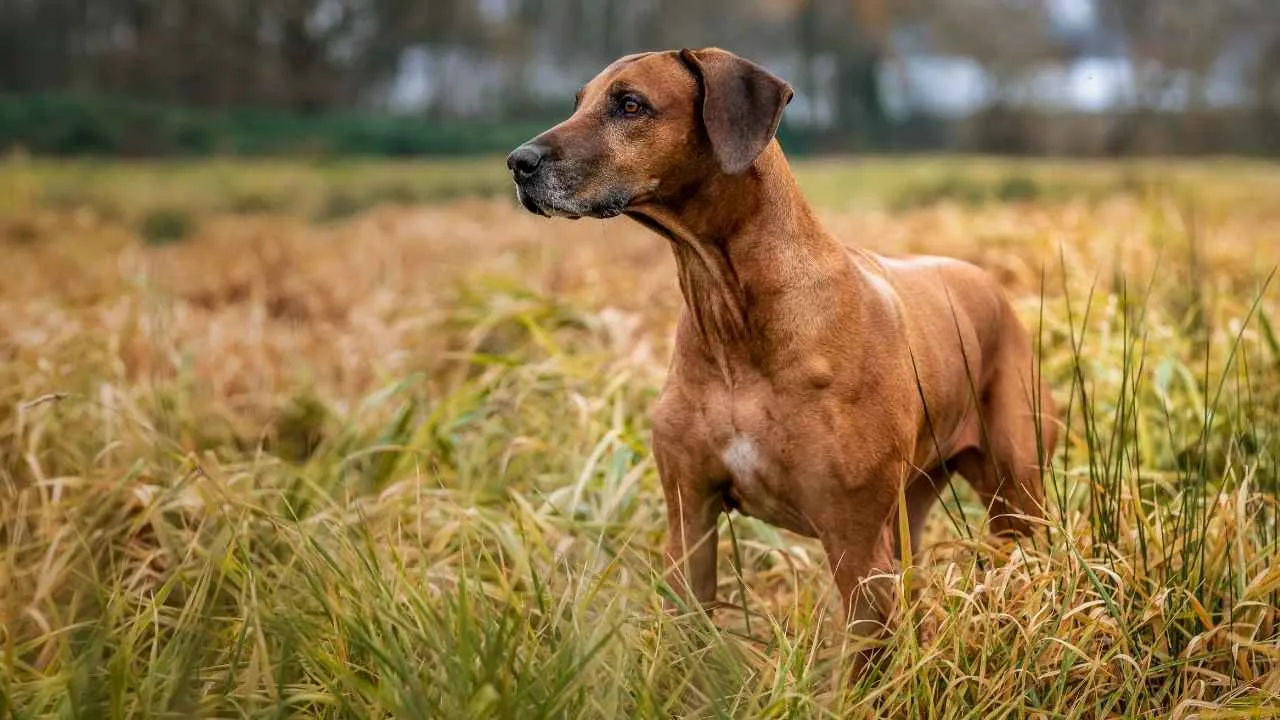
Rhodesian Ridgebacks are powerful yet calm hound dogs originally bred in Africa for hunting and guarding. Known for their quiet nature and strong instincts, they are alert, loyal, and naturally protective without being overly noisy or reactive.
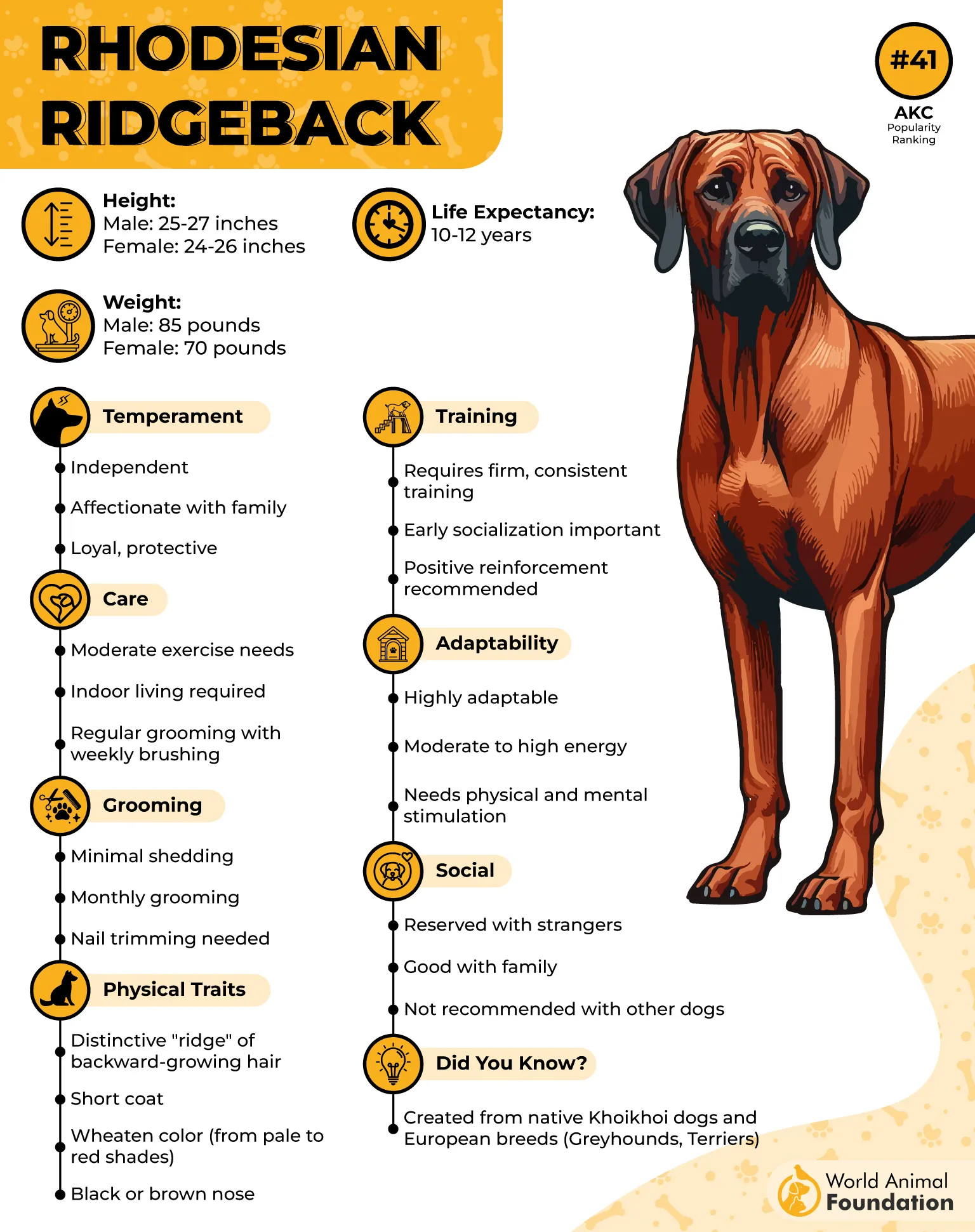
Why They Stand Out
Quiet, gentle, and rarely barks
Strong natural guarding instincts
Loyal and affectionate with their families
Clean dogs with minimal shedding and little odor
Ridgebacks may look relaxed, but they are confident and strong-willed dogs with a watchful presence. They were bred to track and face large predators, which gives them courage and independence.
At home, they are affectionate with their families and can be very loving companions when properly trained and socialized. They are generally good with children and other dogs, especially when raised together, but supervision is important due to their size and strength.
PetMD states they may be reserved around strangers and prefer to observe before trusting new people. Early training is important to ensure their natural protective instincts stay well-controlled.
These dogs are athletic and need regular exercise and mental stimulation to stay balanced. They are intelligent, clean, and relatively low-odor dogs, which makes them easier to maintain.
8. Canaan Dog
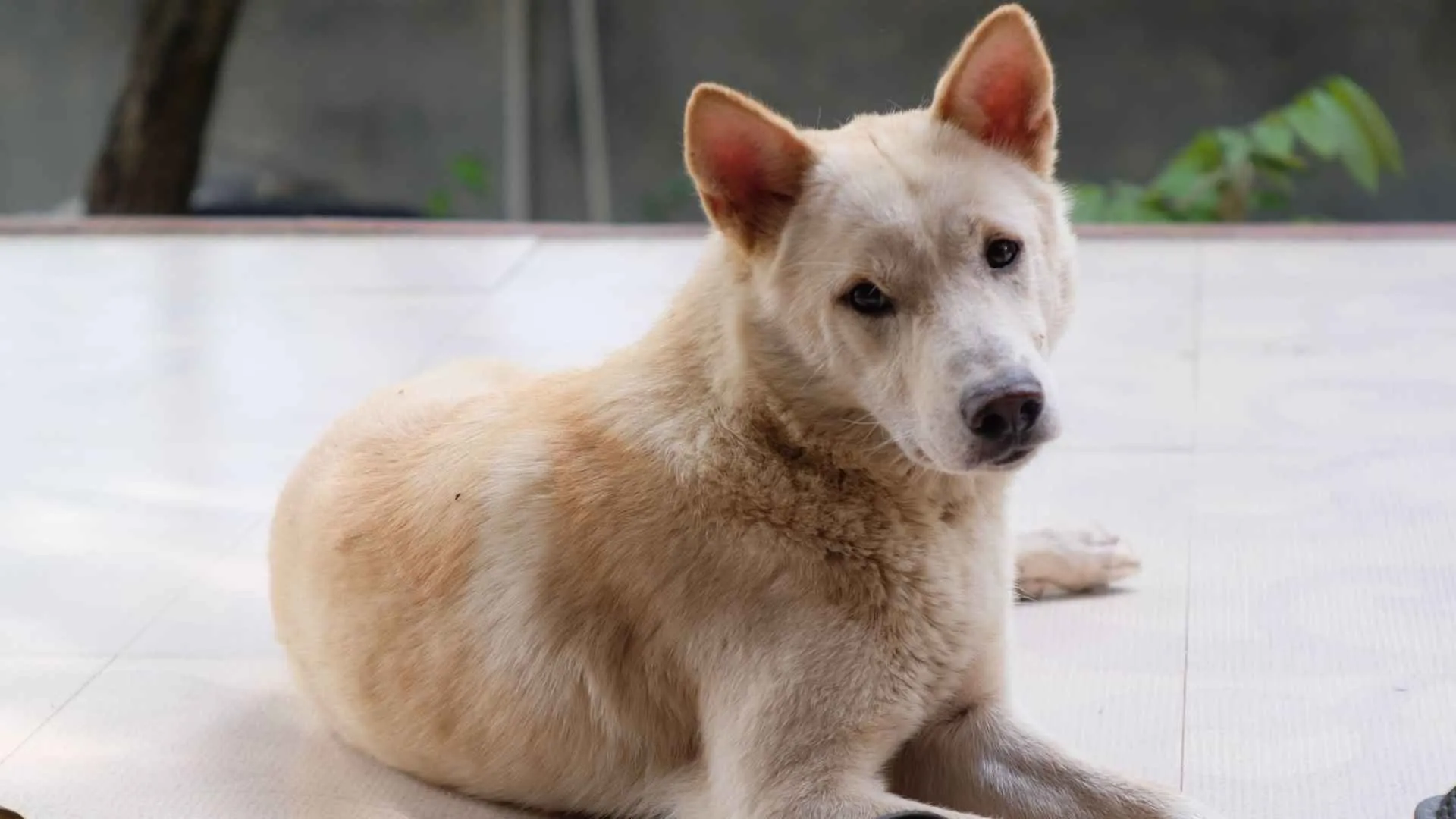
Canaan Dogs are ancient, intelligent spitz-type dogs known for their sharp minds and strong independence. They are quick learners, but also clever enough to think ahead of their owners, which makes them both excellent guard dogs and loving family pets.
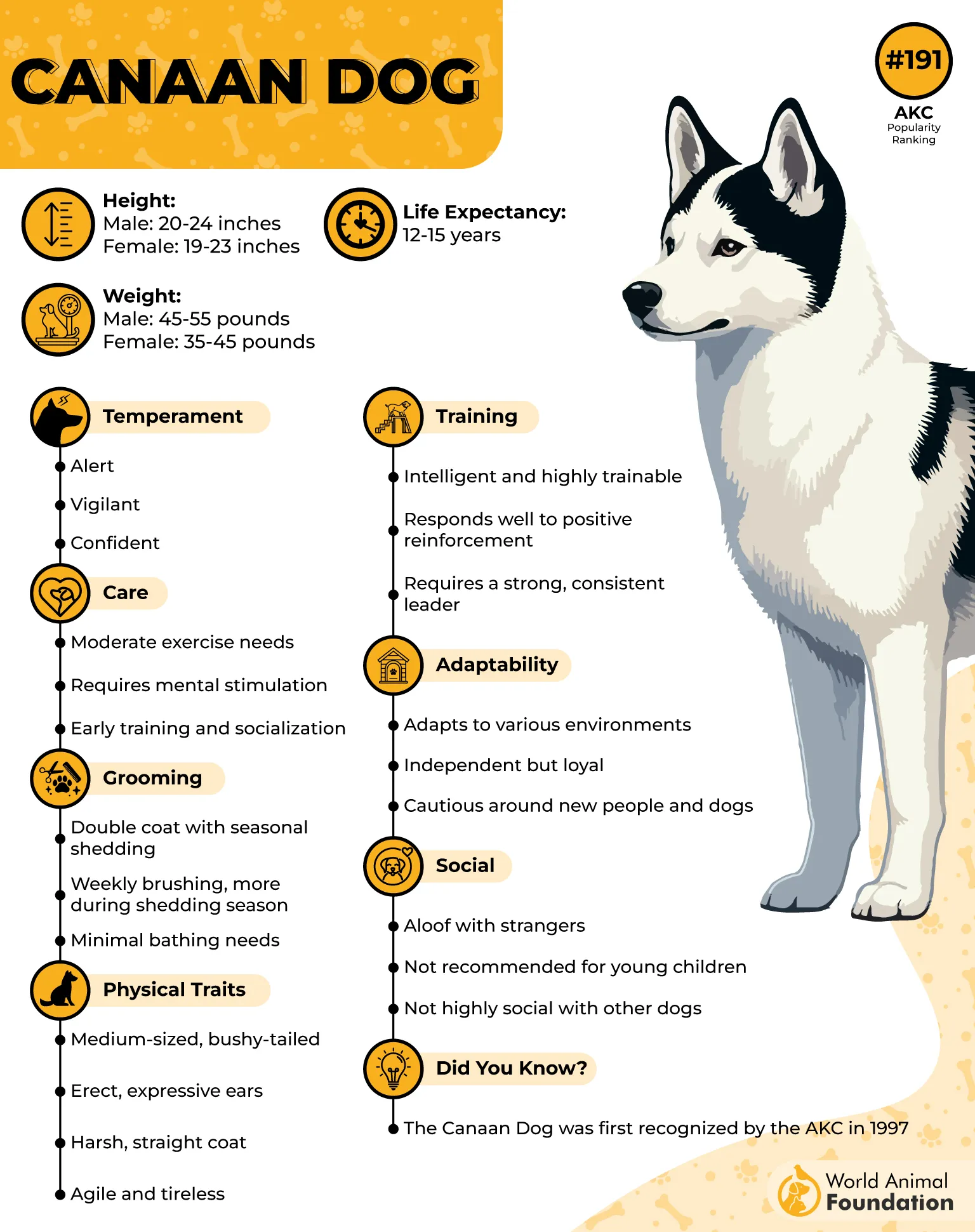
Why They Stand Out
Highly intelligent and fast learners
Naturally alert and watchful guardians
Loyal and affectionate with their families
Strong protective instincts with territorial awareness
Canaan dogs are deeply loyal and form strong bonds with their families. They are affectionate at home but can be reserved or cautious around strangers. Their natural guarding instincts make them highly observant, always aware of their surroundings, and quick to react if something feels unusual.
These dogs need early training and consistent guidance. They can be strong-willed and may try to take control if boundaries are not set clearly. With proper socialization, they develop into balanced dogs that are confident but not overly reactive.
They require regular exercise and mental stimulation to stay happy and focused. Their double coat needs routine brushing, but overall grooming is moderate.
9. Kuvasz
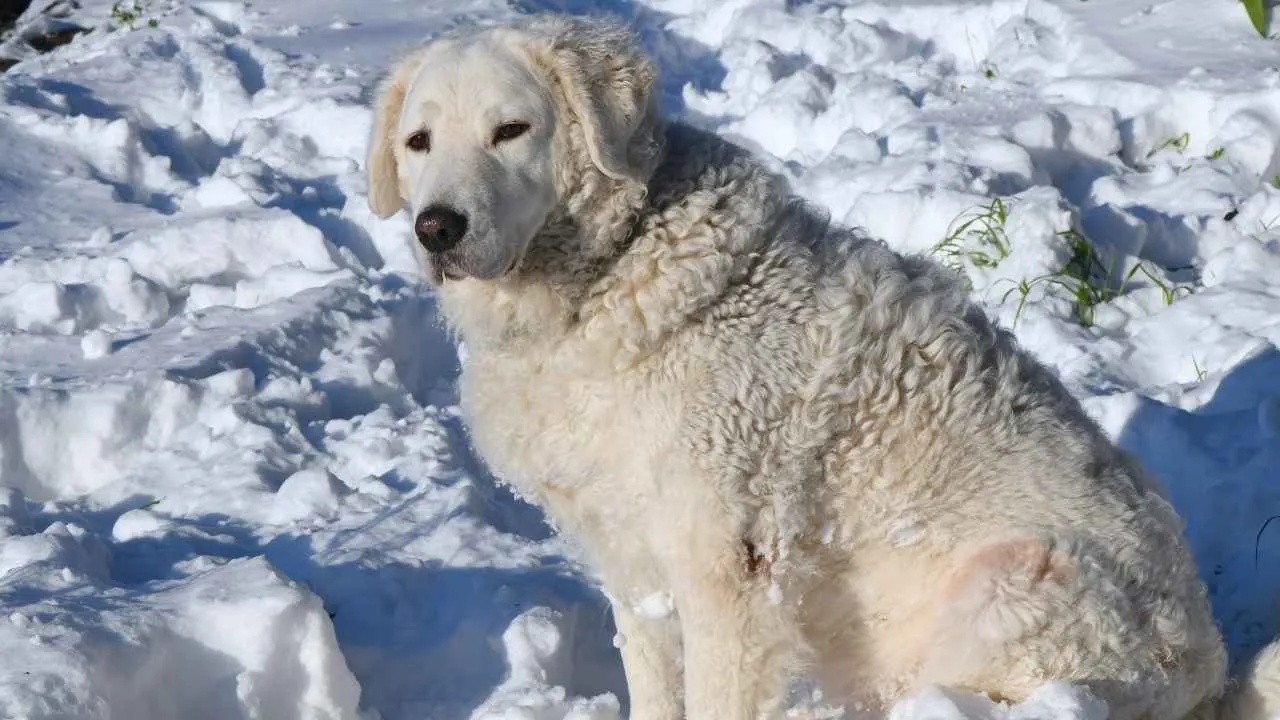
Kuvasz dogs are ancient Hungarian guardian dogs known for their courage, intelligence, and calm confidence. Bred to protect livestock for centuries, they carry a natural guarding instinct that is balanced with a steady and composed temperament.
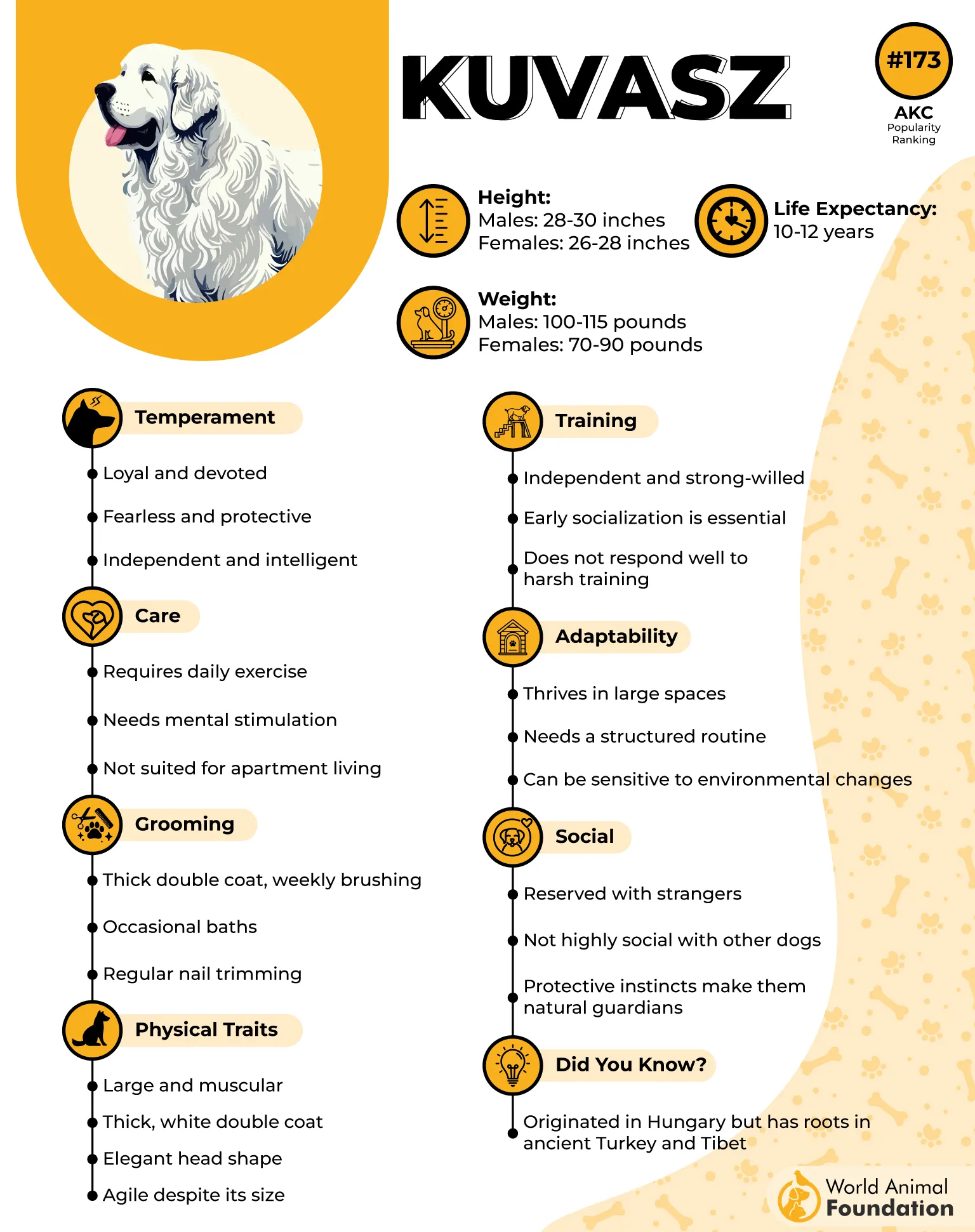
Why They Stand Out
Brave, intelligent, and naturally protective
Calm and observant with a steady temperament
Loyal and affectionate with family members
Gentle and tolerant when properly socialized
Kuvasz dogs are deeply watchful and always aware of their surroundings. They often position themselves where they can see doors or open spaces, quietly monitoring everything.
While they are naturally protective, they are not aggressive by default. Instead, they prefer to observe first and decide whether a situation is safe.
With their families, Kuvasz dogs are affectionate, calm, and surprisingly relaxed. They can be good with children and other animals when raised with proper training and socialization.
However, they need clear boundaries from an early age, as they are independent thinkers and may try to take control if not guided properly.
10. Chinook
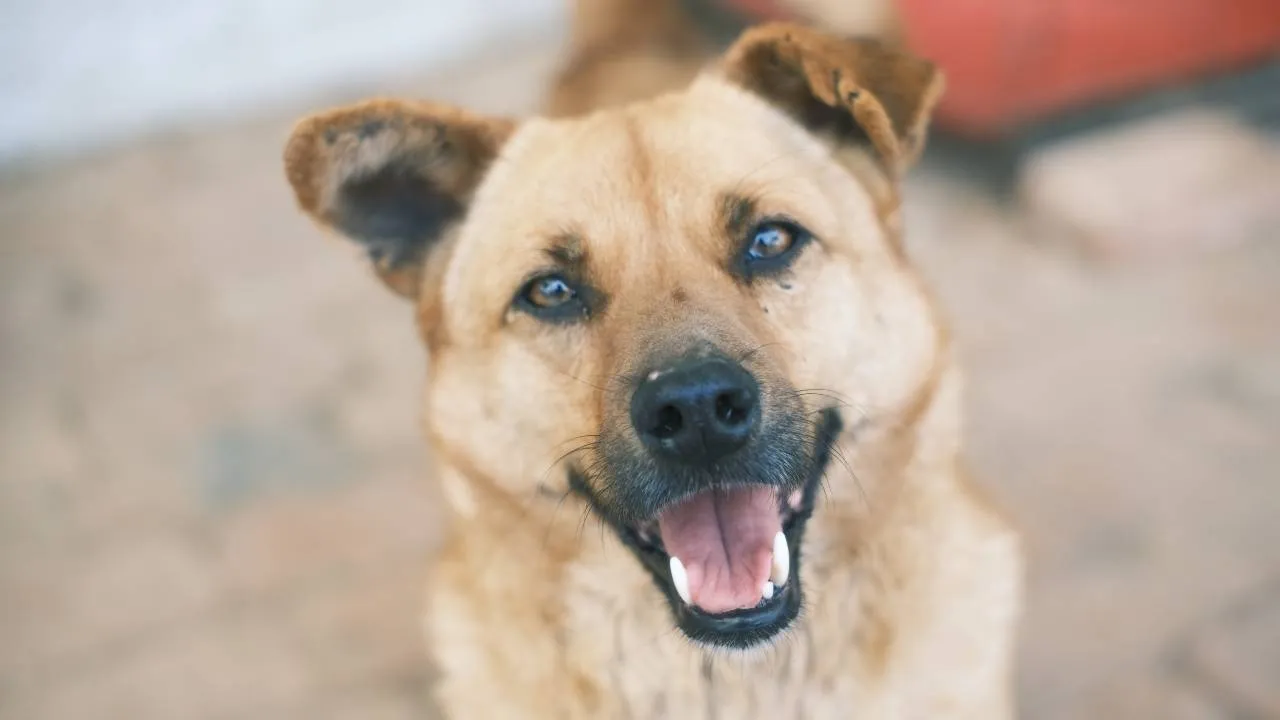
Chinooks are rare sled dogs developed in New Hampshire in the early 20th century. Known for their strength, calm nature, and hardworking spirit, they were bred for endurance and teamwork in cold climates.
Today, they remain gentle, loyal companions with a strong desire to stay active and involved with their people.
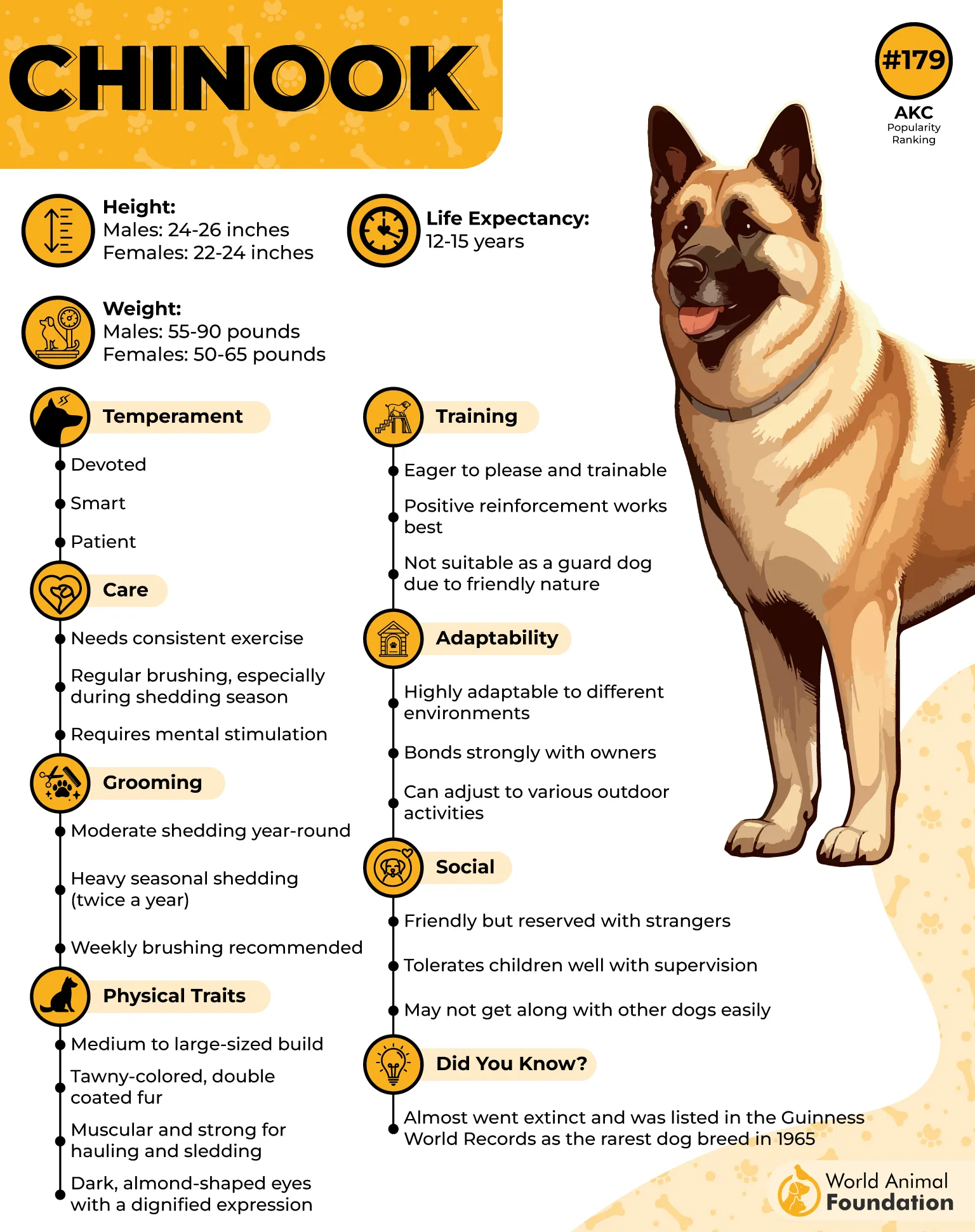
Why They Stand Out
Calm, friendly, and people-oriented temperament
Highly intelligent and eager to learn
Strong endurance and athletic ability
Gentle nature with low aggression levels
Chinooks are active working dogs that love having a purpose. They are highly trainable and enjoy activities like obedience work, agility, and pulling tasks. Their intelligence makes them quick learners, but they thrive best when mentally and physically engaged every day.
These dogs are affectionate and do very well in family settings. They are especially good with children and enjoy being part of a “pack.” However, they should not be left alone for long periods, as they form strong bonds with their family and prefer constant companionship.
Chinooks are generally calm and may bark at strangers, but they are not aggressive guard dogs. They are better suited as watchful companions rather than protectors. Their grooming needs are moderate, requiring regular brushing, especially during heavy shedding seasons.
Conclusion
In the end, calm guard dogs show us that protection doesn’t have to be loud or aggressive. Across all the breeds we explored, the common thread is clear—steady temperaments, natural alertness, and deep loyalty to their families.
Choosing the right dog is really about finding a match for your lifestyle, space, and experience level. When given proper training, socialization, and care, these calm guardians become more than protectors—they become part of the family rhythm.
If you’re considering one, take your time, learn about their needs, and choose a companion that will quietly watch over your home while sharing in your daily life.
Looking for more protective dog breeds? You can also check out the Great Pyrenees, German Shepherd, Doberman Pinscher, Belgian Malinois, Boxer, Rottweiler, and Anatolian Shepherd.
