




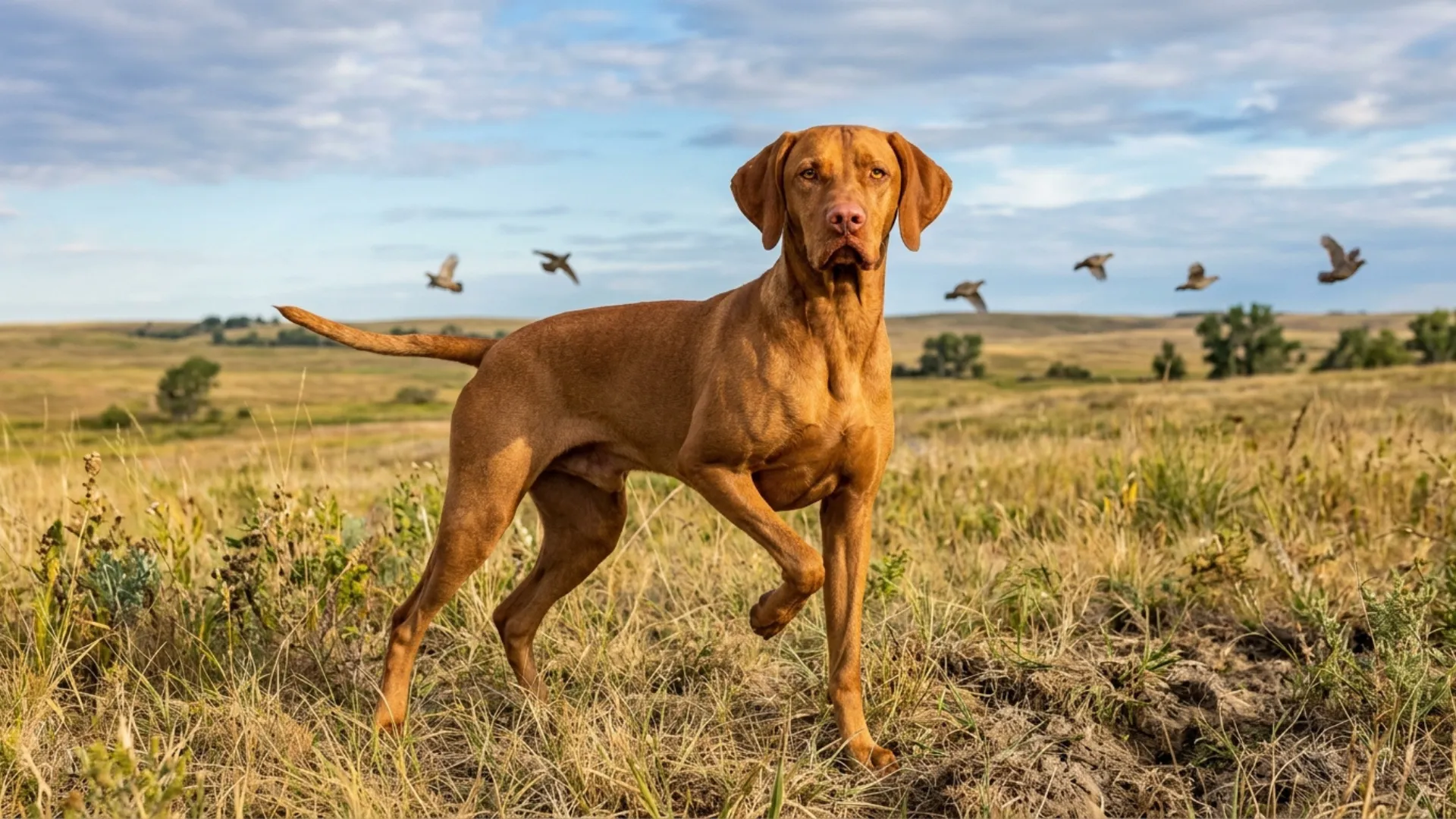
Some dogs seem to find birds and prey almost effortlessly, even when there is little visible evidence to follow. They move with purpose, remain focused when distractions appear, and somehow stay connected to a scent trail that seems impossible for humans to detect.
Watching that level of skill raises an interesting question. What makes certain dogs so effective at tracking while others struggle with the same task? The answer involves far more than a sharp nose.
Successful tracking depends on instinct, persistence, trainability, stamina, and the ability to work through challenging environments without losing focus. These qualities do not appear equally across all breeds, which is why some have earned a lasting reputation among hunters and outdoor enthusiasts.
Ahead are the dog breeds that consistently stand out for locating birds and prey with remarkable efficiency and dependable field performance.
Key Takeaways
One dog on this list can spend hours following a scent trail through fields and woodland without letting distractions pull its attention away.
Brittany and Vizsla have built their reputation on focus, stamina, and an instinct for finding birds across challenging terrain without losing track of the job.
Labrador Retrievers and Standard Poodles bring a different kind of talent to the field, combining sharp minds with retrieving skills that have earned trust for generations.
Then there is a breed that freezes the moment it catches a scent, turning a split second into one of the most fascinating sights in bird hunting.
Best Dog Breeds Choices For Tracking Birds and Prey
1. Brittany
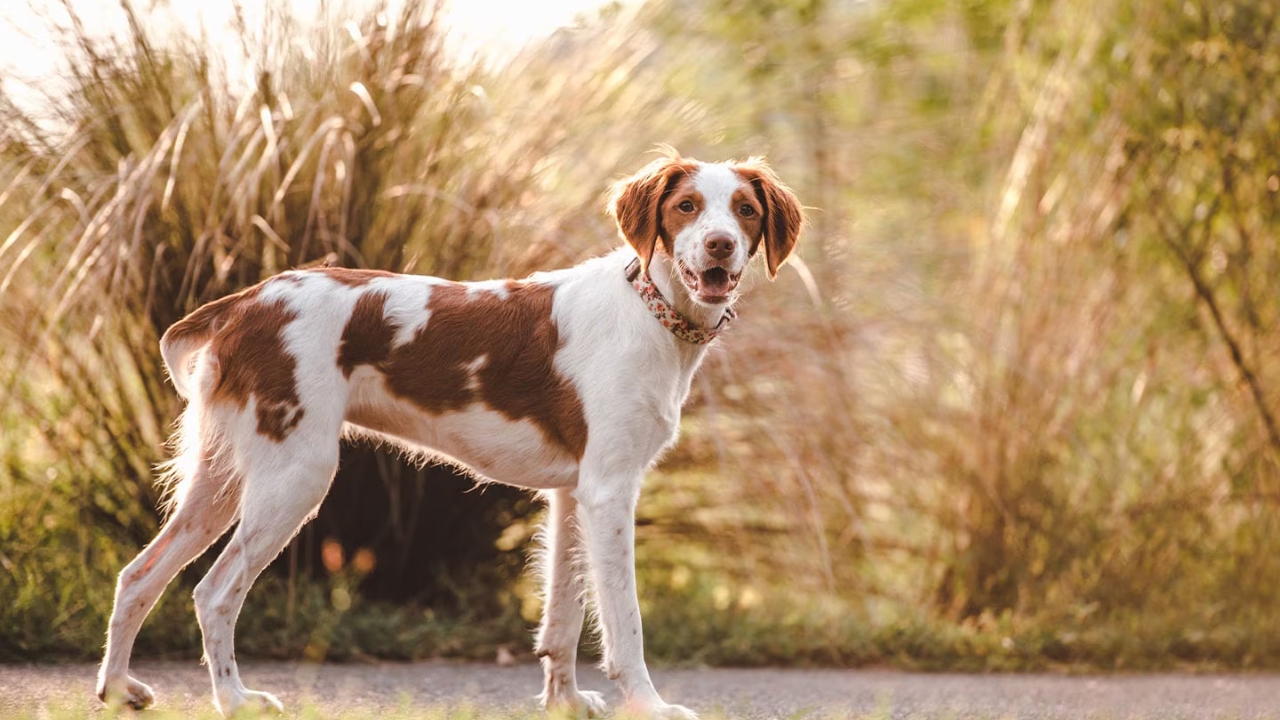
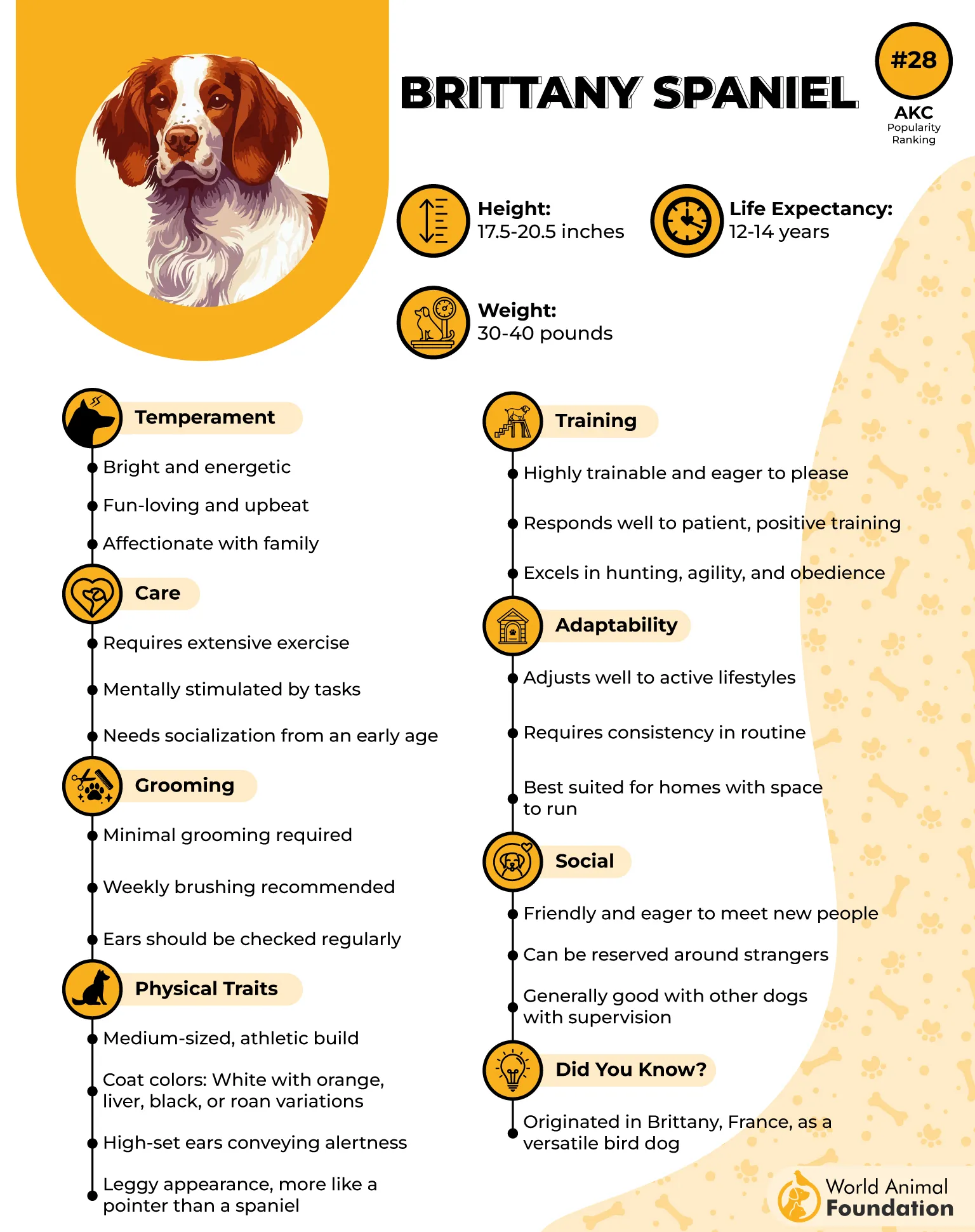
Brittany shows an instinct for covering ground quickly, with a light, energetic build shaped for long hours outdoors. Originally bred from the Brittany region of France, it was refined through spaniel and setter influence for pointing and retrieving work. Quick reactions make it flexible in situations.
Natural Hunting Drive
This hunting breed works with focus and speed, especially in woodland environments where scent work becomes central. Its alert nature pairs with a cooperative mindset, making it easy to guide during active field tasks.
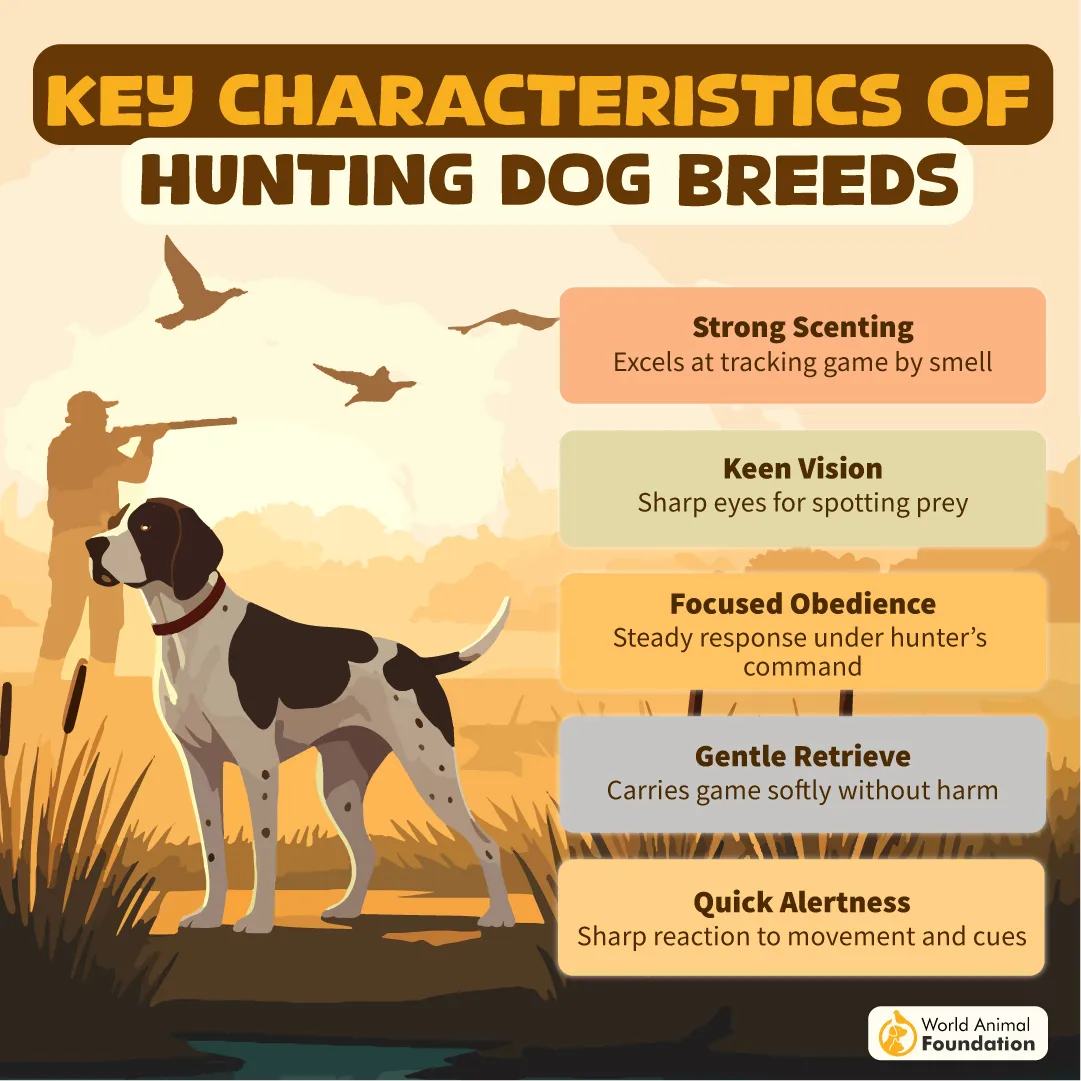
These core traits explain its field efficiency:
Strong scenting ability
High endurance in open spaces
Responsive to human cues
Social Field Companion
Brittany interacts comfortably with people and other animals, showing a calm, friendly presence outside working moments, as PetMD writes. It enjoys shared activity and settles well into group environments when properly guided. This balance makes its behavior predictable during long outdoor sessions.
2. Vizsla
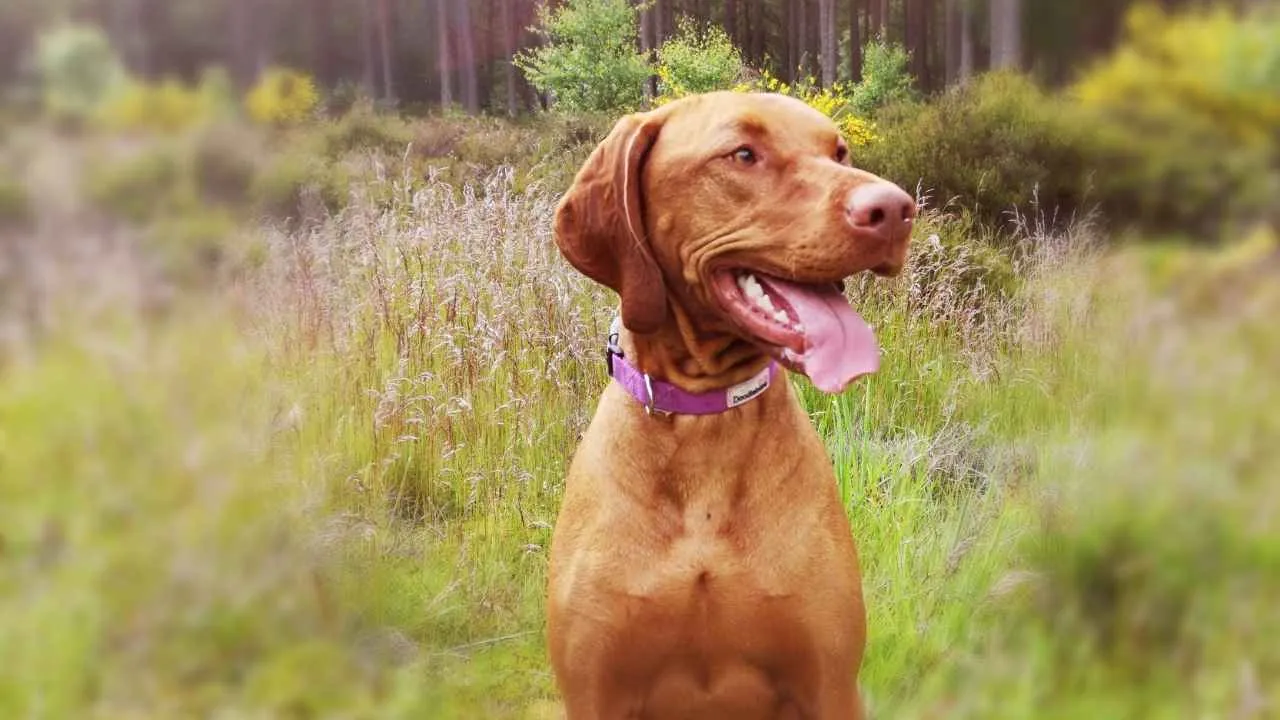
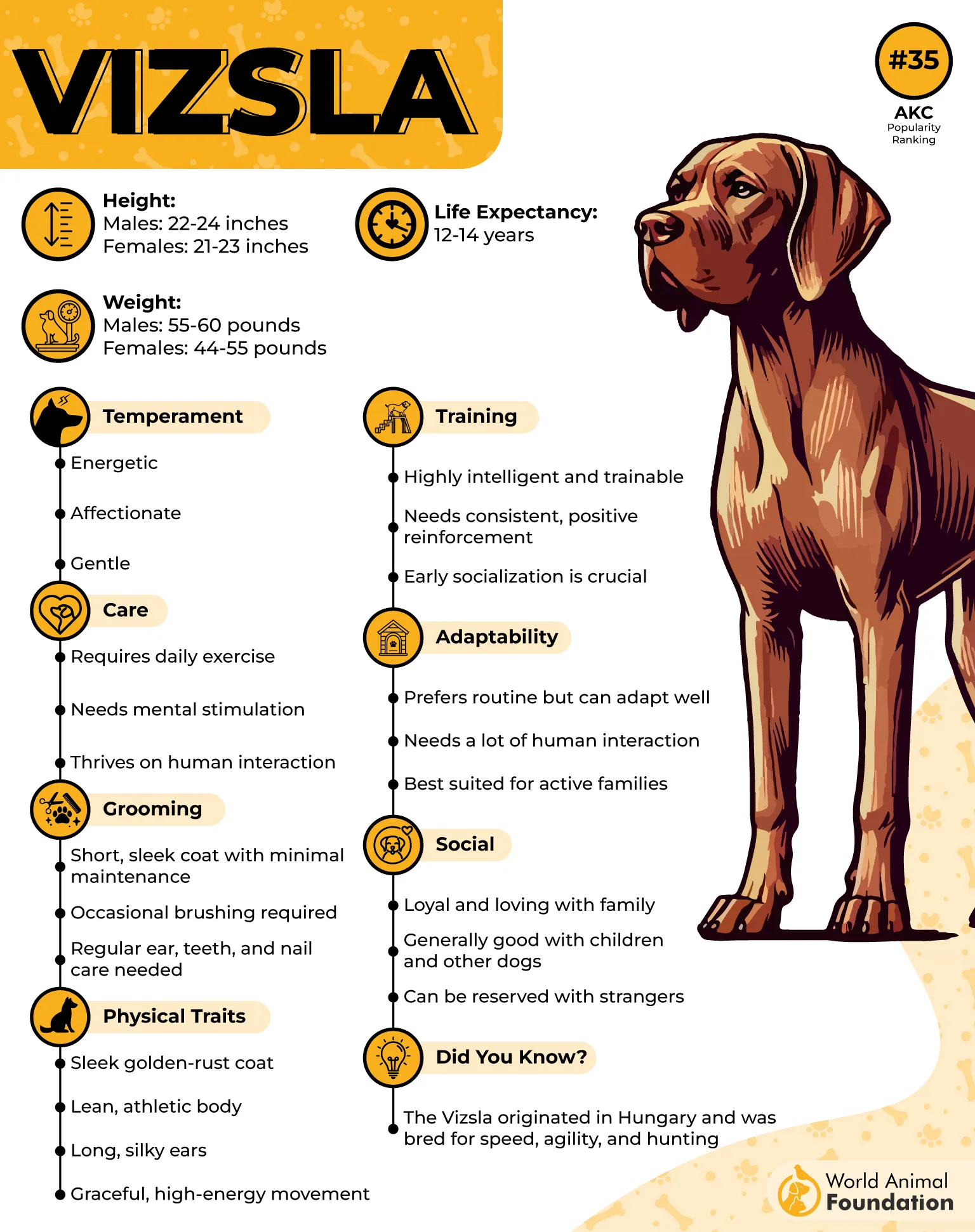
The Vizsla is known for a lively, athletic nature shaped around close coordination with human activity during field work in Hungary. The breed’s “pointer” role is reflected in its sharp focus and constant readiness for movement-based tasks. Affection and high energy sit at the center of its personality.
Built for Active Tracking Work
The Vizsla connects best with people who match its drive for outdoor activity and structured exercise routines, as the American Kennel Club (AKC) noted. Long hours of physical engagement help this breed stay balanced and attentive in tracking situations.
These key points reflect this working rhythm:
Strong drive for field activity
Responds well to consistent training
Needs regular endurance-based movement
Endurance and Daily Engagement
This hunting dog breed performs best when its routine includes running, swimming, or extended outdoor sessions that challenge both body and mind. The breed’s energy level requires structured outlets to avoid restlessness. Active involvement in daily routines helps maintain a working balance.
3. Labrador Retriever
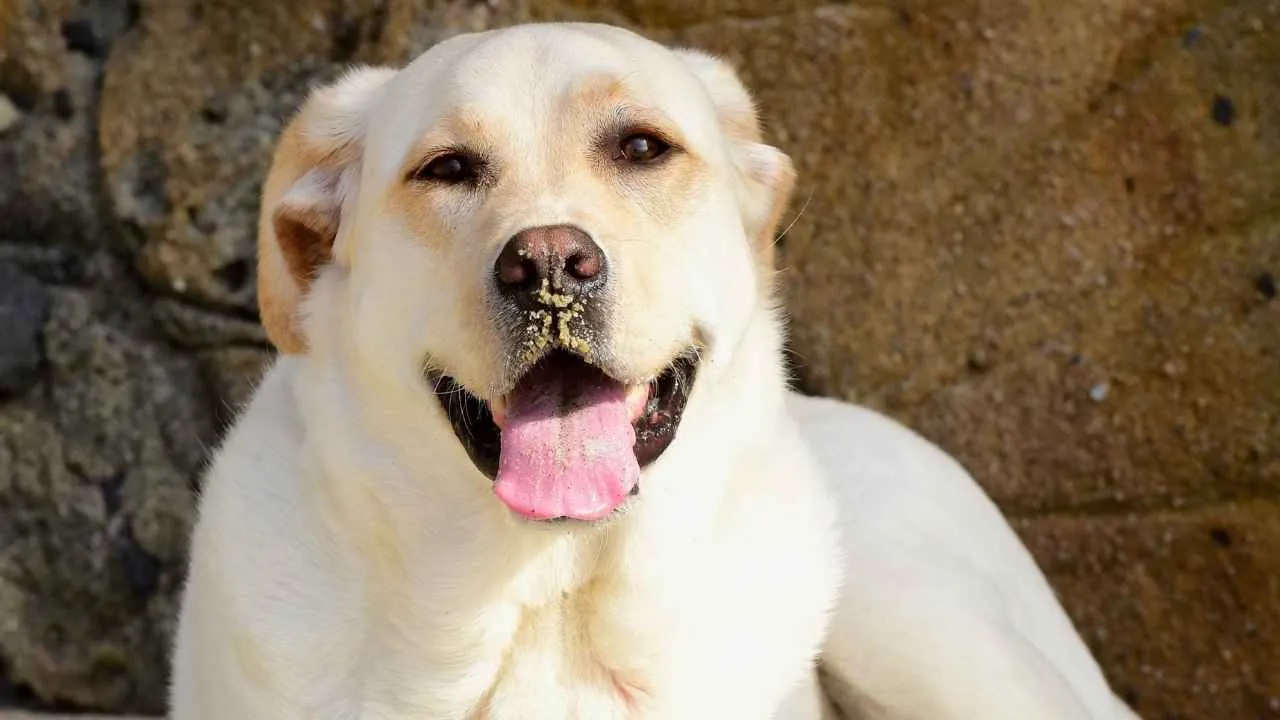
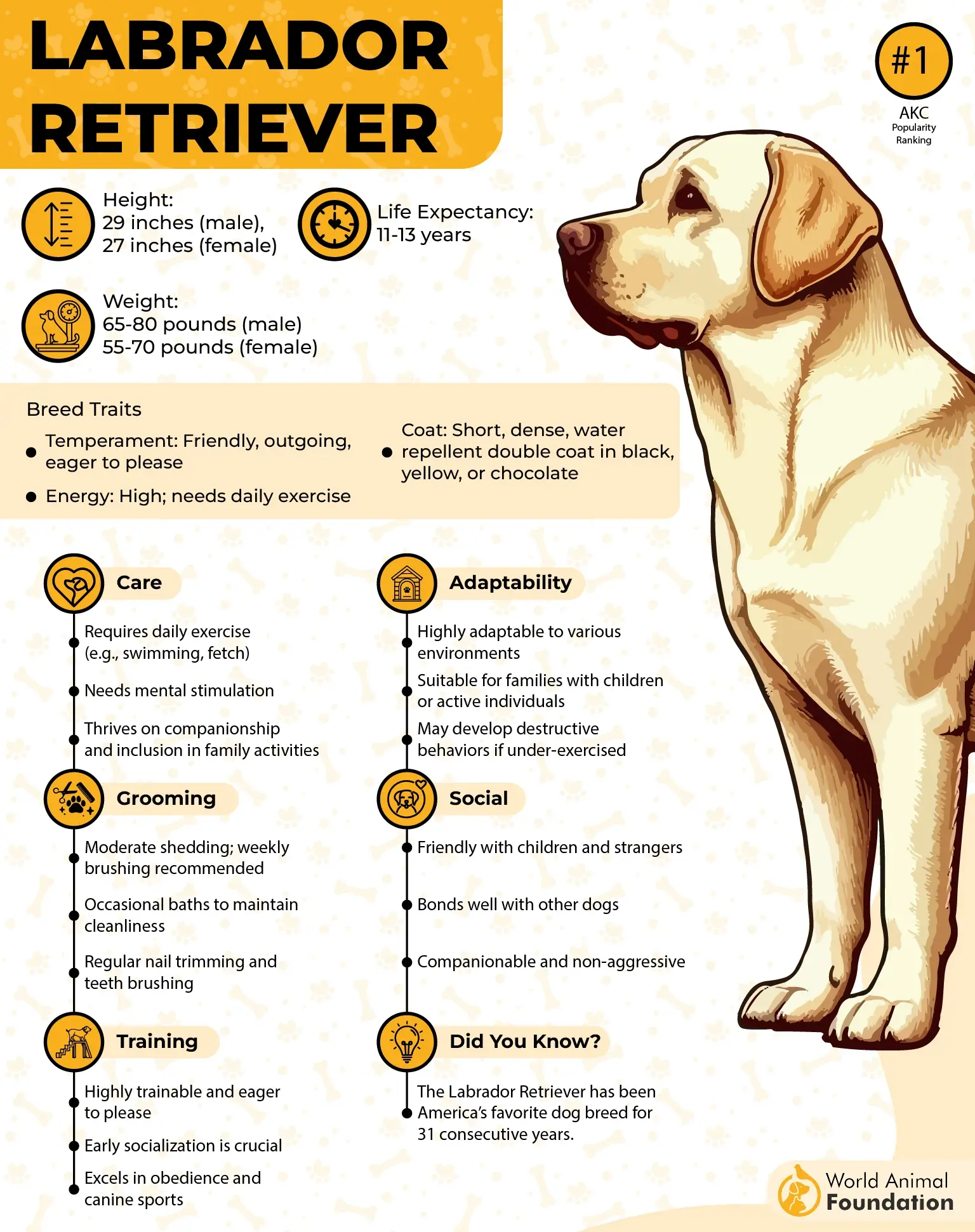
Labrador Retrievers carry a natural pull toward water, shaped by early work around Newfoundland, where lighter-built ancestors assisted fishermen. Their strong swimming ability and steady retrieving drive made them useful for bringing back game and fish across lakes.
Field-Ready Working Abilities
Their role as gun dogs links closely with reliable retrieving work during hunting tasks, where focus and cooperation matter more than force, as WebMD claims. Known for adaptability, they shift easily between field duties and structured training roles.
A few traits explain why they handle varied tasks so smoothly:
Strong water confidence
Quick learning ability
Reliable retrieving focus
Balanced Temperament in Action
This family dog brings a steady, friendly approach to work, often showing patience in group settings and outdoor activity. Its interaction style leans toward cooperation, making it easy to guide in structured environments. Energy levels stay active without tipping into unpredictability.
4. Standard Poodle
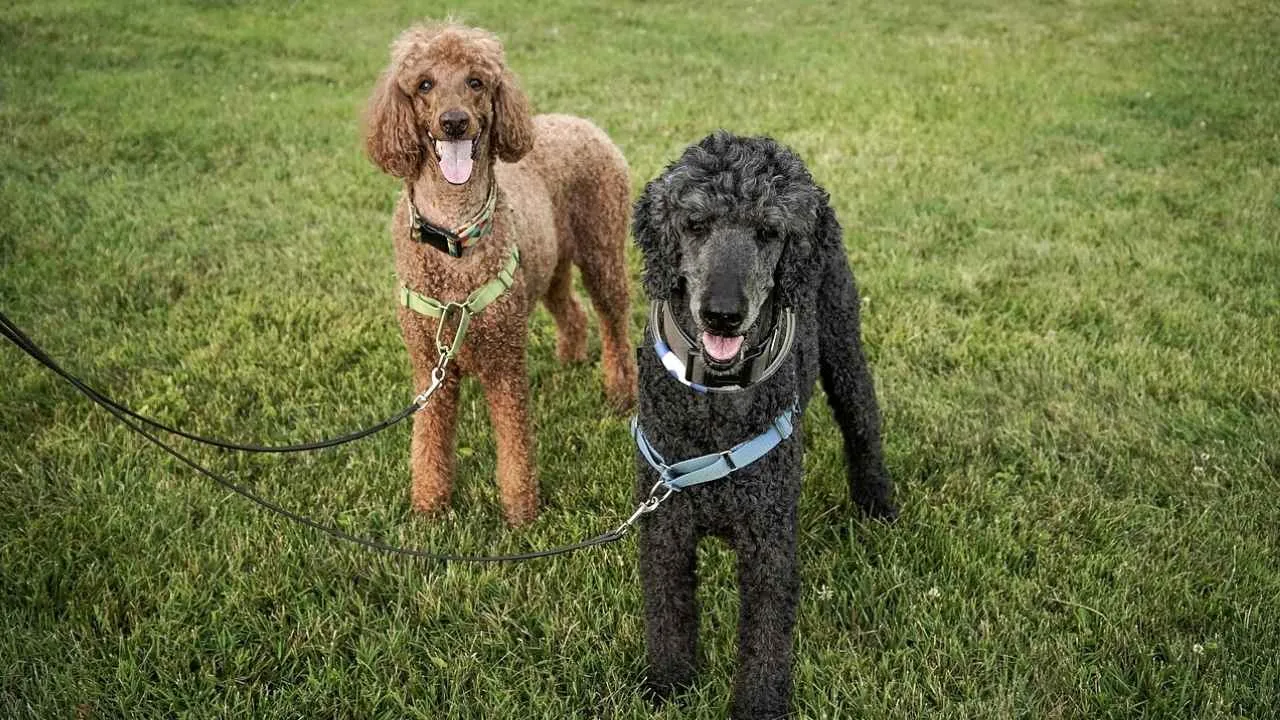
The Standard Poodle built its reputation in the water, retrieving ducks and other game with precision and purpose. Those instincts remain active today, which is why some waterfowl hunters still rely on the breed in the field. Quick thinking and responsiveness have always been part of the package.
Field Intelligence
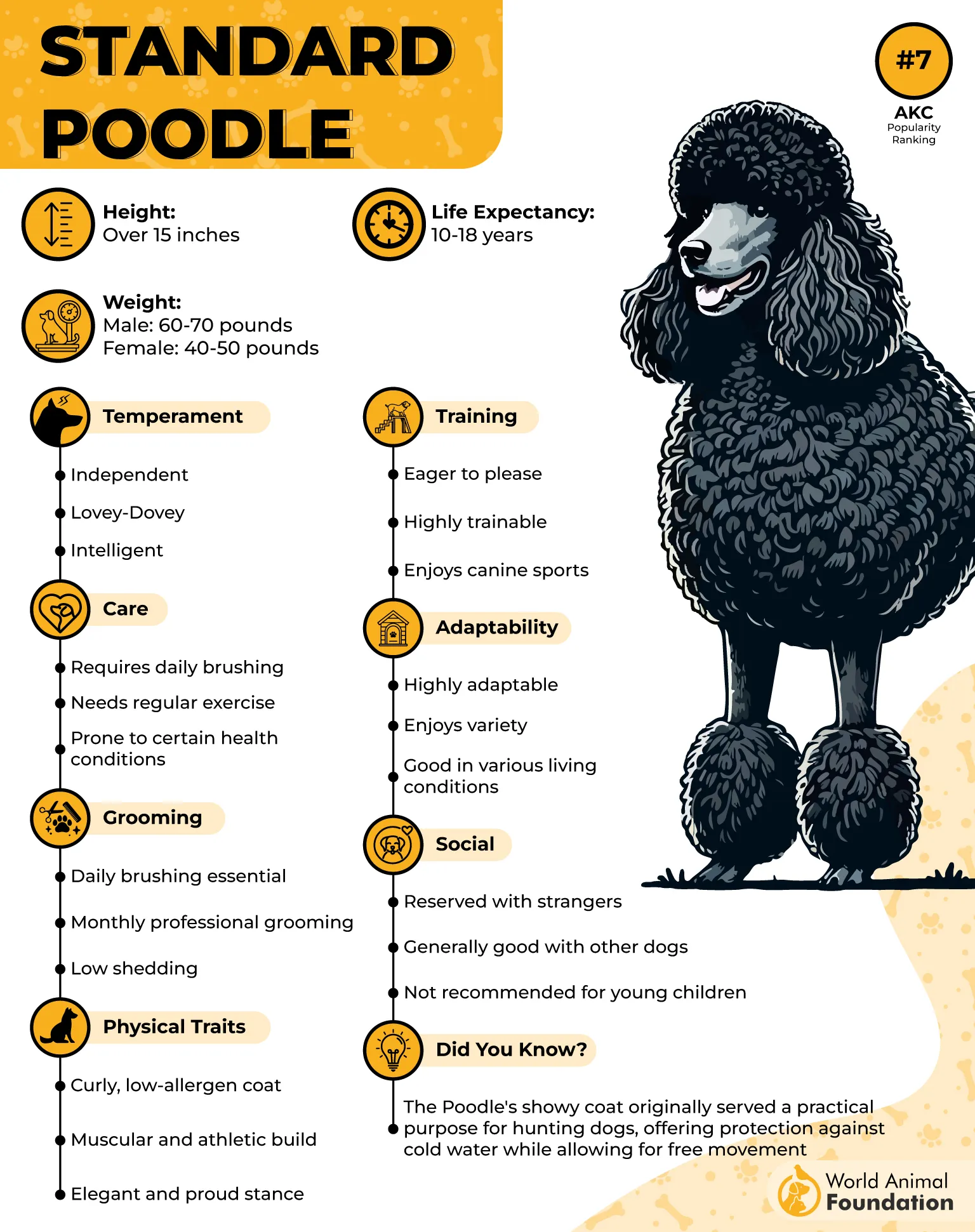
Success around birds depends on more than instinct alone, and this breed brings a sharp mind to the task. Training tends to progress quickly because lessons are absorbed after very little repetition.
These qualities contribute to that effectiveness:
Fast learner
Eager to please
Works well for praise
Focused Partnership
The Standard Poodle approaches work with enthusiasm and enjoys having clear direction from its handler. This willingness to cooperate supports a practical hunting style, especially when retrieving birds from water. The breed also remains highly social, making teamwork feel natural rather than forced.
5. American Foxhound
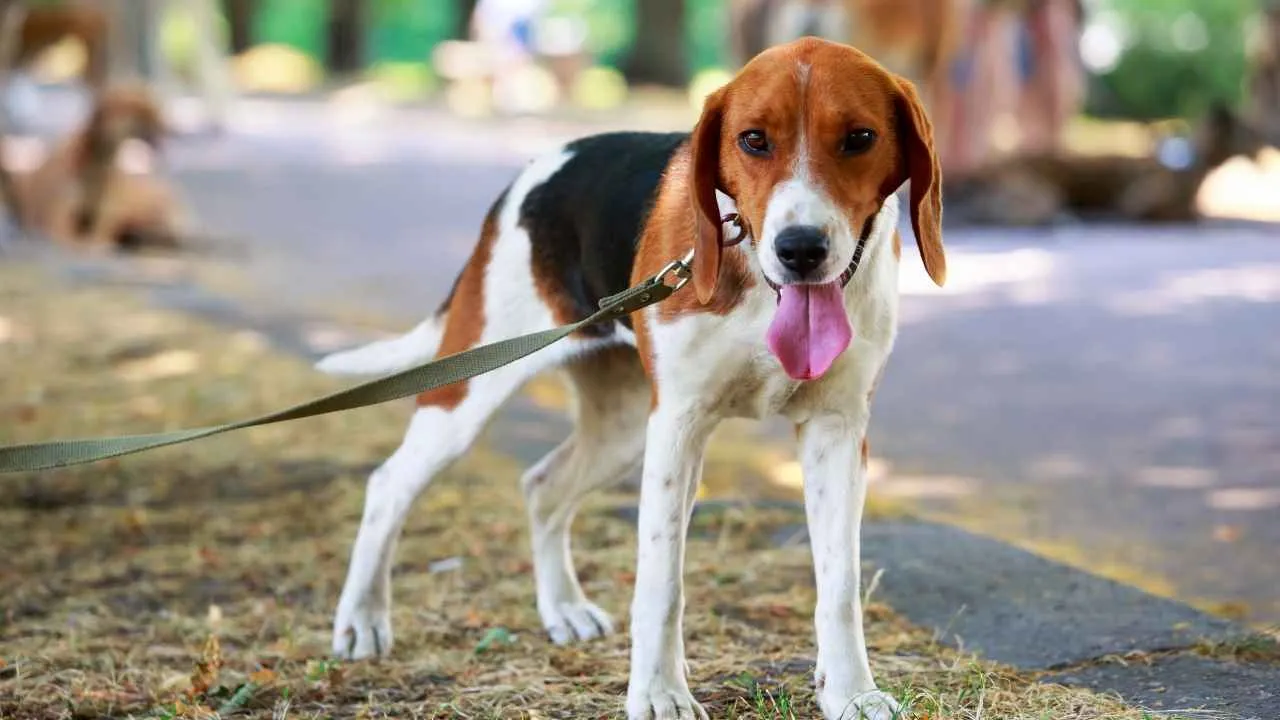
The American Foxhound combines long legs, a lean frame, and remarkable stamina, qualities that shaped its place on the rolling estates of old Virginia. Speed and endurance work together efficiently when covering ground over extended distances. Its athletic design reflects a dog bred with purpose.
Nose-Led Focus
The American Foxhound excels when following scent trails, making it a capable hunting companion for pursuing birds and other game. Its determination remains fixed once an interesting trail is found.
That focus becomes easier to understand through these points:
Powerful prey drive
Exceptional endurance
Fast ground coverage
Temperament and Challenges
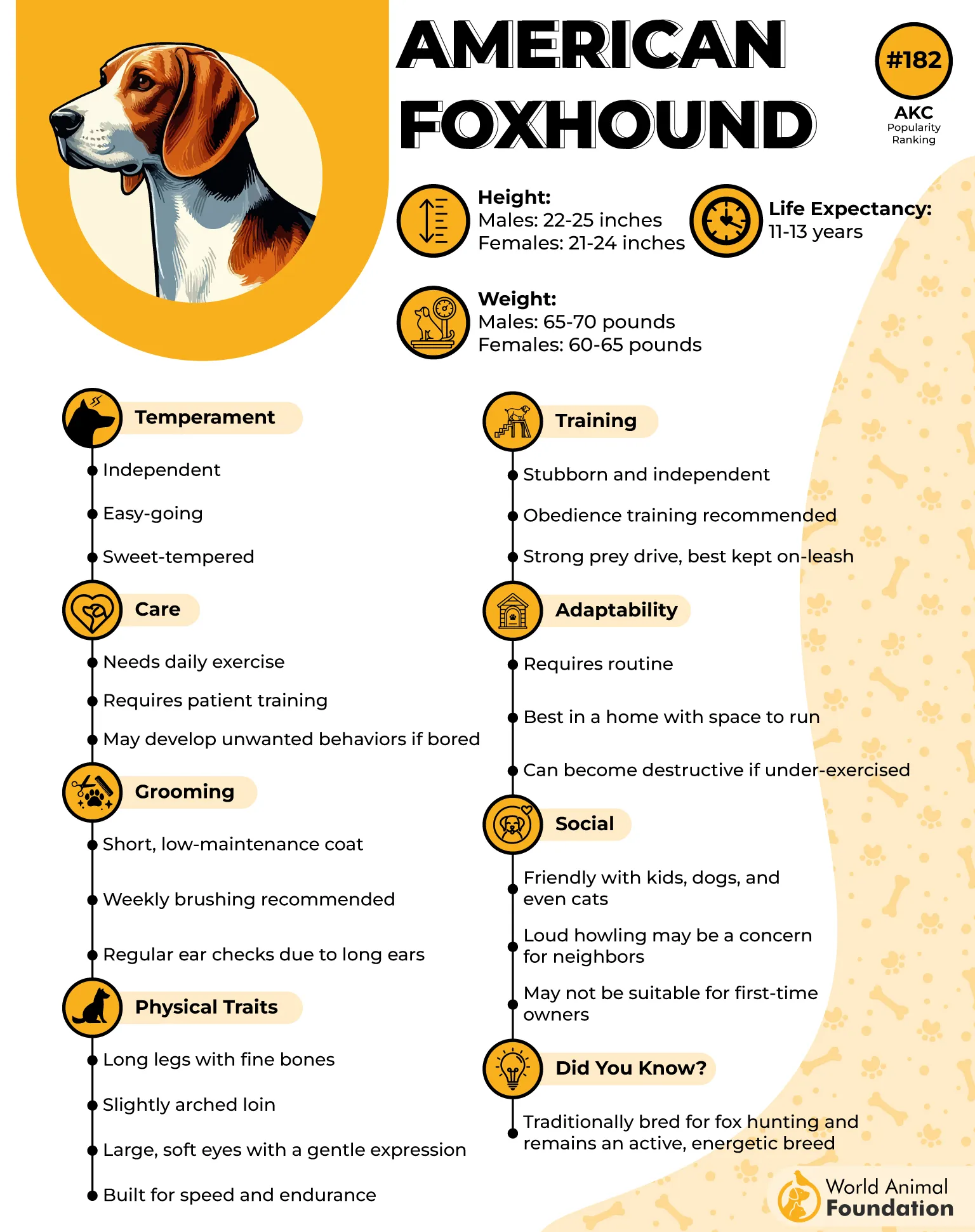
Away from the field, American Foxhounds are easygoing and generally considered good family dogs, getting along well with children, dogs, and even cats. Their independent nature can test patience during learning sessions. For that reason, proper training is especially valuable from an early age.
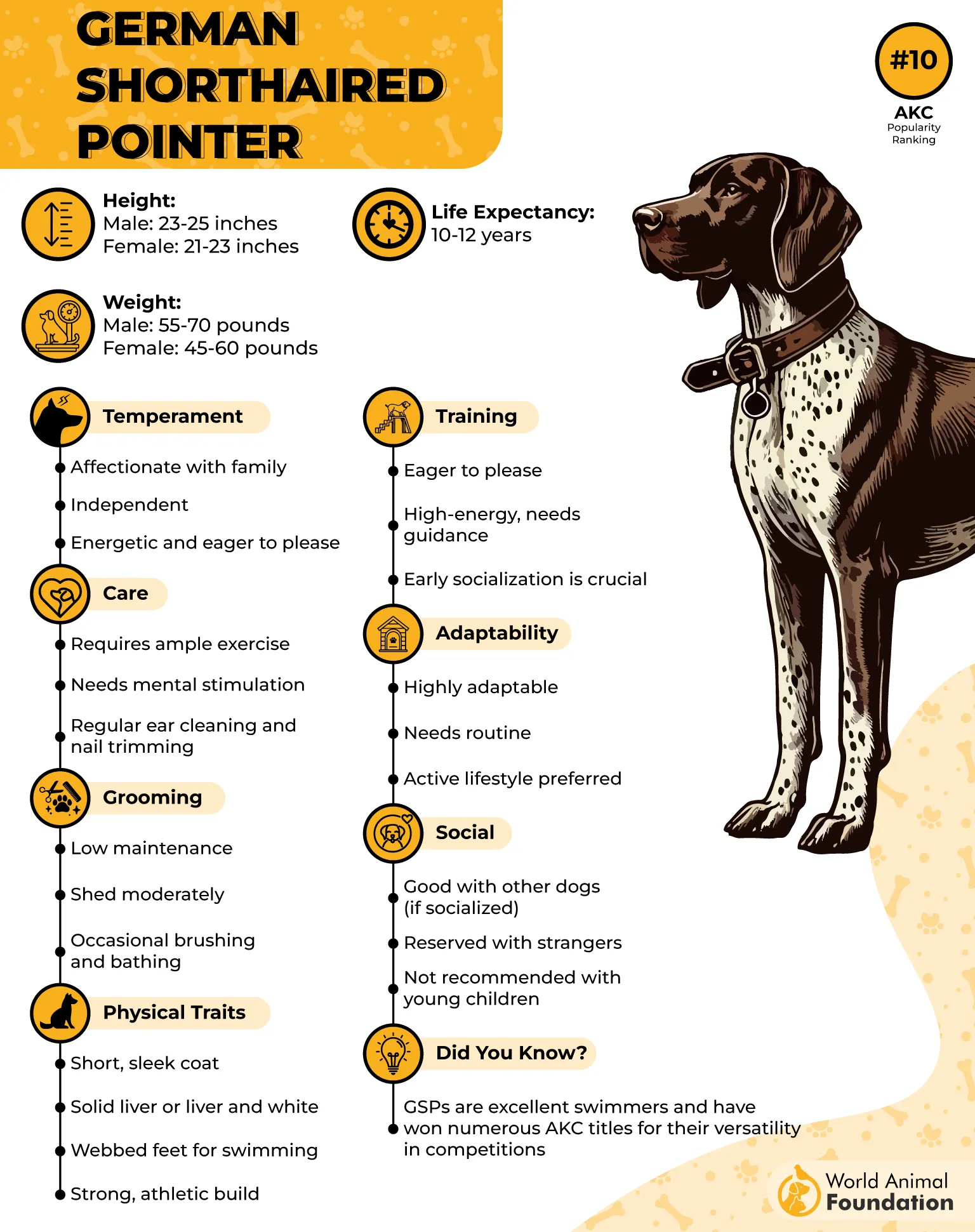
6. German Shorthaired Pointer
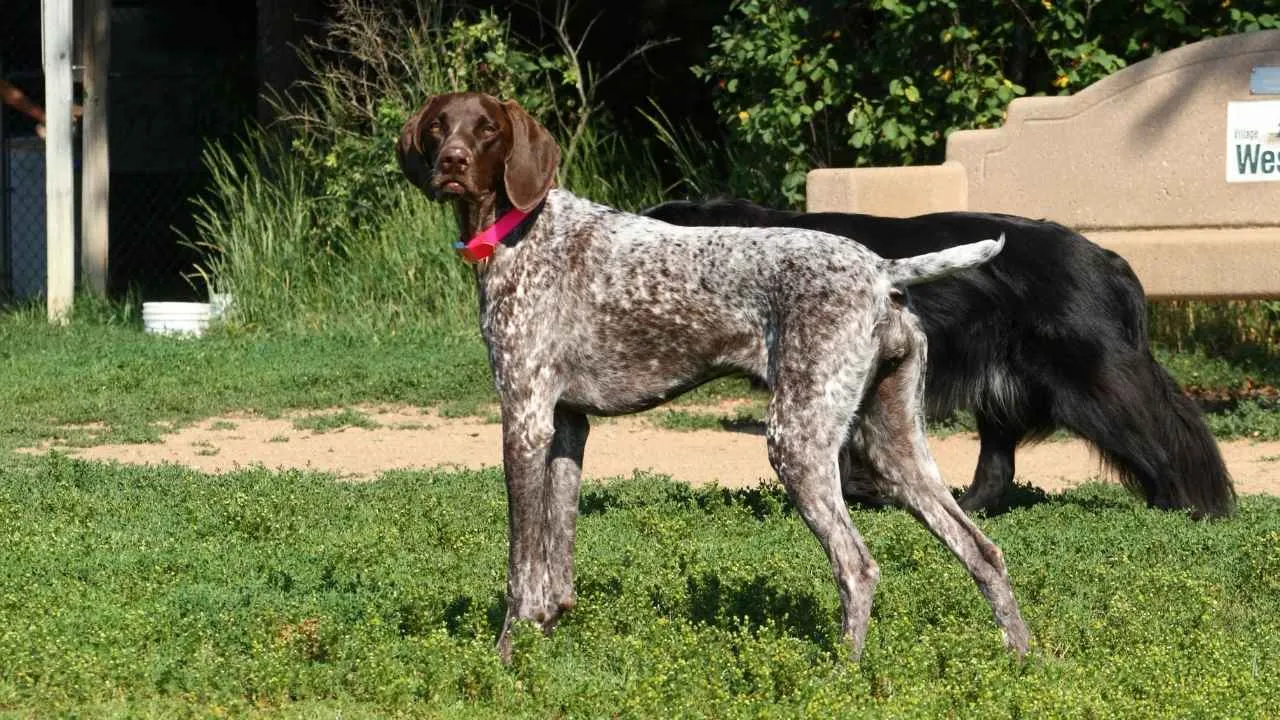
The German Shorthaired Pointer is recognized for a distinctive hunting behavior that sets it apart from other bird dog breeds. When it catches a scent, it freezes and directs its nose toward the source rather than rushing forward. That combination of speed, agility, and control explains its value in the field.
Built for the Hunt
The German Shorthaired Pointer excels in locating and signaling game birds while covering ground efficiently. Its athletic build and lasting stamina allow it to work for extended periods without losing focus.
The following qualities support that role well:
Precise scent-pointing ability
Exceptional endurance
Strong prey focus
Energy With Purpose
Long days outdoors suit this breed far better than a quiet routine around the house. Hunting work, agility activities, retrieving games, and vigorous runs help channel its drive into productive outlets. Without enough engagement, boredom often turns into destructive habits.
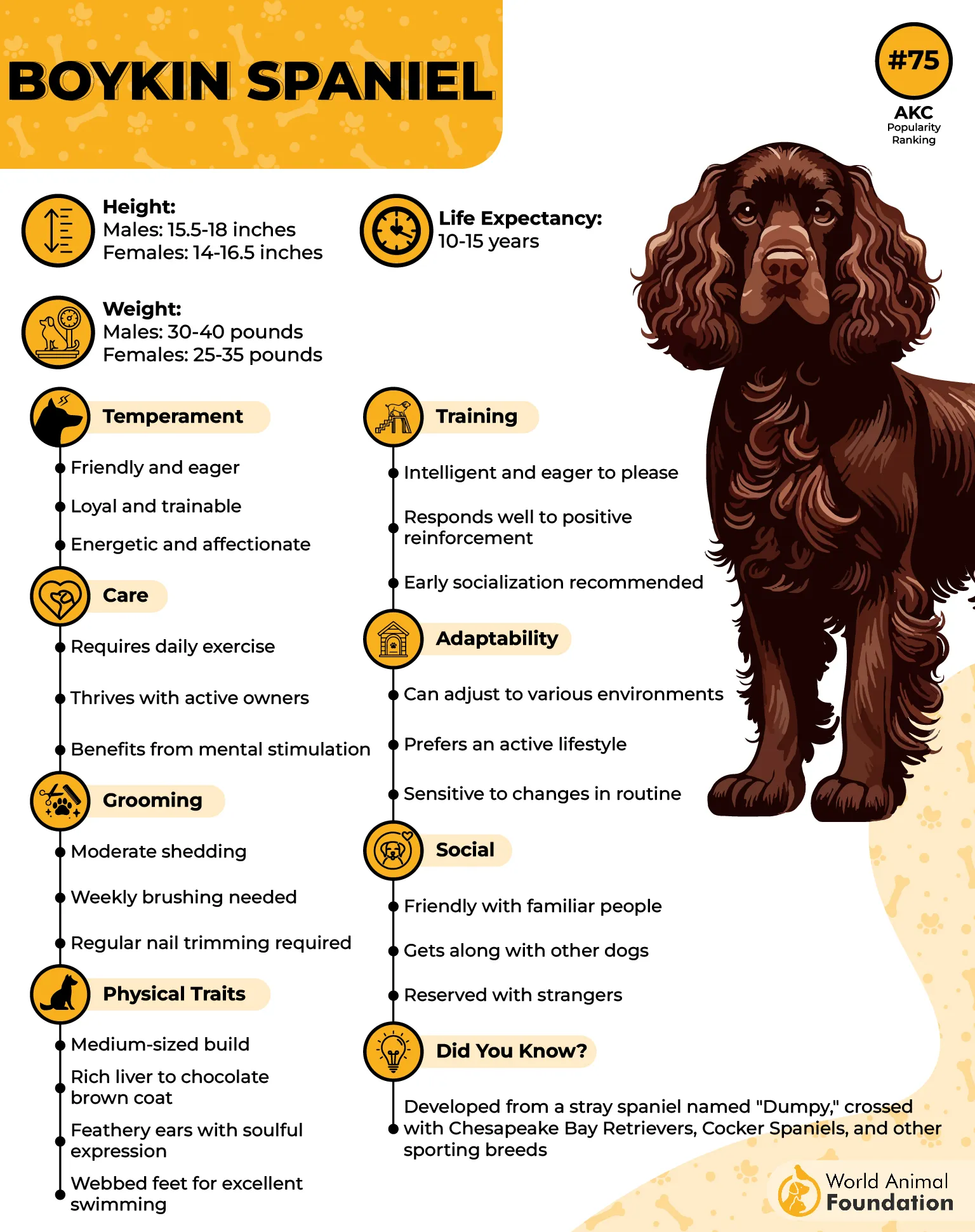
7. Boykin Spaniel
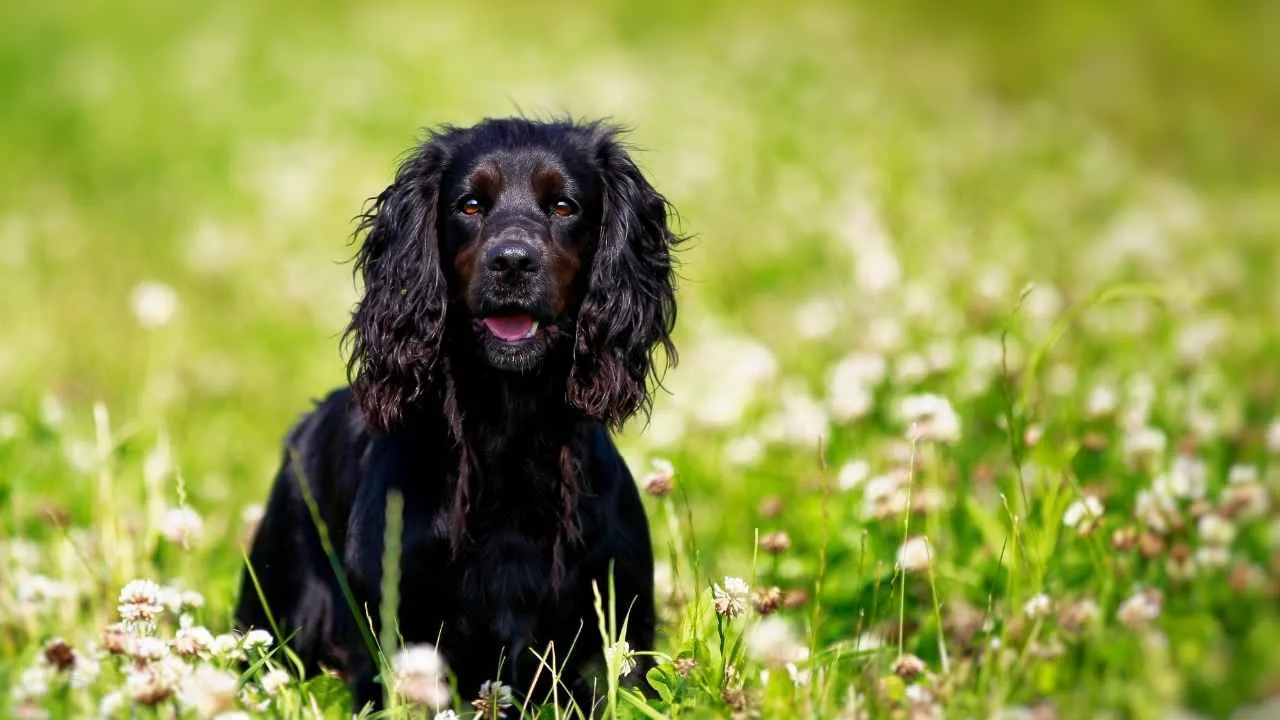
The Boykin Spaniel built its identity in the wetlands of South Carolina, where versatility mattered as much as determination.
This medium-sized gun dog became closely associated with waterfowl hunting while remaining an affectionate companion at home. Its eagerness to work and cooperate shaped every part of the breed.
Purpose in the Field
This energetic dog excels when a hunt demands both retrieval skills and persistence across varied terrain. From ducks and doves to turkeys, the breed handles different game with the same enthusiasm.
The following qualities contribute to that versatility:
Skilled water retriever
Strong hunting stamina
Reliable bird flusher
Built for Long Days
Hours of activity are part of the Boykin Spaniel’s natural rhythm, reflecting generations of demanding outdoor work. Webbed toes provide an advantage in the water, while athleticism supports long walks, hikes, and swimming sessions. This combination keeps the breed effective across changing conditions.
Conclusion
Hours spent outdoors become far more productive when a dog has the natural ability to locate, track, and recover game with confidence. While every breed approaches the task differently, each offers a unique combination of determination, athleticism, and cooperation that has earned respect among generations of hunters.
Whether focused on hunting birds or hunting pheasants, these dogs bring valuable skills to the field.
Some rely on precision, some on stamina, and others on remarkable versatility across different environments. The key is recognizing which qualities matter most for the work ahead. A well-matched companion does more than improve success in the field. It adds purpose, partnership, and enjoyment that often sets it apart from other hunting breeds.
