




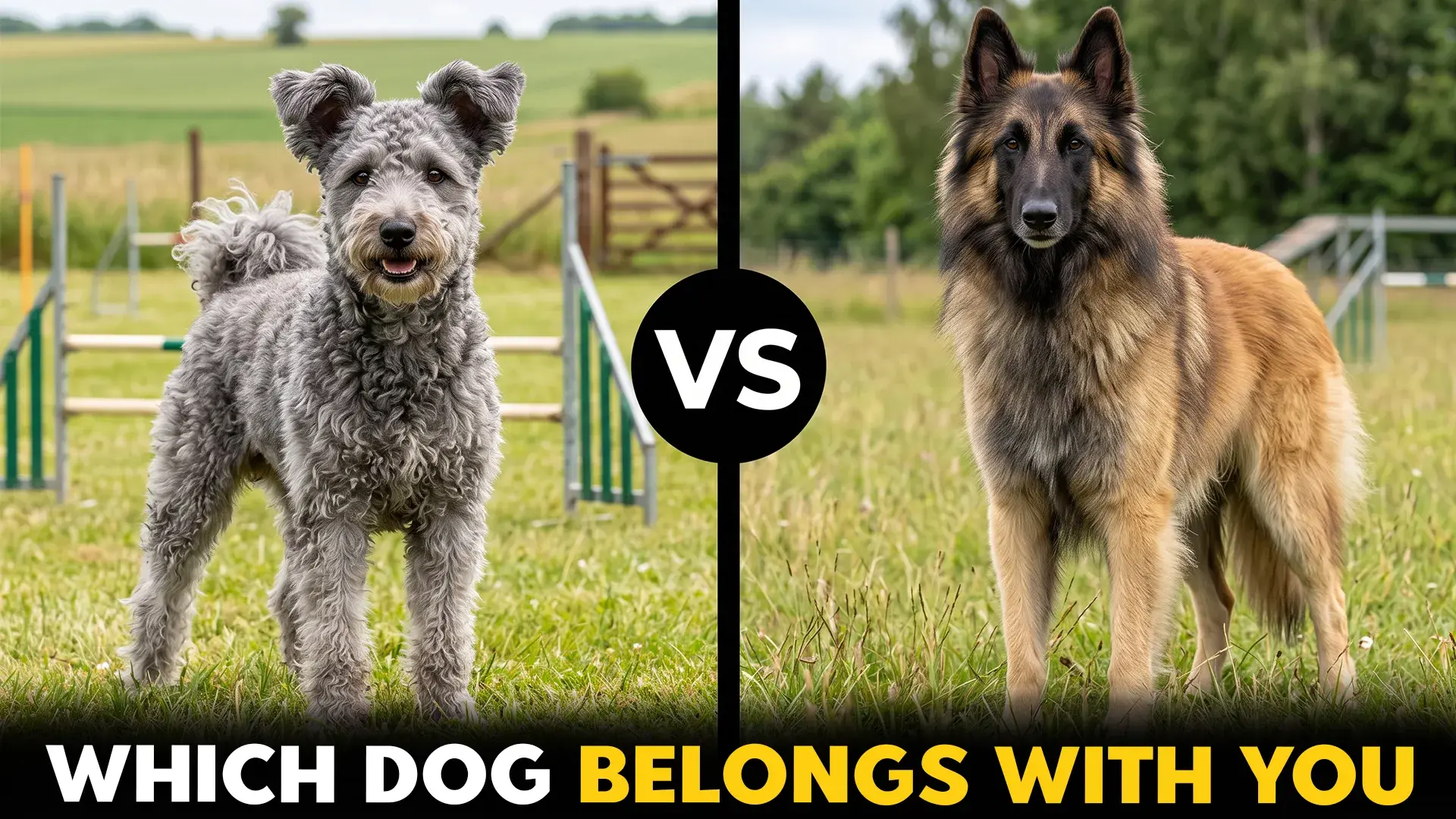
Two herding legends, two completely different personalities; yet both born to move, think, and work alongside humans in extraordinary ways. The Pumi and the Belgian Shepherd Tervuren may share roots in livestock management, but the moment you look closer, their worlds begin to diverge in fascinating directions.
One bursts with curly-coated charm and quick reactions, almost like a spark that’s constantly ready to fly. The other stands tall with quiet elegance and intensity, observing everything around it with laser focus and missing nothing.
Comparing these two breeds reveals just how differently nature can package similar purposes. As we explore their history, temperament, and daily needs, you’ll find that choosing between them is less about personal preference and more about lifestyle fit.
Let’s step into their worlds and uncover what truly sets them apart.
Pumi vs. Belgian Tervuren: Things to Know About
Choosing between the Pumi and the Belgian Tervuren comes down to understanding two highly intelligent yet very different herding breeds. While both are energetic and trainable, their temperament, grooming needs, and working styles set them apart in meaningful ways.
Origins, History & Purpose
Pumi and Belgian Tervuren both trace their roots to different corners of Europe. Though these two hardworking breeds developed in separate worlds, their working roles shaped the distinct personalities we see in them today.
The Pumi originated in Hungary and is one of three sheepdogs native to the country; the other two being the Puli and the Mudi. What set the Pumi apart from other breeds was its remarkable ability to serve as both a livestock guardian and a herder, particularly with sheep, across Hungary’s demanding and varied terrain.
The Belgian Tervuren was developed in Belgium in the late 19th century by breeder M.F. Corbeel. For a long time, locals simply called them Belgian Sheepdogs, since the Tervuren descended from four closely related Belgian herding breeds.
Valued first for managing livestock, these dogs eventually caught the attention of law enforcement and military agencies, earning a second career as capable working and service dogs.
Size, Stature & Physical Build Differences
First impressions of these two breeds couldn’t be more different: one appears compact and agile, the other projects strength and athleticism. But this goes beyond just height and weight; their physical build directly reflects the work they were bred to do.
According to the AKC, Pumi typically stand between 15 and 18.5 inches tall and weigh between 22 and 29 pounds. Belgian Tervurens are noticeably larger and more commanding, standing 22 to 26 inches tall and weighing around 60 to 75 pounds.
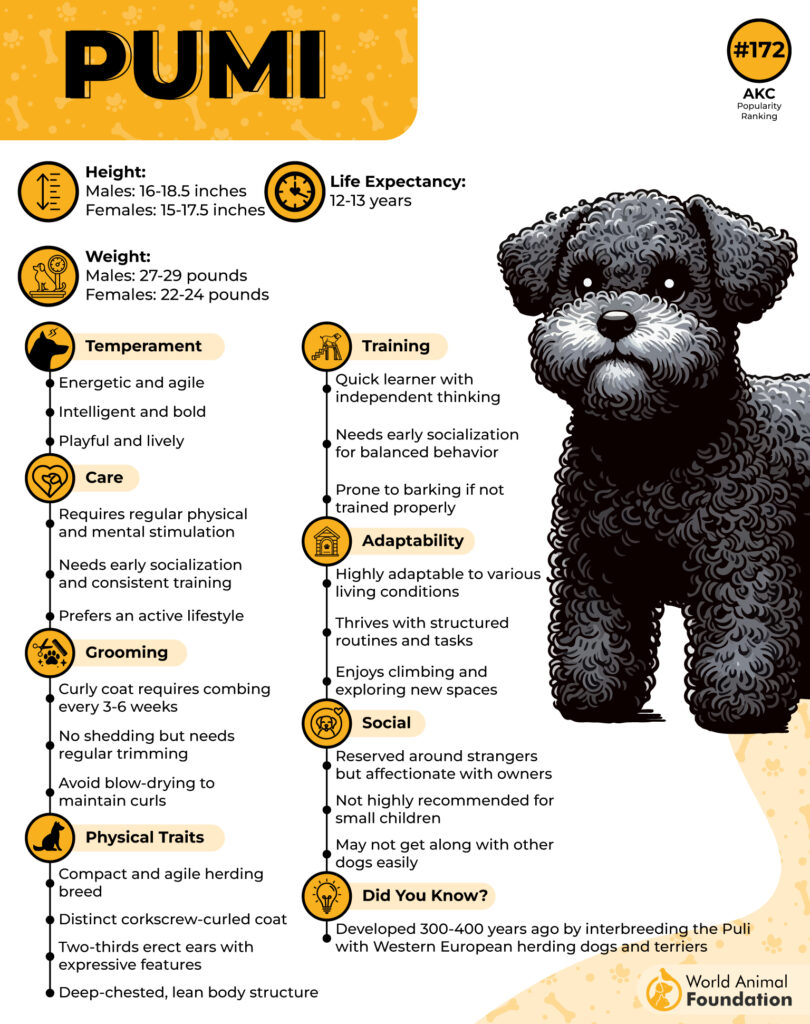
The Pumi’s square, compact build helps it stay nimble and balanced while working livestock, with a lean and muscular frame designed for quick bursts of speed and agility.
The Belgian Tervuren, on the other hand, is built for endurance: a deep chest, strong limbs, and a fluid, flowing outline allow it to cover long distances without tiring, which is exactly what demanding herding and service work requires.
Coat Types, Grooming & Maintenance Needs
A dog’s coat is often the first thing that catches your eye, and it also tells you a lot about the grooming commitment you’re signing up for. These two breeds couldn’t be more different in that department.
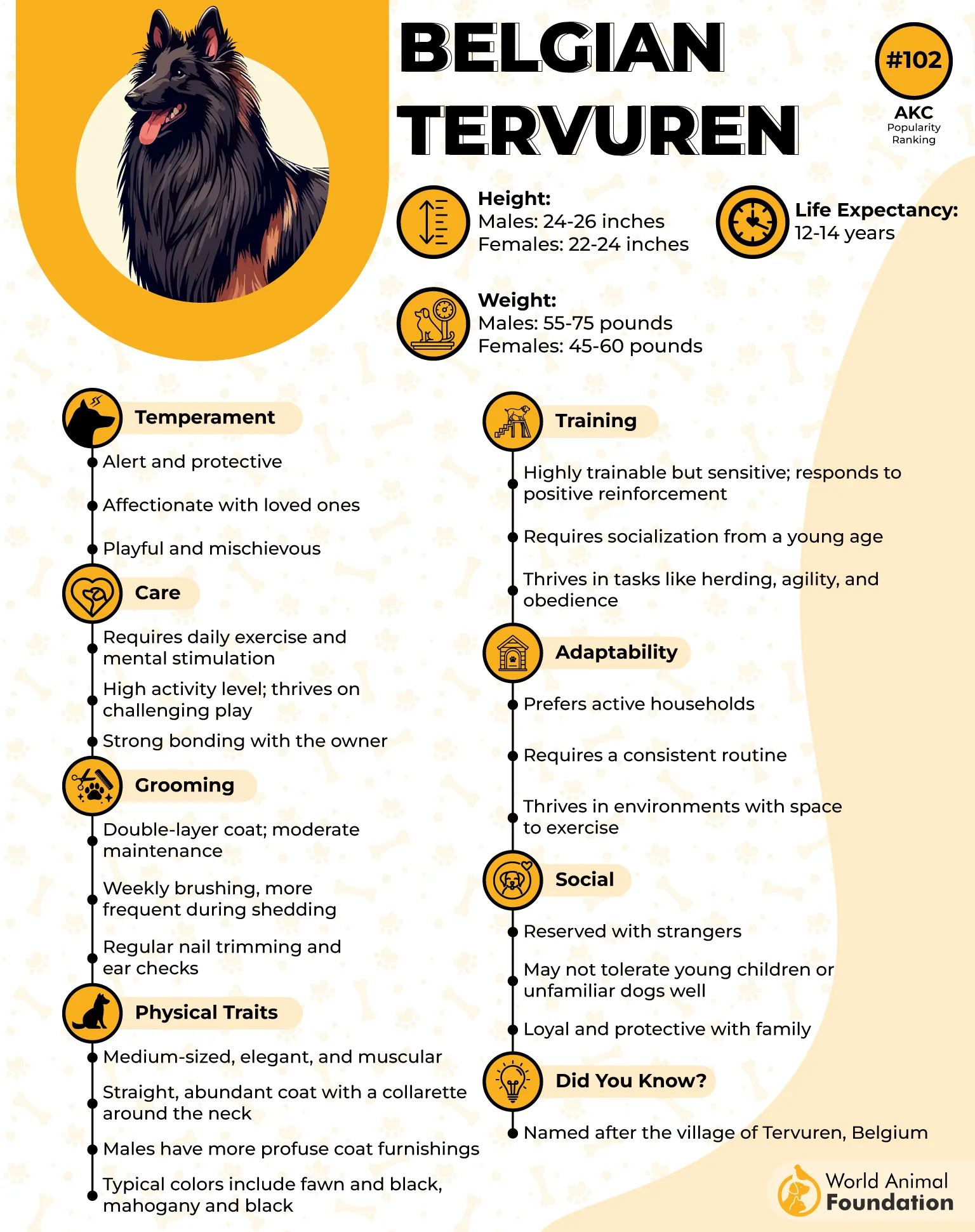
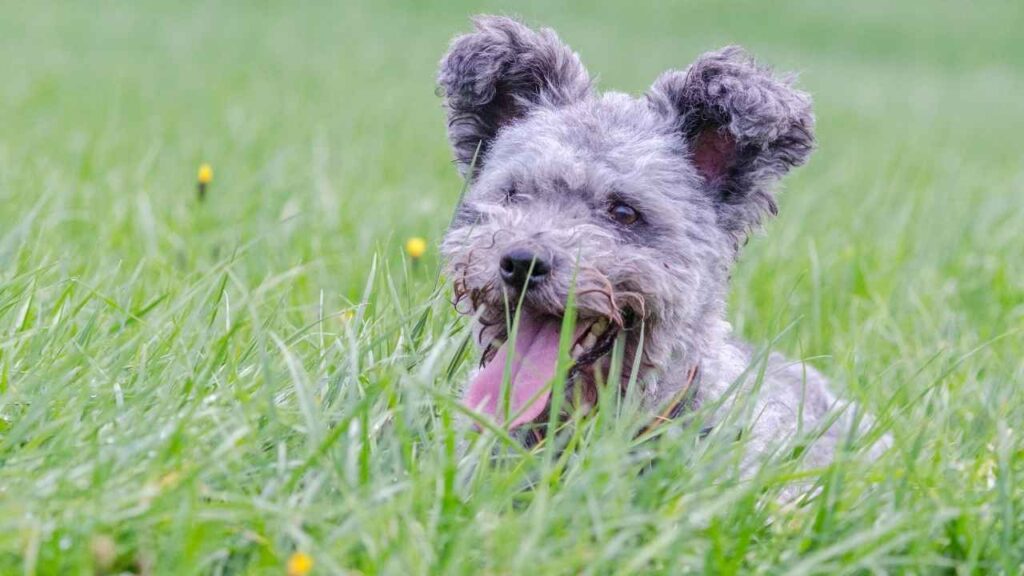
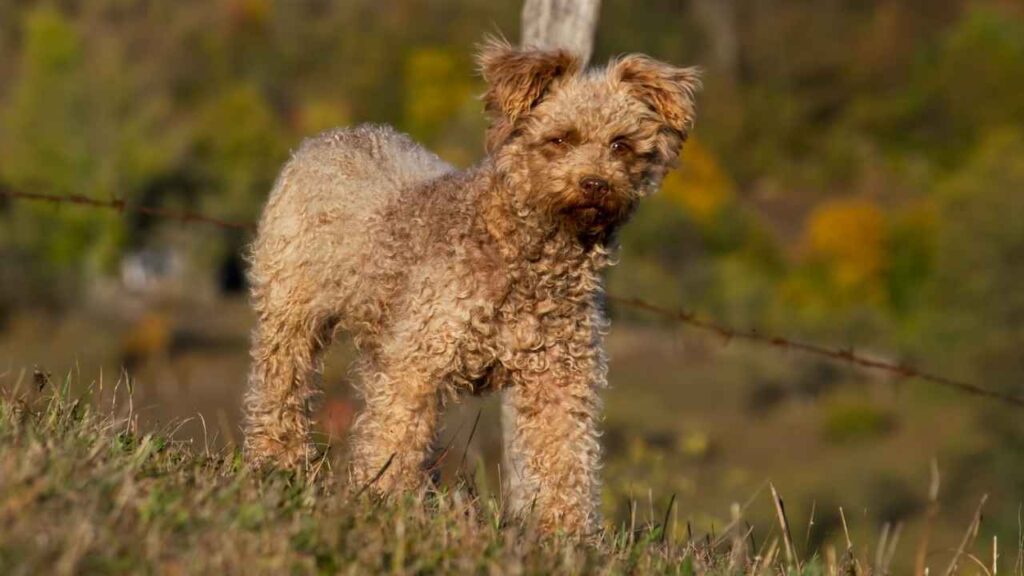
Pumik have medium-length, wavy to curly double coats that come in colors like gray, black, fawn, and white. They’re relatively low-maintenance on the grooming front, needing a brush-through roughly twice a week. They don’t shed much, but their hair grows quickly, so regular trims are part of the routine.
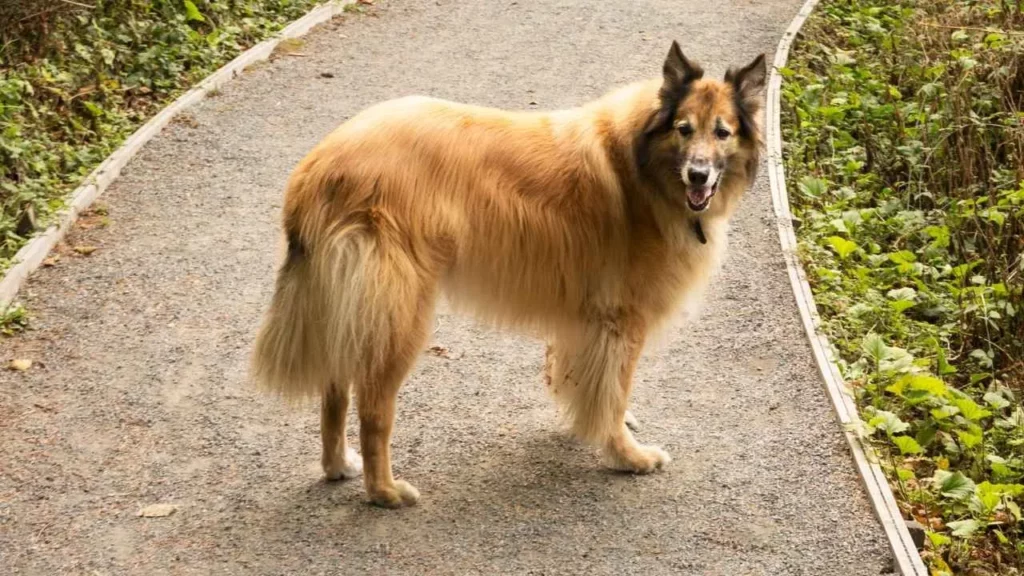
Belgian Tervurens are a different story. They carry a luxurious double coat that forms a beautiful mane around the neck and chest. Weekly brushing combined with regular baths helps remove dead hair, keep the coat healthy, and distribute natural oils evenly.
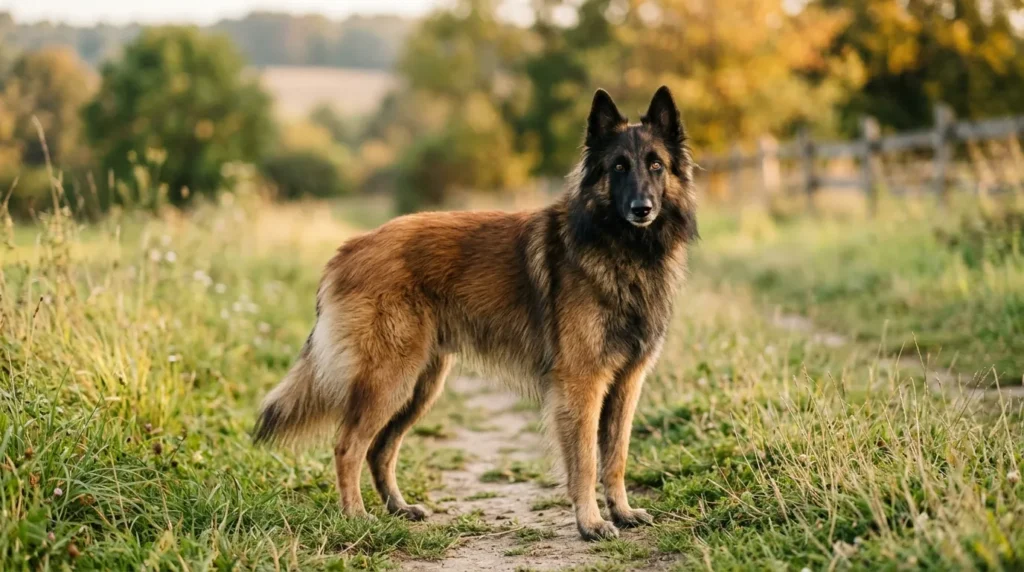
During shedding season, brushing sessions can stretch to 20 to 30 minutes; so if you own a Tervuren, it’s worth investing in a good brush and some patience.
Temperament, Personality & Behavioral Traits
Both breeds are working dogs at heart, but the way that drive shows up in daily life is strikingly different. One leans toward playful spontaneity, the other carries a composed, watchful intensity that rarely switches off.
Pumik are highly playful and affectionate with their families. They form strong bonds with their owners and genuinely thrive when working or spending time alongside them. The flip side of that closeness is that they don’t do well when left alone for long stretches; according to PetMD, they can develop separation anxiety if regularly left to their own devices.
Belgian Tervurens are loyal and deeply devoted to their people, but they express it differently. They stay alert and aware of their surroundings, always keeping an eye out for anything unusual. Around strangers, they tend to be reserved and a little aloof, needing time to warm up before they let their guard down.
They’re not the most openly affectionate breed, but they show their love through dedication; always working, always watching, always there.
Intelligence & Trainability
Mental sharpness is one thing both breeds have in common: these are dogs that don’t just follow commands but actively think through what they’re doing. That said, both breeds are smart in their own distinct ways, and how they process learning and respond to guidance is quite different.
Belgian Tervurens are intelligent and eager to please, but their protective instincts mean early socialization is important; without it, they can become overly cautious around people and other dogs. Once properly introduced to the world, they excel at obedience training, protection work, and advanced problem-solving tasks.
Pumik are more independent thinkers. They like to weigh up the “what” and “why” before acting on a command, which can make training feel like a negotiation at times. They’re not stubborn so much as curious; they just want things to make sense before they commit.
For both breeds, consistent training using positive reinforcement works best, and starting during puppyhood makes a noticeable difference in how well they develop.
Energy Levels & Fun Activities
If you’re thinking about bringing either of these breeds home, go ahead and shelve any ideas of lazy afternoons on the couch. These are high-energy dogs that thrive on movement, and a sedentary routine will quickly bring out their worst habits.
Pumik need at least an hour of exercise daily, ideally spread across training sessions, play, and dog sports. Their herding history runs deep, and without enough stimulation to satisfy those instincts, they’ll find their own outlets, usually chasing small animals or children.
Belgian Tervurens are equally energetic, and according to the Royal Kennel Club, they do best when that energy is channeled through activity with their families. They take well to a wide range of dog sports: running, fetch, agility, and obedience competitions all suit them well.
Both breeds are better matched to experienced dog owners who understand what high-drive working dogs actually need day to day.
Health conditions & Average Lifespans
Genetics and physical build play a big role in how healthy a dog stays throughout its life. Knowing what to watch for, and choosing a responsible breeder from the start, can make the difference between a good companionship and a great one.
Both breeds are generally healthy, but like most purebreds, they do come with some predispositions worth knowing about. If you’re bringing home a puppy, always ask the breeder for the medical history of both parents; a good breeder will have no hesitation sharing it.
Belgian Tervurens have a life expectancy of 10 to 12 years and can be prone to hip dysplasia, progressive retinal atrophy, and hypothyroidism. Pumik tend to live a little longer at 12 to 13 years, but they carry their own risks, including degenerative myelopathy and primary lens luxation.
Staying on top of regular vet checkups and catching any issues early goes a long way with both breeds.
Working Roles & Lifestyle Suitability
Both breeds descend from herding dogs, but their working identities today have taken quite different paths.
Pumik still make excellent herders and farm dogs where that kind of work is available. But don’t let the curly coat and semi-erect ears fool you; that teddy bear appearance hides a seriously sharp and capable dog. With their lively temperament and willingness to learn, they thrive as family dogs in active households and can hold their own in agility and obedience trials against breeds twice their size.
Belgian Tervurens, when guided well from a young age, are genuinely multi-talented. They can guard your home and family, compete in advanced obedience disciplines, and have a long track record of assisting police and military in search and rescue operations. Give them a job, any job, and they’ll pour everything into it.
Conclusion
These two breeds may share herding roots, but their temperaments and needs tell two very different stories. The Pumi suits dynamic, interactive homes where playfulness and closeness are part of daily life. The Tervuren thrives in structured, active environments where its intensity and drive have room to breathe.
The right choice comes down to understanding your own lifestyle honestly. But whichever direction you go, one thing is guaranteed: both breeds reward their owners with the same two things that matter most: loyalty and love.
