




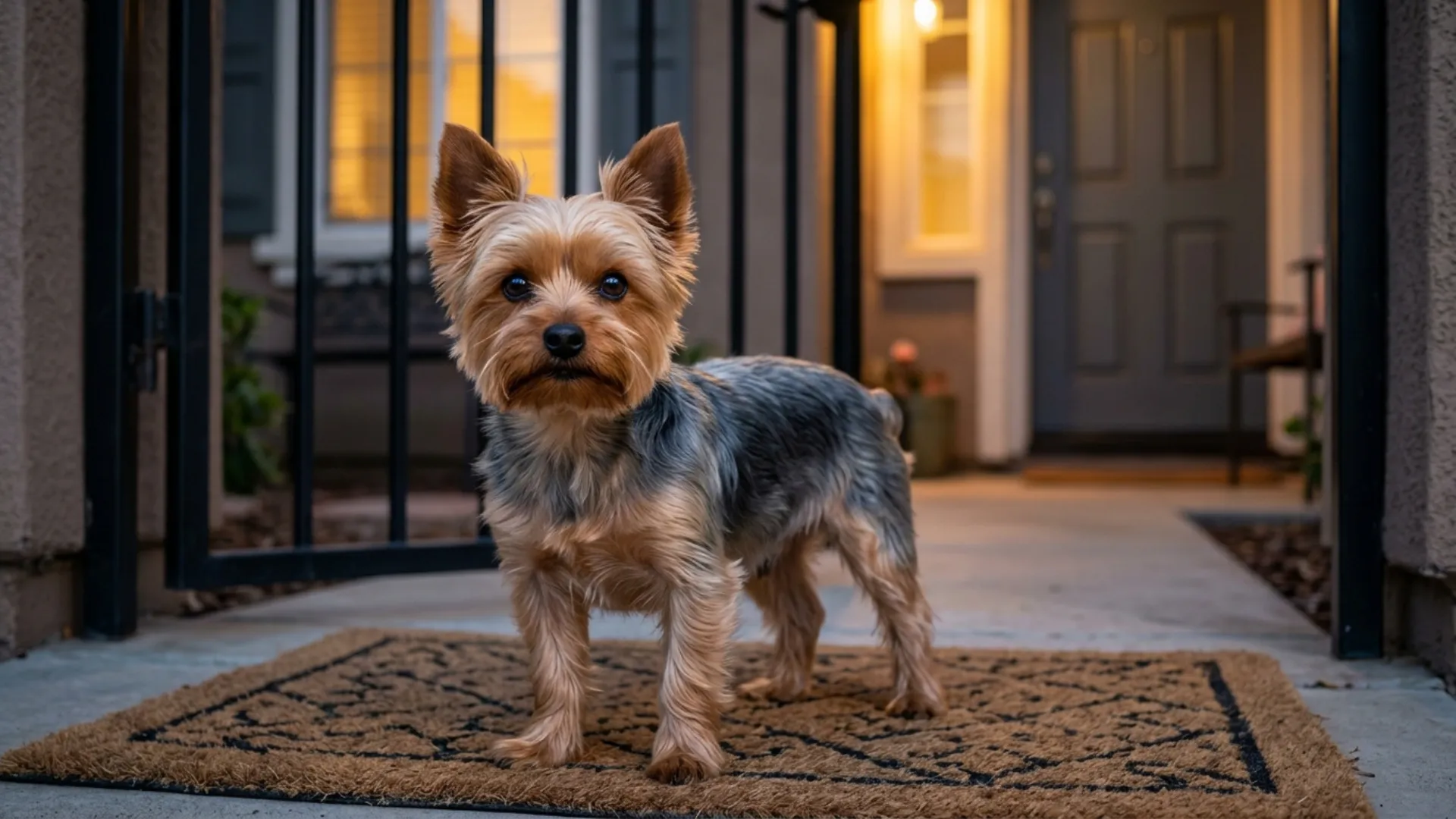
Small dogs might be tiny in size, but when it comes to training potential, they often punch way above their weight class. Some breeds pick up commands in days, not weeks, especially when you keep things simple, consistent, and reward-based.
That’s why they’re such a great fit for first-time owners, apartment living, or anyone who doesn’t want training to feel like a second job. The truth is, “easy to train” doesn’t mean “low effort”—it just means the dog actually understands the assignment when you communicate clearly.
In this guide, we’ll look at small dog breeds that genuinely thrive on simple training techniques. Think less frustration, more progress, and a lot more moments where your dog looks like it just gets you.
Small Dog Breeds That Thrive on Simple Training Techniques
1. Papillon
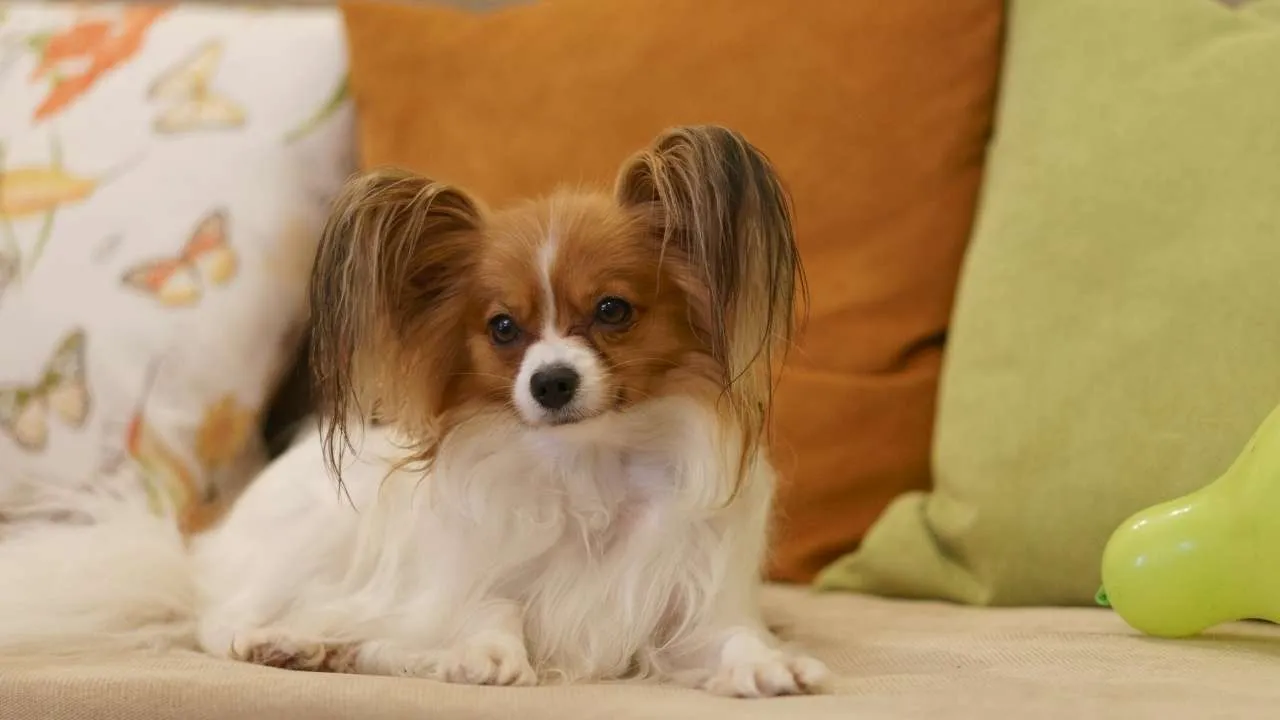
Papillons are basically the overachievers of the toy dog world. They pick up commands extremely fast and often outperform much larger breeds in obedience competitions. Their intelligence means they get bored easily, so training needs to feel like a game, not homework.
What makes them shine is how quickly they connect behavior with reward. A few treats and praise sessions are usually enough to help them lock in a new cue. This is why they’re often recommended in agility circles and beginner-friendly training programs.
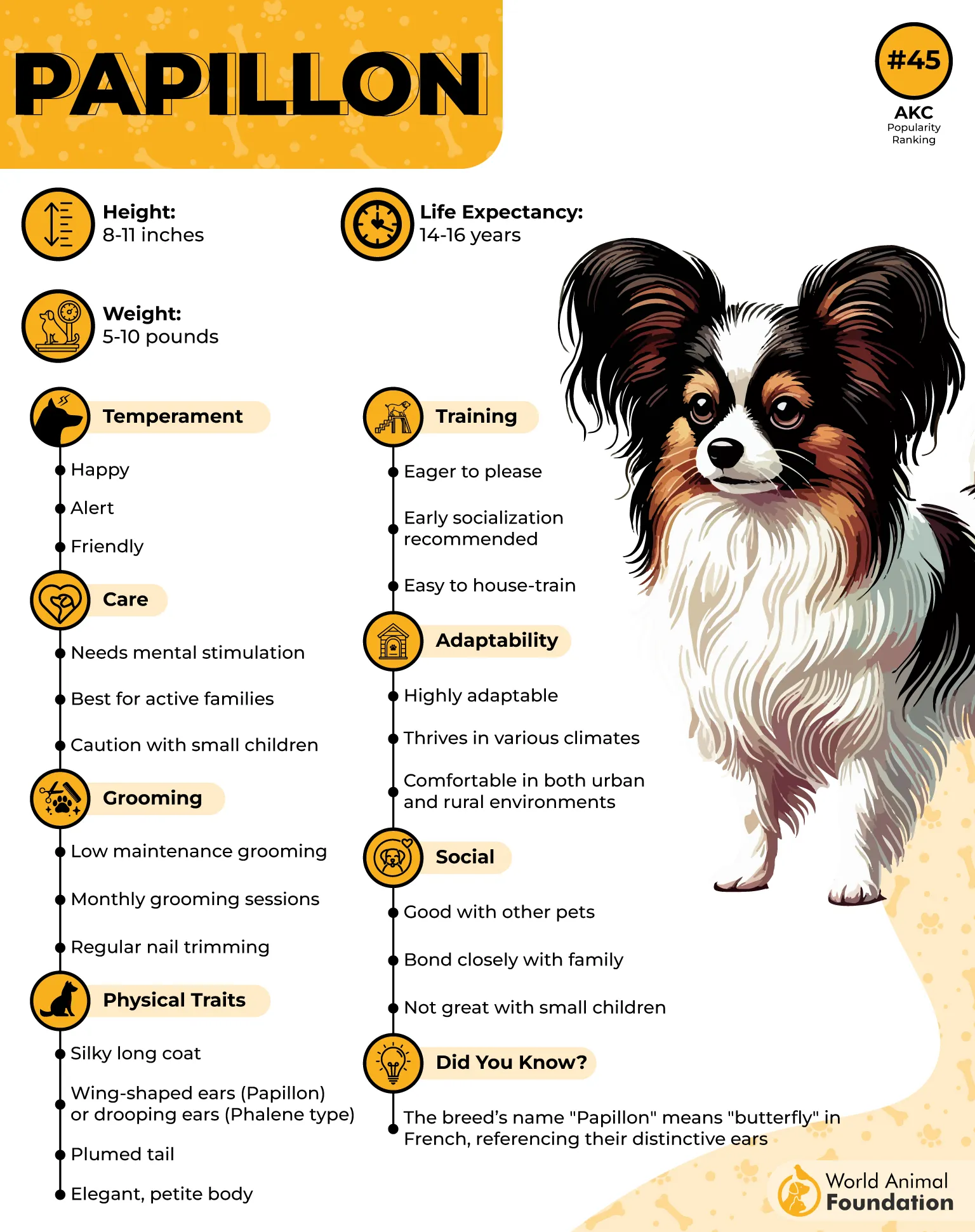
But don’t get fooled by their elegance — they are little chaos geniuses if under-stimulated. Without mental work, they’ll invent their own entertainment, which may or may not involve barking at invisible “threats.” Structure keeps them balanced.
Social exposure is just as important as commands for this breed. Early interaction with people, sounds, and environments builds their confidence fast. A well-socialized Papillon is basically a tiny, confident athlete with butterfly ears.
PetMD says they thrive when training feels like bonding time. Short, upbeat sessions work far better than long repetitive drills. Think “quick wins all day” rather than marathon obedience training.
Tips To Train Them Effectively
Use rapid-fire trick learning sessions to match their high mental speed
Turn obedience into play so they don’t disengage or get distracted
Rotate environments (living room, balcony, hallway) to keep focus sharp
2. Toy Poodle
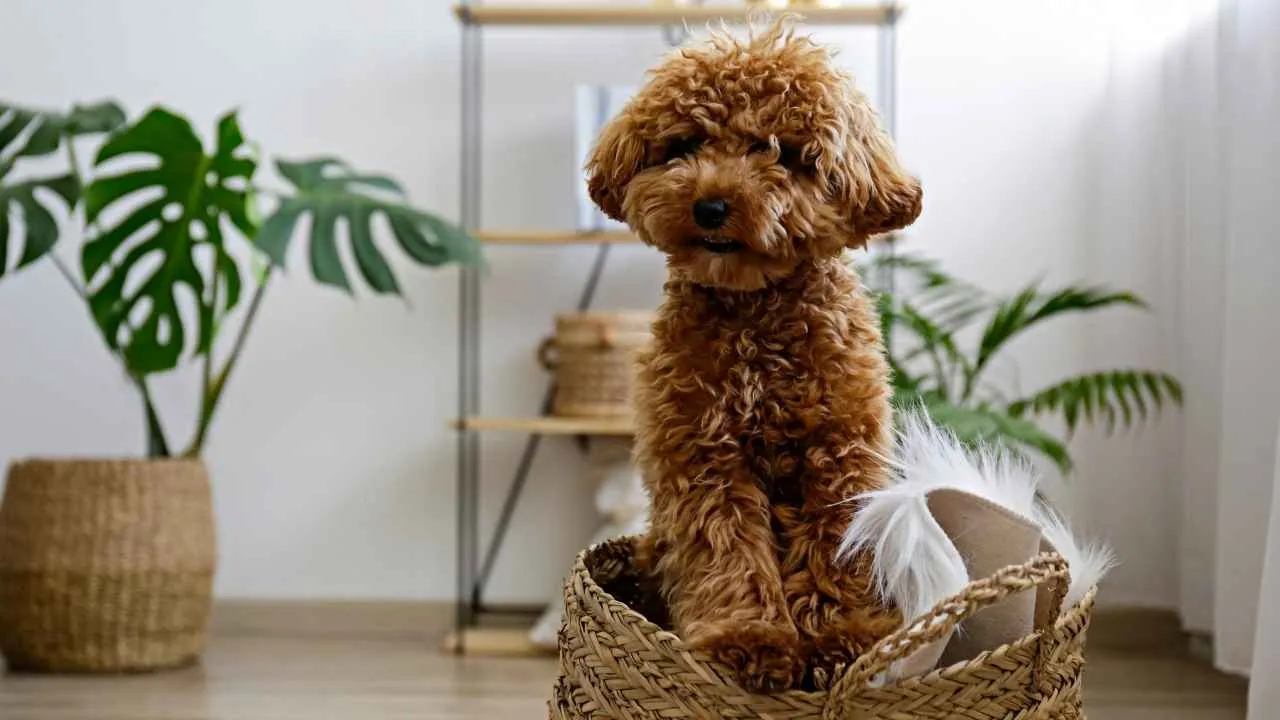
Toy Poodles are basically small genius robots wrapped in curls. They consistently rank among the smartest dog breeds in the world, which makes training feel almost too easy at times. They observe everything, even when you think they’re not paying attention.
They respond extremely well to structure and repetition, especially when rewards are involved. Treat-based reinforcement works like magic, but emotional tone matters just as much. If you’re frustrated, they’ll pick up on it instantly and lose interest.
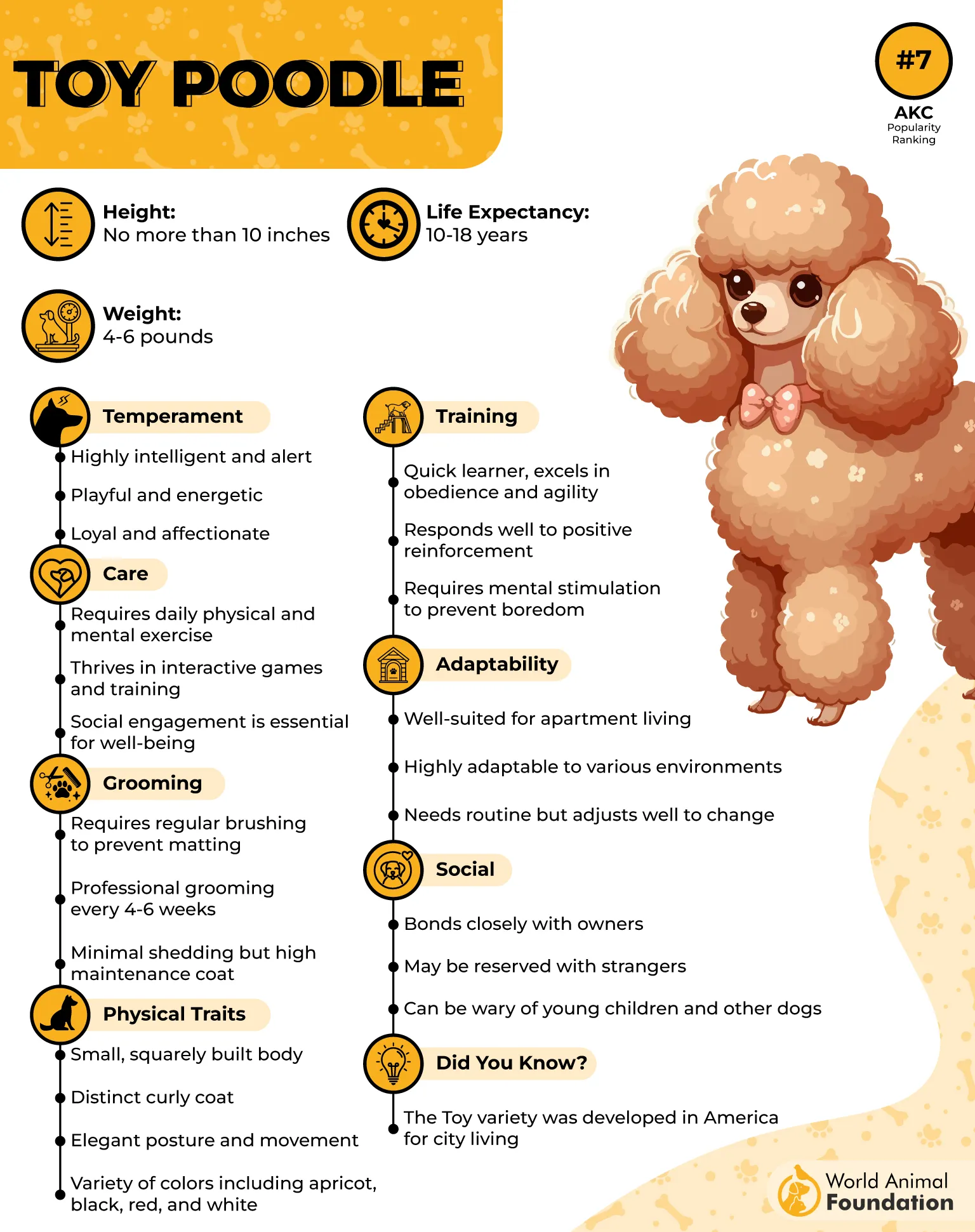
One thing people underestimate is their emotional sensitivity. They don’t just learn commands — they learn patterns in your behavior. That means consistency is everything when shaping their habits.
They also love problem-solving games, which double as training tools. Puzzle feeders, scent games, and trick chains keep their brains fully engaged. A bored Toy Poodle is a mischievous inventor.
Despite their small size, they are high-energy thinkers. Mental stimulation often tires them out more than physical walks. That’s a big reason they’re so popular in apartment-friendly training setups.
Tips To Train Them Effectively
Mix obedience commands with puzzle-style rewards
Keep sessions short but mentally dense for better retention
Use consistency in tone and cues to avoid confusion
3. Miniature Schnauzer
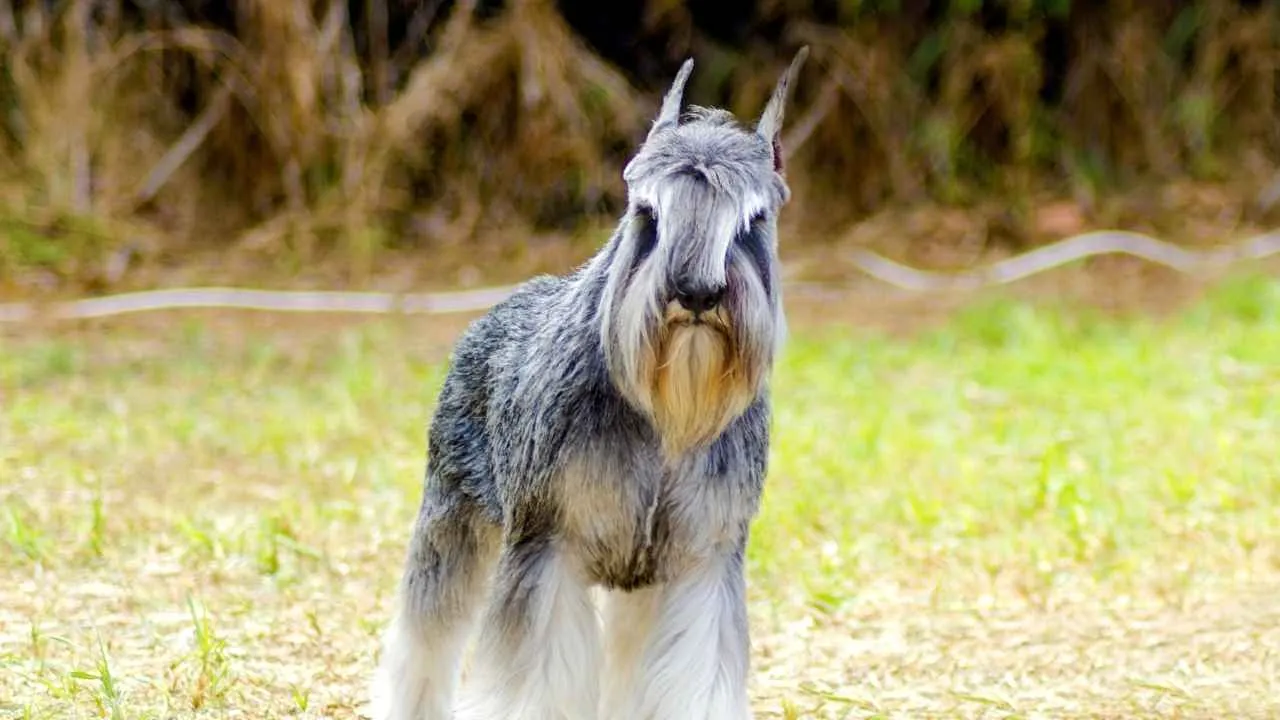
Mini Schnauzers are basically tiny bodyguards with personality. They’re sharp, alert, and always mentally “on,” which makes them highly responsive to training. But that same intelligence also makes them a bit stubborn when bored.
They learn commands quickly but will test boundaries if you let them. That’s why early training consistency is non-negotiable with this breed. They respect structure more than repetition.
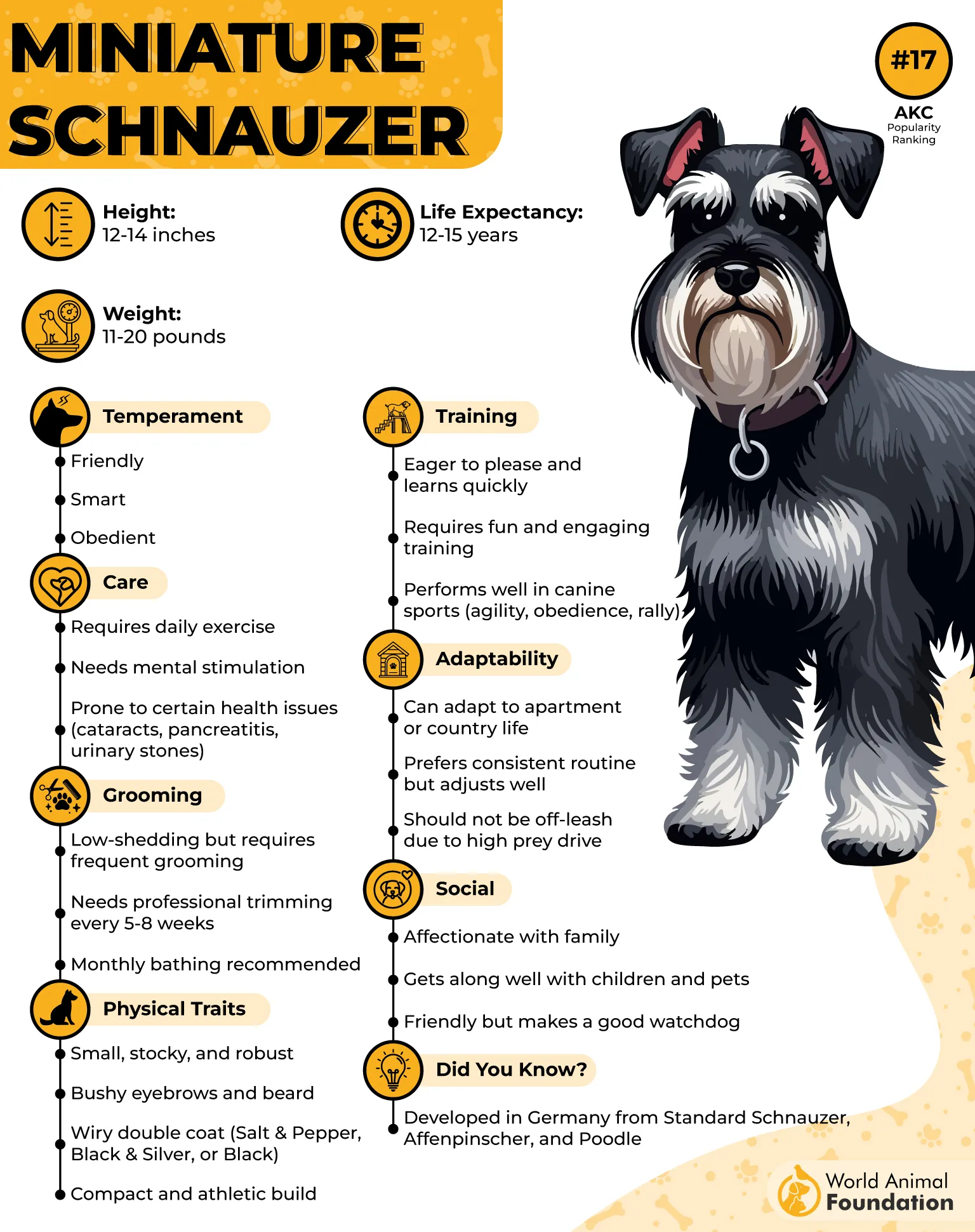
Positive reinforcement is the only way to keep them engaged in the long term, as per the Royal Kennel Club. Harsh corrections tend to shut them down or make them reactive. They respond best when training feels like teamwork.
They also benefit massively from task-based learning. Giving them “jobs” like fetching items or alert training keeps their brain satisfied. It reduces unwanted behaviors like barking or over-guarding.
Alongside consistent training, socialization plays a huge role in shaping their temperament. Without exposure, they can become overly territorial in small homes. With it, they become confident, funny little companions.
Tips To Train Them Effectively
Turn training into structured “tasks” instead of drills
Use consistent boundaries early to prevent stubborn behavior
Add interactive toys to reduce boredom-driven mischief
4. Schipperke
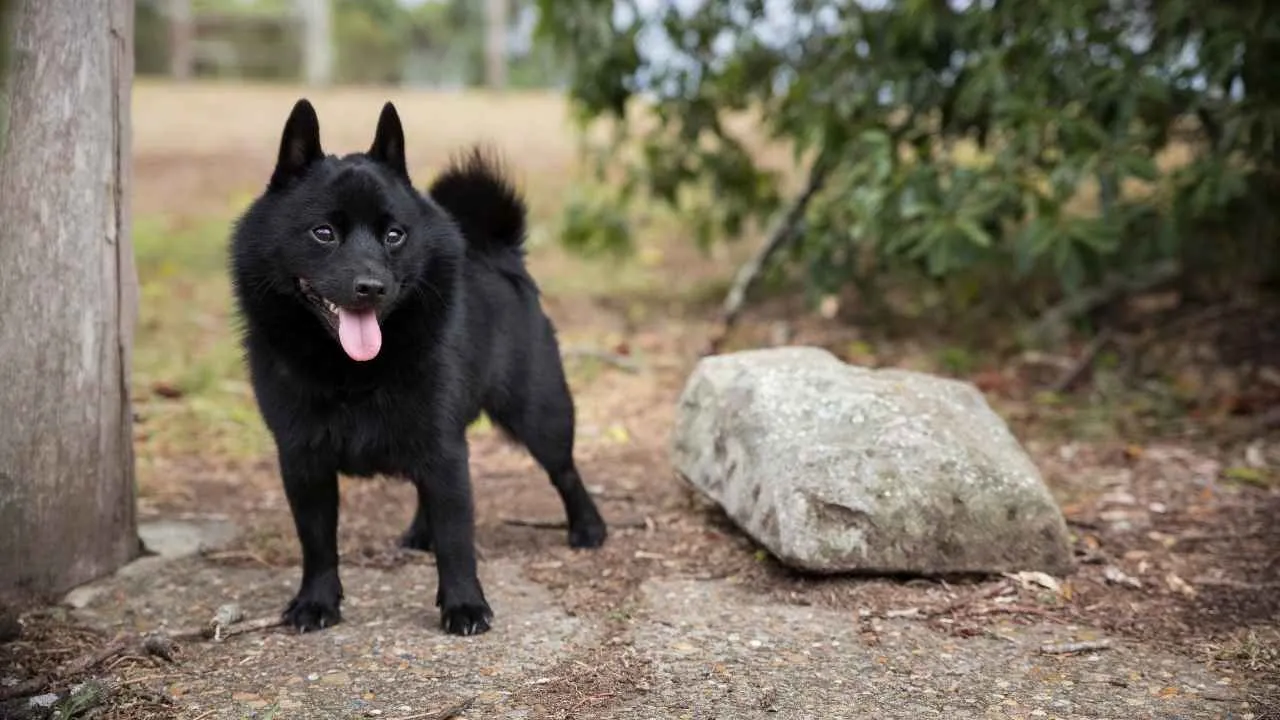
Schipperkes are small dogs with “main character energy.” They’re independent thinkers, which means they don’t unthinkingly follow commands unless they see a reason to. That makes training interesting but very rewarding.
They were originally bred as watchdogs, so alertness is baked into their DNA. This means barking comes naturally unless redirected early. Teaching “quiet” early is essential for harmony at home.
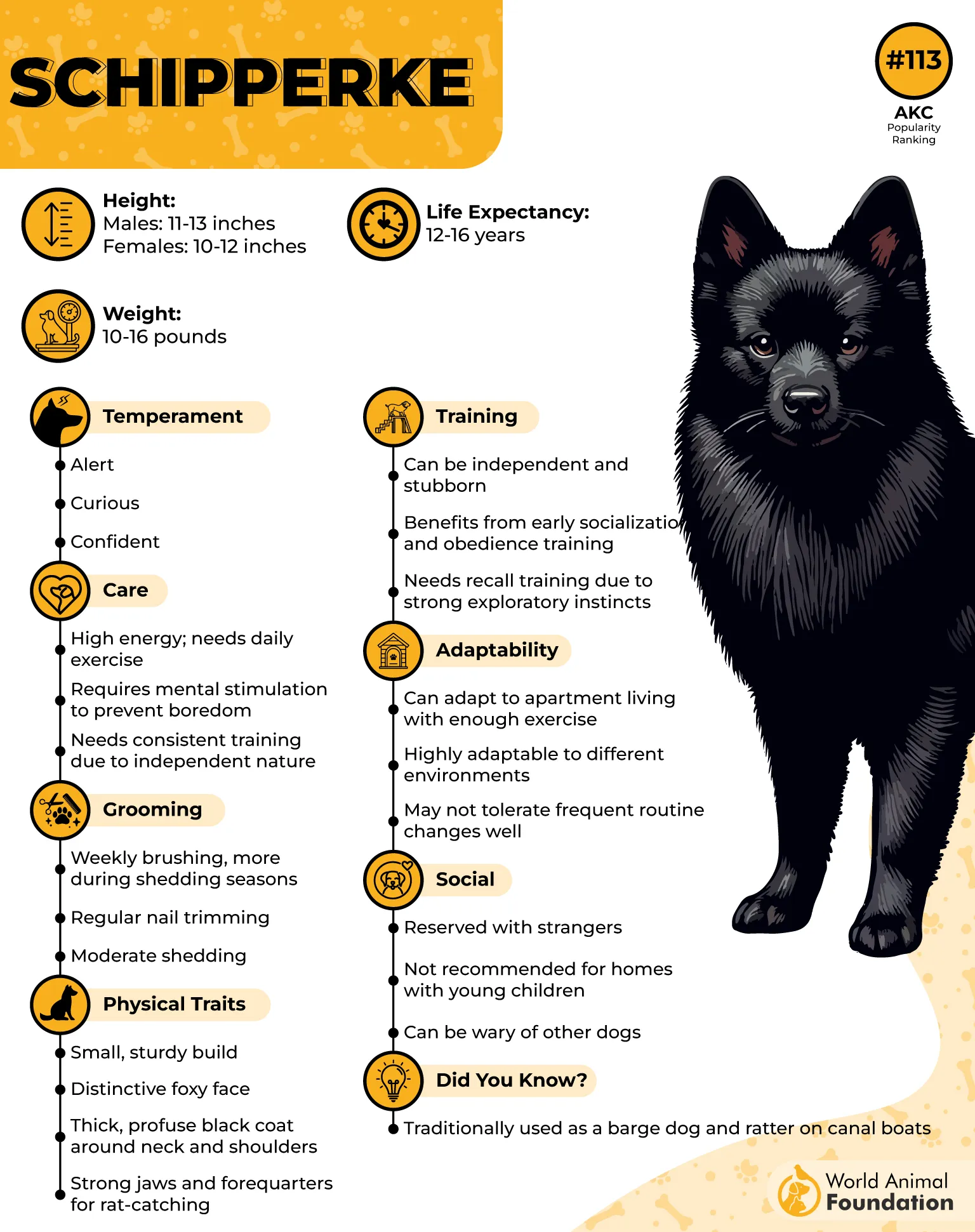
They are extremely curious and love exploring everything. This curiosity makes house training more challenging than with other toy breeds. A long leash is often your best friend during early training.
Mentally, they need variety, or they’ll get bored fast. Trick training, agility drills, and scent work all keep them engaged. Repetition without novelty is a no-go for them.
Once trained properly, Chewy suggests these excellent lap dogs become incredibly loyal and focused. They may be independent, but they form strong bonds with consistent handlers. Think of them as small dogs with big opinions.
Tips To Train Them Effectively
Reward calm behavior around triggers like doors and windows
Use short, high-energy training bursts instead of long sessions
Prioritize recall training early with controlled environments
5. Havanese
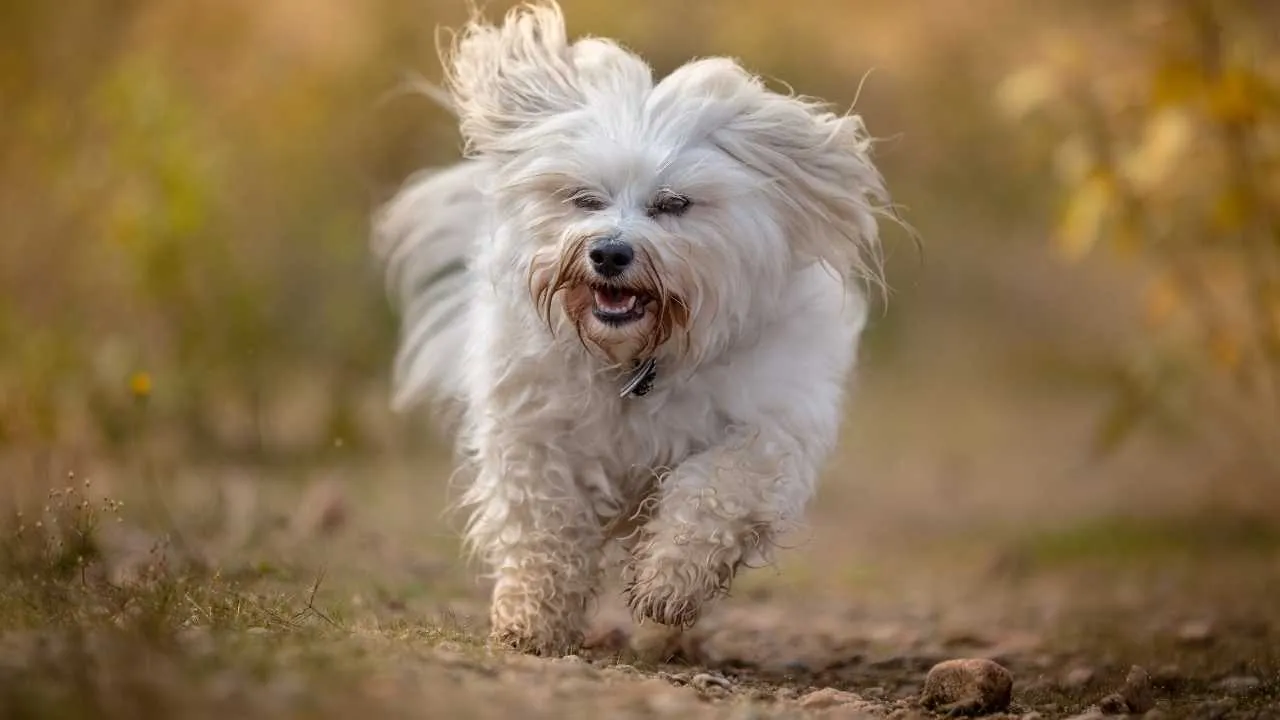
Havanese dogs are social butterflies in the purest form. They love people, love attention, and love being part of everything happening around them. That makes training feel more like bonding than discipline.
They are highly responsive to positive reinforcement. Praise and affection often work better than food alone for motivation. They want emotional connection just as much as rewards.
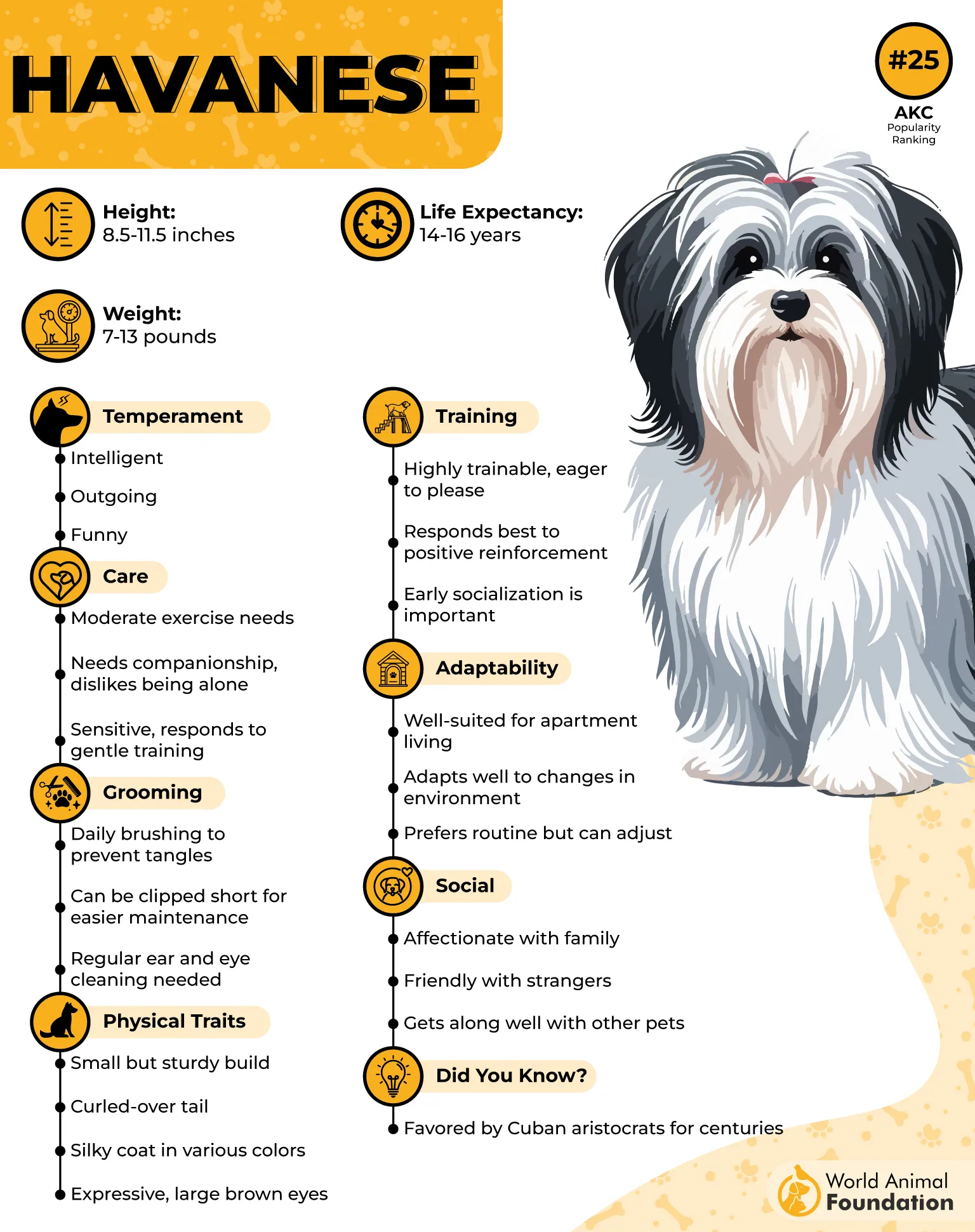
One thing to note is their attachment level. They can develop separation anxiety if left alone too often without preparation. Gradual alone-time training is key.
They also adapt quickly to different environments, especially apartments. Their moderate energy levels make them easy to integrate into daily routines. They don’t require intense physical activity to stay happy.
Training consistency helps shape their natural friendliness into good manners. Without structure, they may become overly excitable or demanding of attention. With it, they’re one of the easiest companion breeds to live with.
Tips To Train Them Effectively
Build alone time slowly to avoid separation anxiety
Use praise-heavy reinforcement to boost motivation
Keep routines predictable for faster learning stability
6. Yorkshire Terrier
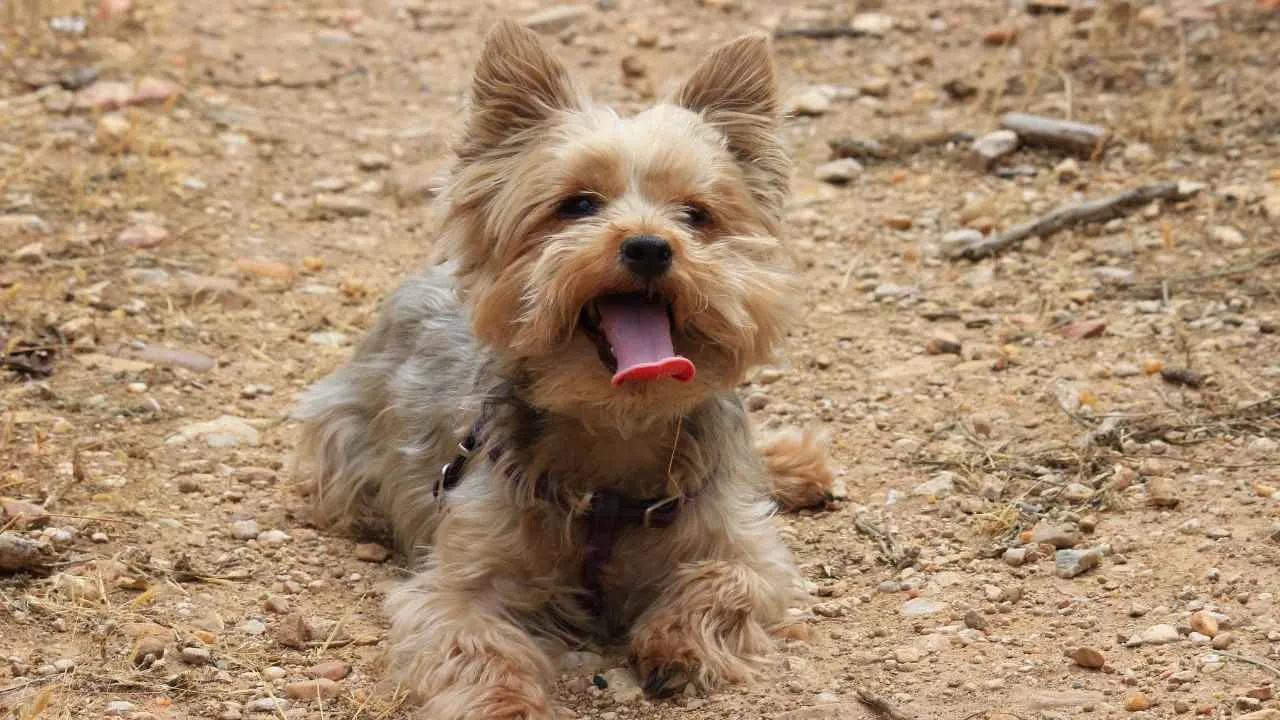
Yorkies are tiny dogs with huge confidence levels. They often act like they’re much bigger than they actually are, which makes early training super important. Without guidance, they’ll happily run the household.
They are intelligent but also slightly stubborn, which creates a funny mix during training. They understand commands quickly but may choose when to obey. That’s why consistency matters more than complexity.
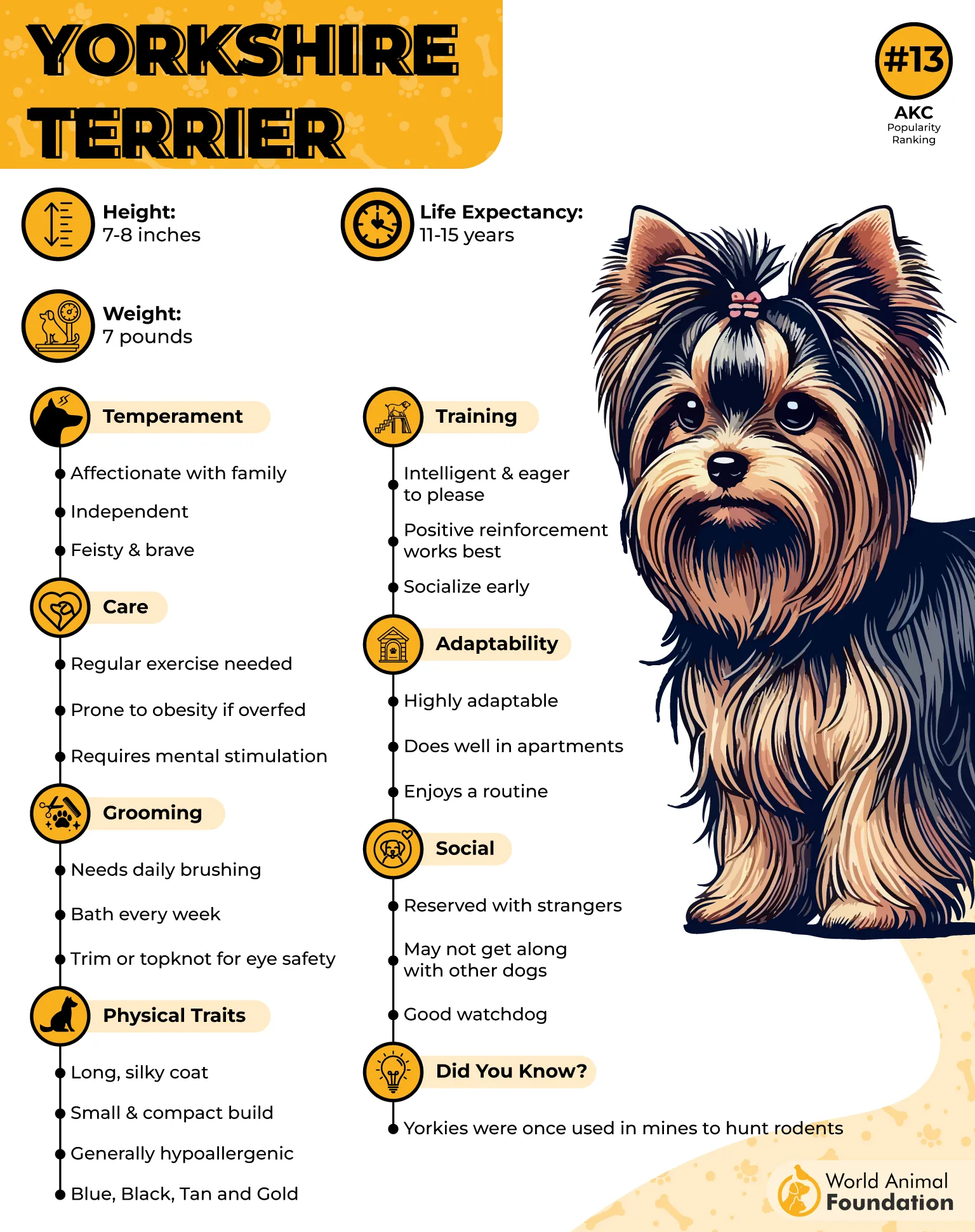
They respond best to short, structured sessions. Long training drills tend to bore them quickly. Keeping things fast-paced and reward-driven works best.
Socialization is crucial because they can become overly protective. Exposure to different people and environments helps reduce unnecessary barking. A well-socialized Yorkie is confident, not reactive.
Despite their sass, AKC says they are deeply loyal companions. Once bonded, they stay emotionally attached to their owners. That loyalty makes training worth the effort.
Tips To Train Them Effectively
Reinforce calm behavior to reduce unnecessary barking
Use short daily sessions instead of long training blocks
Start socialization early to balance protective instincts
Focus heavily on early social exposure for stability
7. Bichon Frise
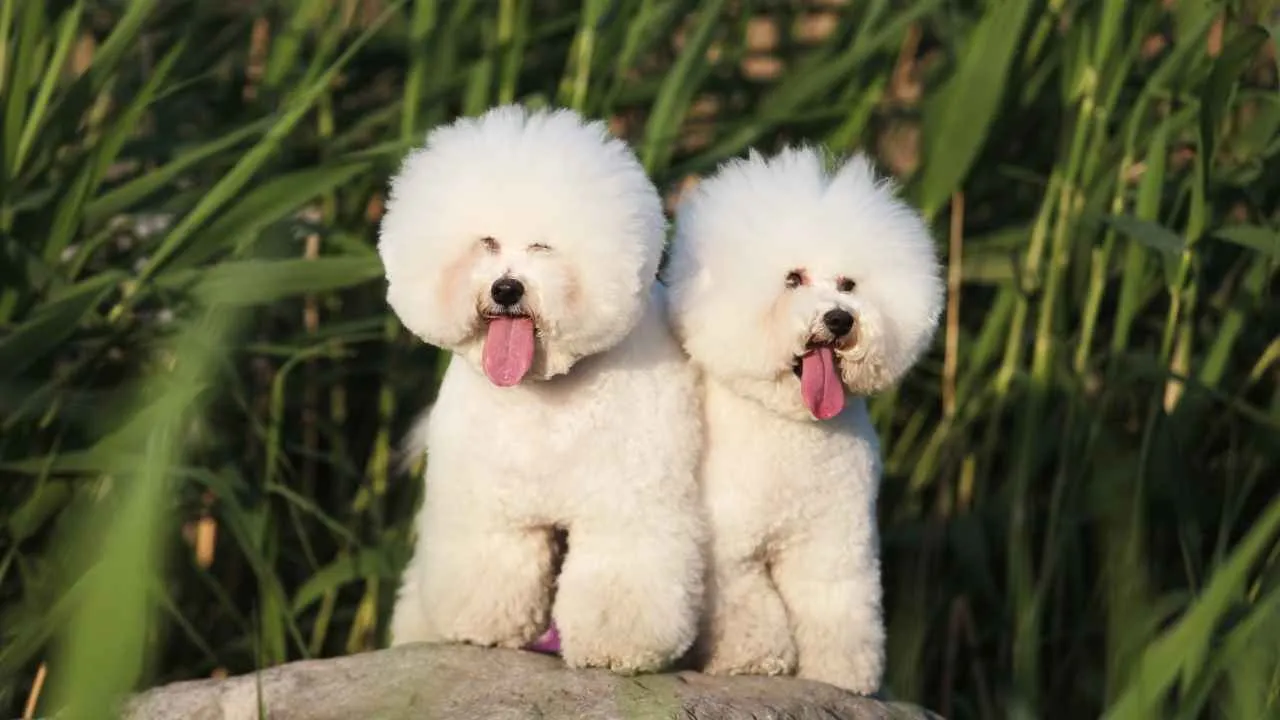
Bichon Frises are cheerful, clever, and sometimes a little stubborn when they decide rules are optional. They are highly trainable, but only when consistency is maintained across all sessions. Mixed signals confuse them quickly.
This intelligent dog breed responds well to reward-based training, especially treats and praise delivered instantly. Short, engaging sessions work better than long repetitive drills.
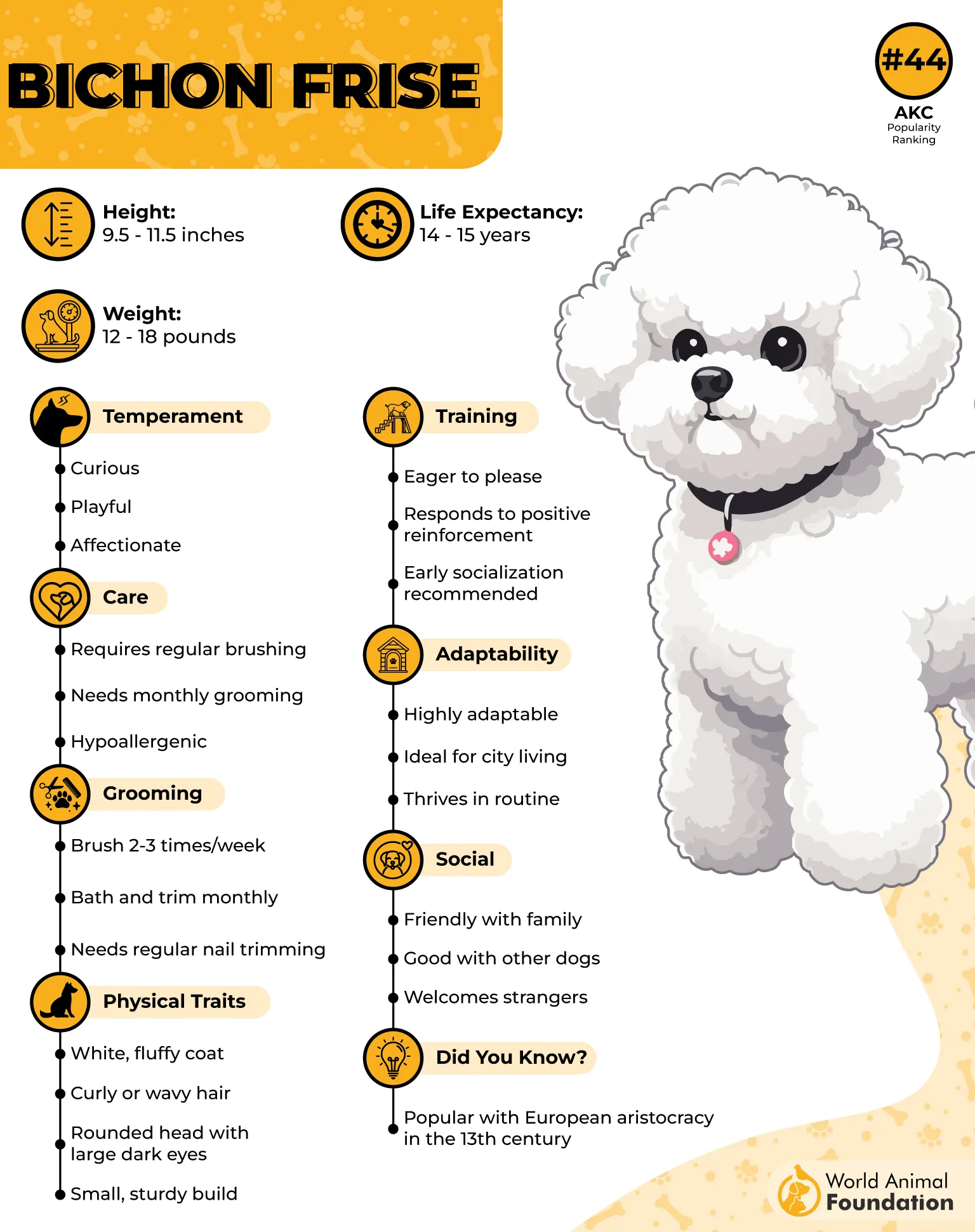
One common challenge is barking and attention-seeking behavior if they feel under-stimulated. Training them early helps shape calmer habits in adulthood. Mental stimulation is just as important as physical activity for this breed.
They are very people-focused and enjoy being part of family activities. Isolation or long periods alone can lead to anxiety-related behaviors. Structured routines help them feel secure.
Despite their small size, they have a big personality and are highly expressive. Once trained properly, they become incredibly charming companions. They basically thrive when training feels like fun interaction rather than discipline.
Tips To Train Them Effectively
Reinforce calm behavior instead of reacting to noise
Keep sessions fun to avoid stubborn resistance
Build routines early to stabilize emotional behavior
Conclusion
Training small dog breeds doesn’t have to feel like a full-time job or a complicated system of rules. These dogs actually thrive when training is simple, consistent, and built around positive interaction. The real secret is understanding their personality rather than forcing rigid methods.
Whether it’s the brainy Toy Poodle, the playful Papillon, or the social Havanese, each breed learns best when training sessions feel like bonding time. Small homes, apartments, or busy lifestyles are not limitations if the approach is right. It’s all about working smarter, not harder.
At the end of the day, these breeds prove that intelligence and trainability often come in very small, very fluffy packages.
