




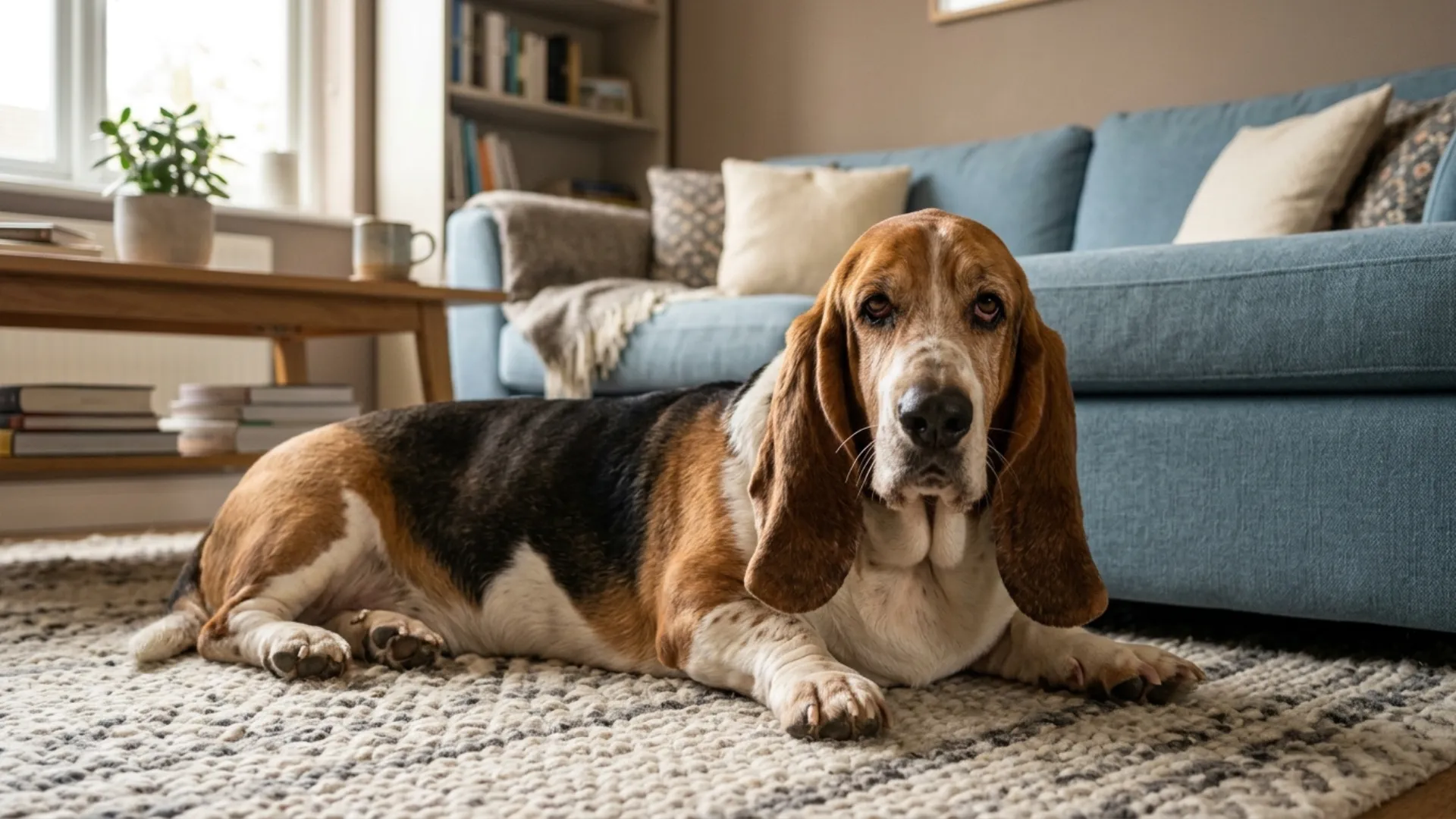
Life already moves at a fast pace, and not everyone wants a dog that adds more noise, energy, or constant activity to the day.
Many people simply want a companion who enjoys peaceful routines, quiet evenings, and relaxed moments at home. The idea of having a dog often sounds exciting, but the reality of managing endless energy, frequent exercise needs, and nonstop attention can feel overwhelming for some households.
A calmer companion can bring a different kind of joy, one built around comfort, connection, and a slower rhythm. These dogs fit naturally into homes where peaceful surroundings matter and where companionship does not need to come with constant movement.
In this guide, you will discover peaceful dog breeds that enjoy quiet moments and bring a calm presence into everyday life.
Key Takeaways
Peaceful dogs are not always the ones people expect. One breed on this list can sleep for nearly 20 hours a day and still be ready to enjoy quiet time with its family.
From the royal history of the Cavalier King Charles Spaniel to the laid-back charm of the Basset Hound, these companions know how to make slow living feel complete.
Even a giant like the Irish Wolfhound earns a place here because a calm heart matters far more than size when home is your favorite place to be.
A few more breeds on this list might surprise you for all the right reasons, especially if a peaceful home sounds like your kind of life.
Peaceful Dog Breeds Who Enjoy Quiet Moments and Little Activity
1. Cavalier King Charles Spaniel
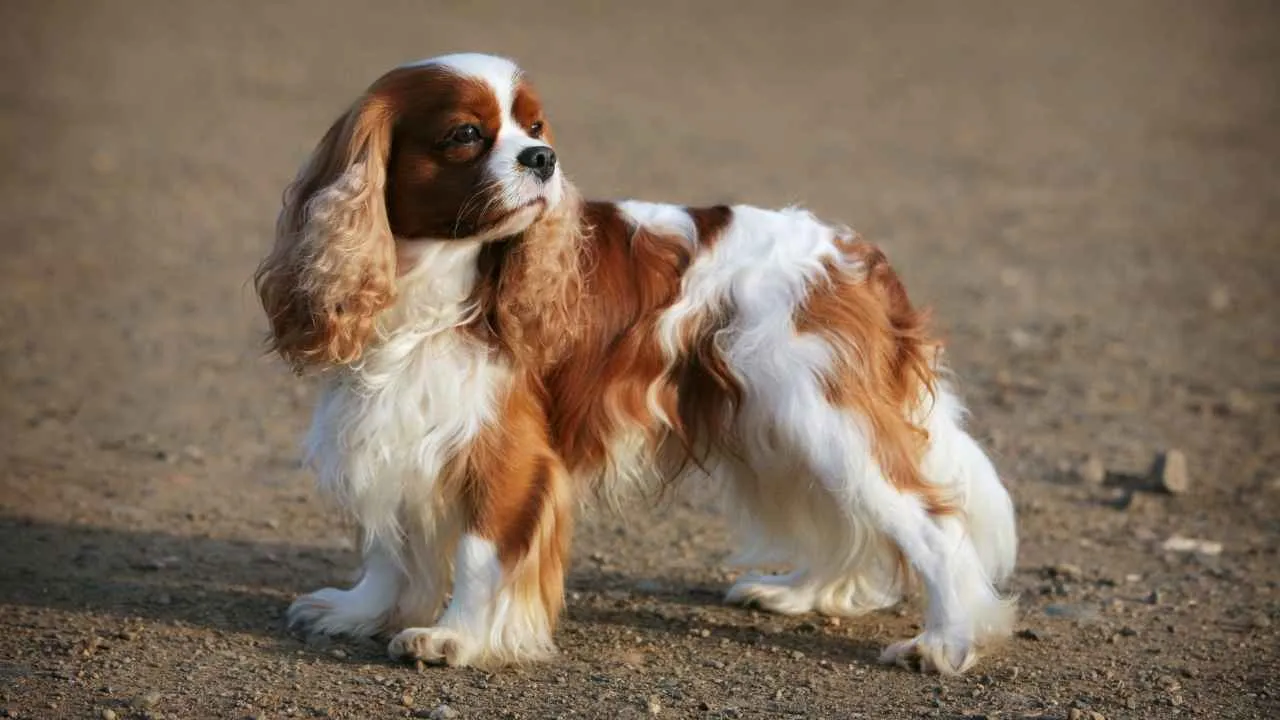
Cavalier King Charles Spaniel was closely connected with British royalty in the 17th century, especially during the reigns of King Charles I and Charles II, as PetMD suggested. These small companions were so valued that they accompanied their owners into royal settings, including Parliament.
Made for Comfort
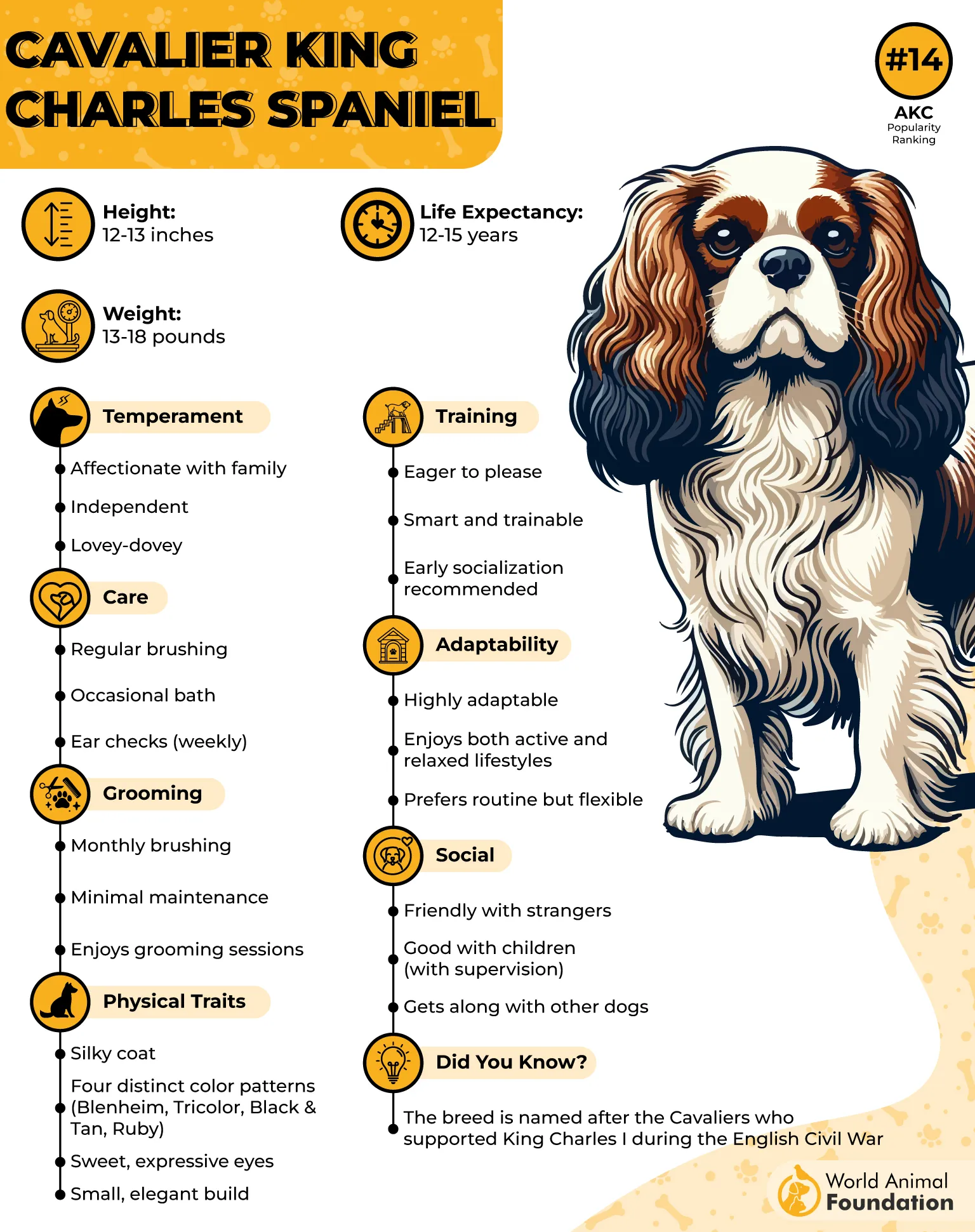
This spaniel was originally suited for warming laps in chilly castles and during cold carriage rides. Their gentle personality, moderate exercise needs, and affectionate nature make them comfortable companions in quieter households.
A few details add more depth to this breed:
Ranked 14th by the AKC
Descends from the sporting family
Needs two daily 20–30 minute walks
Close to People
This calm dog breed enjoys staying close to its favorite people and often prefers being involved in everyday family life rather than staying on the sidelines. Their patient temperament helps them interact gently with children, cats, other dogs, and even unfamiliar visitors.
2. Basset Hound
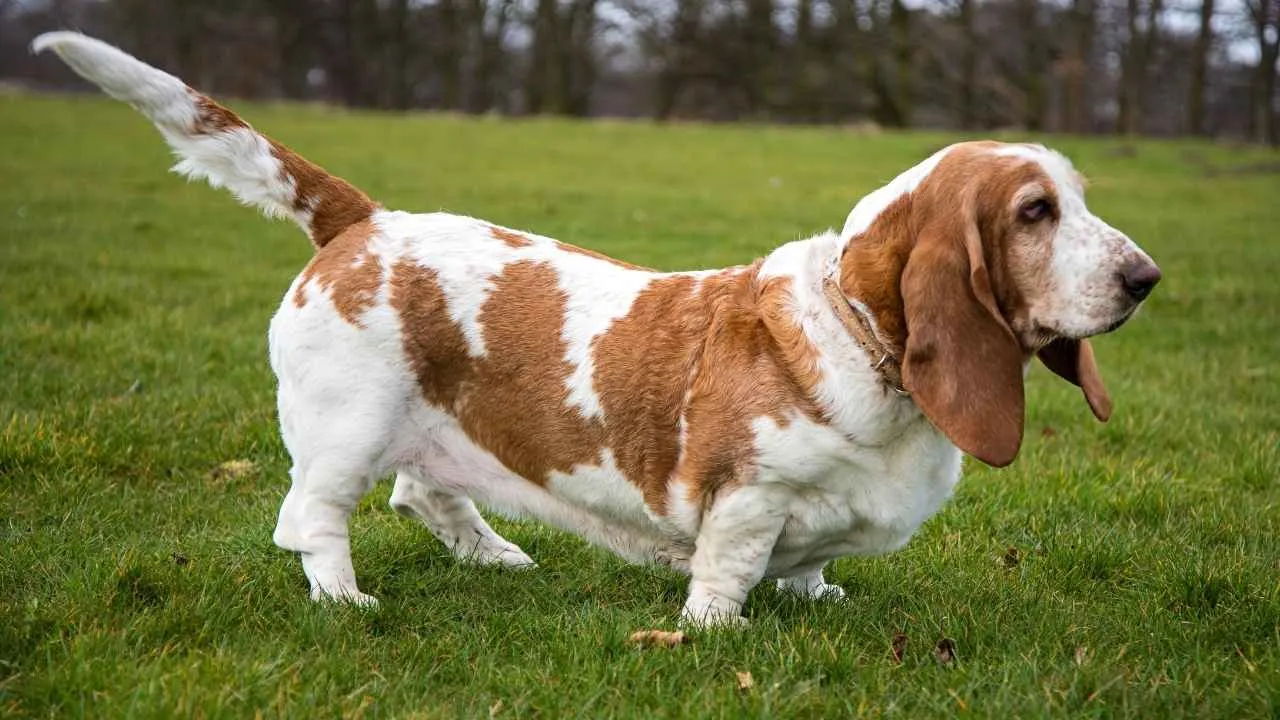
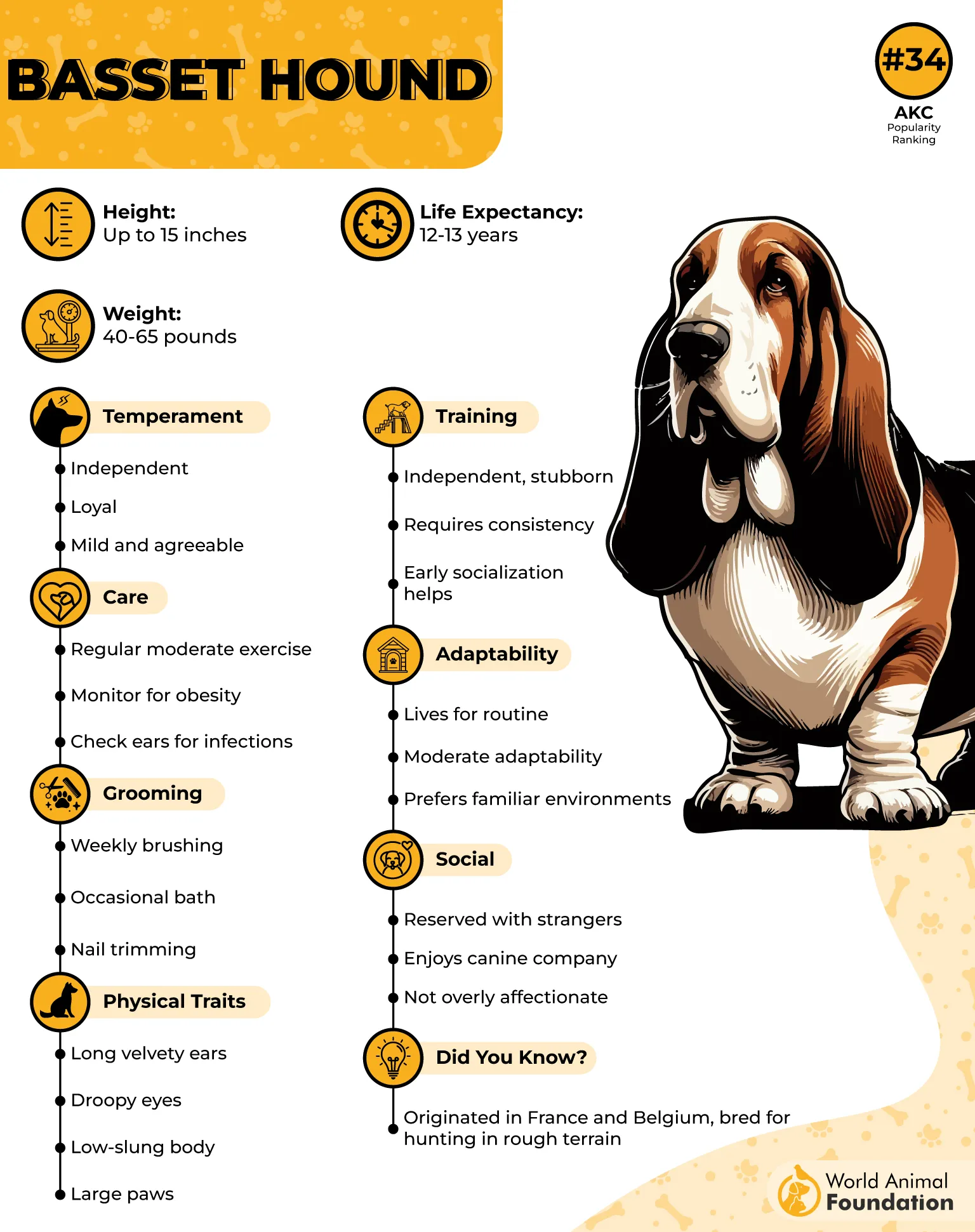
Basset Hound comes from France and was named after its short, low-set body, with “basset” meaning short or low in French. This scent-driven breed descended from the St. Hubert Hound, a dog connected to the early Bloodhound type and valued for tracking abilities, as per the AKC.
Calm Companion
They were once used for hunting, yet today it is better known for its relaxed nature and easygoing presence at home. Its short legs and slower pace mean daily walks are important to support a healthy weight.
Standout traits of this breed include:
Famous for long, deep barking
Strong nose that follows scents
Short coat with regular shedding
Quiet Routine
Basset Hound enjoys a comfortable lifestyle and may need encouragement to remain active throughout the week. Mental enrichment through toys, companionship, or support from a pet sitter can help when this social breed spends time alone for several hours.
3. French Bulldog
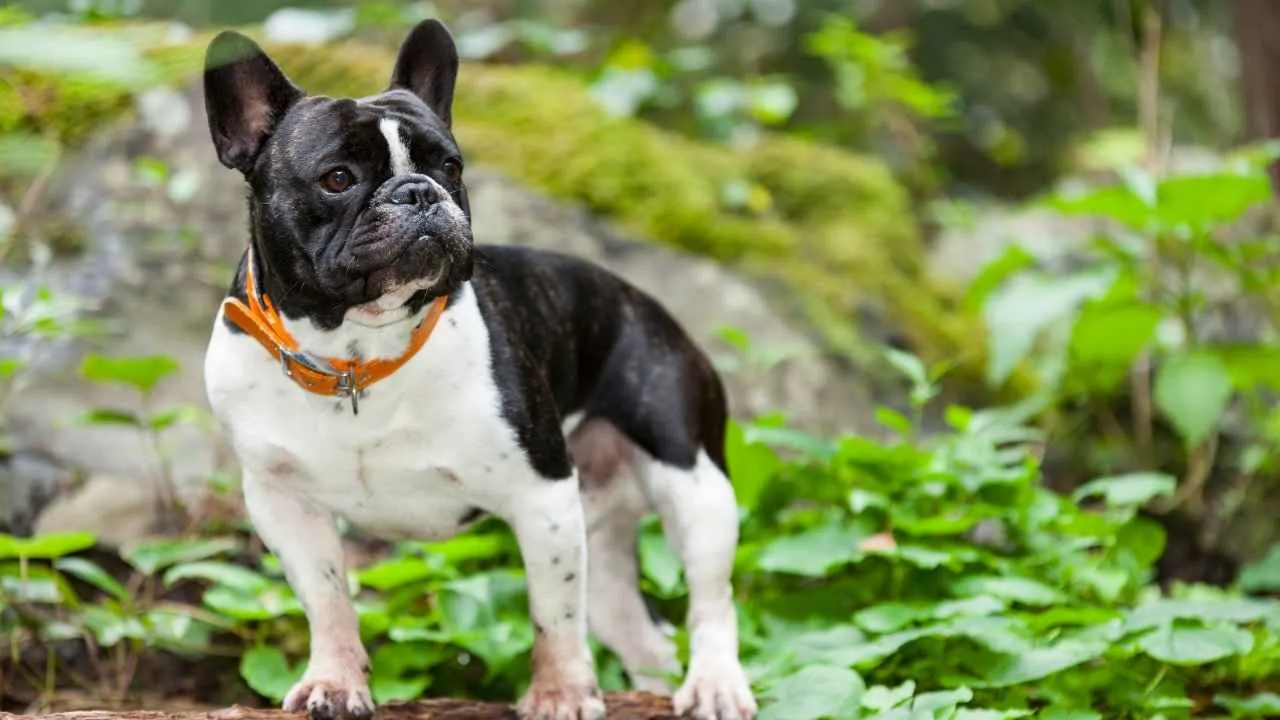
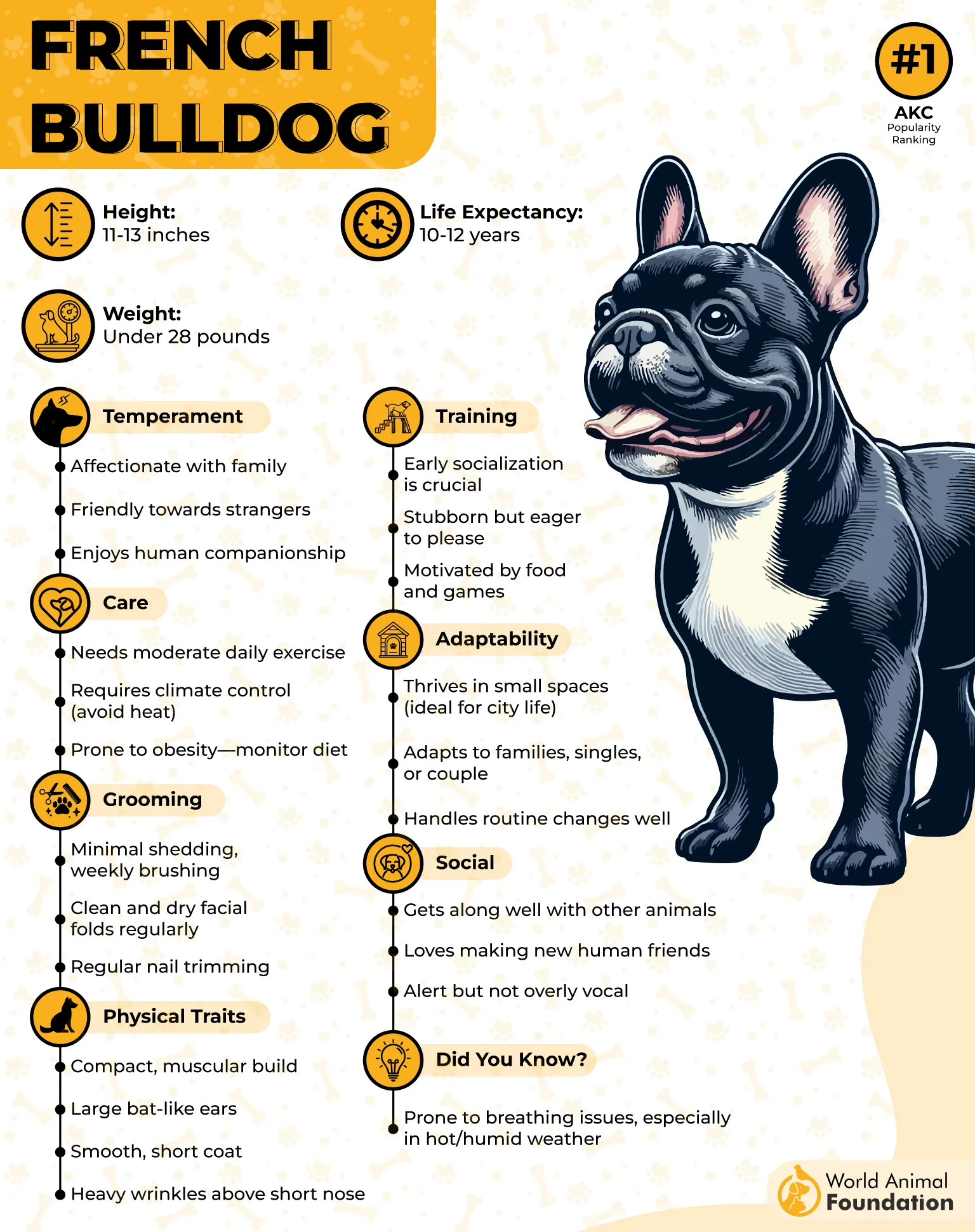
French Bulldog is known for its easygoing personality, cheerful nature, and compact build that suits relaxed households. This small companion enjoys being close to people and brings a playful attitude while fitting naturally into calmer daily routines with short bursts of activity.
Simple Daily Rhythm
This quiet dog benefits from up to an hour of daily activity, along with play sessions and mental engagement, as Petplan suggested. Short walks, exploring a secure outdoor area, and spreading activities throughout the day can help satisfy this curious breed’s need for interaction.
These care details shape their daily routine:
Brachycephalic facial structure
Cannot swim safely without supervision
Benefits from breed-appropriate meals
Comfortable Pace
French Bulldogs can tire more quickly because of their shortened facial structure, so breaks are important during activity and warmer conditions. The flat face also makes humidity and heat more challenging, while regular cleaning of facial folds helps support skin care.
4. Clumber Spaniel
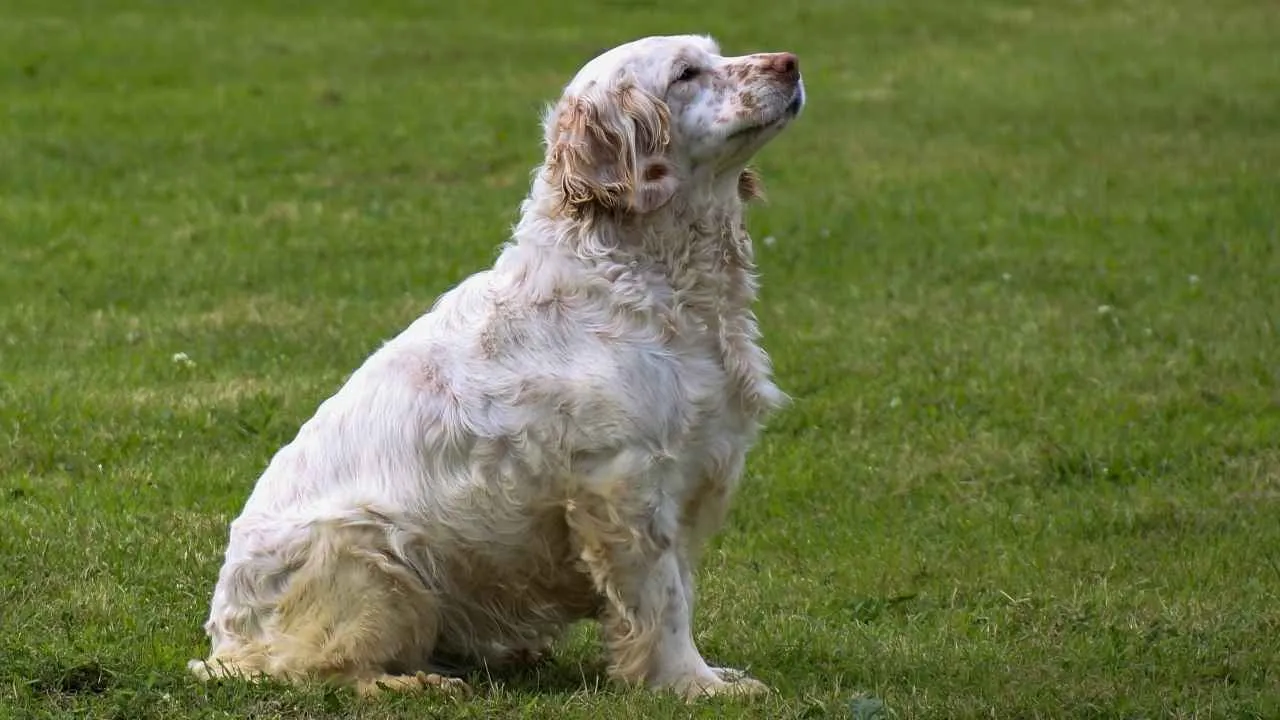
Clumber Spaniel was originally bred in England and dates back to the 18th century, where it was valued by British nobility and royalty for retrieving game. Named after Clumber Park in Nottinghamshire, this breed combines a calm presence with strong outdoor instincts.
Gentle by Nature
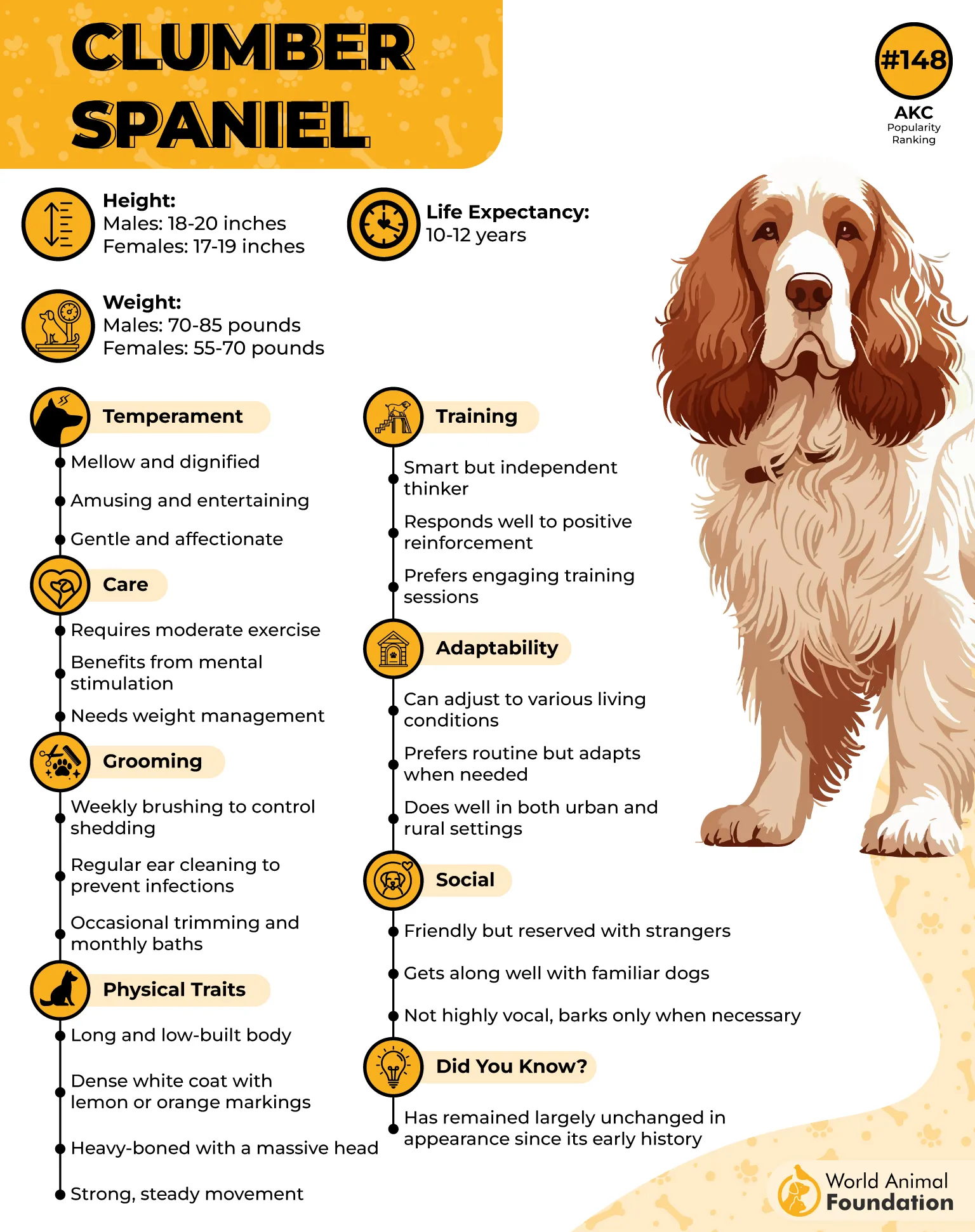
This breed has a heavy build, deep-set eyes, and a large square head that gives it a distinctive appearance. Its gentle temperament and easygoing nature make it well-suited for families looking for a relaxed companion with a playful side.
These specific details make this breed different:
Known for strong scenting ability
Helped influence other spaniel breeds
Enjoys swimming activities
Calm With Purpose
Clumber Spaniel enjoys outdoor time and uses its natural retrieving skills through activities like scent work and hidden treat puzzles. Around 45 to 60 minutes of moderate daily exercise, such as relaxed fetch or walks, helps support its physical and mental stimulation needs.
5. Pekingese
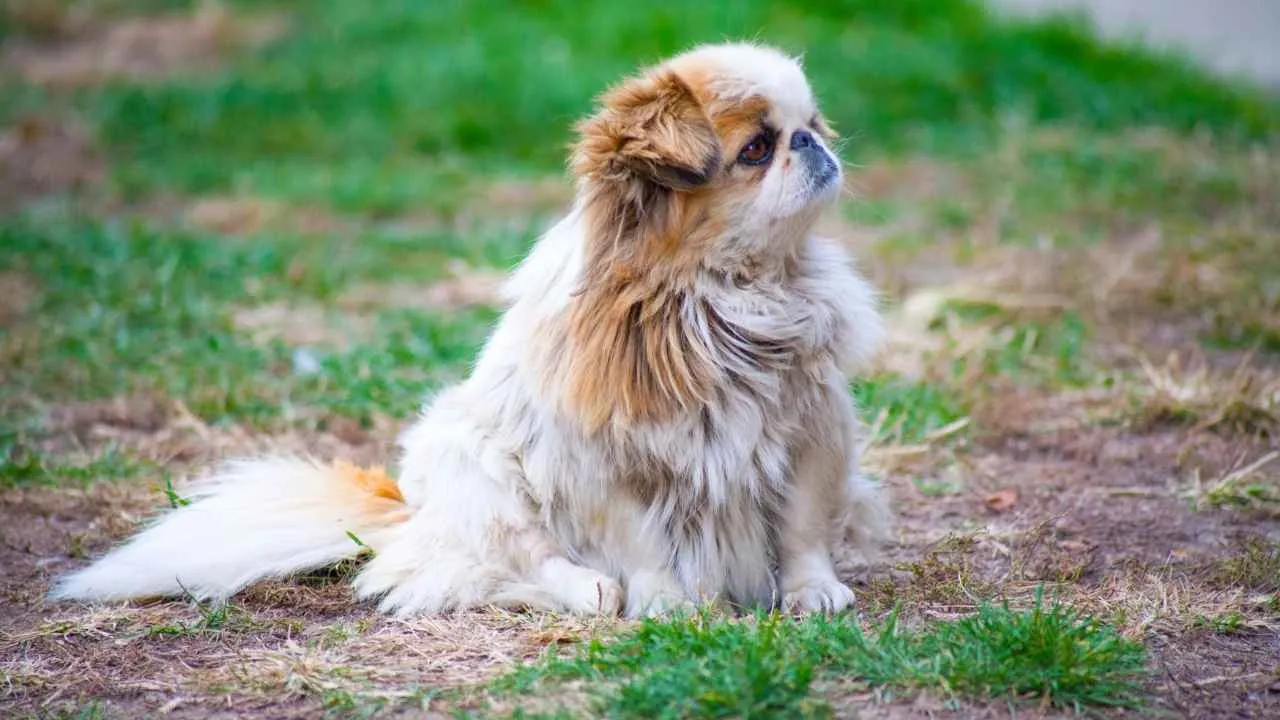
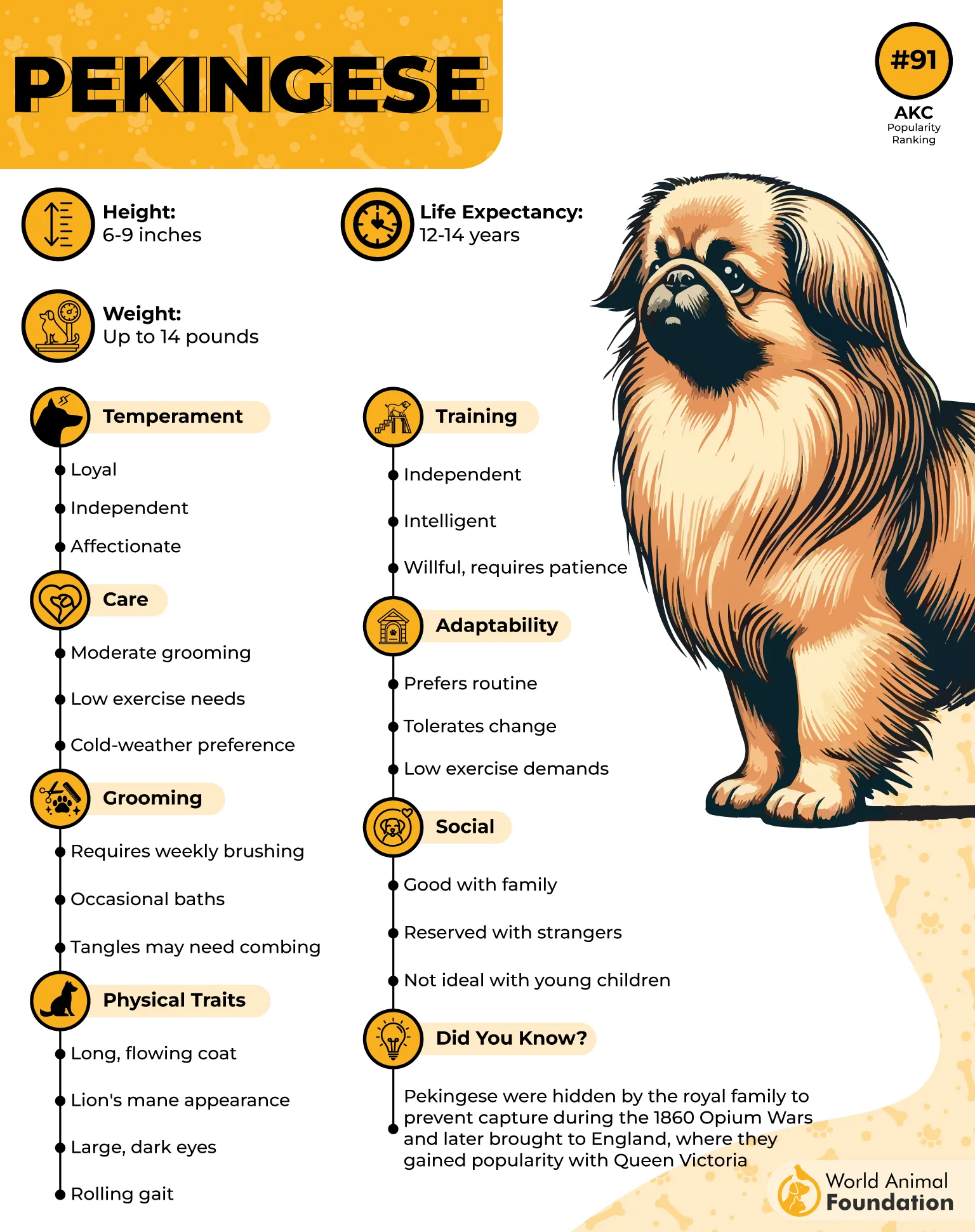
Pekingese were bred as a cherished companion for Chinese royal families, carrying a long connection with palace life and close human companionship. This small breed is known for its confident personality, strong loyalty, and preference for the people it trusts most.
Calm at Home
This companion dog generally enjoys a relaxed indoor routine with moderate activity needs rather than demanding daily workouts. Short 10 to 15-minute walks and gentle indoor games can provide enough movement while keeping this short-faced breed comfortable.
A closer look at their daily life traits:
The brachycephalic breed is prone to overheating
Strong bark despite its small frame
Uses puzzle toys for mental activity
Quiet Confidence
Pekingese can be affectionate and devoted while also having a strong sense of independence. Their alert nature may lead to barking when something unusual happens nearby, and early exposure to new people, animals, and places can help manage that reaction.
6. Pug
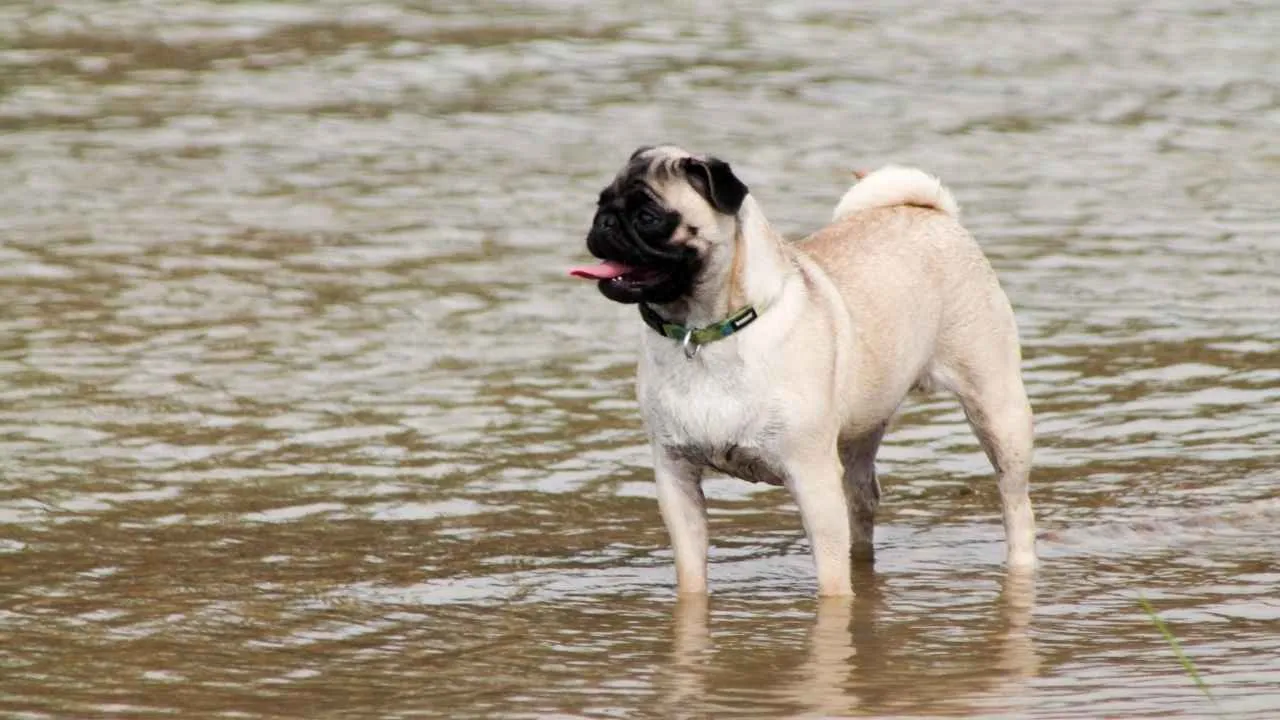
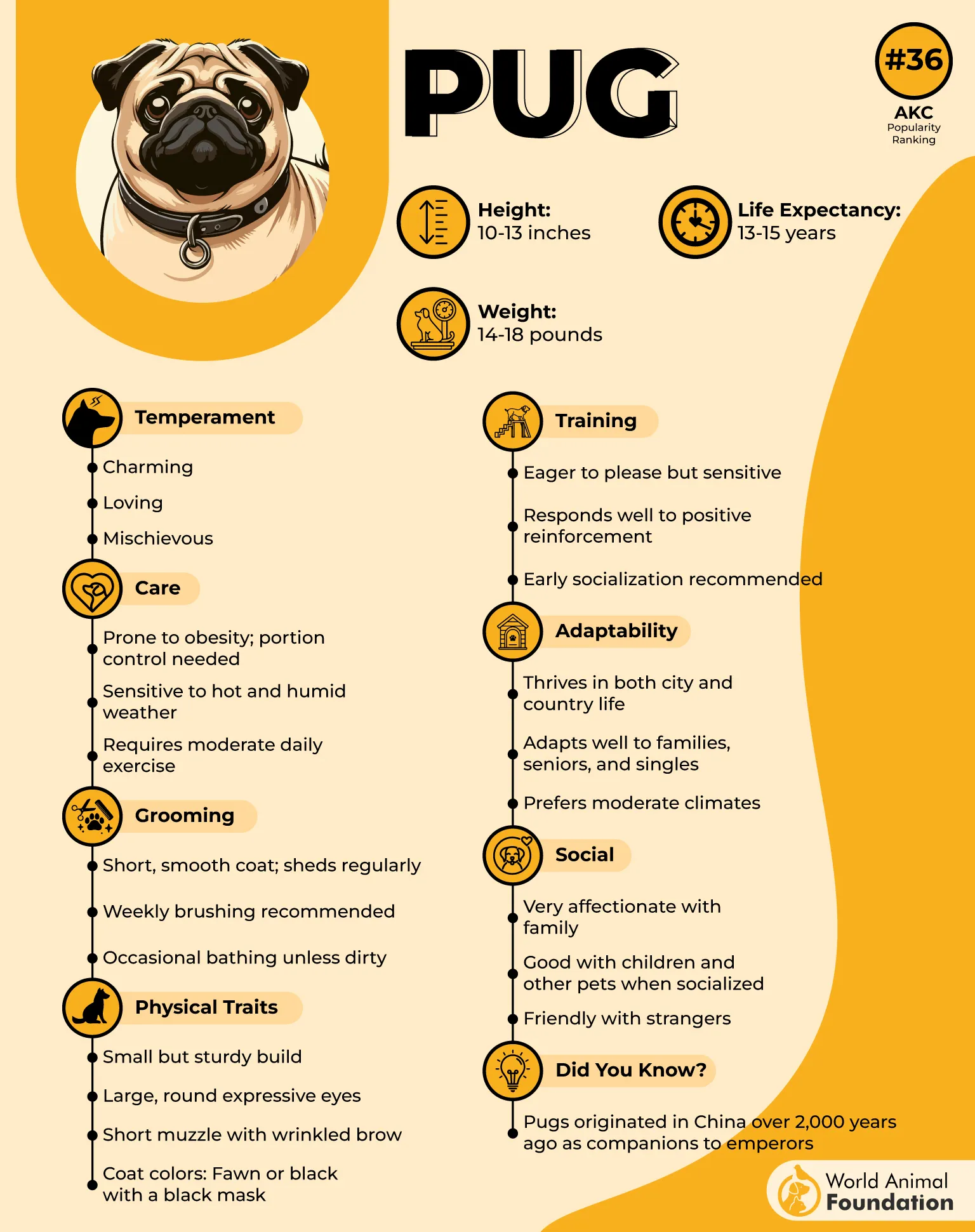
Pugs began their journey in China around 2,000 years ago, where they became closely associated with royal households across different regions.
This small breed was valued for its friendly nature, affectionate personality, and strong desire to remain involved in the everyday moments of family life.
Calm by Nature
This chill dog often enjoys a relaxed routine and is happiest when spending time close to its favorite people. Several short walks of around 15–20 minutes can provide suitable activity without pushing this breed beyond its physical comfort.
Here is what else to know:
Ancient companion breed from China
Flat-faced brachycephalic structure
An elongated soft palate can affect breathing
Gentle Housemate
Pug enjoys being included in household activities and often seeks attention from the people around it. Their playful moments can bring energy into the home, while their preference for lounging makes them a comfortable fit for quieter routines and relaxed indoor living.
7. Irish Wolfhound
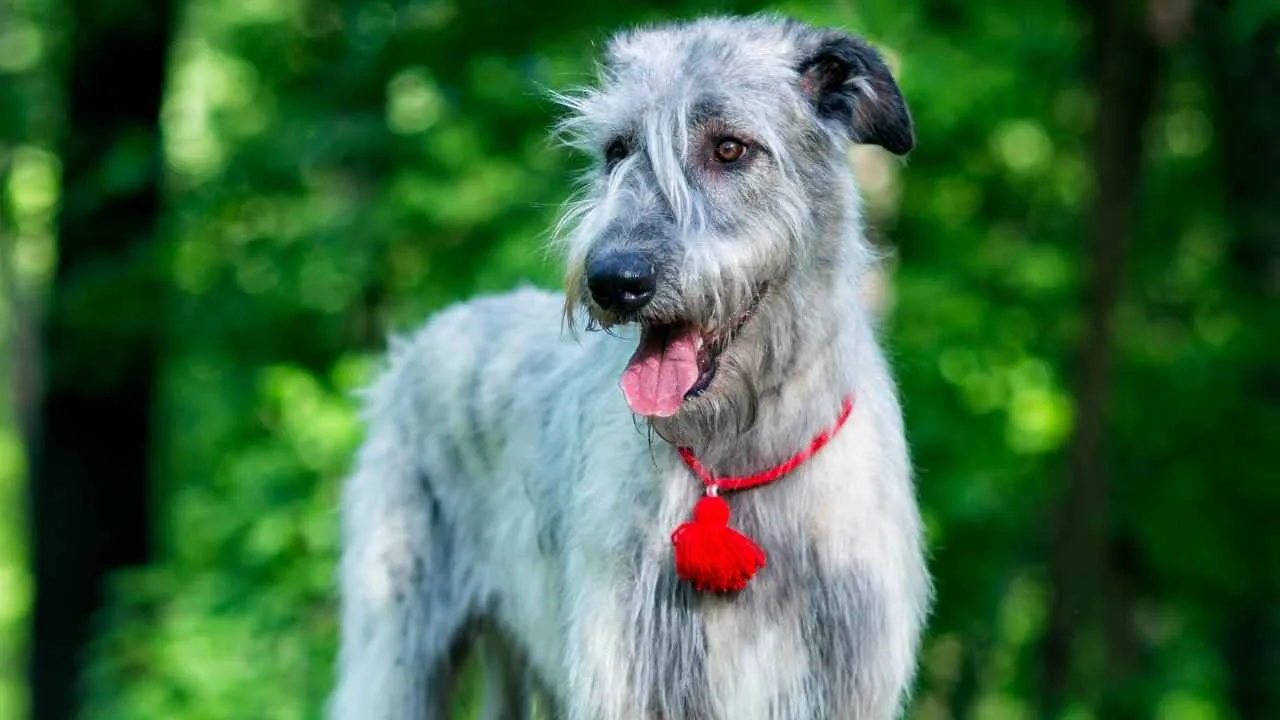
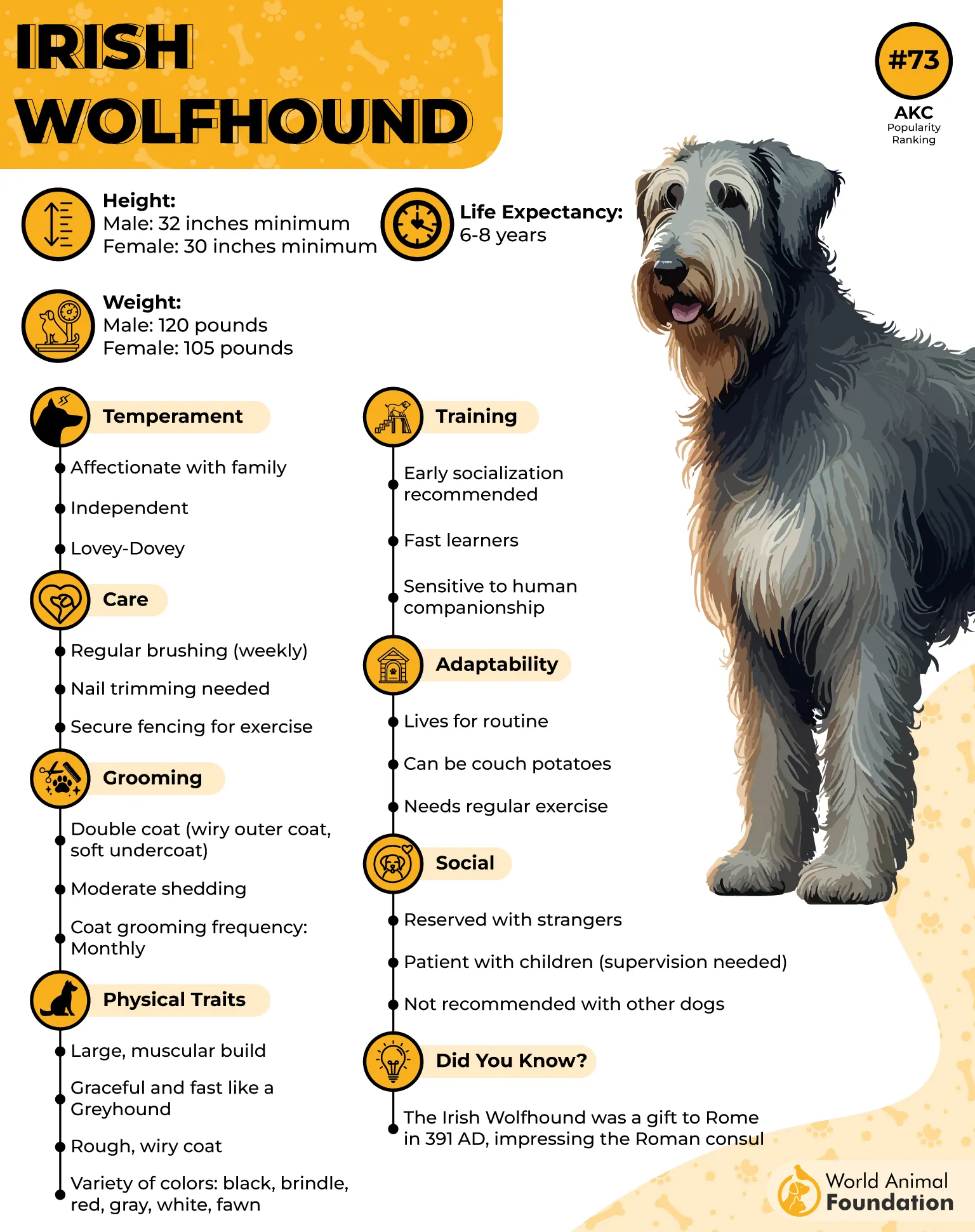
Irish Wolfhound appears in written records as far back as 391 AD, when a Roman statesman mentioned these impressive dogs in a letter.
Their roots connect to crosses between native British dogs and hounds that arrived from the Middle East, long before the breed became associated with hunting Irish wolves.
Gentle by Nature
IWs bring a calm and easygoing temperament into the home, which helps explain why such a giant breed is often described as a pleasant companion. Given enough room to stretch out, they are usually content spending quiet time close to their family.
Noteworthy details of this large breed include:
Adaptable to different activity levels
Tallest among all dog breeds
Can become prone to obesity without exercise
Watch the Chase Instinct
They generally get along with children and other dogs when socialization begins early in life. Smaller animals can trigger its prey drive, which is why a leash remains important during walks, especially when a squirrel or fast-moving animal suddenly grabs its attention.
8. Greyhound
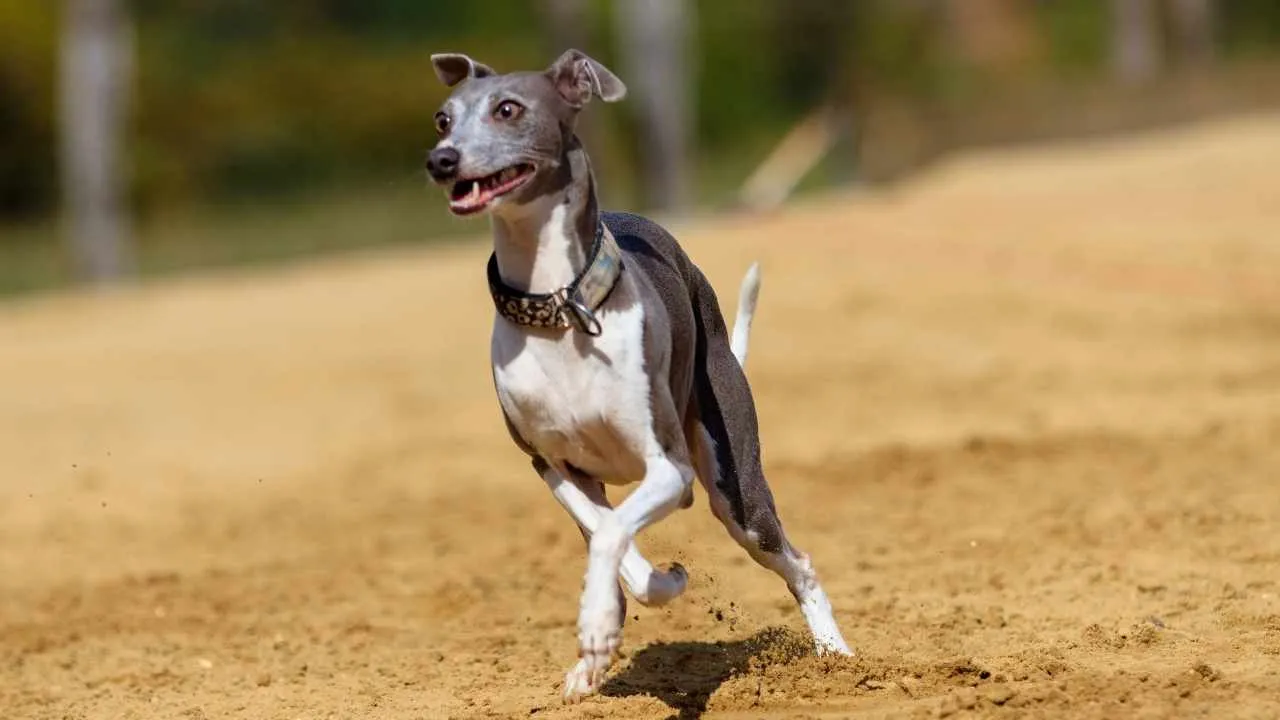
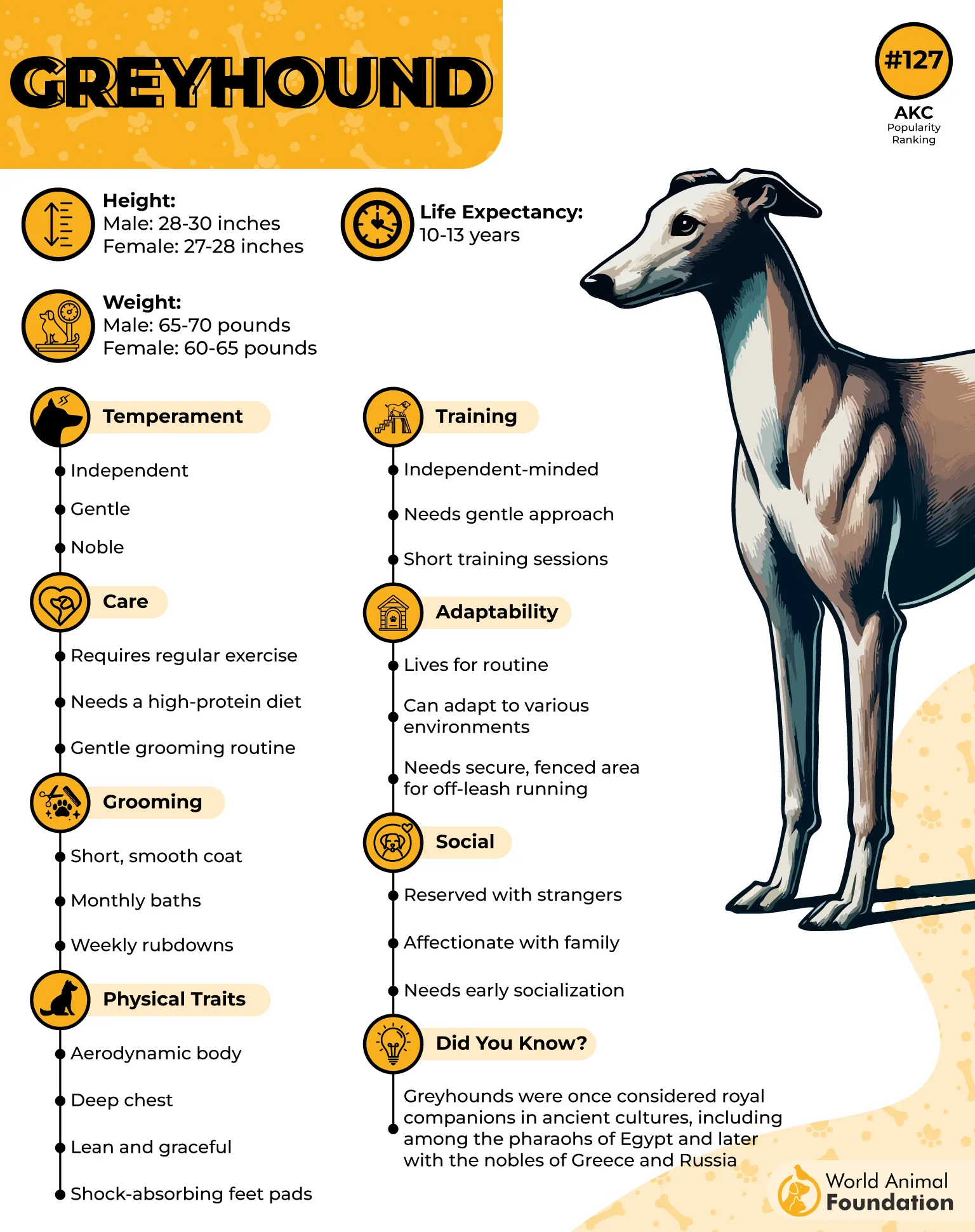
Greyhounds rely on eyesight rather than scent when tracking what catches their attention, using quick visual detection and remarkable agility. That approach, paired with its lean “inverted S” body shape, has fascinated artists, poets, and royalty for thousands of years.
Calm Beyond Expectations
This racing dog may be associated with speed, yet daily life often reveals a much quieter side once its routine activity needs are met. Regular exercise remains important, though constant high-intensity activity is not part of its everyday requirements.
Here’s a quick glance at their qualities:
They can sleep up to 20 hours a day
React strongly to tension or harsh training
Running speed reaches up to 45 miles per hour
Gentle at Home
Greyhounds form close bonds with family members and often settle into household life with a calm, easygoing attitude. New people may receive a reserved greeting at first, while a treat and a little patience can quickly help break the ice and encourage interaction.
9. Newfoundland
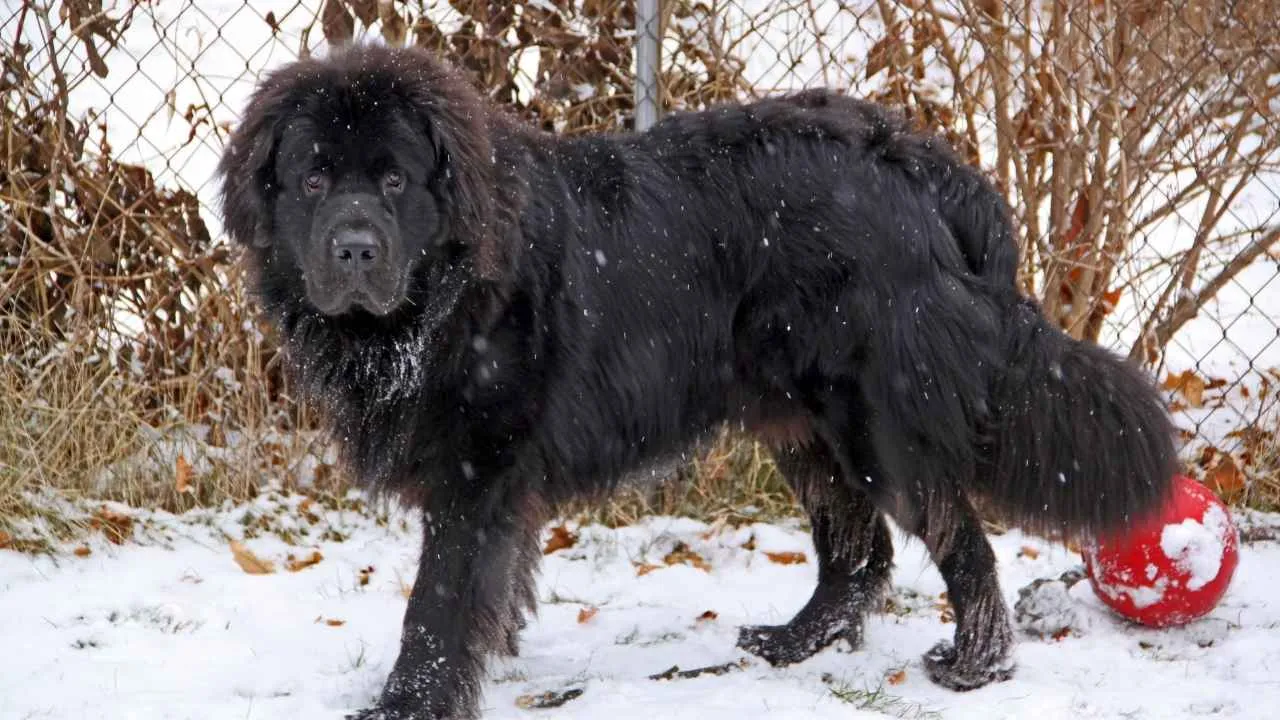
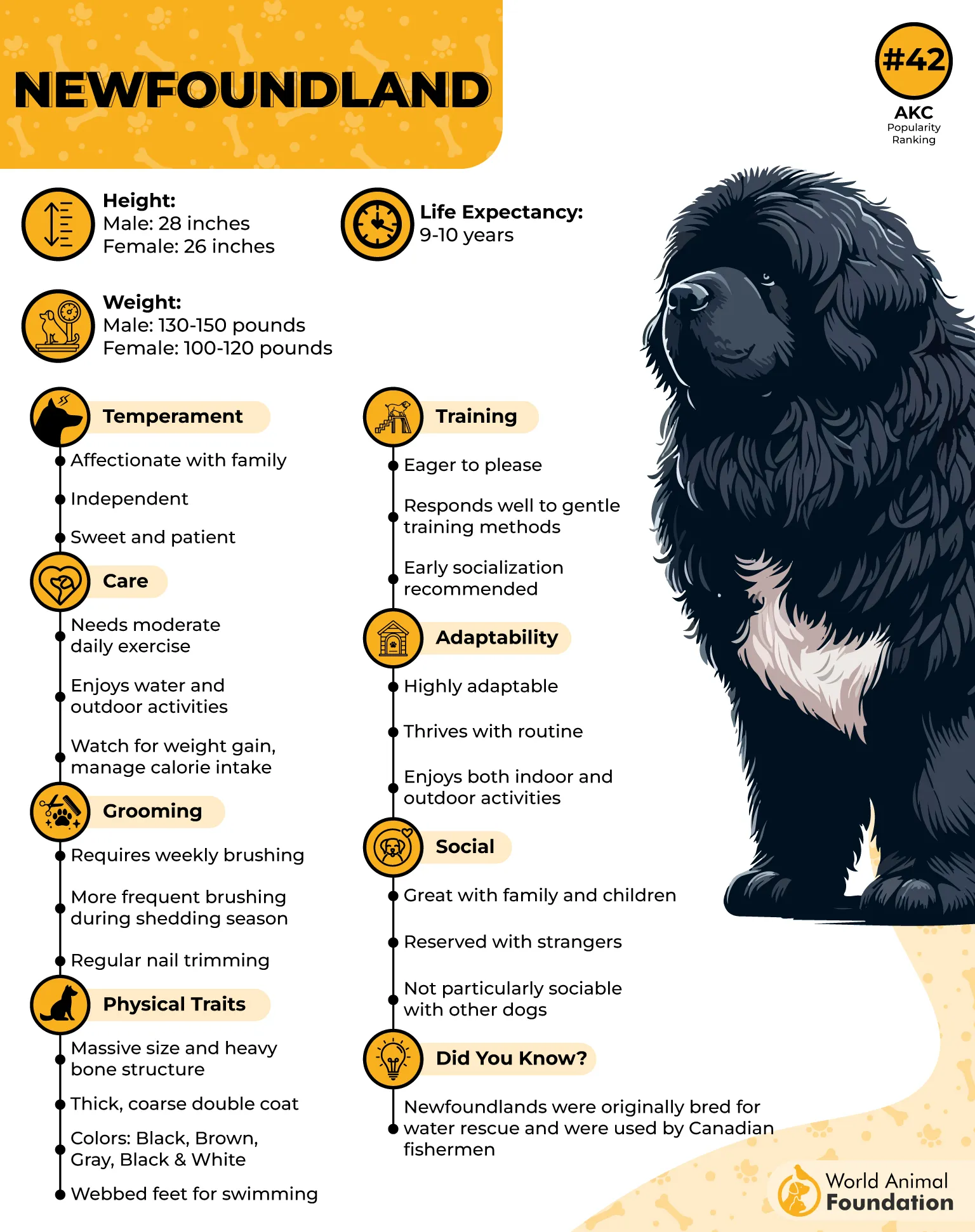
Newfoundland combines immense size with an unusually calm temperament, a combination that has helped this breed become a trusted companion in family settings. Its patient nature around children and easygoing attitude around other pets are frequently highlighted by those familiar with the breed.
Born for Water
This gentle giant first took shape in Newfoundland, Canada, where it worked alongside fishermen and assisted with water rescues. Webbed paws and a thick insulating coat gave these dogs practical advantages in cold water and challenging conditions.
Several details help explain that connection:
Lives with a quiet pace indoors
Famously known as Nanny dog
Easygoing and easy to train
Smart and Steady
Newfies benefit from daily walks, occasional hikes, or opportunities to swim, helping support both physical health and mental engagement. Positive reinforcement works particularly well during training, although some individuals can approach lessons with a stubborn streak.
10. Tibetan Spaniel
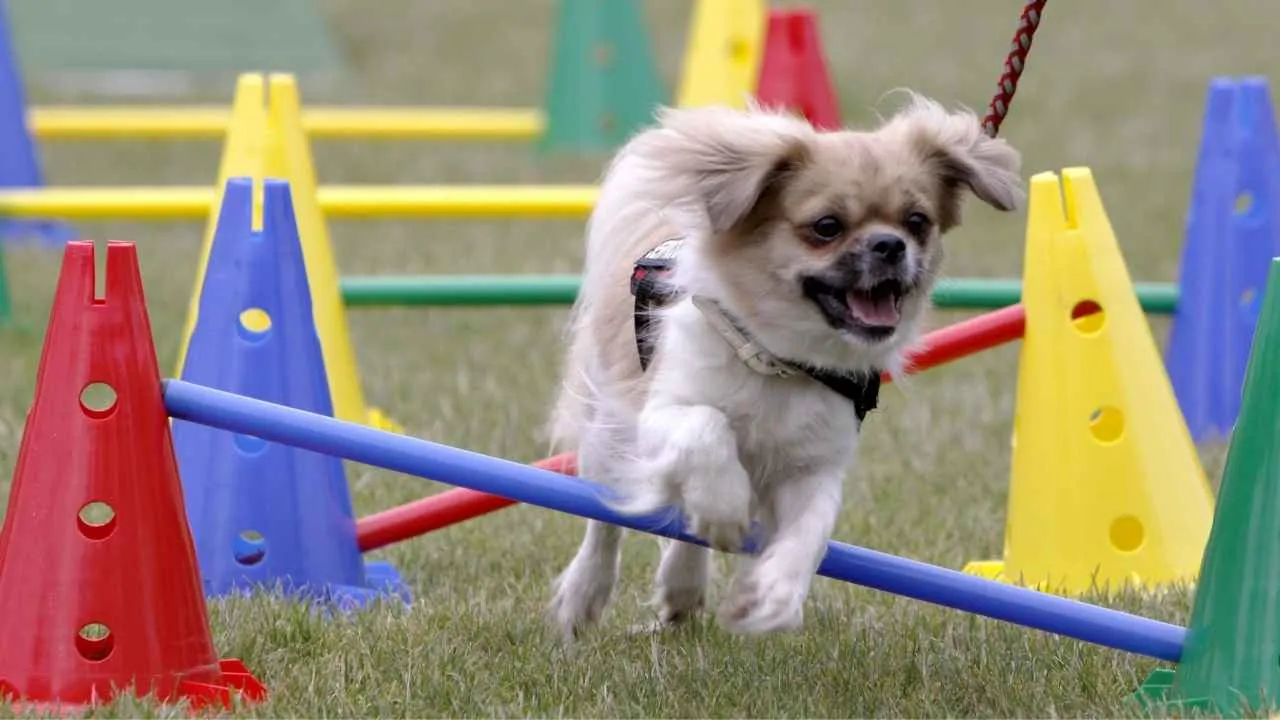
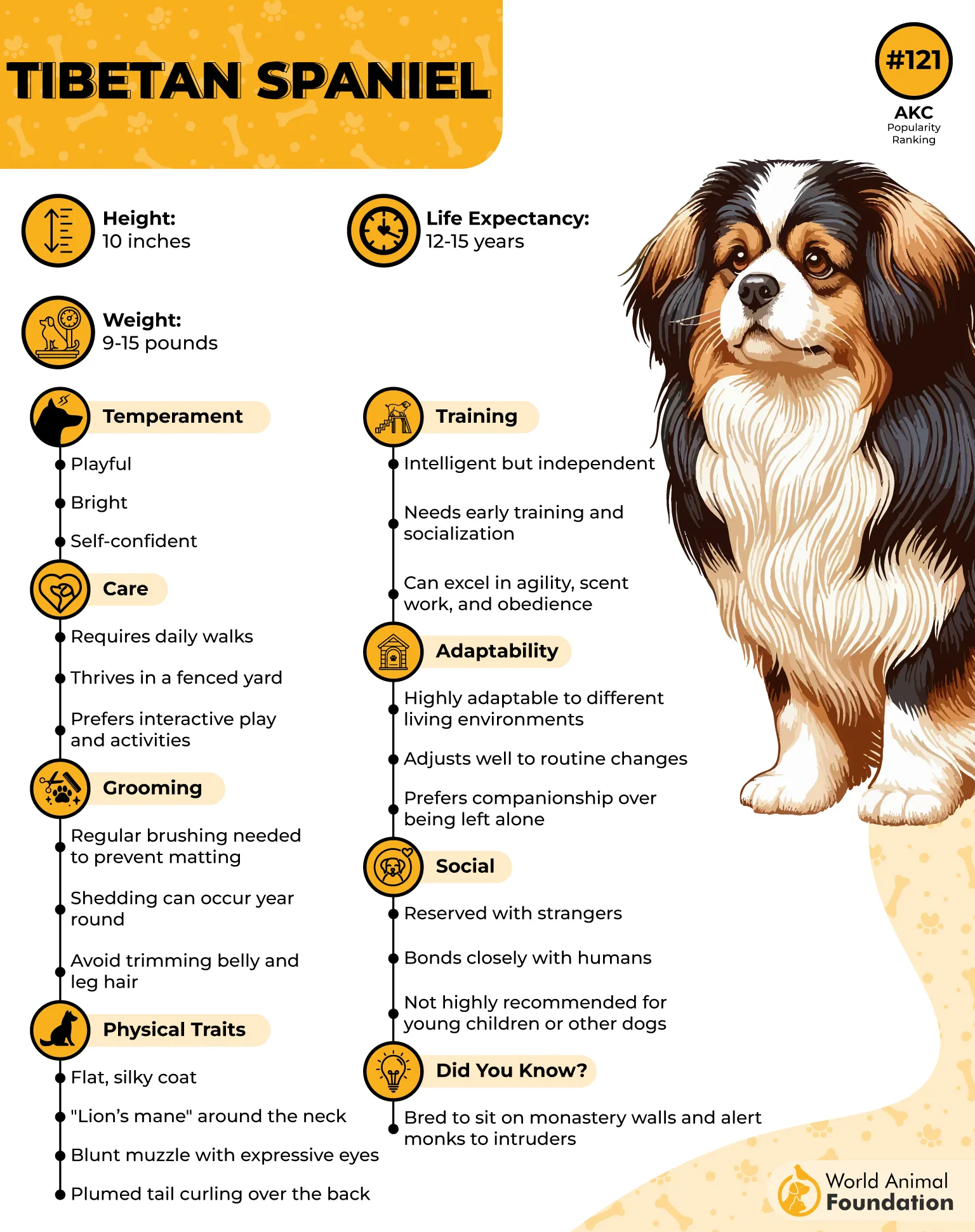
Tibetan Spaniel spent more than 2,000 years alongside Buddhist monks in Tibet’s Himalayan region, where a unique job shaped much of its character. These little dogs often settled on monastery walls, watching for approaching wolves, visitors, and anything that seemed unusual.
Always Watching
This spaniel still enjoys finding elevated spots around the home, whether that means a windowsill, the back of a sofa, or another favorite perch. That observant nature helps explain why unfamiliar sights and sounds often receive an immediate response.
Its legacy also includes:
Nicknamed the Tibbie
Enjoys scent work activities
Participates in rally and agility
Easygoing Routine
Tibetan Spaniel does well with a relaxed schedule that includes short walks, casual outings, and time shared with family members. Early socialization introduces puppies to new people, animals, and environments, helping them feel more comfortable in unfamiliar situations.
Conclusion
Not every dog is driven by nonstop activity or a constant need to stay busy. Some seem perfectly content enjoying familiar routines, peaceful surroundings, and time spent close to the people they love. The breeds highlighted throughout this guide show how calmer breeds can bring balance to everyday life, making them especially appealing for apartment living and busy owners.
Their appeal comes not from endless energy, but from the comfort they provide through quiet presence and dependable affection. Selecting a dog whose temperament matches your lifestyle often leads to a more rewarding experience, especially when supported by consistent socialization and a shared appreciation for a slower, more relaxed rhythm.
