




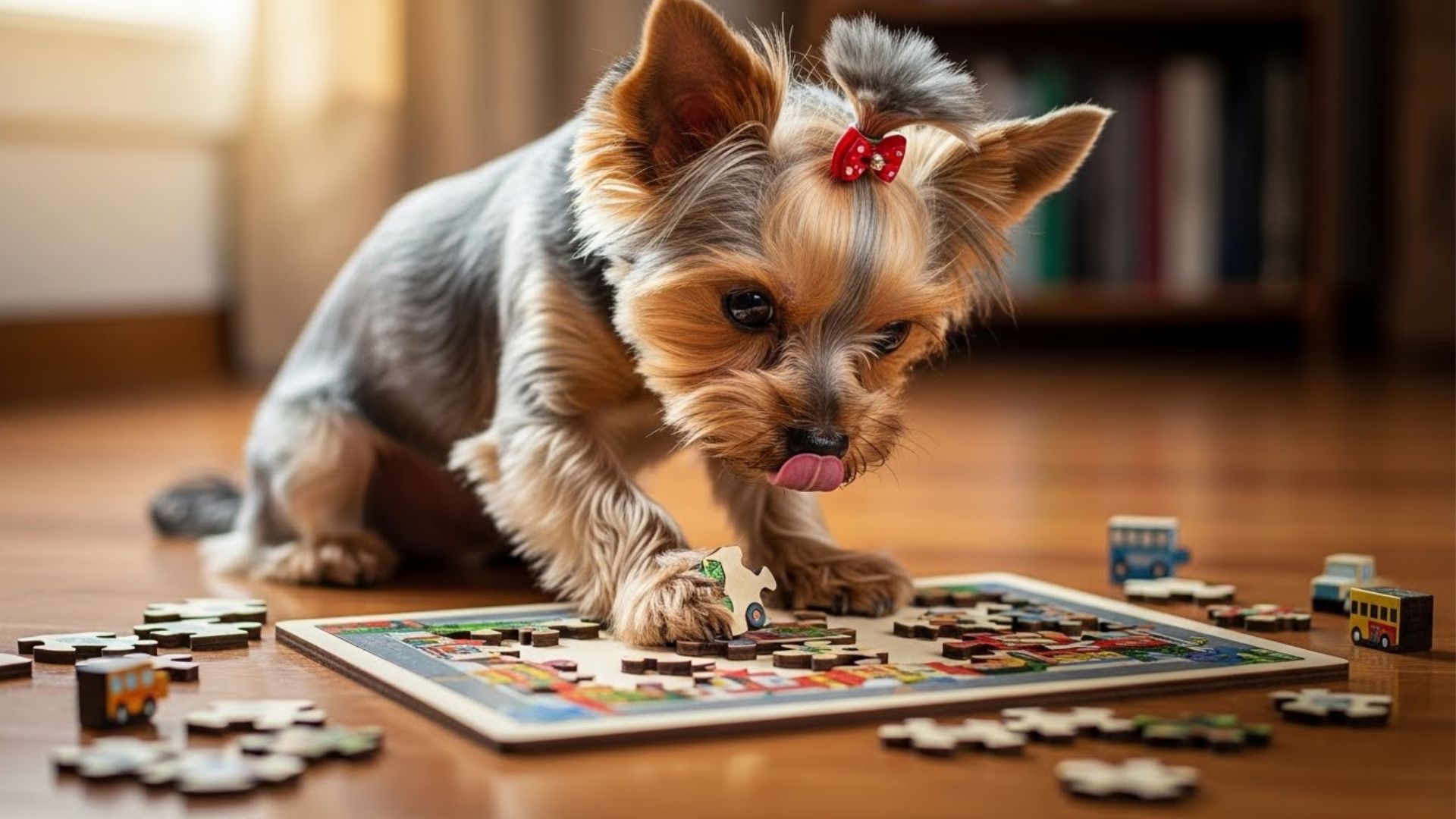
Bringing home a small dog often sounds simple until training begins. Many owners expect quick results, only to discover that some dogs lose interest after a few repetitions, ignore commands when distractions appear, or learn at a pace that requires endless patience.
Training can quickly become frustrating when progress feels unpredictable. Yet not all small dogs approach learning the same way. Some seem to understand patterns faster, remember lessons longer, and actively look for ways to engage with their owners.
Their ability to absorb information, respond to guidance, and adapt to new situations makes everyday training noticeably smoother. Whether it’s basic obedience, advanced tricks, or learning household routines, these intelligent breeds often turn the process into something enjoyable rather than exhausting.
Ahead, you’ll discover the small dog breeds that consistently impress trainers and owners alike with their intelligence, focus, and remarkable ability to learn.
Key Takeaways
Training a small dog can feel easy at first until repetition reveals just how differently each breed learns and responds.
Toy Poodle and Papillon stand out early in this list, showing how intelligence shaped by history turns into sharp learning ability today.
Miniature Schnauzer and Border Terrier bring a mix of focus and independence that makes training both rewarding and a little unpredictable.
Stay with us till the end to see which breeds turn everyday lessons into effortless communication between dog and owner.
Intelligent Small Dog Breeds That Excel in Training
1. Toy Poodle
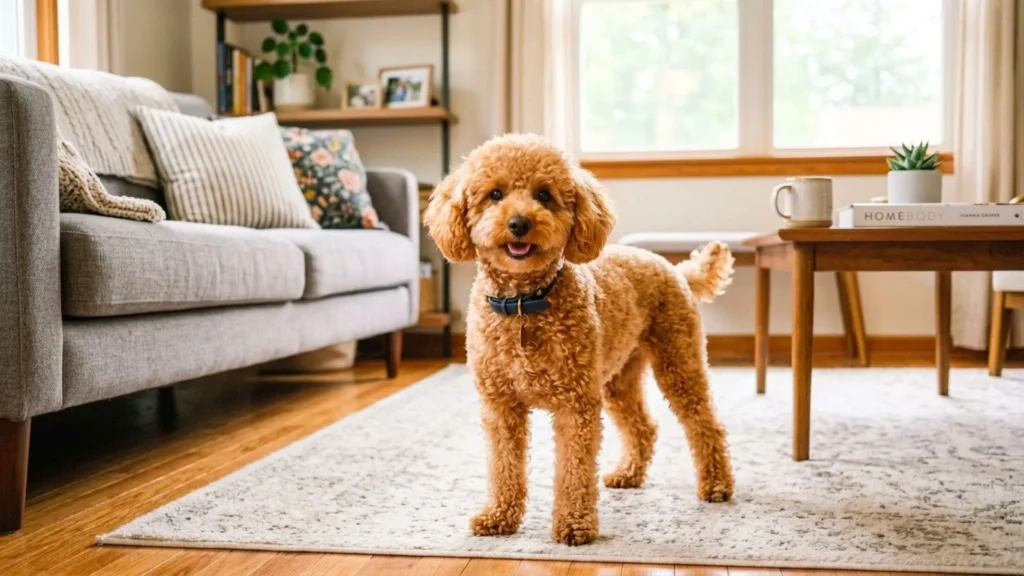
Toy Poodle first earned recognition through practical work, assisting as a herder, water retriever, and duck hunter before appearing in circuses, as Omlet describes.
Its insulating curly coat suited cold water, while quick thinking opened doors to military and guide work. Those varied roles shaped a dog that learns with remarkable speed.
Quick to Learn
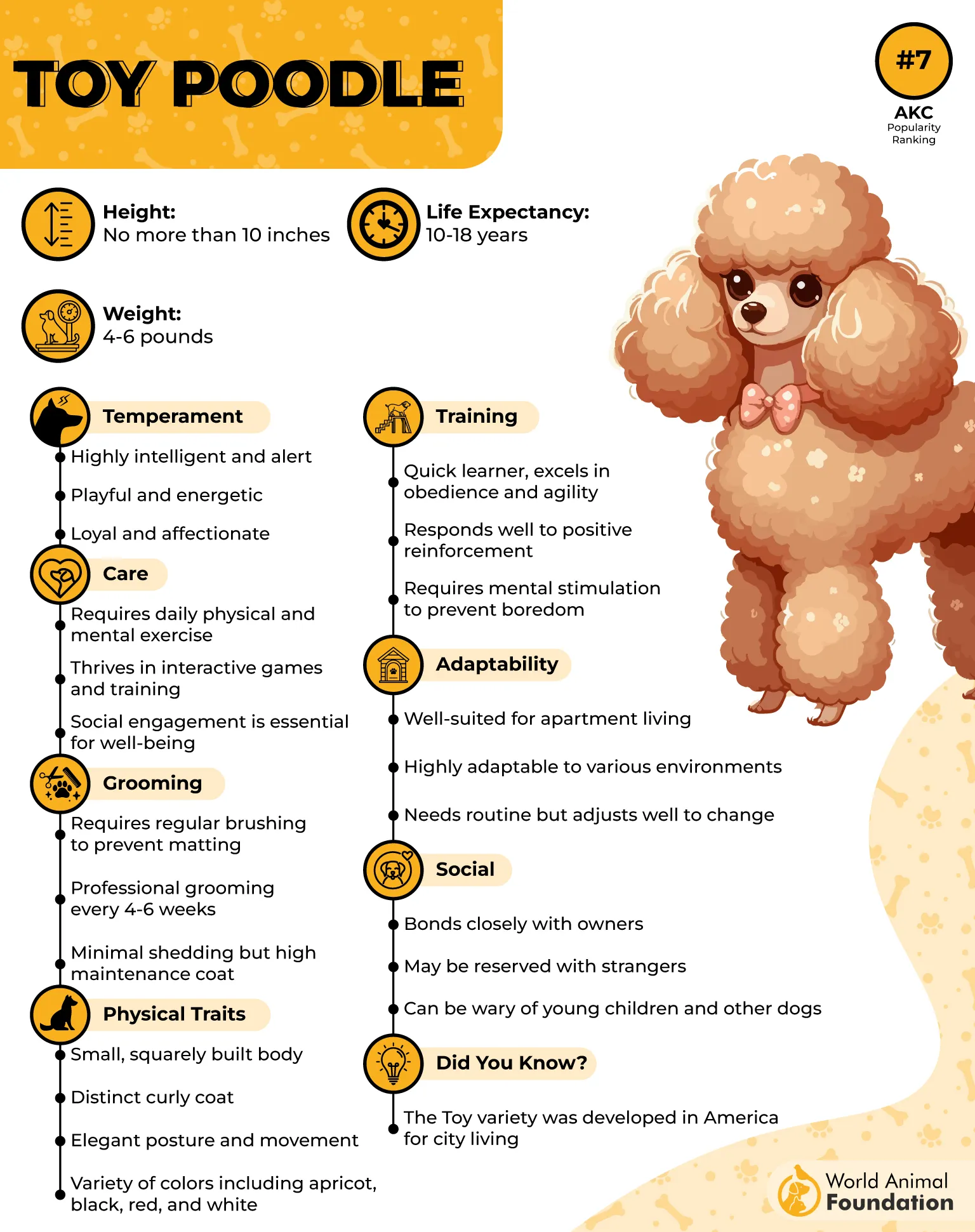
Toy Poodle responds rapidly because it enjoys solving new challenges and working closely with people. That eagerness made circus performances, agility, obedience, and Flyball natural extensions of its abilities.
The following qualities make learning especially rewarding:
Ranked as the 2nd smartest small dog breed
With their higher IQ, mental stimulation is necessary
Responds well to structured guidance
Mind That Needs Direction
Toy Poodle enjoys constant interaction and fits best in a home where people are regularly nearby. Without enough engagement, its clever nature can drift toward unwanted behavior instead of productive learning. Proper training helps channel that intelligence into positive habits.
Before You Choose This Breed Tap to reveal important considerations
🎧 Dogcast
Episode 37 — Why Dogs Stay Close without Touching
If you don’t hear sound, tap the button above to enable audio.
2. Papillon
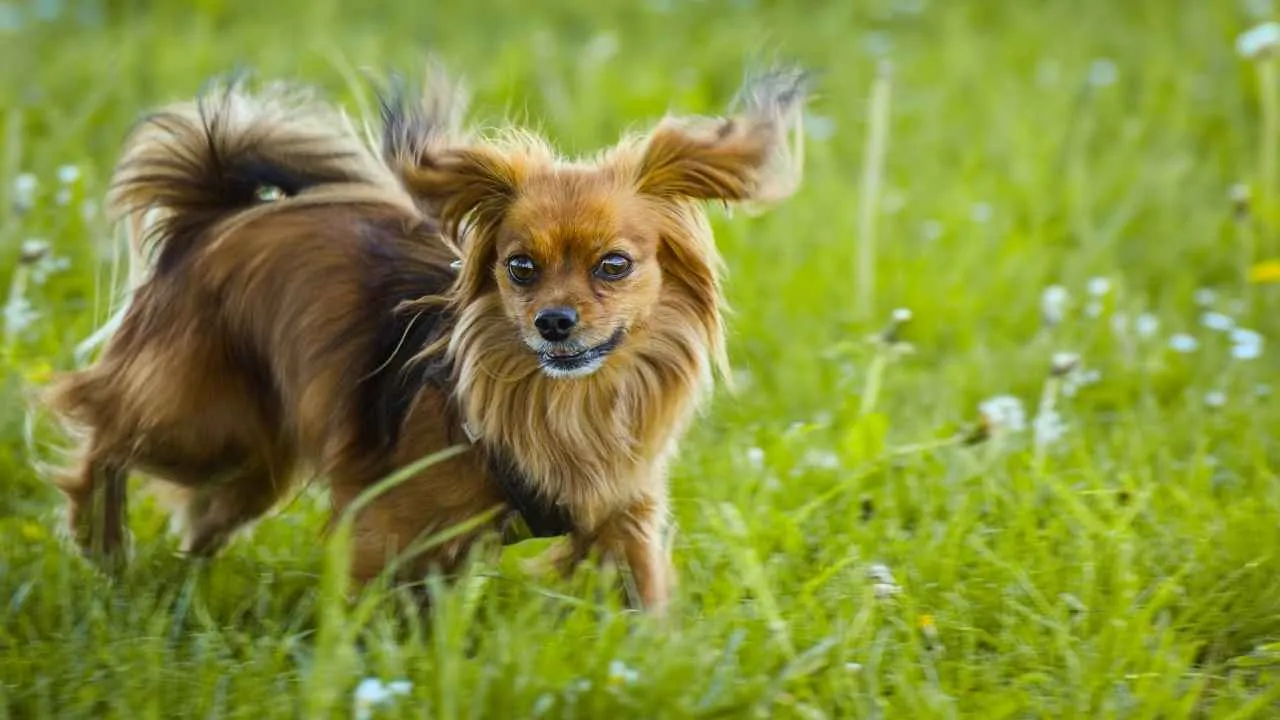
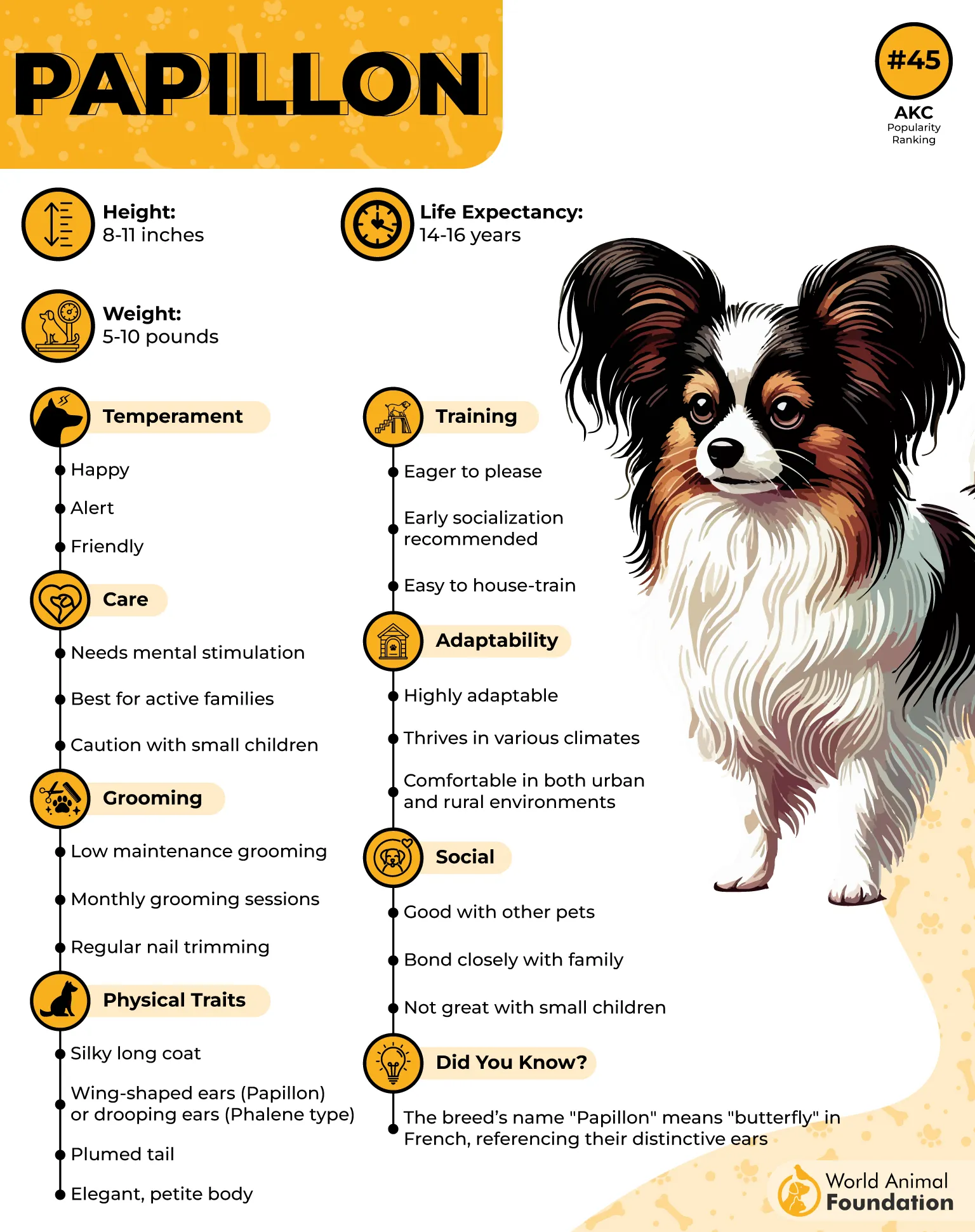
Papillon appears in European artwork as early as the 13th century, reflecting its long association with French courts. Named after its butterfly-shaped ears, this Toy Spaniel earned admiration as a close companion with an elegant yet lively character. Its small frame suited constant companionship from the very beginning.
Quick to Learn
Pap ranks among the top most intelligent dog breeds, making new commands easier to understand through positive, consistent training, as the AKC noted. That sharp thinking also explains why the breed succeeds in agility, therapy, and service work.
These habits make learning especially rewarding:
Excellent problem-solving ability
Eager response to guidance
Excels in structured activities
Smart Energy in a Small Frame
Papillon combines compact size with an active mind, making apartment living practical without reducing its enthusiasm for daily activities.
Indoor games, neighborhood walks, and opportunities to think through tasks help channel that energy productively. Curiosity keeps this breed readily engaged with new experiences.
Before You Choose This Breed Tap to reveal important considerations
3. Miniature Schnauzer
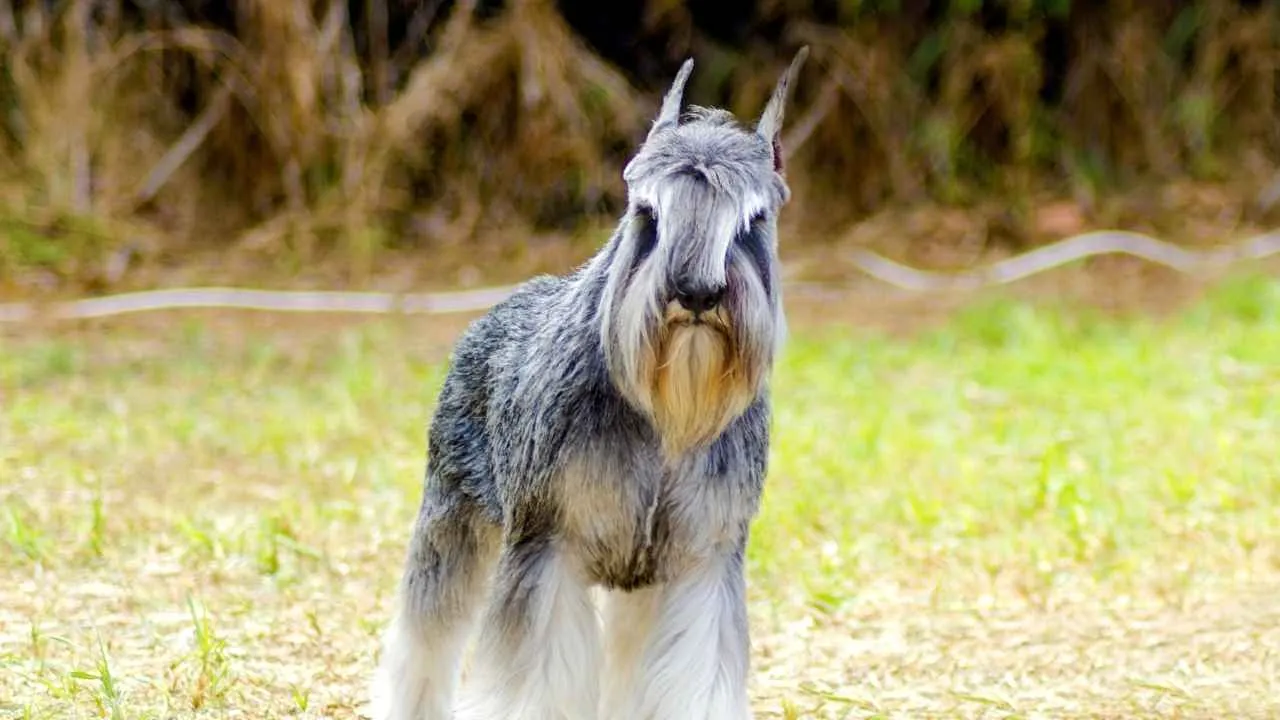
Miniature Schnauzer was originally bred in Germany during the late 1800s, where breeders combined several dogs to produce a compact ratter with dependable guarding instincts. That practical beginning shaped a breed known for quick thinking and versatility rather than size alone.
Quick Learning Ability
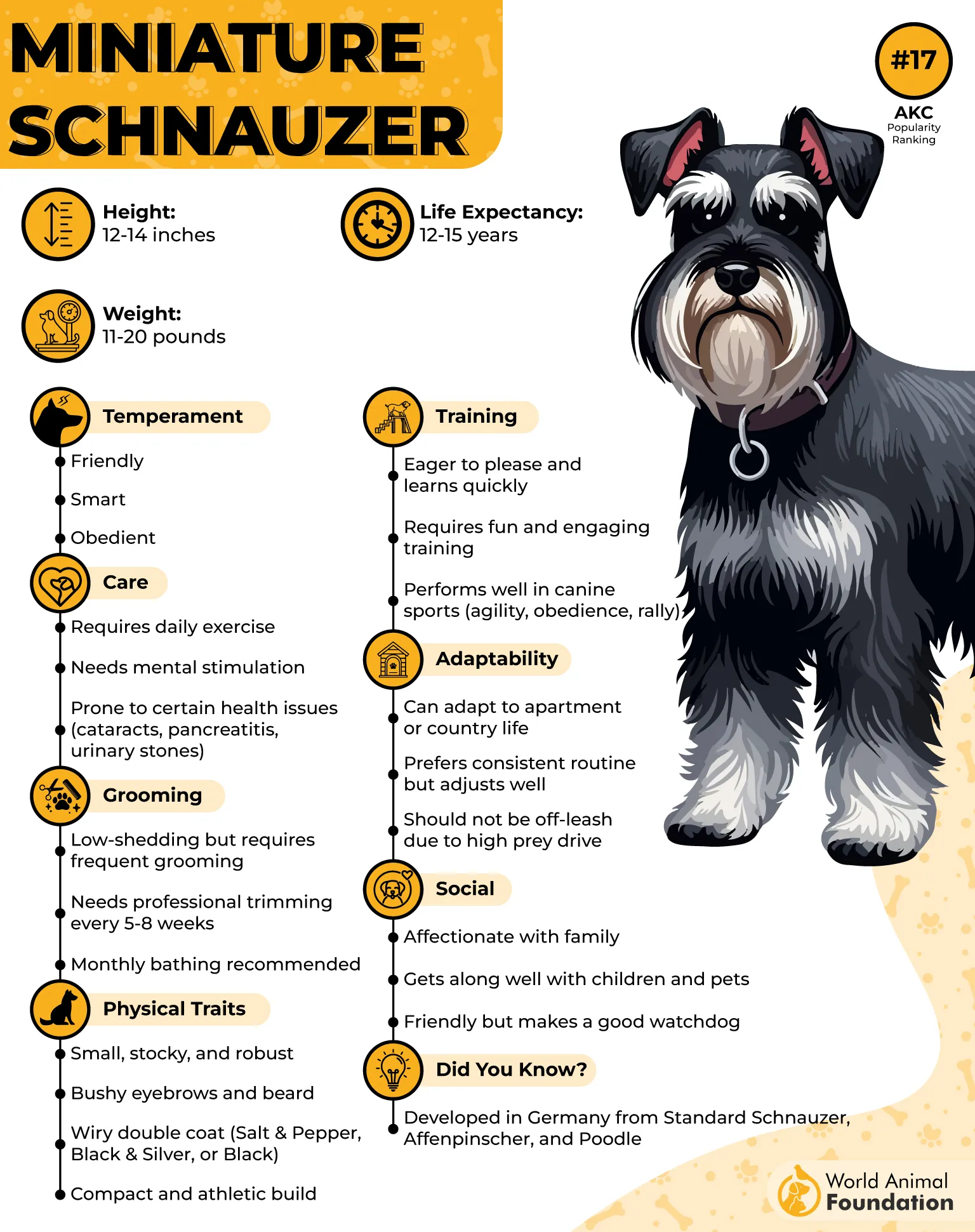
Those early working duties demanded fast decisions, which explains why Miniature Schnauzers respond so well to structured training today. They grasp new commands with fewer than five repetitions and remain engaged when lessons continue to challenge their minds.
A closer look explains why learning comes naturally:
Adapt well to apartments and rural spaces
Need supervised outdoor time
Enjoys varied training tasks
Mental Challenge Matters
Basic obedience is only the starting point for this breed, as it readily progresses to agility courses, lure chasing, barn hunts, and advanced tricks, as PetMD notes. Moreover, positive reinforcement keeps enthusiasm high while preventing boredom from turning into stubborn behavior.
Before You Choose This Breed Tap to reveal important considerations
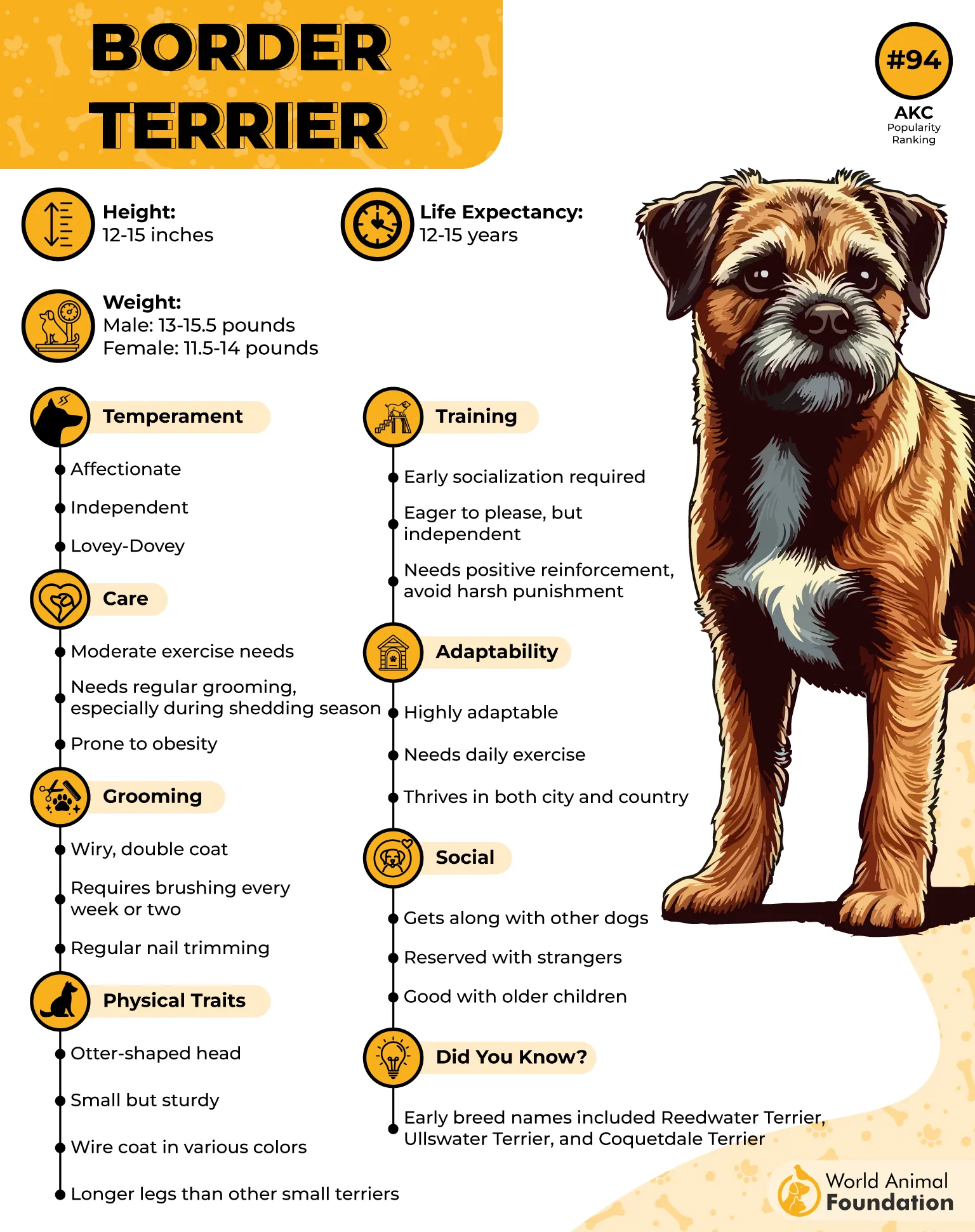
4. Border Terrier
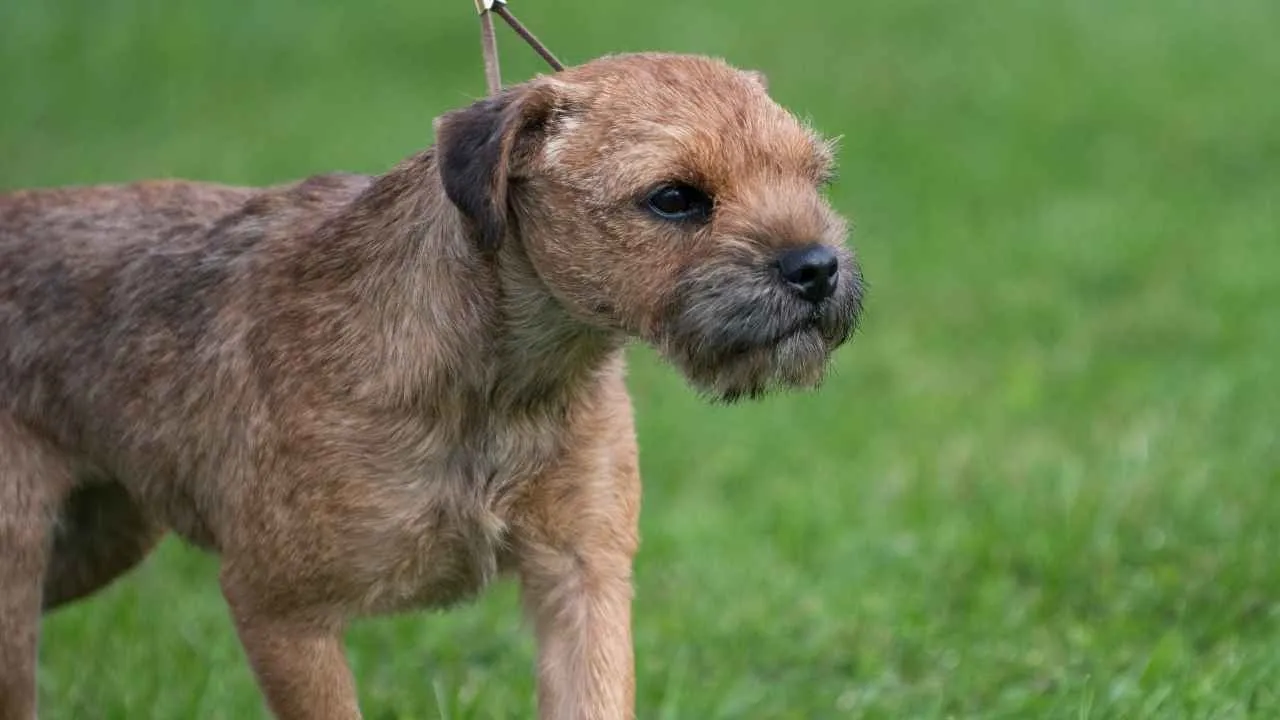
Border Terrier comes from the border region between Scotland and England, where small size played a role in pursuing foxes underground during hunting work.
Its build reflects agility and stamina shaped for tight spaces and rough ground. Over time, it became valued for both field usefulness and close human companionship.
Sharp Mind in Action
This terrier relies on quick thinking and independent decision-making during activity, which can make training both engaging and slightly unpredictable. Its intelligence responds well to consistent guidance, though stubborn moments often appear during learning.
These working and behavioral traits define its approach:
Strong problem-solving instinct
Fast response to training cues
High energy for active tasks
Social but Independent Nature
Border Terrier enjoys being around people without needing constant attention, creating a balanced household presence. It forms steady bonds but still keeps a self-directed attitude in daily situations. This mix of friendliness and independence shapes how it interacts at home.
Before You Choose This Breed Tap to reveal important considerations
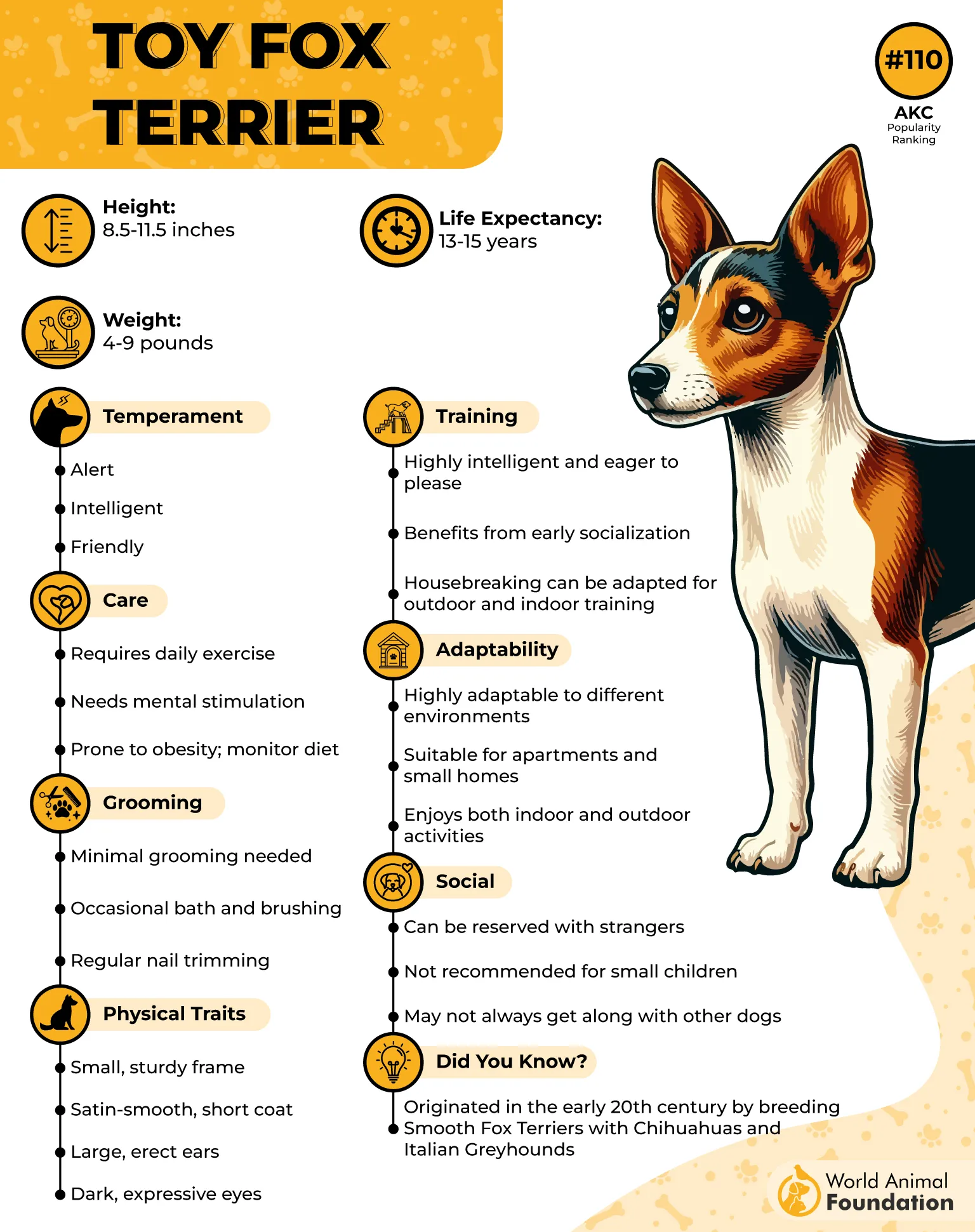
5. Toy Fox Terrier
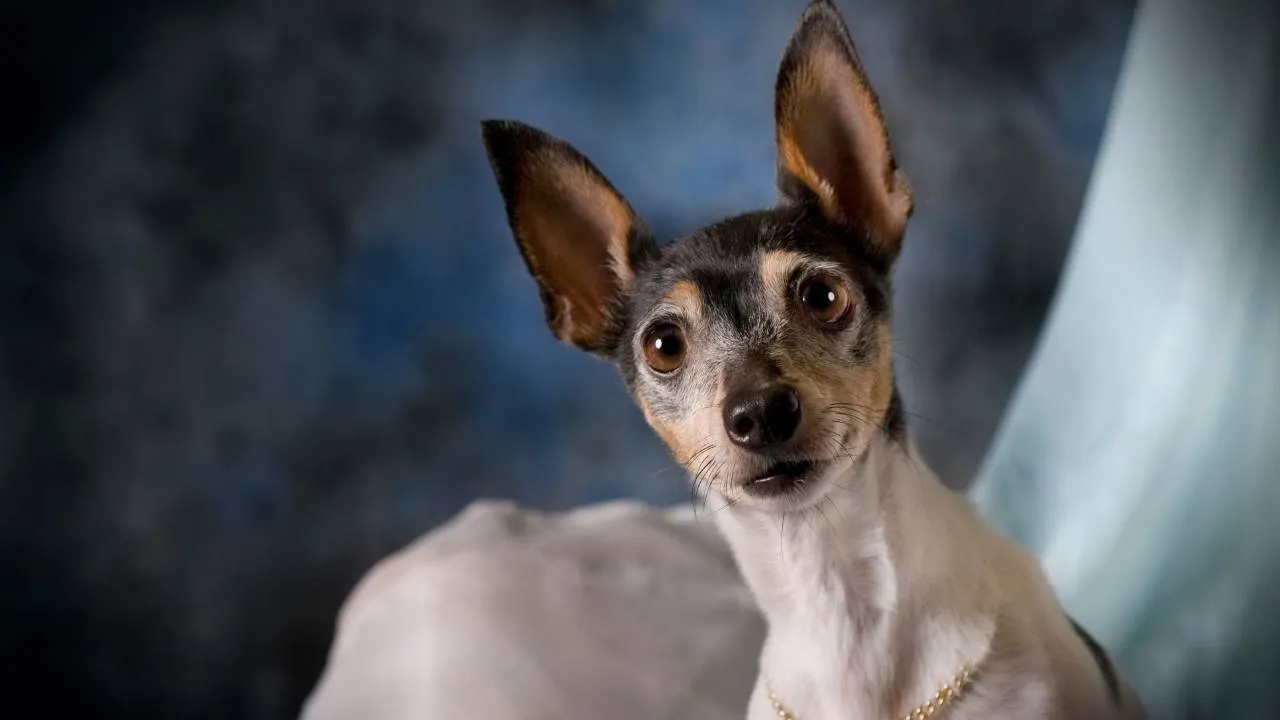
Toy Fox Terrier originated in England as a smaller descendant of the Smooth Fox Terrier, keeping the agility and quick reactions valued in its larger ancestor. Those working instincts remained part of the breed, giving this compact dog an alert and capable nature from the very beginning.
Quick Learner
Toy Fox Terrier responds rapidly to training because it is both intelligent and eager to engage with activities. Its independent nature means lessons work best when they stay short, varied, and rewarding.
That learning style becomes easier to understand through these qualities:
Learns cues quickly
Enjoys clicker training
Responds to positive rewards
Keeping the Mind Engaged
High energy pairs naturally with sharp intelligence, making regular activities just as valuable as formal training. Nose work, puzzle toys, agility, obedience exercises, and games help channel focus while preventing boredom from repetitive routines.
Before You Choose This Breed Tap to reveal important considerations
6. Australian Terrier
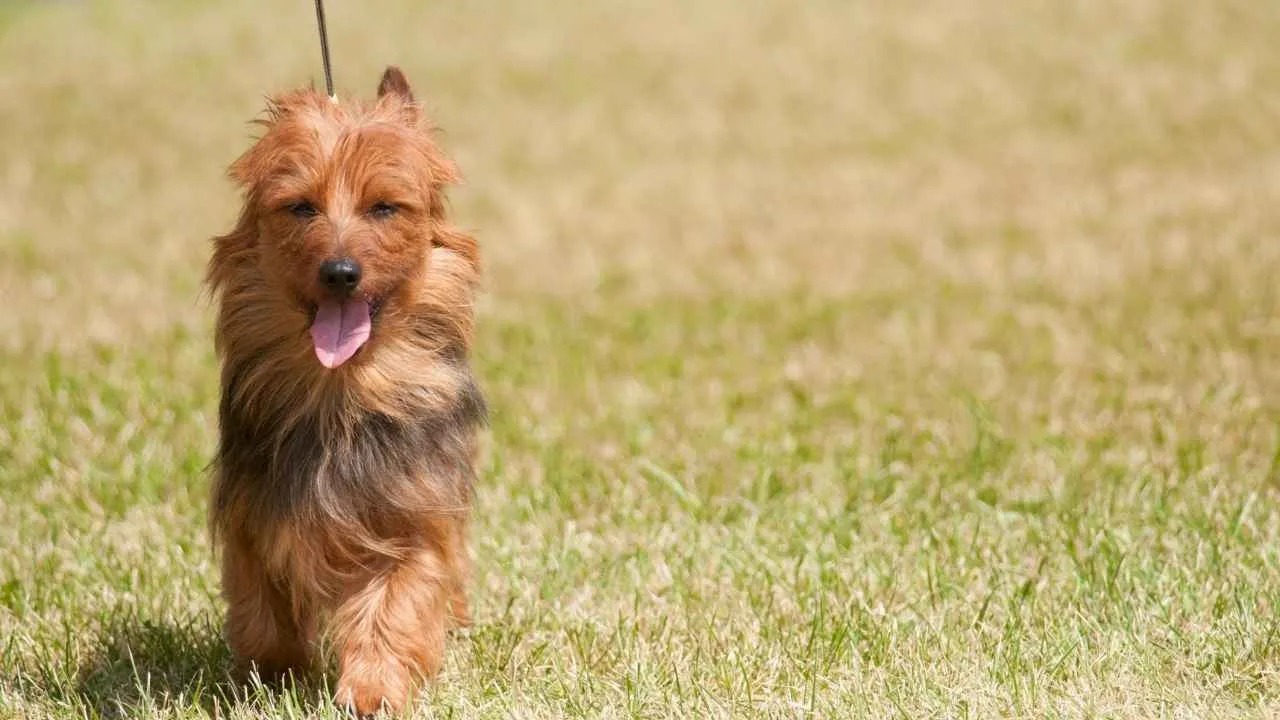
Australian Terrier was created in Australia during the 1800s by combining several small English terriers for practical farm work. Its original purpose was to help ranchers and farmers control rodents and other pests. That working foundation shaped a confident and energetic little dog from the beginning.
Quick to Learn
Australian Terrier responds especially well when training is interactive, like a game instead of a simple daily routine. Its intelligence and lively attitude make learning sessions productive with positive reinforcement.
These qualities are easy to notice during training:
Enjoys daily walk and playtime
Responds well to rewards
Excels in obedience and rally
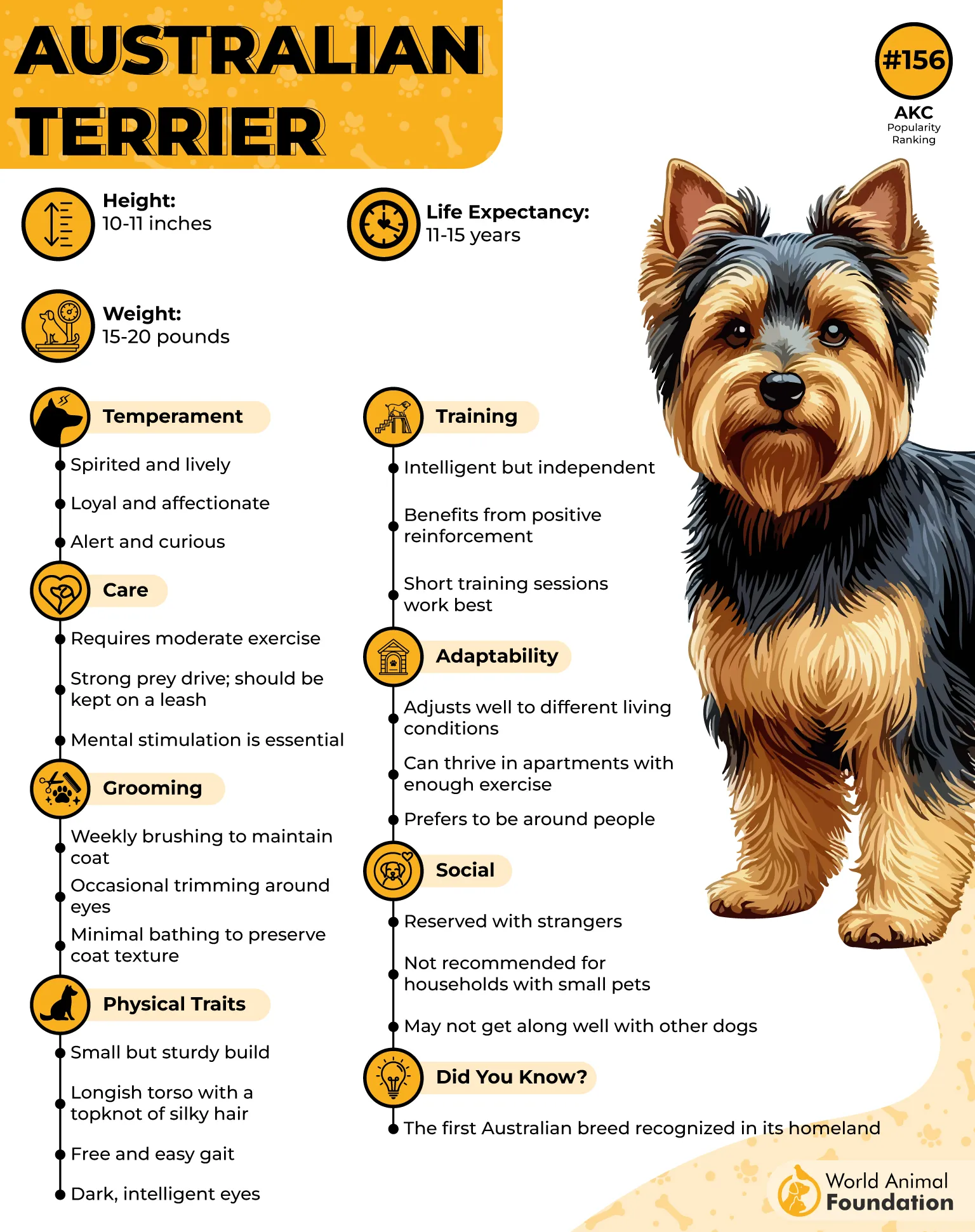
Confidence Through Guidance
They benefit from early socialization to become comfortable in unfamiliar places and situations. Building those experiences from puppyhood supports its naturally confident temperament. This preparation helps the breed approach new environments with greater ease.
Before You Choose This Breed Tap to reveal important considerations
7. Yorkshire Terrier
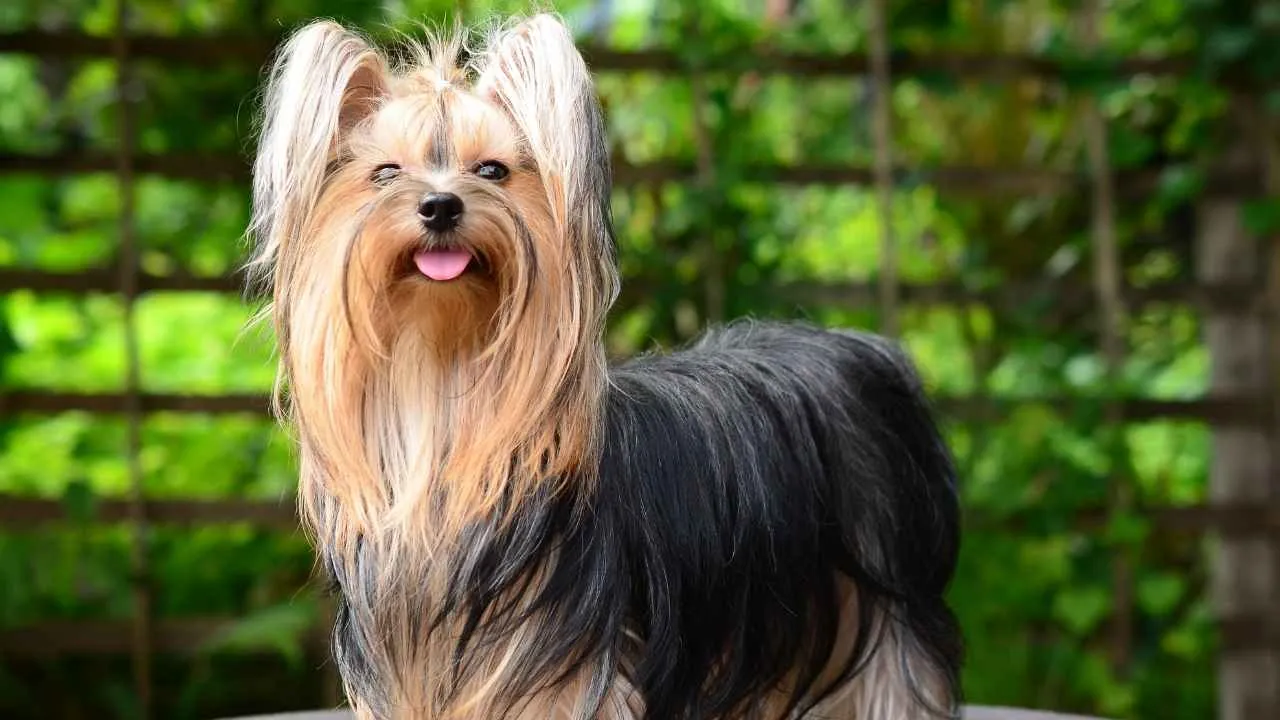
Yorkshire Terrier started in textile mills where it worked alongside Scottish weavers who had settled in England in the mid-1800s, chasing rodents through tight workspaces. That determined working spirit still appears beneath its tiny size, giving the breed far more confidence than its appearance suggests.
Learning Style
Yorkies respond best when training feels rewarding rather than repetitive. Its intelligence is clear, but an independent streak means short, upbeat sessions with praise and appealing treats produce better results.
Small adjustments make a noticeable difference:
Excels in agility and fetching sessions
Curious to reinforce their learning behavior
Tasty treats improve motivation
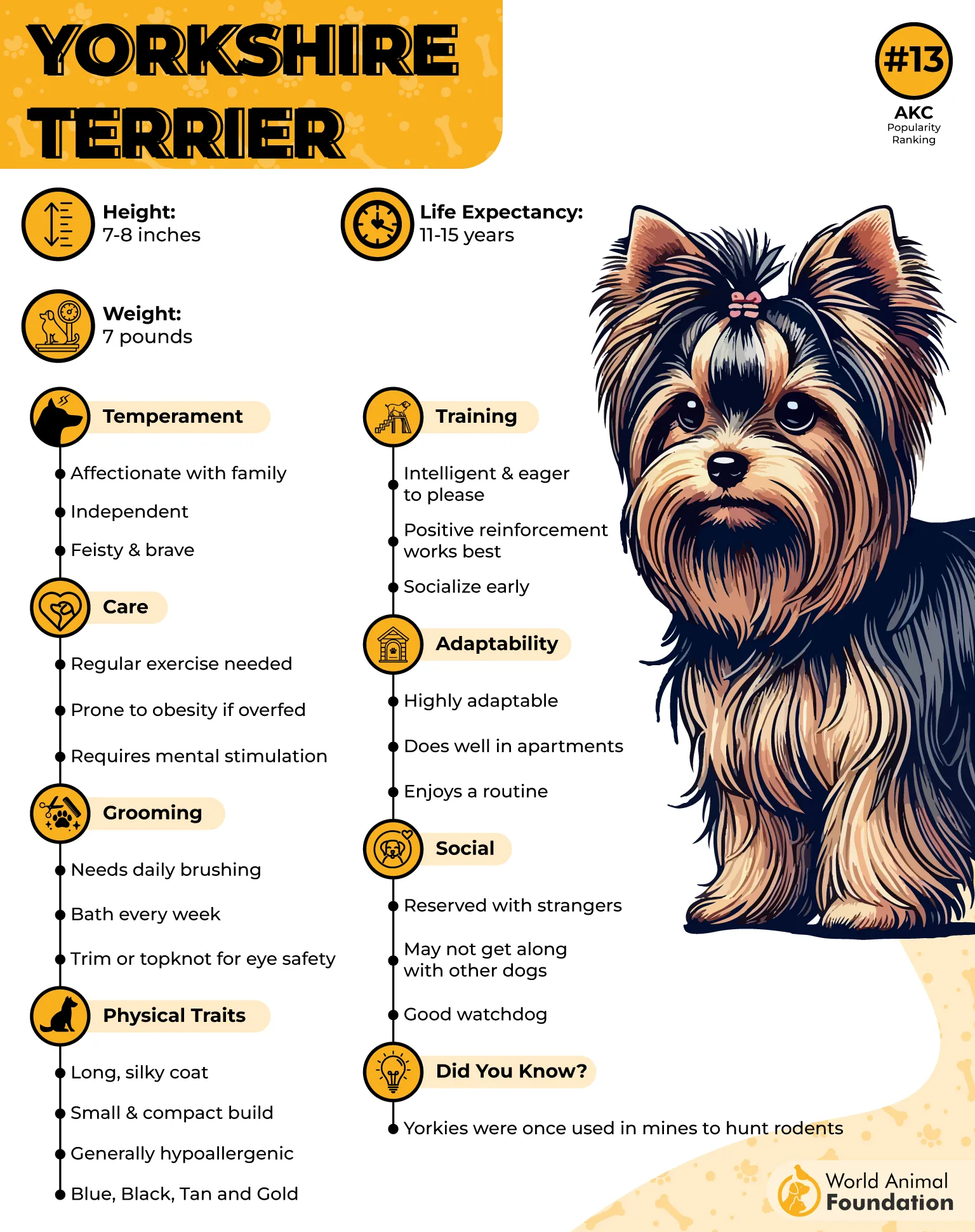
Confidence Through Socialization
Yorkshire Terriers are typically affectionate with family and welcoming toward strangers, though each dog has its own personality. Early socialization encourages confident behavior around children, other pets, and unfamiliar situations while supporting better responses during training.
Before You Choose This Breed Tap to reveal important considerations
8. Schipperke
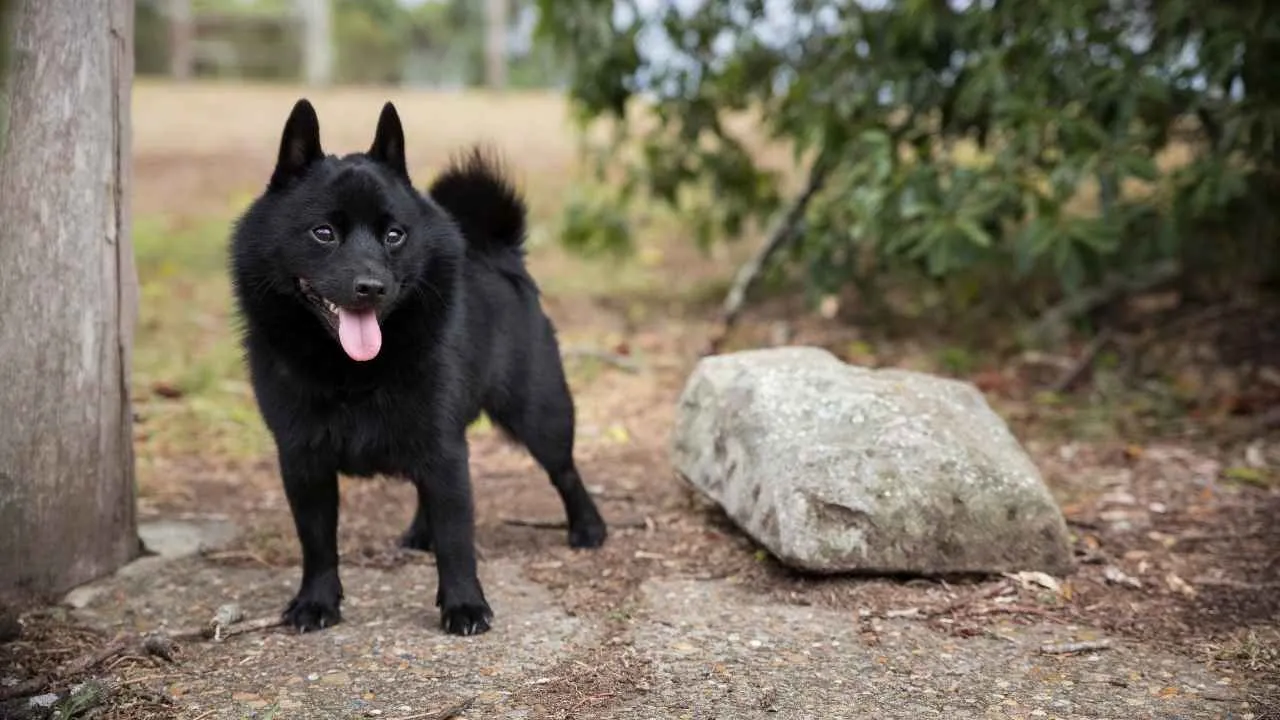
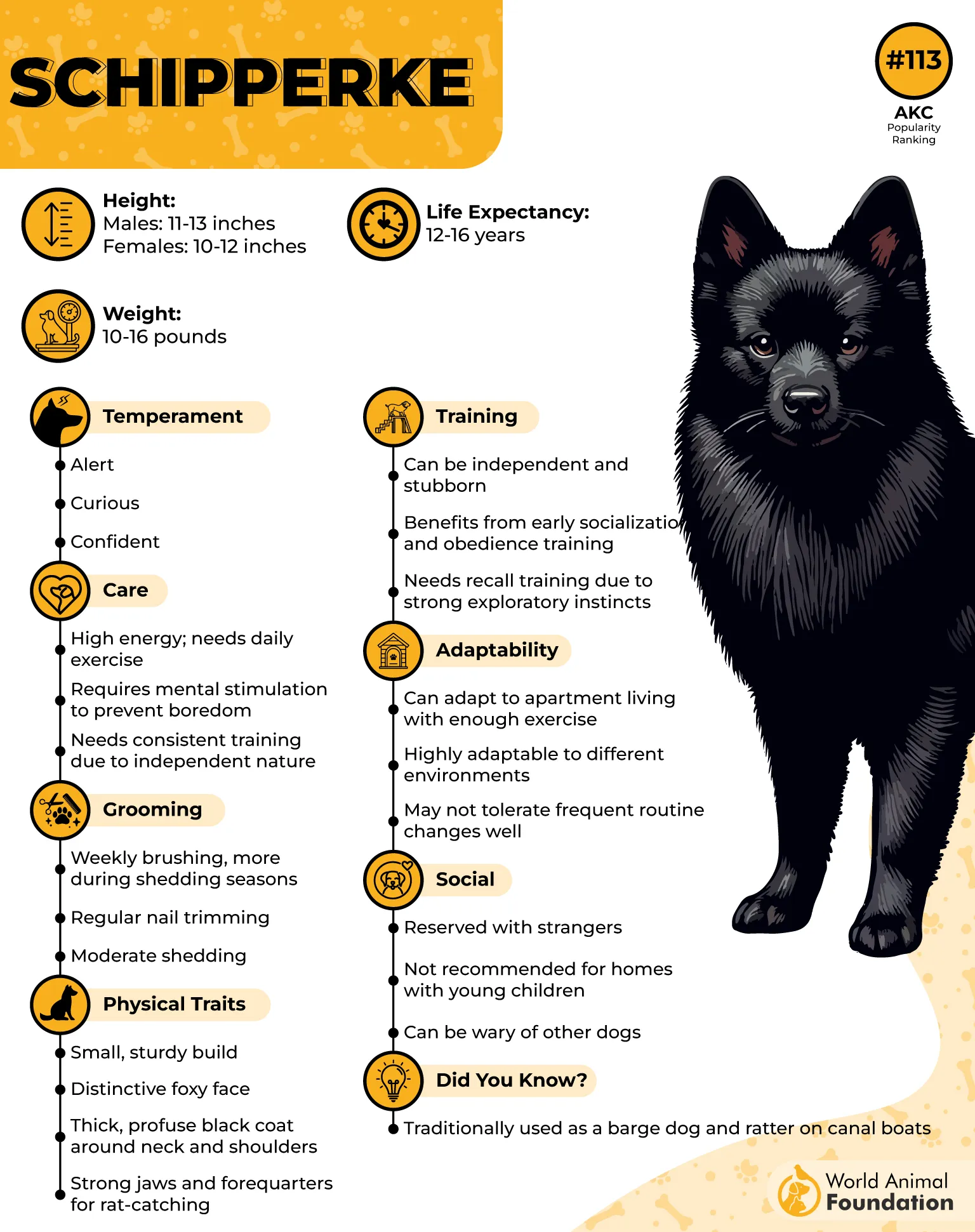
Schipperke carries a legacy tied to 1600s Belgium, where it served on barges as a small watchdog and skilled rodent hunter. Its alert nature and compact build made it valuable in tight working spaces. The name reflects this role, meaning “little captain” in Flemish.
Sharp but Independent Worker
They approach training with intelligence but also a strong, independent streak that can challenge routine repetition. Engagement improves when tasks feel varied and mentally active. Structured guidance helps channel its energy into focused learning.
A few working patterns shape its response:
High interest in problem-solving games
Strong prey-driven focus outdoors
Require outdoor supervision and secure spaces
Active and Mentally Driven
Schipperke requires consistent mental and physical outlets to prevent boredom from turning into unwanted behaviors. Activities like scent games and agility-style tasks match its natural drive for action. It stays most balanced when both body and mind are engaged regularly.
Before You Choose This Breed Tap to reveal important considerations
9. Havanese
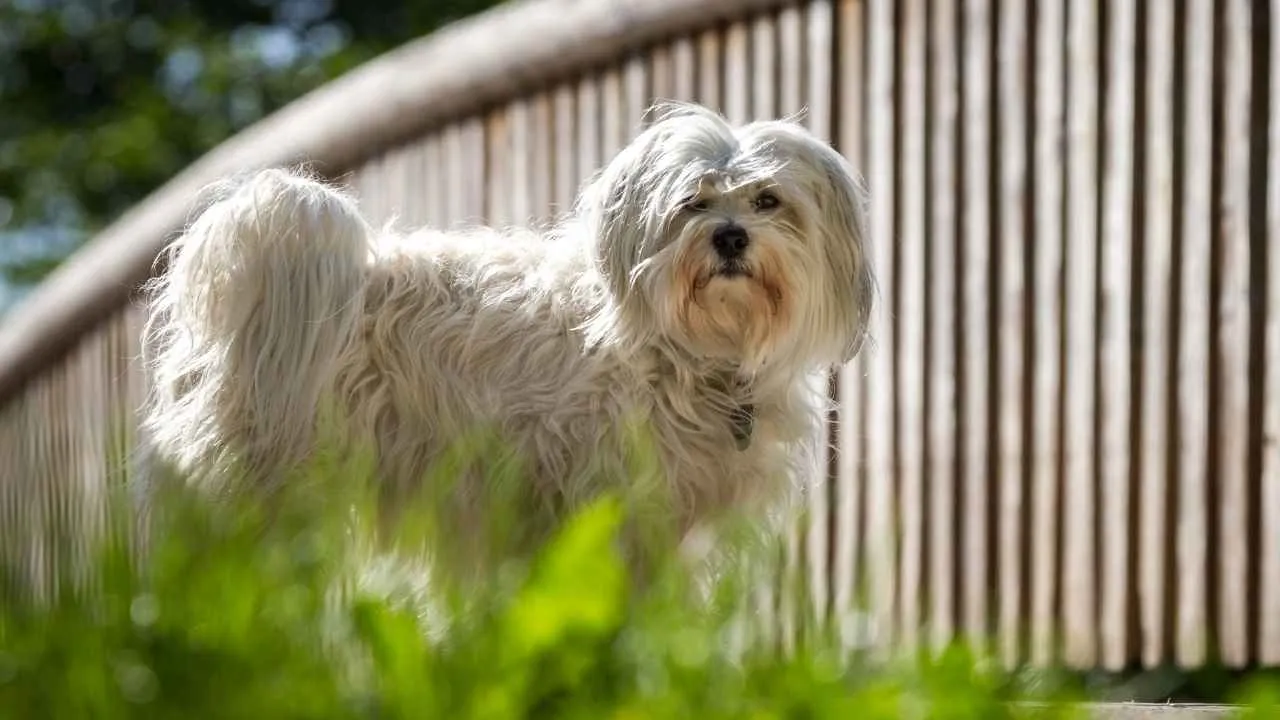
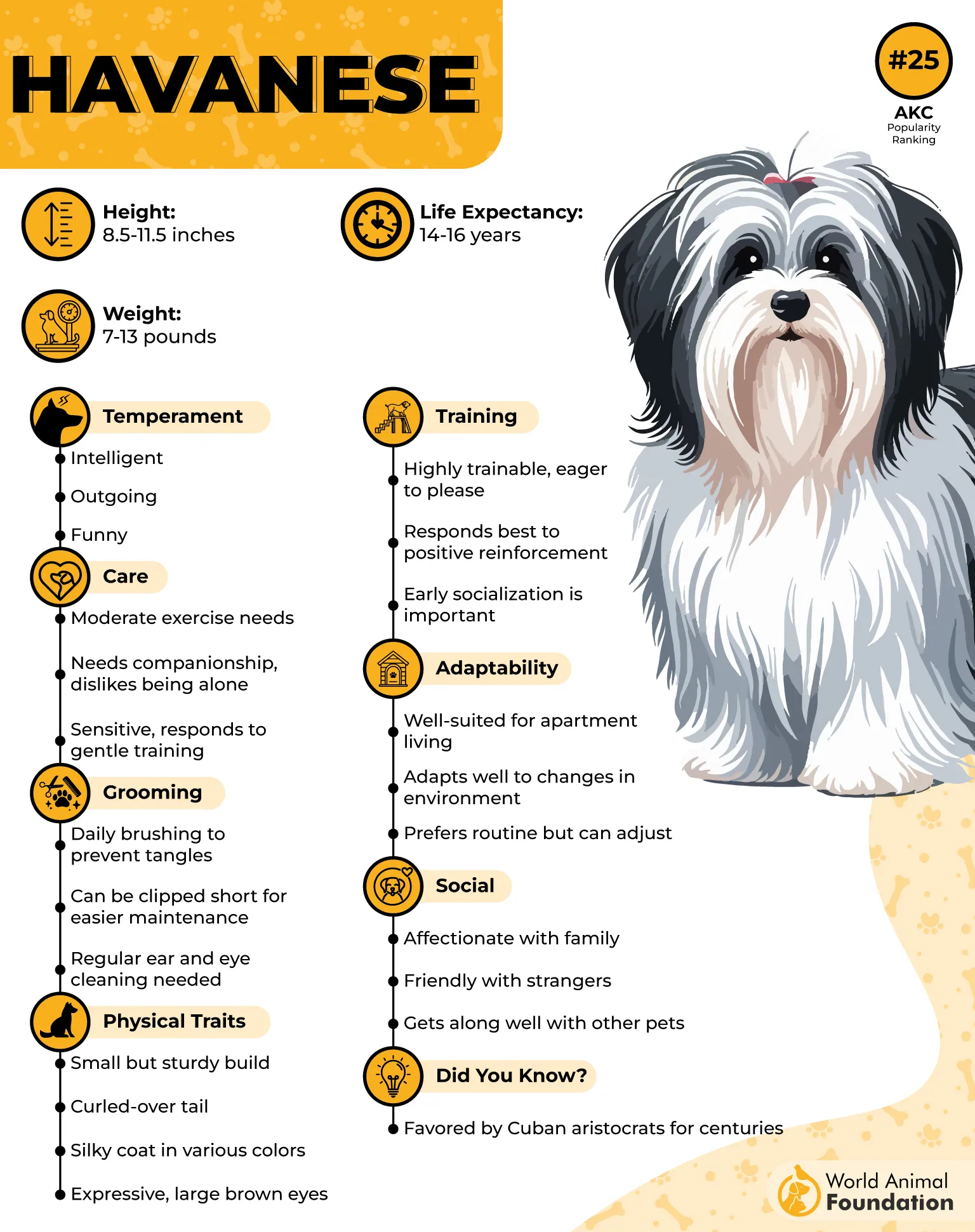
Havanese is the only dog breed native to Cuba, known for an energetic and lively presence within the Barbichon family.
Its small frame is paired with a bright, expressive nature that responds quickly to interaction. Strong emotional awareness plays a key role in how it connects with people.
Quick Learning Style
This little dog adapts rapidly during training sessions, especially when methods are based on positive reinforcement and interactive games. Its intelligence supports fast understanding of new cues, while consistent engagement keeps focus steady.
A few traits shape its learning approach:
Benefits from short walks and play sessions
Likes to stay stimulated with puzzle-based activities
Strong emotional sensitivity
Social and Engaging Nature
Havanese interact easily with people and adjust well when introduced early to different environments and companions. Its playful behavior often shows through short bursts of activity followed by calm companionship moments. Structured social exposure helps shape balanced behavior.
Before You Choose This Breed Tap to reveal important considerations
Conclusion
Training success often depends on more than patience alone. A dog that enjoys learning, remembers lessons, and stays engaged can transform the entire experience. The breeds featured here demonstrate how intelligence, focus, and responsiveness work together to create smoother communication between owner and companion.
Some thrive on solving problems, while others excel through cooperation and eagerness to please. Although each approaches learning differently, they share a natural ability to adapt and understand expectations quickly. With proper guidance, consistency, and mental engagement, these small companions prove that impressive training ability is never determined by size alone.
