




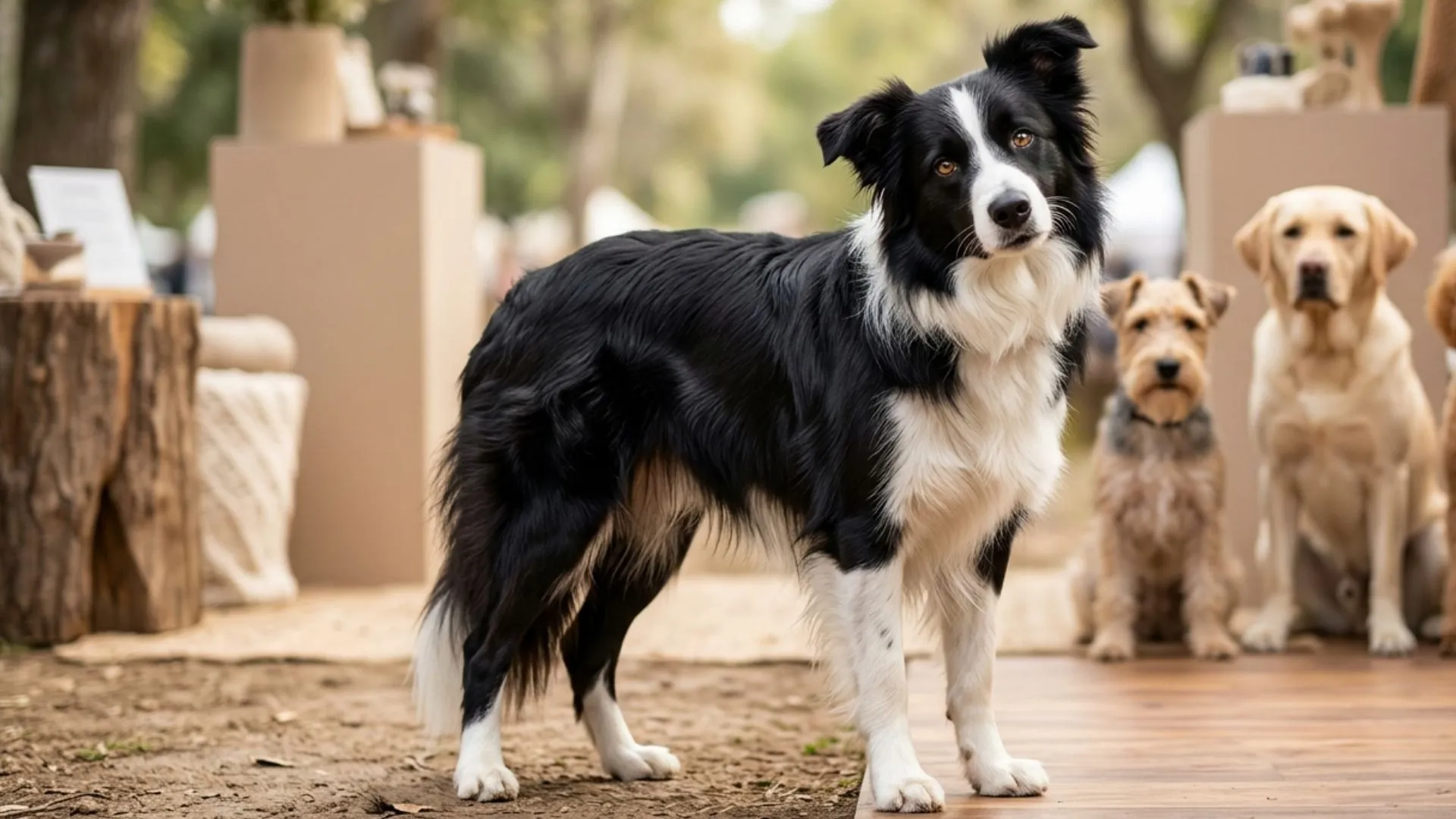
Some dogs turn heads because they’re fast. Others become famous because they’re brilliant, goofy, or incredibly loyal. But then there are the pups whose coats are so stunning that they could easily steal the spotlight at a fashion show. From mesmerizing merle patterns and dramatic spots to silky flowing locks and fluffy clouds of fur, these breeds prove that Mother Nature absolutely cooked.
Whether you’re obsessed with rainbow-like color combinations, elegant feathering, or eye-catching textures, there’s a dog on this list that will make you stop scrolling and say, “Wait… that’s a REAL dog?” Genetics, selective breeding, and centuries of history have produced coats that are as functional as they are gorgeous, protecting dogs from harsh climates while making them unforgettable.
Of course, great hair comes with great responsibility. Many of these breeds require regular brushing, seasonal maintenance, and proper nutrition to keep their coats healthy and vibrant. But ask any devoted owner, and they’ll tell you the extra grooming sessions are completely worth it.
Let’s dive into the top dog breeds showcasing stunning coat variety.
Top dog breeds showcasing stunning coat variety
1. Australian Shepherd
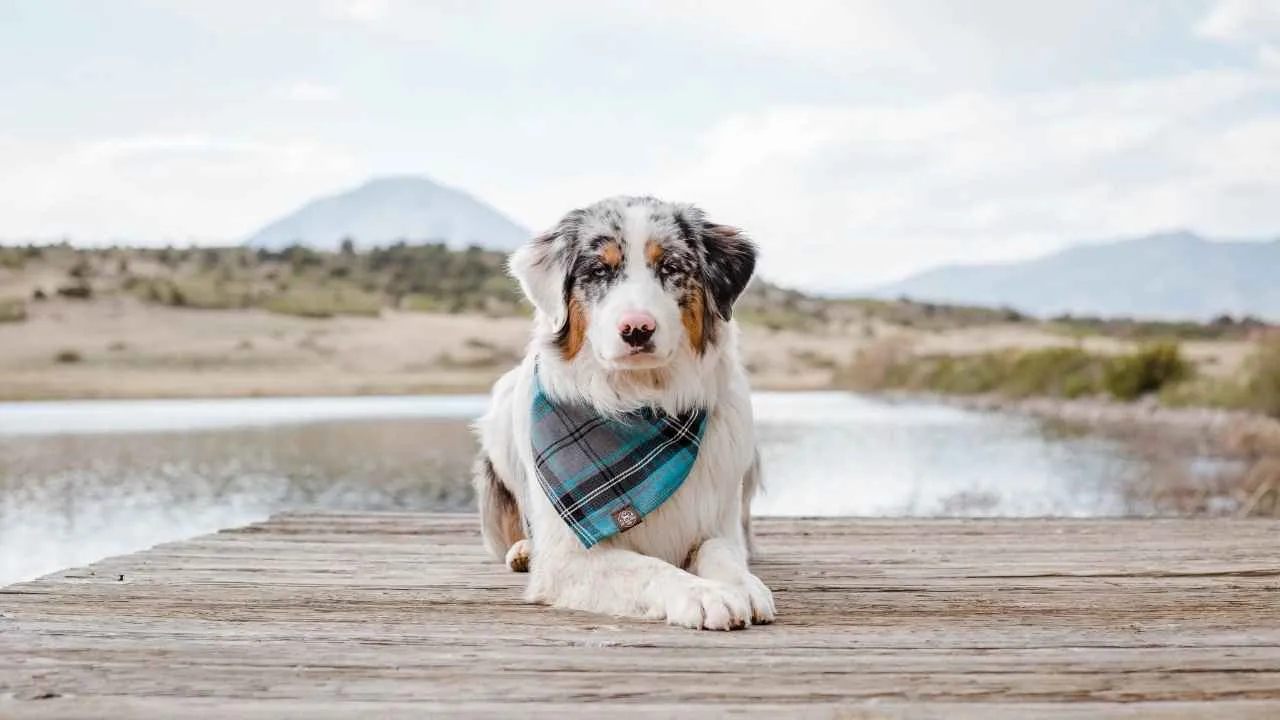
Australian Shepherds are walking masterpieces when it comes to coat variety. Their striking combinations of blue merle, red merle, solid black, and rich red create an almost endless number of unique appearances, with no two merles looking exactly alike.
Add dazzling blue eyes or even heterochromia into the mix, and they become absolute showstoppers.
Beyond their beauty, the Aussies’ double coat serves a practical purpose. It insulates them against both hot and cold weather by trapping air close to their bodies, making them highly adaptable working dogs. Experts generally advise against shaving the coat because doing so can interfere with this natural temperature regulation.
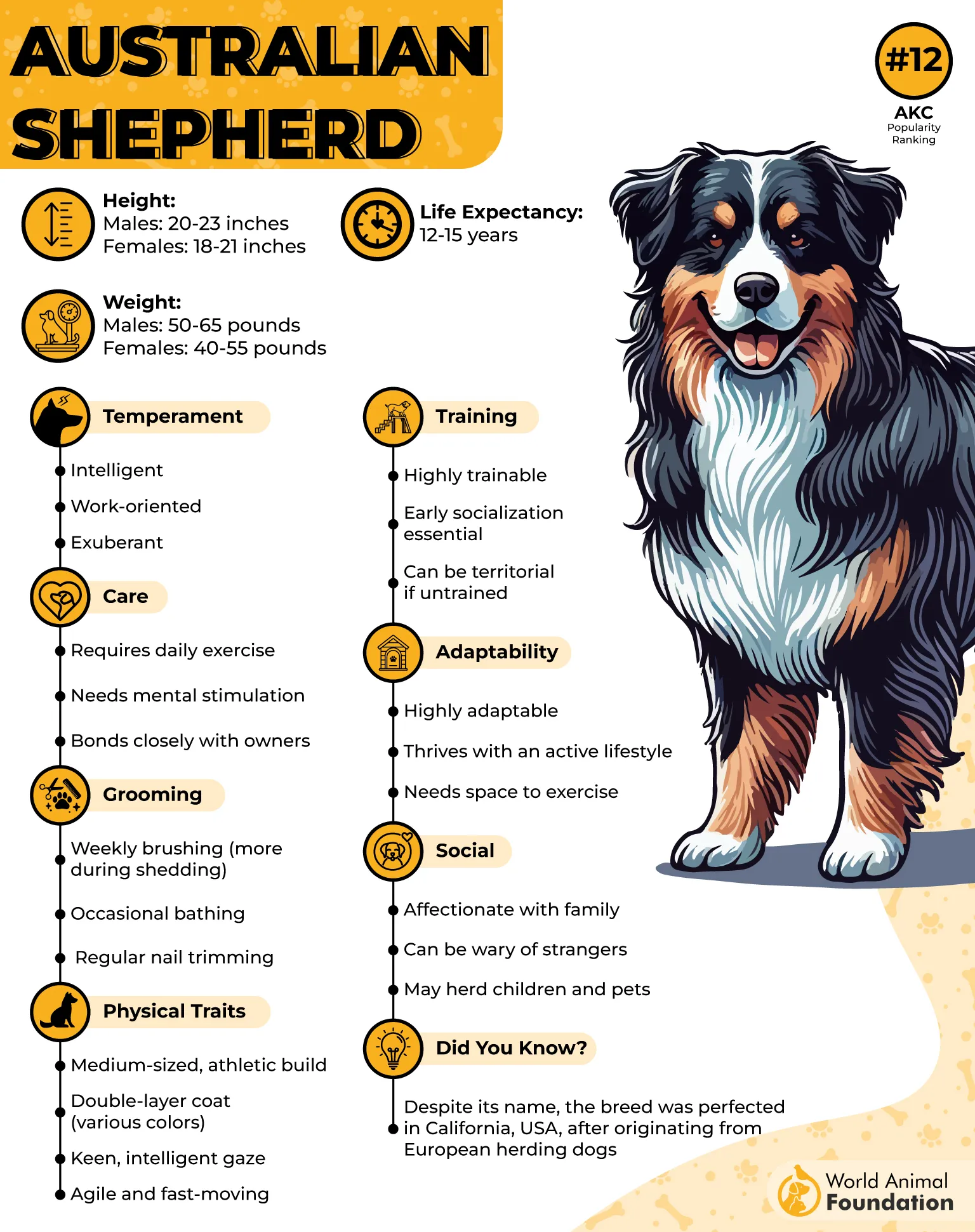
Their medium-length fur requires consistent maintenance, especially during seasonal shedding periods. Weekly brushing helps remove loose undercoat while preventing tangles around the neck, legs, and tail. Owners of agility or herding breeds often brush even more frequently due to dirt and debris picked up during outdoor adventures.
These shepherd dogs were bred to work livestock all day, so their coats evolved for endurance rather than appearance alone. Water-resistant guard hairs protect them from rain while the dense undercoat provides insulation during colder months.
2. Afghan Hound
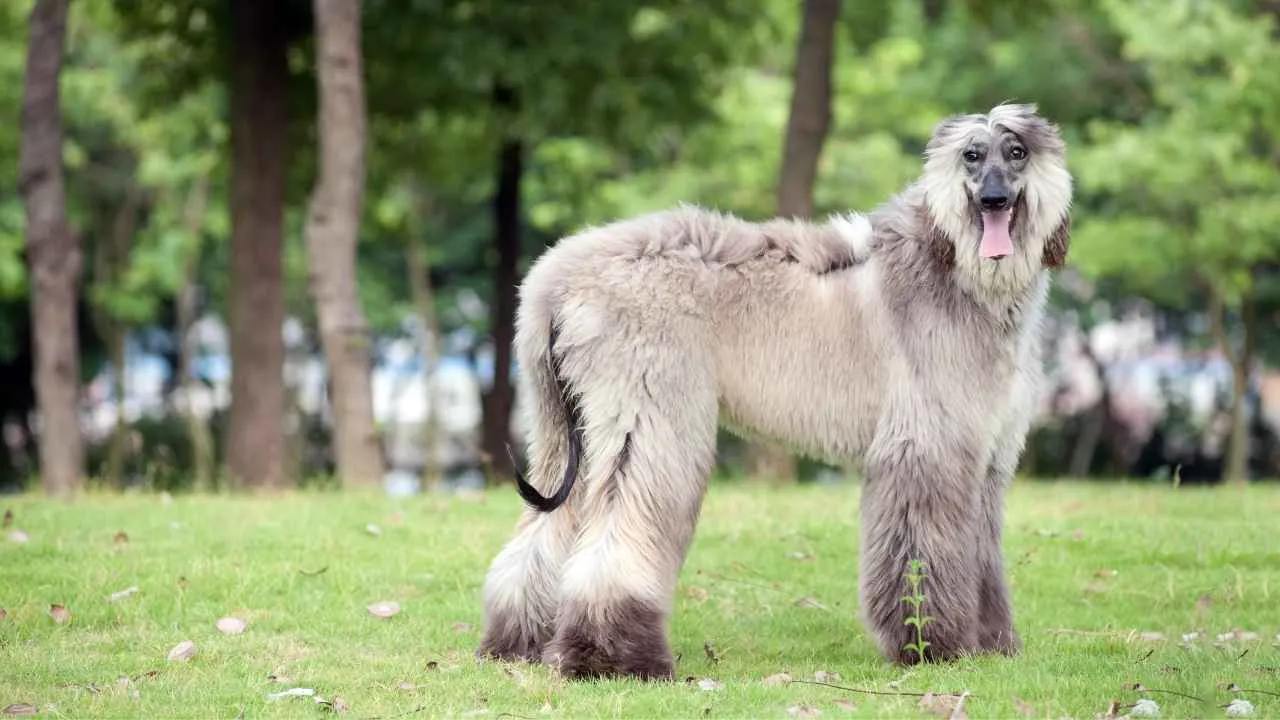
The Afghan Hound wears one of the most luxurious coats in the canine kingdom. Long, silky strands flow across nearly its entire body, giving the breed an unmistakably elegant appearance, like a supermodel strutting down a runway.
They come in an impressive palette of colors, including black, cream, silver, blue, red, brindle, and white. Certain patterns, like domino markings, create particularly eye-catching facial masks that enthusiasts prize for their rarity.
Regional ancestry historically influenced coat density and coloration as dogs adapted to different Afghan terrains.
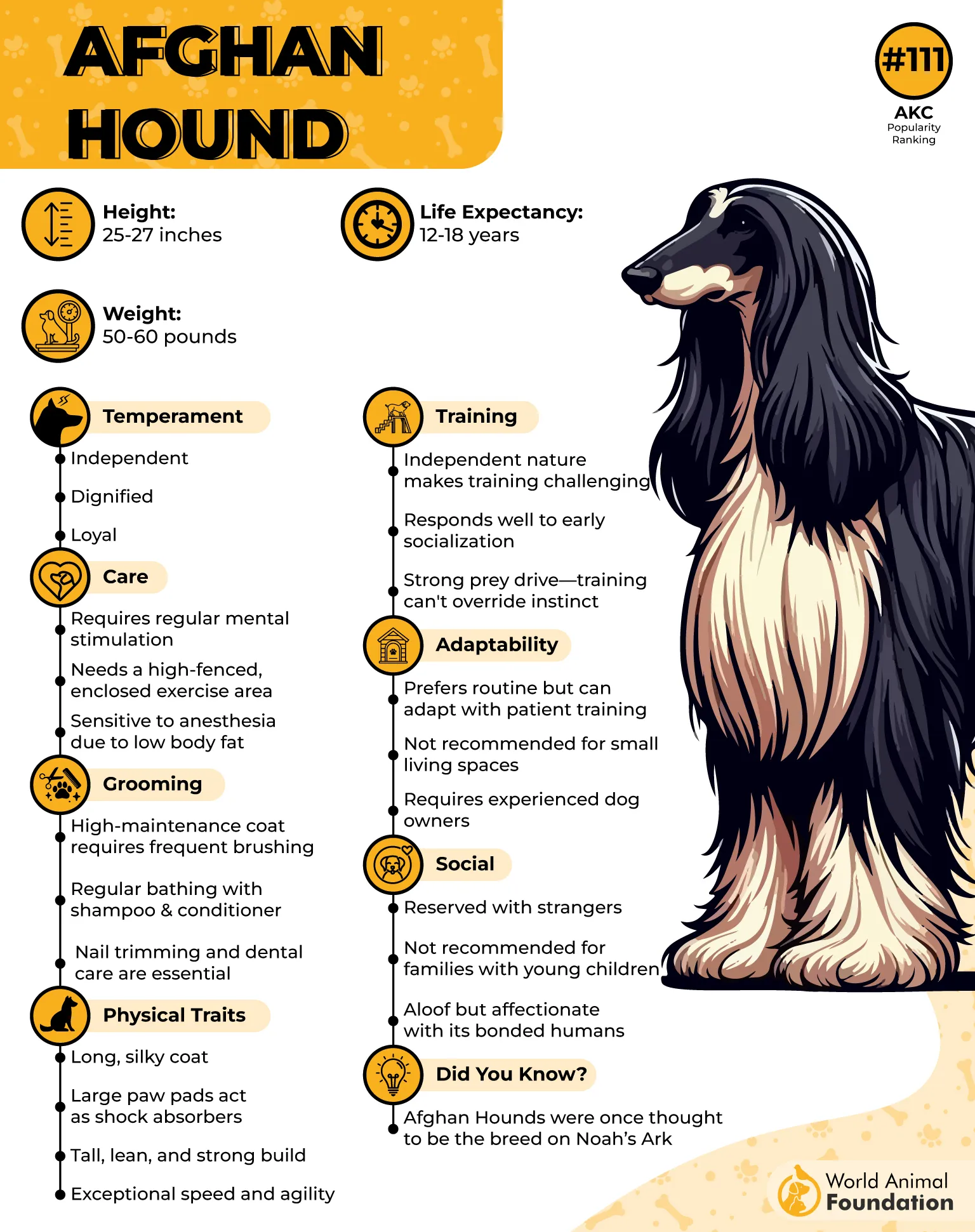
Maintaining such beauty requires dedication and patience. Most owners brush several times each week to prevent mats while preserving the coat’s silky texture. Although grooming is time-consuming, many enthusiasts describe it as a bonding ritual rather than a chore.
Interestingly, these hound dogs shed relatively little despite all their hair. Their fine coat traps much of the loose dander, making them a surprisingly manageable option for households concerned about excessive shedding. They still require regular maintenance, but flying tumbleweeds of fur around the house are less common than many people expect.
3. Siberian Husky
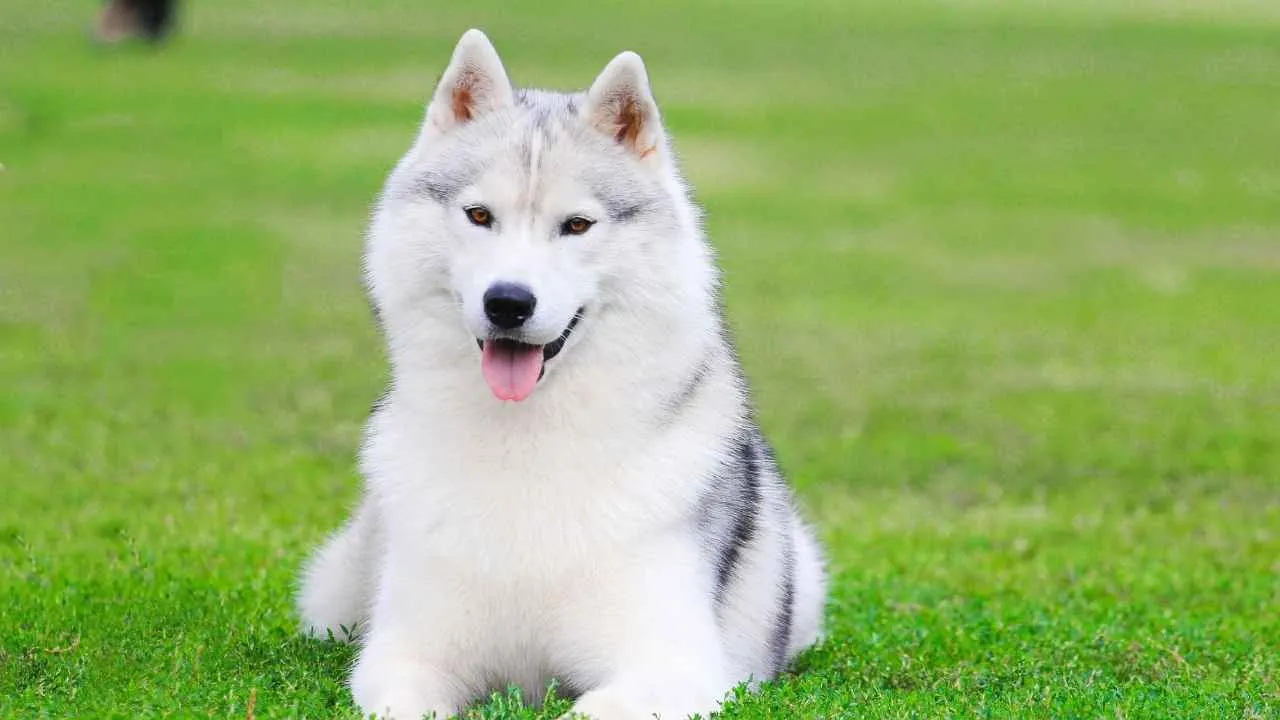
Siberian Husky’s thick fur comes in combinations of black, gray, red, sable, agouti, and pure white, often paired with dramatic facial masks and icy blue, brown, or even bi-colored eyes. If dogs had fashion week, this beautiful dog breed would definitely close the show.
Their legendary thick coat wasn’t designed for aesthetics alone. Developed by the Chukchi people of northeastern Asia, Huskies evolved to survive temperatures that can plunge below -50°C, using a dense insulating undercoat and weather-resistant guard hairs to stay comfortable.
That same coat also reflects heat during warmer months, says PetMD, proving nature engineered them with remarkable efficiency. It is definitely one of the most beautiful dog breeds in the world.
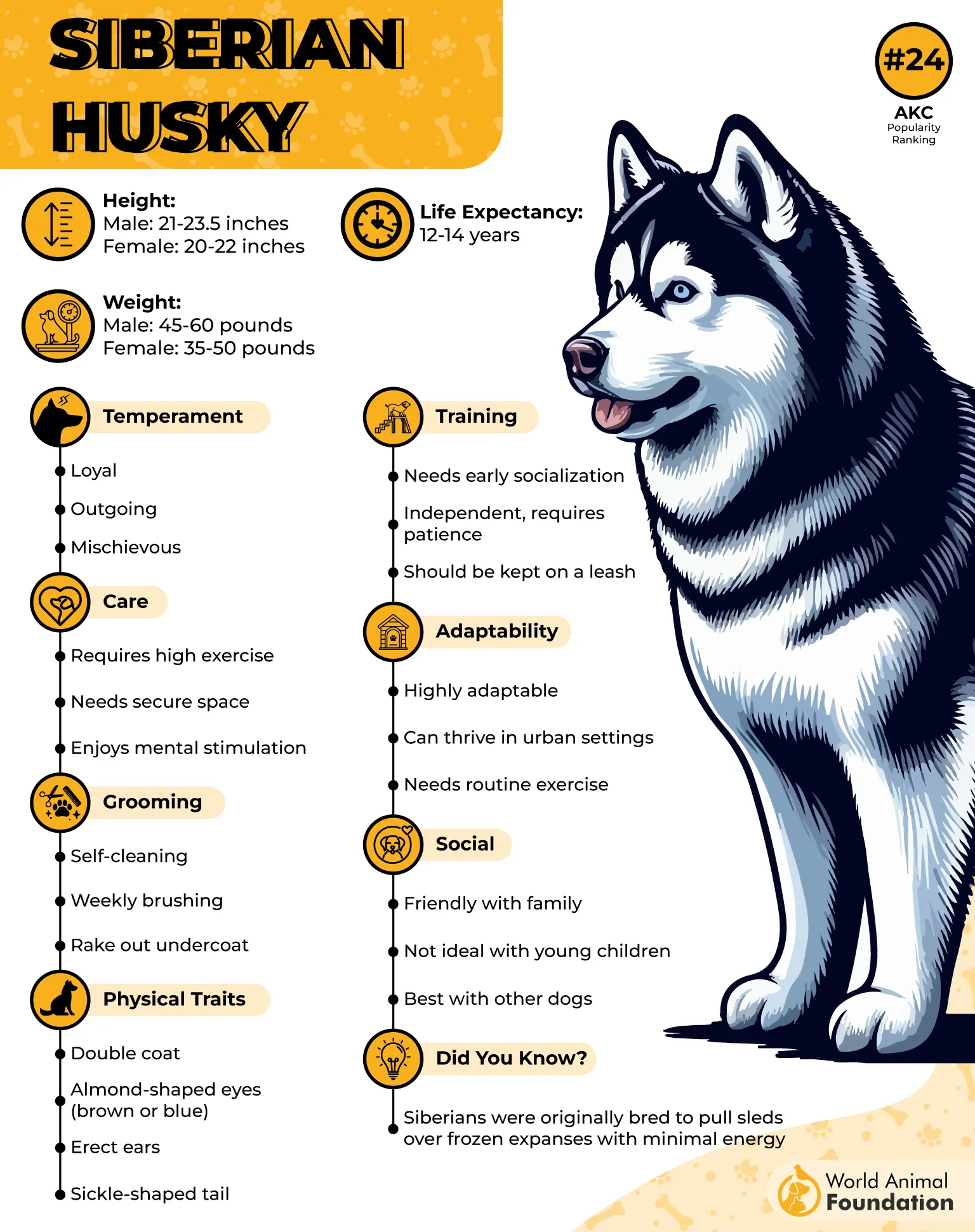
One of the coolest facts about them is the incredible range of coat genetics they display. Black-and-white remains the classic look, but copper-red, chocolate-brown, wolf gray, sable, and even rare agouti patterns create stunning diversity within the breed.
Despite all that fluff, they are surprisingly low-maintenance when it comes to bathing. Their self-cleaning coat naturally repels dirt and odors, meaning many only need a few baths each year, though heavy seasonal shedding requires dedicated brushing sessions.
During “coat blowing” season, social media is flooded with owners collecting enough fur to build another dog practically.
4. Saluki
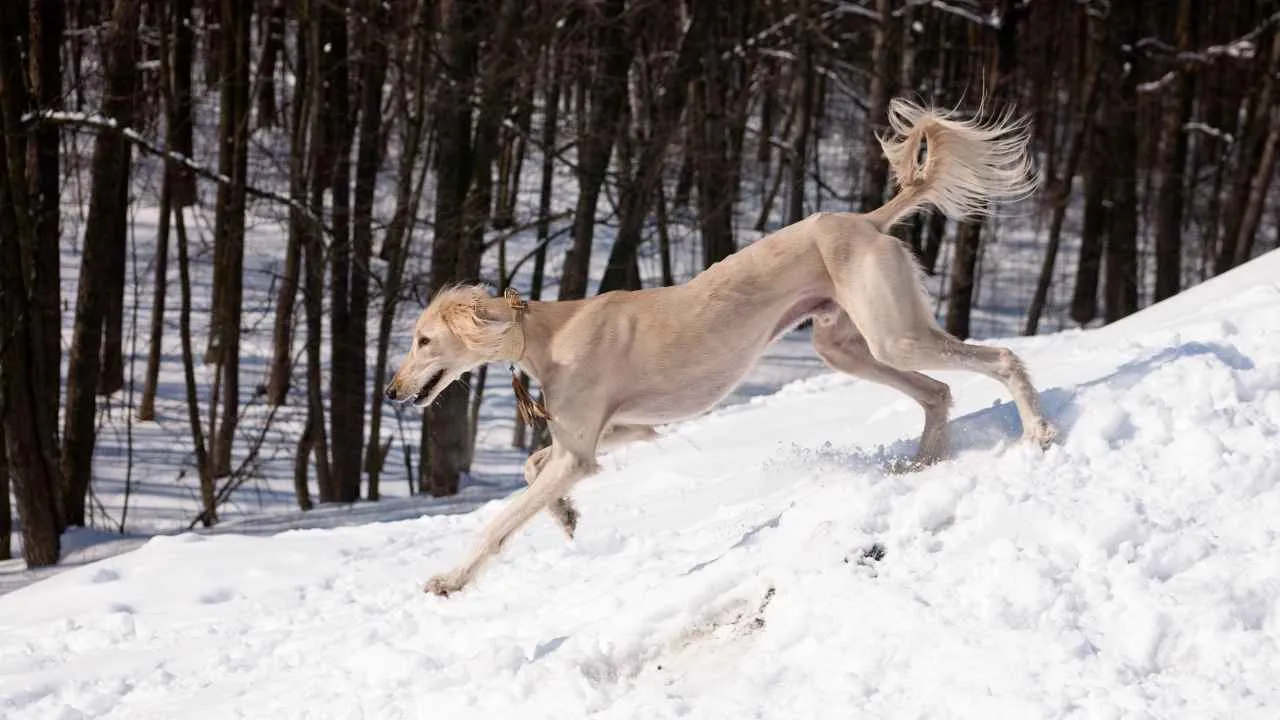
One of the oldest dogs in the world, according to the AKC, the Saluki wears elegance like royalty, featuring a silky coat that flows with effortless grace. Feathered varieties display long hair on the ears, legs, and tail, while smooth-coated individuals showcase sleek athletic lines that highlight the breed’s incredible speed. Both versions are equally mesmerizing.
Coat colors span cream, fawn, white, red, grizzle, black-and-tan, golden, and striking tricolor combinations. This incredible palette gives breeders and enthusiasts enormous diversity while preserving the breed’s refined appearance.
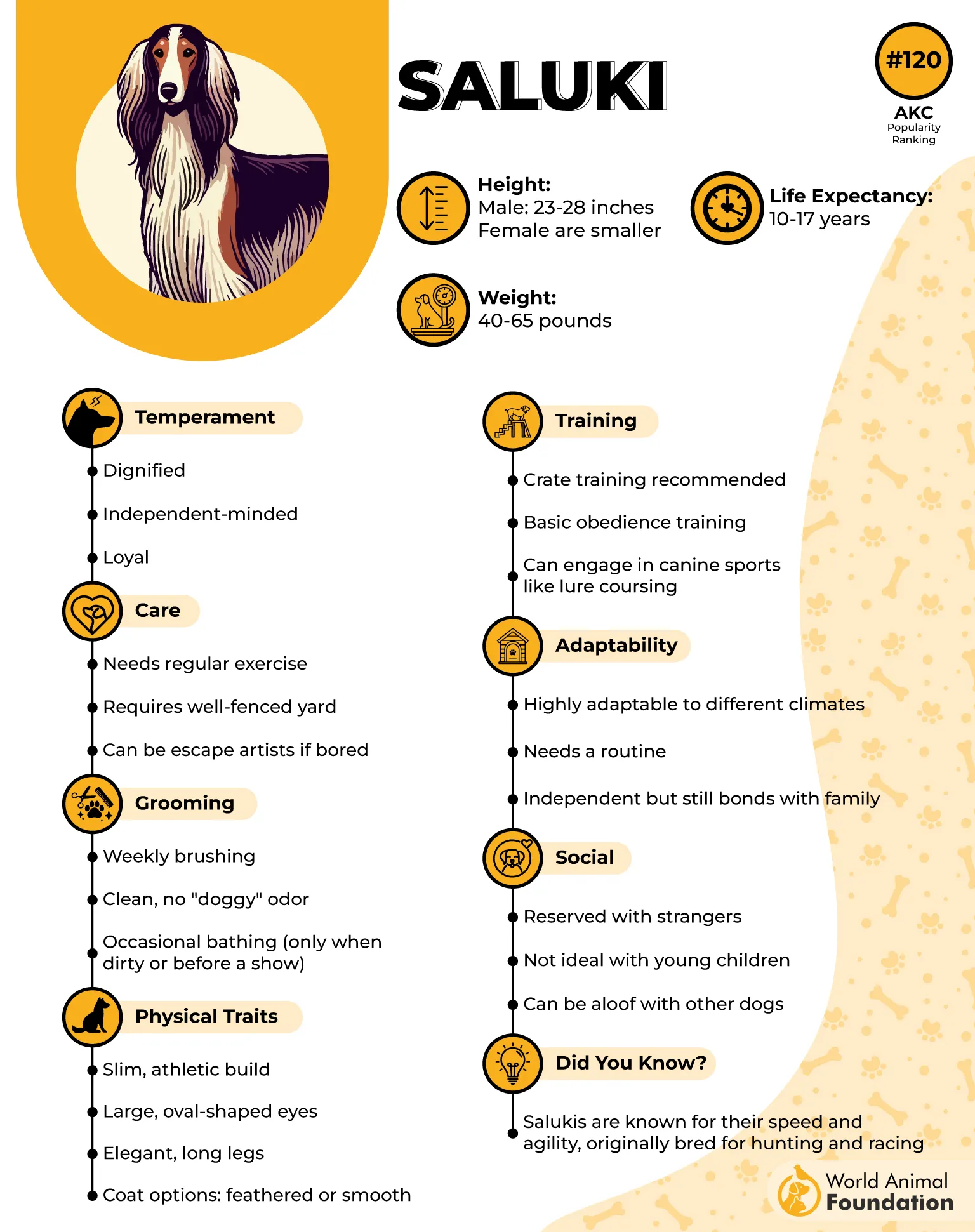
Unlike many glamorous breeds, Salukis don’t require endless grooming marathons. Weekly brushing usually keeps their silky coat looking pristine, although feathered individuals benefit from extra attention around ears and tail to prevent tangles. Their naturally clean skin also means they rarely develop strong dog odors.
The breed’s appearance has changed very little over thousands of years, with archaeological evidence suggesting Saluki-like dogs accompanied ancient civilizations throughout the Middle East.
Historians often refer to them as one of humanity’s oldest domesticated hunting companions. Their graceful physique and luxurious coat remain symbols of endurance and refinement.
5. Border Collie
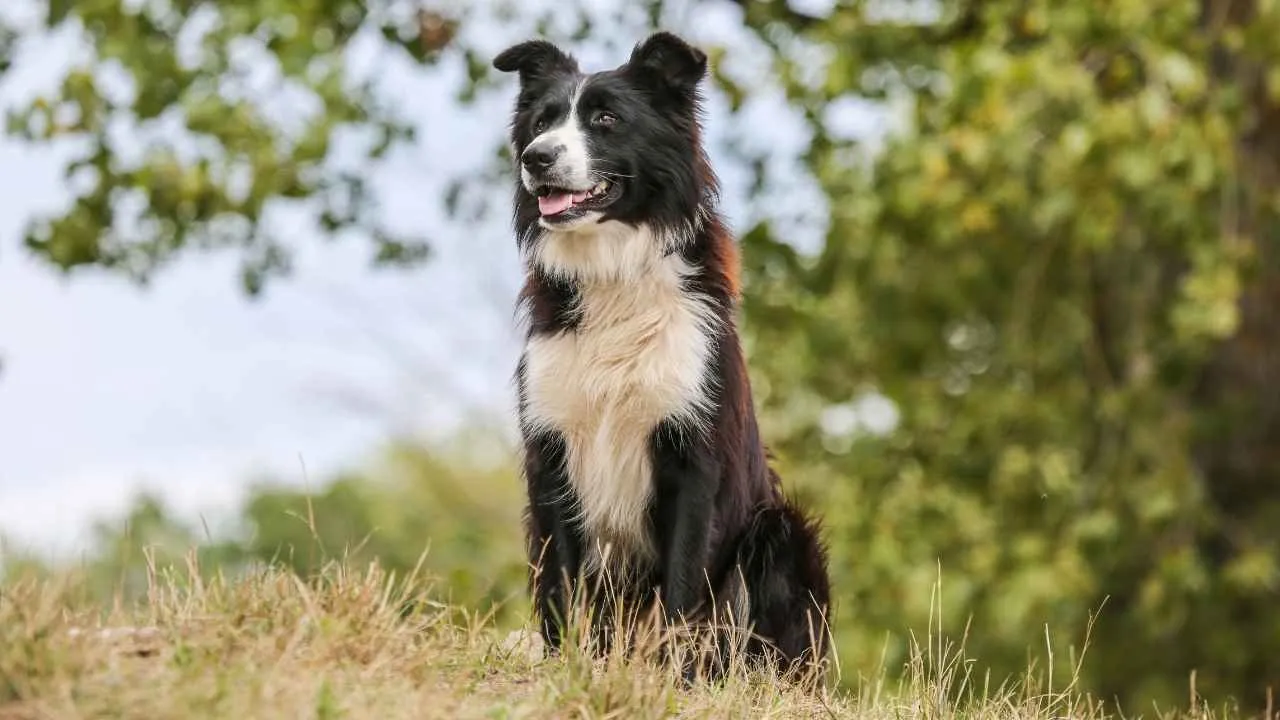
Border Collies prove that brilliance and beauty can absolutely coexist. Their coats range from rough medium-length fur to smoother varieties, appearing in black and white, chocolate, lilac, blue, red, sable, merle, and countless eye-catching combinations. No two seem to have the same look.
Their famous double coat was developed for relentless work in rugged terrain and unpredictable weather. Dense underfur provides insulation while the weather-resistant outer layer protects against rain, wind, and rough vegetation during long days herding sheep across hillsides.
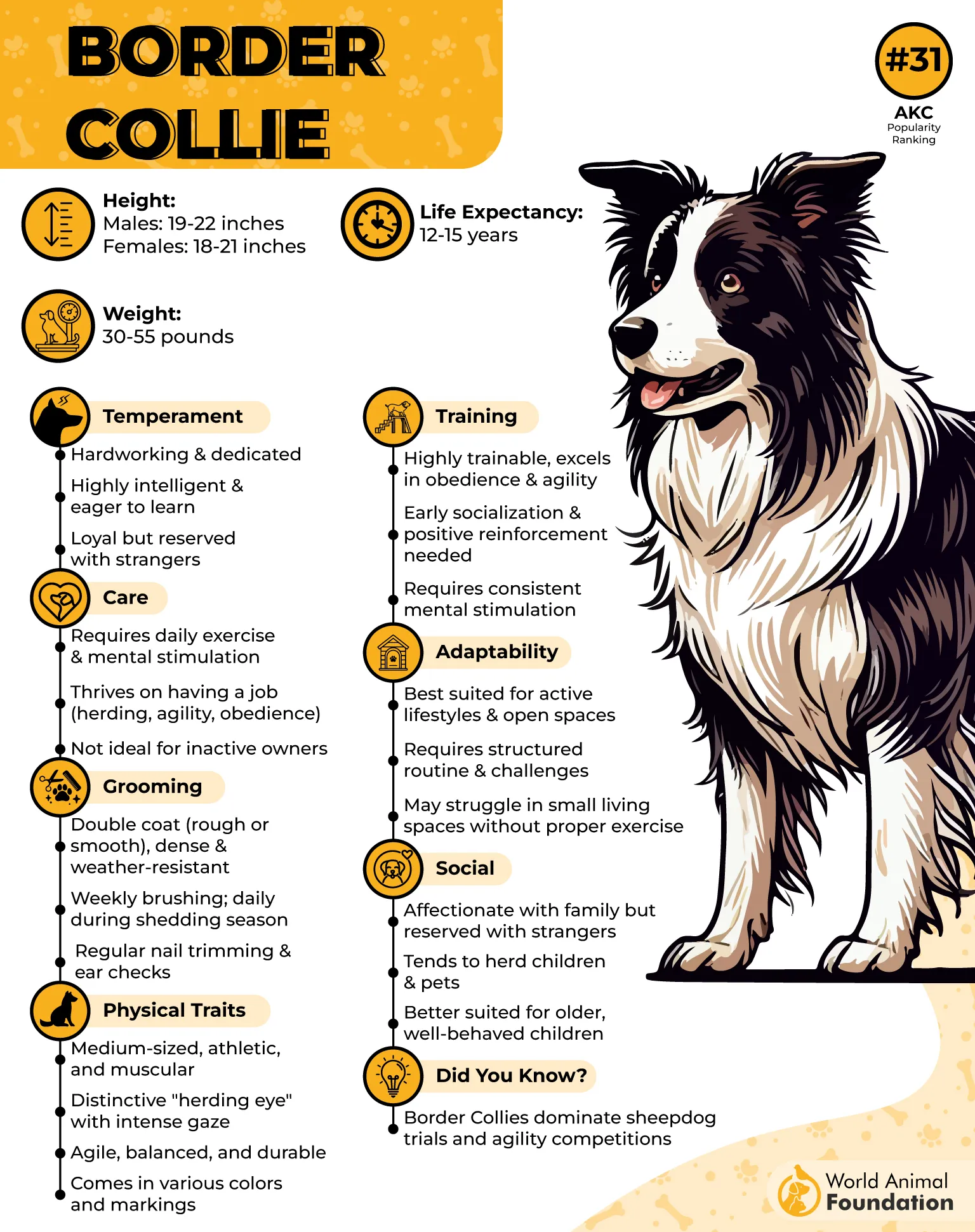
The diversity doesn’t stop with color alone.
Some Border Collies sport broad white collars and facial blazes, while others display ticking, tan points, or nearly solid coats with subtle markings. This medium-sized dog’s expressive eyes and alert ears add even more personality to an already unforgettable appearance.
Although gorgeous, their coat demands commitment. Regular brushing several times a week prevents mats, distributes natural oils, and keeps seasonal shedding manageable. Owners often joke that black clothing becomes a risky fashion choice during spring and autumn shedding cycles.
Their stunning coat variety adds another layer of appeal to an already extraordinary package.
6. Catahoula Leopard Dog
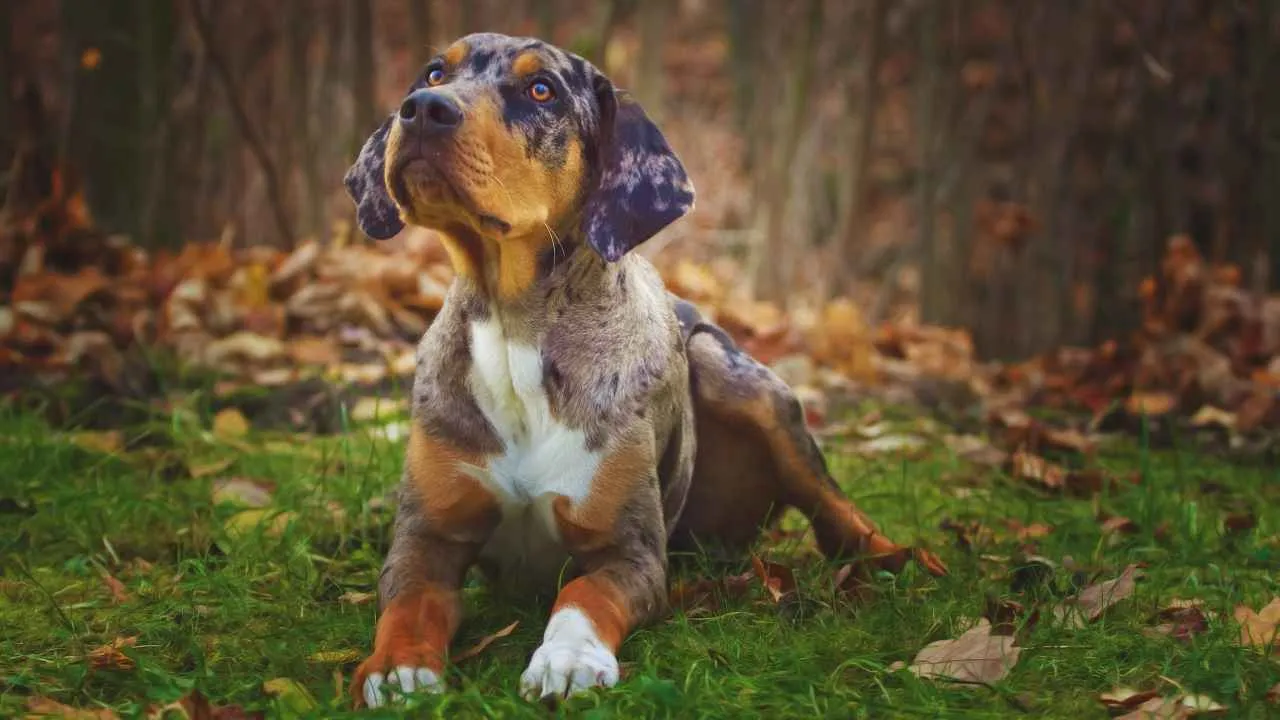
Famous for its leopard-like merle patterning, this Louisiana-born working breed combines patches, spots, brindles, solids, and marbled colors in combinations that make every individual appear unique. It’s like Mother Nature experimented with abstract art.
Despite the nickname, not every Catahoula actually has a leopard pattern.
Hills Pets says they are solid chocolate, red, black, or yellow, while others display dramatic merle coats mixed with white patches and contrasting points. This remarkable genetic diversity keeps the breed endlessly fascinating to enthusiasts and breeders alike.
Their short single coat is refreshingly practical despite its visual complexity. Weekly brushing and occasional baths generally maintain healthy skin and shine, while moderate shedding keeps upkeep manageable compared with many long-haired breeds. After muddy adventures, most dirt shakes right off.
The merle genetics responsible for many of their spectacular patterns are shared with several other breeds, but few showcase them as boldly as the Catahoula. Combined with striking blue, amber, green, or “cracked” eyes, their appearance often leaves first-time observers convinced they’re looking at something exotic.
7. Pomeranian
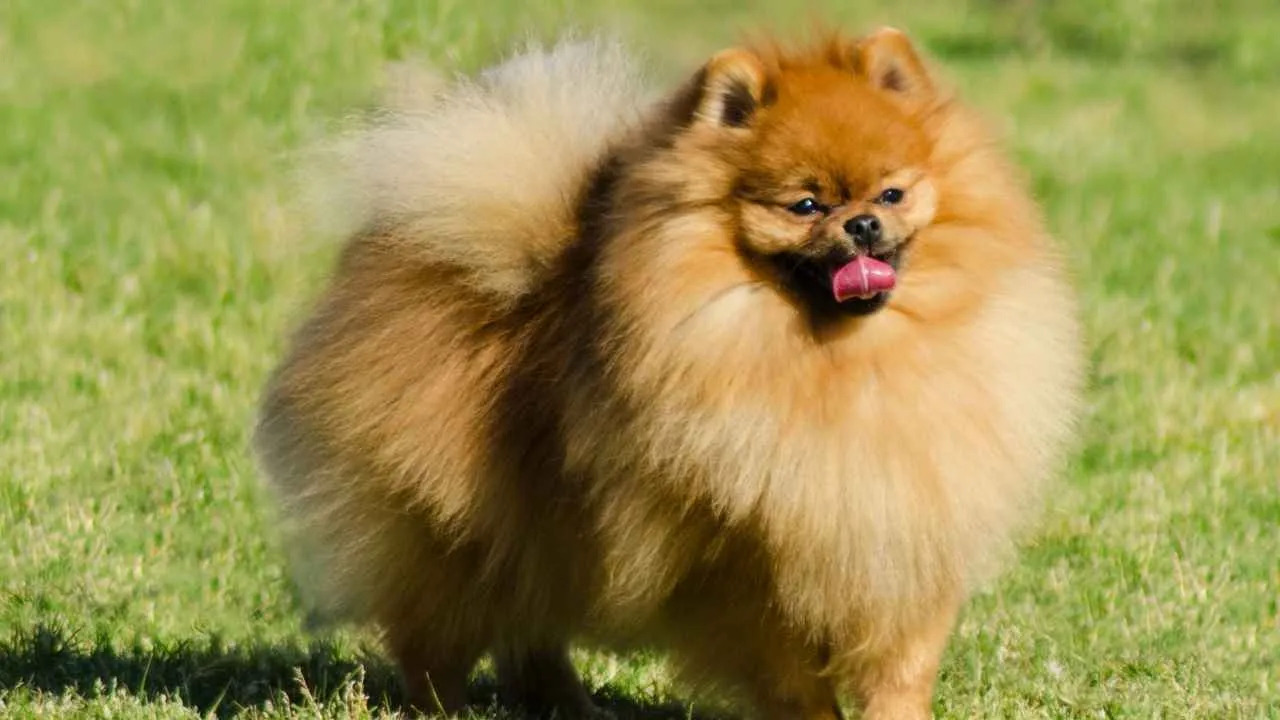
Tiny body, maximum fluff—that’s the Pomeranian brand. Descended from much larger Arctic Spitz dogs, today’s Pom carries an outrageously full double coat, a foxlike face, and a plume tail that create an irresistibly teddy-bear appearance. They may weigh under seven pounds, but their presence fills an entire room.
Coat colors are where they truly flex. Orange remains the signature look, but black, cream, blue, white, chocolate, sable, brindle, parti-color, merle, lavender, and countless combinations create one of the broadest palettes found in any breed. Every puppy feels like opening a surprise loot box.
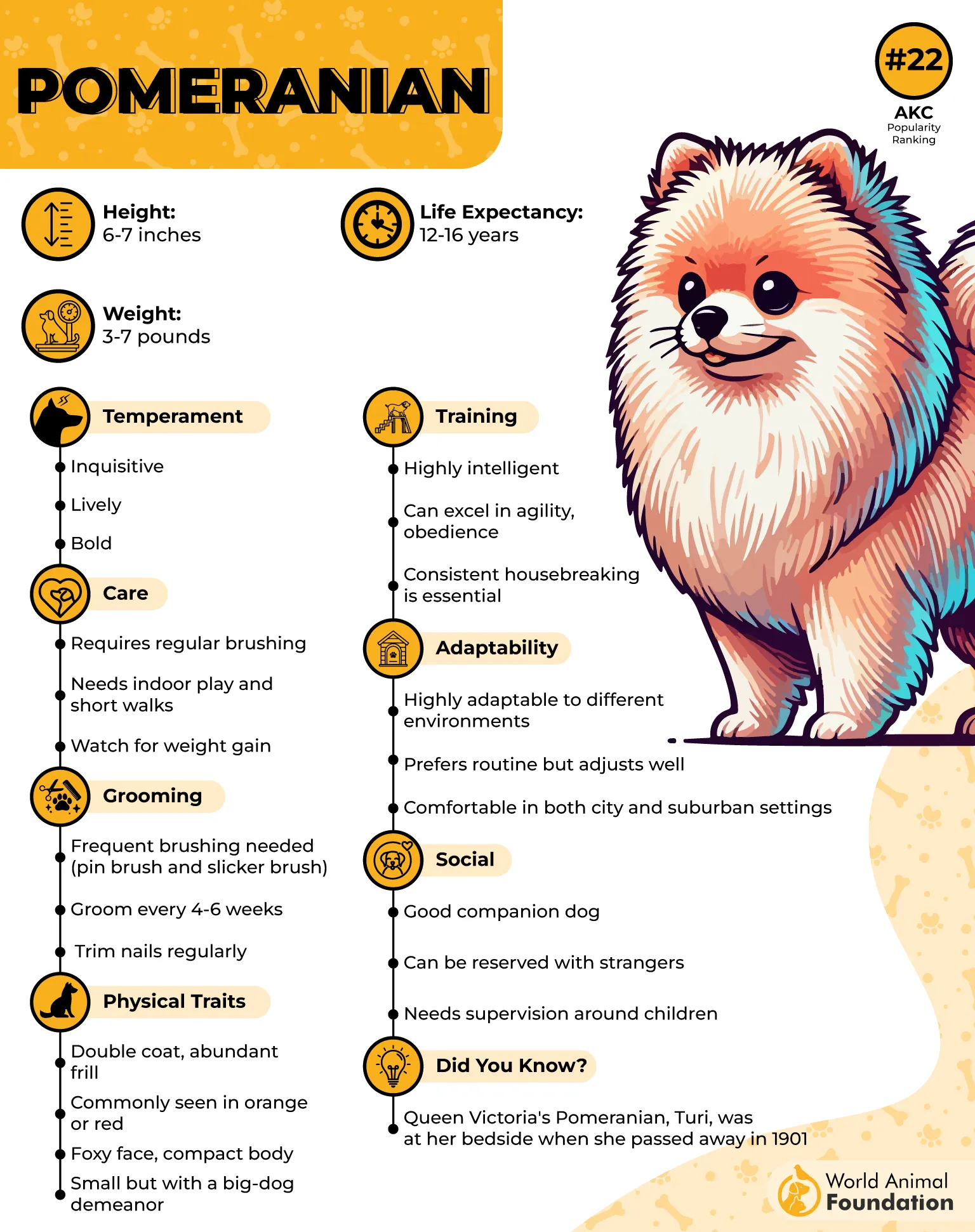
Maintaining that glorious fluff requires dedication. Frequent brushing prevents tangles, reduces loose undercoat buildup, and keeps the signature rounded silhouette looking spectacular. Groomers often note that consistent home maintenance matters more than elaborate styling appointments.
Their luxurious appearance has made them celebrity favorites for generations, yet beneath all the glamour lives a bold, curious personality. Owners routinely laugh at how these tiny dogs confront much larger breeds with fearless confidence, seemingly unaware of their size. The phrase “small dog, huge attitude” fits perfectly.
Social media has only amplified the breed’s popularity, with teddy bear trims and colorful coats attracting millions of views online.
8. Dalmatian
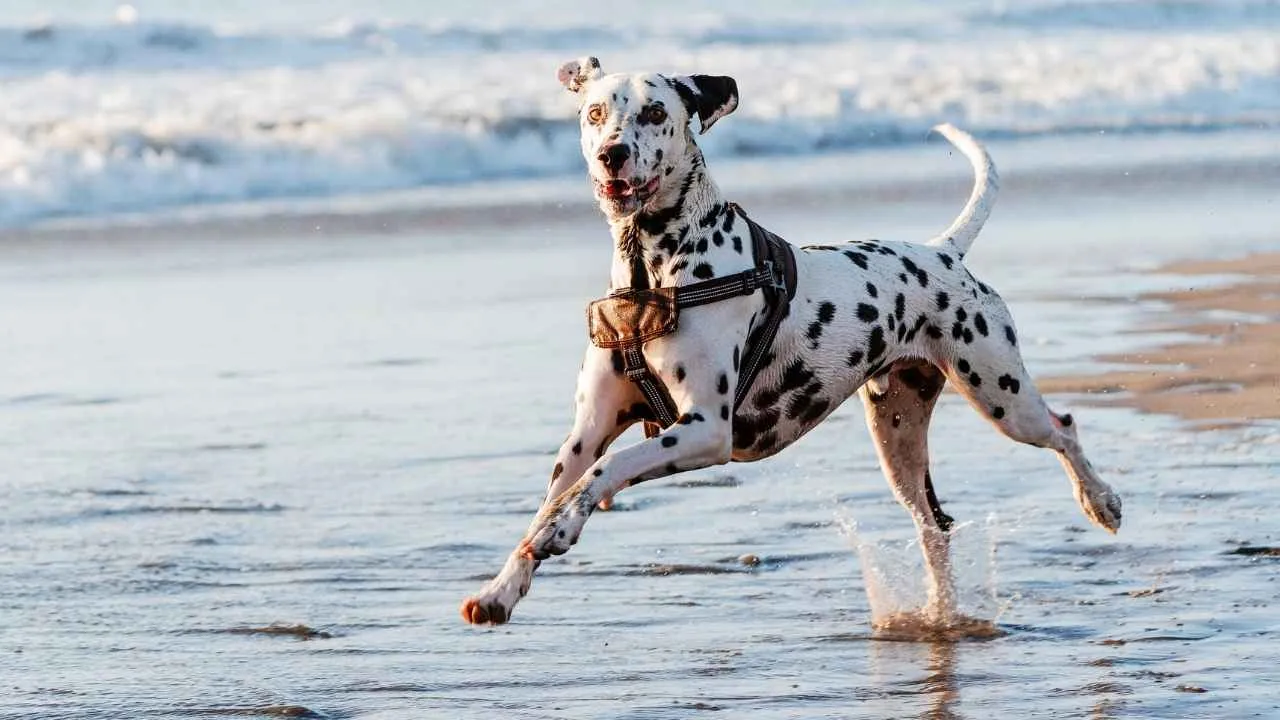
The Dalmatian is living proof that sometimes less is more. Its crisp white coat covered in perfectly scattered black or liver-colored spots has made it one of the most recognizable dogs on Earth, appearing in art, literature, and pop culture for centuries.
Fun fact: Dalmatian puppies are born completely white, and their iconic spots gradually appear over the first few weeks of life.
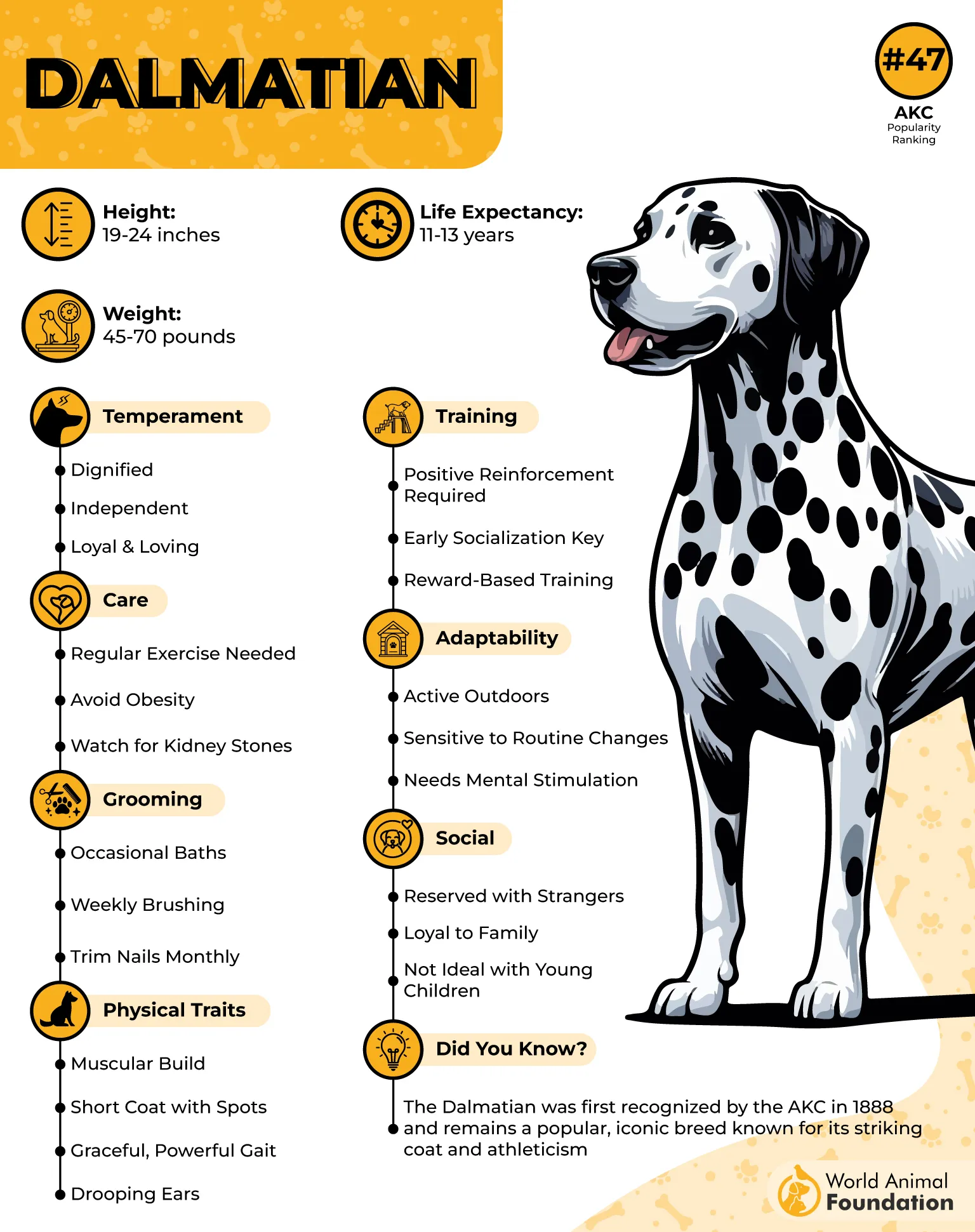
No two Dalmatians have identical markings, making every dog a one-of-a-kind masterpiece. Spot size, density, and placement vary naturally, giving each pup its own signature look that enthusiasts often compare to a fingerprint. This unique pattern is one reason the breed continues to fascinate geneticists and dog lovers alike.
Although their coat is short and sleek, don’t mistake that for low shedding. Dalmatians shed consistently throughout the year, and many owners joke that their white hairs magically appear on every black shirt in the closet.
Weekly brushing with a rubber grooming mitt helps remove loose hair and keeps the glossy coat looking polished.
9. Shetland Sheepdog
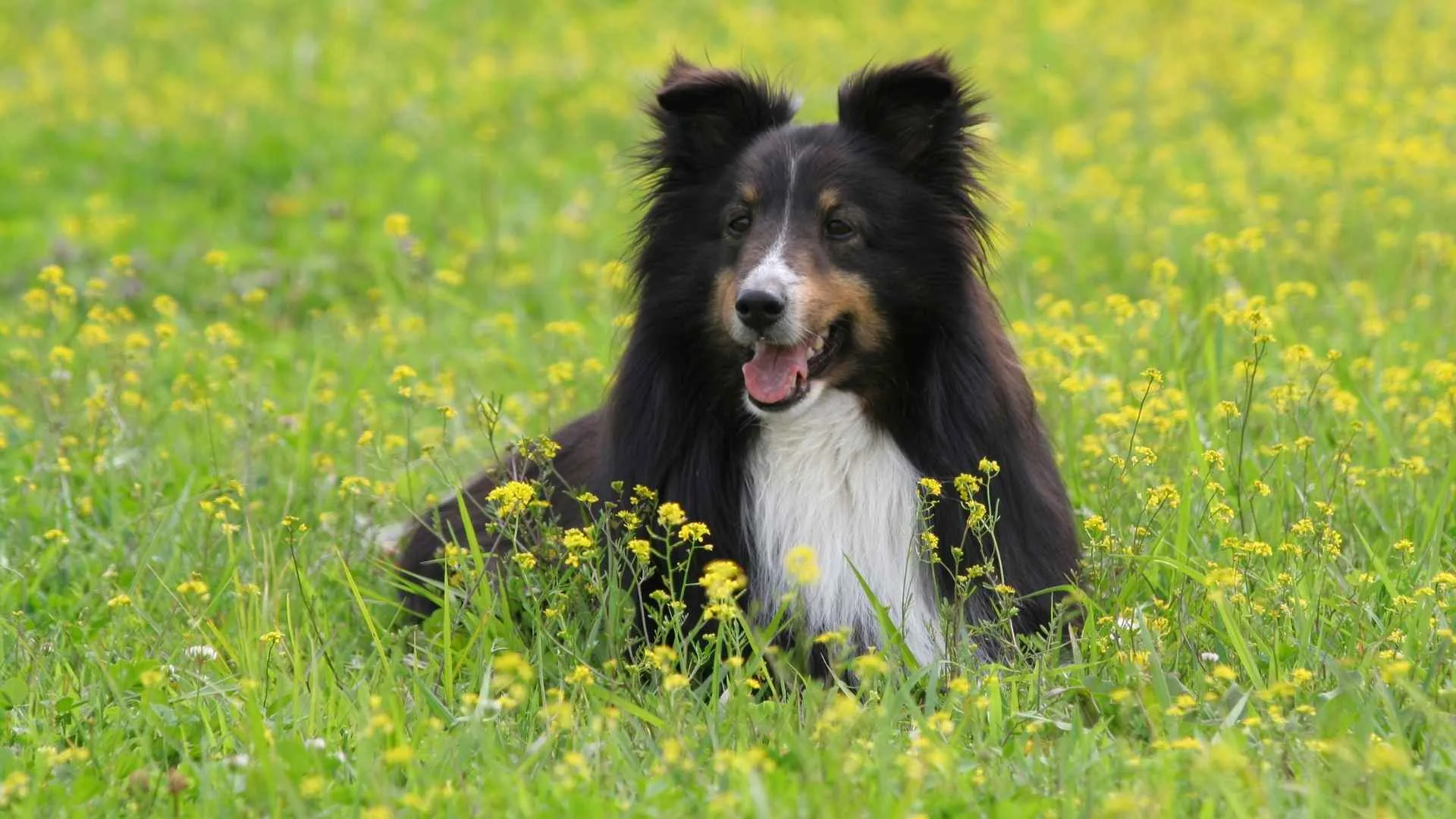
The Shetland Sheepdog, affectionately called the Sheltie, combines stunning coat variety with classic herding-dog charm. Its luxurious, thick double coat comes in sable, black, blue merle, and tricolor combinations, often accented with dramatic white collars and tan points that make the breed look almost storybook-perfect.
Their weather-resistant double coat was developed to withstand the harsh climate of Scotland’s Shetland Islands. A dense undercoat provides insulation while the longer outer coat shields against wind and rain, allowing these hardworking dogs to herd livestock comfortably in challenging conditions. Beauty and practicality exist in perfect harmony here.
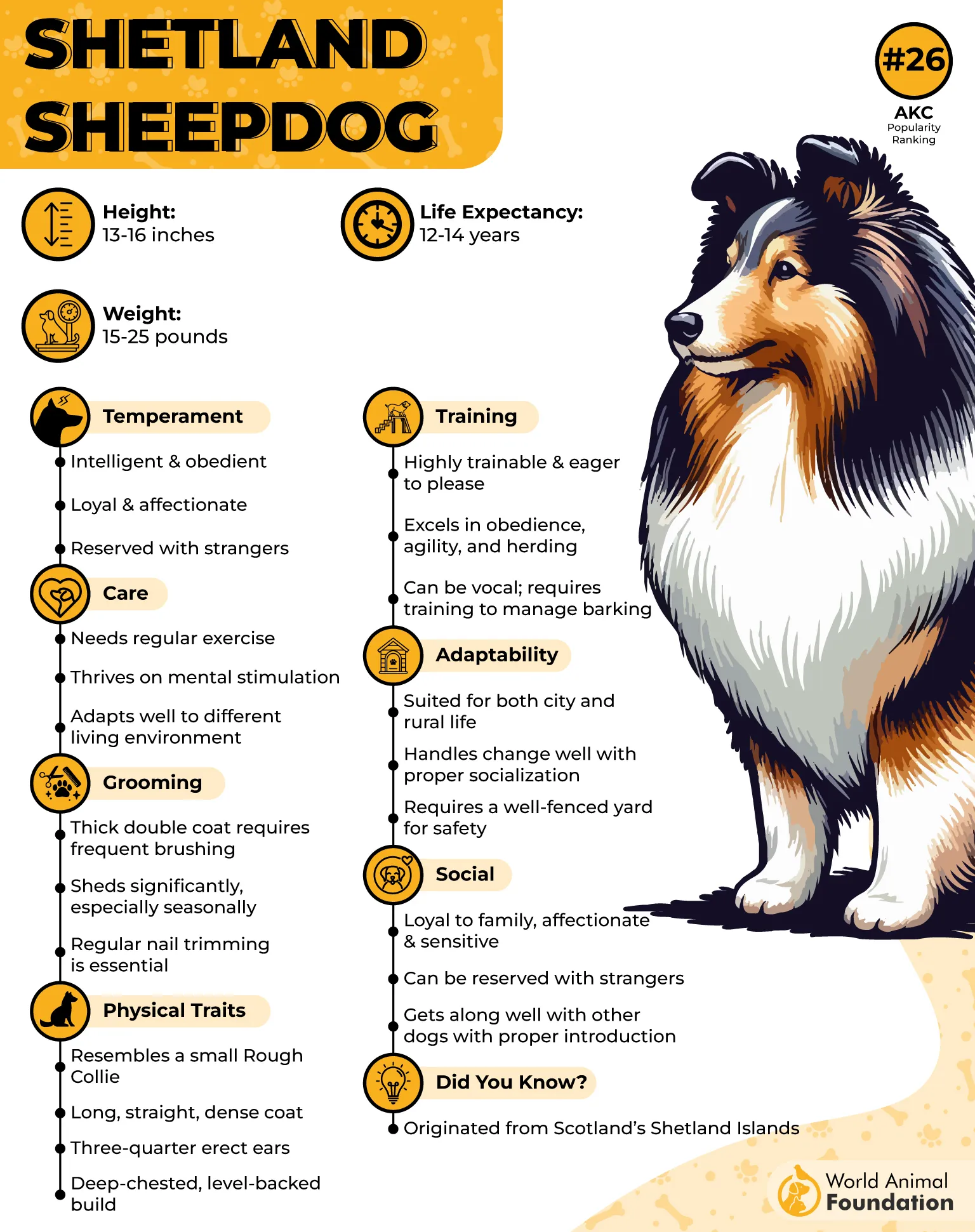
Blue merle Shelties are particularly eye-catching, displaying marbled patches of gray, black, and white that can be paired with striking blue or partially blue eyes. Even sable individuals vary widely, ranging from pale golden shades to rich mahogany hues. This diversity ensures that no two Shelties look exactly alike.
Maintaining that gorgeous, dense coat requires regular grooming, as per The Royal Kennel Club. Brushing several times a week prevents tangles behind the ears, around the neck ruff, and beneath the legs, while seasonal shedding demands extra attention. Groomers strongly advise against shaving the breed because its double coat naturally regulates body temperature.
10. Great Dane
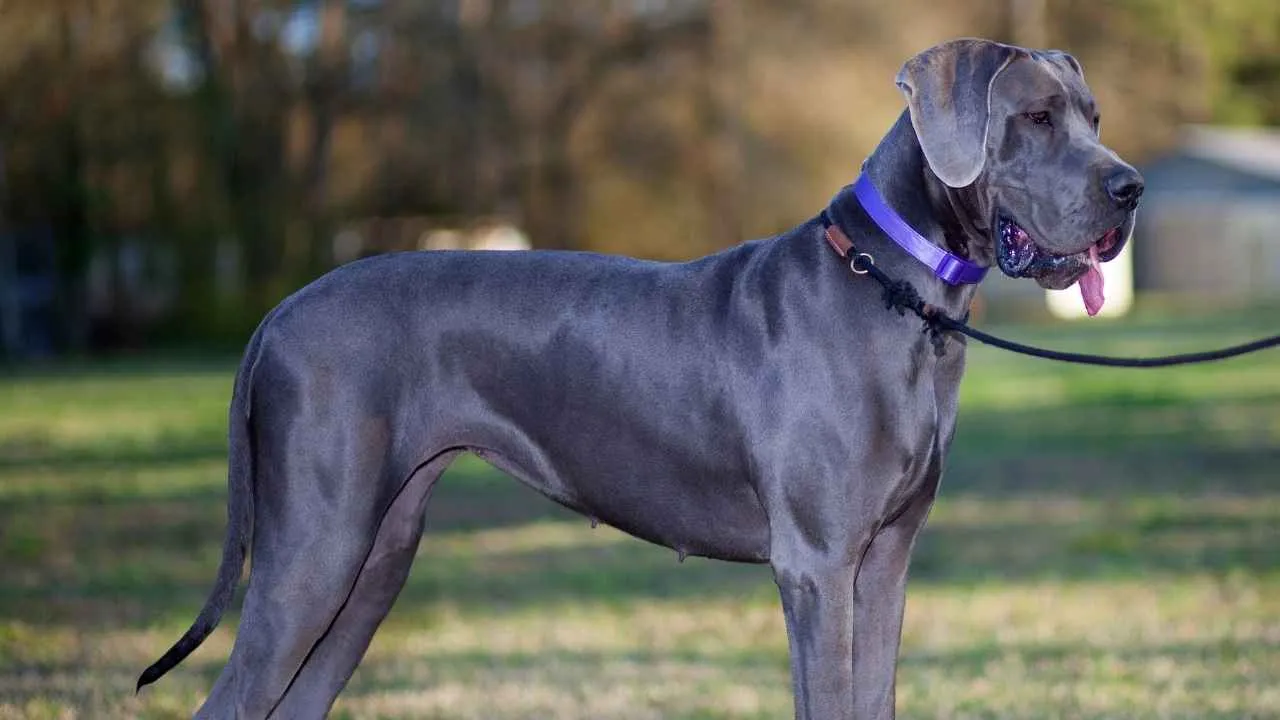
Despite their giant size, Great Danes wear a sleek, low-maintenance coat that showcases remarkable color diversity. Breed standards recognize striking patterns, including fawn, brindle, blue, black, mantle, harlequin, and merle, each creating a dramatically different appearance.
A harlequin Great Dane with black patches on a white background is especially unforgettable.
The breed’s short, smooth coat lies close to the body, emphasizing its powerful yet elegant physique. Unlike heavily coated giant breeds, they require relatively simple grooming routines, with weekly brushing usually sufficient to keep the coat healthy and glossy.
Their polished look highlights every graceful movement despite their impressive stature.
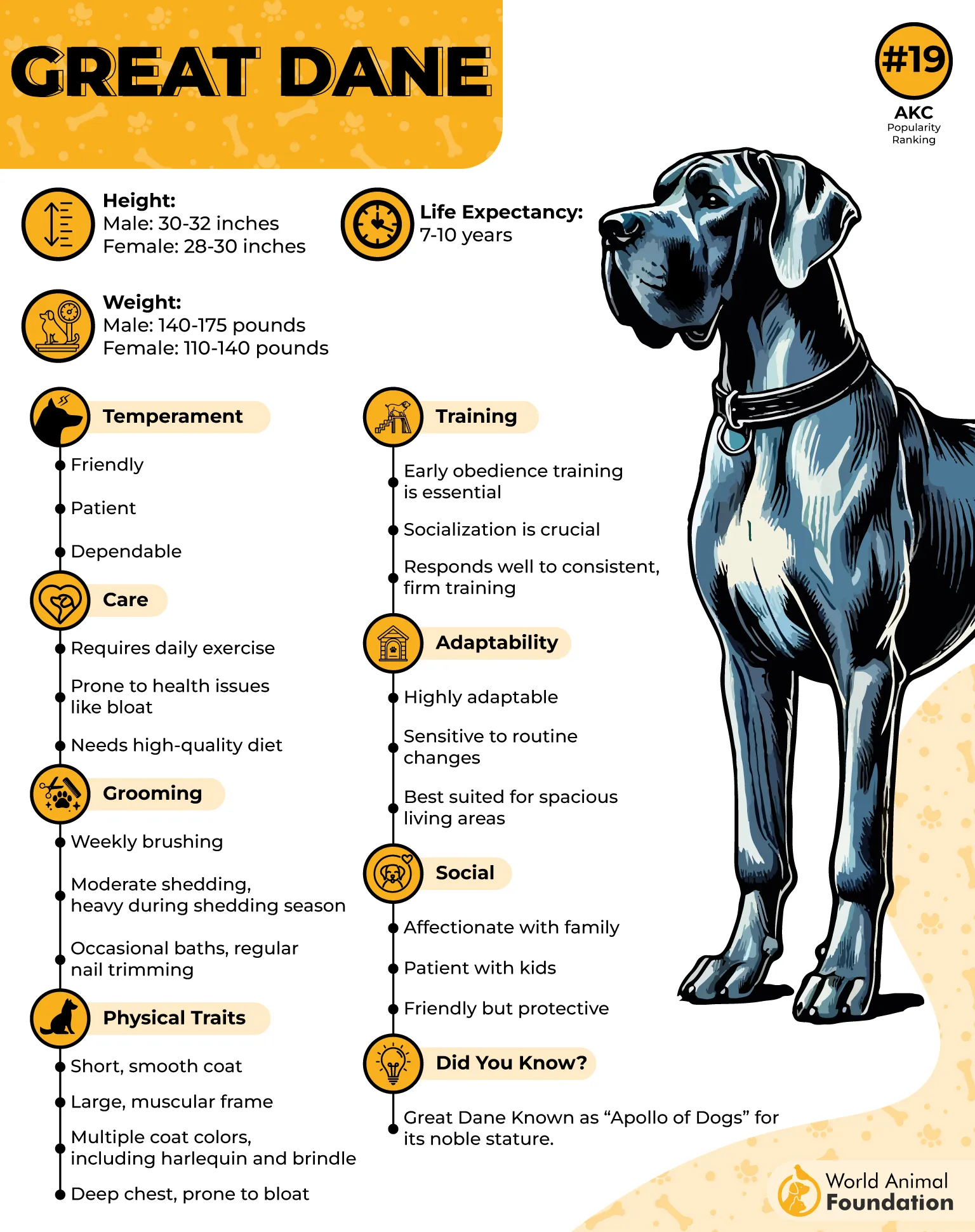
Among the most fascinating patterns is the harlequin, produced through complex genetic interactions that create irregular black patches over a white base. Merle Great Danes feature marbled gray backgrounds with darker blotches, while brindles display tiger-like striping over warm fawn coats. The sheer variety makes every litter an exciting surprise.
Because their coat is thin, these stunning dogs can be more sensitive to cold weather than fluffy breeds. Many owners invest in dog jackets during winter walks, especially in colder climates where insulation from body fat and fur is limited. Despite their size, these gentle giants often behave like oversized lapdogs once back indoors.
Conclusion
Dog coats are way more than a fashion statement—they’re a blend of genetics, history, climate adaptation, and centuries of selective breeding.
Real-life owners frequently mention that maintaining these gorgeous coats becomes part of the bonding experience. Weekly brushing sessions, seasonal deshedding, and even professional grooming appointments turn into opportunities to spend quality time with their pets.
Groomers also emphasize that understanding a breed’s natural coat structure is essential, as unnecessary shaving can damage protective double coats and interfere with temperature regulation.
