




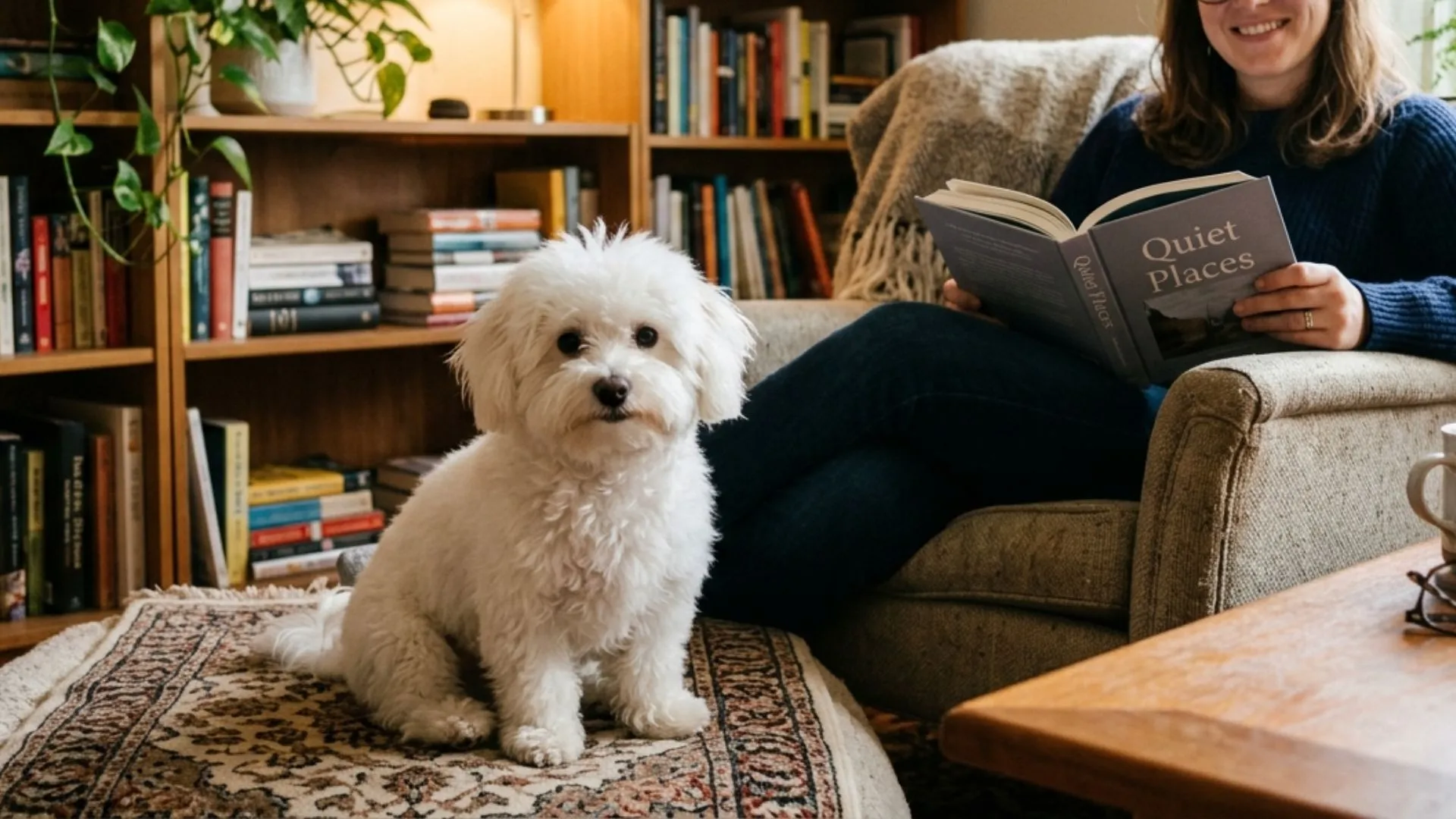
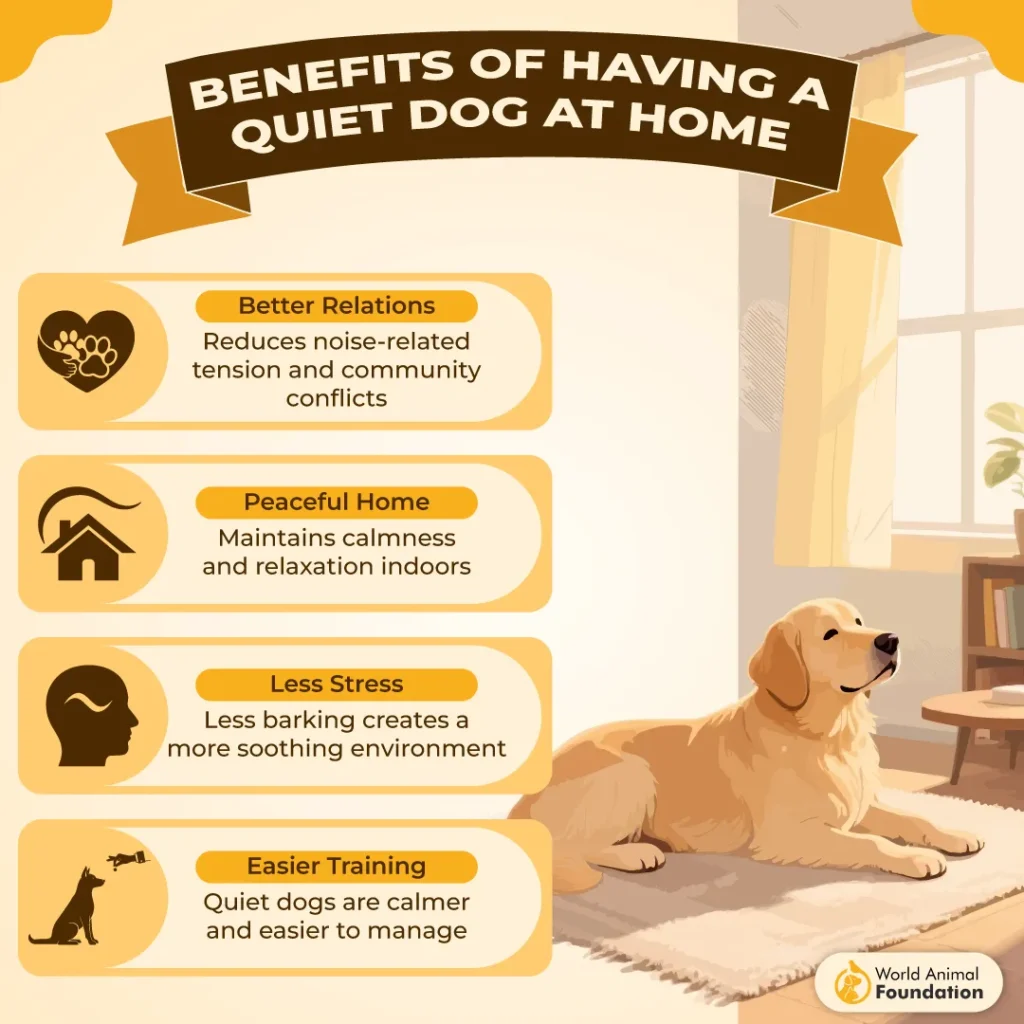
Many people believe the best dogs are the ones with endless enthusiasm, outgoing personalities, and energy that fills every room they enter. That idea sounds appealing until it meets the reality of a quiet lifestyle.
For introverted owners, a companion that constantly demands attention, activity, and social interaction may not feel ideal at all. In fact, the qualities often celebrated in popular dog breeds are sometimes the exact traits that create frustration in calmer households.
A peaceful home requires a different kind of compatibility. It often means choosing a dog that appreciates routine, remains comfortable during quieter moments, and does not treat every day like a celebration. They bring their companionship in a way that feels more balanced and natural.
The breeds featured in this article demonstrate why quieter lifestyles often benefit from dogs with a calm nature and a more measured approach to life.
Key Takeaways
A quiet lifestyle often changes what people look for in a dog, shifting focus away from energy and toward calm, steady companionship.
Pekingese and Japanese Chin stand out early, both carrying a naturally reserved nature that feels more at ease in slow, predictable environments.
French Bulldogs and Boston Terriers bring a softer balance of companionship and low-intensity play, fitting neatly into quiet indoor lifestyles.
By the time you reach the final breed, the real pattern behind these calm companions becomes easier to recognize in a way that feels surprisingly relatable.
Ideal Dog Breeds for Quiet Introverted Lifestyles
1. Pekingese
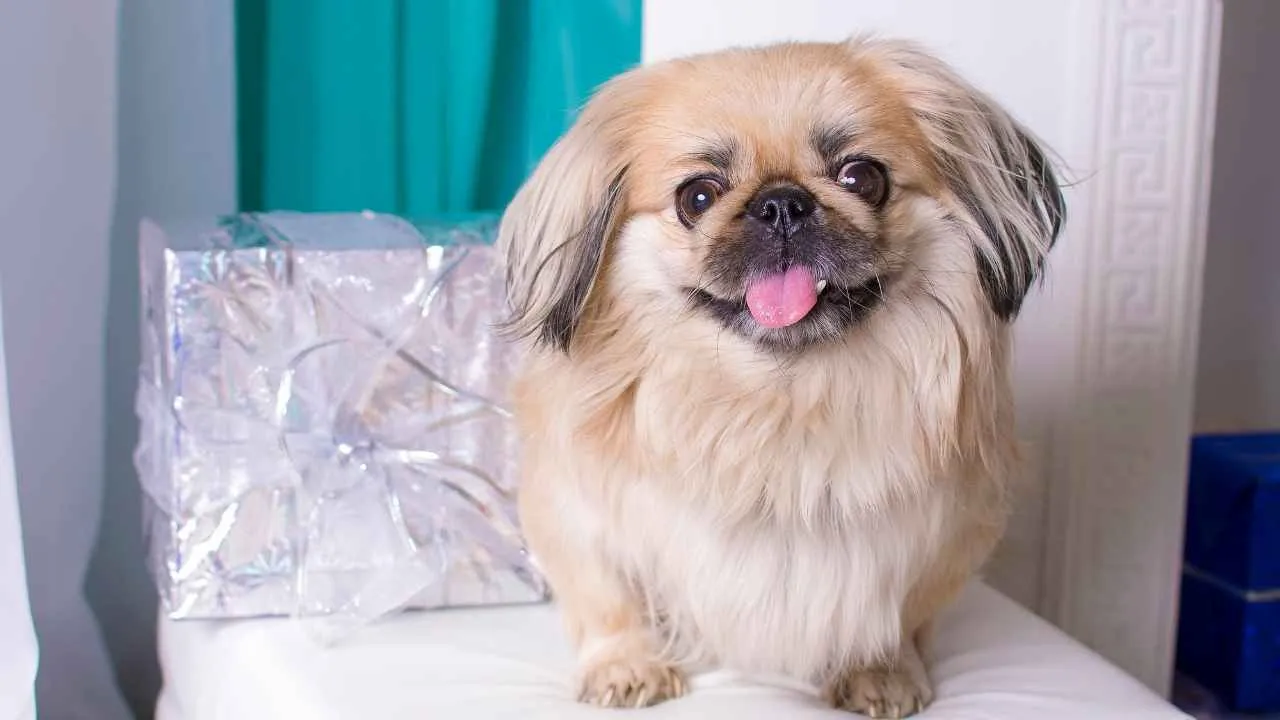
Pekingese spent centuries alongside the royal classes of ancient China, a privilege reflected in its confident and self-assured nature.
This small companion often appears remarkably aware of its importance without becoming demanding. Affection and dignity exist side by side in the breed’s personality.
Close Family Bonds
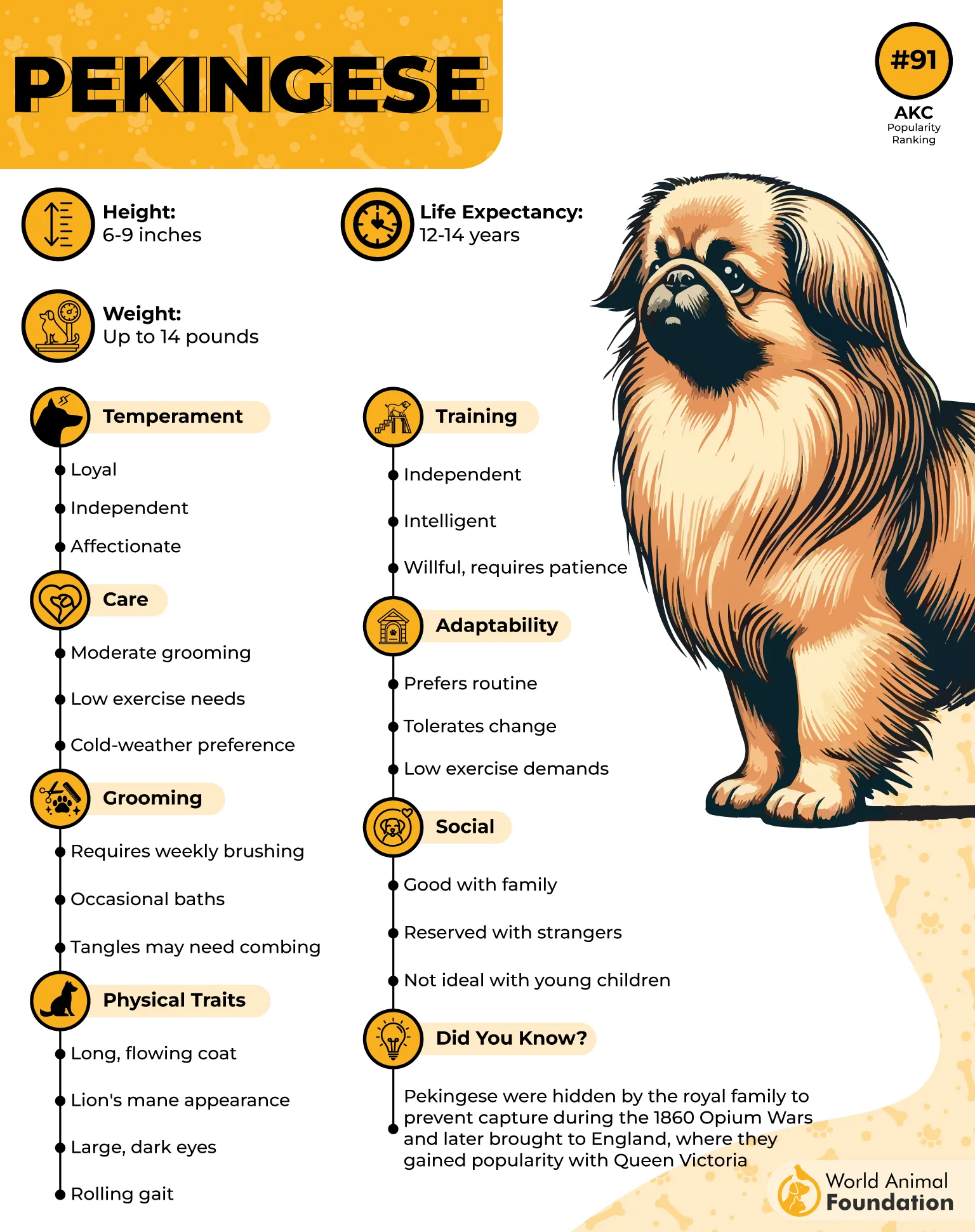
Pekingese form deep attachments with a select circle of people, making companionship feel personal rather than social, as the Royal Kennel Club notes. That preference often suits those who enjoy a quieter home and meaningful one-on-one connections.
A few traits shape this relationship:
Deeply devoted to family
Relaxed within the home
Prefers familiar people
Alert and Observant
Pekingese pays close attention to its surroundings and rarely ignores unfamiliar activity nearby. Even something as ordinary as a neighbor approaching the mailbox can trigger a surprisingly determined bark. Its awareness often exceeds what people expect from a toy breed.
2. Bichon Frise
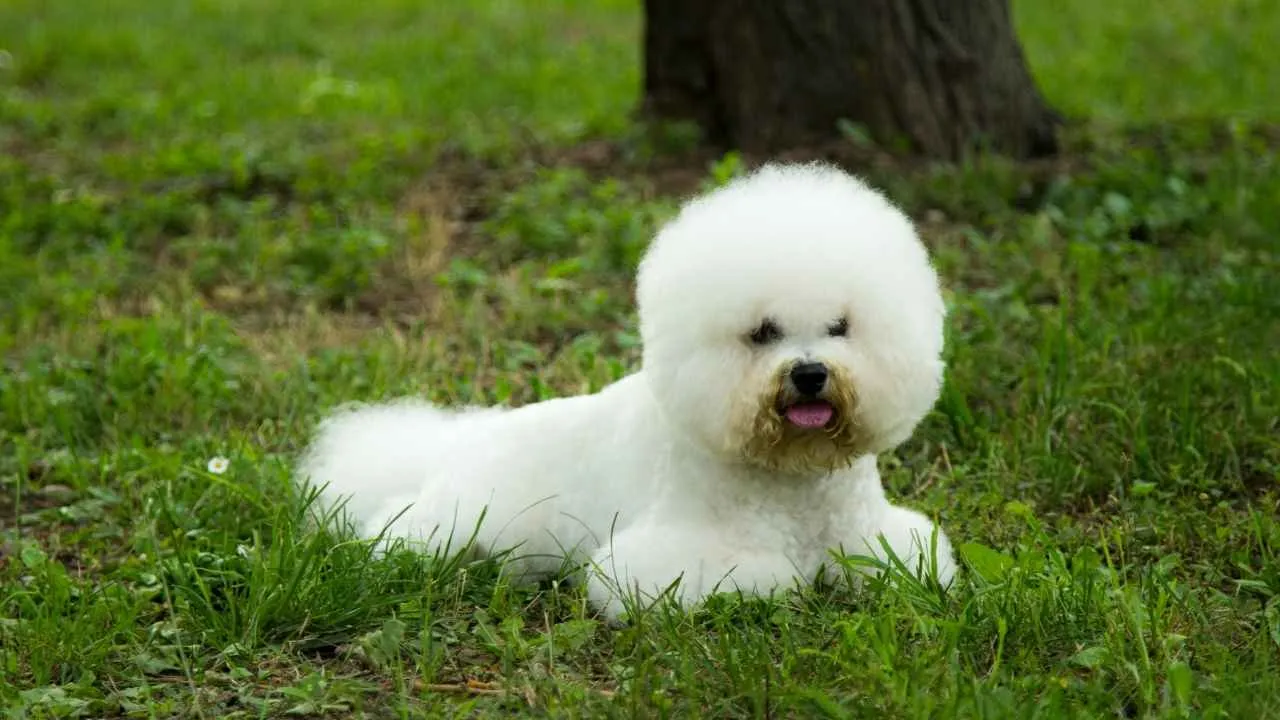
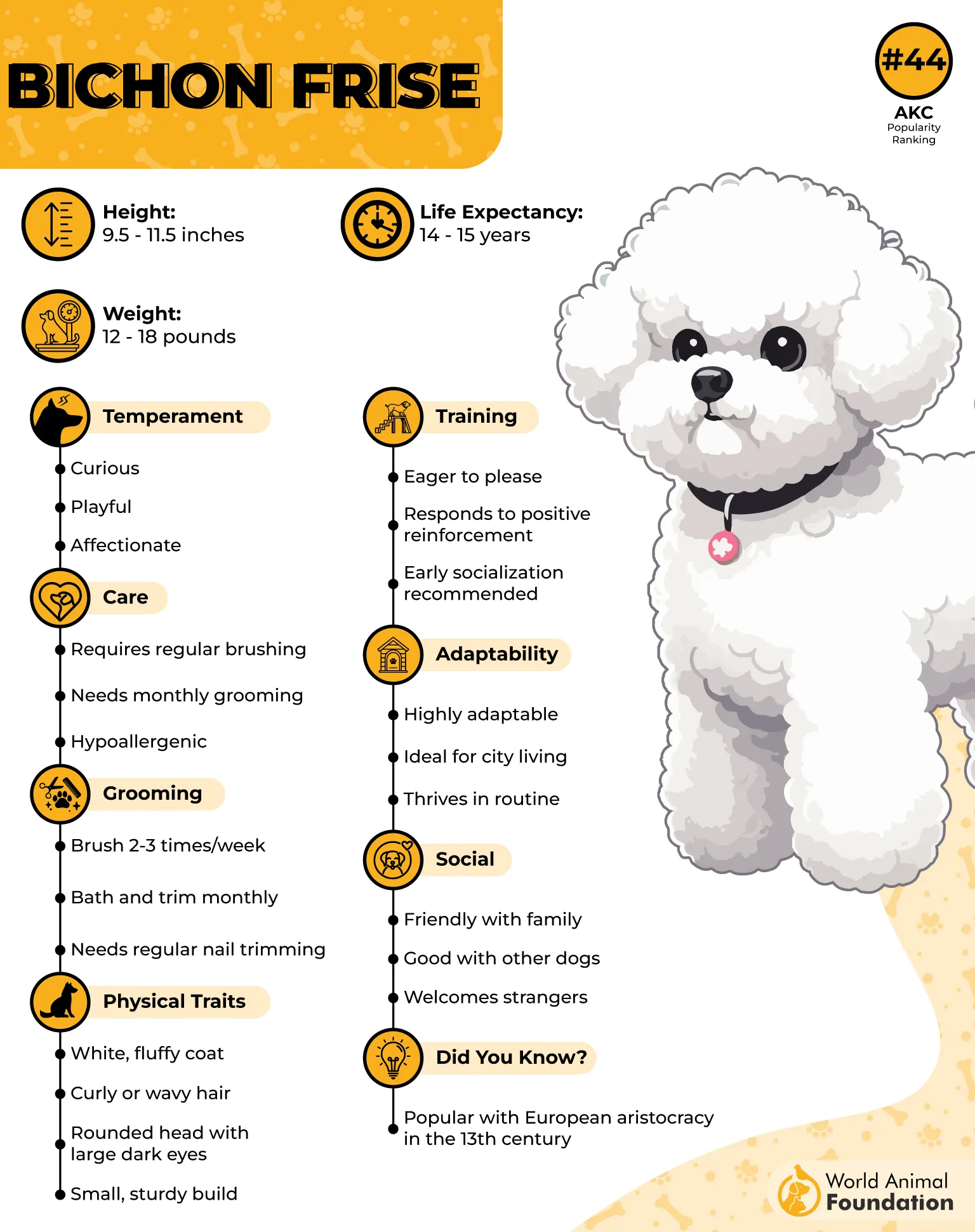
Bichon Frise brings an upbeat and affectionate personality into the home, quickly warming to people and other dogs. Curiosity plays a big part in how this breed interacts with the world, making everyday moments feel engaging. Once introductions are over, a gentle and loving nature quickly takes over.
Comfortable Daily Rhythm
For a quieter routine, this calm dog offers companionship without needing constant outdoor adventures. It enjoys social interaction and attention, then happily settles into family time once its playful side is satisfied.
The following habits shape their balance:
Enjoys interactive games
Learns tricks enthusiastically
Relaxes beside family afterward
Easy Home Fit
Their small size makes apartment living practical, while an eagerness to please supports training success. Activities like tug-of-war, toy retrieval, neighborhood walks, or simply sitting in a favorite lap fit naturally into daily life, as PetMD noted. This family dog adapts well to a variety of household settings.
3. Pug
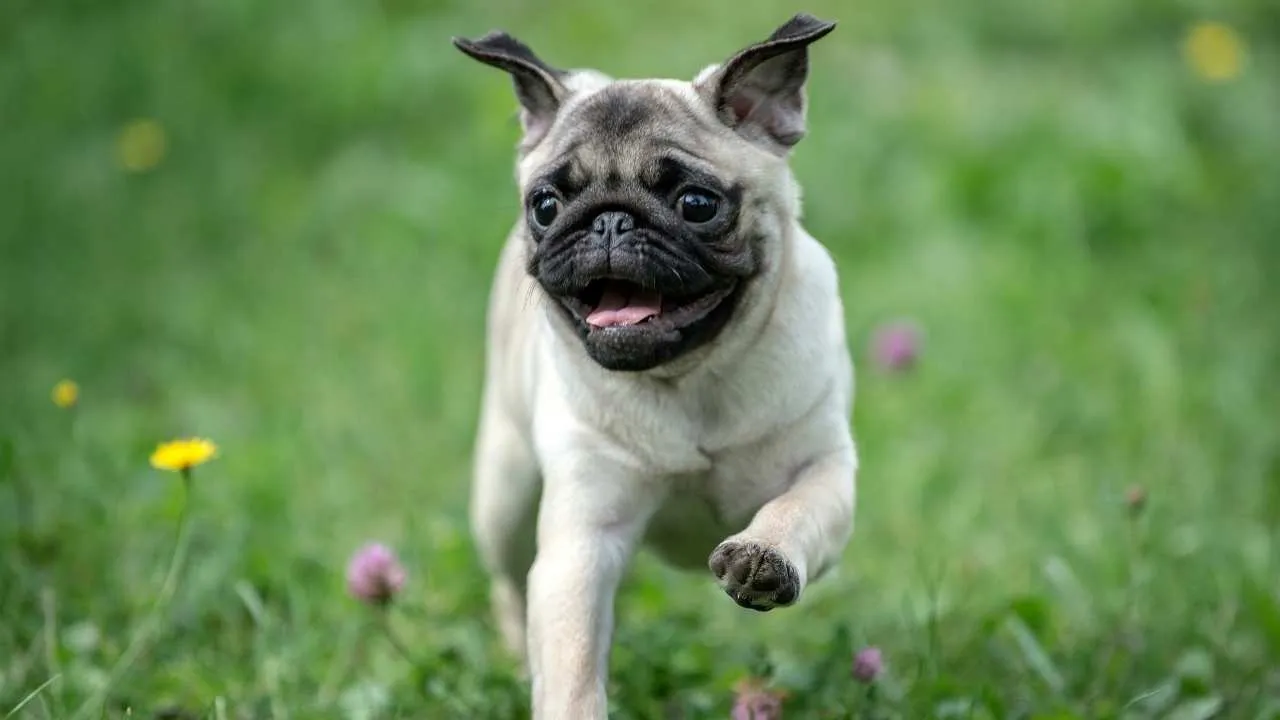
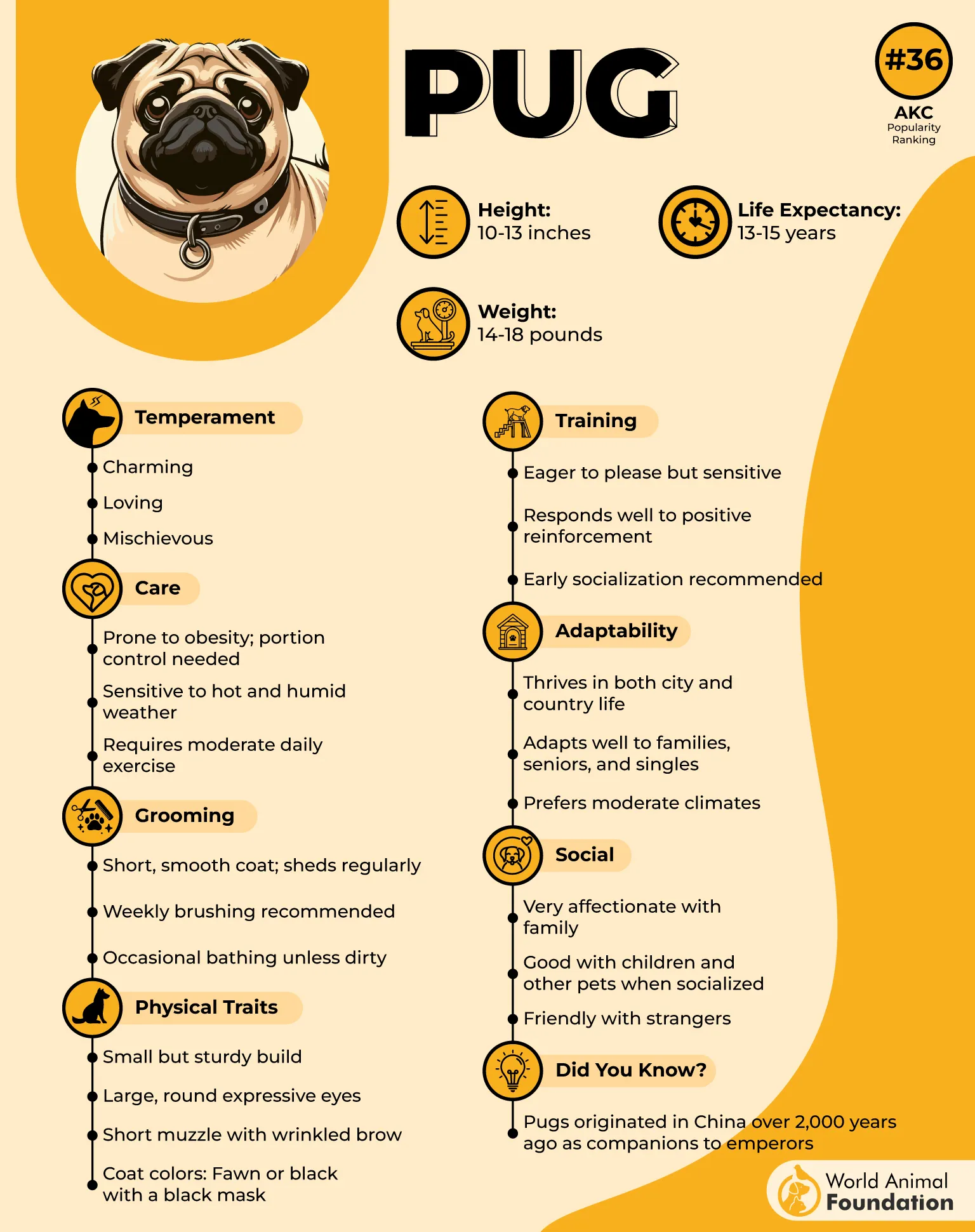
Pug built its reputation around one simple habit: being wherever its people are. Admired by royals for centuries after emerging in China around 2,000 years ago, this small companion prefers participation over independence. Close contact and shared routines are central to its personality.
Easy Daily Company
As a great family pet, they are less concerned with where you are going and more interested in going with you. Whether you are watching television, working from home, or relaxing on the couch, you simply like being part of the moment.
Small habits reveal a lot about this breed’s personality:
Enjoys close companionship
Comfortable with short walks
Prefers relaxed routines
Calm with a Playful Twist
Pugs often alternate between peaceful naps and brief bursts of excitement around the home. Their eagerness to please keeps them engaged with household activities, while their affectionate nature makes casual downtime feel more interactive. They rarely seek complicated forms of entertainment.
4. Japanese Chin
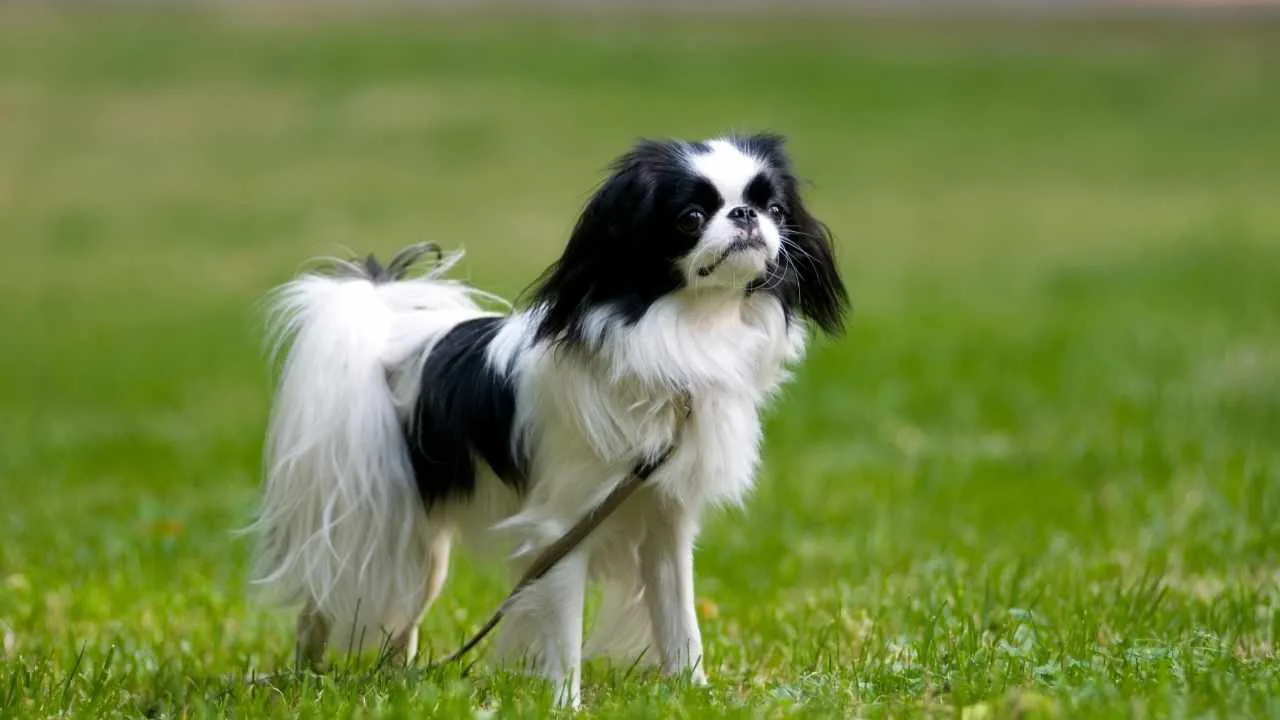
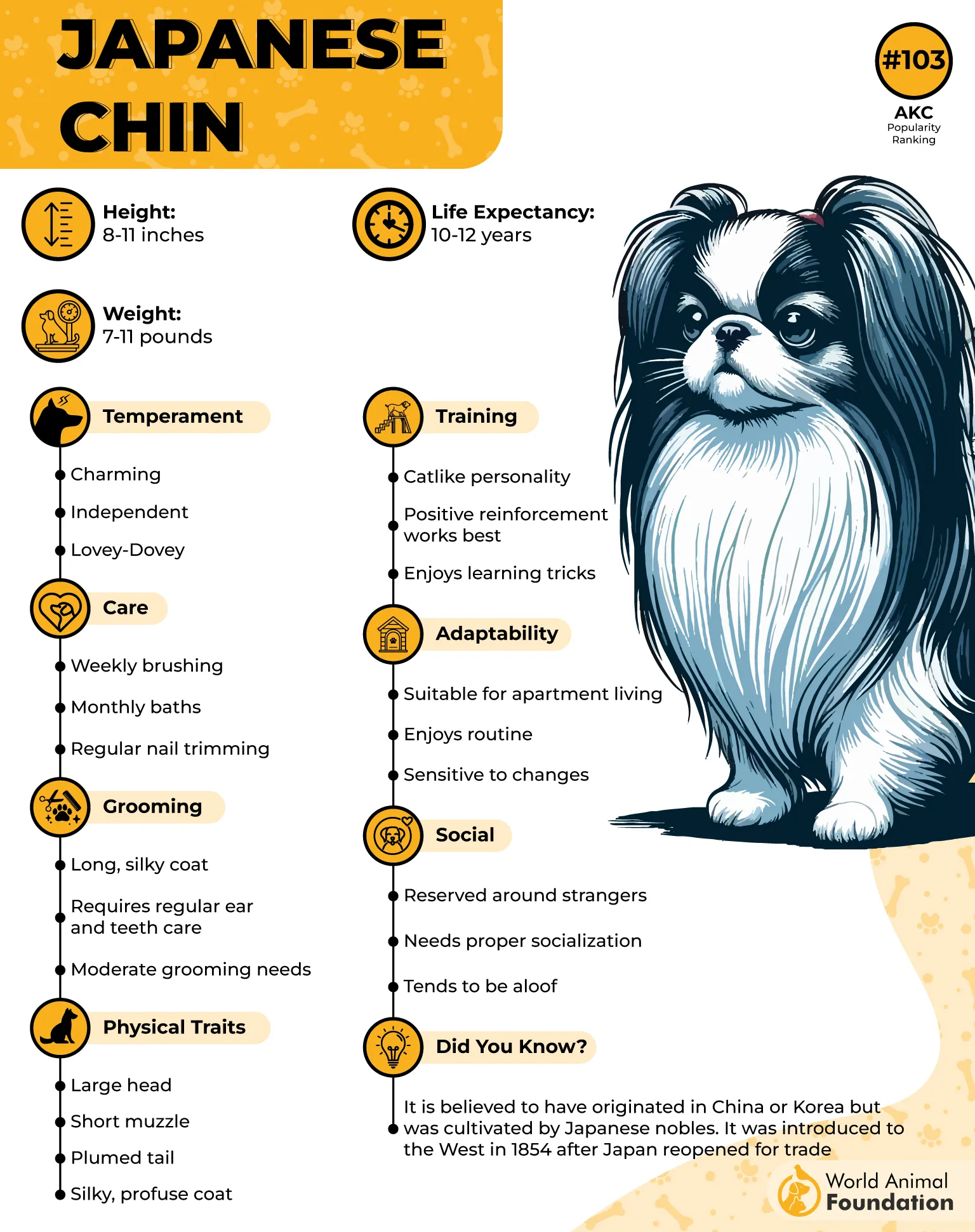
Japanese Chin carries a delicate, silky coat and a refined posture that gives it a quiet, almost ornamental presence. Often described as catlike, it behaves with a light, graceful manner that feels unhurried indoors. Its personality leans toward calm observation rather than constant activity.
Gentle Indoor Companion
This calmest dog breed feels most at ease in quieter homes where life does not feel rushed, especially in apartment settings with steady routines. It prefers short walks and calm moments in safe surroundings that do not overwhelm its natural pace, as the AKC claims.
These traits shape its relaxed lifestyle compatibility:
Prefers calm indoor environments
Responds best to gentle handling
Enjoys short, relaxed walks
Reserved Social Nature
Japanese Chin tends to be cautious when meeting new people or unfamiliar surroundings, taking time before engaging fully. With early social exposure, it becomes more comfortable around familiar pets and controlled environments. Its reactions remain soft rather than reactive.
5. French Bulldog
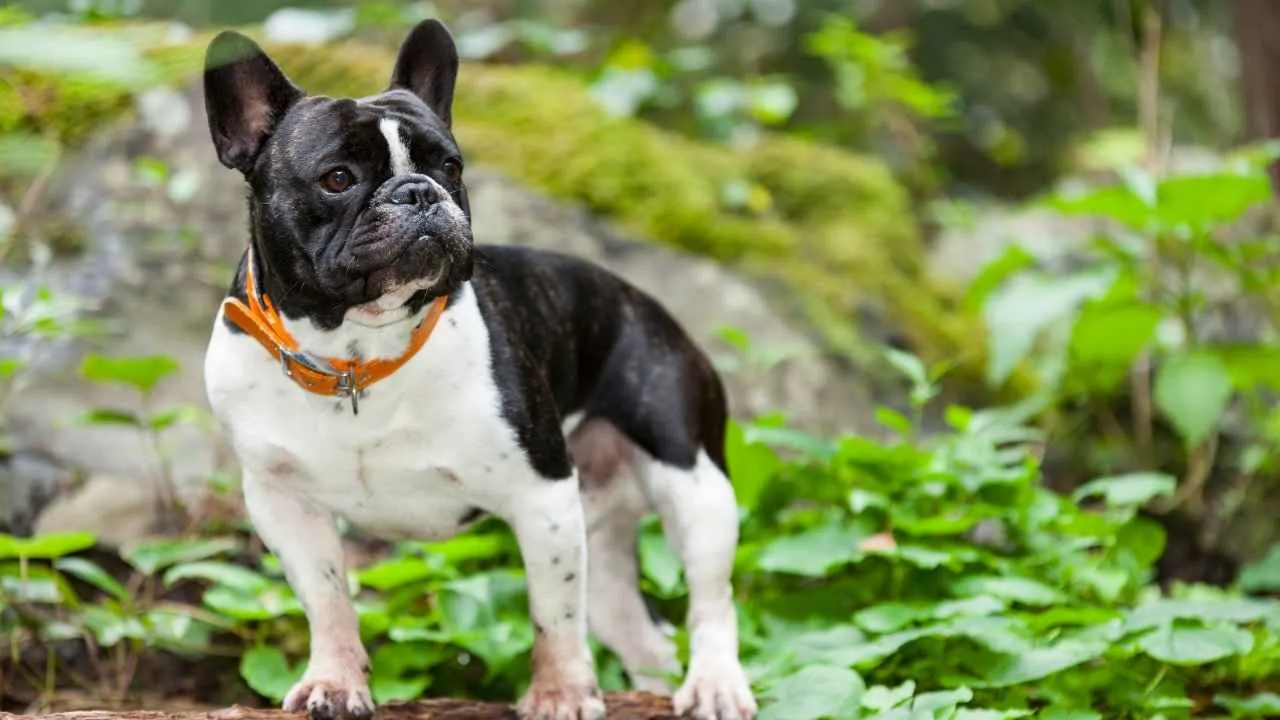
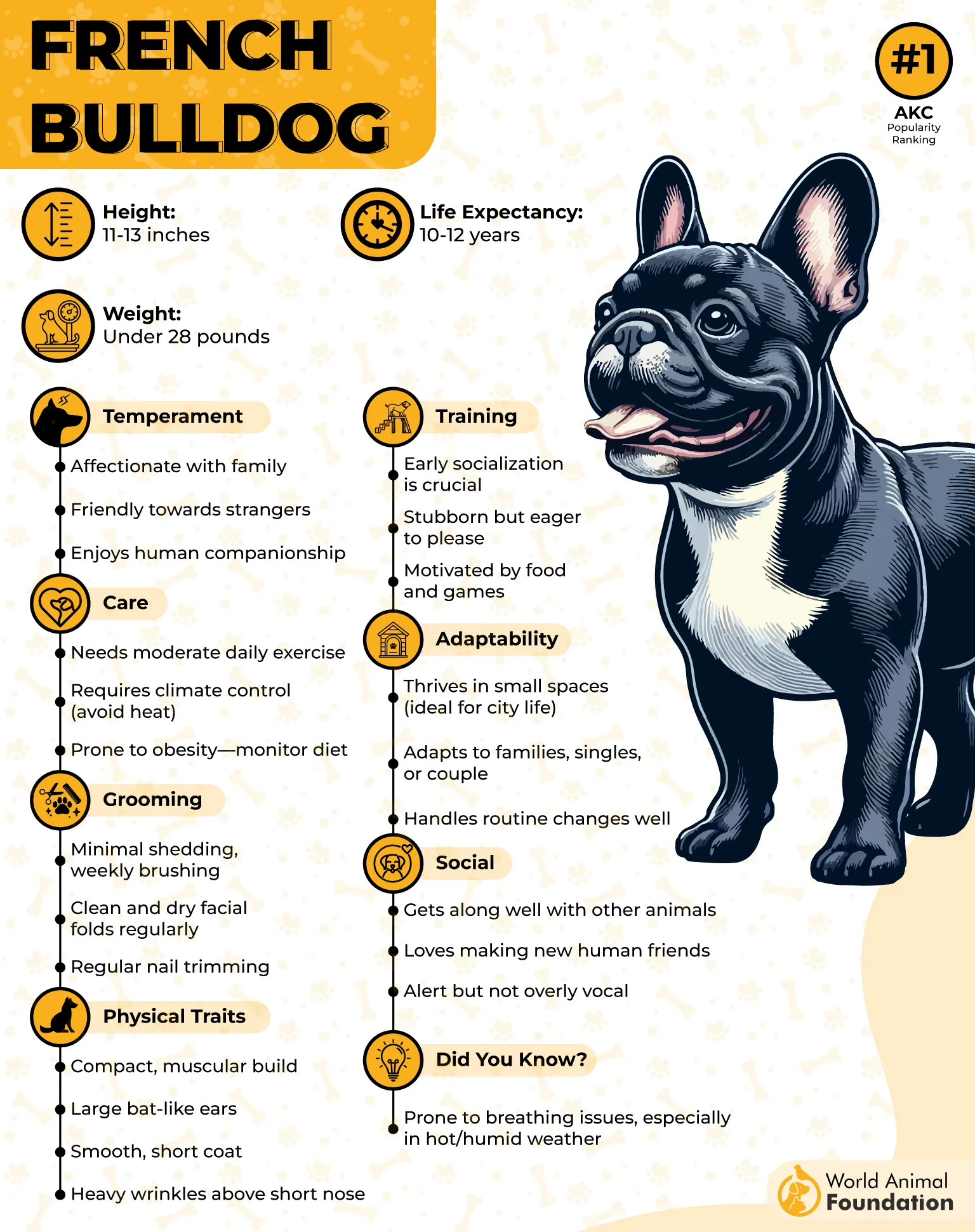
French Bulldog, often called “Frenchie,” is known for a relaxed, easygoing nature that fits naturally into quieter surroundings. Its small frame and expressive face reflect a steady, affectionate companion style. Early popularity grew around its cheerful personality and close human connection.
Gentle Temperament
A calm social rhythm makes this breed comfortable in low-intensity daily routines, where short interactions feel more meaningful than constant activity. It enjoys light engagement and stays close without demanding attention.
These simple behaviors shape its daily comfort:
Prefers short, calm walks
Enjoys simple interactive games
Responds well to gentle training
Playful Yet Relaxed Mindset
This quiet dog breed mixes curiosity with light playfulness, often engaging in brief games before returning to rest. It interacts well with familiar people and pets when introduced properly. New situations may require time, but familiarity quickly brings ease.
6. Boston Terrier
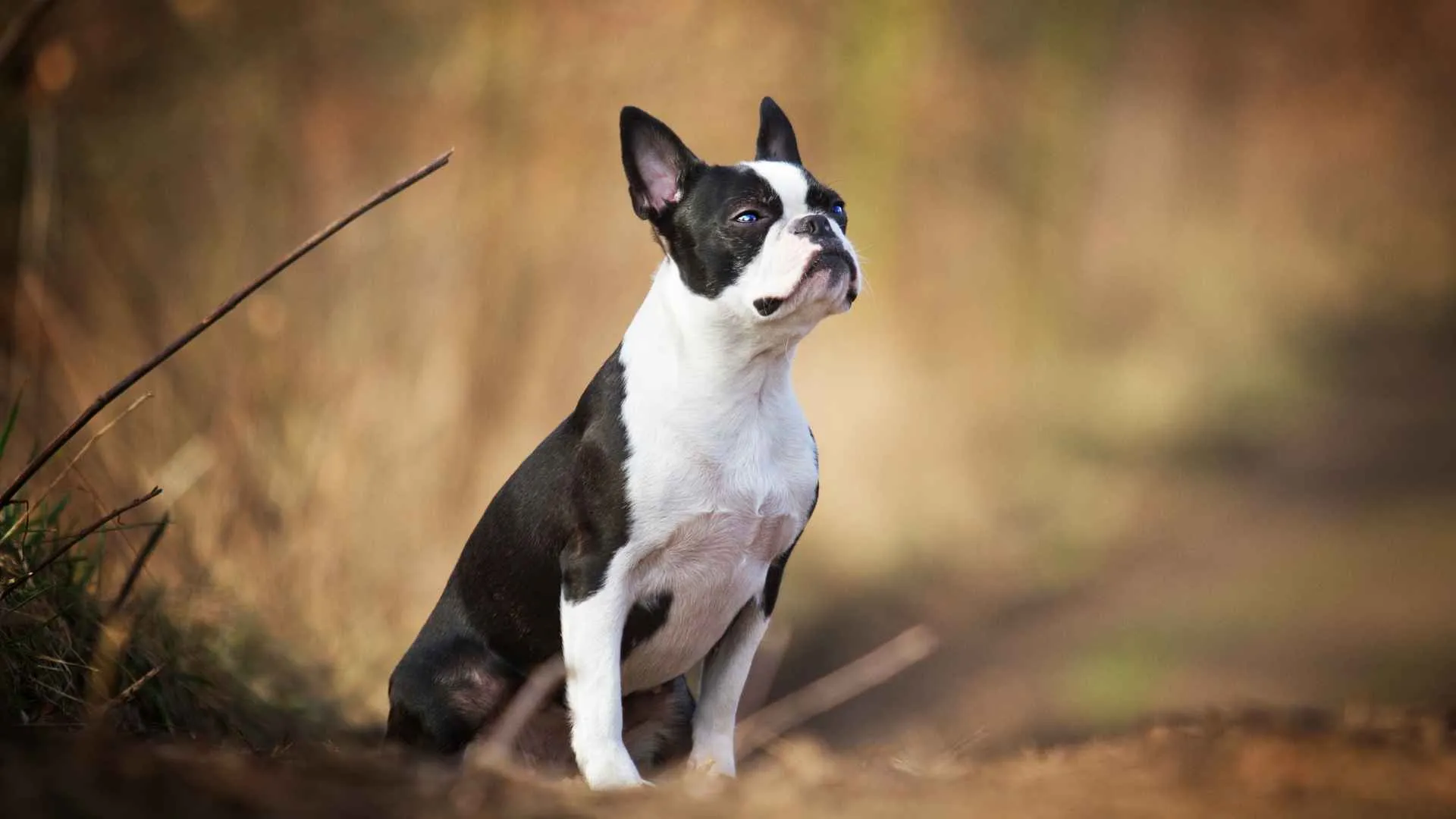
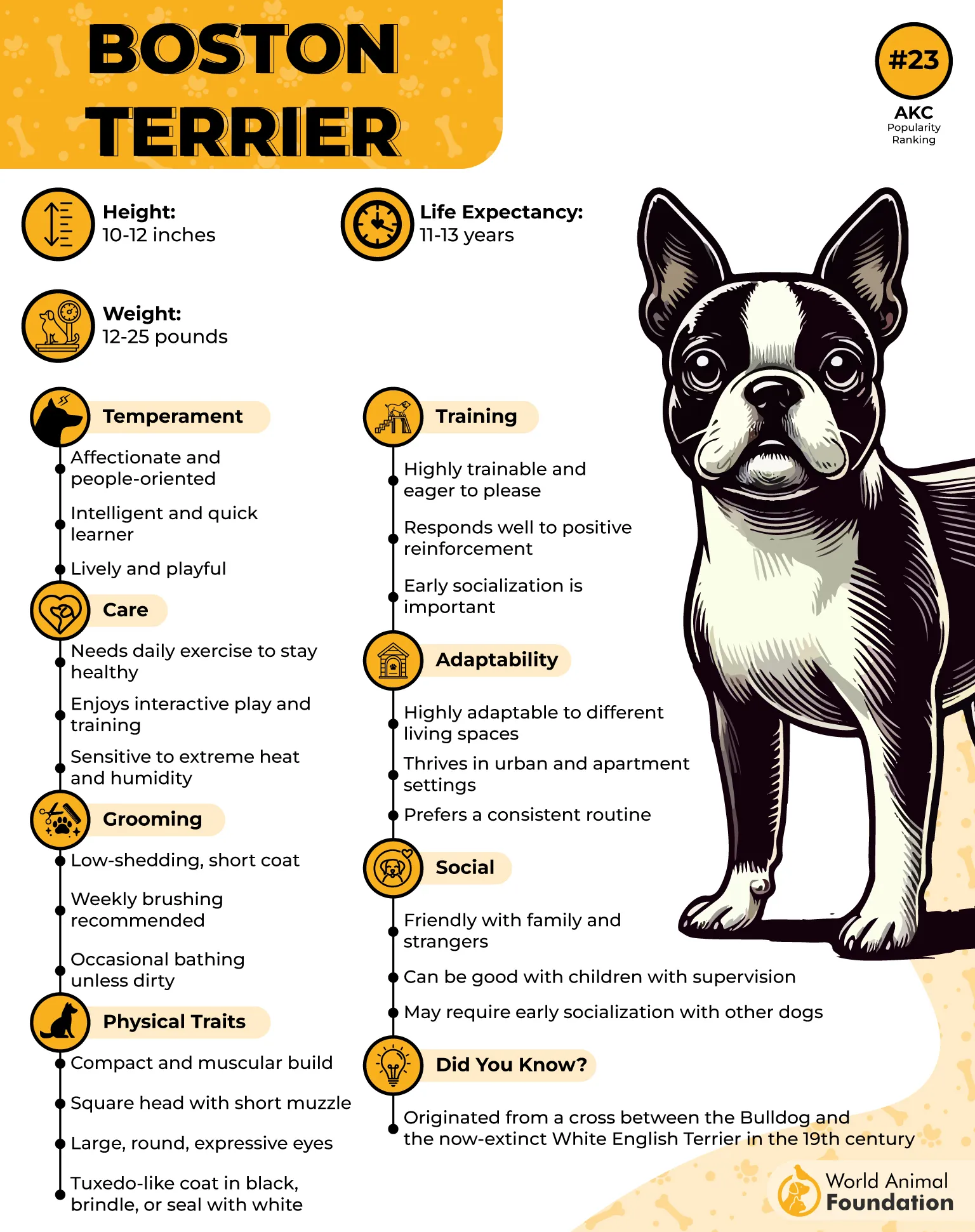
Boston Terriers often draw attention with their tuxedo-like coat and compact build, giving them a neat, polished look in everyday settings. Originating from Boston, it earned the nickname “American gentleman” for its composed manner and friendly nature.
Balanced Energy in Daily Life
Boston Terriers tend to do best in quieter homes where things stay relaxed, and interaction is steady but not overwhelming. You will usually see its energy in short playful moments rather than long stretches of activity.
A few practical points explain this rhythm:
Enjoys short, frequent play sessions
Adapts well to apartment living
Responds best to gentle guidance
Routine and Mental Engagement
This friendly dog benefits from a mix of light exercise and mental stimulation spread through the day rather than one long routine. Without enough engagement, it may find its own ways to stay occupied through unwanted habits. Structured interaction helps maintain steady behavior indoors.
7. Bolognese
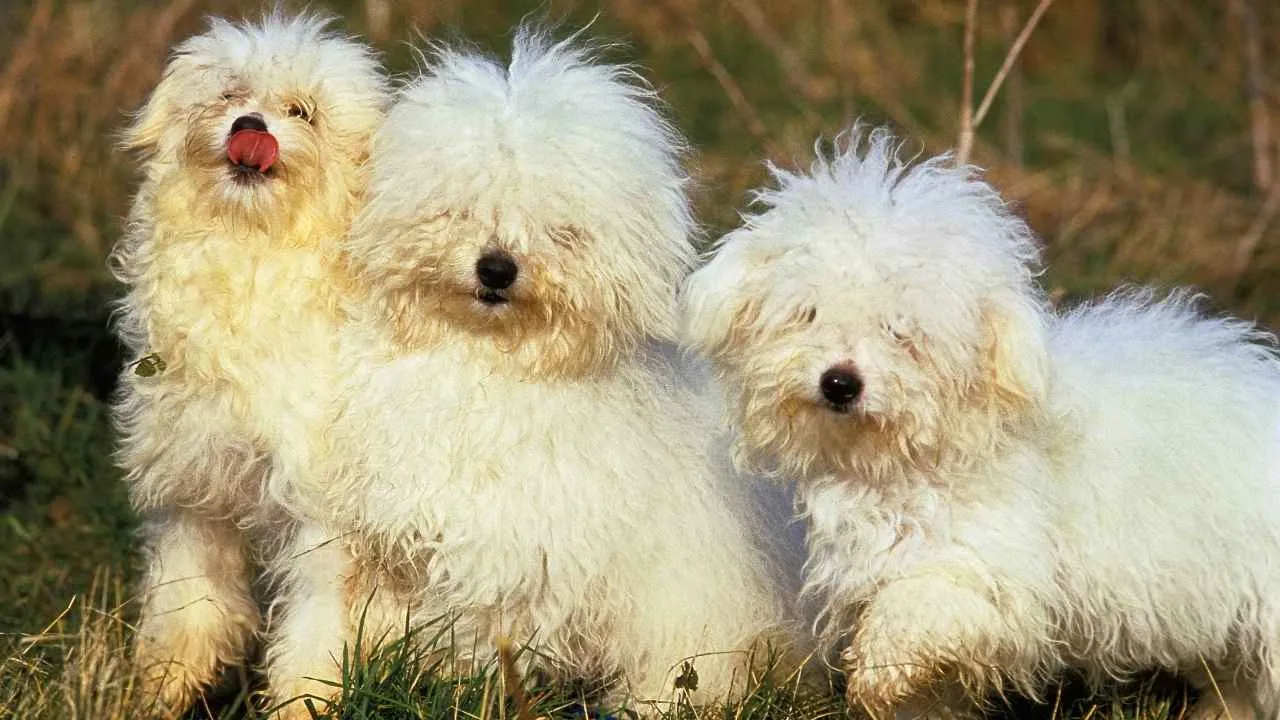
Bolognese has long been tied to Italian nobility, often seen in Renaissance artwork as a small, fluffy companion kept close within refined households. Its purpose has centered on companionship for centuries rather than demanding tasks.
Gentle Everyday Presence
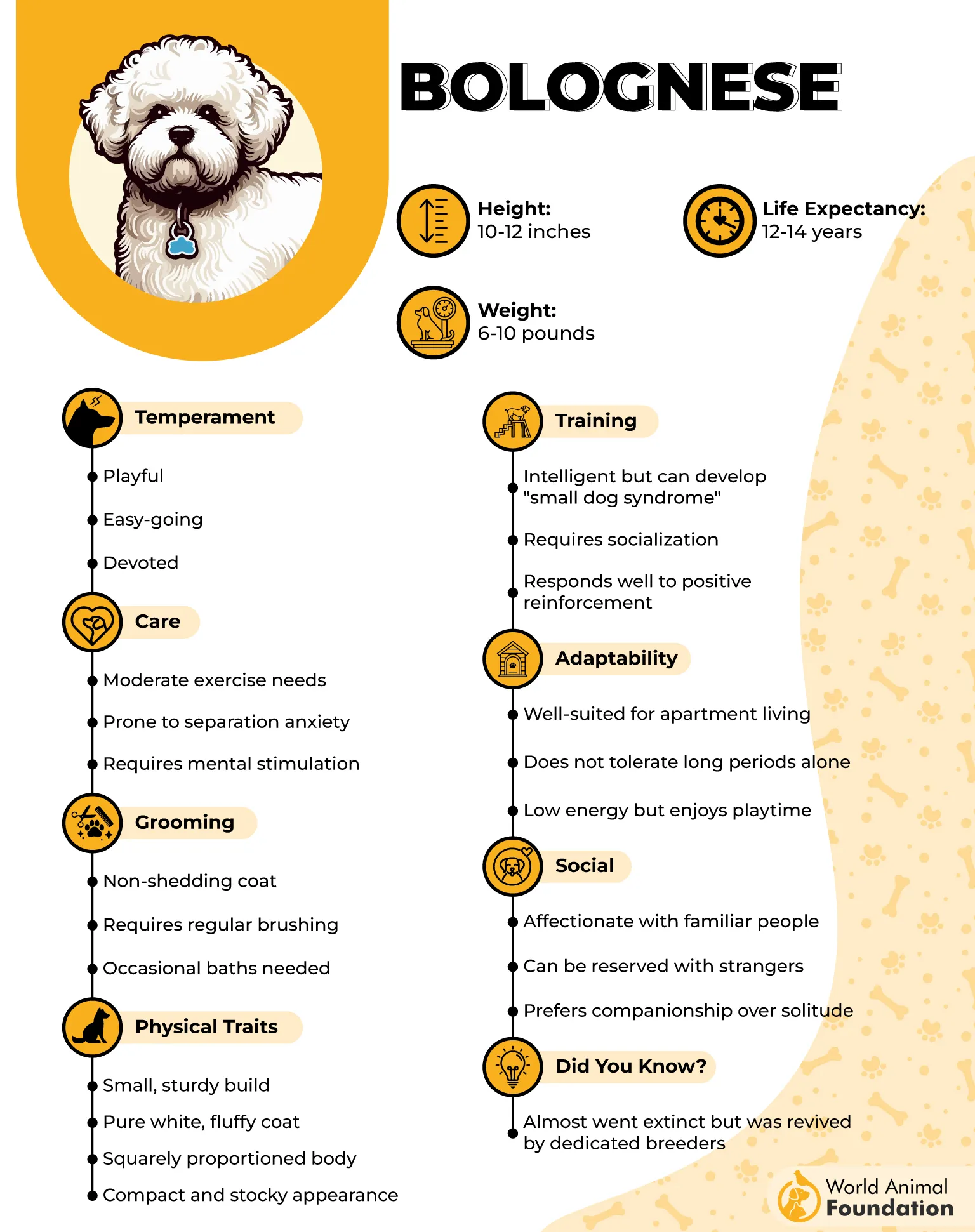
This small dog adapts to unhurried routines that focus more on companionship than exercise, often enjoying short walks followed by calm time with familiar people. Its balanced behavior avoids extremes and stays steady through the day.
These points capture its easygoing rhythm:
Calm without excess energy bursts
Comfortable in short daily walks
Enjoys consistent human contact
Home Adaptability
Training and early social exposure help shape confidence, preventing unnecessary hesitation in new situations. Once settled, it adjusts well to different household setups, including homes with children or older individuals. Short bursts of play followed by rest suit its rhythm best.
Conclusion
A peaceful household often depends on finding the right balance between companionship and personal space. The dogs featured here show how that balance can exist naturally when a calm temperament aligns with lifestyle. Many are deeply loyal and well-suited to quiet companionship.
For introverted owners, those qualities often matter more than popularity or appearance. Living with a dog should enhance daily life, not compete with it. With proper training, many become good family dogs that fit comfortably into everyday routines, making them especially appealing to pet parents.
