




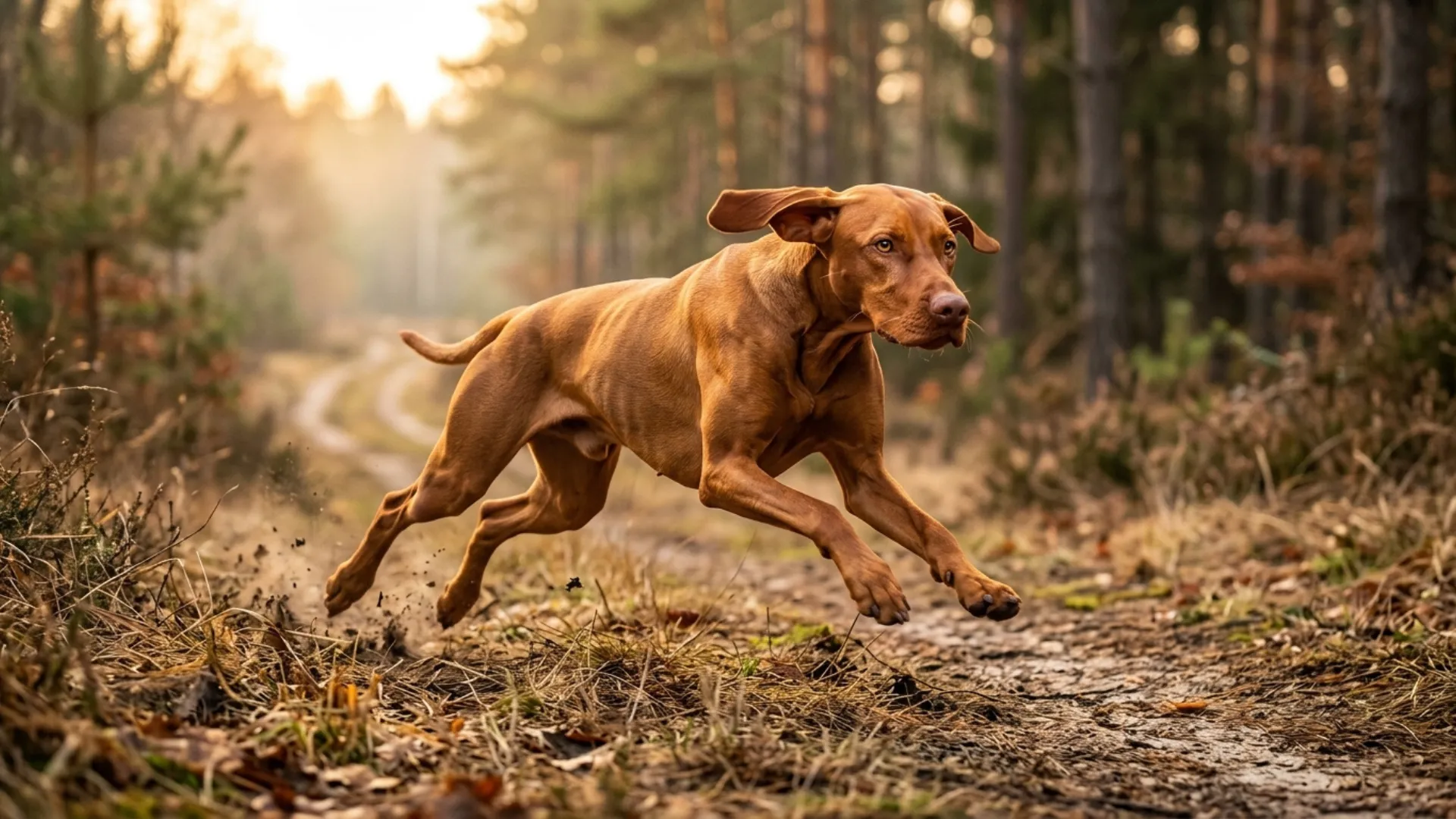
Some dog breeds seem born to run. With powerful legs, sharp instincts, and an intense drive to pursue moving targets, these athletic canines have spent centuries helping hunters track and chase game across challenging landscapes. Their remarkable speed and determination make them some of the most impressive working dogs in the canine world.
Historically, fast hunting dogs played a vital role in locating, tracking, and pursuing animals such as deer over long distances.
Through generations of selective breeding, these dogs developed exceptional agility, endurance, and focus, allowing them to stay on a trail or maintain pursuit even in difficult terrain. Their combination of athletic ability and hunting instinct continues to set them apart from many other breeds.
Today, the legacy of these pursuit dogs remains visible in their performance, energy, and natural drive. Whether following scents, reacting to movement, or excelling in canine sports, their hunting heritage strongly influences their modern behavior.
Understanding these traits helps explain why certain breeds remain among the fastest, most determined, and most capable canine athletes.
Dog Breeds That Pursue Deer at Breakneck Speed
1. Treeing Walker Coonhound
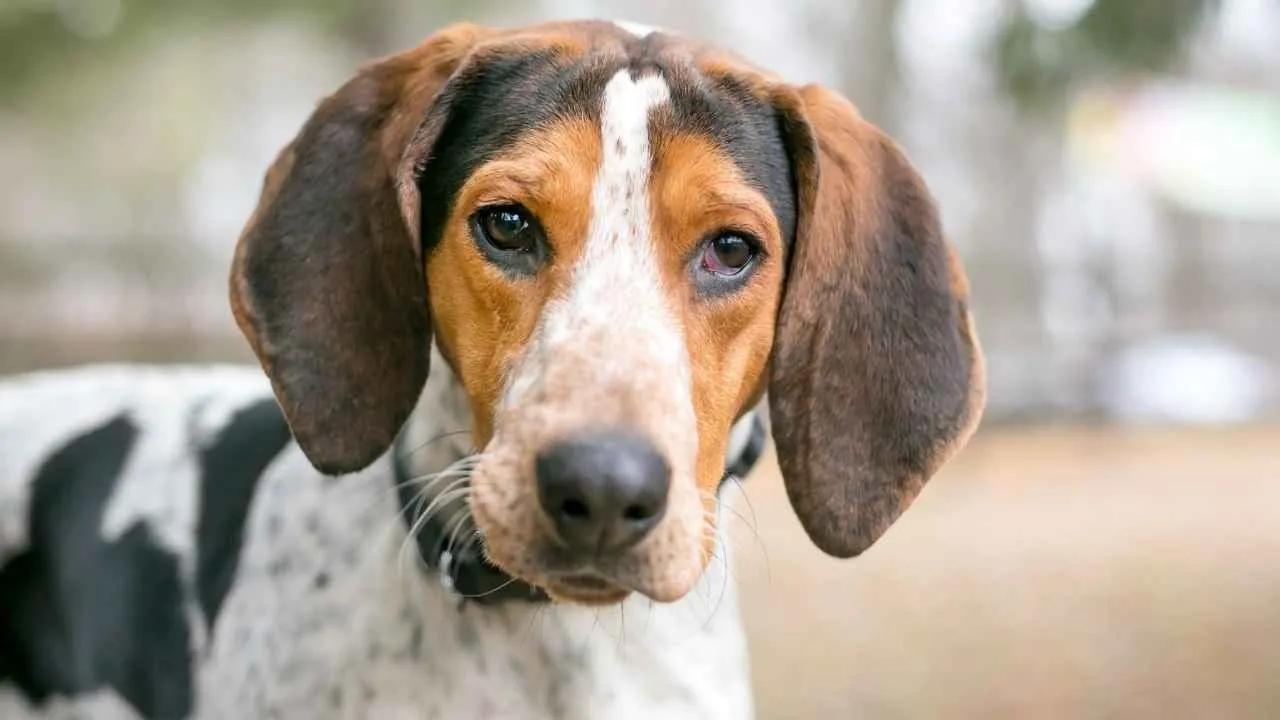
The Treeing Walker Coonhound, often simply called the Walker, is a swift and determined American hunting hound developed from English Walker Foxhounds.
According to the AKC, Treeing Walker Coonhounds are intelligent, brave, and sensible companions known for their speed and endurance. Known for their athletic build, sharp nose, and booming voice, these breeds earned a reputation as one of the most versatile hunting dogs in the field.
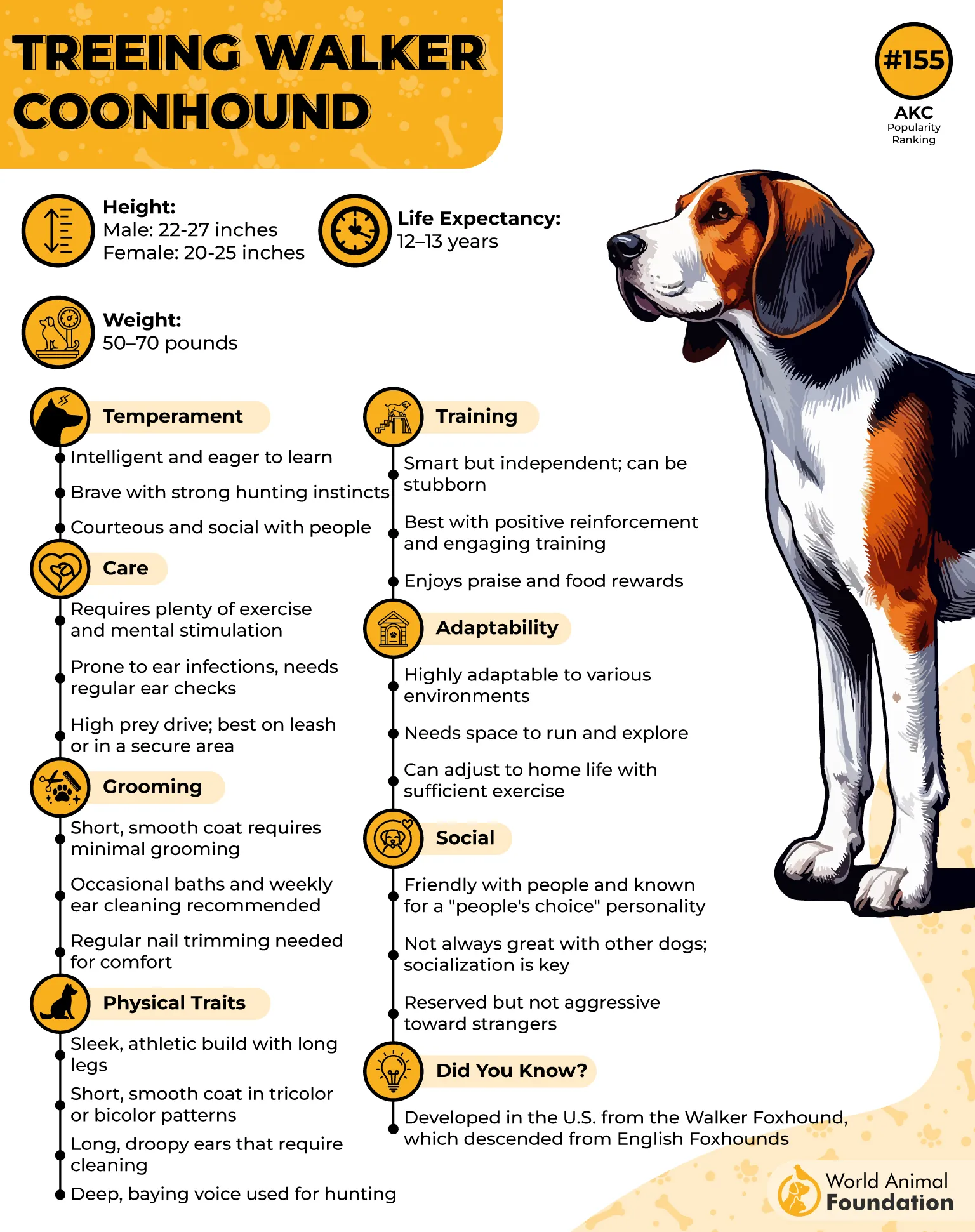
The Lightning-Fast Hunter Known for Incredible Chase Speed
Few breeds match the Treeing Walker Coonhound when it comes to pursuing game at high speed. Originally prized for tracking raccoons, these dogs have also been used to chase squirrels, deer, and even bears. Their remarkable stamina, powerful prey drive, and ability to stay locked onto a scent make them relentless pursuers.
Speed alone is not what sets this breed apart. Treeing Walkers combine quick movement with excellent tracking instincts, allowing them to follow quarry over long distances. Once prey is located, they use their distinctive voice to alert hunters, ensuring they can be found even far from sight.
Active and courageous, these hounds require substantial daily exercise and mental challenges. Their strong instinct to follow scents means they should remain on a leash or within a secure enclosure when outdoors.
Fact: The Treeing Walker Coonhound was officially recognized as a separate breed by the United Kennel Club in the mid-twentieth century after previously being classified as an English Coonhound.
2. German Shorthaired Pointer
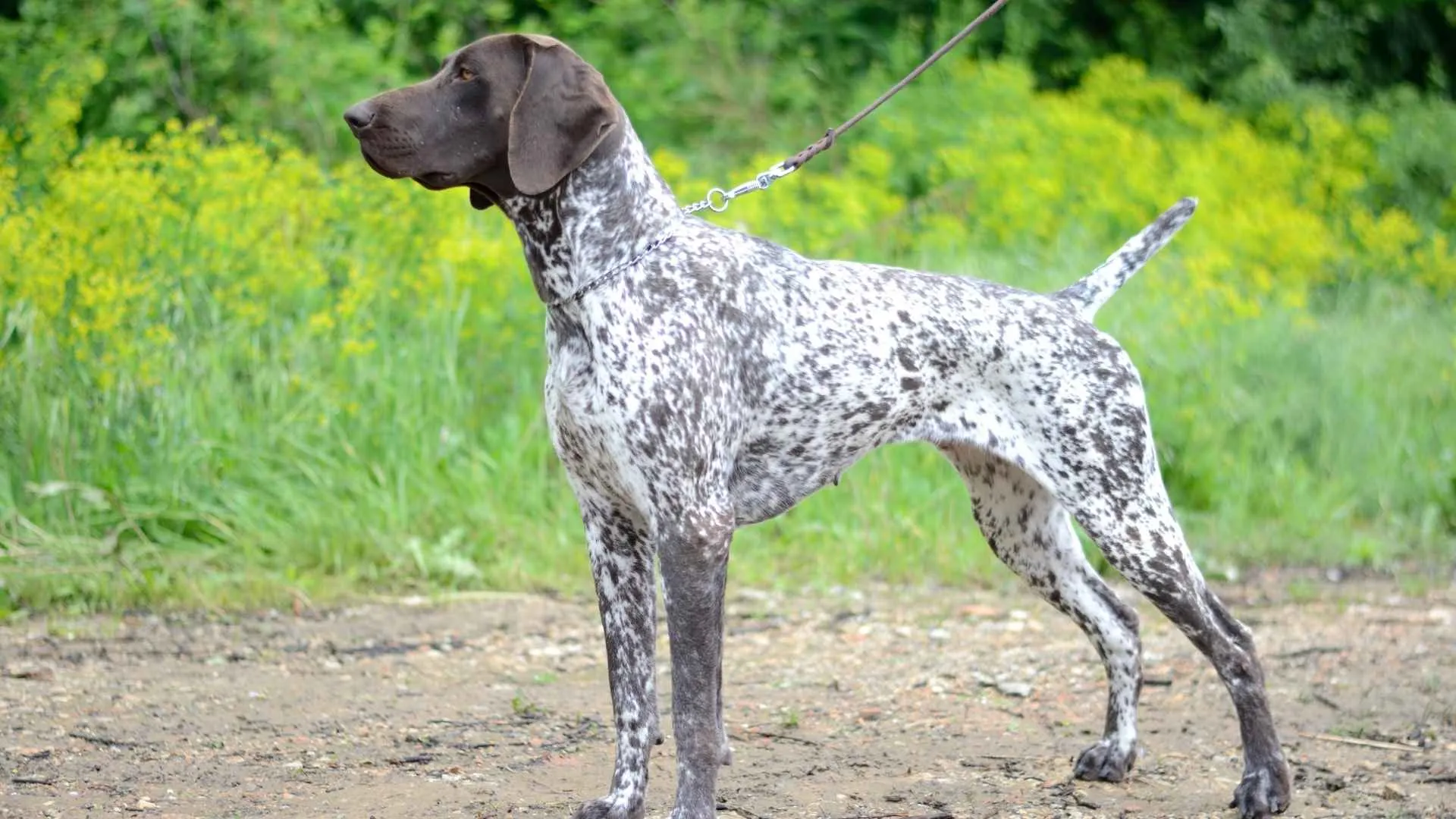
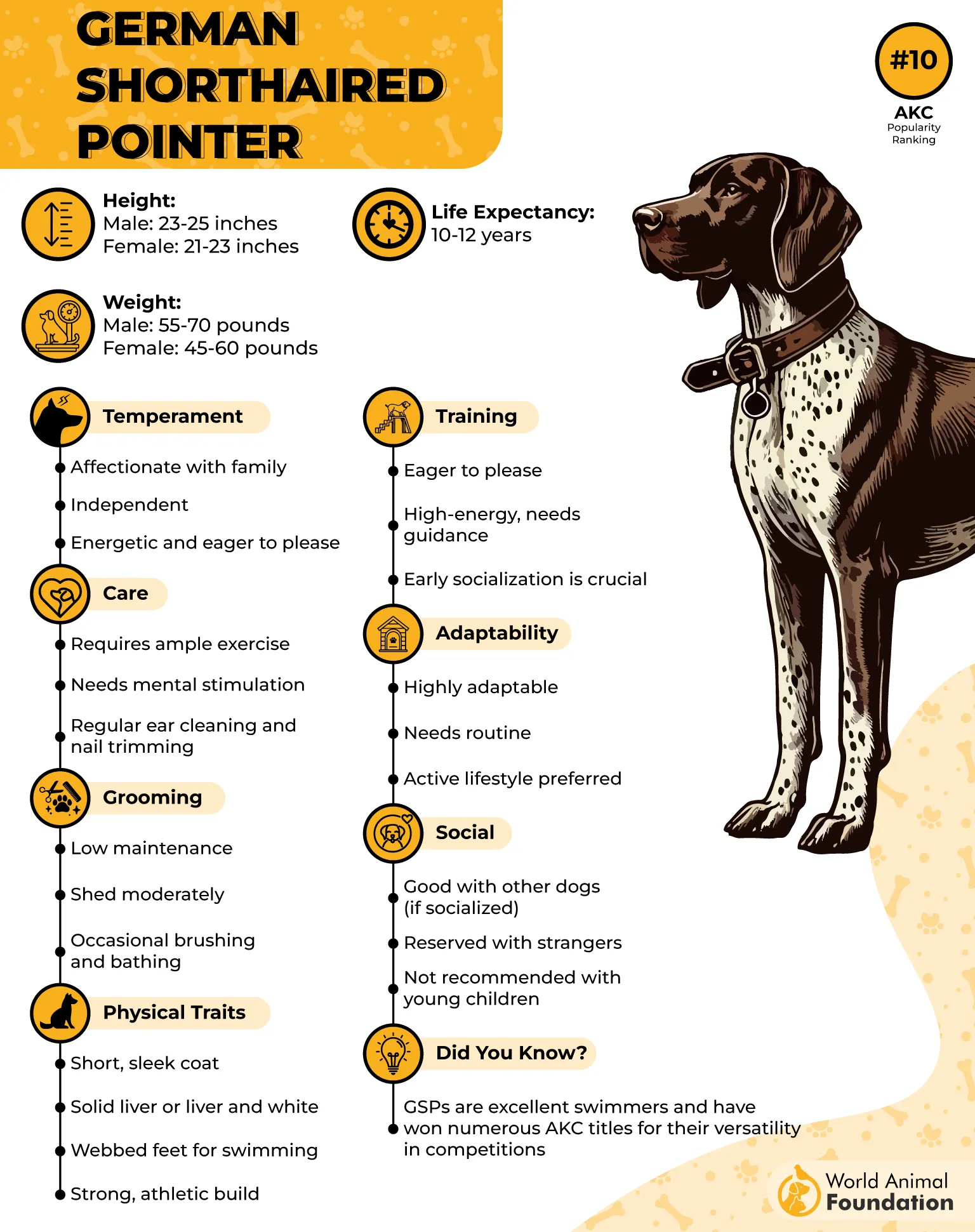
The German Shorthaired Pointer, often called the GSP, is a versatile sporting dog developed in Germany. According to PetMD, German Shorthaired Pointer dogs are known for their noble, athletic appearance and exceptional speed, agility, and endurance.
An Agile Pursuit Specialist Built for Covering Ground Quickly
Bred for tracking, pointing, and retrieving game, the German Shorthaired Pointer excels at covering large areas with speed and efficiency. Its powerful legs, stamina, and sharp instincts make it highly capable of pursuing fast-moving animals across fields, woodlands, and open terrain.
Unlike breeds that rely solely on speed, the GSP pairs athletic ability with remarkable problem-solving skills. It can follow scent trails, navigate challenging environments, and remain focused during long hunting sessions. Their enthusiasm and tireless work ethic allow them to stay active long after many other dogs begin to tire.
This energetic breed thrives when given demanding physical activity and purposeful tasks. Long hikes, vigorous exercise, hunting work, and canine sports help satisfy its drive.
Fact: German Shorthaired Pointers were originally developed in Germany during the nineteenth century as all-purpose hunting dogs capable of working on both land and water.
3. Vizsla
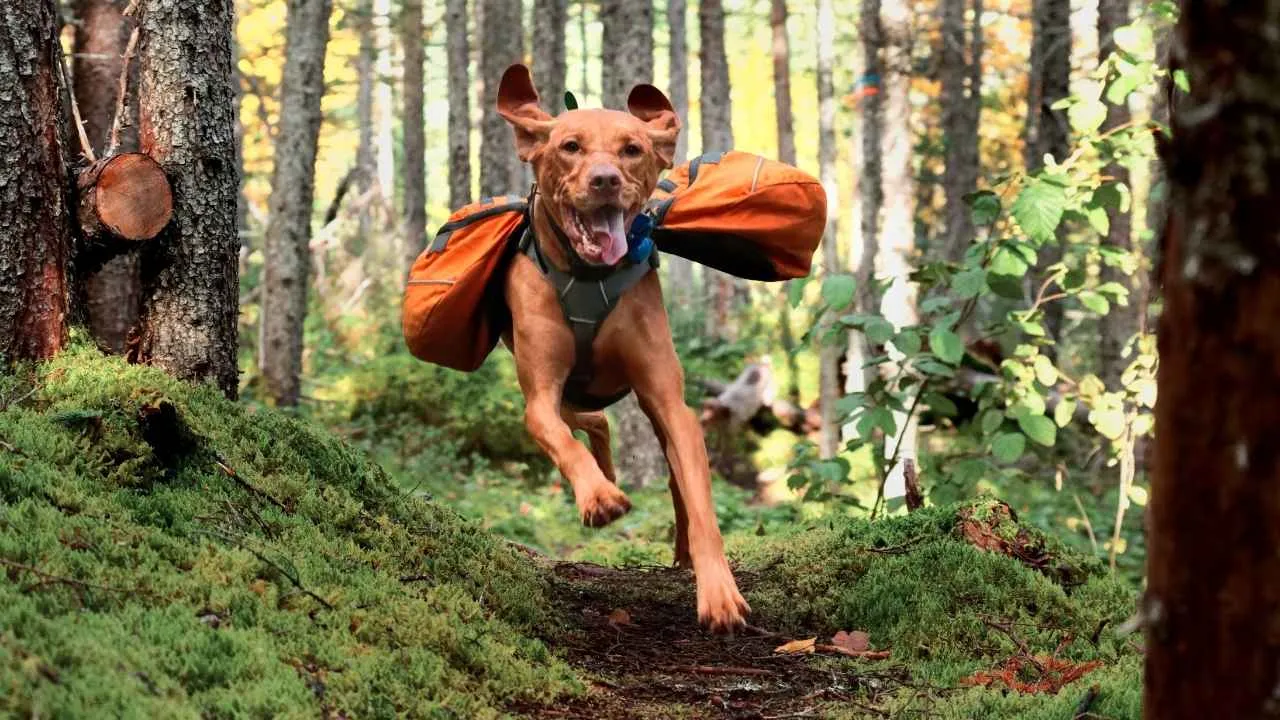
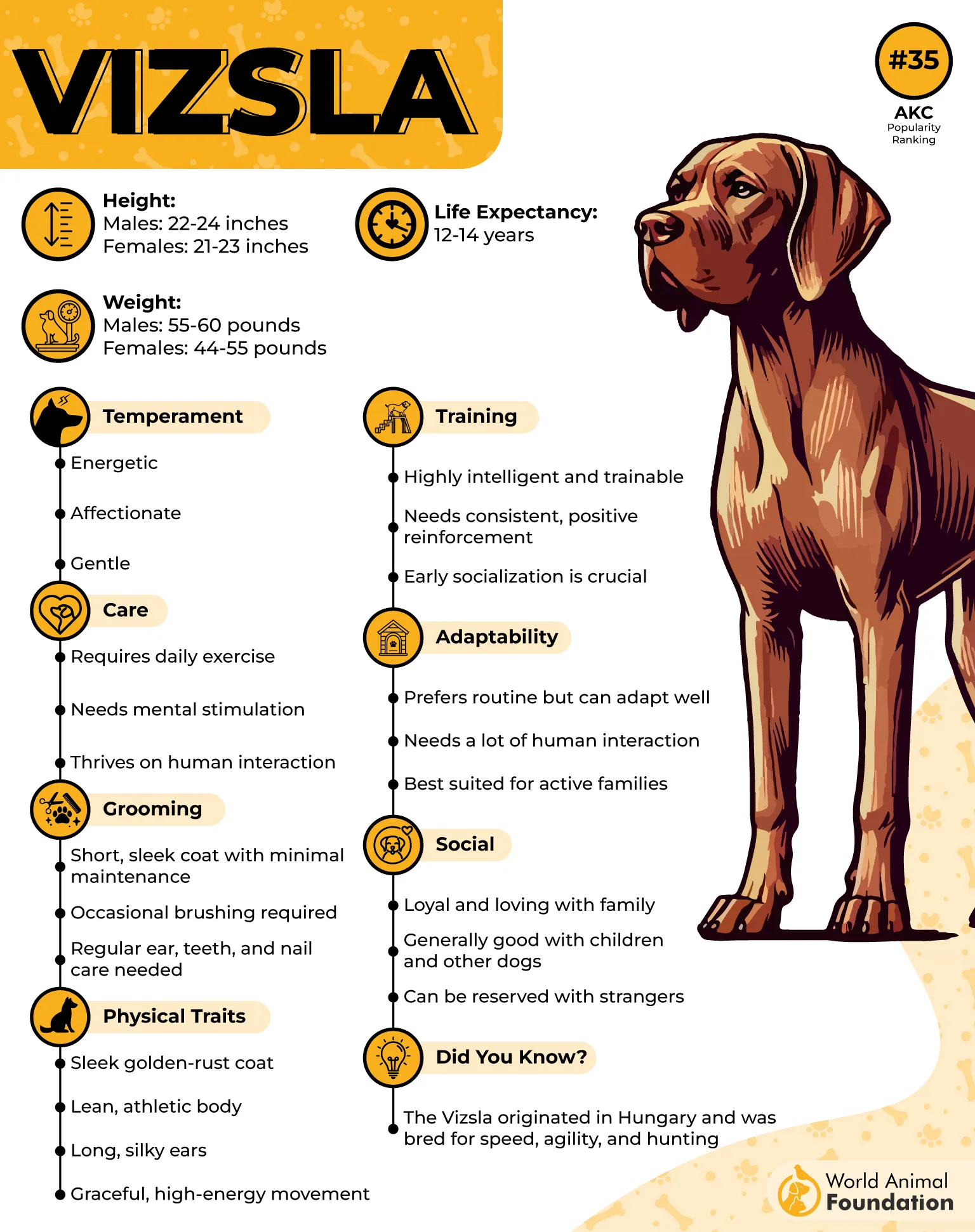
The Vizsla, also known as the Hungarian Vizsla or Magyar Vizsla, is a sleek, golden-rust hunting dog celebrated for its speed, stamina, and versatility. Originally developed in Hungary, this athletic breed was prized for tracking, pointing, and retrieving game across challenging terrain.
According to WebMD, Vizsla dogs are energetic companions known for their active nature and strong bond with their families, making them excellent partners for an active lifestyle.
The Athletic Breed That Excels at Following Fast-Moving Game
Equipped with a keen nose, powerful prey drive, and remarkable endurance, it can follow scent trails while maintaining the speed needed to keep pace with fleeing deer and other game.
Its lean, muscular frame is built for action. Long hunting days, demanding outdoor adventures, and field work suit this breed perfectly, as it thrives when given opportunities to run, explore, and engage its natural tracking instincts.
The Vizsla is also highly intelligent and eager to please, making it easier to train than many hunting breeds. Positive reinforcement helps channel its energy into productive work, allowing this determined hunter to excel in tracking, retrieval, scent activities, and other demanding tasks.
Fact: The name “Vizsla” means “pointer” in Hungarian, reflecting the breed’s long history as a skilled hunting dog.
4. Weimaraner
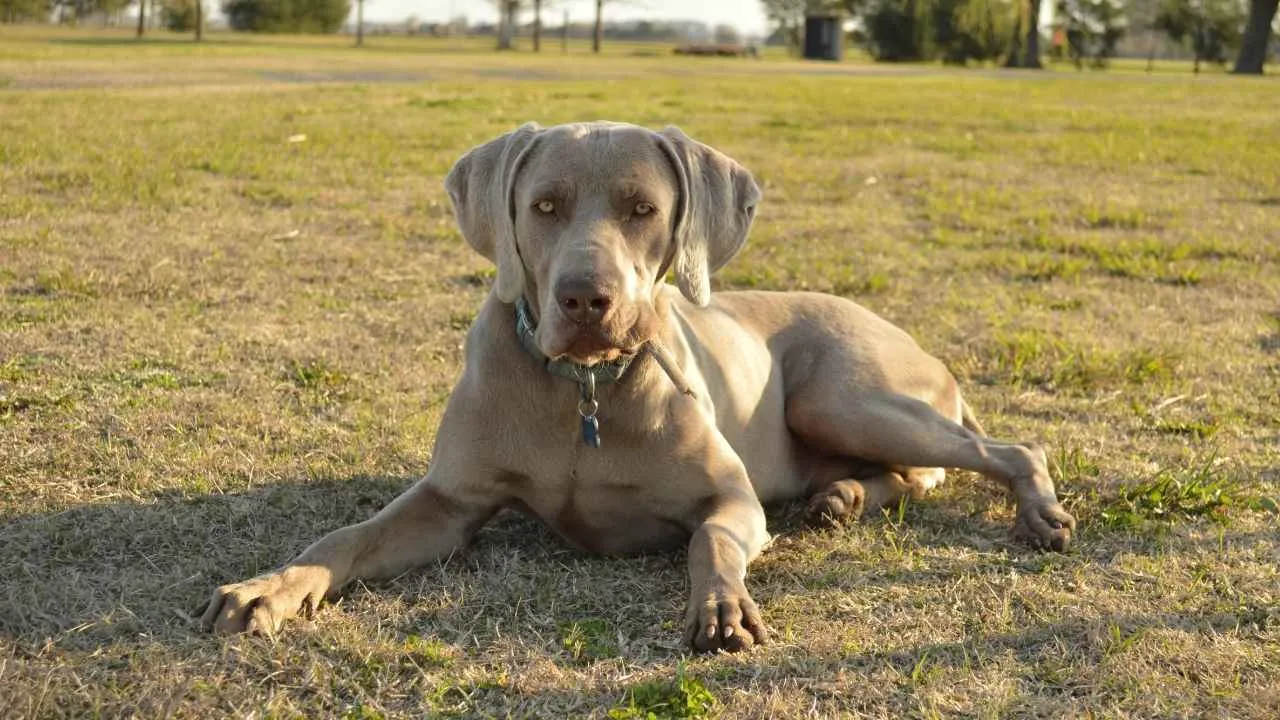
The Weimaraner, once known as the Weimar Pointer, is a striking German hunting breed recognized for its sleek silver-gray coat, athletic frame, and exceptional tracking abilities. Originally developed for pursuing large game, it remains a powerful working dog with remarkable endurance and focus.
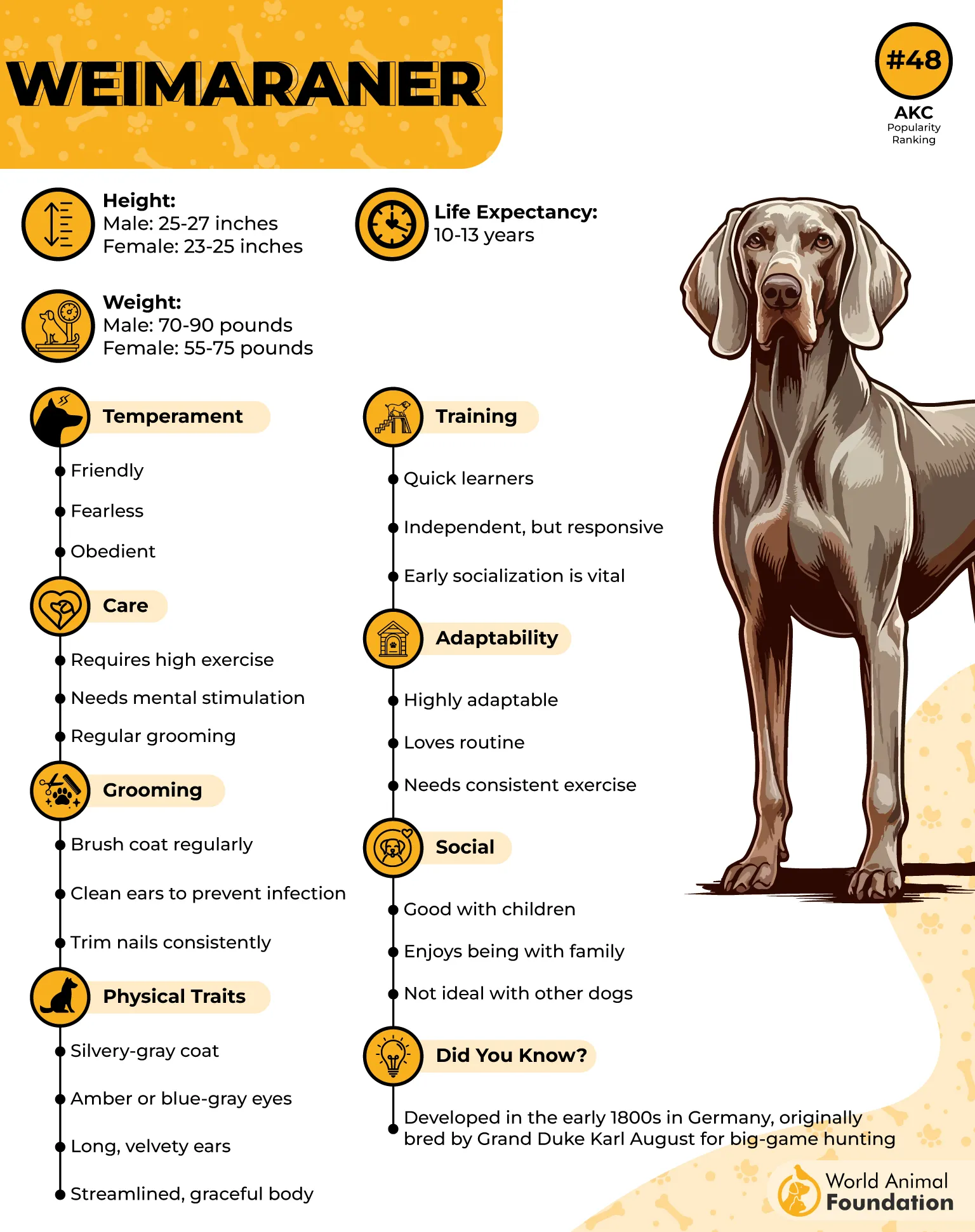
A Powerful Runner with Exceptional Stamina and Determination
Bred to hunt deer, boar, and other challenging quarry, the Weimaraner possesses a strong instinct to follow scent and pursue moving targets. Its excellent nose, natural prey drive, and determination allow it to stay engaged during long hunts across varied terrain.
This versatile dog thrives on vigorous activity and requires ample opportunities to run. Long legs, a deep chest, and a muscular build give the Weimaraner the speed and stamina needed to cover significant distances while maintaining concentration on the task ahead.
Highly intelligent and trainable, the Weimaraner combines hunting skill with versatility. Hunters value its ability to track, point, and retrieve both on land and in water, while its alert and protective nature adds to its reputation as a dependable working companion.
Fact: The Weimaraner is often called a “Velcro Dog” because of its strong desire to stay close to its favorite people.
5. Bluetick Coonhound
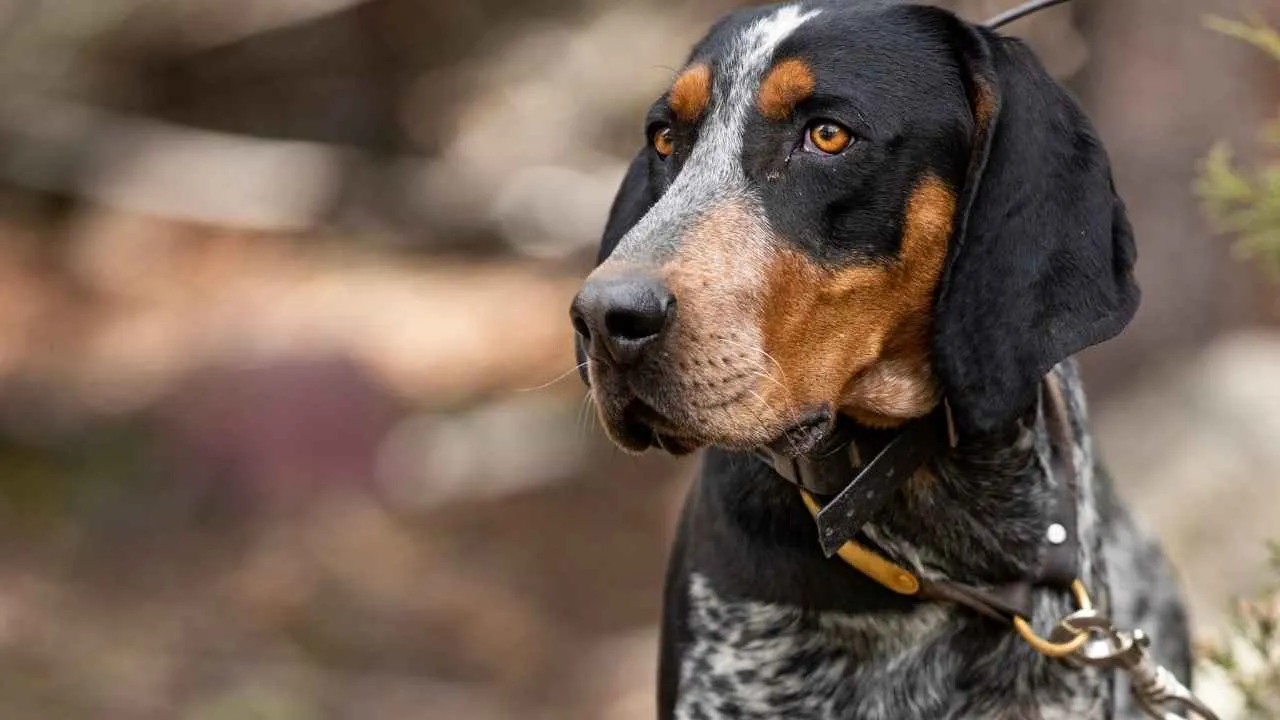
The Bluetick Coonhound, sometimes simply called the Bluetick, is an American scent hound recognized for its blue-speckled coat, muscular build, and remarkable tracking ability.
Developed from French hounds and English Foxhound ancestry, this breed was created to pursue game with endurance, determination, and an exceptional nose.
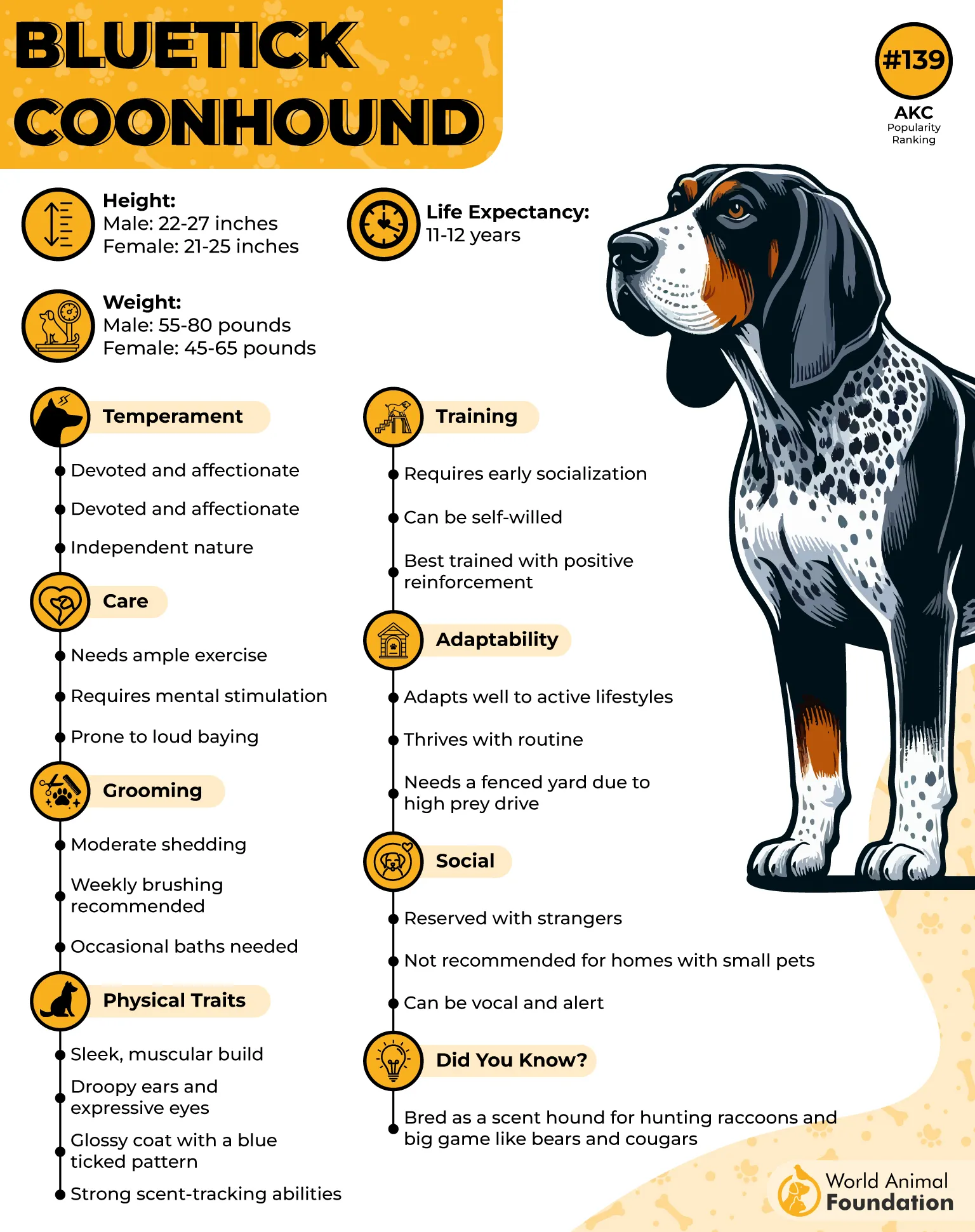
The Swift Hunting Companion Renowned for Speed and Precision
When it comes to pursuing deer and other fast-moving quarry, the Bluetick relies on persistence as much as speed. Its ability to follow scent trails that are hours old allows it to stay focused on a target long after other dogs may lose interest, making it a highly respected hunting companion.
Out in the field, this breed combines athleticism, stamina, and a single-minded approach to tracking. Once a scent is detected, distractions tend to disappear as the Bluetick follows the trail with confidence, often covering long distances while remaining locked onto its objective.
Its powerful hunting instincts are supported by high energy levels and a strong work ethic. Regular exercise, tracking activities, and mental challenges help satisfy this driven hound’s natural desire to pursue and investigate scents.
Fact: The Bluetick Coonhound was originally developed in the United States to track raccoons and larger game, using its keen nose and distinctive baying voice to help hunters locate quarry.
6. Plott Hound
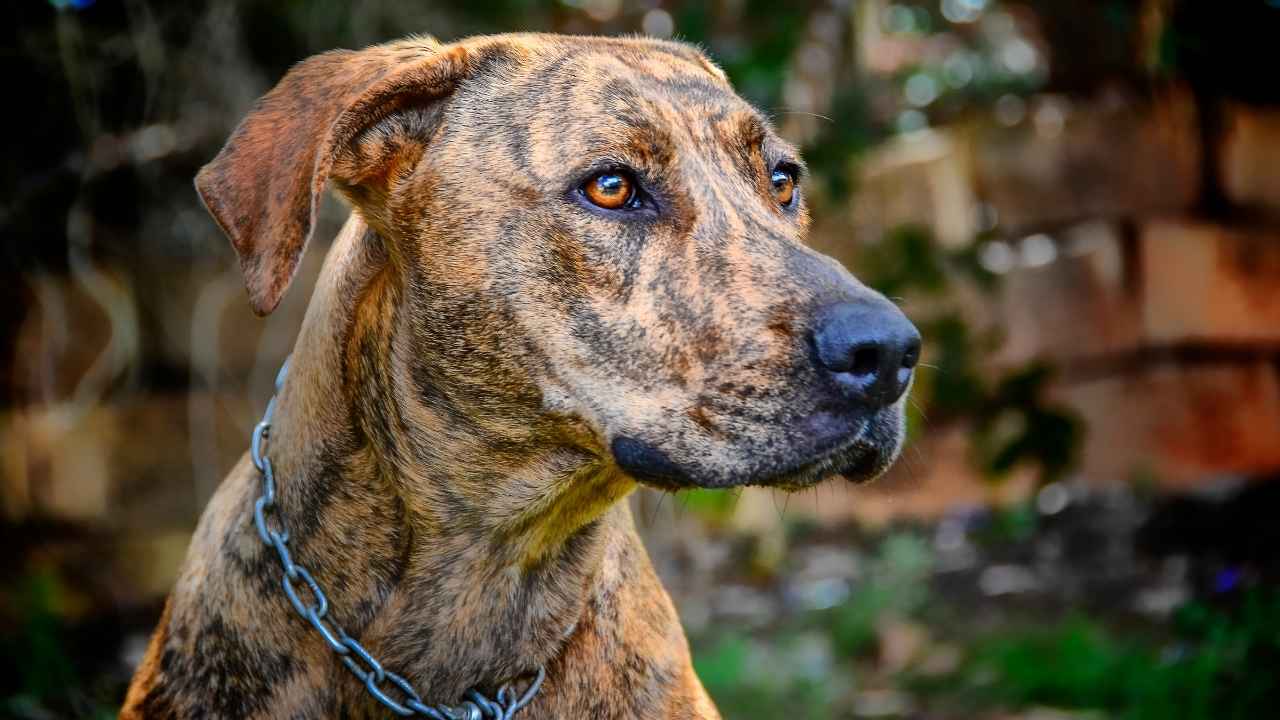
The Plott Hound, sometimes simply called the Plott, is a brindle-coated scent hound developed in North Carolina from German hunting stock. Known for its courage, intelligence, and powerful nose, this athletic breed was created to pursue large game across challenging terrain.
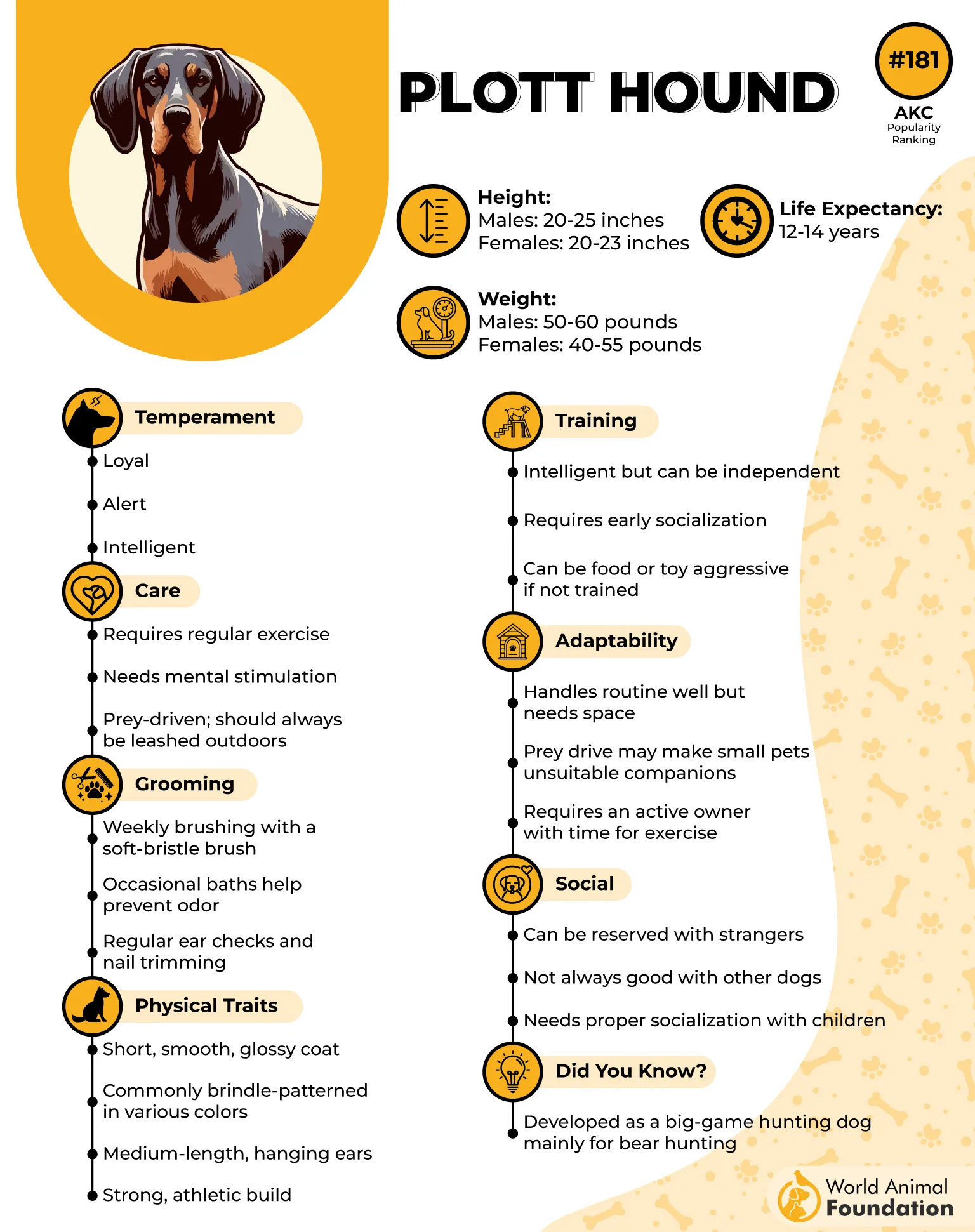
A High-Drive Breed That Thrives on Pursuit and Outdoor Challenges
Tracking comes naturally to the Plott Hound. Whether following fresh or older scent trails, this breed approaches the task with remarkable determination and focus. Its strong prey drive and ability to work independently have also made it a capable deer-tracking companion.
Built for action rather than relaxation, the Plott thrives when given demanding outdoor activities. Long hikes, tracking exercises, agility work, and vigorous daily exercise help satisfy the breed’s physical and mental needs while channeling its hunting instincts productively.
Although devoted to its family, the Plott Hound remains a working dog at heart. Positive training, early socialization, and secure outdoor spaces are essential, as an interesting scent can quickly capture its attention and send it eagerly in pursuit.
Fact: The Plott Hound became the official state dog of North Carolina and was recognized by the AKC in the early twenty-first century.
7. American Foxhound
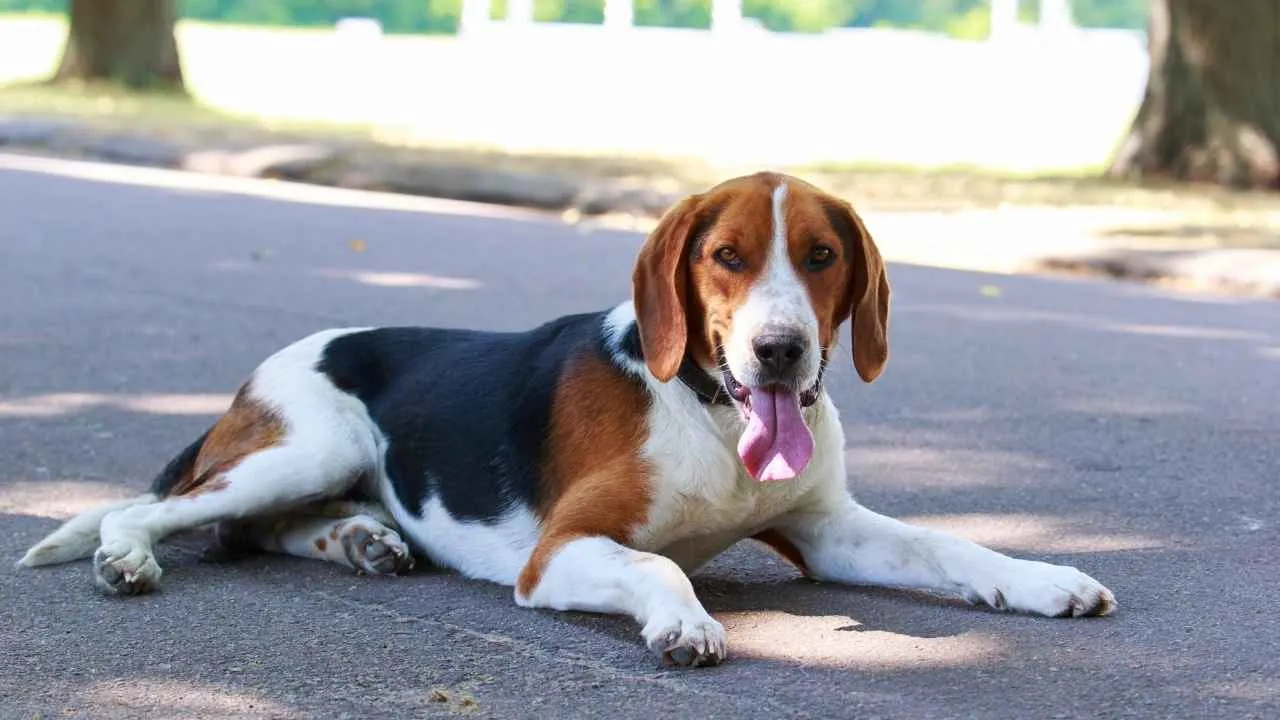
The American Foxhound, sometimes simply called the Foxhound, is a scent hound developed from English and French hunting dogs. Known for its lean build, remarkable stamina, and powerful nose, this breed was specifically refined to pursue game across vast stretches of countryside.
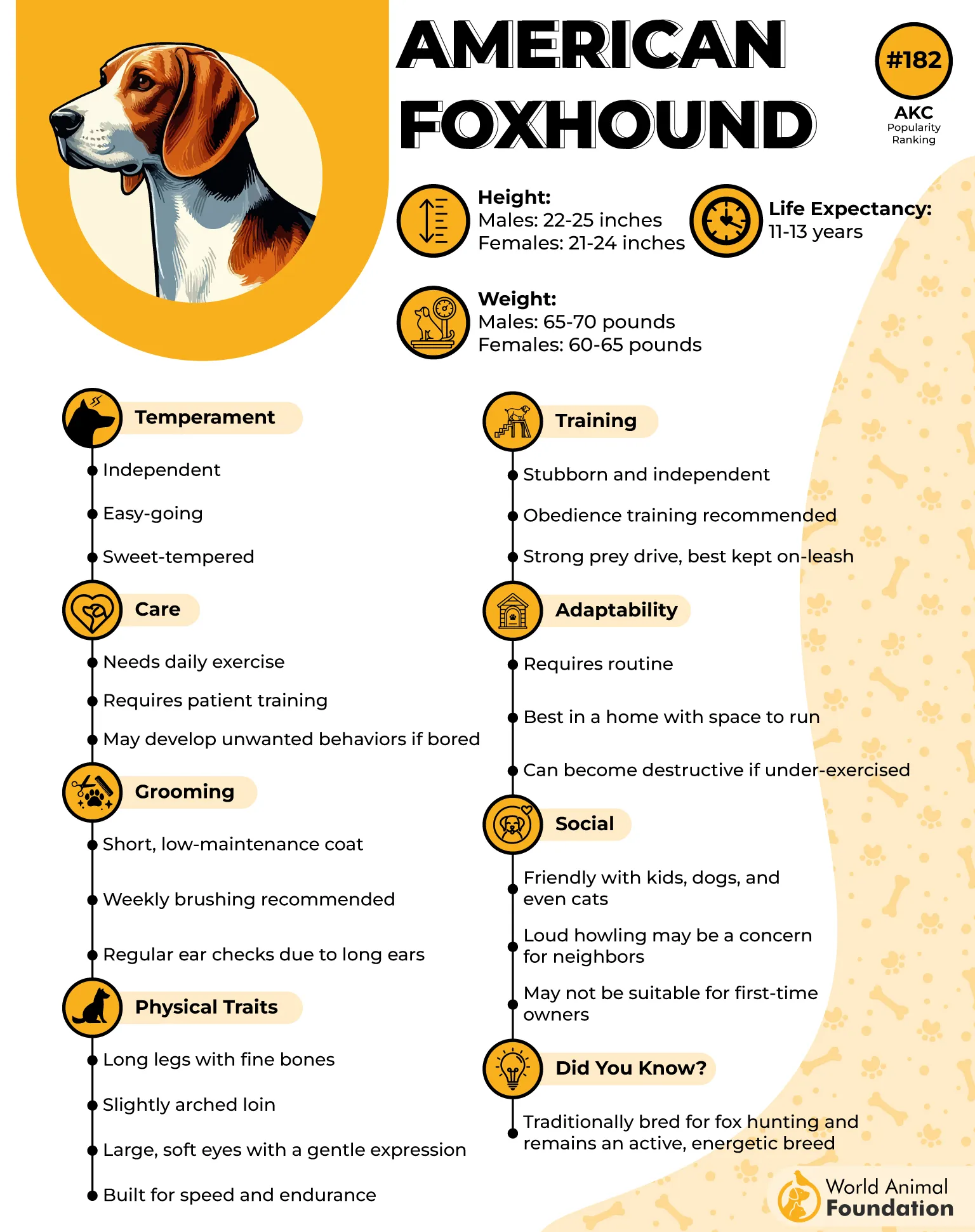
The Ultimate Speedster with a Long History of Tracking and Chasing Game
Bred to hunt foxes and other game, it combines speed, endurance, and determination, making it highly effective when tracking deer through forests, fields, and rough terrain.
Its hunting instincts are deeply rooted, and once it catches a scent, it can become completely focused on the pursuit. This strong prey drive, paired with impressive athleticism, explains why the breed excels in scent-driven hunting activities and long-distance tracking work.
Despite its relentless drive outdoors, the American Foxhound is typically even-tempered and sociable around family members. Its pack-hound heritage also means it generally enjoys the company of other dogs.
Fact: George Washington played a major role in refining the American Foxhound by crossing English Foxhounds with French hounds to create a faster and more agile hunting dog.
Conclusion
The breeds featured in this article highlight the remarkable instincts, speed, and determination that make certain dogs exceptional deer pursuers. Developed for tracking, chasing, and following game across challenging terrain, these dogs remain impressive working companions.
Many of these breeds rely on either powerful scenting abilities or keen eyesight to locate moving targets. Their natural prey drive, endurance, and focus allow them to stay committed to a trail long after other dogs might lose interest.
While these instincts are valuable in hunting environments, they also require responsible ownership. Consistent training, proper socialization, secure exercise areas, and regular mental stimulation help channel their energy in positive ways.
Choosing one of these breeds means appreciating both their athletic talents and their unique personalities. With the right guidance, these devoted dogs can balance their strong hunting heritage with life as loyal, affectionate, and rewarding companions for active families.
