





Some people live in a house where cats and dogs live together, and this can be either peaceful coexistence or constant chaos. It is typically a single factor, which is the breed’s temperament and social behavior towards other pets.
Certain dog breeds possess good hunting instincts, while others are innately docile, loving, and very adaptive. These are the friendly dog breeds that are much more likely to be taken in as companions than to be pursued as prey by other dogs.
When you are planning on introducing dogs into a cat-friendly household (or the other way round), one of the most vital decisions that you can ever make is to select the appropriate breed. While early socialization is essential, a dog’s genetic predisposition also affects how easily it can form positive relationships with cats.
In the following guide, we will discuss 7 dog breeds that are reputed to bond with cats fast and are long-term friendly companions, and have an easygoing nature, making them a good fit in multi-pet homes.
Dog Breeds That Bond Fast With Cats and Stay Friendly
1. Golden Retriever
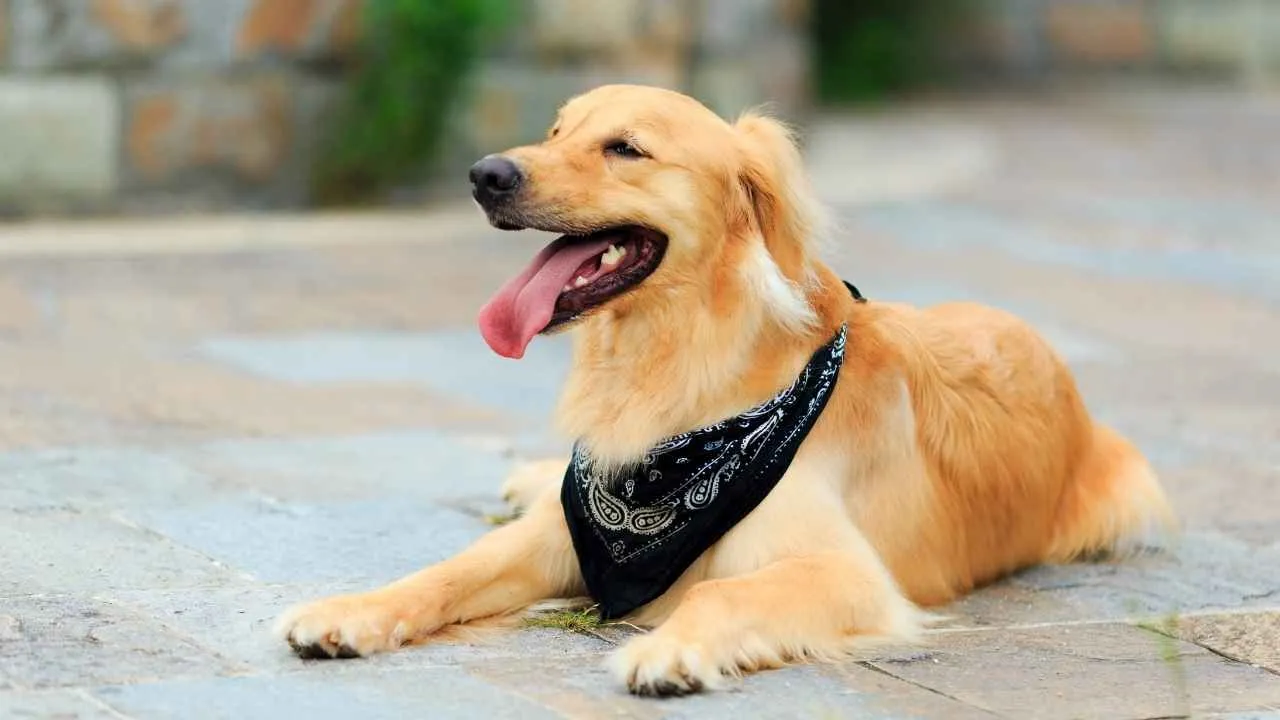
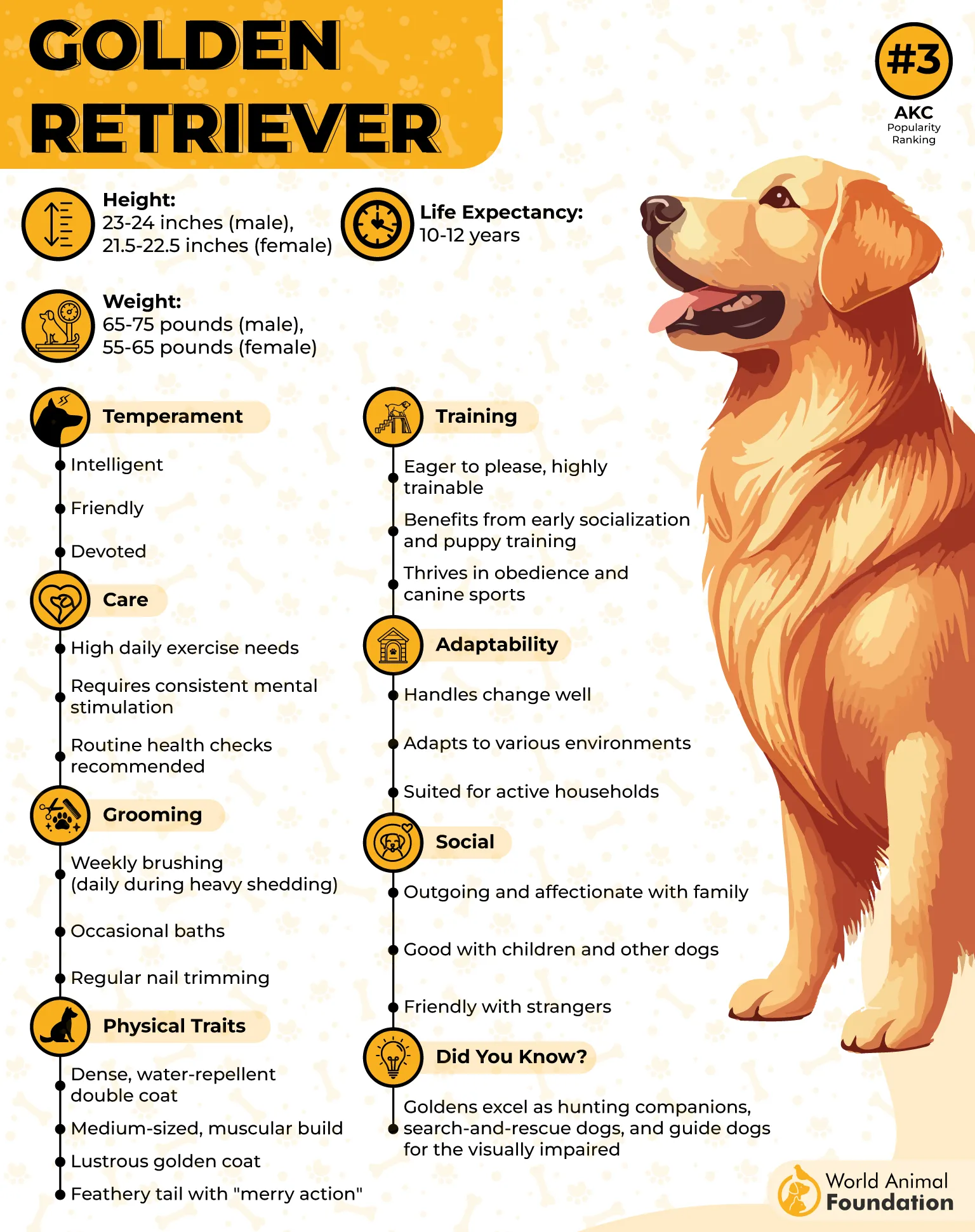
The Golden Retriever is often considered one of the best family dogs, and it is equally known for getting along well with cats. Their tolerant, emotionally smart, and calm character makes them one of the most readily incorporated into a household with cats.
Golden Retrievers are born social beings that love company. These gentle dogs are not normally possessive or aggressive to other pets, thus giving them an opportunity to coexist with cats and even in common areas, as stated by Purina.

Reasons why Golden retrievers get along with cats:
Extremely gentle temperament
Low aggressive behavior
Trained to a high degree and very obedient
Great need to be socially corrected
Easily affected by family relationships
Many Golden Retrievers will not only tolerate cats, but they will also actively seek them out, and lie beside them or trail them around the house. They are not like many dogs that will go around and chase smaller animals.
They are the bridge that helps cats and dogs to get along with one another in a lot of houses.
2. Labrador retriever
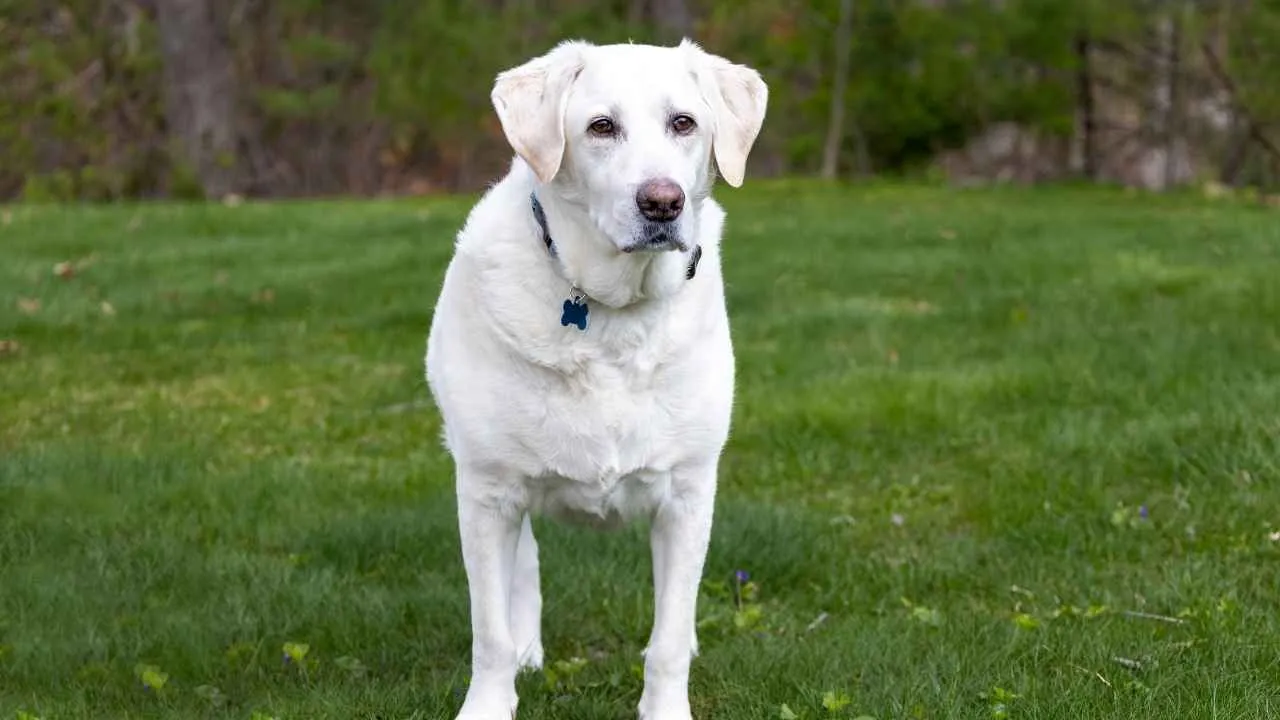
Another breed, which is popular all over the world, is the Labrador Retriever due to its amiable and light-hearted nature. Labs can be playful and energetic, but not aggressive, and they can be good companions to cats from a young age.
Labradors are very adaptive, unlike other breeds, which are stronger or intimidating. They are socialized and reinforced, hence making them easier to train around smaller pets like cats.
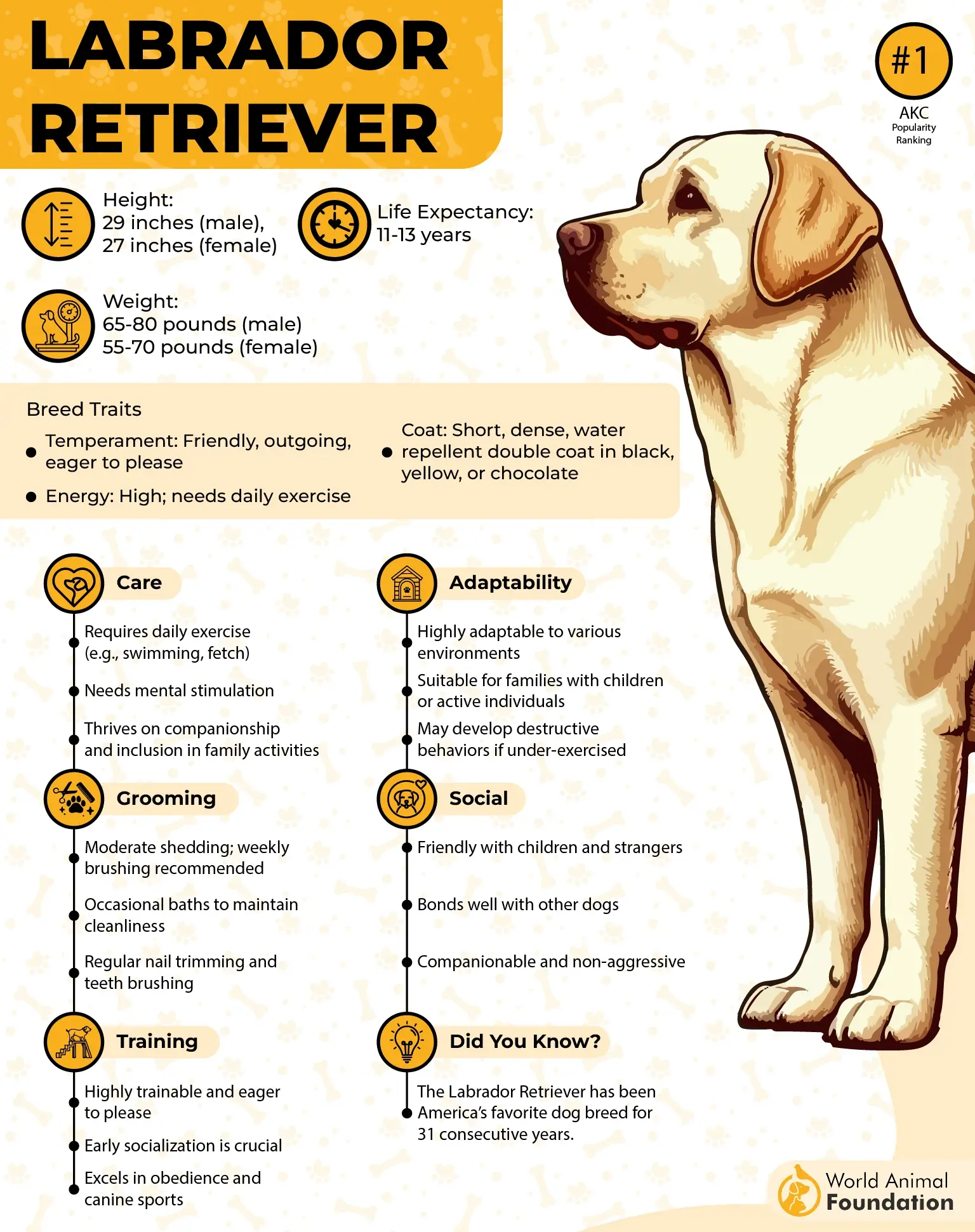
Reasons why Labrador Retrievers get along with cats
Naturally friendly and outgoing
Strong social nature
Few tendencies to aggression
Quick learners during training
Have a gentle personality
Tolerant of all other pets
Nevertheless, Labradors are bigger and playful; therefore, early training is necessary to avoid inadvertent roughness. Boundaries set, Labs tend to be respectful and loving housemates.
They can have a strong chase instinct if proper socialization is not provided to these gentle giants.
3. Pug

Pugs are adorable companion dogs, but with a rather low prey drive. Pugs, unlike other energetic dogs, are more inclined to comfort, food, and human attention than to run after other animals.
This preference causes them to be more accepting of cats.
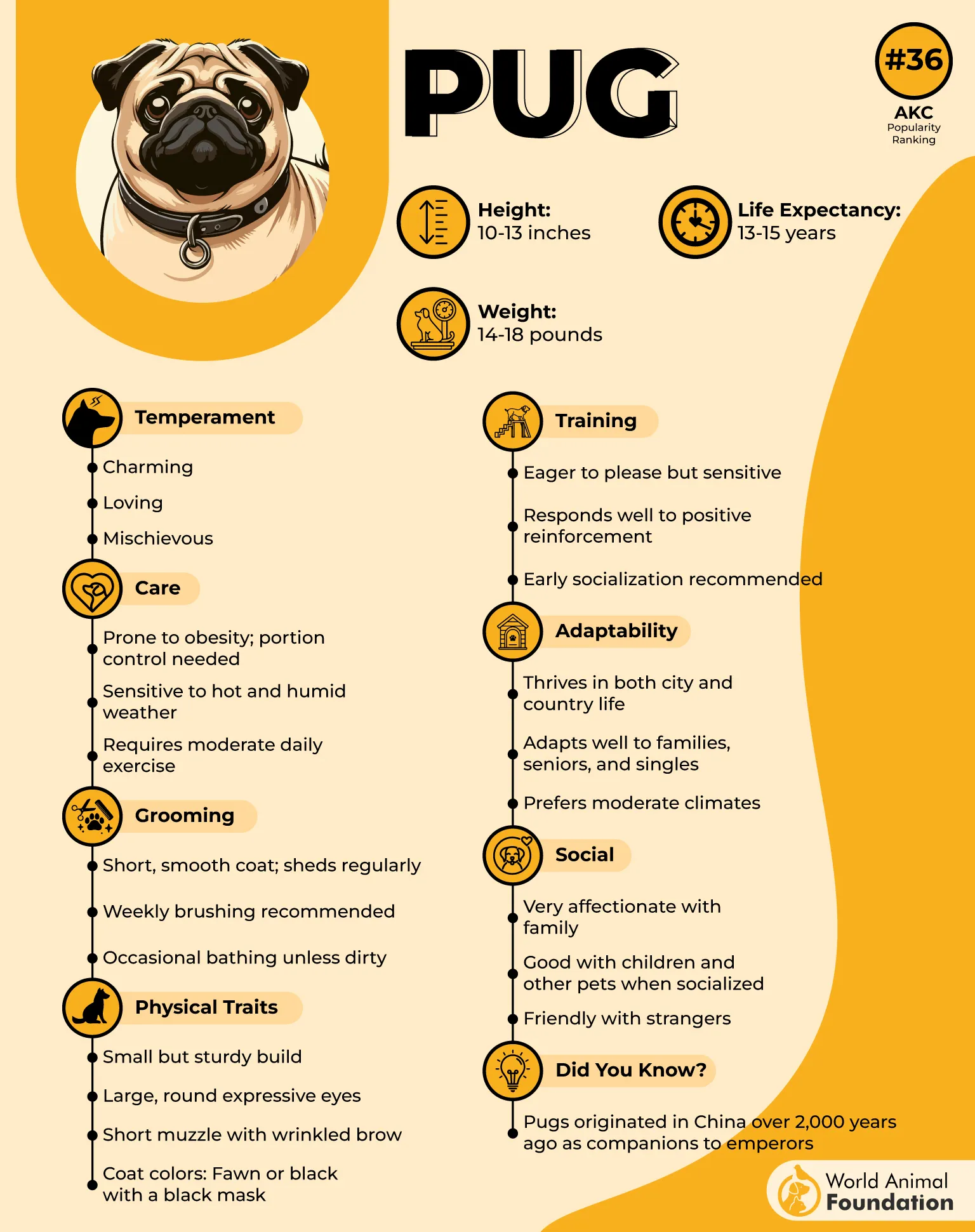
Why Pugs are cat-friendly dog breeds:
Laid back personality
Less power than hunting breeds
Very loving and happy
Adapt well to indoor environments and pets
Choose friends rather than rivals
Cats are not considered rivals by Pugs. Rather, they tend to view them as their co-roommates, particularly when they have grown up together.
These suitable companions love a family life and positive relationships. They can coexist peacefully with large dogs, small dogs, and cats.
4. Cavalier King Charles Spaniel
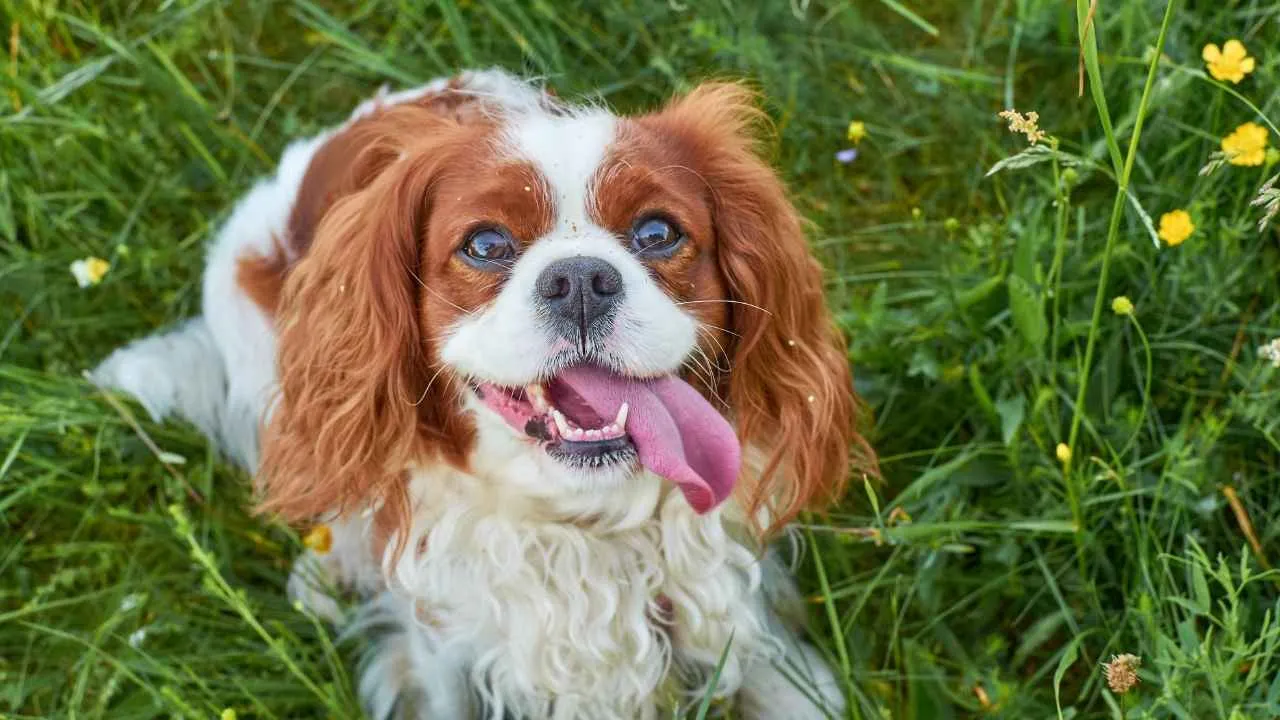
One of the most loving and tender toy breeds is the Cavalier King Charles Spaniel. Being well-known as soft-tempered and possessing the lap-dog tendency, they fit perfectly well in multi-pet households.
These are not the dominant and territorial dogs. They instead are emotionally bonded to their owners and relish peaceful company, which is usually reciprocated with their feline companions at home.
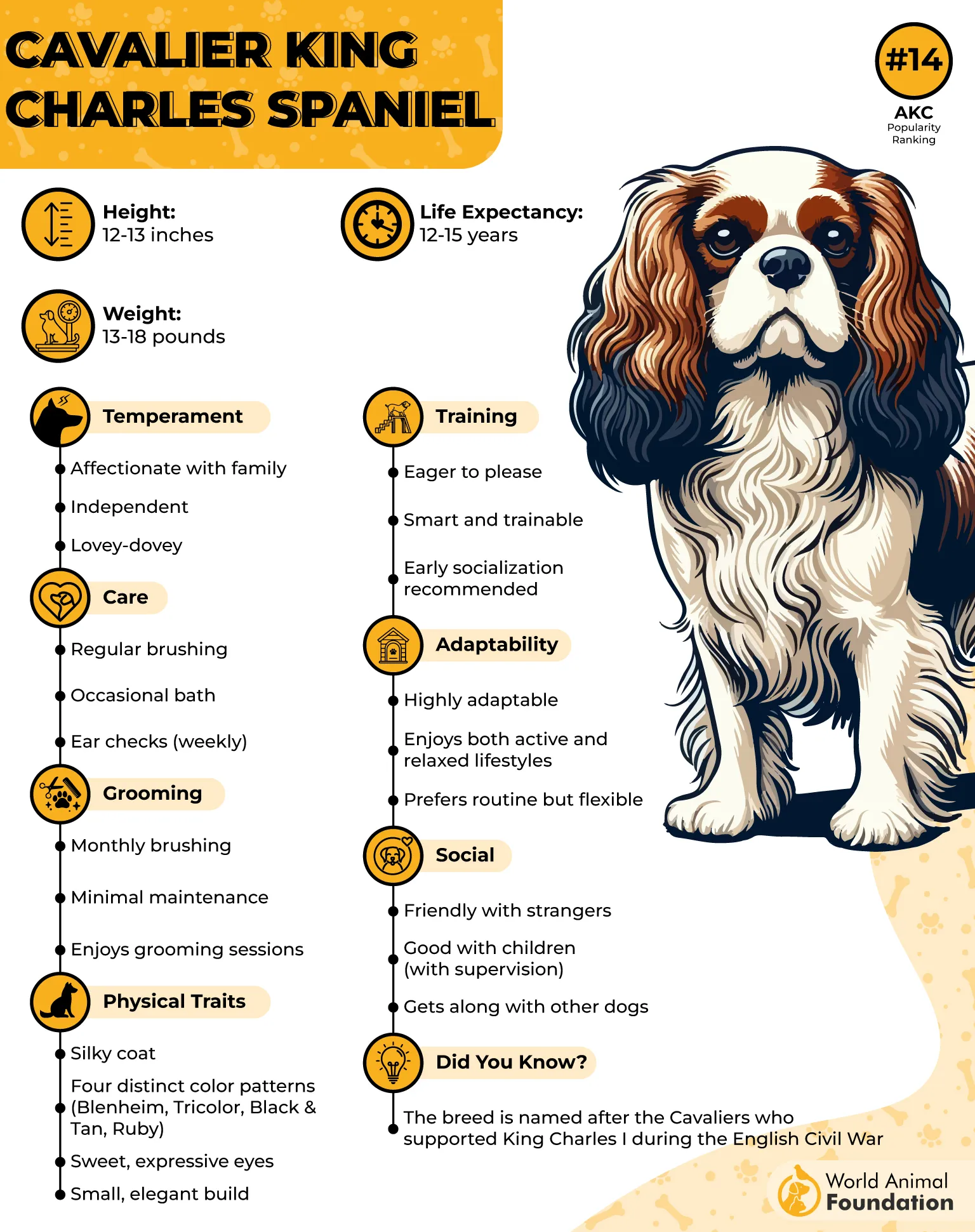
Cat-friendly traits:
Extremely gentle and affectionate
Low prey drive
The small size minimizes intimidation
Calm temperament
Very flexible in common areas
Cavaliers usually form silent friendships with cats, and occasionally even sleep with them or groom in their presence without a fight, according to the American Kennel Club.
Early exposure with family members and certain breeds of cats will make the two species find love for each other in the same household. Pet parents are recommended to study their body language before a thoughtful introduction.
5. Bichon Frise
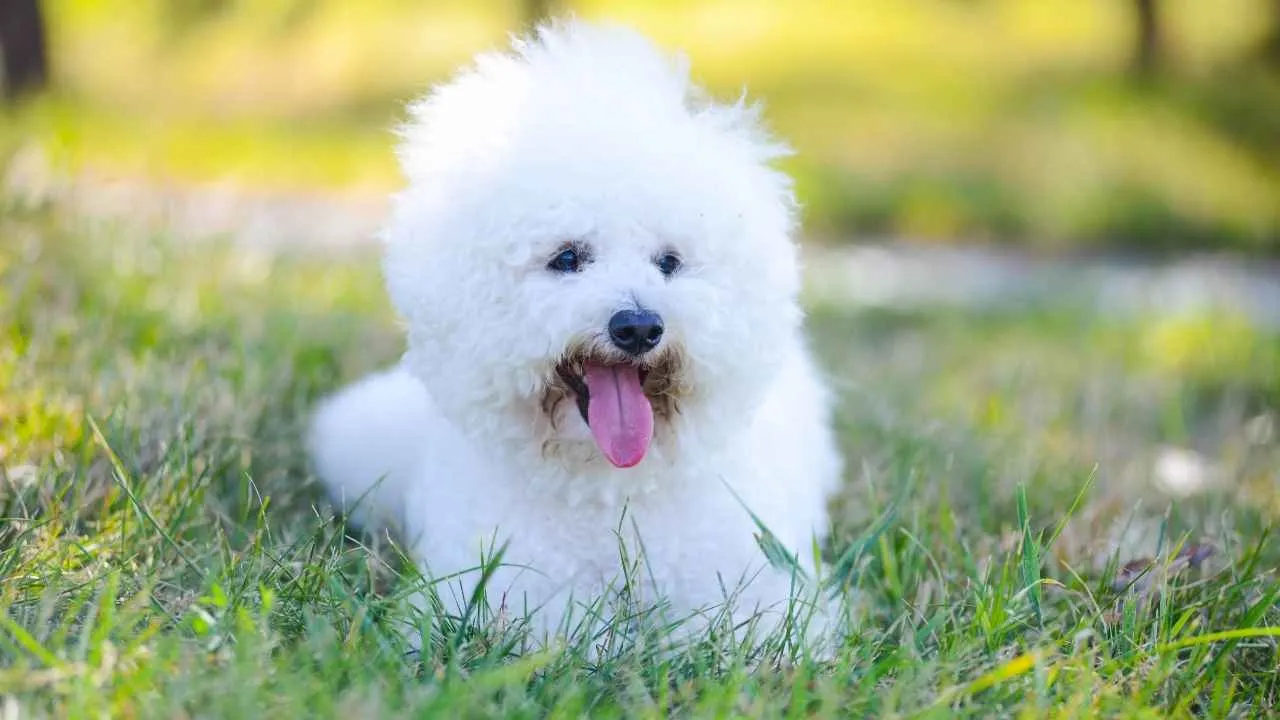
Bichon Frises are jovial, fluffy companion breeds with cheery but gentle temperaments. They are very social animals that love to socialize with other people and pets.
They are non-aggressive and hence one of the safer small breeds to keep in multi-pet households.
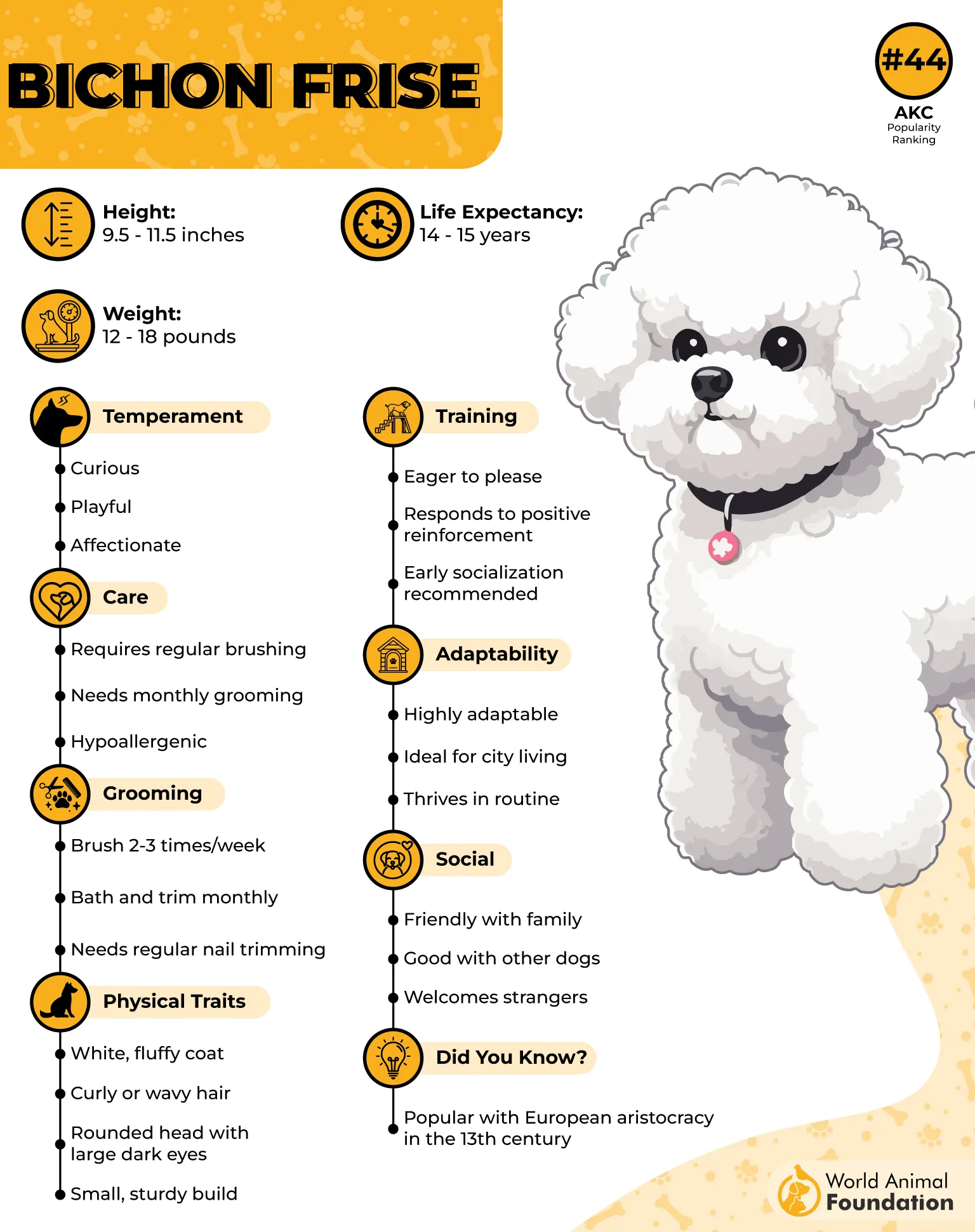
Reason why Bichon gets along with cats:
Outgoing personality and friendly nature
Low aggression levels
Very accommodating to indoor living
Enjoy companionship with other animals
Playful but rough
Bichons, in particular, fit well in homes where cats are already present, as they can easily get used to the environment and reflect upon the energy of the household.
These puppies have a good individual personality and form strong bonds with cats. They don’t mind sharing space with other pets and can live harmoniously.
6. Miniature Poodle
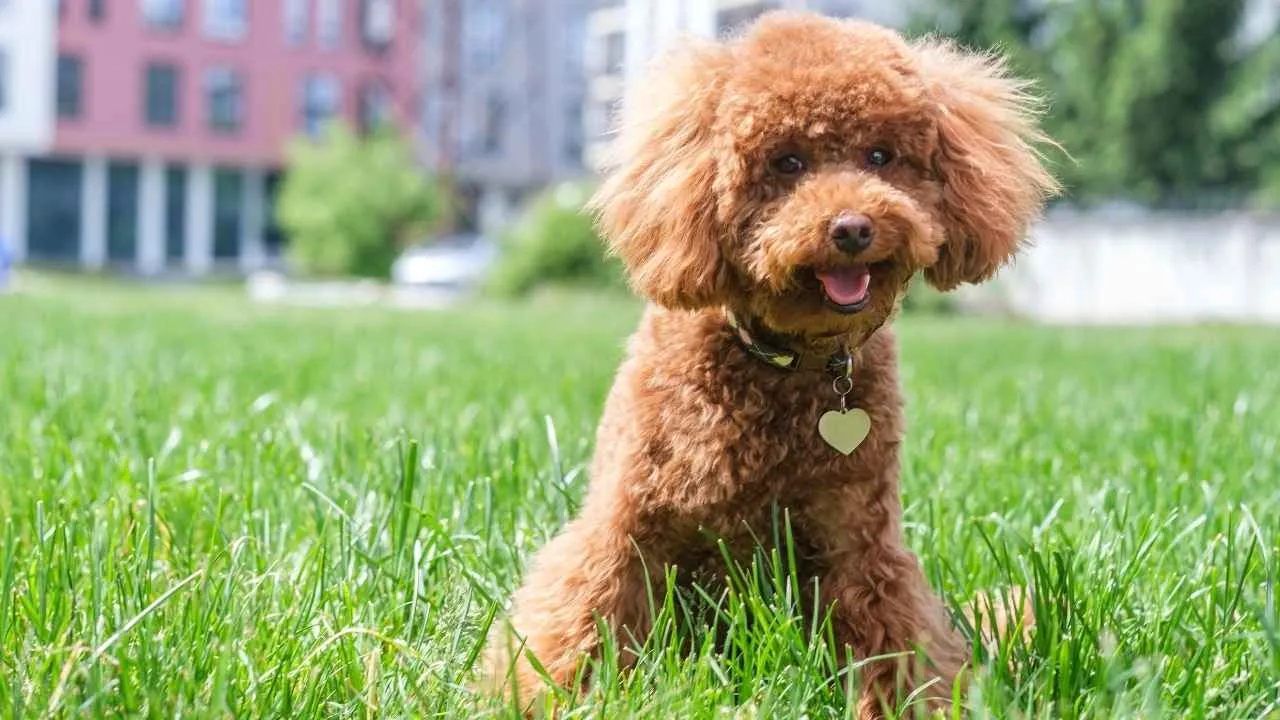
One of the most intelligent dog breeds in the world, Miniature Poodles are very loyal dogs that are always peaceful with their cat friends. They learn very fast, are highly trainable, and emotional.
This implies that they can be taught limits surrounding cats more easily compared to most other breeds.
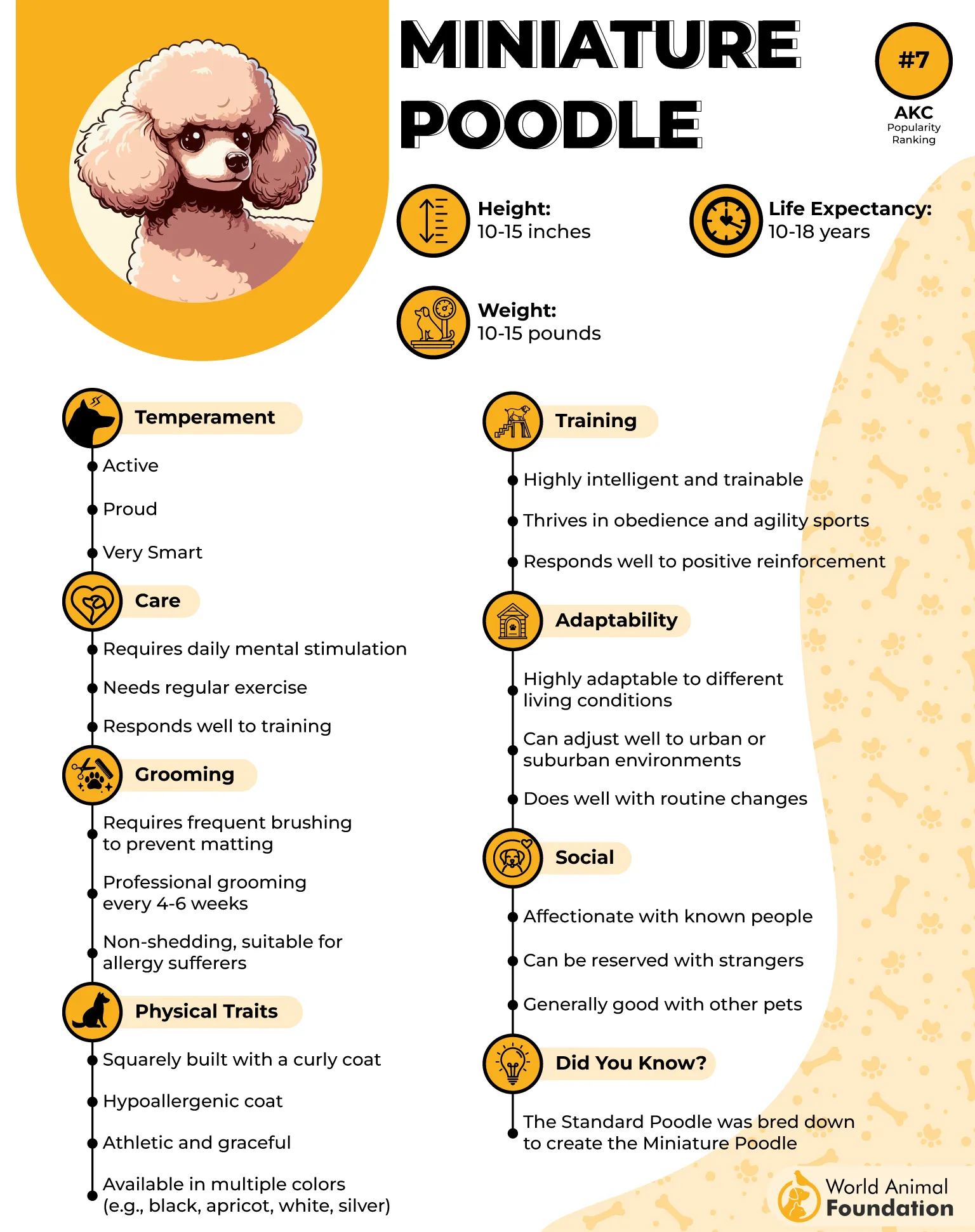
Cat-friendly characteristics:
Intelligent and trainable
Low prey drive
Emotionally sensitive to training
Flexible to various environments
Calm when properly exercised
Miniature Poodles are also less given to acting impulsively, and this minimizes the undesired chasing behavior. They usually develop peaceful and respectful relationships with cats with correct introduction.
7. Beagle

Beagles are a friendly and social breed that is curious and scent-driven, as per Hill’s Pet Nutrition. Though they have hunting backgrounds, Beagles tend to be pack animals, and this contributes to their ability to co-exist with other animals and pets.
They are very naturally sociable to an extent that their instinct to chase is usually overridden when they are brought up in a disciplined setting.

Reason Beagles can coexist with cats:
Very social pack animals
Good-natured and non-violent personality
Disciplined with early training and exposure
Enjoy the companionship of pets and owners
Interested in chasing, but this can be addressed in training
Beagles should be trained because they are curious and, therefore, may at times develop the chasing habit. Nonetheless, regular boundaries tend to lead to harmonious coexistence with cats.
Conclusion
One of the most significant steps to create a multi-pet family is to select the correct dog breed. Although all dogs possess personalities, some breeds are inherently more predisposed to be calm, friendly, and adaptive.
The Golden Retriever, Labrador Retriever, Cavalier King Charles Spaniel, Pug, Bichon Frise, Miniature Poodle, and Beagle are known to be able to bond with cats and have long-term harmony in the household.
Nevertheless, breed alone is not sufficient. Effective cat-dog relationships require early socialization, behavioral introductions, training, and patience. Cats and dogs are lifelong companions when properly managed because they not only coexist, but they also play with each other, sleep together and grow up together in the same place.
